|
An
enormous, sincere thank you to our phenomenal
Patreon
supporters! Your unshakable dedication is the bedrock that keeps DVDBeaver
going - we’d be lost without you. Did you know? Our patrons include a
director, writer, editor, and producer with honors like Academy Awards for
Best Picture and Best Director, a Pulitzer Prize-winning screenwriter, and a
Golden Globe-winning filmmaker, to name a few! Sadly, DVDBeaver has reached a breaking point where our existence hangs in the balance. We’re now reaching out to YOU with a plea for help. Please consider pitching in just a few dollars a month - think of it as the price of a coffee or some spare change - to keep us bringing you in-depth reviews, current calendar updates, and detailed comparisons. I’m am indebted to your generosity!
|






|
Search DVDBeaver |
S E A R C H D V D B e a v e r |

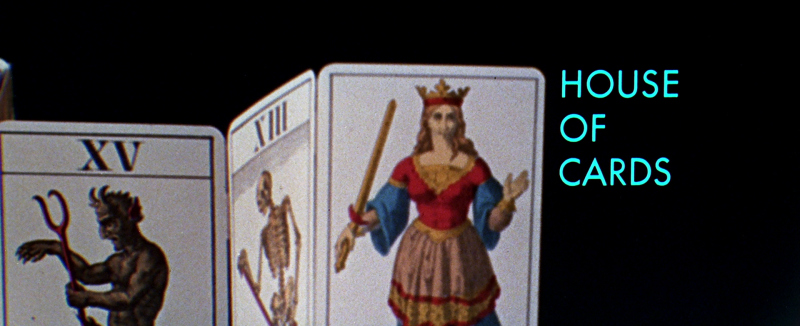
Directed by John Guillermin
USA 1968
|
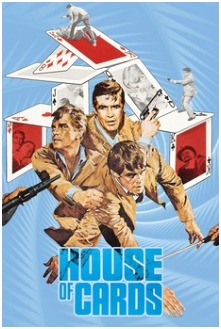
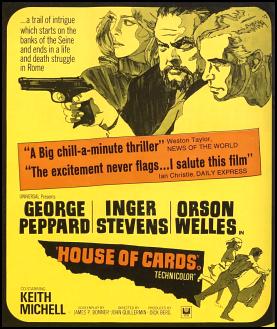
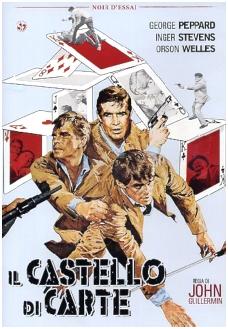
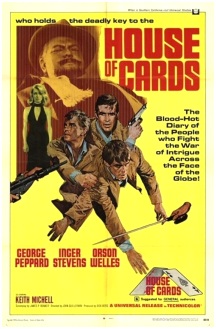
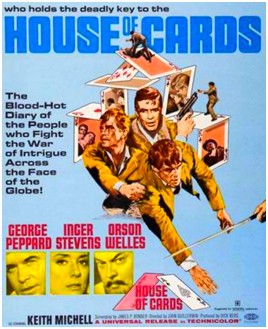
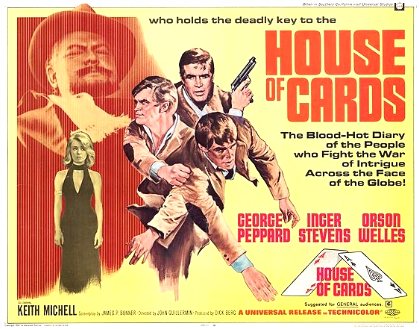
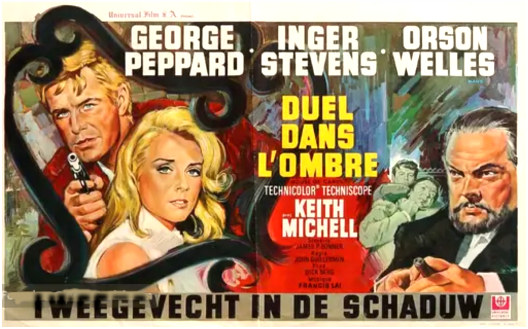
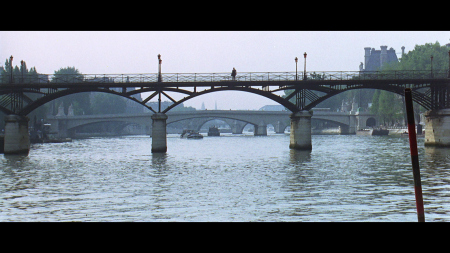
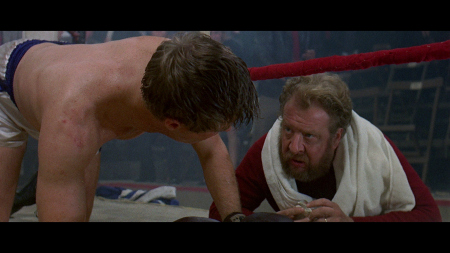
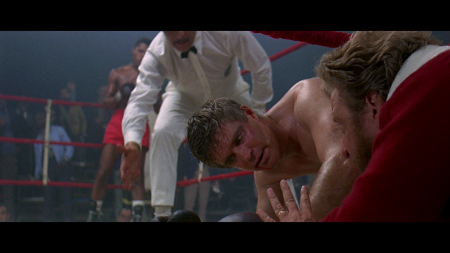
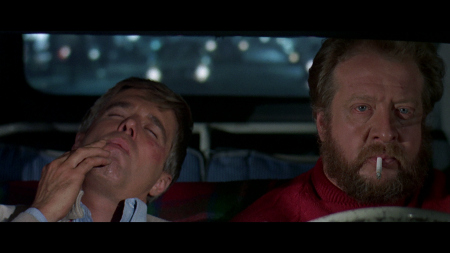
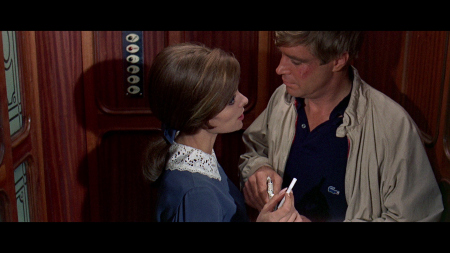
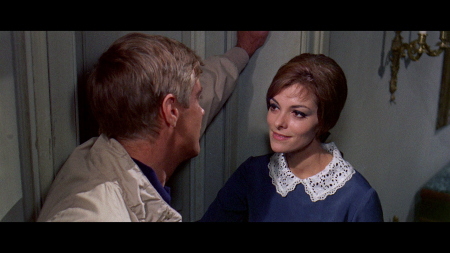
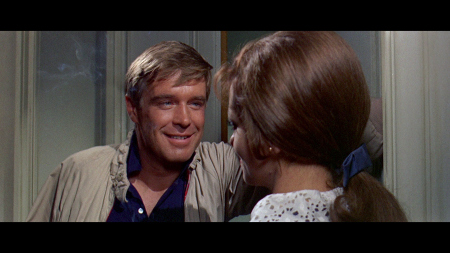
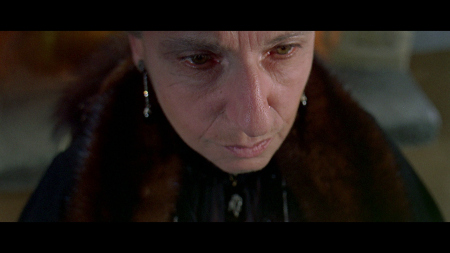
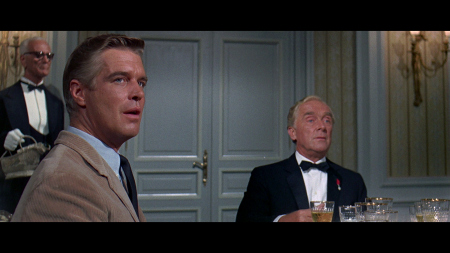
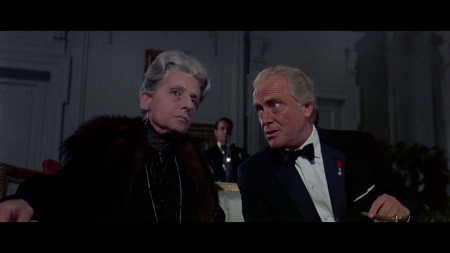
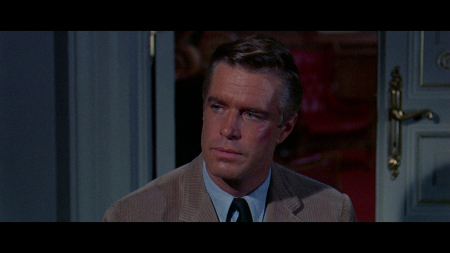
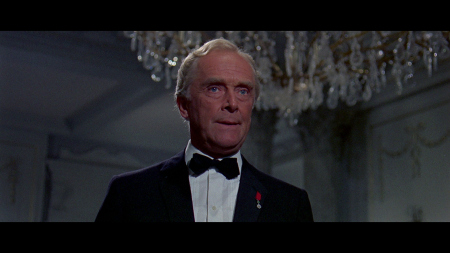
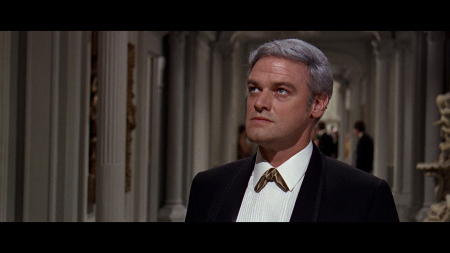
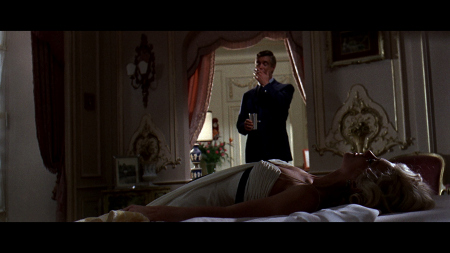
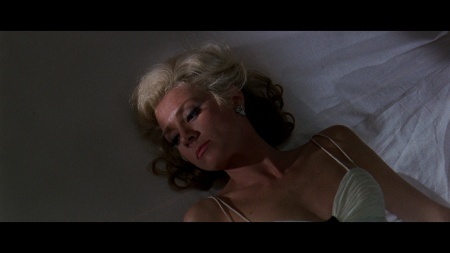
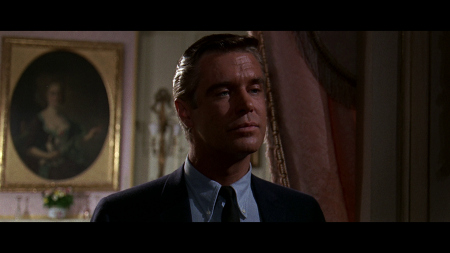
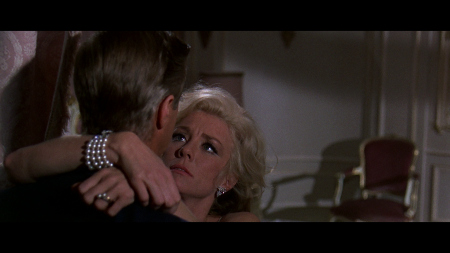
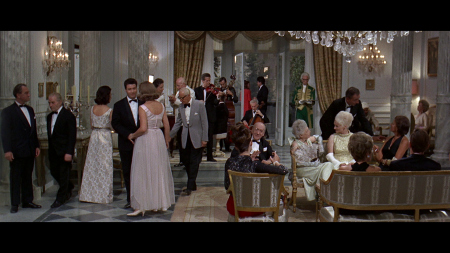
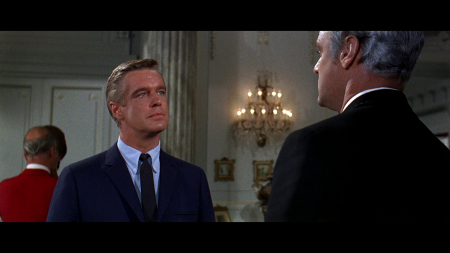
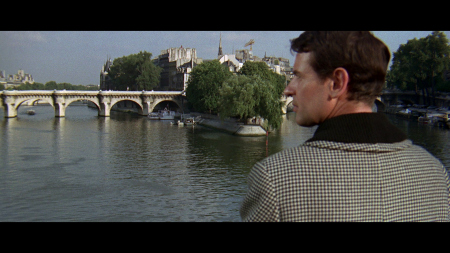
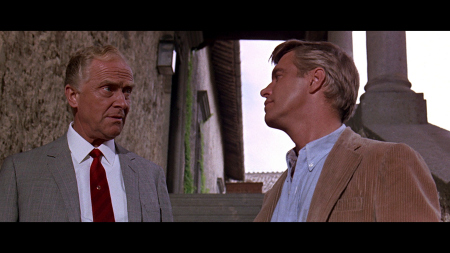
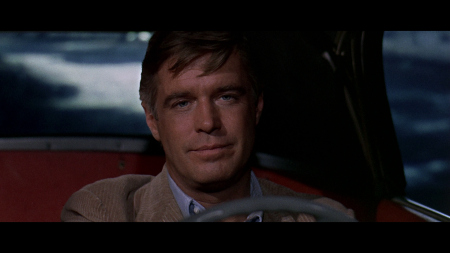
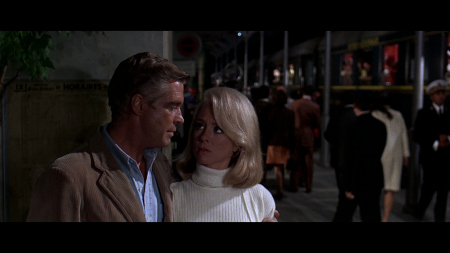
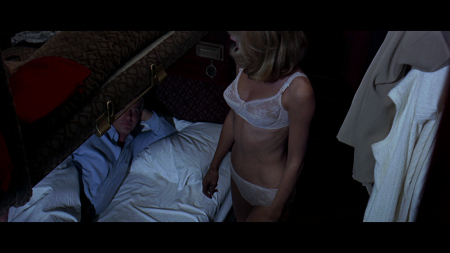
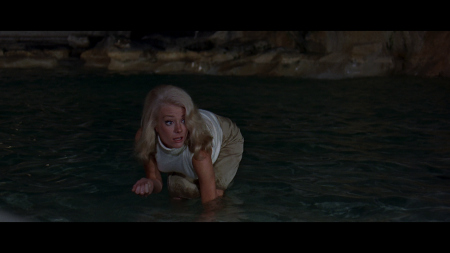
Witness the intrigue and suspense behind every door, every window, and every move of every player in the House of Cards! Reno Davis (George Peppard, Newman’s Law), an American boxer in Paris, stumbles upon an international conspiracy when hired by the mysterious widow Anne de Villemont (Inger Stevens, Madigan) to look after her eight-year-old son. All roads lead to Rome and a showdown with devilish arch-conspirator Leschenhaut (Orson Welles, Touch of Evil). Sumptuous Technicolor cinematography and music by Francis Lai (Love Story) highlight this gripping Hitchcockian tale from John Guillermin, director of Peppard gems P.J. and The Blue Max. *** John Guillermin's House of Cards (1968) is a glossy, globe-trotting neo-noir thriller that follows down-on-his-luck American ex-boxer Reno Davis (George Peppard), who drifts into 1960s Paris and becomes entangled with a wealthy, enigmatic widow (Inger Stevens) and her young son. What begins as a seemingly straightforward job quickly unravels into a dangerous web of international conspiracy when Reno discovers a shadowy fascist organization plotting to reshape the world order, with the formidable Orson Welles lending gravitas to the proceedings. Filmed with stylish flair across France and Italy, the film showcases Guillermin's knack for suspenseful pacing and cosmopolitan intrigue, blending elements of political thriller and crime drama in a solid if somewhat pulpy package that marked the third collaboration between the director and Peppard after P.J. and The Blue Max. |
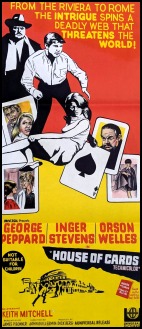
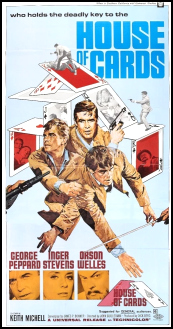
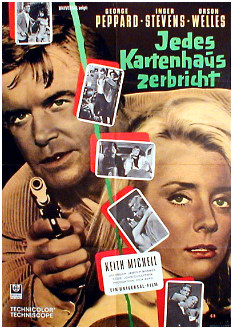
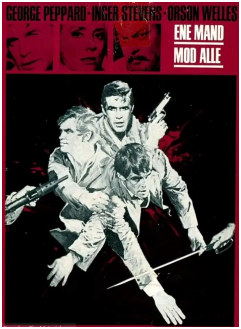
Posters
 |
 |
 |
 |
 |
 |
 |
 |
 |
 |
 |
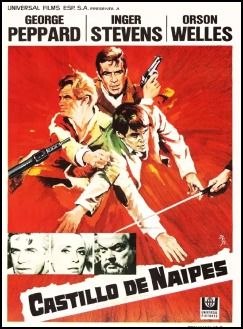 |
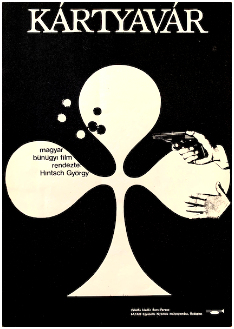 |
Theatrical Release: September 20th, 1968

Review: Kino - Region 'A' - Blu-ray
| Box Cover |
|
CLICK to order from:
BONUS CAPTURES:
|
| Distribution | Kino - Region 'A' - Blu-ray | |
| Runtime | 1:45:16.143 | |
| Video |
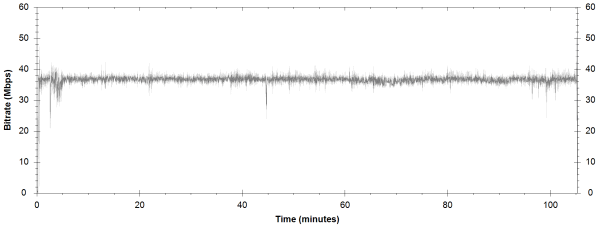
2.35:1 1080P Dual-layered Blu-ray Disc Size: 35,324,929,877 bytes Feature: 31,878,826,560 bytes Video Bitrate: 36.56 MbpsCodec: MPEG-4 AVC Video |
|
|
NOTE: The Vertical axis represents the bits transferred per second. The Horizontal is the time in minutes. |
||
| Bitrate Blu-ray: |
|
|
| Audio |
DTS-HD Master
Audio English 1557 kbps 2.0 / 48 kHz / 1557 kbps / 24-bit (DTS Core: 2.0 /
48 kHz / 1509 kbps / 24-bit) Dolby Digital Audio English 192 kbps 2.0 / 48 kHz / 192 kbps / DN -31dB |
|
| Subtitles | English (SDH), None | |
| Features |
Release Information: Studio: Kino
2.35:1 1080P Dual-layered Blu-ray Disc Size: 35,324,929,877 bytesFeature: 31,878,826,560 bytes Video Bitrate: 36.56 MbpsCodec: MPEG-4 AVC Video
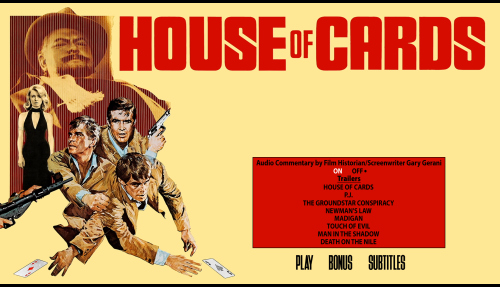
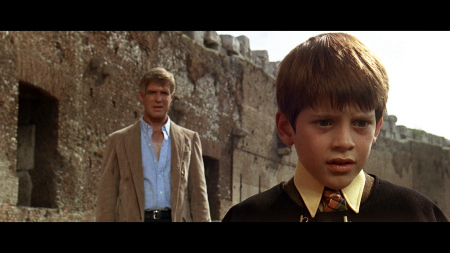
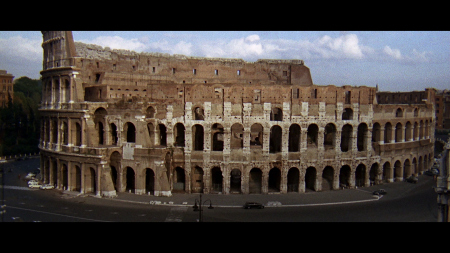
Edition Details: • NEW Audio Commentary by Film Historian/Screenwriter Gary Gerani • Theatrical Trailer (2:06 in SD) and trailers for P.J., The Groundstar Conspiracy, Newman’s Law, Madigan, Touch Of Evil, Man In The Shadow and Death On The Nile
Standard Blu-ray Case inside slipcase Chapters 9 |
|
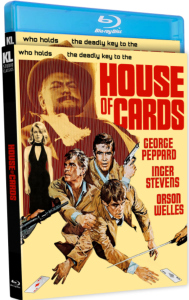



| Comments: |
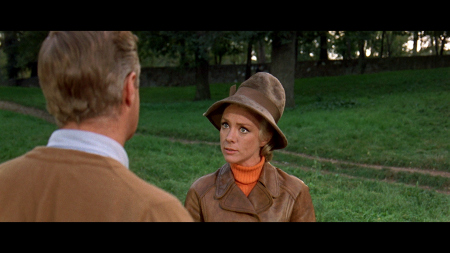
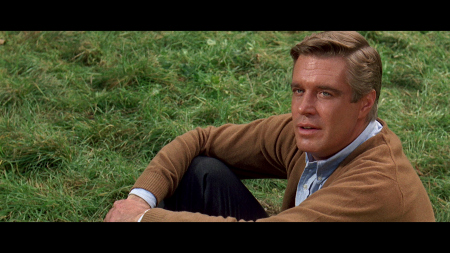
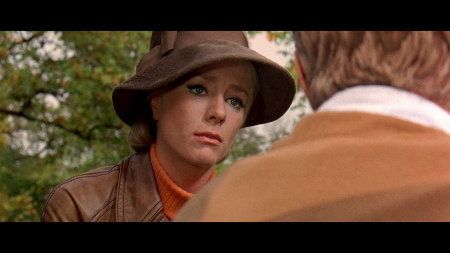
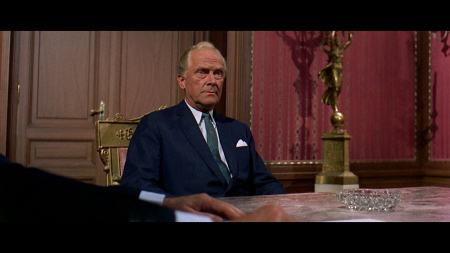
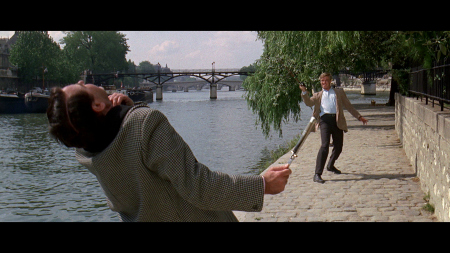
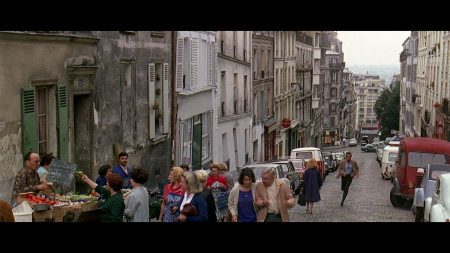
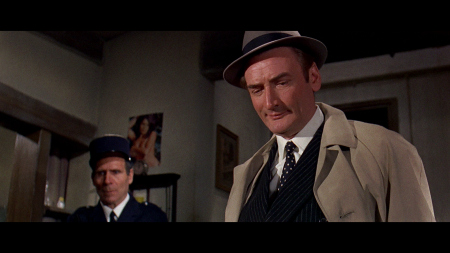
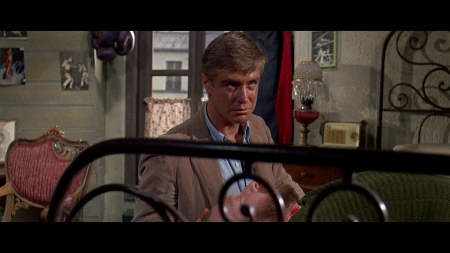
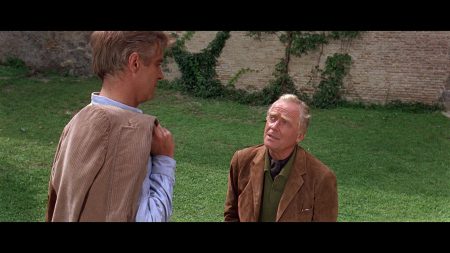
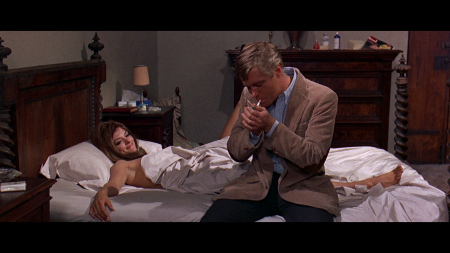
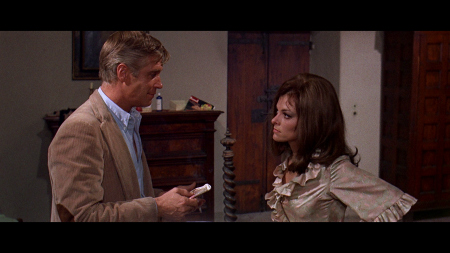
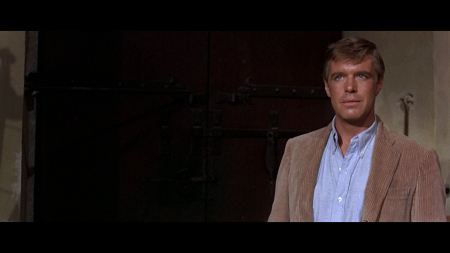
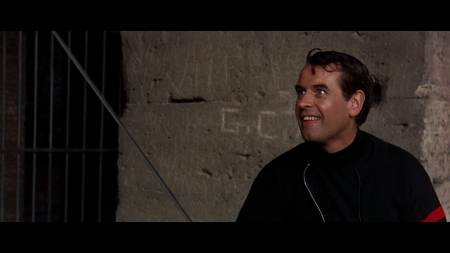
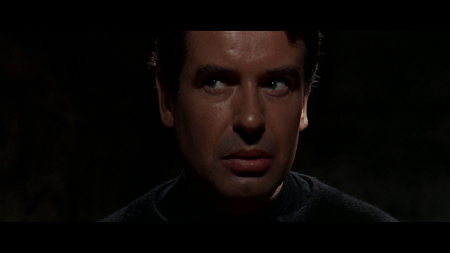
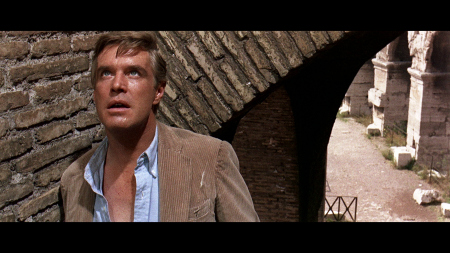
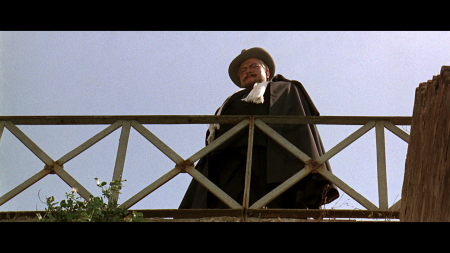
NOTE:
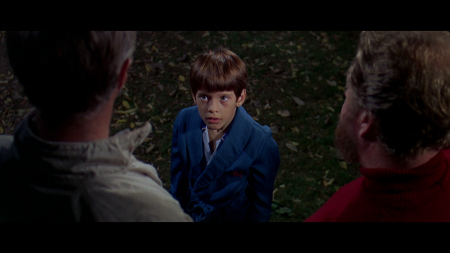
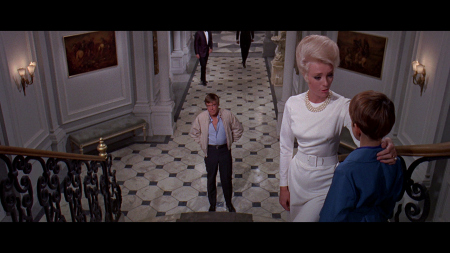
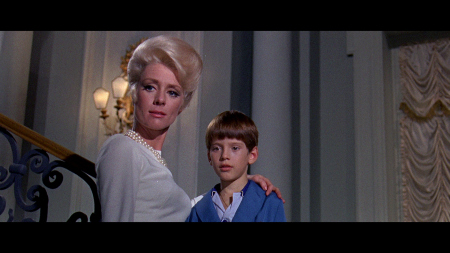
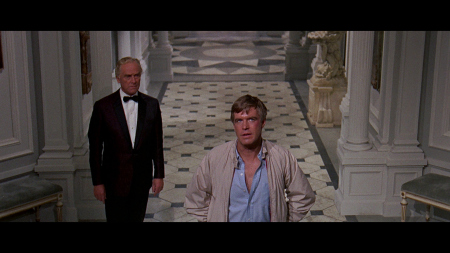
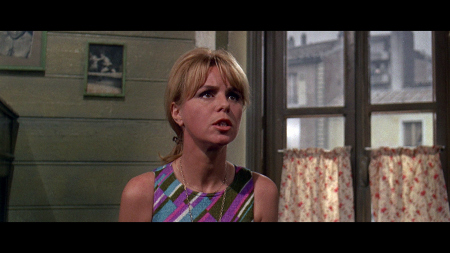
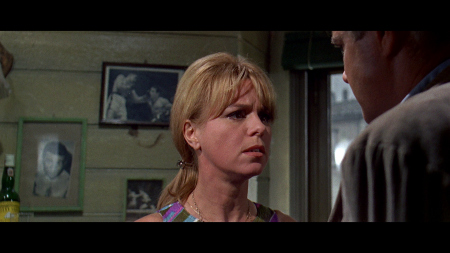
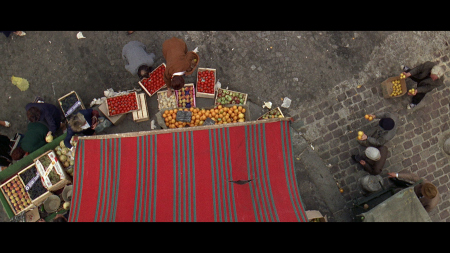
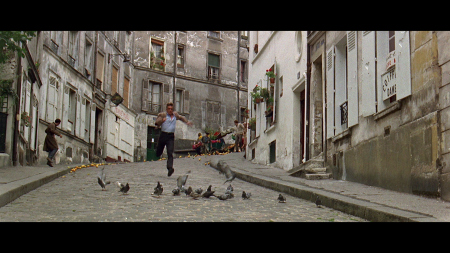
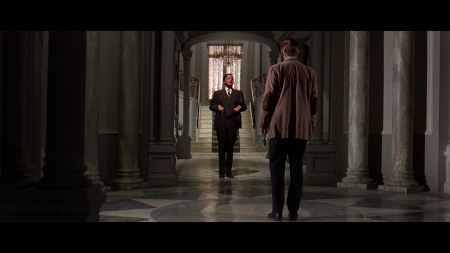
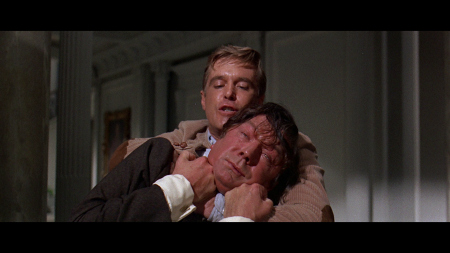
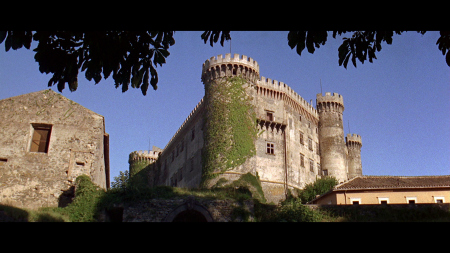
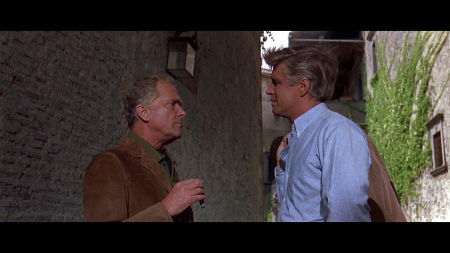
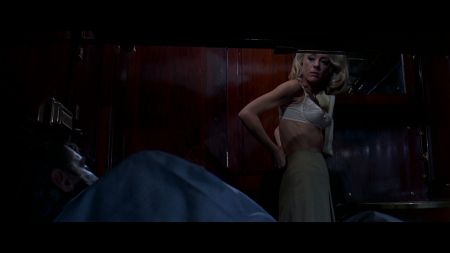
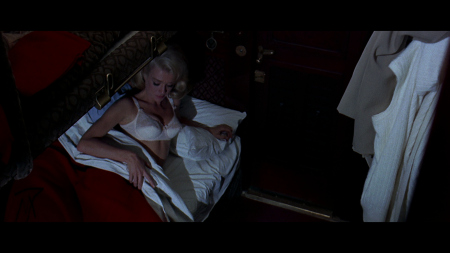
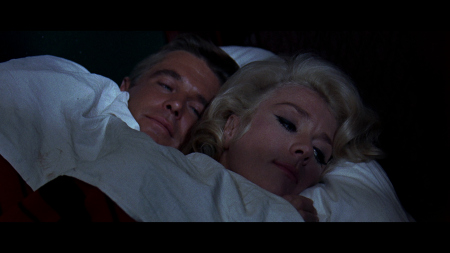
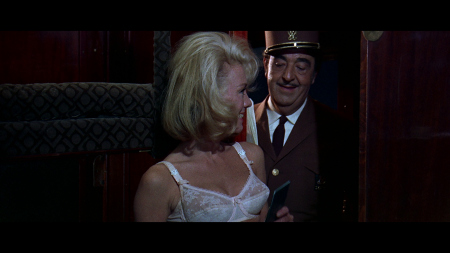
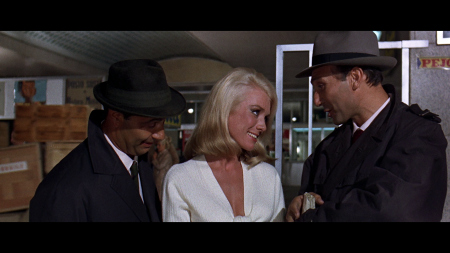
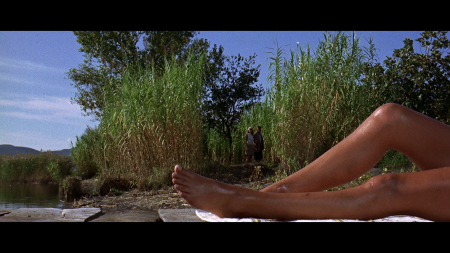
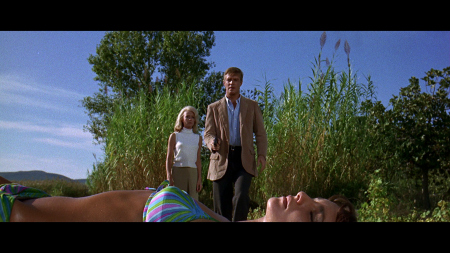
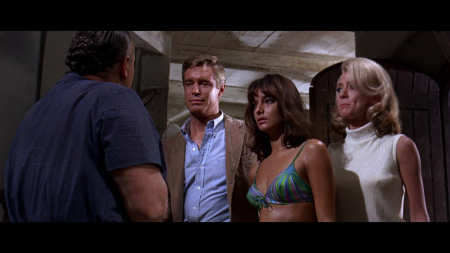
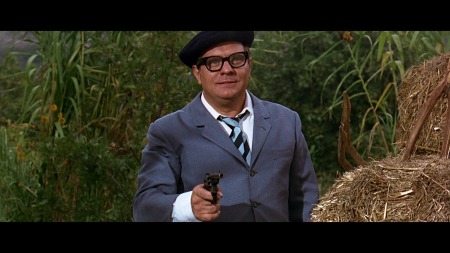
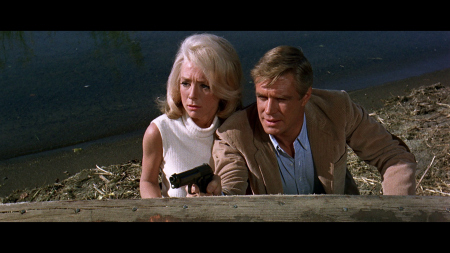
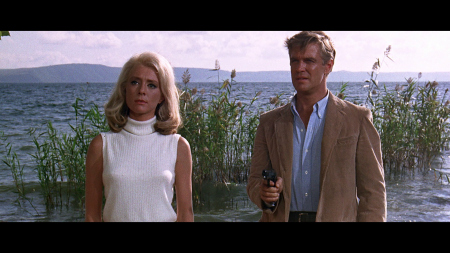
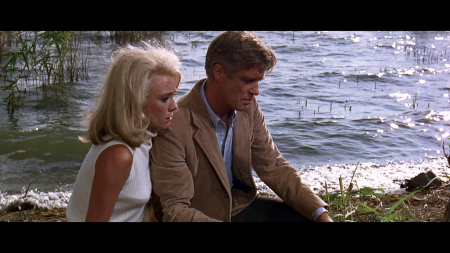
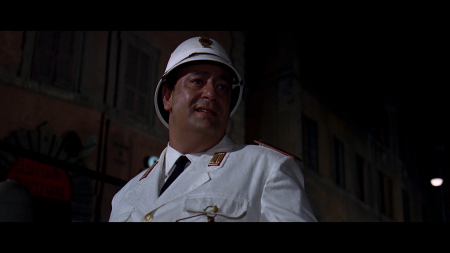
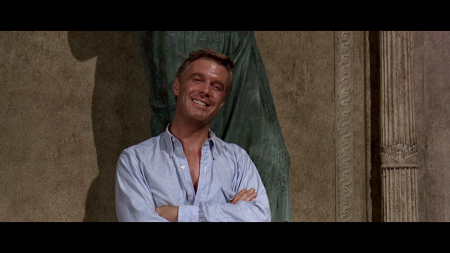
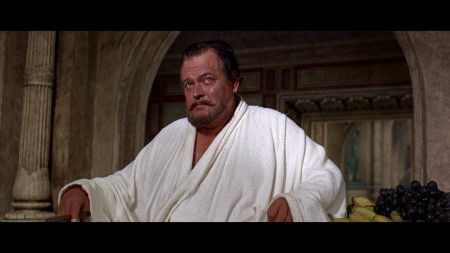
The below
Blu-ray
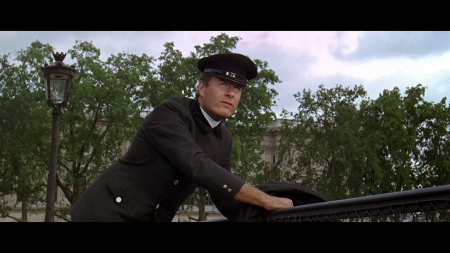
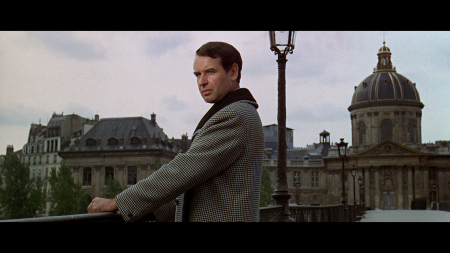
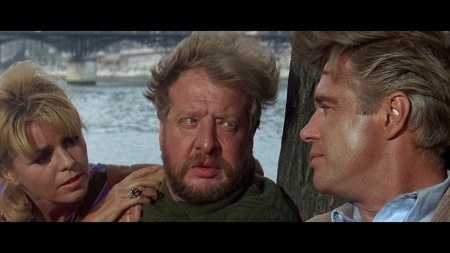
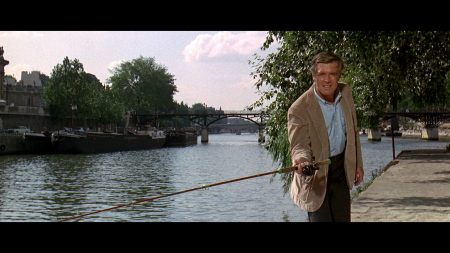
captures were taken directly from the
Blu-ray
disc.
NOTE: We have added 88 more large
resolution Blu-ray captures (in lossless
PNG format) for DVDBeaver Patrons
HERE
On their
Blu-ray,
Kino use a DTS-HD Master dual-mono track (24-bit) in the original
English language (some French / Italian.)
The Kino
Blu-ray
offers a new audio commentary by film historian and screenwriter Gary
Gerani (Fantastic
Television,) who provides an enthusiastic, detail-oriented track
covering production history, Guillermin’s direction, the careers of
Peppard and Stevens, Orson Welles’ brief but memorable role, and the
film’s political subtext. Gerani balances factual information with
appreciative analysis, making a strong case for this underseen thriller.
Also included is the original theatrical trailer (in standard
definition) along with a gallery of additional trailers for other
Guillermin/Peppard-related or Universal thrillers of the era:
P.J.,
The Groundstar Conspiracy,
Newman’s Law,
Madigan,
Touch of Evil,
Man in the Shadow, and
Death on the Nile. Optional English SDH subtitles are provided
for the main feature.
John Guillermin's House of Cards
is a sleek, globe-trotting neo-noir political thriller that blends
Hitchcockian suspense, post-war paranoia, and glossy 1960s
cosmopolitanism into a surprisingly prescient - if occasionally uneven -
tale of international fascism reborn. Adapted (somewhat freely) from
Stanley Ellin’s 1967
novel of the same name by screenwriters Irving Ravetch and
Harriet Frank Jr. (Hombre,
The Long, Hot Summer,
Hud, The
Sound and the Fury,
Conrack,
The Carey Treatment,
The Cowboys,) - working under the pseudonym James P. Bonner -
the film stars George Peppard (The
Blue Max,
P.J.,
The Groundstar Conspiracy,
Newman’s Law,
The Carpetbaggers,
Breakfast at Tiffany’s,
Rough Night in Jericho,
Damnation Alley,
The Strange One,
Pork Chop Hill,
Home from the Hill,) as Reno Davis, a washed-up American boxer
and would-be writer drifting through Paris. Hired by the elegant,
fragile widow Anne de Villemont (Inger Stevens -
Cry Terror!,
The World, The Flesh and The Devil,
Madigan,
The Buccaneer,
5 Card Stud,
The Farmer’s Daughter,) to tutor - and secretly bodyguard - her
young son Paul (Barnaby Shaw -
Vampire Circus,) Reno soon finds himself entangled in a web of
aristocratic intrigue. Orson Welles (F
for Fake,
The Immortal Story,
Chimes at Midnight,
The Trial,
The Third Man,
The Lady from Shanghai,
The Stranger,
Journey Into Fear,
The Magnificent Ambersons,
Citizen Kane,) in a relatively brief but memorable turn,
underplays Leschenhaut with sinister charm and walnut-crushing menace,
his presence adding instant gravitas and a hint of campy perversity (the
character’s coded gay undertones feel deliberate). Thematically,
House of Cards feels eerily relevant even today. Released in the
turbulent year of 1968 - amid global student revolts, the Prague Spring,
and lingering Cold War anxieties - it taps into fears of resurgent
authoritarianism rooted in colonial resentment and elite entitlement.
The conspirators are not cartoonish Nazis but polished, wealthy
Europeans who view democracy as a temporary inconvenience; their “New
World Order” rhetoric echoes both historical fascist remnants and
contemporary populist movements. Critically, House of Cards has
always hovered in the “solid but unexceptional” zone but its blend of
pulp energy, political subtext, and technical polish makes it more than
a footnote in Guillermin’s career (Guns
at Batasi,
The Bridge at Remagen,
Rapture,
The Whole Truth,
Town on Trial,
Never Let Go,
Skyjacked,
King Kong (1976),
Death on the Nile,
The Towering Inferno.) In an era of increasingly cynical
conspiracy thrillers, House of Cards stands as an entertaining
reminder that the house of cards built by the powerful is always one
well-placed punch - or revelation - from collapsing. For fans of stylish
1960s Euro-thrillers, it remains a breezy, intelligent diversion that
rewards a fresh look. |


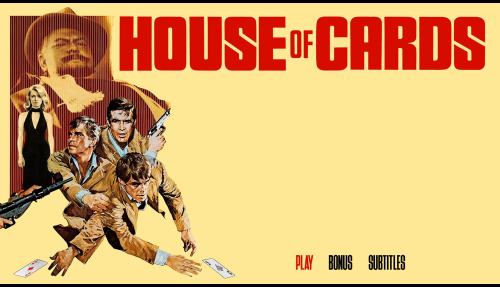
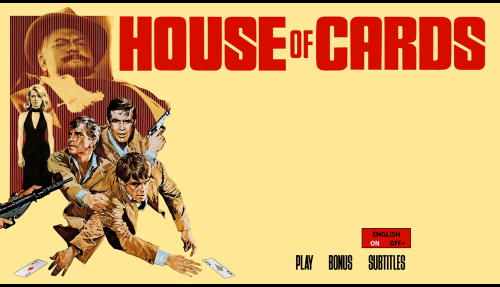
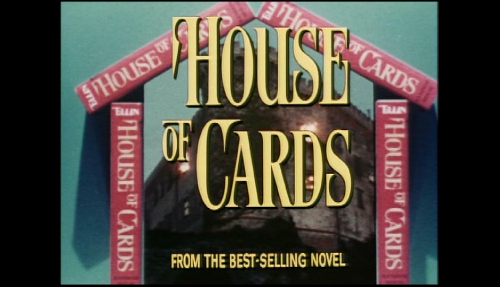
Menus / Extras
 |
 |
 |
 |

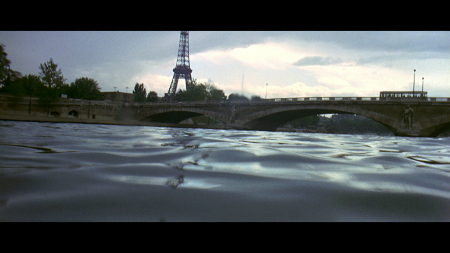
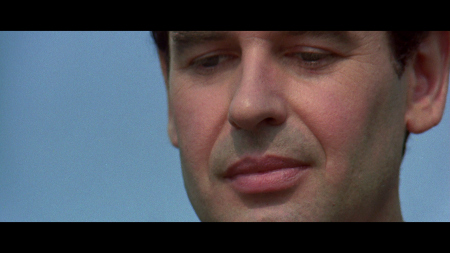
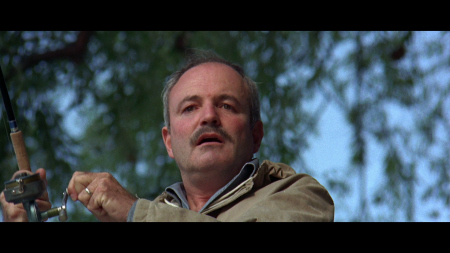
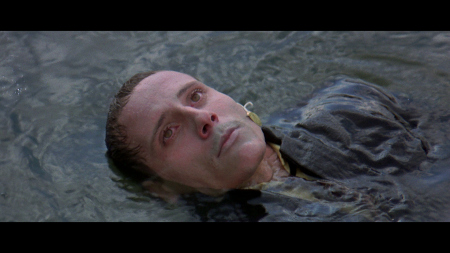
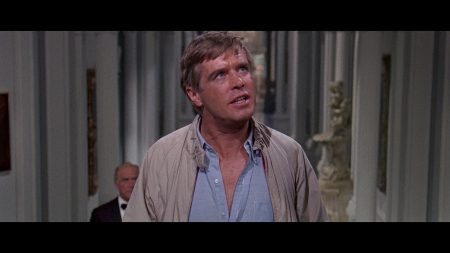
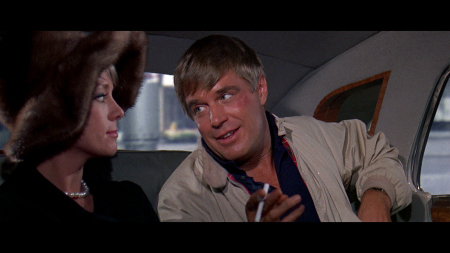
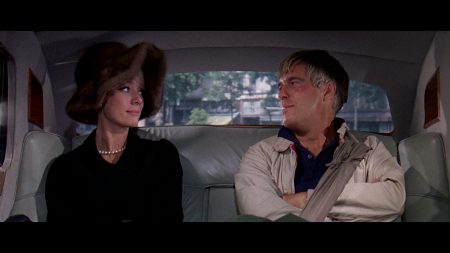
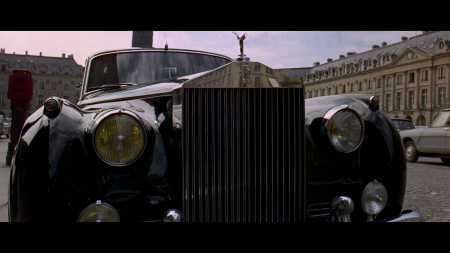
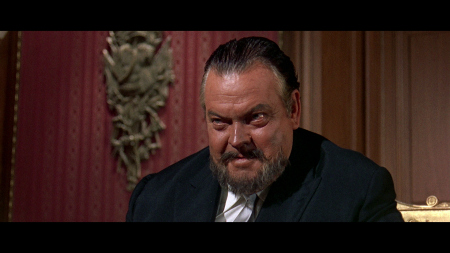
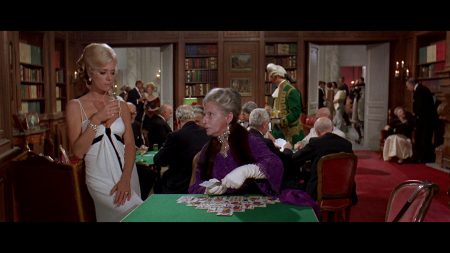
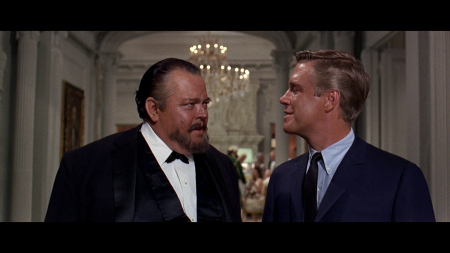
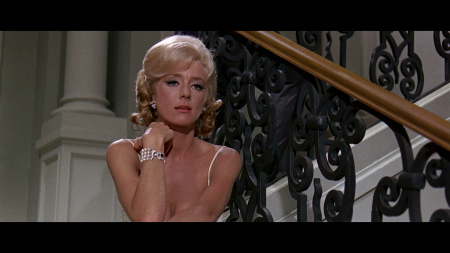
CLICK EACH BLU-RAY CAPTURE TO SEE ALL IMAGES IN FULL 1920X1080 RESOLUTION
 |
 |
 |
 |
 |
 |
 |
 |
 |
 |
 |
More full resolution (1920 X 1080) Blu-ray Captures for DVDBeaver Patreon Supporters HERE
 |
 |
 |
 |
 |
 |
 |
 |
 |
 |
 |
 |
 |
 |
 |
 |
 |
 |
 |
 |
 |
 |
 |
 |
 |
 |
 |
 |
 |
 |
 |
 |
 |
 |
 |
 |
 |
 |
 |
 |
 |
 |
 |
 |
 |
 |
 |
 |
 |
 |
 |
 |
 |
 |
 |
 |
 |
 |
 |
 |
 |
 |
 |
 |
 |
 |
 |
 |
 |
 |
 |
 |
 |
 |
 |
 |
 |
 |
 |
 |
 |
 |
 |
 |
 |
 |
 |
 |
| Box Cover |
|
CLICK to order from:
BONUS CAPTURES:
|
| Distribution | Kino - Region 'A' - Blu-ray | |
|
Search DVDBeaver |
S E A R C H D V D B e a v e r |

























CLICK PayPal logo to donate!
|
Gary Tooze
|
|
Thank You!
