|
An
enormous, sincere thank you to our phenomenal
Patreon
supporters! Your unshakable dedication is the bedrock that keeps DVDBeaver
going - we’d be lost without you. Did you know? Our patrons include a
director, writer, editor, and producer with honors like Academy Awards for
Best Picture and Best Director, a Pulitzer Prize-winning screenwriter, and a
Golden Globe-winning filmmaker, to name a few! Sadly, DVDBeaver has reached a breaking point where our existence hangs in the balance. We’re now reaching out to YOU with a plea for help. Please consider pitching in just a few dollars a month - think of it as the price of a coffee or some spare change - to keep us bringing you in-depth reviews, current calendar updates, and detailed comparisons. I’m am indebted to your generosity!
|






|
Search DVDBeaver |
S E A R C H D V D B e a v e r |

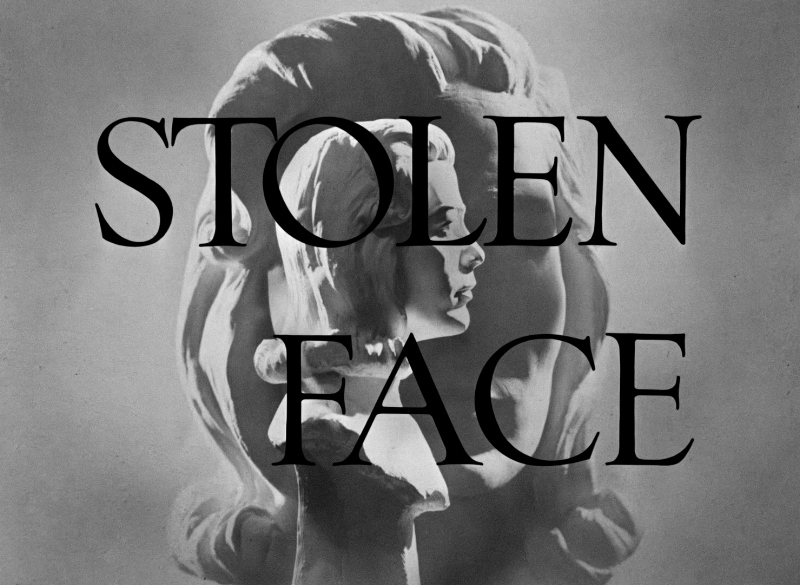
(aka 'A Stolen Face')
Directed by Terence Fisher
UK /USA 1952
|
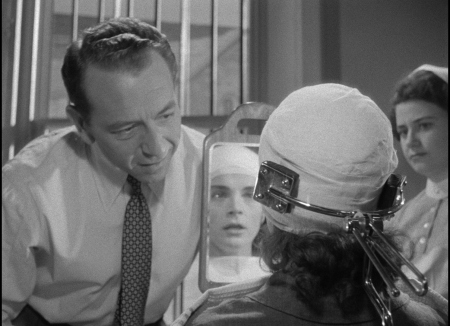
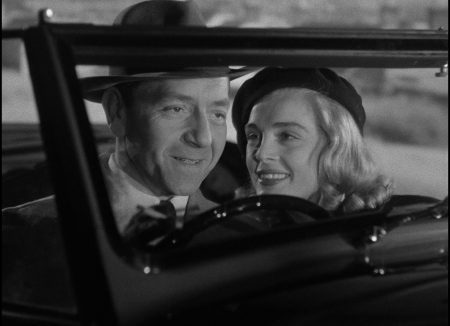
Philip Ritter, a philanthropic plastic surgeon, is jilted by Alice, a beautiful
concert pianist, after a whirlwind romance. In desperation, he remakes
disfigured criminal Lily in Alice's image, but learns to his very real cost that
beauty is only skin deep. Co-starring Paul Henreid and André Morell in his first
Hammer appearance, Stolen Face has been painstakingly restored by Hammer
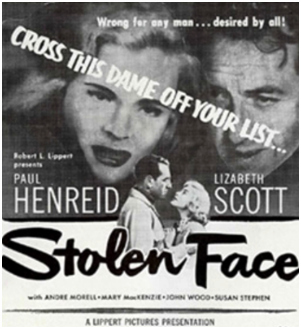
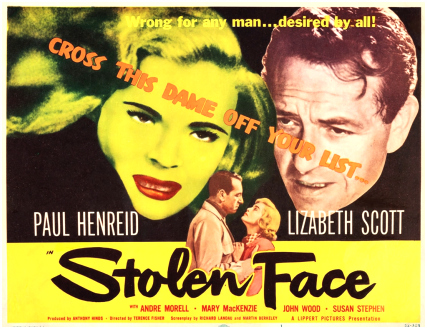
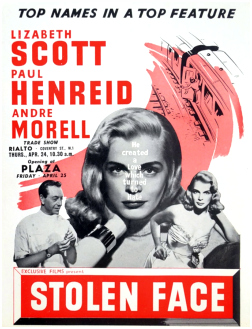
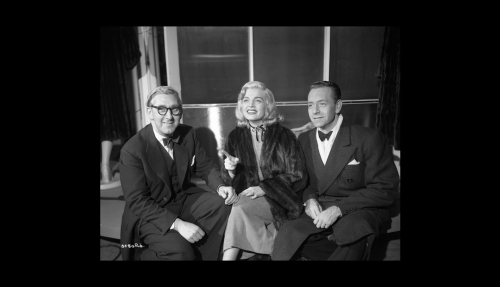
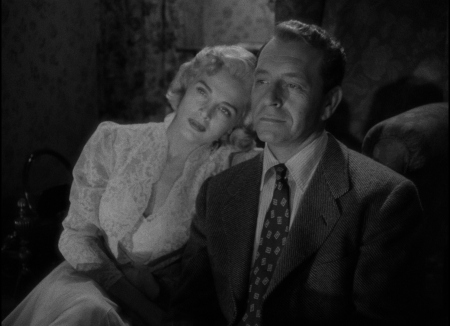
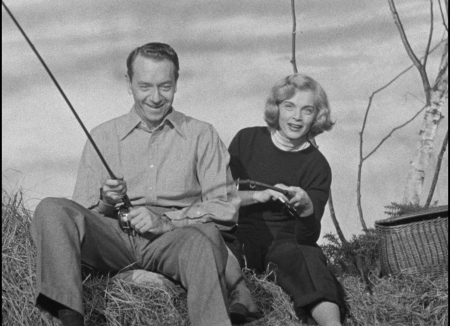
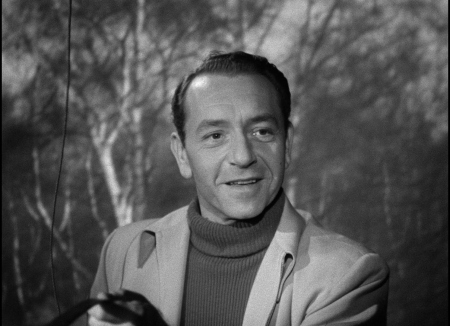
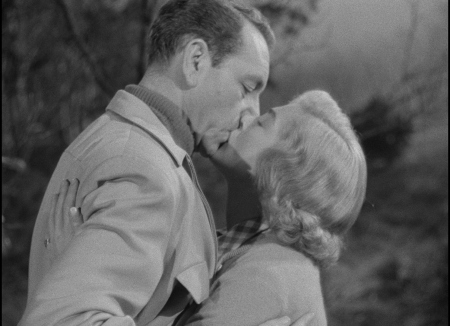
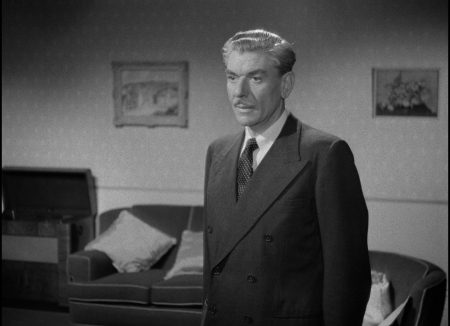
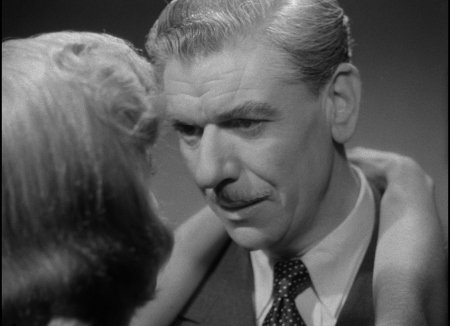
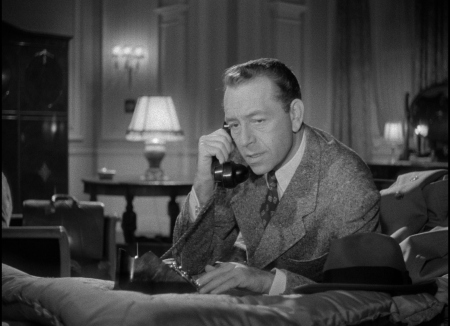
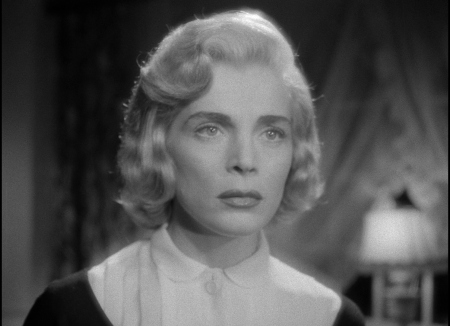
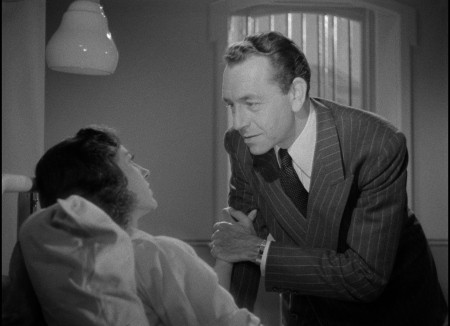
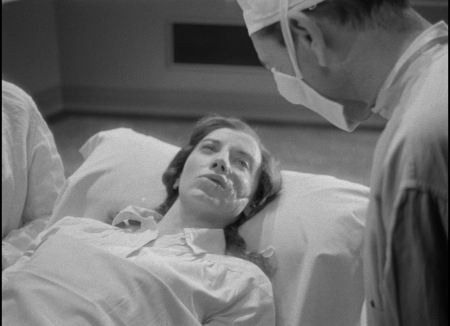
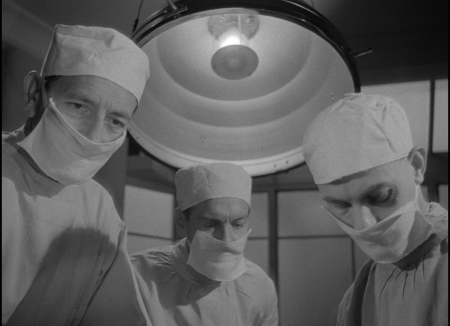
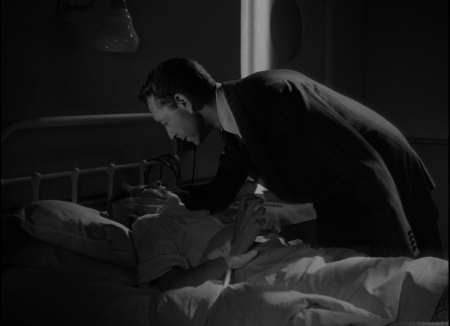
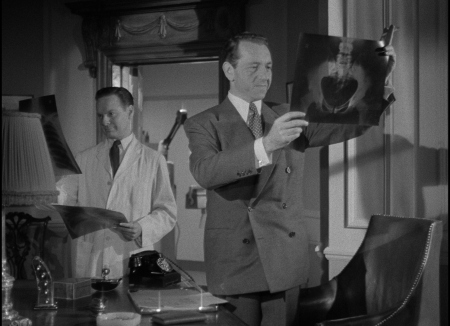
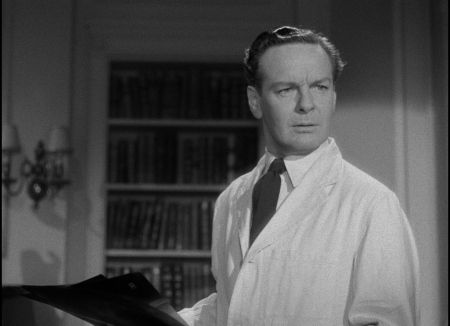
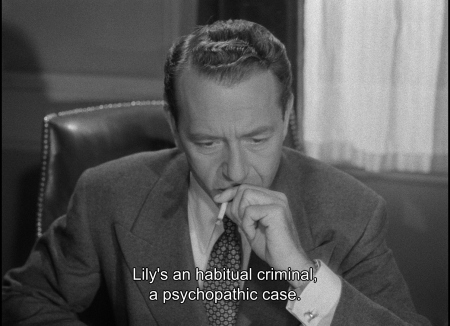
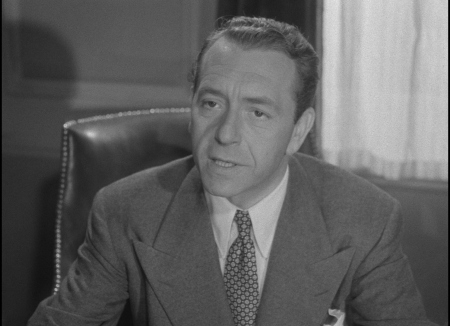
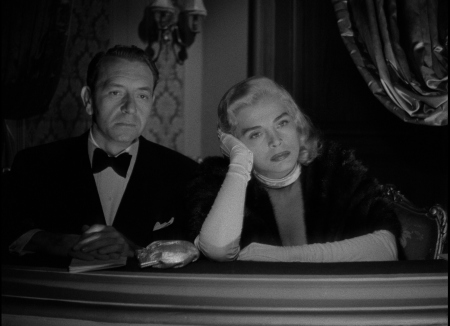
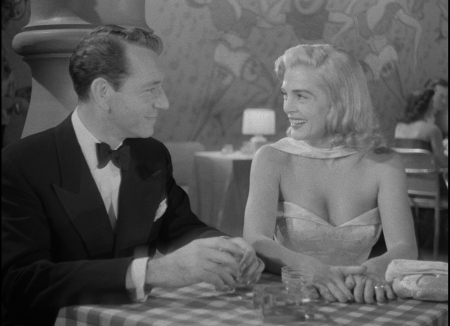
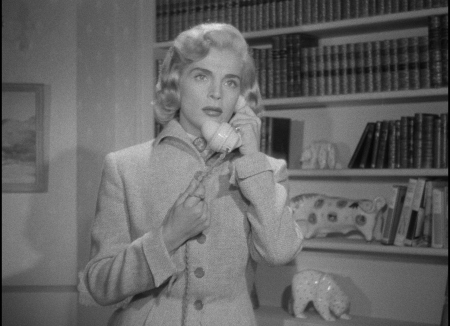
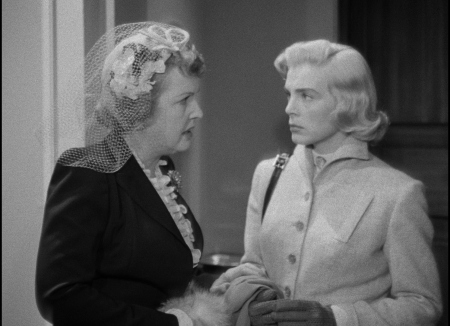
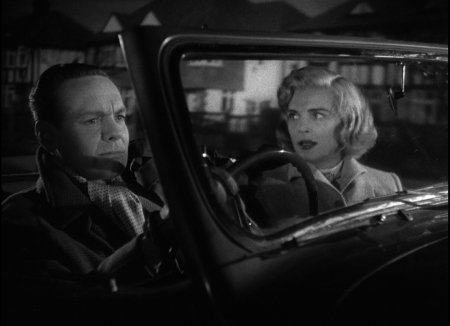
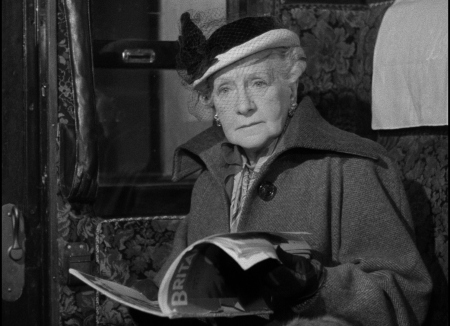
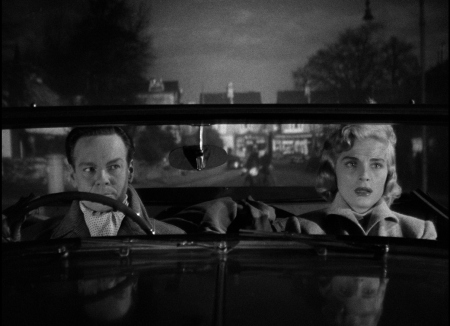
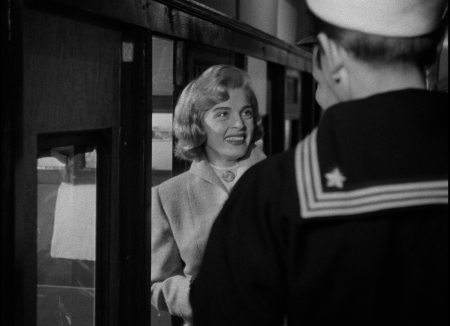
in 4K from the original film negatives. *** Stolen Face is a 1952 British psychological thriller directed by Terence Fisher (later known for his Hammer horror classics) and starring Paul Henreid as plastic surgeon Dr. Philip Ritter, Lizabeth Scott as the elegant concert pianist Alice Brent, and Mary Mackenzie as the disfigured convict Lily Conover.
|
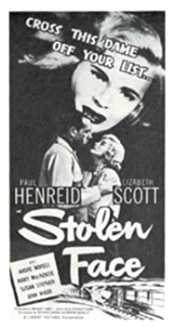
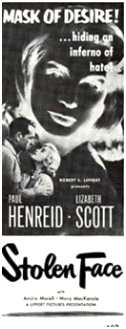
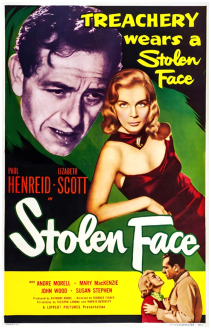
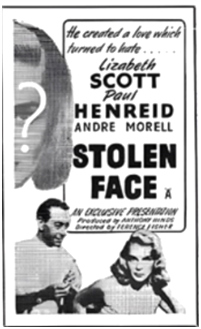
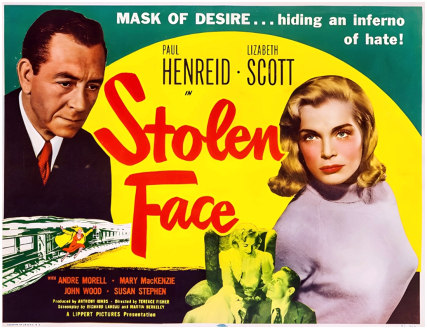
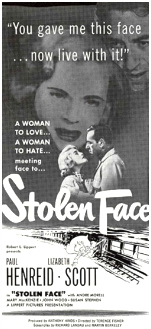
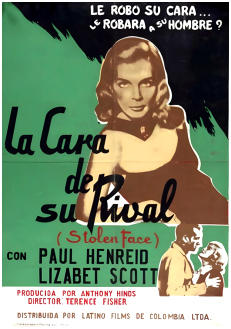
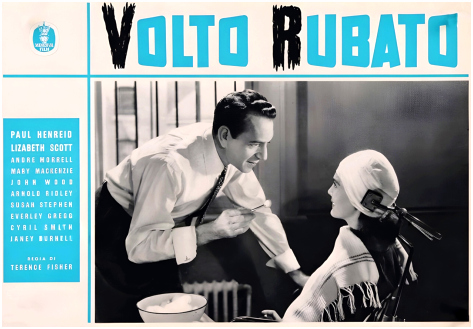
Posters
 |
 |
 |
 |
 |
 |
 |
 |
 |
 |
 |
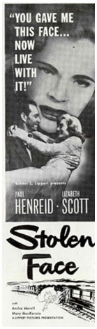 |
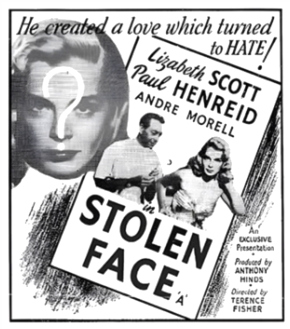 |
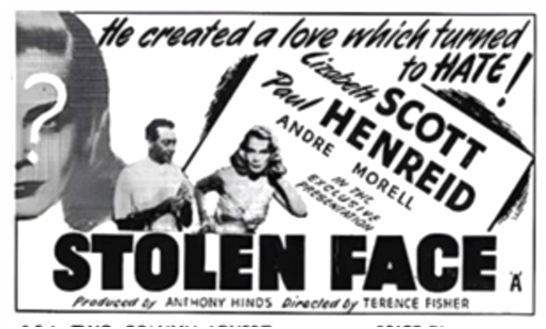 |
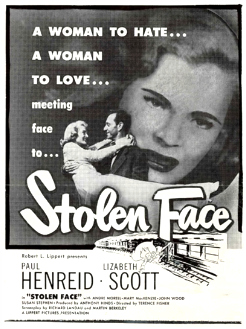 |
Theatrical Release: May 2nd, 1952 (London, UK)

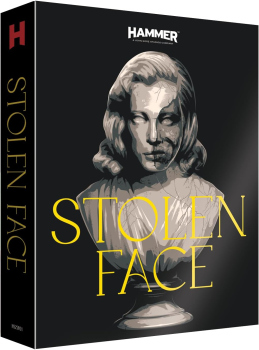
Review: Hammer Films - Region FREE - 4K UHD / Blu-ray
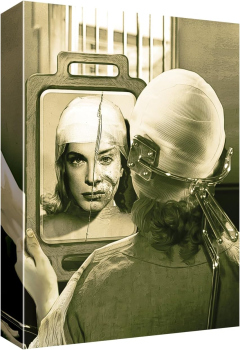
| Box Cover |
|
CLICK to order from:
BONUS CAPTURES:
|
| Distribution | Hammer Films - Region FREE - 4K UHD / Blu-ray | |
| Runtime |
Stolen Face (UK): 1:12:56.916 Stolen Face (US): 1:12:10.125 |
|
| Video |
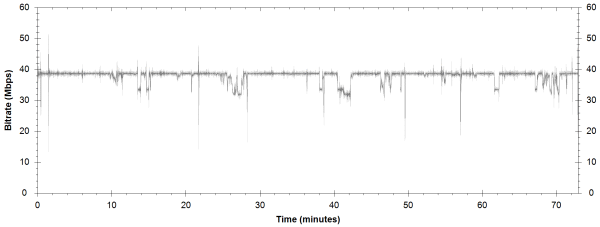
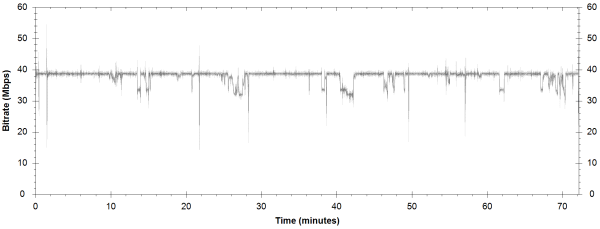
1. 37:1 1080P Dual-layered Blu-rayDisc Size: 48,160,324,757 bytesStolen Face (UK): 25,974,730,752 bytes Stolen Face (US): 25,694,404,608 bytesVideo Bitrate: 38.02 MbpsCodec: MPEG-4 AVC Video |
|
|
NOTE: The Vertical axis represents the bits transferred per second. The Horizontal is the time in minutes. |
||
| Bitrate Stolen Face (UK) Blu-ray: |
|
|
| Bitrate Stolen Face (US) Blu-ray: |
|
|
| Audio |
LPCM Audio English
2304 kbps 2.0 / 48 kHz / 2304 kbps / 24-bit DTS Audio English 768 kbps 2.0 / 48 kHz / 768 kbps / 24-bit |
|
| Subtitles | English (SDH), French, Italian, Spanish, German, None | |
| Features |
Release Information: Studio: Hammer Films
1. 37:1 1080P Dual-layered Blu-rayDisc Size: 48,160,324,757 bytesStolen Face (UK): 25,974,730,752 bytes Stolen Face (US): 25,694,404,608 bytesVideo Bitrate: 38.02 MbpsCodec: MPEG-4 AVC Video
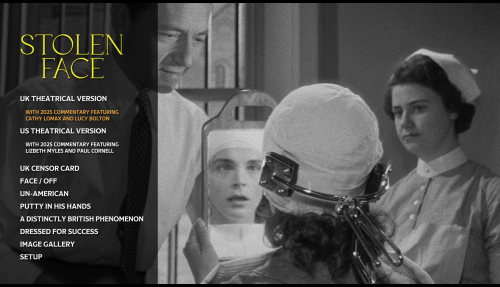
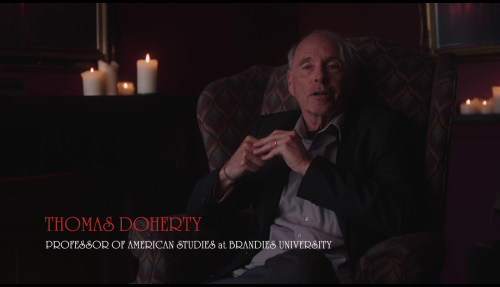
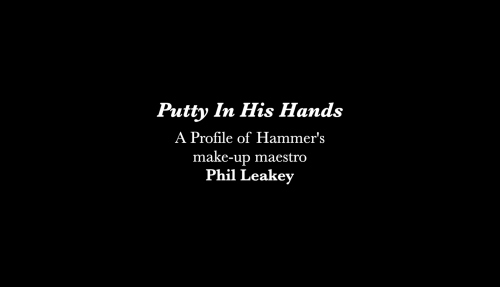
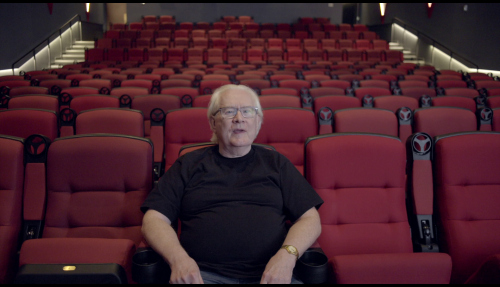
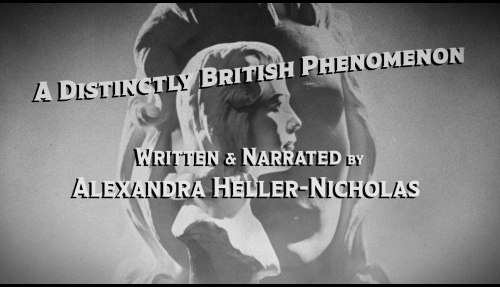
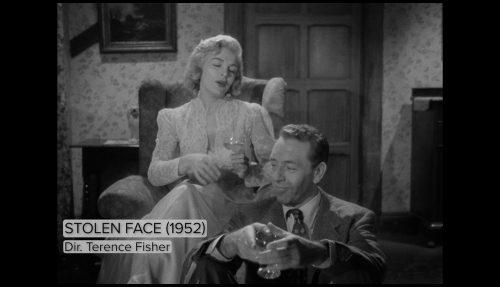
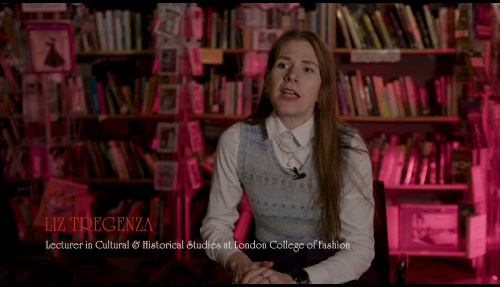
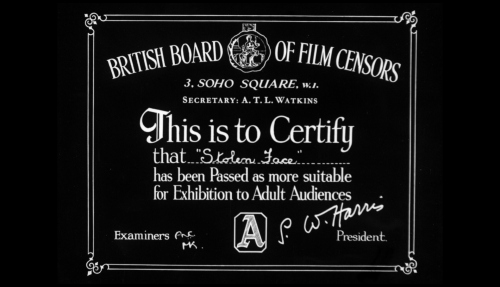
Edition Details: • New commentary with Lucy Bolton, Professor of Film Philosophy, and Cathy Lomax, artist and film scholar • New commentary with writers Lizbeth Myles and Paul Cornell, creators of the widely acclaimed Hammer House of Podcast • UK Censor Card • Face/Off: Author, film-maker and Film Noir fan Chris Alexander examines actor Lizabeth Scott’s body of work and discusses why Stolen Face arguably features her best performance (31:23) • Un-American: Stolen Face featured a victim of the HUAC blacklist in front of the camera and one of its most fervent stool pigeons behind it. Thomas Doherty, academic, cultural historian and author, examines this fractious time in American history and how it affected a generation of film-makers (36:39) • Putty in His Hands: A mainstay at Hammer for a decade and the creator of some of the most iconic monster make-up in film history, Phil Leakey (courtesy of a private audio recording made in the 1980s) talks about his life and career alongside newly-recorded contributions from his son Peter (38:49) • A Distinctly British Phenomenon: Film critic and historian Alexandra Heller-Nicholas examines the theatrical interpretation of sex and obsession that surface in 1950s drama productions (25:11) • Dressed for Success: author and fashion historian Liz Tregenza profiles multiple Oscar-winning costume designer Edith Head and her work on Stolen Face costuming Lizabeth Scott (18:12) • A gallery of stills and publicity material alongside tracks from Malcolm Arnold’s score (14:06) Booklet features new articles by: • Hammer expert Bruce G. Hallenbeck examining this twisted romantic Noir. • Sarah Morgan, who looks at the life and career of Lizabeth Scott • Gayle Sequeira, who investigates Stolen Face's suspect motivations of appearance and personality • Neil Sinyard, who examines Stolen Face’s questionable sexual politics and unsympathetic characters • Artist Cathy Lomax, who examines Hammer’s darkly erotic take on the Pygmalion myth and the not-so-perfect woman • Neil Sinyard, who takes a sobering look at the musical journey of Malcolm Arnold, composer extraordinaire • Wayne Kinsey, who investigates Stolen Face’s filming and Hammer’s ambitious-but-aborted three-studio plan • Dr Wayne Kinsey, who investigates the history of plastic surgery and its fictitious use in film • Lizabeth Scott in an archive interview given during the filming of Stolen Face
Custom 4K UHD Case (see below) Chapters 12 / 12 |
|


| Comments: |
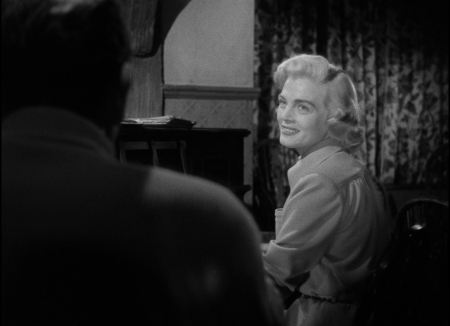
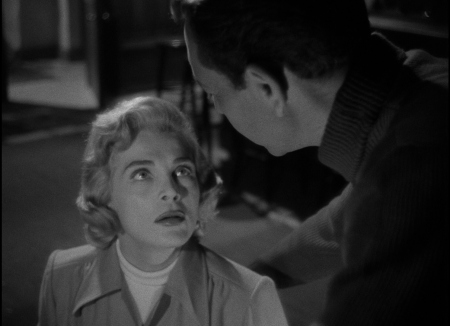
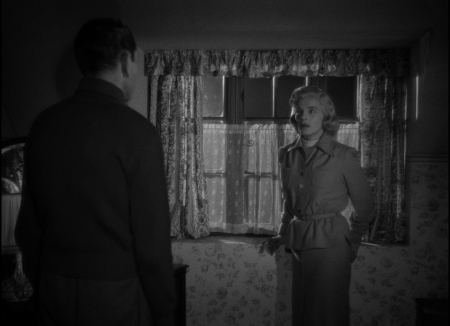
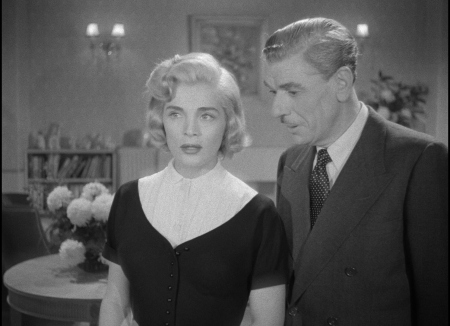
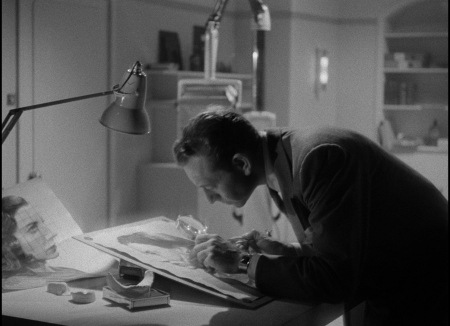
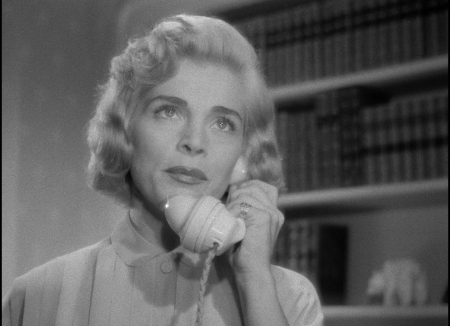
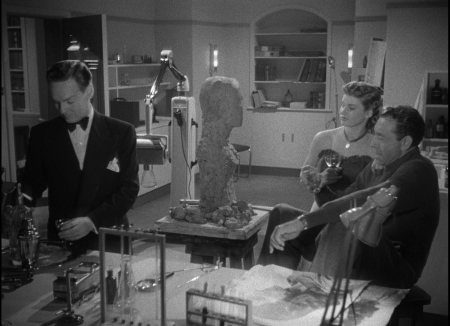
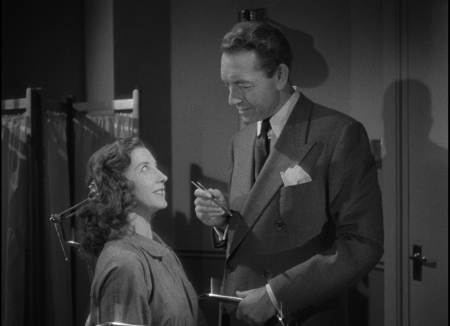
NOTE:
The below
Blu-ray
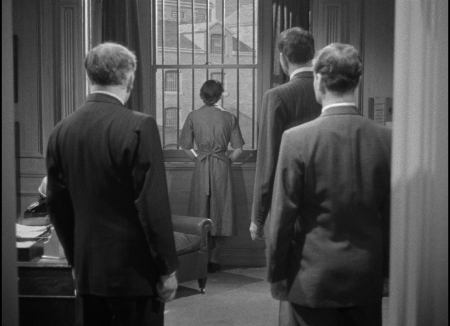
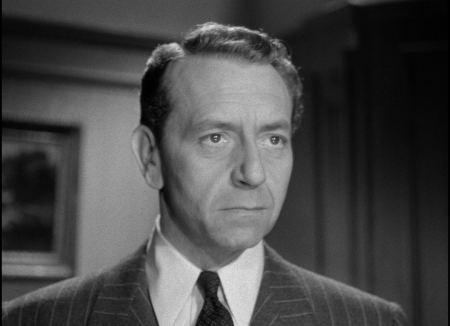
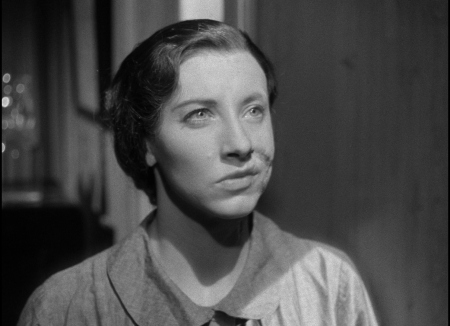
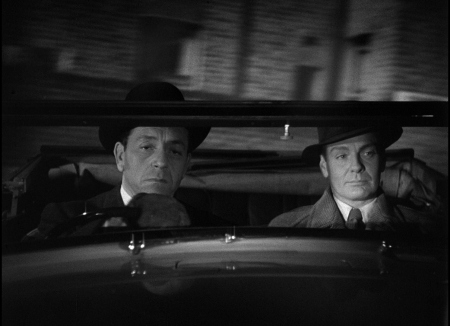
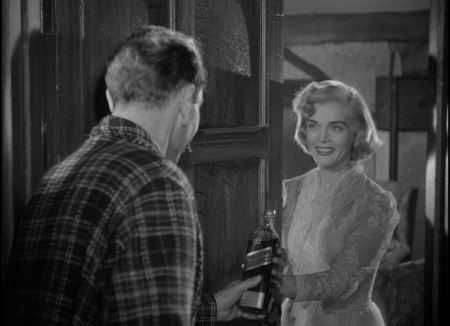
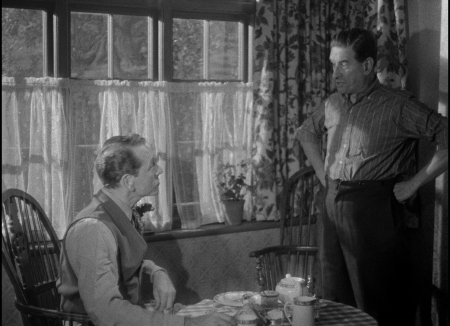
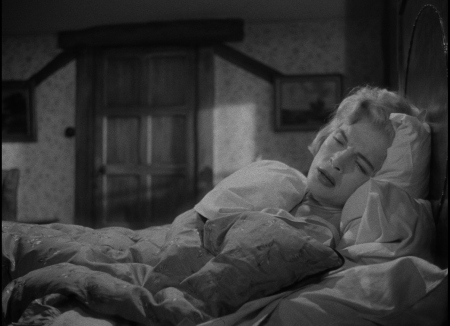
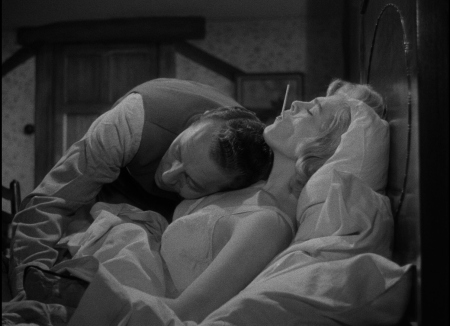
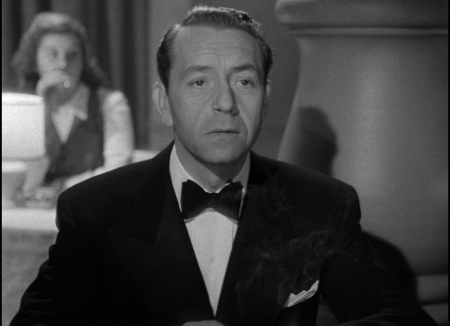
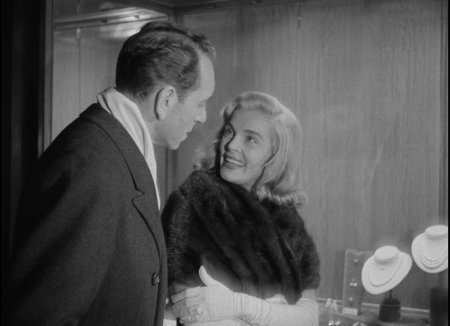
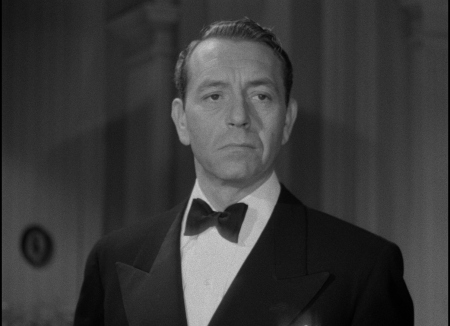
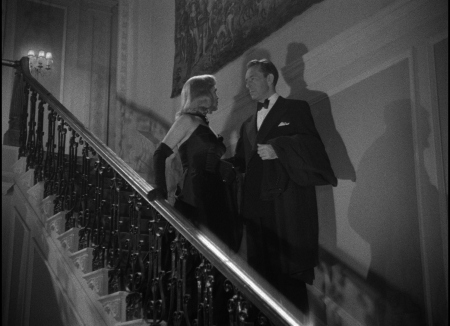
captures were taken directly from the
respective
disc.
While we are in possession of the
4K UHD disc,
we cannot resolve the encode yet, and therefore, cannot obtain screen
captures. We hope to add to this review at some point in the future. So, the below
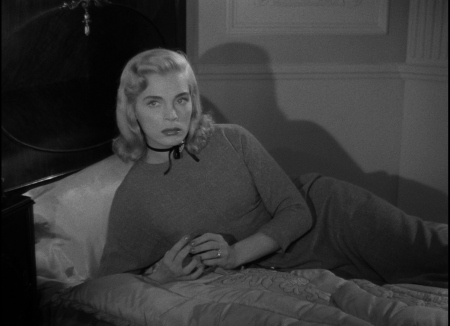
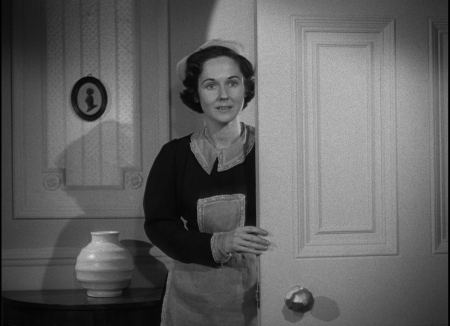
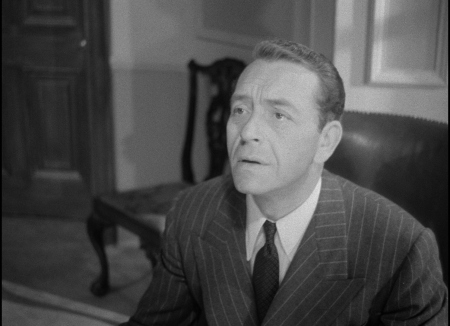
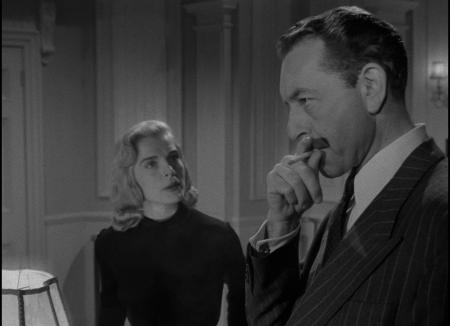
captures are from Hammer Films' 2026 1080P
Blu-ray
transfer.
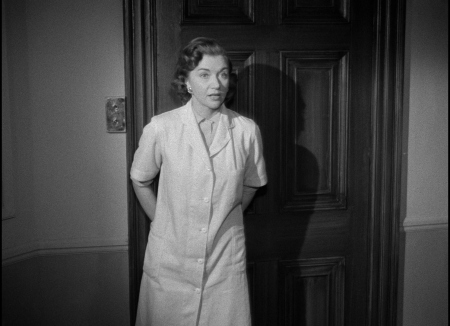
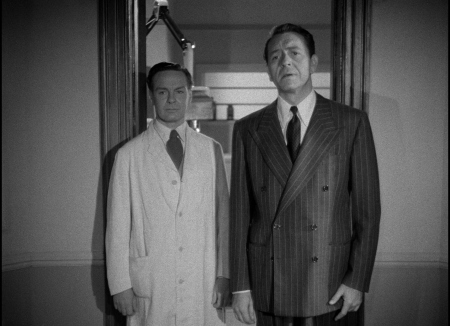
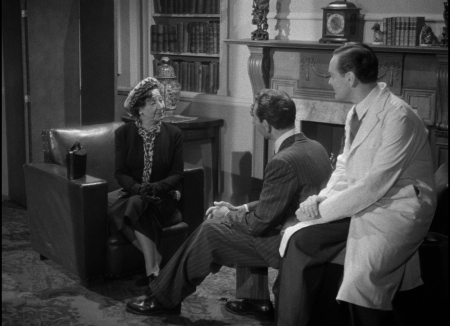
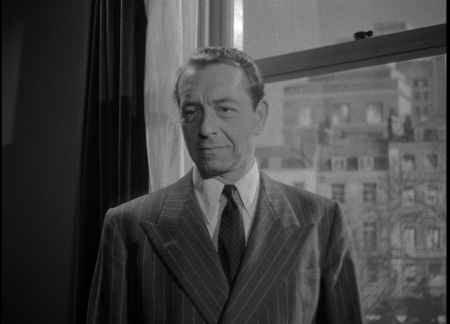
NOTE: We have added 92 more large
resolution
Blu-ray captures (in lossless
PNG format) for DVDBeaver Patrons
HERE
On their
Blu-ray
and 4K UHD,
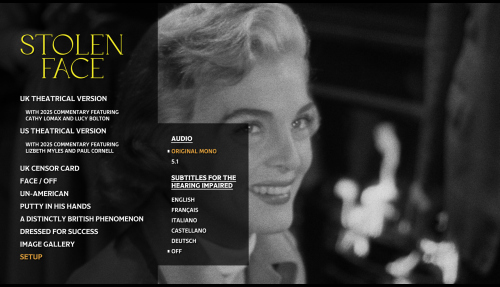
Hammer Films offers both linear PCM dual-mono or DTS-HD Master 5.1
surround bump tracks (24-bit) in the
original English language.
All of the extras on the Hammer Films
4K UHD
release are available on both discs. This new Stolen Face release
is another generously supplemented early
Hammer titles, featuring two entirely different audio
commentaries. The UK version offers a relaxed, intellectually engaging
track with Professor of Film Philosophy Lucy Bolton (Film
and Female Consciousness: Irigaray, Cinema and Thinking Women,)
and artist/film scholar
Cathy Lomax, who explore the film’s philosophical undertones,
Pygmalion parallels, gender dynamics, and Terence Fisher’s
direction, with particularly lively reactions to the train climax. In
contrast, the US version features a more conversational, podcast-style
commentary by writers
Lizbeth Myles and
Paul
Cornell, packed with production trivia,
Hammer history, and enthusiastic analysis. On-disc extras
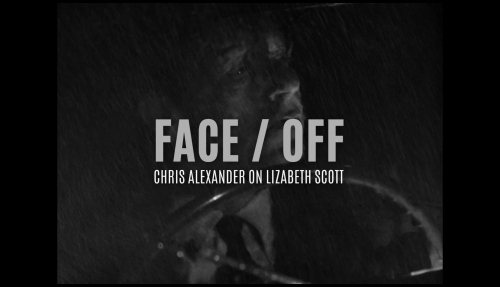
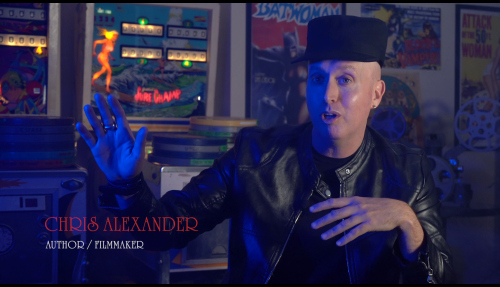
include five substantial featurettes: Face/Off (just over half an hour),
a warm career retrospective on
Lizabeth Scott
by Chris Alexander (Corman/Poe:
Interviews and Essays Exploring the Making of Roger Corman's Edgar Allan
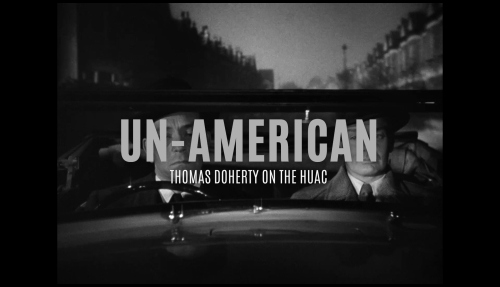
Poe Films, 1960-1964); Un-American (just under 40
minutes), Thomas Doherty’s examination of the HUAC blacklist era
contrasting Paul Henreid with screenwriter Martin Berkeley; Putty in
His Hands (nearly 40 minutes), a standout profile of legendary
Hammer makeup artist Phil Leakey featuring archival audio from
the man himself; A Distinctly British Phenomenon (just over 25
minutes), Alexandra Heller-Nicholas (1000
Women In Horror, 1895-2018,) connecting the film to
Vertigo, Ovid’s Pygmalion, and postwar plastic surgery
fascination; and Dressed for Success (just under 20 minutes), Liz
Tregenza’s (Wholesale
Couture: London and Beyond, 1930-70) look at Edith Head’s (Dead
Men Don't Wear Plaid,
The Big Fix,
The Man Who Would Be King,
The Sting,
The Don Is Dead,
The Screaming Woman,
Sometimes a Great Notion,
Colossus: The Forbin Project,
Airport,
Tell Them Willie Boy Is Here,
Downhill Racer,
Butch Cassidy and the Sundance Kid,
Eye of the Cat,
Hellfighters,
Warning Shot,
El Dorado,
This Property Is Condemned,
The Oscar,
The Slender Thread,
Red Line 7000,
The Sons of Katie Elder,
Lady in a Cage,
Love with the Proper Stranger,
Donovan's Reef,
Hud,
Hatari!,
The Counterfeit Traitor,
The Man Who Shot Liberty Valance,
Man-Trap,
Summer and Smoke,
The Five Pennies,
The Geisha Boy,
Houseboat,
Vertigo,
Gunfight at the O.K. Corral,
The Rainmaker,
The Man Who Knew Too Much,
The Scarlet Hour,
The Rose Tattoo,
To Catch a Thief,
Strategic Air Command,
Alaska Seas,
Those Redheads from Seattle,
Roman Holiday,
Houdini,
Shane,
The War of the Worlds,
Denver & Rio Grande,
Something to Live For,
Thunder in the East,
Silver City,
Detective Story,
When Worlds Collide,
Ace in the Hole,
A Place in the Sun,
Dark City,
Sunset Boulevard,
The Furies,
No Man of Her Own,
Samson and Delilah,
Beyond the Forest,
The Heiress,
The Great Gatsby,
The Accused,
Sorry, Wrong Number,
Night Has a Thousand Eyes,
A Foreign Affair,
The Big Clock,
I Walk Alone,
Saigon,
Desert Fury,
The Strange Love of Martha Ivers,
Hold That Blonde!,
The Lost Weekend,
Ministry of Fear,
Double Indemnity,
The Uninvited,
The Miracle of Morgan's Creek,
Five Graves to Cairo,
Lucky Jordan,
I Married a Witch,
The Glass Key,
Sullivan's Travels,
The Lady Eve,
The Great McGinty,
The Ghost Breakers,
Remember the Night,
The Cat and the Canary,
King of Chinatown,
Spawn of the North,
Dangerous to Know,
Love Me Tonight) costume designs for
Lizabeth Scott.
Additional supplements include a 14-minute image gallery and a UK censor
card. However, the real standout is the 116-page perfect-bound booklet,
which contains nine newly commissioned essays offering deep context on
the film’s production history,
Lizabeth Scott’s
career, the ethics of transformation, Malcolm Arnold’s score,
Hammer’s early ambitions, and the real history of plastic
surgery. Key essays include: Bruce G. Hallenbeck (Hammer
expert) - he examines Stolen Face as a twisted romantic
noir, situating it within Fisher’s early career and
Hammer’s pre-Gothic output. Sarah Morgan - a detailed look at
Lizabeth Scott’s
life, Hollywood career arc, and enduring screen persona. Gayle Sequeira
- investigates the film’s suspect motivations around appearance,
personality, beauty standards, and the ethics of transformation. Neil
Sinyard (A
Wonderful Heart: The Films of William Wyler) - one piece
analyzes the questionable sexual politics and often unsympathetic
characters; another offers a sobering exploration of Malcolm Arnold’s
musical journey and his work here. Cathy Lomax (artist and commentator)
- explores
Hammer’s darkly erotic interpretation of the Pygmalion myth and
the theme of the “not-so-perfect woman.” Wayne Kinsey (Hammer
Films, A Life in Pictures) - one investigates the film’s
production history, locations, and
Hammer’s ambitious-but-aborted three-studio expansion plan;
another delves into the real history of plastic surgery and its
fictional cinematic portrayals. Together, the dual commentaries, rich
featurettes, and exceptional booklet transform Stolen Face from a
minor 1952 melodrama into a richly contextualized cultural artifact,
making this one of the most rewarding releases for any early
Hammer film.
Terence Fisher's Stolen Face
is a British psychological melodrama that blends elements of
film noir, romantic thriller, and borderline
science-fiction/horror into a cautionary tale about obsession, identity,
and the hubris of playing God through plastic surgery. Often cited as a
fascinating precursor to Alfred Hitchcock’s
Vertigo - which it predates by six years - the film explores the
dangerous fantasy of reshaping a woman (and reality itself) to match an
idealized lost love. While its premise strains credibility and the
resolution feels conveniently tidy, Fisher’s (The
Last Man to Hang, Sherlock
Holmes and the Deadly Necklace,
The Man Who Could Cheat Death,
The Horror of Dracula,
The Revenge of Frankenstein,
Frankenstein and the Monster from Hell,
Night of the Big Heat,
The Curse of Frankenstein,
The Mummy,
Island of Terror,
The Brides of Dracula,
Frankenstein Created Woman,
The Hound of the Baskervilles,
The Two Faces of Dr. Jekyll) efficient direction, strong central
performances, and thematic ambition make it a surprisingly engaging
early
Hammer effort that hints at the studio’s later Gothic triumphs.
Thematically, Stolen Face is a rich (if sometimes underdeveloped)
variation on the
Pygmalion myth crossed with
Frankenstein’s
hubris and early
noir tropes of identity theft and the
femme fatale. It probes the limits of transformation: can outer
beauty rewrite inner nature, or is character immutable? Ritter’s
“success” exposes the fallacy of his reform-through-surgery philosophy,
turning the operating theater into a site of moral transgression. Class
and gender tensions simmer beneath the surface - Lily’s rough,
working-class vitality clashes with the refined, upper-middle-class
poise Ritter imposes. Fisher himself
described the picture as a “perverse romantic melodrama,” and its
exploration of obsessive recreation of the beloved directly foreshadows
Vertigo’s more psychologically layered treatment of the same
idea. Performances elevate the material. Classy Henreid (Casablanca,
Now, Voyager,
Between Two Worlds,
The Conspirators,
Hollow Triumph,
Rope of Sand,
A Woman's Devotion,
Dead Ringer,) brings gravitas and quiet intensity to Ritter,
though some find him too restrained to fully convey obsessive madness (a
contrast to James Stewart’s tormented Scottie Ferguson in
Vertigo.)
Lizabeth Scott (The
Strange Love of Martha Ivers,
Dead Reckoning,
Desert Fury,
I Walk Alone,
Pitfall,
Too Late for Tears,
Dark City,
The Racket,
Red Mountain,
Silver Lode,
The Weapon,
Pulp,
Two of a Kind,
Bad for Each Other,) shines in the dual role, effortlessly
shifting between Alice’s poised sophistication and Lily’s brassy,
volatile sensuality; the contrast is both comic and tragic. Mary
Mackenzie’s (Yield
to the Night) brief but fiery turn as the pre-surgery Lily
crackles with authentic Cockney defiance, making the transformation feel
viscerally real. Supporting players like André Morell (The
Camp on Blood Island,
The Giant Behemoth,
The Hound of the Baskervilles,
Cash on Demand,
The Shadow of the Cat,
The Plague of the Zombies,
The Mummy's Shroud,
The Vengeance of She,
Quatermass and the Pit - TV serial) provide solid
grounding. Walter Harvey’s (Whispering
Smith Hits London,
The
Quatermass Xperiment,
The Glass Tomb,
Bad Blonde,
Noose for a Lady,
The Gambler and the Lady,) even black-and-white cinematography and
Malcolm Arnold’s (The
Ringer,
A
Prize of Gold,
Wicked as They Come,
The
Night My Number Came Up, The
Captain's Paradise,
The
Holly and the Ivy,
Tunes
of Glory, No
Highway in the Sky.
The
Bridge On the River Kwai,
Island in the Sun,
Hobson's Choice,) score (featuring a recurring
piano ballade that underscores Alice’s artistry and Ritter’s fixation)
add atmospheric weight without overwhelming the brisk runtime. The film
genre-hops nimbly: romantic comedy in the opening courtship,
noir-tinged
suspense in the marriage’s unraveling, and outright thriller in the
train climax. Stolen Face sits at the beginning of a long
cinematic tradition that uses plastic surgery as a tool for identity
transformation and control. In
Dark Passage (1947), surgery is employed as a means of escape
and reinvention, allowing the protagonist to literally change his face
to start over. Georges Franju's
Eyes Without a Face (Les Yeux sans visage, 1960) takes
the concept into pure gothic horror, with a surgeon obsessively
attempting facial transplants to restore his disfigured daughter.
Hiroshi Teshigahara's
The Face of Another (1966) explores the psychological and
philosophical consequences of receiving a new face, questioning whether
identity is tied to appearance. John Franeknehimer's
Seconds (1966) presents a chilling corporate version of the
trope, where a man pays to be surgically reborn with a completely new
identity and life. Finally, Pedro Almodóvar's
The Skin I Live In (2011) serves as a dark, modern evolution of
Stolen Face’s central idea - a brilliant but deranged surgeon using his
skills to reshape and imprison a woman according to his own twisted
vision. Together, these films trace how plastic surgery has been used on
screen as both a promise of rebirth and a weapon of obsession.
Ultimately, I find Stolen Face a brisk, stylish, and morally provocative
footnote in British genre cinema. It reminds us that some faces -
whether stolen by scalpel or obsession - can never truly be possessed.
For fans of early
Hammer, Terence Fisher, or anyone intrigued by the dark
intersections of love, science, and self-delusion, it remains a
compelling watch. I saved all the weak SD versions I had until now - for me
this is a huge keeper. Hammer’s 4K UHD
of Stolen Face is a definitive release that honors this
fascinating early-Fisher curio with loving care and scholarly depth. The
wealth of thoughtful new extras and booklet content elevates the set far
beyond a simple catalog title, making it essential for
Hammer completists,
noir enthusiasts, and anyone interested in the studio’s
pre-Gothic phase. Visually and aurally this is a highly pleasing
upgrade, and overflowing with supplemental context - this is a handsome and
recommended collector’s package that gives Stolen Face its
long-overdue spotlight. I love this film, with all its belief-suspending
flaws, and give it a strong recommendation.
|

|
(HAMMER IN 4K UHD! CLICK COVER for MORE INFORMATION)
|
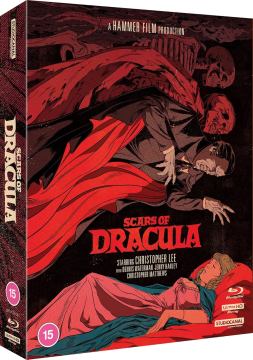
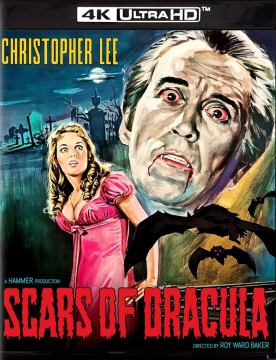
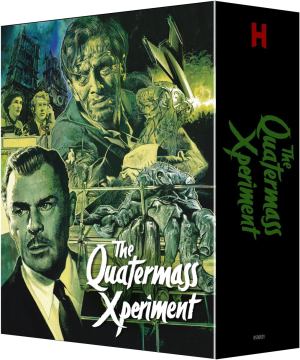
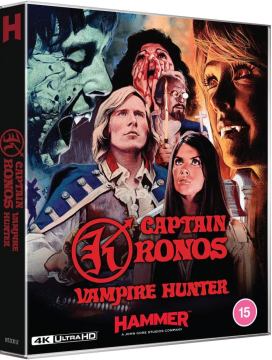
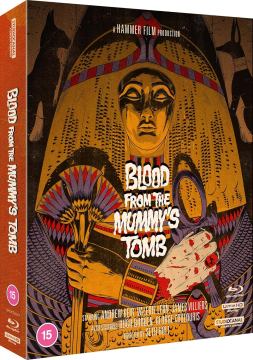
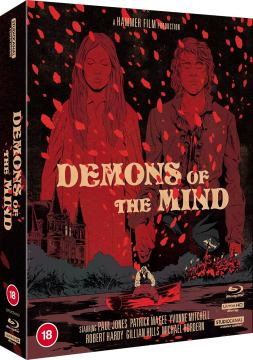
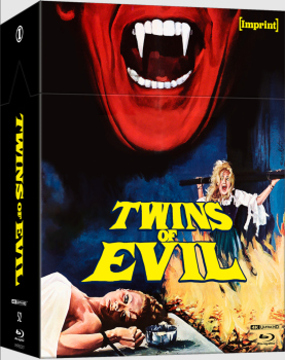
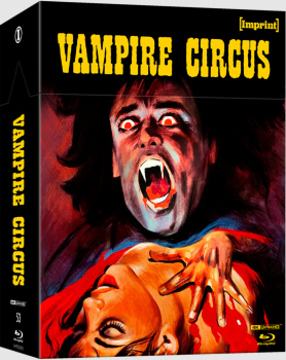
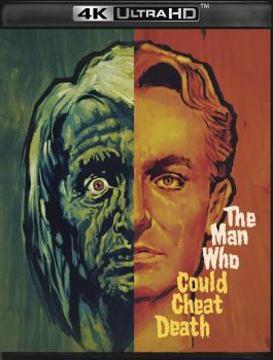
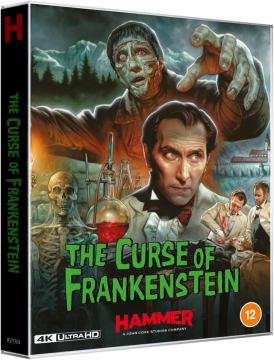
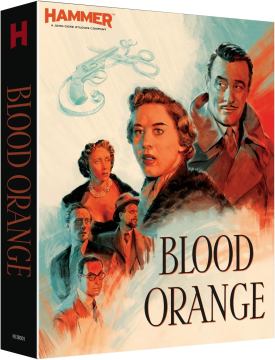
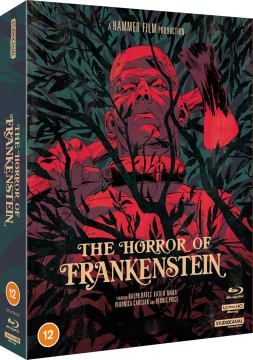
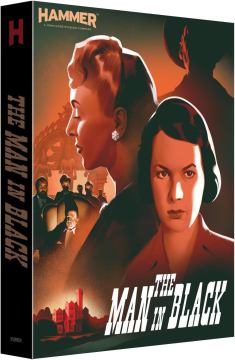
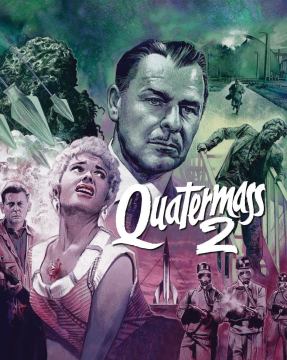
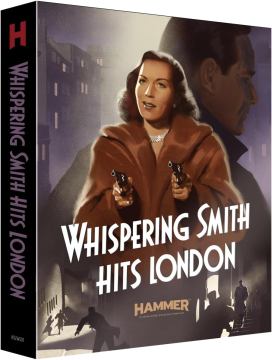
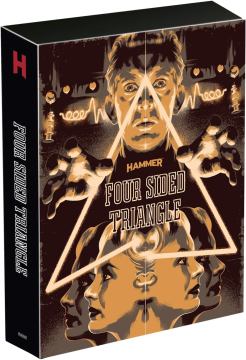
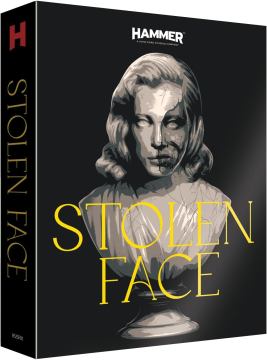
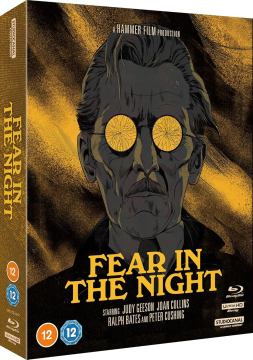
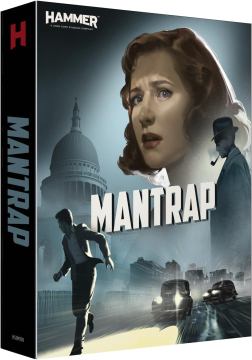

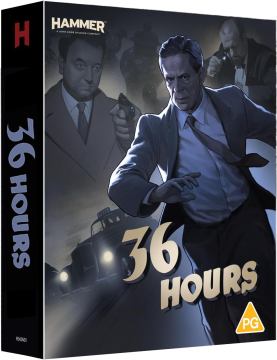
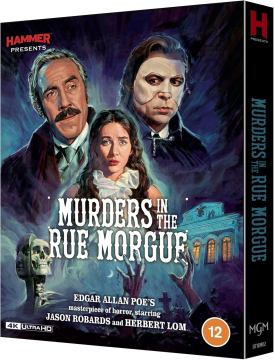
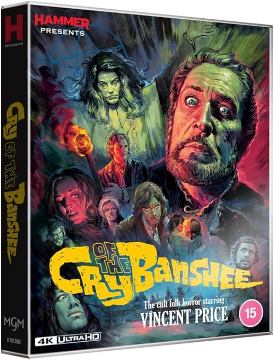
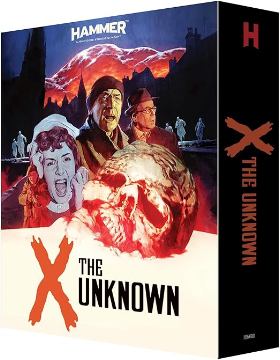
Hammer Films 4K UHD package
 |
Menus / Extras
 |
 |
 |
 |
 |
 |
 |
 |
 |
 |
 |
 |
 |
 |
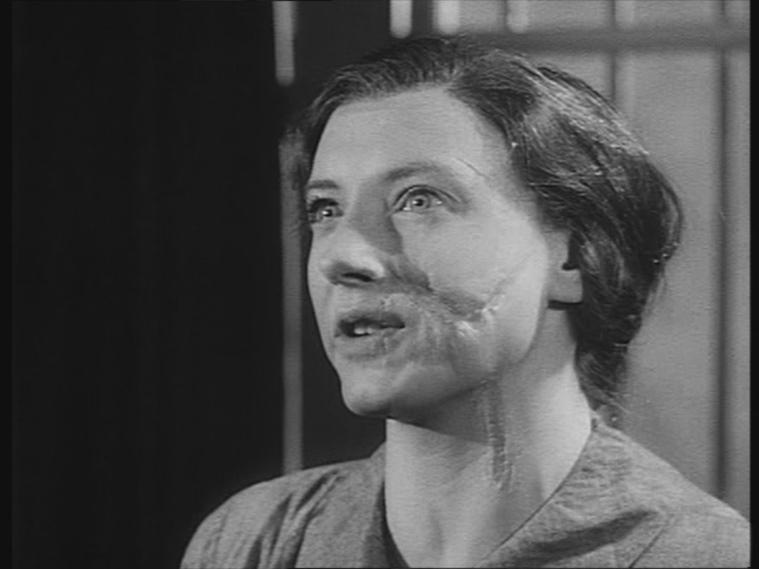
 |
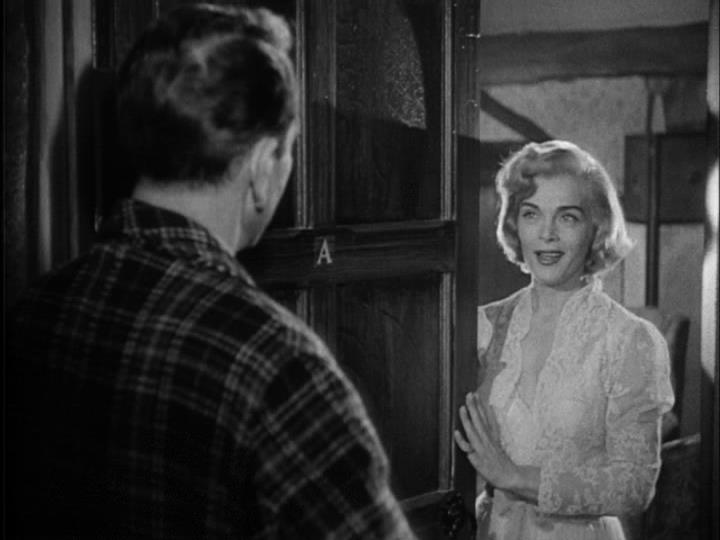
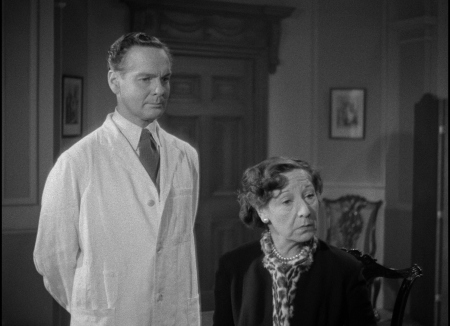
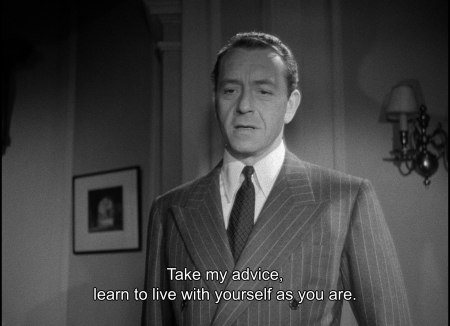
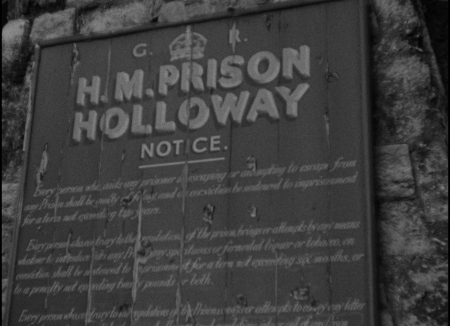
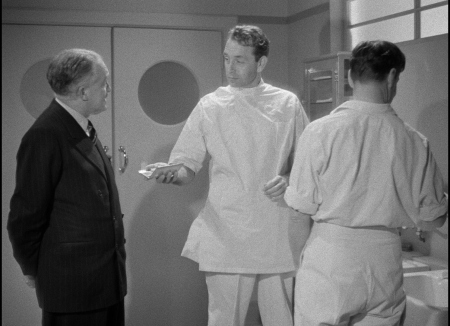
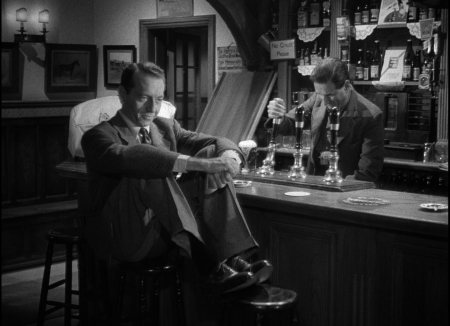
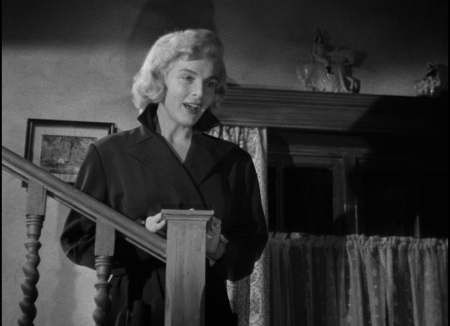
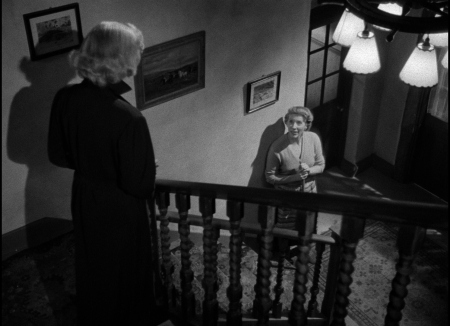
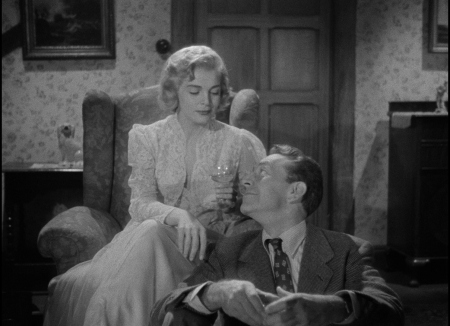
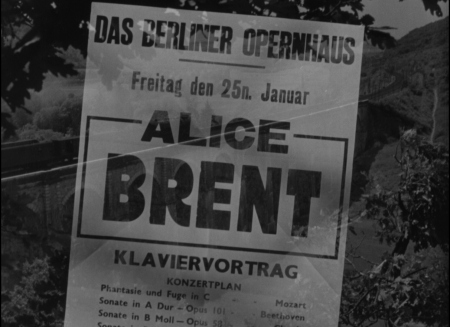
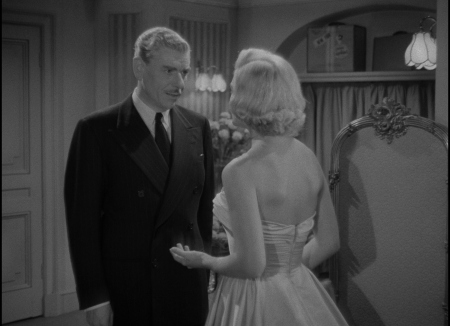
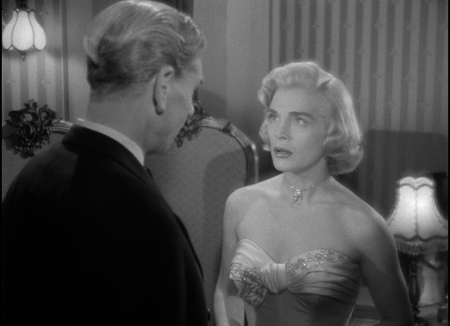
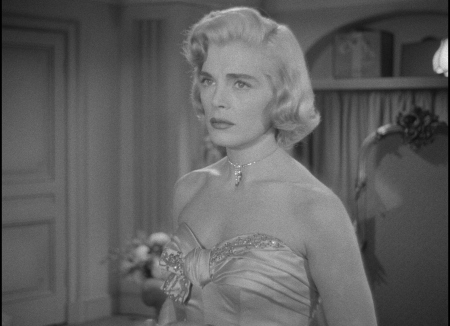
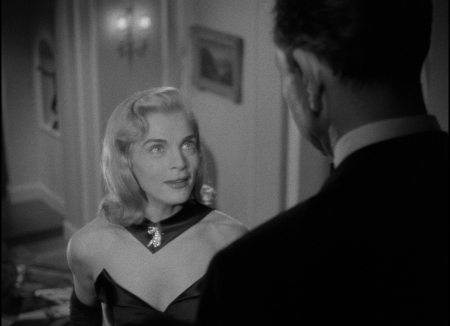
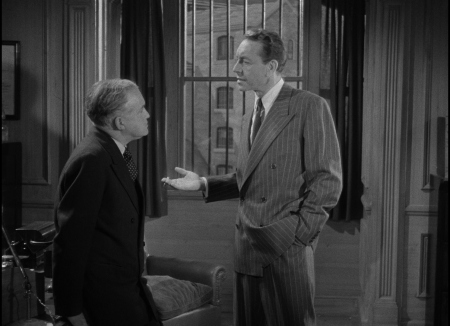
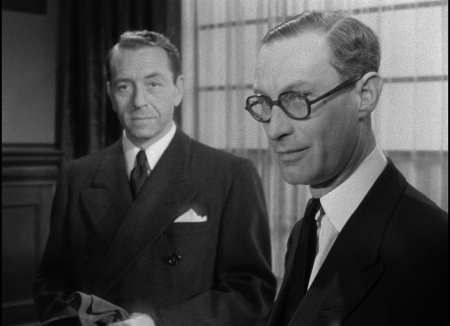
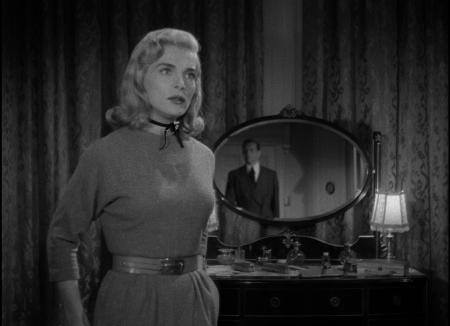
CLICK EACH BLU-RAY CAPTURE TO SEE ALL IMAGES IN FULL RESOLUTION
Subtitle Sample - Hammer Films (2026) Blu-ray
 |
|
1) Extra in Icon Home Entertainment's The Mummy (1959) Blu-ray TOP 2) Hammer Films (2026) Blu-ray - BOTTOM |
 |
 |
|
1) VCI - Region 0 - NTSC TOP 2) Hammer Films (2026) Blu-ray - BOTTOM |
 |
 |
|
1) Simply Media - Region 2 - PAL TOP 2) Hammer Films (2026) Blu-ray - BOTTOM |
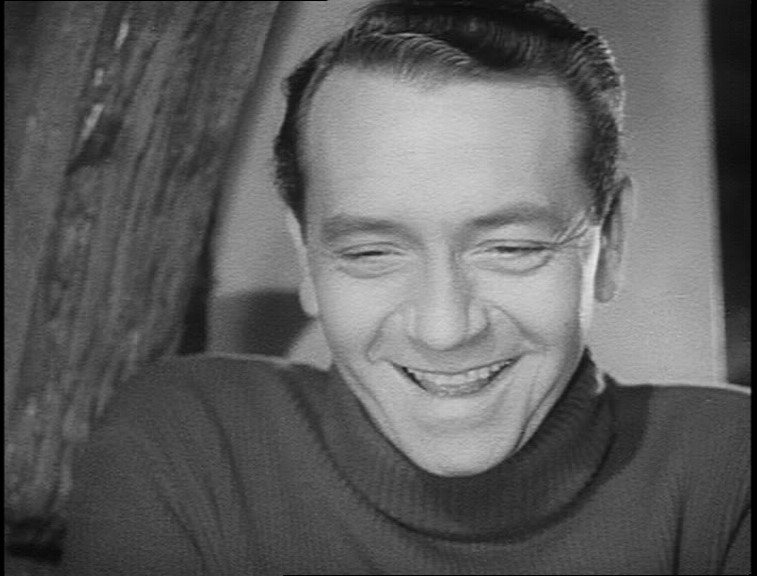 |
 |
|
1) VCI - Region 0 - NTSC TOP 2) Hammer Films (2026) Blu-ray - BOTTOM |
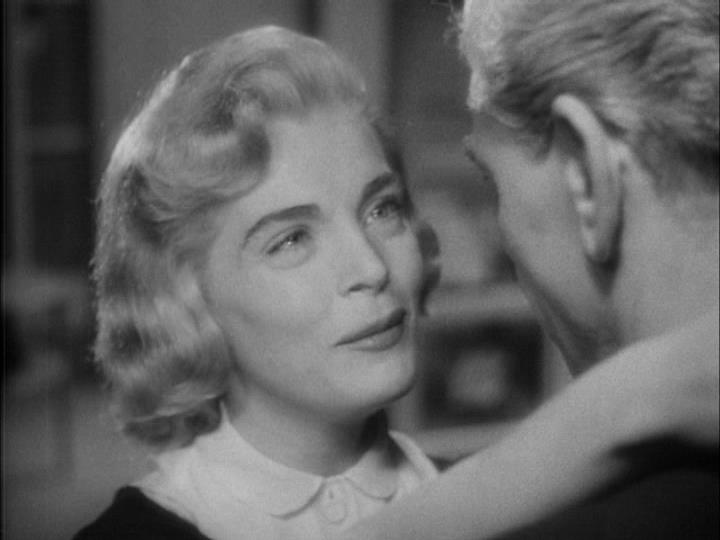 |
 |
|
1) Extra in Icon Home Entertainment's The Mummy (1959) Blu-ray TOP 2) Hammer Films (2026) Blu-ray - BOTTOM |
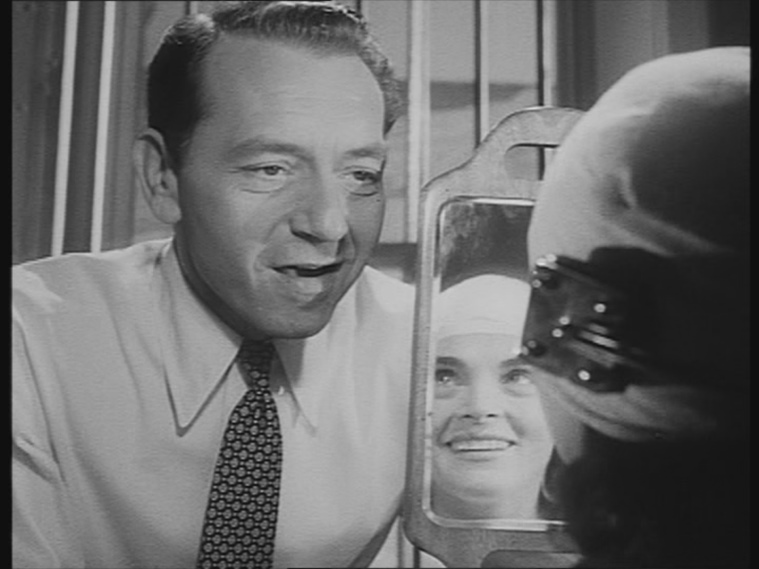 |
 |
|
1) Simply Media - Region 2 - PAL TOP 2) Hammer Films (2026) Blu-ray - BOTTOM |
 |
 |
More Hammer Films (2026) Blu-ray Captures
 |
 |
 |
 |
 |
 |
 |
 |
More full resolution (1920 X 1080) Blu-ray Captures for DVDBeaver Patreon Supporters HERE
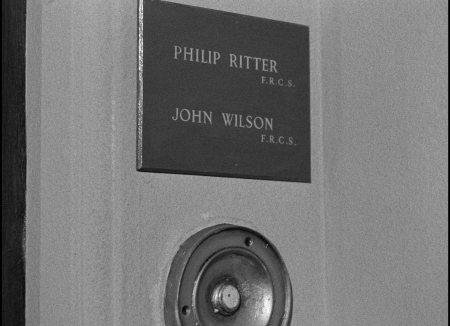 |
 |
 |
 |
 |
 |
 |
 |
 |
 |
 |
 |
 |
 |
 |
 |
 |
 |
 |
 |
 |
 |
 |
 |
 |
 |
 |
 |
 |
 |
 |
 |
 |
 |
 |
 |
 |
 |
 |
 |
 |
 |
 |
 |
 |
 |
 |
 |
 |
 |
 |
 |
 |
 |
 |
 |
 |
 |
 |
 |
 |
 |
 |
 |
 |
 |
 |
 |
 |
 |
 |
 |
 |
 |
 |
 |
 |
 |
 |
 |
 |
 |
 |
 |
 |
 |
 |
 |
 |
 |
 |
 |
| Box Cover |
|
CLICK to order from:
BONUS CAPTURES:
|
| Distribution | Hammer Films - Region FREE - 4K UHD / Blu-ray | |
|
Search DVDBeaver |
S E A R C H D V D B e a v e r |















CLICK PayPal logo to donate!
|
Gary Tooze
|
|
Thank You!
