|
An
enormous, sincere thank you to our phenomenal
Patreon
supporters! Your unshakable dedication is the bedrock that keeps DVDBeaver
going - we’d be lost without you. Did you know? Our patrons include a
director, writer, editor, and producer with honors like Academy Awards for
Best Picture and Best Director, a Pulitzer Prize-winning screenwriter, and a
Golden Globe-winning filmmaker, to name a few! Sadly, DVDBeaver has reached a breaking point where our existence hangs in the balance. We’re now reaching out to YOU with a plea for help. Please consider pitching in just a few dollars a month - think of it as the price of a coffee or some spare change - to keep us bringing you in-depth reviews, current calendar updates, and detailed comparisons. I’m am indebted to your generosity!
|






|
Search DVDBeaver |
S E A R C H D V D B e a v e r |

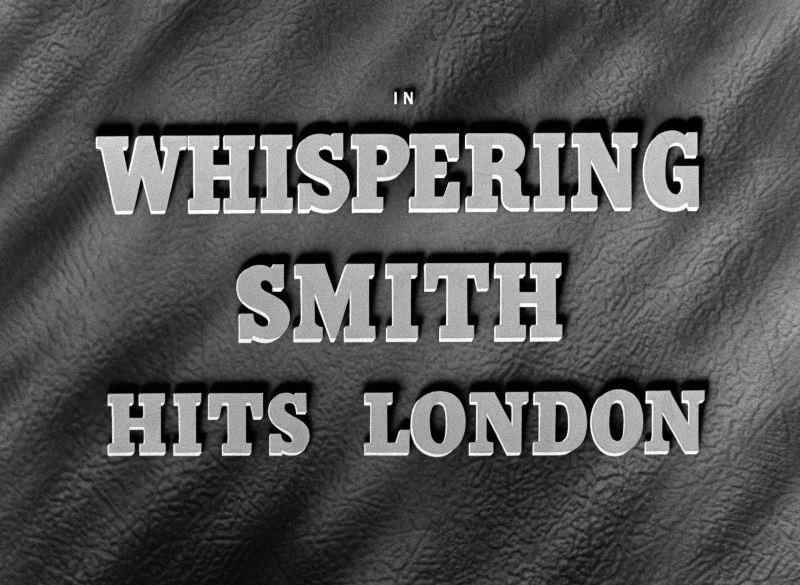
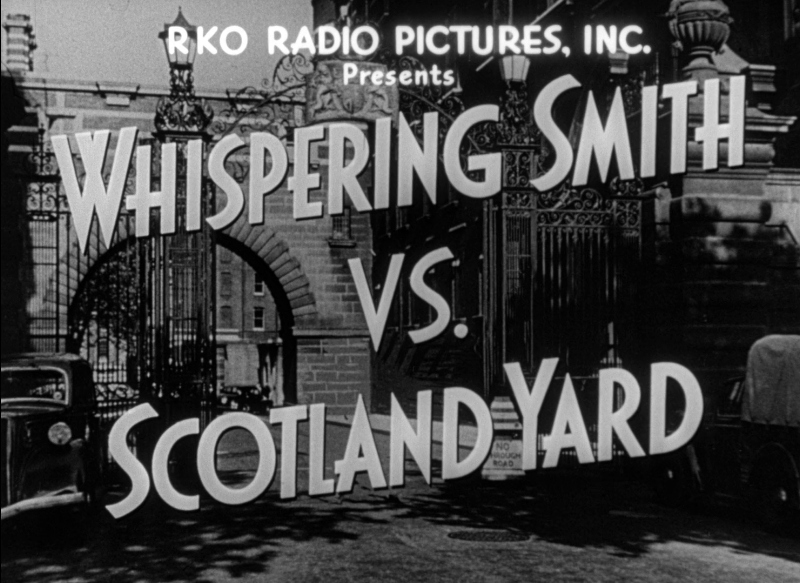
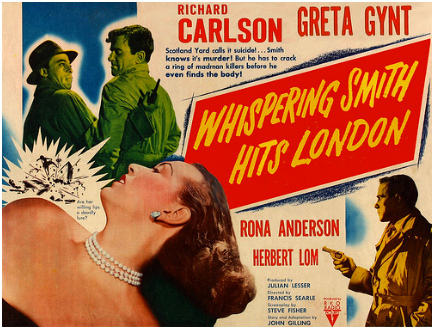
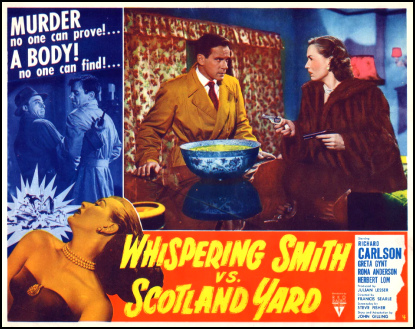
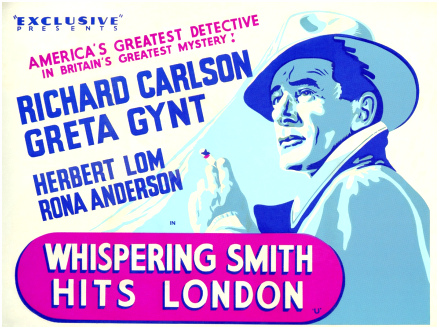
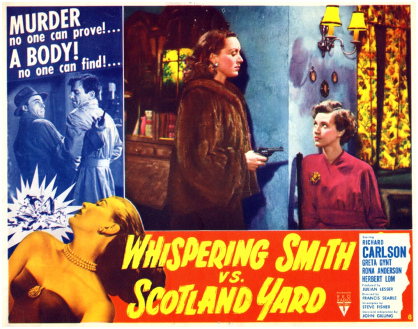
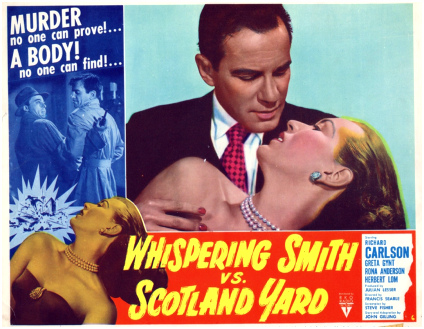
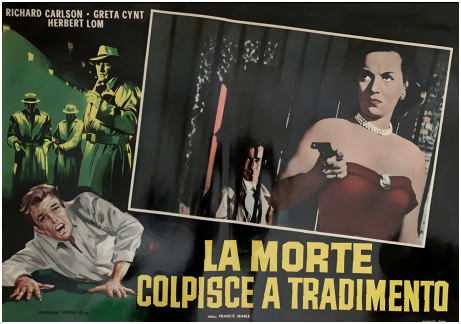
(aka "Whispering Smith Hits London" or "Whispering Smith Investigates" or "Whispering Smith vs. Scotland Yard")
Directed by Francis Searle
UK 1952
|
In this rediscovered classic, restored for a new generation, Private detective
Steve "Whispering" Smith is intent on holidaying in England but soon becomes
distracted by a pretty face. Unfortunately, the pretty face comes with a problem
attached – and that problem is murder. ***
Whispering Smith Hits London, also known as Whispering Smith vs.
Scotland Yard, is a 1952 British B-movie crime drama directed by Francis
Searle, starring American actor Richard Carlson as the titular private detective
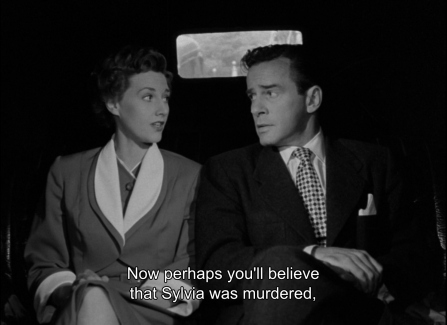
Steve "Whispering" Smith, who, while vacationing in England, becomes embroiled
in investigating what appears to be the suicide of a young woman named Sylvia
Garde but soon uncovers evidence of murder, with attempts on his own life
confirming foul play. |
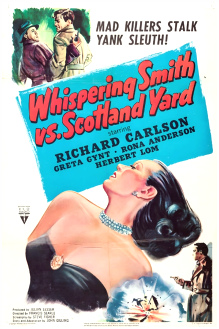
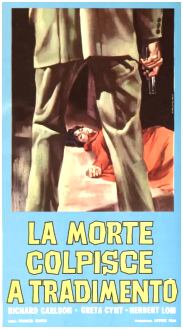
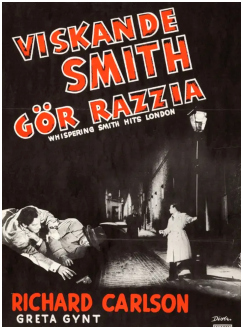
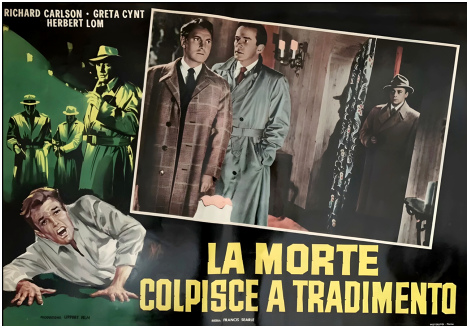
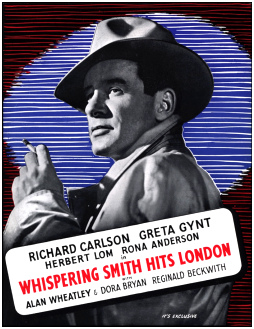
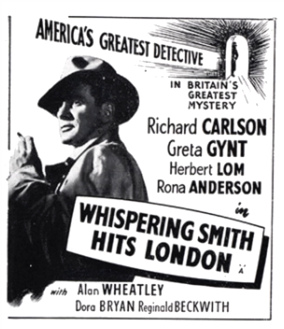
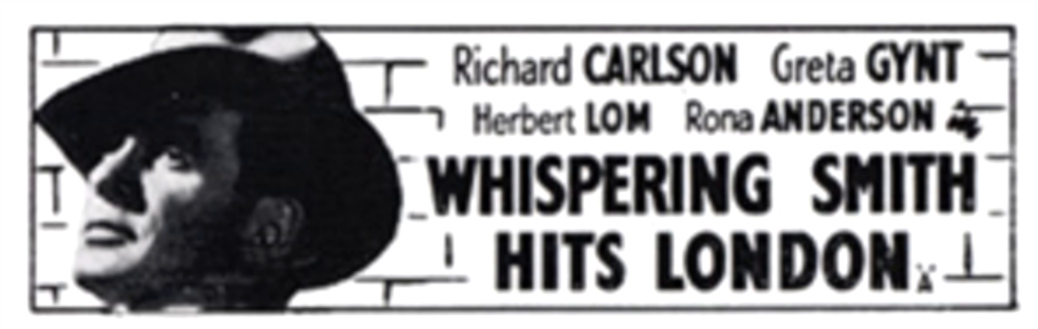
Posters
 |
 |
 |
 |
 |
 |
 |
 |
 |
 |
 |
 |
 |
 |
Theatrical Release: January 31st, 1952

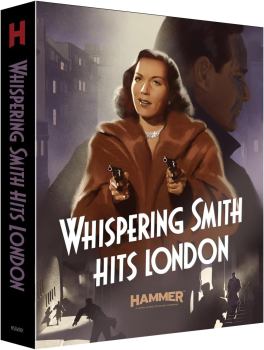
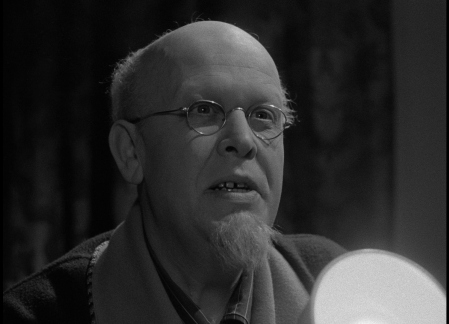
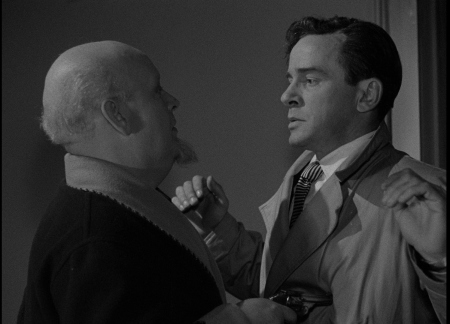
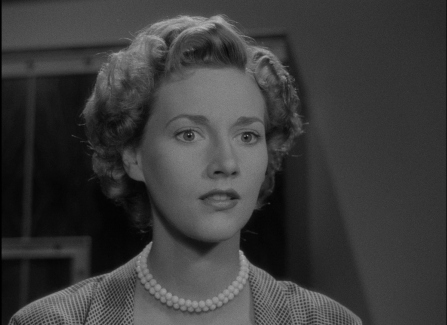
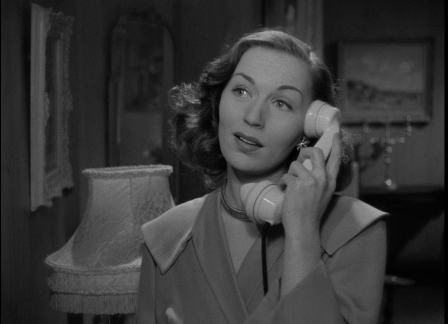
Review: Hammer Films - Region FREE - 4K UHD / Blu-ray
| Box Cover |
|
CLICK to order from:
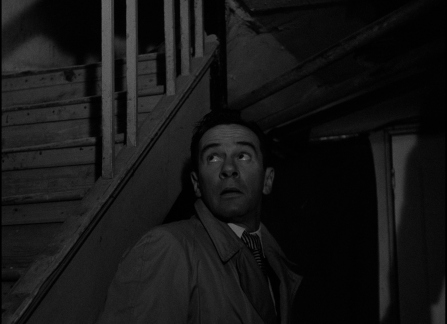
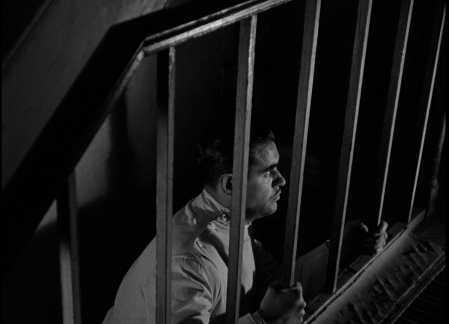
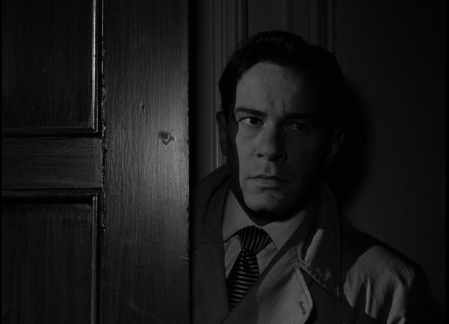
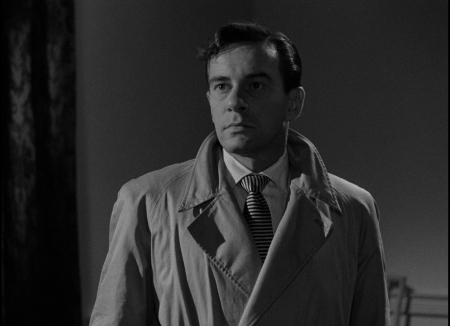
BONUS CAPTURES:
|
| Distribution | Hammer Films # 41 - Region FREE - 4K UHD / Blu-ray | |
| Runtime |
Whispering Smith Hits London: 1:24:12.000 Whispering Smith vs. Scotland Yard : 1:17:28.000 |
|
| Video |
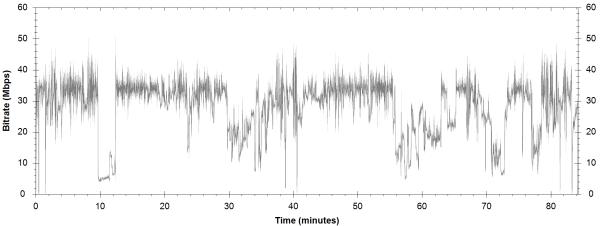
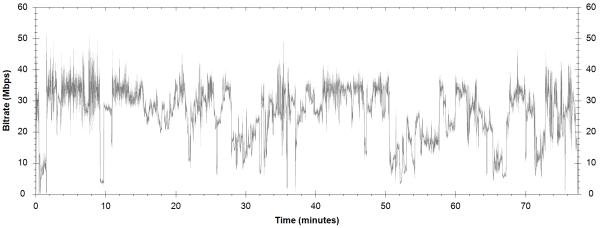
1. 37:1 1080P Dual-layered Blu-rayDisc Size: 48,756,926,023 bytesWhispering Smith Hits London: 22,888,811,904 bytesWhispering Smith vs. Scotland Yard: 17,858,203,008 bytes Video Bitrate: 27.91 / 25.95 MbpsCodec: MPEG-4 AVC Video |
|
|
NOTE: The Vertical axis represents the bits transferred per second. The Horizontal is the time in minutes. |
||
| Bitrate Whispering Smith Hits London Blu-ray: |
|
|
| Bitrate Whispering Smith vs. Scotland Yard Blu-ray: |
|
|
| Audio |
Whispering Smith Hits London: LPCM Audio English
2304 kbps 2.0 / 48 kHz / 2304 kbps / 24-bit DTS Audio English 768 kbps 2.0 / 48 kHz / 768 kbps / 24-bit
Whispering Smith vs. Scotland Yard: LPCM Audio English 2304 kbps 2.0 / 48 kHz / 2304 kbps / 24-bit Commentary: DTS Audio English 768 kbps 2.0 / 48 kHz / 768 kbps / 24-bit |
|
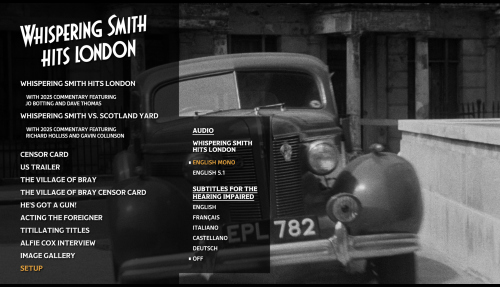
| Subtitles | English (SDH), French, Italian, Spanish, German, None | |
| Features |
Release Information: Studio: Hammer Films
1. 37:1 1080P Dual-layered Blu-rayDisc Size: 48,756,926,023 bytesWhispering Smith Hits London: 22,888,811,904 bytesWhispering Smith vs. Scotland Yard: 17,858,203,008 bytes Video Bitrate: 27.91 / 25.95 MbpsCodec: MPEG-4 AVC Video
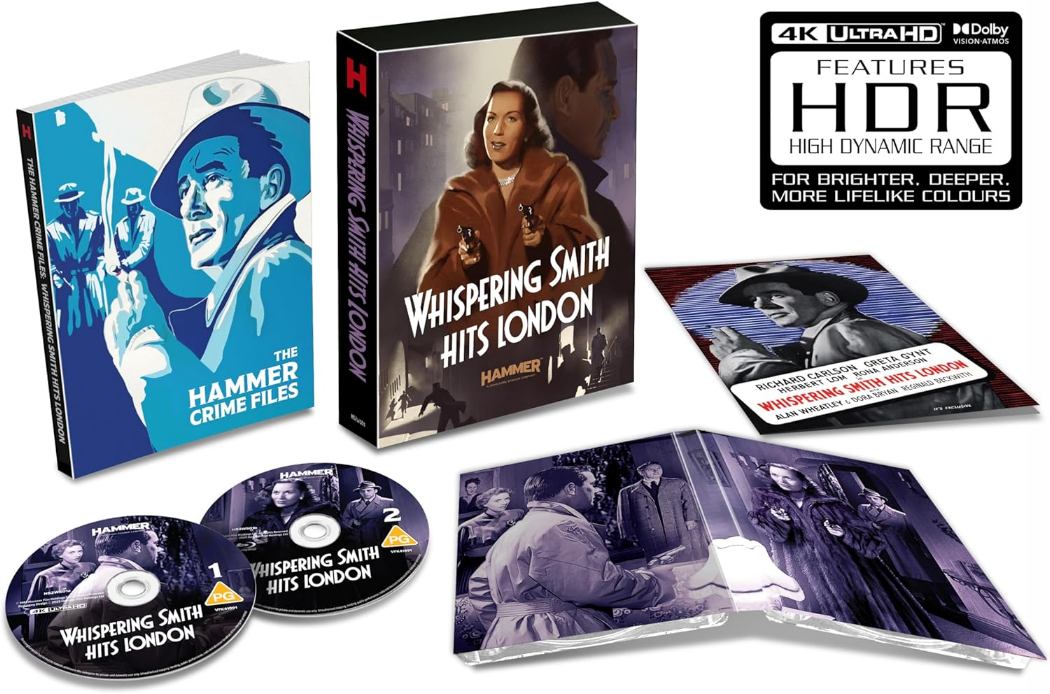
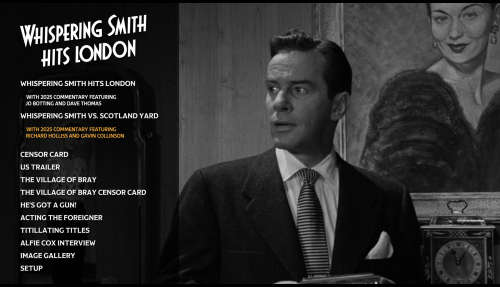
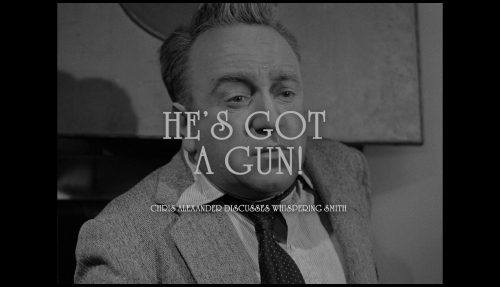
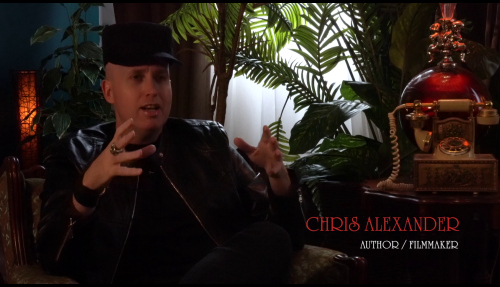
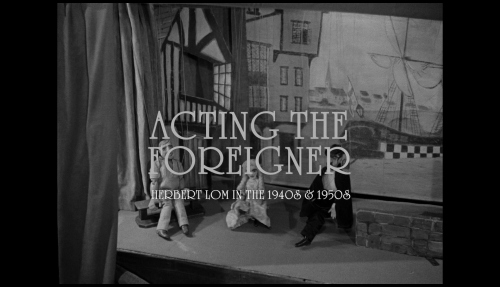
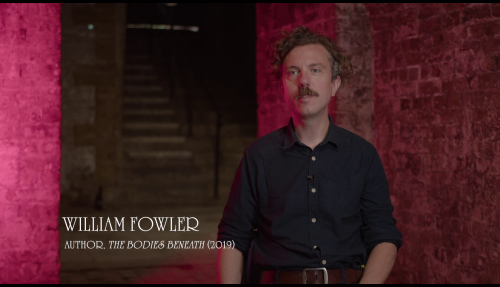
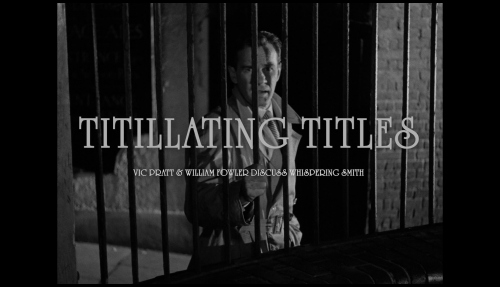
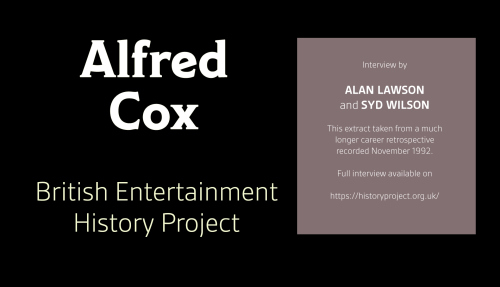
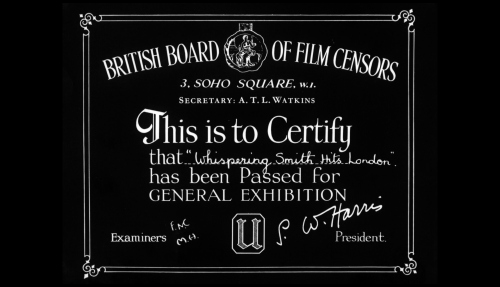
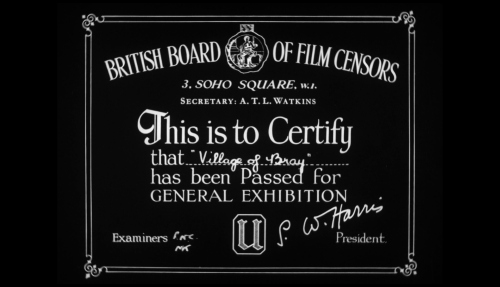
Edition Details: • New commentary with the bfi’s Curator of Fiction Jo Botting and podcaster Dave Thomas. • New commentary with film historian Richard Holliss and author/screenwriter Gavin Collinson. • He's Got a Gun!: Author, film-maker and Film Noir fan Chris Alexander casts an appreciative eye over a film that he believes is "a perfect example of Hammer doing what they did best at this period". (28:01) • Acting the Foreigner: Film historian Lucy Bolton, author Barry Forshaw and William Fowler and Vic Pratt, authors and creators/curators of the bi’s ongoing Flipside series cast an appreciative eye over acting legend Herbert Lom’s early career. (28:50) • Titillating Titles: When there is more than one version of a film, which is the definitive article? Vic Pratt and William Fowler examine the differences between the UK and US versions of Whispering Smith and discuss how versions of the same material can resonate in different ways for different audiences. (22:32) • Alfie Cox Interview: Interviewed in 1992 for the British Entertainment History Project, this extract from editor Alfie Cox’s career-long interview covers his time as editor at Hammer. (10:10) • The Village of Bray: Filmed in 1950 and released a year later, this short documentary travelogue made by Exclusive Films looks at the bucolic Thames-side village of Bray and its inhabitants. (11:52) • A gallery of stills and publicity material alongside tracks from Frank Spencer’s score. • Image Gallery (6:43) • Censor Card (0:10) • Village of Bray Censor Card (0:13) • U.S. Trailer (1:46) The booklet features: New article by Hammer expert Wayne Kinsey examining the making of Whispering Smith Hits London. New article by Philip Kemp, who considers the many aspects of Whispering Smith in books and on films and television. New article by Nora Fiore, who appraises the Noir films of eternal femme fatale Greta Gynt. New article by Vincent Barnett, who investigates the many flavours of Hammer’s crimer output and how it informed their later work. New article by Sarah Morgan, who shines a light on Richard Carlson, once a prolific actor but now almost an enigma. New article by Wayne Kinsey, who examines how James Carreras’ wheeler-dealing gave Hammer an enviable advantage over their British competitors.
Custom 4K UHD Case (see below) Chapters 12 / 12 |
|


| Comments: |
NOTE:
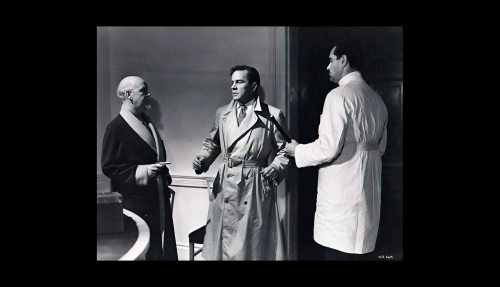
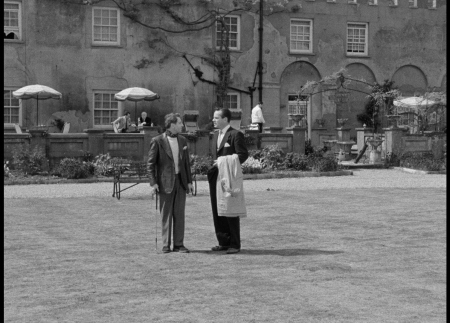
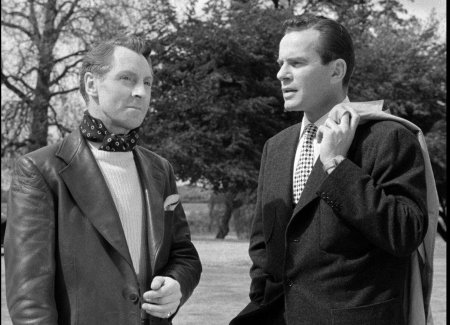
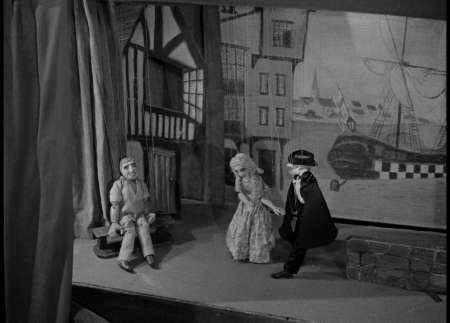
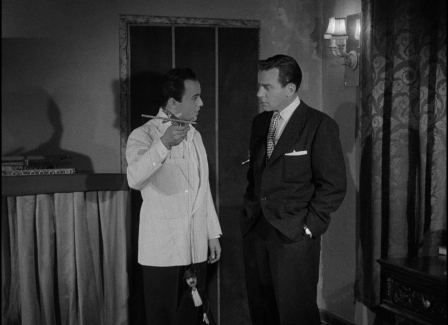
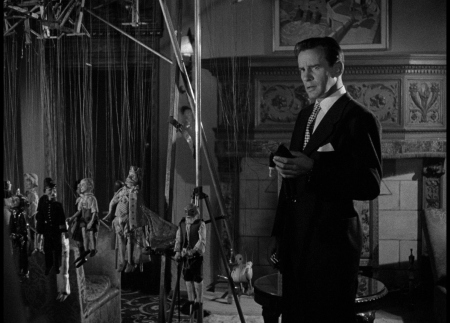
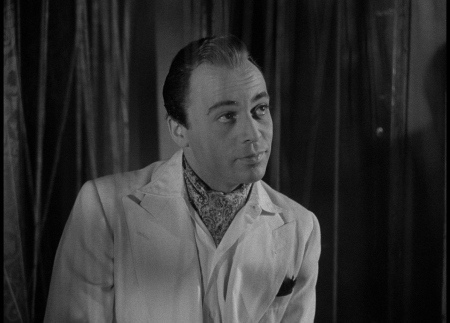
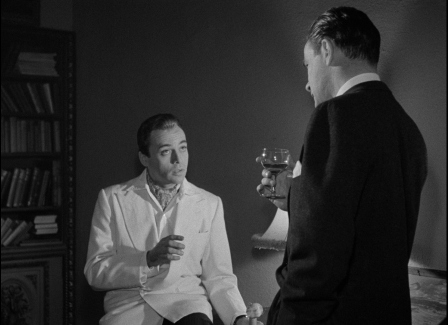
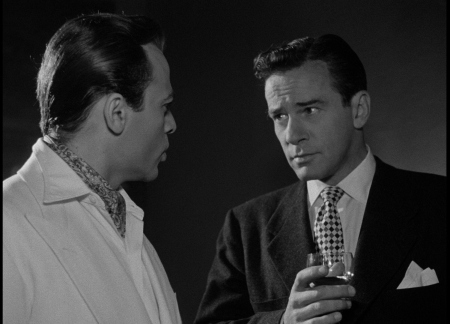
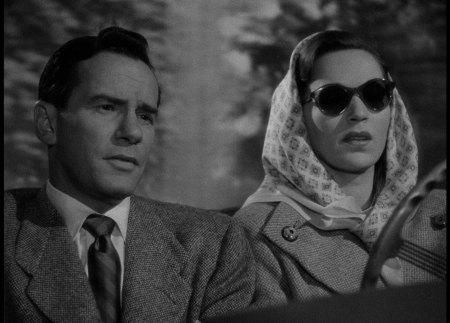
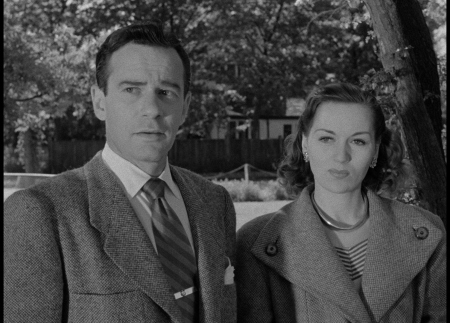
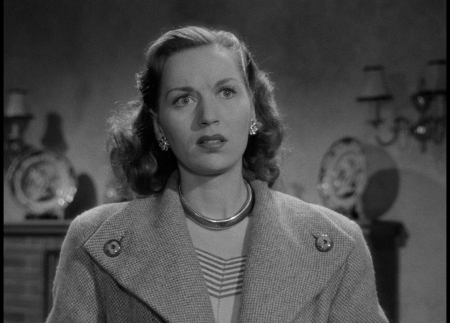
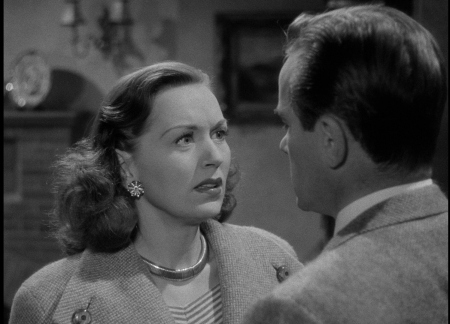
The below
Blu-ray
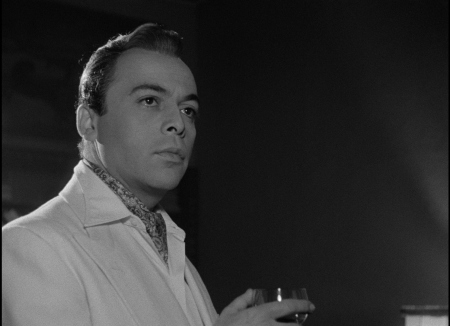
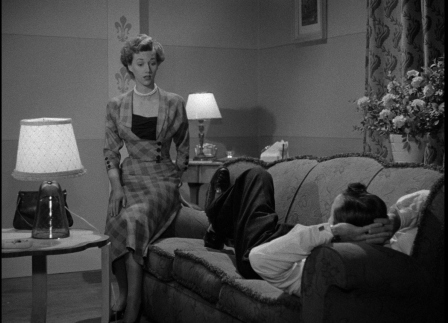
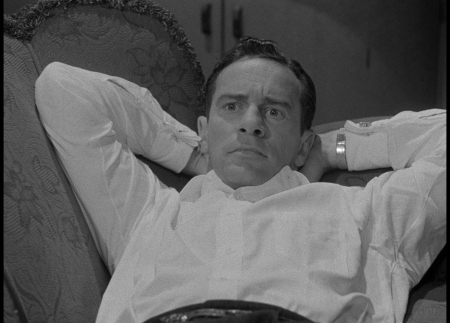
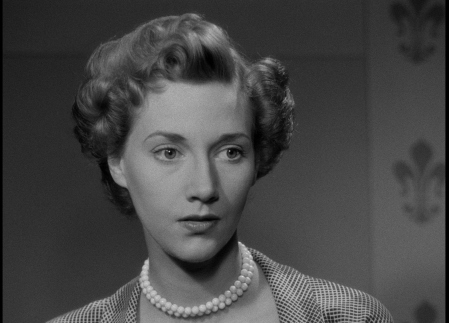
captures were taken directly from the
respective
disc.
While we are in possession of the
4K UHD disc,
we cannot resolve the encode yet, and therefore, cannot obtain screen
captures. We hope to add to this review at some point in the future. So, the below
captures are from Hammer Films' 2025 1080P
Blu-ray
transfer.
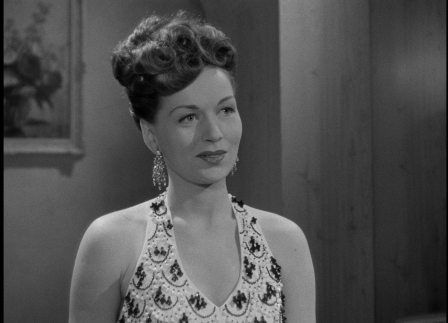
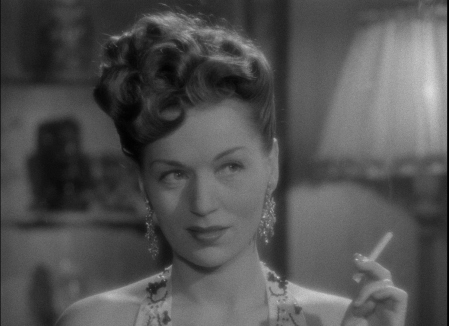
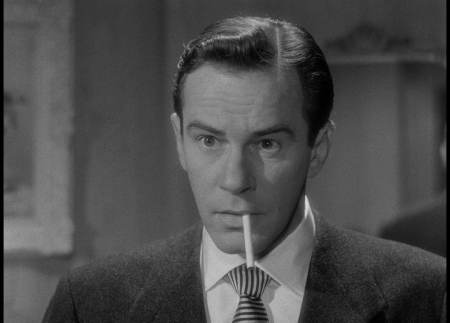
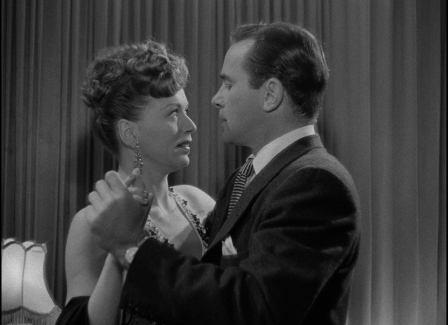
NOTE: We have added 72 more large
resolution
Blu-ray captures (in lossless
PNG format) for DVDBeaver Patrons
HERE
On their
Blu-ray
and 4K UHD,
Hammer Films offers both linear PCM dual-mono or DTS-HD Master 5.1
surround bump tracks (24-bit) in the
original English language. The audio landscape of Whispering Smith
Hits London is characteristic of early 1950s B-movies, focusing on
clear dialogue-driven storytelling with minimalistic sound design that
supports the narrative without overpowering it. Composer Frank Spencer's
(Man Bait)
score is understated, enhancing tension through layered effects and
occasional swells that underscore key moments of suspense, such as
shadowy pursuits or revelations, but it remains mid-to-high focused with
limited bass depth in the original mono track. The 5.1 upmix introduces
enhanced bass heaviness, better directionality, and mild separation for
a warmer, more immersive experience in home theater setups, though
purists will appreciate the mono's flat authenticity.
All of the extras on the Hammer Films
4K UHD
release are available on both discs. This starts with two new audio
commentaries: the first with BFI’s Curator of Fiction
Jo Botting
and
podcaster Dave Thomas, who offers engaging insights into the
film's narrative structure, character dynamics, and its place in British
postwar cinema, blending scholarly analysis with enthusiastic fandom;
the second featuring film historian Richard Holliss and
author/screenwriter Gavin Collinson (The
Hitchcock Murders,) who delve deeply into production anecdotes,
Hammer's early crime thriller phase, script development by John
Gilling and others, and comparisons to
American noir influences, providing a wealth of historical
context that enriches the viewing experience. Featurettes include the
1/2-hour "He's Got a Gun!", where author and filmmaker Chris
Alexander (Corman/Poe:
Interviews and Essays Exploring the Making of Roger Corman's Edgar Allan
Poe Films, 1960-1964) passionately argues that the film
exemplifies
Hammer's mastery of low-budget
noir during this period, highlighting its brisk pacing,
atmospheric London locations, and subtle blend of suspense and
quirkiness, making a strong case for its underrated status. In the
1/2-hour "Acting the Foreigner" film historian Lucy Bolton (Film
and Female Consciousness: Irigaray, Cinema and Thinking Women,)
author Barry Forshaw (Brit
Noir: The Pocket Essential Guide to British Crime Fiction, Film & TV,)
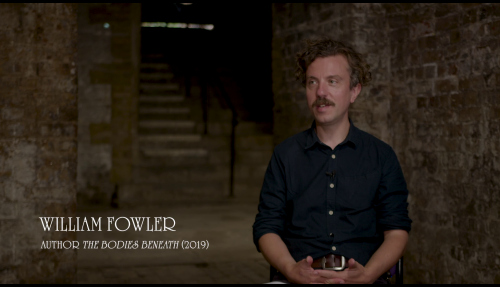
and BFI curators Will Fowler and Vic Pratt (authors of
The Bodies Beneath The
Flipside of British Film & Television) explore Herbert Lom’s
early career, focusing on his transition from Czech émigré roles to
menacing villains, his
Hammer debut as the puppeteer, and his broader contributions to
British cinema with appreciative analysis of his nuanced performance
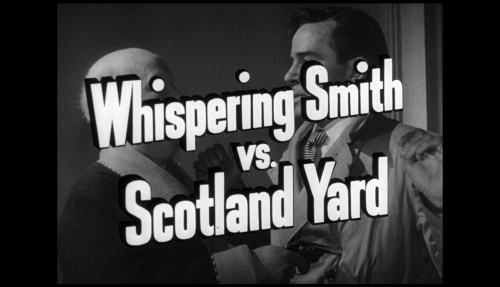
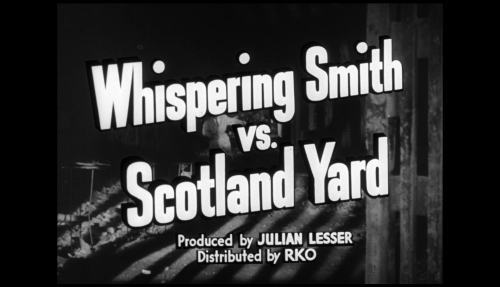
here. "Titillating Titles" runs 23 minutes and sees Vic Pratt and
William Fowler dissecting the differences between the UK cut (Whispering
Smith Hits London) and the US version (Whispering Smith vs.
Scotland Yard,) including runtime variations (77 vs. 82 minutes,)
alternate scenes, title changes for market appeal, and how these edits
affect pacing, cultural resonance, and audience perception, offering
fascinating insights into international film distribution and
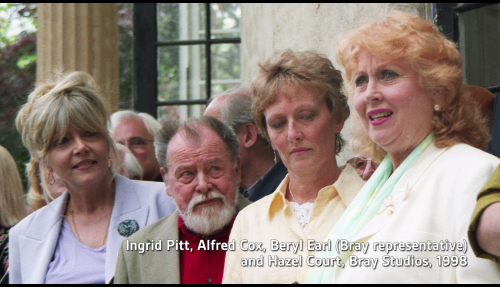
censorship. Additional materials feature a 1992 interview extract with
editor Alfie Cox (1979's
The Lady Vanishes) - running over 10 minutes - from the British
Entertainment History Project, where he recounts his experiences at
Hammer, editing techniques for B-movies, and specific challenges
on this film, providing a rare behind-the-scenes perspective from a key
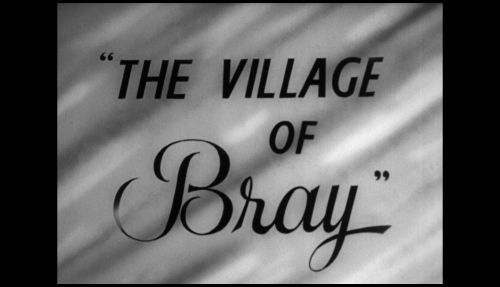
crew member; the 1951 documentary dozen-minute short "The Village of
Bray", produced by Exclusive Films (Hammer's
parent company), which offers a charming glimpse into the Thames-side
village where
Hammer's studios were located, showcasing its inhabitants and
postwar bucolic life, serving as a delightful historical artifact tied
to the studio's origins. Rounding out the on-disc extras are an image
gallery featuring stills, posters, and publicity materials paired with
isolated tracks from Frank Spencer’s score for atmospheric listening;
brief censor cards for the film and for "The Village of Bray"
showing BBFC certification details; and the U.S. trailer, which promotes
the alternate title with a focus on action and mystery to appeal to
American audiences. The accompanying lavish booklet enhances the package
with new articles: Wayne Kinsey's (Hammer
Films, A Life in Pictures) piece on the film's making, detailing
production hurdles, casting choices, and director Francis Searle's
approach; Philip Kemp's exploration of the Whispering Smith
character across literature, films, and TV, tracing its evolution from
Western roots;
The Nitrate
Diva Nora Fiore's appraisal of Greta Gynt's
noir roles, emphasizing her femme fatale allure and career
highlights; Vincent Barnett's (The
Vampire Lovers and Hammer's Post-1970 Production Strategy)
investigation into
Hammer’s diverse crime output and its influence on their Gothic
horror transition; Sarah Morgan's spotlight on Richard Carlson,
unraveling his prolific yet enigmatic career from stage to screen; and
another by Kinsey on James Carreras’ shrewd business dealings that
positioned Hammer ahead of competitors, all contributing to a scholarly
yet accessible resource for fans.
Francis Searle's Whispering Smith Hits London
is a British crime thriller produced by
Hammer Films during their early phase of low-budget
noir and
mystery films. The film represents an attempt to transplant the American
hard-boiled detective archetype into a London setting, drawing from the
character of
Whispering Smith, originally created by
Frank H. Spearman
in a 1906 novel about a railroad detective. This iteration, however,
reimagines Smith as a modern private investigator, marking a departure
from his Western roots seen in the 1948 Alan Ladd film
Whispering Smith.
Scripted by John Gilling (The
Gamma People, The
Flesh and the Fiends,
Pickup Alley,
Cross of the Devil,
The Reptile,
The Shadow of the Cat,
The Plague of the Zombies,) Steve Fisher (September
Storm,
New York Confidential,
The Shanghai Story,
Hell's Half Acre,
Vicki,
City That Never Sleeps,
Woman They Almost Lynched,
Tokyo Joe,
Dead Reckoning,
Lady in the Lake,
Johnny Angel,
I Wake Up Screaming,) and Searle himself, the movie was intended
as the start of a series but remained a standalone due to lack of
commercial success. It exemplifies
Hammer's pre-horror era, blending American
noir influences with British procedural elements in a postwar
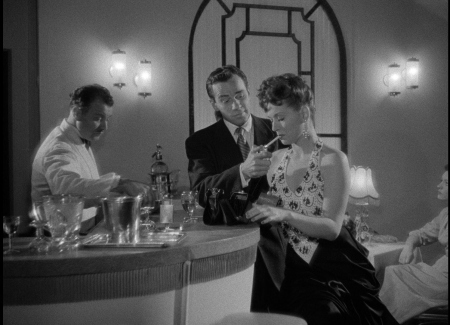
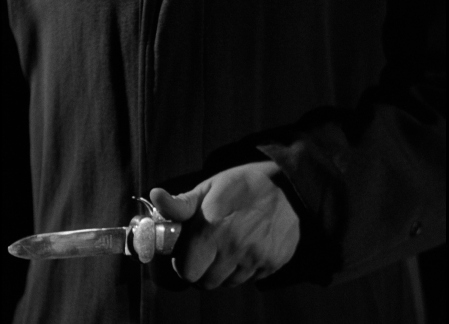
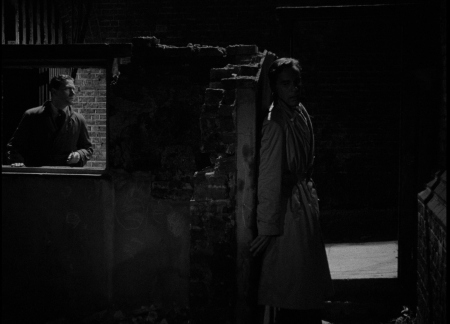
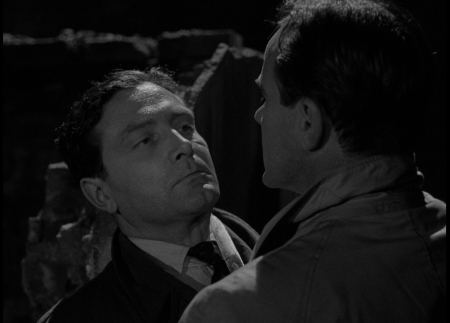
context of cultural exchange and genre experimentation. The overall look
avoids full fatalism, opting for a brisk, procedural pace that ambles
through investigation rather than overwhelming with visual intensity,
making it feel quaint and accessible despite its genre roots. Richard
Carlson's (The
Young in Heart,
The Little Foxes,
Back Street,
The Amazing Mr. X,
Behind Locked Doors,
Try and Get Me!,
Retreat, Hell!,
Flat Top,
It Came from Outer Space,
The Magnetic Monster,
The Maze,
All I Desire,
Creature from the Black Lagoon,
Tormented,
The Power,
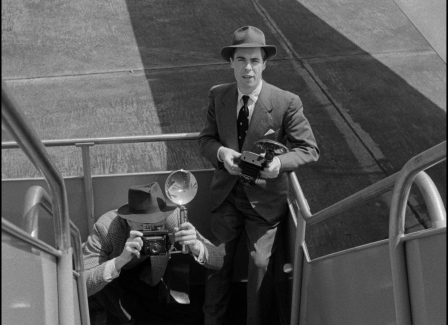
The Valley of Gwangi) portrayal of Whispering Smith is central,
depicting him as a charming, fast-talking American everyman with a
celebrity-like reputation that the film never fully justifies -
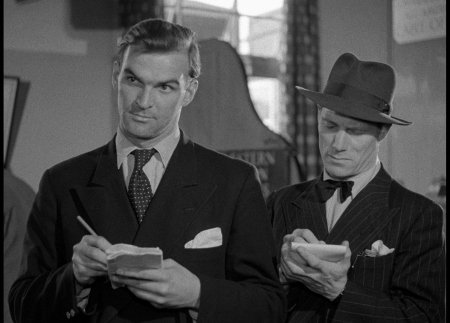
reporters swarm him upon arrival, yet his "whispering" moniker remains
unexplained, as he speaks at normal volume. Smith's reliance on
charisma, luck, and women's affections positions him as a lighter, more
accessible detective than gritty
noir icons, like Philip Marlowe, though
this makes him somewhat nondescript and reliant on plot conveniences.
Rona Anderson's (Spin
a Dark Web,
Noose for a Lady, 1951'a
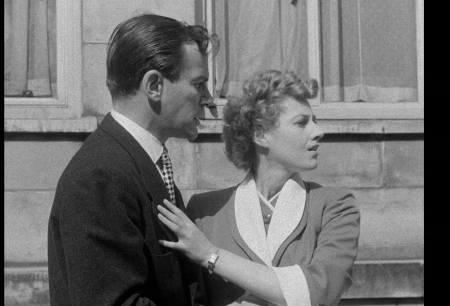
A Christmas Carol) Anne Carter serves as the quintessential
British amateur sleuth, persistent and radiant, with strong chemistry
with Smith that evolves into a subtle romance. Style is particularly
evident in the portrayal of characters, like the
femme fatale Louise Balfour (Greta Gynt -
Tomorrow We Live,
The Dark Eyes of London,) whose descent into darkness is
visually underscored by progressively deeper eyeshadow, darkening
attire, and constant placement in shadowed environments - creating a
subtle yet effective visual metaphor for her duplicity. It reflects
Hammer's transition from crime dramas to Gothic horror, showing
early
noir shades that influenced later works, while addressing genre
shifts from rural Western myths to urban sleuthing. Herbert Lom's
(Appointment With Crime,
Brass Monkey,
Night and the City,
Cage of Gold,
The Man Who Watched Trains Go By,
The Ladykillers,
Hell Drivers,
Chase a
Crooked Shadow,
Passport to Shame,
Mysterious Island,
Phantom of the
Opera,
Return from the Ashes,
Bang! Bang! You're Dead!,
Gambit,
Mark of
the Devil,
The Secret of Dorian Gray,
And Then There Were None, 1979's
The Lady Vanishes) menacing puppeteer adds insidious villainy in
his
Hammer debut, while supporting players, like Dora Bryan (The
Fallen Idol) and Danny
Green (The
7th Voyage of Sinbad,) and provide memorable cameos that elevate the ensemble.
Look closely and you'll see a glimpse of Stanley Baker (The
Cruel Sea,
The Good Die Young,
Hell Drivers,
Jet Storm,
Yesterday's Enemy,
The Criminal,
Sands of the Kalahari,
Accident,
Robbery) in one of his first film appearances before he rose to
prominence in the mid-1950s. Overall, the
characters embody genre tropes - the outsider hero clashing with
authorities, the vulnerable ingénue, and the duplicitous siren - but are
performed with enough relish to make the film engaging despite their
familiarity. Thematically, the film explores postwar deception,
questioning authority and social appearances in a London recovering from
war with motifs of blackmail, murder, and hidden relationships
underscoring moral ambiguity and cultural clashes between American
individualism and British restraint. The film's style blends British
coziness with American hard-boiled elements, resulting in a low-key
thriller that ambles procedurally rather than racing with violence. Overall,
Hammer Films' 4K UHD release of
Whispering Smith Hits London stands as an exemplary collector's item
for fans of British noir and the studio's pre-horror era, with its
pristine restoration, versatile audio options, and exhaustive extras
elevating an underrated, quaint crime thriller into a must-own package
that showcases Hammer's commitment to quality and depth, making it well
worth the investment despite the film's minor narrative flaws and
obscurity.
|
|
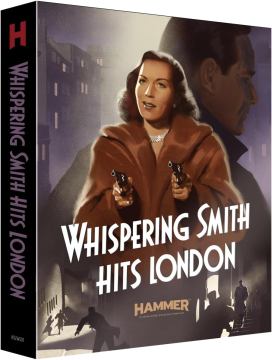
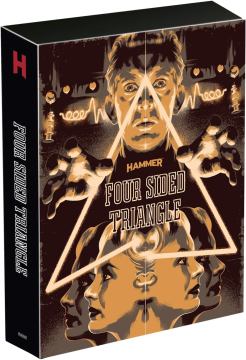
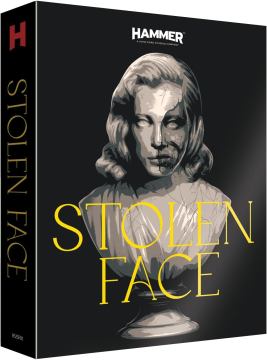
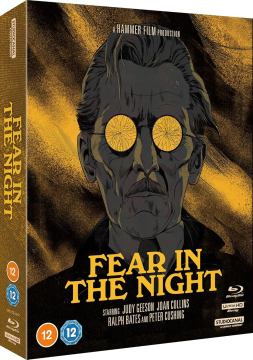
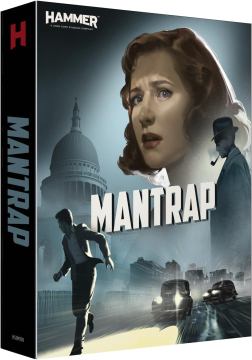
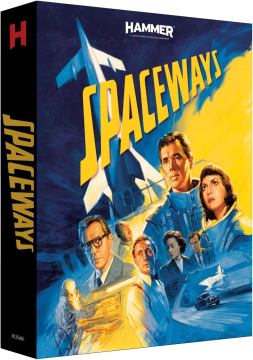
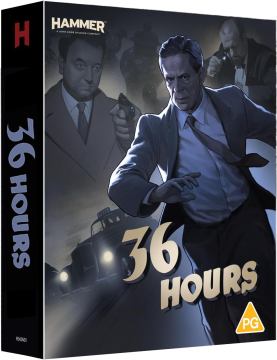
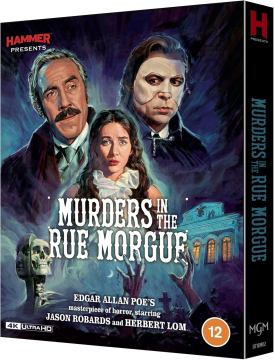
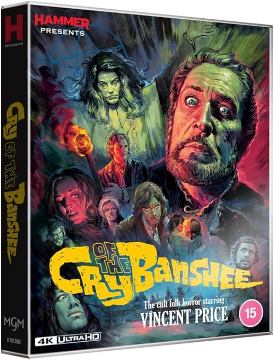
(HAMMER IN 4K UHD! CLICK COVER for MORE INFORMATION)
|
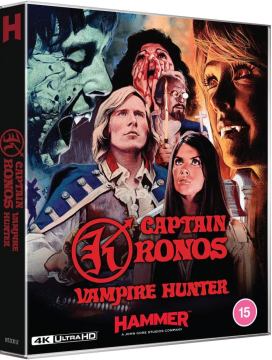
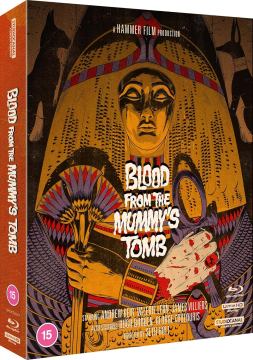
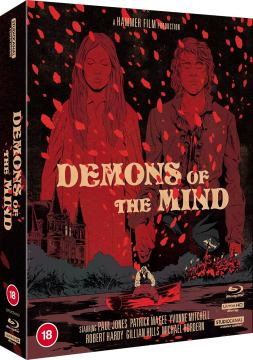
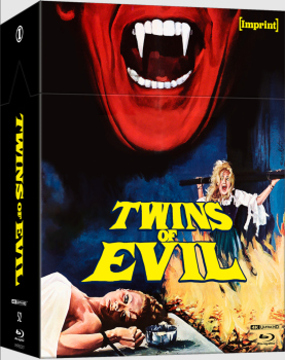
 |
Menus / Extras
 |
 |
 |
 |
 |
 |
 |
 |
 |
 |
 |
 |
 |
 |
 |
 |
 |

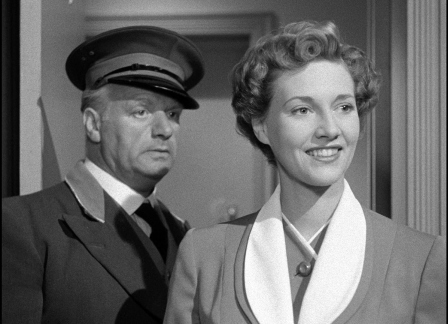
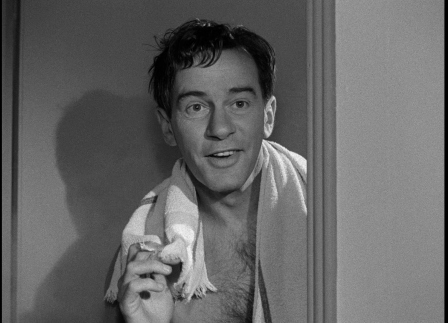
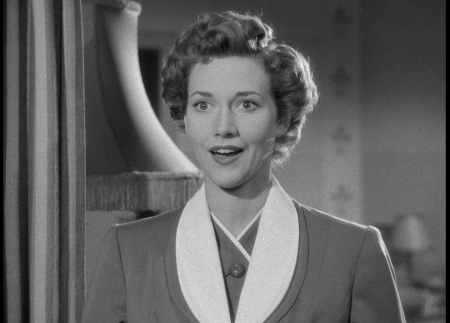
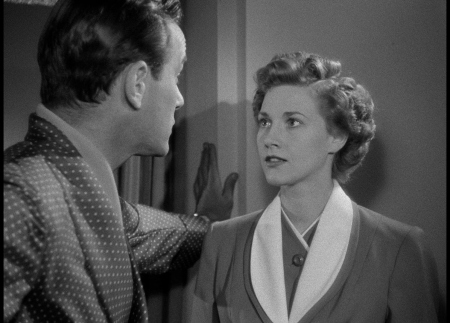
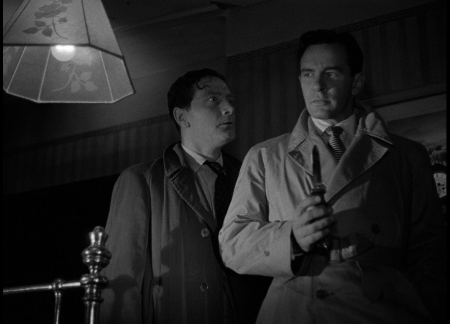
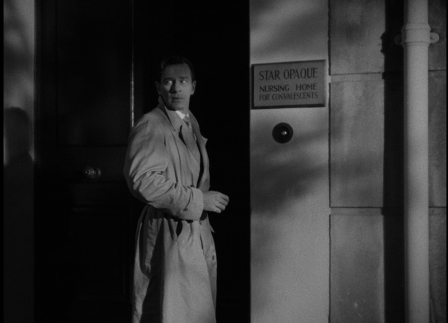
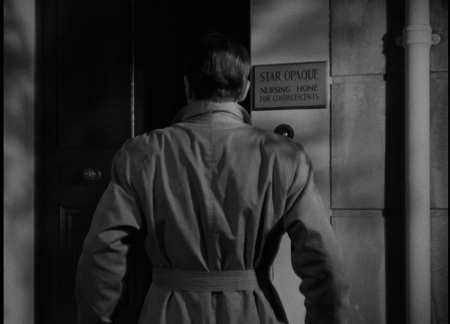
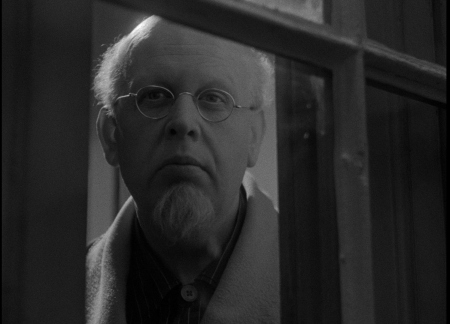
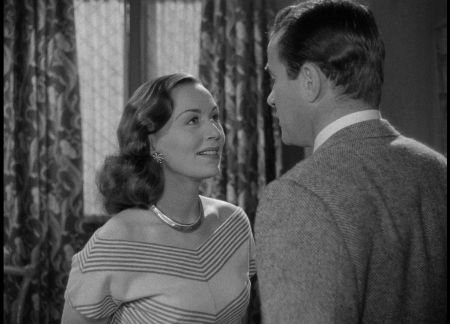
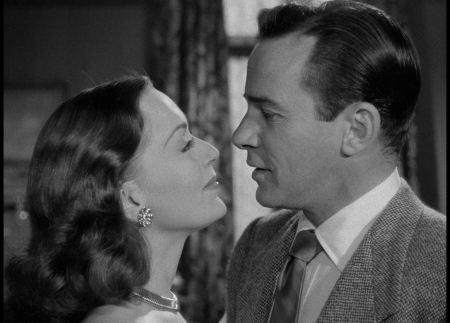
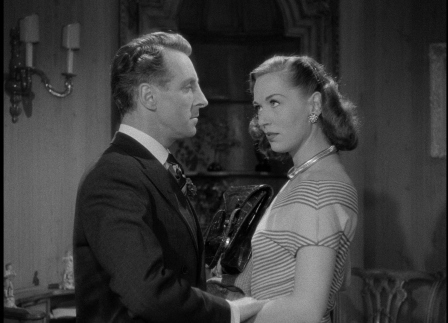
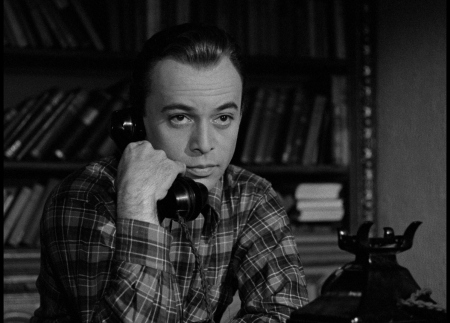
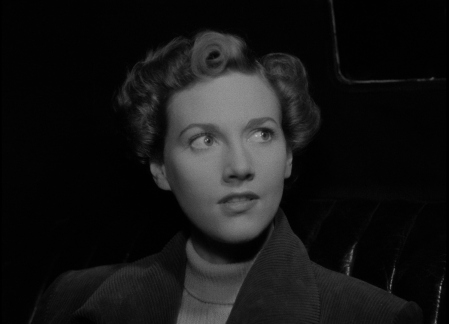
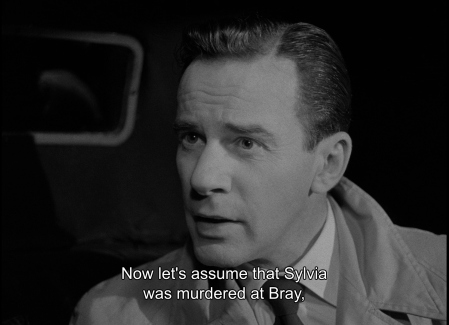
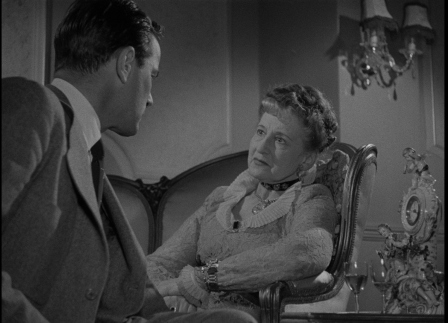
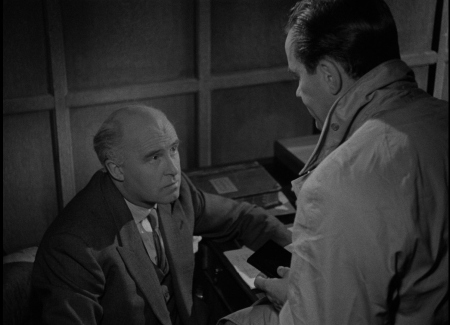
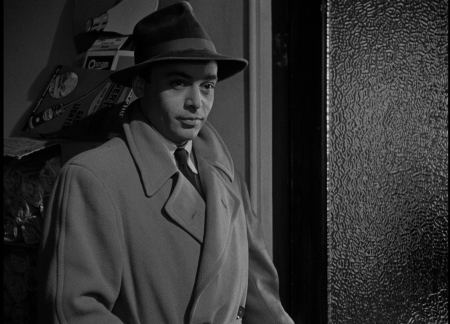
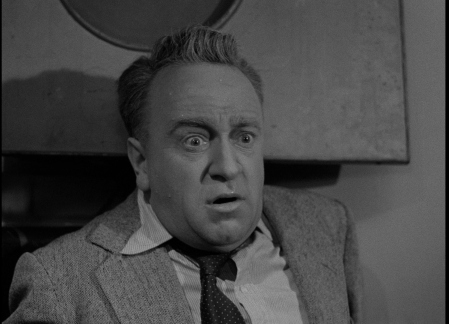
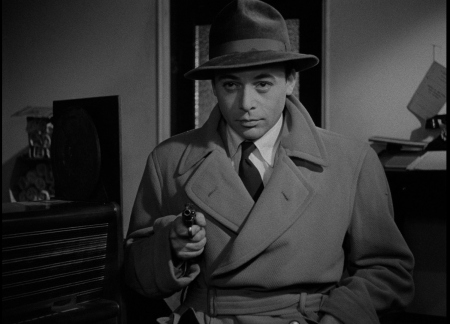
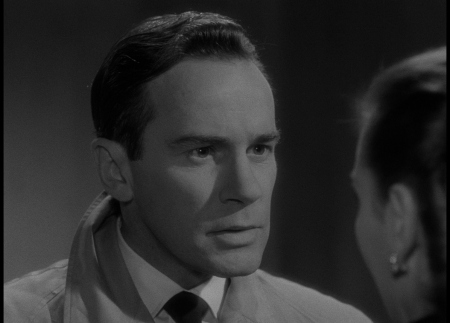
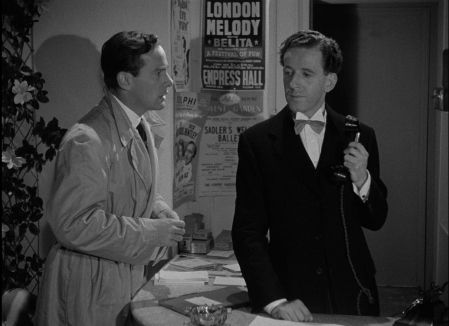
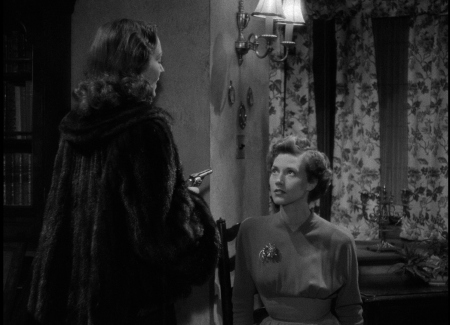
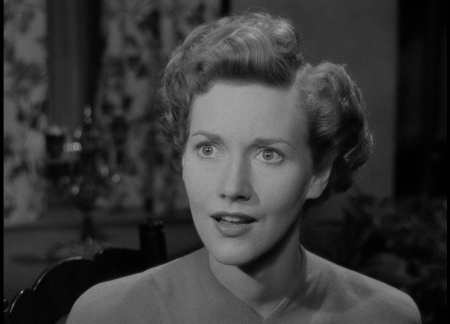
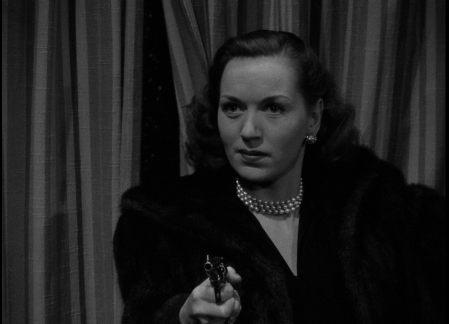
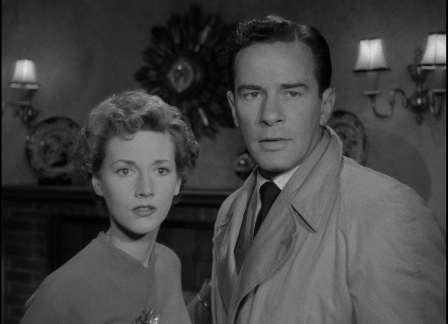
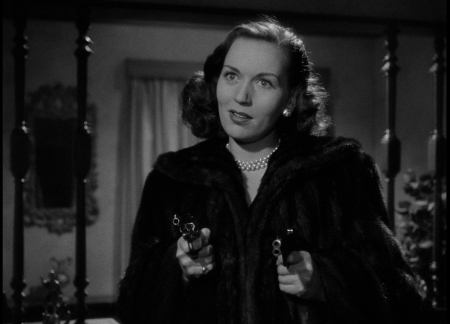
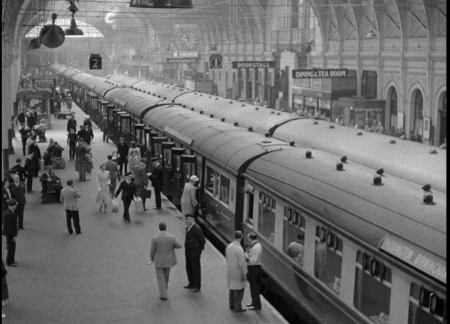
CLICK EACH BLU-RAY CAPTURE TO SEE ALL IMAGES IN FULL RESOLUTION
 |
 |
 |
 |
 |
 |
 |
 |
 |
 |
 |
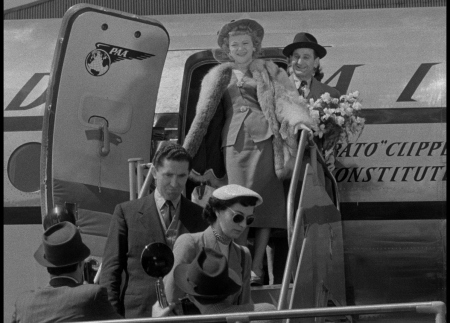
More full resolution (1920 X 1080) Blu-ray Captures for DVDBeaver Patreon Supporters HERE
 |
 |
 |
 |
 |
 |
 |
 |
 |
 |
 |
 |
 |
 |
 |
 |
 |
 |
 |
 |
 |
 |
 |
 |
 |
 |
 |
 |
 |
 |
 |
 |
 |
 |
 |
 |
 |
 |
 |
 |
 |
 |
 |
 |
 |
 |
 |
 |
 |
 |
 |
 |
 |
 |
 |
 |
 |
 |
 |
 |
 |
 |
 |
 |
 |
 |
 |
 |
 |
 |
 |
 |
| Box Cover |
|
CLICK to order from:
BONUS CAPTURES:
|
| Distribution | Hammer Films # 41 - Region FREE - 4K UHD / Blu-ray | |
|
Search DVDBeaver |
S E A R C H D V D B e a v e r |















CLICK PayPal logo to donate!
|
Gary Tooze
|
|
Thank You!
