|
An
enormous, sincere thank you to our phenomenal
Patreon
supporters! Your unshakable dedication is the bedrock that keeps DVDBeaver
going - we’d be lost without you. Did you know? Our patrons include a
director, writer, editor, and producer with honors like Academy Awards for
Best Picture and Best Director, a Pulitzer Prize-winning screenwriter, and a
Golden Globe-winning filmmaker, to name a few! Sadly, DVDBeaver has reached a breaking point where our existence hangs in the balance. We’re now reaching out to YOU with a plea for help. Please consider pitching in just a few dollars a month - think of it as the price of a coffee or some spare change - to keep us bringing you in-depth reviews, current calendar updates, and detailed comparisons. I’m am indebted to your generosity!
|






|
Search DVDBeaver |
S E A R C H D V D B e a v e r |

Directed by Charles Vidor
USA 1946
|
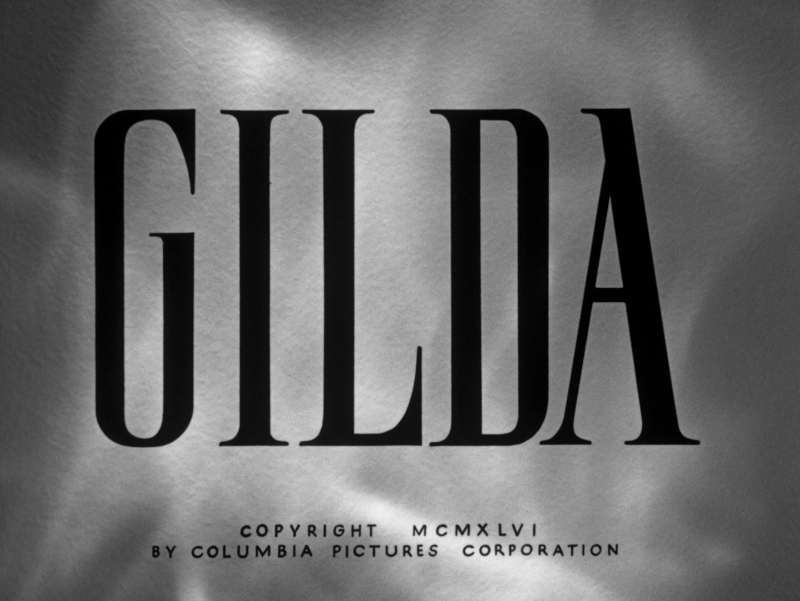
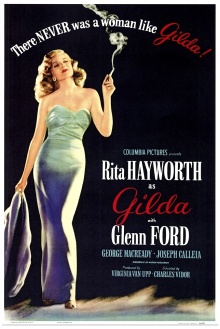
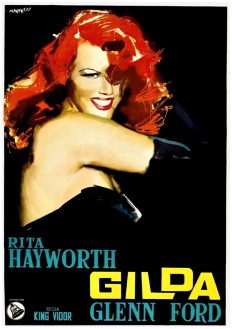
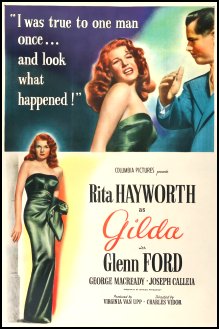
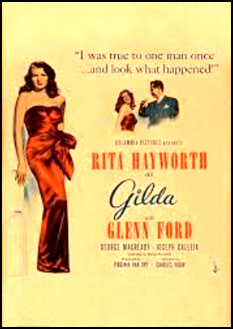
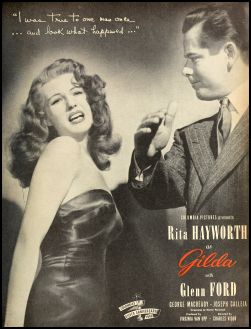
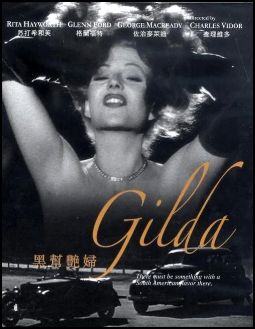
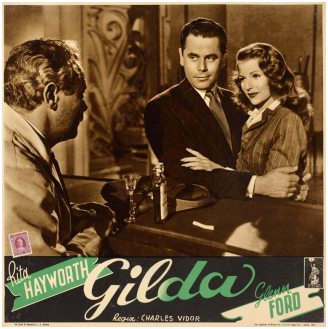
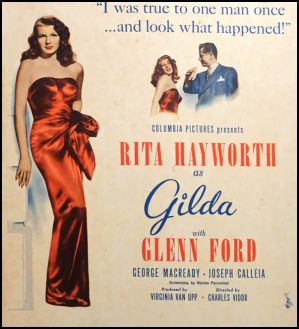
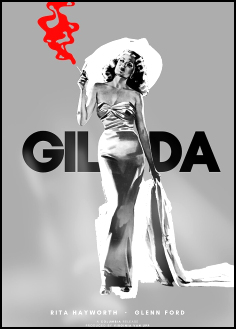
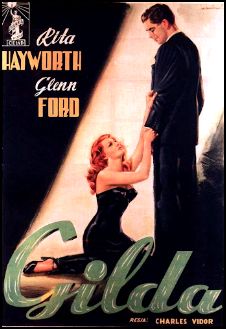
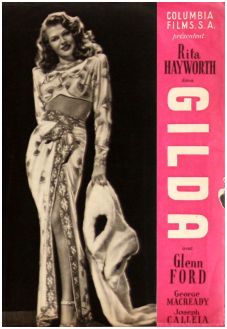
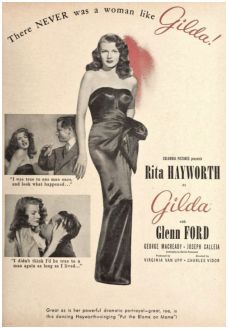
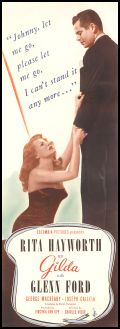
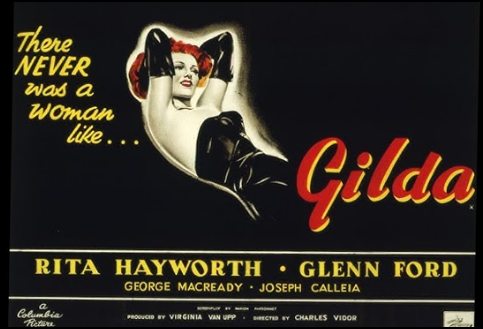
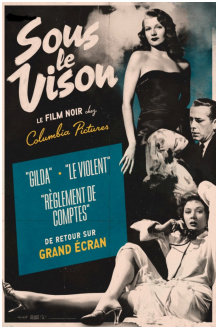
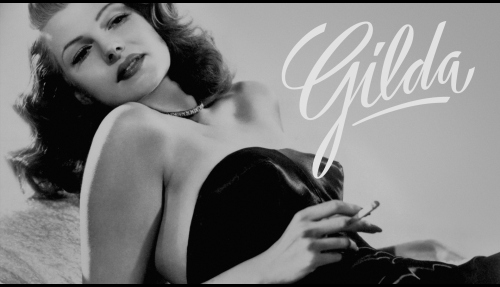
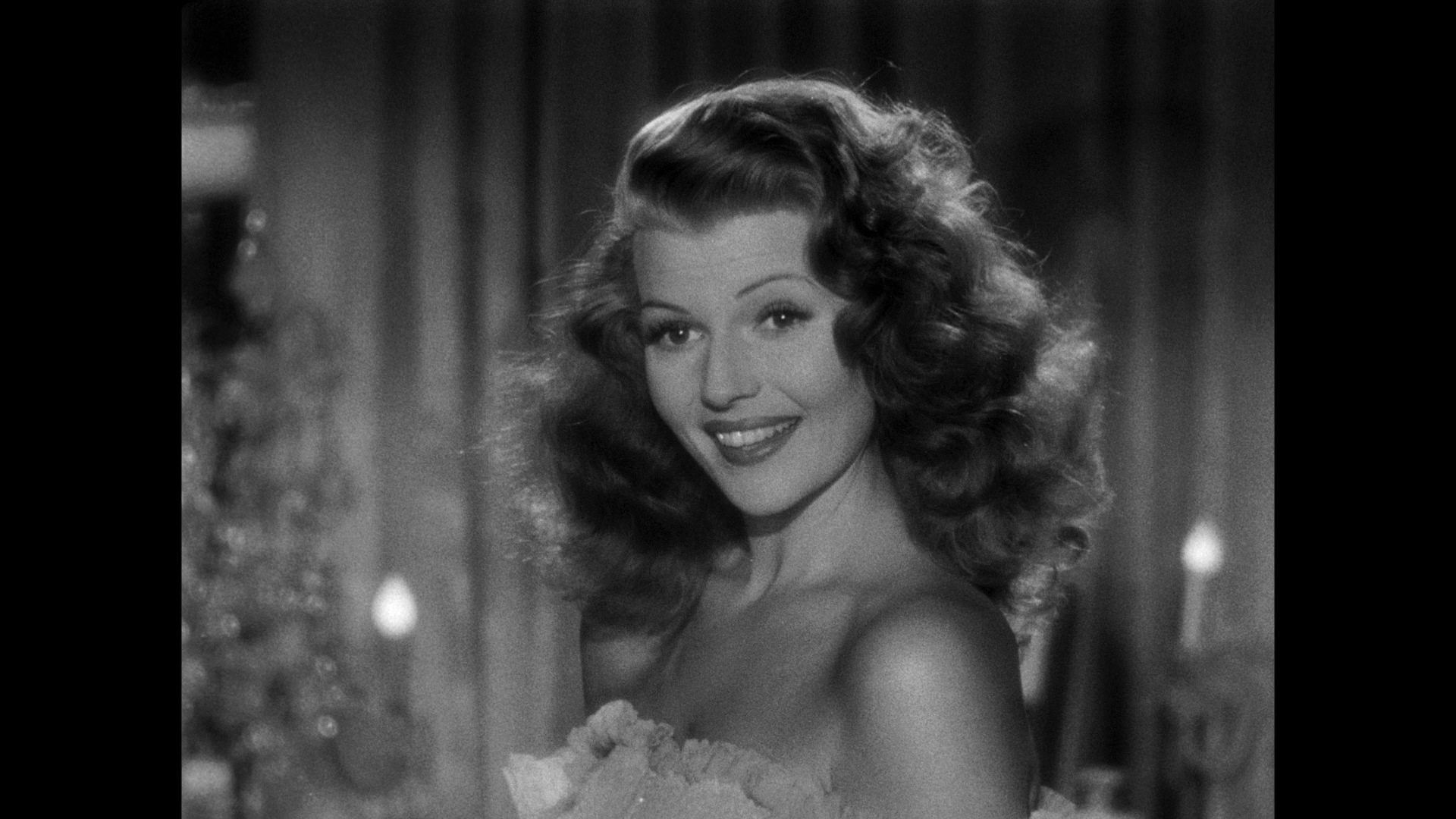
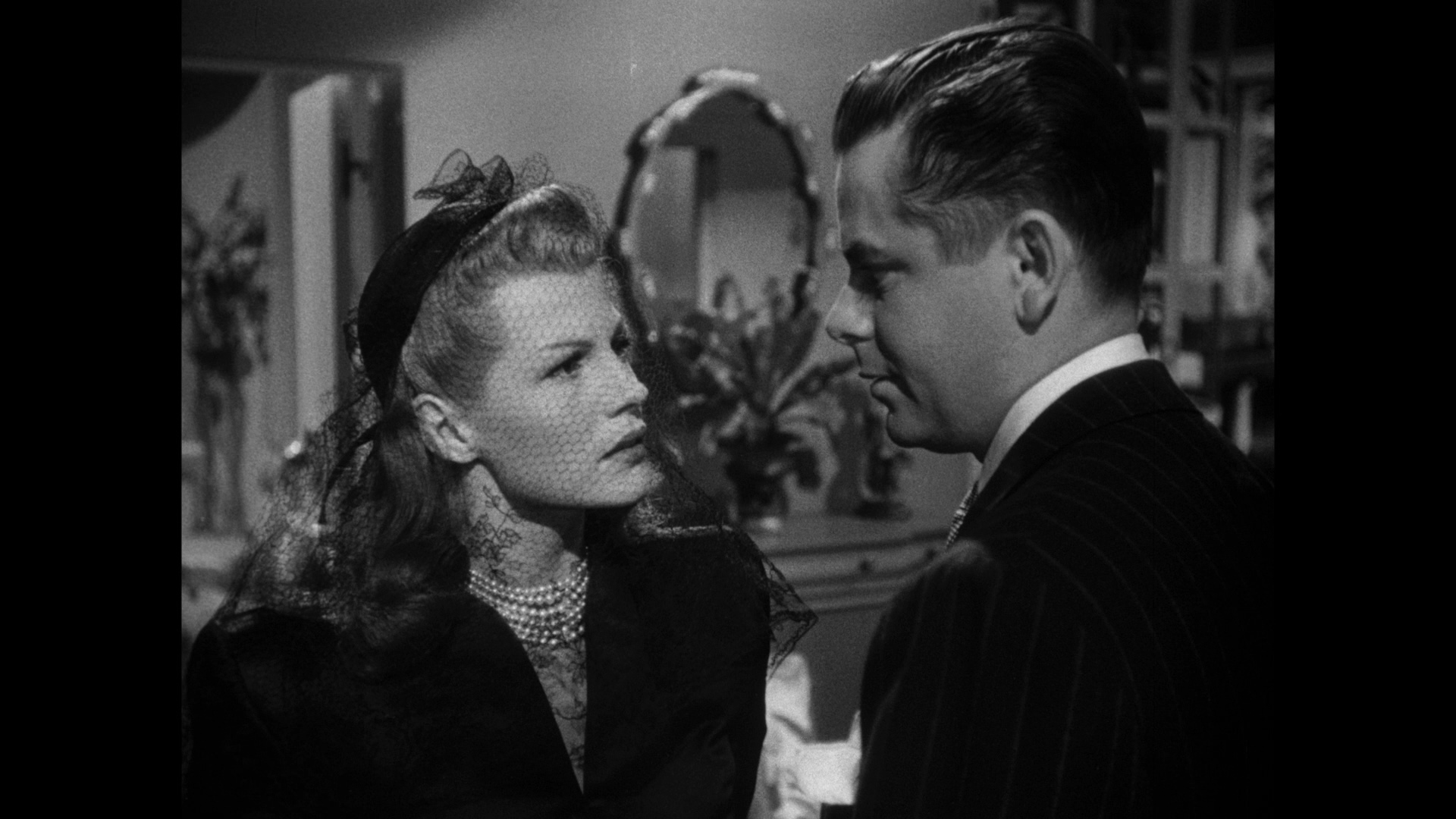
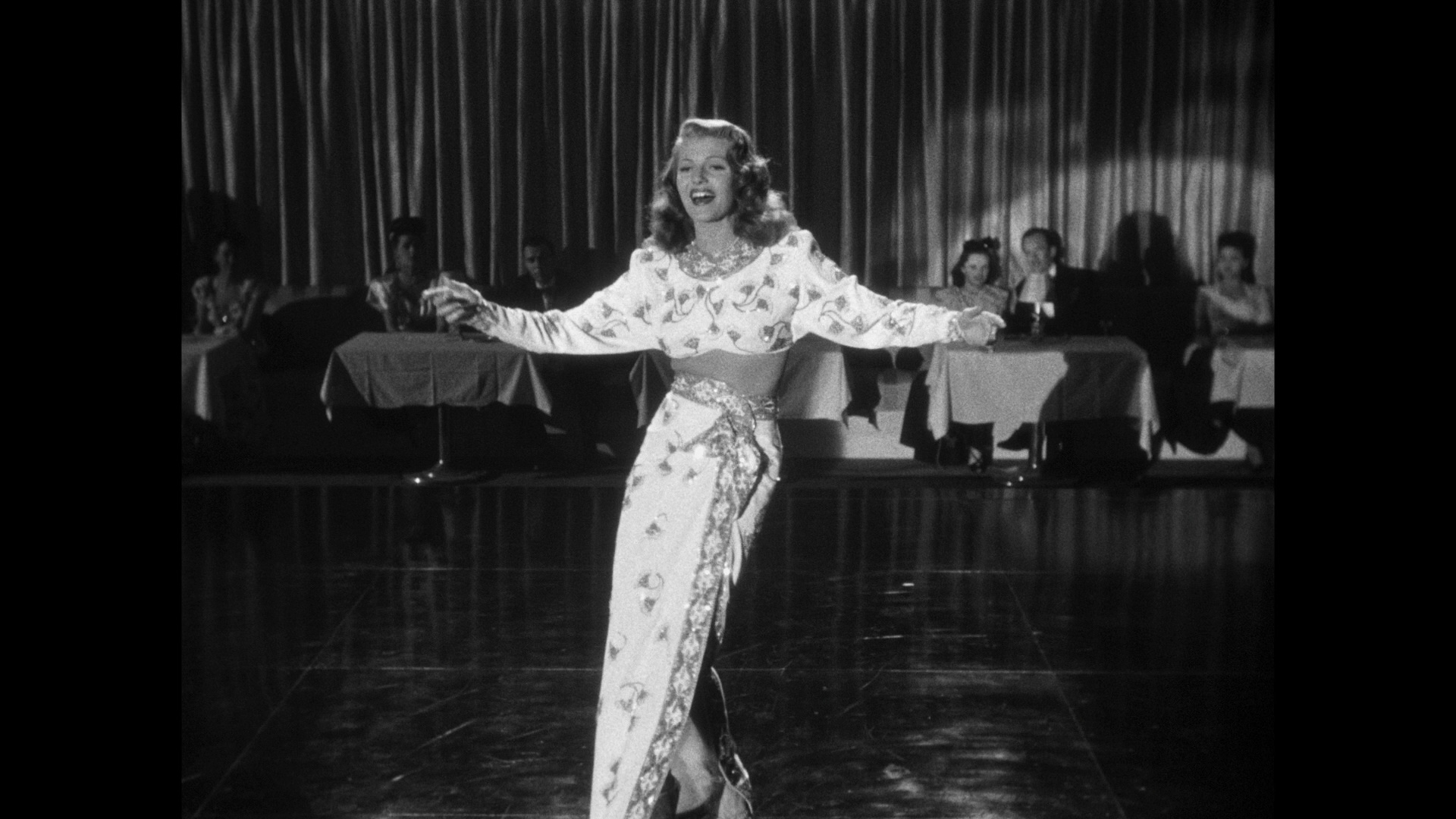
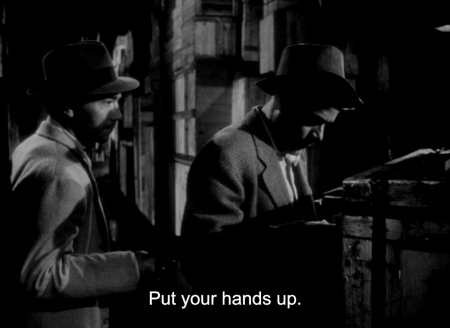
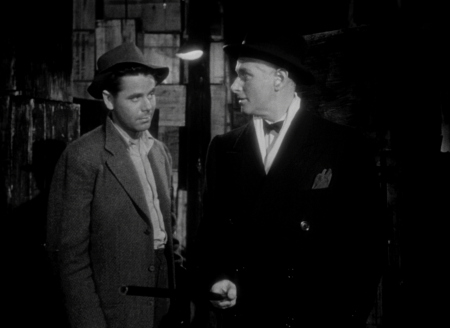
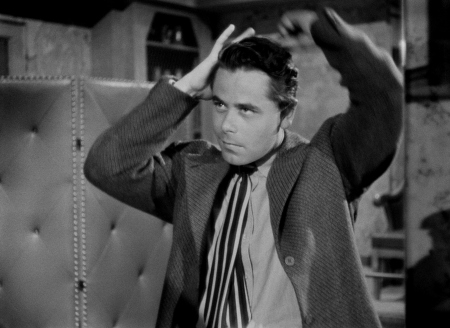
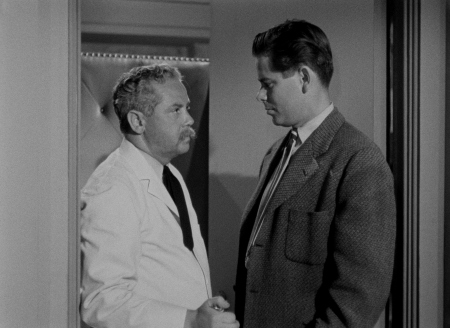
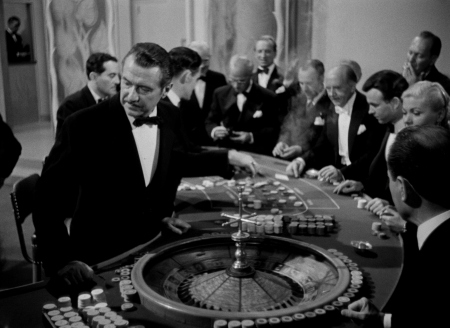
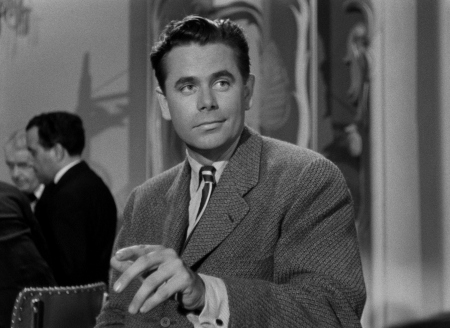
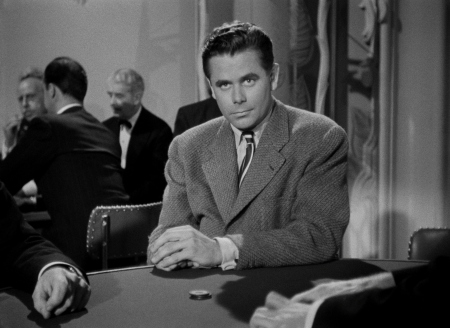
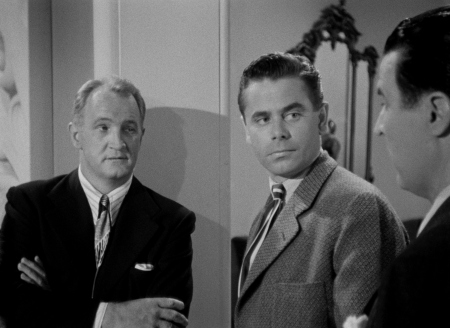
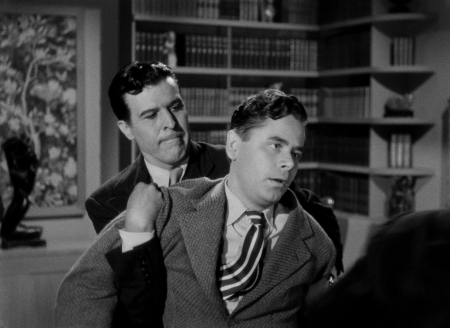
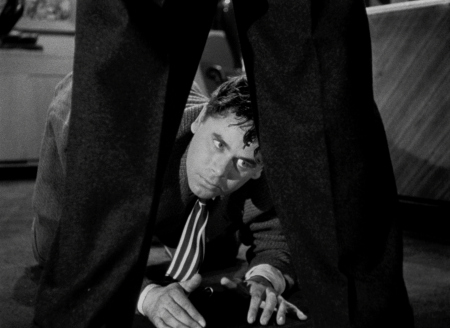
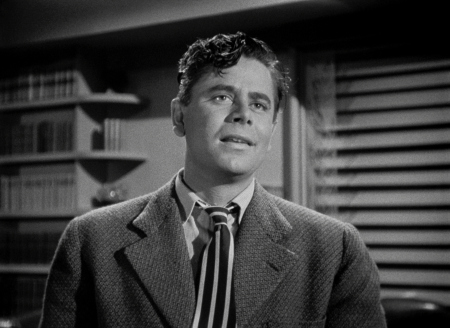
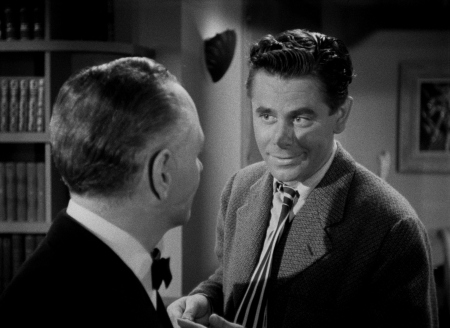
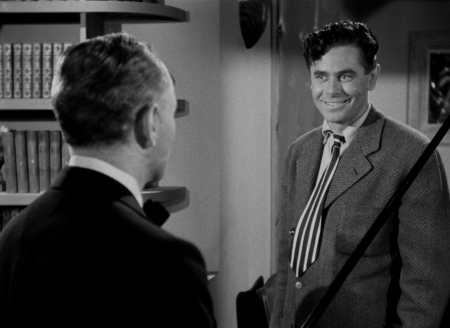
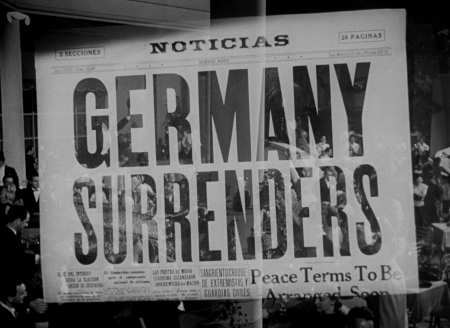
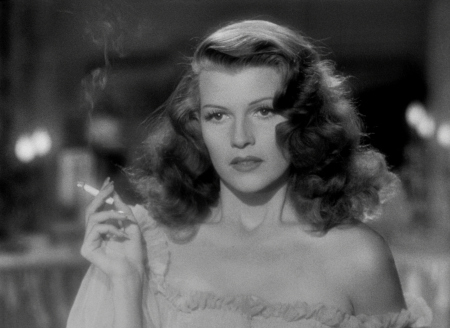
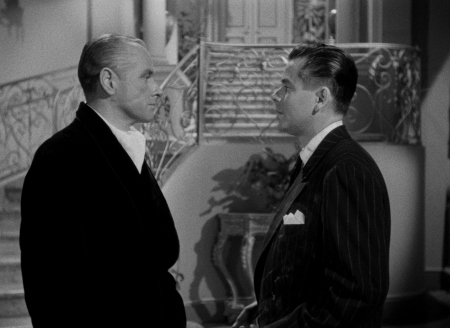
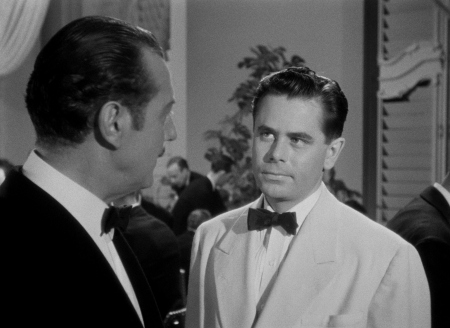
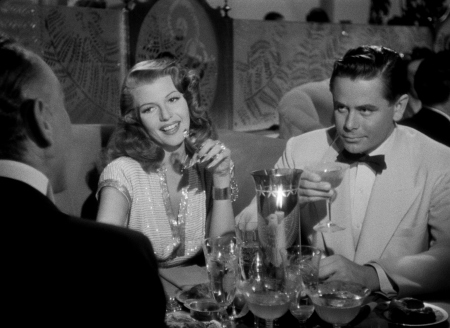
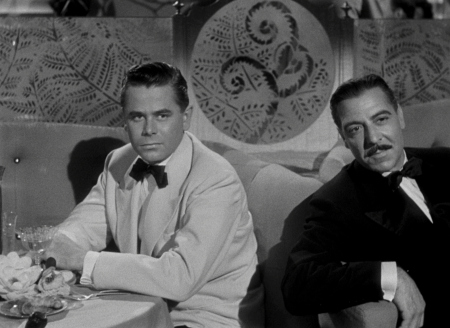
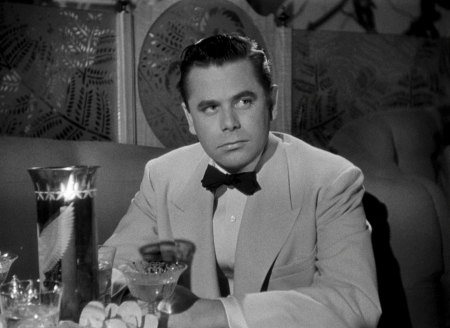
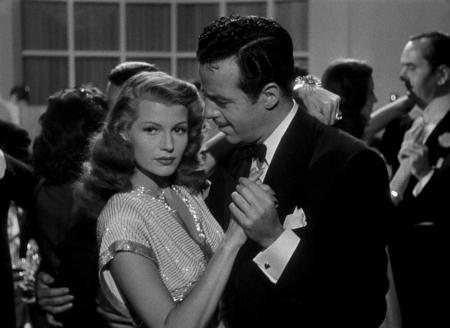
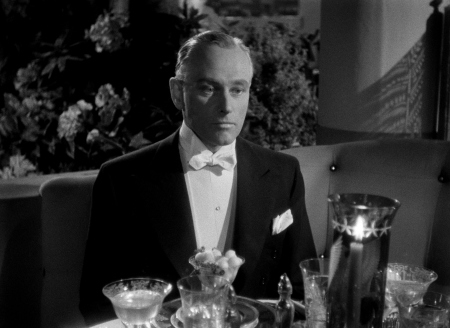
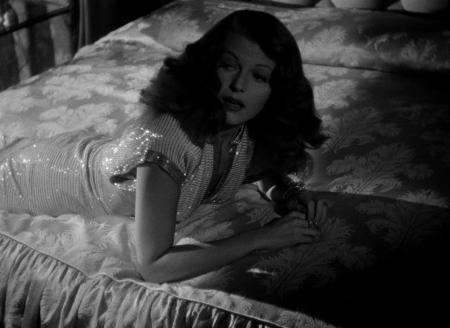
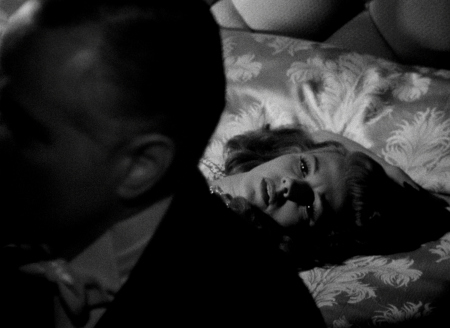
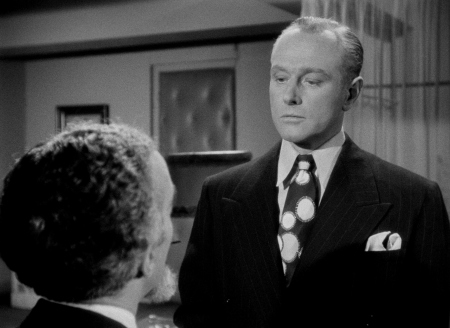
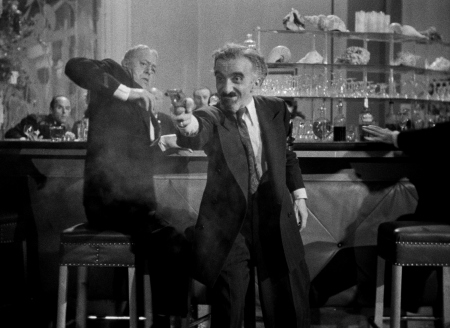
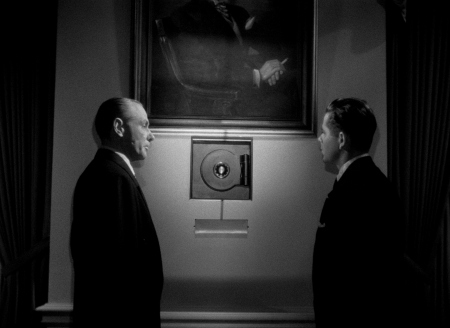
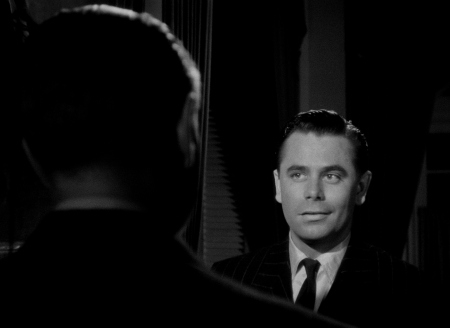
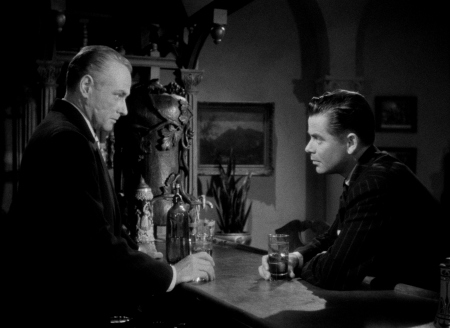
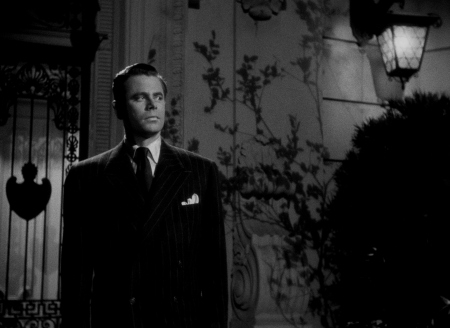
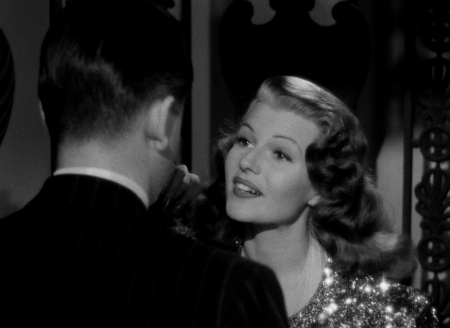
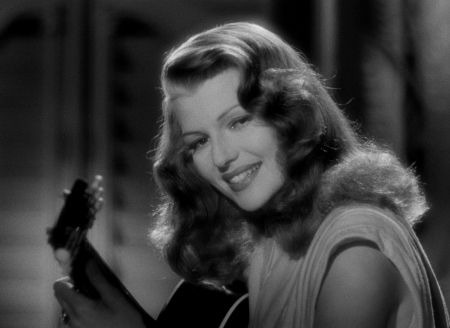
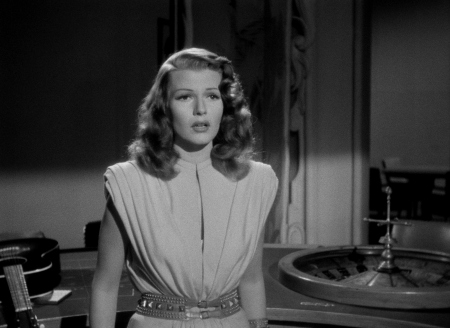
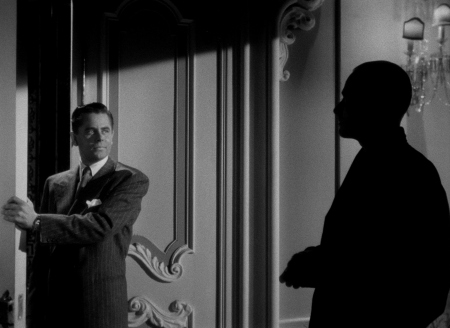
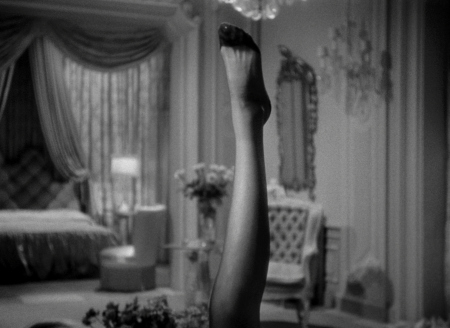
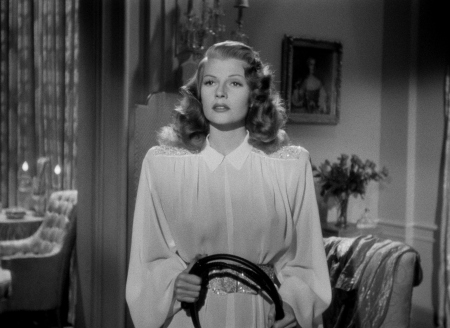
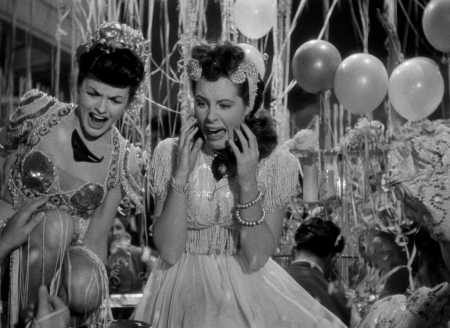
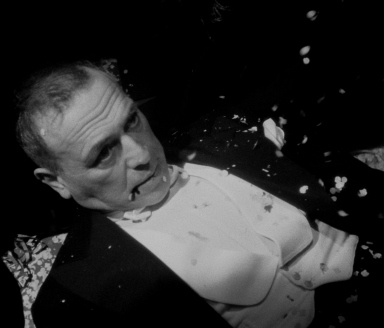
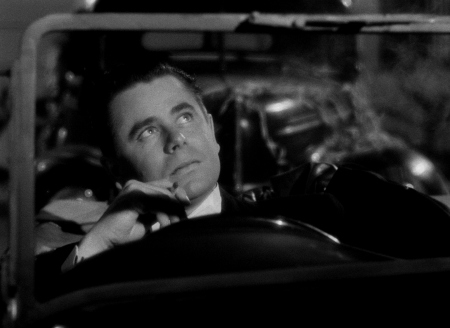
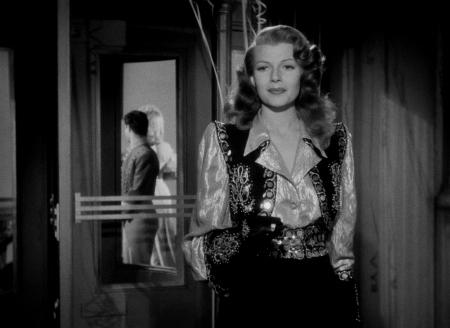
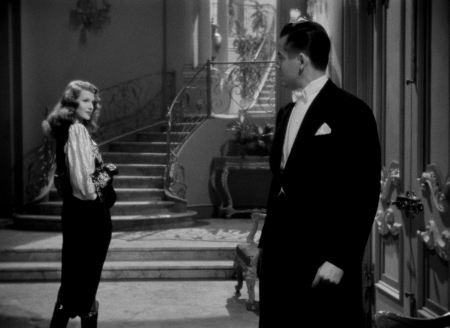
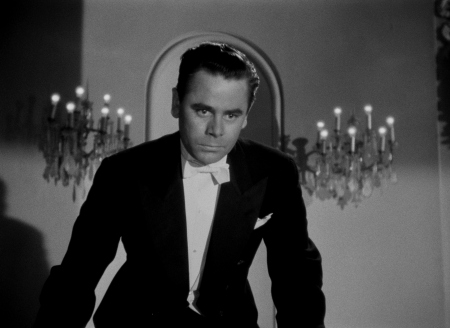
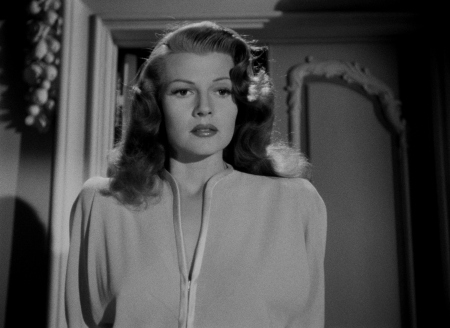
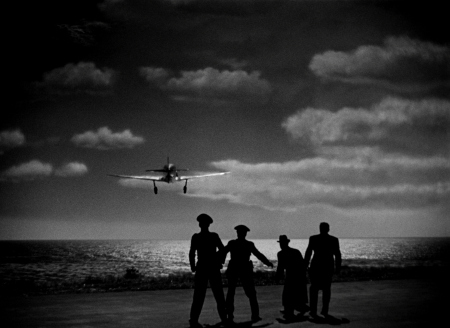
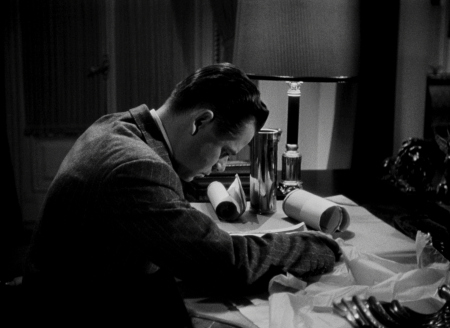
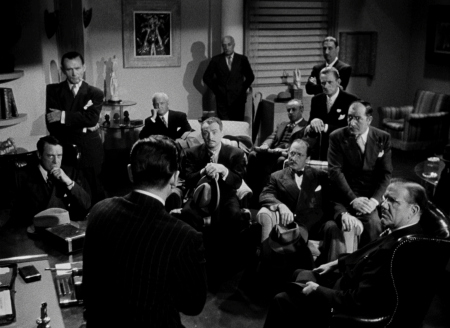
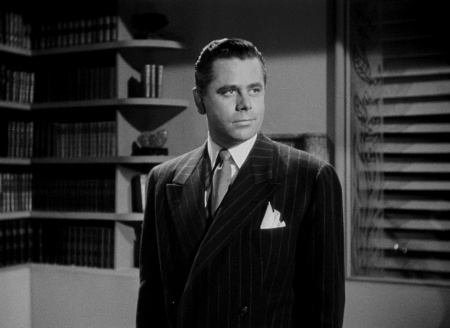
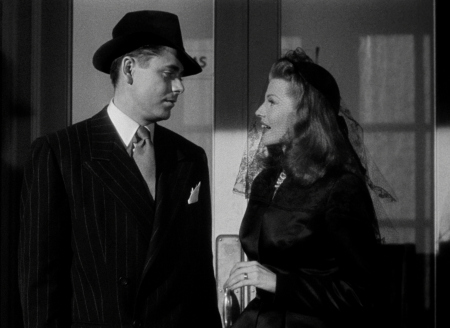
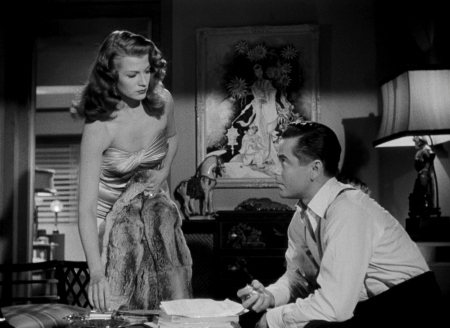
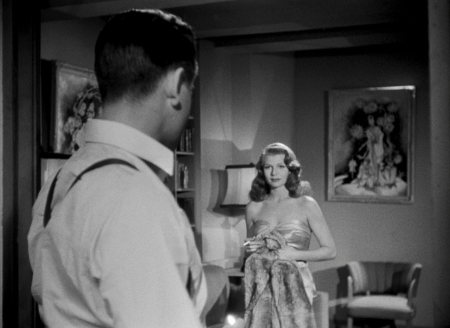
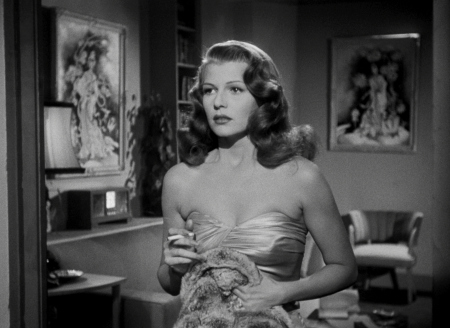
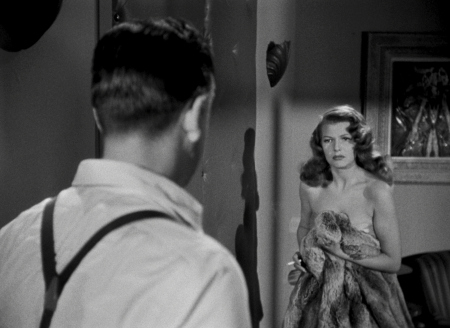
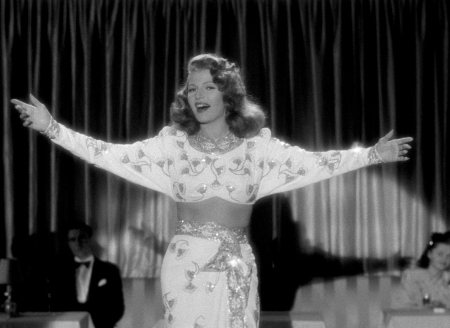
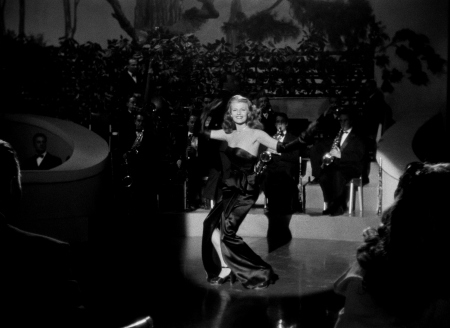
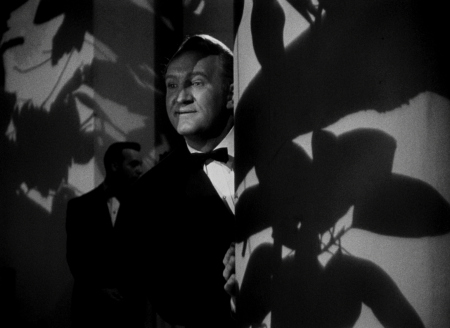
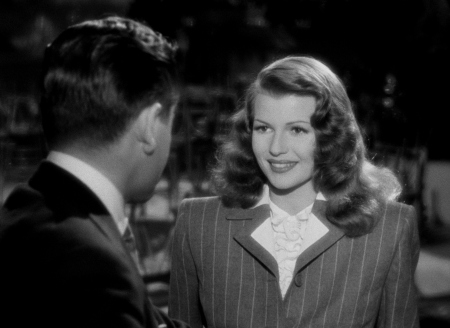
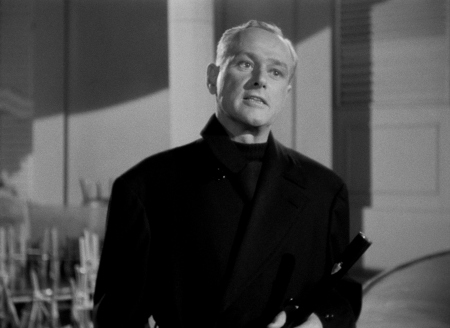
“Gilda, are you decent?” Rita Hayworth tosses her hair back and slyly responds, “Me?” in one of the great star entrances in movie history. Gilda, directed by Charles Vidor, features a sultry Hayworth in her most iconic role, as the much-lusted-after wife of a criminal kingpin (George Macready), as well as the former flame of his bitter henchman (Glenn Ford), and she drives them both mad with desire and jealousy. An ever-shifting battle of the sexes set on a Buenos Aires casino’s glittering floor and in its shadowy back rooms, Gilda is among the most sensual of all Hollywood noirs. *** Gilda (1946) is a sultry classic of American film noir directed by Charles Vidor, starring Rita Hayworth in her most iconic role as the dazzling, free-spirited title character and Glenn Ford as Johnny Farrell. Set in the shadowy underworld of Buenos Aires, the story follows small-time gambler Johnny, who worms his way into a job managing a glamorous casino owned by the enigmatic and dangerous Ballin Mundson (George Macready). Their uneasy alliance is shattered when Ballin returns from a trip with his stunning new wife—Gilda—revealing her to be Johnny’s passionate former lover, igniting a volatile love triangle laced with jealousy, betrayal, and simmering hatred that blurs into desire. Hayworth’s electrifying performance, highlighted by her famous hair-flip entrance and seductive rendition of “Put the Blame on Mame,” cements the film as a study in sexual tension and emotional revenge, with the characters trapped in a web of mutual obsession amid post-war intrigue. Though often labeled noir, its blend of melodrama, romance, and psychological depth makes it enduringly captivating. |
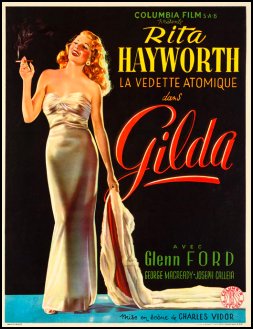
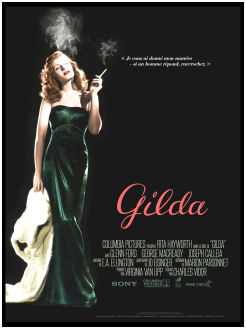
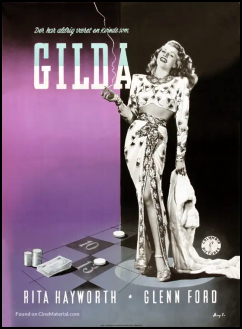
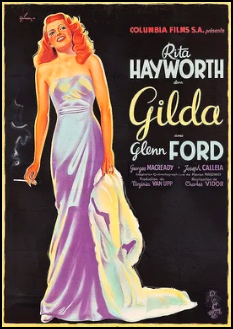
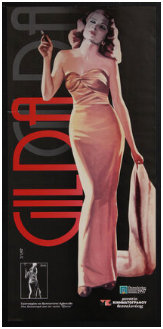
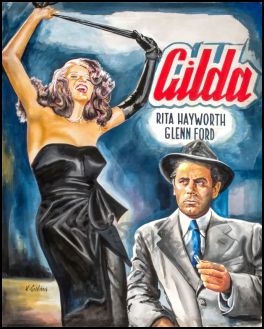
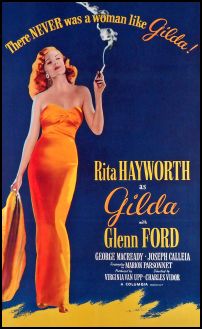
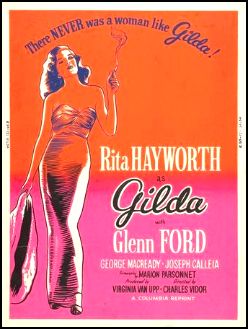
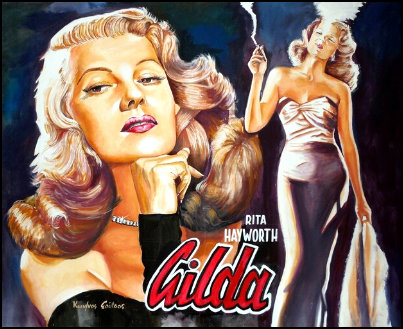
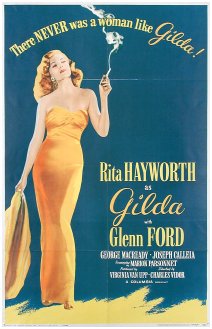
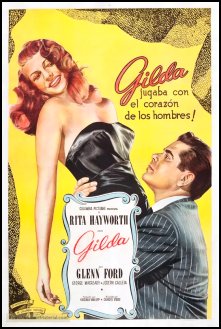
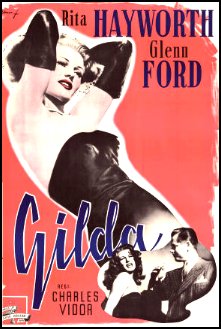
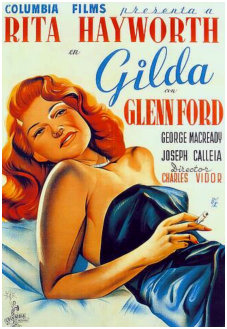
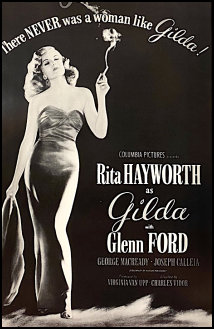
Posters
 |
 |
 |
 |
 |
 |
 |
 |
 |
 |
 |
 |
 |
 |
 |
 |
 |
 |
 |
 |
 |
 |
 |
 |
 |
 |
 |
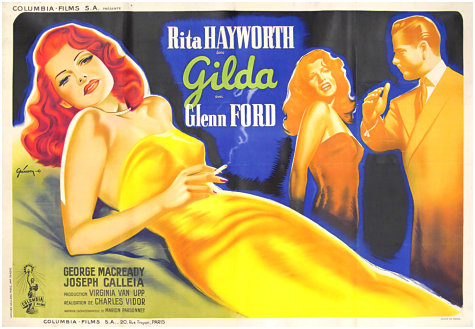 |
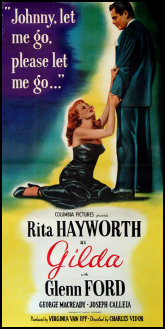 |
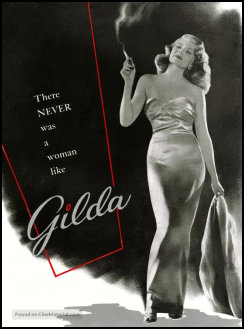 |
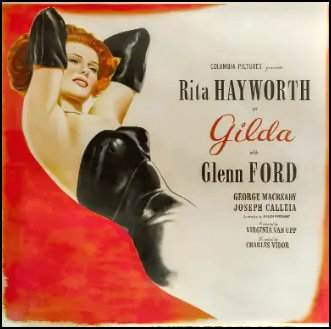 |
 |
 |
Theatrical Release: March 14th, 1946 (New York City, New York, premiere)

Review: Criterion - Region FREE - 4K UHD
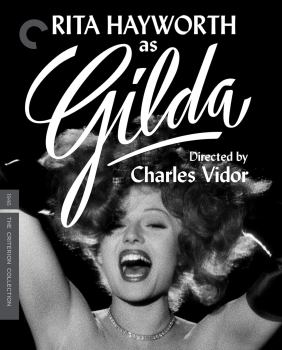
| Box Cover |
|
CLICK to order from: 4K UHD
Blu-ray
BONUS CAPTURES:
|
| Distribution | Criterion Spine #795 - Region FREE - 4K UHD | |
| Runtime | 1:49:49.082 | |
| Video |
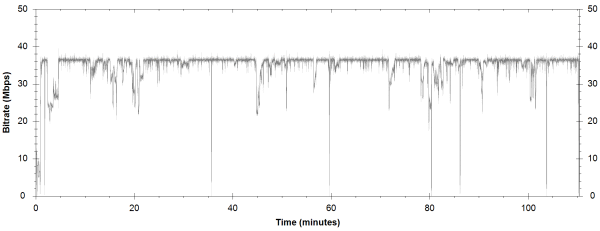
1.37:1 1080P Dual-layered Blu-ray Disc Size: 46,371,525,999 bytesFeature: 32,526,557,184 bytesVideo Bitrate: 34.93 MbpsCodec: MPEG-4 AVC Video |
1.37:1 2160P
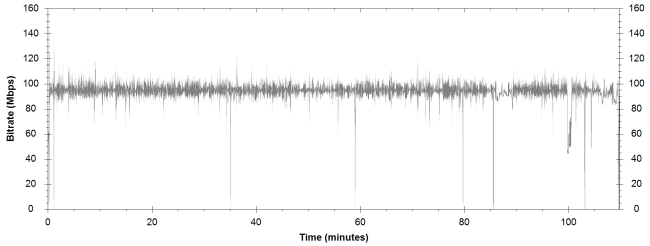
4K UHD Disc Size: 85,134,807,480 bytes Feature: 83,212,424,640 bytes Video Bitrate: 94.04 Mbps Codec: HEVC Video |
|
NOTE: The Vertical axis represents the bits transferred per second. The Horizontal is the time in minutes. |
||
| Bitrate Blu-ray: |
|
|
| Bitrate 4K UHD: |
|
|
| Audio |
LPCM Audio English
1152 kbps 1.0 / 48 kHz / 1152 kbps / 24-bit Dolby Digital Audio English 192 kbps 1.0 / 48 kHz / 192 kbps / DN -31dB |
|
| Subtitles | English (SDH), None | |
| Features |
Release Information: Studio: Criterion
1.37:1 2160P
4K UHD
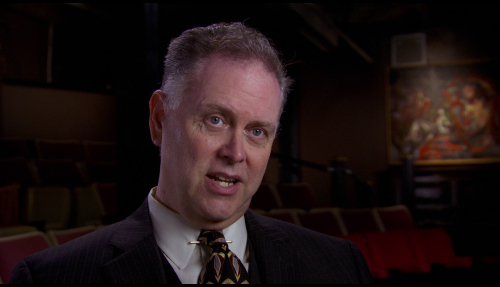
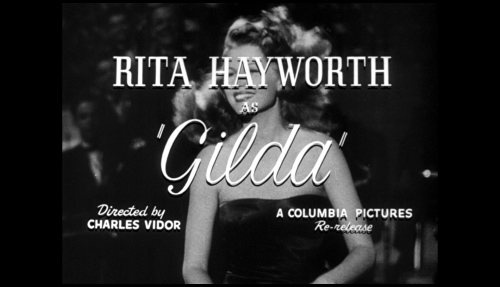
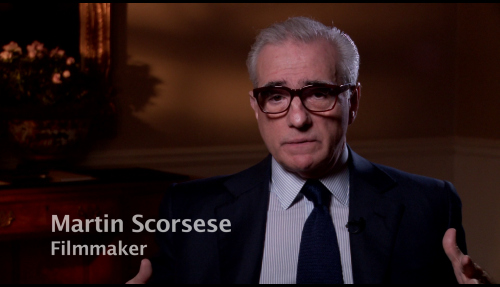
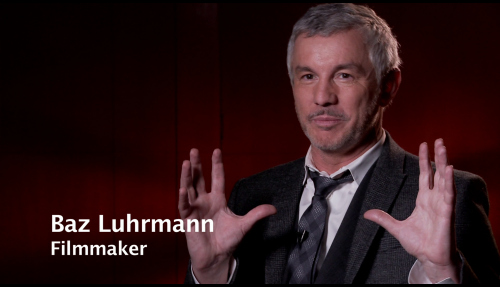
Edition Details: • Audio commentary by film critic Richard Schickel • Interview with film-noir historian Eddie Muller (22:14) • Program featuring filmmakers Martin Scorsese and Baz Luhrmann discussing their appreciation for Gilda (16:06) • “The Odyssey of Rita Hayworth,” a 1964 episode of the television show Hollywood and the Stars (25:11) • Trailer (2:09) PLUS: An essay by critic Sheila O’Malley
Transparent 4K UHD Case Chapters 23 |
|



| Comments: |
NOTE:
The below
Blu-ray
and
4K UHD
captures were taken directly from the
respective
disc.
We compared it to the Columbia Tri-Star DVD from 2000, the
German PAL DVD from 1999, the 2014 Sony -
Blu-ray
and the 2025 Criterion -
Blu-ray,
HERE.
It is likely that the monitor you are seeing
this review is not an HDR-compatible
display (High Dynamic Range) or Dolby Vision, where each pixel can be
assigned with a wider and notably granular range of color and light. Our
capture software if simulating the HDR (in a uniform manner) for standard
monitors. This should make it easier for us to review more
4K UHD
titles in the future and give you a decent idea of its attributes on your
system. So our captures may not support the exact same colors (coolness of
skin tones, brighter or darker hues etc.) as the 4K system at your home. But
the framing, detail, grain texture support etc. are, generally, not effected
by this simulation representation.
NOTE: We have added 72 more large
resolution
4K UHD captures (in lossless
PNG format) for DVDBeaver Patrons
HERE
The set includes the film’s original mono
via an uncompressed linear PCM soundtrack, in the original English
language, on both the
Blu-ray
and 4K UHD
discs.
Criterion's
4K UHD
package carries over the strong supplemental material from
Criterion’s earlier
Blu-ray
without new additions, but the selection remains highly worthwhile for
fans of film noir and Rita Hayworth. It includes an archival audio
commentary by critic Richard Schickel -
The Men Who Made the
Movies - (recorded in 2010), which offers thoughtful production
history and observations on the characters’ complex relationships; a
lively 22-minute interview with
film-noir historian Eddie Muller that dives into the film’s
subversive qualities, including the homosexual or bisexual hints in the
dialogue, the coded homoerotic cues between Johnny and Ballin, and the
barrage of sexual double entendres (Muller famously calls Gilda “the
Mulholland Dr. of its time,” noting that “the subtext is the plot”);
a 1/4 hour program with Martin Scorsese and Baz Luhrmann sharing their
personal appreciation for the film’s melodrama, style, and Hayworth’s
star power; the 25-minute 1964 Hollywood and the Stars episode “The
Odyssey of Rita Hayworth,” narrated by Joseph Cotten and exploring
her career and personal life; and the original theatrical trailer.
Rounding things out is a foldout insert featuring a new essay by critic
Sheila O’Malley (Frankenstein:
Written and Directed by Guillermo del Toro) on the film’s
cultural impact and long shadow. The supplements provide solid
historical, thematic, and contextual depth.
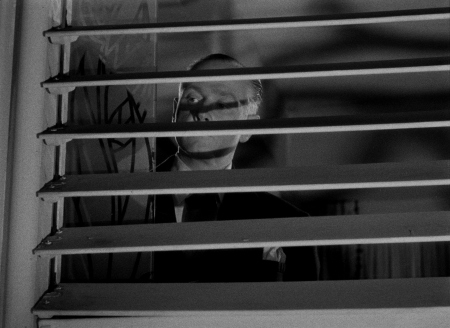
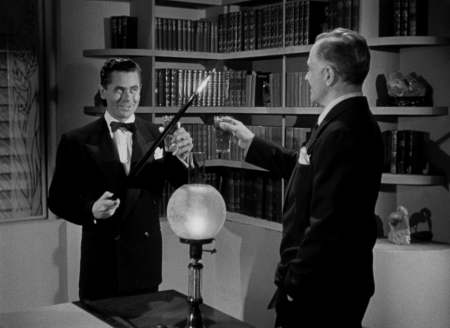
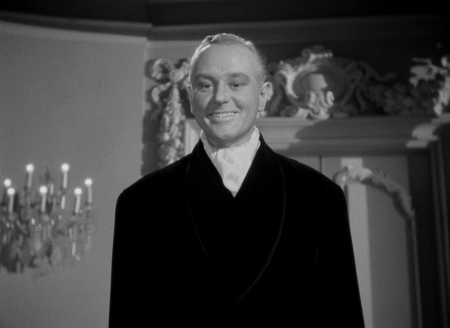
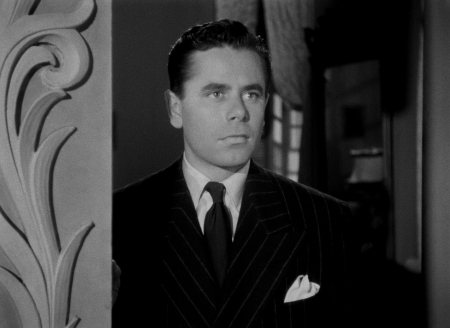
Charles Vidor’s Gilda stands as one of the most electrifying and
psychologically layered entries in the
film noir canon, blending melodrama, romance, and shadowy
intrigue into a volatile cocktail of obsession, jealousy, and repressed
desire. Set in the exotic, post-WWII underworld of Buenos Aires, the
story centers on a tense love triangle: small-time gambler Johnny
Farrell (Glenn Ford -
The Visitor, The
Big Heat,
3:10 to Yuma,
Human Desire,
Plunder of the Sun,
Rage,
The Undercover Man,
The Americano,
Convicted,
Cowboy,
Terror on a Train,
The Fastest Gun Alive,
Cimarron,
Heaven with a Gun,
Jubal,
Trial,
Ransom!,
Fate is the Hunter,) who claws his way into managing a lavish
casino; his enigmatic, aristocratic boss Ballin Mundson (George Macready
-
Paths of Glory,
My Name is Julia Ross,
A Kiss Before Dying,
A Lady Without Passport,
The Walls Came Tumbling Down,
The Big Clock,
Alias Nick Beal,
Johnny Allegro,
Taras Bulba,
The Human Duplicators,
Seven Days in May,
Detective Story,
Assignment: Paris,
The Crooked Web,
Shadow on the Window,
Escape in the Fog,) a cold, power-hungry figure entangled in a
tungsten cartel with Nazi undertones; and Ballin’s dazzling new wife
Gilda (Rita Hayworth -
The Lady from Shanghai,
Miss Sadie Thompson,
Cover Girl,
You'll Never Get Rich,
Affair in Trinidad,
Angels Over Broadway,
The Cats,) who turns out to be Johnny’s fiery ex-lover from the
past. At its core, Gilda subverts the classic
noir femme fatale archetype. Hayworth’s Gilda is marketed and
initially perceived as a dangerous seductress who brings chaos wherever
she goes, yet the film gradually reveals her as a woman trapped by male
projections of fear and desire. |


Menus / Extras
Blu-ray
 |
 |
 |
 |
 |
 |
 |
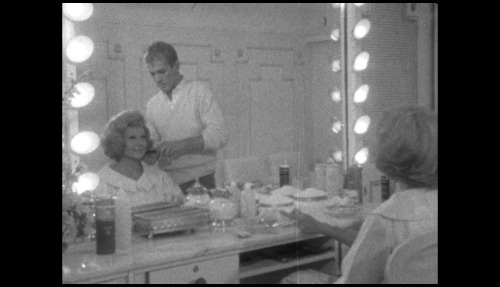 |
4K UHD
|
|

CLICK EACH BLU-RAY and 4K UHD CAPTURE TO SEE ALL IMAGES IN FULL RESOLUTION
|
1) Sony - Region FREE - Blu-ray - TOP 2) Criterion - Region FREE - 4K UHD BOTTOM
|
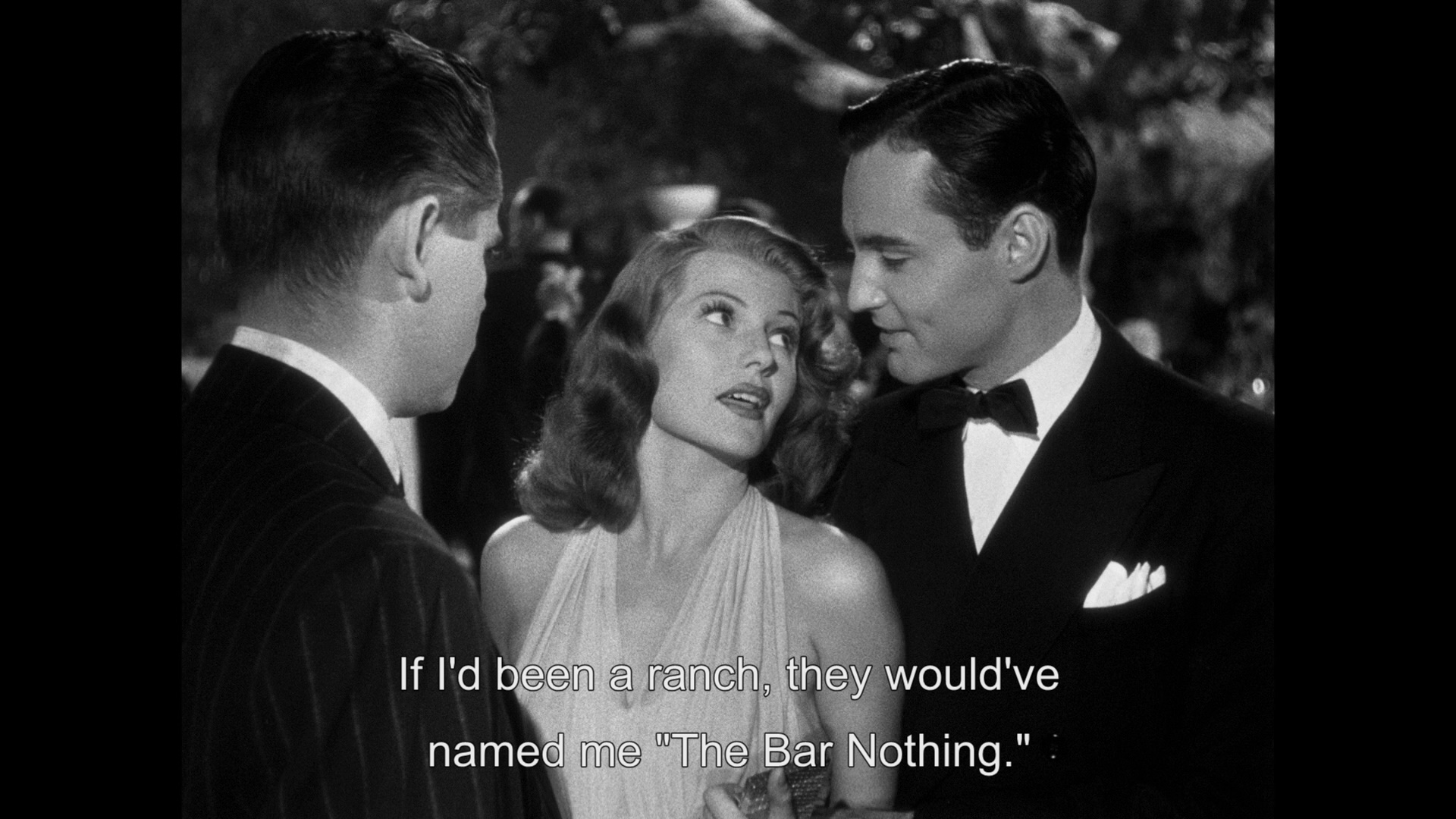 |
 |
|
1)
Columbia Tri-Star -
Region 1 - NTSC (mouse-over to see PAL DVD) -TOP
|
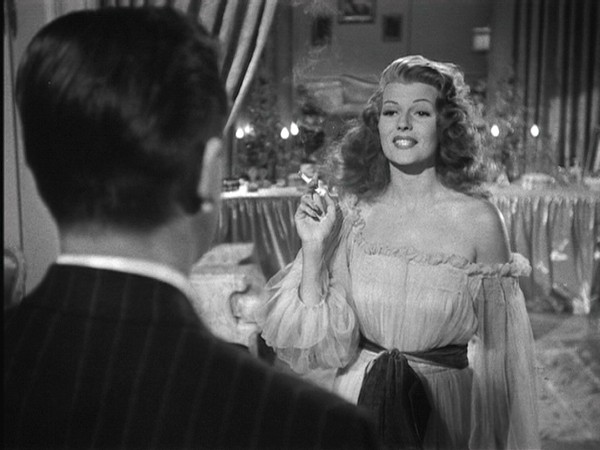 |
 |
|
1)
Criterion - Region 'A' - Blu-ray
TOP
|
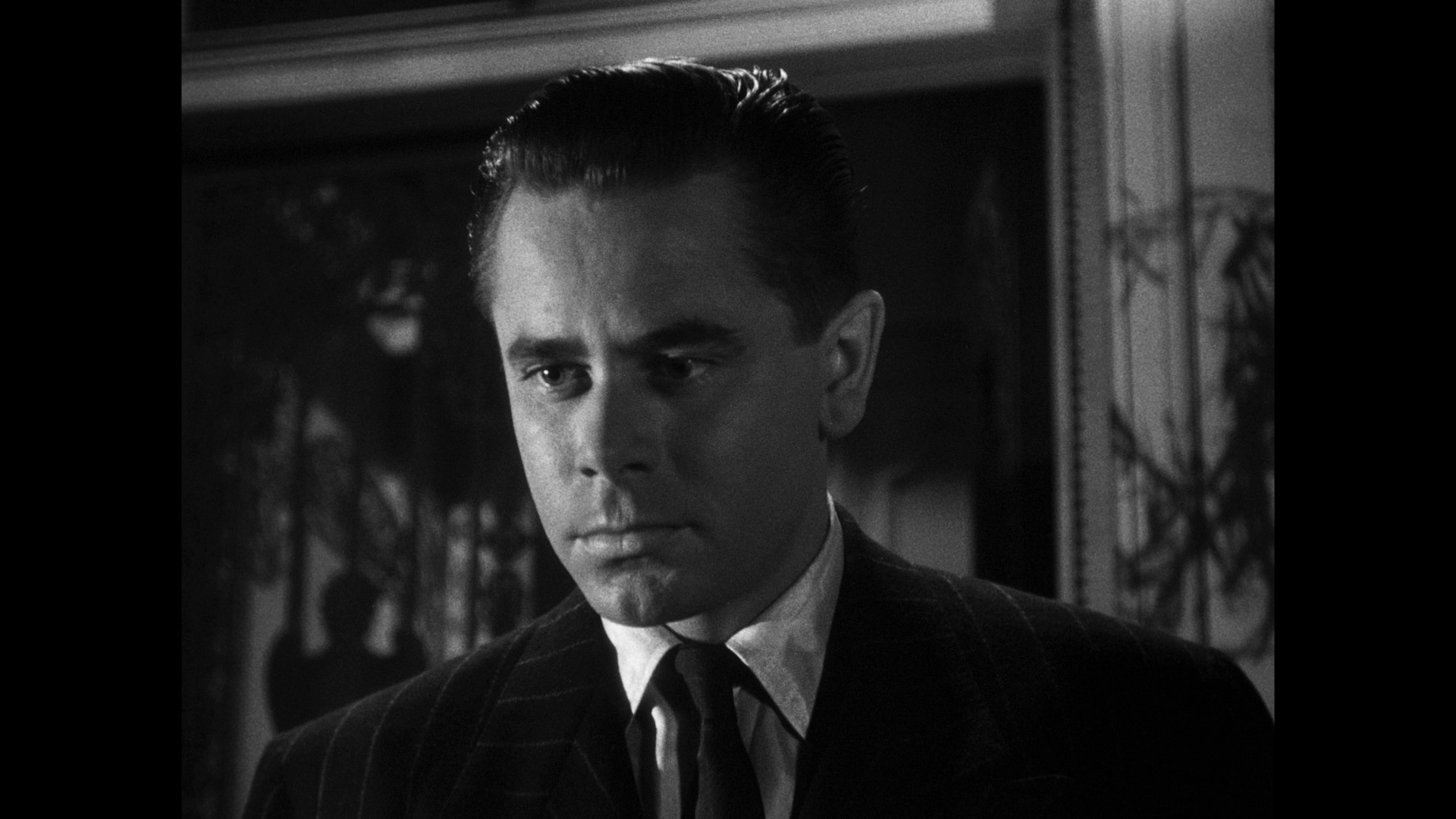 |
 |
|
1)
Columbia- Region 2 - PAL TOP
|
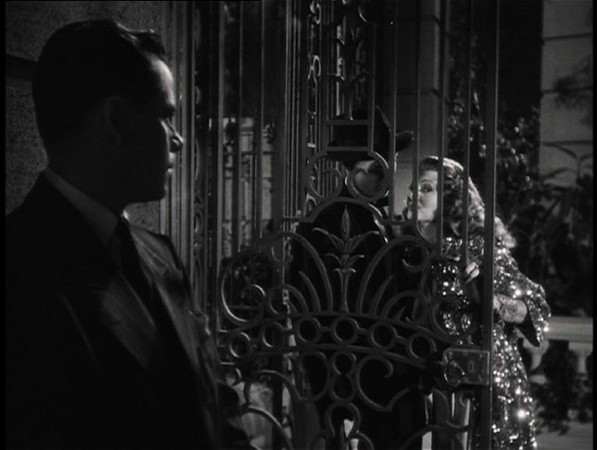 |
 |
|
1)
Criterion - Region 'A' - Blu-ray
TOP
|
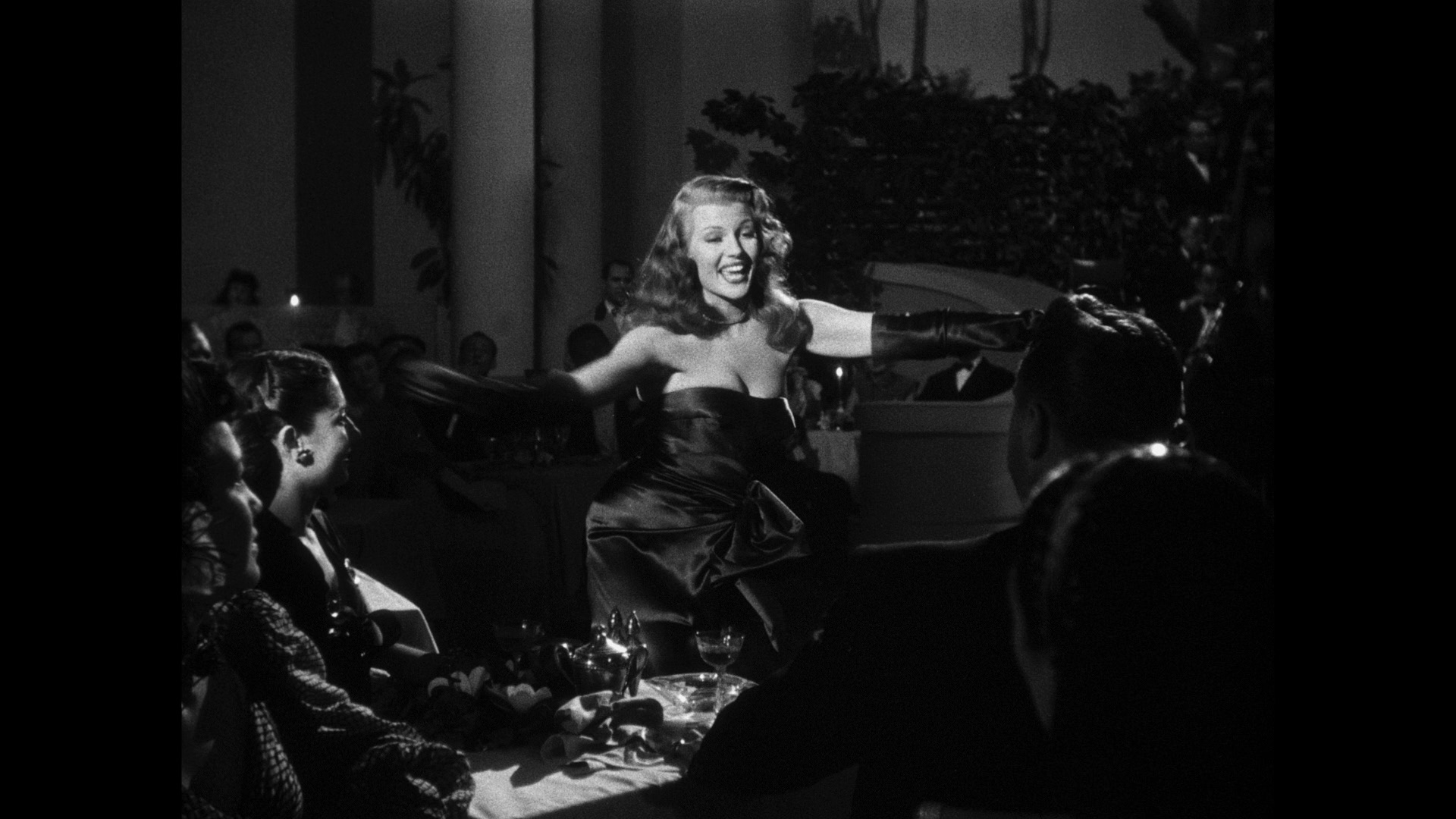 |
 |
|
1)
Columbia Tri-Star -
Region 1 - NTSC -TOP
|
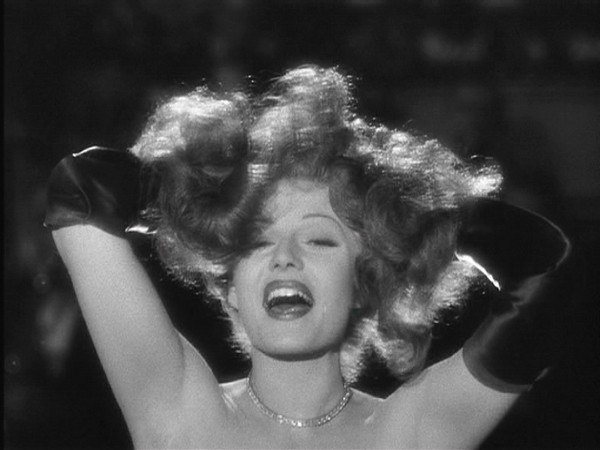 |
 |
|
1) Sony - Region
FREE -
Blu-ray -TOP
|
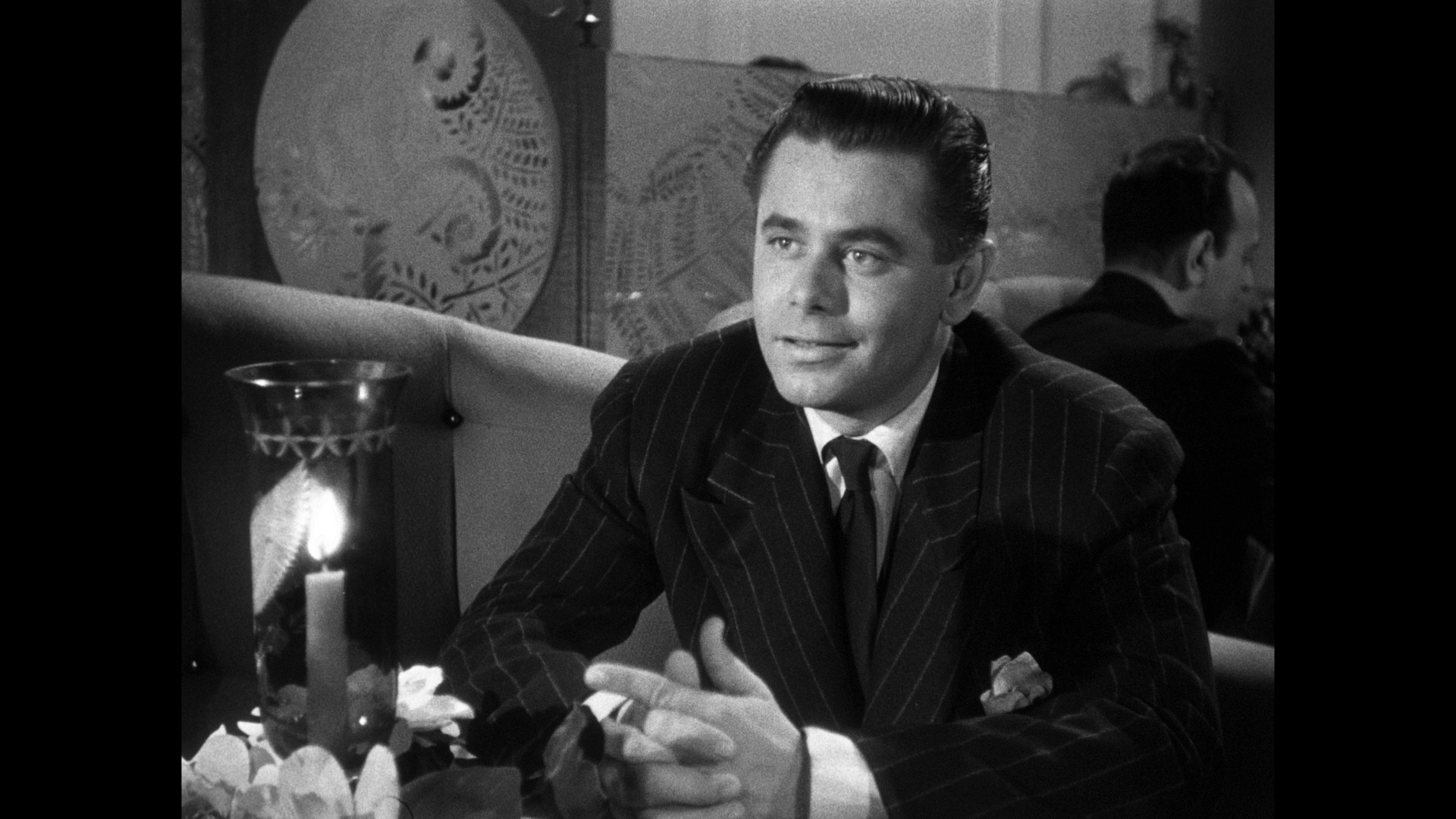 |
 |
|
1) Criterion - Region 'A' -
Blu-ray TOP
|
 |
 |
|
1) Criterion - Region 'A' -
Blu-ray TOP
|
 |
 |
|
1) Sony - Region FREE -
Blu-ray TOP
|
 |
 |
 |
 |
 |
 |
 |
More full resolution (3840 X 2160) 4K Ultra HD Captures for Patreon Supporters HERE
 |
 |
 |
 |
 |
 |
 |
 |
 |
 |
 |
 |
 |
 |
 |
 |
 |
 |
 |
 |
 |
 |
 |
 |
 |
 |
 |
 |
 |
 |
 |
 |
 |
 |
 |
 |
 |
 |
 |
 |
 |
 |
 |
 |
 |
 |
 |
 |
 |
 |
 |
 |
 |
 |
 |
 |
 |
 |
 |
 |
 |
 |
 |
 |
 |
 |
 |
 |
 |
 |
| Box Cover |
|
CLICK to order from: 4K UHD
Blu-ray
BONUS CAPTURES:
|
| Distribution | Criterion Spine #795 - Region FREE - 4K UHD | |
|
Search DVDBeaver |
S E A R C H D V D B e a v e r |






















CLICK PayPal logo to donate!
|
Gary Tooze
|
|
Thank You!
