An enormous, sincere thank you to our phenomenal Patreon supporters! Your unshakable dedication is the bedrock that keeps DVDBeaver going - we’d be lost without you. Did you know? Our patrons include a director, writer, editor, and producer with honors like Academy Awards for Best Picture and Best Director, a Pulitzer Prize-winning screenwriter, and a Golden Globe-winning filmmaker, to name a few!

Sadly, DVDBeaver has reached a breaking point where our existence hangs in the balance. We’re now reaching out to YOU with a plea for help.

Please consider pitching in just a few dollars a month - think of it as the price of a coffee or some spare change - to keep us bringing you in-depth reviews, current calendar updates, and detailed comparisons.
I’m am indebted to your generosity!


Search DVDBeaver

S E A R C H    D V D B e a v e r


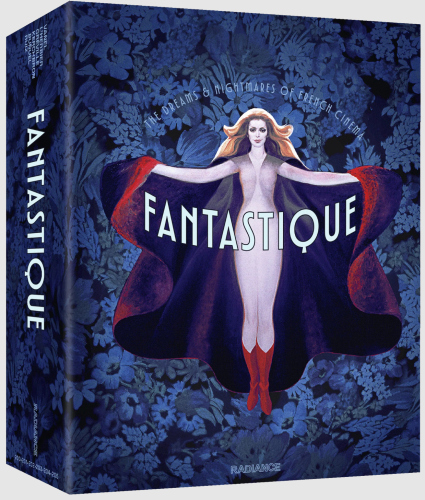
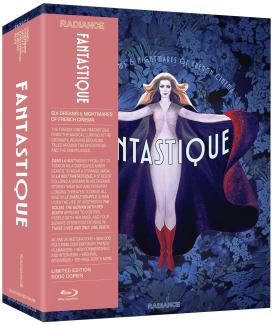
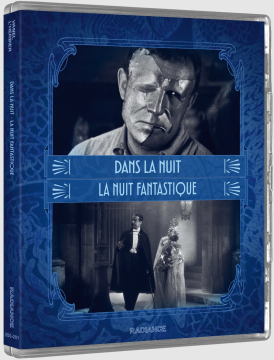
Fantastique: The Dreams and Nightmares of French Cinema [6 X Blu-ray]


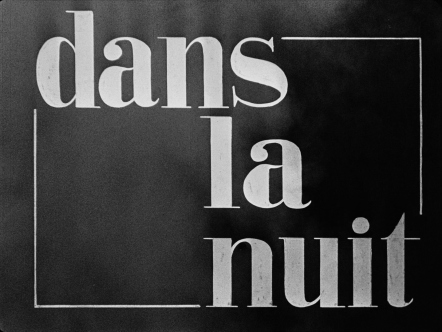
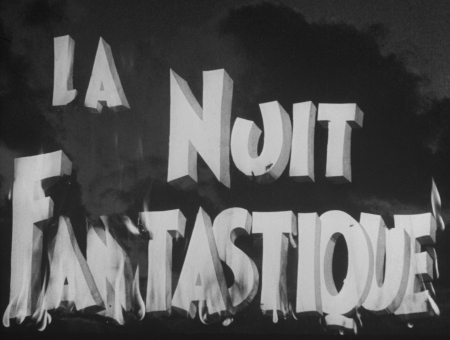
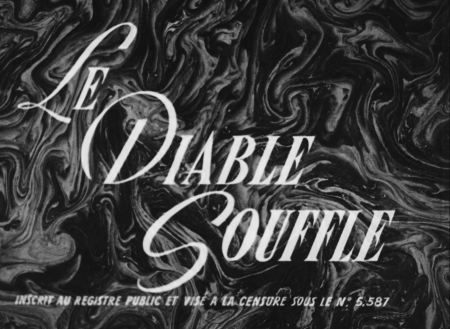
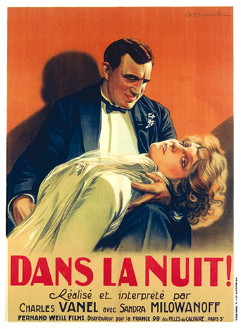
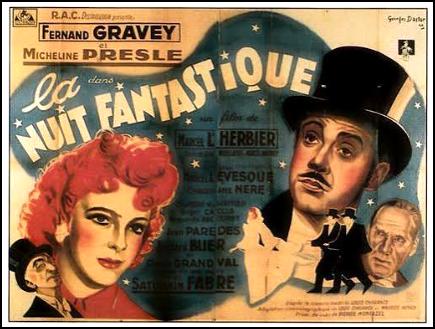
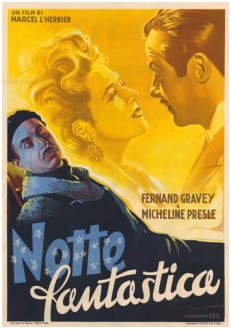
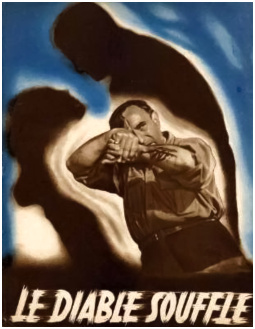
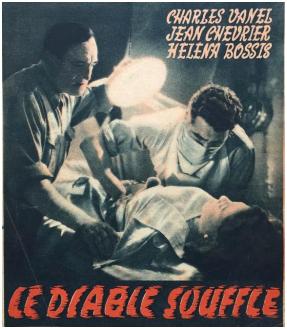
Dans la Nuit (1930)     La Nuit Fantastique (1942)    Le Diable Souffle (1947)


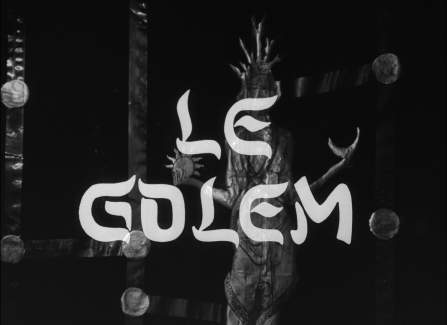
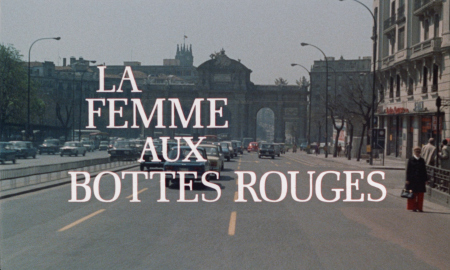
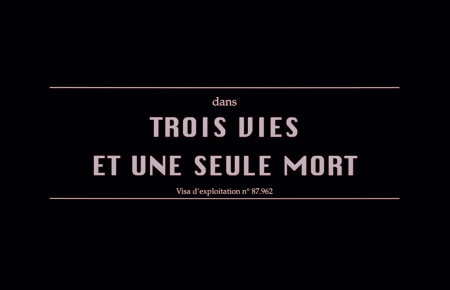
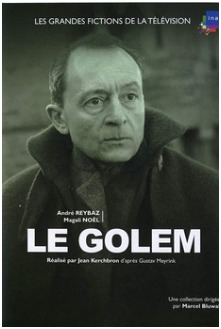
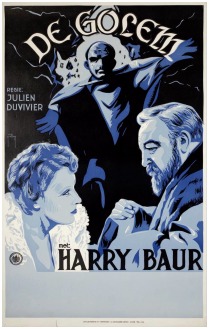
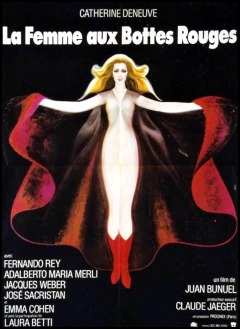
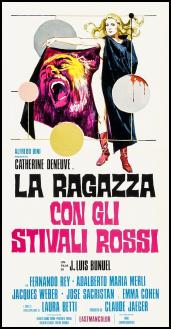
Le Golem (1967)     The Woman in Red Boots (1974)     Three Lives and Only One Death (1996)


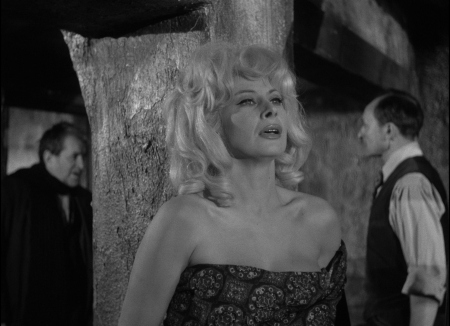
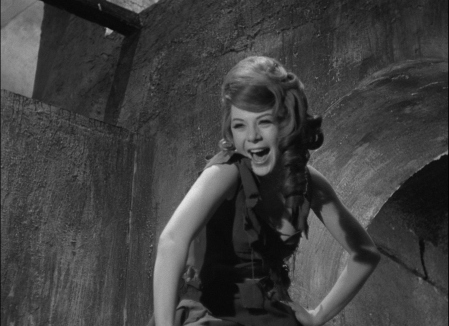
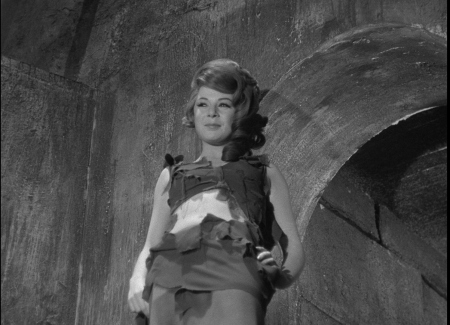
French cinema is rarely mentioned in the same breath as genre filmmaking, yet it has a long, unbroken thread of pictures that sit in the space between the everyday and the impossible, loosely grouped under the label cinéma fantastique. These are not, for the most part, monster movies. The uncanny arrives quietly here, in a dream that won’t release its sleeper, a stranger who arrives with the storm, a mask that frightens more than the face beneath it, or a woman who seems to rewrite the men around her simply by imagining them. Radiance’s Fantastique: The Dreams and Nightmares of French Cinema gathers six such films spanning nearly seven decades, from Charles Vanel’s late-silent Dans la nuit (1930) through Marcel L’Herbier’s Occupation-era La nuit fantastique (1942), Edmond T. Gréville’s wind-lashed Le diable souffle (1947), Jean Kerchbron’s television adaptation of Gustav Meyrink’s The Golem (1967), Juan Luis Buñuel’s The Woman with Red Boots (1974), and finally Raúl Ruiz’s playful Three Lives and Only One Death (1996). Few of these titles have had any meaningful exposure in English-speaking territories, which makes the set less a greatest-hits package than a genuine act of excavation. Some lean toward horror, others toward whimsy, but all of them treat the border between reality and reverie as something porous, and that shared sensibility makes the collection feel curated rather than assembled.


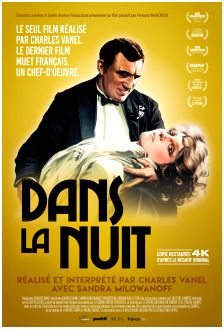
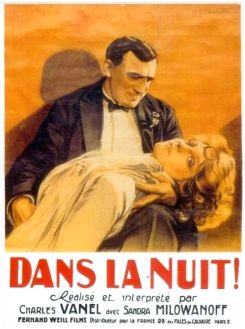
Dans la nuit (1930)
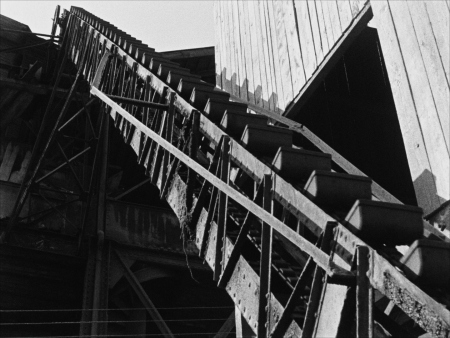
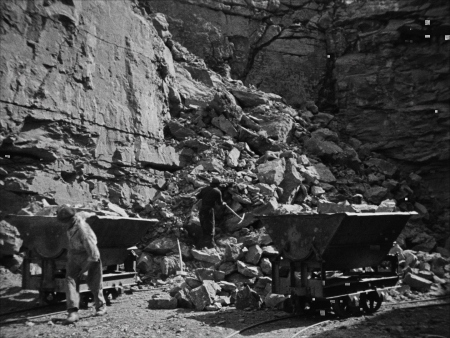
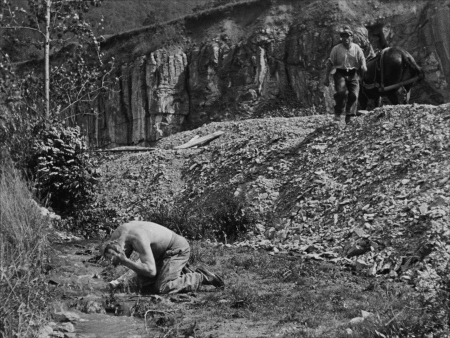
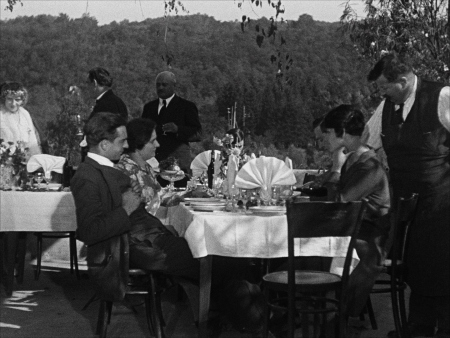
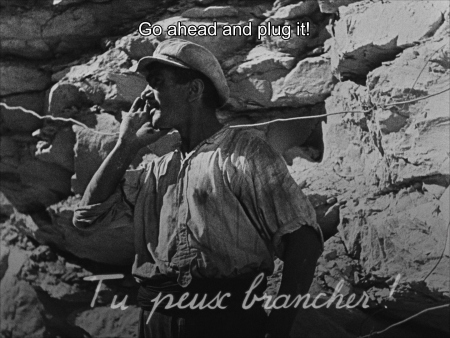
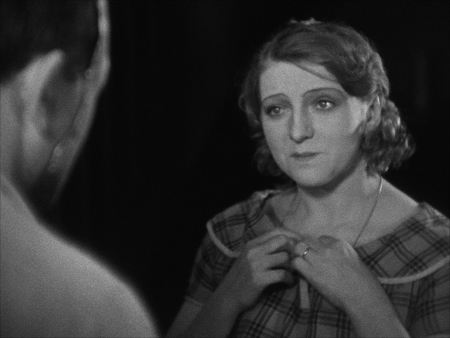
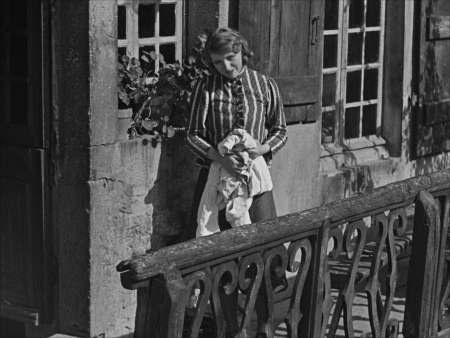
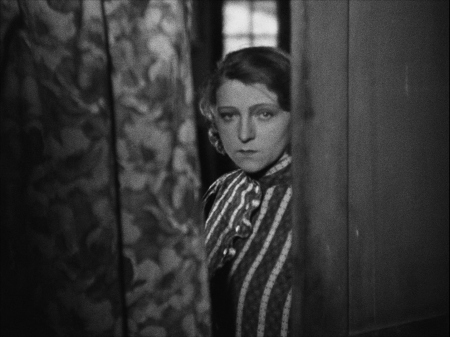
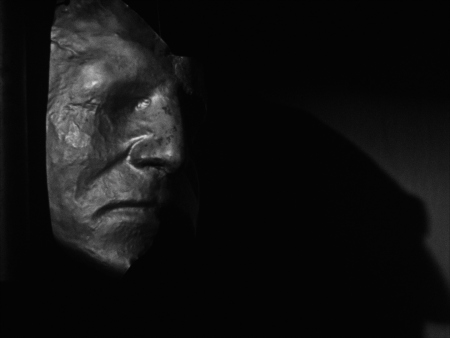
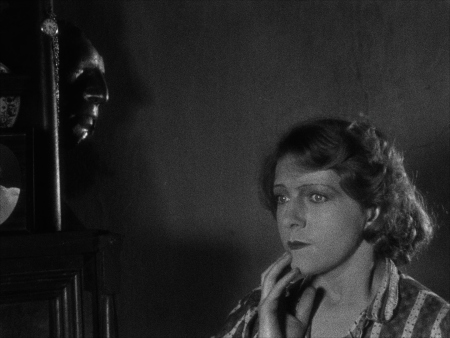
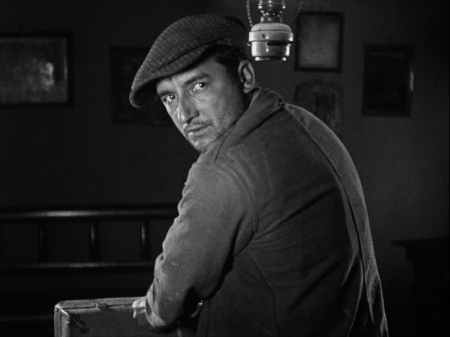
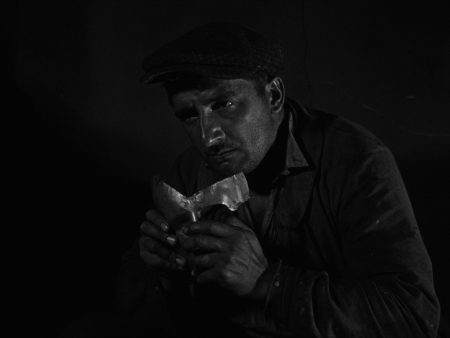
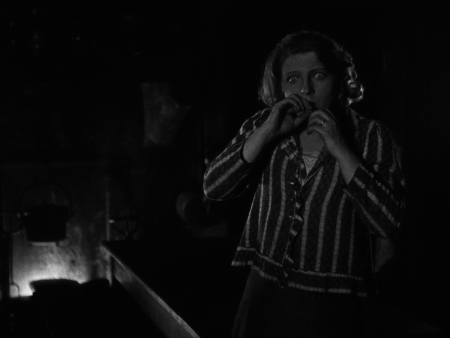
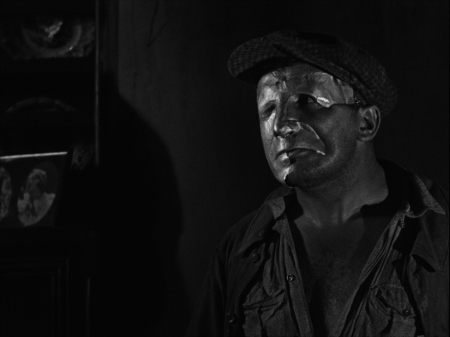
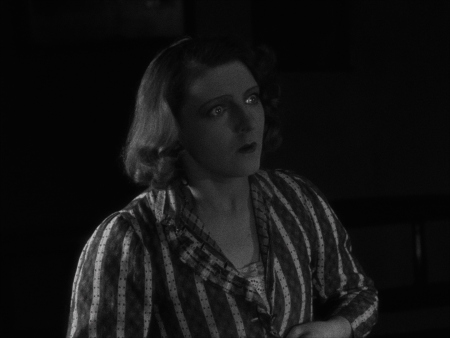
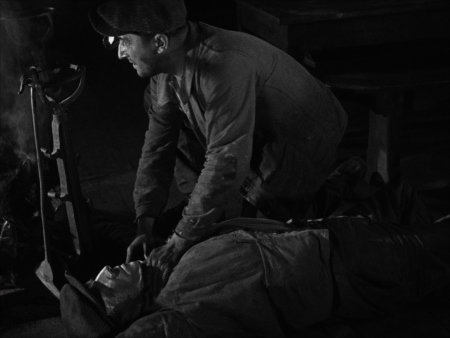
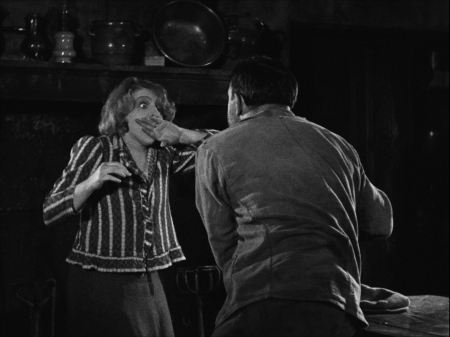
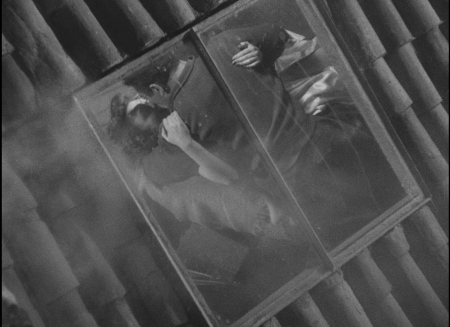
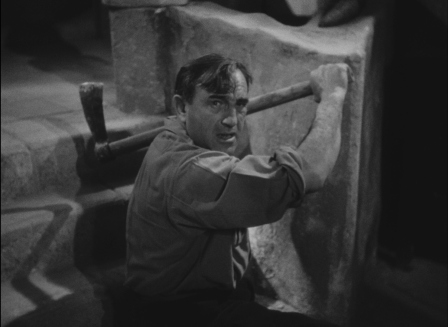
Charles Vanel was already an established star of French cinema when he directed Dans la nuit, his first and only feature behind the camera. Its timing was unlucky: finished as a silent just as sound swept through the industry, it was released into a market that no longer wanted it and all but vanished for decades. Vanel plays a quarry worker whose newlywed bliss with his bride (Sandra Milovanoff) is shattered when a mining accident leaves him disfigured. The mask he adopts to cover his injuries proves far more disturbing than the scars beneath, and as his wife’s attention begins to wander toward another man, the film turns from a sunny rural romance into a feverish tale of jealousy, guilt, and terror. Restored by the Institut Lumière, it emerges as a bold, inventive late-silent work that deserves a place well beyond footnote status.

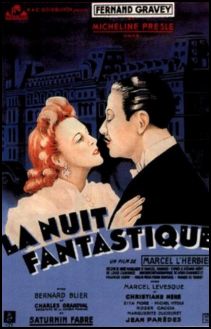
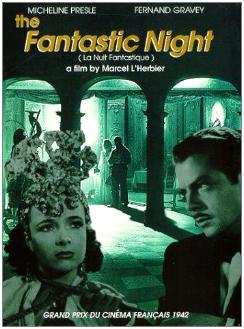
La nuit fantastique (1942)
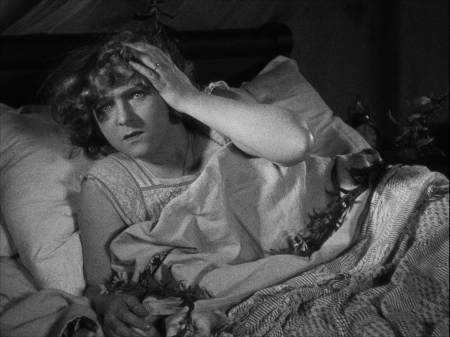
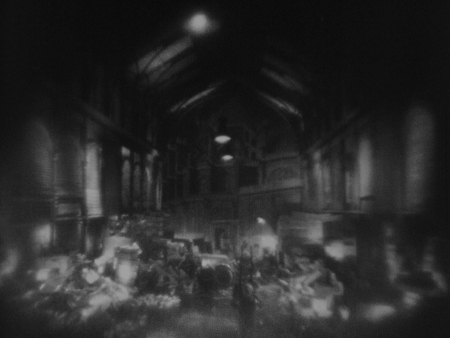
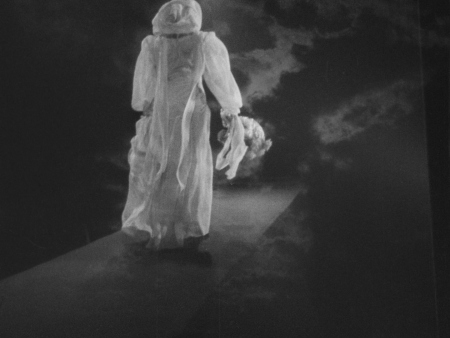
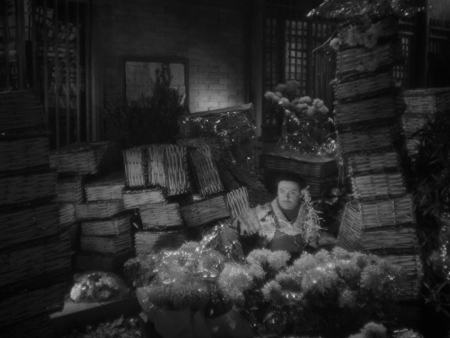
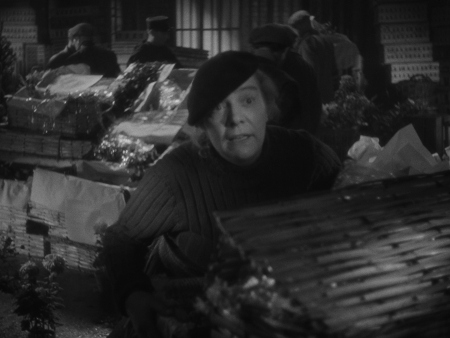
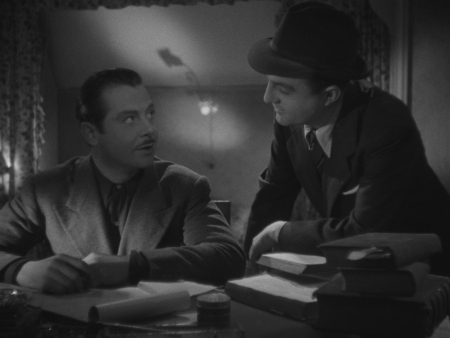
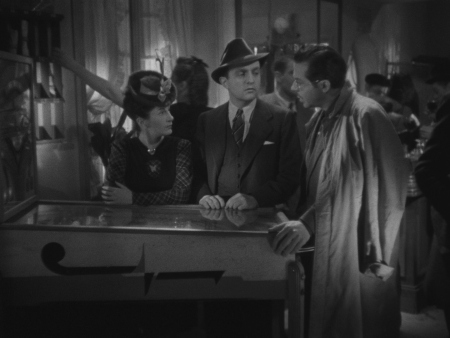
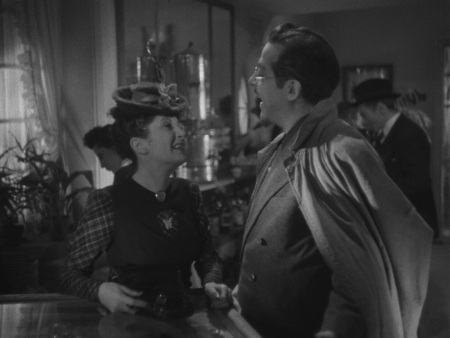
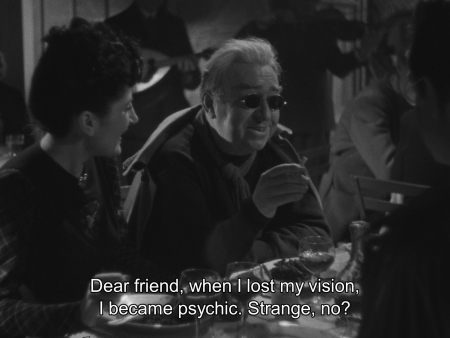
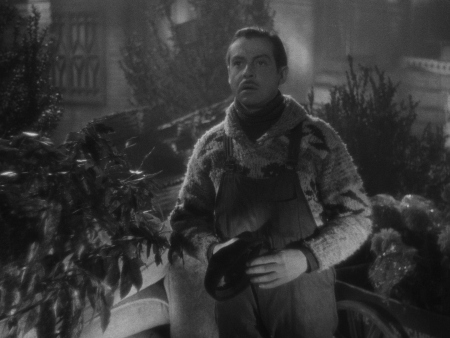
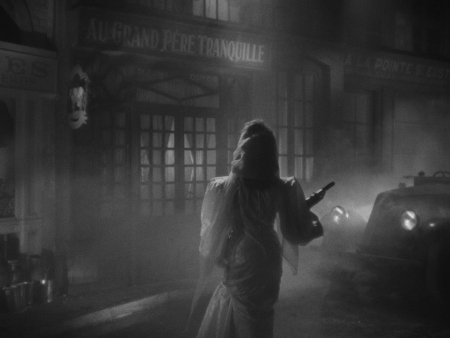
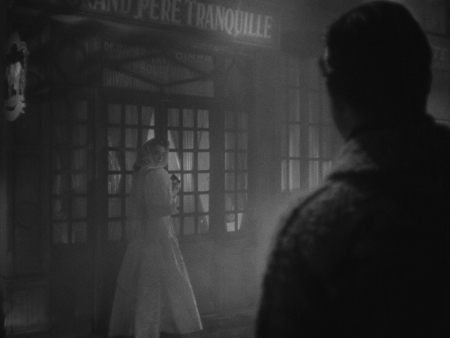
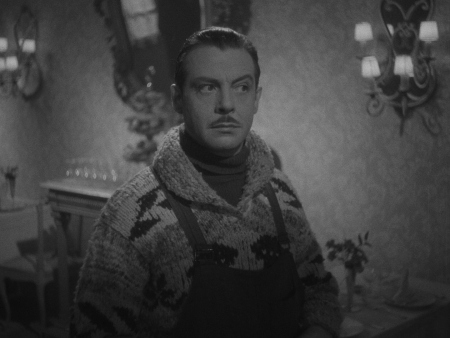
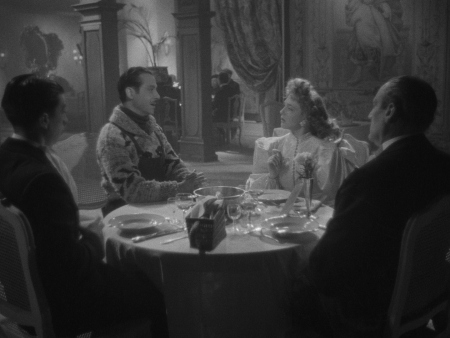
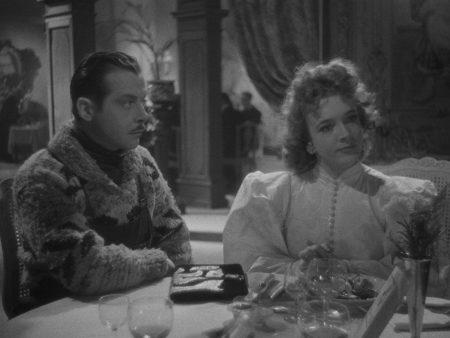
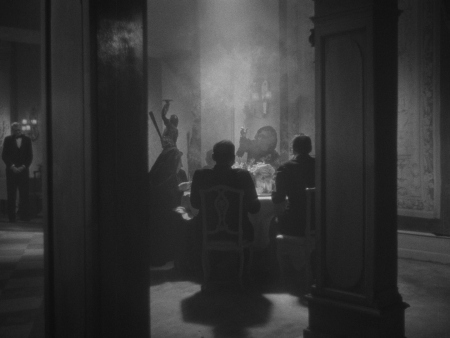
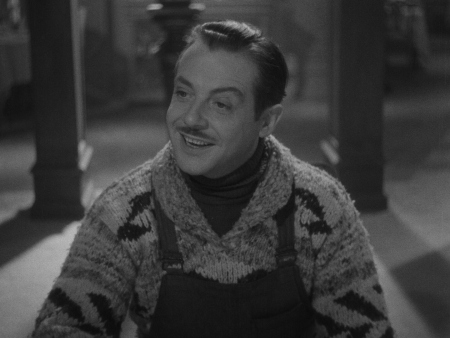
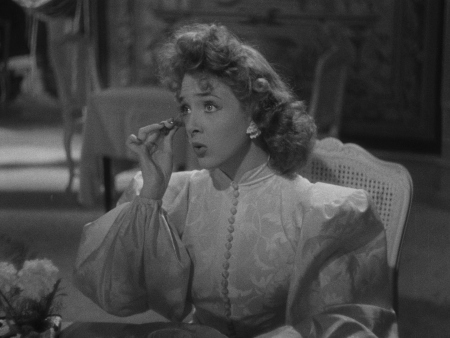
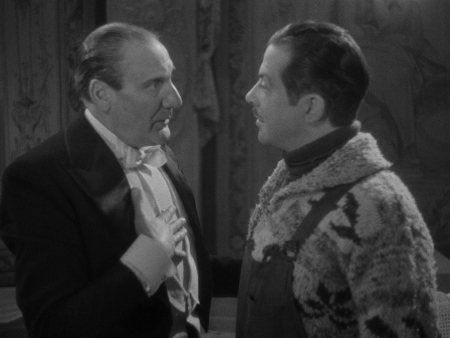
Made under the German Occupation, when escapism was both a commercial necessity and a quiet form of refuge, Marcel L’Herbier’s La nuit fantastique became one of the most popular French films of the war years. Fernand Gravey plays Denis, a philosophy student who pays his way by working nights at Les Halles, the Paris food market, and who keeps dozing off into dreams of a mysterious woman in white (Micheline Presle). One night he follows her, and the film tumbles into an adventure across a Paris where magicians, asylums, and romance all obey the logic of sleep. L’Herbier, a leading figure of the 1920s avant-garde, brings a light comic touch, airy production design, and plenty of camera trickery to a story that never lets its audience be quite sure whether its hero is awake.

Le diable souffle (1947)
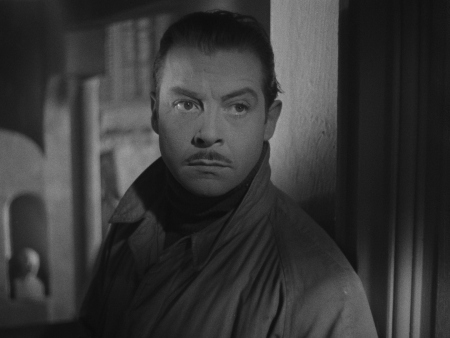
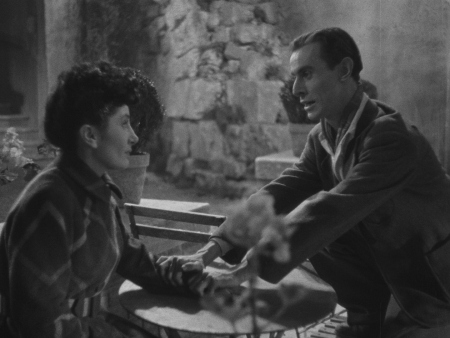
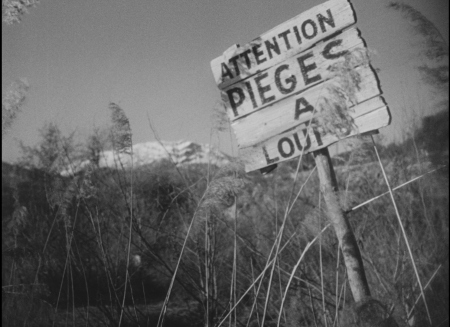
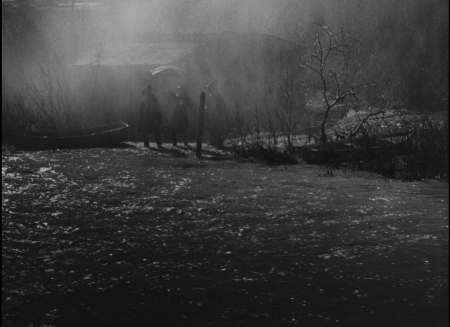
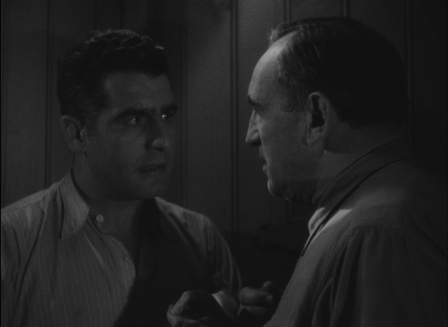
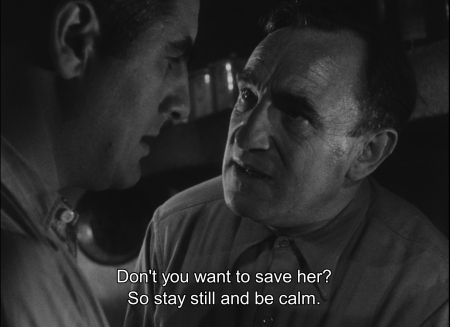
Edmond T. Gréville was one of French cinema’s genuine outsiders, a director whose career drifted between France and Britain and whose films often had a sensual, slightly perverse charge that set them apart. Le diable souffle reunites the set with Charles Vanel, here playing Laurent, a man who meets a frail, despairing young woman (Héléna Bossis) on a rain-soaked city night and brings her to live with him on his small island near the Spanish border, a place endlessly battered by the Tramontana wind. Their fragile harmony is upended when a mysterious drifter (Jean Chevrier) washes up during a storm. Shot by the great Henri Alekan, the film turns its isolated landscape into a hallucinatory character of its own, alternating storm-lashed nights with sunlit idylls as frustrated desire and jealousy build toward a breaking point.

The Golem (1967)
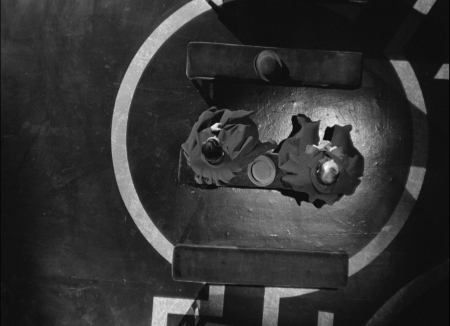
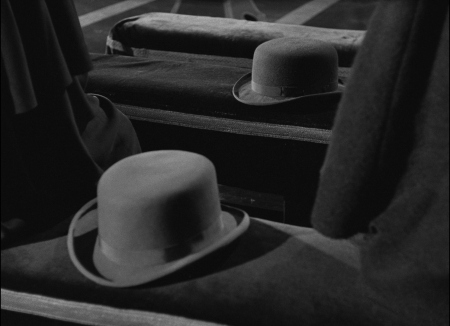
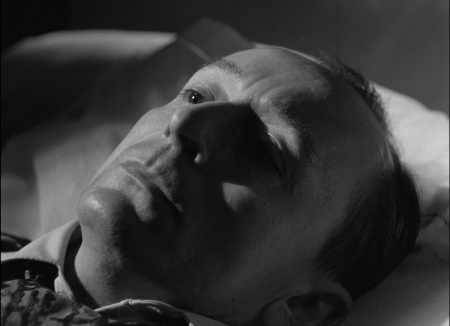
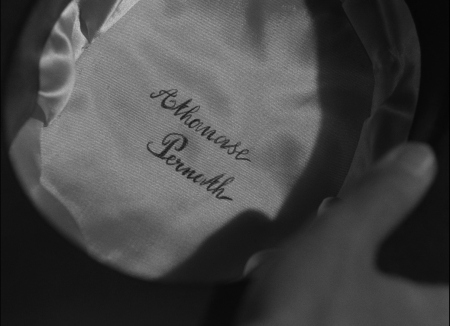
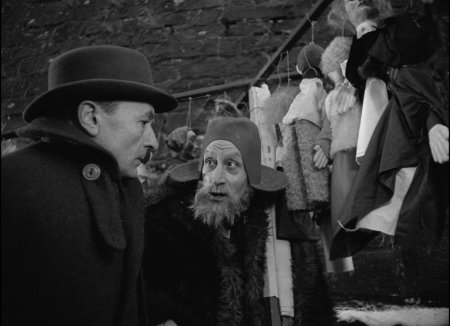
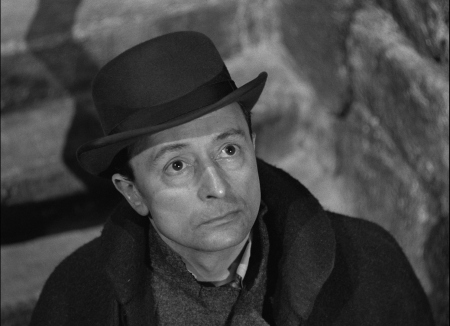
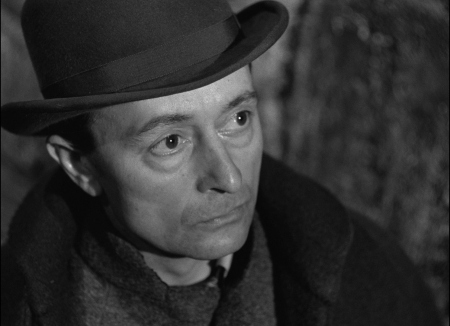
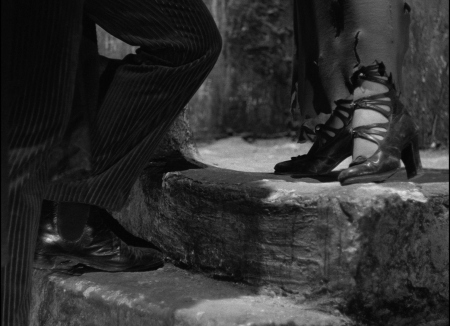
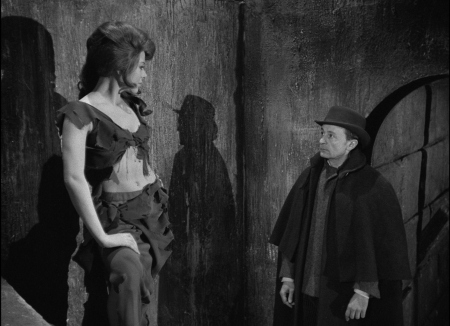
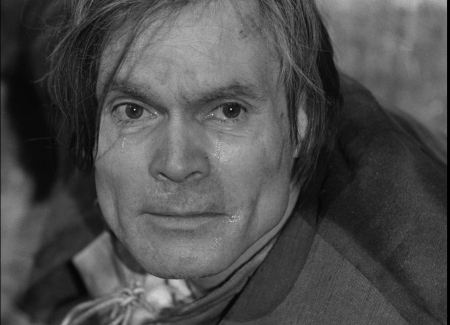
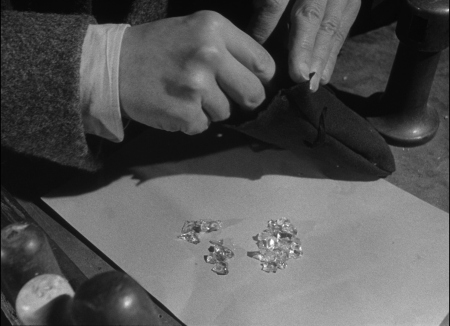
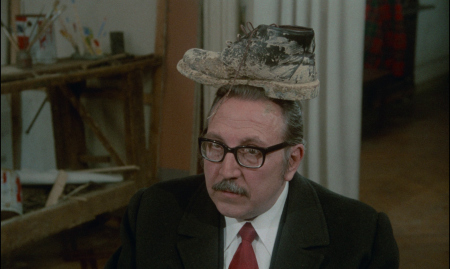
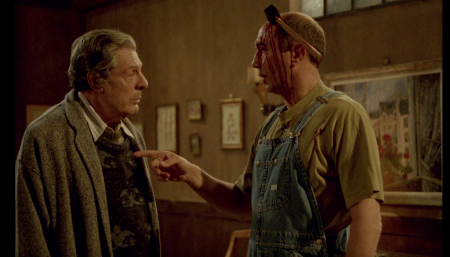
Made for French television, Jean Kerchbron’s The Golem draws not on the familiar clay-monster imagery of Paul Wegener’s silent films but on Gustav Meyrink’s dense, mystical 1915 novel. An unnamed man (André Reybaz) inadvertently swaps hats with someone named Athanasius Pernath and begins to live the stranger’s life in his dreams, as a gem cutter and book restorer in the Prague ghetto, tangled up in his neighbors’ passions, jealousies, and vendettas, while rumors circulate that the Golem has returned after an absence of 33 years. Kerchbron favors stylized sets, cryptic dialogue, and a gallery of extraordinary faces, producing something closer to a waking trance than a conventional horror story. It’s an unusual inclusion in a collection of theatrical features, and arguably the set’s most mysterious discovery.

The Woman with Red Boots (1974)
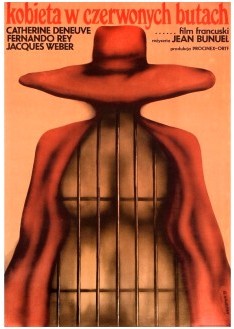
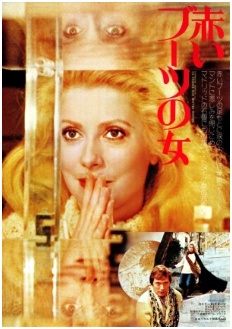
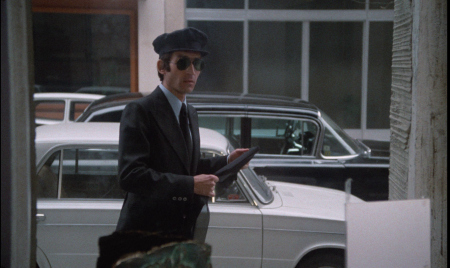
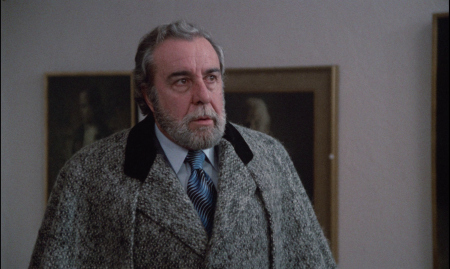
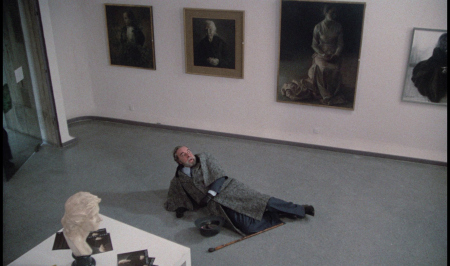
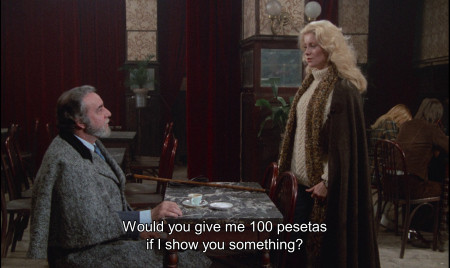
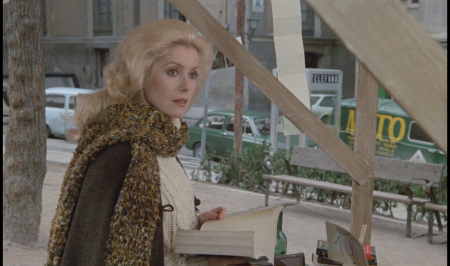
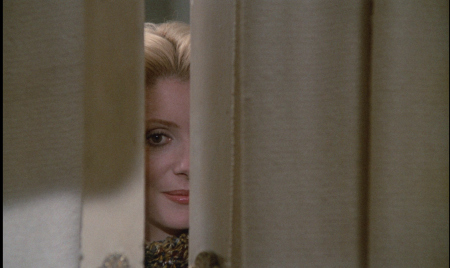
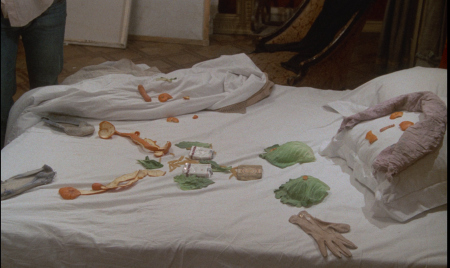
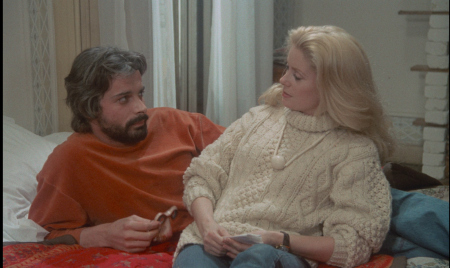
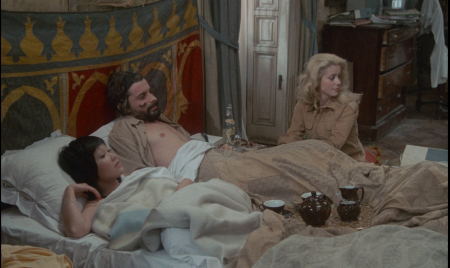
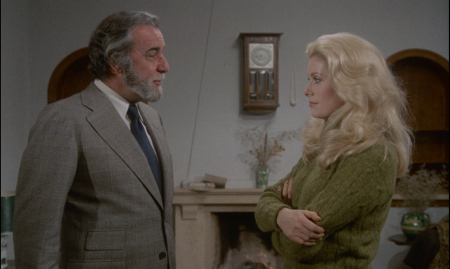
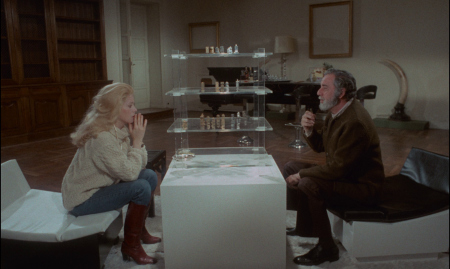
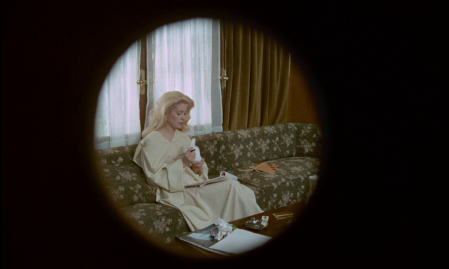
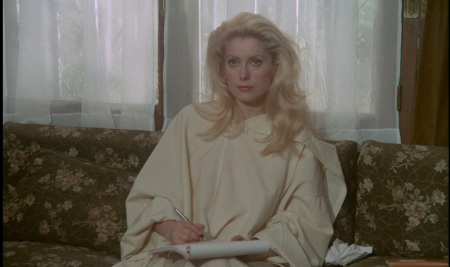
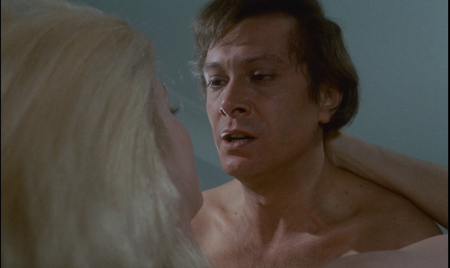
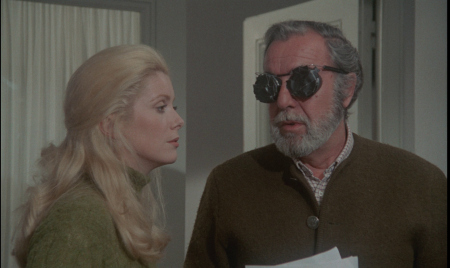
Juan Luis Buñuel, son of Luis Buñuel, proves he inherited more than a surname with The Woman with Red Boots, a sly, surreal game built around Catherine Deneuve’s cool, unreadable screen persona. Deneuve plays Françoise, a successful novelist who becomes the object of fascination for Pérou (Fernando Rey), a wealthy and manipulative art patron. He lures her to his country estate to write her memoirs, while also inviting Marc (Adalberto Maria Merli), the art-magazine editor with whom Françoise has become infatuated. What follows is a shifting contest of power and perception in which Françoise’s imagination seems capable of reshaping the reality of the men around her. The casting of Rey, so closely associated with the elder Buñuel, makes the film feel like a knowing continuation of that tradition, playful and provocative in equal measure.

Three Lives and Only One Death (1996)
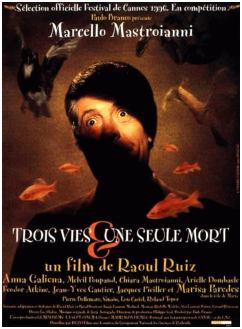
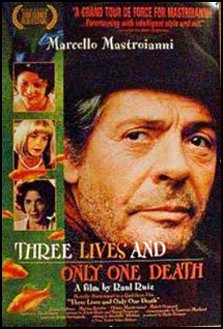
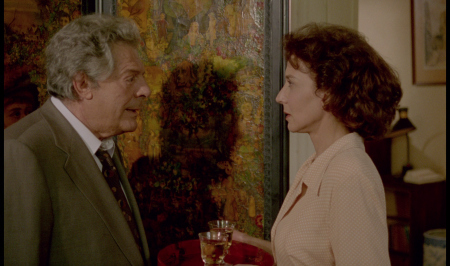
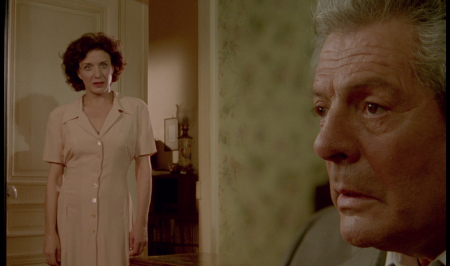
Chilean exile Raúl Ruiz spent much of his career in Paris, turning out a vast and wildly eclectic body of work, and Three Lives and Only One Death is among his most accessible and charming. Marcello Mastroianni, in one of his final roles, anchors four interconnected tales: a genial man who confesses to a stranger that fairies stole years of his life, a professor who abandons his post to live as a beggar, a peculiar butler who comes attached to a château inherited by a young couple, and a businessman whose fictional family, invented to dodge work commitments, unexpectedly turns up from the airport. Ruiz weaves the stories together through coincidence, recurrence, and odd little details, while Mastroianni’s warmth and mischievous humor keep the puzzle-box structure light on its feet. It’s a fitting finale, bringing the fantastique tradition into the modern era with wit rather than dread.

Posters

Theatrical Release: May 16th, 1930 - May 1996 (Cannes Film Festival, premiere)

 

Review: Radiance - Region FREE - Blu-ray

Box Cover

CLICK to order from:


BONUS CAPTURES:

Distribution Radiance - Region FREE - Blu-ray
Runtime

Dans la Nuit (1930): 1:24:52.253
La Nuit Fantastique (1942): 1:31:17.555
Le Diable Souffle (1947): 1:32:00.056

Le Golem (1967): 1:54:59.726

The Woman in Red Boots (1974): 1:33:58.132

Three Lives and Only One Death (1996): 2:05:58.592

Video

Dans la Nuit (1930):

1.33:1 1080P Dual-layered Blu-ray

Disc Size: 27,590,086,310 bytes

Feature: 24,898,483,776 bytes

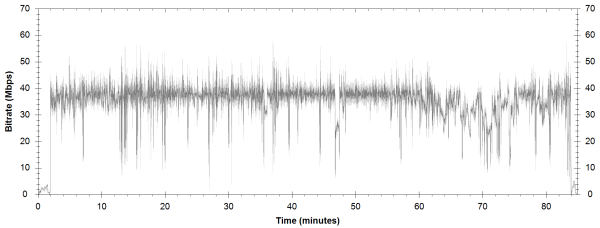
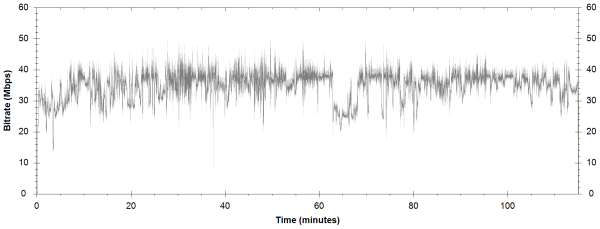
Video Bitrate: 34.82 Mbps

Codec: MPEG-4 AVC Video

La Nuit Fantastique (1942):

1.37:1 1080P Dual-layered Blu-ray

Disc Size: 36,546,224,930 bytes

Feature: 28,709,361,024 bytes

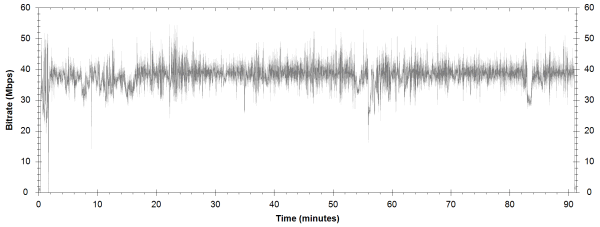
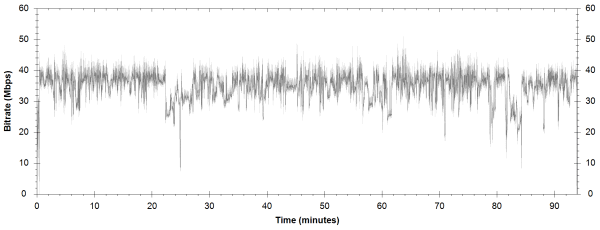
Video Bitrate: 37.72 Mbps

Codec: MPEG-4 AVC Video

Le Diable Souffle (1947):

1.37:1 1080P Dual-layered Blu-ray

Disc Size: 33,013,716,282 bytes

Feature: 27,045,277,056 bytes

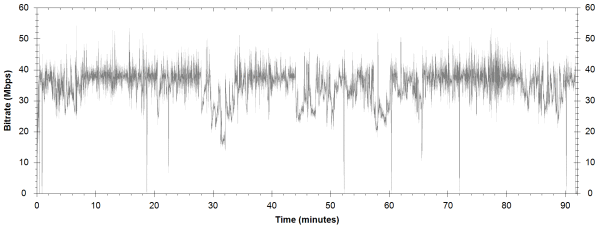
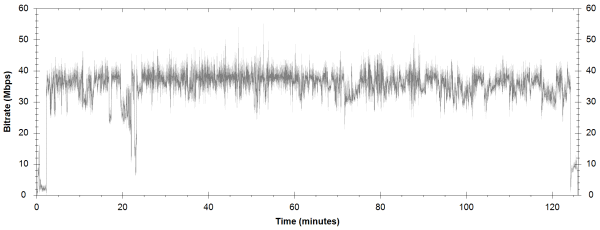
Video Bitrate: 34.88 Mbps

Codec: MPEG-4 AVC Video

Le Golem (1967):

1.37:1 1080P Dual-layered Blu-ray

Disc Size: 37,920,246,998 bytes

Feature: 33,588,231,552 bytes

Video Bitrate: 34.85 Mbps

Codec: MPEG-4 AVC Video


The Woman in Red Boots (1974):

1.66:1 1080P Dual-layered Blu-ray

Disc Size: 36,978,118,686 bytes

Feature: 28,432,749,888 bytes

Video Bitrate: 38.62 Mbps

Codec: MPEG-4 AVC Video

Three Lives and Only One Death (1996):

1.66:1 1080P Dual-layered Blu-ray

Disc Size: 48,106,391,314 bytes

Feature: 37,003,705,920 bytes

Video Bitrate: 34.84 Mbps

Codec: MPEG-4 AVC Video

NOTE: The Vertical axis represents the bits transferred per second. The Horizontal is the time in minutes.

Bitrate Dans la Nuit (1930) Blu-ray:

Bitrate La Nuit Fantastique (1942) Blu-ray:

Bitrate Le Diable Souffle (1947)  Blu-ray:

Bitrate Le Golem (1967) Blu-ray:

Bitrate The Woman in Red Boots (1974) Blu-ray:

Bitrate Three Lives and Only One Death Blu-ray:

Audio

LPCM Audio French 2304 kbps 2.0 / 48 kHz / 2304 kbps / 24-bit
Commentaries:

Dolby Digital Audio English 192 kbps 2.0 / 48 kHz / 192 kbps / DN -30dB

The Woman in Red Boots:

DTS-HD Master Audio French 1095 kbps 1.0 / 48 kHz / 1095 kbps / 24-bit (DTS Core: 1.0 / 48 kHz / 768 kbps / 24-bit)
DUBs:

DTS-HD Master Audio Italian 1107 kbps 1.0 / 48 kHz / 1107 kbps / 24-bit (DTS Core: 1.0 / 48 kHz / 768 kbps / 24-bit)
DTS-HD Master Audio English 1021 kbps 1.0 / 48 kHz / 1021 kbps / 24-bit (DTS Core: 1.0 / 48 kHz / 768 kbps / 24-bit)

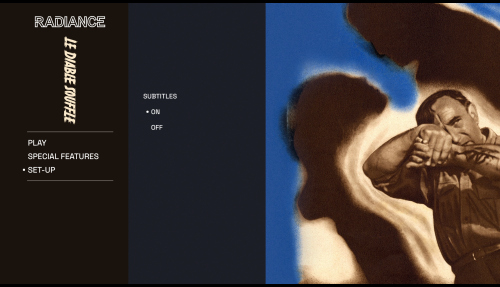
Subtitles English, None
Features Release Information:
Studio:
Radiance


Edition Details:


• New introduction to Dans la nuit by Institut Lumière director Thierry Frémaux (2026, 9:35)
• New commentary on Dans la nuit by film historian Pamela Hutchinson
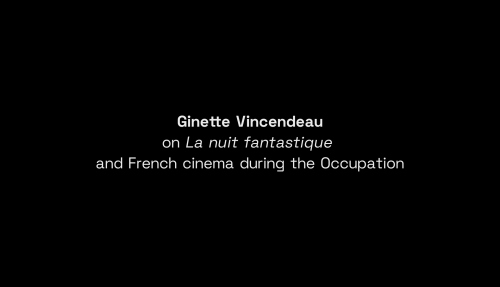
• New interview with French cinema expert Ginette Vincendeau on La Nuit fantastique and French cinema under the Occupation (2026, 23:50)
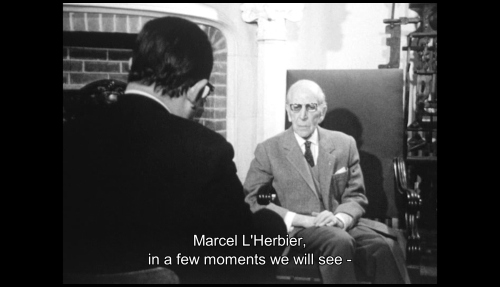
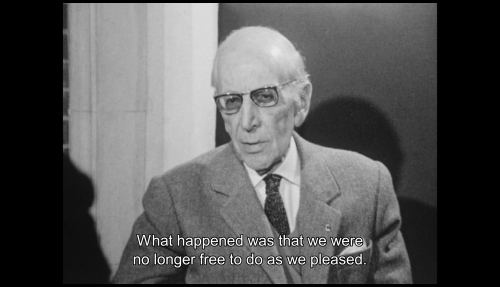
Archival TV interview with director Marcel L’Herbier on La Nuit fantastique (1971, 12:28)
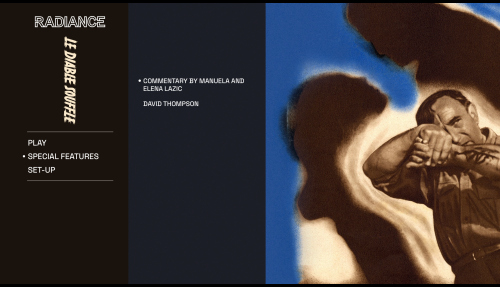
• New commentary for Le Diable souffle by film critics Elena and Manuela Lazic
• New interview on Le Diable souffle and director Edmond T. Gréville with film critic David Thompson (2026, 22:02)
• New interview with Kim Newman on The Golem and Gustav Meyrink’s novel (2026, 16:17)
• Archival TV introduction to The Golem by journalist and writer Louis Pauwels (1967, 6:03)
• The Golem photo gallery (26 images)
• French, Italian, and English audio options for The Woman with Red Boots
• New interview with fashion expert Matteo Augello on The Woman with Red Boots (2026, 19:14)
• New visual essay on The Woman with Red Boots by critic and author Samm Deighan (2026, 15:24)
• Archival interview with Catherine Deneuve on The Woman with Red Boots (1974, 5:03)
• New commentary on Three Lives and Only One Death by Adrian Martin
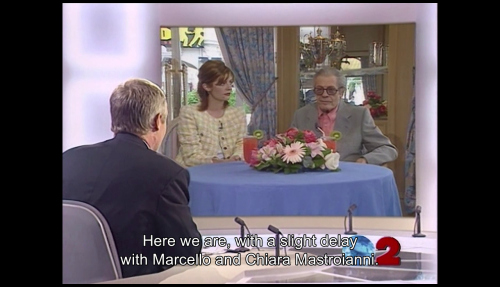
Archival TV interview with Marcello and Chiara Mastroianni on Three Lives and Only One Death (1996, 6:21)
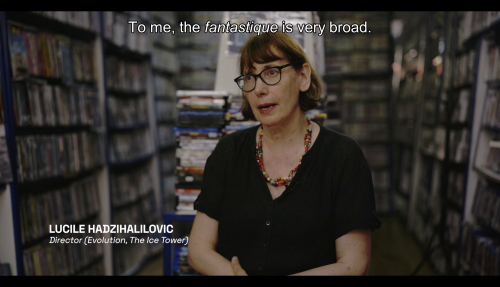
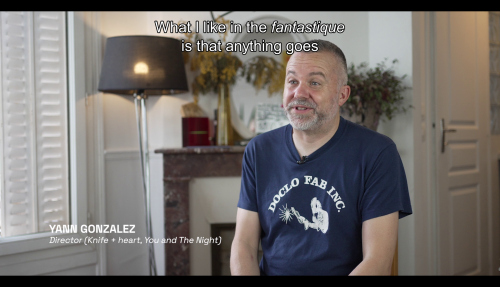
• New documentary on the French cinéma fantastique then and now, featuring directors Lucile Hadžihalilović, Bertrand Mandico and Yann Gonzalez (2026, 53:35)
• Trailer Three Lives and Only One Death (1:50)
Reversible sleeves featuring original and newly commissioned artwork by Time Tomorrow
Limited edition 120-page book featuring new writing by Virginie Sélavy and David Cairns, as well as archival writing by Tzvetan Todorov, André Bazin, Henri Alekan and more
Limited Edition of 5,000 copies presented in a rigid box with full-height Scanavo cases for each film and removable OBI strip leaving packaging free of certificates and markings


Blu-ray Release Date: November 9
th, 2026
Transparent Blu-ray Cases inside box

Chapters 12 / 10 / 10 / 13 / 10 / 12


Comments:

NOTE: The below Blu-ray captures were taken directly from the Blu-ray disc.

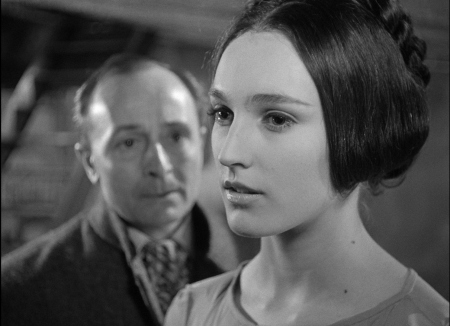
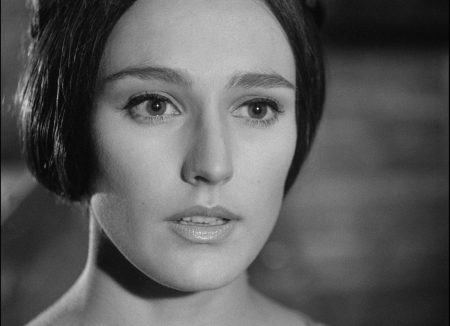
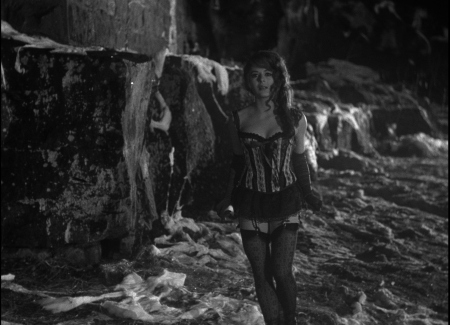
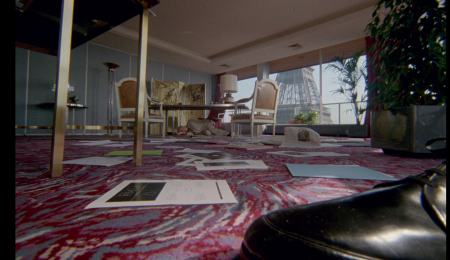
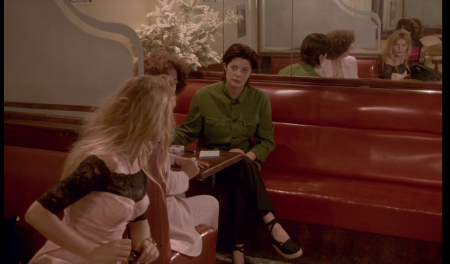
ADDITION: Radiance Blu-ray (November 2026): Radiance have transferred six films in their Fantastique: The Dreams and Nightmares of French Cinema boxset to Blu-ray. Radiance’s Fantastique box set presents its six films on six dual-layered Blu-rays, each given a very high bitrate, with the features hovering near the upper limits of the format and La nuit fantastique running a little higher still. As is typical of the label, there is no skimping on disc space, and the result is a consistently strong, film-like 1080P presentation across the collection. Five of the films come from 4K restorations, with Three Lives and Only One Death sourced from a 2K restoration, and each is presented in its original aspect ratio.

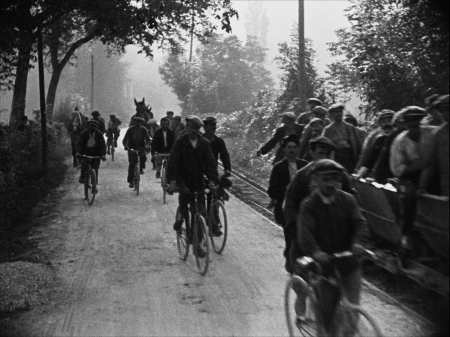
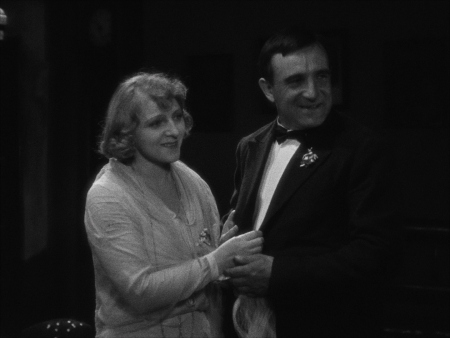
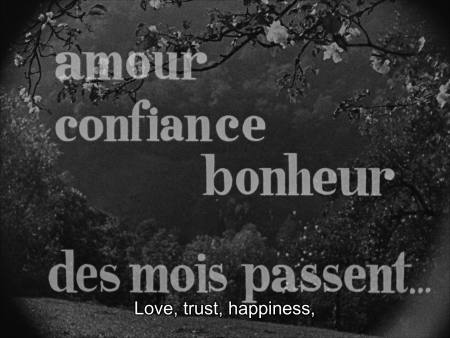
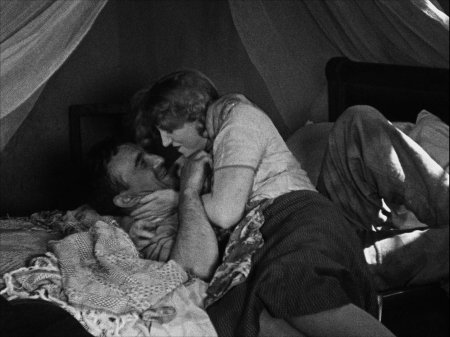
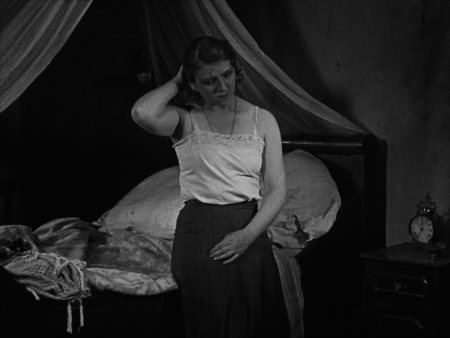
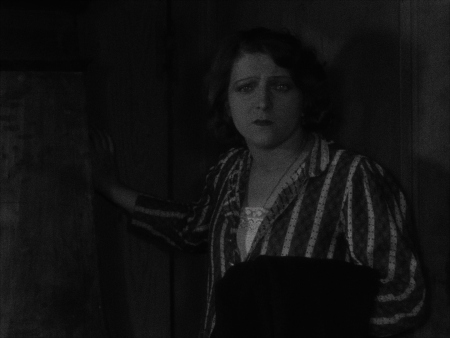
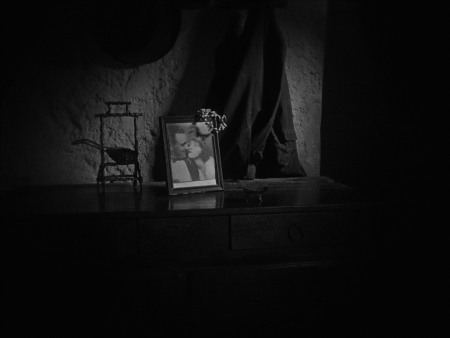
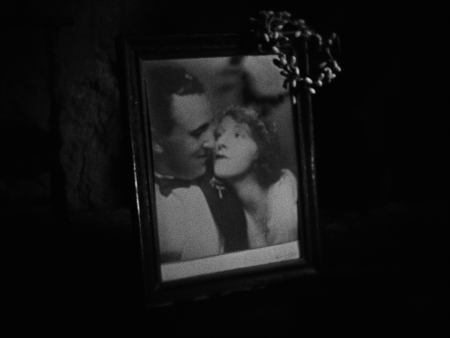
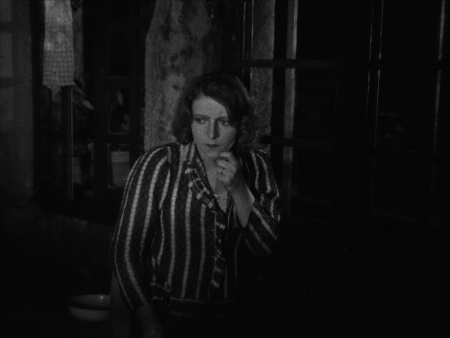
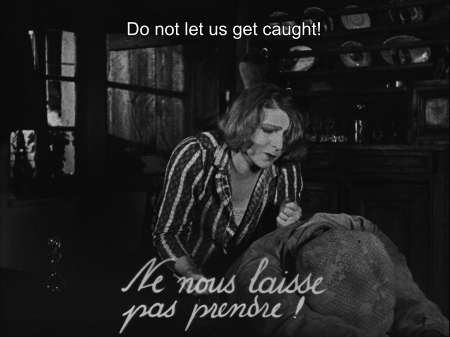
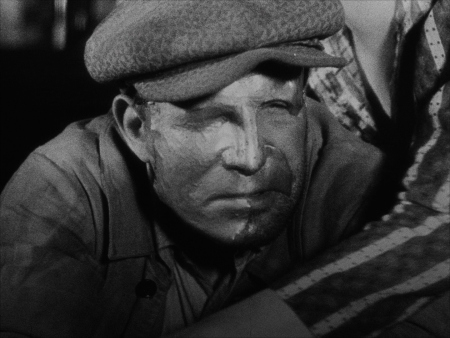
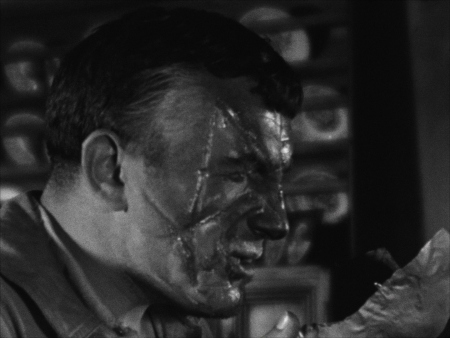
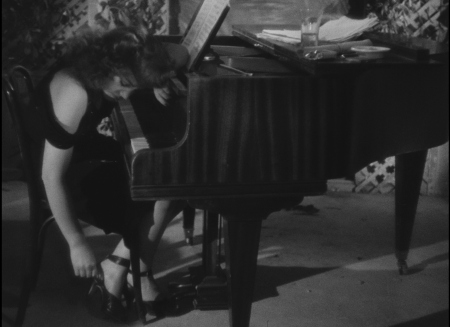
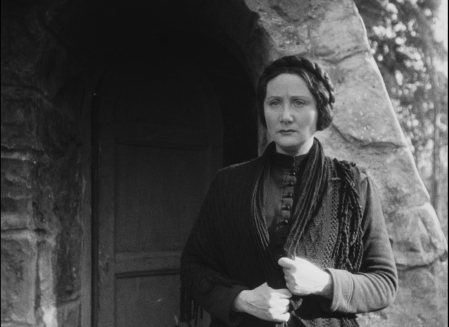
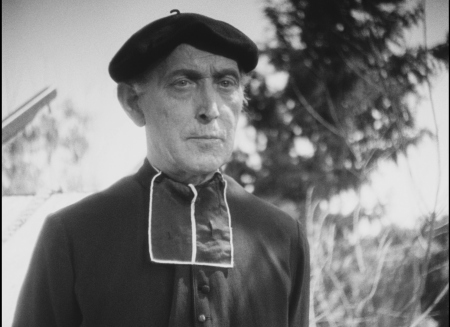
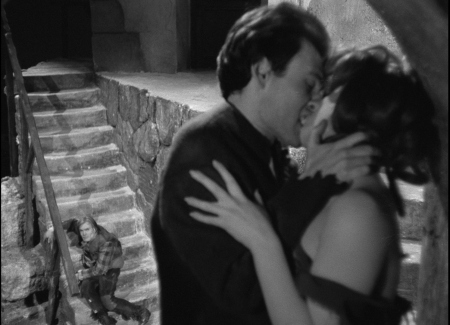
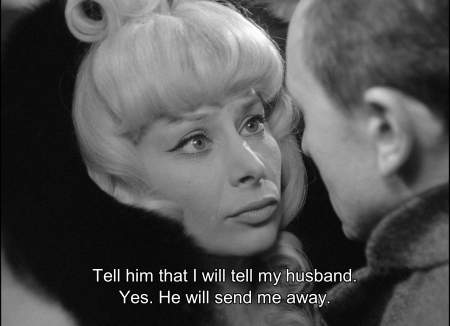
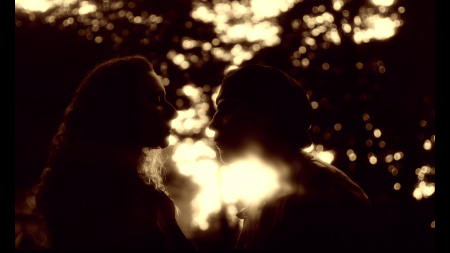
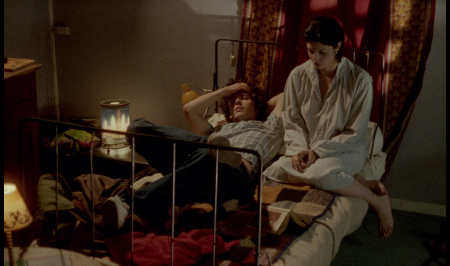
Dans la nuit is framed at 1.33:1 and comes from a 2021 4K restoration undertaken by the Institut Lumière, to whom Charles Vanel had entrusted his rights, carried out at Eclair Classics under the CNC’s heritage film preservation program from material preserved by the Cinémathèque française. Rarely screened in recent decades and never previously restored, the film now looks remarkable for its age. Contrast is strong, with deep, solid blacks in the night interiors and the quarry, and bright, clean highlights on faces and on Vanel’s unsettling mask. Fine detail is impressive throughout, from the filigree of an accordion to the dotted weave of Sandra Milowanoff’s striped dress and the crumpled surface of the mask itself, and the location shooting gives many scenes an almost documentary texture. Grain is present and natural, with no sign of heavy noise reduction or edge enhancement. Beyond a few brief passages where the surviving source material shows its age, with a coarse, mottled clumping in the emulsion (example HERE), the restoration is remarkably clean and stable for a film approaching its centenary. The French dialogue appears as handwritten script superimposed over the image rather than on separate title cards, and Radiance sensibly place their optional English subtitles at the top of the frame so the two never collide (see sample below.)

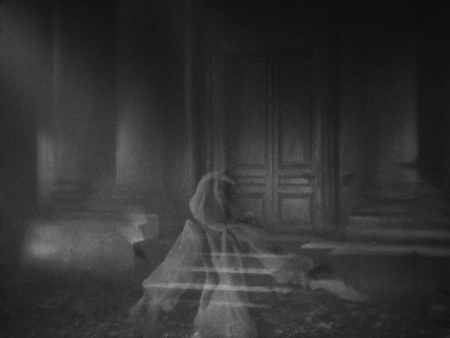
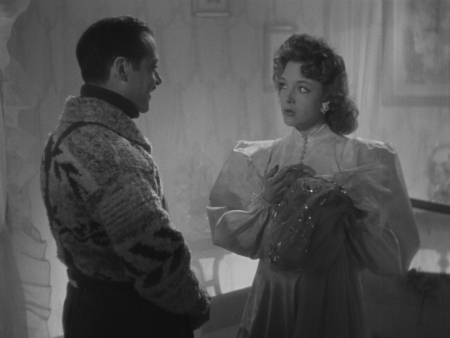
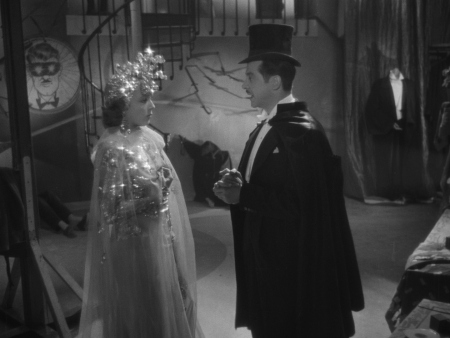
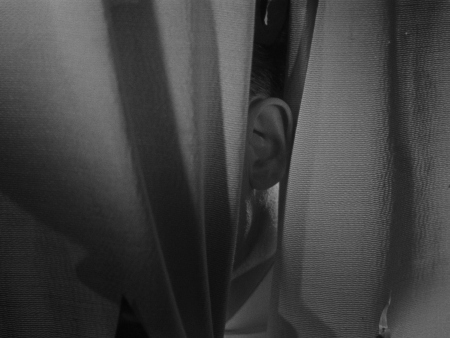
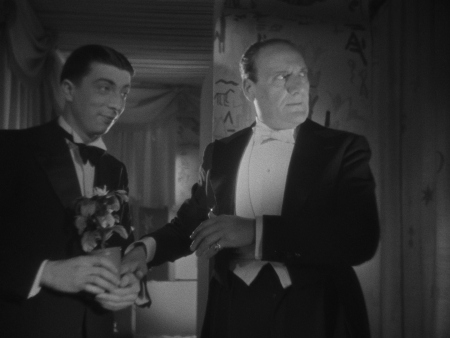
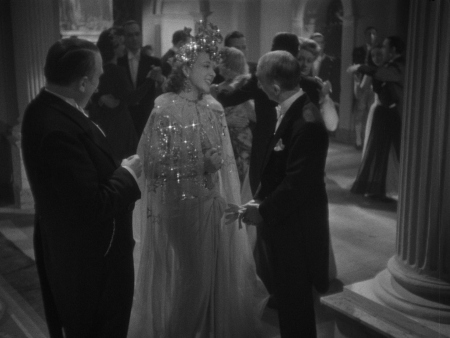
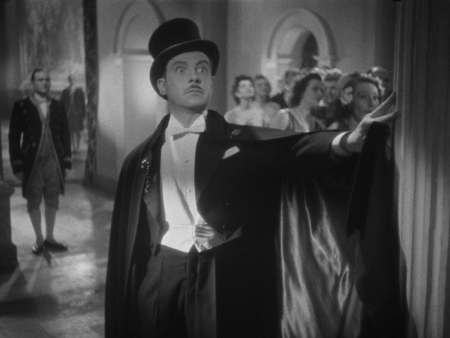
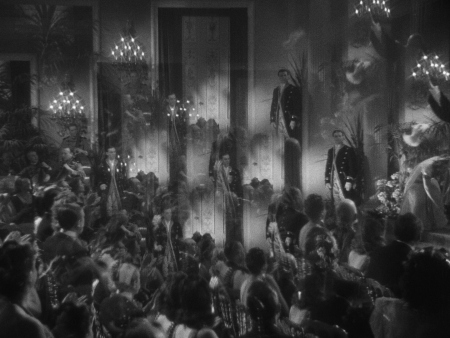
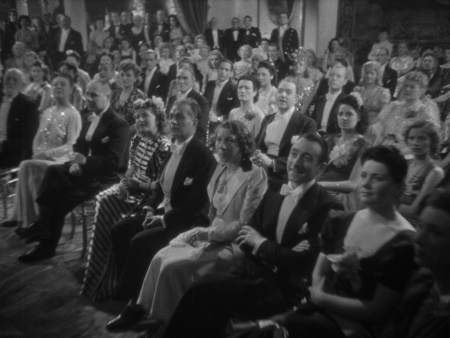
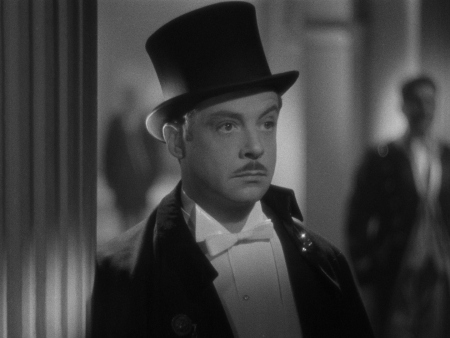
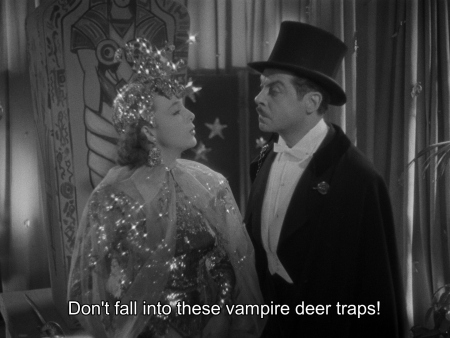
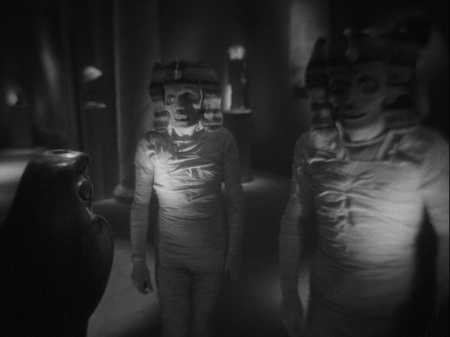
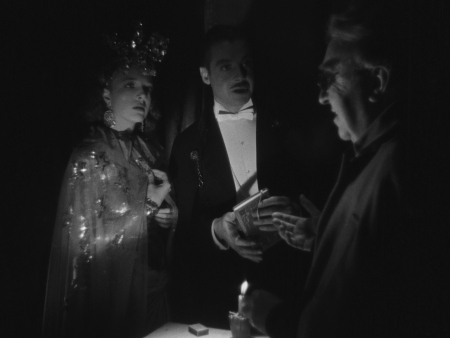
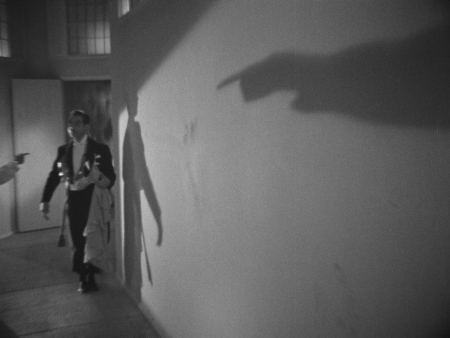
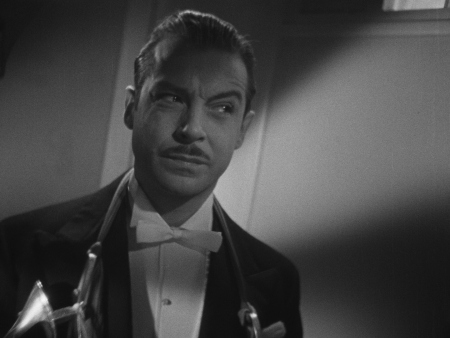
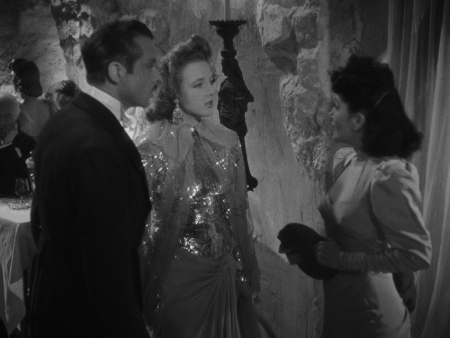
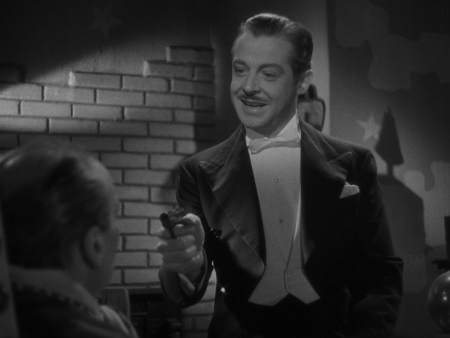
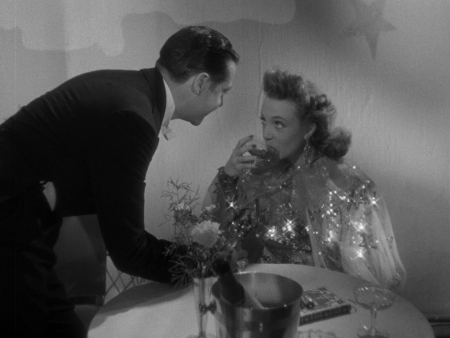
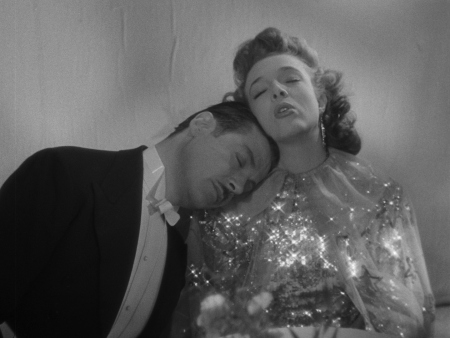
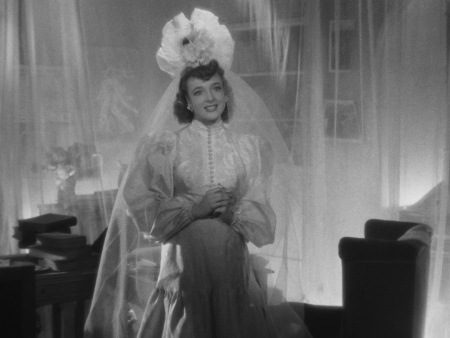
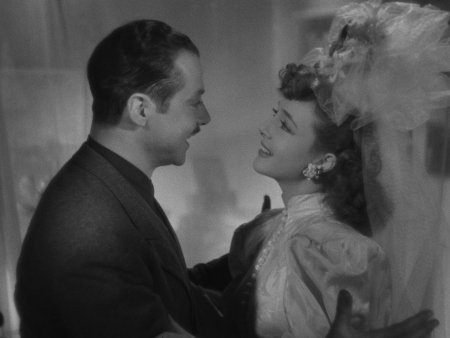
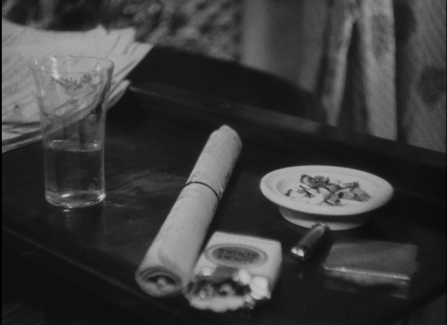
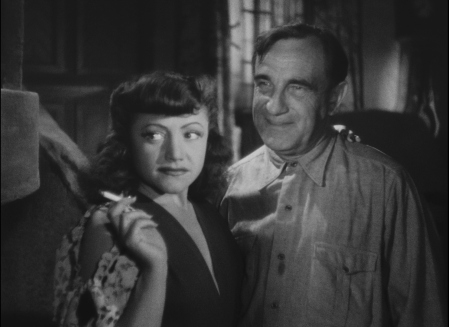
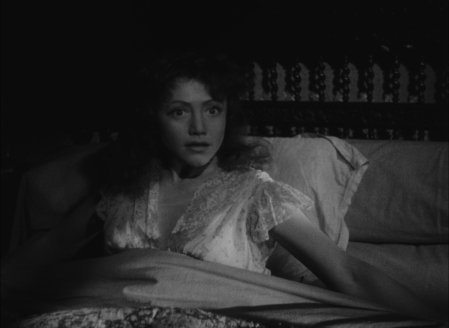
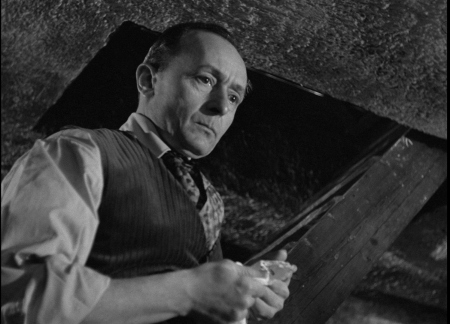
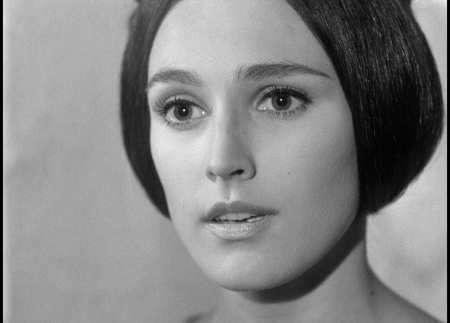
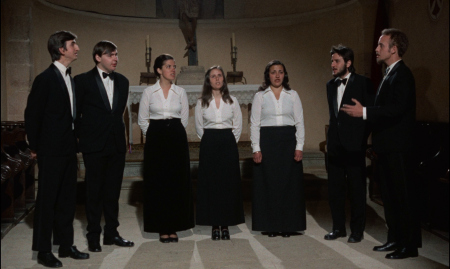
La nuit fantastique is presented in 1.37:1 from a 4K restoration made from the original nitrate negative and the French sound negative, with digital and photochemical work carried out and supervised by the VectraCom laboratory in 2021. It has a smooth, silvery grayscale and that glossy studio-era polish, with soft diffusion and glamour lighting on the close-ups and the star-filter sparkle of the sequined costumes coming through cleanly. Detail is excellent in the close-ups, picking out the herringbone of a tweed jacket, the pattern of floral curtains, individual eyelashes, and beaded earrings. Grain is fine and consistent, noticeably heavier in L’Herbier’s optical-effect shots such as the ghostly bride, which is to be expected given the extra generations those effects passed through. Aside from a single faint vertical scratch lasting under a minute, the image is extremely clean.

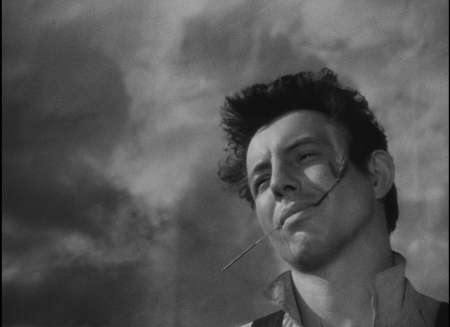
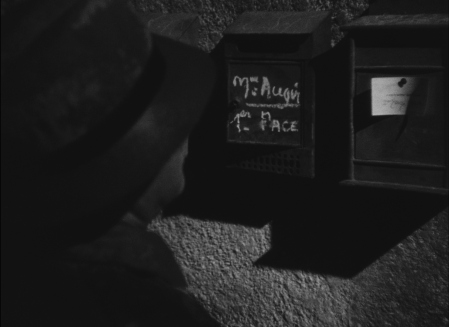
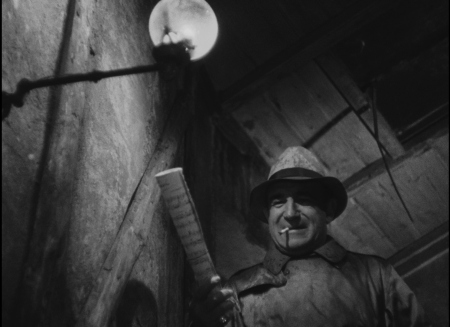
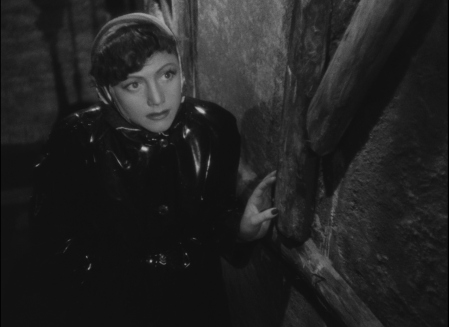
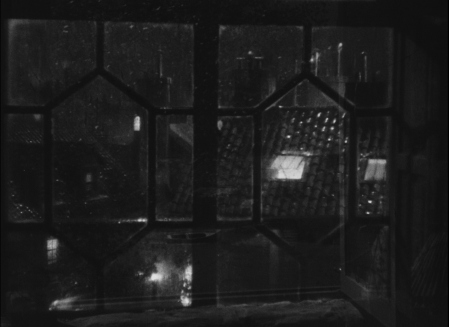
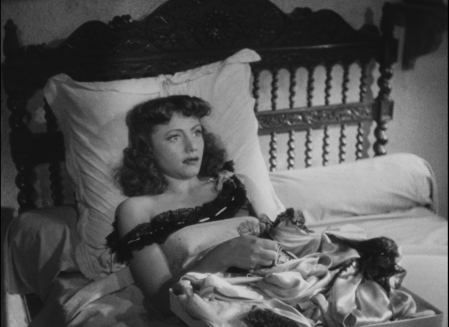
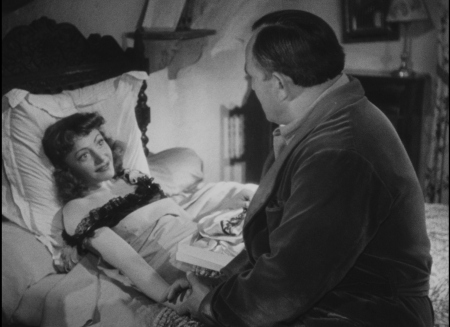
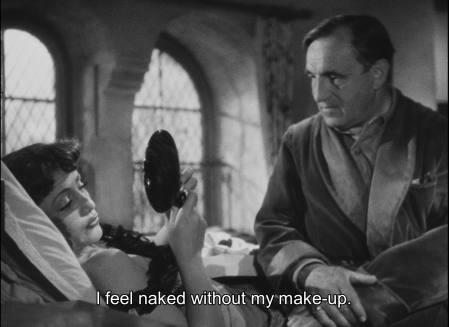
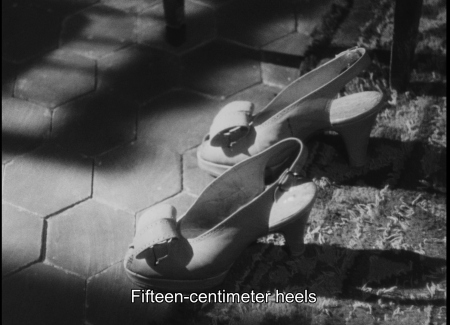
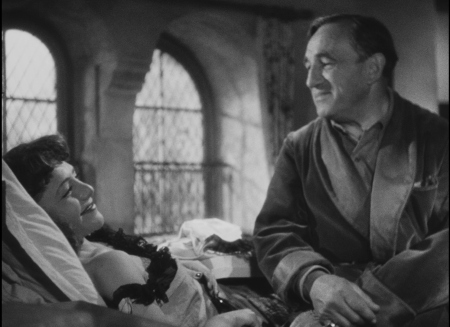
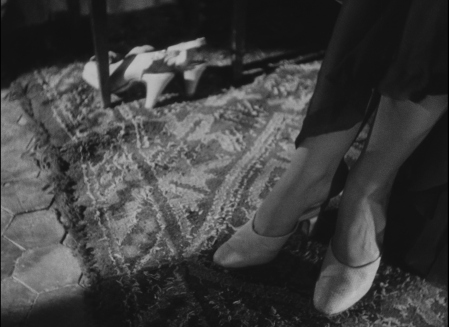
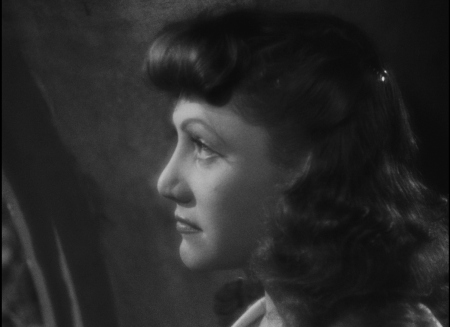
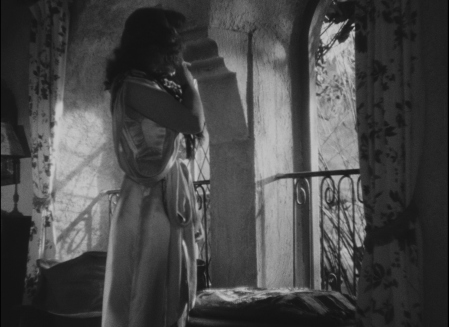
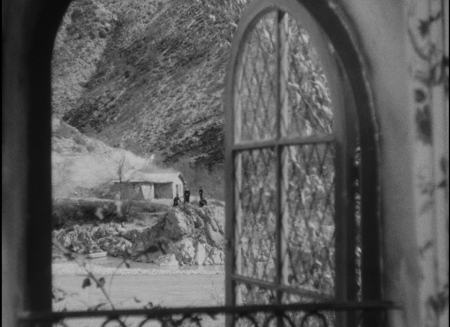
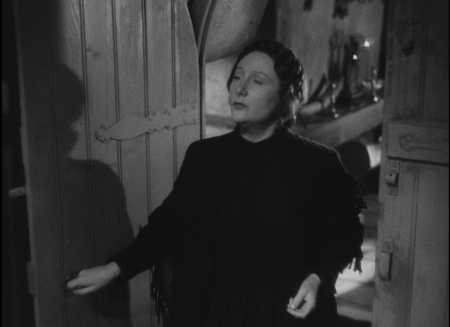
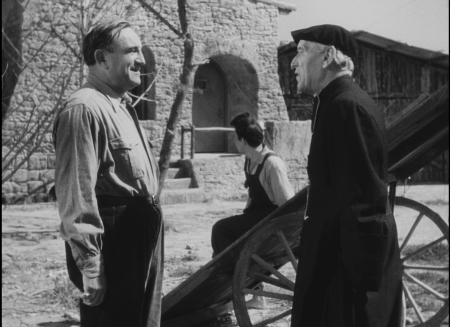
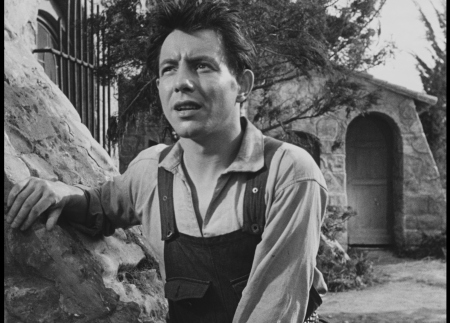
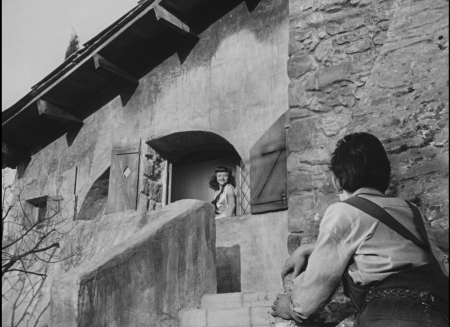
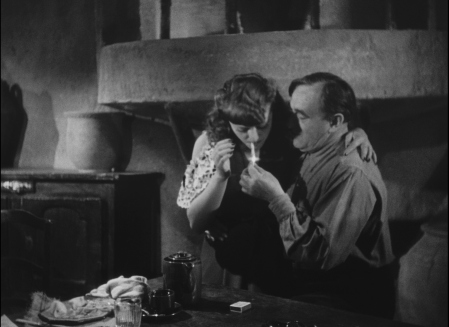
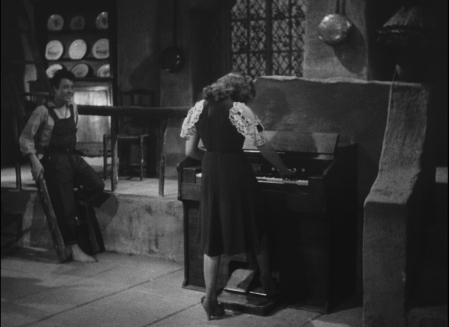
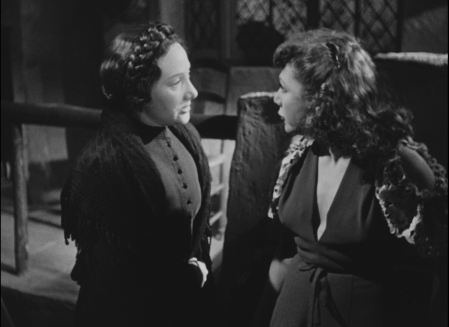
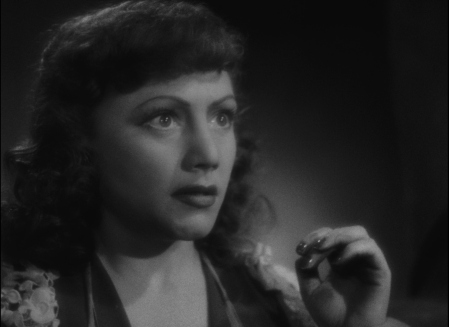
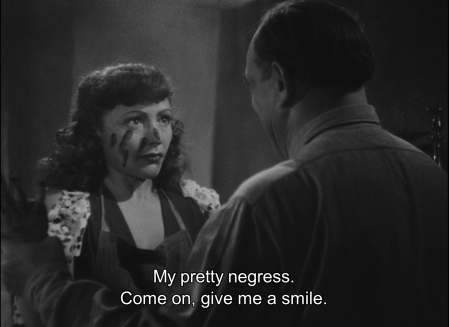
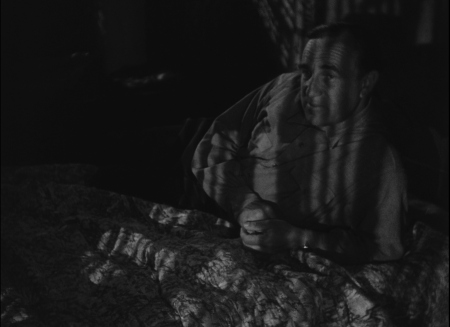
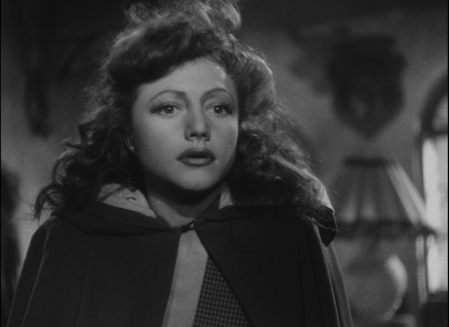
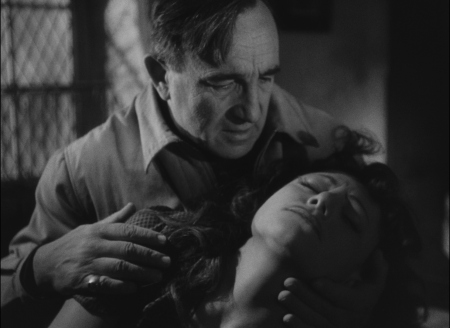
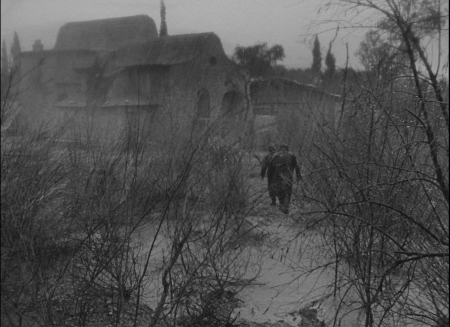
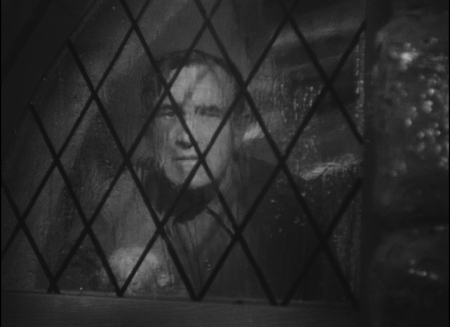
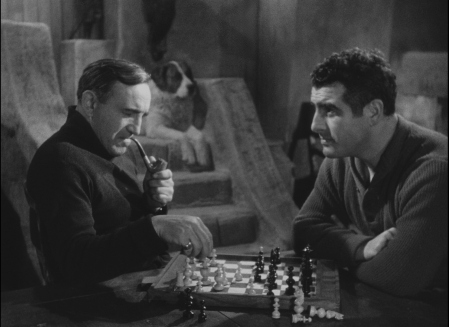
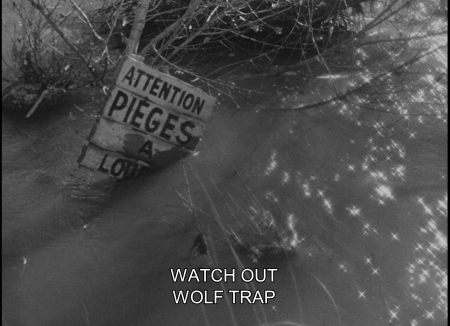
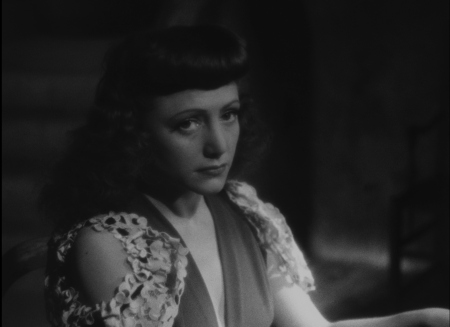
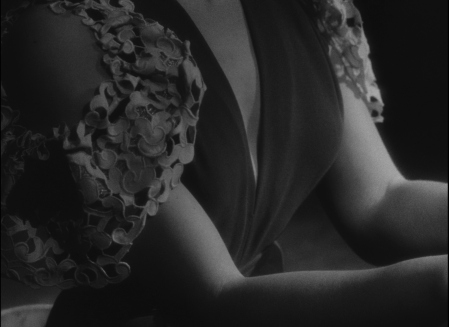
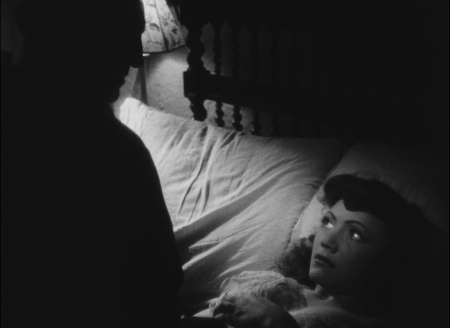
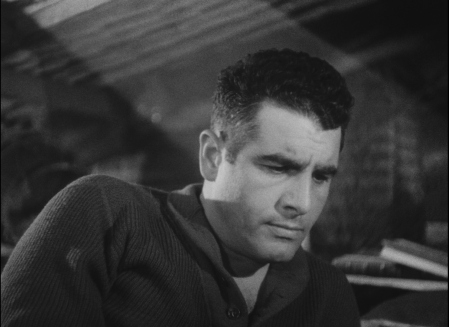
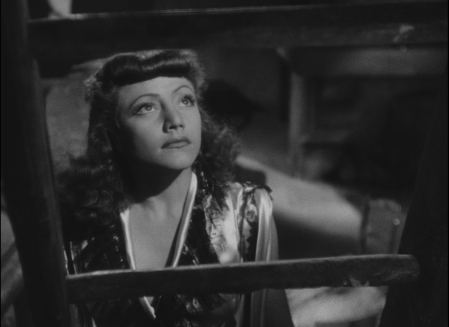
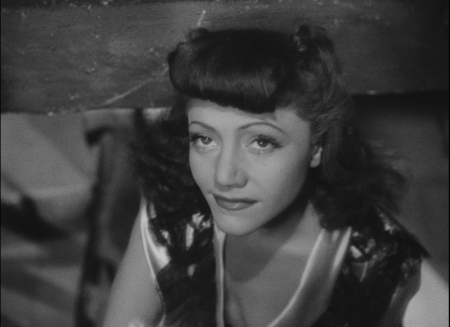
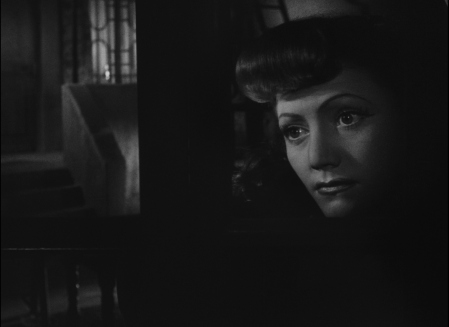
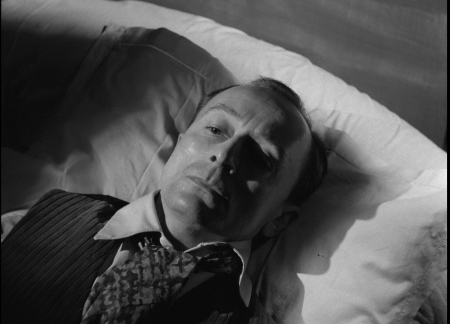
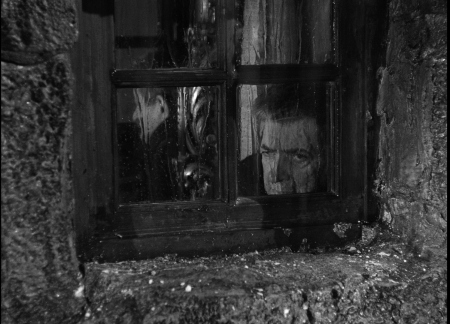
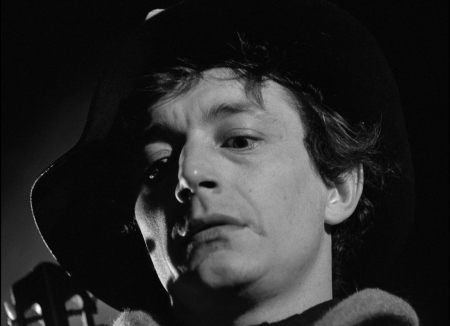
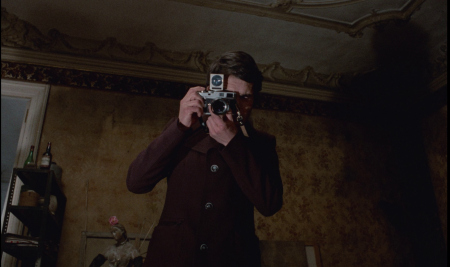
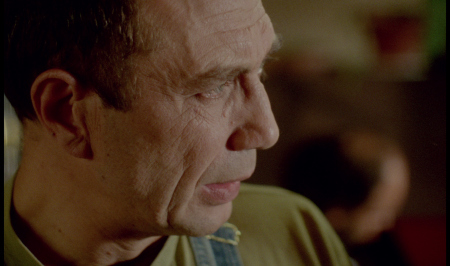
Le diable souffle, also in 1.37:1, comes from a 4K restoration, though the disc carries no restoration credits. Henri Alekan’s low-key cinematography is the star here: blacks are deep and rich, the rim and edge lighting on hair and faces is beautifully rendered, and one striking extreme close-up of Jean Chevrier, with most of the frame swallowed by shadow, looks superb. Textures such as the patterned rug and hexagonal floor tiles, the leaded diamond window panes, lace, and rough plaster walls are well resolved. Grain is heavier and a little coarser than in La nuit fantastique, most visible in the darker close-ups, which also show some softness consistent with diffusion filters and the source rather than any digital manipulation. The source seems a touch more worn than some of the others, but the presentation remains clean, stable, and very film-like.

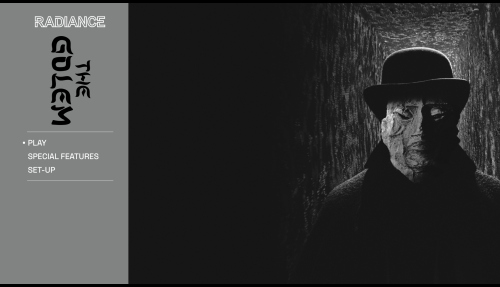
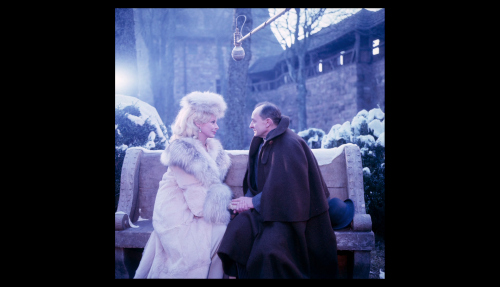
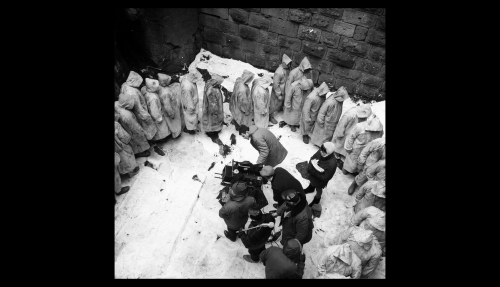
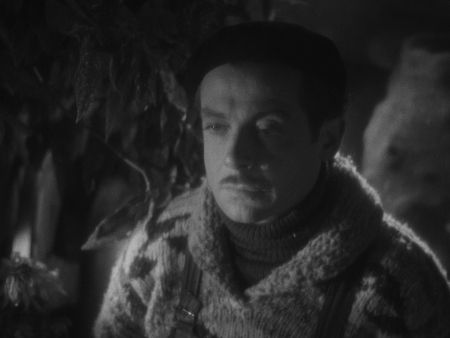
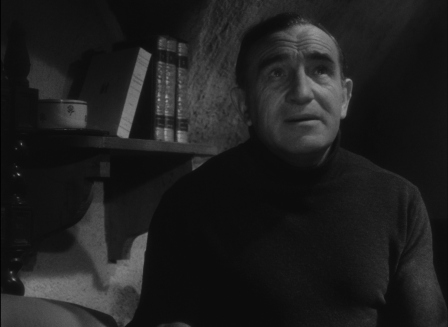
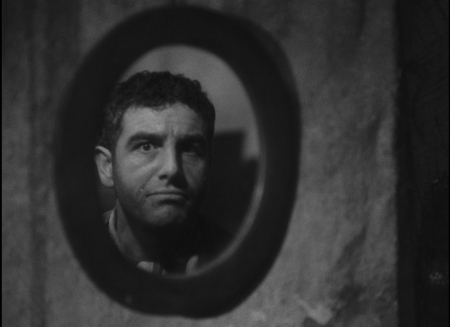
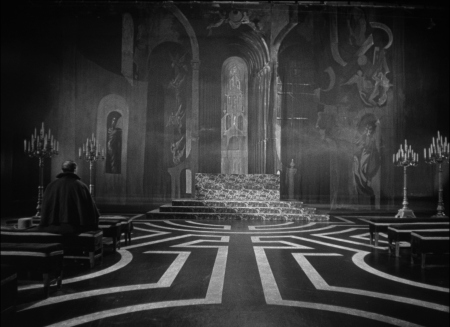
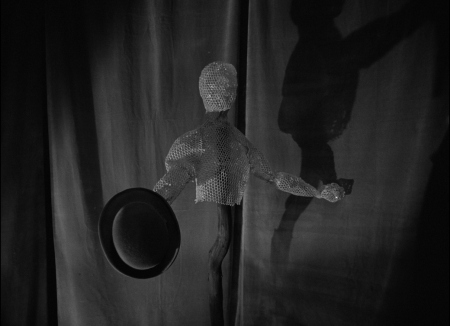
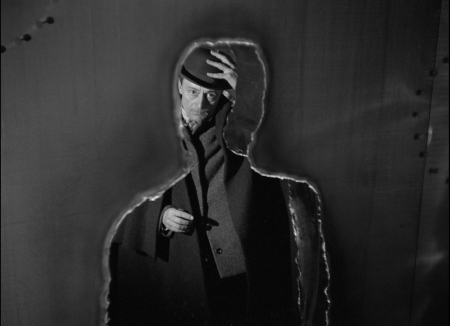
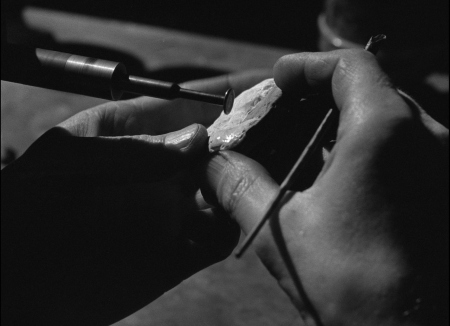
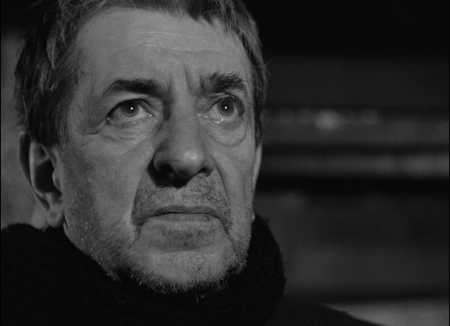
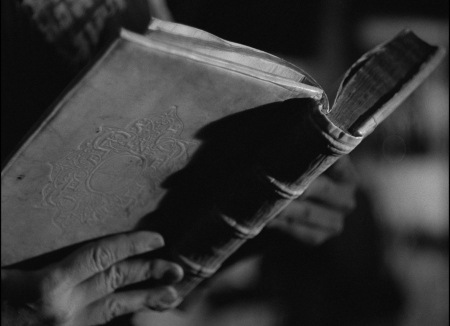
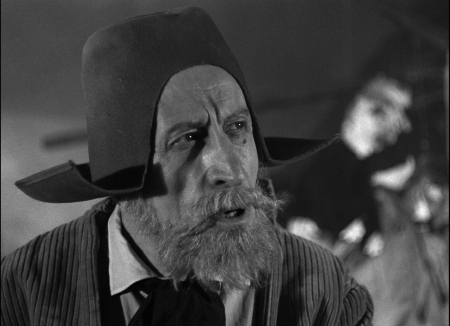
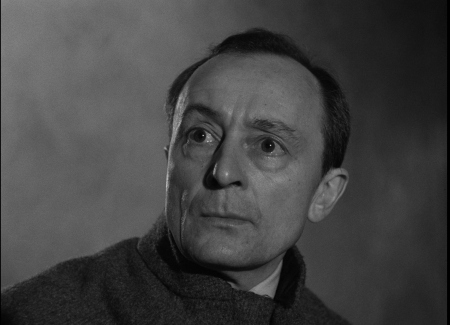
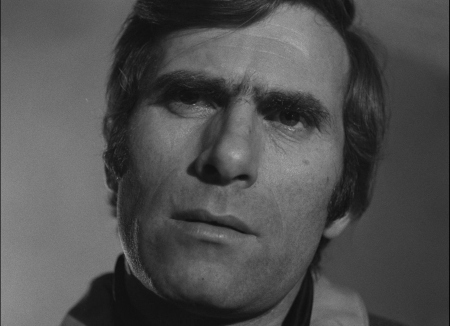
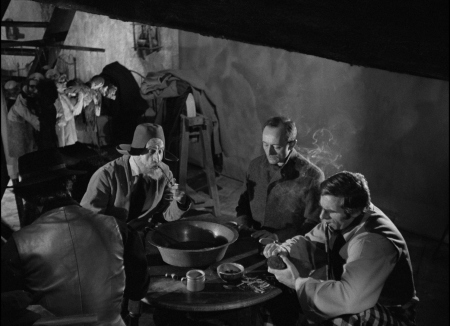
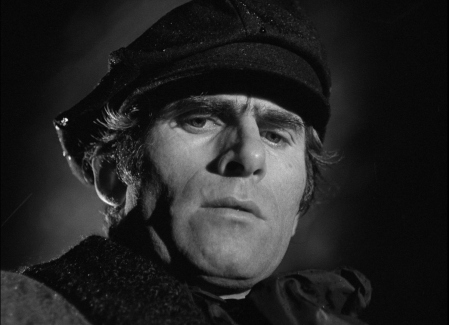
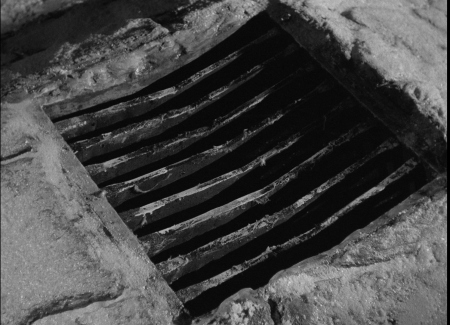
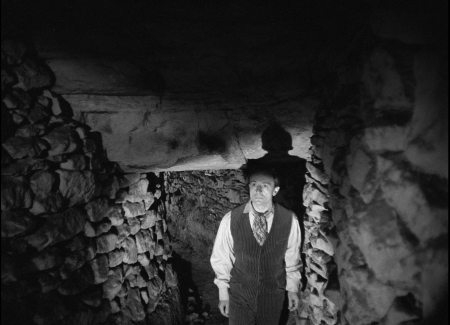
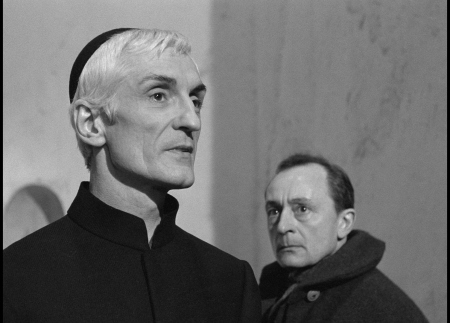
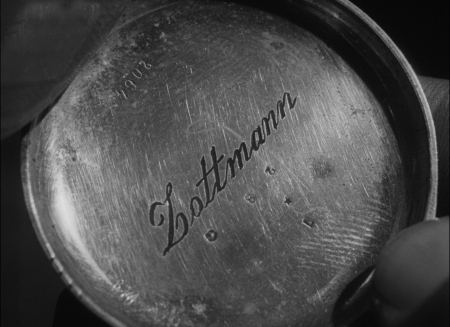
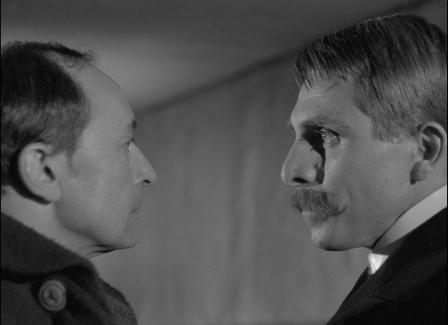
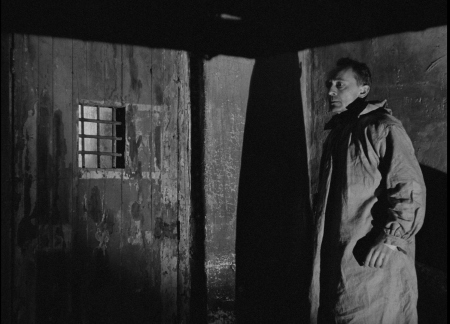
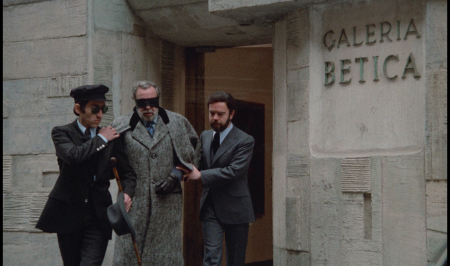
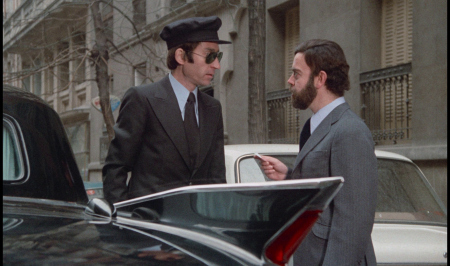
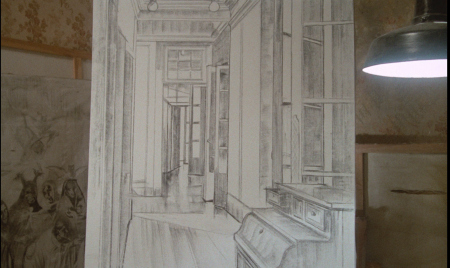
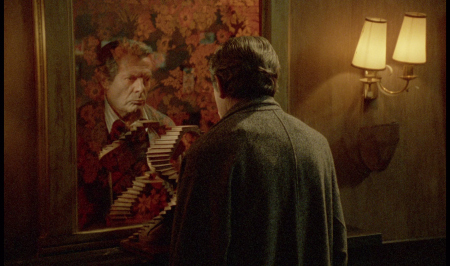
The Golem is the standout of the set. Although it was a 1967 French television production, it was shot on 35mm film, and INA’s 2026 4K restoration from the 35mm picture negative gives it a clarity many theatrical features of the era would envy. Framed at 1.37:1, the 1080P image is the sharpest and most detailed in the collection: pores, beads of sweat, and stubble in the extreme close-ups, rain streaks cutting across the frame, the fur of hats and coats, and every crack and gouge in the clay head of the Golem. Contrast is superb, with inky, stable blacks in the low-key scenes (the hatted figure reflected in a broken mirror is a highlight) and clean, bright whites in the snow-covered pit where a ring of figures stands. Grain is fine and even, and we saw no damage at all.

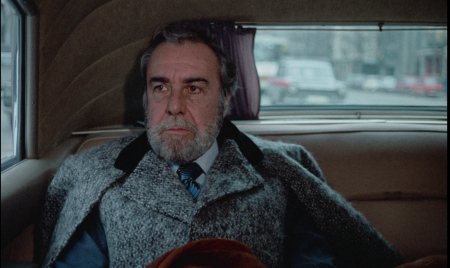
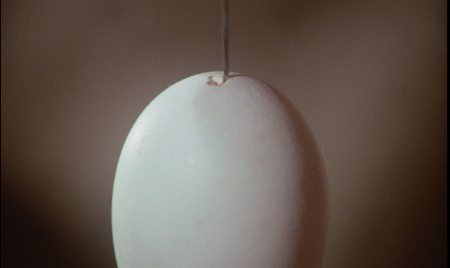
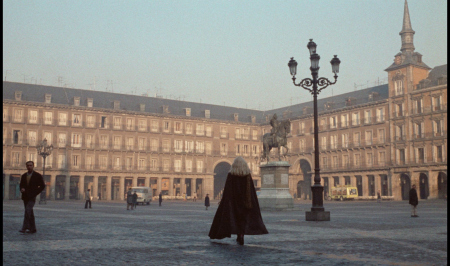
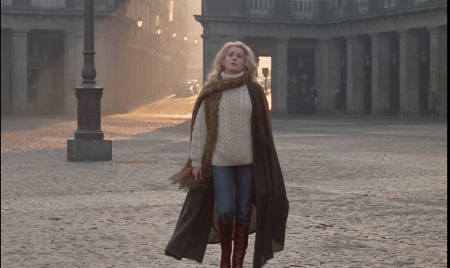
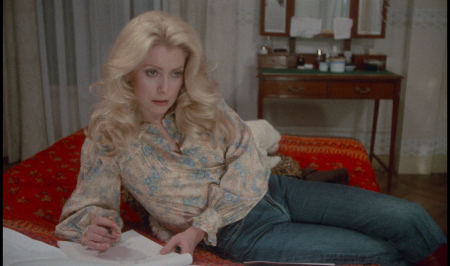
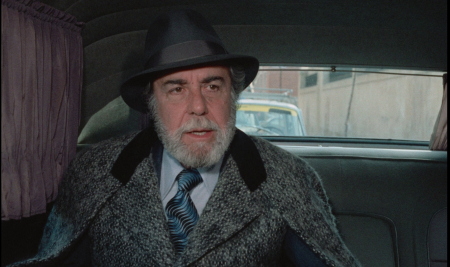
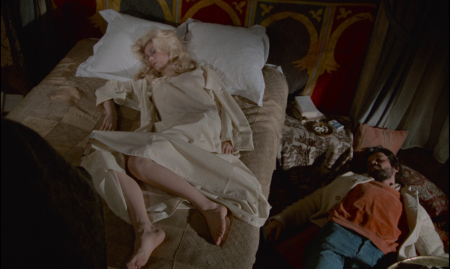
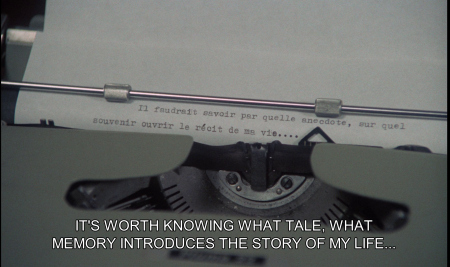
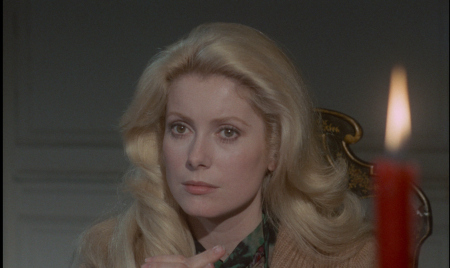
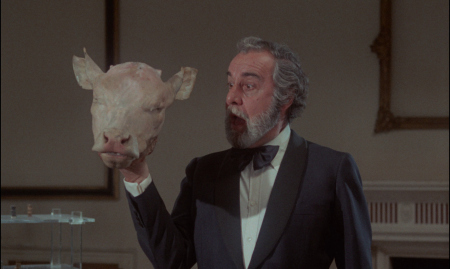
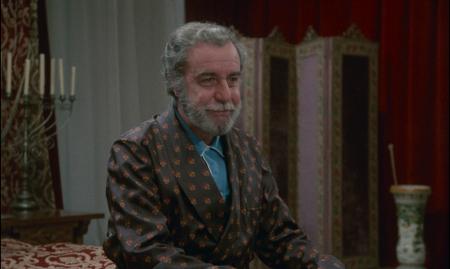
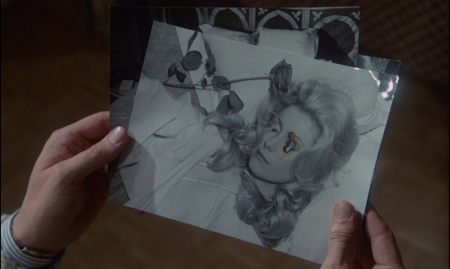
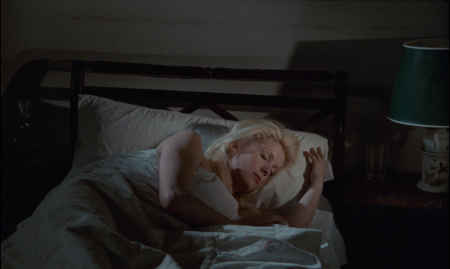
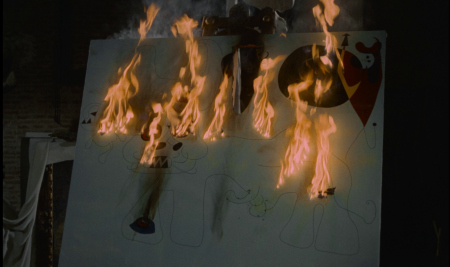
The Woman with Red Boots, the first of the set’s two color films, is presented in approximately 1.66:1 from a 4K restoration, again without restoration credits on the disc. It looks lovely, with a natural, slightly warm 1970s palette of earthy browns and greens, realistic skin tones, and Catherine Deneuve’s platinum hair rendered without any blooming. Reds stand out vividly without bleeding, notably a single rose on a pillow and a rust-red corduroy outfit in a woodland scene, which suits a film where color carries so much meaning. Detail is strong in the cable-knit sweaters and woven scarves, Fernando Rey’s tweed coat and beard, the tree bark, and the book spines in a shop scene. Grain is fine and consistent, a little more visible against bright window backgrounds, and the image is clean and stable throughout.

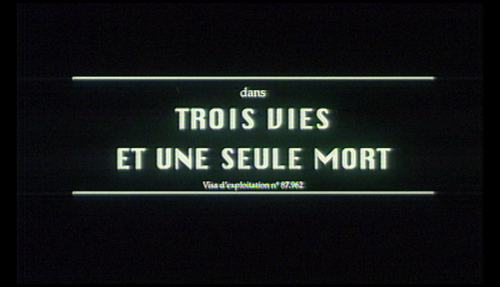
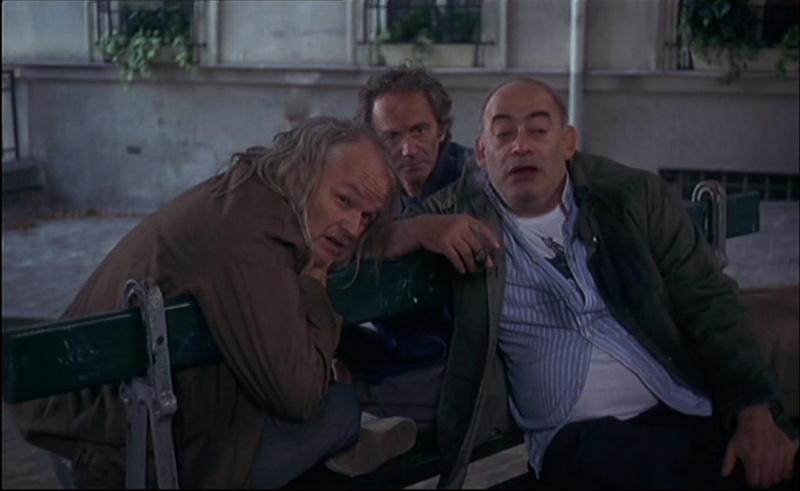
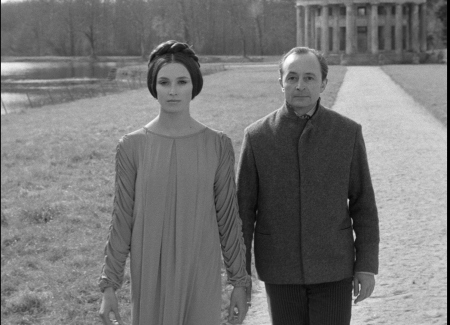
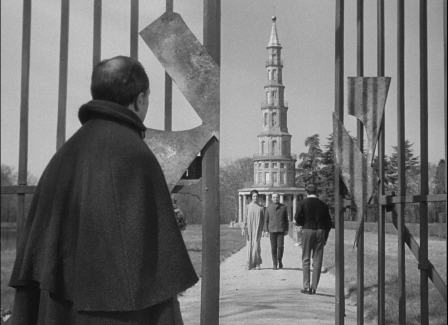
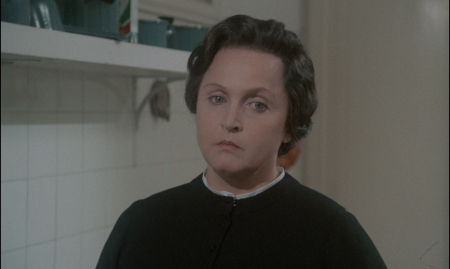
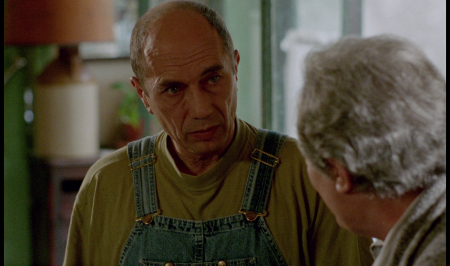
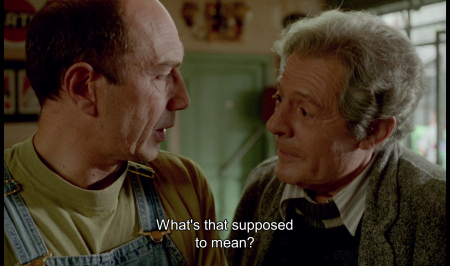
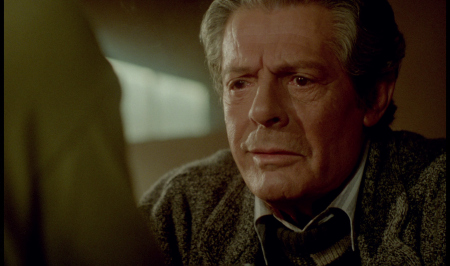
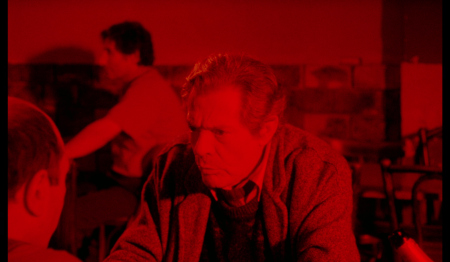
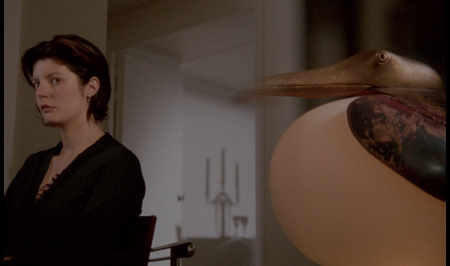
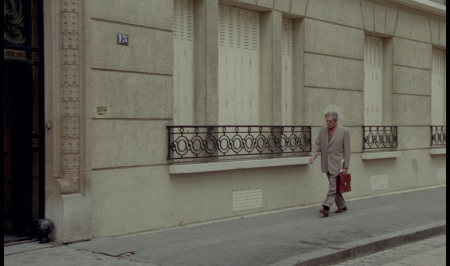
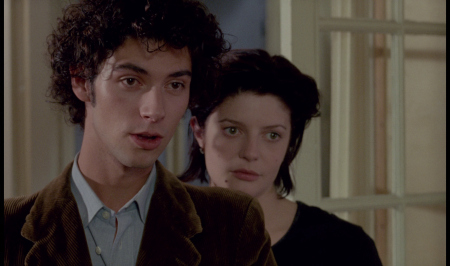
Three Lives and Only One Death comes from a 2K restoration produced by Le Petit Bureau, with work by L’Immagine Ritrovata and Poly Son and the participation of Valeria Sarmiento, Raúl Ruiz’s widow and longtime editor. We reviewed the Gemini Vidéo Region 2 PAL DVD back in 2003 HERE, and the improvement is substantial. The Blu-ray’s video bitrate is almost seven times that of the DVD, and the film now runs at its proper speed, free of the 4% PAL speedup. Both are around 1.66:1, with the
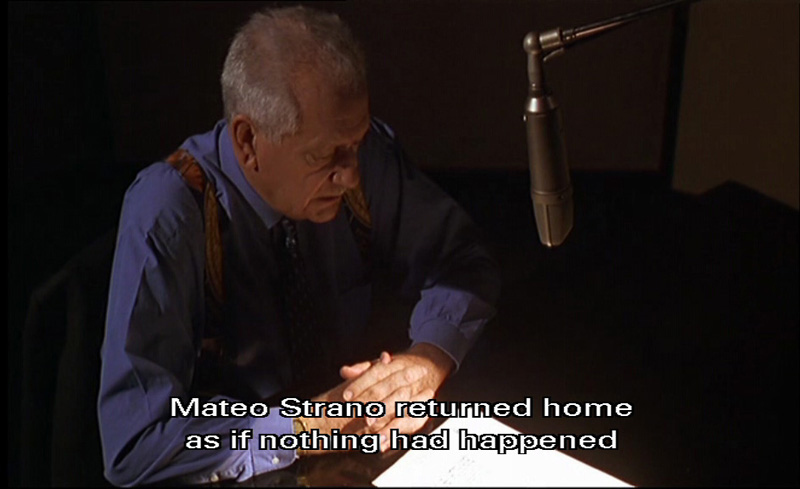
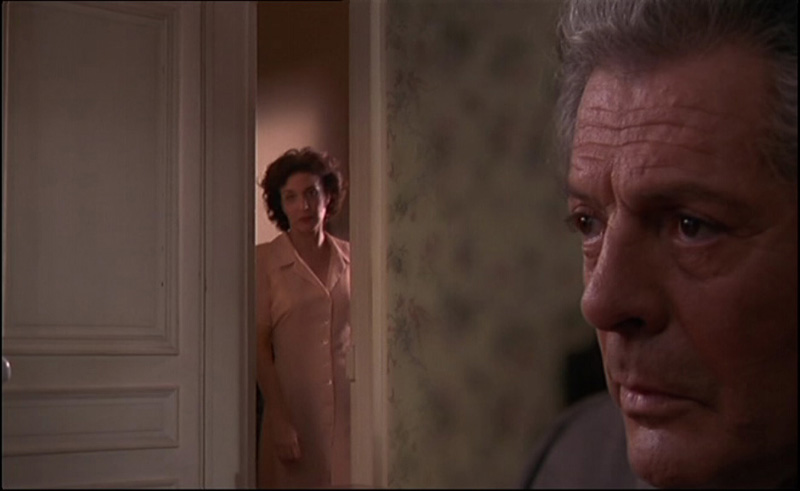
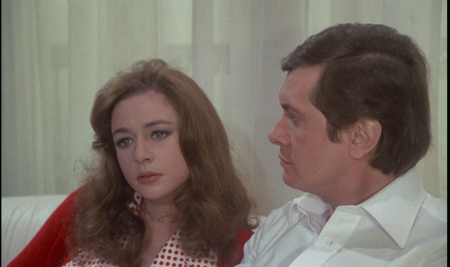
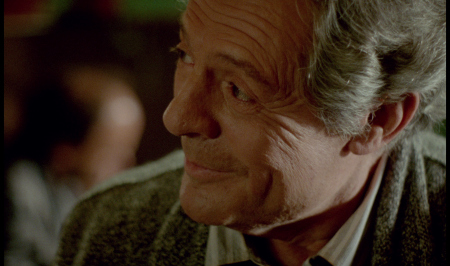
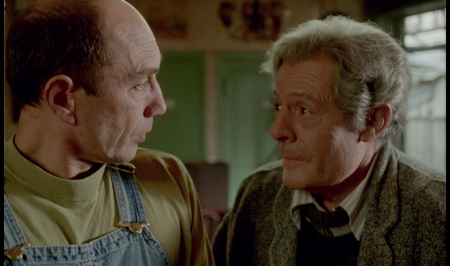
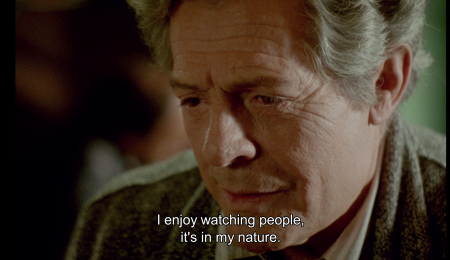
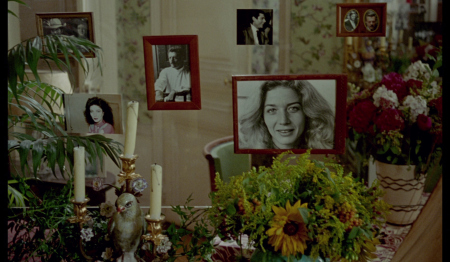
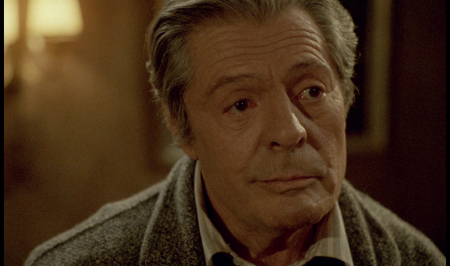
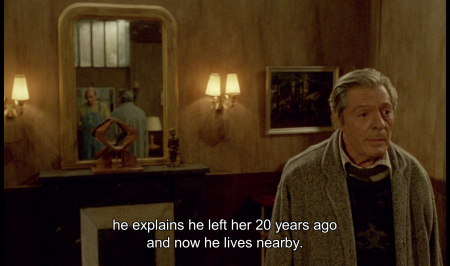
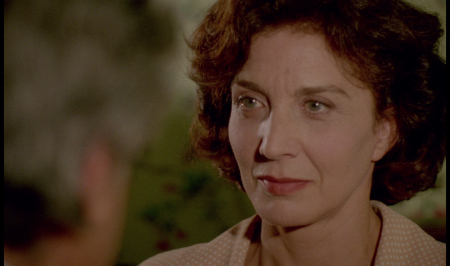
Blu-ray showing marginally more information at the edges of the frame. The DVD ran hotter and more saturated, pushing skin tones toward red and crushing the darker scenes, while the Blu-ray is more natural and balanced, with believable skin tones, truer blues, and much better shadow detail in scenes like the radio studio. The leap in fine detail is enormous: the weave of tweed jackets, Marcello Mastroianni’s wrinkles and gray hair, the polka dots on Marisa Paredes’ blouse, the patterned wallpaper, and the moss on the weathered tombs in an overhead cemetery shot are all clearly resolved where the DVD smeared them. Grain is fine and natural, and the image is clean throughout.

NOTE: We have added 358 more large resolution Blu-ray captures (in lossless PNG format) for DVDBeaver Patrons HERE

On their Blu-ray, Radiance use linear PCM mono tracks (24-bit) in the original French language. Dans la nuit has its musical score in linear PCM stereo, which carries the film’s shift from romantic exuberance to anxiety and dread with clarity and good depth. La nuit fantastique, Le diable souffle, The Golem, and Three Lives and Only One Death all use linear PCM mono tracks in the original French. Dialogue is clean and clear on all four, and the scores, including Maurice Thiriet’s playful music for L’Herbier and Jorge Arriagada’s whimsical, off-kilter compositions for Ruiz, sound well rounded for their eras. Le diable souffle has a few passages that are a shade rougher than the rest, a limitation of the source rather than the lossless track itself, which otherwise serves the film’s ever-present howl of the Tramontana wind well. The Golem’s sparse, incantatory soundtrack, sourced from the 35mm magnetic mono, is notably clean.

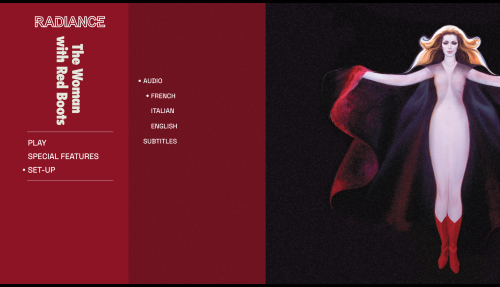
The Woman with Red Boots differs from the others in using lossless DTS-HD Master Audio mono (24-bit) rather than linear PCM, and it offers French, Italian, and English tracks, reflecting the film’s international co-production and multilingual cast. French is the natural choice given Deneuve, though having all three is a welcome inclusion. The disc also appears to use seamless branching for alternate opening and closing sequences, presumably tied to the different language versions.

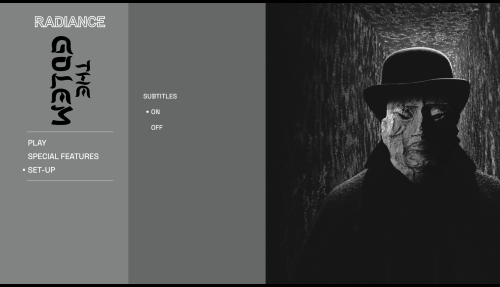
Each film has newly improved optional English subtitles, and The Woman with Red Boots offers two English subtitle tracks - a translation and SDH. The discs are region FREE, playable on
Blu-ray machines worldwide.

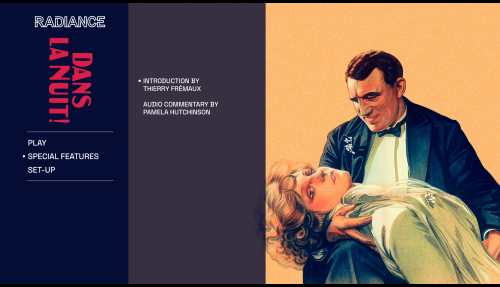
The Radiance Blu-ray set's supplements are extensive. Radiance pack each disc with substantial supplements, most of them newly produced. Dans la nuit opens with a new introduction by Institut Lumière director and Cannes Film Festival head Thierry Frémaux, running almost 10 minutes, in which he recounts the film’s making, its disappearance, and its rediscovery. There is also a new audio commentary by film historian Pamela Hutchinson.

La nuit fantastique has a new 24-minute interview with French cinema expert Ginette Vincendeau (The French New Wave: Critical Landmarks,) who looks at how the film was shaped by, and responded to, the circumstances of its making under the German Occupation. Alongside it is an archival 1971 French television interview with Marcel L’Herbier, running a dozen minutes, in which he reflects on the film, the influence of Lumière and Méliès, and the contributions of his actors.

Le diable souffle features a new commentary by film critics Elena and Manuela Lazic, plus a new 22-minute interview with film critic David Thompson on Edmond T. Gréville’s unusual international career, his often erotic cinema, and how those preoccupations surface in this film.

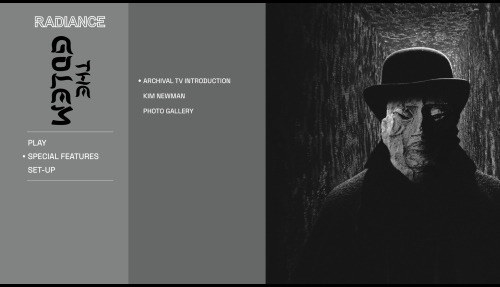
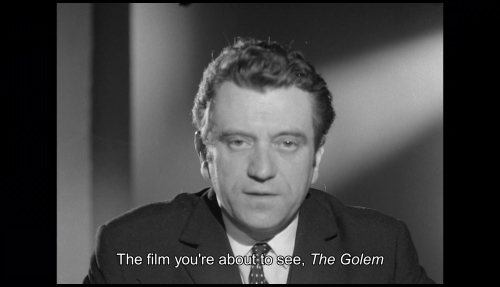
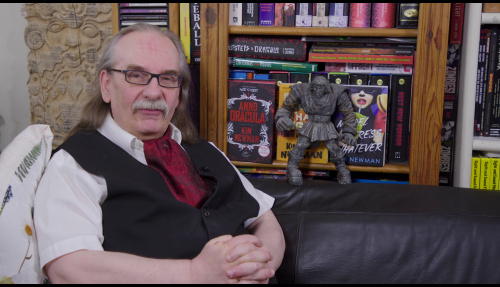
The Golem includes a new interview with novelist and critic Kim Newman (The Definitive Guide to Horror Movies,) running over 1/4 hour, covering the many screen incarnations of the Golem, Gustav Meyrink’s novel and eventful life, and Jean Kerchbron’s adaptation. There is also a 6-minute archival introduction from 1967 by journalist and writer Louis Pauwels (The Morning of the Magicians: Secret Societies, Conspiracies, and Vanished Civilizations,) a co-writer on the adaptation, who discusses the spiritual dimension of Meyrink’s story and offers viewers some guidance on how to approach it, plus a gallery of 26 images.

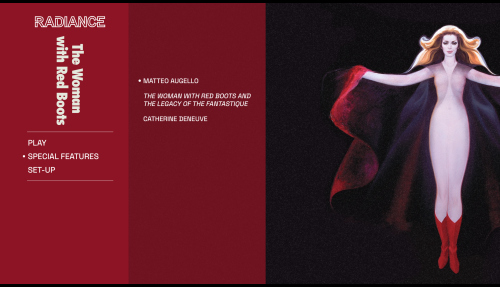
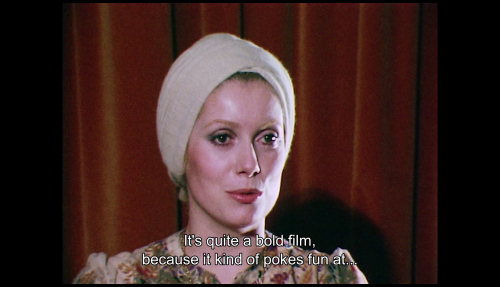
The Woman with Red Boots has a new 19-minute interview with fashion historian Matteo Augello (Curating Italian Fashion: Heritage, Industry, Institutions,) who analyzes the film’s play with expectations around color, costume, makeup, and Deneuve’s star image. Critic and author Samm Deighan (Hysterical Excess and Inhuman Ecstasy) contributes a new visual essay running 1/4 hour that places the film within the long tradition of fantastic literature and French fantastique cinema. Also included is a 5-minute 1974 Swiss television interview in which Deneuve discusses the film’s “insolence” and working with both Luis Buñuel ((That Obscure Object of Desire, The Phantom of Liberty, The Discreet Charm of the Bourgeoisie, Tristana, The Milky Way, Belle de jour, Simon of the Desert, Diary of a Chambermaid, The Exterminating Angel, Viridiana, The Young One, Fever Mounts at El Pao, Death in the Garden, The Criminal Life of Archibaldo de la Cruz, The Adventures of Robinson Crusoe, El, El Bruto, Susana, Los Olvidados, Gran Casino, Las Hurdes, L'Âge d'or, Un chien andalou,) and his son, Juan Luis.

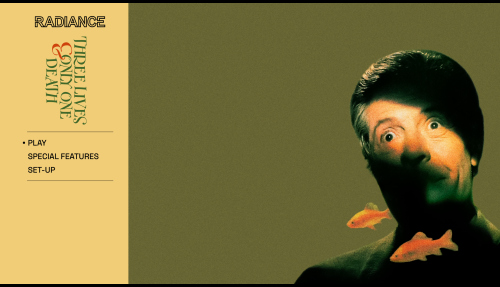
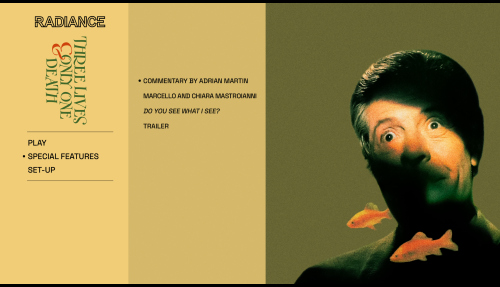
Three Lives and Only One Death comes with a new commentary by critic Adrian Martin (Filmmakers Thinking,) a 6-minute archival French television interview from the 1996 Cannes Film Festival with Marcello Mastroianni and his daughter Chiara about working together on the film, and a trailer.

The set’s centerpiece supplement is a new documentary running close to an hour, in which contemporary directors Lucile Hadžihalilović (Earwig, Innocence,) Bertrand Mandico, and Yann Gonzalez discuss the possibilities and power of the cinéma fantastique, its history, and its continuing life in French filmmaking. The limited edition of 5,000 copies comes in a rigid box with full-height Scanavo cases, reversible sleeves featuring original and newly commissioned artwork by Time Tomorrow, a removable OBI strip, and a 120-page book with new writing by Virginie Sélavy and David Cairns and archival writing by Tzvetan Todorov (The Fantastic: A Structural Approach to a Literary Genre,) André Bazin (What Is Cinema? Vol. 1,) Henri Alekan, and others.

Radiance's Fantastique: The Dreams and Nightmares of French Cinema makes a persuasive case that the cinéma fantastique is not a marginal curiosity but one of French cinema's most persistent and quietly radical impulses. Across nearly seven decades, these six films share a suspicion that the ordinary world is thinner than it looks, with dreams, desires, masks, and storms slipping through its cracks. Charles Vanel (The Wages of Fear, Symphony for a Massacre, Illustrious Corpses,) anchors two of them, directing and starring in the late-silent rediscovery Dans la nuit, whose masked quarry worker becomes a stranger in his own home, and returning seventeen years later in Edmond T. Gréville's wind-lashed Le diable souffle, again as a man whose love is threatened by an intruder. That film belongs as much to cinematographer Henri Alekan (Beauty and the Beast, Wings of Desire, Roman Holiday, Topkapi,) whose storm-lashed nights and sunlit idylls are a constant pleasure. Marcel L'Herbier (The Late Mathias Pascal, L'Argent, L'Inhumaine, Mosjoukine,) brings airy whimsy to Occupation-era escapism in La nuit fantastique, with Bernard Blier (Quai des Orfèvres, Le Jour se lève, Hôtel du Nord, The Tall Blond Man with One Black Shoe,) among its supporting players, while Jean Kerchbron's The Golem turns the borrowed-identity dream into something metaphysical and genuinely strange. Catherine Deneuve (The Umbrellas of Cherbourg, Repulsion, The Young Girls of Rochefort, Belle de jour, Mississippi Mermaid, Tristana, Donkey Skin, A Cop, Le sauvage, Hustle, The Last Metro, Manon 70, 8 Women, Le choc, The Convent, Belle Toujours, The Hunger, Pola X, A Christmas Tale, Marcel Proust's Time Regained, Dancer in the Dark,) uses her cool, unreadable persona as a weapon in Juan Luis Buñuel's The Woman with Red Boots, opposite Fernando Rey (Viridiana, Tristana, The Discreet Charm of the Bourgeoisie, That Obscure Object of Desire, The French Connection, Chimes at Midnight, Illustrious Corpses,) whose casting makes the film feel like a knowing continuation of the elder Buñuel's tradition. The set closes with Raúl Ruiz (The Hypothesis of the Stolen Painting, Mysteries of Lisbon, Time Regained,) and his witty puzzle box Three Lives and Only One Death, in which Marcello Mastroianni (The Beekeeper, 8½, Divorce Italian Style, The Skin, Casanova '70, La Notte, The Organizer, The Bandit, City of Women, The 10th Victim, L'Assassino, Adua and Her Friends, La Grande Bouffe, Ginger and Fred, Marriage Italian Style, A Special Day, La Dolce Vita, The Law, Le Notti bianche, What?, Yesterday, Today and Tomorrow, Intervista, Property Is No Longer a Theft, Beyond the Clouds, The Sunday Woman,) in one of his final roles, glides through several lives with twinkling charm alongside Marisa Paredes (All About My Mother, The Devil's Backbone, Deep Crimson, The Skin I Live In.) Few of these titles have had any meaningful exposure in English-speaking territories, which makes the collection an act of genuine excavation rather than a greatest-hits package. Radiance's six Blu-rays offer consistently excellent, film-like 1080P transfers from new restorations, with The Golem a revelation and even the century-old Dans la nuit looking remarkably clean, lossless audio throughout, and a wealth of thoughtful new supplements anchored by the near-hour documentary on the cinéma fantastique then and now. This is one of the most rewarding Blu-ray box sets of the year and gets our highest recommendation!

Gary Tooze


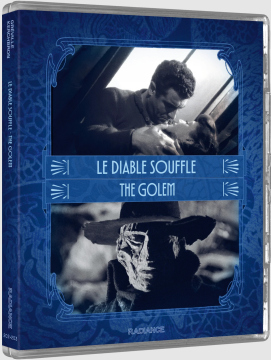
Individual Blu-ray cases


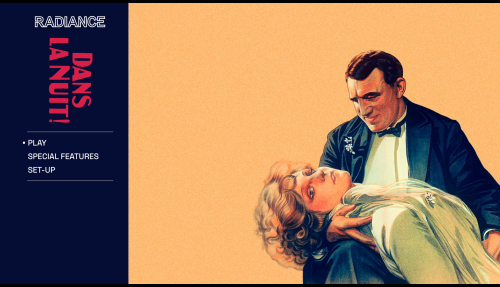
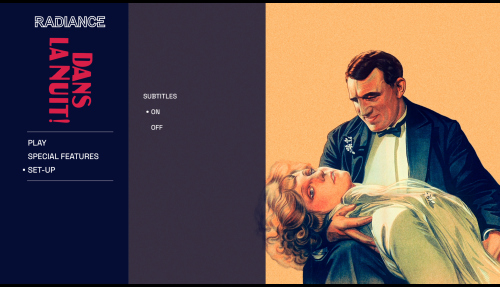
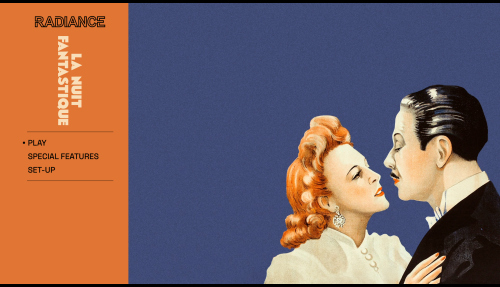
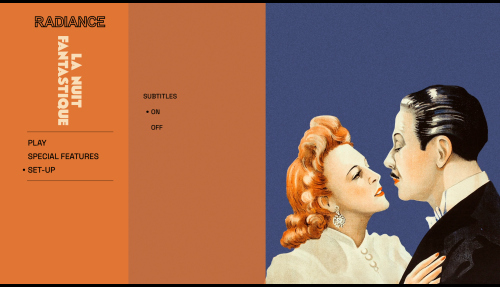
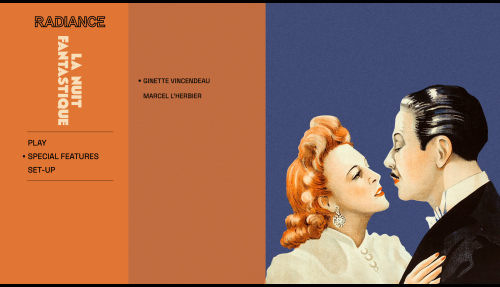
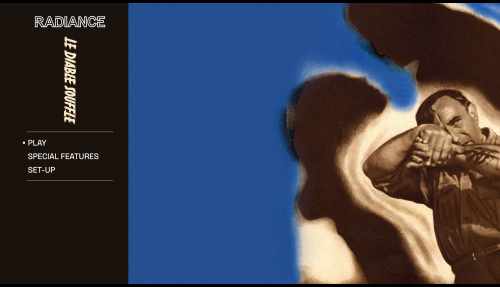
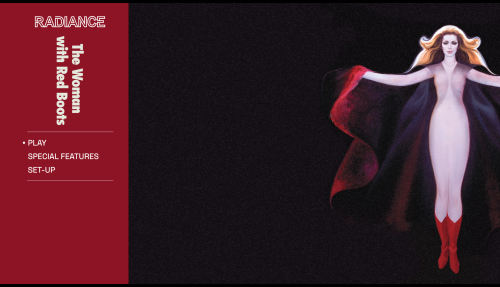
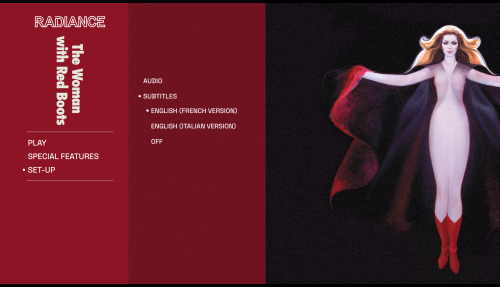
Menus / Extras


Blu-ray 2

Blu-ray 3

Blu-ray 4

Blu-ray 5

Blu-ray 6


CLICK EACH BLU-RAY CAPTURE TO SEE ALL IMAGES IN FULL 1920X1080 RESOLUTION


Dans la Nuit (1930)


La Nuit Fantastique (1942)


Le Diable Souffle (1947)


Le Golem (1967)


The Woman in Red Boots (1974) 


Three Lives and Only One Death (1996))
 

1) Gemini Vidéo Editions - Region 2 - PAL TOP
2) Radiance - Region FREE - Blu-ray BOTTOM


1) Gemini Vidéo Editions - Region 2 - PAL TOP
2) Radiance - Region FREE - Blu-ray BOTTOM


1) Gemini Vidéo Editions - Region 2 - PAL TOP
2) Radiance - Region FREE - Blu-ray BOTTOM


More full resolution (1920 X 1080) Blu-ray Captures for DVDBeaver Patreon Supporters HERE


Dans la Nuit (1930)
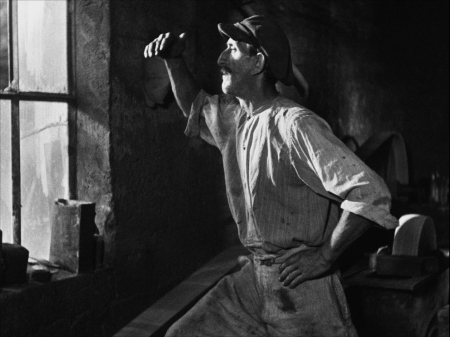
 

La Nuit Fantastique (1942)

Le Diable Souffle (1947)

Le Golem (1967) 

The Woman in Red Boots (1974) 

Three Lives and Only One Death (1996)


Box Cover

CLICK to order from:


BONUS CAPTURES:

Distribution Radiance - Region FREE - Blu-ray


Search DVDBeaver

S E A R C H    D V D B e a v e r


Hit Counter


DONATIONS Keep DVDBeaver alive:

 CLICK PayPal logo to donate!

Gary Tooze

Thank You!