|
An enormous, sincere thank you to our
phenomenal
Patreon
supporters! Your unshakable dedication
is the bedrock that keeps DVDBeaver
going - we’d be lost without you. Did
you know? Our patrons include a
director, writer, editor, and producer
with honors like Academy Awards for Best
Picture and Best Director, a Pulitzer
Prize-winning screenwriter, and a Golden
Globe-winning filmmaker, to name a few!
|






|
Search DVDBeaver |
S E A R C H D V D B e a v e r |

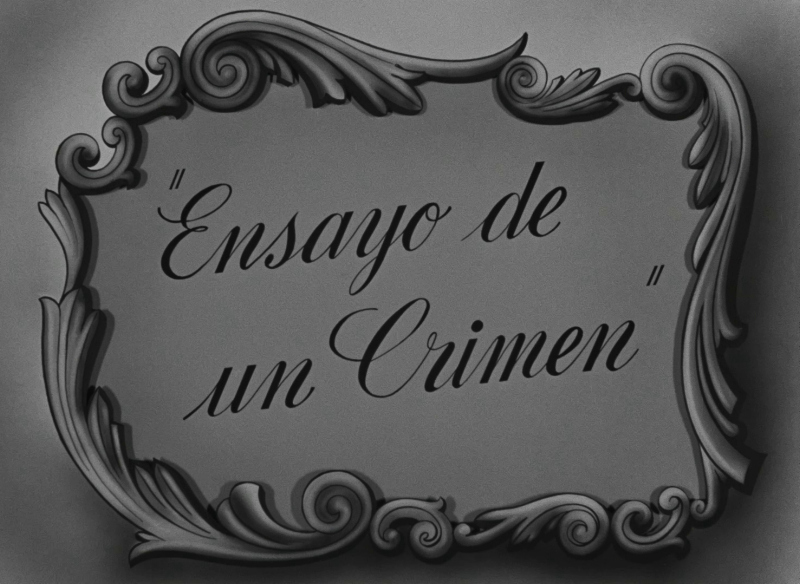
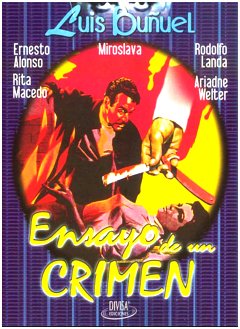
(aka "Ensayo de un crimen" or "The Criminal Life of Archibaldo de la Cruz" or "Rehearsal for a Crime")

Mexico 1955
|
Possibly Luis Buñuel's most underrated film, The Criminal Life of Archibaldo de la Cruz is executed in traditional Buñuel fashion, where macabre meets comedy. The story begins when an overindulged young boy of 'privilege' is shown a music box, which is a family air loom, alleged to cause the death of an enemy when played. The boy decides to test it out, setting his sights on his nanny, who'd recently offended him, wishing for her death. When moments later, a stray bullet from a revolutionary's gun sails though the window killing her, the twisted boy is convinced this was no accident and finds that he likes his newfound 'power'. Taking on the mind of a serial killer, he carries this mindset into adulthood, plotting, planning, fanaticizing, and 'wishing', with women as his victims. The irony of it all is, his efforts to carry out these crimes are always thwarted by outside forces, be it 'twist of fate' or 'providence', making him a serial killer in 'mind' only. ***
In Luis Buñuel’s darkly comic psychodrama, the rich and debonair Archibaldo, a
would-be serial murderer, sees his passions and deadly impulses frustrated at
every turn, only to find fate intervening on his behalf. *** The Criminal Life of Archibaldo de la Cruz (Ensayo de un crimen, 1955), directed by Luis Buñuel, is a razor-sharp black comedy that skewers bourgeois hypocrisy, Catholic guilt, and the absurd gap between murderous fantasy and reality. Wealthy Mexican potter Archibaldo de la Cruz (Ernesto Alonso) has been haunted since childhood by a formative incident during the Revolution: after receiving a music box from his indulgent mother, he was told it possessed the power to kill one’s enemies. When he wound it while wishing death upon his stern governess, a stray bullet fulfilled the wish—forever fusing erotic fascination, power, and violence in his mind. As an adult, Archibaldo meticulously plots the “perfect crime” against a succession of women, only to have fate and circumstance repeatedly thwart his elaborate schemes, leaving the victims dead by other hands. Buñuel’s elegant, ironic direction transforms this premise into a wickedly funny meditation on repressed desire, self-delusion, and the futility of criminal intent, making the film one of the director’s most accessible yet thematically rich works from his Mexican period. |
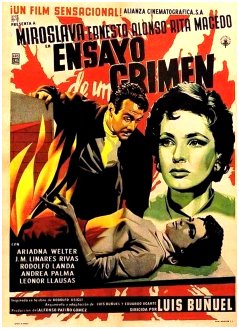
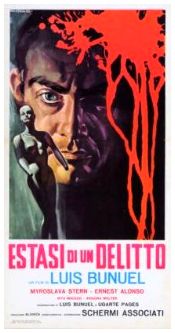
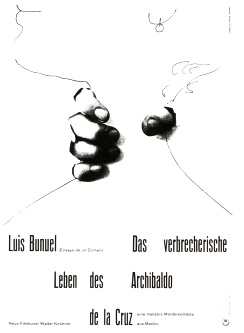
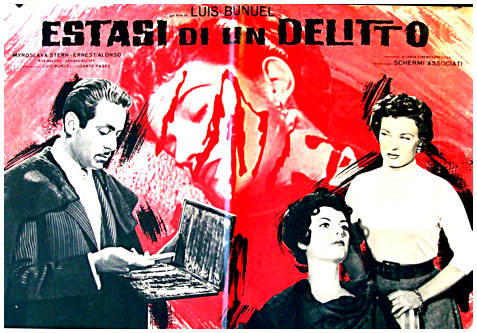
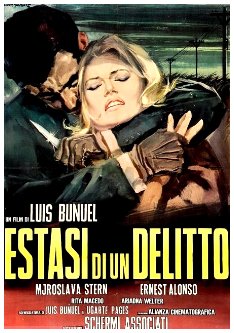
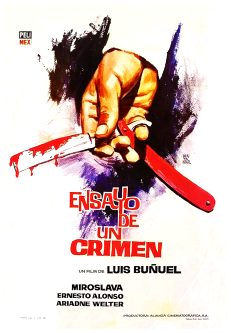
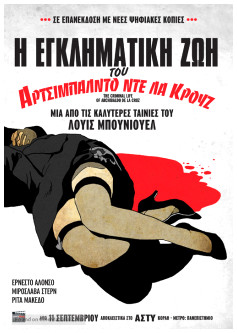
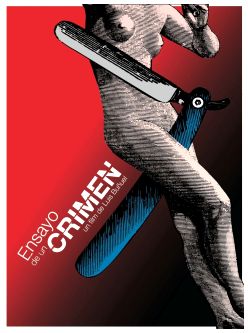
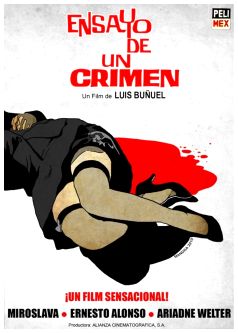
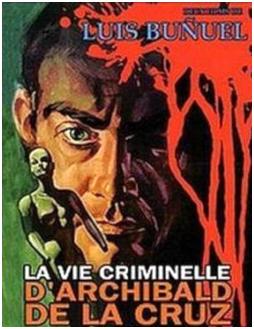
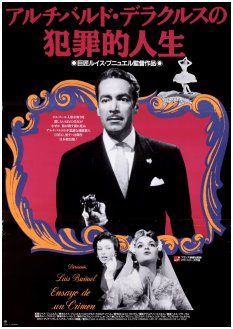
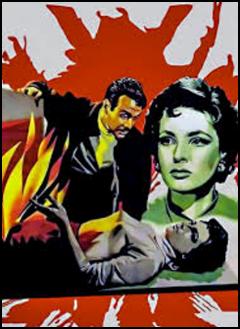
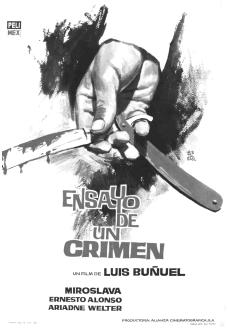
Posters
 |
 |
 |
 |
 |
 |
 |
 |
 |
 |
 |
 |
 |
 |
Theatrical Release: May 19th, 1955

Reviews More Reviews DVD Reviews
Comparison:
VCI - Region FREE - Blu-ray vs. Second Run - Region FREE - Blu-ray
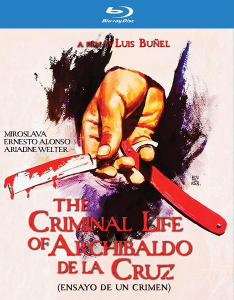
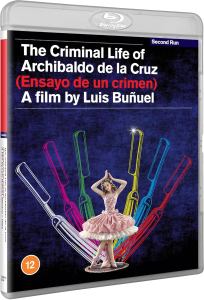
| Box Cover |
|
|
|
|
|
|
|
Bonus Captures:
|
||
| Distribution | VCI - Region FREE - Blu-ray | Second Run (UK) - Region FREE - Blu-ray |
| Runtime | 1:30:42.770 | 1:30:48.583 |
| Video |
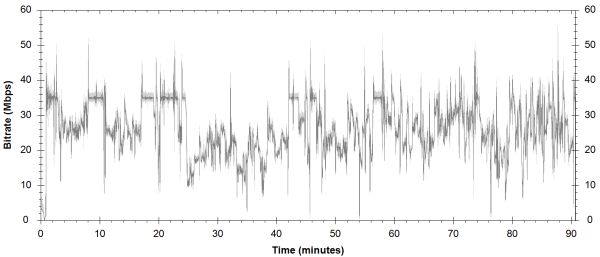
1. 37:1 1080P Single-layered Blu-rayDisc Size: 24,097,337,869 bytesFeature: 18,720,473,088 bytes Video Bitrate: 26.00 MbpsCodec: MPEG-4 AVC Video |
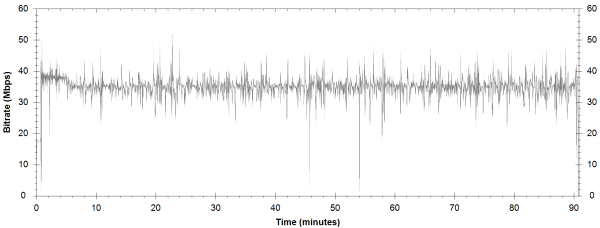
1. 37:1 1080P Dual-layered Blu-rayDisc Size: 36,529,779,881 bytesFeature: 26,154,461,184 bytesVideo Bitrate: 34.93 MbpsCodec: MPEG-4 AVC Video |
|
NOTE: The Vertical axis represents the bits transferred per second. The Horizontal is the time in minutes. |
||
| Bitrate VCI Blu-ray: |
|
|
| Bitrate Second Run Blu-ray: |
|
|
| Audio |
Dolby Digital Audio Spanish 192 kbps 2.0 / 48 kHz / 192 kbps / DN -31dB |
LPCM Audio Spanish 1536 kbps 2.0 / 48 kHz / 1536 kbps / 16-bit |
| Subtitles | English, None | English, None |
| Features |
Release Information: Studio: VCI
1. 37:1 1080P Single-layered Blu-rayDisc Size: 24,097,337,869 bytesFeature: 18,720,473,088 bytes Video Bitrate: 26.00 MbpsCodec: MPEG-4 AVC Video
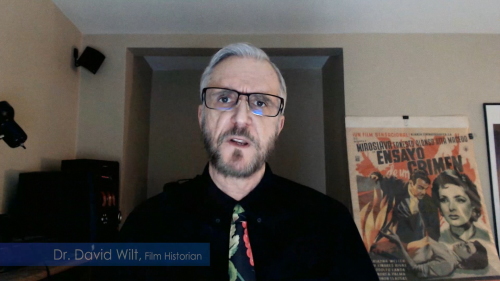
Edition Details: • The Life of Crime: Video Essay by Dr. Davit Wilt (26:40)
Standard Blu-ray Case Chapters 13 |
Release Information: Studio: Second Run (UK)
1. 37:1 1080P Dual-layered Blu-rayDisc Size: 36,529,779,881 bytesFeature: 26,154,461,184 bytesVideo Bitrate: 34.93 MbpsCodec: MPEG-4 AVC Video
Edition Details:
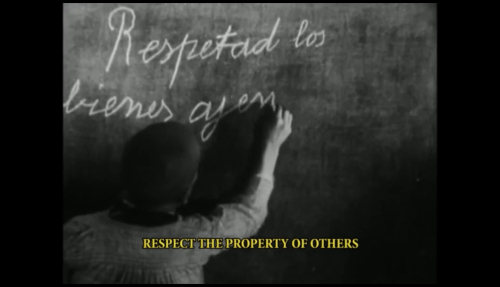
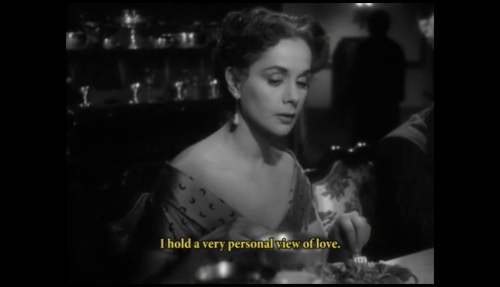
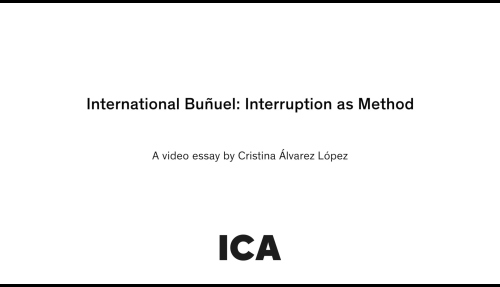
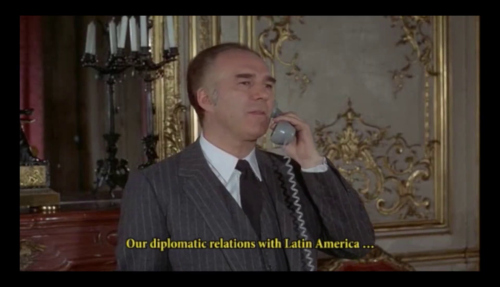
• Three video essays by writer and filmmaker Cristina Álvarez López
investigating the development and key phases of Buñuel’s cinema (4:52 /
4:49 / 5:29) from the Institure of Contemporarty Art (Nov-Dec, 2015)
Transparent Blu-ray Case Chapters 12 |



| Comments: |
NOTE:
The below
Blu-ray
captures were taken directly from the
Blu-ray
disc.
ADDITION: Second Run
(UK)
Blu-ray
(June 2026): Second Run (UK) have also transferred Luis Buñuel's The Criminal
Life of Archibaldo de la Cruz
to Blu-ray.
NOTE: We have added 62 more large
resolution Blu-ray captures
(in lossless PNG format) for DVDBeaver Patrons HERE
The audio is where the HD presentations diverge meaningfully.
The VCI release uses a lossy Dolby dual-mono track, which can sound somewhat
compressed, hollow, and lacking in dynamics. The Second Run edition features
uncompressed linear PCM mono audio, delivering noticeably superior clarity,
better dynamic range, fuller tonal response, and more natural dialogue and
music reproduction. The score is by Jorge Pérez
(a veteran Mexican composer who has also done a few of the
Santos and other genre films.) The Music Box motif is the film’s
most important auditory signature. The tinkling melody is both diegetic and
psychologically loaded. It serves as a trigger for Archibaldo’s memories and
obsessions, functioning almost like a musical madeleine. Buñuel uses it
masterfully to link childhood trauma with adult desire.
Second Run (UK) also offer optional English subtitles on their
Region FREE
Blu-ray.
The Second Run
Blu-ray
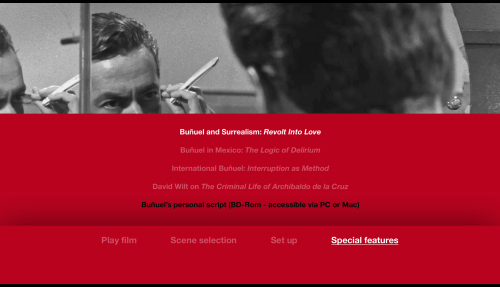
also advances on the VCI in the supplements. It adds three new short video
essays by
Cristina Álvarez López on Buñuel’s cinema (from The Institute of
Contemporary Art, London - Nov-Dec, 2015.) It retains David Wilt’s
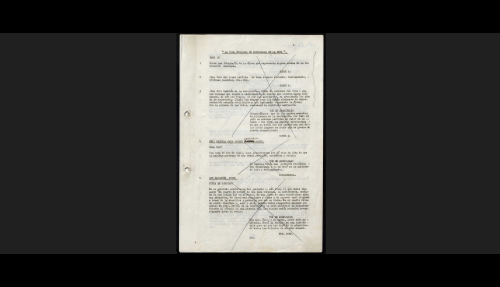
informative 26-minute video essay, but includes a BD-ROM gallery of Buñuel’s
complete annotated personal script, and comes with a high-quality booklet
containing essays by Jordi Xifra (Diccionario
Buñuel) and
Cristina Álvarez López.
Luis
Buñuel’s The Criminal Life of Archibaldo de la Cruz stands as
one of the most elegantly perverse and intellectually playful films of the
director’s prolific Mexican period (1947–1960). This black comedy-satire is
based on Rodolfo
Usigli’s 1944 novel and stars Ernesto Alonso (The
Young and the Damned) in the title role, with, in her final screen
appearance, Miroslava (Jacques Tourneur's
Stranger on Horseback) and, in her debut, Ariadna Welter (The
Panther Women,
Rage,
The Brainiac,
The Vampire's Coffin,
The Vampire.) Rita Macedo (The
Curse of the Crying Woman,
The Exterminating Angel,) delivers a vivid, emotionally raw
performance as Patricia Terrazas, the volatile and self-destructive woman
whose turbulent affair and impulsive suicide ironically deny Archibaldo the
chance to carry out his meticulously planned murder. While less overtly
dreamlike than Buñuel’s later French masterpieces, the film distills his
signature obsessions - repressed desire, Catholic guilt, bourgeois
hypocrisy, and the absurd mechanics of fate - into a deceptively light,
ironic narrative that functions simultaneously as psychological case study,
erotic farce, and philosophical joke. Archibaldo is the ultimate victim of
Catholic doctrine in
Buñuel’s universe. Burdened by imaginary sins, he actively seeks
real crimes to justify his self-loathing. The confession to the judge
functions as both legal proceeding and mock psychoanalysis. The judge
ultimately declares that Archibaldo has committed no crimes - only to watch
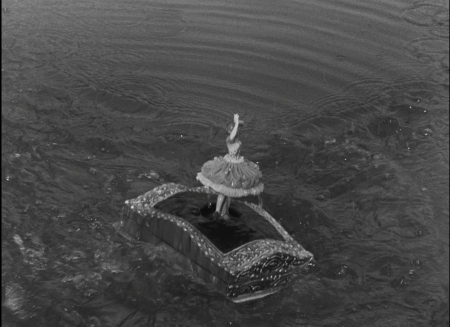
the protagonist throw the music box into a lake in a gesture of symbolic
exorcism. Buñuel suggests that guilt precedes and even creates the desire
for transgression. The recurring motif of legs, the music box, the razor,
and especially the mannequin crystallize Archibaldo’s (and by extension,
patriarchal) tendency to turn women into objects of control and destruction.
The mannequin scene is particularly Buñuelian: Archibaldo kisses the wax
figure, only for the real Lavinia to reveal herself. When he later destroys
the mannequin in his pottery kiln, the act reads as both erotic release and
pathetic substitution.
Buñuel links creation (pottery) and destruction in a single gesture.
In the end, Buñuel leaves us with a characteristically ambiguous moral:
Archibaldo may be “cured,” but only after reality itself has done his dirty
work for him. The music box is discarded, yet the film suggests that the
human capacity for self-deluding obsession is far harder to drown. This is
Buñuel at his most accessible and most subversive - inviting us to
laugh at a would-be murderer while quietly forcing us to confront the
mechanisms of desire, guilt, and fate that make such figures possible. If
you already own the VCI Blu-ray and are
primarily concerned with picture quality, there is little reason to upgrade
solely for the 1080P image. However, the Second Run
Blu-ray edition is the clear choice for collectors thanks to
its superior audio and substantially expanded extras, which provide valuable
context on Buñuel’s work and this specific film. For most enthusiasts, the,
Region FREE, Second Run release represents the definitive version currently
available. Absolutely recommended.
***
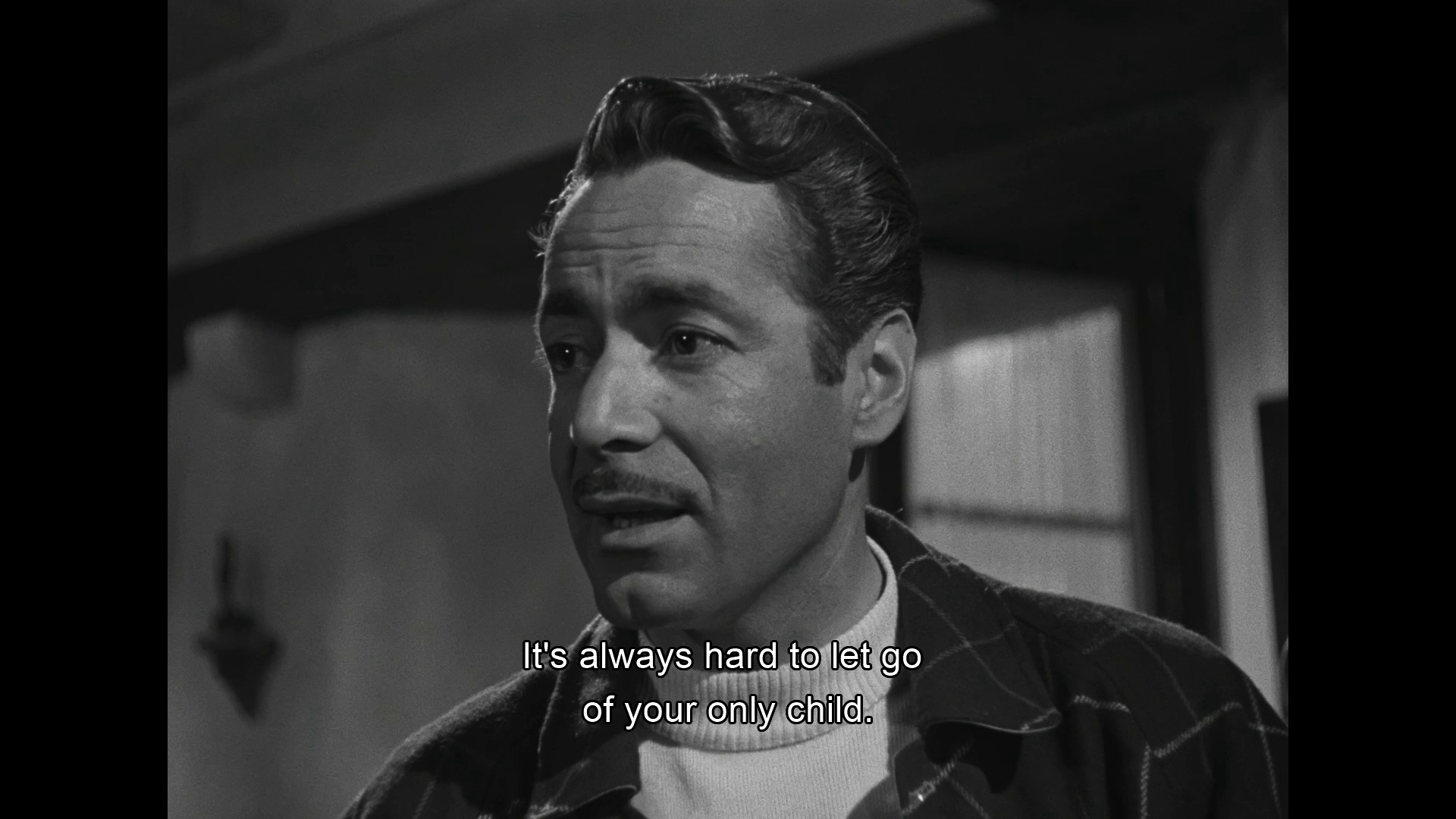
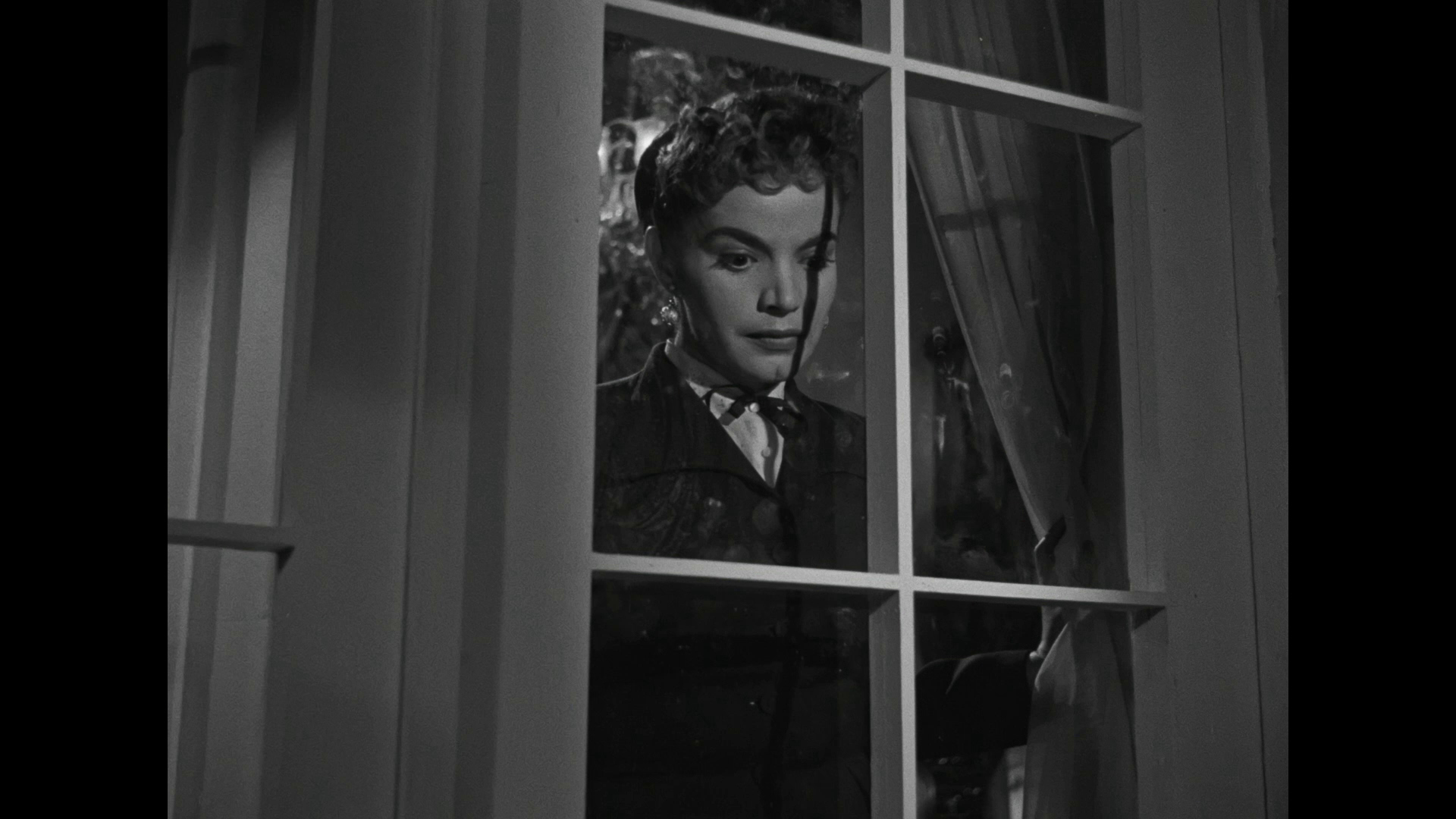
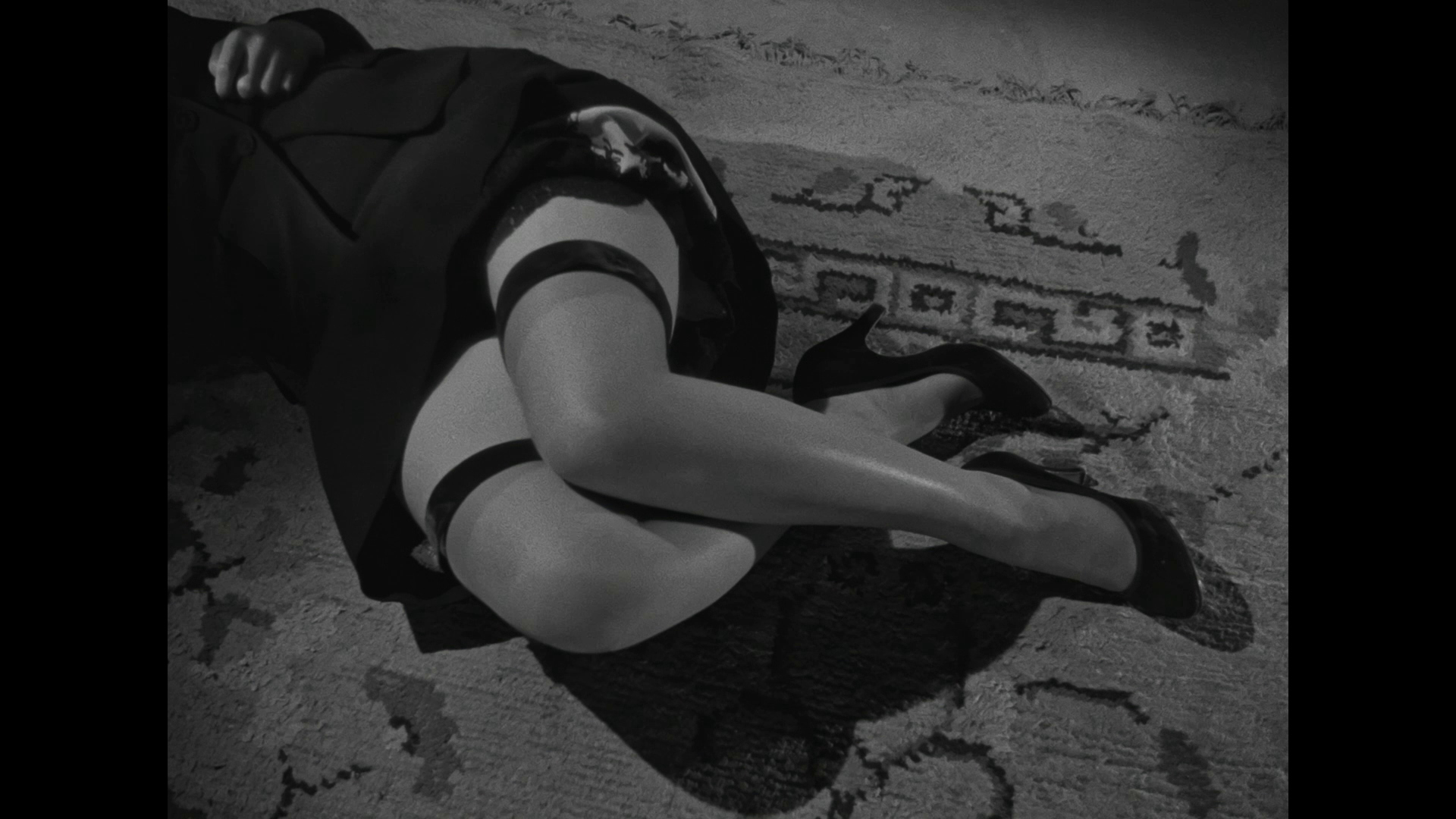
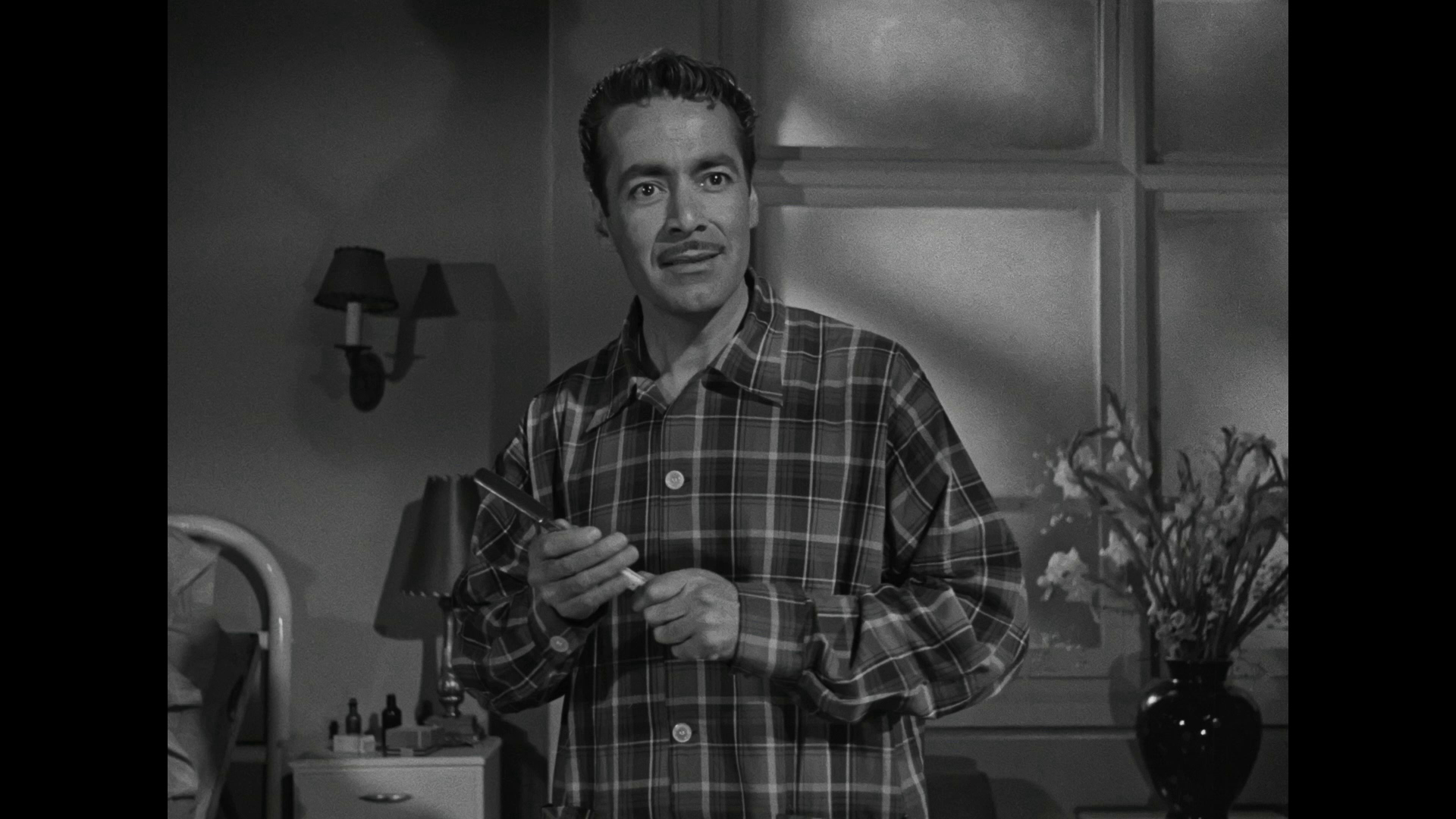
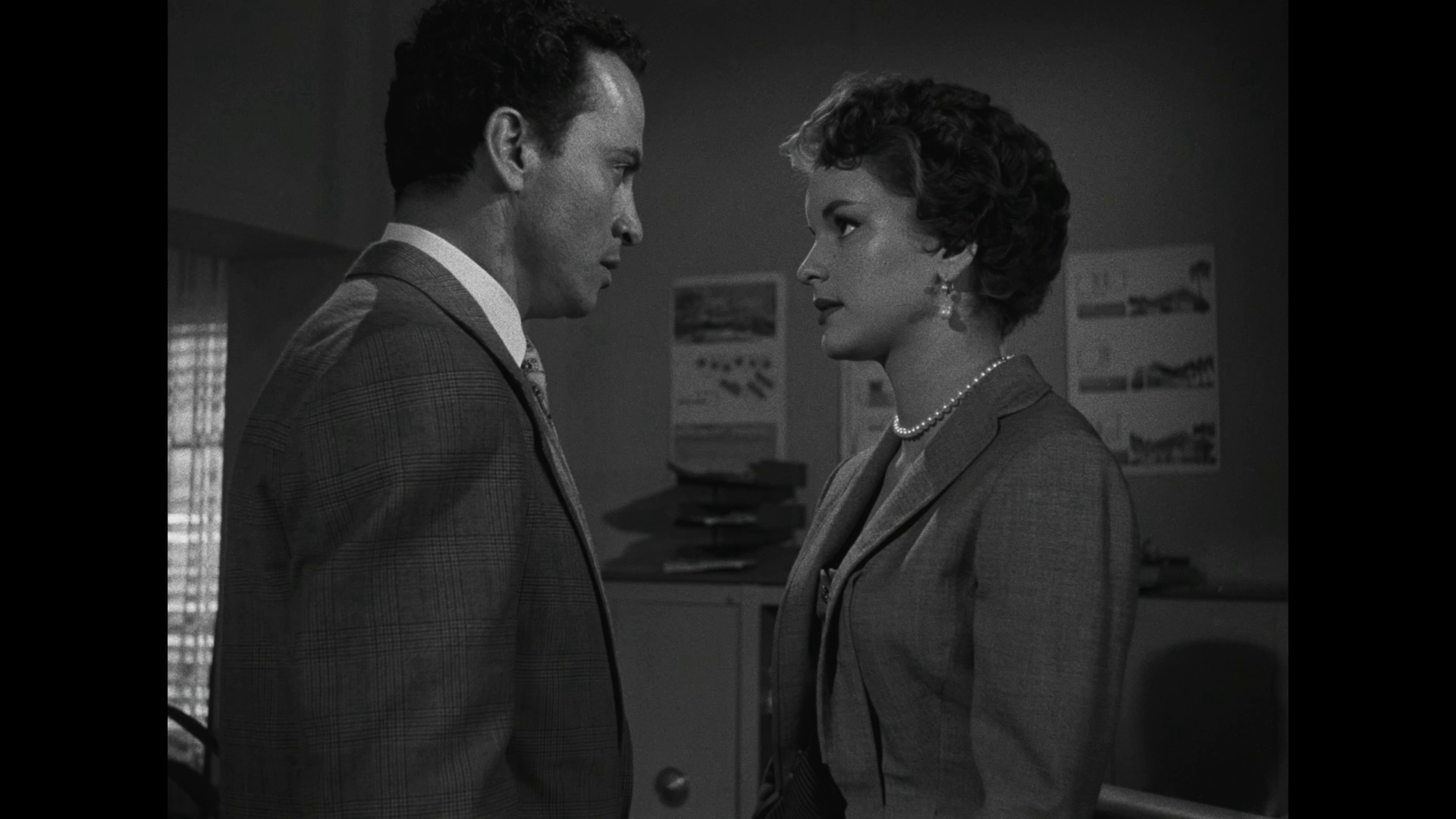
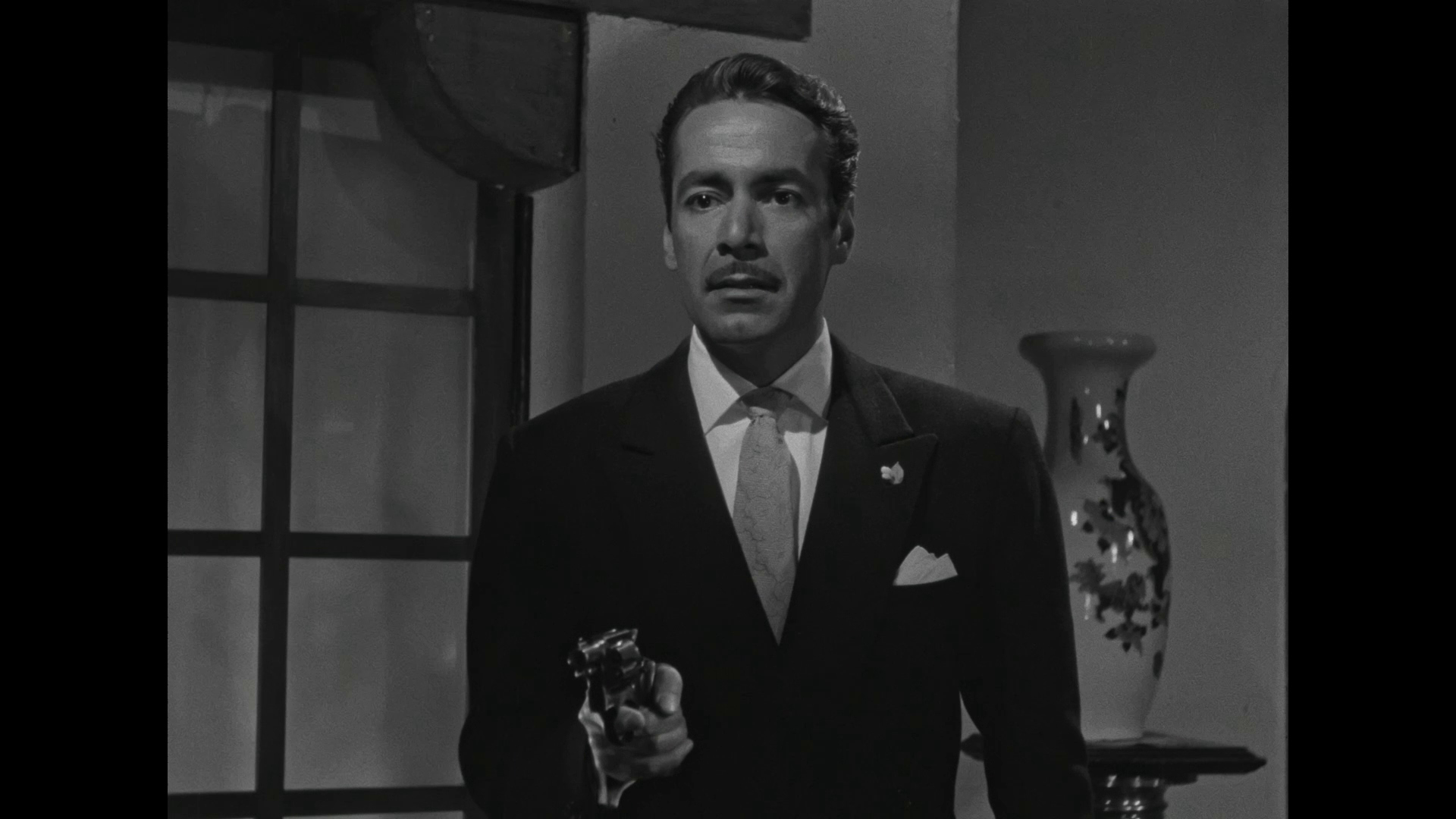
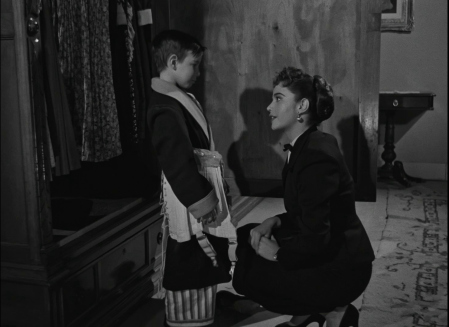
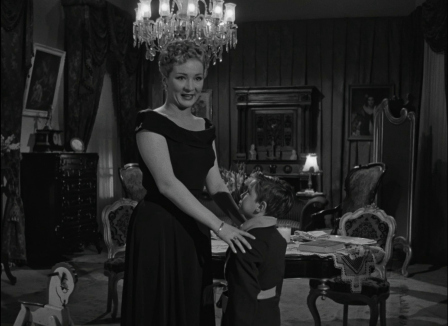
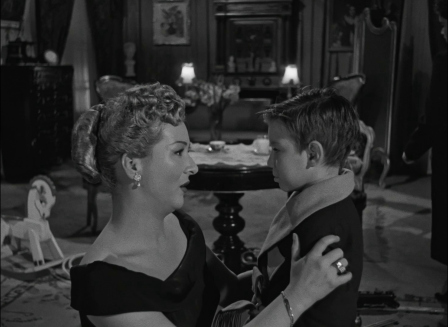
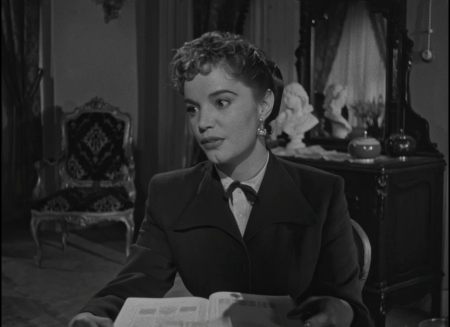
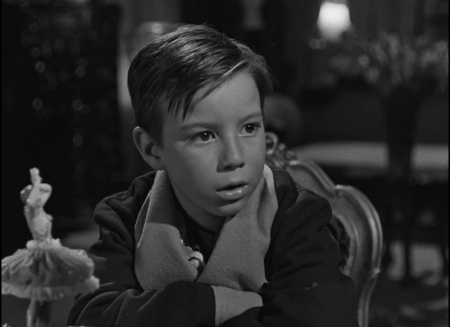
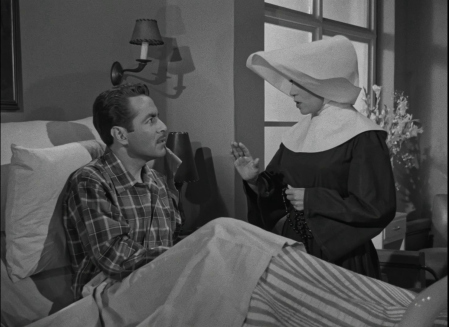
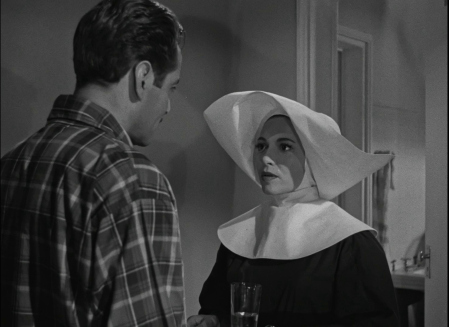
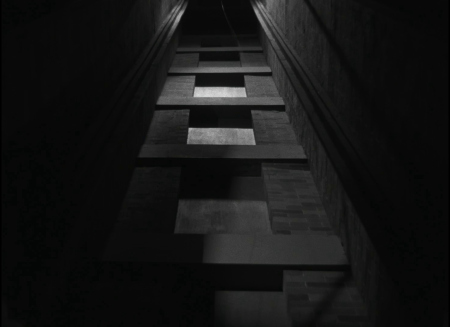
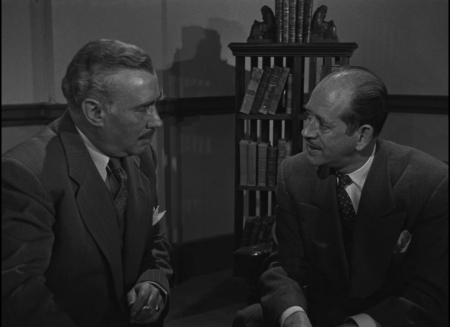
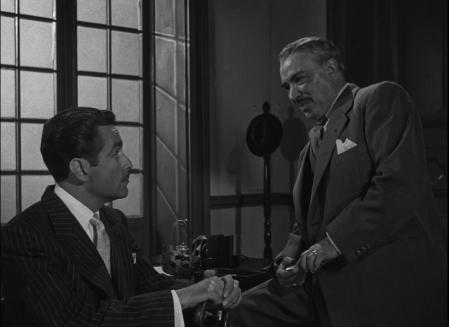
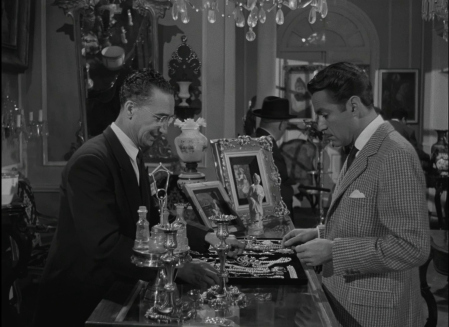
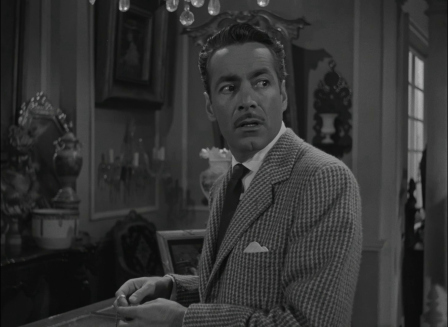
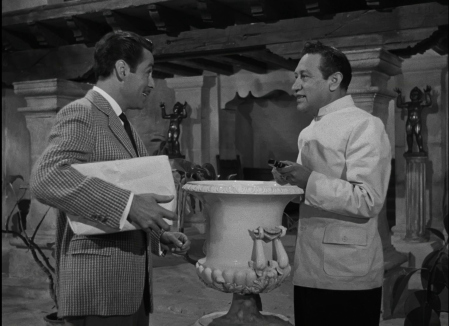
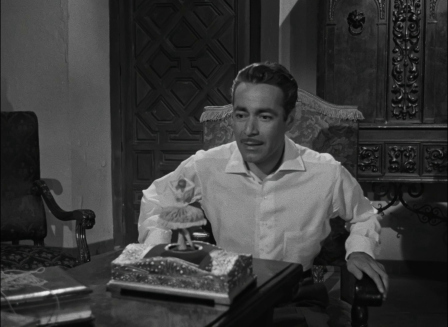
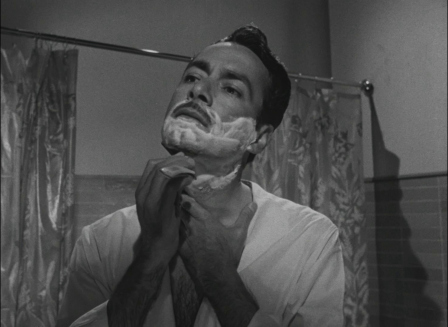
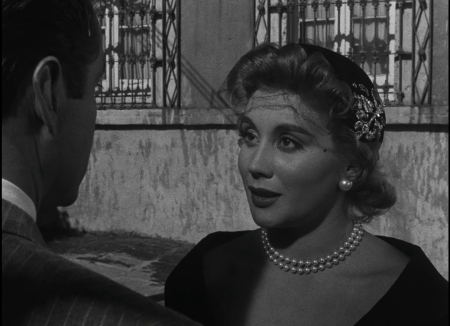
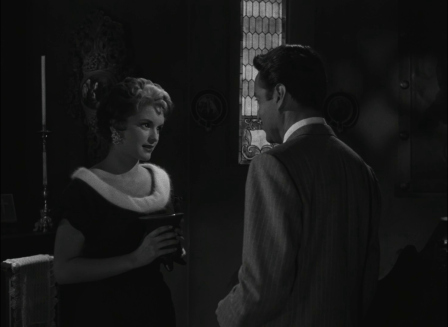
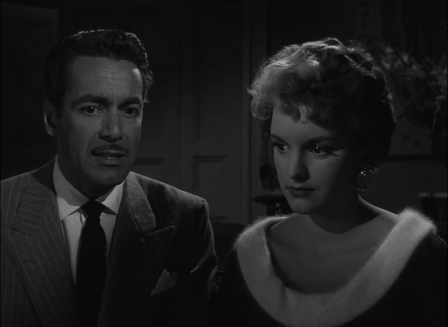
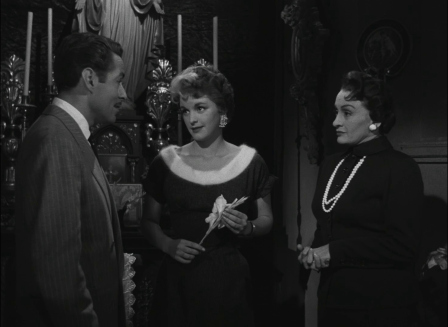
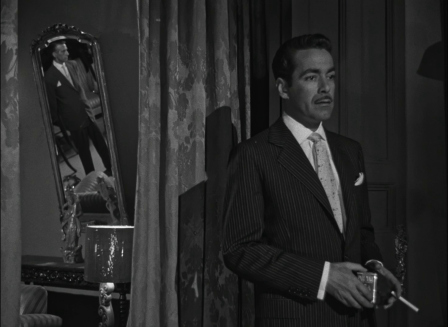
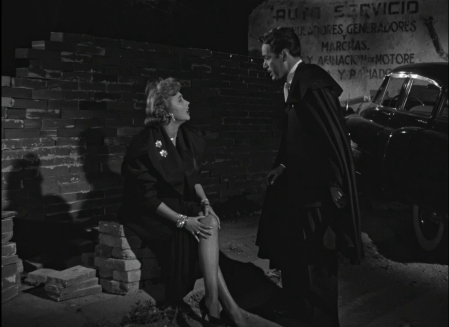
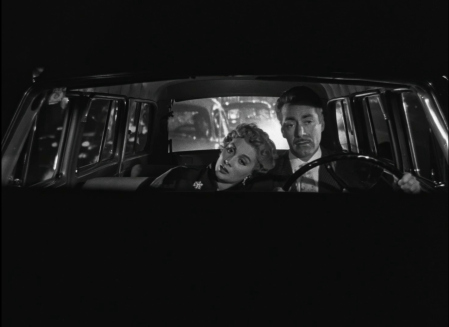
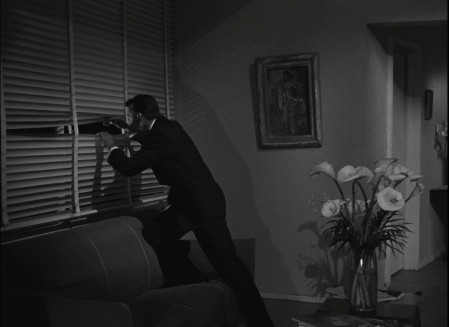
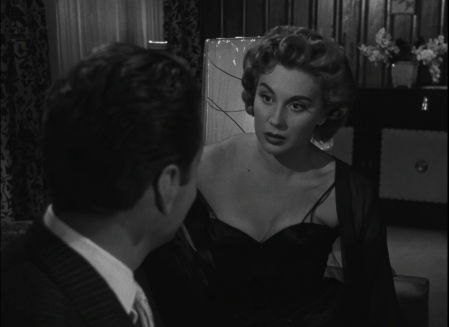
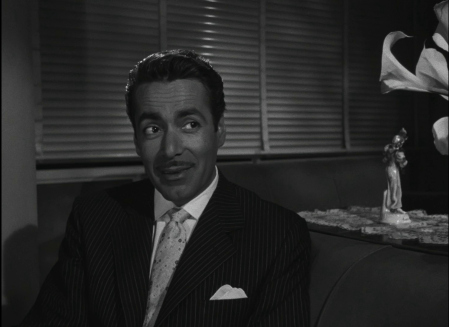
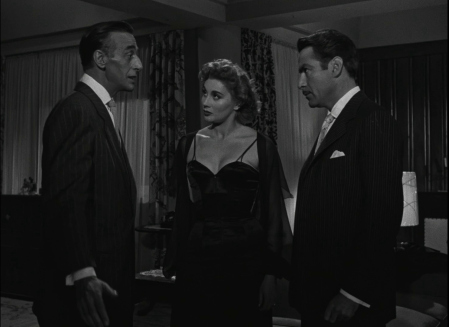
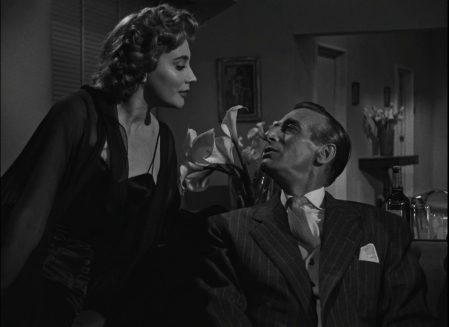
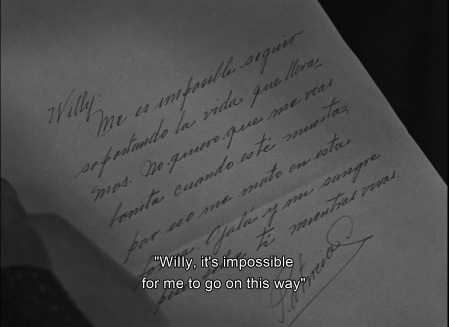
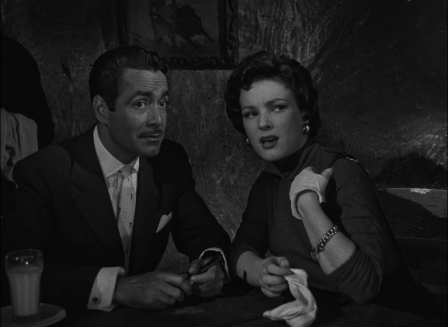
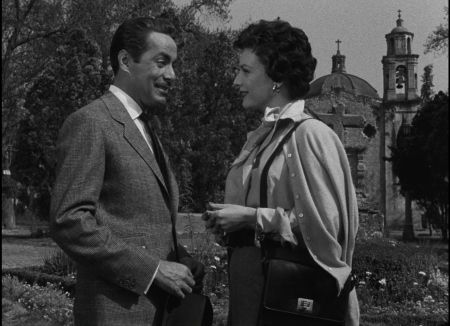
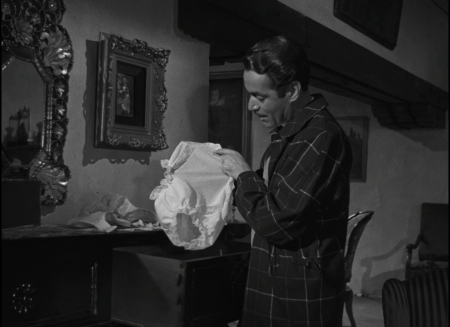
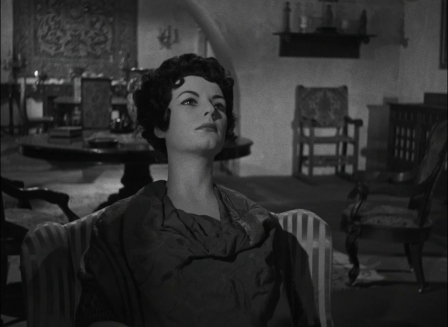
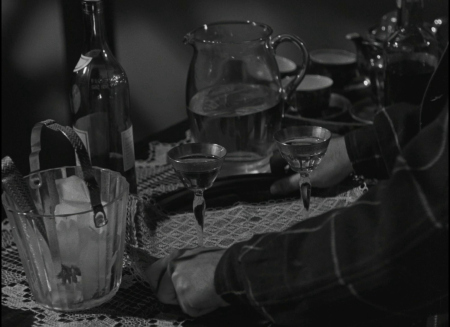
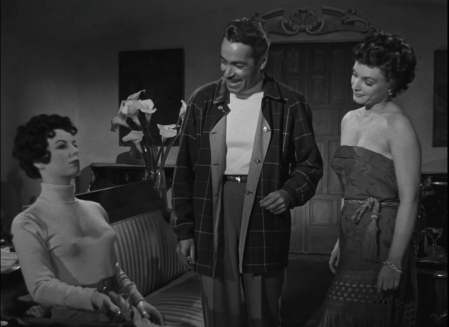
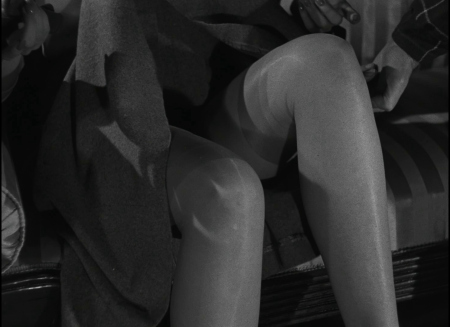
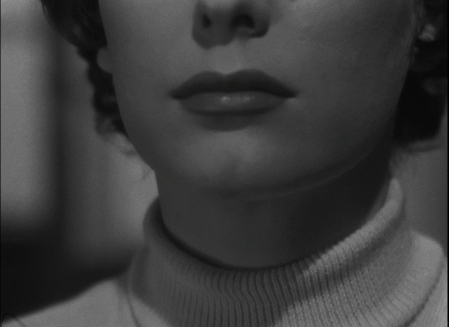
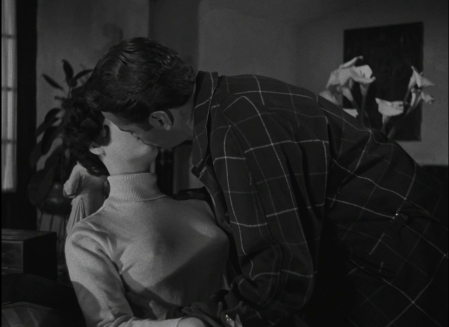
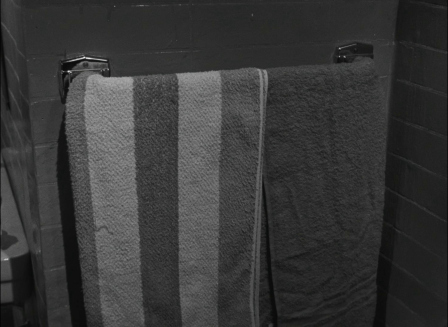
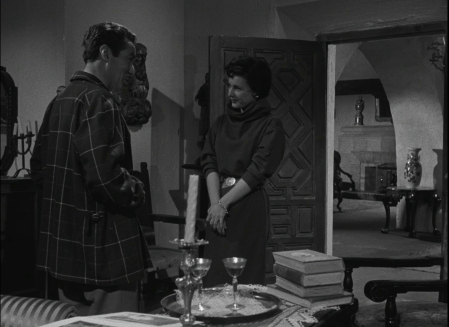
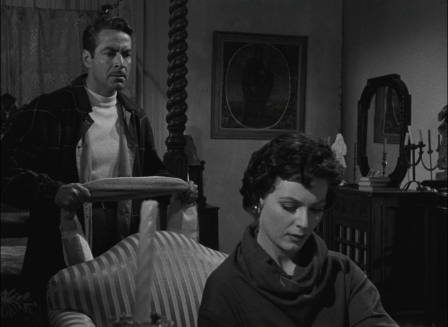
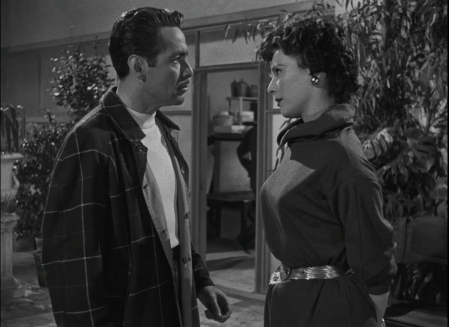
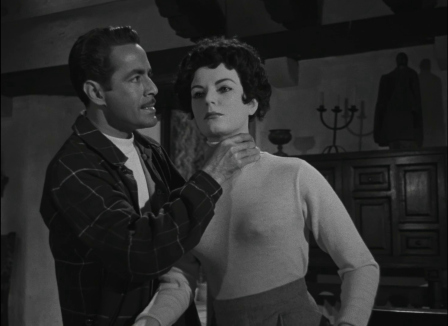
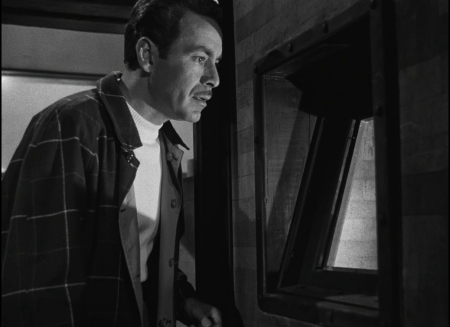
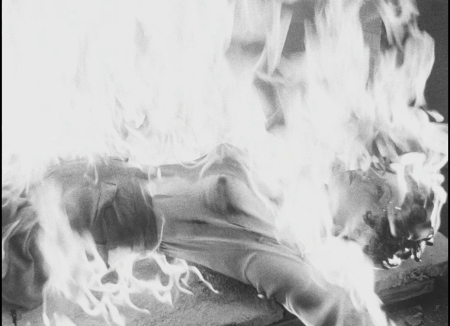
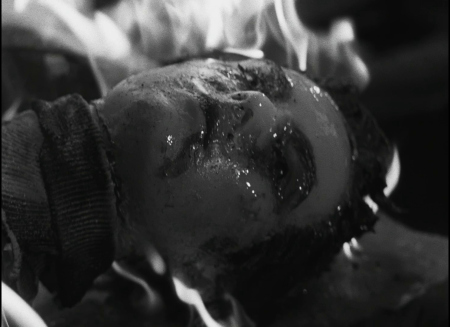
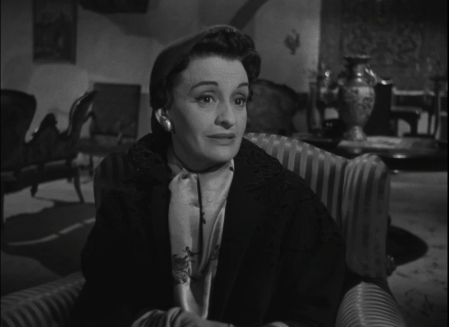
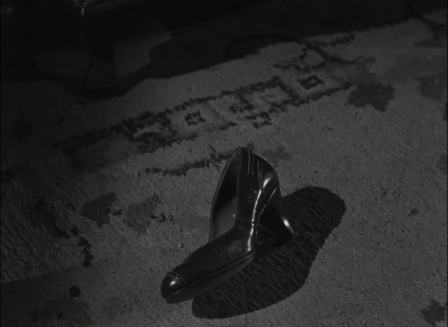
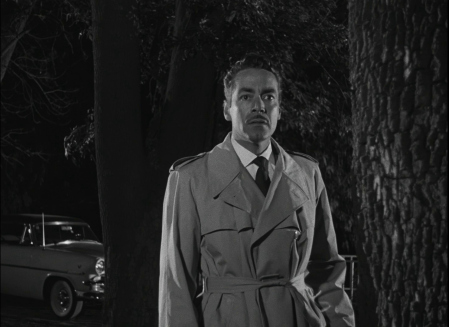
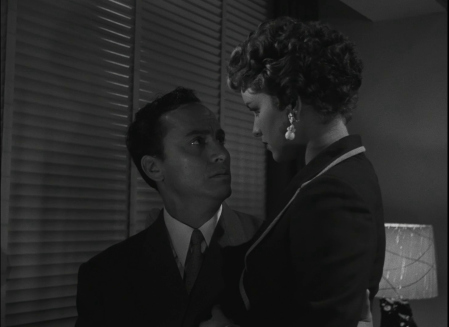
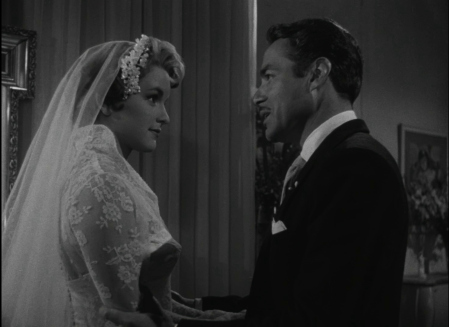
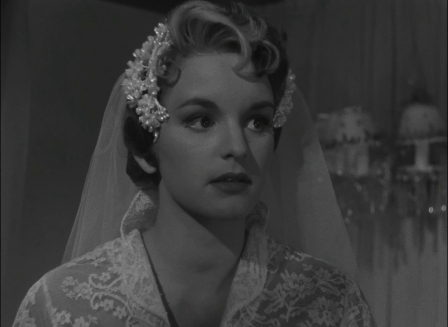
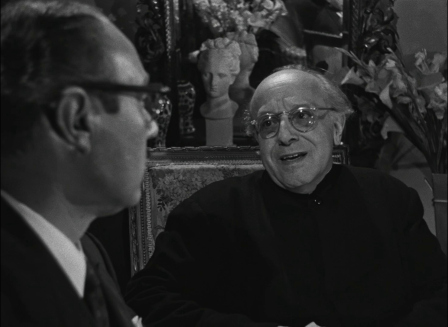
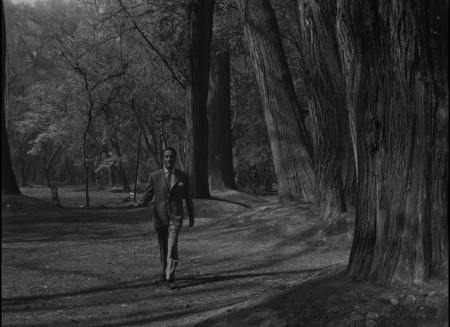
The 1080P image is quite striking - in advance of what many may expect from, often flawed, VCI. It is very clean and has a smattering of textures but there are a couple of instances of compression artifacts. Generally though it has decent contrast - the HD presentation is a shade dark - but has frequently impressive detail. Hopefully the screen captures below will give you an idea of the video quality. NOTE: VCI have misspelled the director's name on the cover.
NOTE: We have added 56 more large
resolution Blu-ray captures
(in lossless PNG format) for DVDBeaver Patrons HERE
On their
Blu-ray,
VCI use only a lossy Dolby track in the
original Spanish language. The Criminal Life of Archibaldo de la Cruz
has a few screams that come through with little depth. The score is by Jorge Pérez (a veteran Mexican composer who has also
done a few of the Santos and other genre films.) sounding clean if
lifeless and slightly hollow. VCI offer optional English subtitles on their
Region FREE
Blu-ray.
The VCI
Blu-ray
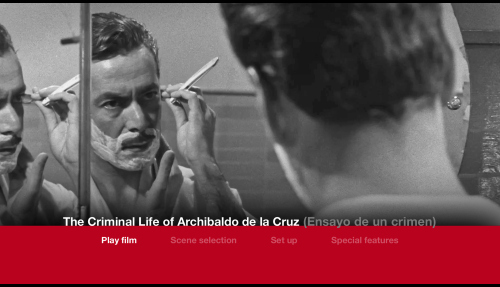
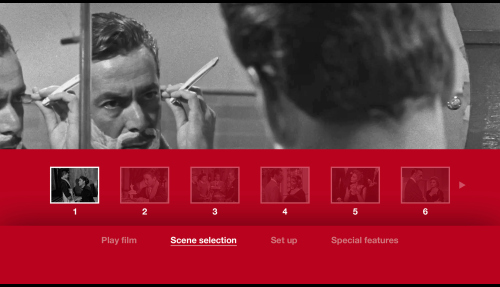
NOTE: The
Blu-ray
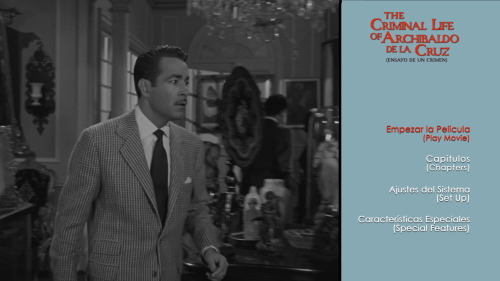
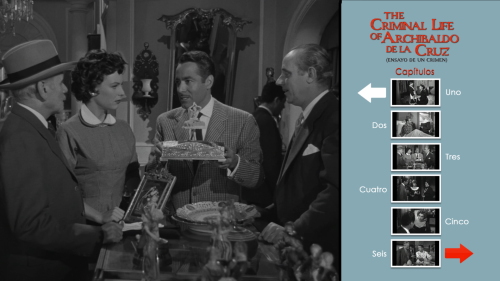
menus are also in Spanish.
Luis Buñuel's The Criminal Life of
Archibaldo de la Cruz
is was made in the latter part of his “Mexican” period - dubbed by some
as a time that his films were more commercial… certainly true in
comparison to his later works in which he was granted significant
artistic freedoms. “The Criminal Life of Archibaldo de la Cruz”
brought Buñuel international acclaim and it was in these 50's films that
he developed his style with trademark surreal, unpredictable imagery
with biting and often grim social observations. Buñuel created sublime
artistic cinema merely touching on dark perversions, eroticism and
criminal intent. Archibaldo feeling that his re-found music box is
compelling him to indulge in the practices of a serial killer, finds his
careful plotting and scheming continually falls short of its intended
target. The plot walks the fine line between frustrated serial killer,
bizarre fetishism and cynicism over Buñuel’s usual foibles of the rich,
macho men with sexual and religious restraints. It's a film I am very
happy to own looking as good as it does on the restored VCI Blu-ray |

Menus / Extras
VCI - Region FREE - Blu-ray
 |
 |
 |
 |
 |
 |
Second Run (UK) - Region FREE - Blu-ray
 |
 |
 |
 |
 |
 |
 |
 |
 |
 |
 |
 |
 |

CLICK EACH BLU-RAY CAPTURE TO SEE ALL IMAGES IN FULL 1920X1080 RESOLUTION
|
1)
VCI - Region FREE - Blu-ray TOP
|
 |
 |
|
1)
VCI - Region FREE - Blu-ray TOP
|
 |
 |
|
1)
VCI - Region FREE - Blu-ray TOP
|
 |
 |
|
1)
VCI - Region FREE - Blu-ray TOP
|
 |
 |
 |
 |
 |
More full resolution (1920 X 1080) Blu-ray Captures for DVDBeaver Patreon Supporters HERE
 |
 |
 |
 |
 |
 |
 |
 |
 |
 |
 |
 |
 |
 |
 |
 |
 |
 |
 |
 |
 |
 |
 |
 |
 |
 |
 |
 |
 |
 |
 |
 |
 |
 |
 |
 |
 |
 |
 |
 |
 |
 |
 |
 |
 |
 |
 |
 |
 |
 |
 |
 |
 |
 |
 |
 |
| Box Cover |
|
|
|
|
|
|
|
Bonus Captures:
|
||
| Distribution | VCI - Region FREE - Blu-ray | Second Run (UK) - Region FREE - Blu-ray |
|
Search DVDBeaver |
S E A R C H D V D B e a v e r |



































DONATIONS Keep DVDBeaver alive:
CLICK PayPal logo to donate!
|
Gary Tooze
|
|
Thank You!
