|
An
enormous, sincere thank you to our phenomenal
Patreon
supporters! Your unshakable dedication is the bedrock that keeps DVDBeaver
going - we’d be lost without you. Did you know? Our patrons include a
director, writer, editor, and producer with honors like Academy Awards for
Best Picture and Best Director, a Pulitzer Prize-winning screenwriter, and a
Golden Globe-winning filmmaker, to name a few! Sadly, DVDBeaver has reached a breaking point where our existence hangs in the balance. We’re now reaching out to YOU with a plea for help. Please consider pitching in just a few dollars a month - think of it as the price of a coffee or some spare change - to keep us bringing you in-depth reviews, current calendar updates, and detailed comparisons. I’m am indebted to your generosity!
|






|
Search DVDBeaver |
S E A R C H D V D B e a v e r |

|
|
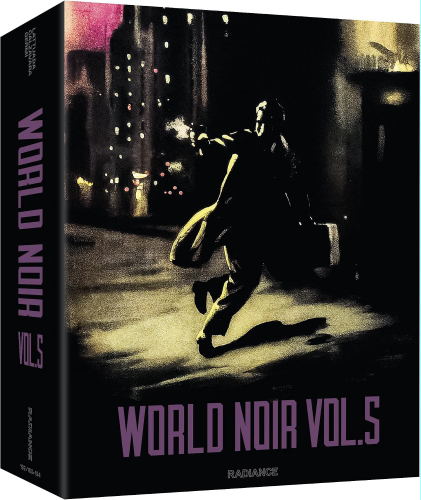
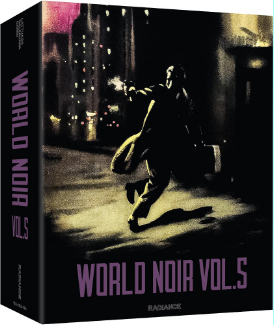
World Noir Volume 5 [3 X Blu-ray]
The
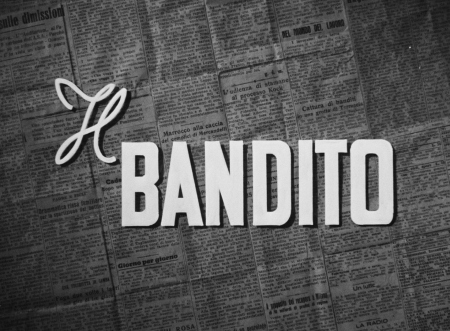
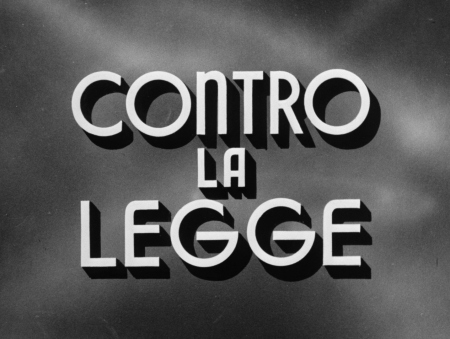
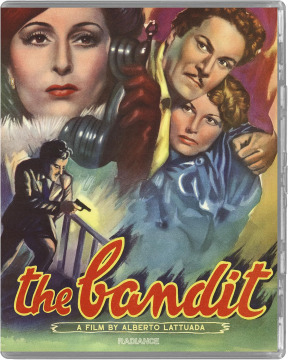
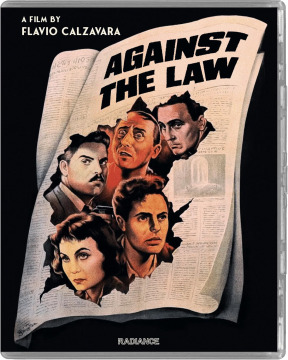
Bandit (1946) Against the Law (1950)
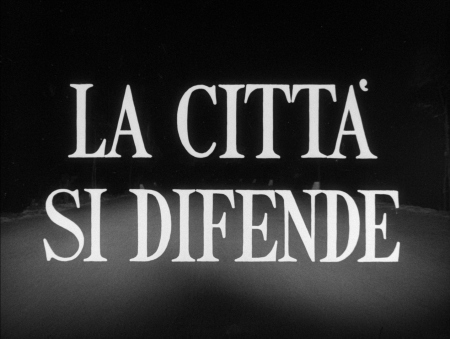
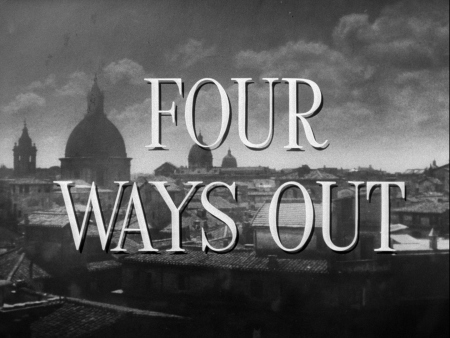
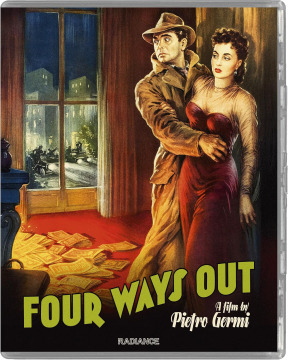
Four Ways Out (1951)
 |
 |
 |
 |
|
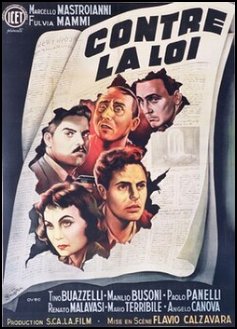
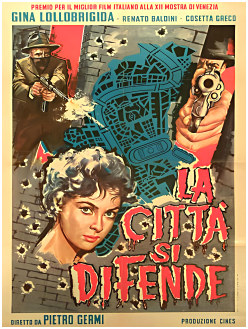
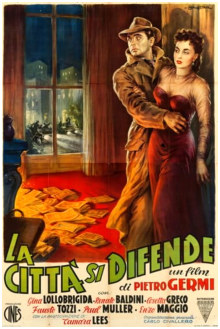
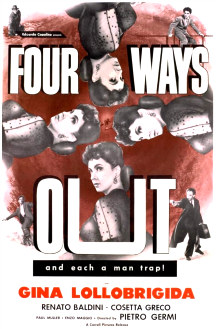
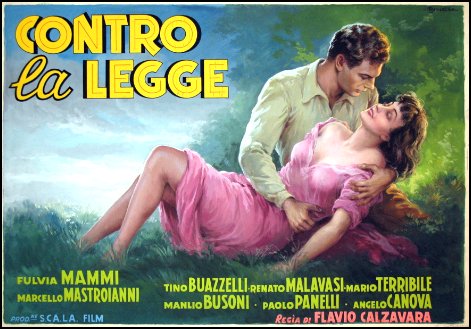
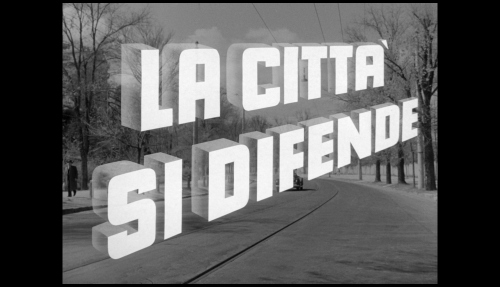
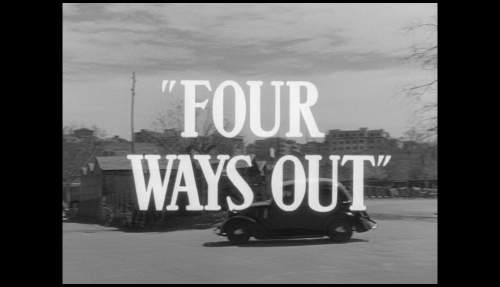
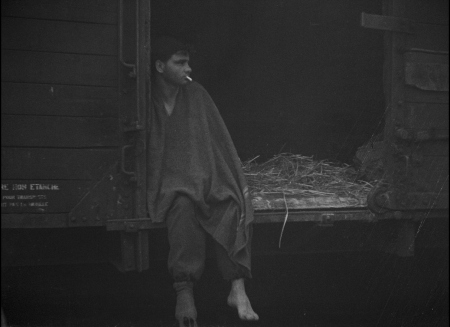
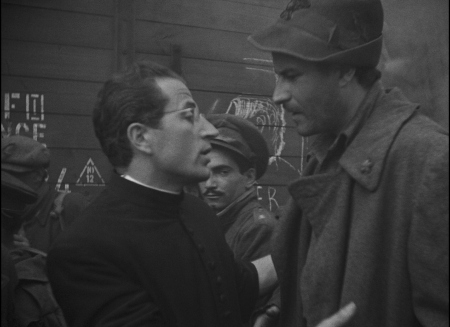
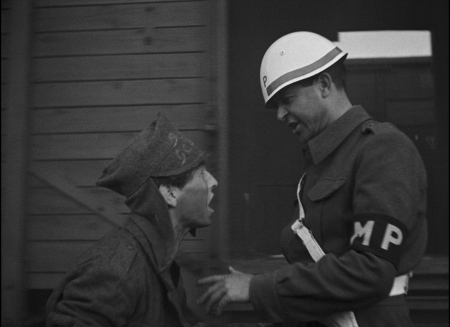
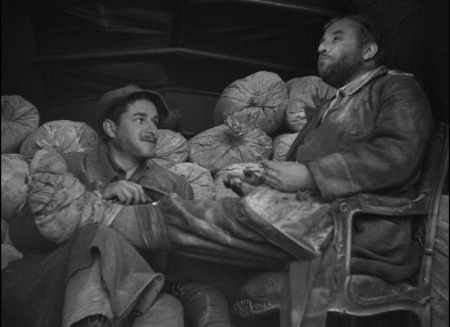
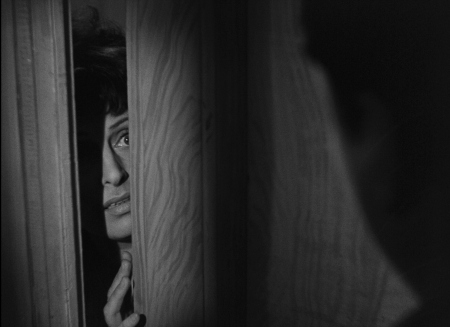
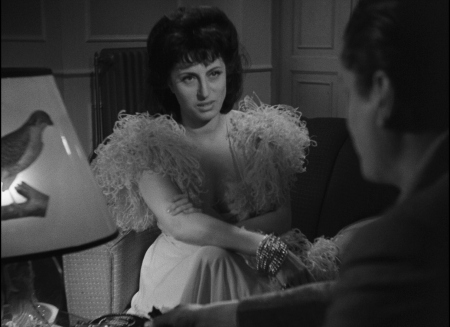
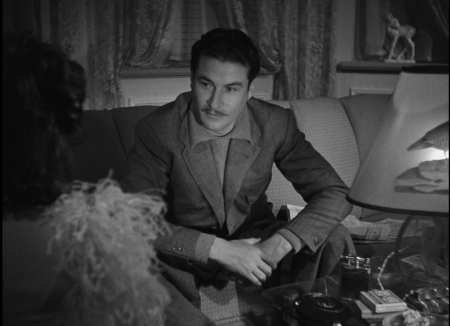
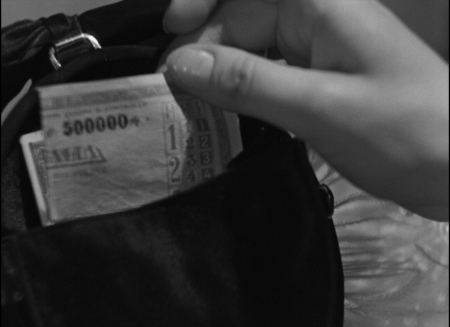
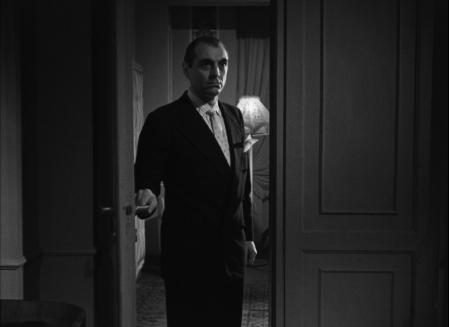
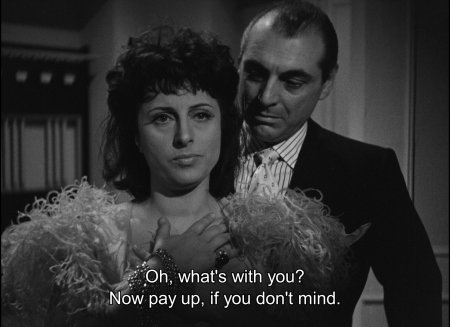
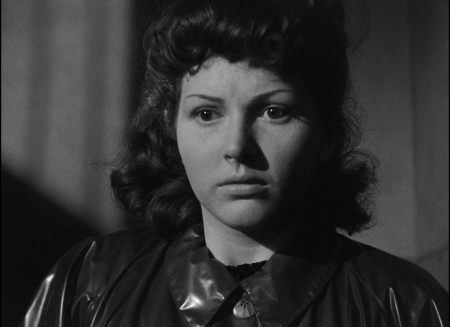
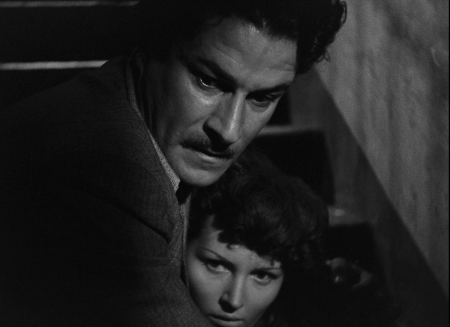
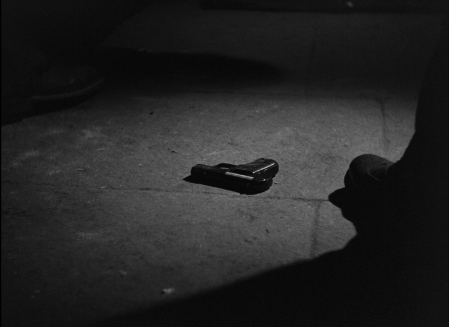
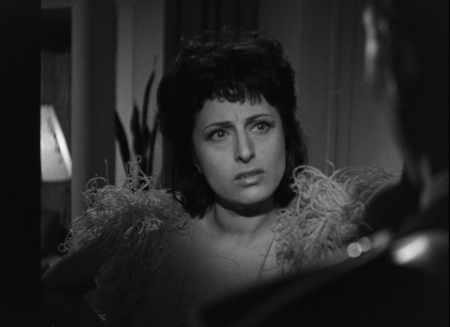
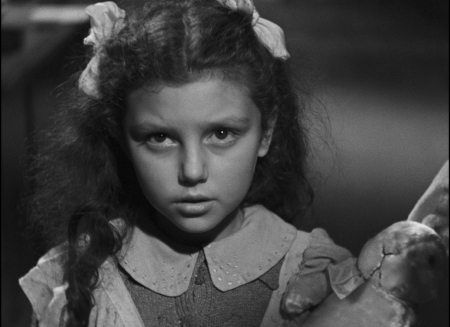
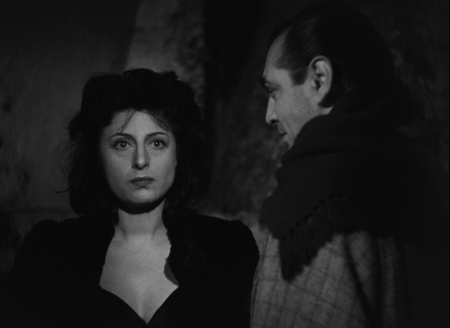
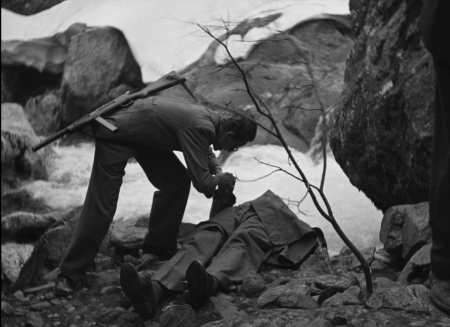
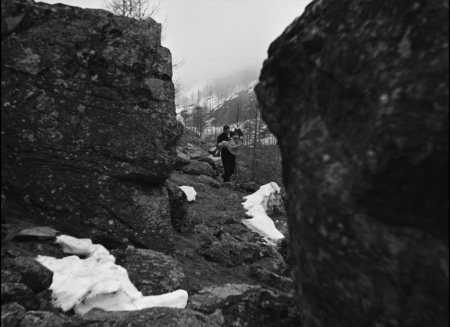
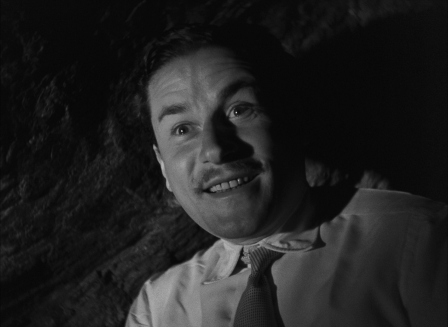
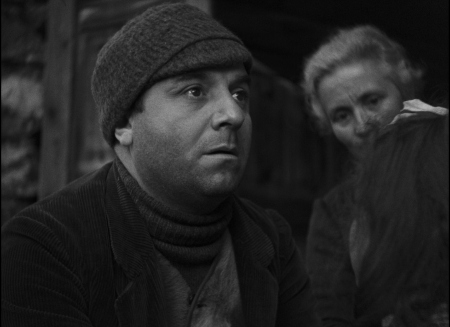
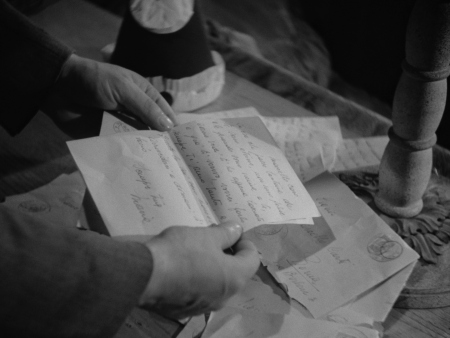
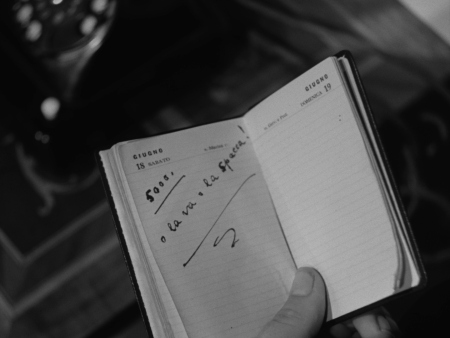
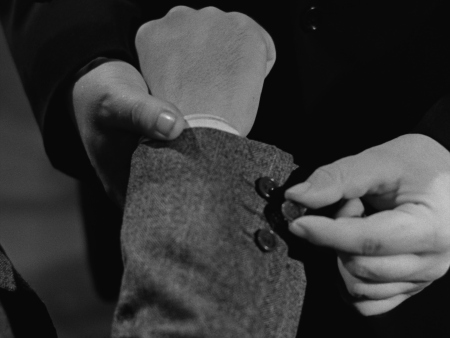
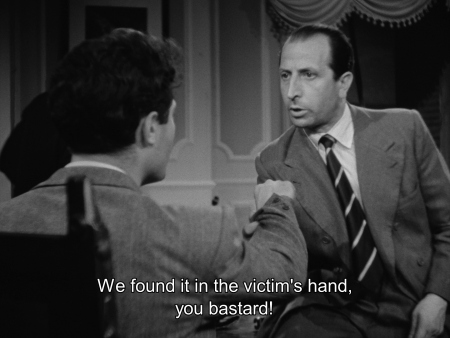
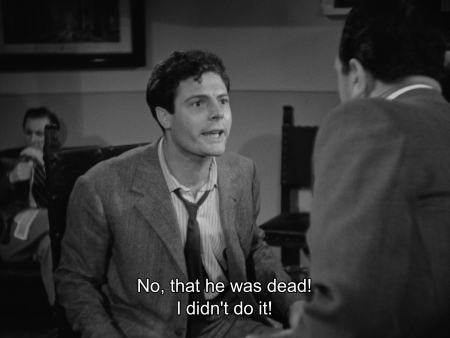
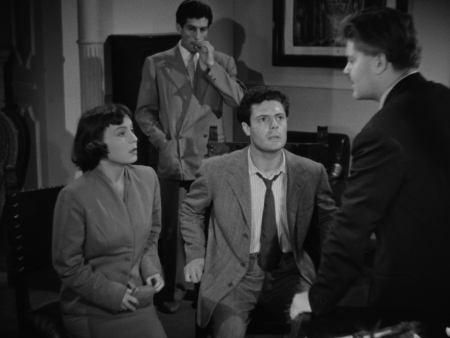
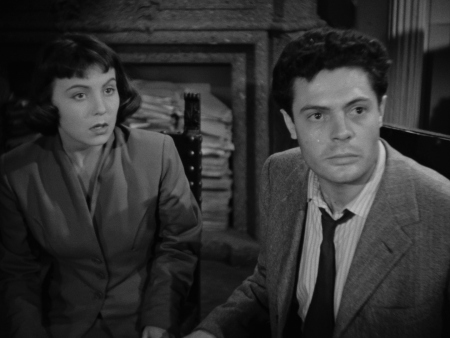
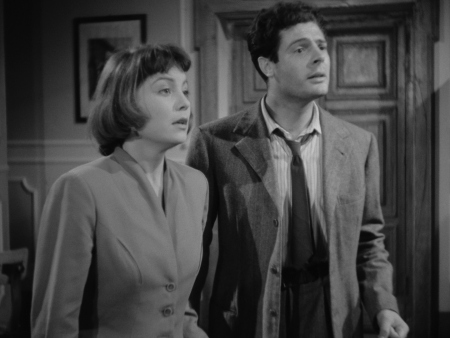
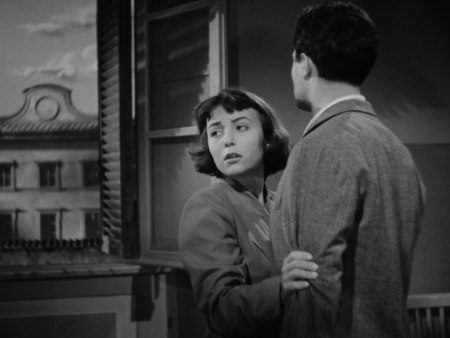
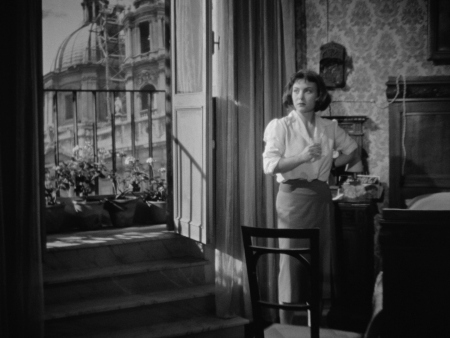
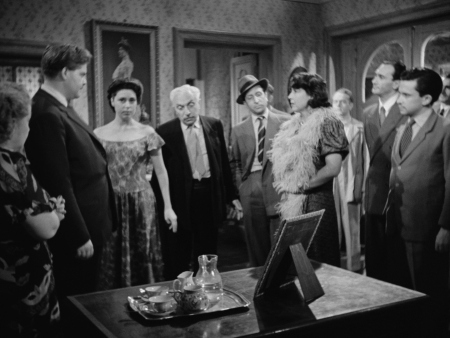
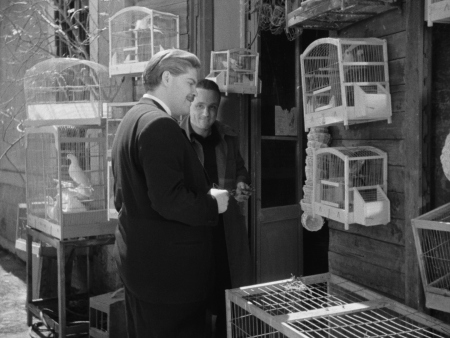
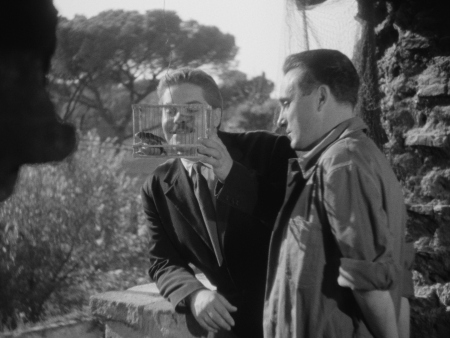
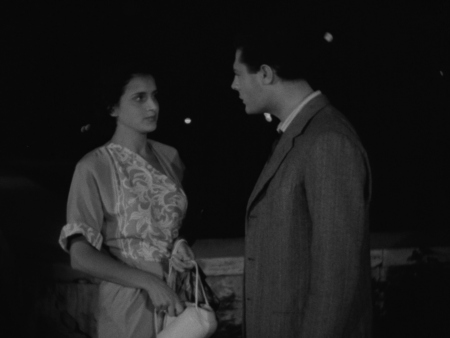
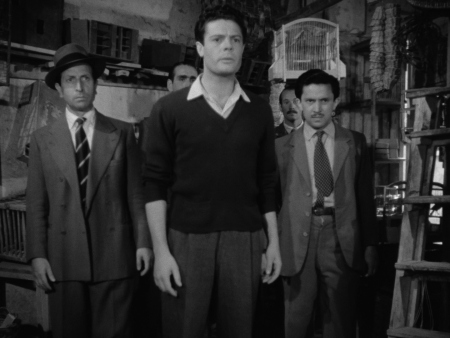
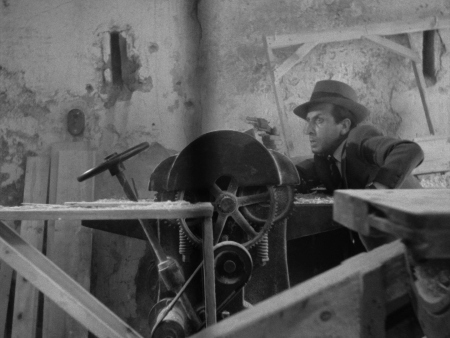
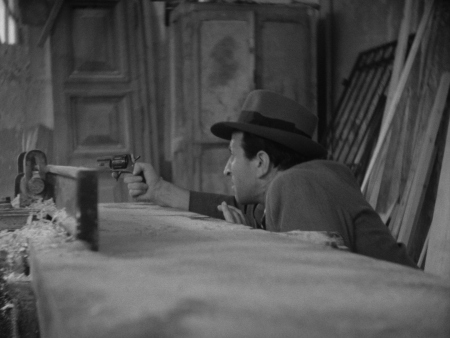
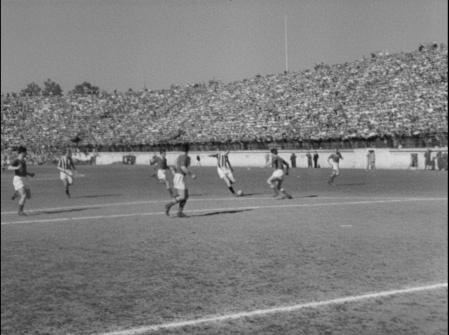
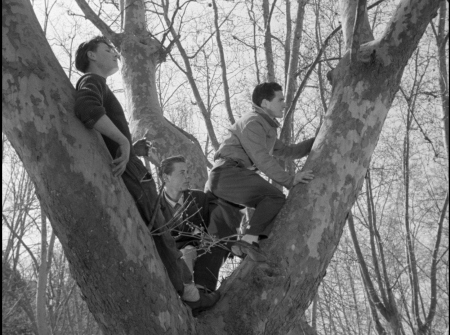
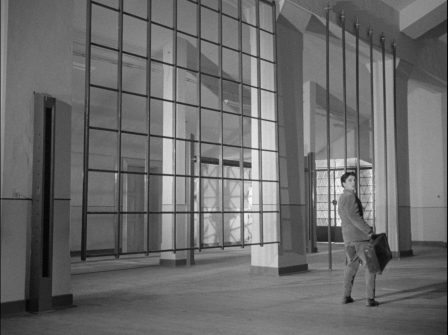
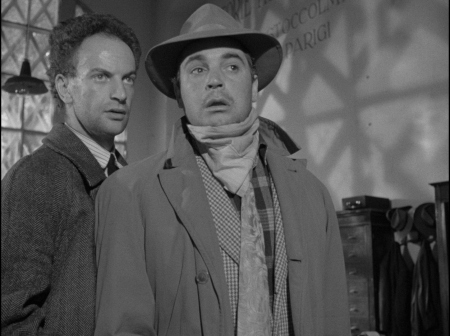
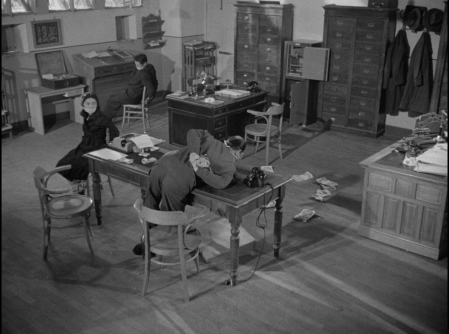
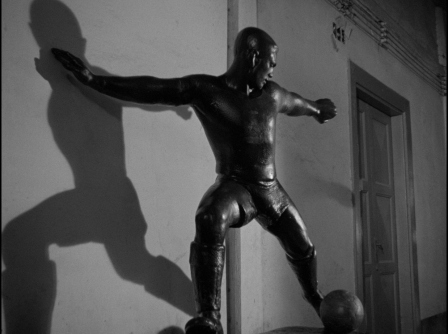
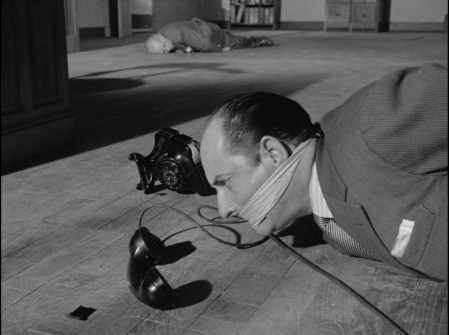
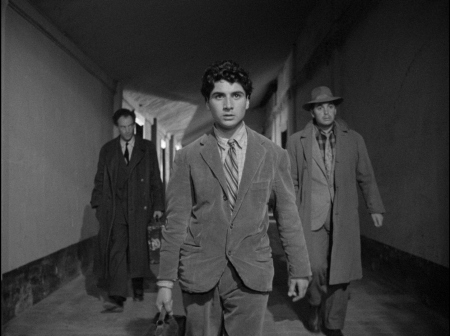
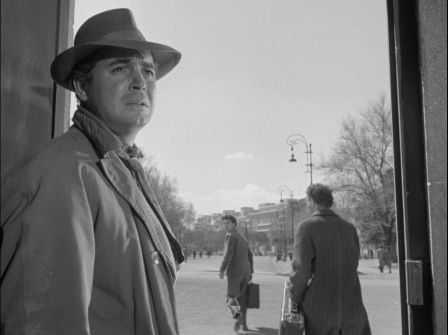
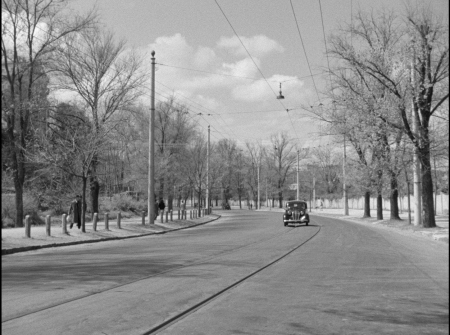
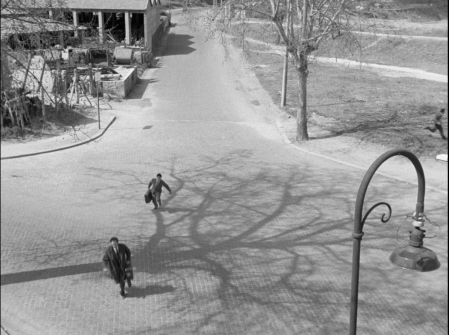
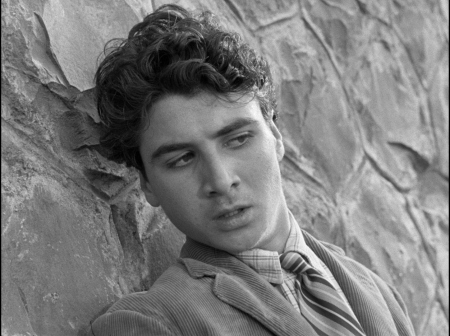
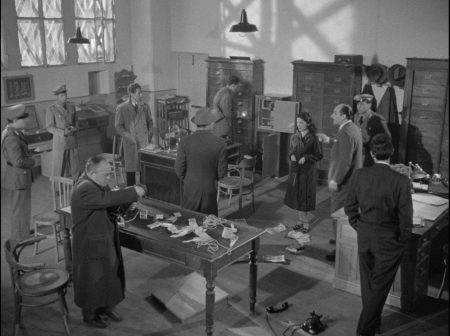
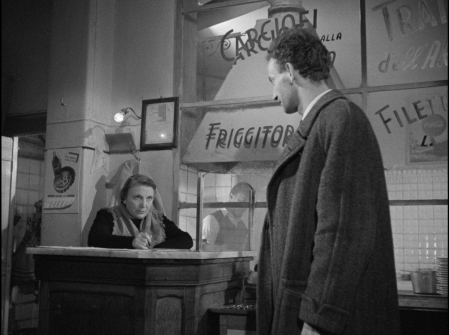
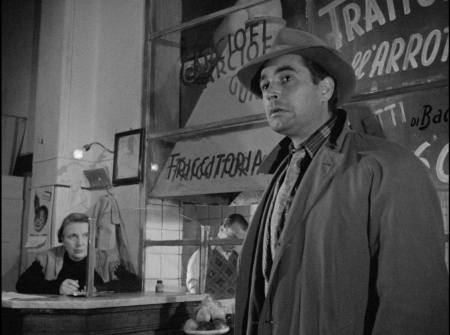
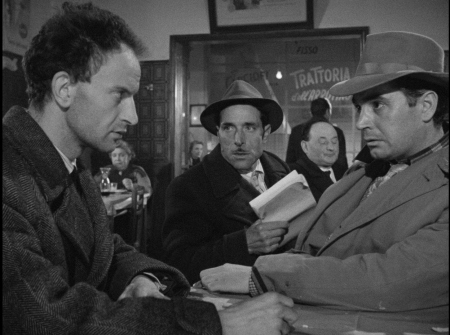
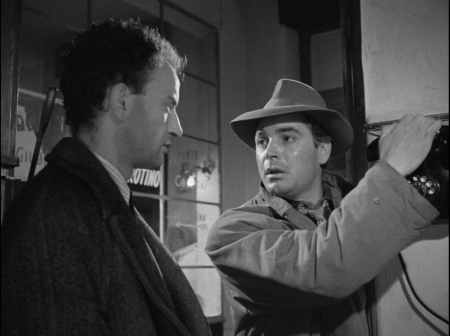
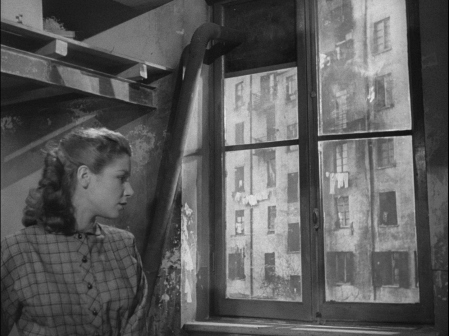
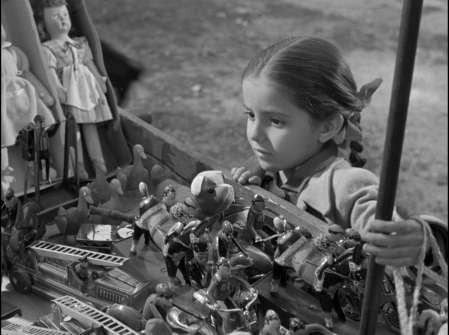
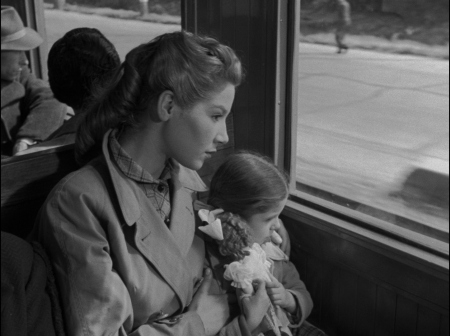
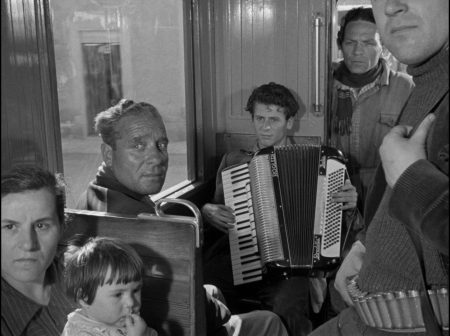
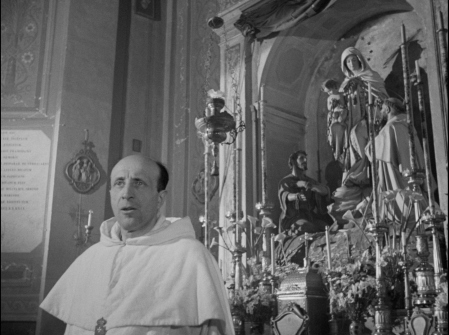
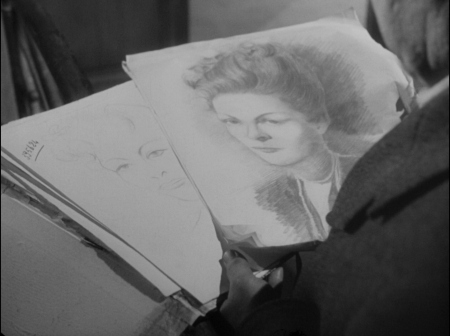
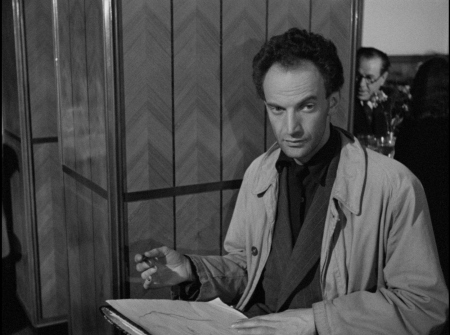
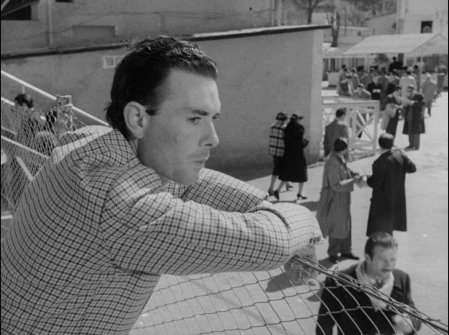
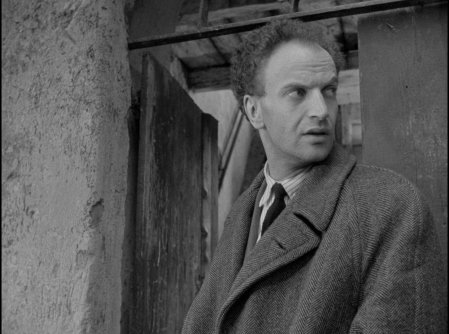
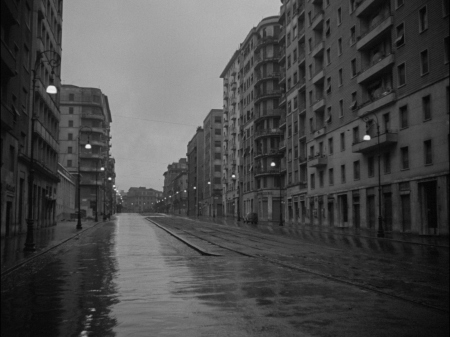
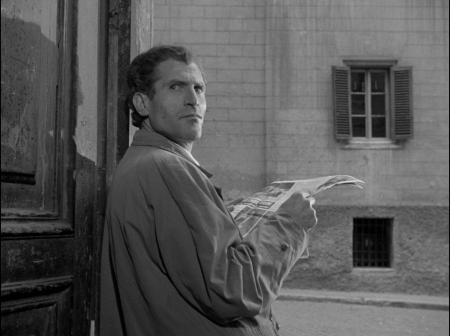
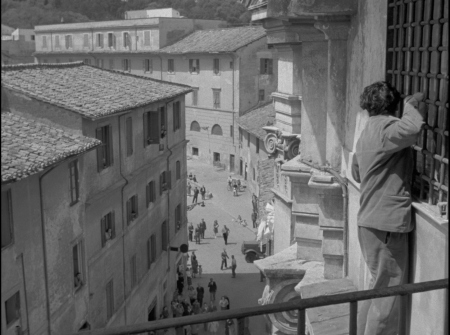
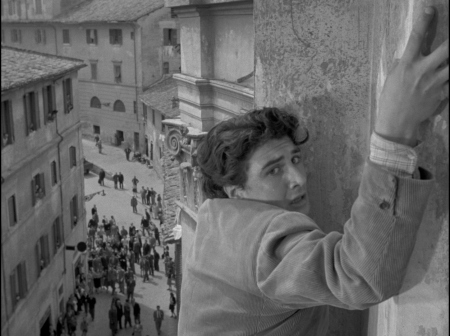
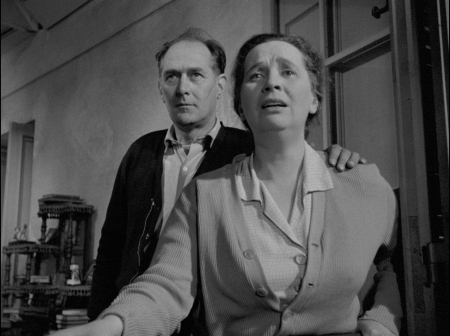
Arguably the two most significant and dominant trends in post-war cinema developed on opposing sides of the globe, and opposing sides of the war - America oversaw the birth of film noir, with its hardboiled detectives and femme fatales, and then Italy developed its hugely influential brand of neorealism, with its emphasis on working class struggles, socio-political commentary, and documentary-like aesthetic. While on the surface the two disciplines seemed wildly different in approach, they also had surprising amount in common, sharing a focus on the lowest strata of society, a commitment to depicting its characters in stark and unglamorous ways, and a moral ambiguity to the storytelling that would occasionally tip over into cynical pessimism, reflecting the despair of the post-war period. These two cinematic languages would influence and bleed into one another throughout the 1940s and 50s, and presented here are three Italian neorealist films that clearly derive inspiration and themes from their US noir counterparts. *** Il bandito (The Bandit, 1946), Contro la legge (Against the Law, 1950) and La città si difende (Four Ways Out, 1951) belong to the same brief, fertile moment in Italian cinema, when the moral seriousness and street-level texture of Neorealism collided with the fatalism and narrative drive of the American crime film — and all three take, as their engine, the same postwar premise: that ordinary people with nothing turn to crime not out of appetite but out of arithmetic. Alberto Lattuada's The Bandit, the earliest and the most operatic of the three, sends a repatriated prisoner of war (Amedeo Nazzari) back into a bombed-out Turin that has no work, no family and no place for him, and lets Anna Magnani's Lidia draw him the rest of the way down; Flavio Calzavara's Against the Law, tighter and cooler, is a wrong-man thriller built around a currency-trafficking deal gone bloody, notable now as Marcello Mastroianni's first leading role; and Pietro Germi's La città si difende splits the difference structurally, following four amateurs who rob a football stadium's gate receipts and then scatter into four separate fates. What links them beyond theme is a shared talent pool — Dino De Laurentiis and Lux behind Lattuada, Germi himself among Calzavara's writers, Federico Fellini, Tullio Pinelli and Luigi Comencini among Germi's — and a common conviction that the city itself, shot on real streets rather than sets, is the force that finally closes in. ***
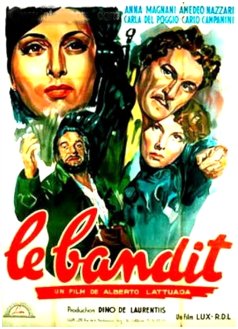
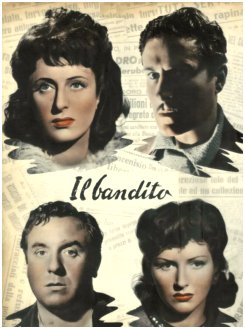
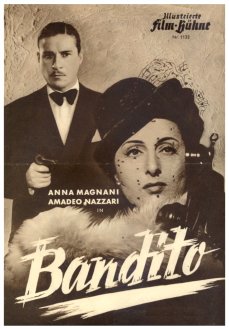
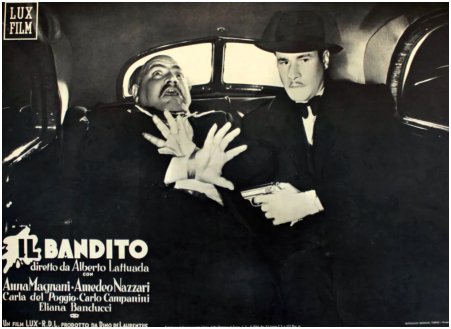
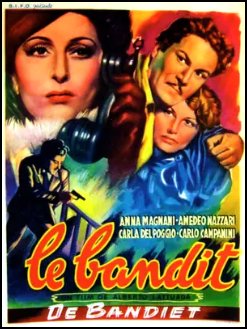
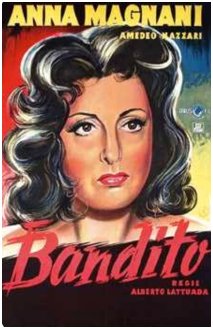
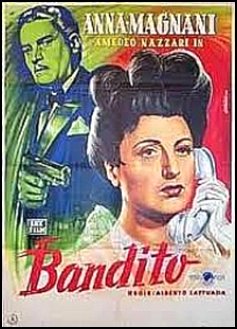
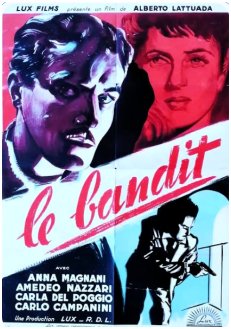
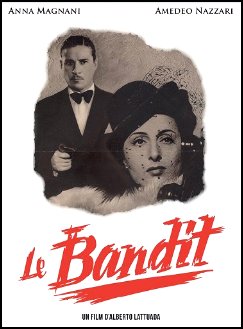
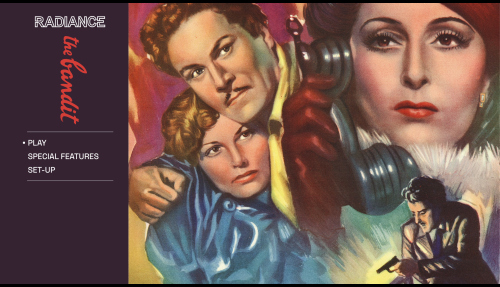
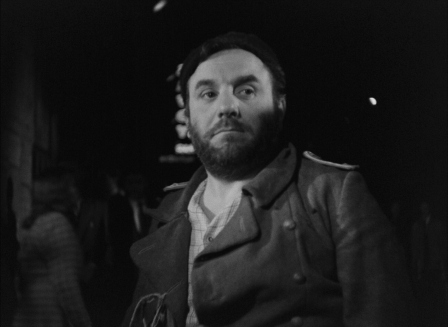
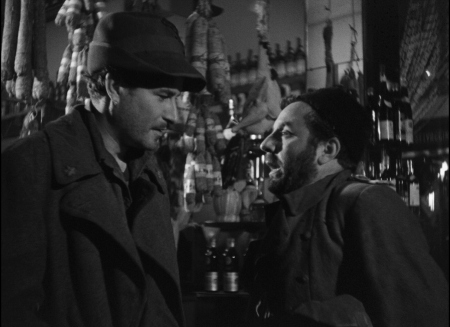
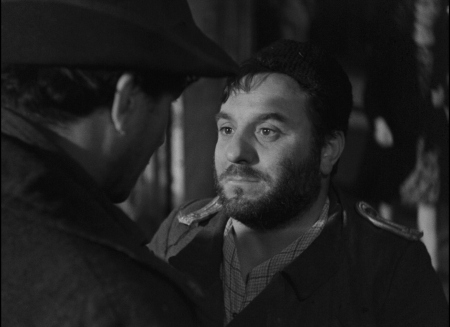
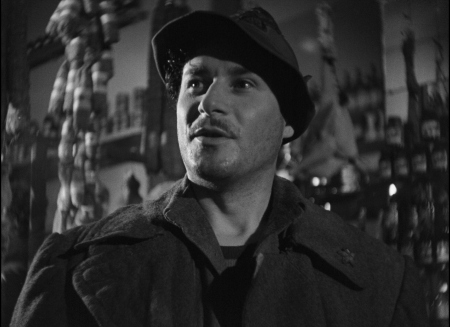
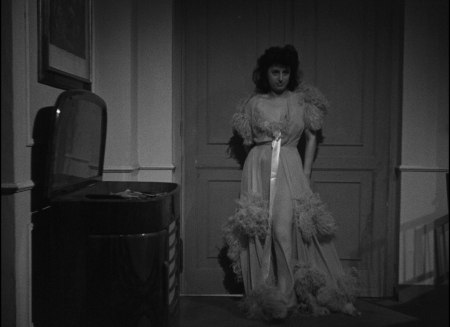
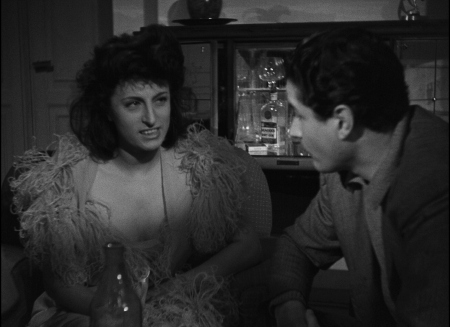
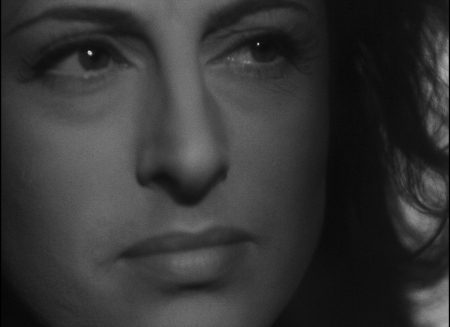
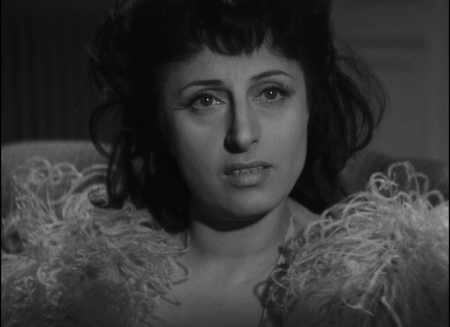
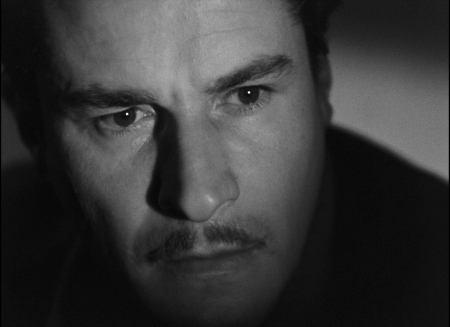
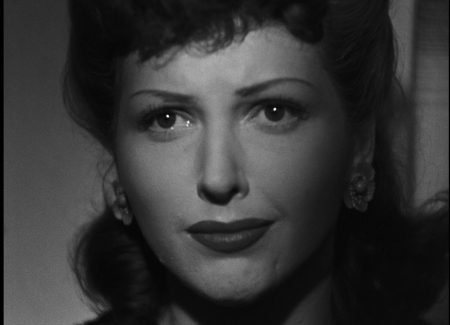
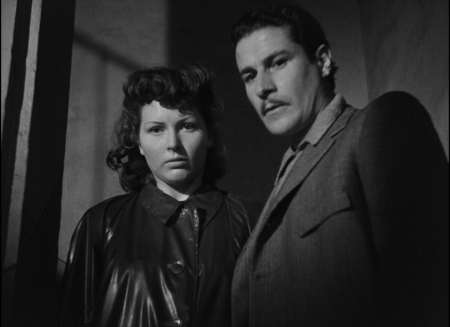
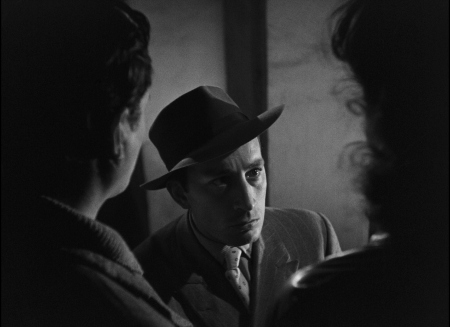
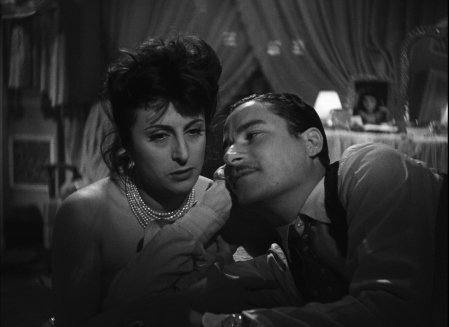
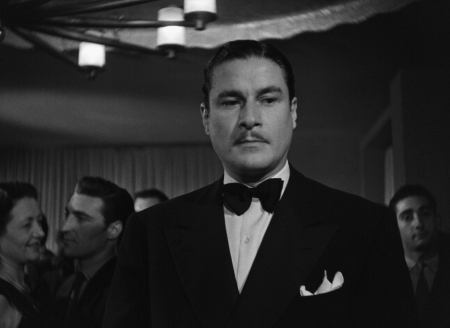
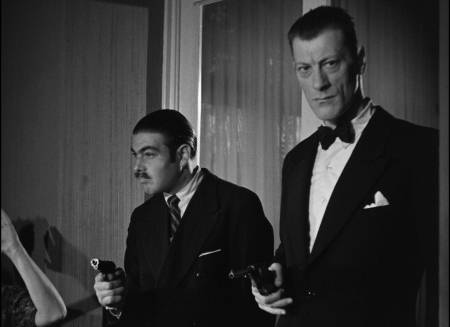
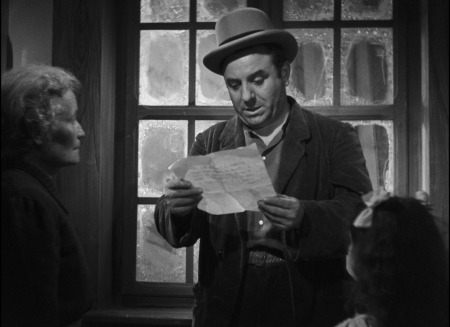
The Bandit: Returning from war, Ernesto (Amedeo Nazzari,
Nights of Cabiria) comes home without a family to welcome him. A chance
encounter with a gangster's moll, Lydia (Anna Magnani,
Rome, Open City) catapults him to a life of crime. Redolent of American
gangster pictures of the 1930s and bathed in chiaroscuro lighting, like many
Italian genre films, Alberto Lattuada's The Bandit is a genre hybrid, at
once
noirish but infused with realism that brings to the fore the desperation
of the post-War period. Newly restored, Radiance Films is proud to present this
seminal film on any digital format for the first time outside of Italy. |
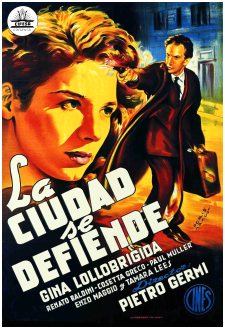
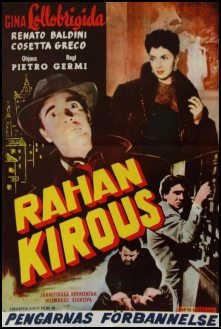
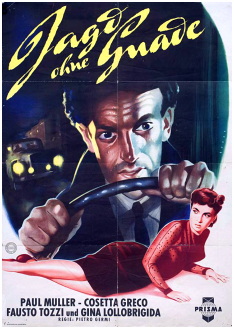
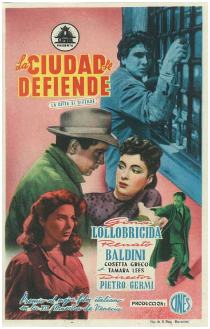
Posters
 |
 |
 |
 |
 |
 |
 |
 |
 |
 |
 |
 |
 |
 |
|
 |
 |
 |
 |
Theatrical Release: September 1946 (Cannes Film Festival) - September 10th, 1951 (Venice Film Festival)

Review: Radiance - Region 'B' - Blu-ray
| Box Cover |
|
CLICK to order from:
BONUS CAPTURES:
|
| Distribution | Radiance - Region 'B' - Blu-ray | |
| Runtime |
The Bandit (1946): 1:23:46.438 Against the Law (1950): 1:36:44.173 Four Ways Out (1951): 1:19:56.875 |
|
| Video |
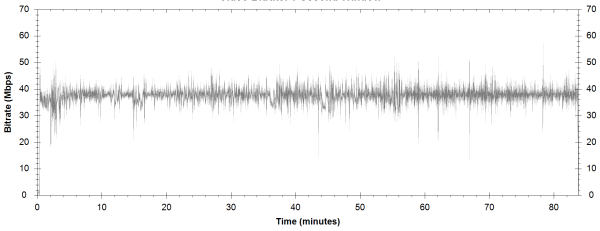
The Bandit (1946): 1.37 :1 1080P Dual-layered Blu-rayDisc Size: 38,570,947,910 bytesFeature: 26,199,205,248 bytesVideo Bitrate: 37. 50 MbpsCodec: MPEG-4 AVC Video |
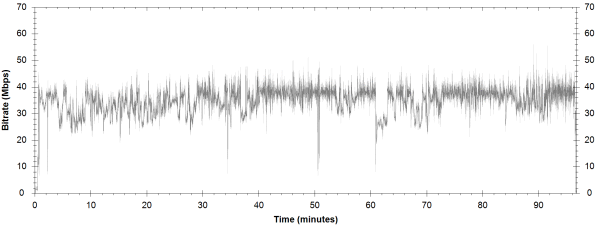
Against the Law (1950): 1. 37:1 1080P Dual-layered Blu-rayDisc Size: 35,370,649,306 bytesFeature: 28,227,179,904 bytesVideo Bitrate: 34.81 MbpsCodec: MPEG-4 AVC Video |
|
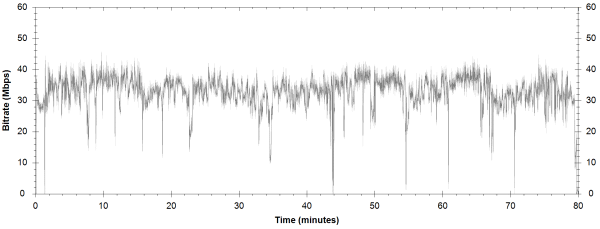
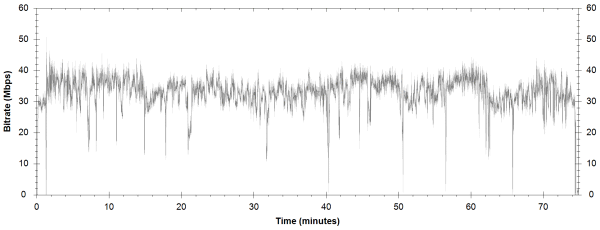
Four Ways Out (1951): 1.37 :1 1080P Dual-layered Blu-rayDisc Size: 49,702,891,774 bytesItalian Version: 22,141,769,088 bytesEnglish Version: 20,733,613,440 bytes Video Bitrate: 32.94 MbpsCodec: MPEG-4 AVC Video |
||
|
NOTE: The Vertical axis represents the bits transferred per second. The Horizontal is the time in minutes. |
||
| Bitrate The Bandit (1946) Blu-ray: |
|
|
| Bitrate Against the Law (1950) Blu-ray: |
|
|
| Bitrate Four Ways Out (1951) Blu-ray: |
|
|
| Bitrate Four Ways Out (English version) Blu-ray: |
|
|
| Audio |
LPCM Audio Italian 1152 kbps 1.0 / 48 kHz / 1152 kbps / 24-bit Optional DUB for Four Ways Out: LPCM Audio English 1152 kbps 1.0 / 48 kHz / 1152 kbps / 24-bit |
|
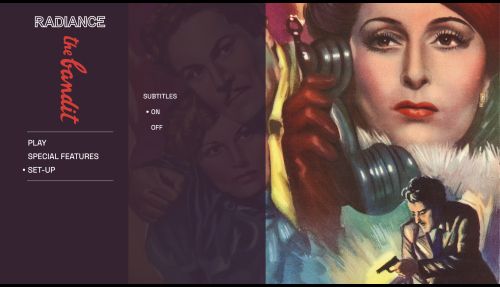
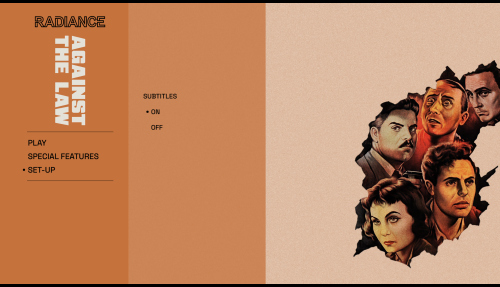
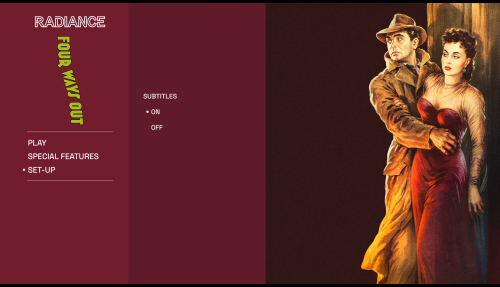
| Subtitles | English, None | |
| Features |
Release Information: Studio: Radiance
Edition Details:
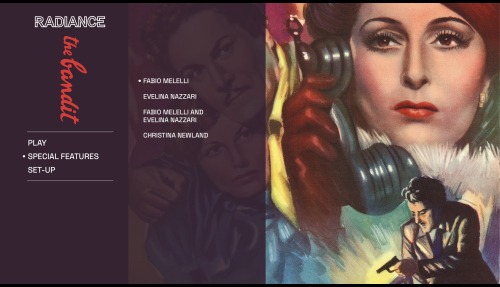
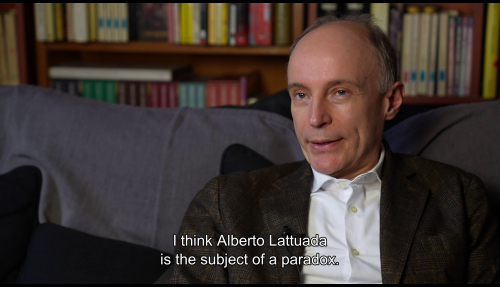
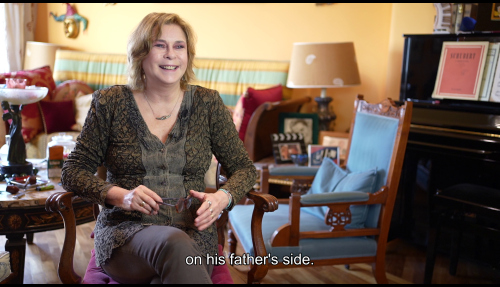
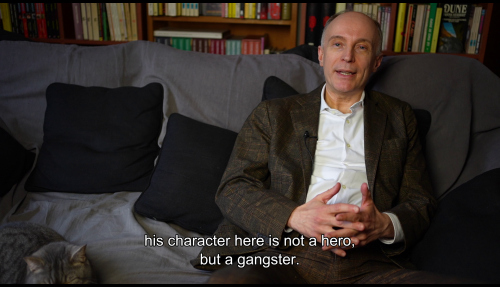
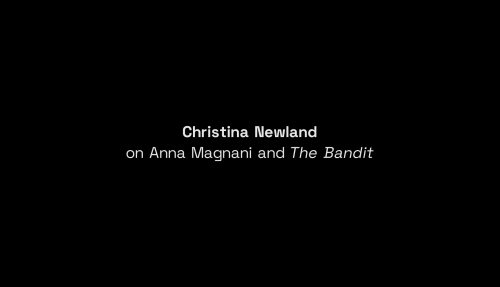
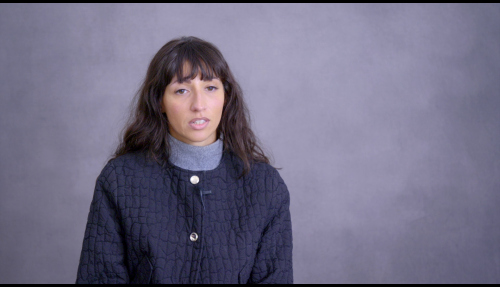
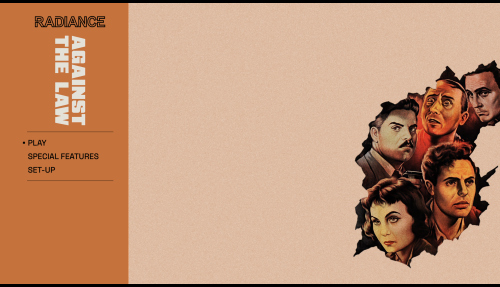
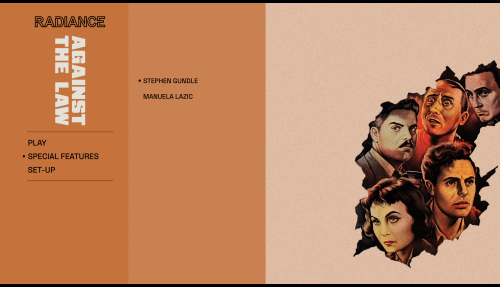
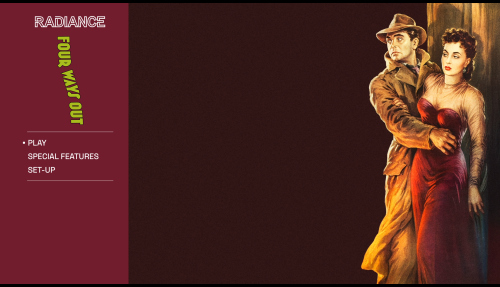
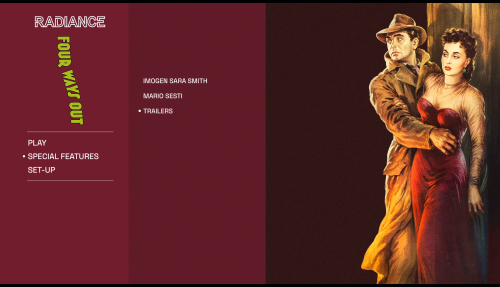
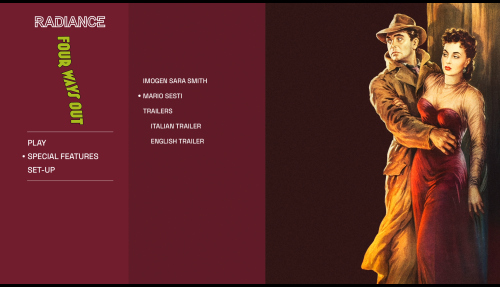
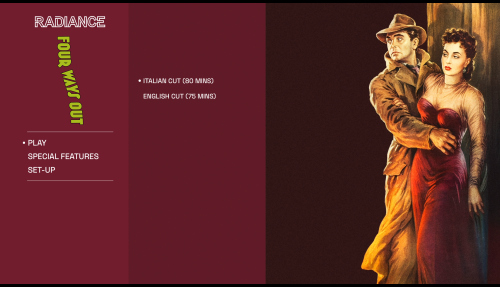
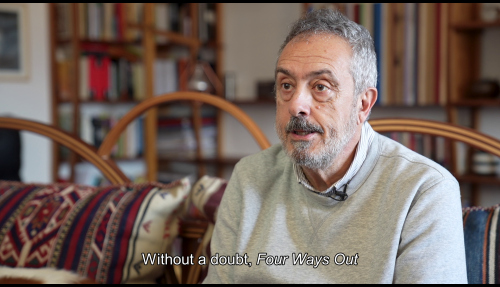
The Bandit • Interview with critic Fabio Melelli on Lattuada’s career (2026, 18:27) • Interview with Evelina Nazzari about her father, actor Amedeo Nazzari (2026, 16:24) • Interview with Melelli and Nazzari about The Bandit (2026, 24:23) • Interview with critic Christina Newland on Anna Magnani (2026, 12:28) Against the Law • Interview with critic Manuela Lazic on Marcello Mastroianni (2026, 20:49) • Interview with Italian film expert Stephen Gundle on Flavio Calzavara (2026, 19:42) Four Ways Out • Alternate English language version of Four Ways Out • Interview with Pietro Germi expert Mario Sesti (2026, 21:23) • Interview with noir expert Imogen Sara Smith (2026, 24:41) • Trailers (Italian - 3:20 / English - 2:40) Reversible sleeves featuring newly designed artworks based on original posters Limited edition 80-page perfect bound book featuring archival pieces and new writing by critics and experts including Farran Nehme, Pasquale Iannone, Beatrice Loyza and Roberto Curti
Transparent Blu-ray Case inside box Chapters 10 / 10 / 10 |
|



| Comments: |
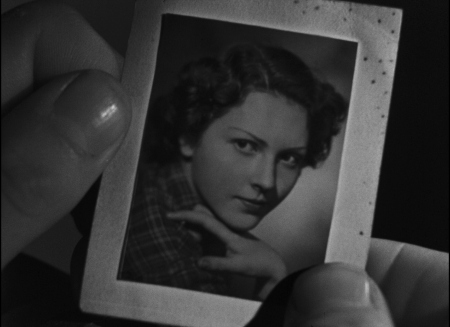
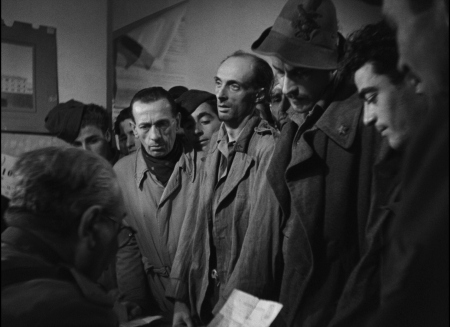
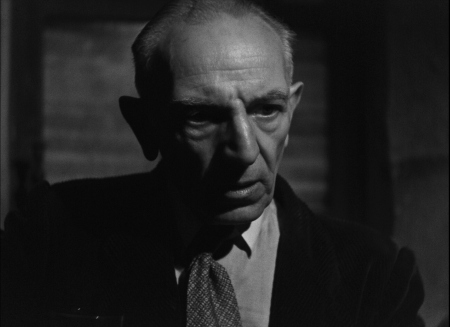
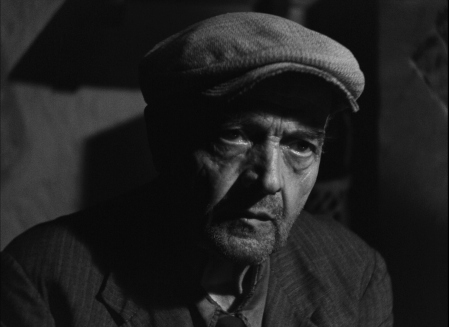
NOTE:
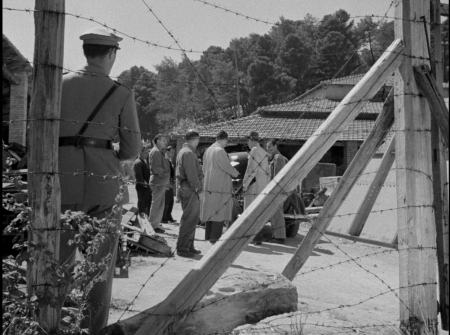
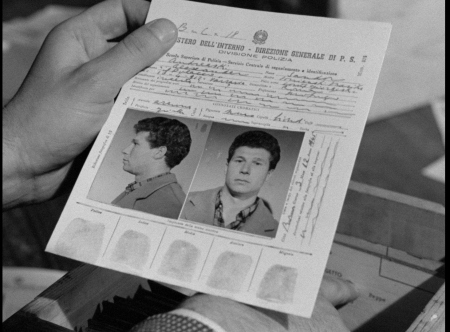
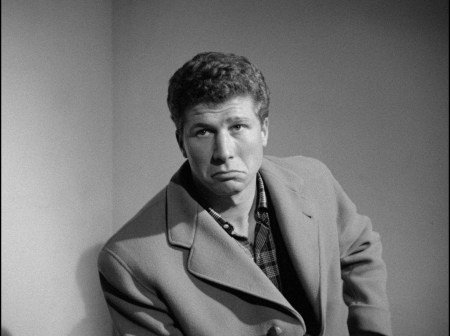
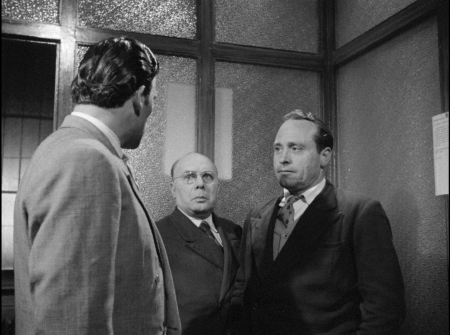
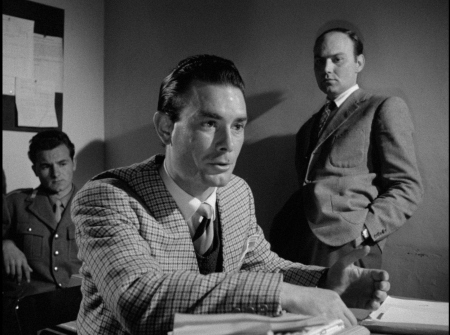
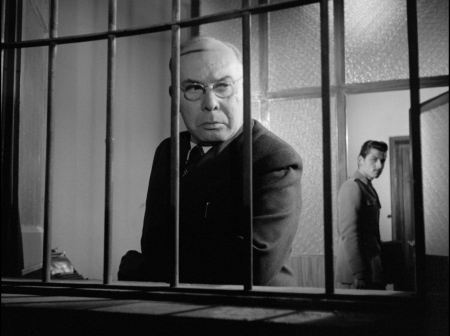
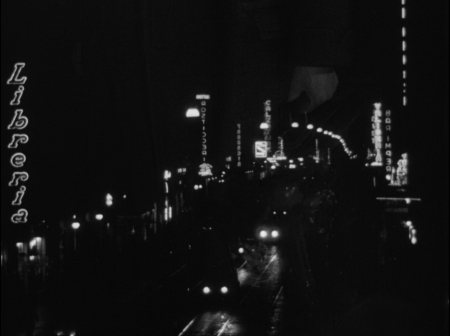
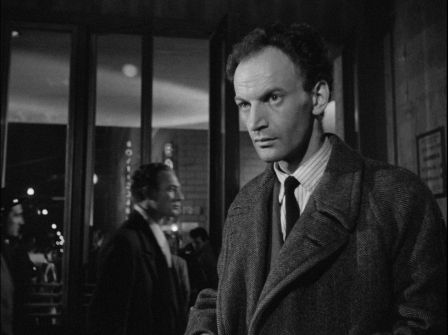
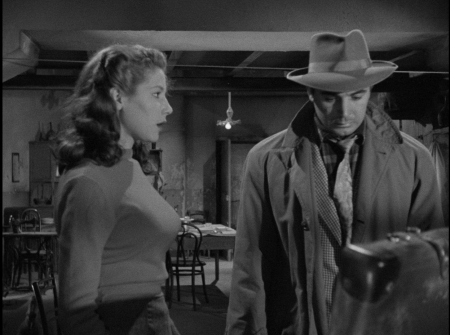
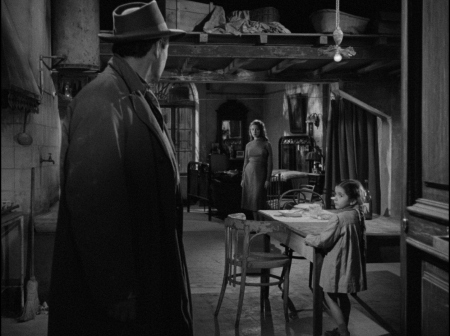
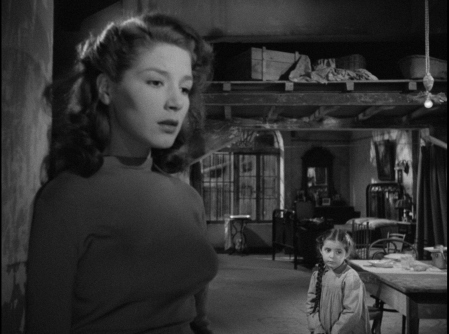
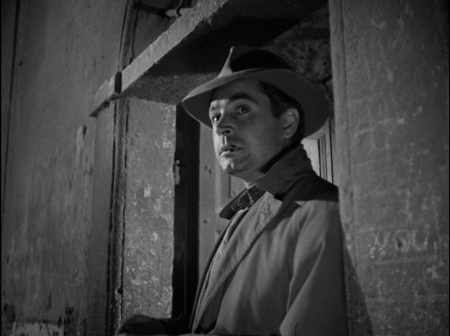
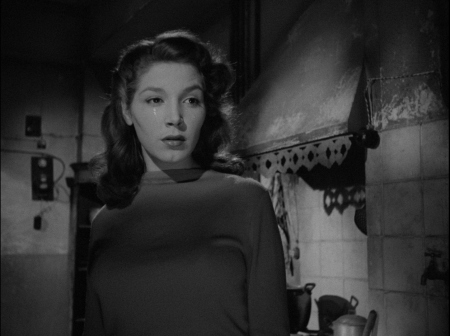
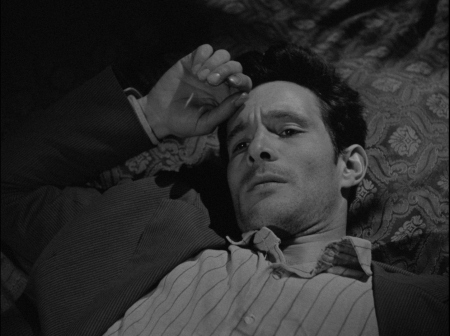
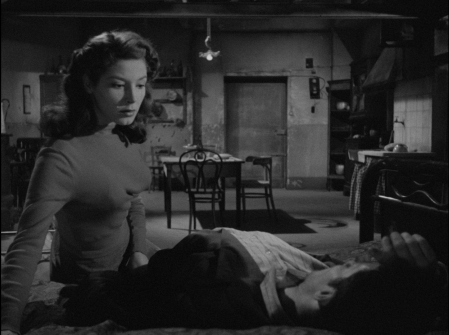
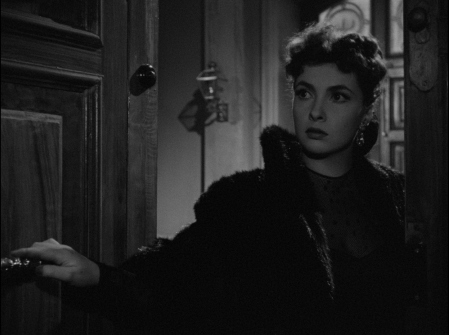
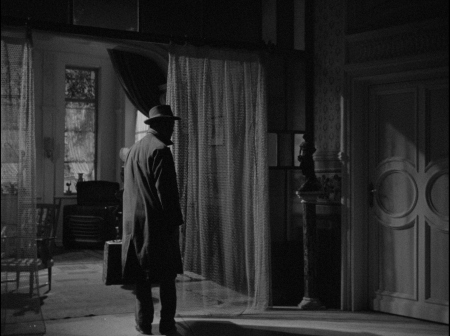
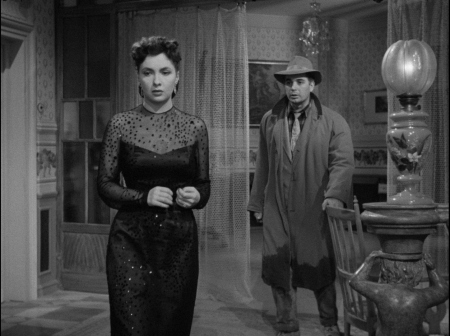
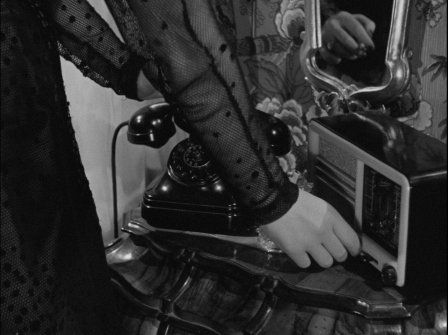
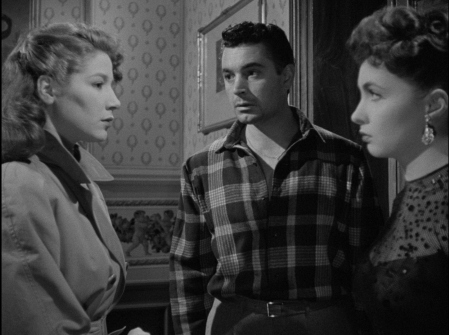
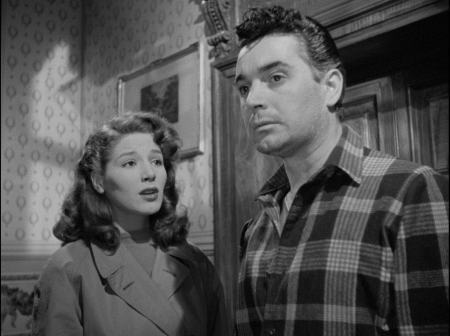
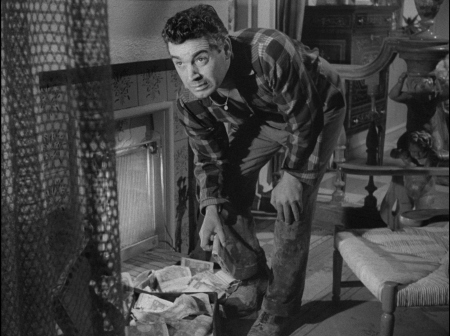
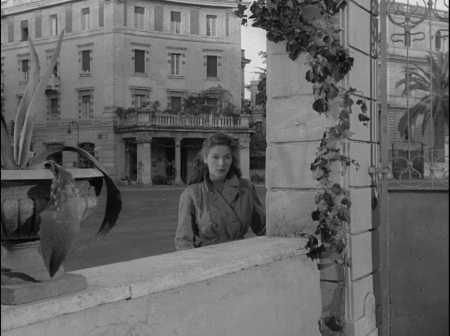
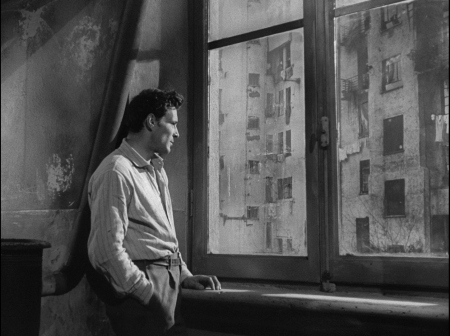
The below
Blu-ray
captures were taken directly from the
Blu-ray
disc.
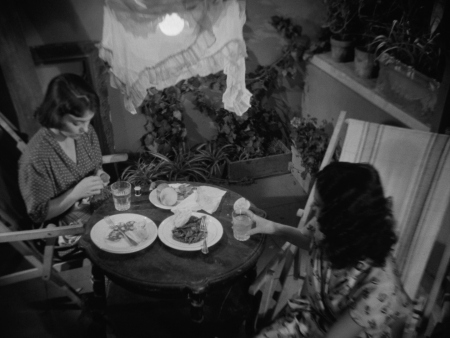
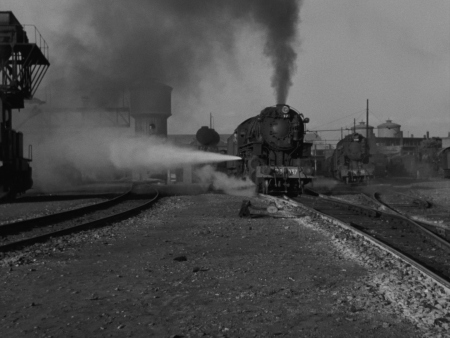
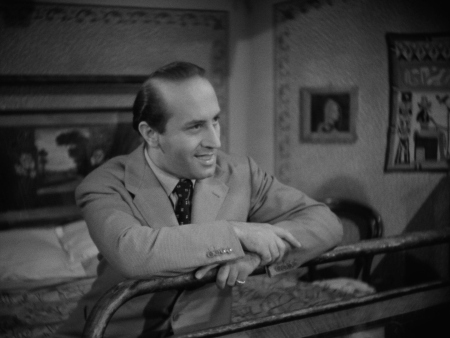
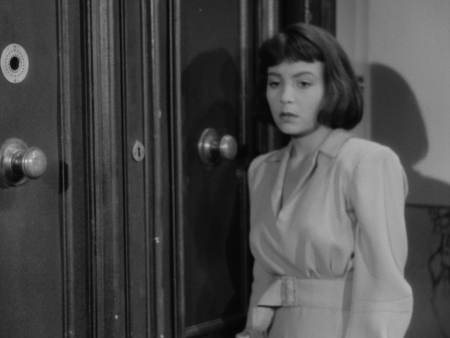
NOTE: We have added 150 more large
resolution
Blu-ray
captures (in lossless PNG format) for DVDBeaver Patrons
HERE
On their
Blu-ray,
Radiance use linear PCM mono tracks (24-bit) in the original Italian
language. No restoration can put back spatial realism that the tracks never
possessed. Sound is where all three converge, and where anyone coming
from American
noir needs to recalibrate. None of this is location audio.
Italian production was post-synchronized as a matter of course -
Lattuada's crew was reportedly working with hand-cranked silent-era
cameras and dubbing everything afterward - so the acoustic space of
every one of these films is a dubbing stage, not a street. The
consequences are consistent: dialogue sits forward, close and dry, with
very little variation between a rooftop, a police office and a
nightclub; ambience is laid in rather than captured; footsteps, traffic
and crowd noise are decorative and often thin. It produces the standing
paradox of the period - an image that is documentary and a soundtrack
that is entirely manufactured. It also means the celebrated realism of
these films is a realism of the eye only, and the ear is being asked to
accept a convention. The related detail worth knowing is that leading
actors were routinely dubbed by professional voice specialists; the
reason it is remarked upon that Mastroianni speaks in his own voice in
Against the Law is that this was not the default. The scores
follow the same trajectory as the photography. The Bandit was
scored by Felice Lattuada (Variety
Lights,) the director's father and a working opera composer, and
it sounds like it - the music editorializes, swelling into the moral
turns and underlining the fall rather than accompanying it, which is a
large part of why the film plays as operatic rather than cool.
Against the Law has Franco Casavola, another figure with a Futurist
past, writing brisk functional thriller cues that stay out of the way
and push the chases along. La città si difende has Carlo
Rustichelli (Libido, The
Railroad Man, The
Whip and the Body, The
Facts of Murder,
The
Gang,
Night
Ripper,
The
Long Hair of Death,
Seduced
and Abandoned,
Divorce - Italian Style,
The Secret War of Harry Frigg,
1974's
Ten Little Indians,) who would
score Germi's films for the next twenty years, and his work here is the
most American of the three: driving brass and low strings, tight to the
manhunt structure, closer to the Hollywood crime template than to
anything in the Italian melodramatic tradition. Between the 1946
orchestra grieving over a ruined country and the 1951 orchestra chasing
four men through Rome, you can hear the same shift the images are
making. Four Ways Out additionally carries an alternate
English-language version, running roughly ten minutes shorter than the
Italian cut. Radiance offer optional English
subtitles on their Region 'B'-locked
Blu-rays.
The
Radiance
Blu-ray
set's supplements run to something over two and a half hours of new
material, and they are distributed sensibly rather than evenly. The
Bandit takes the largest share, with critic Fabio Melelli (Dizionario
del cinema italiano) surveying Lattuada's career for 18 minutes,
Evelina Nazzari discussing the life and career of her father Amedeo for over 1/4 hour, a conversation between Nazzari and Melelli on the
production of the film and its place in Italian film history (24
minutes), and Christina Newland (She
Found it at the Movies: Women Writers on Sex, Desire and Cinema)
on Anna Magnani (a dozen minutes) - all filmed for Radiance in November
2025. Getting Nazzari's daughter on camera is the genuine coup here,
since Amedeo Nazzari's stature in Italy is difficult to convey to
Anglophone viewers who know him mainly as the film star in
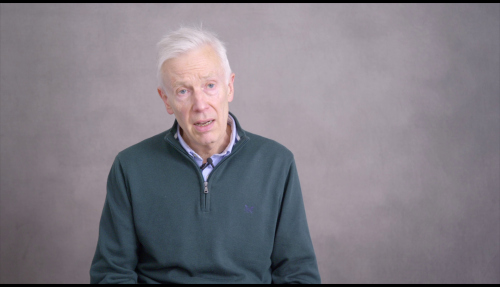
Nights of Cabiria. Against the Law gets two pieces, both
recorded in June 2026 and evidently added later in the set's assembly:
Stephen Gundle (Mussolini's
Ghost: The Afterlife of a Dictator,) whose scholarship on
Italian stardom and glamour makes him close to the ideal choice,
explores Calzavara's film across 20 minutes, and
Manuela Lazic profiles Mastroianni for a shade longer - appropriate, given
this is his first leading role and, unusually for the period, one in
which he speaks with his own voice. Four Ways Out is the
best-served critically, with Imogen Sara Smith (In
Lonely Places: Film Noir Beyond the City) examining the film and
Germi's work for about 25 minutes and
Mario Sesti delivering a critical assessment at just over
20-minuts, plus the
alternate English-language cut, which is the most interesting archival
inclusion in the box for anyone curious about how Italian pictures were
re-tailored for export. The package is completed by a bound 80-page book
with new essays by Roberto Curti (Italian
Gothic Horror Films, 1957-1969,)
Pasquale
Iannone,
Beatrice
Loayza and Farran Smith Nehme (Missing
Reels) alongside archival material - Curti in particular being
the obvious authority, given his filmographies of Italian crime cinema.
Limited to 3,000 units, each film housed in its own full-height Scanavo
case with reversible sleeve and removable obi strip, in a slipbox. One
small warning: a good deal of retail copy circulating for this set,
including Radiance's own product page, credits Against the Law to
Pietro Germi. It is directed by Flavio Calzavara; Germi was one of its
screenwriters.
Taken together, these three films occupy a seam in Italian cinema that
criticism spent decades pretending wasn't there. The canonical account
of the postwar decade runs Rossellini to De Sica to Visconti, with
neorealism as a moral project; what it tends to leave out is that the
same crews, the same rubble-strewn streets and often the same producers
were simultaneously turning out crime pictures for a paying audience.
The Bandit, Contro la legge and La città si difende
are that other cinema - commercial genre work made by serious people,
using neorealism's tools without accepting its vow of poverty. Lattuada
was explicit about the double impulse behind his film: the collective
drive toward truth that would harden into the neorealist canon, and a
private appetite for the international cinema Fascism had kept out of
Italian theaters. With the embargo lifted, Warner gangster pictures and
the first wave of American
noir arrived all at once, and The Bandit answers them
directly - Nazzari's Ernesto is a Scarface figure rebuilt on
Italian ground, and the film's own contemporaries said so. Six years
later Germi, the most Americanized of the major Italian directors, is
working from the same library, but with the confidence of someone who no
longer regards it as borrowing. What binds the three at the level of
story is that none of them is about criminals. All three are about the
crossing point - the hour in which an ordinary man becomes one - and in
each case the motive is arithmetic rather than appetite. This is the
strongest entry in Radiance's World Noir line to date on the
strength of its curatorial argument alone. Rather than assembling three
films that merely share a mood, the set traces a six-year movement in
Italian cinema - from Lattuada's operatic, rubble-strewn 1946 lament,
through Calzavara's brisk 1950 procedural, to Germi's stylized 1951
manhunt in which the state itself becomes the protagonist - and in doing
so restores a body of commercial crime filmmaking that the canonical
neorealist narrative has spent seventy years writing out. All three
arrive from 4K restorations off original negatives, all three are new to
home video outside Italy, and the supplementary program is intelligently
cast, with the Nazzari interviews and the English-language Four Ways
Out standing out as material that will not turn up elsewhere. It is
not a set of masterpieces: Il bandito is the only one with real claim to
greatness, and its register shifts are a genuine flaw, while Germi's
film is more beautiful than deep and Calzavara's is an efficient
programmer whose interest rests substantially on a young Mastroianni.
But as a piece of film history made available in respectable shape, it's
an easy recommendation - Region 'B' locked
Blu-rays, and worth the import for
anyone whose interest in the postwar Italian cinema extends past the
four or five titles everybody already owns. Strongly recommended. |
Individual Blu-ray cases
 |
 |
 |
Menus / Extras
 |
 |
 |
 |
 |
 |
 |
 |
 |
 |
 |
Blu-ray 2
 |
 |
 |
 |
 |
 |
 |
Blu-ray 3
 |
 |
 |
 |
 |
 |
 |
 |
 |
 |
 |

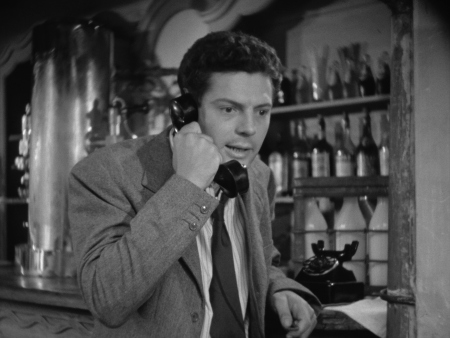
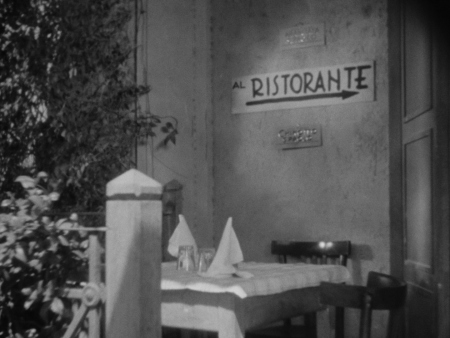
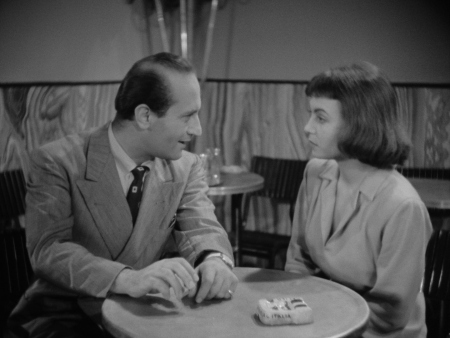
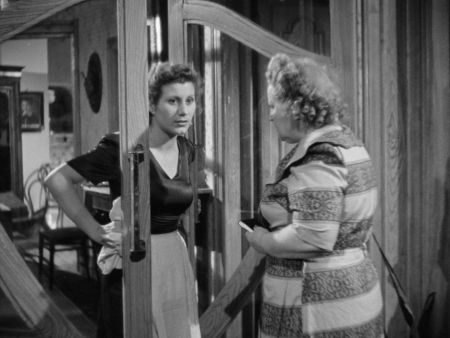
CLICK EACH BLU-RAY CAPTURE TO SEE ALL IMAGES IN FULL 1920X1080 RESOLUTION
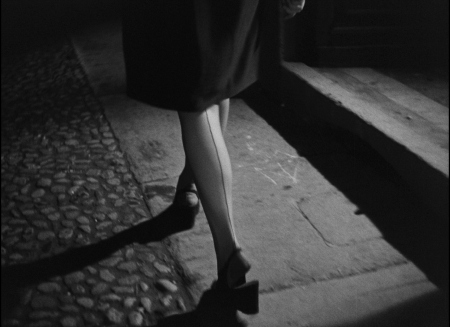
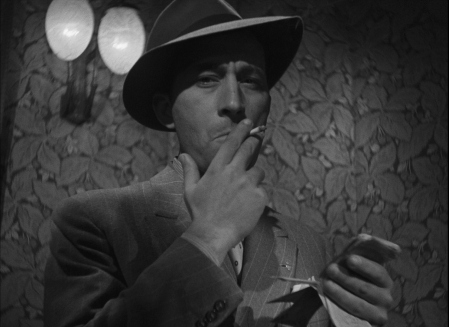
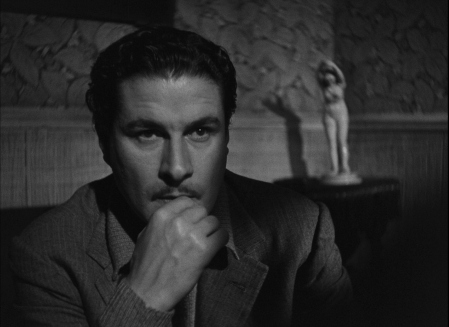
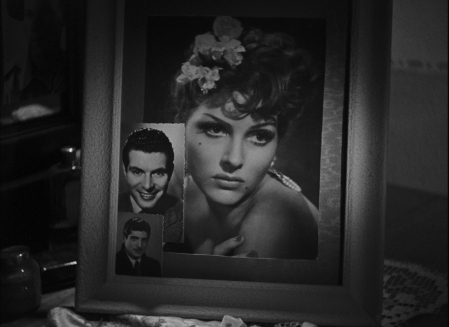
The Bandit (1946)
 |
 |
 |
 |
 |
 |
 |
 |
 |
 |
 |
 |
 |
 |
 |
More full resolution (1920 X 1080) Blu-ray Captures for DVDBeaver Patreon Supporters HERE
The Bandit (1946)
 |
 |
 |
 |
 |
 |
 |
 |
 |
 |
 |
 |
 |
 |
 |
 |
 |
 |
 |
 |
 |
 |
 |
 |
 |
 |
 |
 |
 |
 |
 |
 |
 |
 |
 |
 |
 |
 |
 |
 |
 |
 |
 |
 |
 |
 |
 |
 |
 |
 |
 |
 |
 |
Against the Law (1950)
 |
 |
 |
 |
 |
 |
 |
 |
 |
 |
 |
 |
 |
 |
 |
 |
 |
 |
 |
 |
 |
 |
 |
 |
 |
 |
 |
 |
 |
 |
 |
 |
 |
Four Ways Out (1951)
 |
 |
 |
 |
 |
 |
 |
 |
 |
 |
 |
 |
 |
 |
 |
 |
 |
 |
 |
 |
 |
 |
 |
 |
 |
 |
 |
 |
 |
 |
 |
 |
 |
 |
 |
 |
 |
 |
 |
 |
 |
 |
 |
 |
 |
 |
 |
 |
 |
 |
 |
 |
 |
 |
 |
 |
 |
 |
 |
 |
 |
 |
 |
| Box Cover |
|
CLICK to order from:
BONUS CAPTURES:
|
| Distribution | Radiance - Region 'B' - Blu-ray | |
|
Search DVDBeaver |
S E A R C H D V D B e a v e r |


















CLICK PayPal logo to donate!
|
Gary Tooze
|
|
Thank You!
