An enormous, sincere thank you to our phenomenal Patreon supporters! Your unshakable dedication is the bedrock that keeps DVDBeaver going - we’d be lost without you. Did you know? Our patrons include a director, writer, editor, and producer with honors like Academy Awards for Best Picture and Best Director, a Pulitzer Prize-winning screenwriter, and a Golden Globe-winning filmmaker, to name a few!

Sadly, DVDBeaver has reached a breaking point where our existence hangs in the balance. We’re now reaching out to YOU with a plea for help.

Please consider pitching in just a few dollars a month - think of it as the price of a coffee or some spare change - to keep us bringing you in-depth reviews, current calendar updates, and detailed comparisons.
I’m am indebted to your generosity!


Search DVDBeaver

S E A R C H    D V D B e a v e r

Directed by John Boorman
USA 1967


Director John Boorman brought the gangster drama into new realms of modernist abstraction with this stylized revenge thriller, which transforms hard-edged pulp into a kaleidoscopic psychological puzzle. Lee Marvin is iconically cool as the enigmatic Walker, who, after he’s betrayed and left for dead by his best friend during a robbery, embarks on a brutal quest for vengeance, aided by a jaded ex-moll (a sensational Angie Dickinson) who has her own complex motives for helping him. Capturing Los Angeles locales with a surreal pop-art eye, Boorman locates the existential dread lurking beneath the city’s sunlit surface.

***

John Boorman's Point Blank (1967) is a groundbreaking neo-noir crime thriller that follows the implacable Walker (Lee Marvin), a professional criminal double-crossed and left for dead after a heist on Alcatraz by his partner Mal Reese and his own wife. Miraculously surviving, Walker embarks on a relentless quest through a cold, modernist Los Angeles to reclaim the mere $93,000 owed to him by a shadowy crime syndicate known as "the Organization," methodically eliminating obstacles with brute force and minimal dialogue. Boorman's stylish direction—his first American feature—blends hardboiled American pulp (adapted from Donald E. Westlake's novel The Hunter) with British precision and French New Wave influences, employing fragmented timelines, elliptical editing, vivid color palettes, and a dreamlike, almost surreal atmosphere that blurs reality and possibly even suggests Walker's vengeful odyssey is the dying fantasy of a mortally wounded man.

Lee Marvin's towering, laconic performance as the unstoppable, almost mythic anti-hero anchors the film, while supporting turns from Angie Dickinson and others heighten the tension in this spare, violent, and visually innovative tale of revenge that feels both classically noir and strikingly modern.

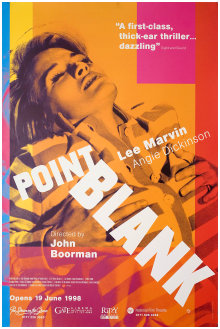
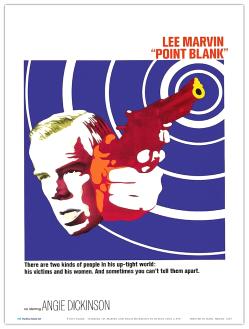
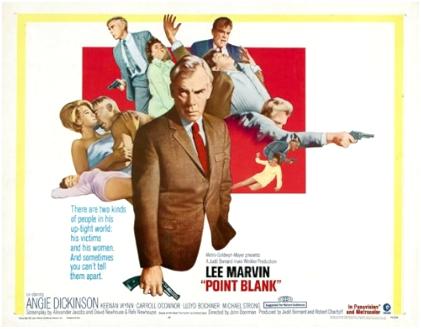
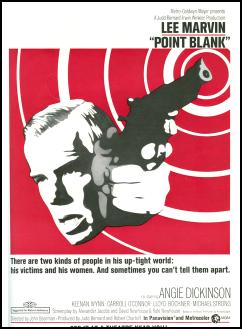
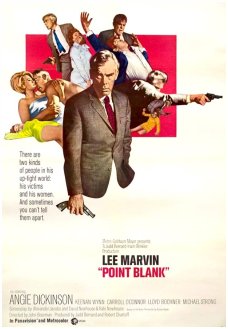
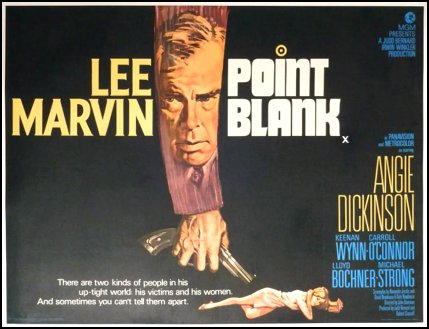
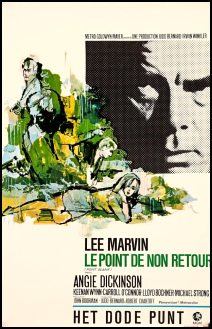
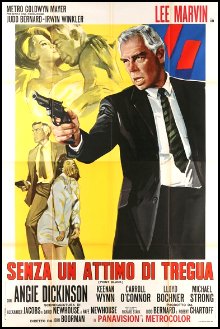
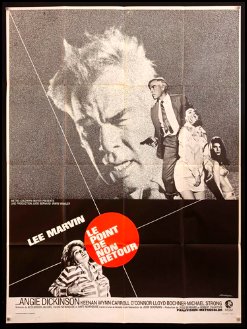
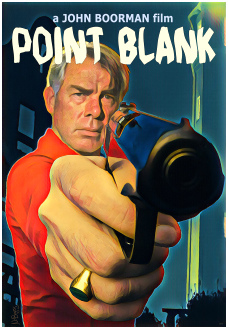
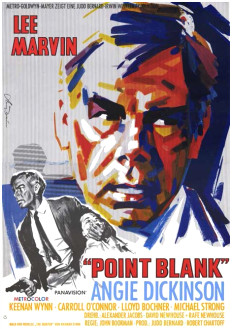
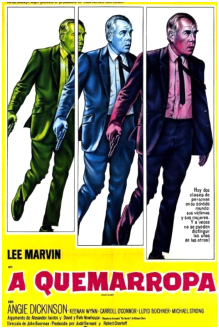
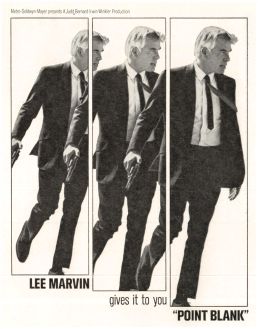
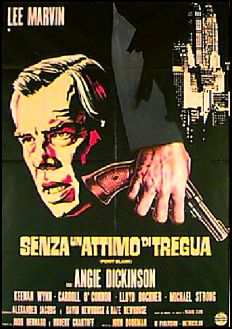
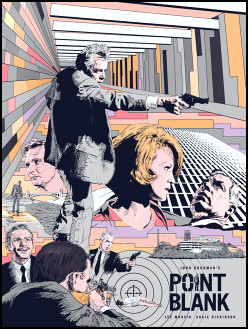
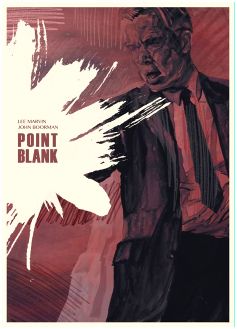
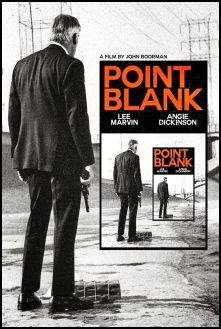
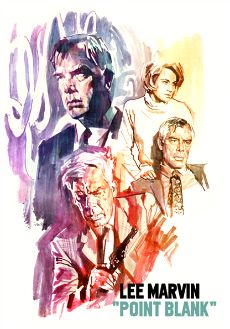
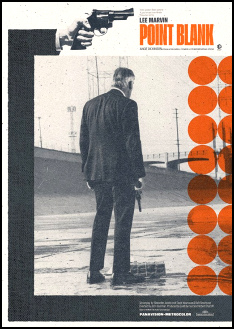
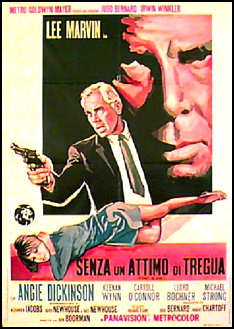
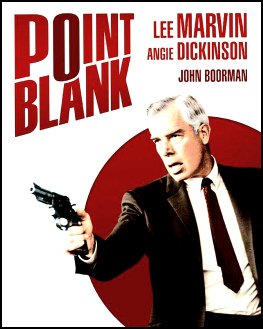
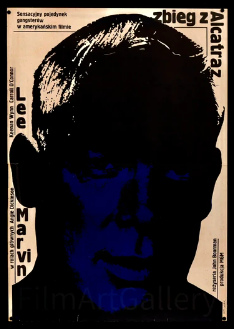
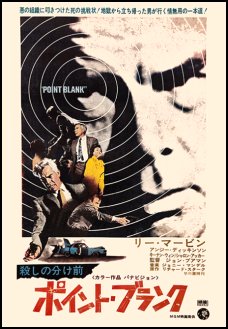
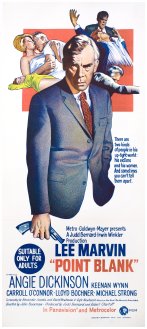
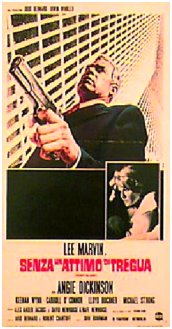
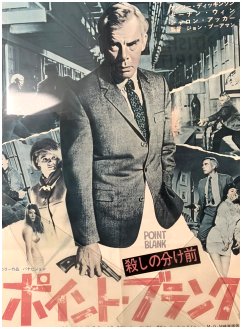
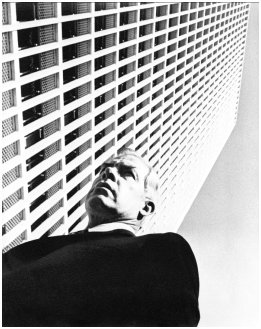
Posters

Theatrical Release: August 30th, 1967 (San Francisco, California, premiere)

 

Review: Criterion - Region FREE - 4K UHD

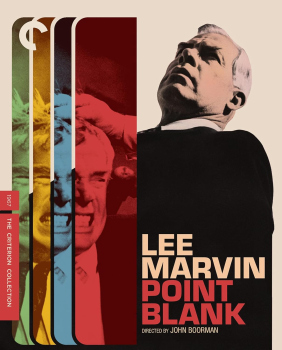
Box Cover

CLICK to order from:

4K UHD


Blu-ray


BONUS CAPTURES:

Distribution Criterion Spine #1306 - Region FREE - 4K UHD
Runtime 1:32:01.516        
Video

2.35:1 1080P Dual-layered Blu-ray

Disc Size: 45,948,691,180 bytes

Feature: 27,796,463,616 bytes

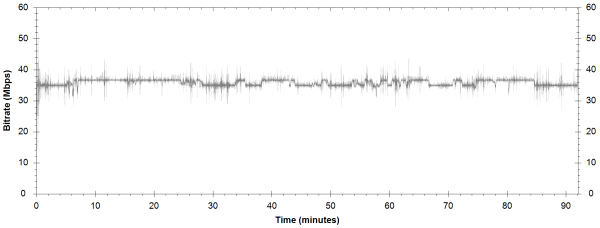
Video Bitrate: 35.84 Mbps

Codec: MPEG-4 AVC Video

2.35:1 2160P 4K UHD
Disc Size: 71,281,446,390 bytes
Feature: 69,764,928,960 bytes
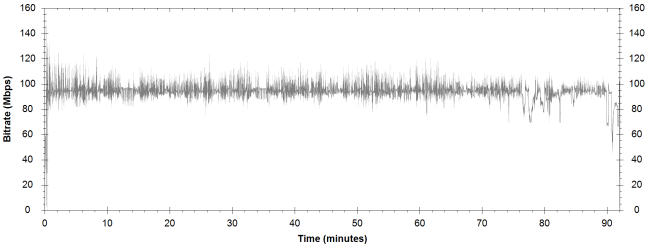
Video Bitrate: 93.97 Mbps
Codec: HEVC Video

NOTE: The Vertical axis represents the bits transferred per second. The Horizontal is the time in minutes.

Bitrate Blu-ray:

Bitrate 4K UHD:

Audio

LPCM Audio English 1152 kbps 1.0 / 48 kHz / 1152 kbps / 24-bit
Commentary:

Dolby Digital Audio English 192 kbps 1.0 / 48 kHz / 192 kbps / DN -31dB

Subtitles English (SDH), None
Features Release Information:
Studio:
Criterion


2.35:1 2160P 4K UHD
Disc Size: 71,281,446,390 bytes
Feature: 69,764,928,960 bytes
Video Bitrate: 93.97 Mbps
Codec: HEVC Video


Edition Details:

• Audio commentary featuring Boorman and filmmaker Steven Soderbergh
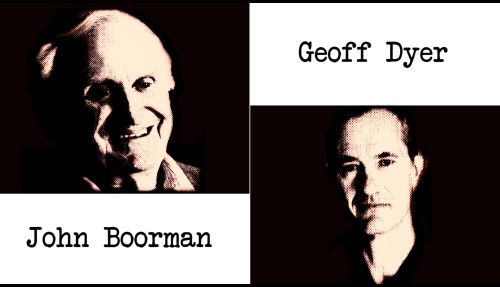
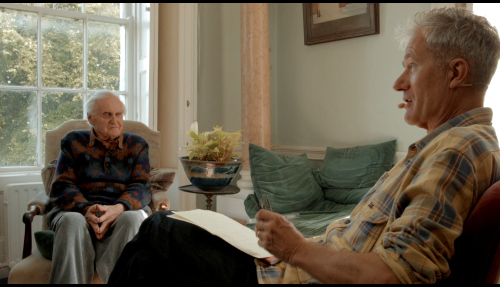
• Interview with Boorman conducted by author Geoff Dyer (41:25)
• New interview with critic Mark Harris (34:54)
• New reflections on Point Blank by filmmaker Jim Jarmusch (17:06)
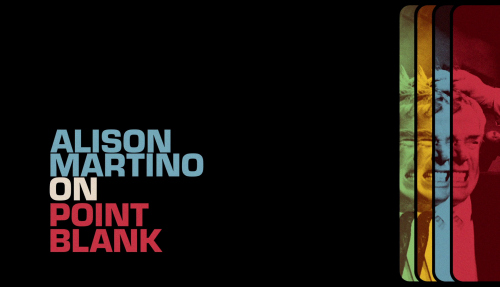
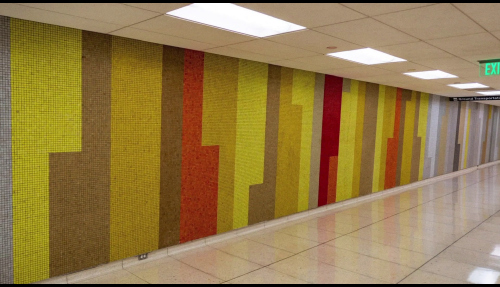
• New program on the midcentury Los Angeles architecture featured in the film, with historian Alison Martino (8:05)
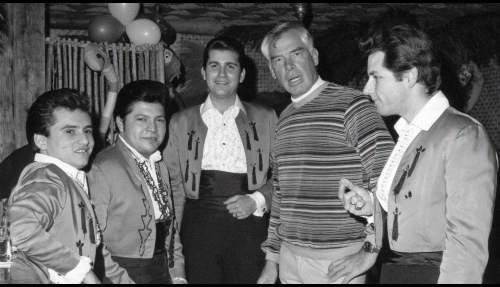
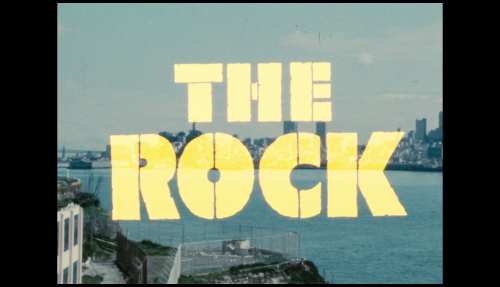
• The Rock (1967), a short documentary on Alcatraz and the making of the film (16:20)
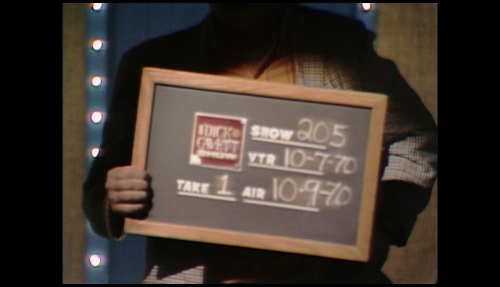
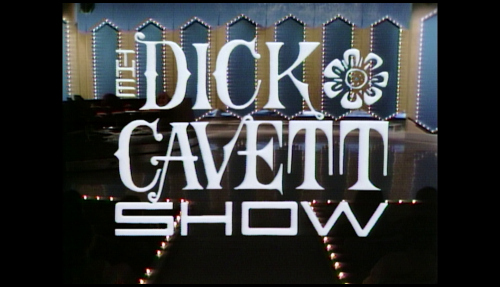
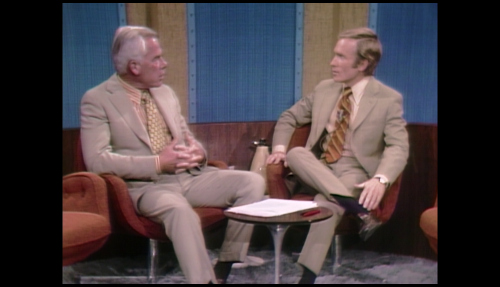
• Interview with Marvin from a 1970 episode of The Dick Cavett Show (22:27)
• Trailer (2:39)
PLUS: An essay by Dyer


4K UHD Release Date:
April 20th, 2026
Transparent 4K UHD Case

Chapters 11


Comments:

NOTE: The below Blu-ray and 4K UHD captures were taken directly from the respective disc.

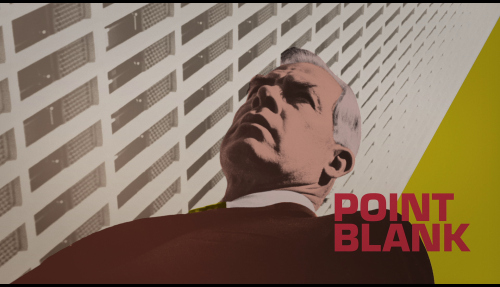
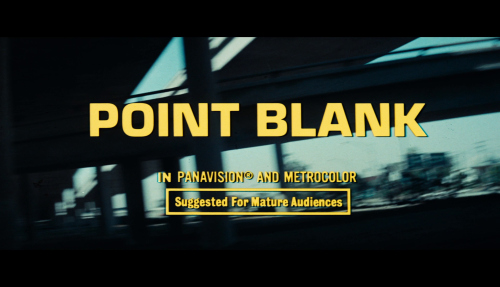
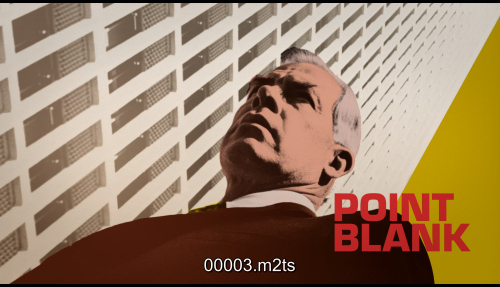
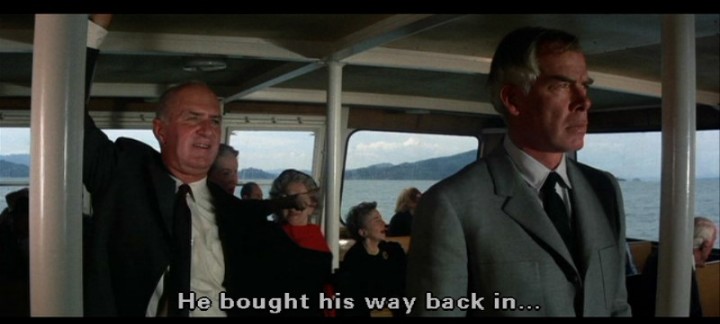
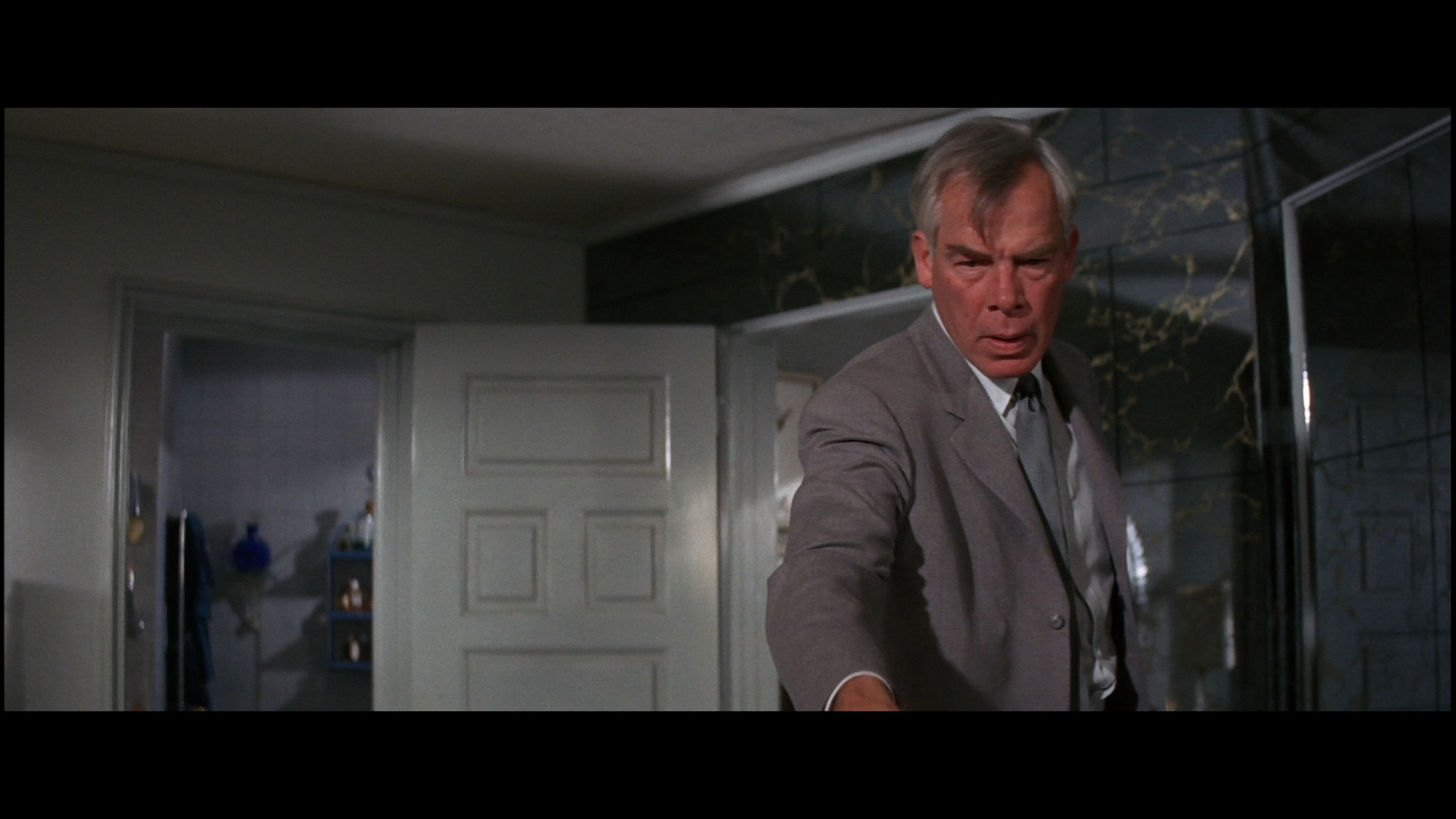
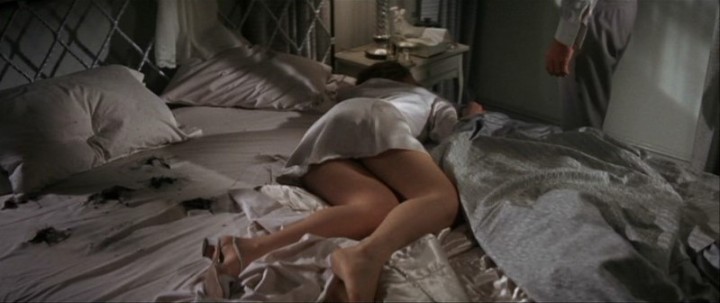
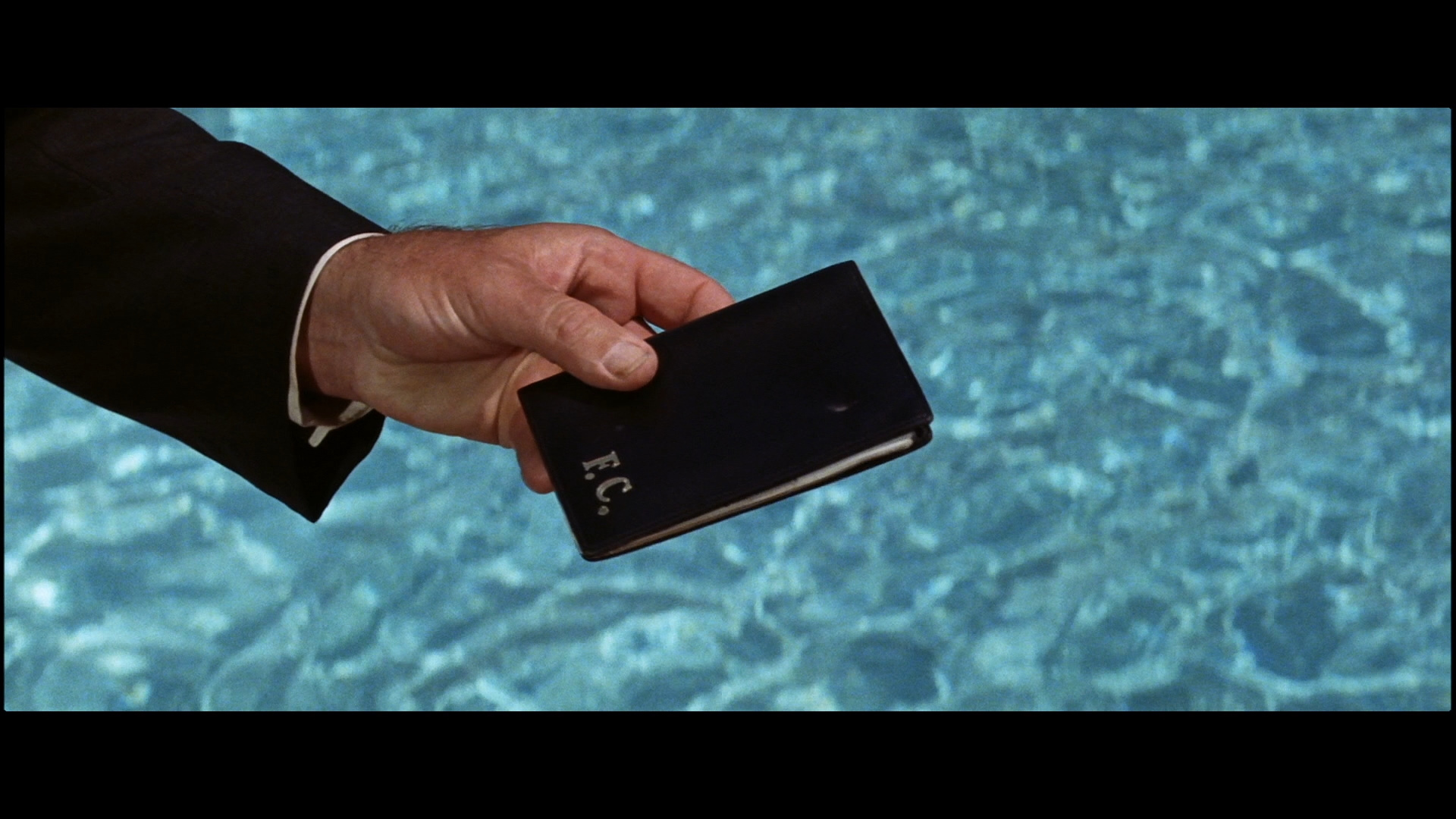
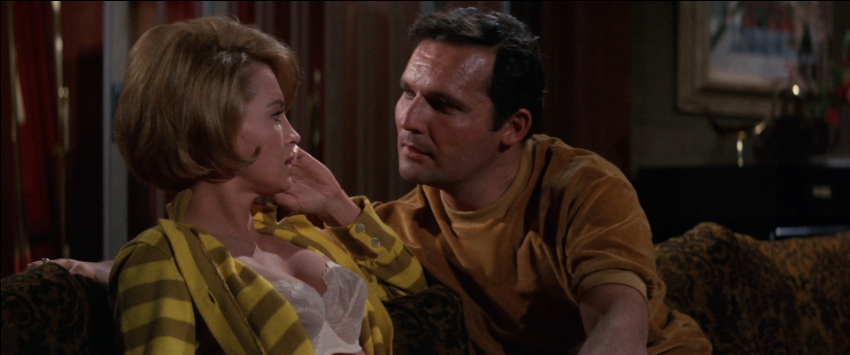
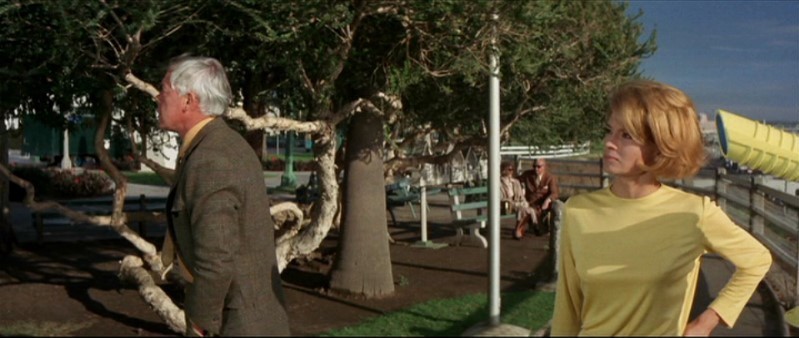
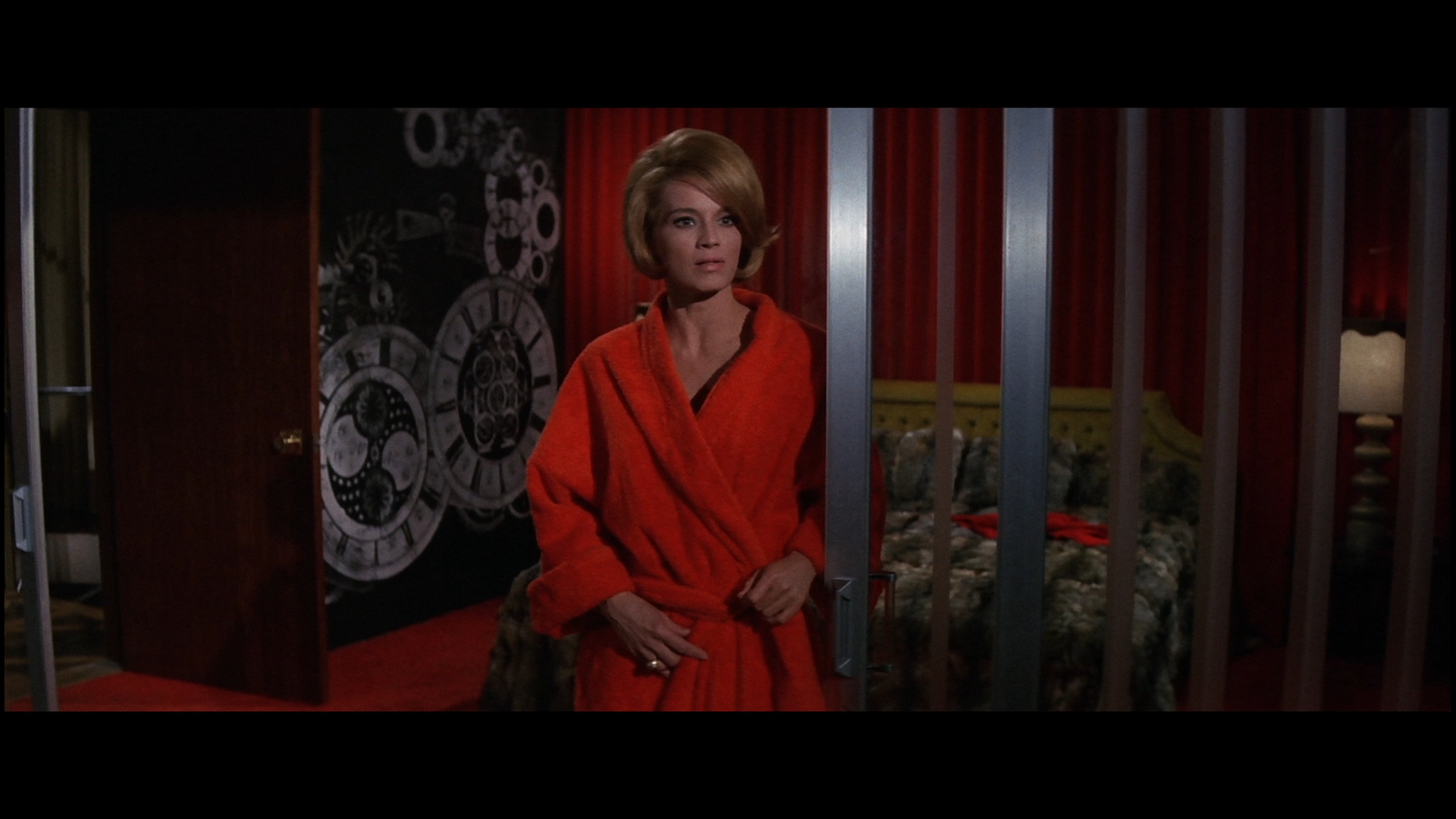
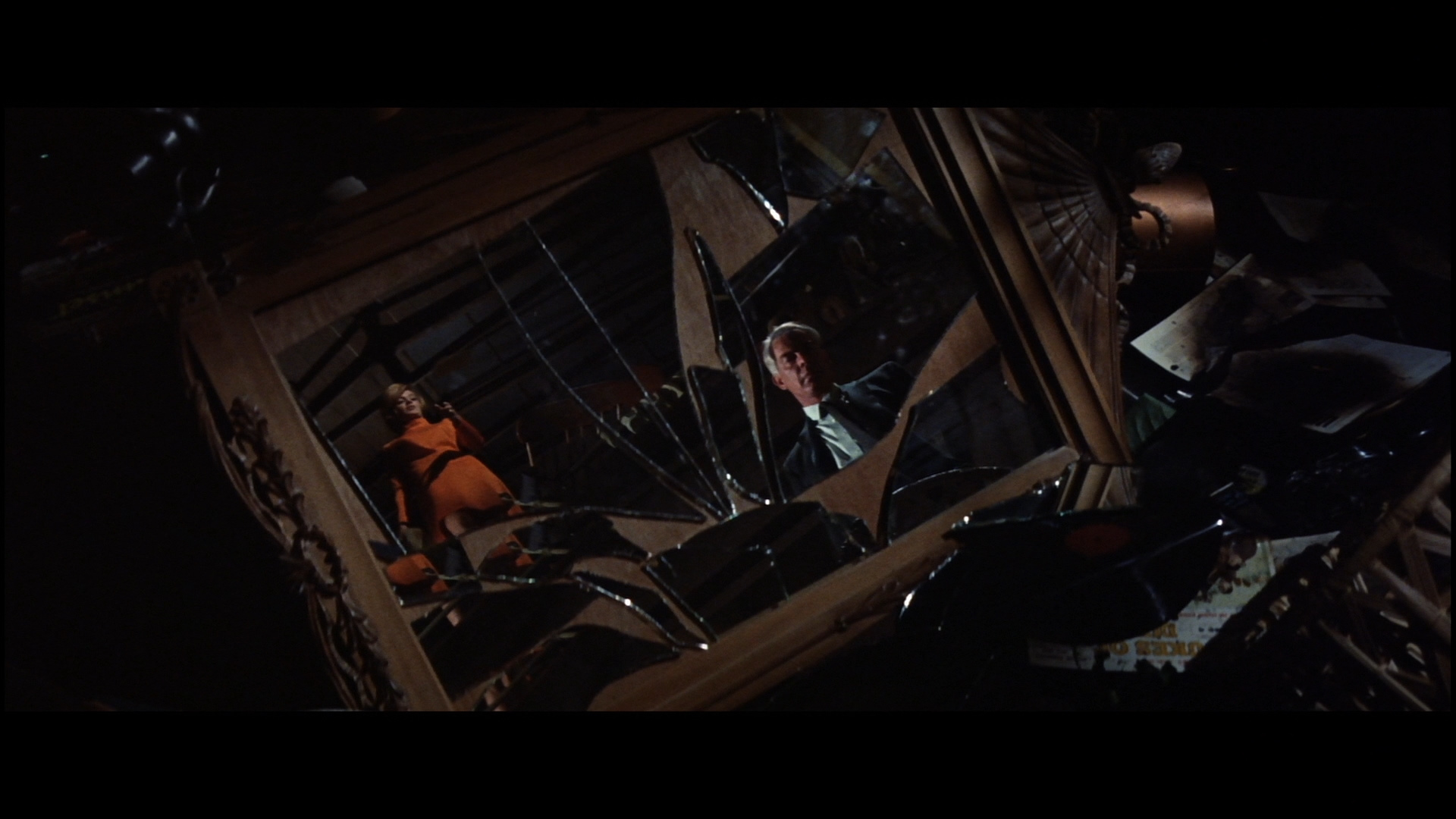
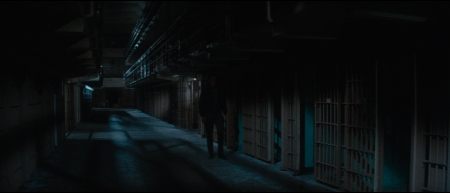
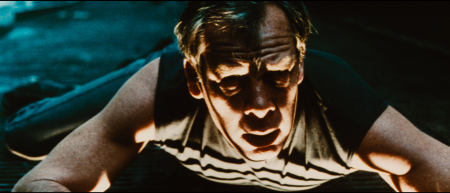
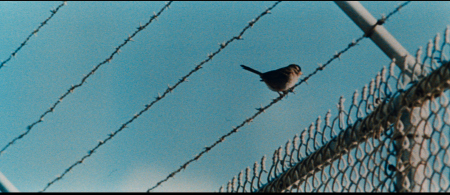
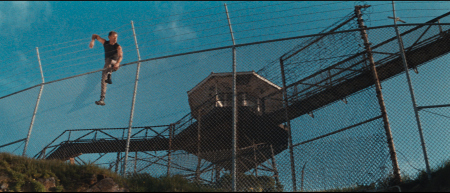
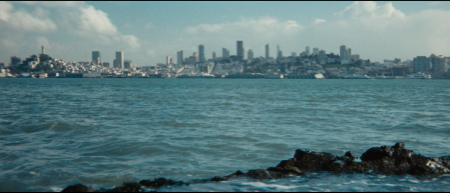
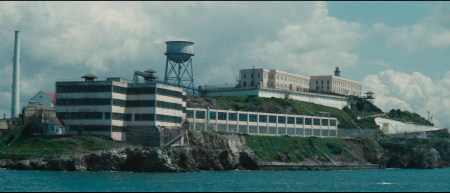
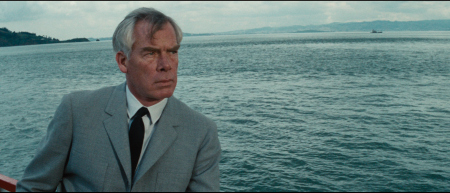
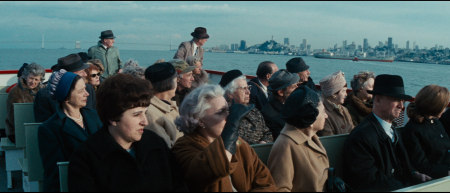
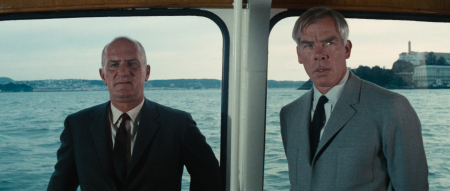
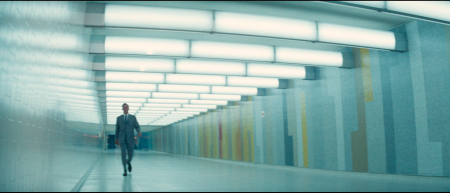
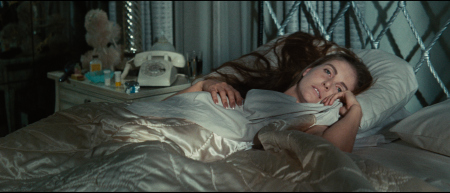
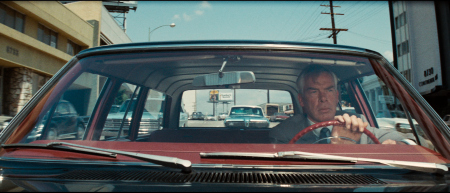
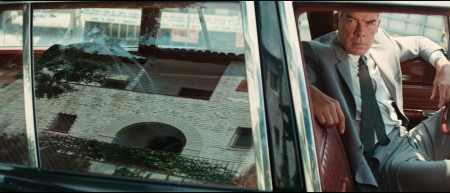
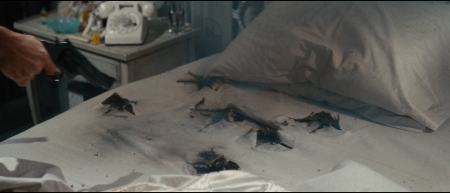
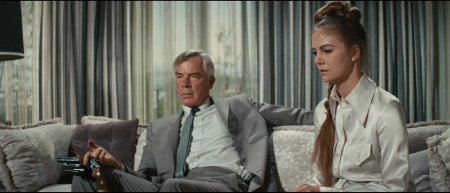
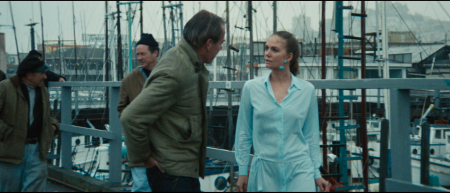
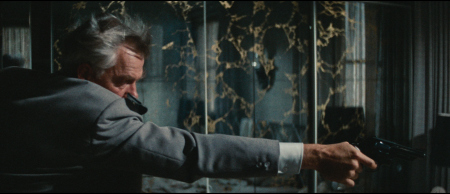
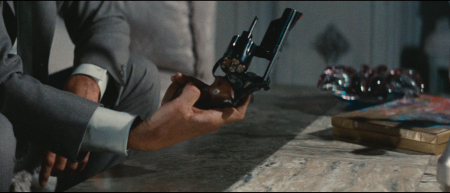
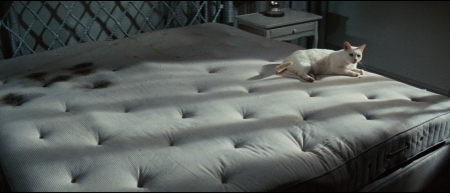
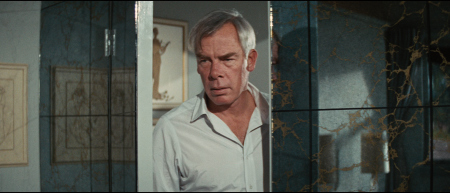
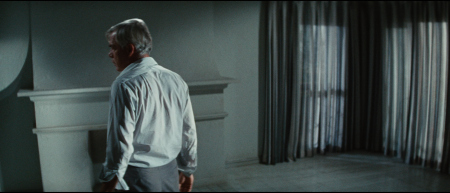
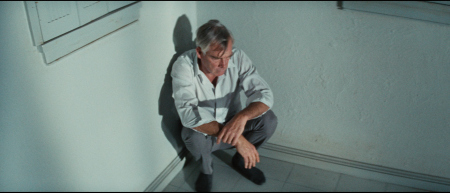
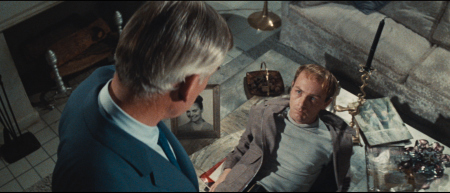
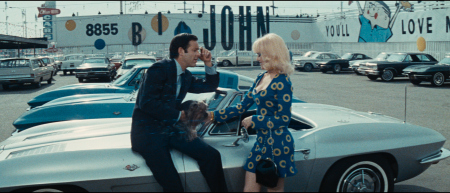
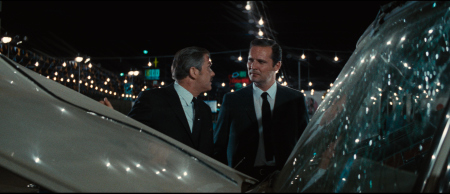
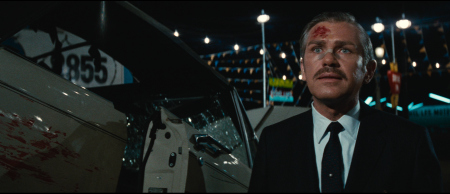
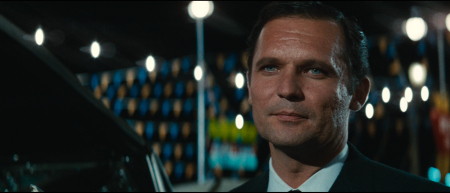
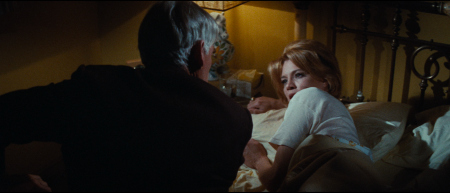
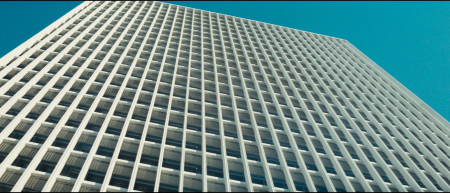
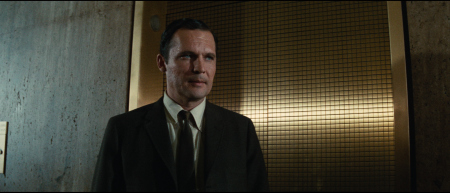
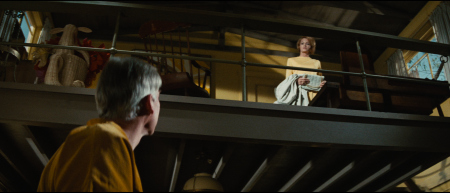
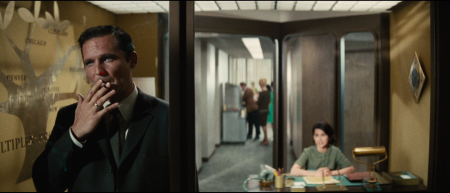
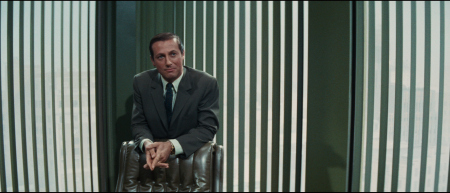
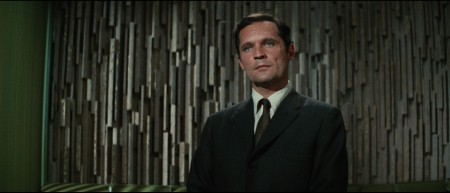
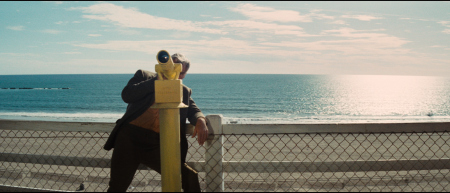
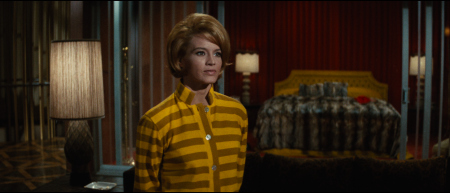
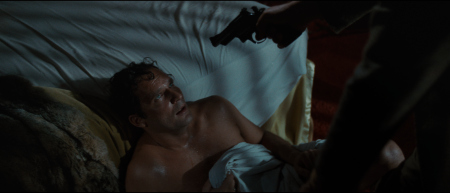
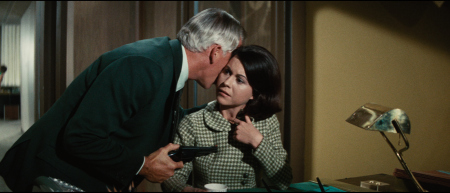
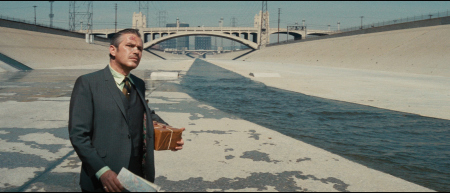
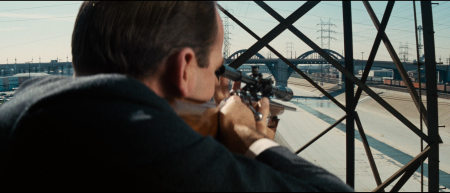
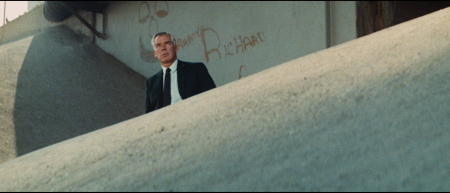
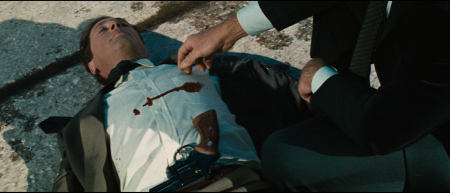
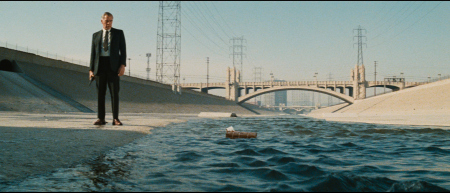
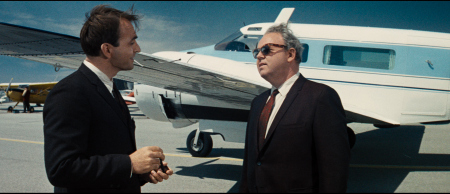
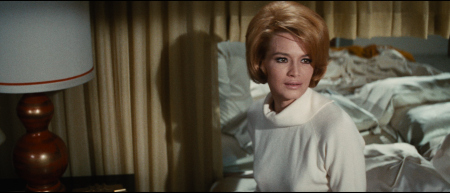
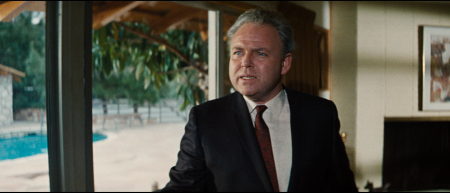
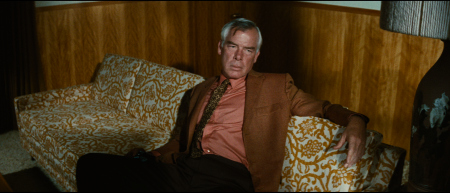
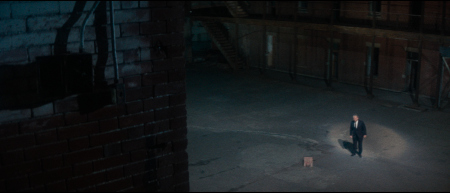
ADDITION: Criterion 4K UHD (April 2026): Criterion have transferred John Boorman’s Point Blank to Blu-ray and 4K UHD. It is cited as a "New 4K digital restoration, supervised and approved by director John Boorman" and "one 4K UHD disc of the film presented in Dolby Vision HDR and one Blu-ray with the film and special features". Unfortunately the Criterion has a noticeable teal-heavy color grade in many scenes. This is part of a long-running complaint about Criterion's modern 4K restorations, often called the "Criterion teal disease" or "teal push" in home video communities. Natural blues, greys, and even some skin tones or concrete surfaces in the film lean noticeably toward cyan/teal-green, which can make the image feel colder and more "modern/digital" than the warmer, more naturalistic (yet still stylized) look of earlier Warner Blu-ray or DVD releases. The new 4K digital restoration of Point Blank still delivers an upgrade over the single-layered 2015 Warner 1080P, reviewed HERE. This new rendering honors the film’s bold, color-coded modernist aesthetic if decidedly heavier on the blue. The Criterion is presented in the correct original 2.35:1 Panavision aspect ratio. However, compared to the older Warner releases (Blu-rays and DVDs), it can appear slightly tighter or cropped on the extreme left and right edges in a few shots. This is common when going from older masters (which sometimes used slight overscan protection or different framing choices) to a new 4K scan from the best surviving elements. The difference is usually minor, but on a large screen or when doing side-by-side comparisons, you may notice a bit less information visible on the sides. Presented with a conservative pass of Dolby Vision HDR (and HDR10 compatibility), the transfer showcases exceptional depth of field from the 40mm Panavision lens, tighter concrete architecture, and vibrant yet controlled color shifts - including greys in the Alcatraz sequences to warm avocados, oranges, and reds as Walker moves deeper into the Organization. Fine detail in textures (Lee Marvin’s weathered face, fabric weaves, and brutalist surfaces) is markedly improved, grain is natural and film-like, and black levels are deep without crushing the intentional low-key lighting. Low-key lighting, precise compositions, and an emphasis on geometric lines and empty modernist interiors heighten the sense of existential isolation; violence itself is rendered with a detached, almost balletic precision - slow-motion gunshots emphasizing physical recoil rather than gratuitous gore. The HDR adds subtle but effective impressions to highlights and saturations without altering Boorman’s deliberate stylistic choices, making this a unique presentation of the film’s dreamlike, geometric visual style. Dark blue suits turn light-blue and Angie's orange bathrobe turned deep red. It still works cinematically well, but color timing is the most divisive aspect of this restoration, however I found that once noticed I never felt it hindered my viewing experience. As a solace - the 4K UHD seems marginally less teal-infused than the Criterion Blu-ray, but sensitive viewers may still notice.

It is likely that the monitor you are seeing this review is not an HDR-compatible display (High Dynamic Range) or Dolby Vision, where each pixel can be assigned with a wider and notably granular range of color and light. Our capture software if simulating the HDR (in a uniform manner) for standard monitors. This should make it easier for us to review more 4K UHD titles in the future and give you a decent idea of its attributes on your system. So our captures may not support the exact same colors (coolness of skin tones, brighter or darker hues etc.) as the 4K system at your home. But the framing, detail, grain texture support etc. are, generally, not effected by this simulation representation.

NOTE: We have added 50 more large resolution 4K UHD captures (in lossless PNG format) for DVDBeaver Patrons HERE

The set includes the film’s original mono via an uncompressed linear PCM soundtrack, in the original English language, on both the Blu-ray and 4K UHD discs. This is the definitive way to hear Point Blank, as the movie was always conceived and mixed in mono. Walker’s heavy, rhythmic footsteps thunder with hypnotic physicality, sparse dialogue stays crisp and intelligible, and Johnny Mandel’s (The Man Who Had Power Over Women, I Want To Live, That Cold Day in the Park, Pretty Poison, Deathtrap, M*A*S*H, Heaven with a Gun,) eerie, dissonant score (alto flutes, percussive elements, and chromatic textures) cuts through cleanly. "Mighty Good Times" is the only prominent diegetic source music track in the film, performed live by The Stu Gardner Trio with lead vocals and composition by Stu Gardner himself. The song plays during a key sequence set in a swinging, psychedelic 1967 Los Angeles nightclub called 'The Movie House'. The sound design’s surreal quality - where diegetic elements sometimes override or sync with the music - retains its full impact without artificial expansion or modern remixing. Sound frequently detaches from its source (acousmatic techniques), blurring reality and subjectivity in ways that echo the film’s temporal fragmentation and possible dream/fantasy reading. Overall the uncompressed sound quality is flawless. Criterion offer optional English (SDH) subtitles on their Region 'A' Blu-ray and Region FREE 4K UHD.

Criterion's 4K UHD package offers a rich, thoughtful, and director-centric supplemental package that significantly expands on the old Warner disc. The cornerstone is the audio commentary, on both Blu-ray and 4K UHD, featuring John Boorman and Steven Soderbergh (carried over from the Warner but still highly insightful,) in which the two directors discuss the film’s stylistic risks, New Wave influences, production battles, and its place in Boorman’s career; Soderbergh openly admits to borrowing visual and rhythmic ideas for films like The Limey. There is a lot of newly produced content, available on the second disc Blu-ray, that adds substantial depth starting with a 40-minute interview with Boorman conducted by author Geoff Dyer (Zona: A Book About a Film About a Journey to a Room,) offering reflective, wide-ranging conversation on the film’s themes, Lee Marvin’s performance, and its ambiguous dream-like quality. There is a 34-minute new interview with critic Mark Harris (Pictures at a Revolution: Five Movies and the Birth of the New Hollywood,) who places Point Blank in the context of 1967 cinema and its influence on New Hollywood. Additionally - 17-minutes of new reflections on the film by filmmaker Jim Jarmusch (Ghost Dog: The Way of the Samurai,) providing a personal, poetic appreciation of its modernist abstraction and existential undertones. Plus there is an excellent 8-minute new program on the midcentury Los Angeles architecture featured in the film, hosted by historian Alison Martino, which explores how the brutalist buildings and sterile spaces function as characters and reinforce the movie’s themes of alienation. Included are some archival material; The Rock (1967), is a 1/4 hour short documentary on Alcatraz that doubles as a making-of piece for Point Blank plus a 22-minute 1970 interview with Lee Marvin from The Dick Cavett Show, capturing the actor at the height of his stardom and offering candid insights into his approach to the role. Lastly on the Blu-ray disc is the original theatrical trailer. The package also includes a liner notes booklet featuring a new essay by Geoff Dyer. Overall making this one of the most well-rounded Criterion releases for a 1960s cult classic.

John Boorman’s Point Blank stands as a seminal neo-noir that fuses hardboiled American pulp with European modernist sensibilities, transforming a straightforward revenge tale into a haunting, elliptical meditation on alienation, memory, and the blurred line between reality and fantasy. Adapted from Donald E. Westlake's novel The Hunter (under his Richard Stark pseudonym), the film follows Walker (Lee Marvin - The Big Red One, Shout at the Devil, The Iceman Cometh, Emperor of the North, Prime Cut, Monte Walsh, Sergeant Ryker, The Dirty Dozen, The Professionals, Ship of Fools, Cat Ballou, The Killers, Donovan's Reef, The Man Who Shot Liberty Valance, The Comancheros, Attack, 7 Men from Now, Shack Out on 101, I Died a Thousand Times, Pete Kelly's Blues, Not as a Stranger, Violent Saturday, Bad Day at Black Rock, The Caine Mutiny, The Wild One, Gun Fury, The Big Heat,) a taciturn criminal double-crossed by his partner Reese (John Vernon - Blue Monkey, Chained Heat, Heavy Metal, The Outlaw Josey Wales, The Invisible Man (1975 TV Series), Brannigan, Kung Fu (1972), The Black Windmill, The Questor Tapes, The Six Million Dollar Man, Charley Varrick, Fear Is the Key, Mission: Impossible (1966 TV Series), Dirty Harry, Tell Them Willie Boy Is Here, Coronet Blue (1967 TV Series,) and wife Lynne (Sharon Acker - The First Time, Don't Let the Angels Fall, Happy Birthday to Me) during a heist on Alcatraz. Supporting turns amplify - Angie Dickinson's (Death Hunt, Dressed to Kill, Police Woman, Big Bad Mama, Pray for the Wildcats, The Norliss Tapes, Cast a Giant Shadow, The Chase, The Fugitive (1963 TV Series,) The Killers, Rio Bravo, Northwest Passage, Cry Terror!, Perry Mason (1957 TV Series,) China Gate, Man with the Gun,) glossy toughness as Chris, Keenan Wynn's (Piranha, Orca, Kolchak: The Night Stalker, The Internecine Project, The Mechanic, Once Upon a Time in the West, The Night of the Grizzly, The Americanization of Emily, Dr. Strangelove or: How I Learned to Stop Worrying and Love the Bomb, Naked City (1958 TV Series,) A Time to Love and a Time to Die, Touch of Evil, Shack Out on 101,) weary syndicate fixer Yost, and Carroll O'Connor's (All in the Family, Death of a Gunfighter, Warning Shot, The Devil's Brigade, Lonely Are the Brave, The Time Tunnel TV Series, Cleopatra, The Defiant Ones) blustering kingpin Brewster - yet they orbit Walker's unyielding center, their modernist homes and offices becoming instruments of horror (speakers blaring, appliances turned weapons). Boorman's (Excalibur, Deliverance, Zardoz, Hell in the Pacific, Hope and Glory) direction, his first American feature after the British Catch Us If You Can, infuses the material with a dreamlike disorientation that elevates it beyond genre conventions, making Point Blank a bridge between classical noir and the emerging New Hollywood. At the heart of the film's innovation is its fractured narrative and stylistic experimentation, heavily indebted to the French New Wave - particularly Alain Resnais's temporal puzzles in Last Year at Marienbad - and Italian color experiments like Antonioni's Red Desert. Boorman and cinematographer Philip H. Lathrop (The Killer Elite, Hard Times, The Prisoner of Second Avenue, Earthquake, Airport 1975, They Shoot Horses, Don't They?, The Gypsy Moths, The Illustrated Man, The Cincinnati Kid, The Americanization of Emily, Soldier in the Rain, Days of Wine and Roses, Lonely Are the Brave, Experiment in Terror, Breakfast at Tiffany's) employed a 40mm Panavision lens for deep focus, allowing backgrounds to intrude on foreground action. The chromatic progression mirrors a shift from cold vengeance to something more spectral. Editing is elliptical and rhythmic, with jump cuts, repeated motifs (gestures triggering Proustian flashbacks), and abrupt violence that feels both visceral and detached. Ultimately, Point Blank endures not for its spare plot but for Boorman's visionary synthesis: American genre muscle filtered through British precision and French abstraction, yielding a film that feels both timelessly noir and strikingly prescient. It invites repeated viewings to unpack its rhythms, colors, and ambiguities, revealing layers of dream, memory, and myth. In Walker's implacable quest, Boorman captures the era's disillusionment - the dying dream of the American tough guy in a world of impersonal systems - cementing the film as a towering, underappreciated landmark of 1960s cinema. Criterion’s director-approved 4K UHD + Blu-ray edition of Point Blank is a definitive home-video presentation that does full justice to one of the most stylistically daring American films of the late 1960s. The restoration delivers hypnotic video that showcases Boorman’s geometrically precise vision in Dolby Vision HDR, while the uncompressed mono audio preserves the film’s unique, expressive sound design intact. The extras are particularly strong - headlined by the insightful Boorman / Soderbergh commentary and bolstered by new interviews with Boorman (via Geoff Dyer), Mark Harris, and Jim Jarmusch, plus the smart architecture piece and solid archival material - creating a package that deepens both casual viewing and serious study. With its striking new Jay Shaw cover art and Dyer essay, this set is essential for fans of neo-noir, New Hollywood, or pure cinematic style. All teal foibles aside this still gets a high recommendation for this influential revenge thriller.

Gary Tooze


Menus / Extras


Blu-ray


4K UHD


CLICK EACH BLU-RAY and 4K UHD CAPTURE TO SEE ALL IMAGES IN FULL RESOLUTION


1) Warner - Region 0 - NTSC TOP
2) Criterion - Region 'A' - Blu-ray - MIDDLE

3) Criterion - Region FREE - 4K UHD BOTTOM


1) Criterion - Region 'A' - Blu-ray -TOP
2)
Criterion - Region FREE - 4K UHD BOTTOM


1) Warner - Region FREE - Blu-ray TOP
2) Criterion - Region 'A' - Blu-ray - MIDDLE

3) Criterion - Region FREE - 4K UHD BOTTOM


1) Warner - Region FREE - Blu-ray TOP
2) Criterion - Region 'A' - Blu-ray - MIDDLE

3) Criterion - Region FREE - 4K UHD BOTTOM


1) Warner - Region 0 - NTSC TOP
2) Criterion - Region 'A' - Blu-ray - MIDDLE

3) Criterion - Region FREE - 4K UHD BOTTOM


1) Criterion - Region 'A' - Blu-ray -TOP
2)
Criterion - Region FREE - 4K UHD BOTTOM


1) Criterion - Region 'A' - Blu-ray -TOP
2)
Criterion - Region FREE - 4K UHD BOTTOM


1) Warner - Region FREE - Blu-ray TOP
2)
Criterion - Region FREE - 4K UHD BOTTOM


1) Warner - Region FREE - Blu-ray TOP
2) Criterion - Region 'A' - Blu-ray - MIDDLE

3) Criterion - Region FREE - 4K UHD BOTTOM


1) Warner - Region FREE - Blu-ray TOP
2)
Criterion - Region FREE - 4K UHD BOTTOM


1) Warner - Region 0 - NTSC TOP
2) Criterion - Region 'A' - Blu-ray - MIDDLE

3) Criterion - Region FREE - 4K UHD BOTTOM


1) Warner - Region FREE - Blu-ray TOP
2) Criterion - Region 'A' - Blu-ray - MIDDLE

3) Criterion - Region FREE - 4K UHD BOTTOM


1) Warner - Region FREE - Blu-ray TOP
2) Criterion - Region 'A' - Blu-ray - MIDDLE

3) Criterion - Region FREE - 4K UHD BOTTOM


More Criterion - Region FREE - 4K UHD Captures


More full resolution (3840 X 2160) 4K Ultra HD Captures for Patreon Supporters HERE


Box Cover

CLICK to order from:

4K UHD


Blu-ray


BONUS CAPTURES:

Distribution Criterion Spine #1306 - Region FREE - 4K UHD


Search DVDBeaver

S E A R C H    D V D B e a v e r


Hit Counter


DONATIONS Keep DVDBeaver alive:

 CLICK PayPal logo to donate!

Gary Tooze

Thank You!