|
An
enormous, sincere thank you to our phenomenal
Patreon
supporters! Your unshakable dedication is the bedrock that keeps DVDBeaver
going - we’d be lost without you. Did you know? Our patrons include a
director, writer, editor, and producer with honors like Academy Awards for
Best Picture and Best Director, a Pulitzer Prize-winning screenwriter, and a
Golden Globe-winning filmmaker, to name a few! Sadly, DVDBeaver has reached a breaking point where our existence hangs in the balance. We’re now reaching out to YOU with a plea for help. Please consider pitching in just a few dollars a month - think of it as the price of a coffee or some spare change - to keep us bringing you in-depth reviews, current calendar updates, and detailed comparisons. I’m am indebted to your generosity!
|






|
Search DVDBeaver |
S E A R C H D V D B e a v e r |

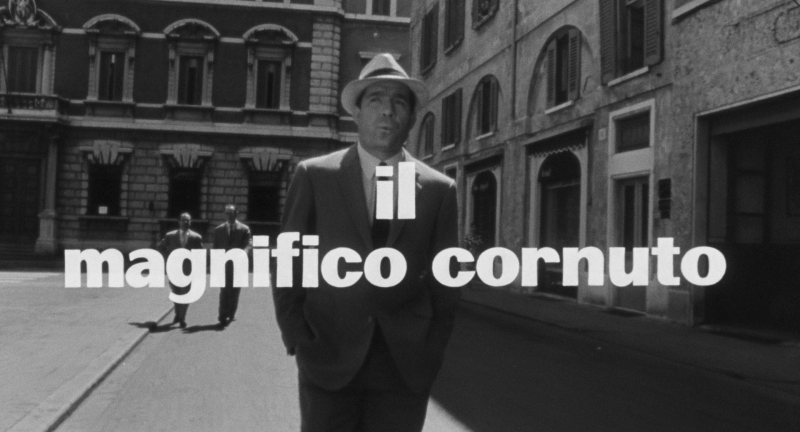
(aka "Il magnifico cornuto" or "The Magnificent Cuckold")
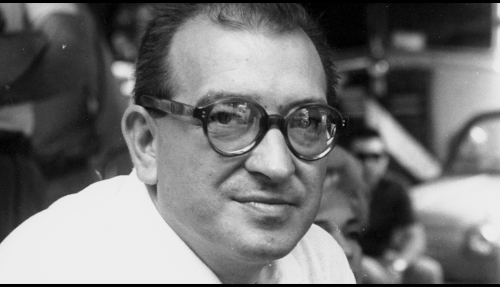
Directed by Antonio Pietrangeli
Italy
1964
|
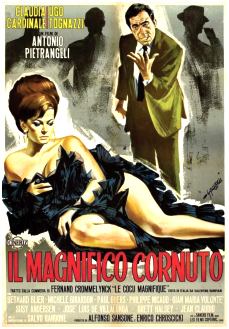
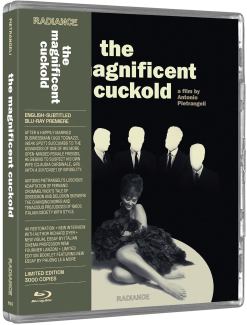
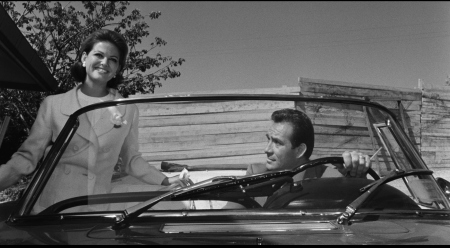
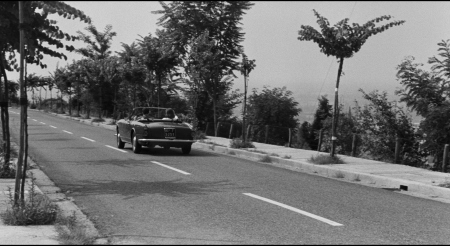
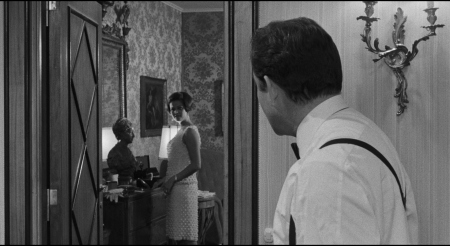
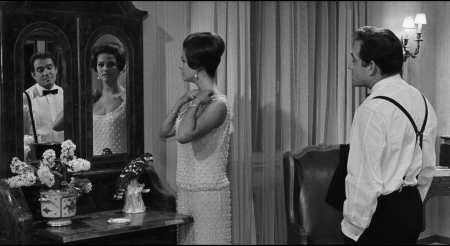
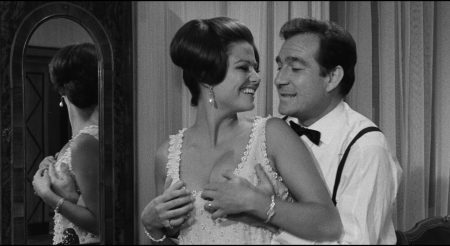
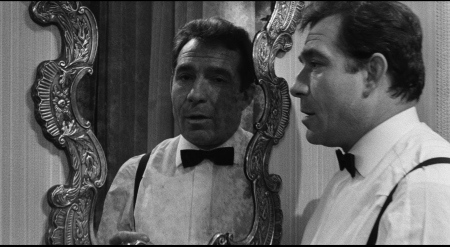
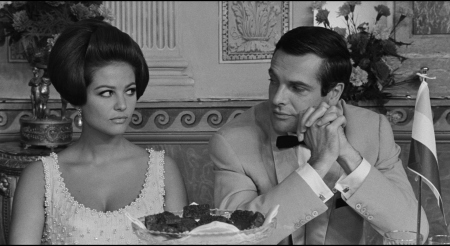
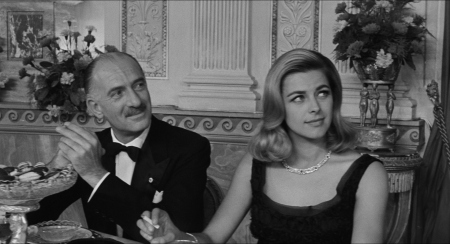
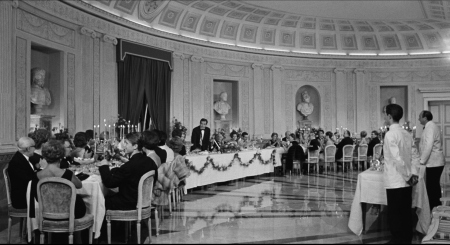
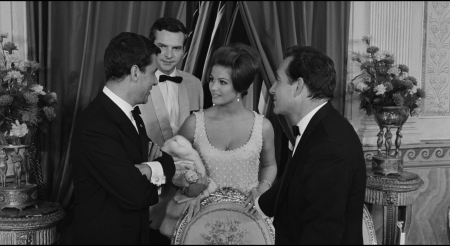
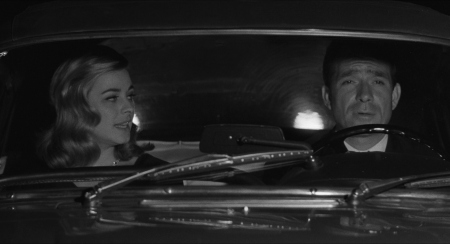
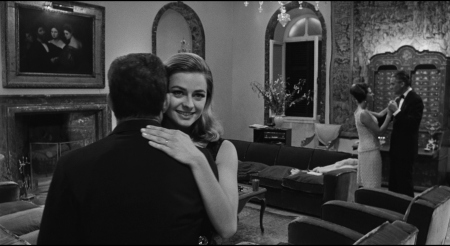
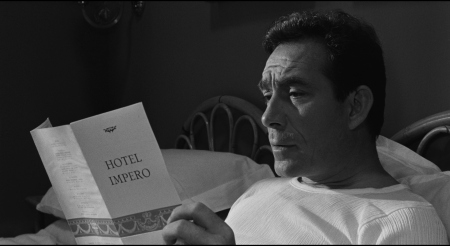
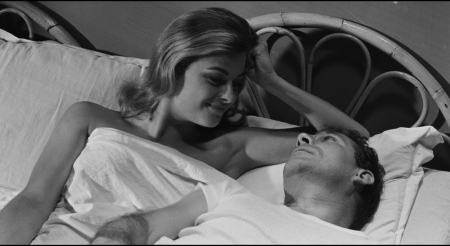
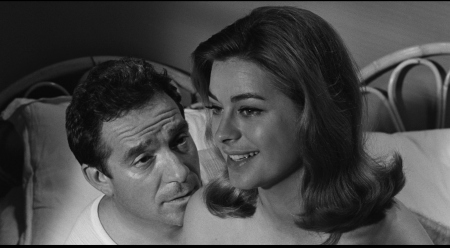
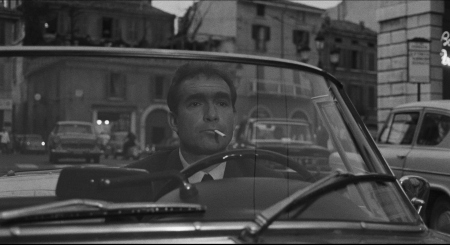
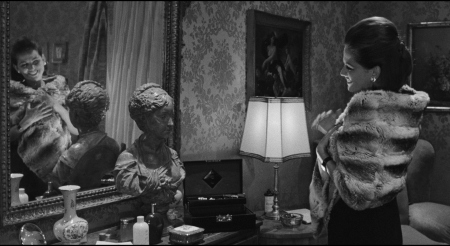
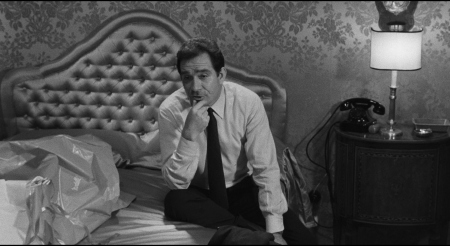
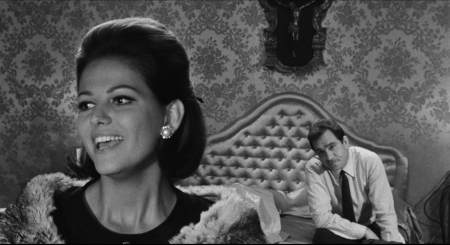
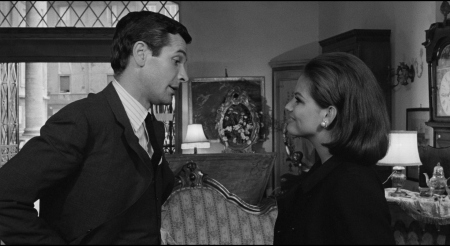
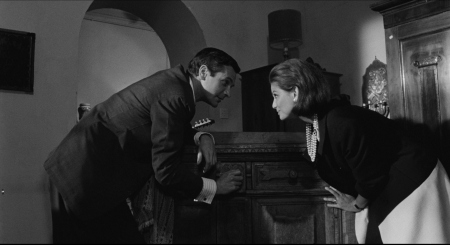
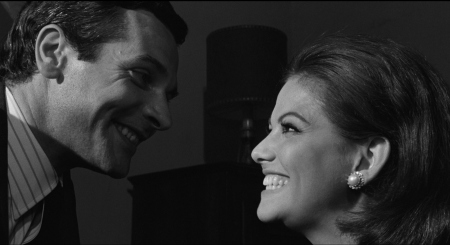
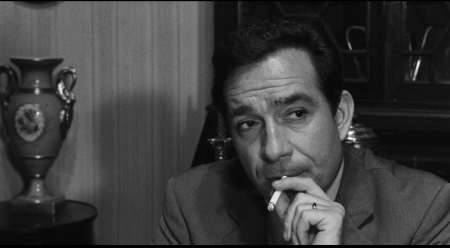
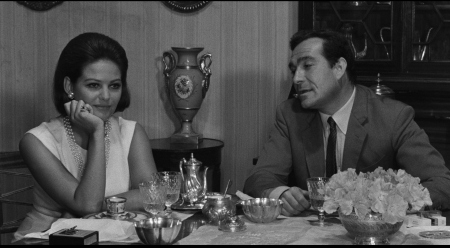
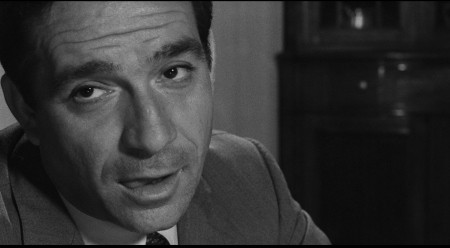
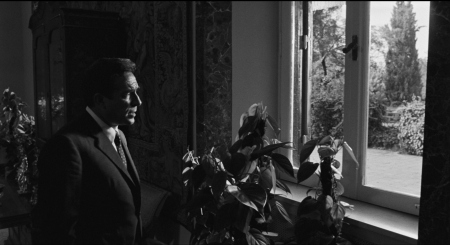
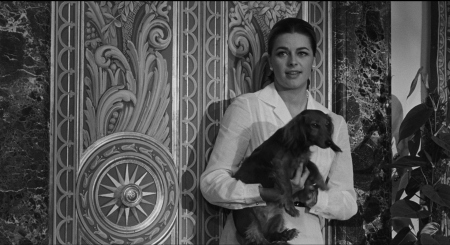
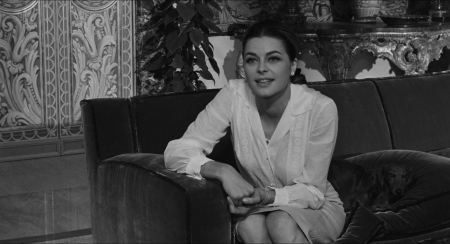
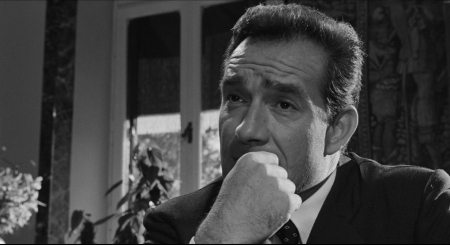
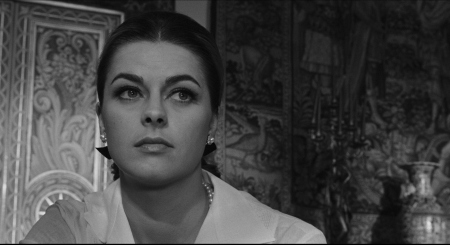
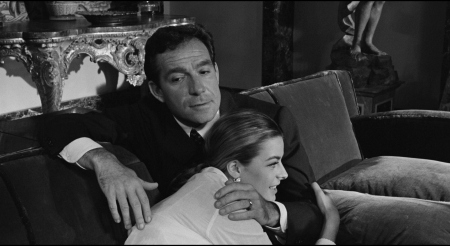
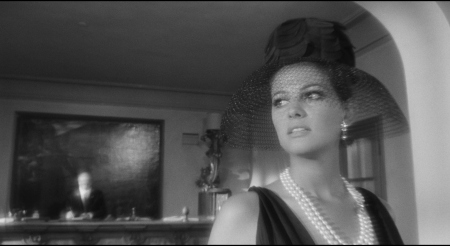
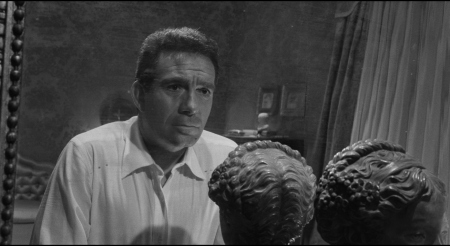
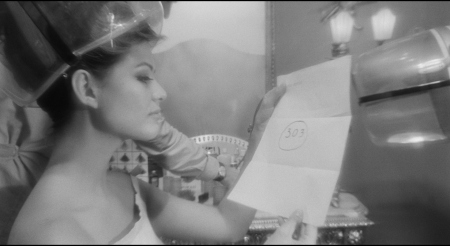
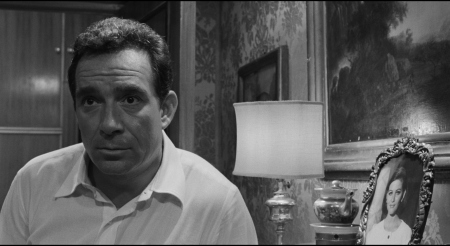
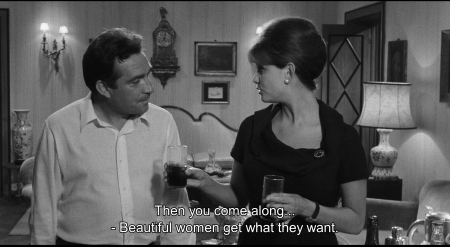
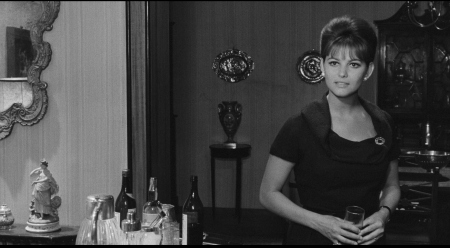
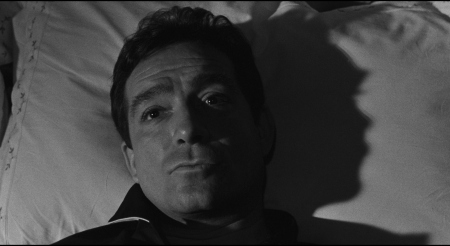
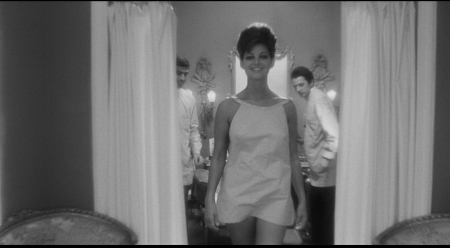
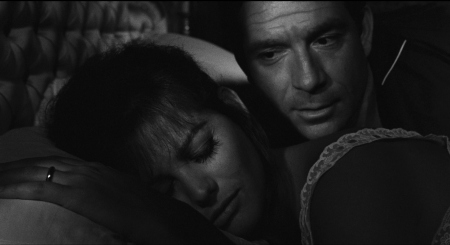
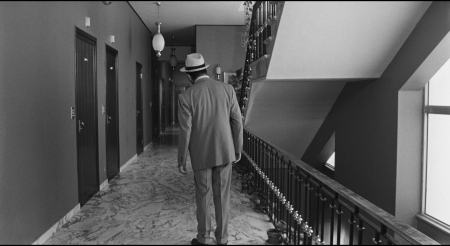
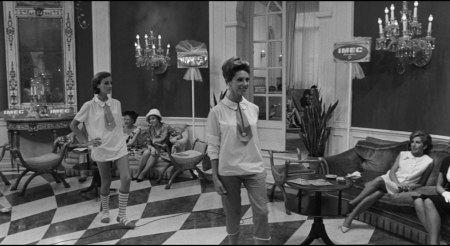
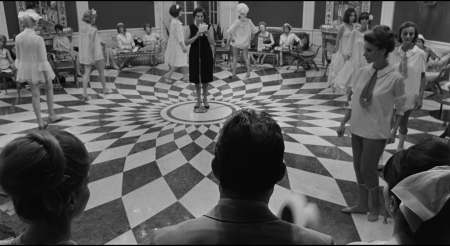
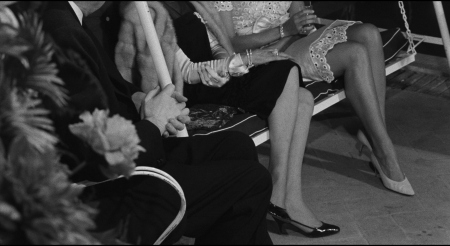
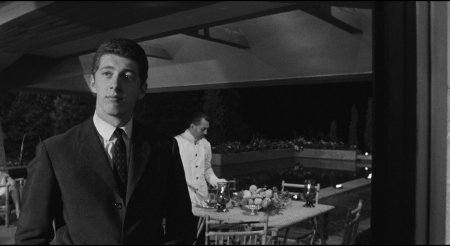
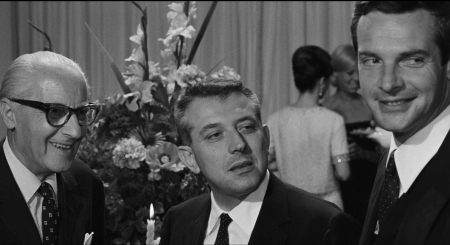
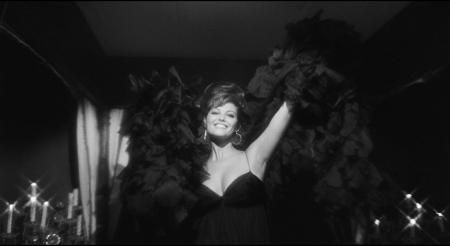
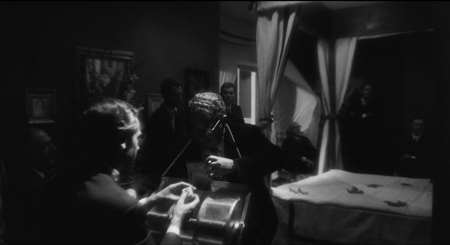
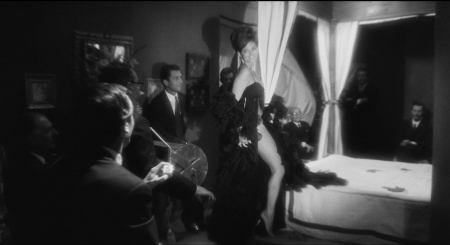
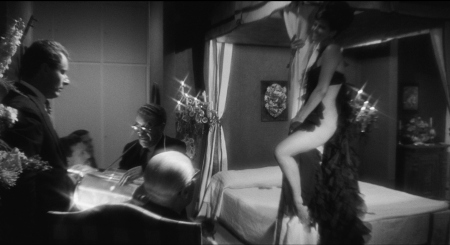
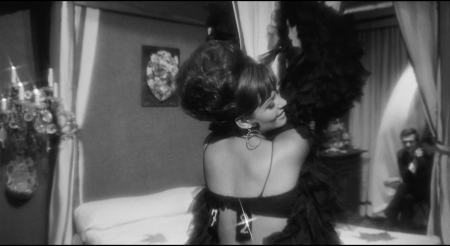
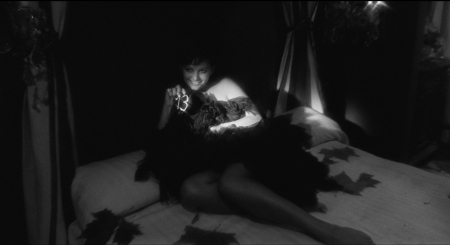
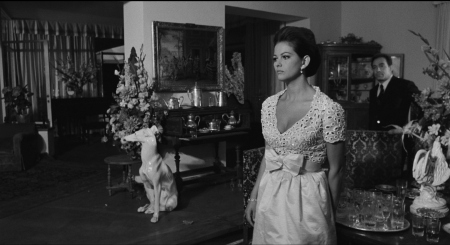
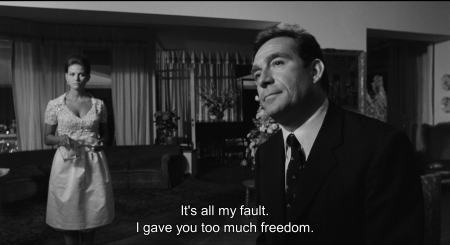
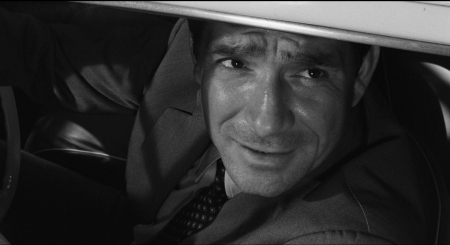
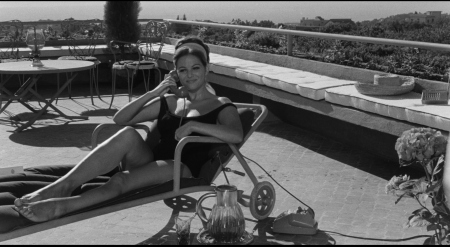
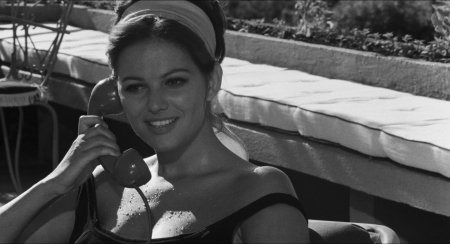
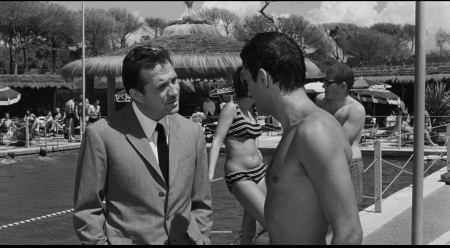
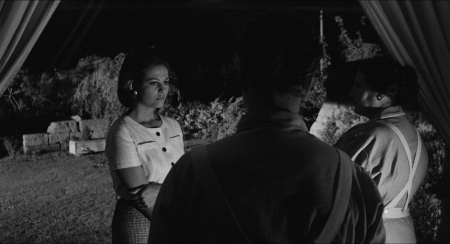
A happily married businessman (Ugo Tognazzi, Weak Spot) succumbs to the advances of one of his less square, more open-minded female friends. His eyes now open to the rampant adultery among his high-society acquaintances, he is amazed at the ease with which they lie to their loved ones. Soon, he begins to suspect his loving wife (Claudia Cardinale, Girl with a Suitcase) of infidelity - even as she guesses nothing of his own extramarital affair. Antonio Pietrangeli's luscious adaptation of Fernand Crommelynck's tale of obsession and delusion skewers the changing mores and tenacious prejudices of 1960s Italian society with style. As the troubled husband's paranoia takes him ever further away from reality, his fantasies come to life in sumptuous dream sequences, each one a dashing tribute to the radiant charm of Claudia Cardinale. *** Antonio Pietrangeli came to directing from criticism — he had written on cinema before the war and worked on the script of Visconti's Ossessione — and he is remembered above all as commedia all'italiana's great portraitist of women, the director of Adua e le compagne, La visita and Io la conoscevo bene, which makes The Magnificent Cuckold the conspicuous outlier in his filmography: his one sustained study of a man, and of a specifically male disease. The source is Fernand Crommelynck's 1921 farce Le Cocu magnifique, best known as the text Meyerhold turned into a landmark of constructivist staging in 1922, and Pietrangeli's crucial move is to drag it out of Flanders and into Brescia — into the anxious, newly enriched northern bourgeoisie thrown up by Italy's economic miracle, where old provincial codes of honour and gossip are colliding with a modernity nobody has worked out how to inhabit. Ugo Tognazzi is Andrea Artusi, a hat manufacturer who conducts one trivial affair with a colleague's wife and emerges from it with a conviction he cannot shake: if betrayal was that easy for him, his wife (Claudia Cardinale, and the film knows exactly what it has) must already have betrayed him. His suspicion has no evidence and needs none. It curdles into obsession and then into something closer to mania, and Pietrangeli stages the fantasies as full-dress dream sequences — lavish, delirious, each one another vision of Cardinale in another man's arms — until Artusi begins actively engineering the infidelity he dreads, preferring the pain of certainty to the itch of doubt. The screenplay is by Diego Fabbri, Stefano Strucchi and, tellingly, Ruggero Maccari and Ettore Scola, the writing partnership at the absolute centre of the form; Armando Nannuzzi shot it, Armando Trovajoli scored it, and it was cut by Eraldo Da Roma, the editor of Rome, Open City and Bicycle Thieves. Around Tognazzi and Cardinale sit Bernard Blier, Salvo Randone, Gian Maria Volonté, Lando Buzzanca and a very young Laura Antonelli. The title alone caused the production real trouble in 1964 — locations were withdrawn to avoid the association, and Roman taxi drivers refused to carry the advertising, prompting Randone's marvellous verdict that "Italy is afraid of simple, unequivocal words." Long undervalued next to Pietrangeli's female-centred work, it re-emerged in a 4K restoration from the camera negative by the Cineteca di Bologna, premiered in Venice Classics in 2025, and now arrives from Radiance Films. |
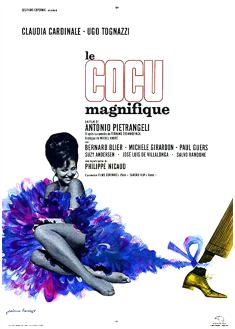
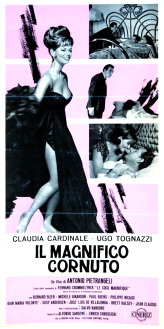
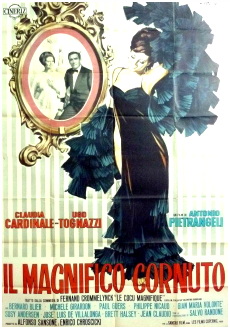
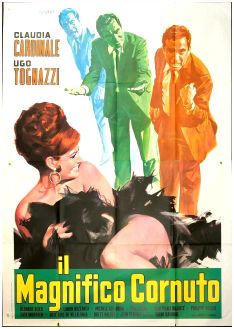
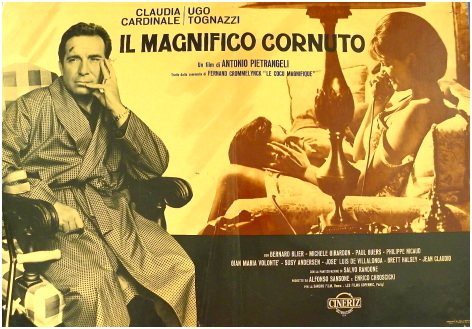
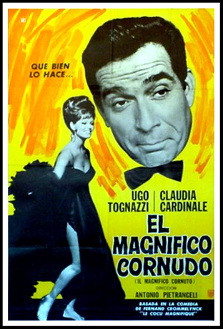
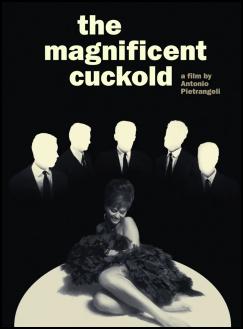
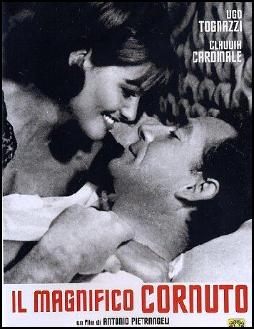
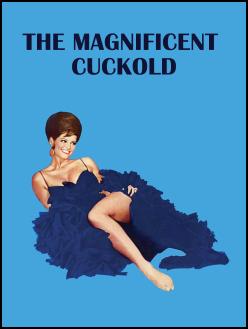
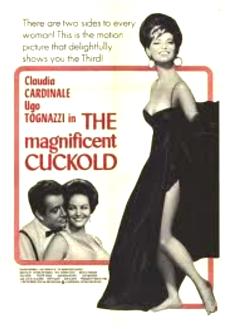
Posters
 |
 |
 |
 |
 |
 |
 |
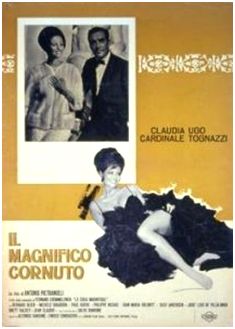 |
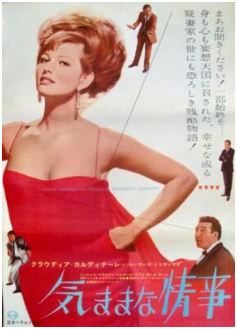 |
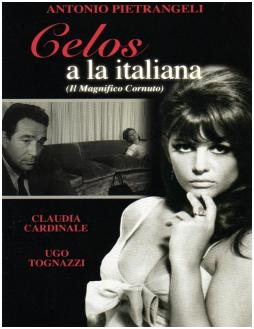 |
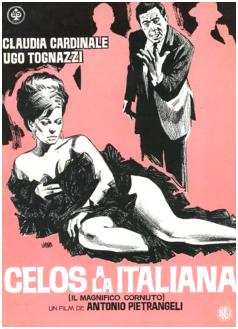 |
 |
 |
 |
 |
Theatrical Release: October 28th, 1964

Review: Radiance - Region FREE - Blu-ray
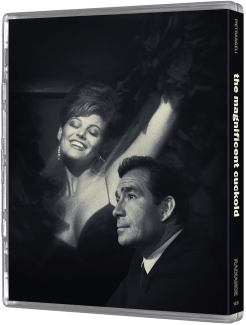
| Box Cover |
|
CLICK to order from:
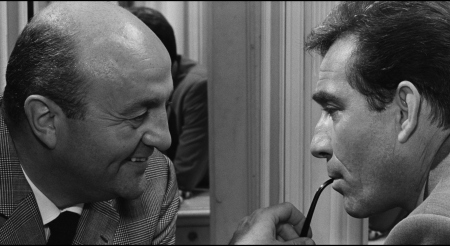
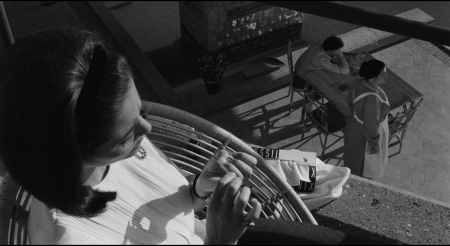
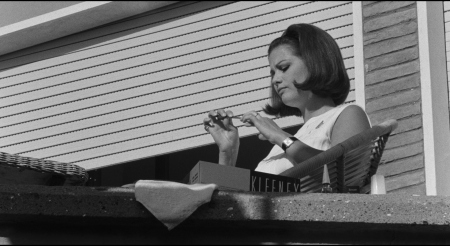
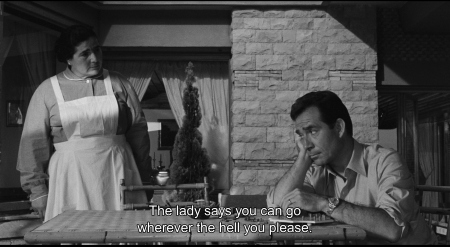
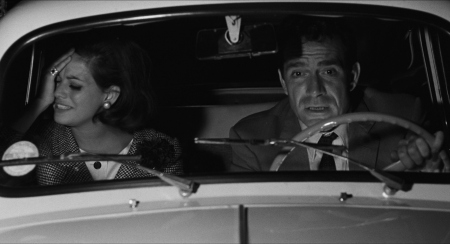
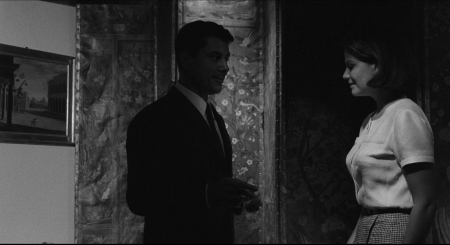
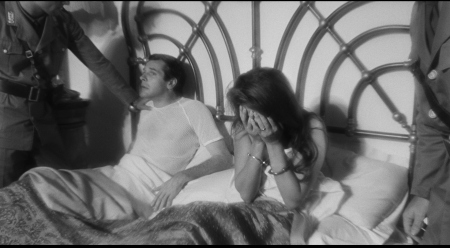
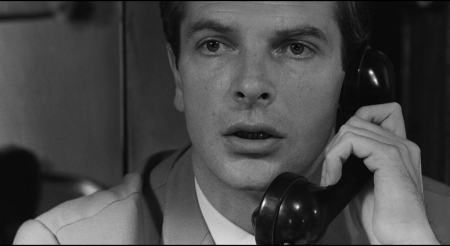
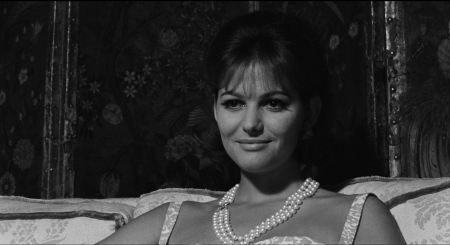
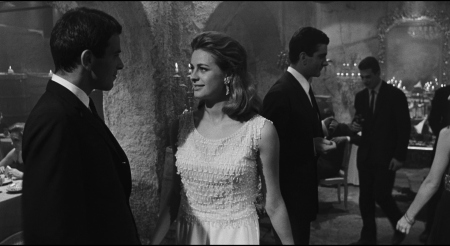
BONUS CAPTURES:
|
| Distribution | Radiance - Region FREE - Blu-ray | |
| Runtime | 2:04:42.683 | |
| Video |
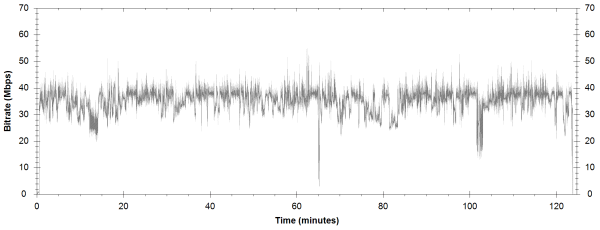
1.85:1 1080P Dual-layered Blu-ray Disc Size: 47,116,300,566 bytes Feature: 36,489,072,000 bytesVideo Bitrate: 34. 92 MbpsCodec: MPEG-4 AVC Video |
|
|
NOTE: The Vertical axis represents the bits transferred per second. The Horizontal is the time in minutes. |
||
| Bitrate Blu-ray: |
|
|
| Audio |
LPCM Audio Italian 1152 kbps 1.0 / 48 kHz / 1152 kbps / 24-bit |
|
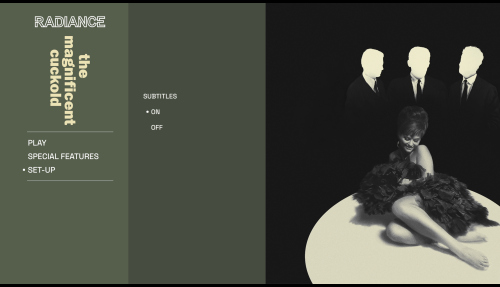
| Subtitles | English, None | |
| Features |
Release Information: Studio: Radiance
1.85:1 1080P Dual-layered Blu-ray Disc Size: 47,116,300,566 bytesFeature: 36,489,072,000 bytesVideo Bitrate: 34. 92 MbpsCodec: MPEG-4 AVC Video
Edition Details:
• New interview with Italian film expert Richard Dyer
(42:37)
Transparent Blu-ray Case Chapters 12 |
|



| Comments: |
NOTE:
The below
Blu-ray
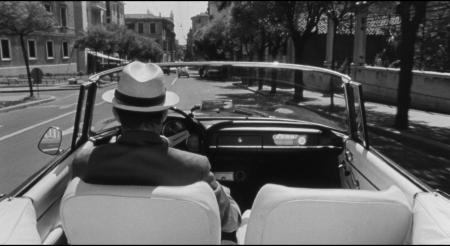
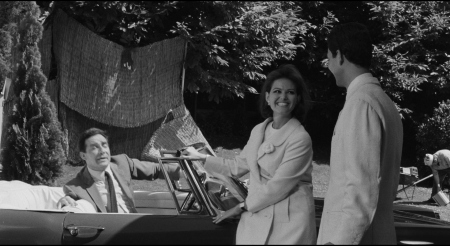
captures were taken directly from the
Blu-ray
disc.
NOTE: We
have added 90 more large resolution Blu-ray
captures (in lossless PNG format) for DVDBeaver Patrons
HERE
On their
Blu-ray,
Radiance use a linear PCM mono track (24-bit) in the original Italian
language. As with every Italian production of the period, none of what
you hear was recorded on location: dialogue, effects and atmosphere were
all constructed in post, with the forward, slightly airless quality that
entails.
The
Radiance
Blu-ray
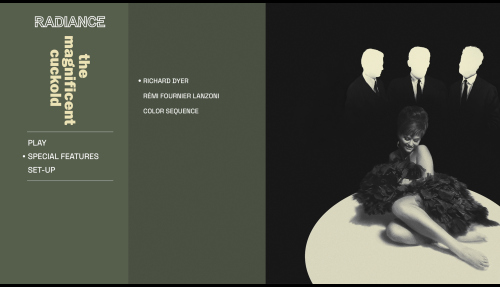
supplementary package is compact but precisely commissioned, and both
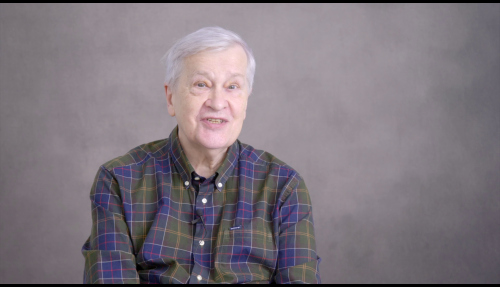
major pieces were produced new for this release. Richard Dyer (Heavenly
Bodies: Film Stars and Society) appears in a 3/4 hour interview
filmed exclusively for Radiance in April 2026, addressing how the film
responds to a rapidly modernizing Italy, its characteristics as a
'commedia all'italiana', and Pietrangeli's style - which is exactly the
right brief, since the case for this film has always depended on placing
it correctly within a genre whose reputation for warmth it so thoroughly
betrays. Dyer is unhurried and specific, and 43 minutes proves ample.
Alongside it is an 20-minute visual essay by Italian cinema professor
Rémi Fournier Lanzoni created for Radiance in May 2026, on female
agency, bourgeois culture and male ego in the film. Lanzoni wrote
Comedy Italian Style:
The Golden Age of Italian Film Comedies, and his piece takes on
the film's most contested aspect head-on - whether Maria Grazia's
opacity is a failure of the screenplay or the entire mechanism of the
picture. Anyone inclined to dismiss the film's treatment of Cardinale
should watch this first. The third item is the most intriguing thing on
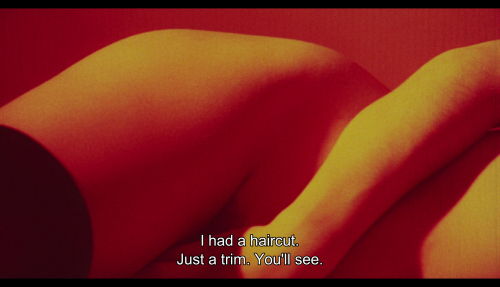
the disc despite running only two minutes. Radiance include a color
sequence taken from a positive print, discovered in the Cineteca di
Bologna's archives, of a shorter re-release version of the film dated
1971 - three years after Pietrangeli's death. Radiance present it
without editorializing. Italian press coverage of the restoration has
read the 1971 recut as a posthumous attempt to reposition the film for
the commedia sexy boom then underway, and on the evidence of two minutes
that is a plausible inference rather than a proven one; what is not in
doubt is that somebody, after the director was dead, thought this
picture would sell better with its fantasy sequences in color. Whatever
the motive, the inclusion is a genuine service to the film's history,
and running the original as the feature with this as a footnote is the
correct editorial call. Print material comprises a limited edition
booklet with new writing by critic
Phuong Le
plus archival material, a reversible sleeve pairing the original artwork
with a new design by
Time Tomorrow,
and a removable obi strip in full-height Scanavo packaging. Limited to
3,000 copies. The one gap is a scene-specific commentary; Dyer's 43
minutes are substantial, but a film built this carefully - the
surveillance framings, the seamless slippage between fantasy and waking,
Trovajoli's tonal warfare - would repay a track walking through it.
The Magnificent Cuckold has spent sixty years being undervalued
relative to Pietrangeli's female-centered work, and the reasons are
partly good ones - Maria Grazia is a device where his other heroines are
people, and the film is less generous than
Io la conoscevo bene. But it is also the most conceptually
rigorous thing he made, and it holds up because its central insight is
not period-bound: that possessive jealousy is very often guilt looking
for somewhere else to live, and that a man who cannot forgive himself
will go to extraordinary lengths to be wronged. As
'commedia all'italiana' it is close to exemplary - funny, cruel,
socially specific, and quietly appalled at its own protagonist. As a
film about surveillance and the manufacture of proof it has aged, if
anything, into greater relevance. Its rediscovery in 4K is overdue, and
the case for it is not sentimental. Claudia Cardinale (Rocco
and His Brothers, Big
Deal on Madonna Street,
The Facts of Murder,
Girl with a Suitcase,
Cartouche,
Circus World,
The Professionals,
Once Upon a Time in the West,
Conversation Piece,
The Salamander,
Fitzcarraldo,
A Man in Love,) arrives at this film at the absolute peak of her
standing, and it is worth being precise about how high that was. 1963
had given her
The Leopard for Visconti,
8½ for Fellini and
The Pink Panther for Edwards - three films, three registers, in
a single year, and the last of them an international breakout. The film
runs on the audience's own investment in looking at her. Andrea's
certainty that every man in Brescia must want his wife is, from where we
sit, not obviously wrong. Cardinale died on September 23rd 2025, aged
87, at her home in Nemours. This restoration premiered in Venice
Classics the month before, and the Radiance disc arrives less than a
year after her death - which makes it, whether Radiance intended it or
not, a memorial to one of her least-seen major performances. Was it her
real voice in
The Magnificent Cuckold? I think it's possible. Cardinale grew up
in La Goulette speaking French and Tunisian Arabic and learned Italian
only after entering the industry. Fellini was the first director
to use her own voice in 1963. So The Magnificent Cuckold, made
the following year, sits just past that threshold - which makes it a
live question rather than a settled one. Her smile does so much of the
work here - warm, unreadable, surviving every interpretation you put on
it - that the question of whether the voice is even hers stops
mattering, which is precisely the film's point about images displacing
people. Among the supporting players, Michèle Girardon - the Frenchwoman
who had gone from unknown to famous in three weeks after winning Raymond
Rouleau's auditions on Europe n°1's Une étoile se lève ("A
Star Is Rising") in 1956, and who by then had Buñuel (Death
in the Garden, 1956), Malle (The
Lovers, 1958), Hawks (Hatari!,
1962) and Rohmer (The
Girl at the Monceau Bakery, 1963) behind her - plays the
colleague's wife whose seduction of Andrea sets the whole ruinous
machine in motion. And somewhere in the margins is a barely-glimpsed
Laura Antonelli (The
Divine Nymph,
The Hunter Will Get You,
Gran Bollito,
L'Innocente,
Venus in Furs,)
credited here a year before the uncredited bit part usually given as her
debut, and a full decade before Malizia made her the defining face of
the commedia sexy - the very cycle whose arrival would see this film
posthumously recut in colour. Radiance have done it properly with this
Blu-ray. A new 4K restoration from the negative by the
Cineteca di Bologna, the original mono uncompressed, an improved
translation, and supplements that engage the film's difficulties rather
than flattering it - Dyer on stardom and image, Lanzoni on the gaze, and
the recovered 1971 color re-cut as evidence of how badly the film was
once misunderstood. The absence of a commentary keeps it just short of
definitive. Everything else argues for it. For anyone with an interest
in commedia all'italiana beyond the canonical handful, or in
Pietrangeli specifically, this is essential - and at 3,000 copies, not a
decision to sit on. Highly recommended. |

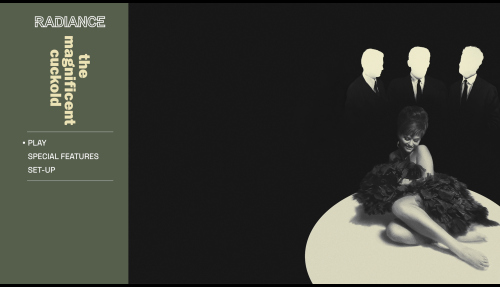
Menus / Extras
 |
 |
 |
 |
 |
 |
 |
 |

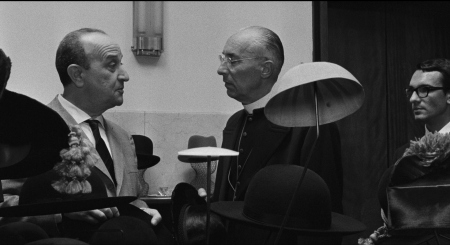
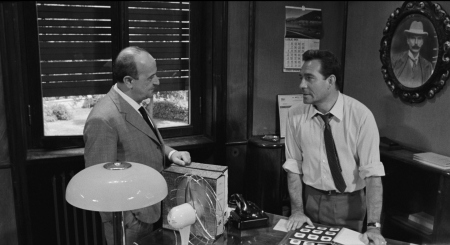
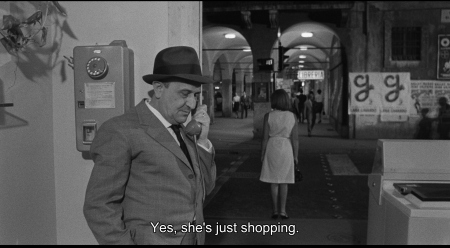
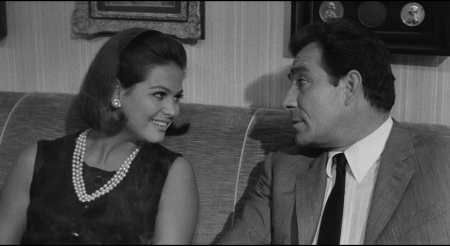
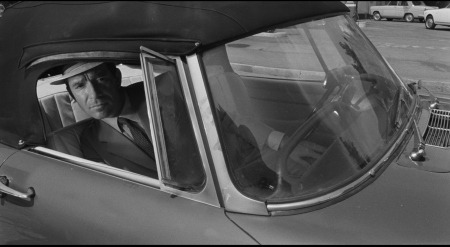
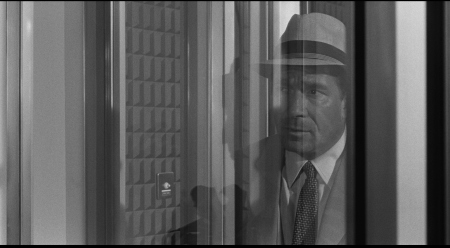
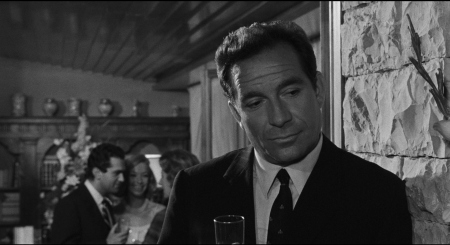
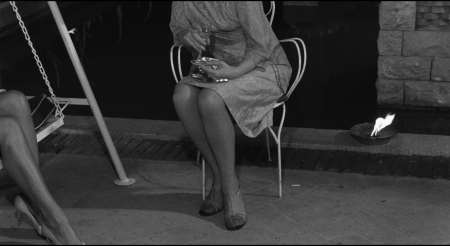
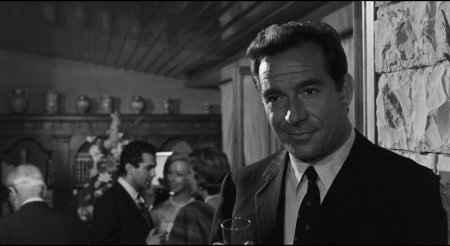
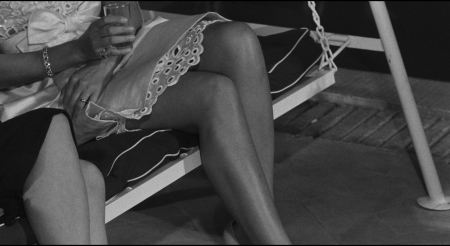
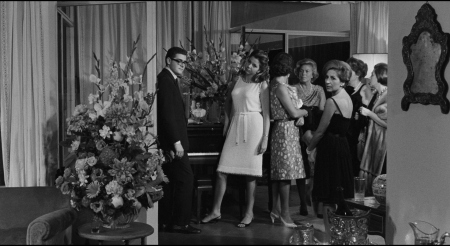
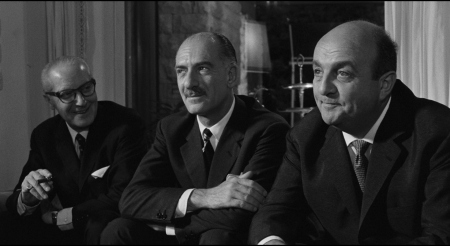
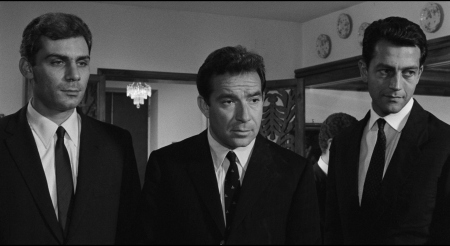
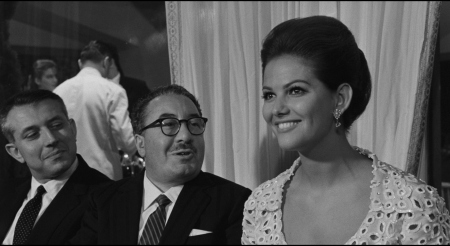
CLICK EACH BLU-RAY CAPTURE TO SEE ALL IMAGES IN FULL 1920X1080 RESOLUTION
 |
 |
 |
 |
 |
 |
 |
 |
 |
 |
 |
 |
More full resolution (1920 X 1080) Blu-ray Captures for DVDBeaver Patreon Supporters HERE
 |
 |
 |
 |
 |
 |
 |
 |
 |
 |
 |
 |
 |
 |
 |
 |
 |
 |
 |
 |
 |
 |
 |
 |
 |
 |
 |
 |
 |
 |
 |
 |
 |
 |
 |
 |
 |
 |
 |
 |
 |
 |
 |
 |
 |
 |
 |
 |
 |
 |
 |
 |
 |
 |
 |
 |
 |
 |
 |
 |
 |
 |
 |
 |
|
|
 |
 |
 |
 |
 |
 |
 |
|
|
 |
 |
 |
 |
 |
 |
 |
 |
 |
 |
 |
 |
 |
 |
 |
 |
 |
| Box Cover |
|
CLICK to order from:
BONUS CAPTURES:
|
| Distribution | Radiance - Region FREE - Blu-ray | |
|
Search DVDBeaver |
S E A R C H D V D B e a v e r |














CLICK PayPal logo to donate!
|
Gary Tooze
|
|
Thank You!
