|
An
enormous, sincere thank you to our phenomenal
Patreon
supporters! Your unshakable dedication is the bedrock that keeps DVDBeaver
going - we’d be lost without you. Did you know? Our patrons include a
director, writer, editor, and producer with honors like Academy Awards for
Best Picture and Best Director, a Pulitzer Prize-winning screenwriter, and a
Golden Globe-winning filmmaker, to name a few! Sadly, DVDBeaver has reached a breaking point where our existence hangs in the balance. We’re now reaching out to YOU with a plea for help. Please consider pitching in just a few dollars a month - think of it as the price of a coffee or some spare change - to keep us bringing you in-depth reviews, current calendar updates, and detailed comparisons. I’m am indebted to your generosity!
|






|
Search DVDBeaver |
S E A R C H D V D B e a v e r |

(aka "The House of Seven Corpses" or "Seven X Dead")
Directed by Paul Harrison
USA 1973
|
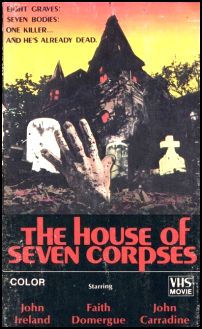
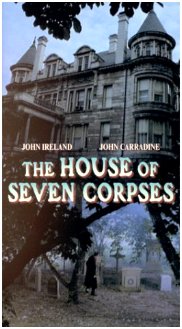
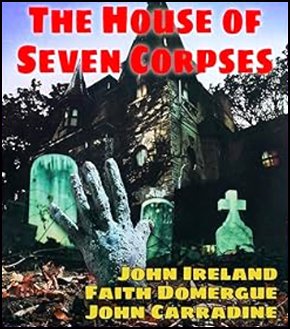
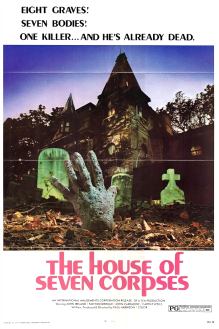
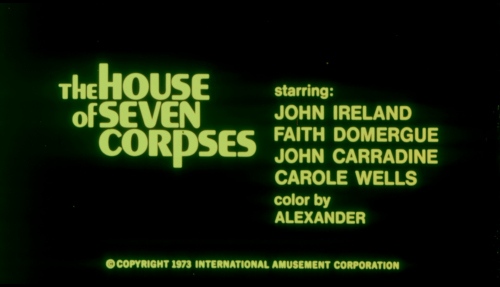
A mind-bending thriller from the golden age of occult cinema, The House of Seven Corpses follows a crew filming a horror movie at a crumbling mansion, once home to a cabal of satanists. When the actors speak incantations from the "Bardo Thodol", strange incidents befall the production, blurring the lines between reality and nightmare. Headstrong director Eric Hartman (John Ireland, Red River) defiantly presses onward, bullying his leading lady (Faith Domergue, This Island Earth), a young starlet (Carole Wells, Funny Lady), and the estate’s creepy caretaker (John Carradine, Bluebeard.) As the cameras grind, the dead claw their way from the graves of a nearby cemetery, and The House of Seven Corpses reveals its terrifying secrets. *** The House of Seven Corpses (1973) is a low-budget American horror film directed by Paul Harrison that cleverly plays with the meta-horror trope of a film crew shooting a movie about a cursed mansion. The story follows schlock director Eric Hartman (John Ireland) and his cast—including leading lady Gayle Dorian (Faith Domergue) and the ominous caretaker Edgar Price (John Carradine)—as they rent the infamous Beal family estate, where all seven members previously died under mysterious, violent circumstances involving occult rituals. As the crew recreates the tragic events for their film, including a black mass scene with incantations from the Tibetan Book of the Dead, the line between fiction and reality blurs, awakening a vengeful zombie-like ghoul that begins picking off the filmmakers one by one. Blending atmospheric Gothic chills with self-referential humor and practical effects, this obscure 90-minute gem serves as a fun, if uneven, cautionary tale about tampering with forces best left undisturbed, marking one of Faith Domergue’s final screen roles. |
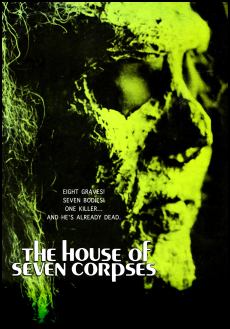
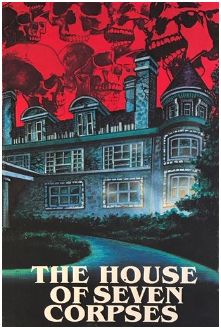
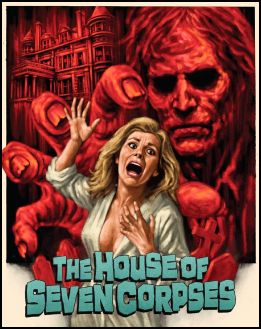
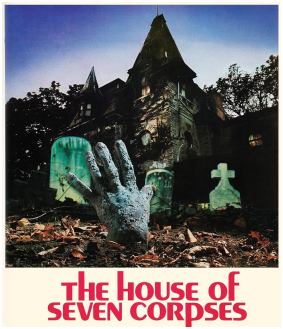
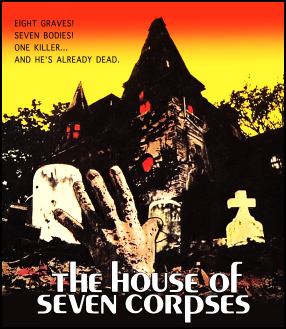
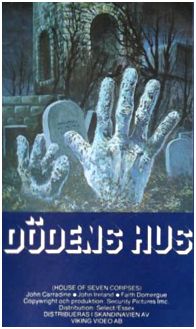
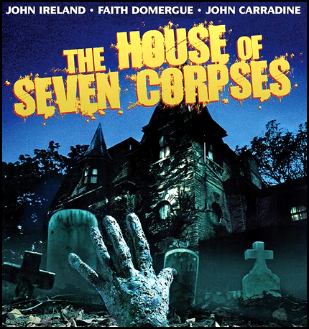
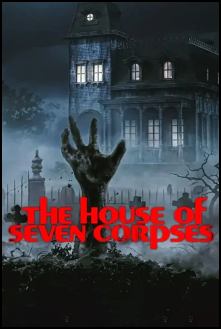
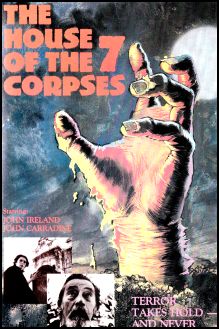
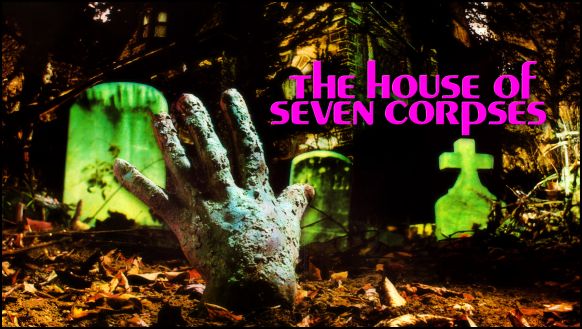
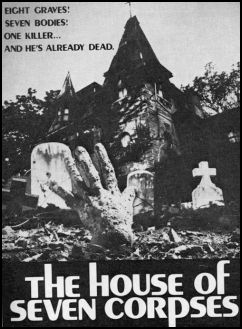
Posters
 |
 |
 |
 |
 |
 |
 |
 |
 |
 |
 |
 |
 |
 |
 |
Theatrical Release: December 12th, 1973 (Charlotte, North Carolina)

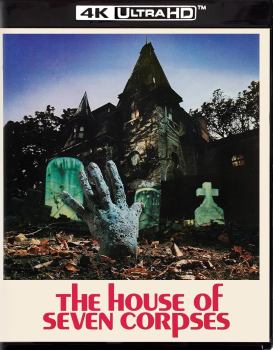
Review: Kino Cult - Region FREE - 4K UHD
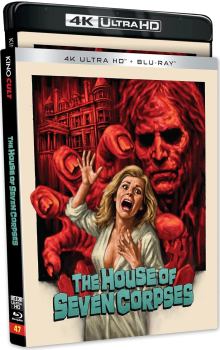
| Box Cover |
|
CLICK to order from:
BONUS CAPTURES:
|
| Distribution | Kino Cult # 47 - Region FREE - 4K UHD | |
| Runtime | 1:28:09.784 | |
| Video |
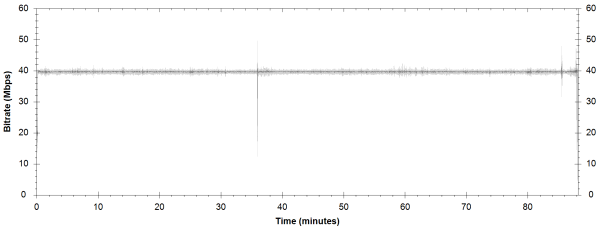
1.85 :1 1080P Dual-layered Blu-rayDisc Size: 31,992,487,709 bytesFeature: 29,407,641,600 bytes Video Bitrate: 39.61 MbpsCodec: MPEG-4 AVC Video |
|
|
NOTE: The Vertical axis represents the bits transferred per second. The Horizontal is the time in minutes. |
||
| Bitrate Blu-ray: |
|
|
| Audio |
DTS-HD Master
Audio English 1988 kbps 2.0 / 48 kHz / 1988 kbps / 24-bit (DTS Core: 2.0 /
48 kHz / 1509 kbps / 24-bit) Dolby Digital Audio English 192 kbps 2.0 / 48 kHz / 192 kbps / DN -31dB |
|
| Subtitles | English (SDH), None | |
| Features |
Release Information: Studio: Kino Cult
1.85 :1 1080P Dual-layered Blu-rayDisc Size: 31,992,487,709 bytesFeature: 29,407,641,600 bytes Video Bitrate: 39.61 MbpsCodec: MPEG-4 AVC Video
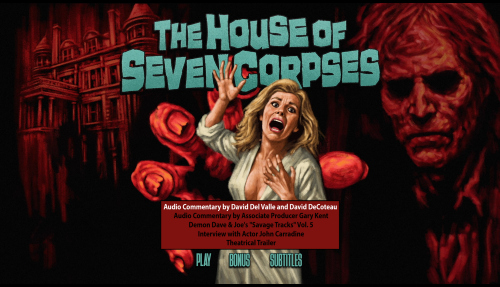
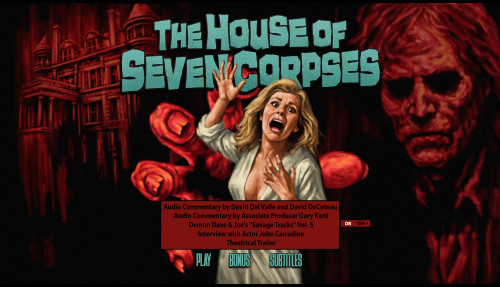
Edition Details: • New Audio Commentary by Author and Film Historian David Del Valle with Producer/Director David DeCoteau (Creepozoids, Retro Puppet Master) • Audio Commentary by Associate Producer Gary Kent • Archival Interview with Actor John Carradine (28:03) • Demon Dave & Joe’s “Savage Tracks” Vol. 5, Featuring Randy Cognata • Theatrical Trailer (2:09)
Standard Black 4K UHD Case inside slipcase Chapters 11 |
|



| Comments: |
NOTE:
The below
Blu-ray
captures were taken directly from the
respective
disc.
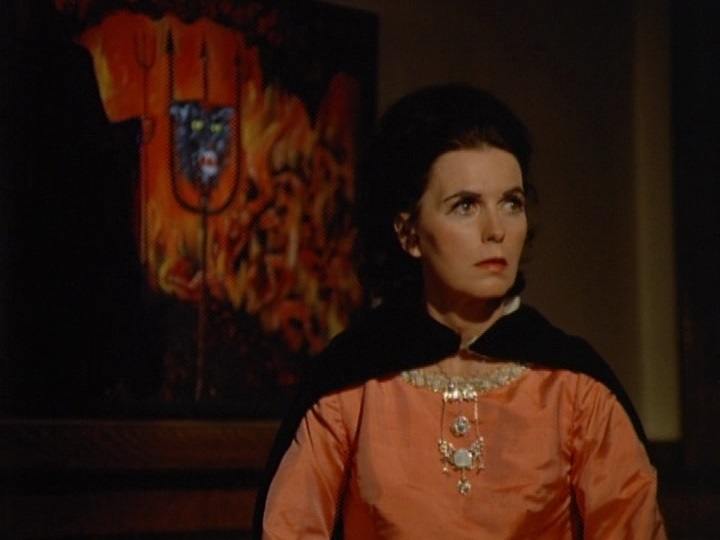
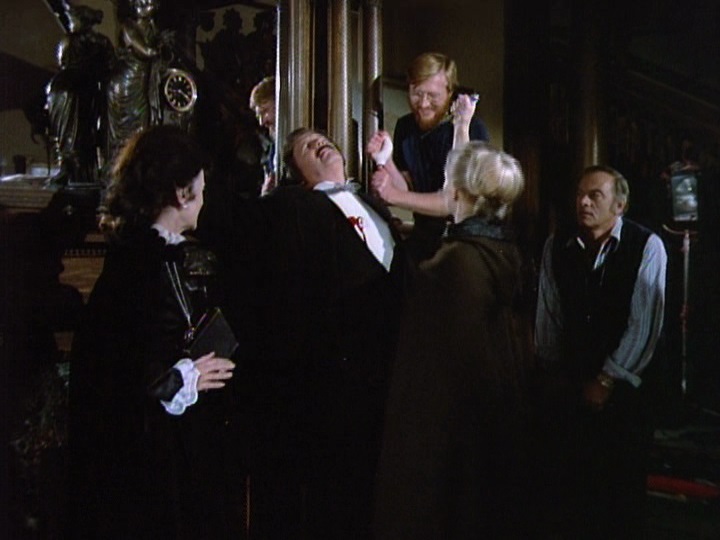
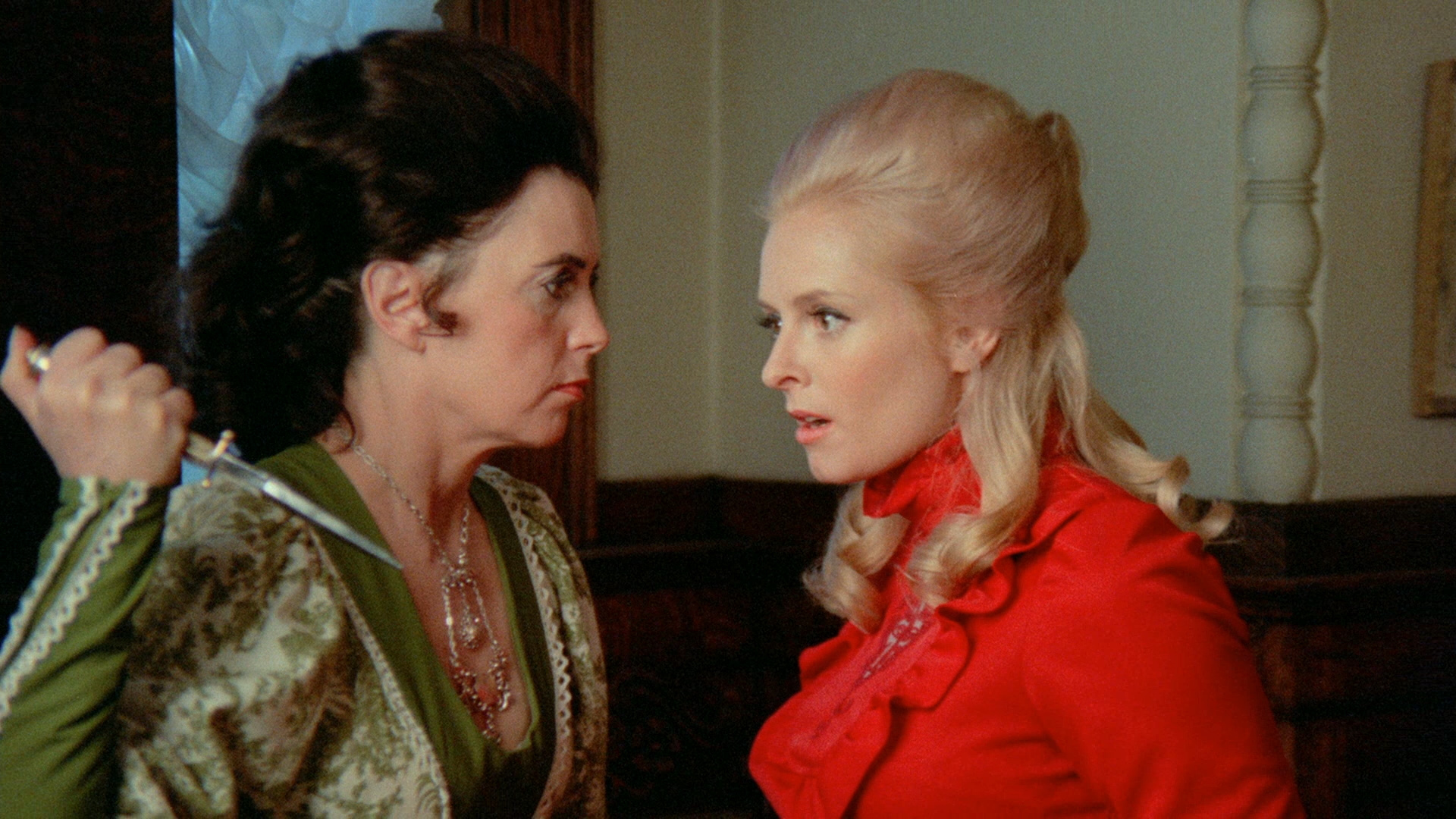
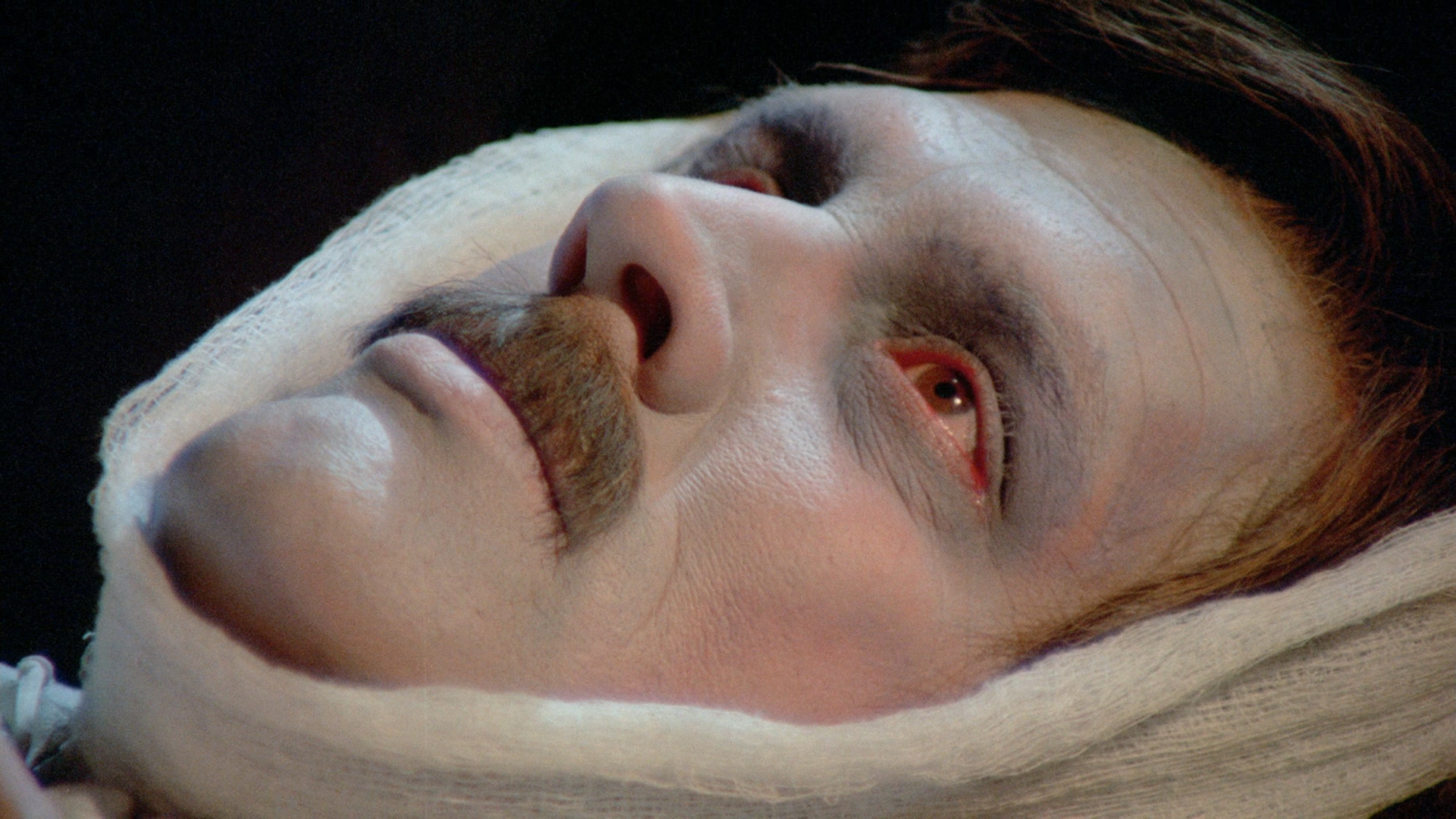
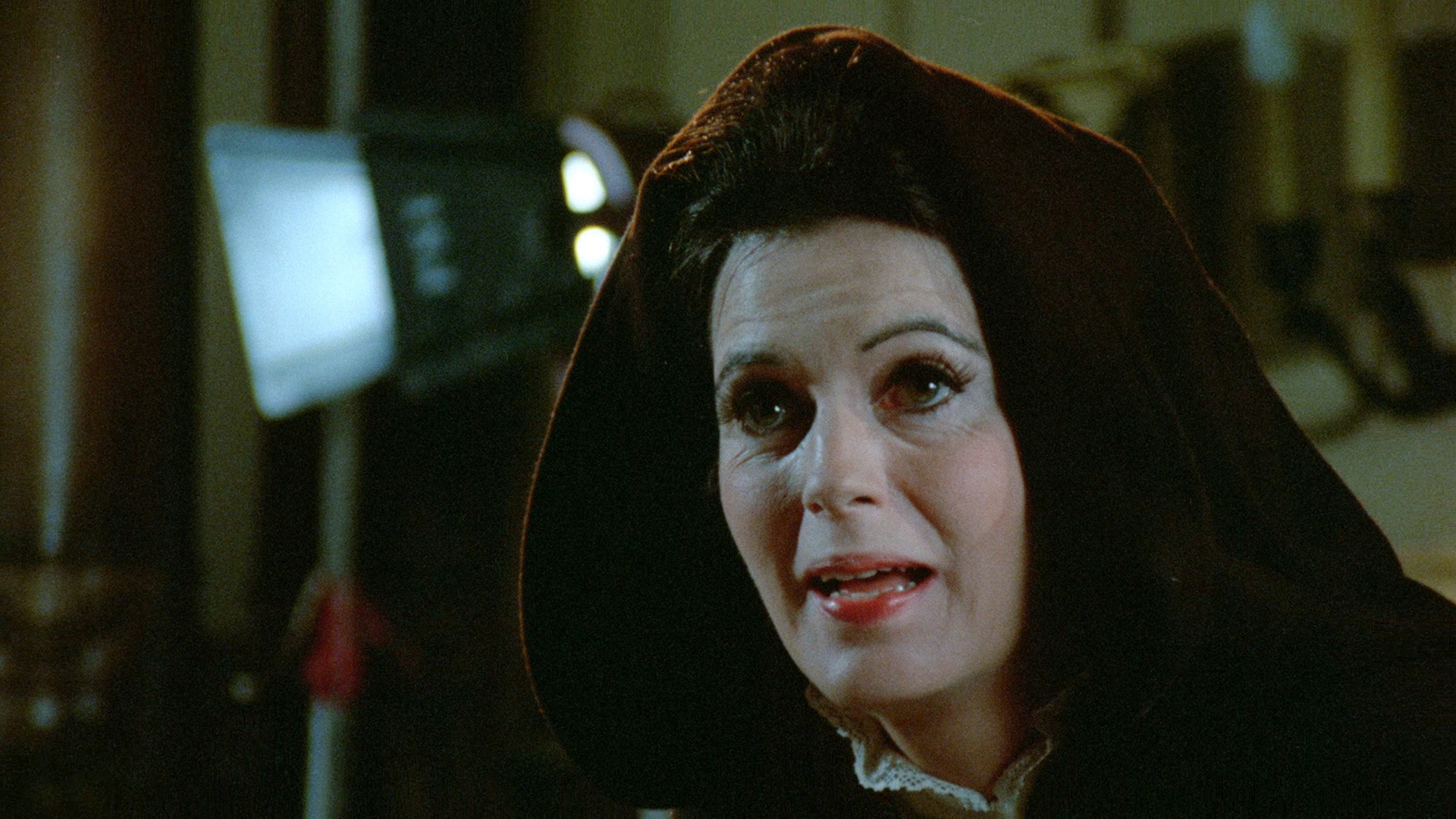
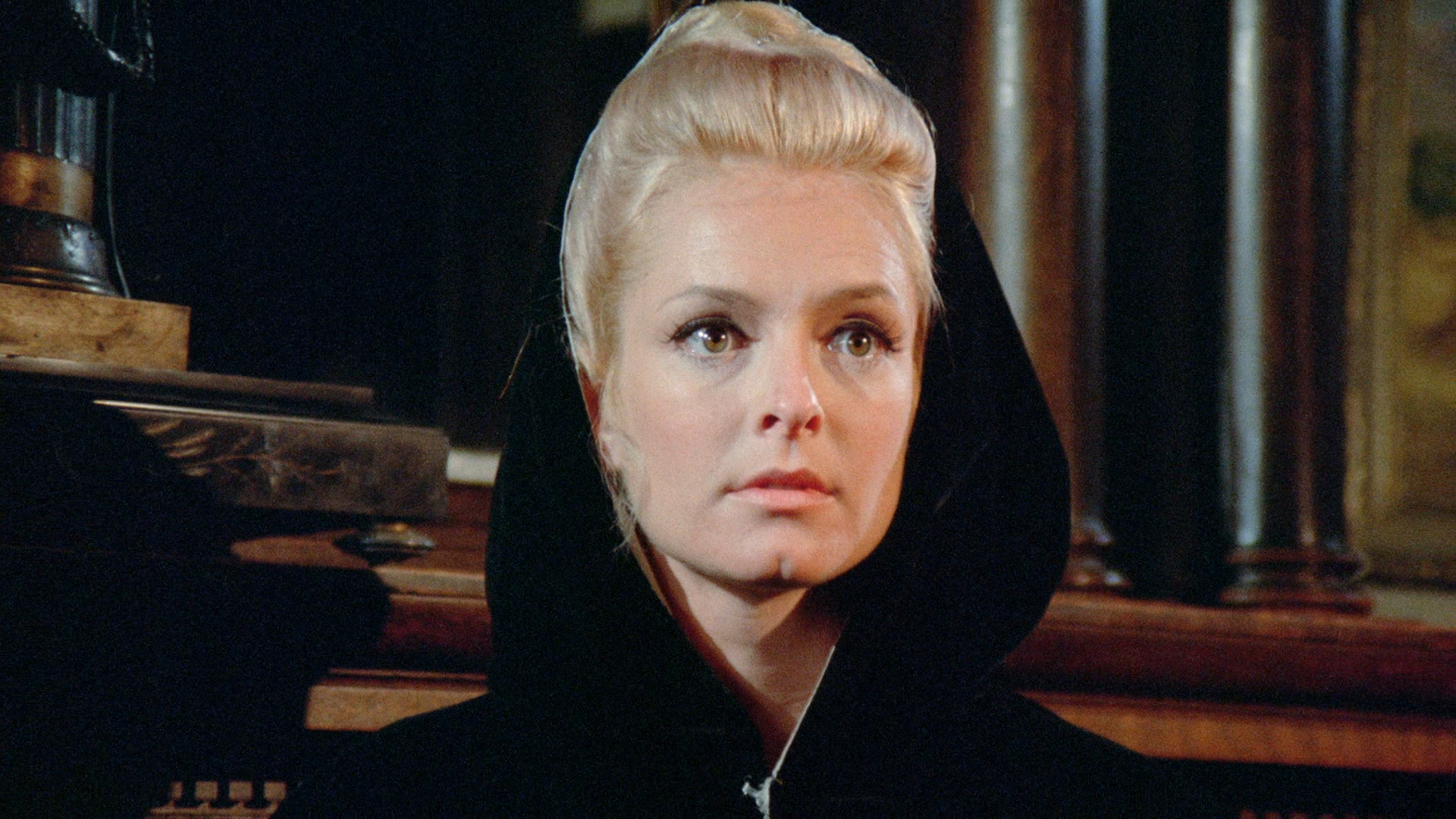
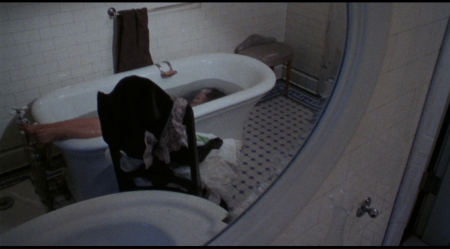
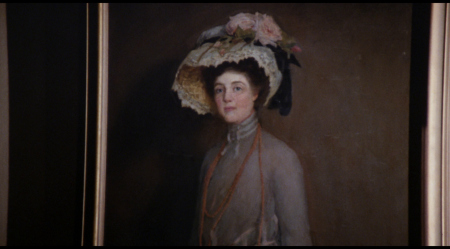
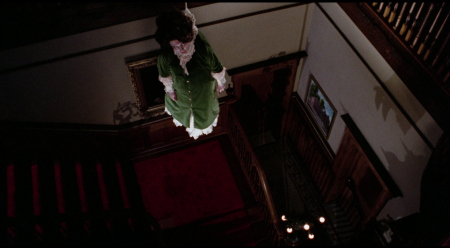
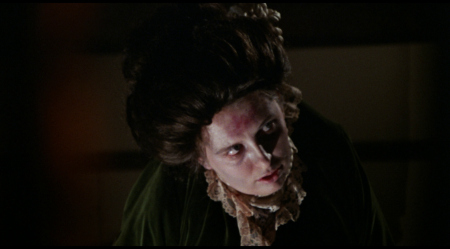
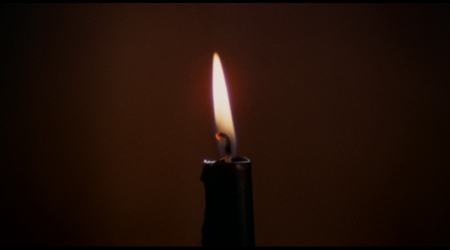
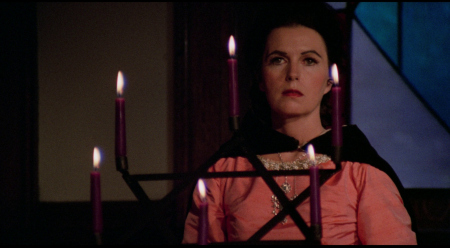
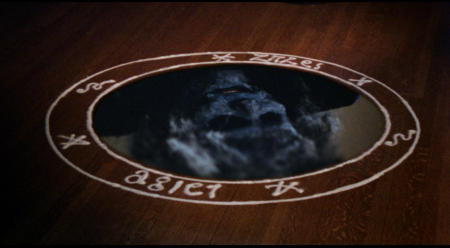
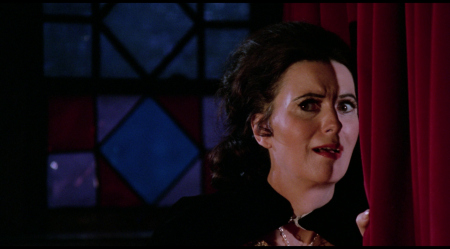
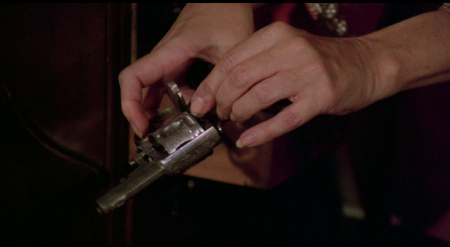
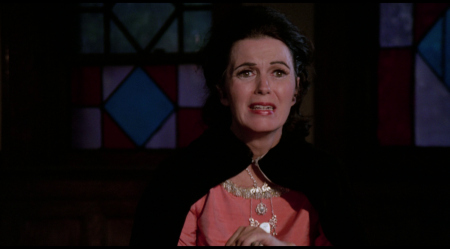
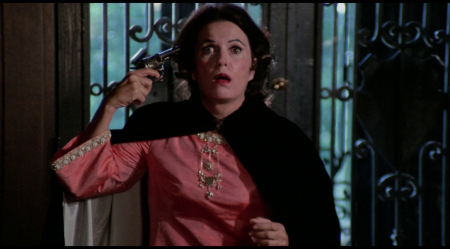
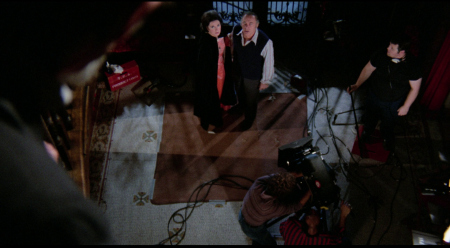
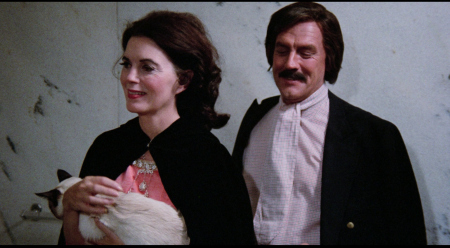
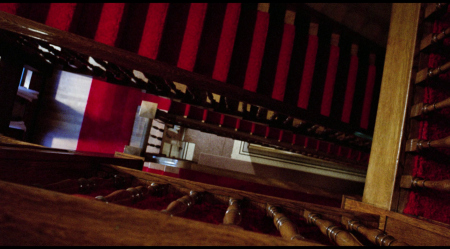
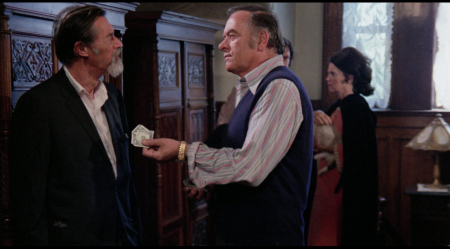
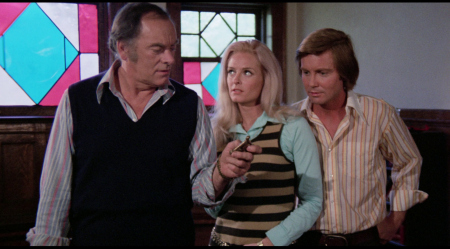
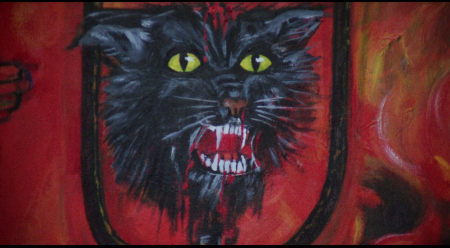
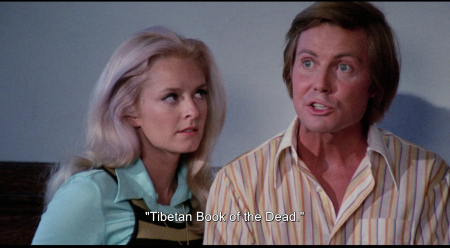
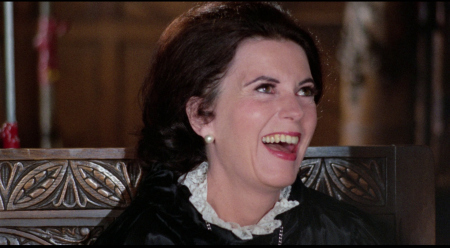
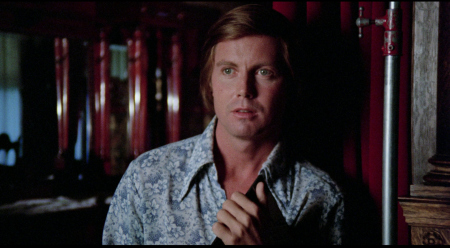
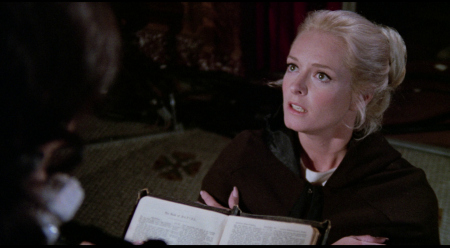
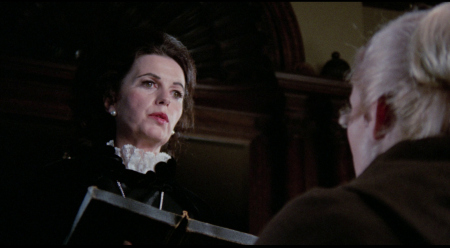
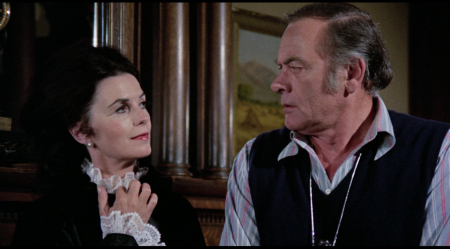
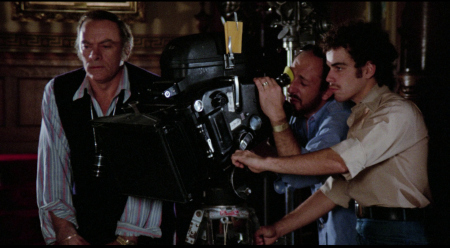
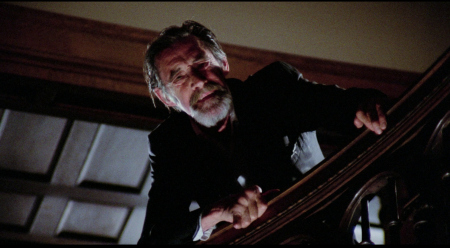
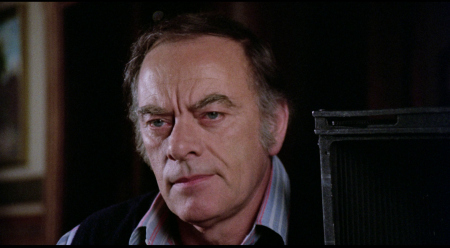
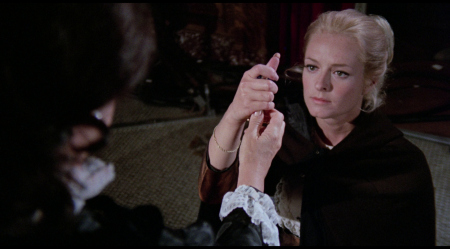
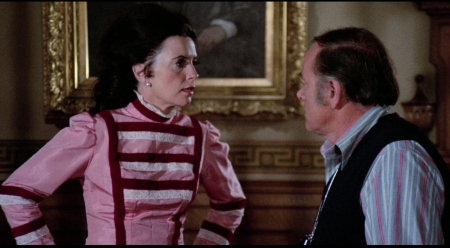
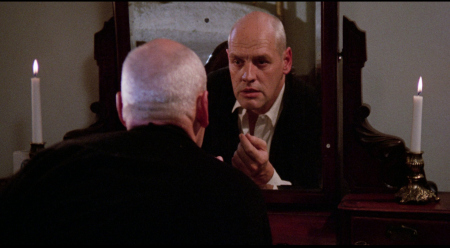
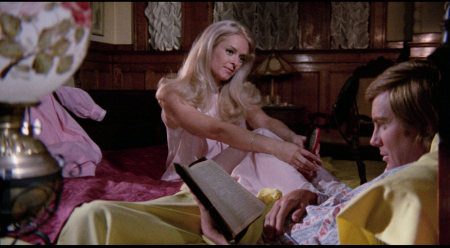
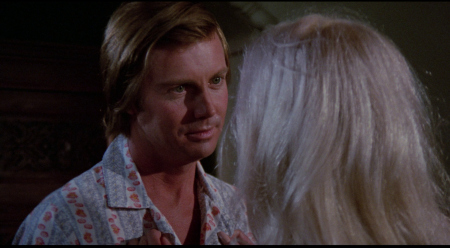
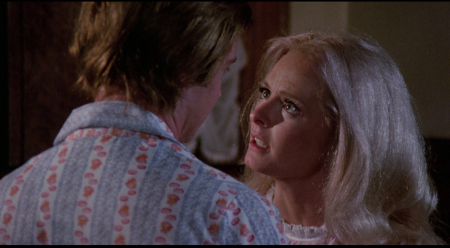
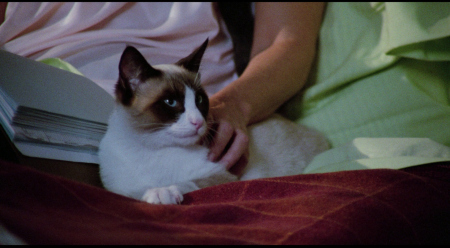
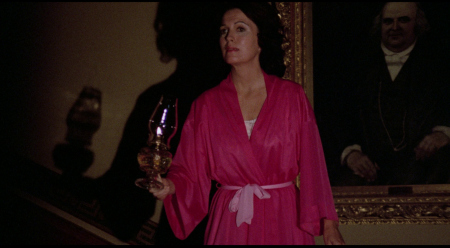
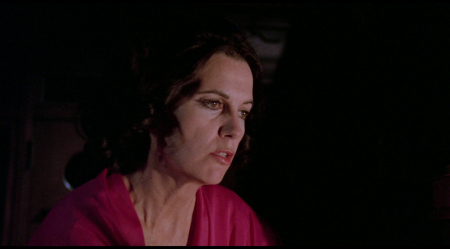
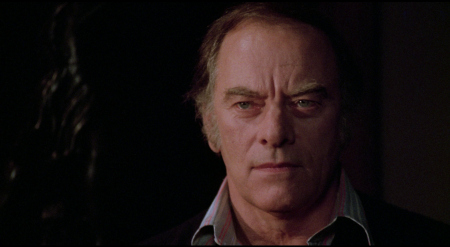
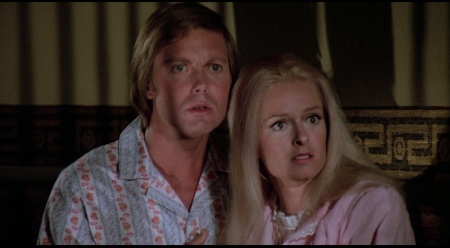
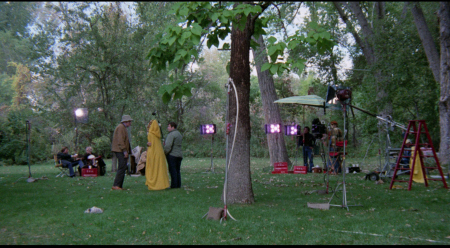
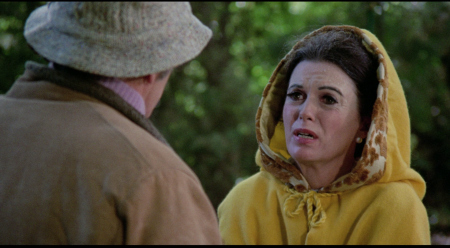
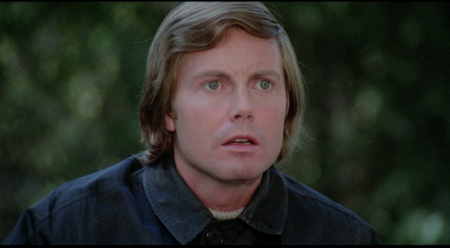
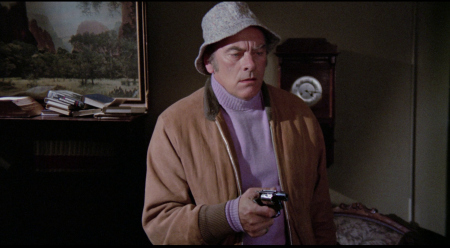
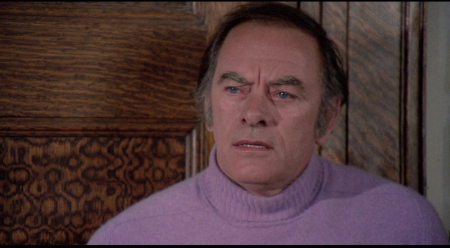
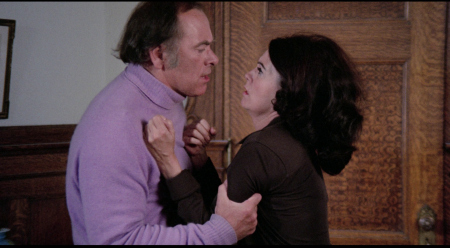
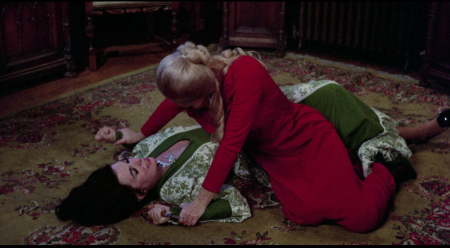
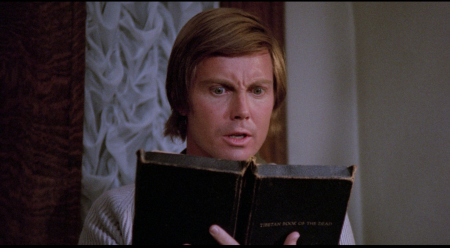
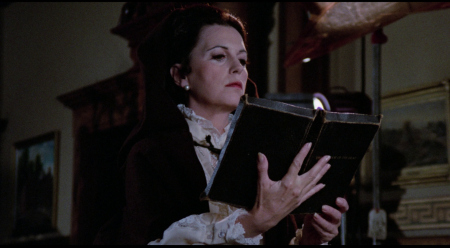
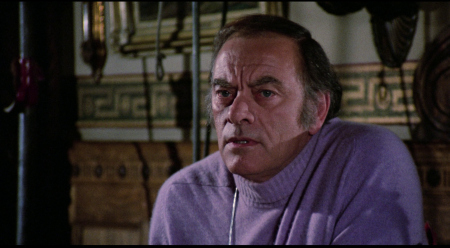
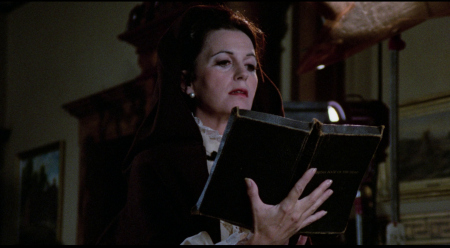
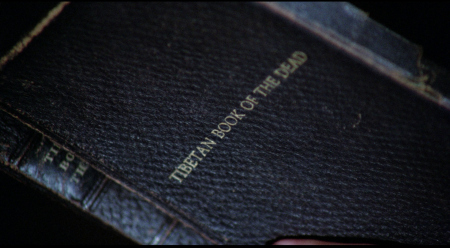
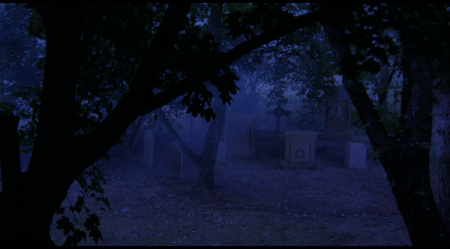
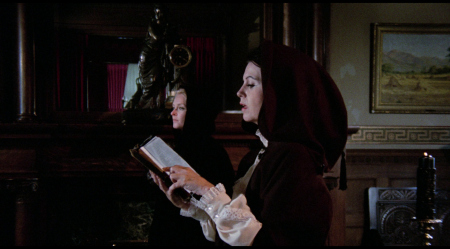
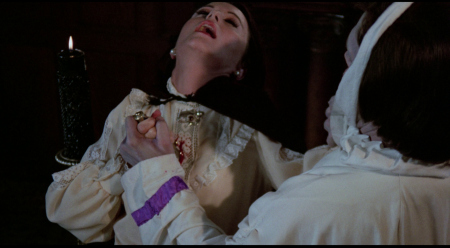
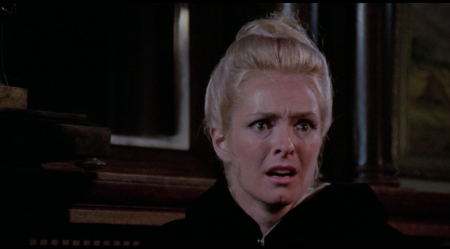
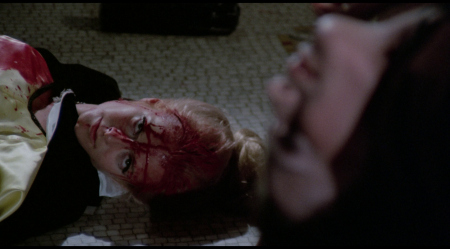
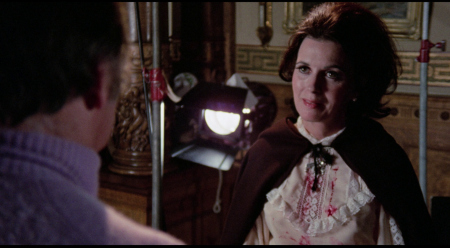
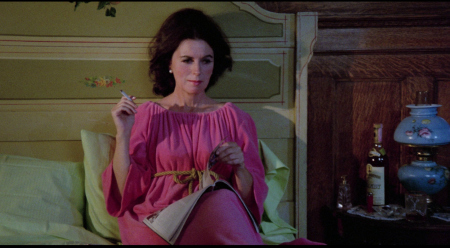
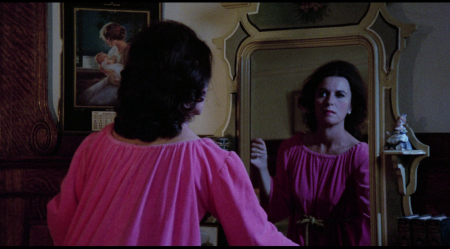
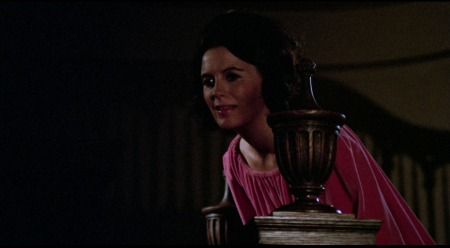
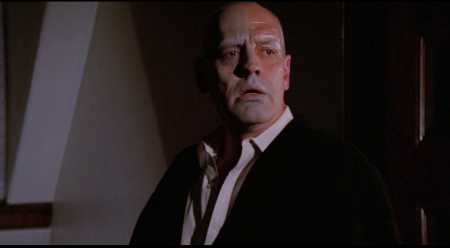
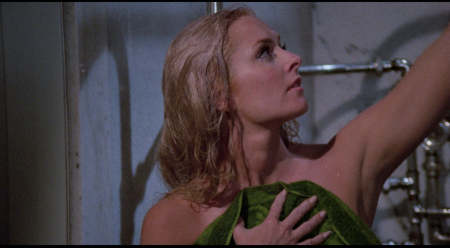
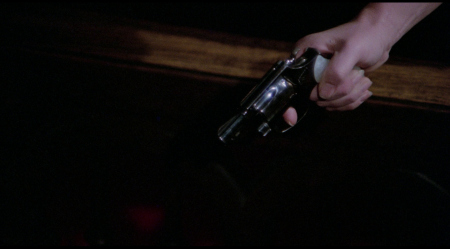
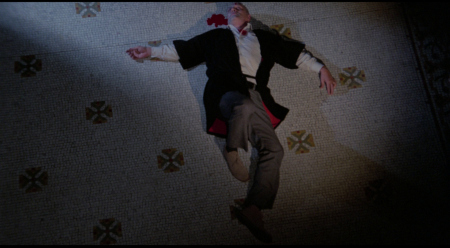
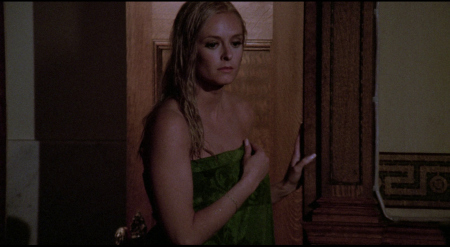
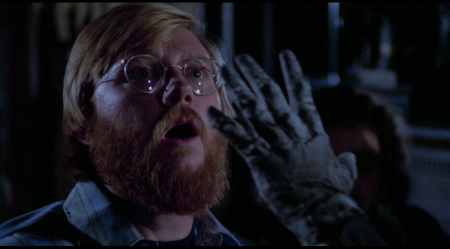
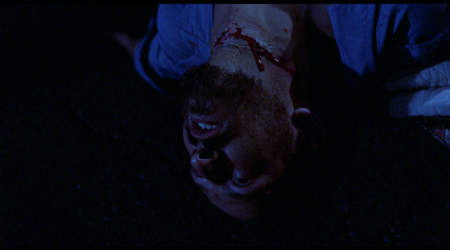
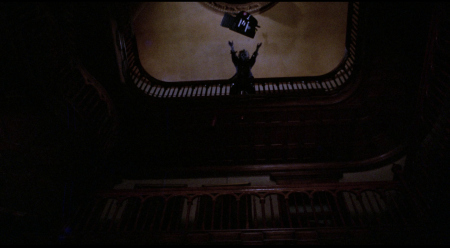
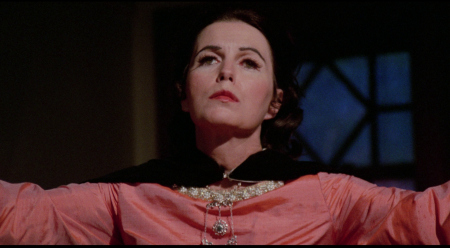
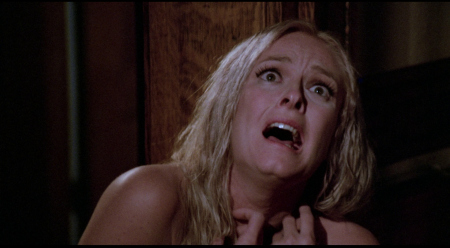
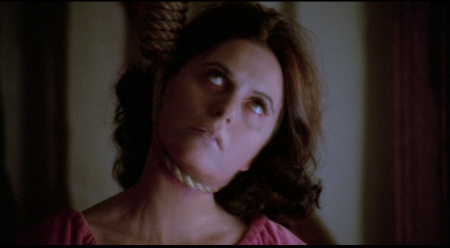
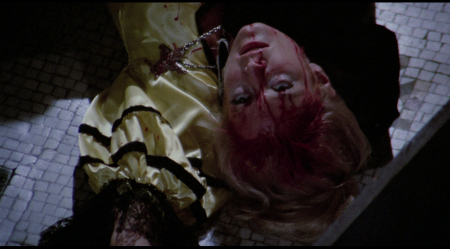
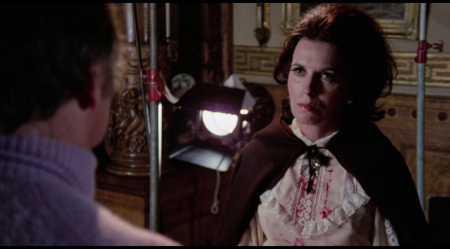
While we are in possession of the 4K UHD disc, we cannot resolve the encode yet, and therefore, cannot obtain screen captures. We hope to add to this review at some point in the future. So, the below captures are from Kino's 2026 1080P Blu-ray transfer.
This
4K UHD upgrade
delivers
delivers a noticeable improvement. It, appropriately, much darker.
Cinematographer Don Jones (Astro
Zombies) and art director Ron Garcia (Twin
Peaks) - who also appears onscreen as one of the corpses - make the
mansion’s expansive staircases, high-ceilinged rooms, shadowy corridors, and
surrounding grounds feel like a genuine character, casting long, dramatic
shadows that enhance the sense of decayed elegance and lurking dread. The
2160P showcases the muted, earthy color palette typical of early-’70s horror
- deep browns, faded greens, and warm wood tones inside the house -
contrasted with cooler exterior shots that lean into the estate’s isolated,
wintry feel. Certainly a more film-like upgrade.
NOTE: We have added 72 more large
resolution
Blu-ray captures (in lossless
PNG format) for DVDBeaver Patrons
HERE
On their
Blu-ray
and 4K UHD,
Kino use a DTS-HD Master dual-mono track (24-bit) in the
original English language. Sound design is competent for the era:
creaking doors, distant moans, wind effects, and the ghoul’s lumbering
footsteps help build tension during the slower stretches, while the
incantations carry a hypnotic, ritualistic weight. The mono-derived
mix the delivers clear and serviceable dialogue that keeps the meta
“film crew” conversations intelligible, while Bob Emenegger’s moody,
occult-tinged score and atmospheric sound design come through with
decent dynamic range for a 1973 production. The mix maintains the film’s
deliberate, slow-burn pacing without harsh distortion, though some level
fluctuations and mild background hiss inherent to the original recording
are still noticeable in quieter scenes. Overall, the lossless mono track
represents a clean, faithful presentation that supports the eerie
ambiance without introducing modern enhancements or surround gimmicks,
staying true to the film’s intimate, location-shot feel.
and Region FREE
4K UHD.
The extras on the Kino Cult
4K UHD
release offers a respectable selection of supplements centered on the
film’s low-budget legacy and cult appeal. A brand-new audio commentary
pairs author/film historian David Del Valle (Six
Reels Under) with producer/director David DeCoteau (Sorority
Babes in the Slimeball Bowl-O-Rama) for an engaging,
anecdote-filled discussion that contextualizes the production within
1970s horror trends. The archival (on the 2013 Severin
Blu-ray) commentary by associate
producer Gary Kent (Satan's
Sadists,
Angels' Wild Women) - moderated by The
Alamo Drafthouse's
Lars Nilsen - provides insider production details, while the 1/2 hour
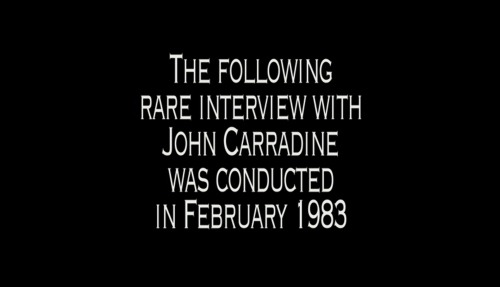
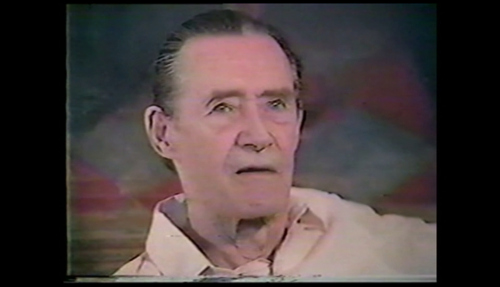
archival (also on the 2013 Severin Blu-ray)
interview with John Carradine (rough quality) offers charming, rambling
insights from the veteran actor. Additional bonuses include “Demon
Dave & Joe’s Savage Tracks” Vol. 5 featuring Randy Cognata (amusing
audio extra for soundtrack enthusiasts), the theatrical trailer, and
attractive packaging with an O-card slipcase and reversible art (see
below.) The extras give solid value for fans of obscure ’70s horror.
The House of Seven Corpses, directed by Paul Harrison stands as a
modest, often overlooked entry in the early 1970s wave of occult-tinged
horror films, notable less for groundbreaking terror than for its
self-aware meta-structure, atmospheric location work, and a cast of
veteran performers slumming in low-budget territory. Also co-written by
Harrison (whose primary background was in children’s television like
H.R. Pufnstuf),
with additional scripting by Thomas J. Kelly, the 90-minute film follows
schlock director Eric Hartman (John Ireland) as he rents the notorious
Beal mansion - site of seven mysterious, violent deaths decades earlier
- to shoot an occult horror picture about those very events. The
production includes fading scream queen Gayle Dorian (in one of her
final roles, Faith Domergue -
It Came From Beneath the Sea,
Spin a Dark Web,
This Island Earth,
Cult of the Cobra) as the lead, a young starlet Anne (Carole
Wells - TVseries;
Pistols 'n' Petticoats, National Velvet) supporting
players like Christopher Millan (Charles Macaulay -
The Big Red One,
Perry Mason Returns,
Tower of London,and two episodes of the original Star Trek
one as Landru in The Return of the Archons) and the estate’s
ominous caretaker Edgar Price (John Carradine -
Bluebeard,
Revenge of the Zombies,
Billy the Kid Versus Dracula,
The Nesting,
Captive Wild Woman,
The Black Sleep,
The Sentinel,
Shock Waves,
The Man Who Shot Liberty Valance,
The Hurricane,
The Prisoner of Shark Island,
Everything You Always Wanted to Know About Sex But Were Afraid to Ask*,
The Proud Rebel,
Showdown at Boot Hill,
The Bees,) who repeatedly warns the crew that their reenactments
are tampering with forces they don’t understand. As the actors film
ritual scenes and recite genuine-sounding incantations from
The Tibetan Book of
the Dead (found conveniently on a shelf alongside other
grimoires), the boundary between the movie-within-the-movie and reality
dissolves; a ghoul rises from a nearby grave and begins dispatching the
filmmakers in a slow, methodical manner that blends zombie tropes with
slasher-style kills. At its core, the film is a patchwork of subgenres
typical of the era: 1970s occult horror (echoing
The Exorcist and
Rosemary’s Baby in its ritual elements and use of the Bardo
Thodol), Gothic haunted-house atmosphere, undead resurrection, and a
light slasher sensibility in the variety of death scenes. Critically and
commercially, the film was marginal upon release and has since become a
cult oddity appreciated more for its nostalgic glimpse into early-’70s
low-budget filmmaking than for scares. It plays best as a double feature
with similarly meta or location-driven horrors (maybe something like
Burnt Offerings or
The Sentinel,) offering campy entertainment alongside genuine
eerie moments. Kino Cult's 4K UHD
release will have introduced it to new audiences who value its slow-burn
atmosphere, veteran cast, and quirky blend of self-referential humor
with undead dread. In the end, The House of Seven Corpses is
neither a lost masterpiece nor a total failure - it’s a charmingly
flawed artifact of its time: a movie about making a bad horror movie
that occasionally succeeds in being an enjoyably atmospheric one itself.
This release is a welcome upgrade for devotees of atmospheric,
meta-driven occult horror, delivering a respectful high-resolution
presentation that enhances the mansion’s Gothic grandeur while
preserving the film’s charming technical imperfections. The new Del
Valle-DeCoteau commentary adds fresh perspective alongside legacy
tracks, making this the definitive physical edition for collectors. For
those who appreciate its quirky blend of haunted-house chills, veteran
cast, and self-referential humor, this disc package provides the
best-looking and best-sounding version yet in a nicely packaged release
that feels perfectly suited for the Kino Cult lineup. It's weak and
schlocky but has a strange appeal.
|


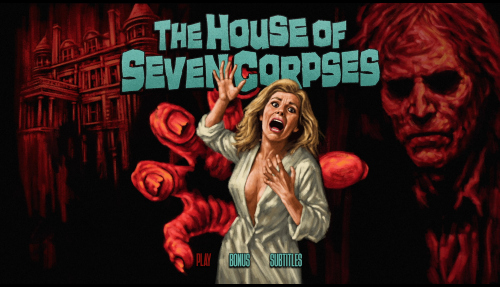
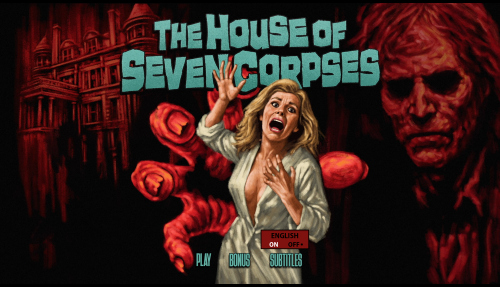
Menus / Extras
 |
 |
 |
 |
 |
 |
 |
CLICK EACH BLU-RAY CAPTURE TO SEE ALL IMAGES IN FULL RESOLUTION
 |

|
|
|
|

|
1)
Severin Films (2013) - Region
'A' -
Blu-ray
HERE TOP
|
|
|
|
|

|
1)
Severin Films (2013) - Region
'A' -
Blu-ray
HERE TOP
|
|
|
|
|

|
|
|
|

|
|
|
|

More Kino Cult - Region 'A' - Blu-ray Captures
|
|

 |
 |
 |
 |
 |
 |
 |
 |
More full resolution (1920 X 1080) Blu-ray Captures for DVDBeaver Patreon Supporters HERE
 |
 |
 |
 |
 |
 |
 |
 |
 |
 |
 |
 |
 |
 |
 |
 |
 |
 |
 |
 |
 |
 |
 |
 |
 |
 |
 |
 |
 |
 |
 |
 |
 |
 |
 |
 |
 |
 |
 |
 |
 |
 |
 |
 |
 |
 |
 |
 |
 |
 |
 |
 |
 |
 |
 |
 |
 |
 |
 |
 |
 |
 |
 |
 |
 |
 |
 |
 |
 |
 |
 |
 |
| Box Cover |
|
CLICK to order from:
BONUS CAPTURES:
|
| Distribution | Kino Cult # 47 - Region FREE - 4K UHD | |
|
Search DVDBeaver |
S E A R C H D V D B e a v e r |

















CLICK PayPal logo to donate!
|
Gary Tooze
|
|
Thank You!
