|
An
enormous, sincere thank you to our phenomenal
Patreon
supporters! Your unshakable dedication is the bedrock that keeps DVDBeaver
going - we’d be lost without you. Did you know? Our patrons include a
director, writer, editor, and producer with honors like Academy Awards for
Best Picture and Best Director, a Pulitzer Prize-winning screenwriter, and a
Golden Globe-winning filmmaker, to name a few! Sadly, DVDBeaver has reached a breaking point where our existence hangs in the balance. We’re now reaching out to YOU with a plea for help. Please consider pitching in just a few dollars a month - think of it as the price of a coffee or some spare change - to keep us bringing you in-depth reviews, current calendar updates, and detailed comparisons. I’m am indebted to your generosity!
|






|
Search DVDBeaver |
S E A R C H D V D B e a v e r |

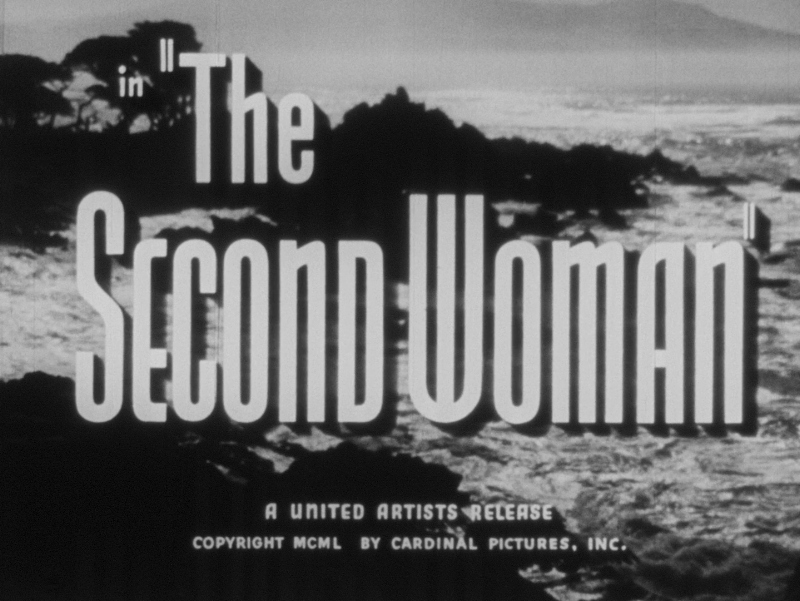
(aka "Twelve Miles Out" or "The Second Woman" or "Ellen" or "12 Mile Drive" or "Her Sin" or "Here Lies Love" or "Twelve Mile Drive")
Directed by James V. Kern
USA 1950
|
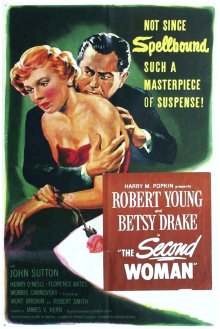
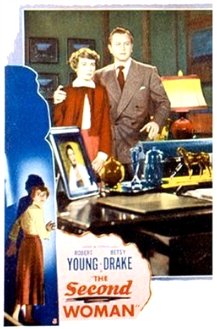
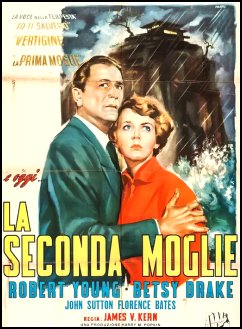
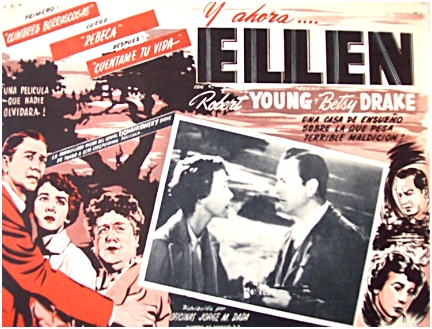
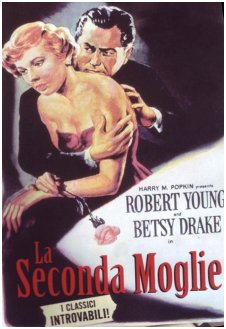
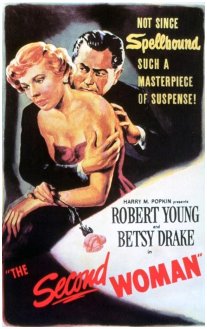
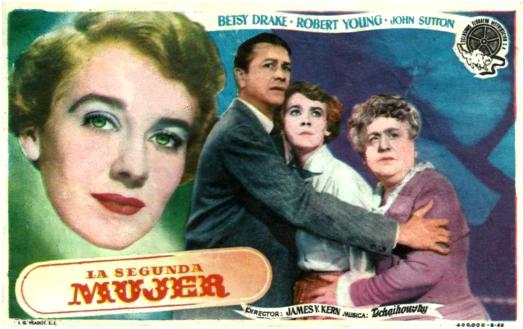
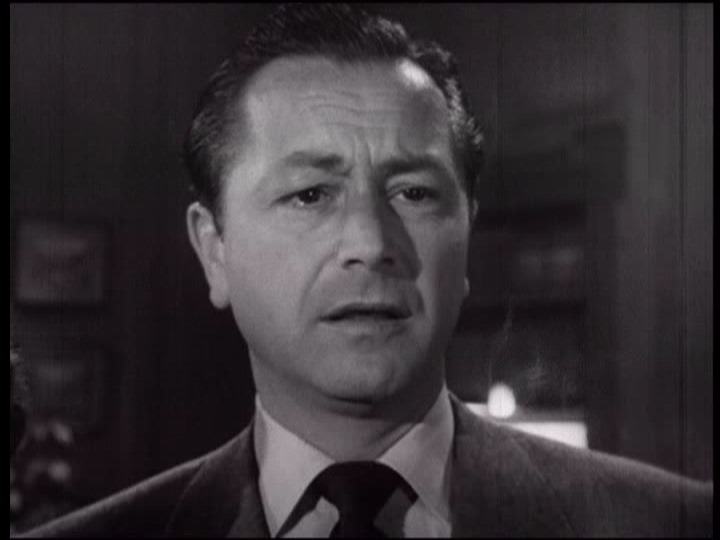
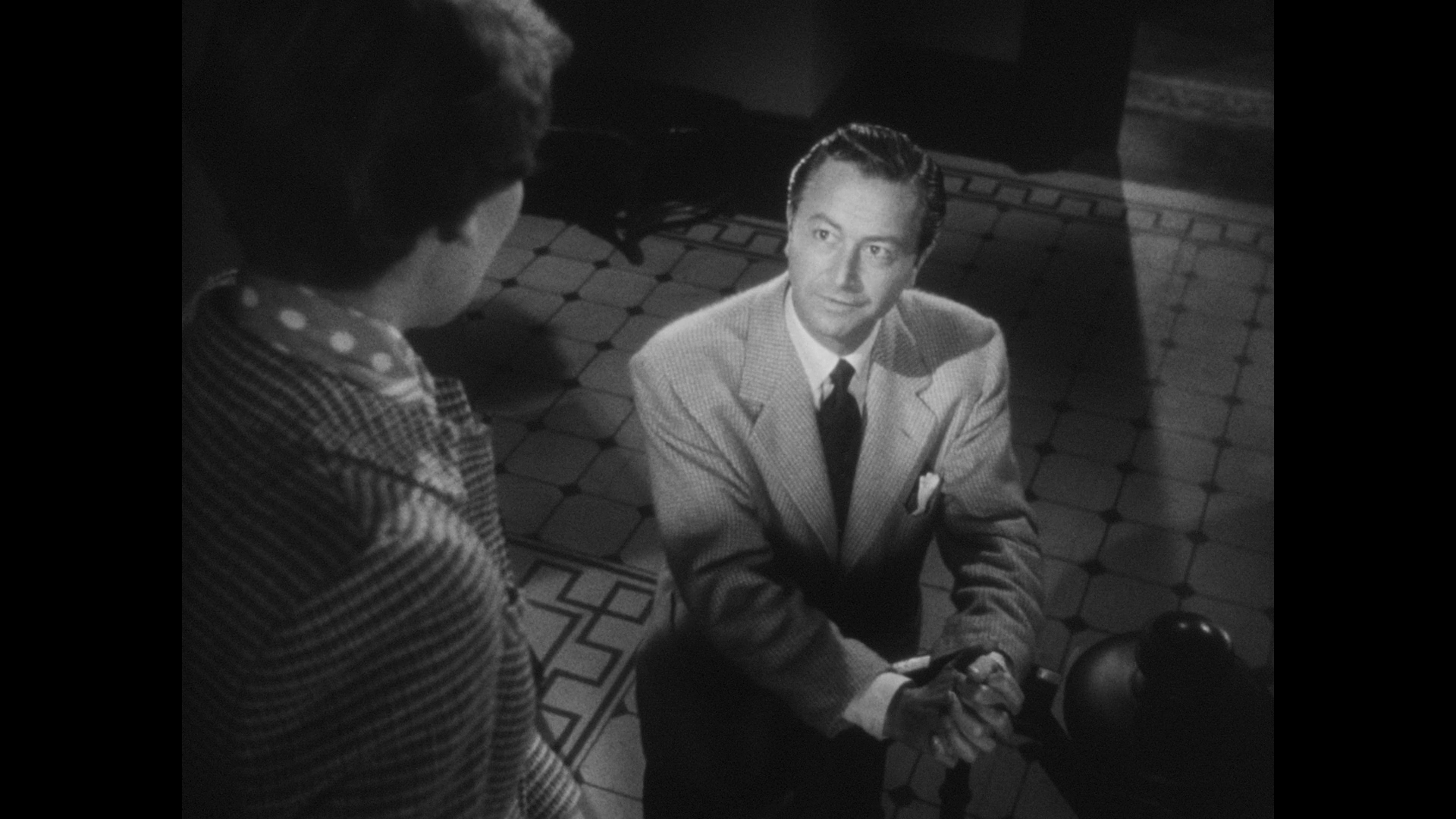
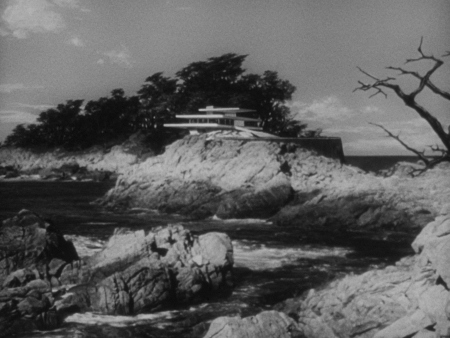
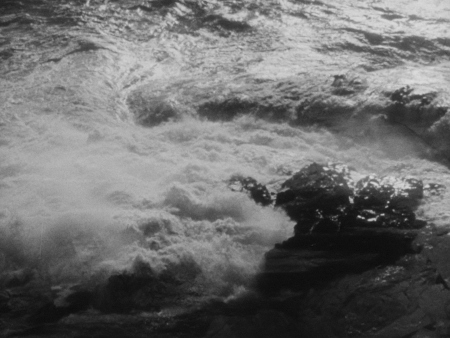
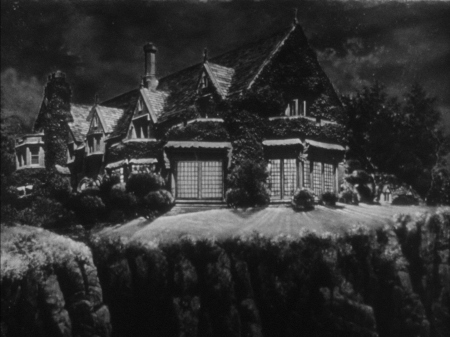
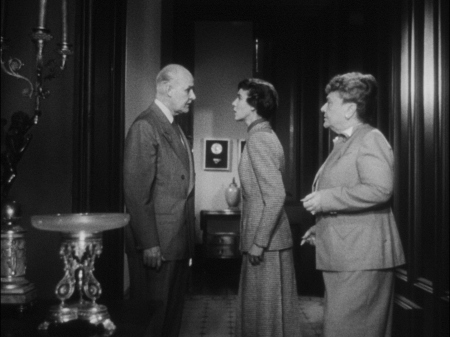
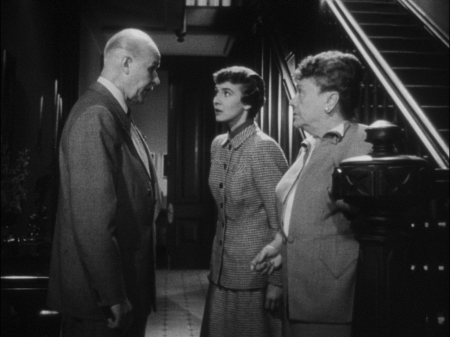
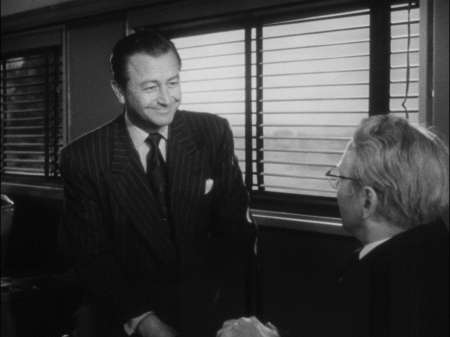
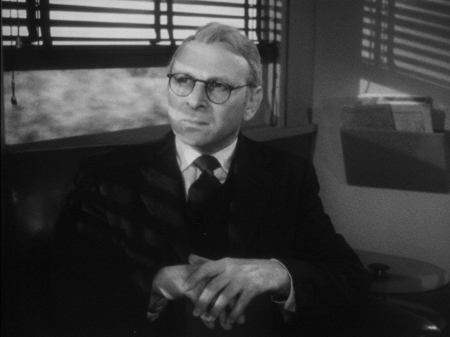
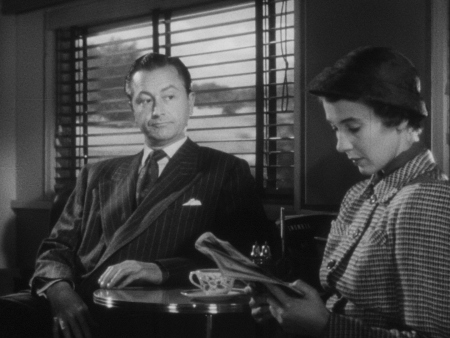
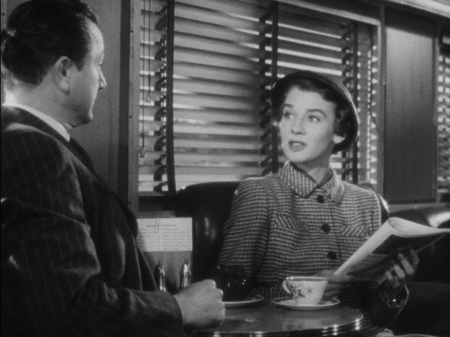
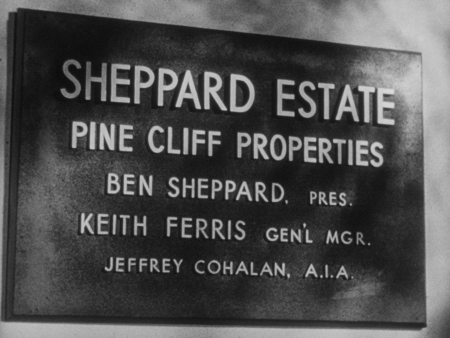
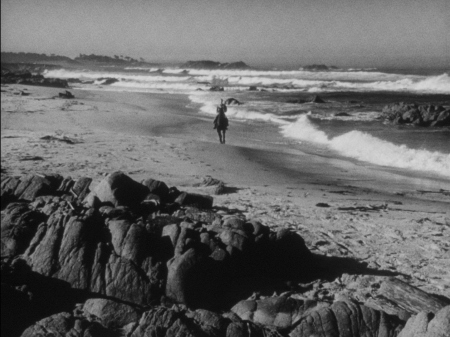
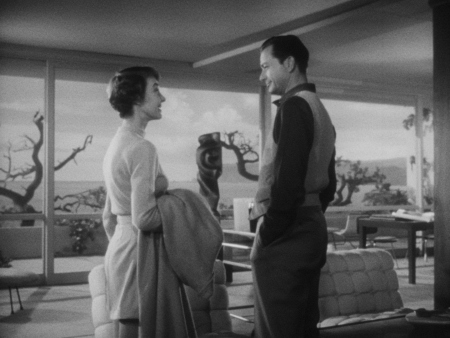
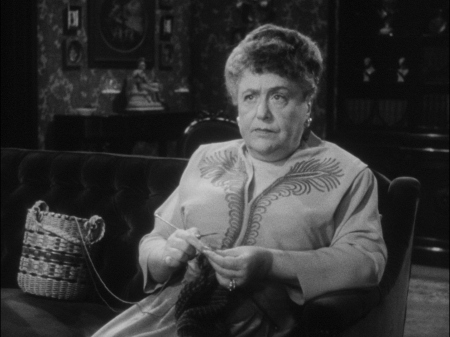
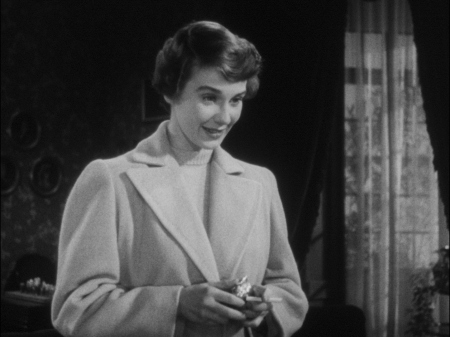
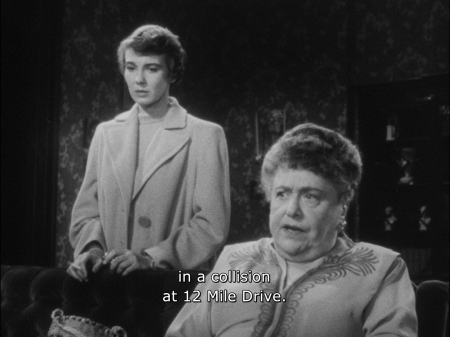
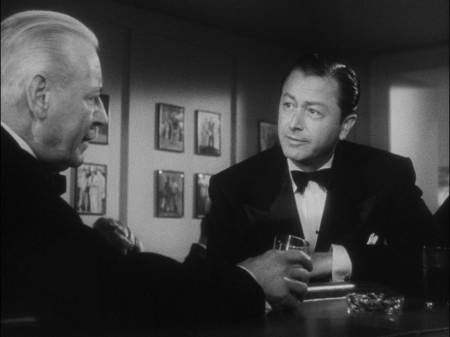
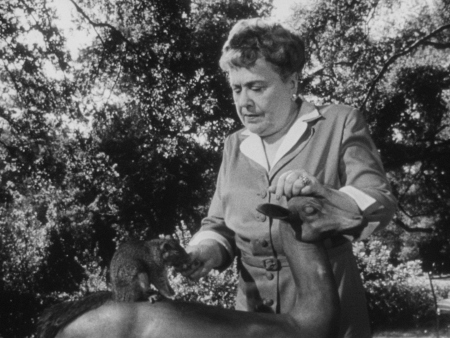
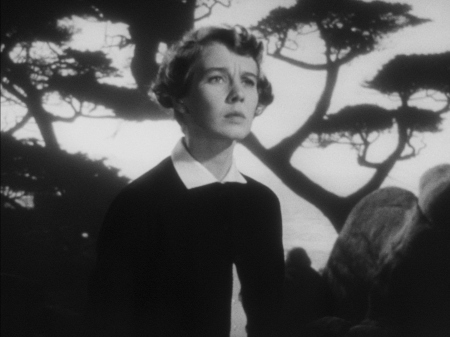
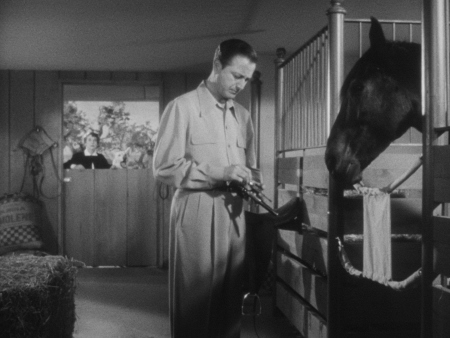
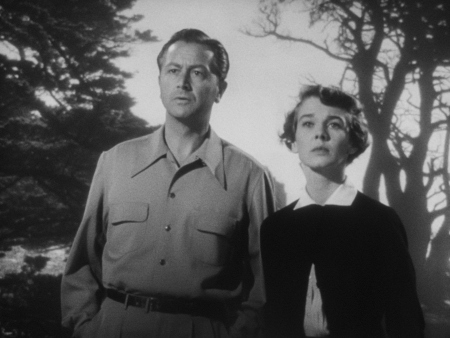
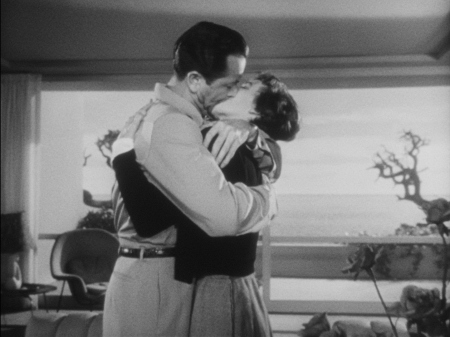
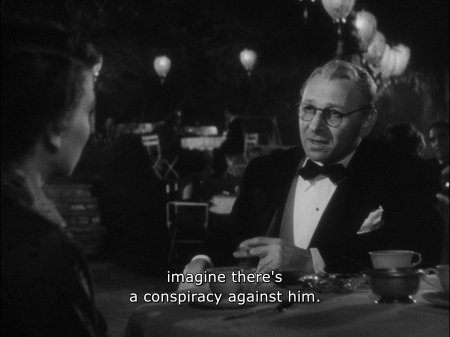
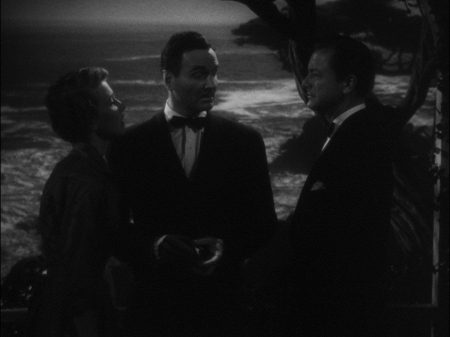
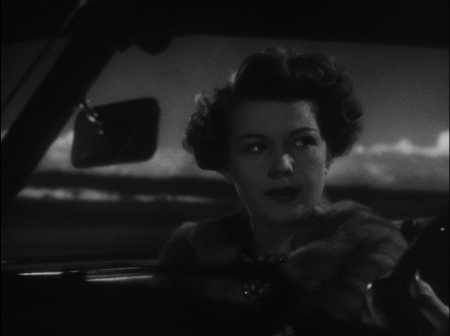
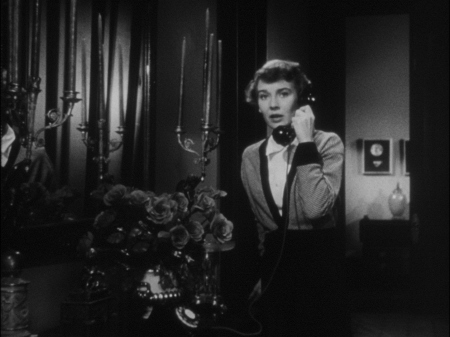
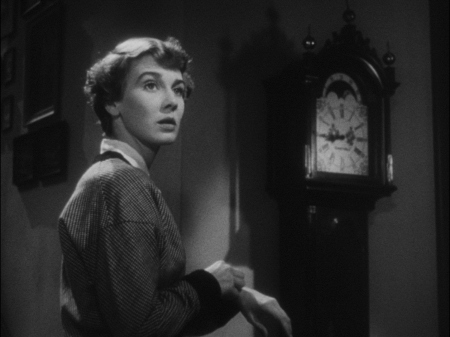
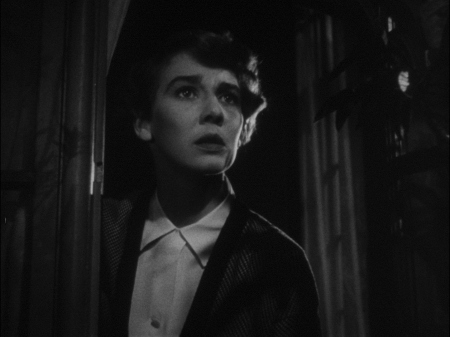
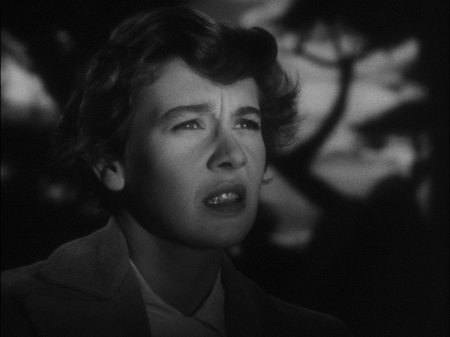
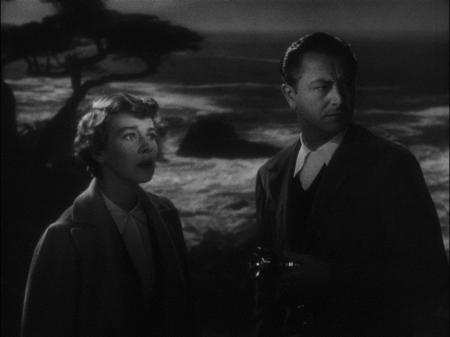
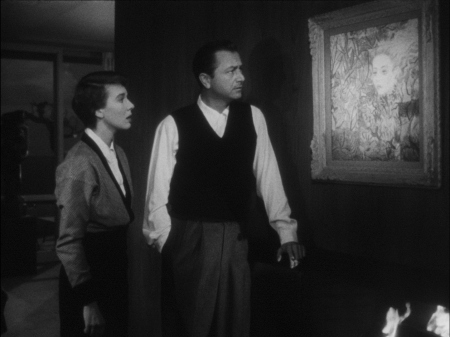
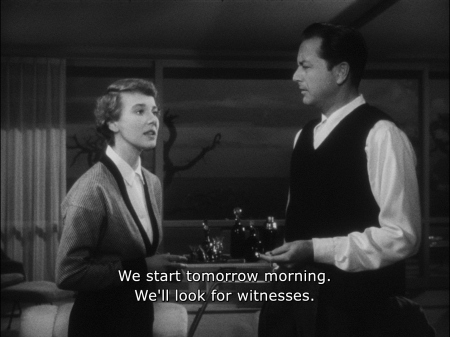
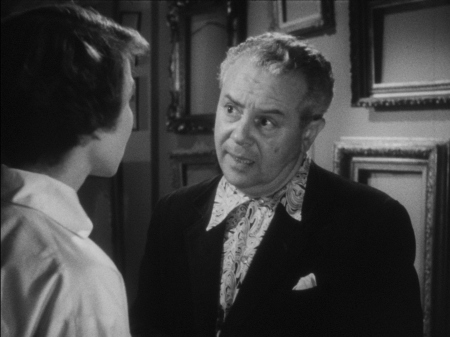
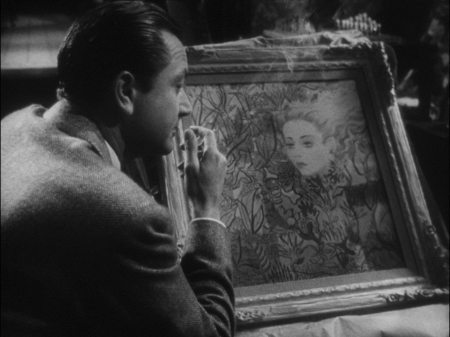
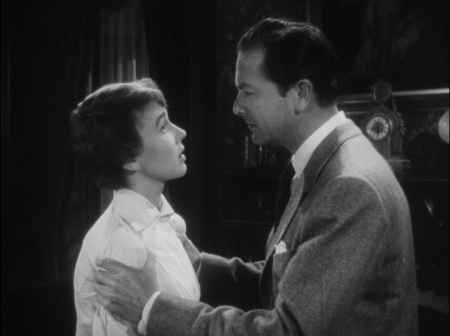
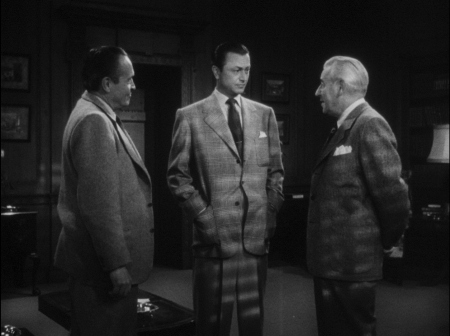
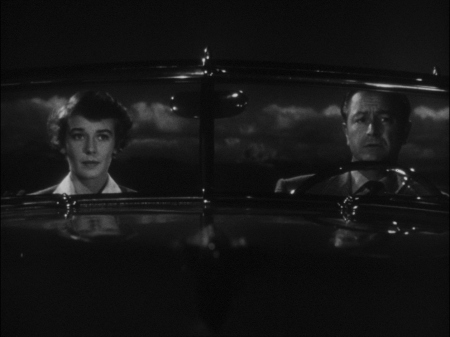
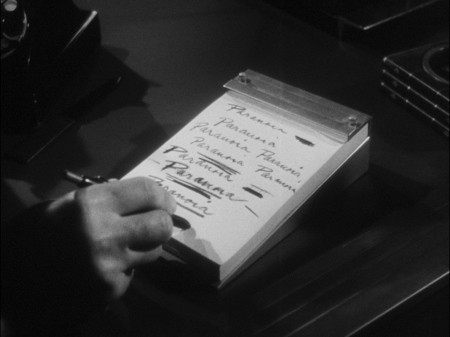
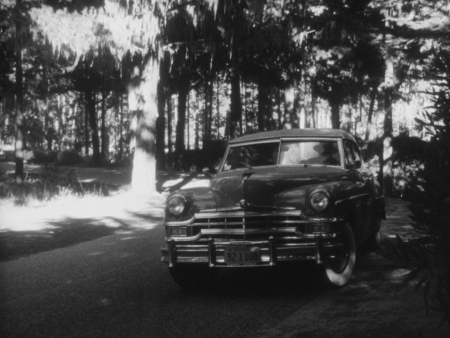
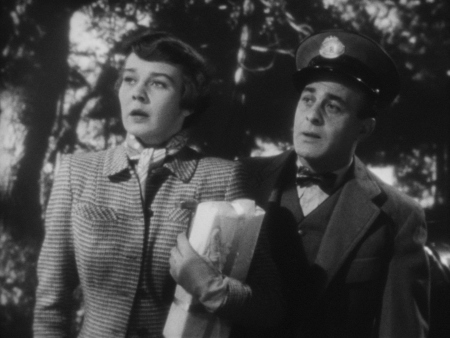
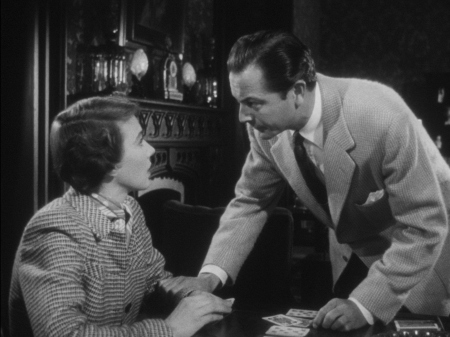
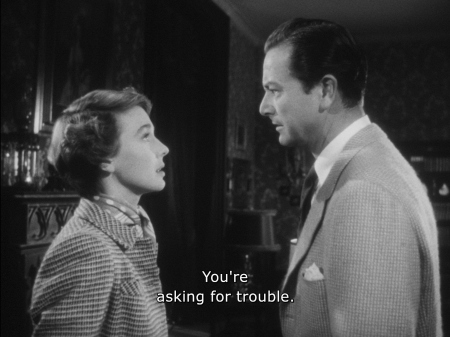
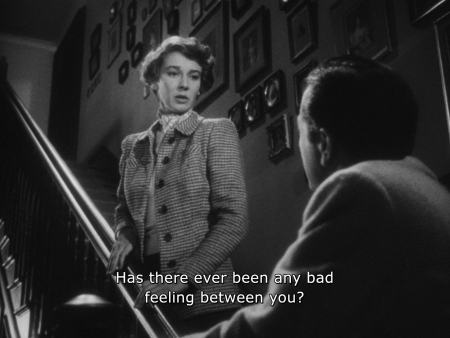
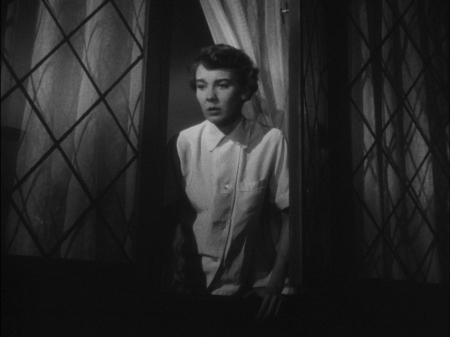
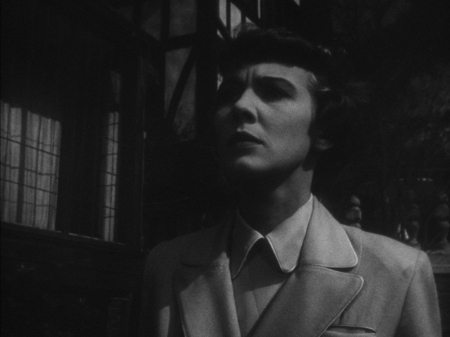
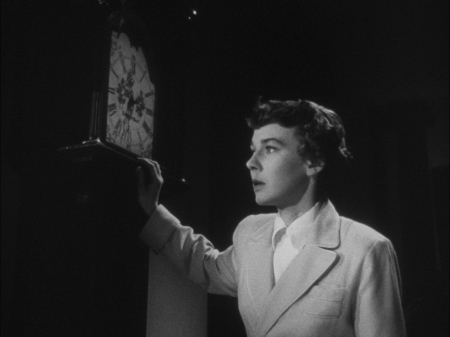
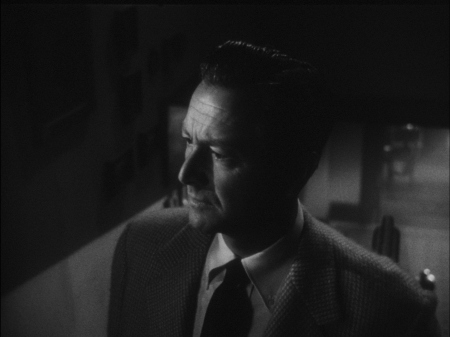
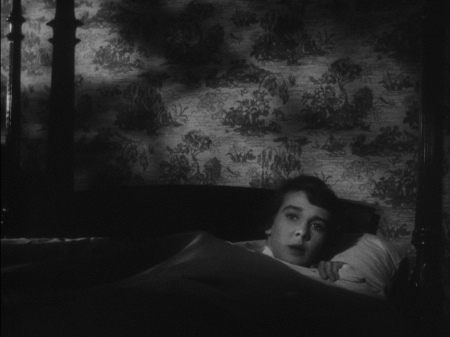
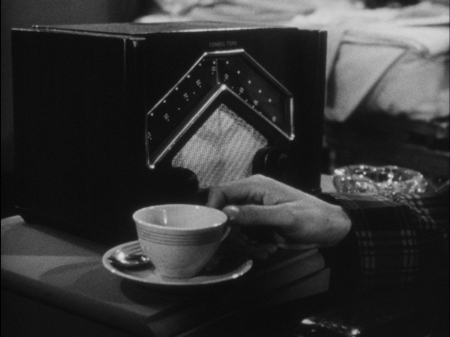
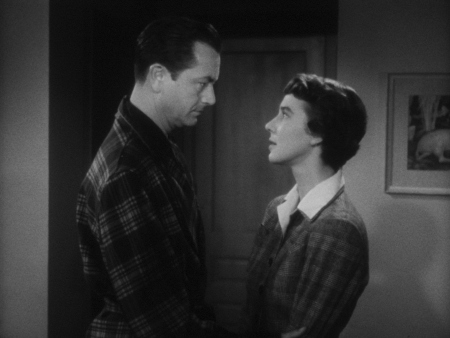
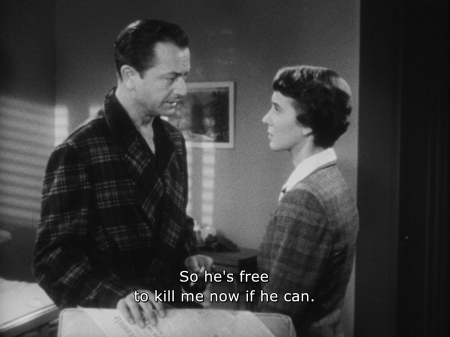
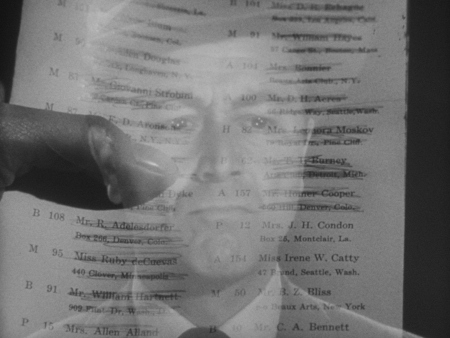
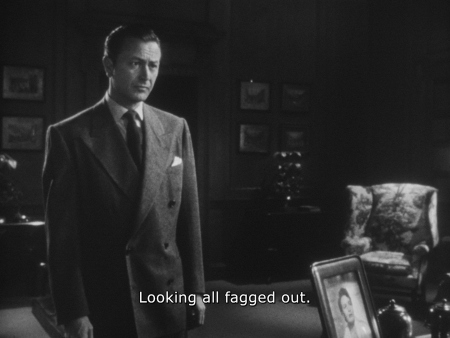
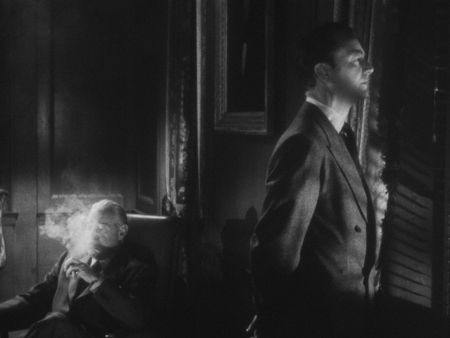
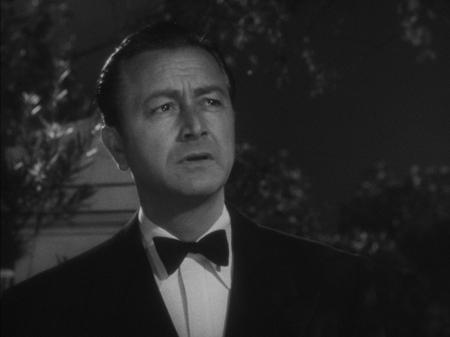
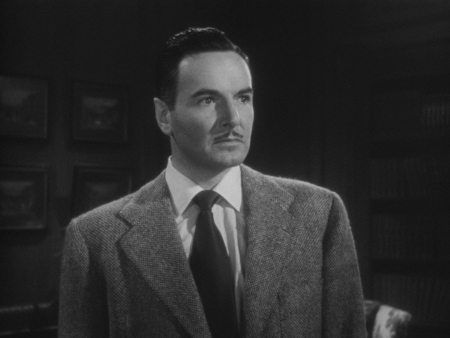
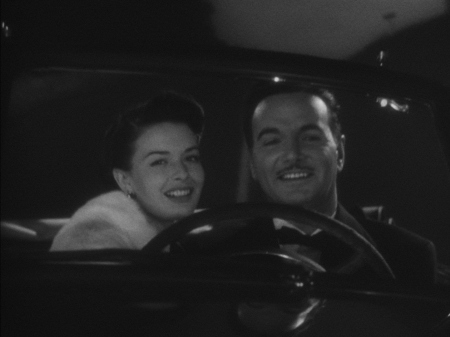
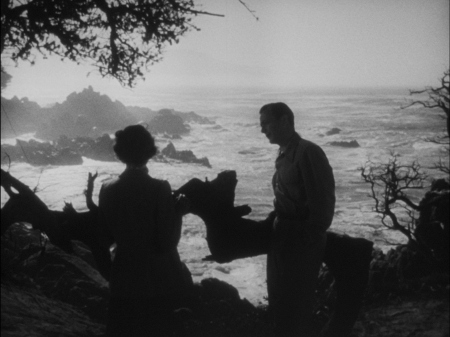
In the tradition of Hitchcock classics like Spellbound and Rebecca, this movie centers around a woman (Betsy Drake) who finds herself involved with a mysterious man (Robert Young) who may or may not be in grave danger. Filmed in Carmel -by- the-Sea and Monterey CA, with cinematography by two- time Oscar winner Hal Mohr (The Phantom of the Opera, A Midsummer Night's Dream). *** The Second Woman is a sleek, atmospheric 1950 film noir mystery-suspense directed by James V. Kern that plays like a stylish hybrid of Rebecca and Gaslight. Robert Young stars as Jeff Cohalan, a successful architect still haunted a year after his fiancée died in a mysterious car crash the night before their wedding; he now broods in the striking ultramodern cliff-top house he built for her on the California coast. When Betsy Drake’s warm, sensible Ellen Foster arrives to visit her aunt and meets her brooding neighbor, she’s drawn into his escalating run of bizarre misfortunes—vanishing objects, dying plants, poisoned pets—that leave everyone wondering whether Jeff is losing his mind, being targeted, or hiding a darker secret. With crisp black-and-white cinematography, a brooding score, and a cast that includes John Sutton and Florence Bates, the picture delivers solid mid-budget thrills and a satisfying twist that rewards patient viewers. It remains an underrated gem for fans of postwar psychological suspense. |
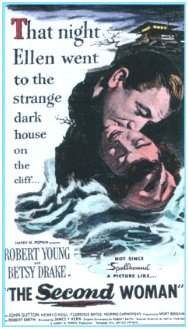
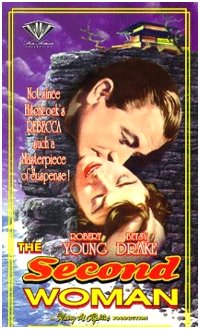
Posters
 |
 |
 |
 |
 |
 |
 |
 |
 |
Theatrical Release: July 7th, 1950

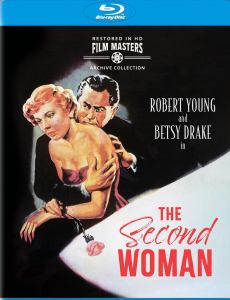
Review: Film Masters - Region FREE - Blu-ray
Big thanks to Gregory Meshman for the DVD Captures!
| Box Cover |
|
CLICK to order from:
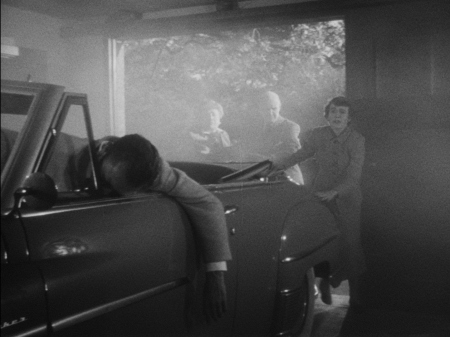
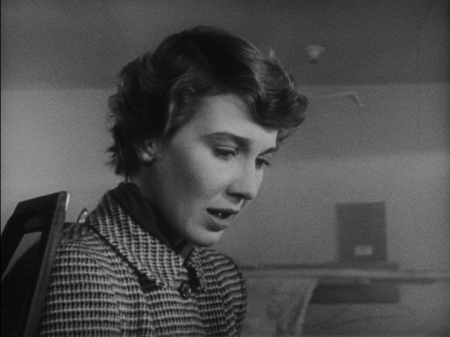
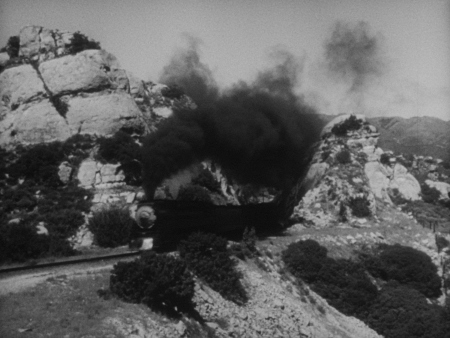
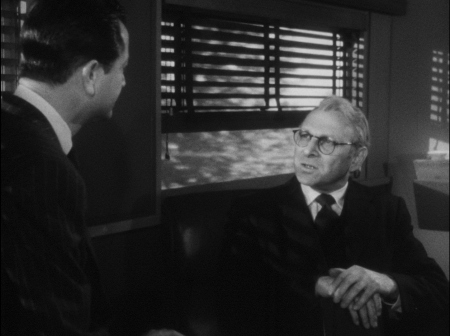
BONUS CAPTURES:
|
| Distribution | Film Masters - Region FREE - Blu-ray | |
| Runtime | 1:30:43.479 | |
| Video |
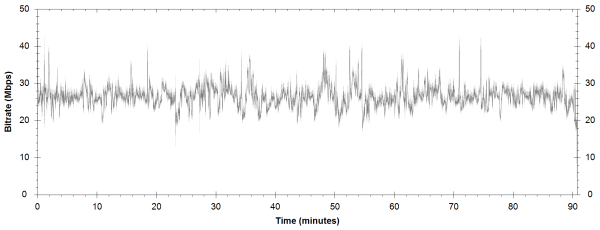
1. 33:1 1080P Single-layered Blu-rayDisc Size: 19,789,516,941 bytesFeature: 19,763,678,592 bytes Video Bitrate: 24.99 MbpsCodec: MPEG-4 AVC Video |
|
|
NOTE: The Vertical axis represents the bits transferred per second. The Horizontal is the time in minutes. |
||
| Bitrate Blu-ray: |
|
|
| Audio |
DTS-HD Master Audio English 1509 kbps 2.0 / 48 kHz / 16-bit (DTS Core: 2.0 / 48 kHz / 1509 kbps / 16-bit) |
|
| Subtitles | English, None | |
| Features |
Release Information: Studio: Film Masters
1. 33:1 1080P Single-layered Blu-rayDisc Size: 19,789,516,941 bytesFeature: 19,763,678,592 bytes Video Bitrate: 24.99 MbpsCodec: MPEG-4 AVC Video
Edition Details: • None
Standard Blu-ray Case Chapters 8 |
|



| Comments: |
NOTE:
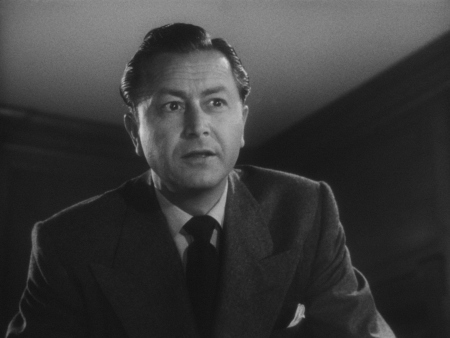
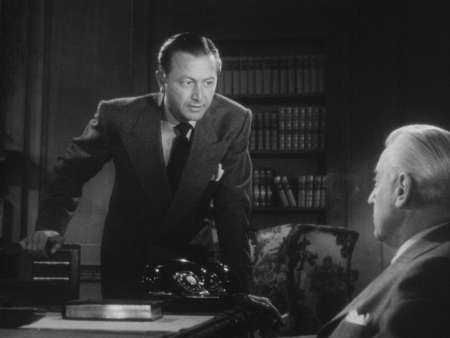
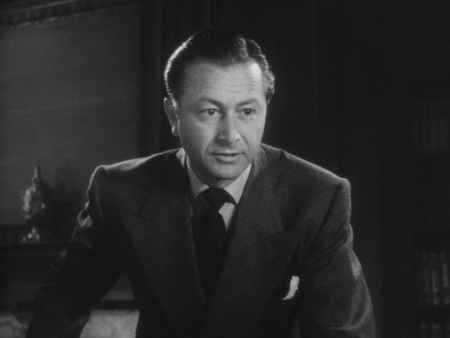
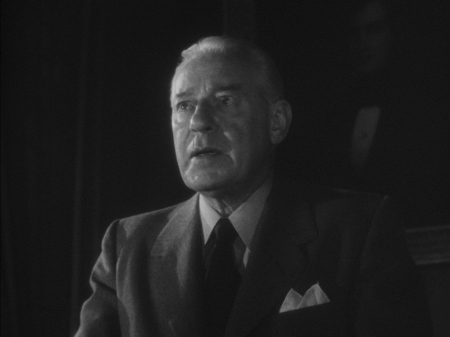
The below
Blu-ray
captures were taken directly from the
Blu-ray
disc.
NOTE: We
have added 82 more large resolution Blu-ray
captures (in lossless PNG format) for DVDBeaver Patrons
HERE
On their
Blu-ray,
Film Masters use a DTS-HD Master dual-mono track (16-bit) in the
original English language.
The Film Masters
Blu-ray
offers nothing in terms of extras. True to the Archive Collection ethos,
the disc is entirely bare-bones. There are no audio commentaries, no
featurettes, no trailers, and no booklet or liner notes beyond the most
basic on-screen menu. The only supplemental material is a set of static
chapter stops and a brief, text-only essay on the back cover that offers
little more than a plot synopsis and cast list.
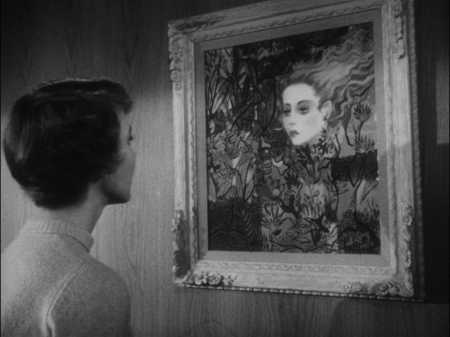
James V. Kern's The Second Woman
is a sleek, underappreciated psychological thriller that blends
film noir, Gothic romance, and mid-century domestic suspense into a
haunting coastal reverie. Often dismissed as a B-picture or a pale echo
of
Hitchcock, it actually anticipates the postwar "woman’s picture"
strain of
noir - think
Rebecca (1940) refracted through the lens of
Gaslight (1944) and
Spellbound (1945) - while quietly subverting the genre’s usual fatalism
with a surprisingly affirmative ending. At its core is the tension
between modern rationality and irrational dread, embodied in the
gleaming, cliff-perched modernist house called Hilltop, which stands as
both sanctuary and trap. For much of its 90 minutes, the audience is
kept in the same fog as Ellen: is Jeff a tragic victim, a guilt-ridden
madman, or something worse? The screenplay doles out red herrings with
precision - jealous colleagues, a caddish rival (John Sutton -
My Cousin Rachel,
5 Fingers,
Payment on Demand,
Captain from Castile,
The Hour Before the Dawn,
Hudson's Bay,
The Sea Hawk,
Tower of London,
The Private Lives of Elizabeth and Essex,) a
sinister business partner - while Hal Mohr’s (Captain
Blood,
Underworld
U.S.A.,
The Gun Runners,
The Lineup,
The Wild One,
Rancho Notorious,
Woman on the Run,
An Act of Murder,
Destry Rides Again,
Bullets or Ballots,
The Walking Dead) luminous black-and-white cinematography turns the
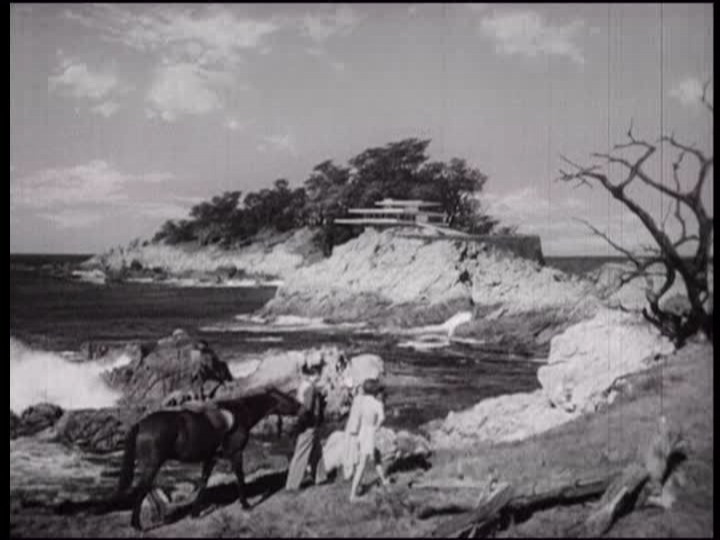
rugged California coastline into a character unto itself. Towering waves
crash against jagged rocks, claw-like cypress trees silhouette against
the sky, and the modernist house, all clean lines and plate glass, feels
eerily vulnerable perched on the edge of the abyss. Robert Young (The
Enchanted Cottage,
They Won't Believe Me,
Crossfire,
The Bride Comes Home,
Secret
of the Incas,
The Bride Comes Home,
The Guilty Generation,) usually the
genial everyman, gives one of his most restrained performances: quiet,
interior, almost somnambulant, conveying a man whose grief has hollowed
him out. Betsy Drake (Intent
to Kill,
Will Success Spoil Rock Hunter?, wrote
Houseboat) in what may be her finest screen role, is the
film’s true engine - intelligent, persistent, and refreshingly
un-neurotic. She brings a 1950s version of Nancy Drew energy to the
role: a career woman who weaponizes logic against the irrational. Their
chemistry feels lived-in rather than manufactured, and the film quietly
celebrates her agency without ever turning her into a superheroine. The
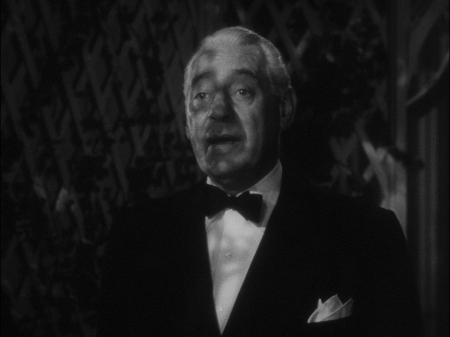
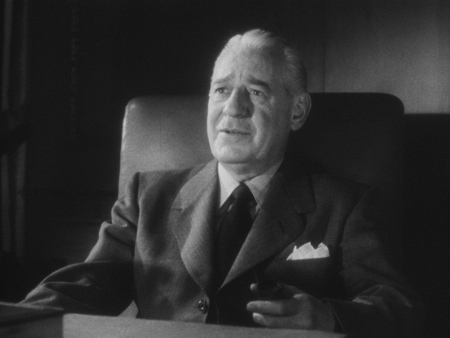
deeper themes emerge in the final act, when the villain is revealed to
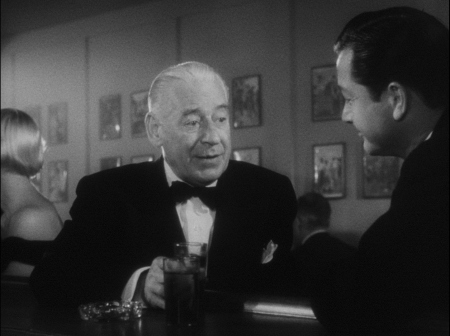
be Ben Sheppard (Henry O’Neill -
North by Northwest,
Convicted,
No Man of Her Own,
The Reckless Moment,
Alias Nick Beal,
Johnny Eager,
Shadow of the Thin Man,
They Drive by Night,
Calling Philo Vance,
Confessions of a Nazi Spy,
Dodge City,
Jezebel,
Bullets or Ballots,
The Walking Dead,
The Petrified Forest), Vivian’s father and Jeff’s
architectural partner. Consumed by grief and misplaced blame, he has
orchestrated the campaign of psychological warfare to drive Jeff to
suicide or institutionalization. The twist is both shocking and
thematically rich: the real threat comes not from the supernatural or
the subconscious, but from patriarchal rage and the destructive power of
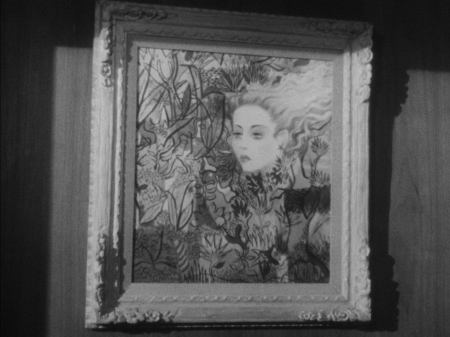
unresolved mourning. The fading painting - a modernist portrait of
Vivian that slowly loses its color - becomes a perfect metaphor for
memory itself eroding under the weight of guilt and sabotage. The house,
symbol of Jeff’s creative ambition and romantic ideal, is literally
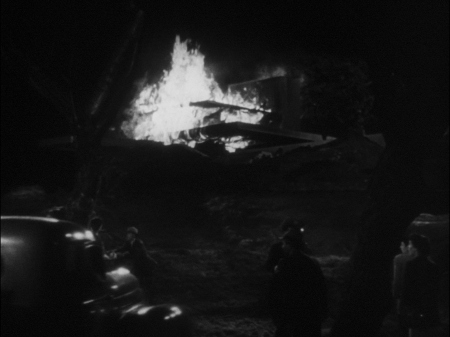
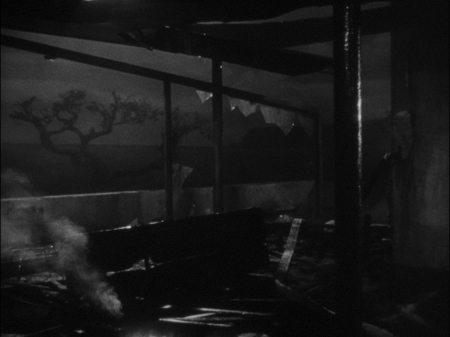
reduced to ashes, forcing a confrontation with the past. The Second
Woman is less a conventional noir than a melancholy valentine to
resilience. Where many films of the era punish their characters for
daring to love again, this one allows healing. Jeff and Ellen walk away
from the ruins together, the sea still roaring behind them, but the
storm has passed. It’s a small, elegant miracle of a movie - one that
deserves to be rescued from the shadows of its more famous cousins and
given the cult following its eerie beauty and emotional intelligence
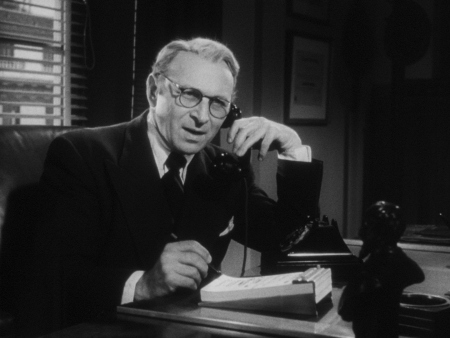
have long warranted. After wrapping his moody 1950 psychological
thriller The Second Woman - his last significant feature-film credit -
James V. Kern made a decisive and highly successful pivot to television,
where he became one of the most prolific and reliable house directors of
the 1950s and 1960s. Over the next 16 years he directed hundreds of
episodes - I Love
Lucy (1953–1956), 99 episodes of
My Three Sons
(1964–1967), 83 episodes of
The Joey Bishop Show
(1962–1965), 22 episodes of The Ann Sothern Show, 6 episodes of
My Favorite Martian,
and solid runs on
77 Sunset Strip, Bourbon Street Beat,
Maverick,
Pete and Gladys, The Gale Storm Show, and
The Jack Benny Program. The Second Woman in any high-definition
format like the Film Masters
Blu-ray
is welcome, if tempered by its bare-bones status and modest a/v. The
picture and sound are good enough to let the film’s hypnotic coastal
mood and elegant performances shine through, yet the lack of extras and
the unpolished technical presentation keep it from feeling like a true
celebration. At its current price point it’s an easy recommendation for
completists and
noir enthusiasts, but anyone hoping for a deluxe treatment will
have to keep waiting. The Second Woman is one of the most
elegantly haunting and quietly devastating psychological thrillers of
the 1950s, a forgotten jewel where sunlit modernist beauty and gathering
coastal dread create a surreal atmosphere that lingers like sea mist
long after the final frame. See this one! |

Menus / Extras
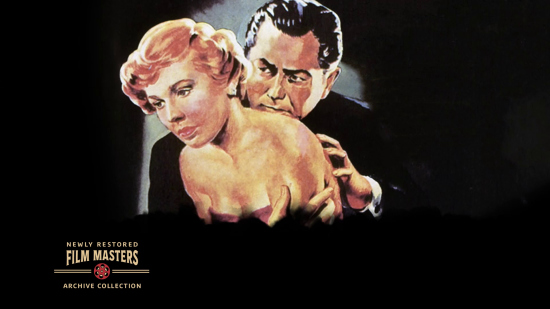 |

CLICK EACH BLU-RAY CAPTURE TO SEE ALL IMAGES IN FULL 1920X1080 RESOLUTION
 |
|
1) Alpha - Region 0 - NTSC TOP
|
 |
 |
|
1) Alpha - Region 0 - NTSC TOP
|
 |
 |
|
1) Alpha - Region 0 - NTSC TOP
|
 |
 |
|
1) Alpha - Region 0 - NTSC TOP
|
 |
 |
|
1) Alpha - Region 0 - NTSC TOP
|
 |
 |
|
1) Alpha - Region 0 - NTSC TOP
|
 |
 |
|
1) Alpha - Region 0 - NTSC TOP
|
 |
 |
 |
 |
 |
 |
 |
 |
 |
 |
More full resolution (1920 X 1080) Blu-ray Captures for DVDBeaver Patreon Supporters HERE
 |
 |
 |
 |
 |
 |
 |
 |
 |
 |
 |
 |
 |
 |
 |
 |
 |
 |
 |
 |
 |
 |
 |
 |
 |
 |
 |
 |
 |
 |
 |
|
 |
 |
 |
 |
 |
 |
 |
 |
 |
 |
 |
 |
 |
 |
 |
 |
 |
 |
 |
 |
 |
 |
 |
 |
 |
 |
 |
 |
 |
 |
 |
 |
 |
 |
 |
 |
 |
 |
 |
 |
 |
 |
 |
 |
 |
 |
 |
 |
 |
 |
 |
 |
 |
 |
| Box Cover |
|
CLICK to order from:
BONUS CAPTURES:
|
| Distribution | Film Masters - Region FREE - Blu-ray | |
|
Search DVDBeaver |
S E A R C H D V D B e a v e r |























CLICK PayPal logo to donate!
|
Gary Tooze
|
|
Thank You!
