|
An
enormous, sincere thank you to our phenomenal
Patreon
supporters! Your unshakable dedication is the bedrock that keeps DVDBeaver
going - we’d be lost without you. Did you know? Our patrons include a
director, writer, editor, and producer with honors like Academy Awards for
Best Picture and Best Director, a Pulitzer Prize-winning screenwriter, and a
Golden Globe-winning filmmaker, to name a few! Sadly, DVDBeaver has reached a breaking point where our existence hangs in the balance. We’re now reaching out to YOU with a plea for help. Please consider pitching in just a few dollars a month - think of it as the price of a coffee or some spare change - to keep us bringing you in-depth reviews, current calendar updates, and detailed comparisons. I’m am indebted to your generosity!
|






|
Search DVDBeaver |
S E A R C H D V D B e a v e r |

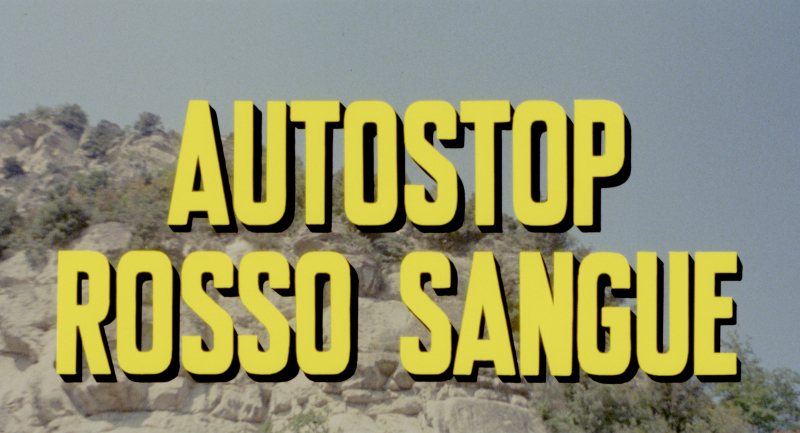
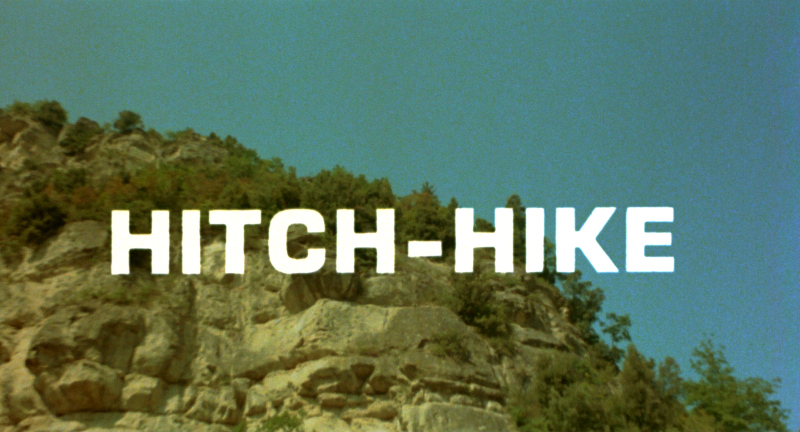
(aka "Autostop rosso sangue" or "Hitch-Hike" or "Death Drive" or "The Naked Prey" or "Hitchhike")
Directed by Pasquale Festa Campanile
Italy 1977
|
Franco Nero (Django,
Force 10 from Navarone), Corinne Cléry (Plot
of Fear), and David Hess (The
Last House on the Left) star in Hitch-Hike (Autostop rosso
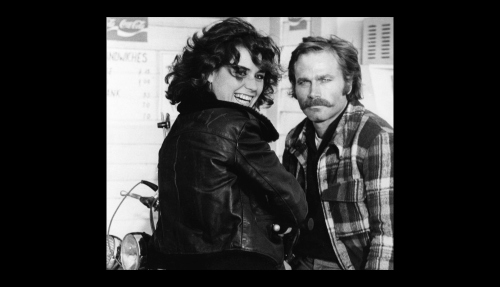
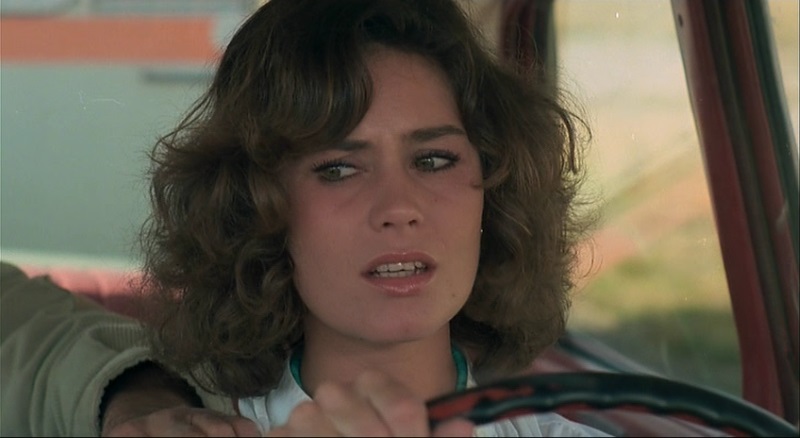
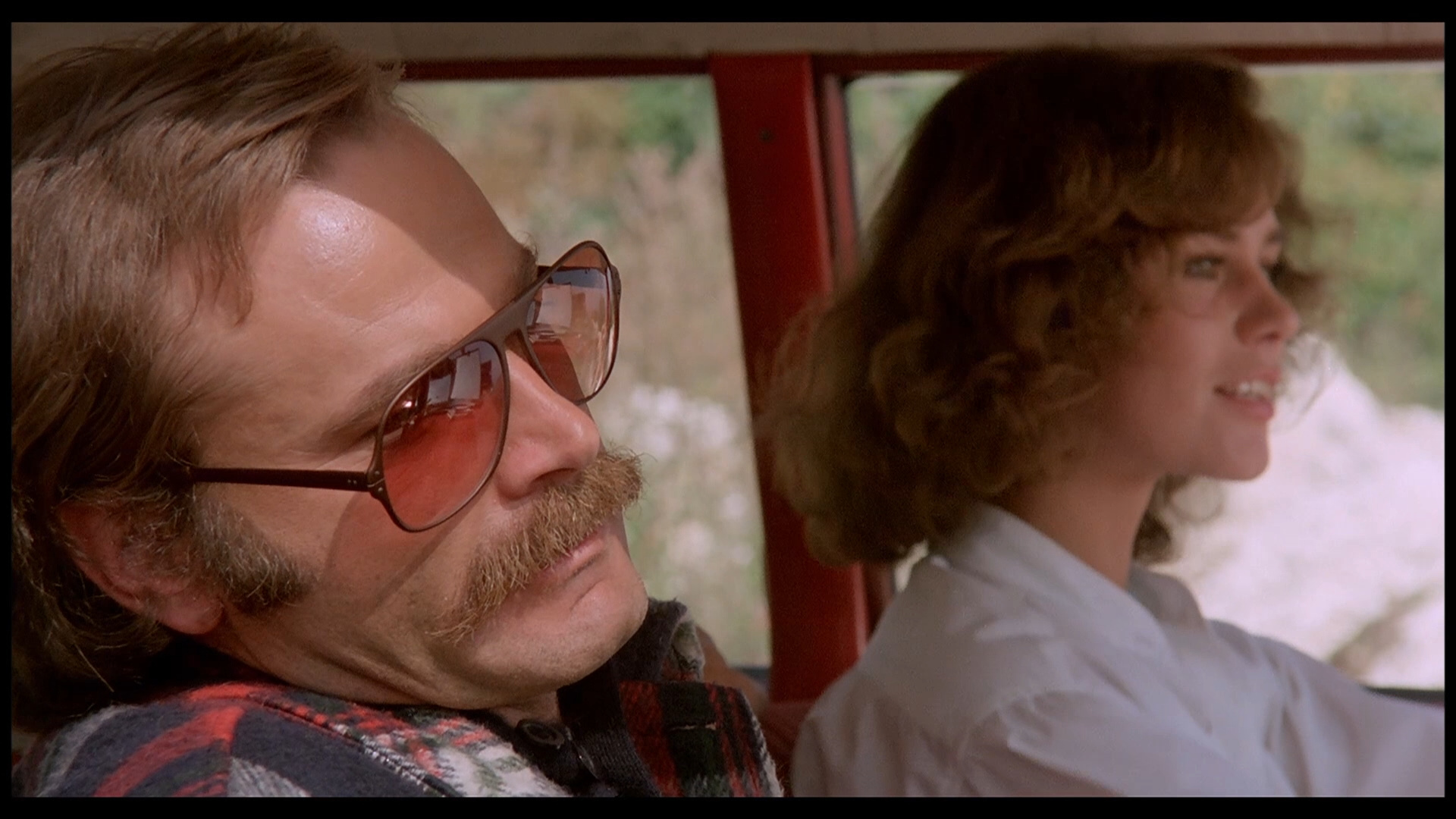
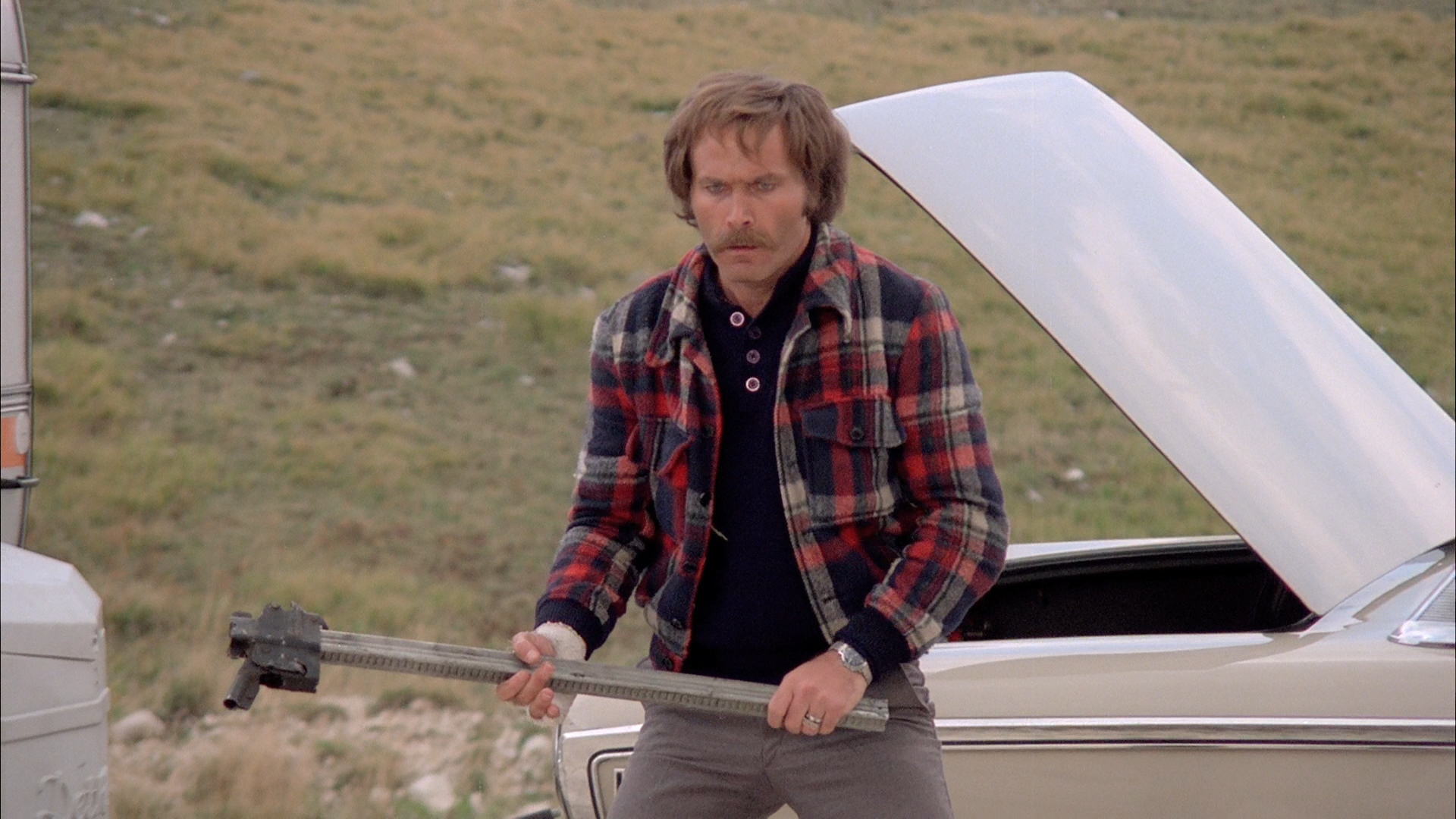
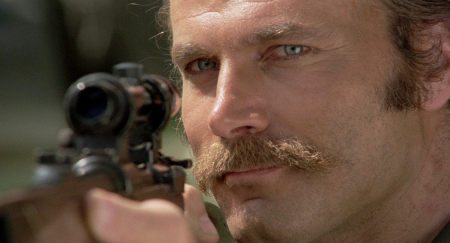
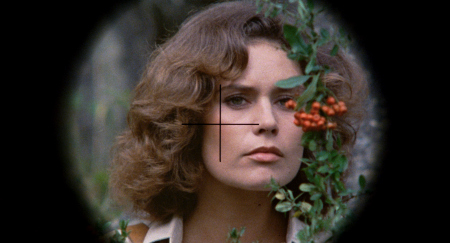
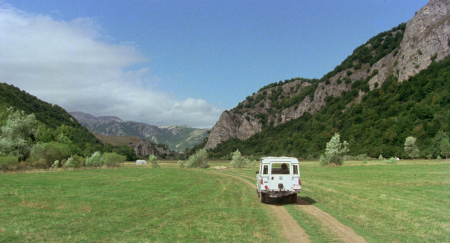
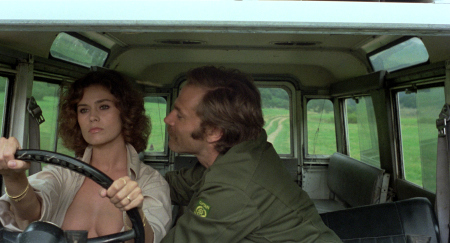
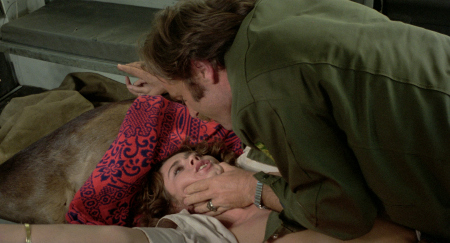
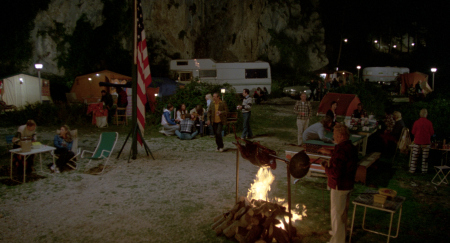
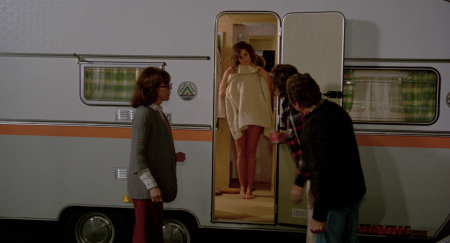
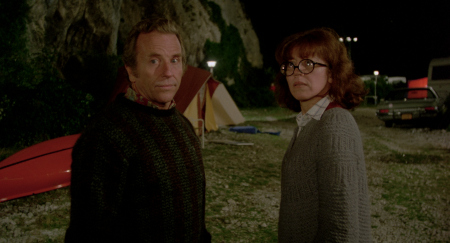
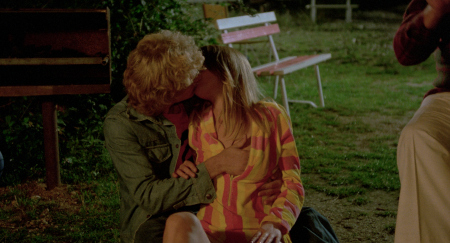
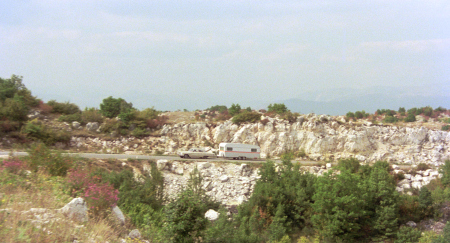
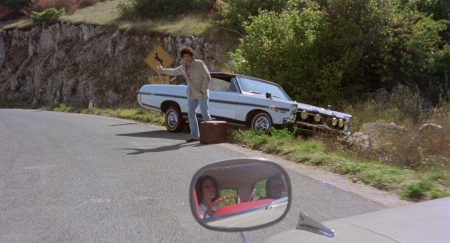
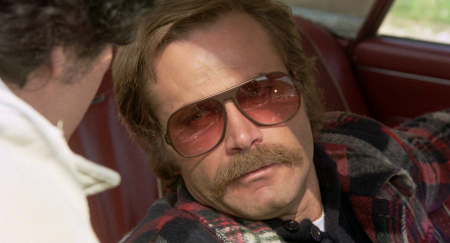
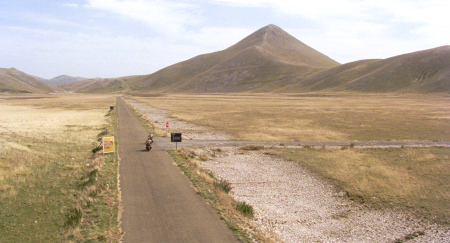
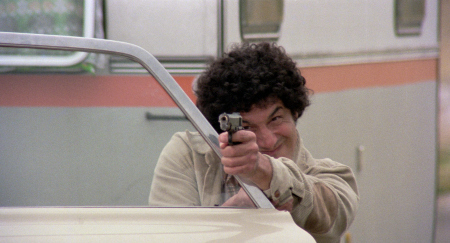
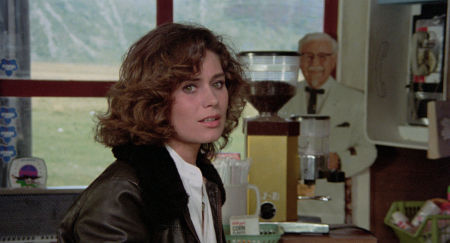
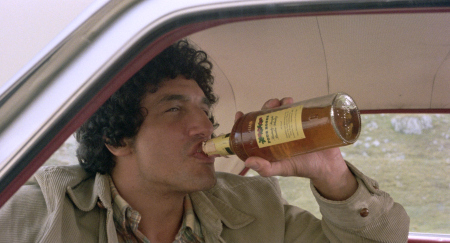
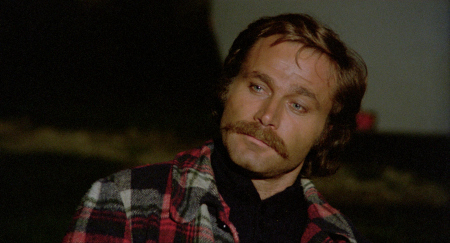
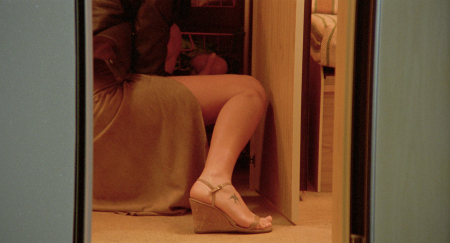
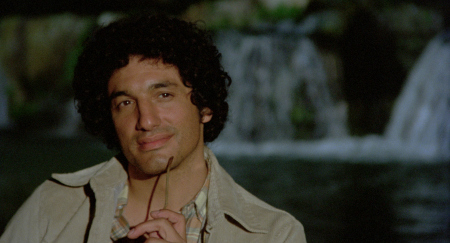
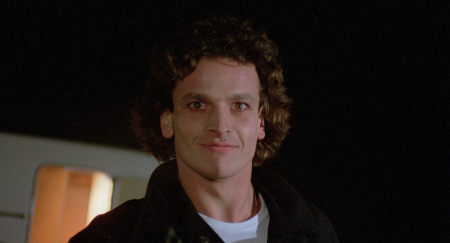
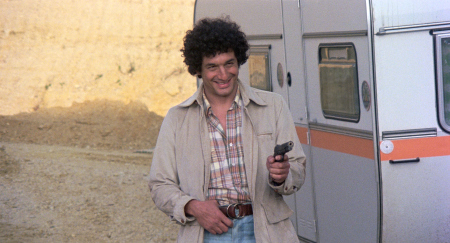
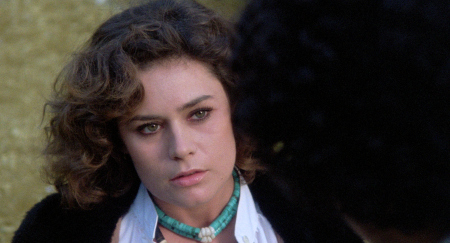
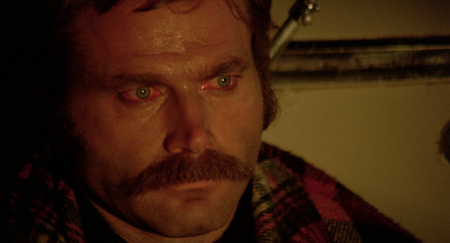
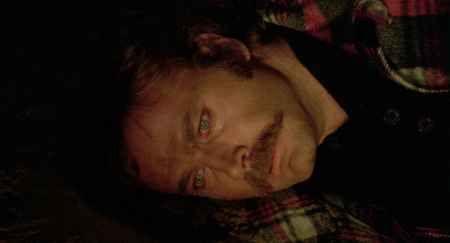
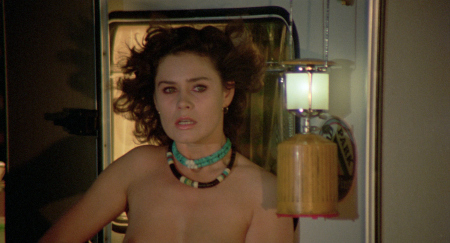
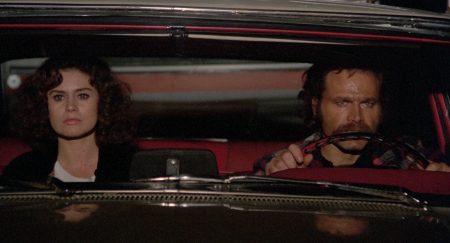
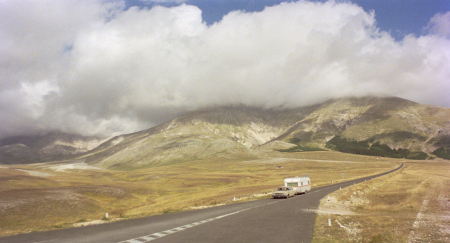
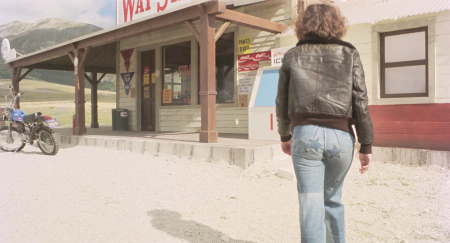
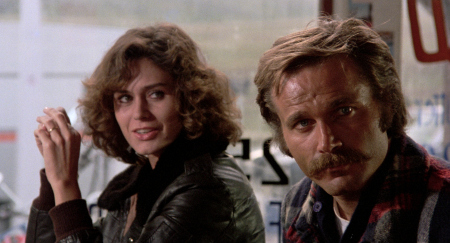
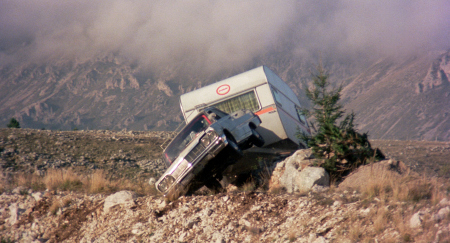
sangue), a shocking tale of kidnapping and greed. *** There is a real incongruity at the heart of Hitch-Hike, and it starts with the man who made it. Pasquale Festa Campanile came up as a screenwriter of some distinction — he worked on Rocco and His Brothers and The Leopard for Visconti — and spent his directing career largely inside the commedia all'italiana, turning out sex farces and Celentano vehicles. Nothing in that résumé prepares you for this: a grinding, nasty little road thriller in which an alcoholic journalist (Franco Nero) and the wife he has long since stopped treating as one (Corinne Cléry) pick up a hitchhiker on a desert highway, and find they have taken aboard an escaped bank robber, played by David Hess with the same predatory relish he brought to The Last House on the Left. The film's Italian title translates as "blood-red hitchhiking," which tells you where it thinks it is going, but the surprise is that the violence turns out to be almost incidental. What Festa Campanile is actually staging is a marriage being stripped to the frame, with Hess's intrusion functioning less as a threat than as a solvent — and the genuine shock of the picture is not what the criminal does to the couple but what the couple, freed of the need to pretend, prove willing to do to each other. The American setting is a fiction maintained on a budget, shot in the Gran Sasso mountains of Abruzzo standing in for Northern California, and the source novel credited on screen, Peter Kane's The Violence and the Fury, appears not to exist at all. Ennio Morricone supplies a deceptively easygoing guitar theme that keeps insisting everything is fine. |
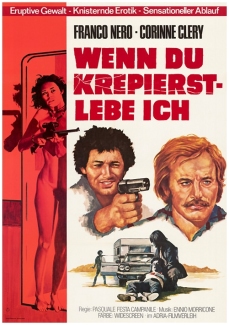
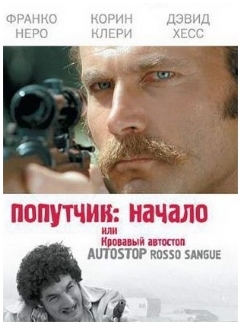
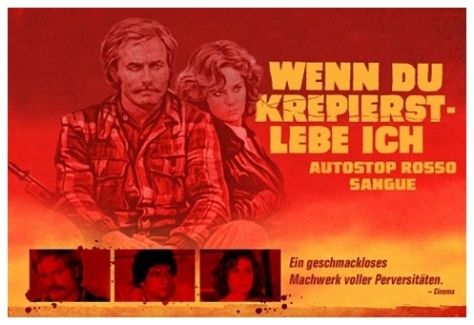
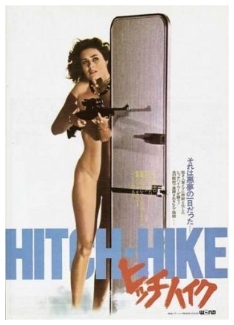
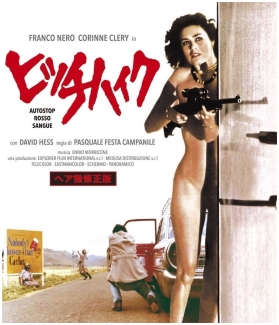
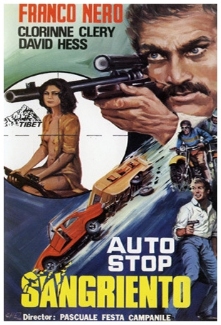
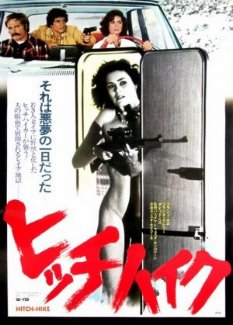
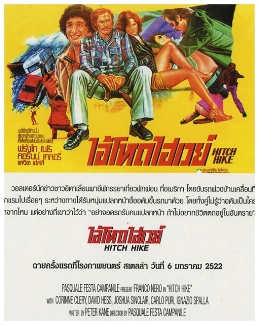
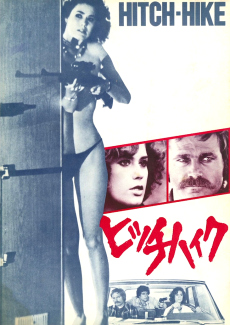
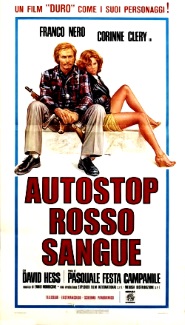
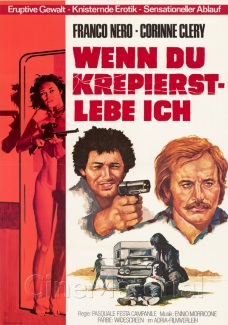
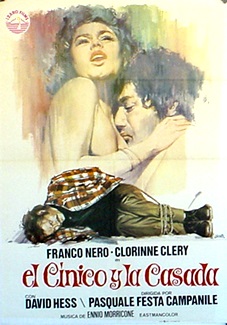
Posters
 |
 |
 |
 |
 |
 |
 |
 |
 |
 |
 |
 |
Theatrical Release: March 4th, 1977 (Milan)
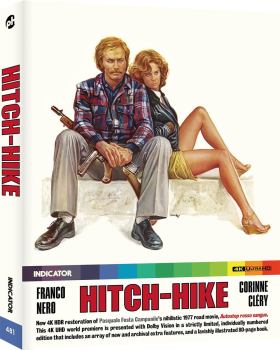
Review: Indicator - Region FREE - 4K UHD
Big thanks to Eric Cotenas for all the DVD Screen Caps
| Box Cover |
|
CLICK to order from: 4K UHD
Also available on Blu-ray from Indicator:
BONUS CAPTURES:
|
| Distribution | Indicator - Region FREE - 4K UHD | |
| Runtime |
1:44:34.393 |
|
| Video |
1.85:1 2160P
4K UHD
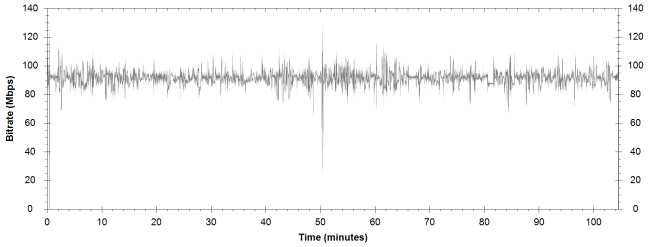
Video Bitrate: 91.58 Mbps |
|
|
NOTE: The Vertical axis represents the bits transferred per second. The Horizontal is the time in minutes. |
||
| Bitrate 4K UHD: |
|
|
| Audio |
DTS-HD Master Audio English 1064 kbps 1.0 / 48 kHz / 1064 kbps / 24-bit (DTS
Core: 1.0 / 48 kHz / 768 kbps / 24-bit) Commentary: DTS Audio English 256 kbps 2.0 / 48 kHz / 256 kbps / 16-bit |
|
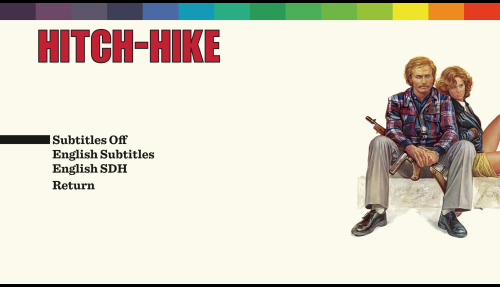
| Subtitles | English, English (SDH), None | |
| Features |
Release Information: Studio: Indicator
1.85:1 2160P
4K UHD
Video Bitrate: 91.58 Mbps
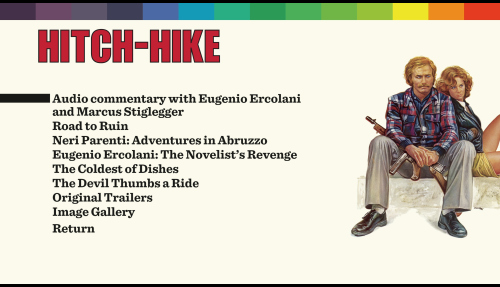
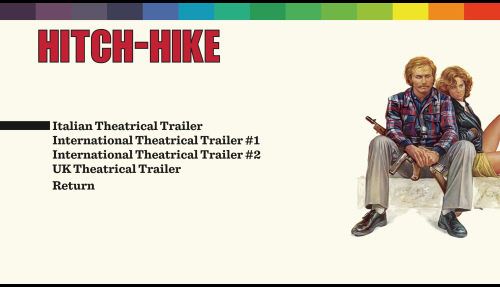
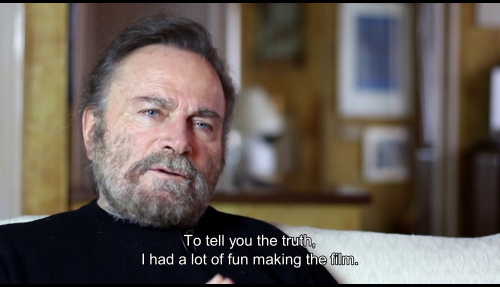
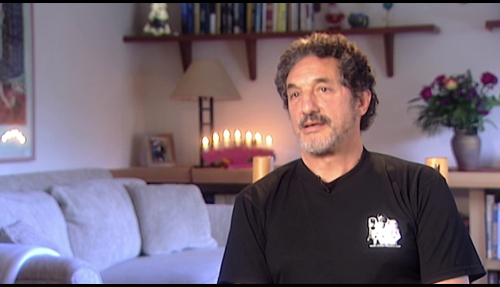
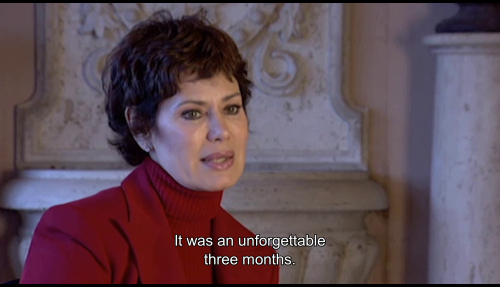
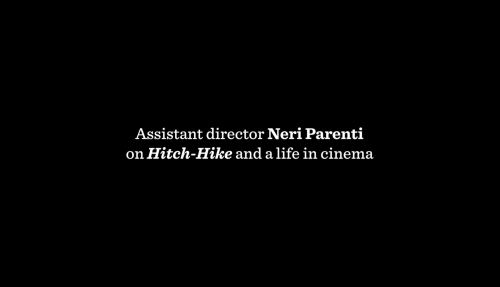
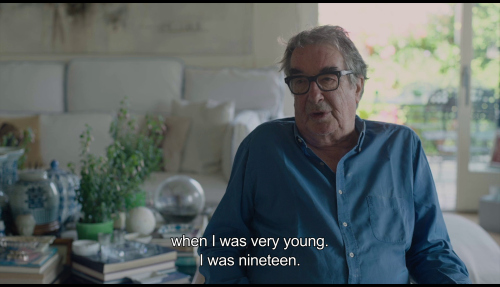
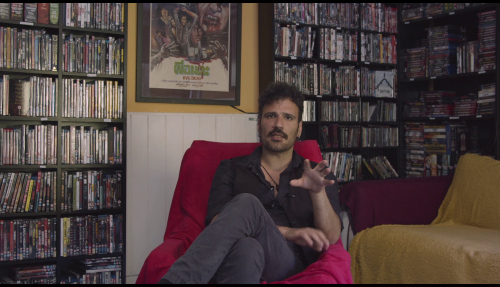
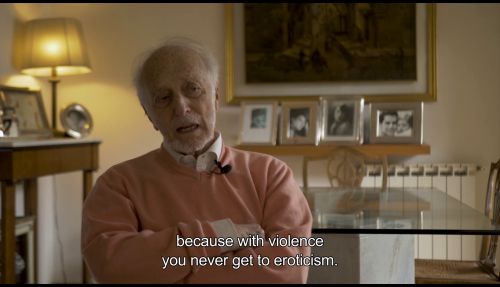
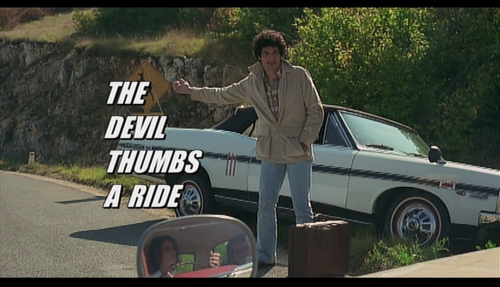
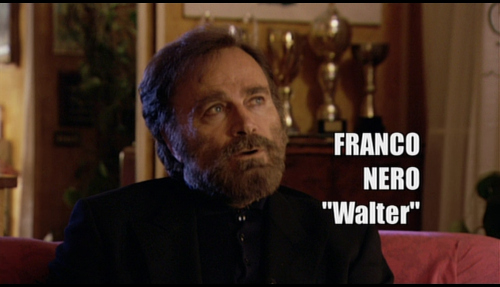
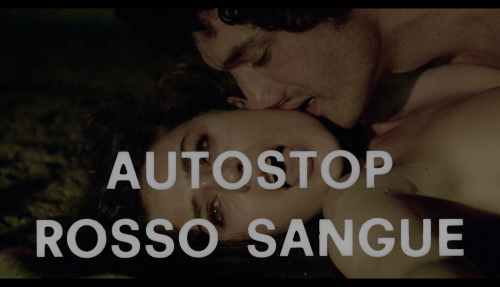
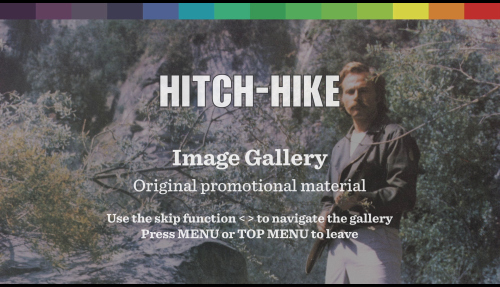
Edition Details: • Two presentations of the film: Hitch-Hike, the English-language version; and Autostop rosso sangue, the Italian-language version Original mono audio • Audio commentary with Italian genre film experts Eugenio Ercolani and Marcus Stiglegger (2025) • Road to Ruin (2025 - 1:27:21): newly updated documentary by filmmaker Federico Caddeo delving into the production, release, and reception of Hitch-Hike, featuring extensive interviews with actors Franco Nero, Corinne Cléry and David Hess, and assistant director Neri Parenti • Adventures in Abruzzo (2025 - 25:03): expansive interview with Parenti • The Novelist’s Revenge (2025 - 25:21): critical appreciation by Ercolani contextualising Hitch-Hike within director Pasquale Festa Campanile’s wider career • The Coldest of Dishes (2025, 1:00:37): in-depth documentary by Ercolani exploring the sub-genre of Italian rape and revenge films • The Devil Thumbs a Ride (2002, 17:38): archival making-of documentary, featuring interviews with Nero, Cléry and Hess • Original theatrical trailers (Italian Theatrical - 2:56, International Theatrical #1 - 2:54, International Theatrical #2 - 2:54, UK Theatrical - 2:54) • Image gallery: promotional and publicity material
Custom 4K UHD Case Chapters 12 |
|


| Comments: |
NOTE:
The below
Blu-ray
and
4K UHD
captures were taken directly from the
respective
disc.
It is likely that the monitor you are seeing
this review is not an HDR-compatible
display (High Dynamic Range) or Dolby Vision, where each pixel can be
assigned with a wider and notably granular range of color and light. Our
capture software if simulating the HDR (in a uniform manner) for standard
monitors. This should make it easier for us to review more
4K UHD
titles in the future and give you a decent idea of its attributes on your
system. So our captures may not support the exact same colors (coolness of
skin tones, brighter or darker hues etc.) as the 4K system at your home. But
the framing, detail, grain texture support etc. are, generally, not effected
by this simulation representation.
NOTE: We have added 50 more large
resolution
4K UHD captures (in lossless
PNG format) for DVDBeaver Patrons
HERE
On their
Blu-ray
and 4K UHD,
original mono accompanies both versions, and the situation is more
interesting than "original language versus DUB" suggests. Italian
production of the period was post-synchronized in its entirety, and this
was a genuinely international cast - an Italian lead, a French co-star,
an American antagonist - meaning the actors very likely performed in
three different languages on set with everything constructed afterward.
Neither track, on that reading, is the authentic one; both are
reconstructions, and the choice between them is a real aesthetic
decision rather than a question of purity. Nero and Hess are the ones to
listen to closely, since both had form for DUB'ing themselves. Morricone
(The
Key, For
a Few Dollars More, A
Fistful of Dollars,
Violent
City,
Grand
Slam
Revolver, The
Great Silence,
Who
Saw Her Die?,
The
Black Belly of the Tarantula,
The
Fifth Cord, Luna,
Danger Diabolik,
Two Mules For Sister Sara,
A
Bullet for the General,
Tie Me Up! Tie Me Down!,
Investigation of a Citizen Above Suspicion,
The French Conspiracy,
U Turn,
Stay As You Are,
Short Night of Glass Dolls,) supplies a loose, ambling guitar
theme - warm, unhurried, essentially pastoral - and lets it play over
material it has no business accompanying. It is not ironic in the
winking sense; it is worse than that, because it never acknowledges the
film at all. It simply insists that this is a pleasant drive through
open country, and keeps insisting while the picture disproves it. Genre
commentators have called it among the finest things Morricone wrote
outside his work for Leone, and the comparison is apt in the specific
sense that Leone taught him how much a score can refuse to do. The same
restraint is at work here, pointed at a much uglier target. Indicator offer optional English or English
(SDH) subtitles on their Region FREE
Blu-ray
and Region FREE
4K UHD.
The
4K UHD
and
Blu-ray
offer many extras. This is an extraordinary package by any measure -
roughly three hours and forty-eight minutes of video supplements before
the commentary, which against a 104-minute feature means something over
five and a half hours of accompanying material. The commentary pairs
Eugenio Ercolani (Darkening
the Italian Screen: Interviews with Genre and Exploitation Directors Who
Debuted in the 1950s and 1960s) and
Marcus Stiglegger,
an Italian genre specialist and a German film scholar respectively,
which promises something more analytical than the usual affectionate
trivia. The centerpiece is Federico Caddeo's Road to Ruin, a
newly updated feature-length documentary running nearly as long as the
film, with Franco Nero, Corinne Cléry, David Hess and assistant director
Neri Parenti (Fracchia
Vs. Dracula) - and one point of clarification worth making for
readers: Hess died in 2011, so his contributions here are necessarily
archival, very likely drawn from and expanded upon the 2002 featurette
The Devil Thumbs a Ride (17:38) also carried on the disc.
Parenti's presence is the sleeper pleasure, since the assistant director
on this thoroughly unpleasant thriller went on to direct the Fantozzi
comedies - another of the film's odd comedy connections, echoing Festa
Campanile's own career - and he gets a further 25 minutes to himself in
Adventures in Abruzzo. Ercolani supplies The Novelist's
Revenge (25-minutes) on Festa Campanile's wider career, its title
nodding at the director's own work as a novelist (Buon
Natale, Buon Anno,) and, more substantially, The Coldest of
Dishes, an hour-long study of the Italian rape-revenge cycle. That
last inclusion deserves particular credit: it is the label confronting
the film's most contested element directly and at length rather than
releasing the picture and hoping nobody raises it. Four trailers and an,
obligatory, image gallery round out the disc, and the limited edition
adds an 80-page book with a new essay by Mikel J. Koven - author of
La Dolce Morte:
Vernacular Cinema and the Italian Giallo Film, the standard
academic study of the giallo - an archival Andrea Pergolari (La
commedia Italiana in 160 films 1948-1980) interview on
Festa Campanile, and archival extracts from co-writer Ottavio
Jemma (A
Lizard in a Woman's Skin,) Morricone, and the three leads. The
edition is 5,000 individually numbered units for the UK, split 4,000
UHD to 1,000
Blu-ray.
Pasquale Festa Campanile’s Hitch-Hike 4K
UHD is a comprehensive, seriously argued edition of a film
that has spent fifty years filed under disposable Eurosleaze, and
Indicator have treated it as warranting an hour of scholarship on the
subgenre it belongs to, commentary, a feature-length production history,
and an 80-page book and more. Whether Hitch-Hike can bear that
weight is a fair question - it is a nasty picture with a real idea
inside it and a serious unresolved problem at its center - but the case
for taking it seriously has never been put this thoroughly, and the
below-the-line pedigree alone (two Leone-trained cinematographers,
Morricone at something near his best outside Leone) makes the argument
worth hearing. The restoration is the label's own work from the
negative, and the two-version presentation settles a question that has
dogged the film's home video history. Set against the sort of release
that ships difficult material with no context at all, this is what it
looks like when a real label does the work that fans appreciate.
Genre favorite Franco Nero (The
Visitor,
Texas, Adios,
The Mercenary,
A Quiet Place in the Country,
The Day of the Owl,
The Case is Closed, Forget It,
How to Kill a Judge,
Hitch-Hike,
Keoma,
The Fifth Cord,
Enter the Ninja,
Camelot,
War of the Planets,
Massacre Time,
The Witch,
Querelle,
The Salamander,
21 Hours at Munich,
Nymph,) came to Hitch-Hike at the height of a career
built on competence and cool: Django,
the fixed stare, the man who handles himself. Festa Campanile casts him
and then systematically removes every quality that persona rests on.
Walter is a journalist who drinks, who owes his job to his
father-in-law, who lives on his wife's family money and punishes her
nightly for it. Corinne Cléry (The
Devil's Honey,
Plot of Fear,)
had come off
The Story of O two years earlier and would go on to a Bond film
(Moonraker,)
and her casting brings the expectation of a certain kind of role - the
beautiful woman things happen to. She plays against it hard. Eve is the
most intelligent person in the vehicle and knows it; her weapon is
verbal precision, deployed with the accuracy of someone who has had
years of practice finding the exact sentence that will land. David Hess
(The
House on the Edge of the Park,
The Swiss Conspiracy) arrives trailing
The Last House on the Left, and the film banks on that
recognition - we know what he is within seconds, which frees Festa
Campanile from having to establish it and lets him spend the running
time on the couple instead. But Hess does more than repeat himself.
Konitz is playful, watchful, almost sociable; he enjoys the Mancinis,
reads their marriage faster than either of them would like, and works
the fault line between them for entertainment as much as advantage. The
debt to Peckinpah is heavy and acknowledged -
Straw Dogs most obviously,
The Getaway and
Bring Me the Head of Alfredo Garcia in the texture - and it
extends to the flaw. In all of these films, sexual violence functions
structurally as an assault on male authority rather than on female
safety; the woman's suffering is the instrument by which a man's
standing is measured. Hitch-Hike inherits that architecture
without inheriting Peckinpah's uneasy self-awareness about it. What it
does have, and what partly redeems it, is the willingness to follow the
logic all the way down. Craft-wise it is better than its reputation.
Franco di Giacomo and Giuseppe Ruzzolini shoot the interiors for
claustrophobia and the exteriors for indifference, and the Gran Sasso
mountains of Abruzzo stand in for Northern California more convincingly
than they have any right to. The truck sequence is a straight lift from
Duel and knows it. And Morricone contributes a score that may be
the film's single best decision - a loose, sunlit guitar theme that
keeps insisting this is a pleasant drive through open country, playing
over material that is nothing of the kind. It is the same irony the film
is built on, and the only place the film executes it without
ambivalence. Indicator's 4K UHD is
an absolute keeper for me. The film - initially shocking - has grown on
me with it's awkwardness and unapologetic sexual bents. A solid,
stacked, release I'm glad I finally got around to reviewing. |

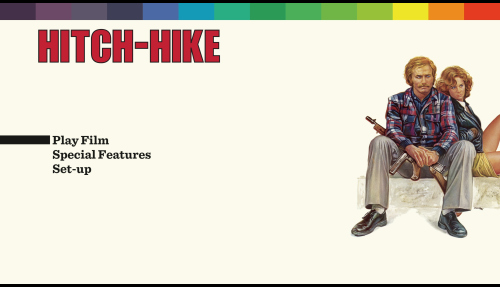
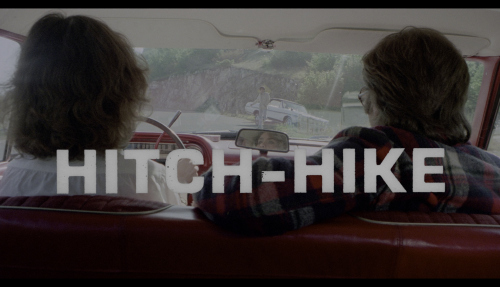
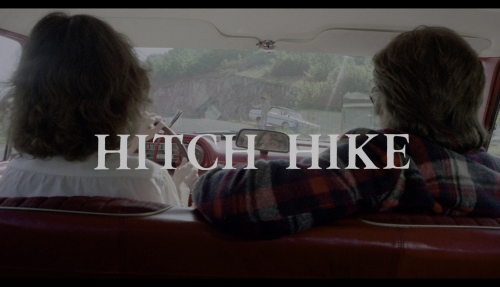
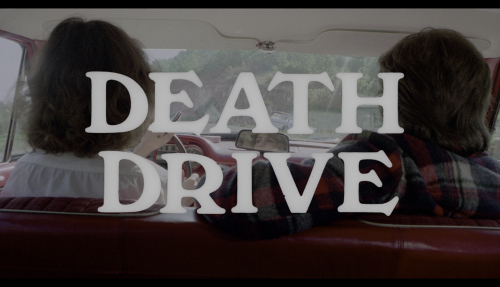
Menus / Extras
 |
 |
 |
 |
 |
 |
 |
 |
 |
 |
 |
 |
 |
 |
 |
 |
 |
 |
 |
 |
 |
 |
 |

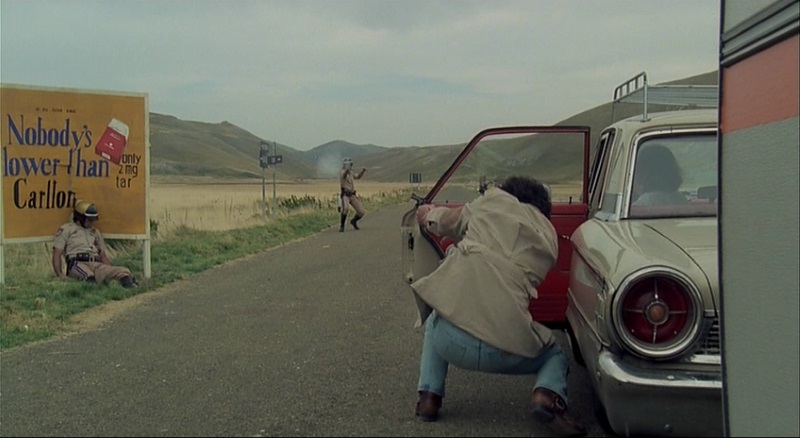
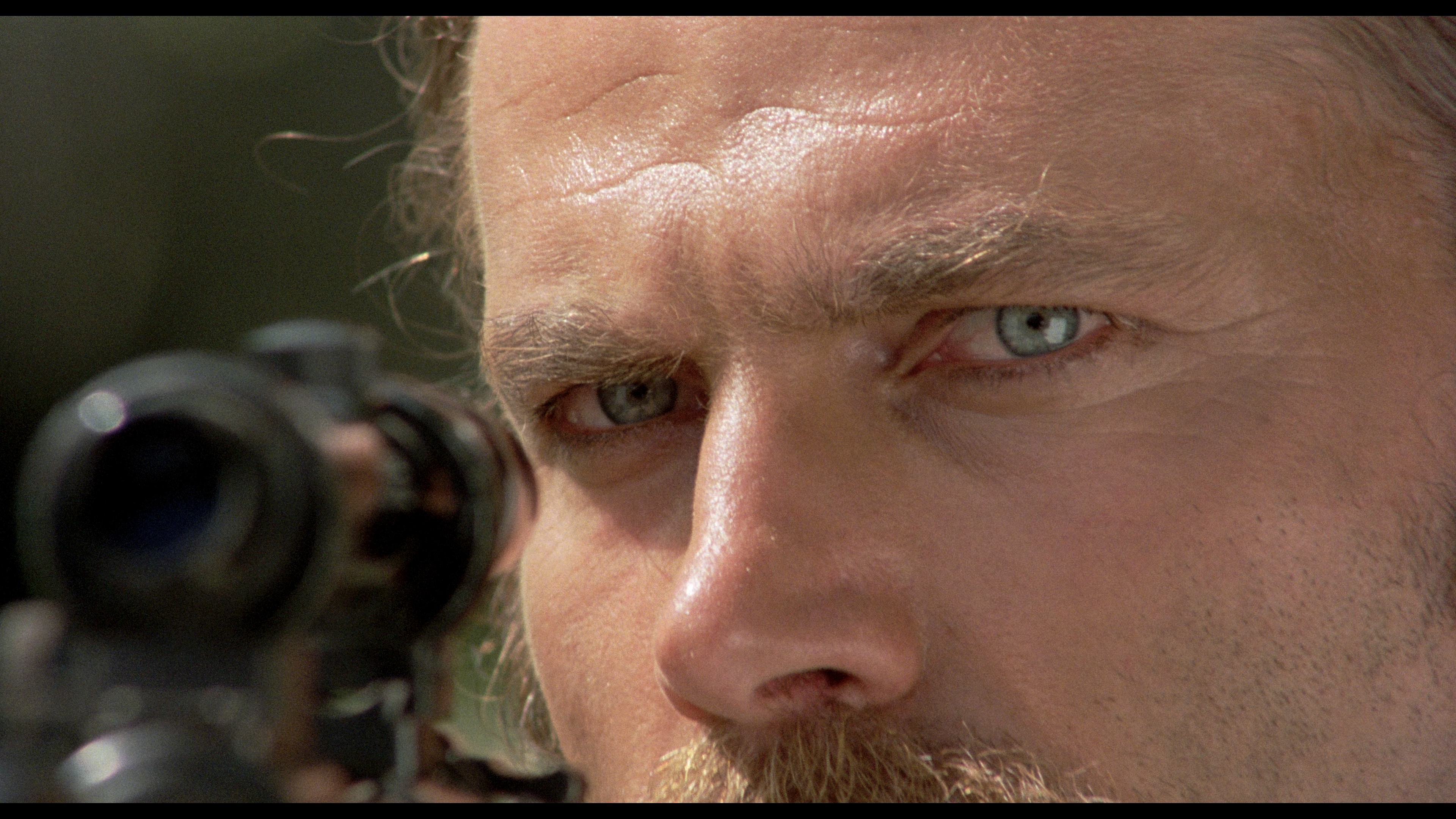
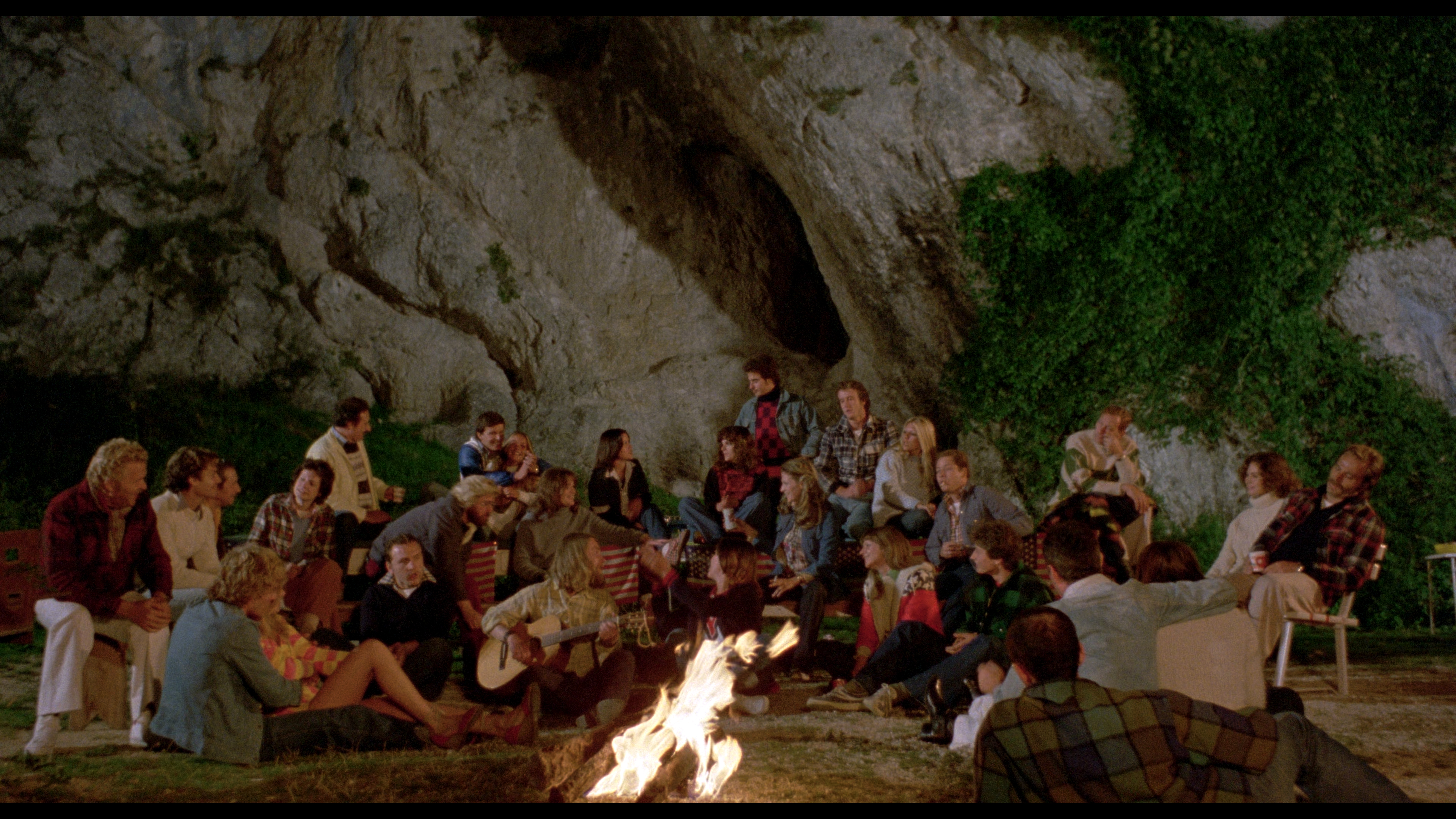
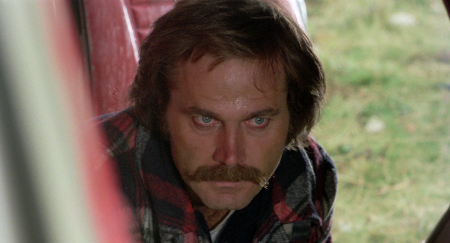
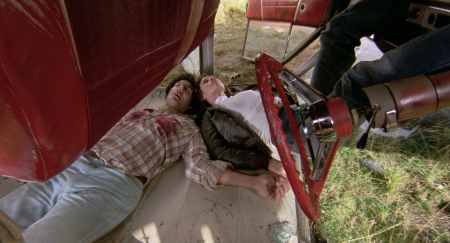
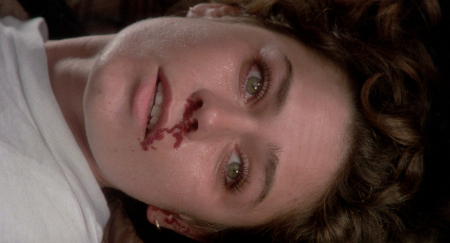
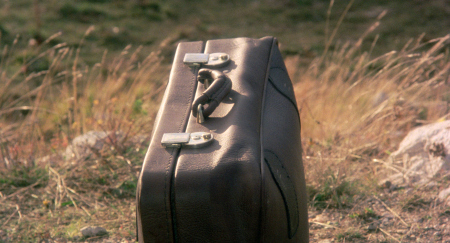
CLICK EACH BLU-RAY and 4K UHD CAPTURE TO SEE ALL IMAGES IN FULL RESOLUTION
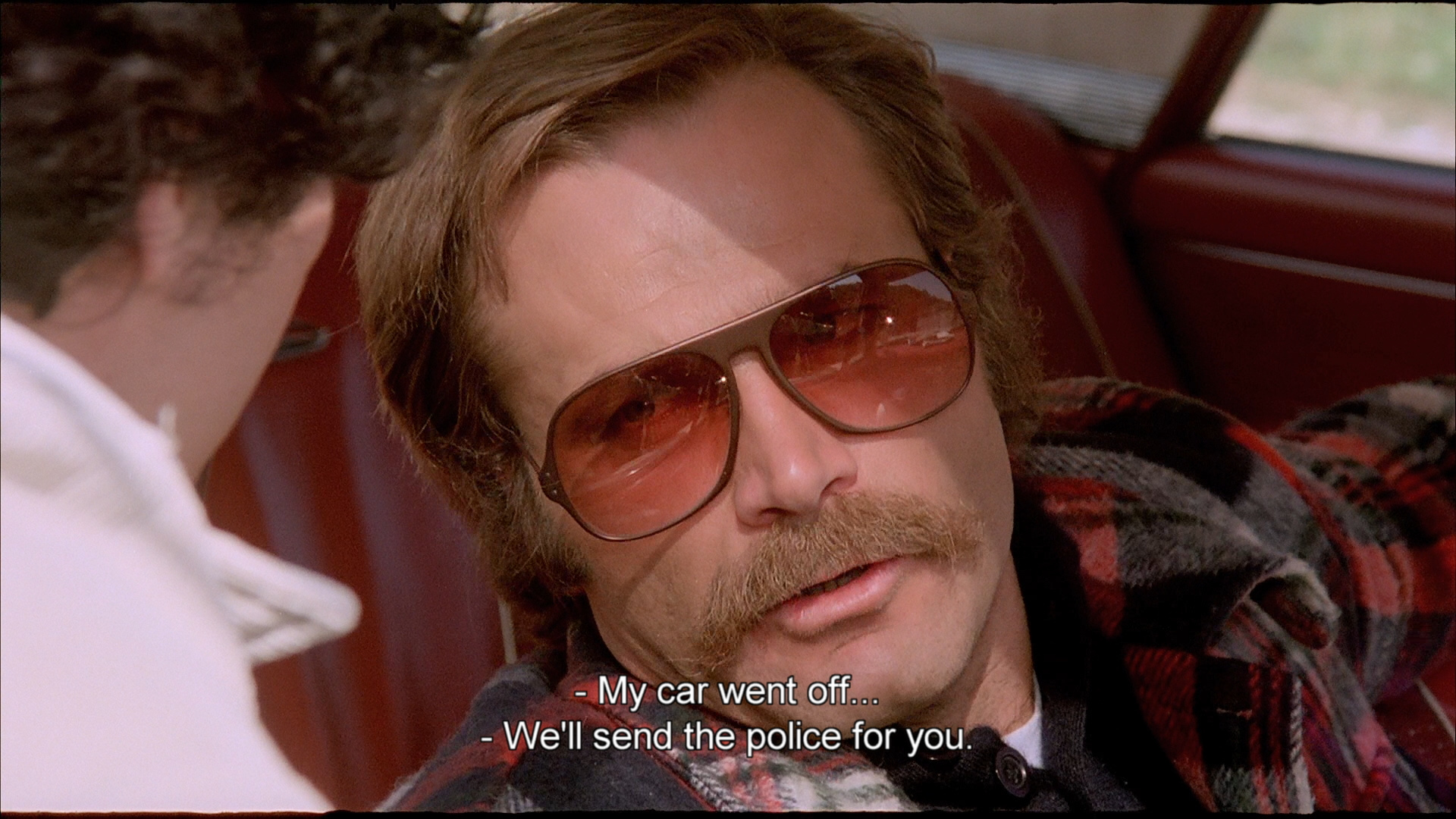
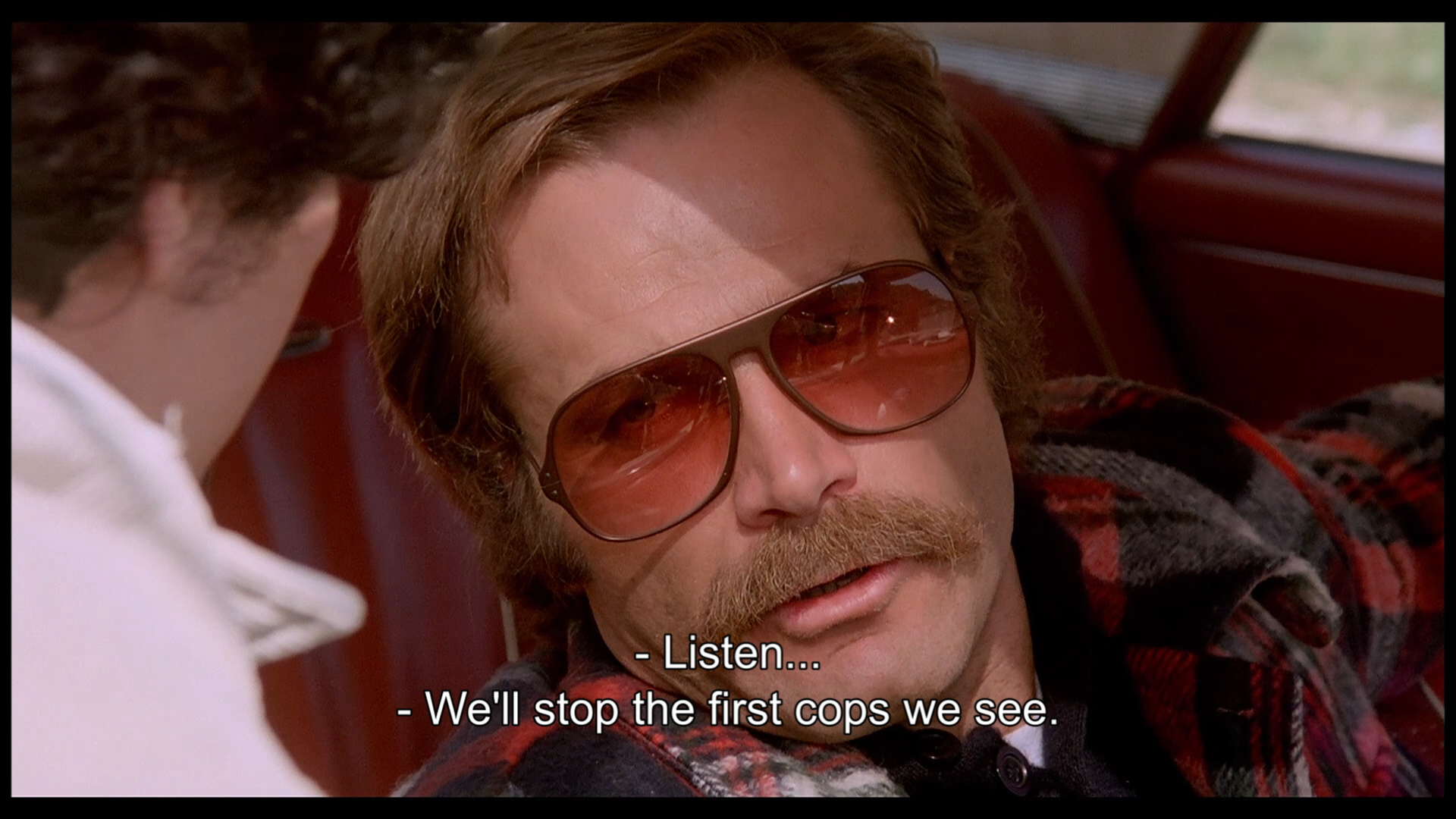
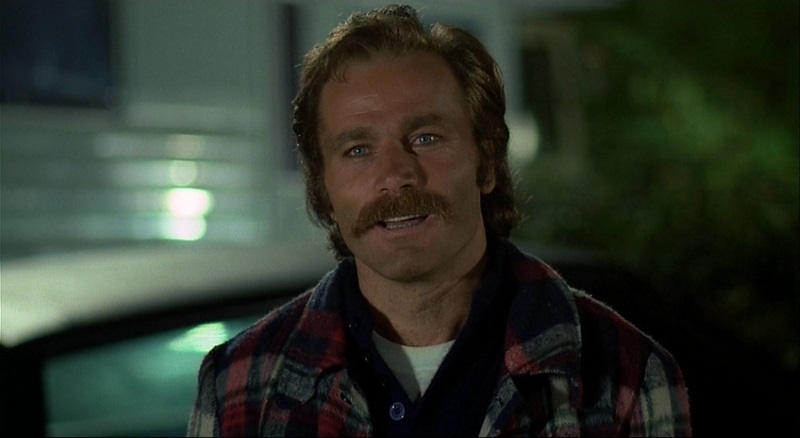
Subtitles Samples (88 Films / Raro Blu-ray vs. Indicator 4K UHD)
 |
 |
 |
 |
|
1) Blue Underground - Region 0 - NTSC TOP
|
 |
 |
|
1) Blue Underground - Region 0 - NTSC TOP
|
 |
 |
|
1) Encore Entertainment - Region 0 - PAL TOP
|
 |
 |
|
1) 88 Films - Region 'B' -
Blu-ray TOP
|
 |
 |
|
1) Raro - Region FREE -
Blu-ray TOP
|
 |
 |
|
1) Blue Underground - Region 0 - NTSC TOP
|
 |
 |
More Indicator - Region FREE - 4K UHD Captures
 |
 |
 |
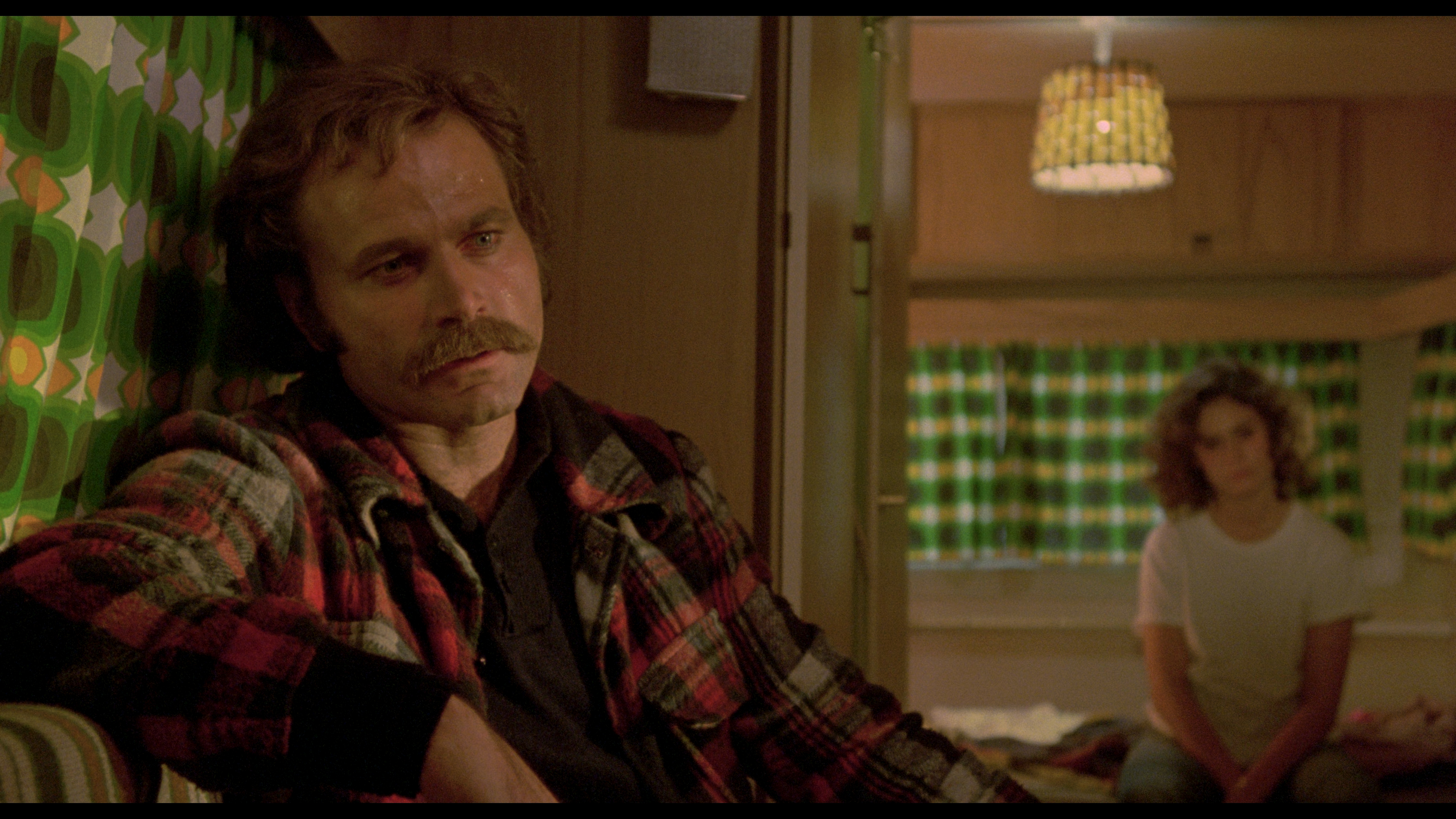 |
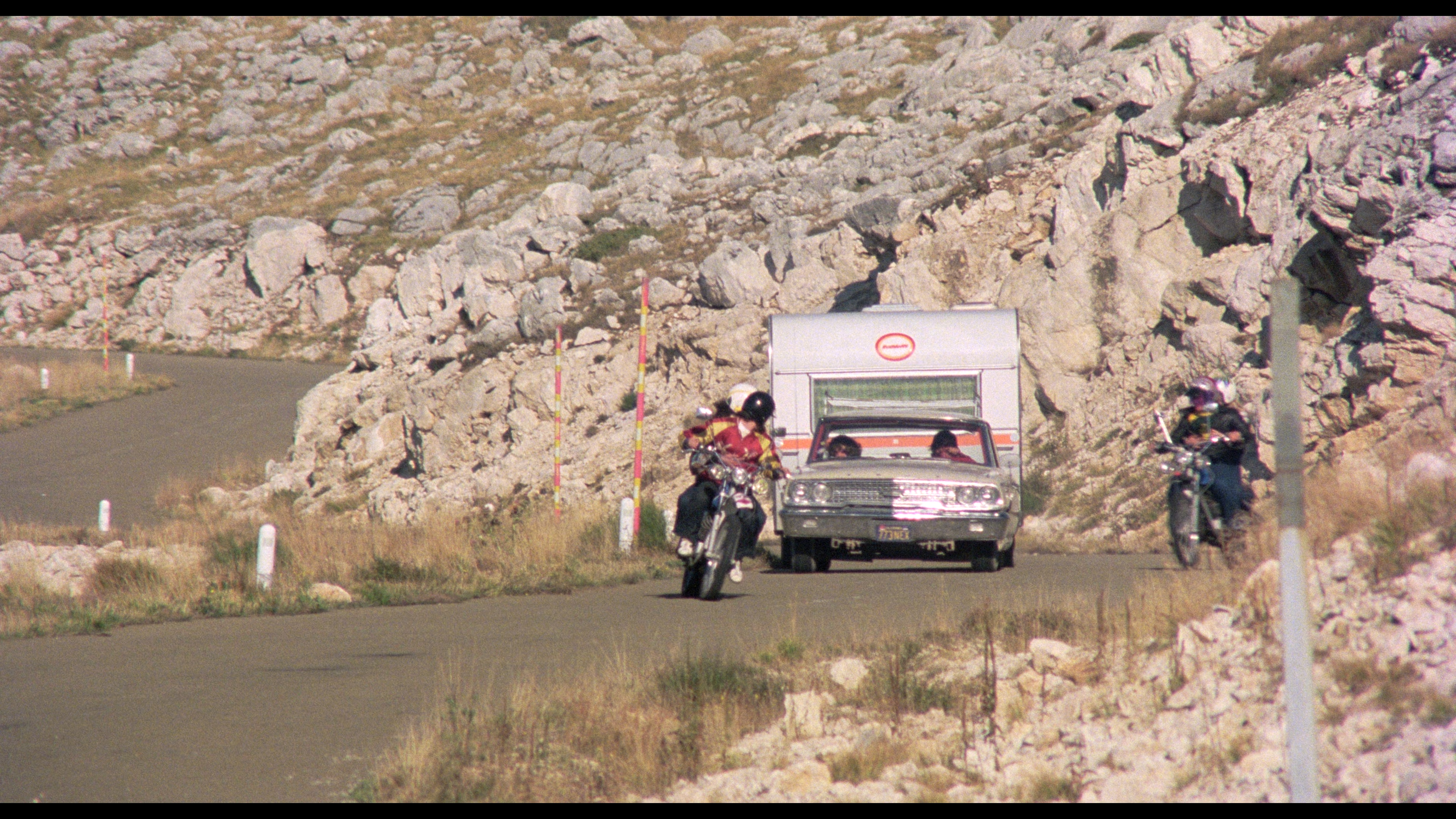 |
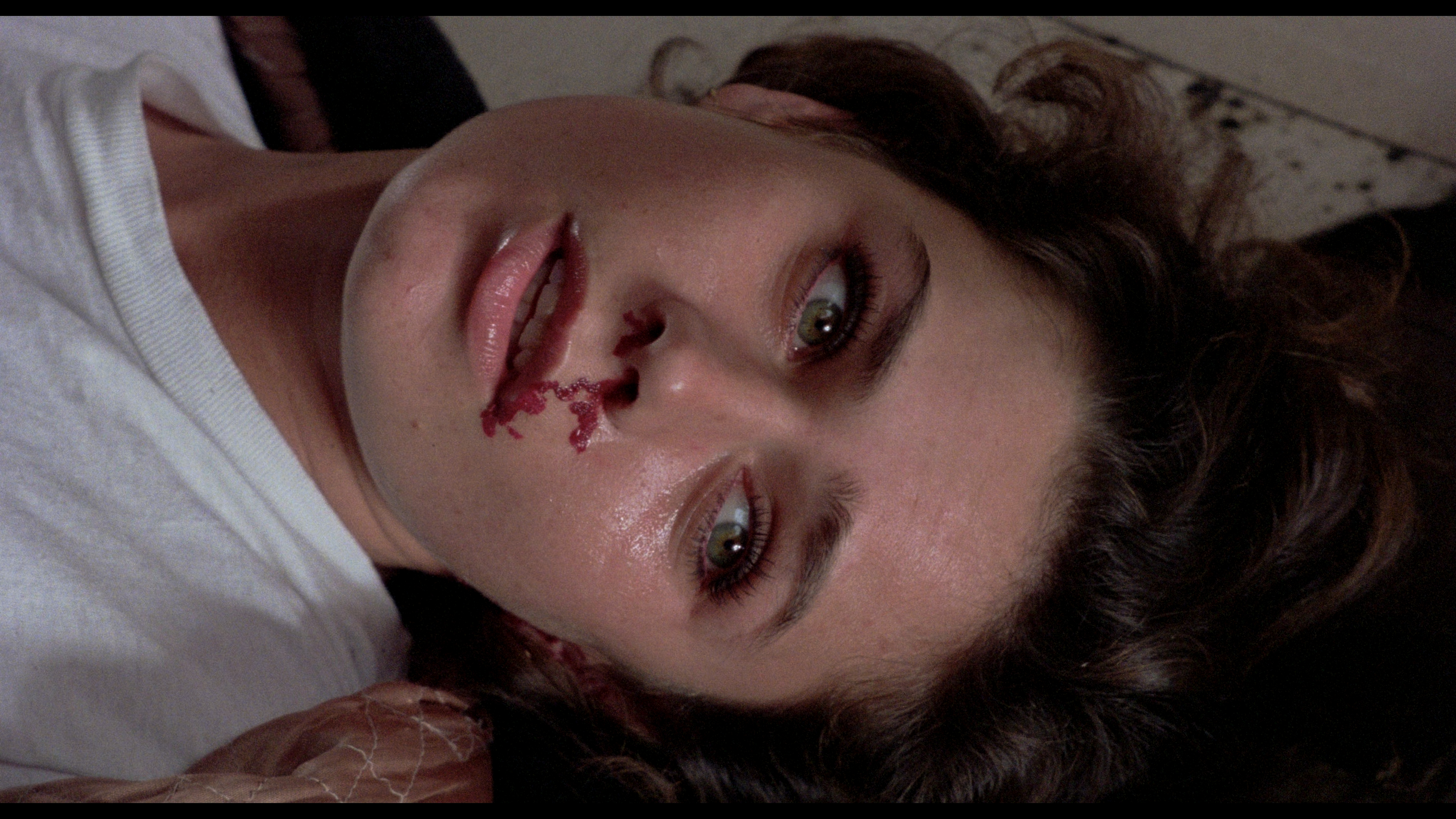 |
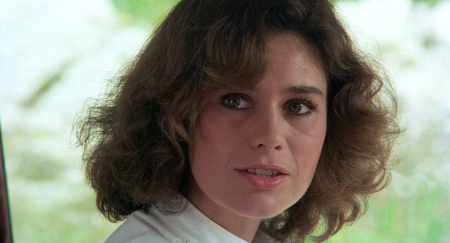
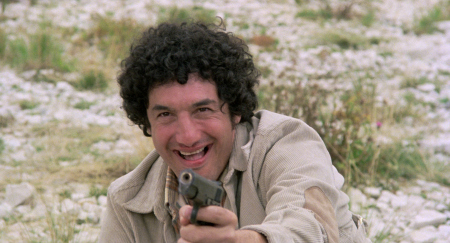
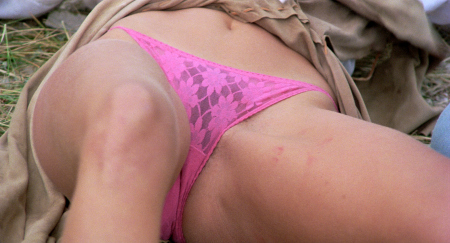
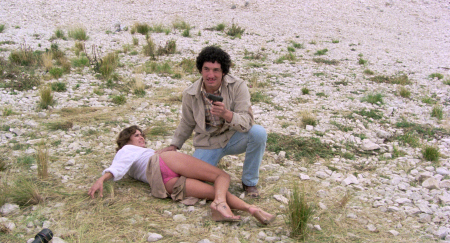
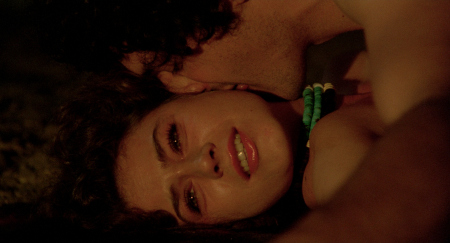
Examples of NSFW (Not Safe For Work) CAPTURES (Mouse Over to see- CLICK to Enlarge)
 |
 |
 |
 |
 |
 |
More full resolution (3840 X 2160) 4K Ultra HD Captures for Patreon Supporters HERE
 |
 |
 |
 |
 |
 |
 |
 |
 |
 |
 |
 |
 |
 |
 |
 |
 |
 |
 |
 |
 |
 |
 |
 |
 |
 |
 |
 |
 |
 |
 |
 |
 |
 |
 |
 |
 |
 |
 |
 |
 |
 |
 |
 |
 |
 |
 |
 |
 |
 |
| Box Cover |
|
CLICK to order from: 4K UHD
Also available on Blu-ray from Indicator:
BONUS CAPTURES:
|
| Distribution | Indicator - Region FREE - 4K UHD | |
|
Search DVDBeaver |
S E A R C H D V D B e a v e r |











CLICK PayPal logo to donate!
|
Gary Tooze
|
|
Thank You!
