|
An
enormous, sincere thank you to our phenomenal
Patreon
supporters! Your unshakable dedication is the bedrock that keeps DVDBeaver
going - we’d be lost without you. Did you know? Our patrons include a
director, writer, editor, and producer with honors like Academy Awards for
Best Picture and Best Director, a Pulitzer Prize-winning screenwriter, and a
Golden Globe-winning filmmaker, to name a few! Sadly, DVDBeaver has reached a breaking point where our existence hangs in the balance. We’re now reaching out to YOU with a plea for help. Please consider pitching in just a few dollars a month - think of it as the price of a coffee or some spare change - to keep us bringing you in-depth reviews, current calendar updates, and detailed comparisons. I’m am indebted to your generosity!
|






|
Search DVDBeaver |
S E A R C H D V D B e a v e r |

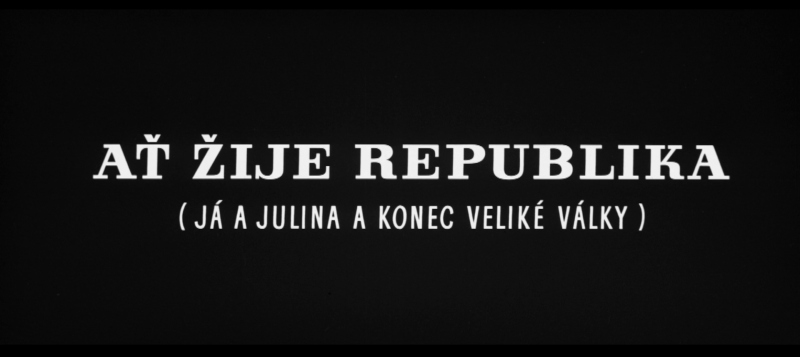
(aka "At' zije Republika" or "Long Live the Republic" or "Me and Julina and the End of the Great War")
Directed by Karel Kachyňa
Czechoslovakia 1965
|
From Karel Kachyna, director of
The Ear and
Coach to Vienna, this landmark film views the end of WWII through the
eyes of 12-year-old Oldrich as he witnesses the retreat of the German Army and
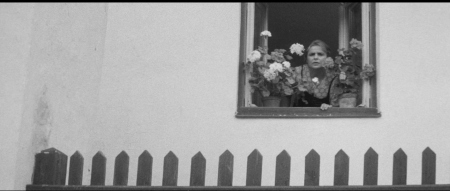
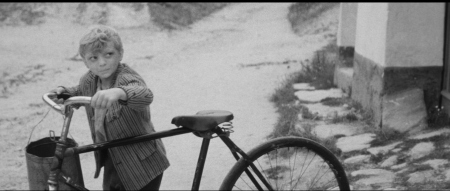
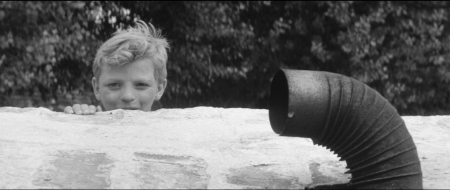
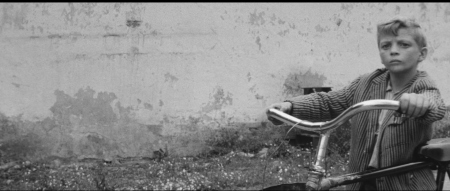
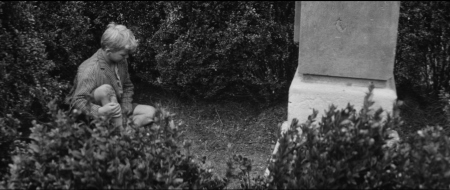
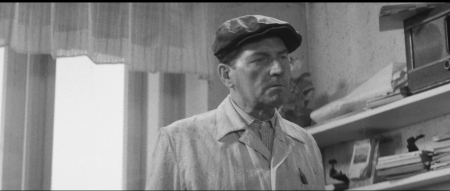
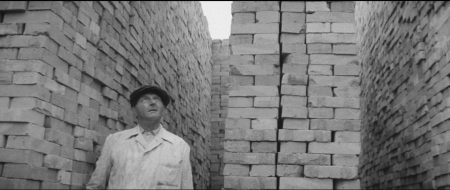
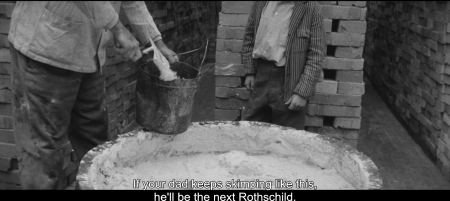
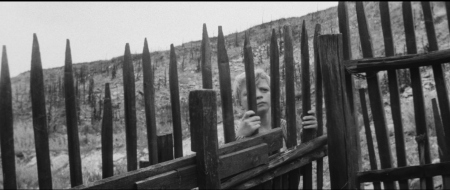
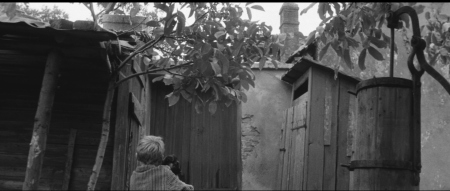
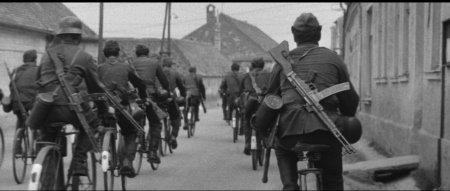
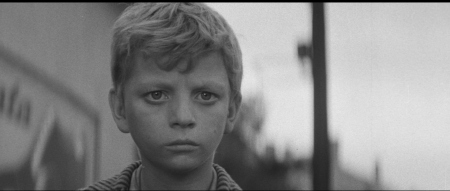
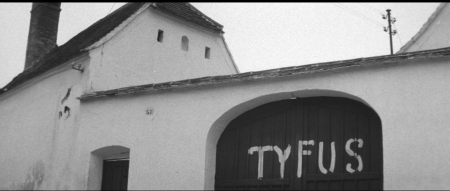
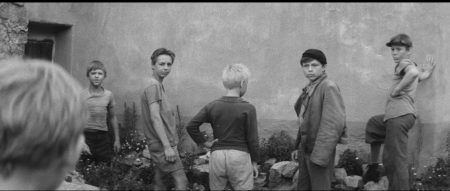
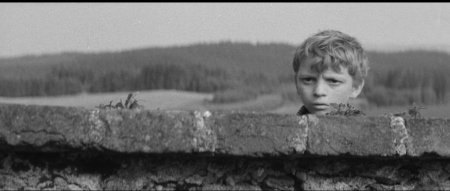
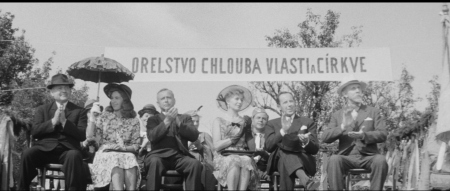
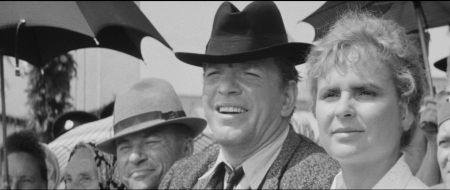
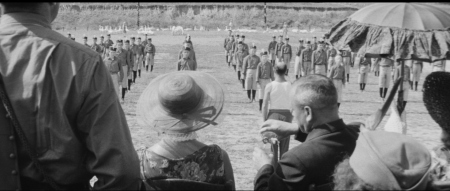
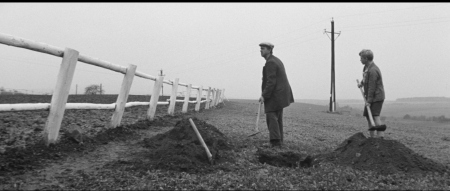
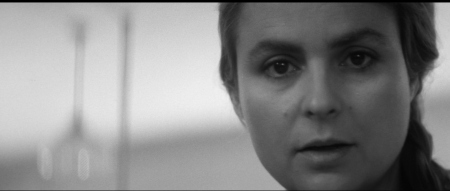
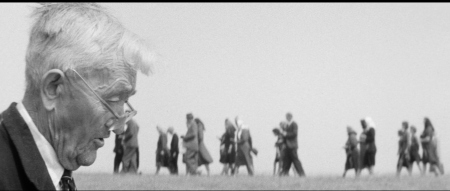
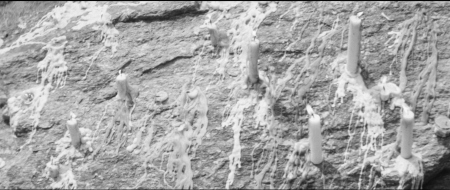
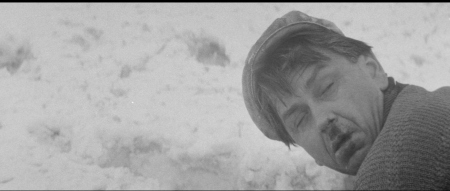
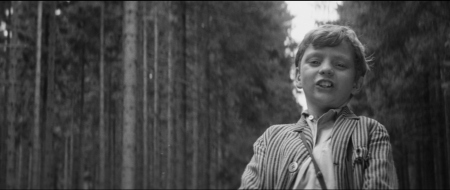
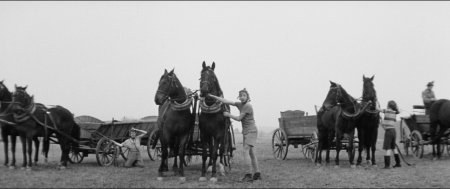
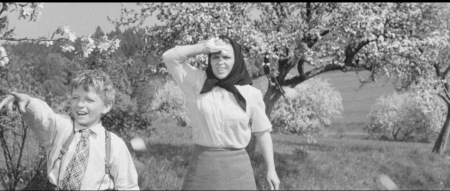
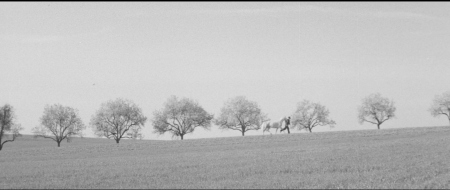
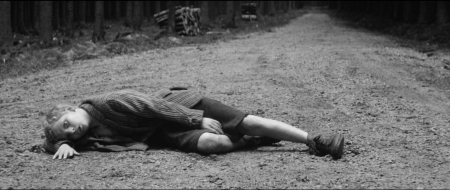
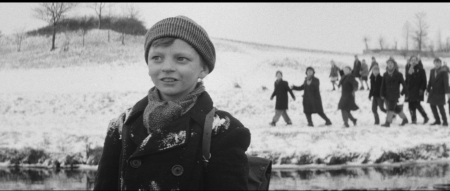
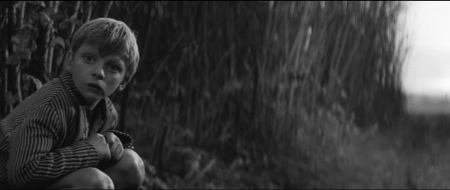
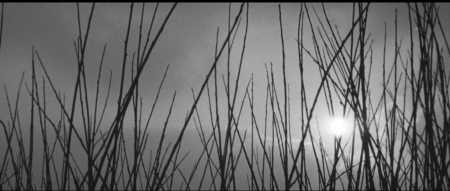
the arrival of the Soviets in 1945 rural Czechoslovakia. *** Long Live the Republic! (original Czech title: Ať žije republika), a 1965 Czechoslovak war drama directed by Karel Kachyňa and scripted by Jan Procházka, is a poignant and ironic coming-of-age story set in a Moravian village during the chaotic final days of World War II in 1945. Centered on a mistreated and bullied 12-year-old boy named Oldřich (or Piňda/Olda, played by Zdeněk Lstibůrek), the film follows his imaginative yet harsh encounters with abusive adults, village cruelty, retreating German forces, and arriving Soviet liberators—none of whom bring true relief or moral clarity. Blending lyrical visuals in CinemaScope, inventive editing, dream sequences, and a caustic anti-heroic tone, it subverts celebratory liberation narratives by exposing human vices and the tragic absurdities of wartime life through the boy's innocent yet maturing perspective, making it a standout of the Czechoslovak New Wave for its psychological depth and refusal to romanticize either victors or vanquished. |
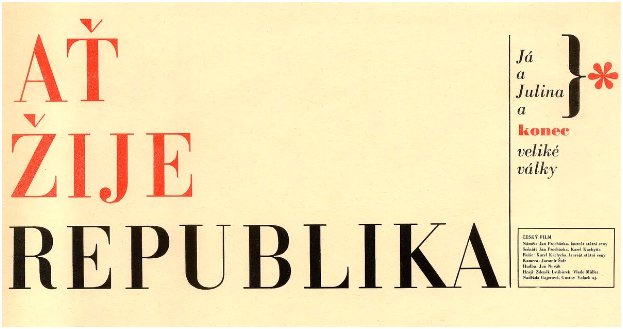
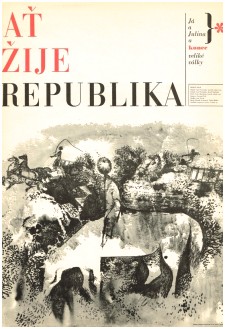
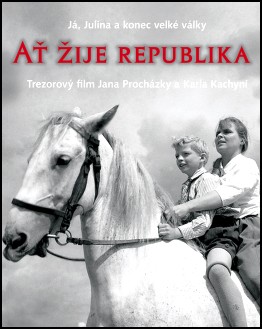
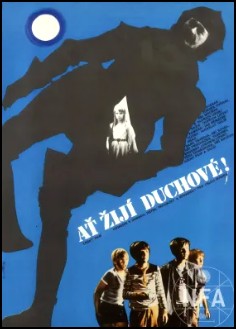
Posters
 |
 |
 |
 |
Theatrical Release: July 15th, 1965 (Lódz)

Review: Second Run - Region FREE - Blu-ray
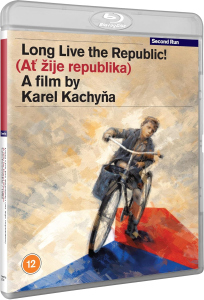
| Box Cover |
|
CLICK to order from:
BONUS CAPTURES:
|
| Distribution | Second Run - Region FREE - Blu-ray | |
| Runtime | 2:12:45.874 | |
| Video |
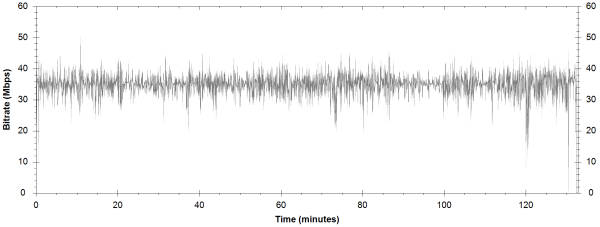
2.39 :1 1080P Dual-layered Blu-rayDisc Size: 47,368,658,871 bytesFeature: 38,903,900,160 bytes Video Bitrate: 34.87 MbpsCodec: MPEG-4 AVC Video |
|
|
NOTE: The Vertical axis represents the bits transferred per second. The Horizontal is the time in minutes. |
||
| Bitrate Blu-ray: |
|
|
| Audio |
LPCM Audio Czech 1536 kbps 2.0 / 48 kHz / 1536 kbps / 16-bit |
|
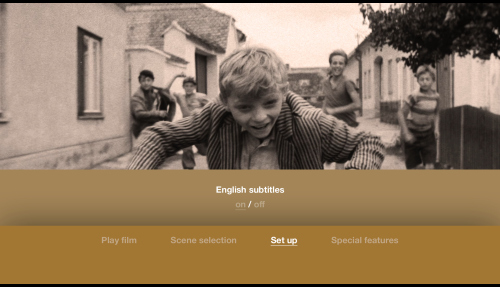
| Subtitles | English, None | |
| Features |
Release Information: Studio: Second Run
2.39 :1 1080P Dual-layered Blu-rayDisc Size: 47,368,658,871 bytesFeature: 38,903,900,160 bytes Video Bitrate: 34.87 MbpsCodec: MPEG-4 AVC Video
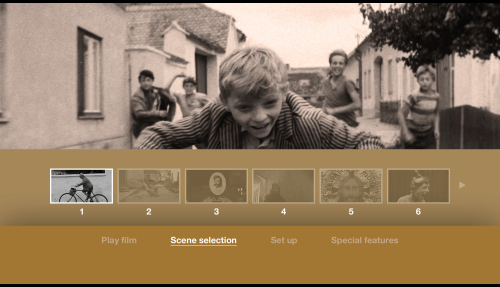
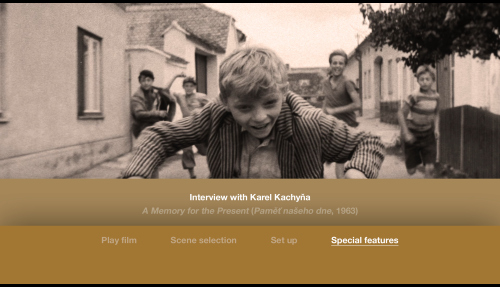
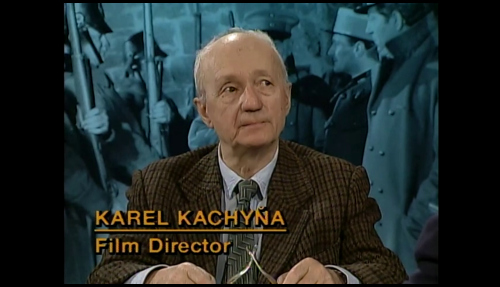
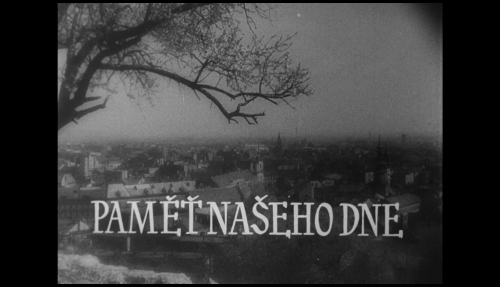
Edition Details: • The City Cinematheque Interview with Karel Kachyna: A 1998 filmed interview with the director in conversation about Long Live the Republic! with host Jerry Carlson (31:22) • A Memory for the Present (Pamet naseho dne, 1963): Jan Nemec's acclaimed short film reflecting on the memory and legacy of WWII (9:53) Booklet with new writing on the film by author and Czech cinema expert Peter Hames
Transparent Blu-ray Case Chapters 12 |
|



| Comments: |
NOTE:
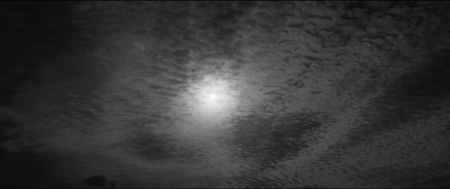
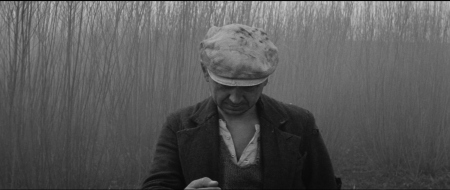
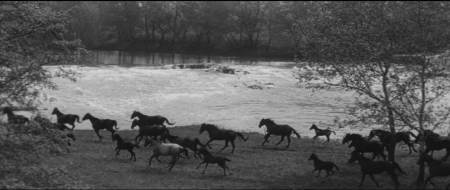
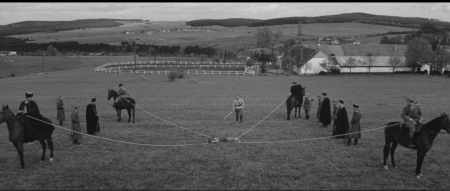
The below
Blu-ray
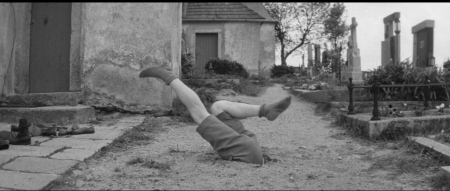
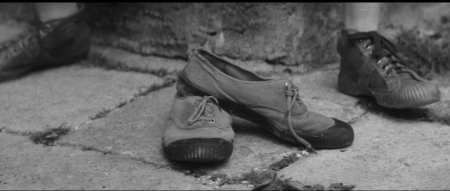
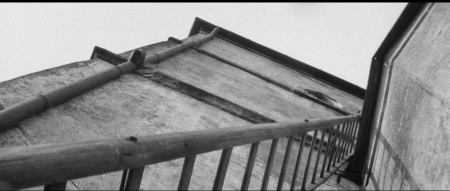
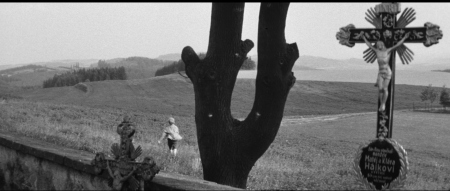
captures were taken directly from the
Blu-ray
disc.
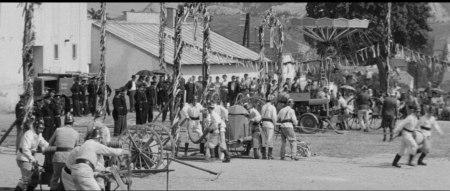
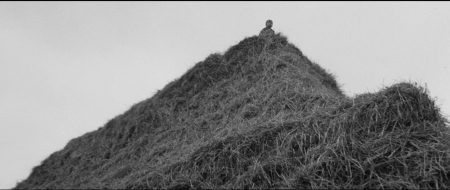
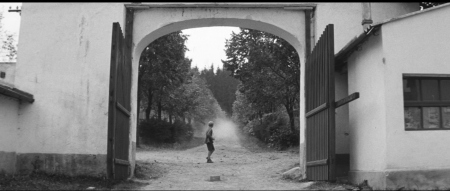
NOTE: We have added 56 more large
resolution
Blu-ray
captures (in lossless PNG format) for DVDBeaver Patrons
HERE
On their
Blu-ray,
Second Run use a linear PCM dual-mono track (16-bit) in the original
Czech language. It faithfully reproduces the film's original sound
design, including ambient village noises, distant wartime echoes, sparse
musical cues by Jan Novák (Coach
to Vienna, ) and raw dialogue delivery. The mix is clear and
well-balanced, with no noticeable hiss, distortion, or damage beyond
what's inherent to the source era; dialogue remains intelligible, and
subtle atmospheric layers enhance the immersive, observational tone
without overpowering the image. Second Run offer optional English subtitles on their Region FREE
Blu-ray.
This
Second Run
Blu-ray
release offers relevant supplements. the standout is a 1/2 hour 1998
filmed interview with director Karel Kachyňa hosted by Jerry Carlson for
the City Cinematheque, offering insightful reflections on the film's
creation, themes, and subversive intent in a relaxed, conversational
format. Jan Němec's 1963 short A Memory for the Present (Pamet
naseho dne, 10-minutes) provides complementary context on WWII
memory and legacy through poetic, experimental visuals. A booklet
features new writing by Czech cinema expert Peter Hames, adding
scholarly depth on Kachyňa's career and the film's historical
significance.
Karel Kachyňa's Long Live the Republic!
stands as a pivotal early work in the Czechoslovak New Wave, subverting
the official socialist realist narratives of World War II liberation
that dominated Czechoslovak cinema in the preceding decades. Set in the
Moravian village of Nesovice during the chaotic spring of 1945, the film
unfolds through the subjective, fragmented perspective of 12-year-old
Oldřich (nicknamed Piňda or Olda, portrayed with raw authenticity by
non-professional actor Zdeněk Lstibůrek), a small, bullied, and
mistreated boy whose abusive father forces him to hide the family's mare
and cart in the woods to protect them from requisitioning armies.
Kachyňa's direction, aided inventive editing, poetic visual motifs (such
as recurring images of the horse as a symbol of fragile innocence and
imposed responsibility), and a caustic irony that exposes universal
human failings rather than ideological heroism. The ironic title mocks
triumphalist propaganda about the Republic's rebirth under Soviet
influence, presenting instead a disillusioned coming-of-age where the
child's maturing gaze reveals the absurdity and tragedy of wartime
morality: victors and vanquished alike exhibit vice, self-interest, and
brutality, with no clear ethical divide. Comparisons to Andrei
Tarkovsky's
Ivan's Childhood (1962) arise from the shared focus on war's
psychological impact on a young protagonist, yet Kachyňa's film
distinguishes itself through its darker, anti-heroic tone and refusal to
romanticize either side. The film's structure, oscillating between
present action and the boy's inner world, creates a hallucinogenic
intensity that mirrors childhood confusion amid chaos. Second Run's Blu-ray
edition of Long Live the Republic!
is a commendable and essential release for this undervalued gem of the
Czechoslovak New Wave - delivering the film's first proper
high-definition presentation with a respectful transfer, solid audio,
and relevant extras that highlight its artistic and historical value.
Region-free and well-produced, it brings long-overdue international
accessibility to Karel Kachyňa's poignant, ironic wartime portrait,
earning high recommendation for collectors interested in Eastern
European cinema of the 1960s. Absolutely recommended. |

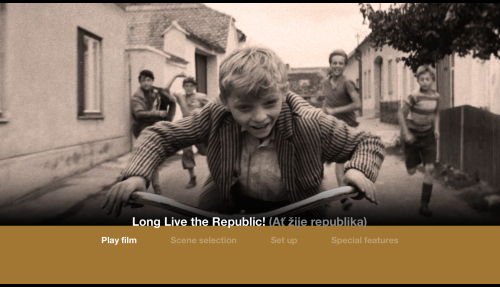
Menus / Extras
 |
 |
 |
 |
 |
 |
 |
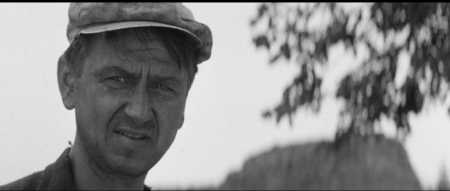
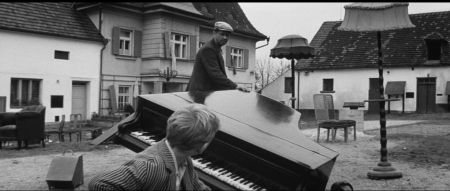
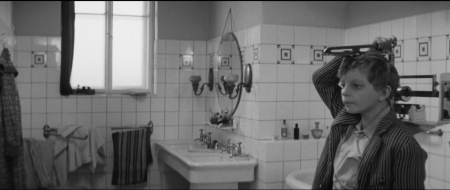
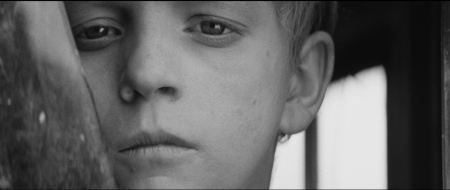
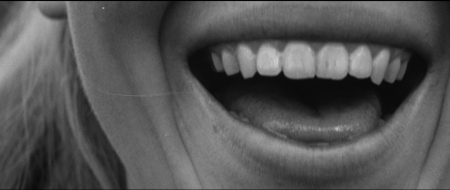
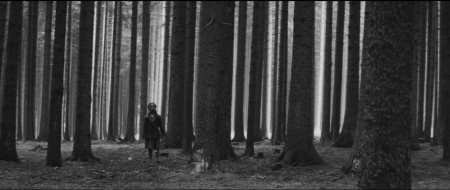
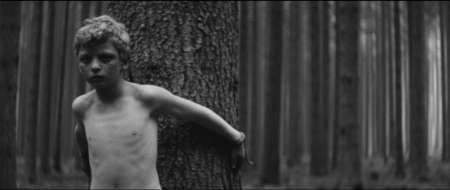
CLICK EACH BLU-RAY CAPTURE TO SEE ALL IMAGES IN FULL 1920X1080 RESOLUTION
 |
 |
 |
 |
 |
 |
 |
 |
More full resolution (1920 X 1080) Blu-ray Captures for DVDBeaver Patreon Supporters HERE
 |
 |
 |
 |
 |
 |
 |
 |
 |
 |
 |
 |
 |
 |
 |
 |
 |
 |
 |
 |
 |
 |
 |
 |
 |
 |
 |
 |
 |
 |
 |
 |
 |
 |
 |
 |
 |
 |
 |
 |
 |
 |
 |
 |
 |
 |
 |
 |
 |
 |
 |
 |
 |
 |
 |
 |
| Box Cover |
|
CLICK to order from:
BONUS CAPTURES:
|
| Distribution | Second Run - Region FREE - Blu-ray | |
|
Search DVDBeaver |
S E A R C H D V D B e a v e r |














CLICK PayPal logo to donate!
|
Gary Tooze
|
|
Thank You!
