|
An
enormous, sincere thank you to our phenomenal
Patreon
supporters! Your unshakable dedication is the bedrock that keeps DVDBeaver
going - we’d be lost without you. Did you know? Our patrons include a
director, writer, editor, and producer with honors like Academy Awards for
Best Picture and Best Director, a Pulitzer Prize-winning screenwriter, and a
Golden Globe-winning filmmaker, to name a few! Sadly, DVDBeaver has reached a breaking point where our existence hangs in the balance. We’re now reaching out to YOU with a plea for help. Please consider pitching in just a few dollars a month - think of it as the price of a coffee or some spare change - to keep us bringing you in-depth reviews, current calendar updates, and detailed comparisons. I’m am indebted to your generosity!
|






|
Search DVDBeaver |
S E A R C H D V D B e a v e r |

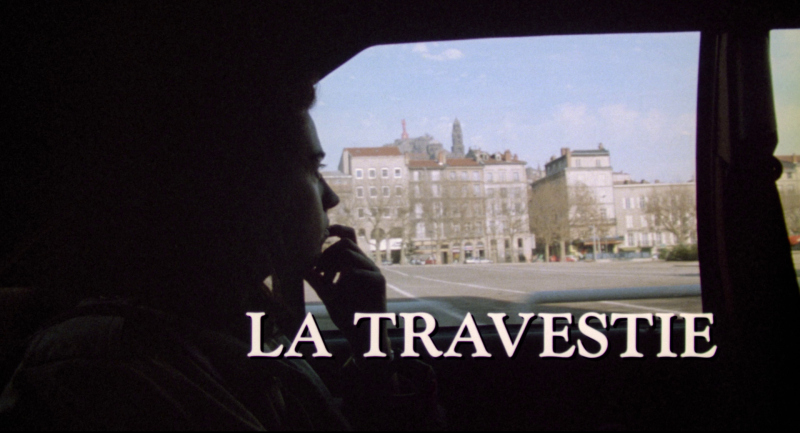
(aka "La travestie" or "La Travestie")
Directed by Yves Boisset
France 1988
|
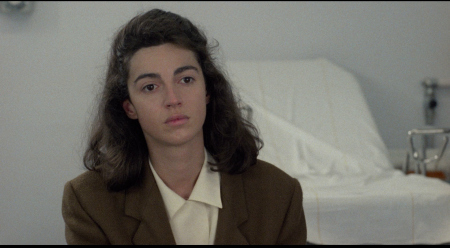
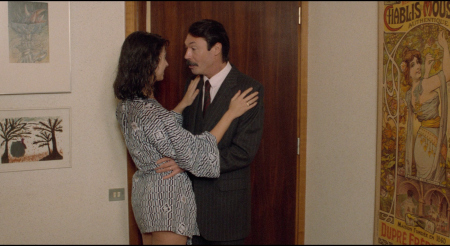
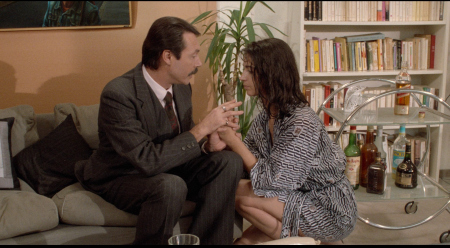
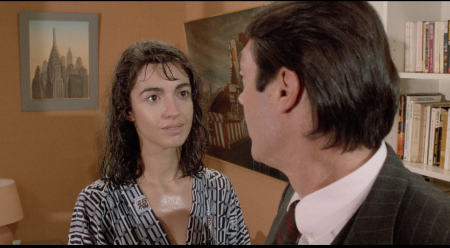
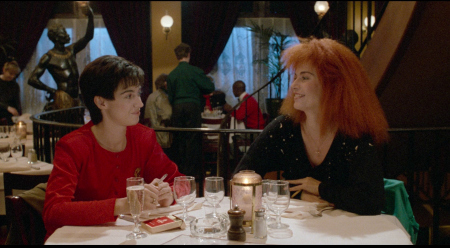
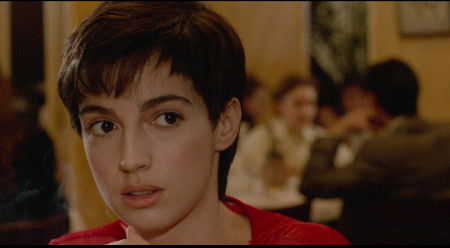
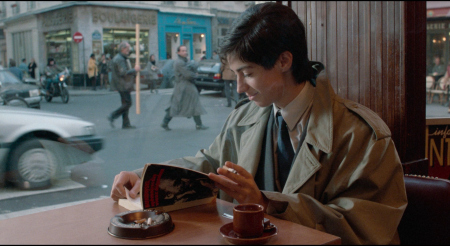
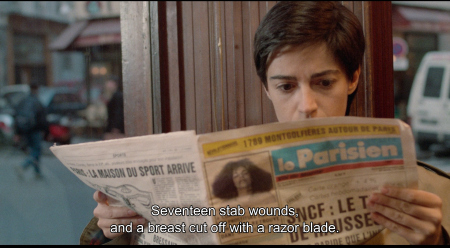
A stark departure from his other works, Yves Boisset’s La Travestie is a
tactically abrasive look at patriarchy and identity. Lawyer Nicole (Zabou
Breitman, La Crise) is driven by frustration and male hypocrisy in both
her personal and professional lives to leave her law firm and her hometown, and
to reinvent herself as a man. ***
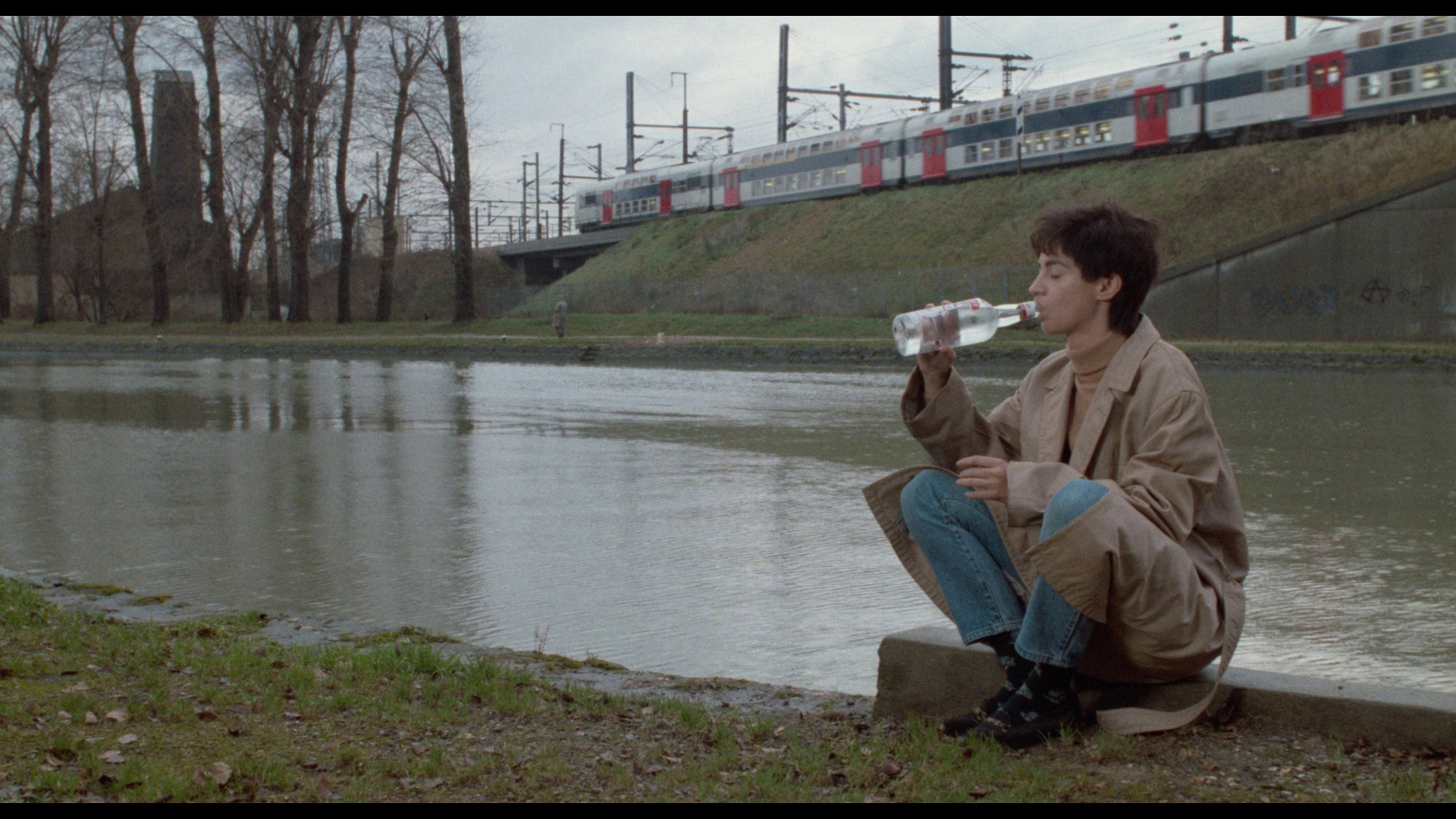
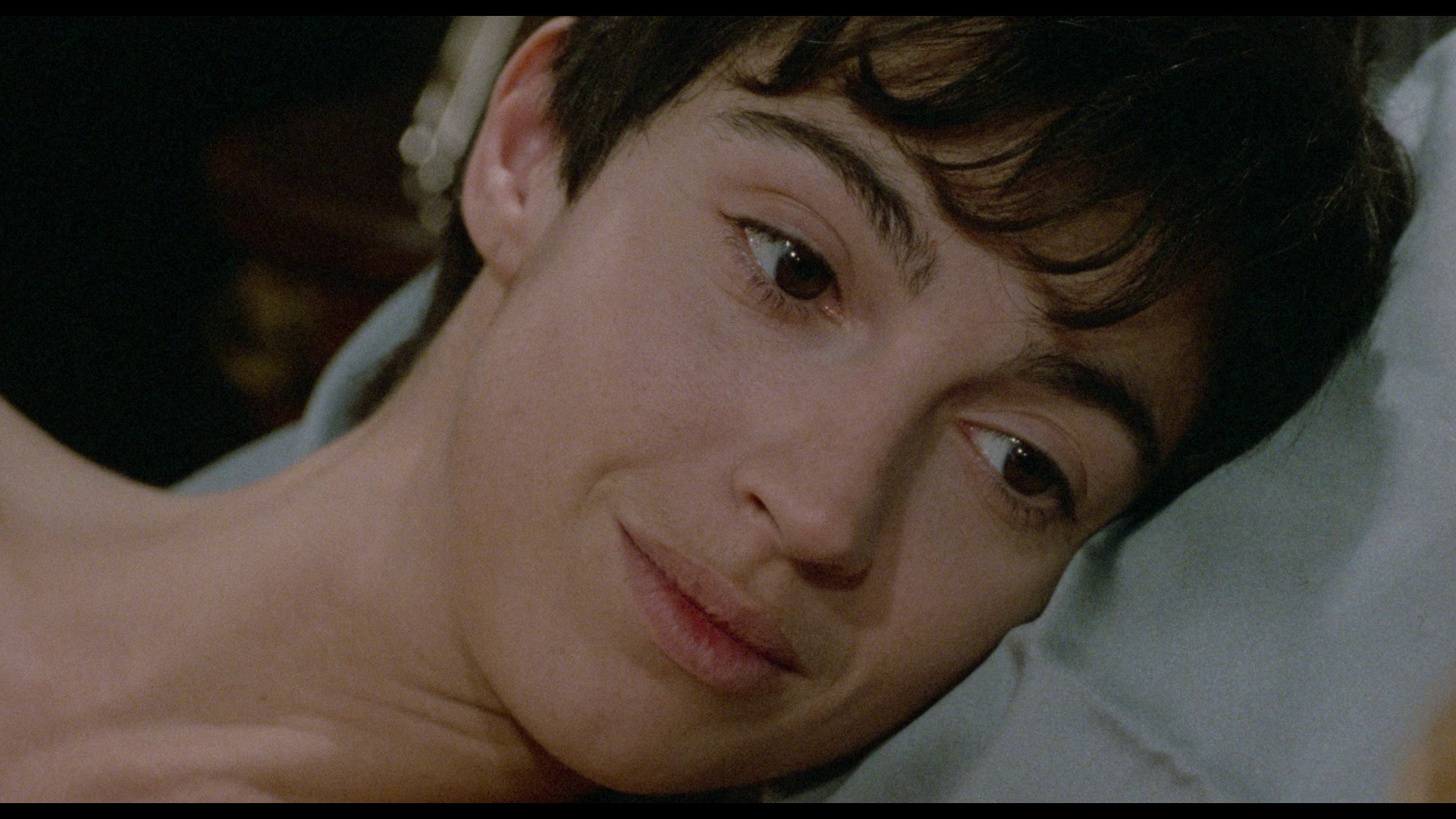
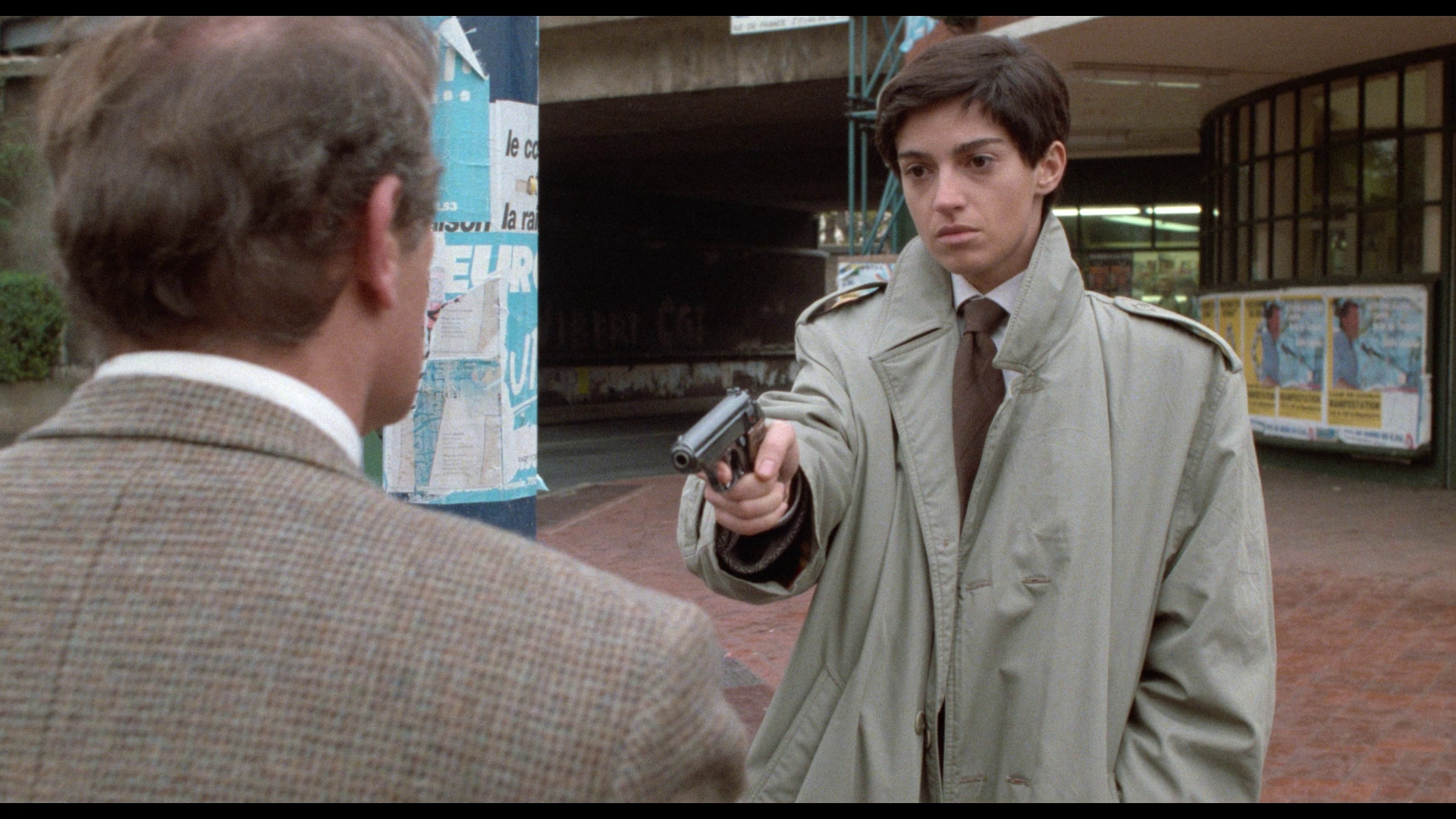
Yves Boisset’s La Travestie (1988) is a bold, unsettling French
psychological drama starring Zabou Breitman as Nicole Armingault, a frustrated
provincial lawyer trapped in a male-dominated world. After faking a pregnancy to
extract money from her lovers, embezzling from her firm, and undergoing an
abortion, Nicole flees to Paris and reinvents herself by cross-dressing as a
man. |
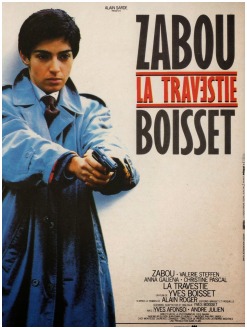
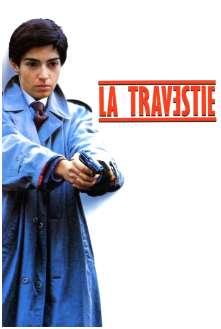
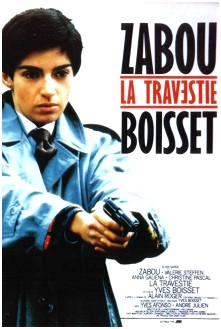
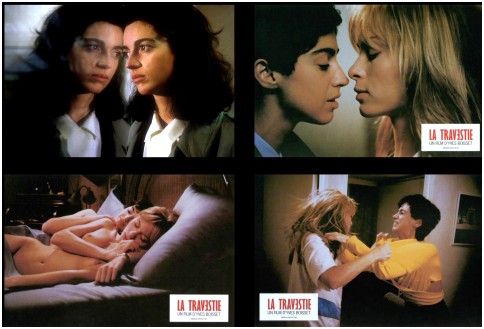
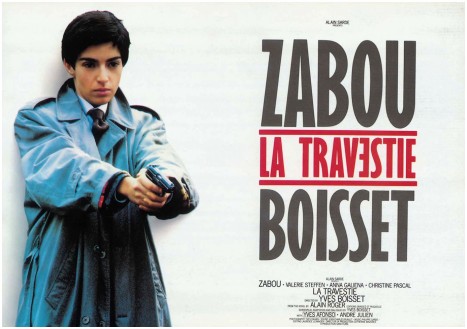
Posters
 |
 |
 |
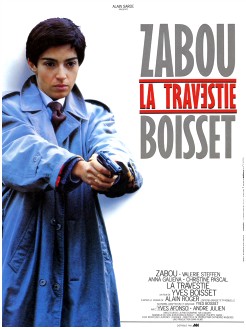 |
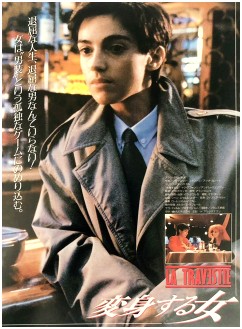 |
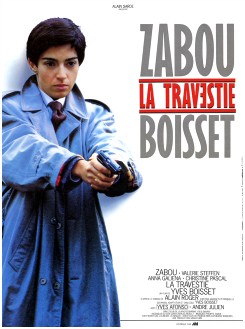 |
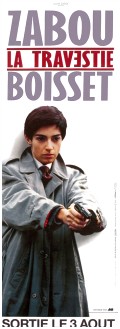 |
 |
 |
Theatrical Release: August 3rd, 1988

Review: Indicator - Region FREE - Blu-ray
| Box Cover |
|
CLICK to order from:
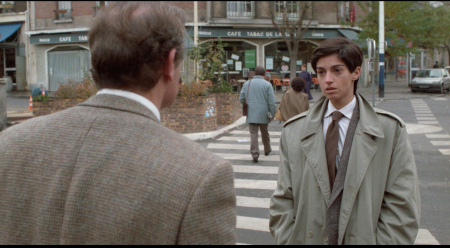
BONUS CAPTURES:
|
| Distribution | Indicator - Region FREE - Blu-ray | |
| Runtime | 1:48:37.469 | |
| Video |
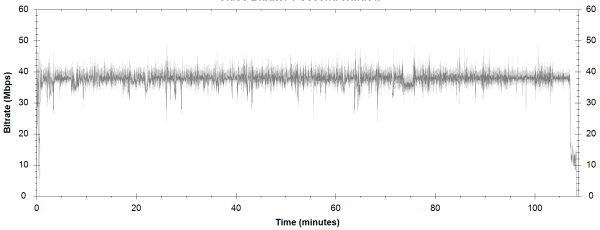
1. 85:1 1080P Dual-layered Blu-rayDisc Size: 38,101,946,914 bytesFeature: 33,792,593,280 bytes Video Bitrate: 37.29 MbpsCodec: MPEG-4 AVC Video |
|
|
NOTE: The Vertical axis represents the bits transferred per second. The Horizontal is the time in minutes. |
||
| Bitrate Blu-ray: |
|
|
| Audio |
LPCM Audio French 1152 kbps 1.0 / 48 kHz / 1152 kbps / 24-bit |
|
| Subtitles | English, None | |
| Features |
Release Information: Studio: Indicator
1. 85:1 1080P Dual-layered Blu-rayDisc Size: 38,101,946,914 bytesFeature: 33,792,593,280 bytes Video Bitrate: 37.29 MbpsCodec: MPEG-4 AVC Video
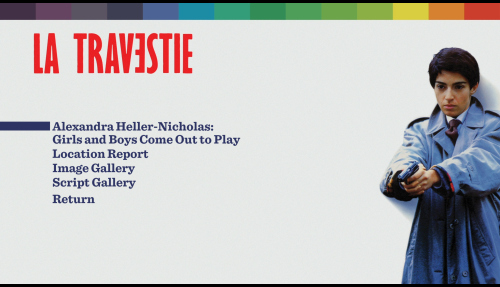
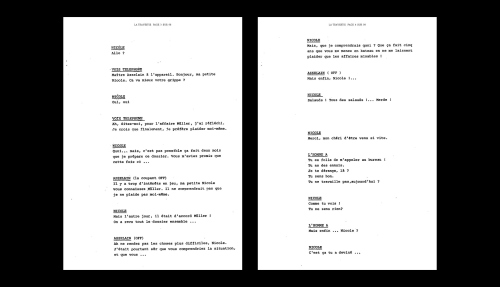
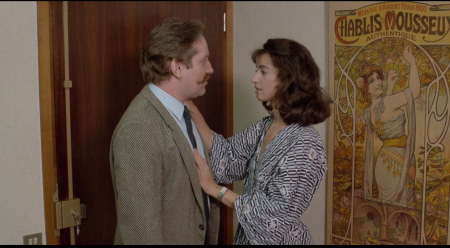
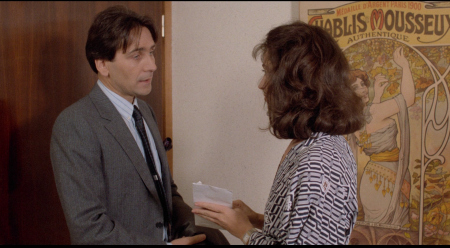
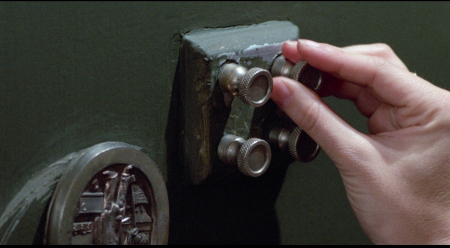
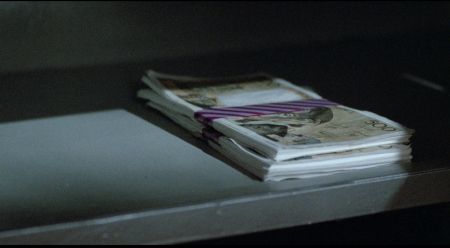
Edition Details: • Girls and Boys Come Out to Play (2026): video essay by film critic and historian Alexandra Heller-Nicholas exploring the film’s themes of gender and power (13:36) • Location Report (3:46) • Image gallery: promotional and publicity materials • Script gallery: complete dialogue and continuity script Limited edition exclusive booklet with a new essay by Georgia Humphreys, excerpts from the film’s press kit, an overview of critical responses, and film credits
Transparent Blu-ray Case Chapters 13 |
|



| Comments: |
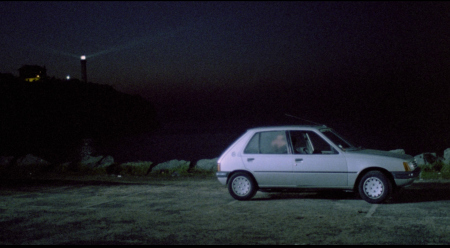
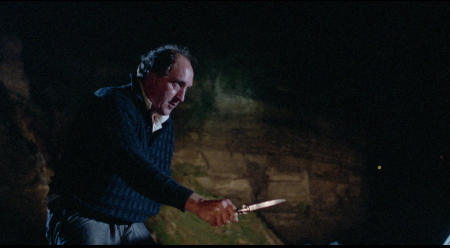
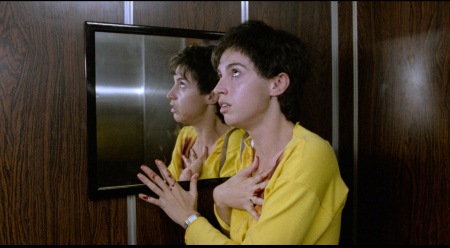
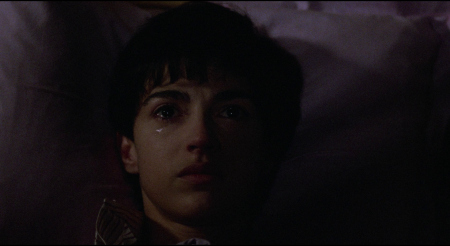
NOTE:
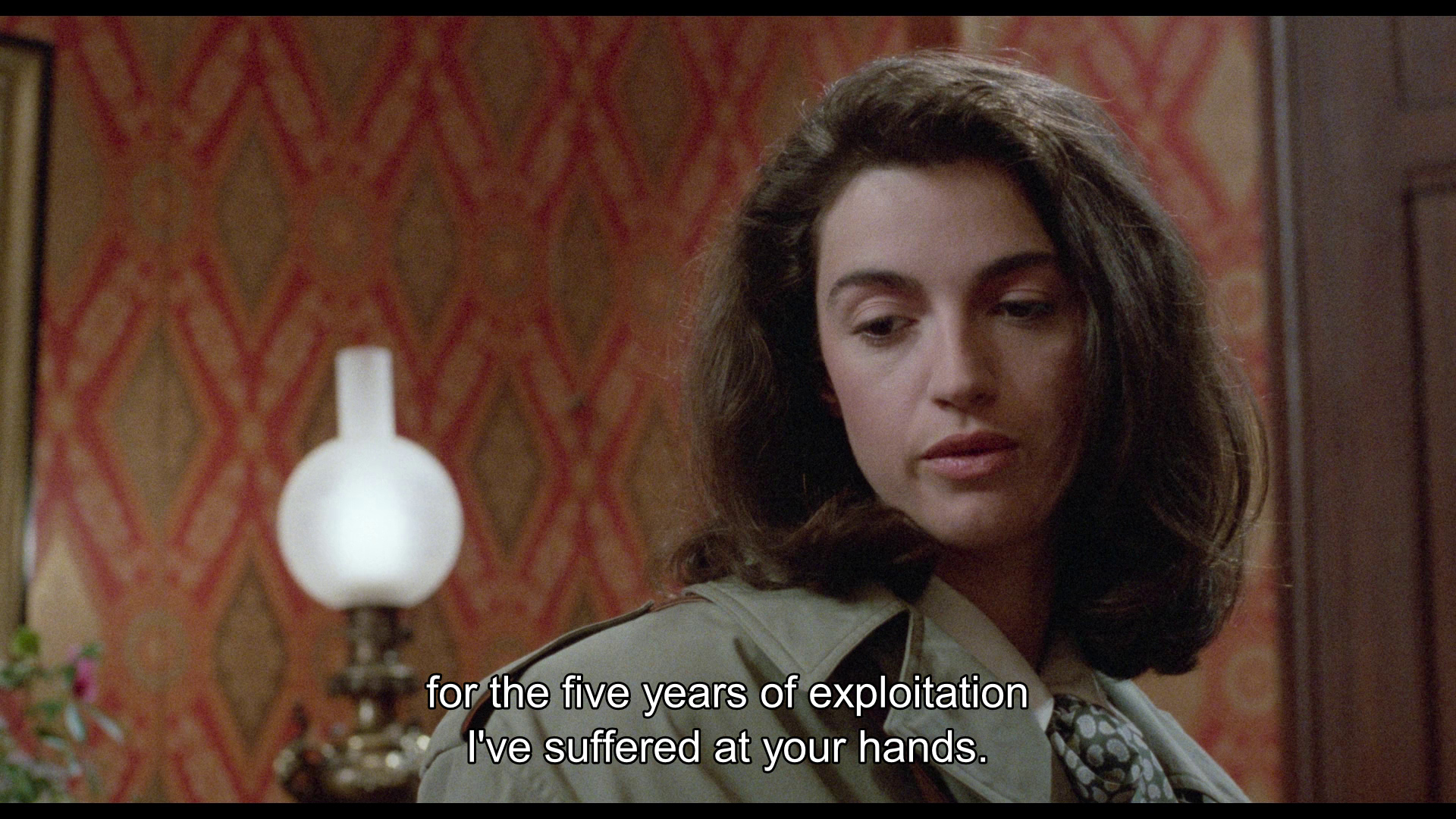
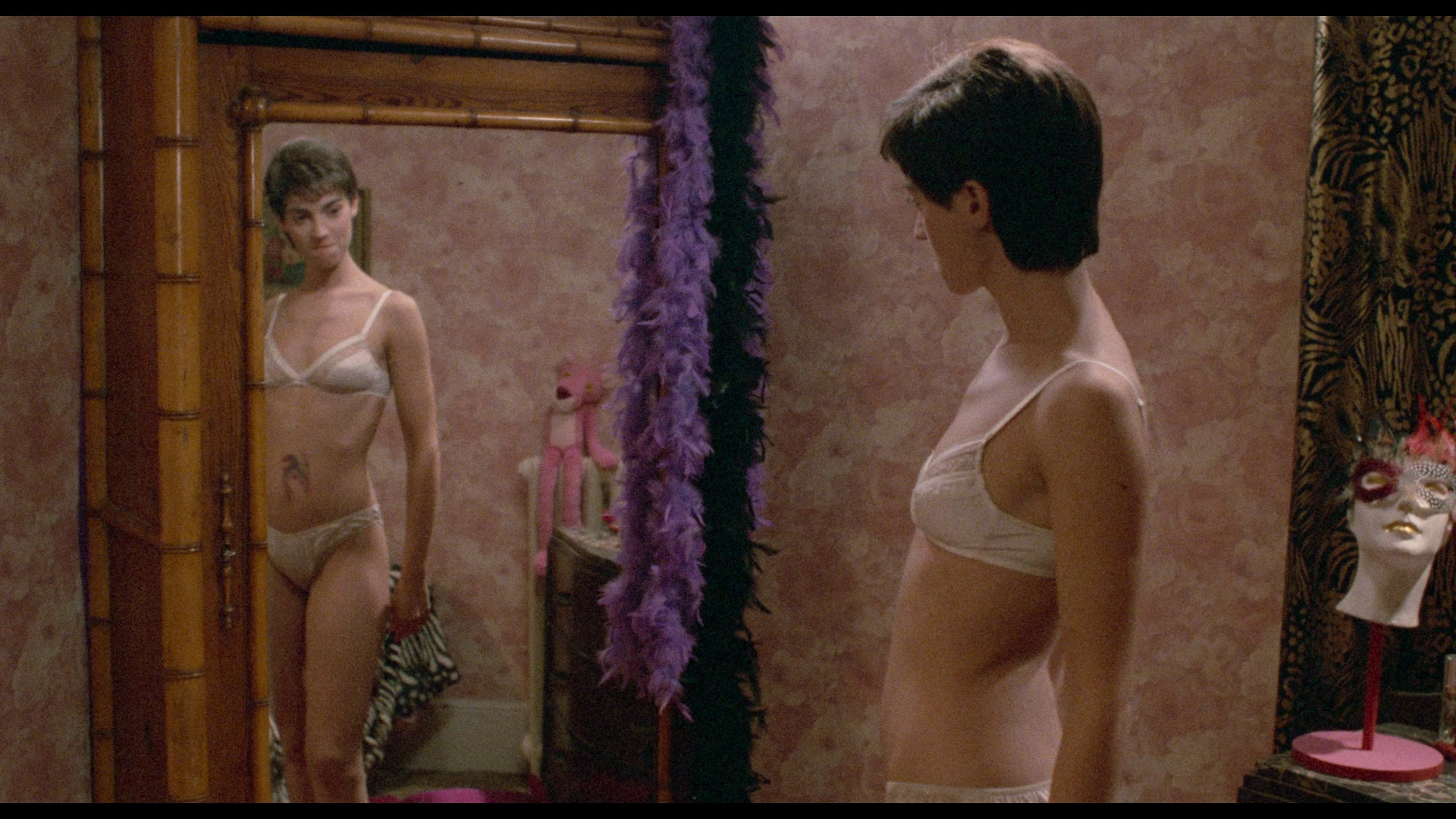
The below
Blu-ray
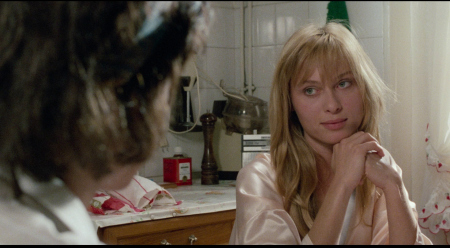
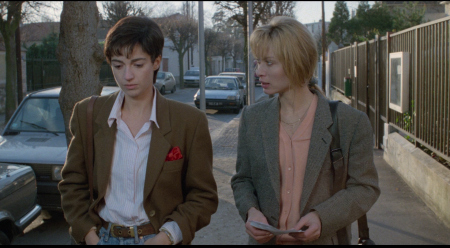
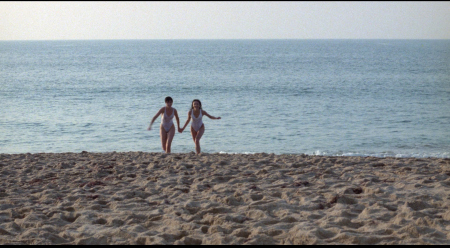
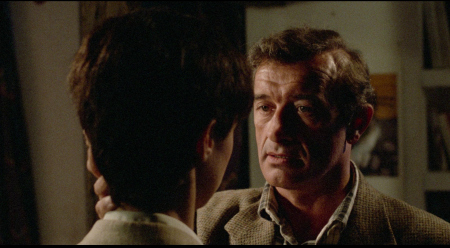
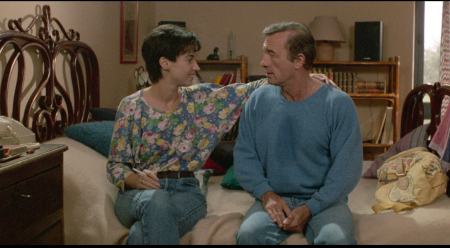
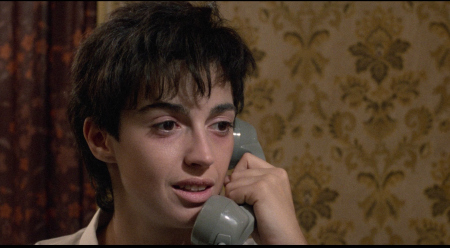
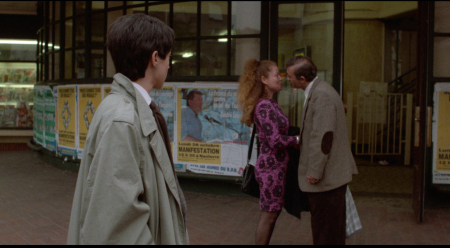
captures were taken directly from the
Blu-ray
disc.
NOTE: We
have added 66 more large resolution Blu-ray
captures (in lossless PNG format) for DVDBeaver Patrons
HERE
On their
Blu-ray,
Indicator use a linear PCM mono track (24-bit) in the original French
language. Dialogue remains clear and intelligible (essential for a
character-driven film heavy on French-language interactions), while
ambient sounds - urban streets, intimate encounters, and hotel rooms -
sit naturally in the mix. Philippe Sarde’s (Choice
of Arms, Madame
Rosa,
Max and the Junkmen,
The Widow Couderc,
Tess,
La Grande Bouffe,
Quest For Fire,)
haunting, melancholic score (with its string-and-piano textures and
waltzes) translates well in mono, retaining its subtle emotional
undercurrent without losing nuance. There are no flashy surround
options, which suits the film’s intimate, frontal style. Overall, the
audio is unobtrusive and period-appropriate, allowing the raw
performances and atmospheric sound design to shine without distraction. Indicator offer optional English subtitles on their
Region FREE
Blu-ray.
The extras package on the Indicator
Blu-ray is
complete. The supplements are focused and valuable for a niche title.
The standout is “Girls and Boys Come Out to Play” (2026), a 1/4
hour video essay by critic and historian Alexandra Heller-Nicholas (Rape-Revenge
Films: A Critical Study.) It thoughtfully explores the film’s
themes of gender and power, situating La Travestie in its 1988
context while highlighting its prescient handling of identity
performance, female psychosexuality, and patriarchy - without
demonization. This piece elevates the release by framing the film as
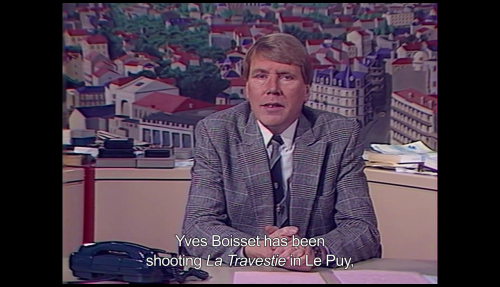
more than a flawed curiosity. There is a brief "Location Report"
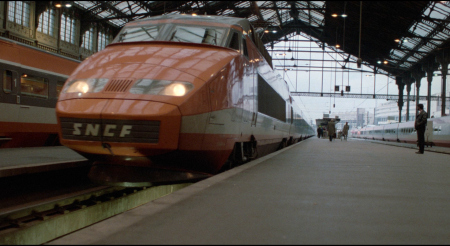
focusing on the locales where the film was shot (Provinces - around Le
Puy - or nearby areas in the Auvergne region - Paris - the bulk of the
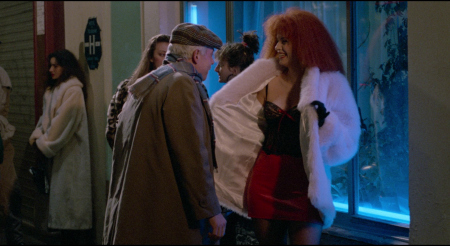
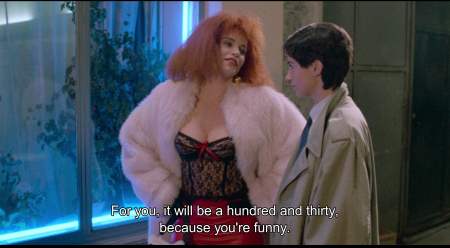
film, especially streets around the Bastille area, shabby hotels, and
urban settings depicting her life as a 'travesti' - Biarritz; later
scenes where characters hide their relationship at a sister's place on
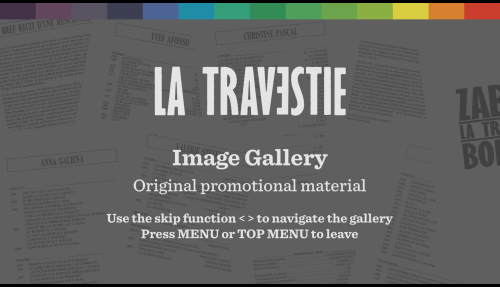
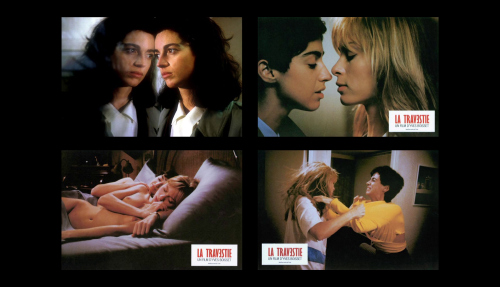
the Atlantic coast. An image gallery compiles promotional and publicity
materials, offering visual context on marketing and contemporary
reception. The script gallery provides the complete dialogue and
continuity script, a rare and useful resource for deeper study of
Boisset’s adaptation from
Alain Roger’s novel.
The limited edition exclusive booklet is a highlight: it includes a new
essay by Georgia Humphreys (Keep
it to Yourself’: Shame and Female Masturbation in American Independent
Cinema,) excerpts from the original press kit, an overview of
critical responses (both contemporary dismissal and later reevaluation),
and full credits. The booklet’s design and writing add scholarly weight
and production history.
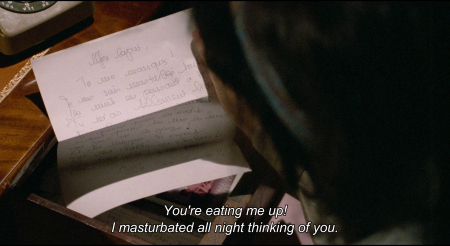
Yves Boisset's "La Travestie" is a late-career
psychological drama that marks a departure from the director’s
better-known politically charged films of the 1970s (such as
Dupont
Lajoie or Le Juge Fayard.) Adapted from
Alain Roger’s novel (itself
inspired by real events), the film follows Nicole Armingault (Zabou
Breitman), a provincial lawyer disillusioned by professional
marginalization and unfulfilling relationships with men. After faking a
pregnancy to extort money from three lovers, robbing her employer, and
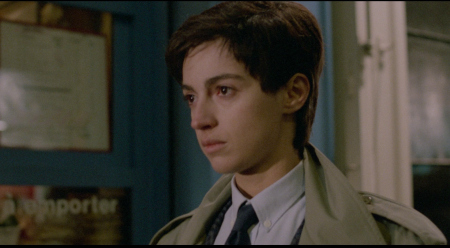
undergoing an abortion, she flees to Paris, cuts her hair, dons male
attire, and assumes a new identity as “Nick.” What begins as an act of
rebellion and reinvention devolves into a downward spiral of identity
fragmentation, sexual exploration, exploitation, and mental collapse.
La Travestie arrived during a transitional period for Boisset, who
soon shifted to television, and for French cinema amid 1980s cultural
shifts. Its explicit content and refusal to resolve Nicole’s pain into
redemption or clear pathology made it divisive. Today, it resonates as a
disturbing portrait of alienation in late-20th-century France -
particularly the plight of women seeking autonomy - and a reminder of
the personal costs of resisting (or mimicking) societal norms. While not
Boisset’s (The
Cop,
The French Conspiracy,) most polished work, its fearless
ambition, central performance, and thematic daring make it a compelling,
if flawed, artifact: a film that lingers like “une marque au fer
rouge,” as one viewer put it. It rewards viewers interested in
gender studies, psychological drama, or unconventional French cinema of
the era. Indicator’s Blu-ray is a
strong, enthusiast-oriented edition that rescues La Travestie from
obscurity with a fine 4K restoration, solid mono audio, and insightful
extras that contextualize its bold (if uneven) exploration of identity.
While the film itself remains divisive - praised for Zabou Breitman’s
performance and thematic ambition, critiqued for tonal inconsistencies -
the package treats it with respect and seriousness. For fans of Boisset,
1980s French cinema, or gender-themed film studies, this limited edition
is recommended. It transforms an underseen “strange” work into an
accessible artifact worthy of rediscovery. The combination of technical
quality and thoughtful bonus features makes it a model mid-tier boutique
release. |

Menus / Extras
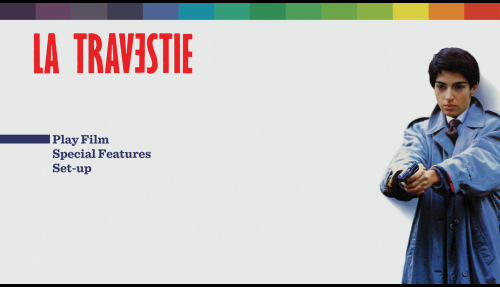 |
 |
 |
 |
 |
 |
 |
 |
 |
 |
 |

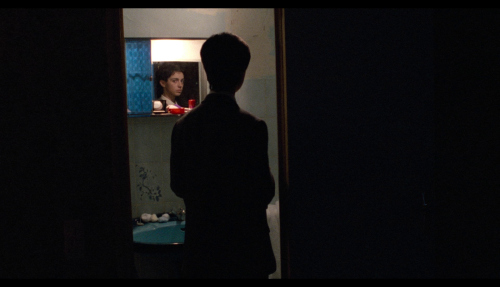
CLICK EACH BLU-RAY CAPTURE TO SEE ALL IMAGES IN FULL 1920X1080 RESOLUTION
 |
 |
 |
 |
 |
 |
 |
 |
Examples of NSFW (Not Safe For Work) CAPTURES (Mouse Over to see- CLICK to Enlarge)
 |
 |
 |
 |
 |
 |
 |
 |
More full resolution (1920 X 1080) Blu-ray Captures for DVDBeaver Patreon Supporters HERE
 |
 |
 |
 |
 |
 |
 |
 |
 |
 |
 |
 |
 |
 |
 |
 |
 |
 |
 |
 |
 |
 |
 |
 |
 |
 |
 |
 |
 |
 |
 |
 |
 |
 |
 |
 |
 |
 |
 |
 |
 |
 |
 |
 |
 |
 |
 |
 |
 |
 |
 |
 |
 |
 |
 |
 |
 |
 |
 |
 |
 |
 |
 |
 |
 |
 |
| Box Cover |
|
CLICK to order from:
BONUS CAPTURES:
|
| Distribution | Indicator - Region FREE - Blu-ray | |
|
Search DVDBeaver |
S E A R C H D V D B e a v e r |
























CLICK PayPal logo to donate!
|
Gary Tooze
|
|
Thank You!
