|
An
enormous, sincere thank you to our phenomenal
Patreon
supporters! Your unshakable dedication is the bedrock that keeps DVDBeaver
going - we’d be lost without you. Did you know? Our patrons include a
director, writer, editor, and producer with honors like Academy Awards for
Best Picture and Best Director, a Pulitzer Prize-winning screenwriter, and a
Golden Globe-winning filmmaker, to name a few! Sadly, DVDBeaver has reached a breaking point where our existence hangs in the balance. We’re now reaching out to YOU with a plea for help. Please consider pitching in just a few dollars a month - think of it as the price of a coffee or some spare change - to keep us bringing you in-depth reviews, current calendar updates, and detailed comparisons. I’m am indebted to your generosity!
|






|
Search DVDBeaver |
S E A R C H D V D B e a v e r |

|
|
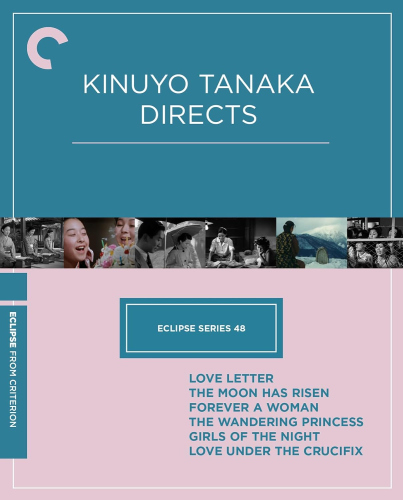
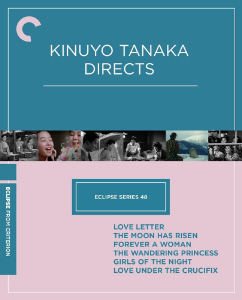
Eclipse Series 48: Kinuyo Tanaka Directs [3 X Blu-ray]
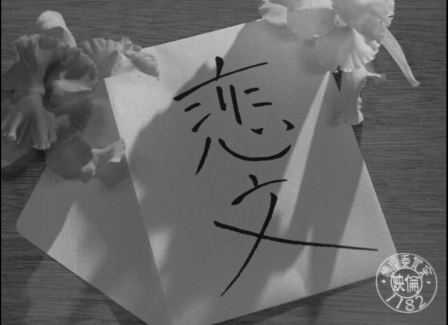
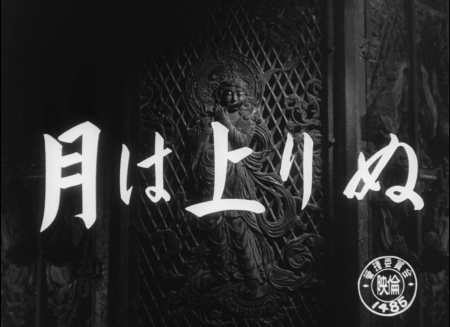
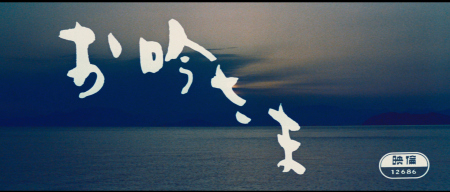
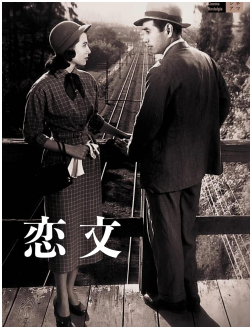
Love Letter (1953) The Moon Has Risen (1955)
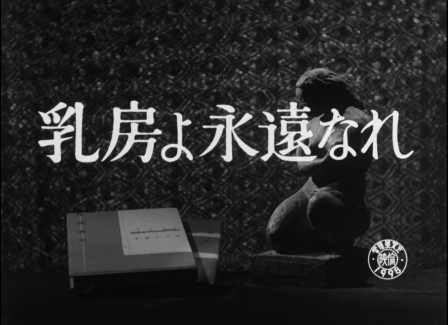
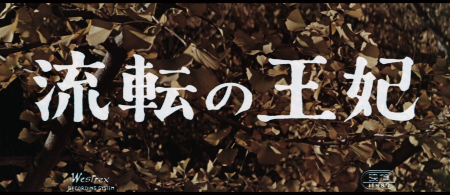
Forever a Woman (1955) The Wandering Princess (1960)
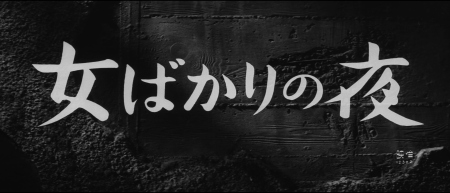
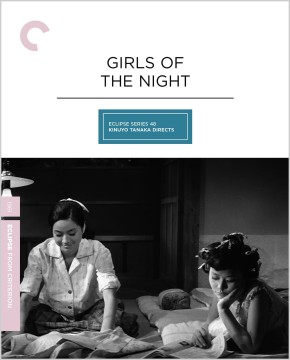
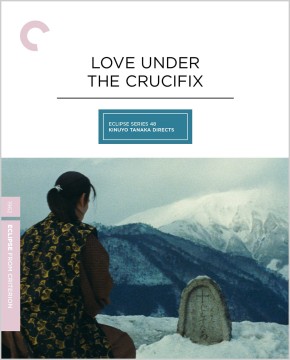
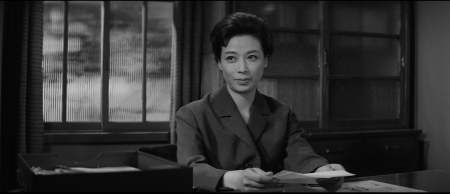
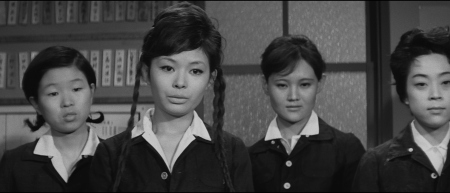
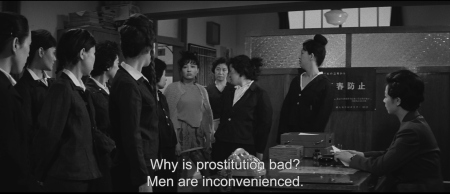
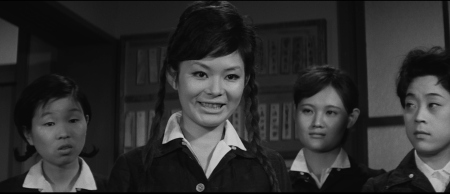
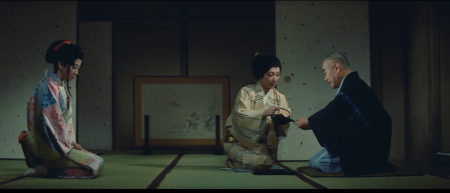
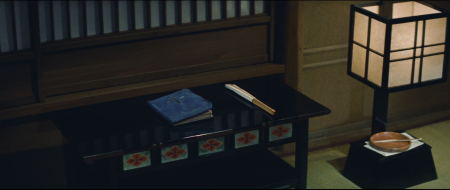
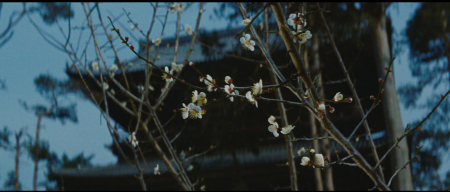
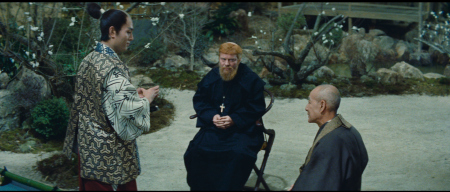
Girls of the Night (1961) Love Under the Crucifix
(1962)
 |
 |
 |
 |
 |
 |
|
Kinuyo Tanaka was already one of Japan’s greatest actors—celebrated for her collaborations with auteurs such as Kenji Mizoguchi, Yasujiro Ozu, and Mikio Naruse—when she took a brave leap by embarking on a directing career in a studio system that actively discouraged female filmmakers. The six features she made over the course of a decade center on women characters who refuse to conform to restrictive roles as they seek independence. With compassion and insight, Tanaka critiques the social conditions and forces that shape her heroines’ struggles: sex work and social shaming, the expectation of passively entering arranged marriages, taboos surrounding illness and the female body, imperialism, and religious persecution and forbidden love. ***
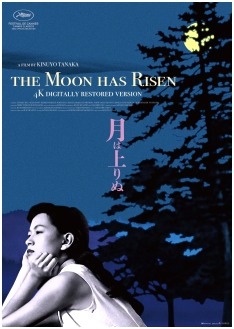
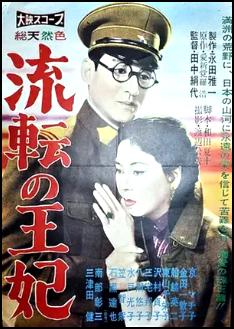
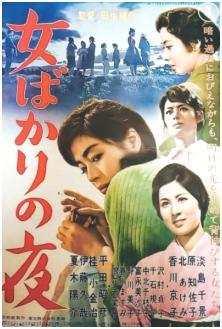
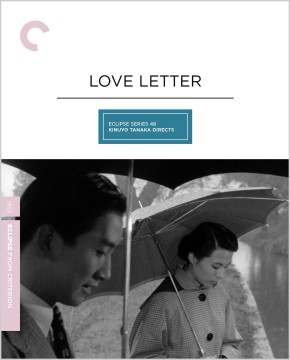
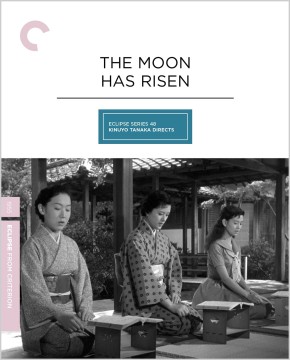
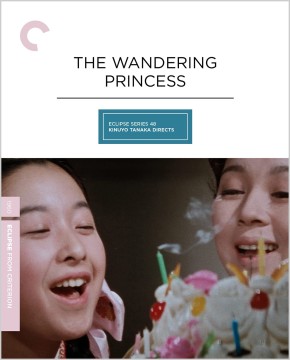
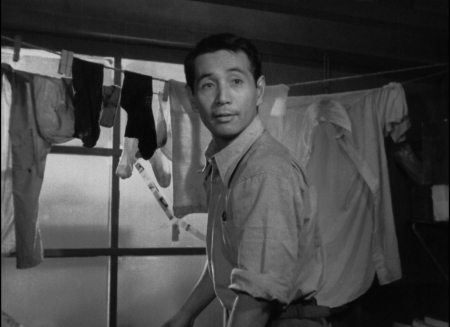
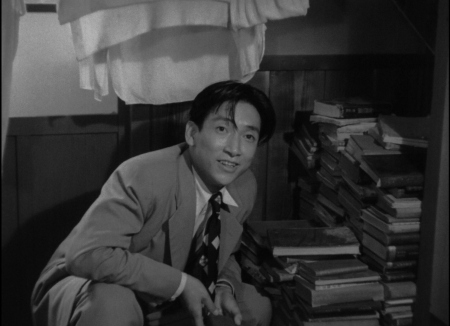
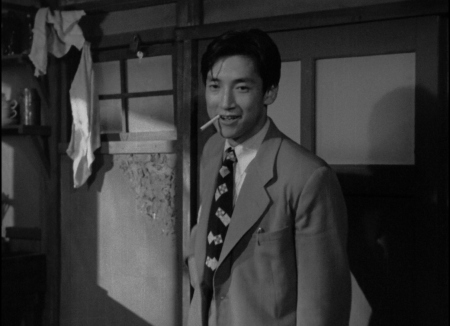
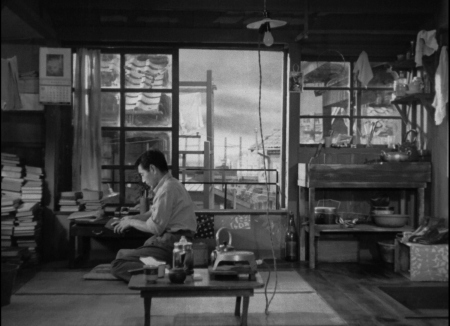
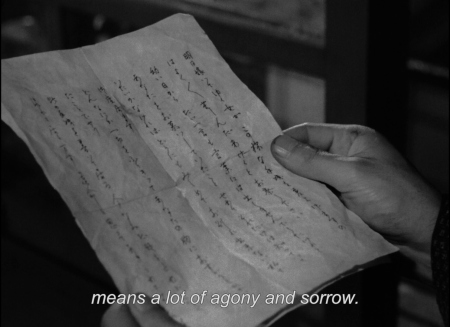
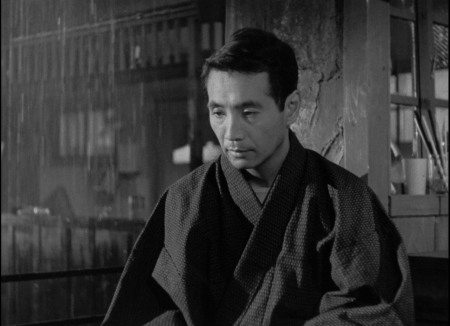
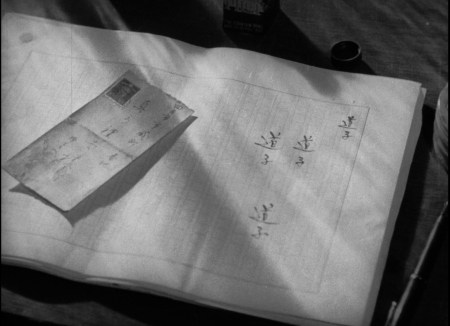
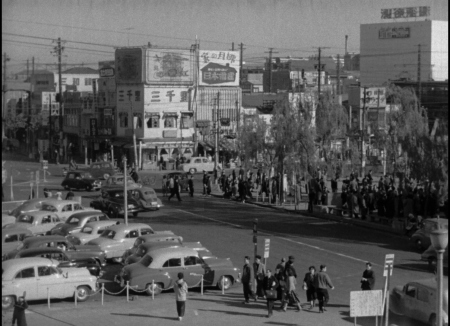
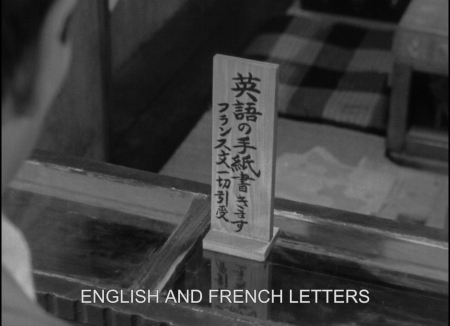
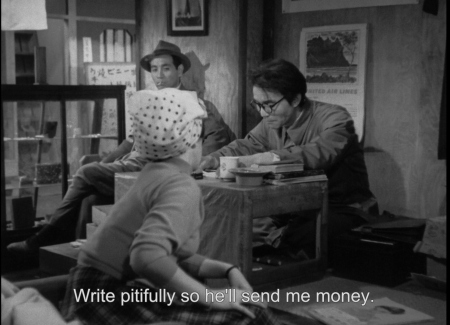
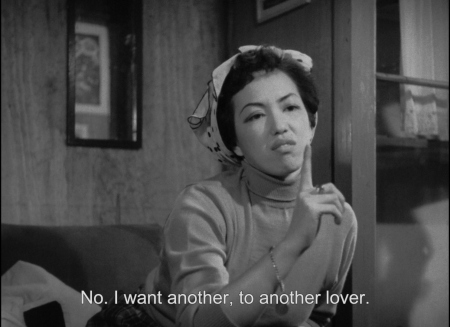
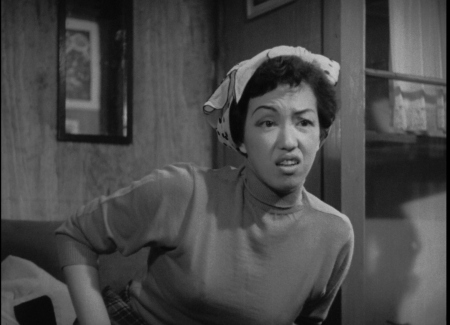
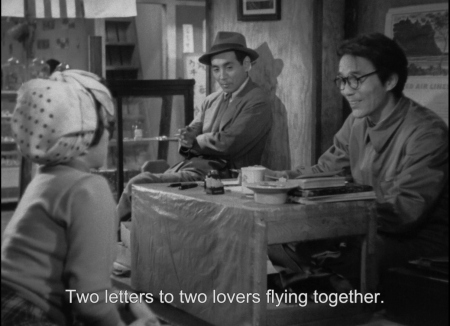
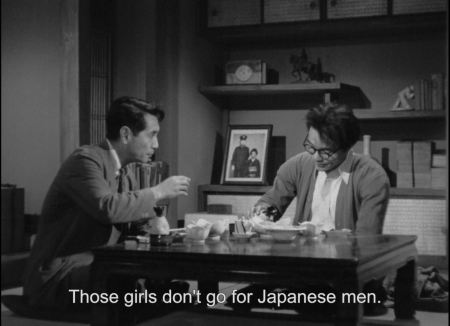
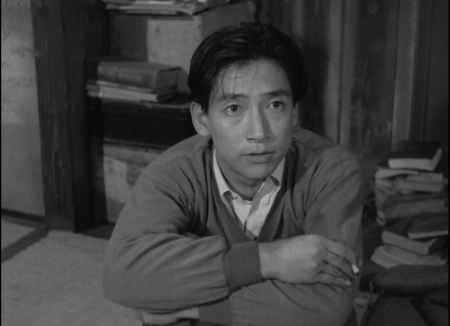
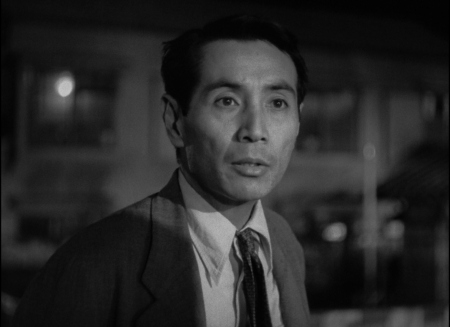
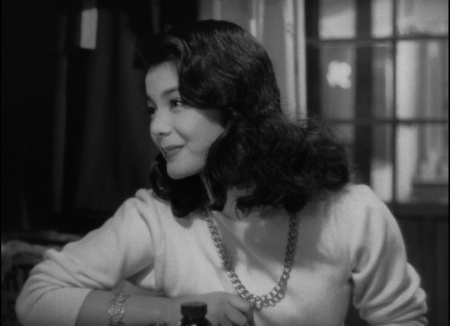
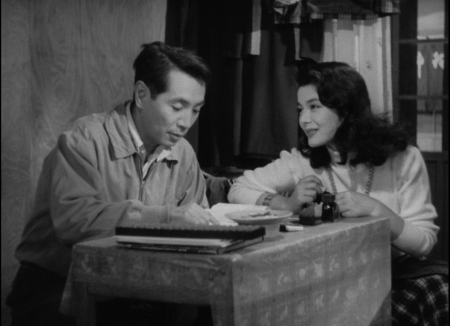
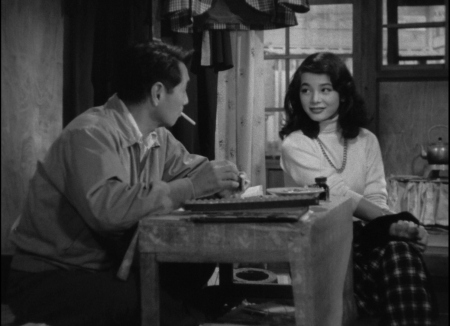
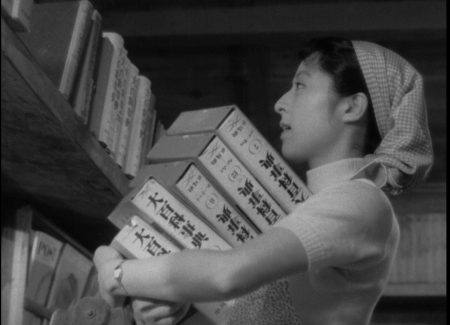
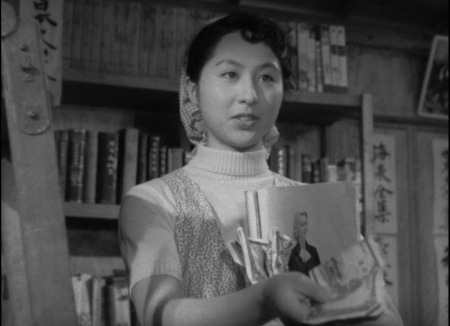
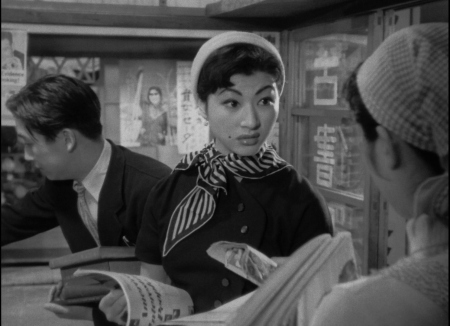
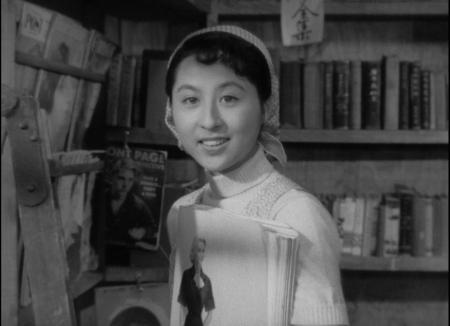
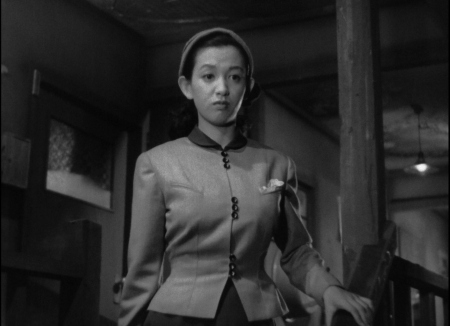
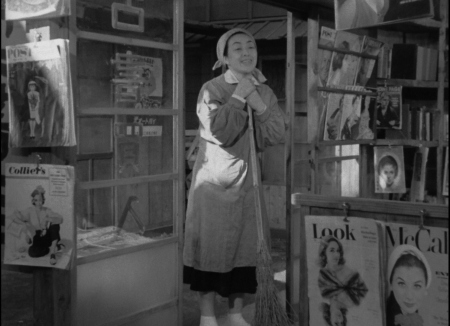
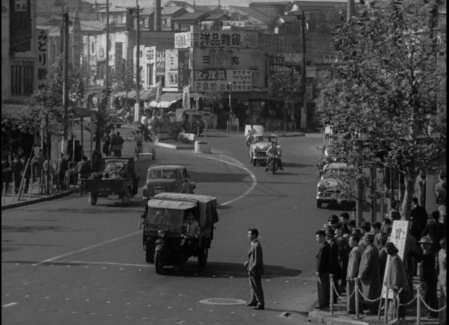
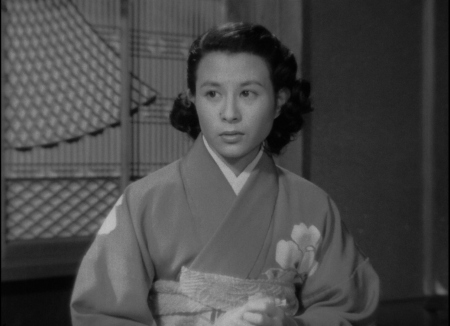
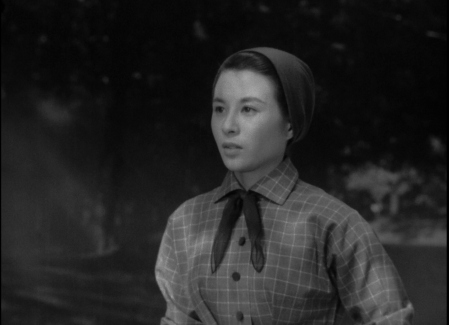
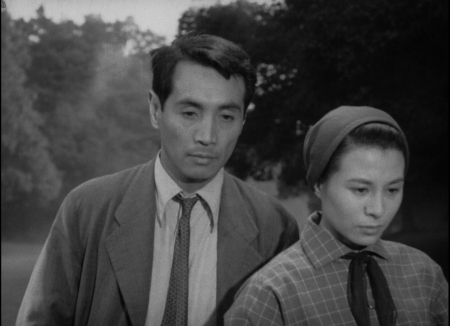
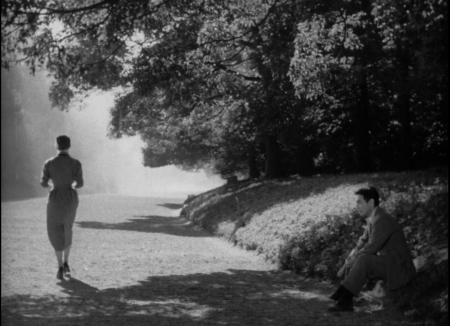
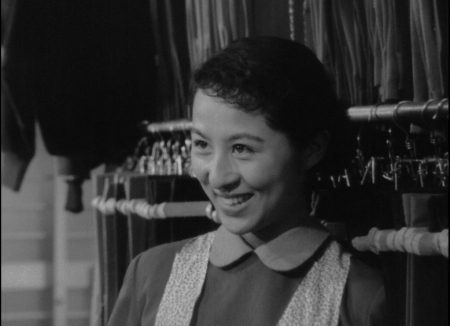
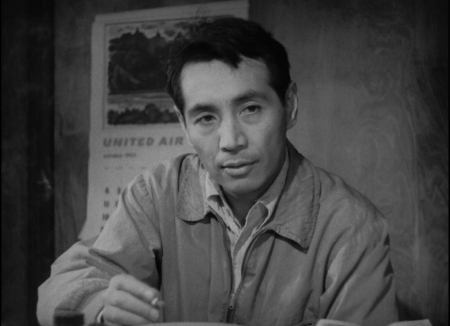
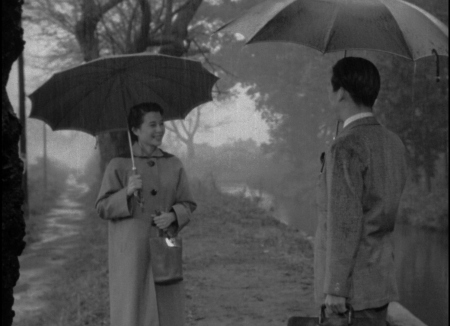
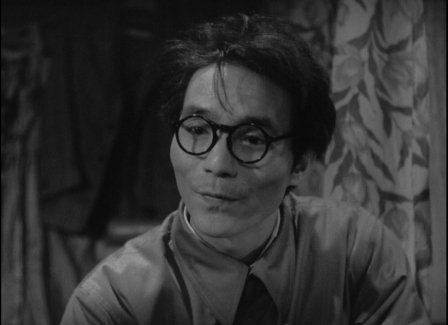
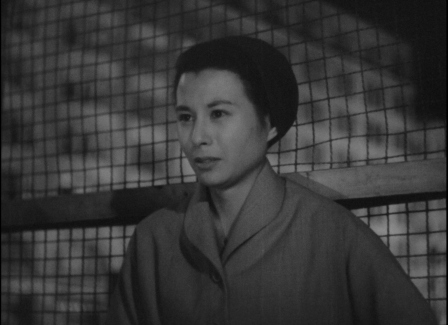
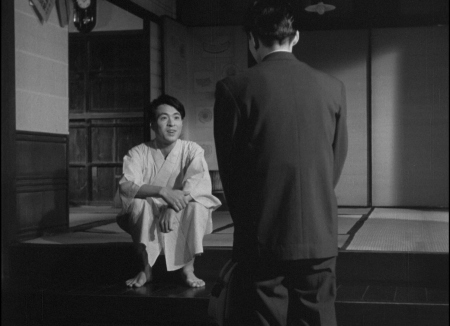
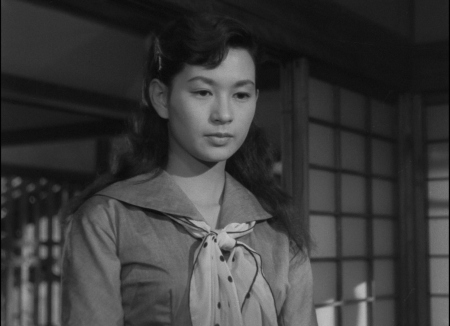
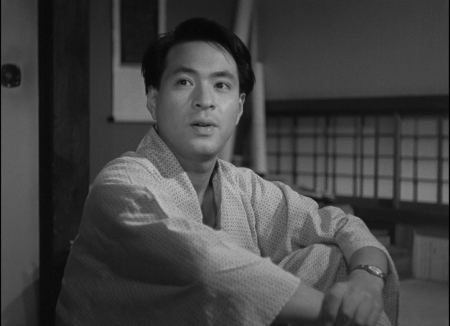
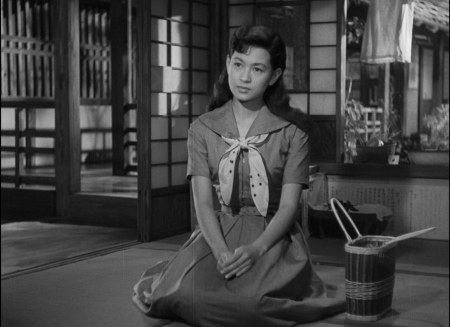
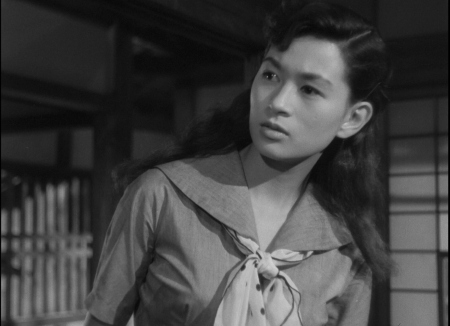
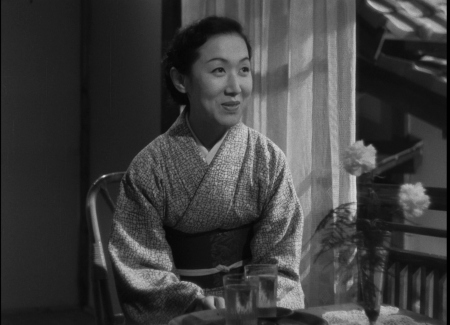
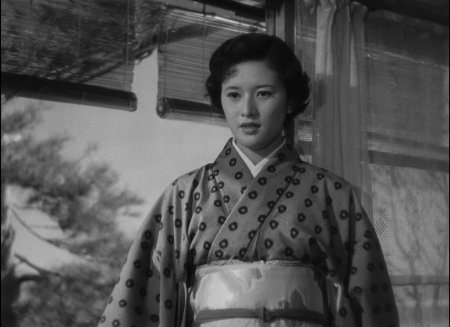
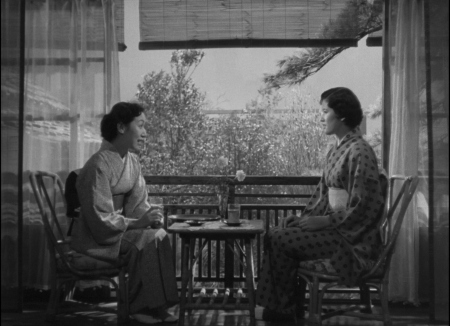
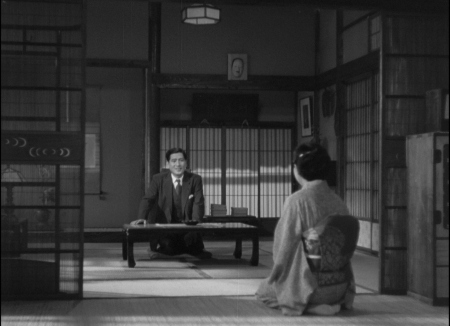
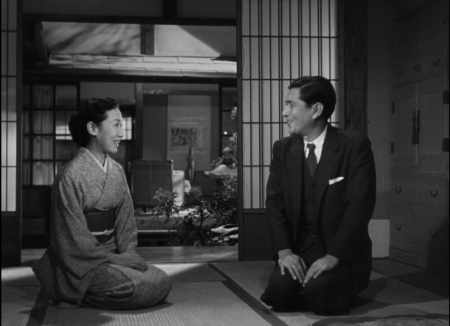
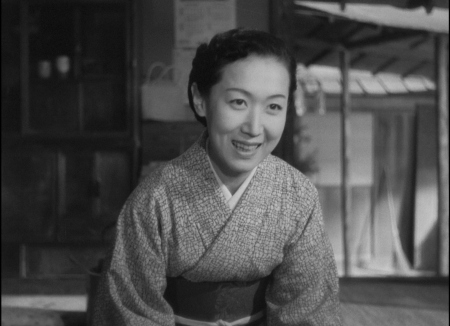
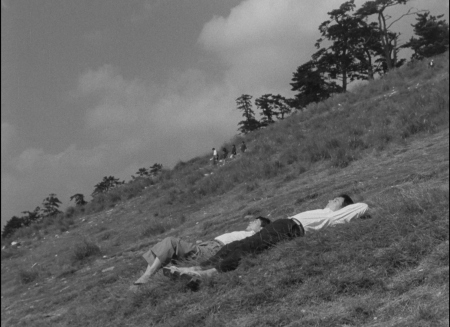
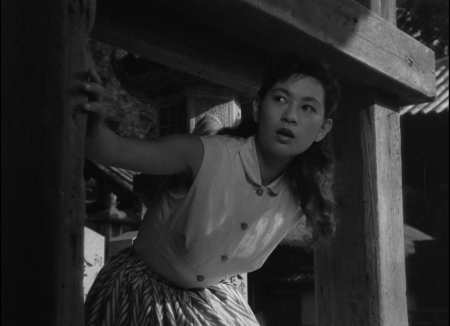
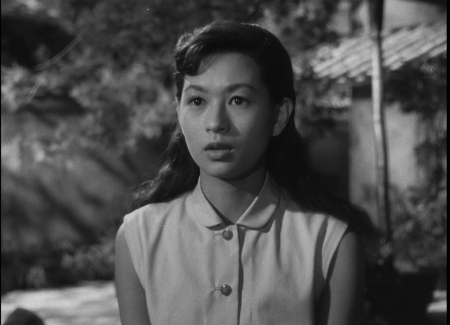
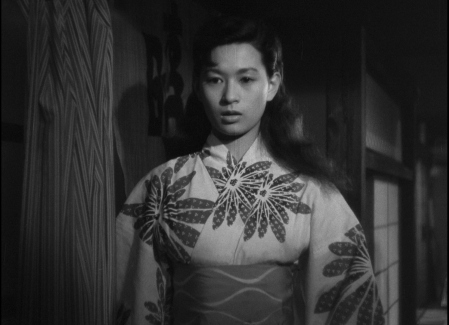
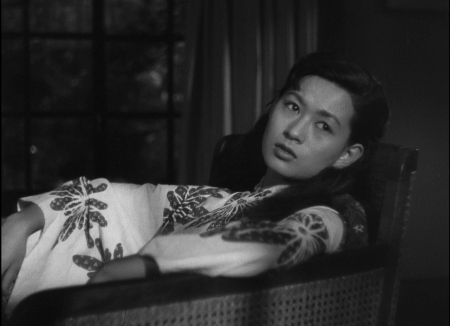
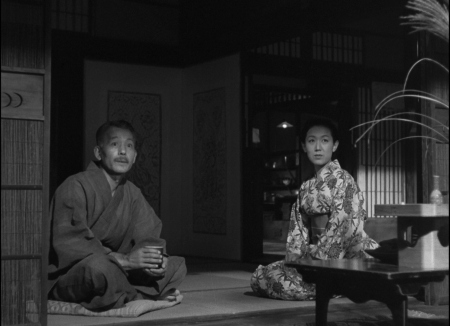
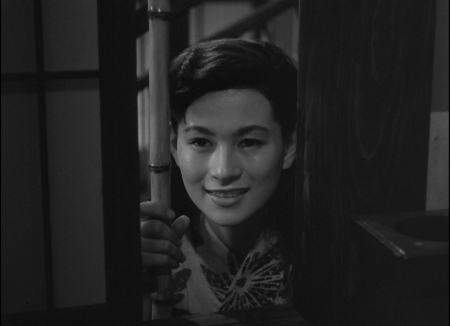
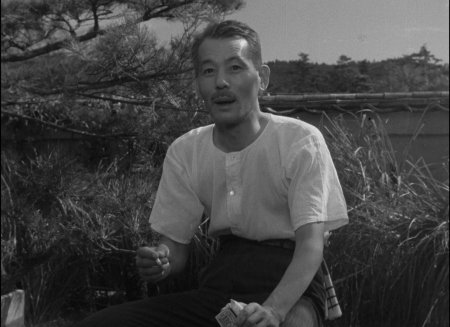
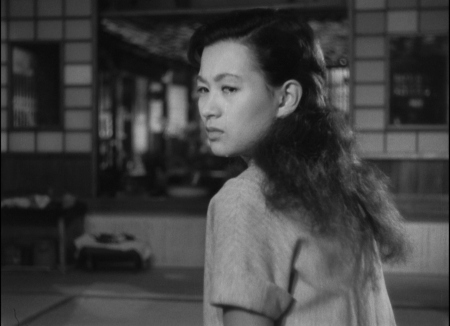
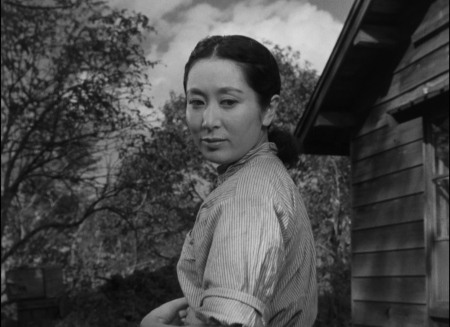
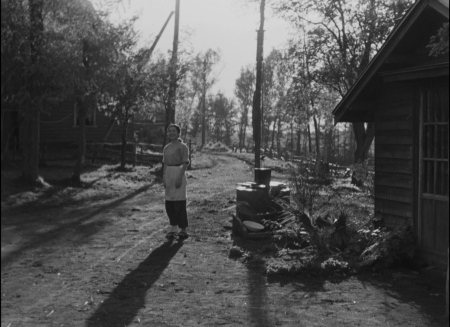
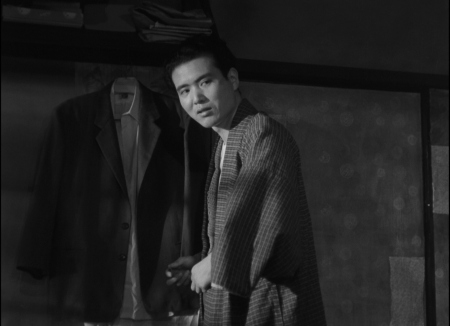
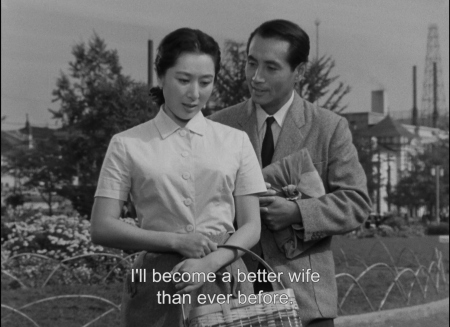
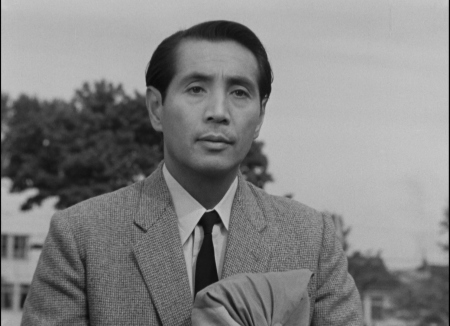
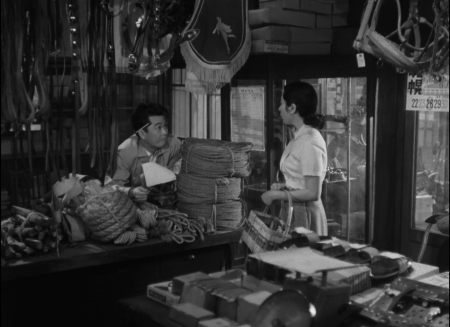
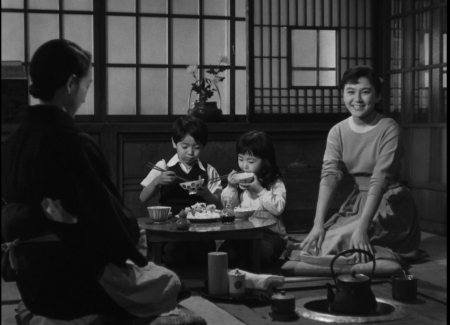
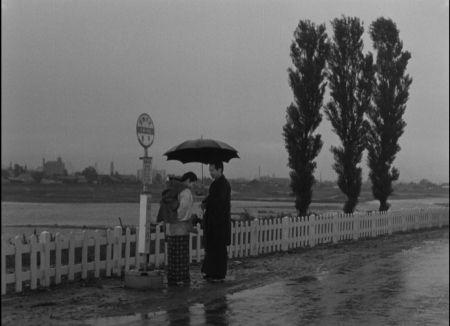
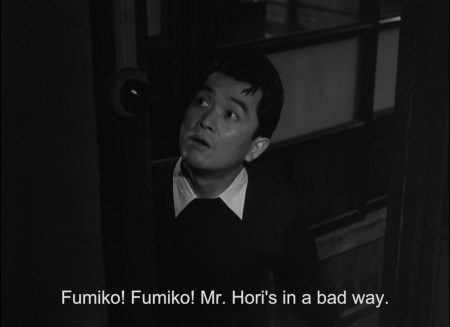
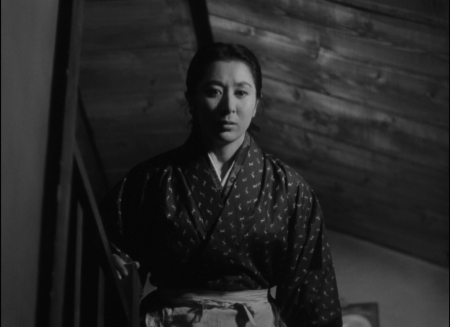
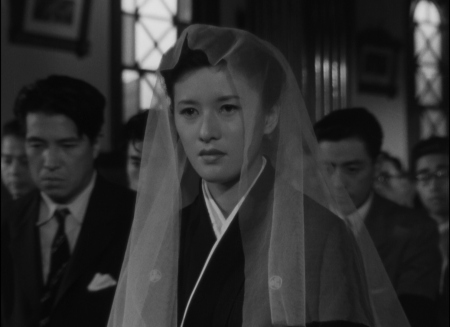
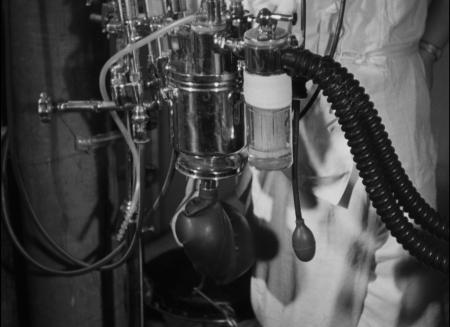
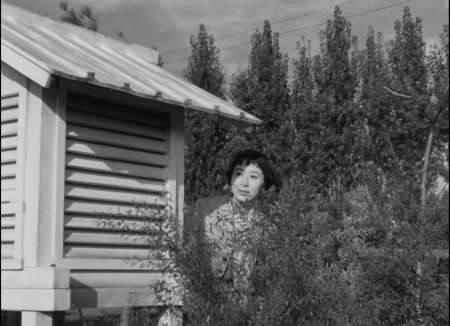
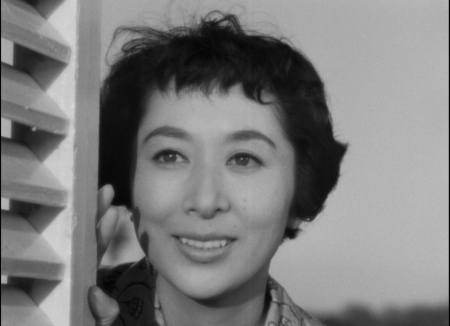
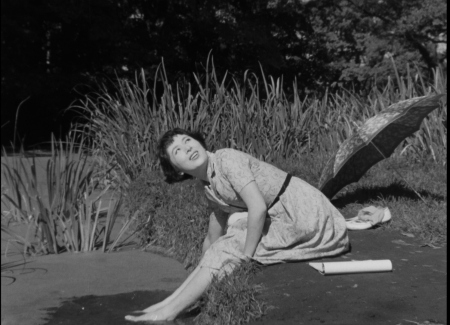
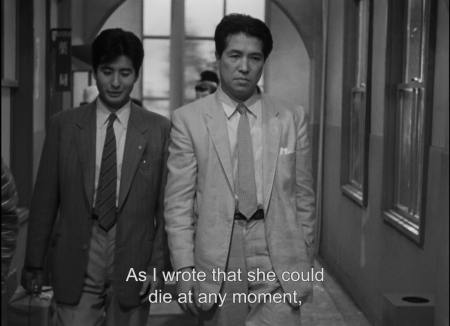
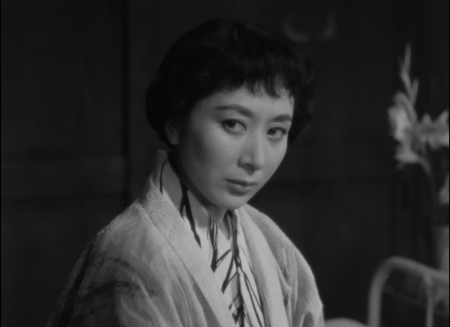
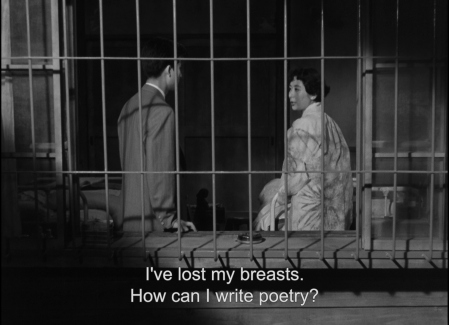
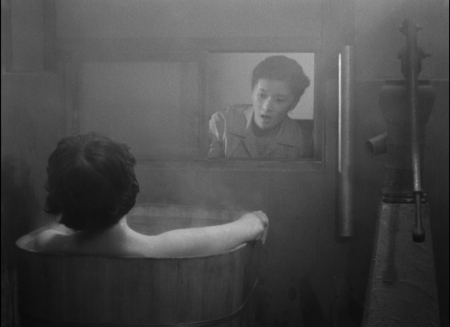
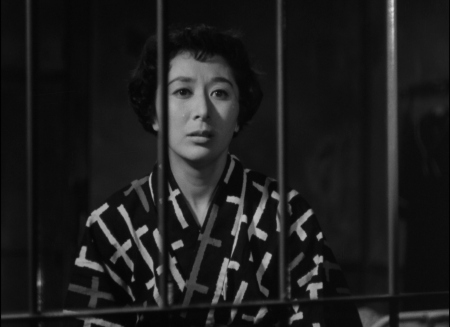
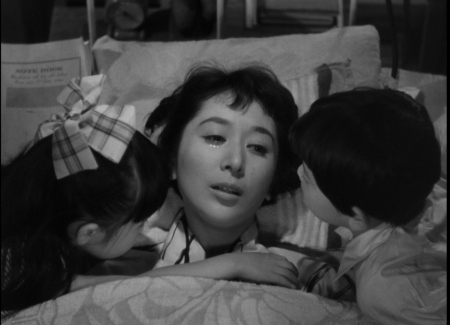
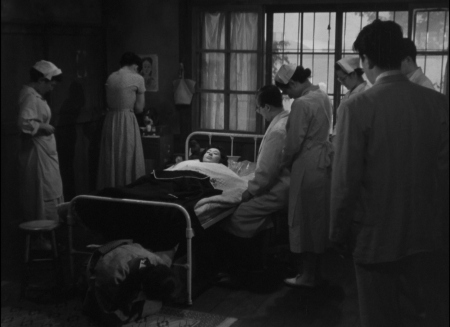
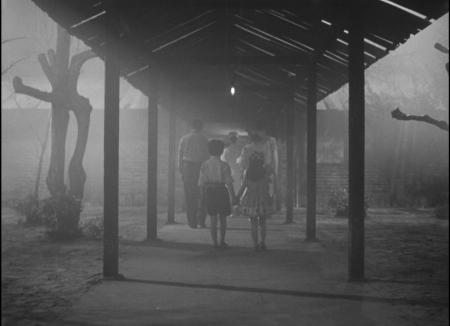
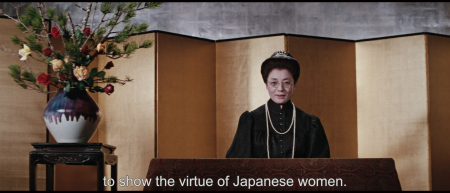
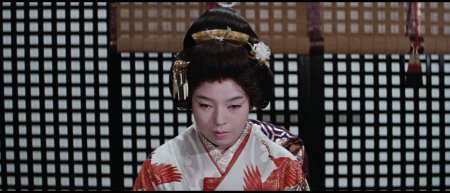
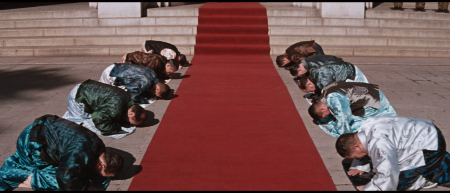
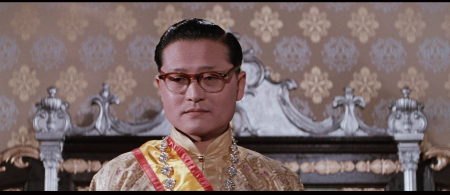
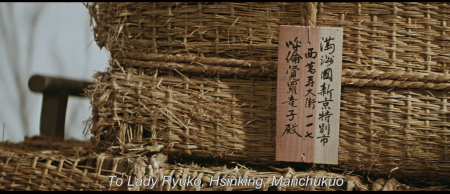
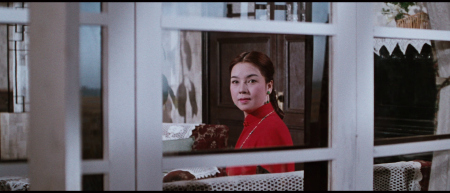
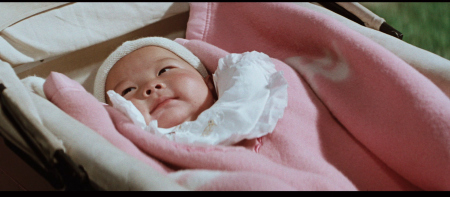
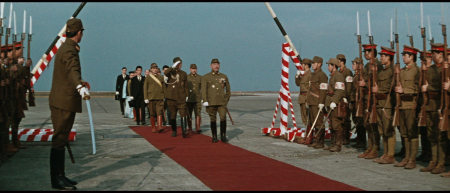
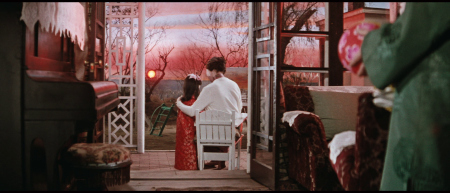
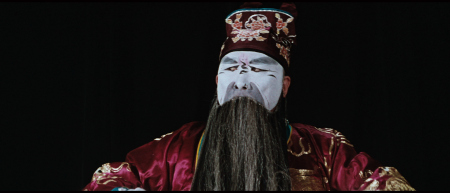
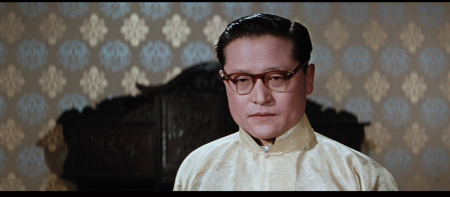
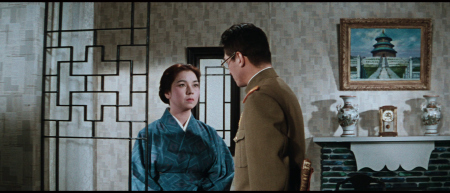
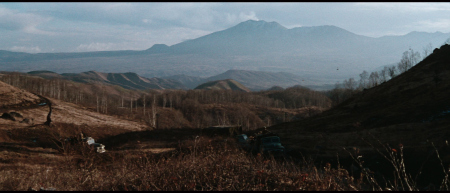
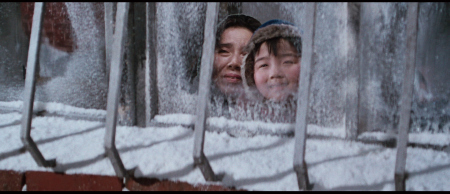
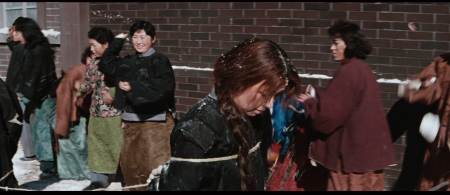
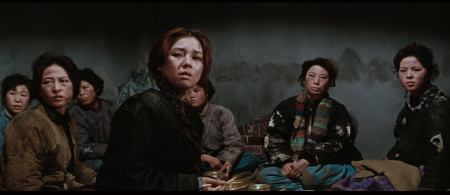
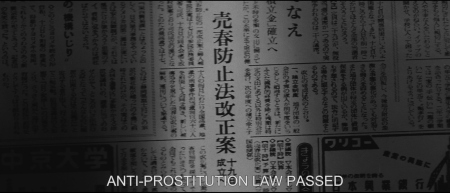
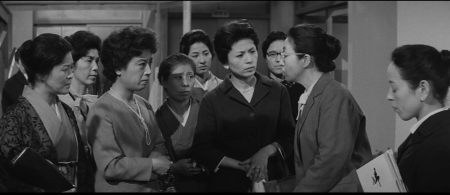
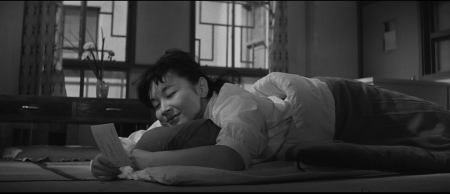
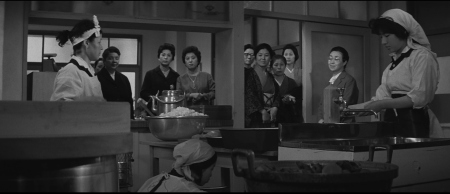
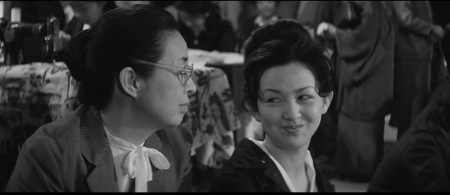
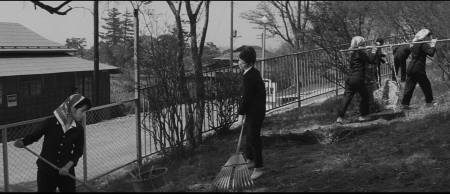
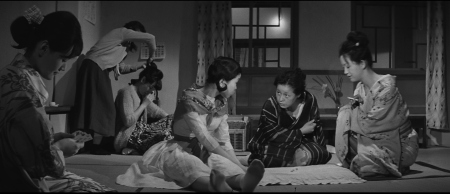
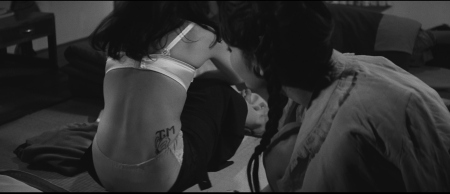
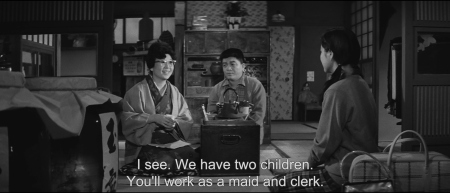
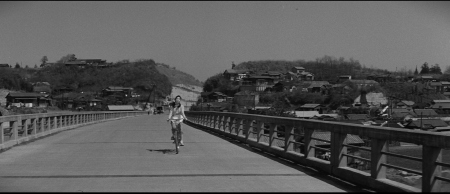
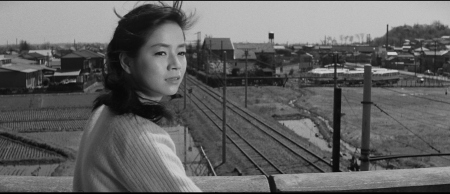
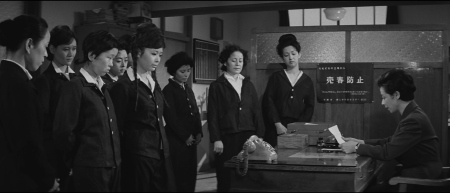
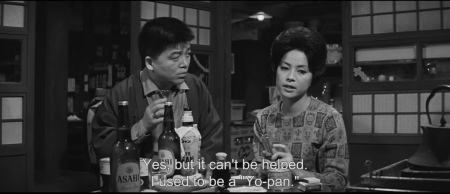
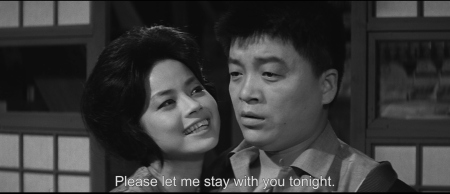
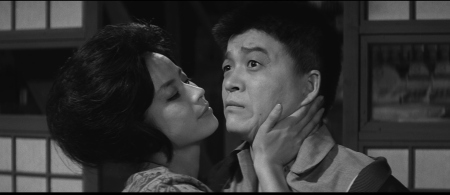
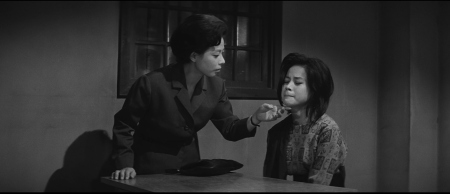
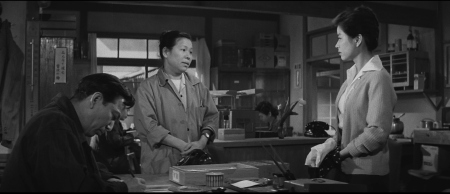
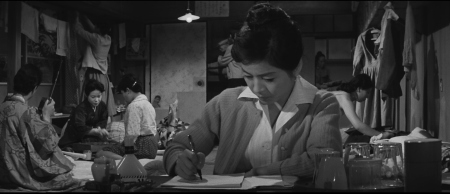
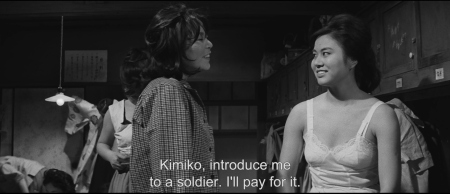
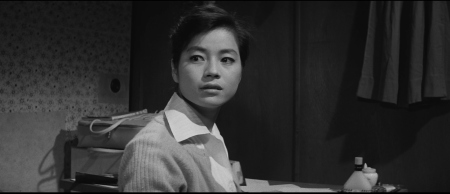
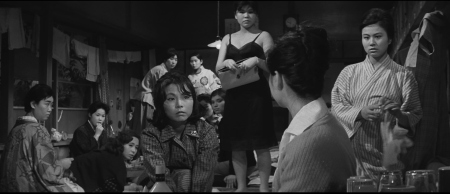
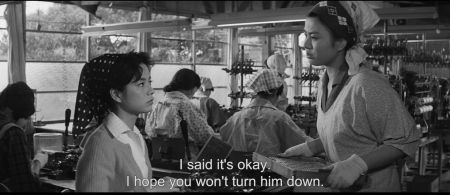
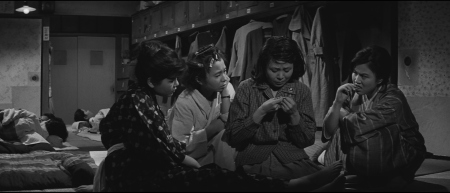
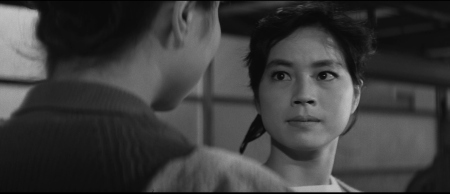
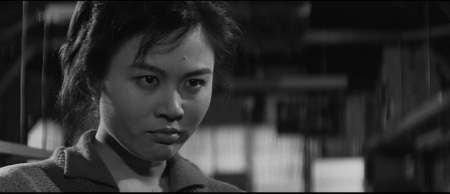
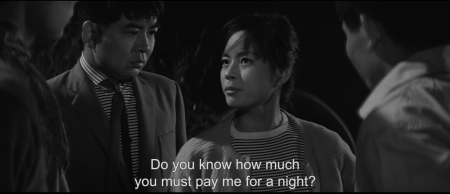
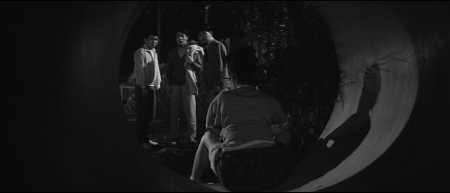
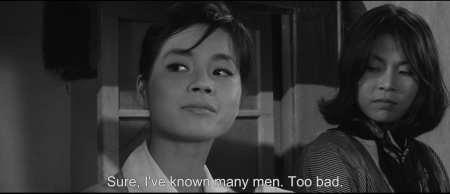
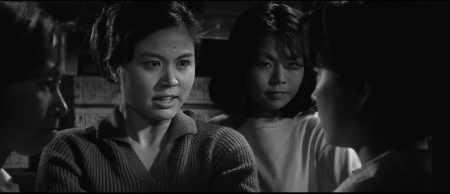
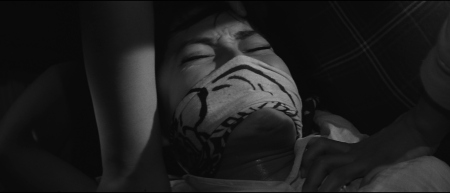
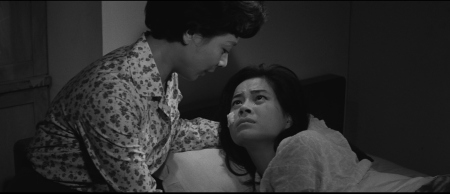
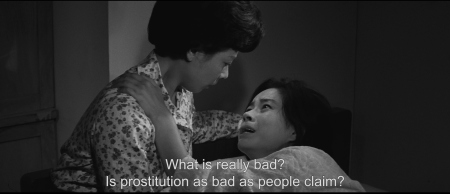
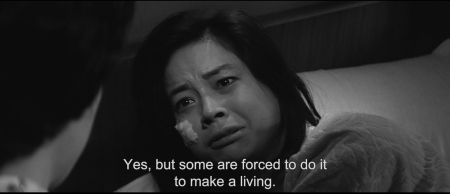
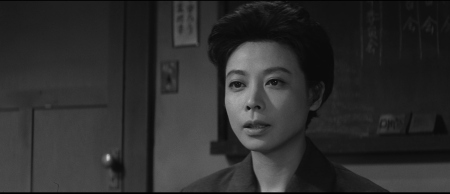
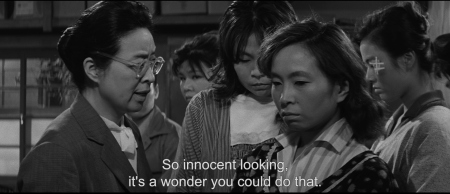
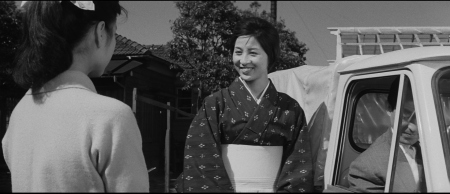
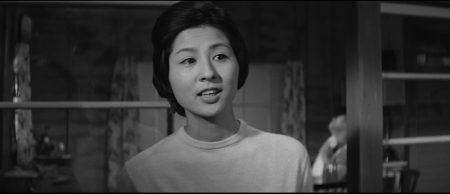
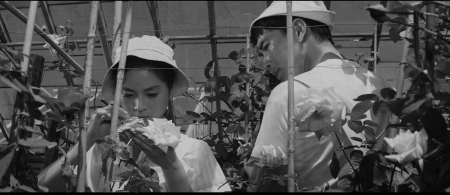
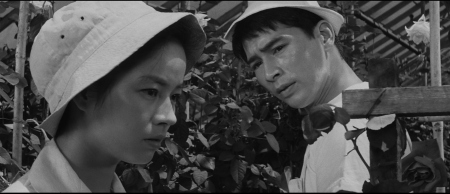
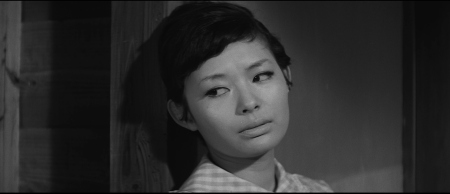
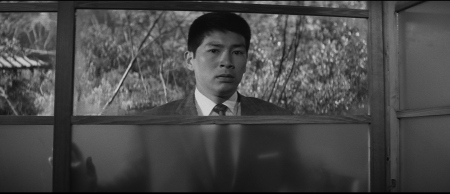
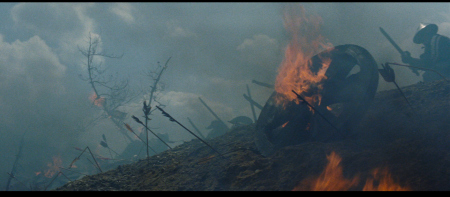
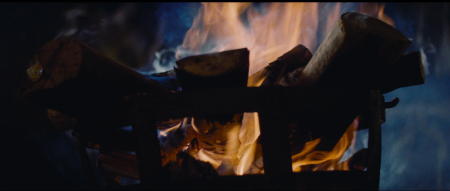
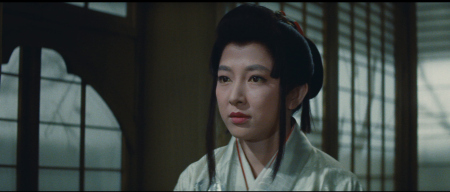
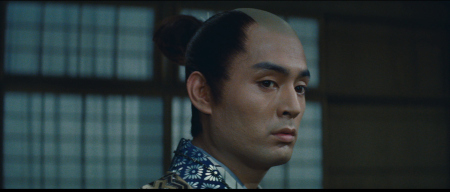
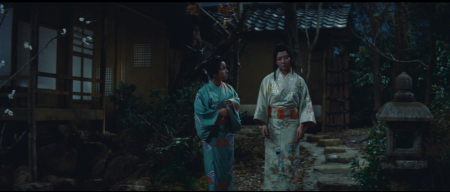
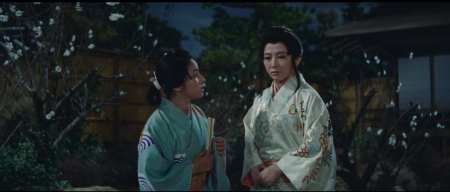
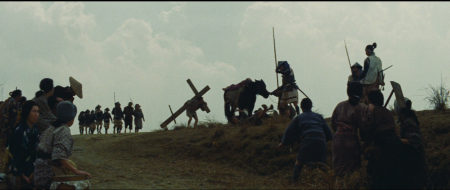
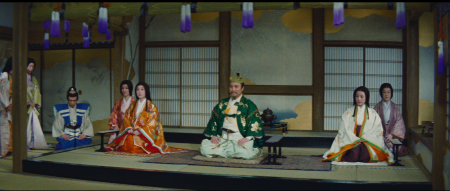
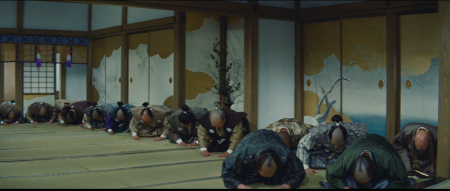
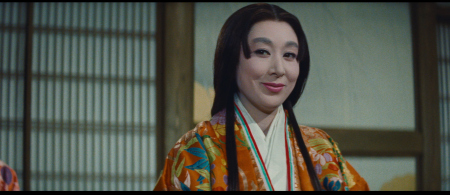
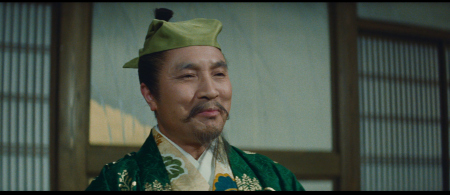
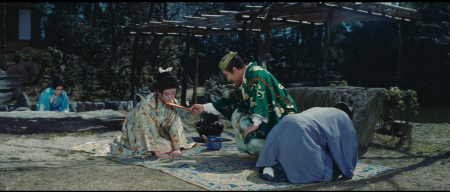
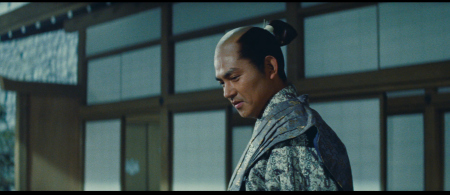
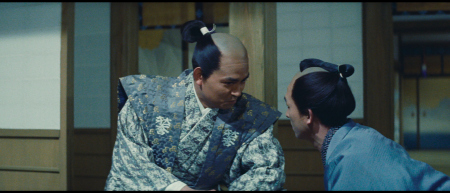
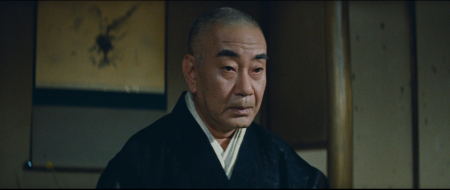
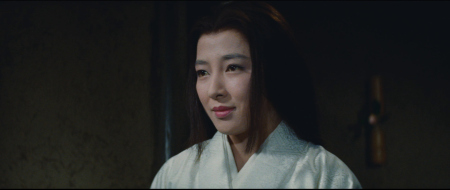
Love Letter (1953) *** Kinuyo Tanaka’s six feature films as director form a remarkable, cohesive body of work that stands as one of the most important contributions by a woman to classical Japanese cinema. Beginning with her sensitive postwar debut Love Letter (1953), which examines a veteran’s reintegration and the stigma faced by women who had relationships with American soldiers, Tanaka quickly established her interest in women’s inner lives and social marginalization. She followed it with the gentle, Ozu-scripted romantic comedy The Moon Has Risen (1955), a lighter counterpoint that reveals her versatility, before delivering what many consider her masterpiece, Forever a Woman (1955, aka The Eternal Breasts), a raw, unflinching portrait of a poet dying of breast cancer that remains one of the most courageous films about female agency and mortality ever made in Japan. Her later works expanded in scope: the epic color CinemaScope historical drama The Wandering Princess (1960) follows a Japanese aristocrat’s turbulent life through the fall of Manchukuo, while Girls of the Night (1961) returns to gritty social realism with its compassionate look at the rehabilitation of former prostitutes. She closed her directing career with the lavish 16th-century period piece Love Under the Crucifix (1962), a tragic forbidden-love story set against the persecution of Christians. Across these films, Tanaka consistently centered resilient yet vulnerable women navigating love, illness, war’s aftermath, societal hypocrisy, and personal independence—moving fluidly between intimate contemporary drama, light comedy, and grand historical spectacle while maintaining a quietly feminist, empathetic gaze that feels strikingly modern. |
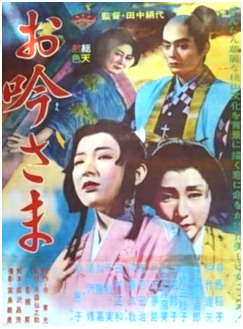
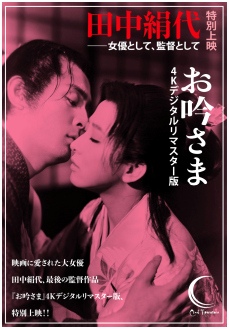
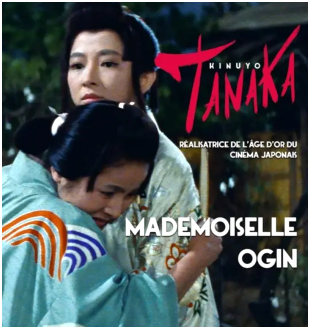
Posters
 |
 |
 |
 |
 |
 |
 |
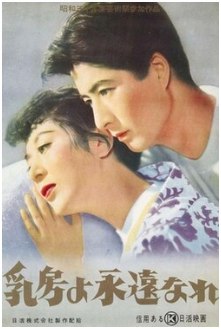 |
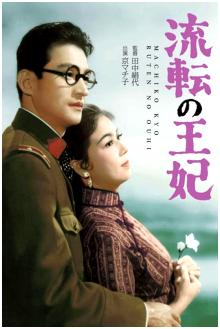 |
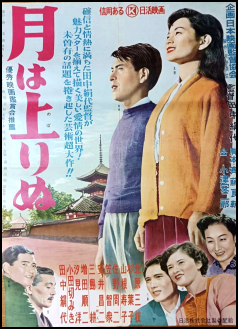 |
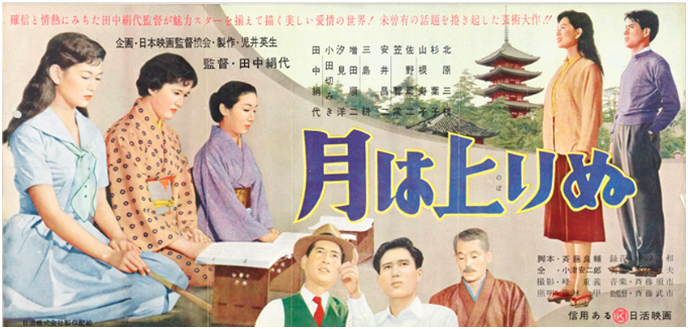 |
 |
 |
 |
 |
 |
 |
 |
 |
 |
 |
 |
Theatrical Release: December 13th, 1953 - June 3rd, 1962

Review: Criterion - Region 'A' - Blu-ray
| Box Cover |
|
CLICK to order from:
BONUS CAPTURES:
|
| Distribution | Eclipse Series #48 - Region 'A' - Blu-ray | |
| Runtime |
Love Letter (1953): 1:38:05 |
|
| Video |
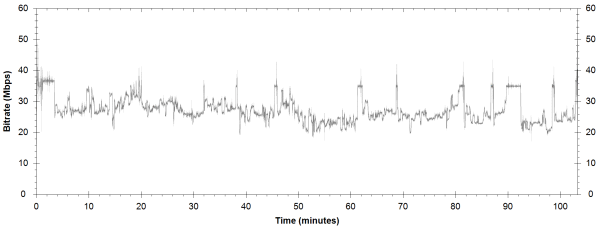
1.37 :1 - 2.39:1 1080P Dual-layered Blu-rayDisc One Size: 47,214,421,358 bytesDisc Two Size: 47,735,131,530 bytes Disc Three Size: 47,496,348,602 bytes Video Bitrate: 28.32 MbpsCodec: MPEG-4 AVC Video |
|
|
NOTE: The Vertical axis represents the bits transferred per second. The Horizontal is the time in minutes. |
||
| Bitrate Sample Blu-ray: |
|
|
| Audio |
LPCM Audio Japanese 1152 kbps 1.0 / 48 kHz / 1152 kbps / 24-bit |
|
| Subtitles | English, None | |
| Features |
Release Information: Studio: Criterion
Edition Details: • Liner Notes with essay by critic Imogen Sara Smith Blu-ray Release Date: April 28th, 2026 Transparent Blu-ray Case inside hardcase Chapters 12 / 9 / 12 / 11 / 10 / 1 1 / 10 |
|



| Comments: |
NOTE:
The below
Blu-ray
captures were taken directly from the
Blu-ray
disc.
NOTE: We have added 292 more large
resolution Blu-ray captures (in lossless
PNG format) for DVDBeaver Patrons
HERE
On their
Blu-ray,
Criterion use linear PCM dual-mono tracks in the original Japanese
language. These tracks honor the original productions. Dialogue is clear
and well-prioritized, with natural timbre and minimal hiss or
age-related wear. Ambient sounds, crowd murmurs, and location textures
come through effectively, while the scores (ranging from understated to
more emotive) retain good fidelity and dynamic range for mono sources.
The tracks feel faithful and immersive, free of distortion or sibilance,
providing a respectful and enjoyable aural experience that complements
Tanaka’s intimate, character-driven style. The soundtracks remain
tastefully supportive - never overpowering - favoring naturalistic
dialogue, ambient texture, and period-appropriate music that deepen
psychological insight rather than dictate emotion, resulting in a
quietly auteurist visual-auditory signature that feels both classically
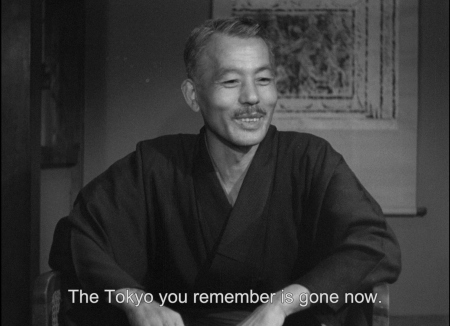
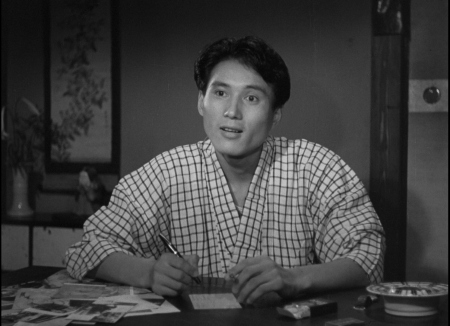
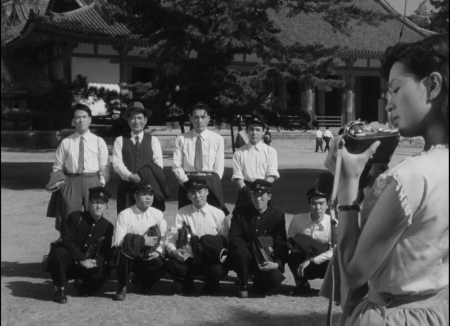
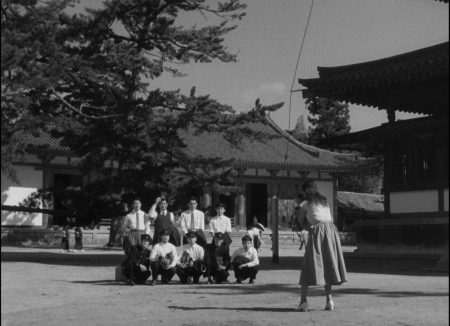
Japanese and strikingly modern. Her debut Love Letter (1953) is
scored by the veteran Ichirō Saitō (The
Demon of Mount Oe, Ugetsu
Monogatori) whose restrained, lyrical strings and subtle
woodwinds provide a gentle, melancholic undercurrent that mirrors the
quiet postwar regret and tentative hope without tipping into heavy
sentimentality. The Moon Has Risen (1955) and Forever a Woman
(1955) both benefit from the warm, graceful touch of Takanobu Saitō (a
frequent Ozu collaborator;
Floating Weeds,
Tokyo Story,
Late Autumn,
An Autumn Afternoon,
Equinox Flower etc.,): the former receives light, playful,
almost chamber-like themes with delicate piano and flute motifs that
capture the film’s gentle romantic comedy spirit and moonlit lyricism;
the latter employs a more introspective, poignant score - sparse yet
deeply felt - that supports the raw emotional journey of illness and
artistic defiance with elegant restraint and moments of quiet intensity.
For the epic The Wandering Princess (1960), Chūji Kinoshita (The
Mad Fox,
The Human Condition,
The Ballad of Narayama,
Twenty-Four Eyes,
Golgo 13,
The Human Condition III: A Soldier's Prayer,) delivers a
sweeping, orchestral soundscape full of rich, romantic themes and
majestic brass that suits the CinemaScope grandeur, historical sweep,
and tragic exile narrative, blending Western-style symphonic elements
with subtle Japanese inflections.
True to Eclipse tradition, the set is deliberately no-frills on-disc:
there are no commentaries, interviews, or archival supplements. The main
extra is a handsome booklet containing a substantial, insightful essay
by critic Imogen Sara Smith titled “Married to Cinema,” which explores
Tanaka’s career transition, thematic concerns across the six films, and
her place in Japanese cinema. A QR code links to a 15-minute video
overview by Smith available on the Criterion Channel. This minimalist
approach keeps the focus squarely on the films themselves.
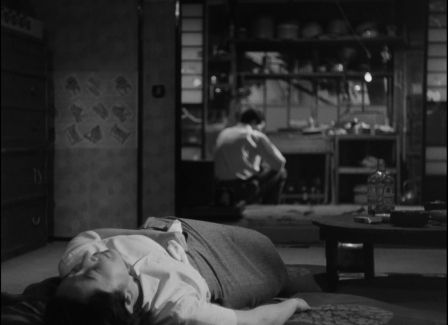
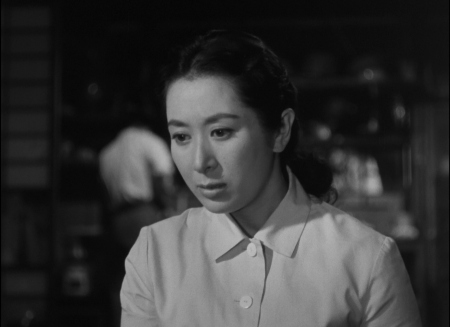
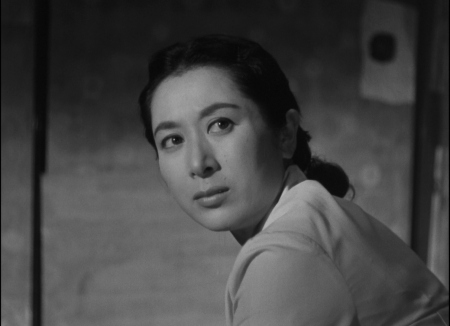
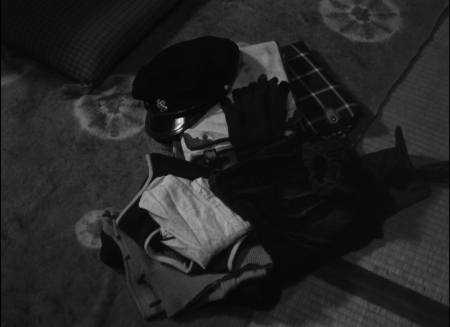
Kinuyo Tanaka’s six feature films, directed between 1953 and 1962,
constitute a strikingly cohesive and pioneering body of work that
quietly revolutionized postwar Japanese cinema by centering complex
female subjectivity, agency, and desire within the constraints of the
studio system’s melodrama and josei-eiga traditions, all while Tanaka -
already a screen icon with over 250 acting credits and collaborations
with Ozu, Mizoguchi, and Naruse - defied industry gatekeepers (including
Mizoguchi’s disapproval) to become only the second woman to helm a
Japanese feature and the first to sustain a directing career. Across
this compact yet remarkably diverse oeuvre - moving fluidly from
contemporary postwar intimacy to light comedy, raw personal tragedy,
political epic, social exposé, and historical grandeur - Tanaka
consistently portrayed tenacious, flawed women asserting autonomy
against societal hypocrisy, illness, war’s scars, and patriarchal norms,
drawing on her own acting-honed warmth and emotional subtlety to subvert
melodrama’s conventions and carve out authentic spaces of female kinship
and inner life; her films, long overshadowed by her legendary screen
presence, have been rightfully rediscovered in recent restorations and
retrospectives as vital, strikingly modern contributions to feminist
cinema that not only matched but often surpassed her male contemporaries
in psychological depth and empathetic insight. There are standout lead
performances by Yoshiko Kuga (Godzilla
vs. Biollante,
Cruel Story of Youth,
Good Morning,
Equinox Flower,
The Idiot,
Jakoman and Tetsu,
Drunken Angel,) Yumeji Tsukioka (Twenty-Four
Eyes,
Late Spring,) Machiko Kyō (Rashomon,
Ugetsu,
Gate of Hell,
Floating Weeds,
The Face of Another,) Hisako Hara (Black
Rain,
No Regrets For Our Youth,) and Ineko Arima (The
Human Condition I: No Greater Love,
Equinox Flower,
Tokyo Twilight,
Late Chrysanthemums.)
Eclipse Series 48: Kinuyo
Tanaka Directs Blu-ray set is a triumphant return for the line and a long-overdue
celebration of one of Japanese cinema’s most underappreciated
directorial voices. With strong 4K-derived transfers, solid mono audio,
and a focused booklet, the set delivers the films in the best home-video
presentation they are likely to receive. Whether you’re discovering
Tanaka’s empathetic, quietly feminist body of work or revisiting it,
this handsome, affordable box is essential viewing for anyone interested
in postwar Japanese cinema, women filmmakers, or humanist storytelling
at its most compassionate and versatile. Very highly recommended.
|
Individual Covers
 |
 |
 |
 |
 |
 |
Menus / Extras
 |
 |
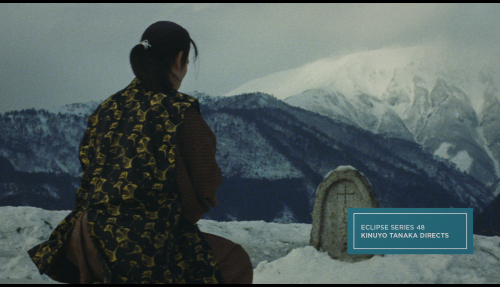 |
CLICK EACH BLU-RAY CAPTURE TO SEE ALL IMAGES IN FULL 1920X1080 RESOLUTION
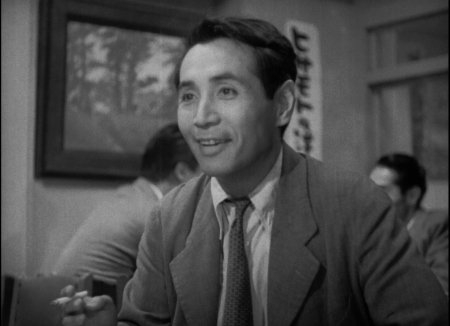
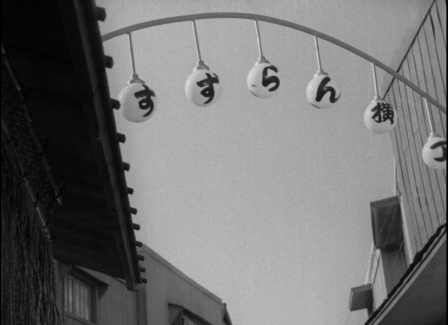
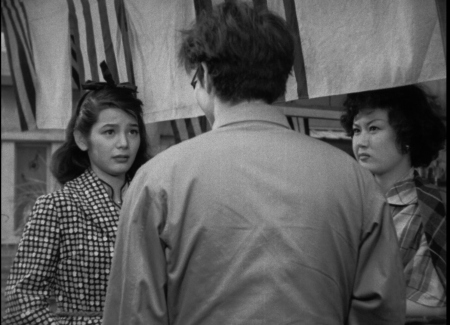
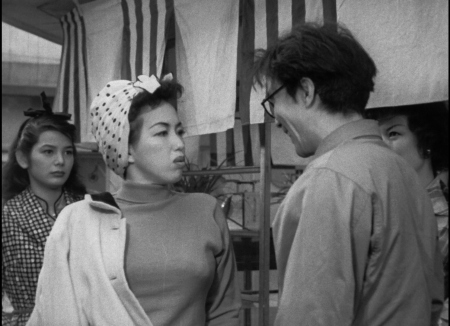
Love Letter
 |
 |
 |
 |
 |
 |
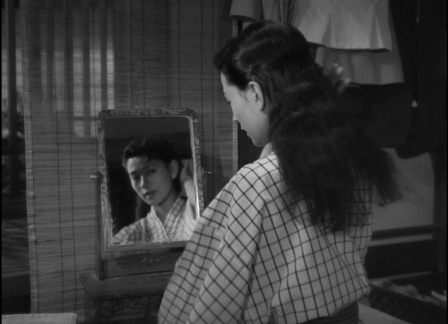
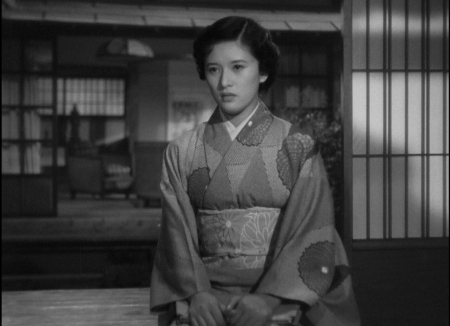
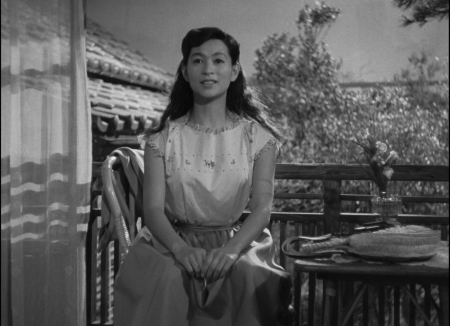
The Moon Has Risen
 |
 |
 |
 |
 |
 |
Forever a Woman
 |
 |
 |
 |
 |
 |
 |
 |
 |
 |
 |
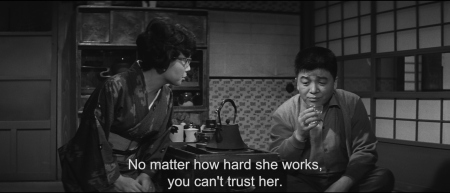
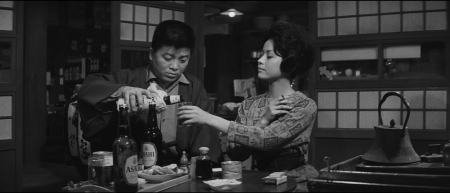
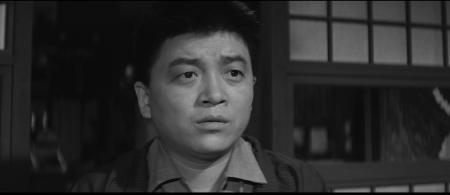
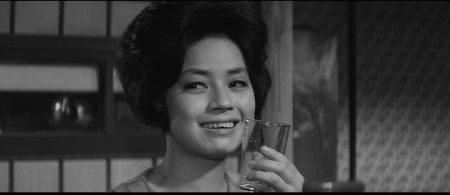
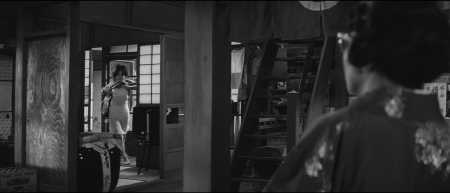
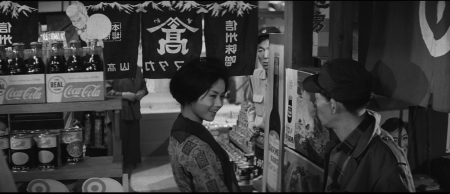
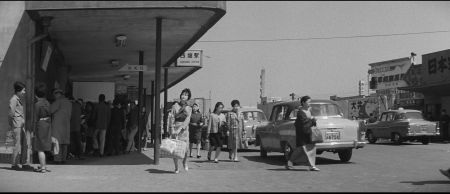
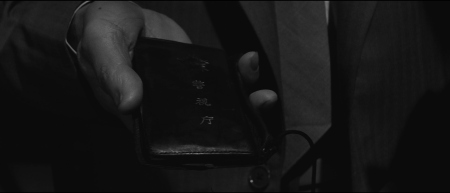
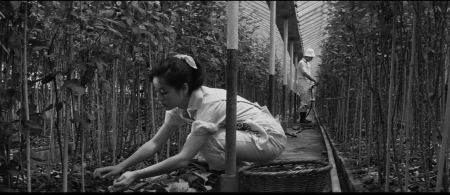
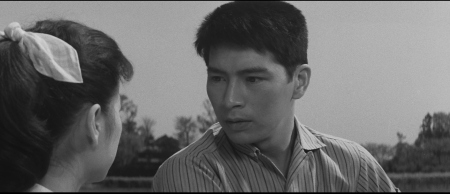
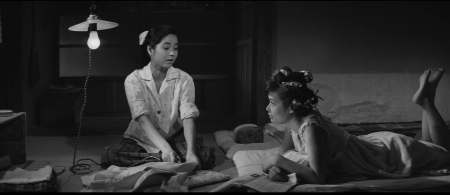
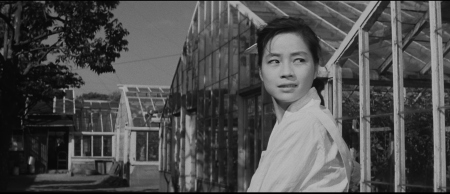
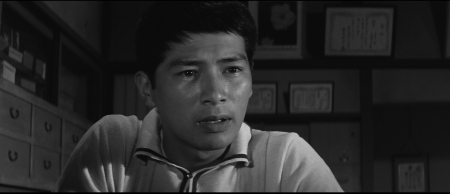
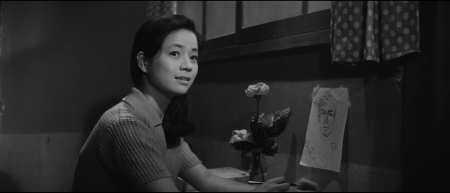
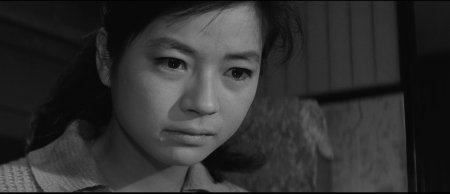
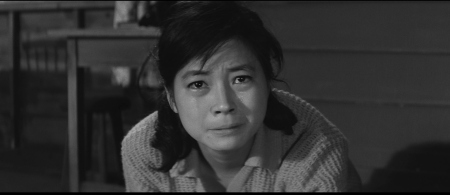
Girls of the Night
 |
 |
 |
 |
 |
 |
 |
 |
|
|

 |
 |
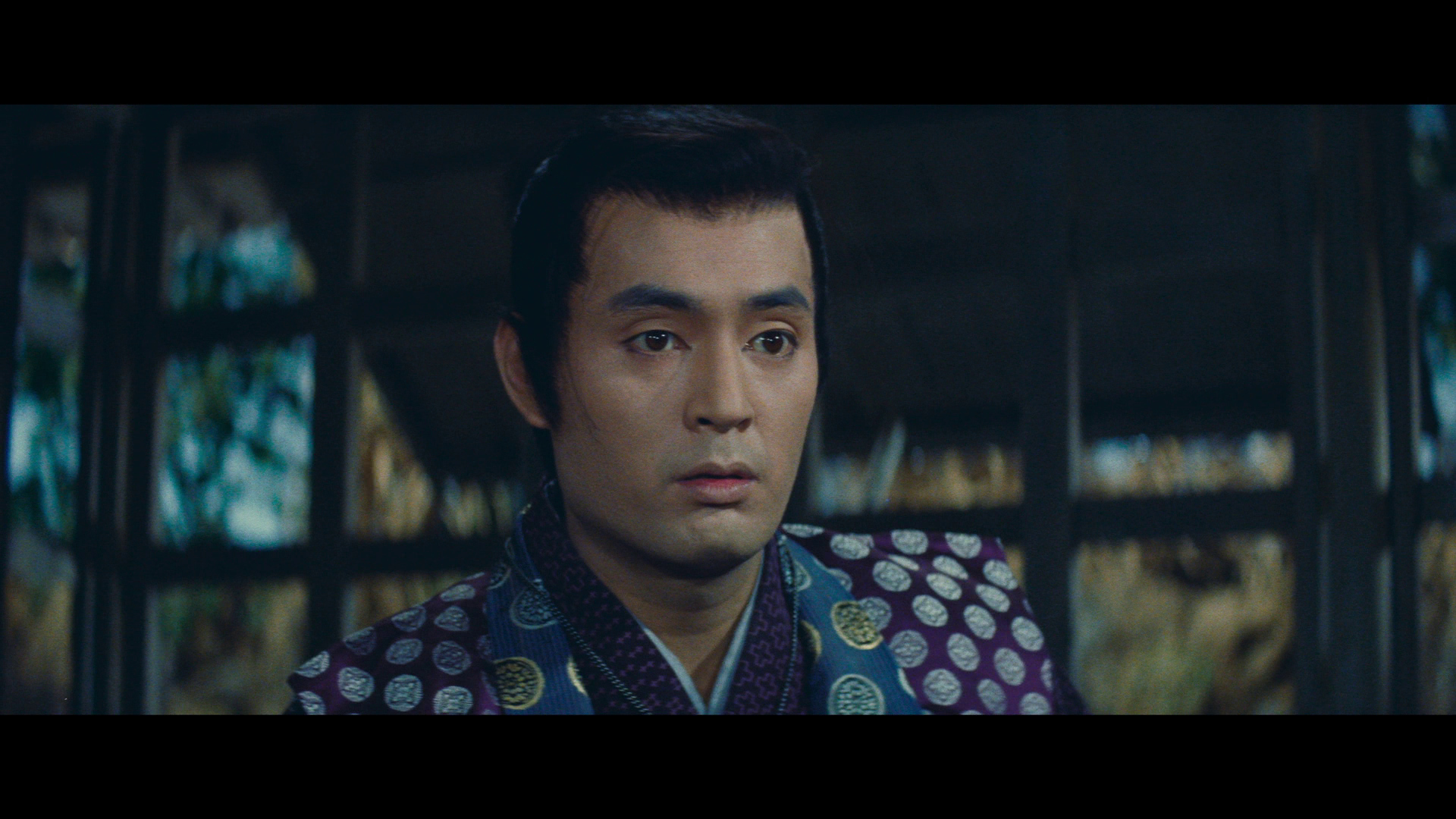 |
More full resolution (1920 X 1080) Blu-ray Captures for DVDBeaver Patreon Supporters HERE
Love Letter
 |
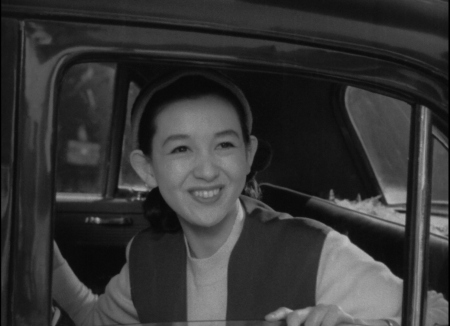 |
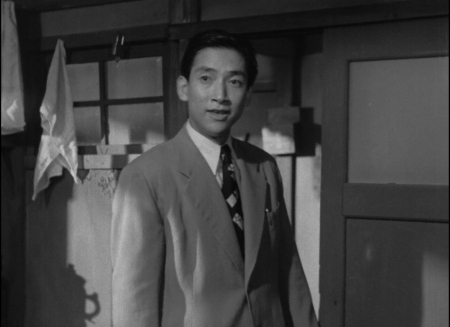 |
 |
 |
 |
 |
 |
 |
 |
 |
 |
 |
 |
 |
 |
 |
 |
 |
 |
 |
 |
 |
 |
 |
 |
 |
 |
 |
 |
 |
 |
 |
 |
 |
 |
 |
 |
 |
 |
 |
 |
 |
 |
 |
 |
 |
 |
 |
 |
The Moon Has Risen
 |
 |
 |
 |
 |
 |
 |
 |
 |
 |
 |
 |
 |
 |
 |
 |
 |
 |
 |
 |
 |
 |
 |
 |
 |
 |
 |
 |
 |
 |
 |
 |
 |
 |
 |
 |
 |
 |
 |
 |
 |
 |
 |
 |
 |
|
Forever a Woman
 |
 |
 |
 |
 |
 |
 |
 |
 |
 |
 |
 |
 |
 |
 |
 |
 |
 |
 |
 |
 |
 |
 |
 |
 |
 |
 |
 |
 |
 |
 |
 |
 |
 |
 |
 |
 |
 |
 |
 |
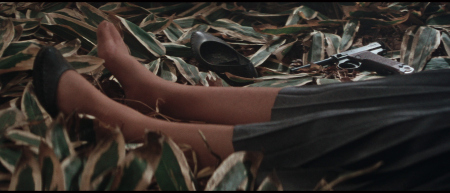
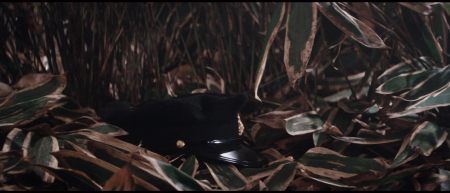
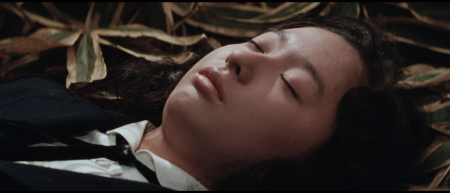
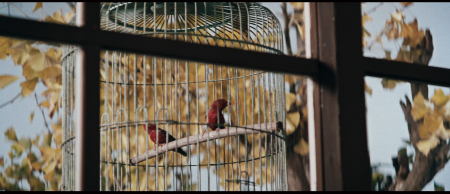
The Wandering Princess
 |
 |
 |
 |
 |
 |
 |
 |
 |
 |
 |
 |
 |
 |
 |
 |
 |
 |
 |
 |
 |
 |
 |
 |
 |
 |
 |
 |
 |
 |
 |
 |
 |
 |
 |
 |
 |
 |
 |
 |
 |
 |
 |
 |
Girls of the Night
 |
 |
 |
 |
 |
 |
 |
 |
 |
 |
 |
 |
 |
 |
 |
 |
 |
 |
 |
 |
 |
 |
 |
 |
 |
 |
 |
 |
 |
 |
 |
 |
 |
 |
 |
 |
 |
 |
 |
 |
 |
 |
 |
 |
 |
 |
 |
 |
 |
 |
 |
 |
 |
 |
 |
 |
 |
 |
 |
 |
 |
 |
 |
 |
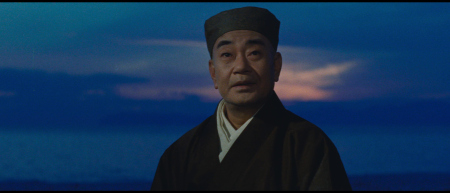
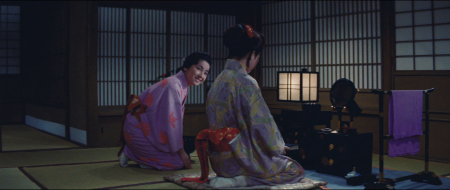
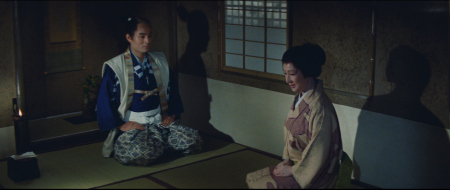
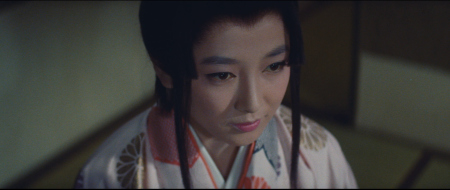
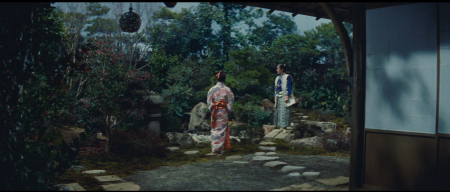
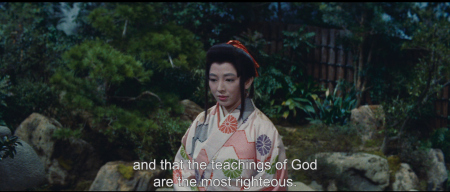
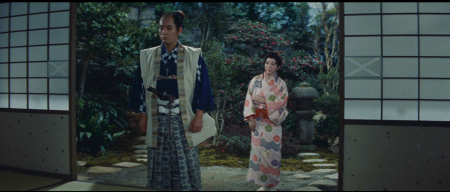
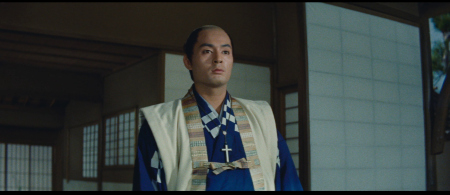
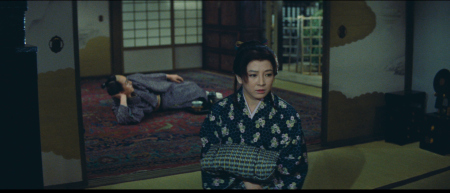
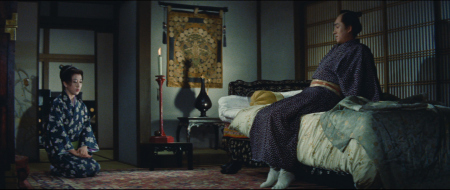
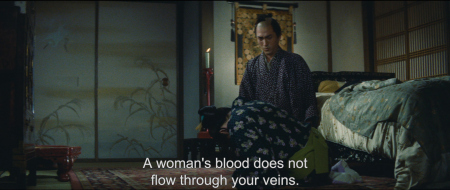
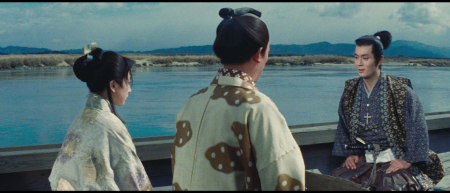
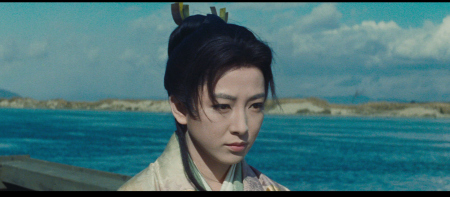
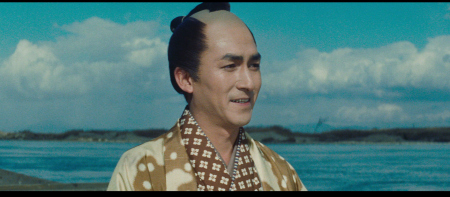
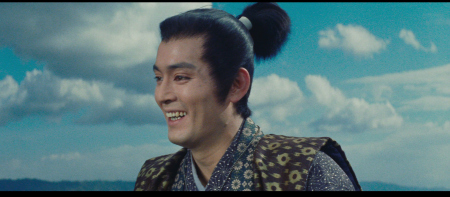
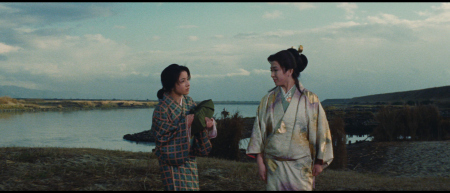
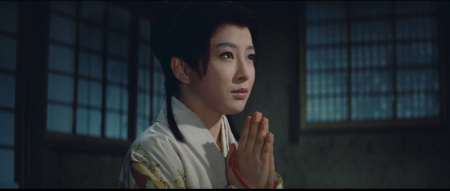
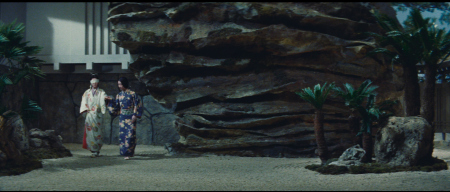
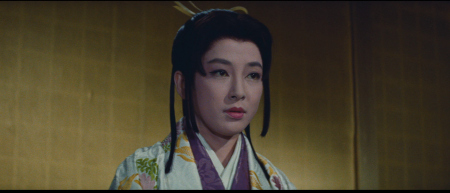
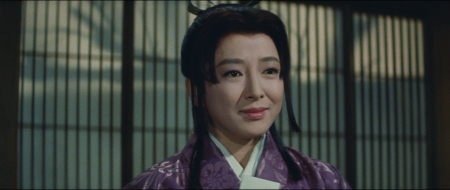
Love Under the Crucifix
 |
 |
 |
 |
 |
 |
 |
 |
 |
 |
 |
 |
 |
 |
 |
 |
 |
 |
 |
 |
 |
 |
 |
 |
 |
 |
 |
 |
 |
 |
 |
 |
 |
 |
 |
 |
 |
 |
 |
 |
 |
 |
 |
 |
 |
 |
 |
 |
| Box Cover |
|
CLICK to order from:
BONUS CAPTURES:
|
| Distribution | Eclipse Series #48 - Region 'A' - Blu-ray | |
|
Search DVDBeaver |
S E A R C H D V D B e a v e r |
























CLICK PayPal logo to donate!
|
Gary Tooze
|
|
Thank You!
