




|
Search DVDBeaver |
S E A R C H D V D B e a v e r |

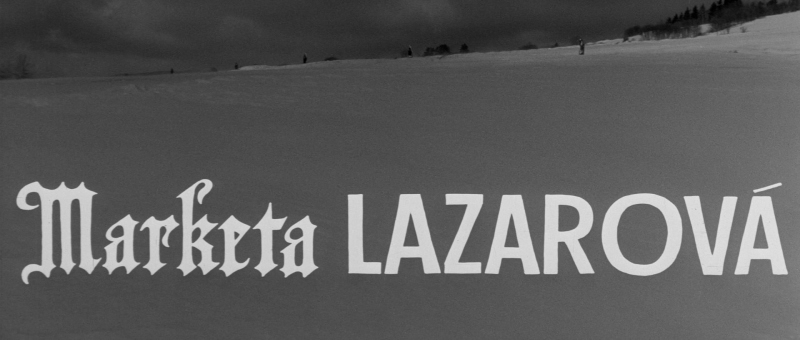
Directed by
Frantisek Vlácil
Czechoslovakia 1967
|
In its native land, František Vláčil’s Marketa Lazarová has been hailed as the greatest Czech film ever made; for many U.S. viewers, it will be a revelation. Based on a novel by Vladislav Vančura, this stirring and poetic depiction of a feud between two rival medieval clans is a fierce, epic, and meticulously designed evocation of the clashes between Christianity and paganism, humankind and nature, love and violence. Vláčil’s approach was to re-create the textures and mentalities of a long-ago way of life, rather than to make a conventional historical drama, and the result is dazzling. With its inventive widescreen cinematography, editing, and sound design, Marketa Lazarová is an experimental action film. ***
With Marketa Lazarová, Vláčil approached a novel by Vladislav Vančura,
which was first published in 1931. Vančura, one of the leading Czech novelists,
was a member of most of the experimental art movements of the period and was the
first chair of the avant garde Devětsil group. He was also a prolific author of
(unfilmed) screenplays, and had directed or co-directed five feature films in
the 1930s. In his film work, he aimed to take cinema in new formal directions,
experimenting with both sound and montage in such films as Na sluneční straně
(On the Sunnyside, 1933) and Marijka nevěrnice (Faithless Marijka, 1934),
the last of which featured acclaimed composer Bohuslav Martinů’s only film
score. Vančura’s novels emphasised the poetic and experimental use of language.
As a result, it presented obvious problems for film adaptation, although Jiří
Menzel successfully brought two of Vančura’s other novels to the screen as
comedies: Rozmarné léto (Capricious Summer, 1967) and Konec starých časů
(The End of Old Times, 1989). Peter Hames' complete Essay, from which this excerpt is taken, appears in the Booklet of the Second Run DVD release. |
Poster
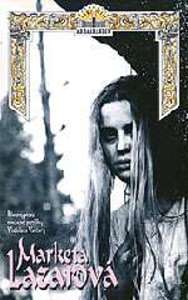 |
Theatrical Release: November 24th, 1967

Reviews More Reviews DVD Reviews
Comparison:
Second Run - Region 0 - PAL vs. Criterion - Region 'A' - Blu-ray
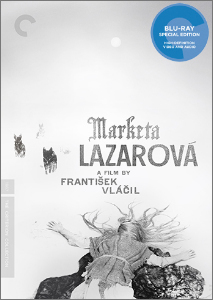
| Box Cover |
|
|
 |
Marketa Lazarová is also available for a significant
savings in the 4-disc Frantisek Vlacil Collection -with
Adelheid
(1970),
The Valley of the Bees (1967) and Sentiment (2003)
- Tomá Hejtmánek's acclaimed 2003 documentary portrait of the director -
exclusive to the boxset.
|
|
| Distribution | Second Run DVD - Region 0 - PAL | Criterion Collection - Spine # 661 - Region 'A' - Blu-ray |
| Runtime | 2:38:35 (4% PAL Speedup) | 2:45:49.981 |
| Video |
2.35:1
Aspect Ratio Average Bitrate: 5.74 mb/s PAL 720x576 25.00 f/s |
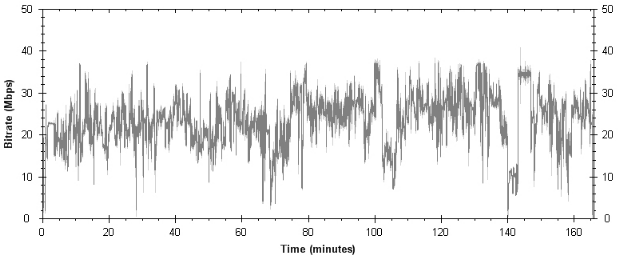
2.35:1 - 1080P Dual-layered Blu-rayDisc Size: 48,775,330,160 bytes Feature: 33,752,469,504 bytes Video Bitrate: 23.54 MbpsCodec: MPEG-4 AVC Video |
|
NOTE: The Vertical axis represents the bits transferred per second. The Horizontal is the time in minutes. |
||
| Bitrate: |
|
|
| Bitrate: Blu-ray |
|
|
| Audio | Czech (Dolby Digital mono) | LPCM Audio Czech 1152 kbps 1.0 / 48 kHz / 1152 kbps / 24-bit |
| Subtitles | English, None | English, None |
| Features |
Release Information:
Edition Details: • Liner
notes booklet featuring a new Essay on the film and František Vlácil by
author/film programmer Peter Hames. |
Release Information: 2.35:1 - 1080P Dual-layered Blu-rayDisc Size: 48,775,330,160 bytes Feature: 33,752,469,504 bytes Video Bitrate: 23.54 MbpsCodec: MPEG-4 AVC Video
Edition Details:
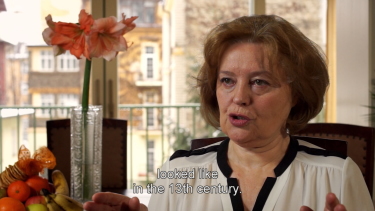
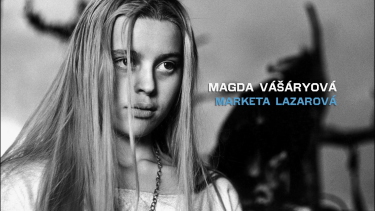
• New interviews with actors Magda Vášáryová, Ivan Palúch, and Vlastimil
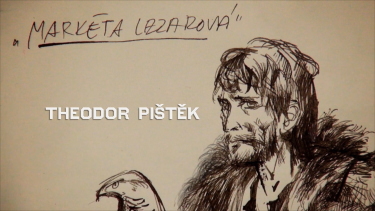
Harapes (39:59) and costume designer Theodor Pištěk (27:02) |







| Comments: |
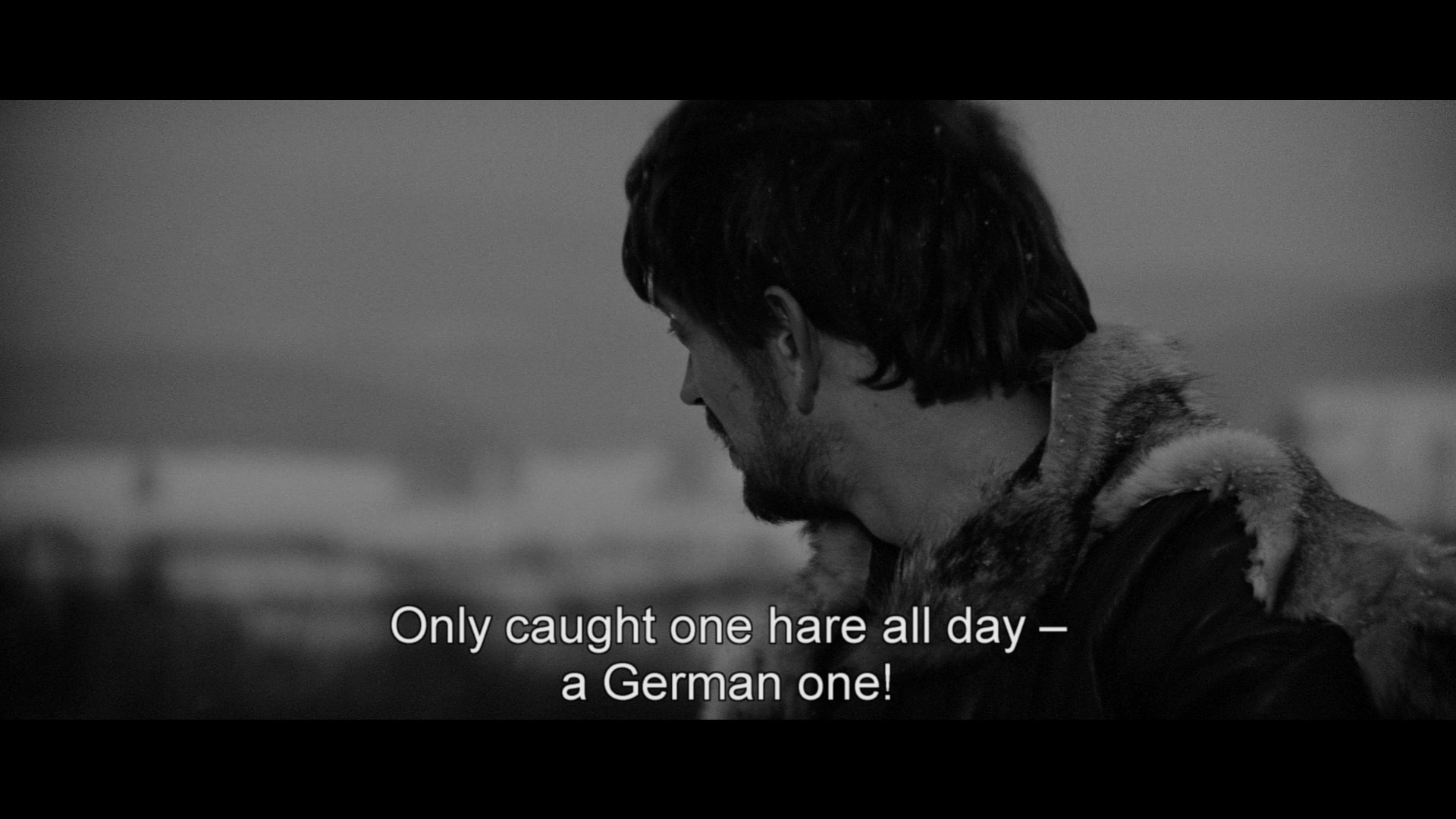
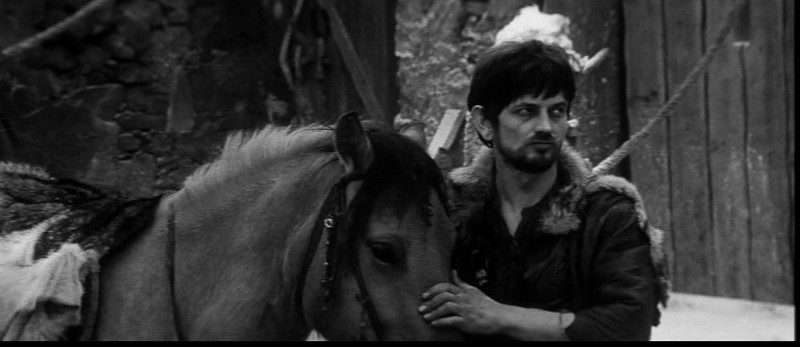
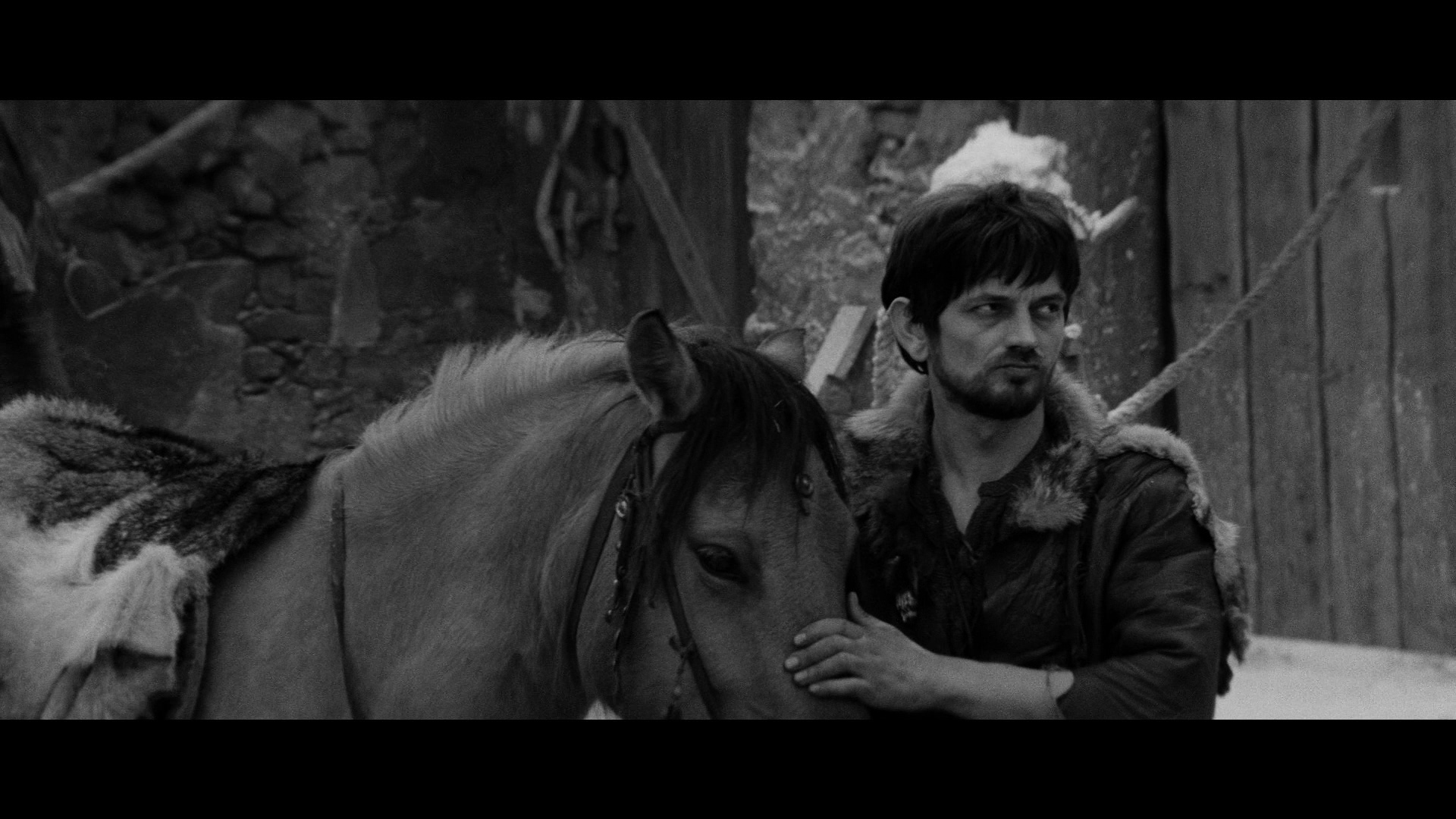
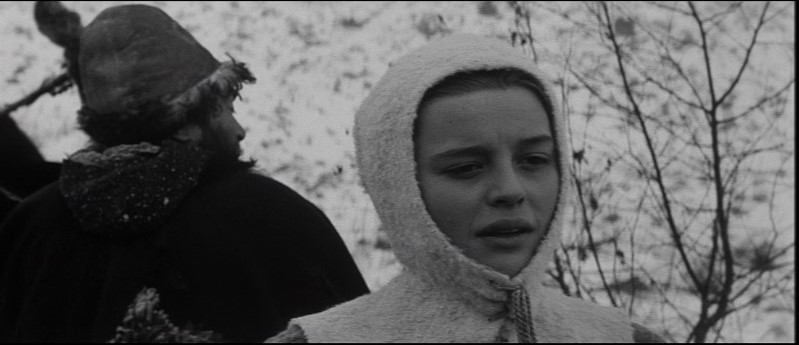
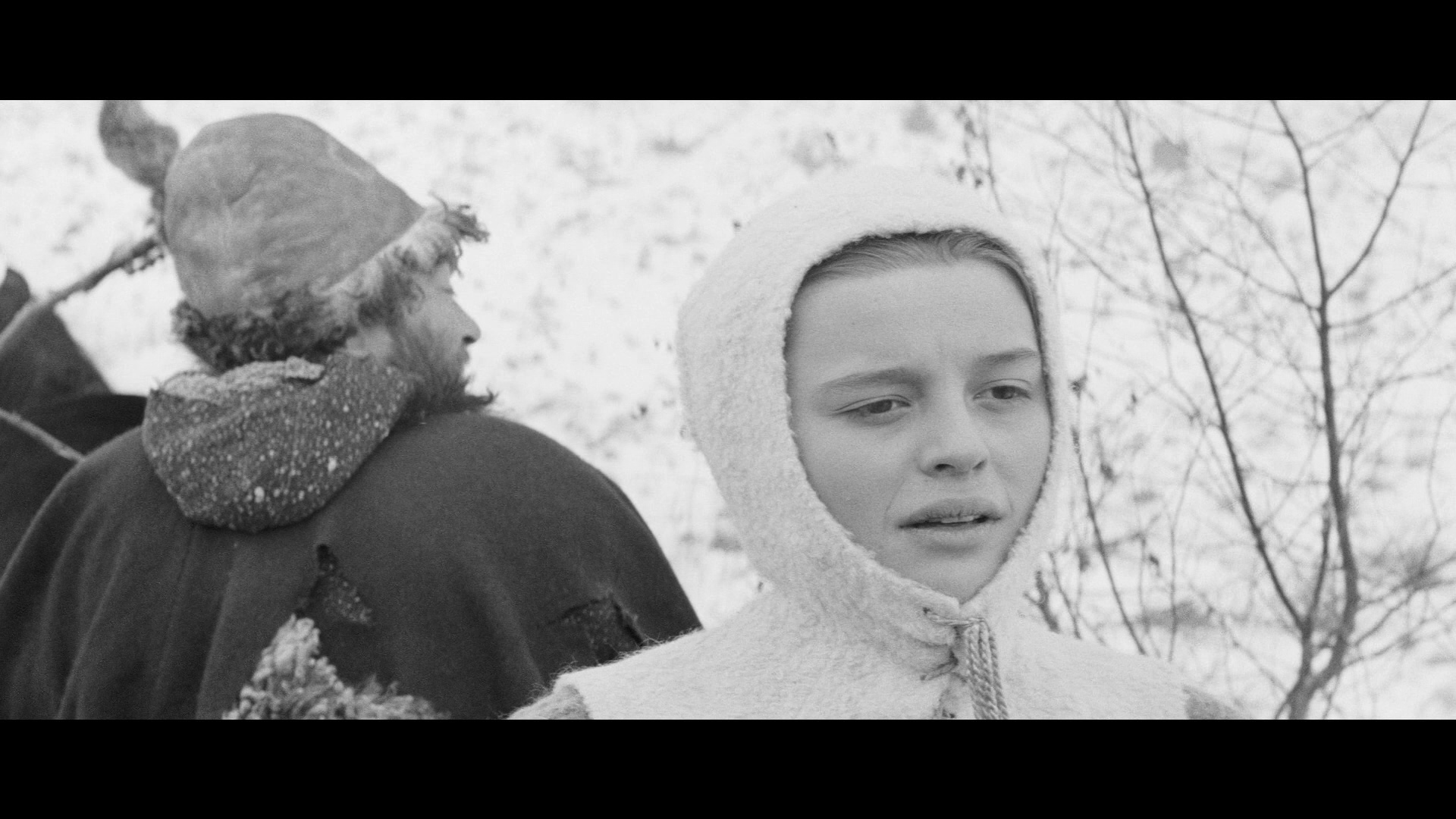
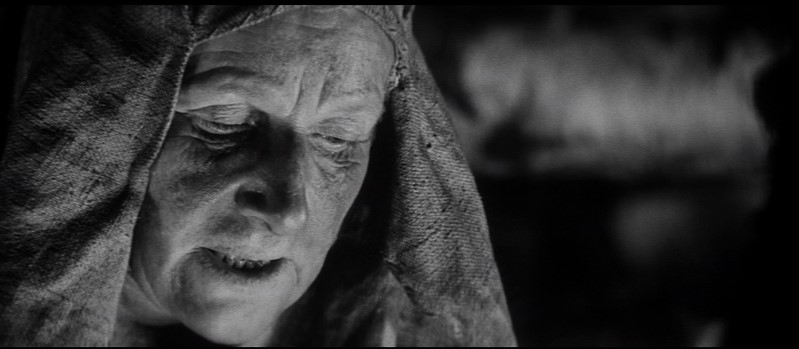
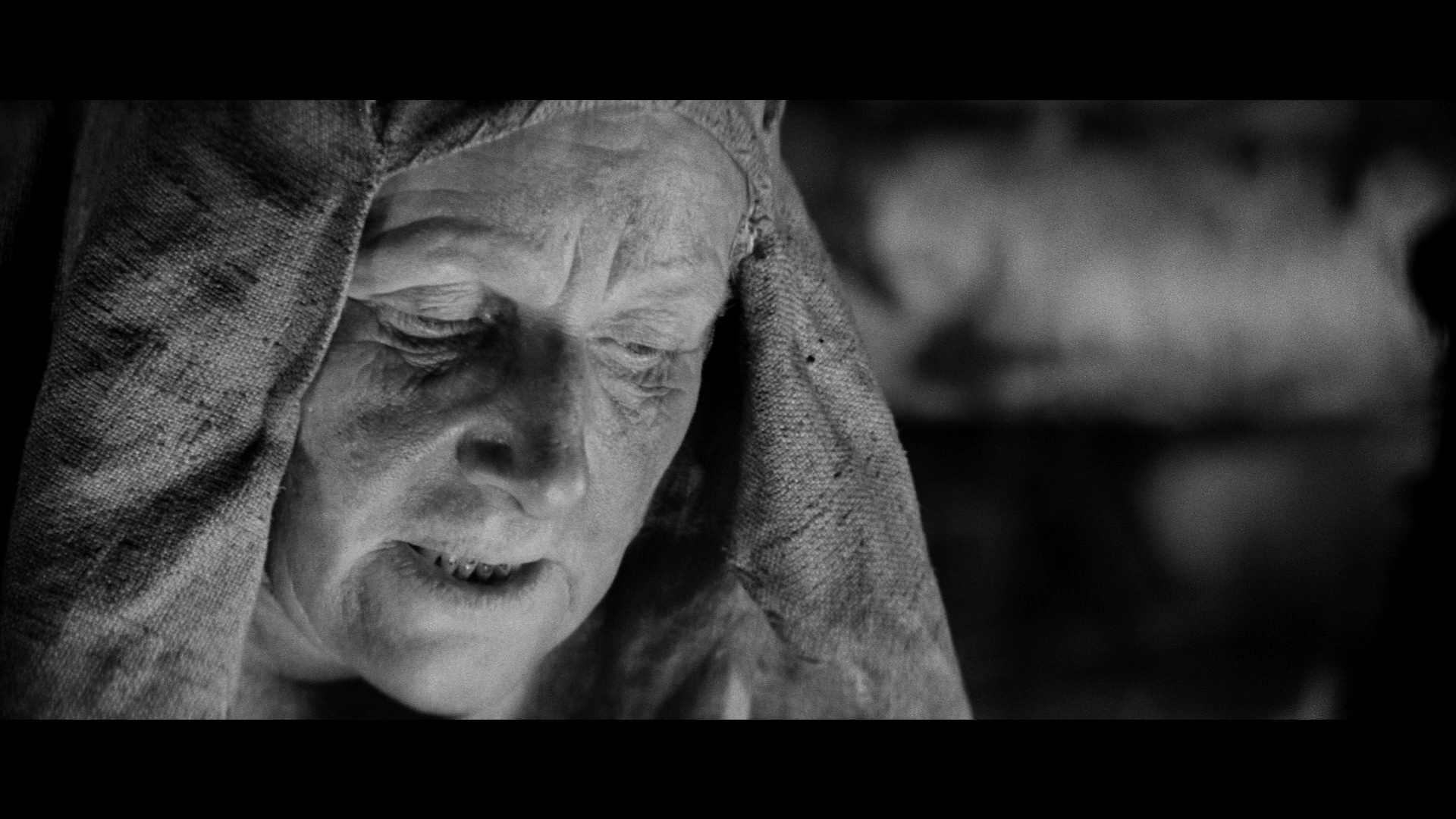
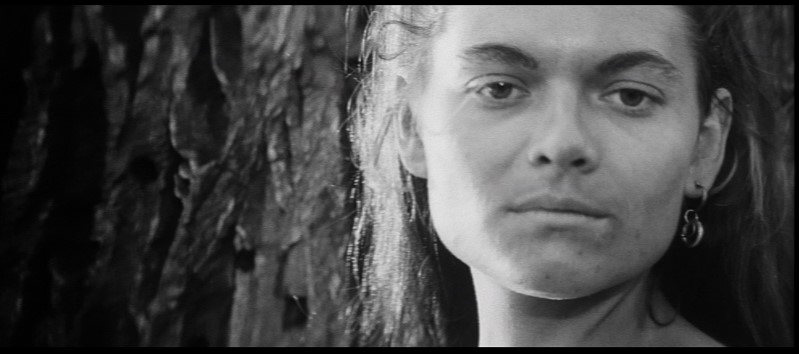
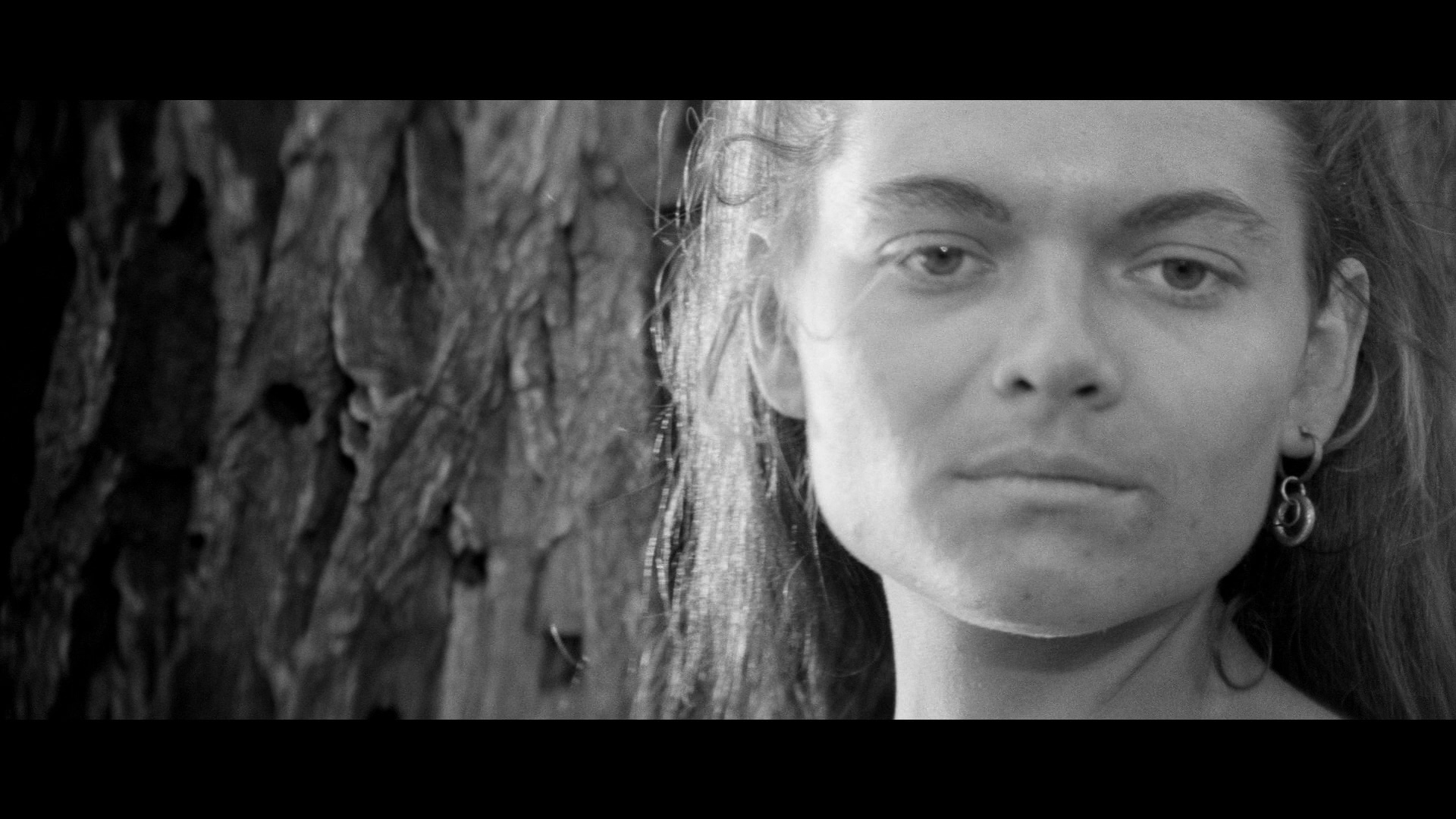
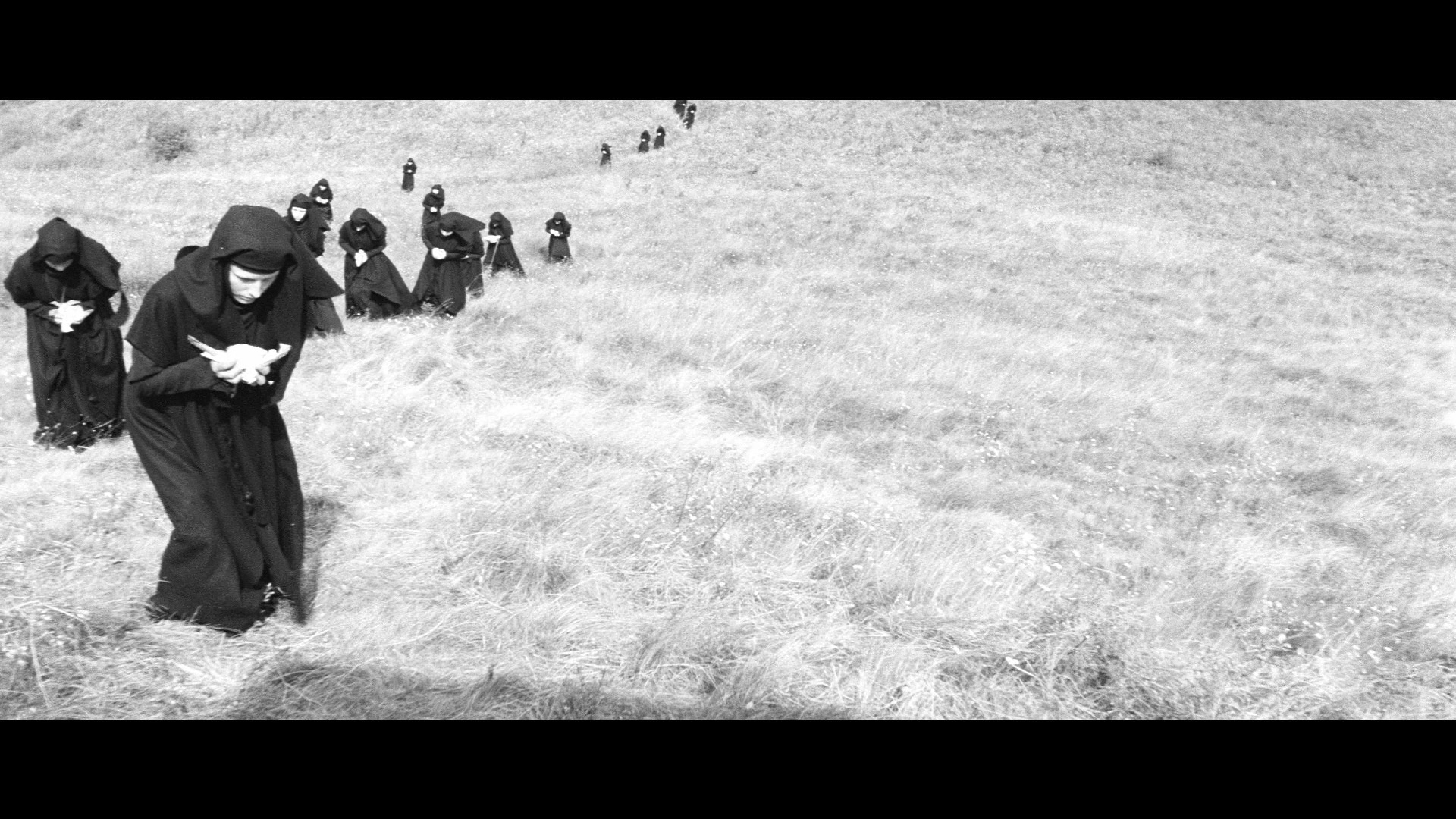
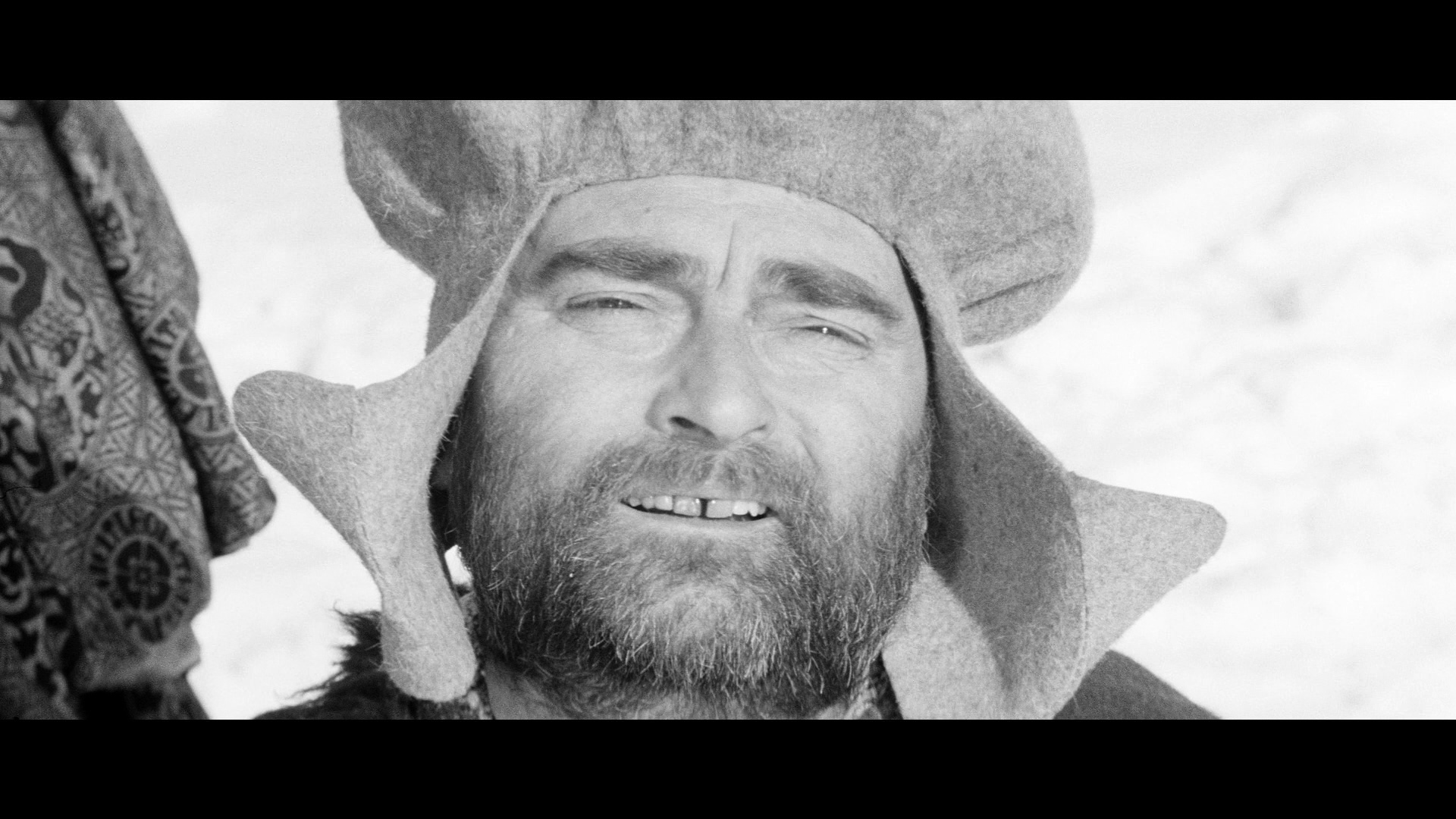
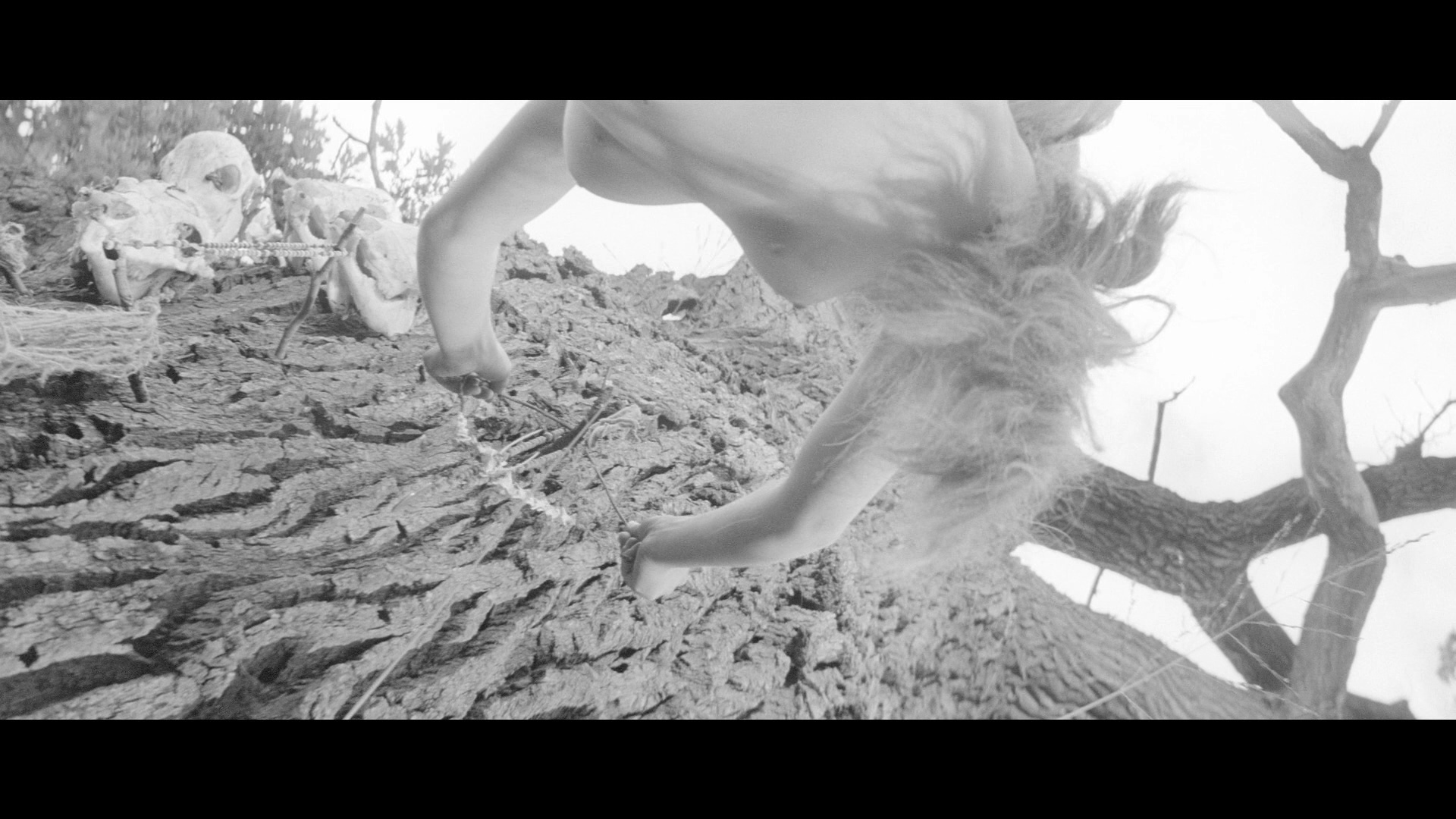
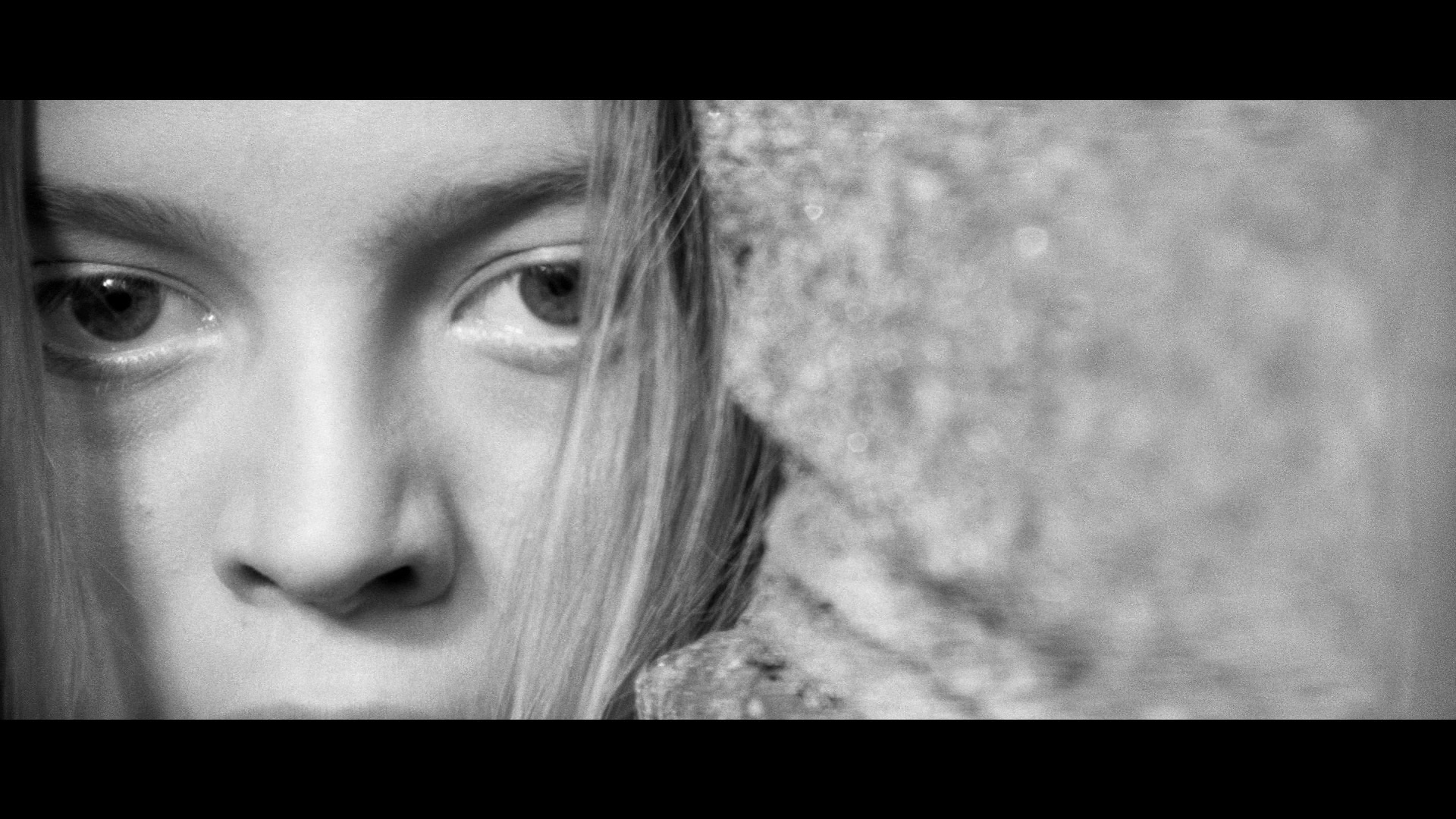
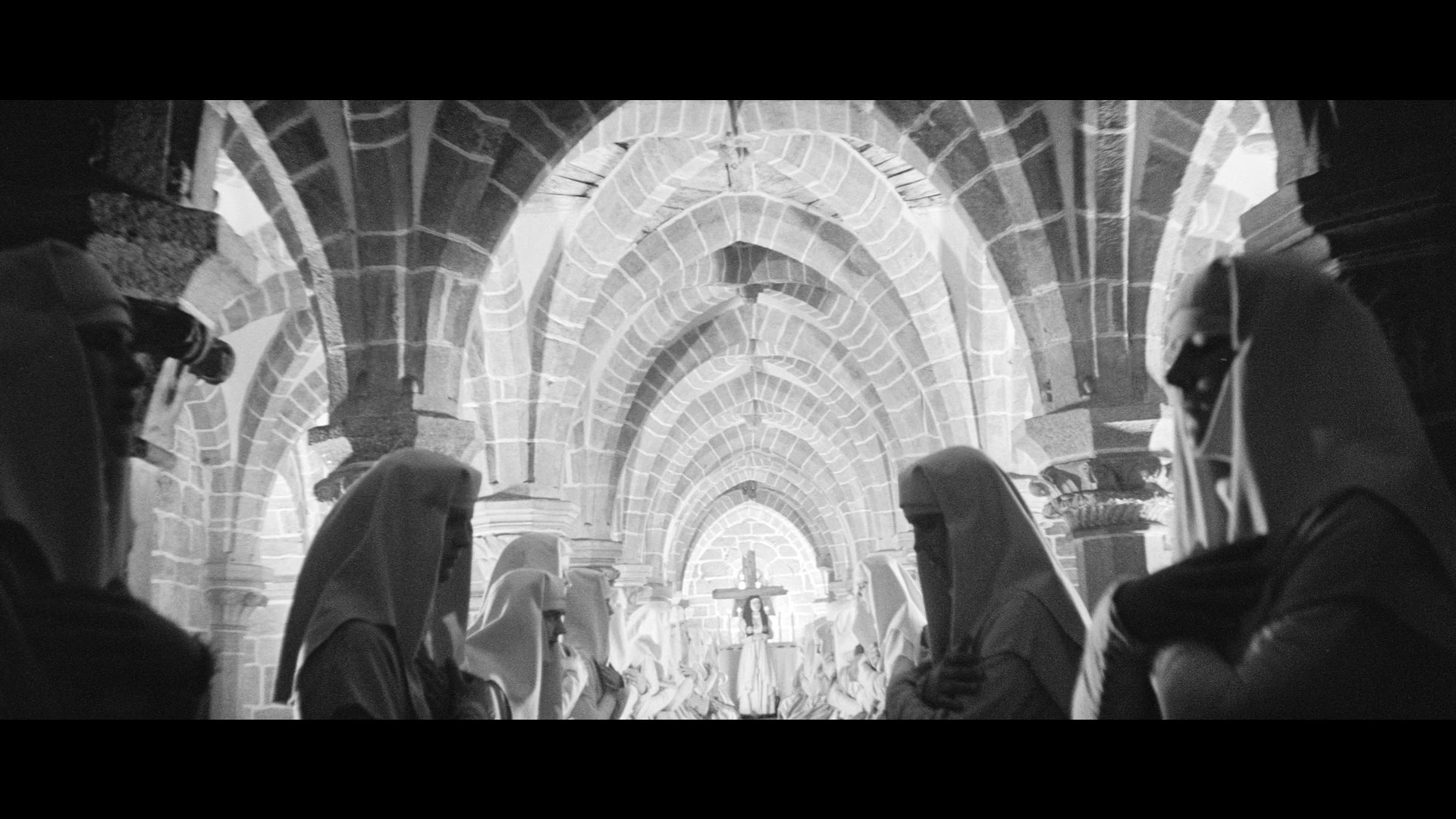
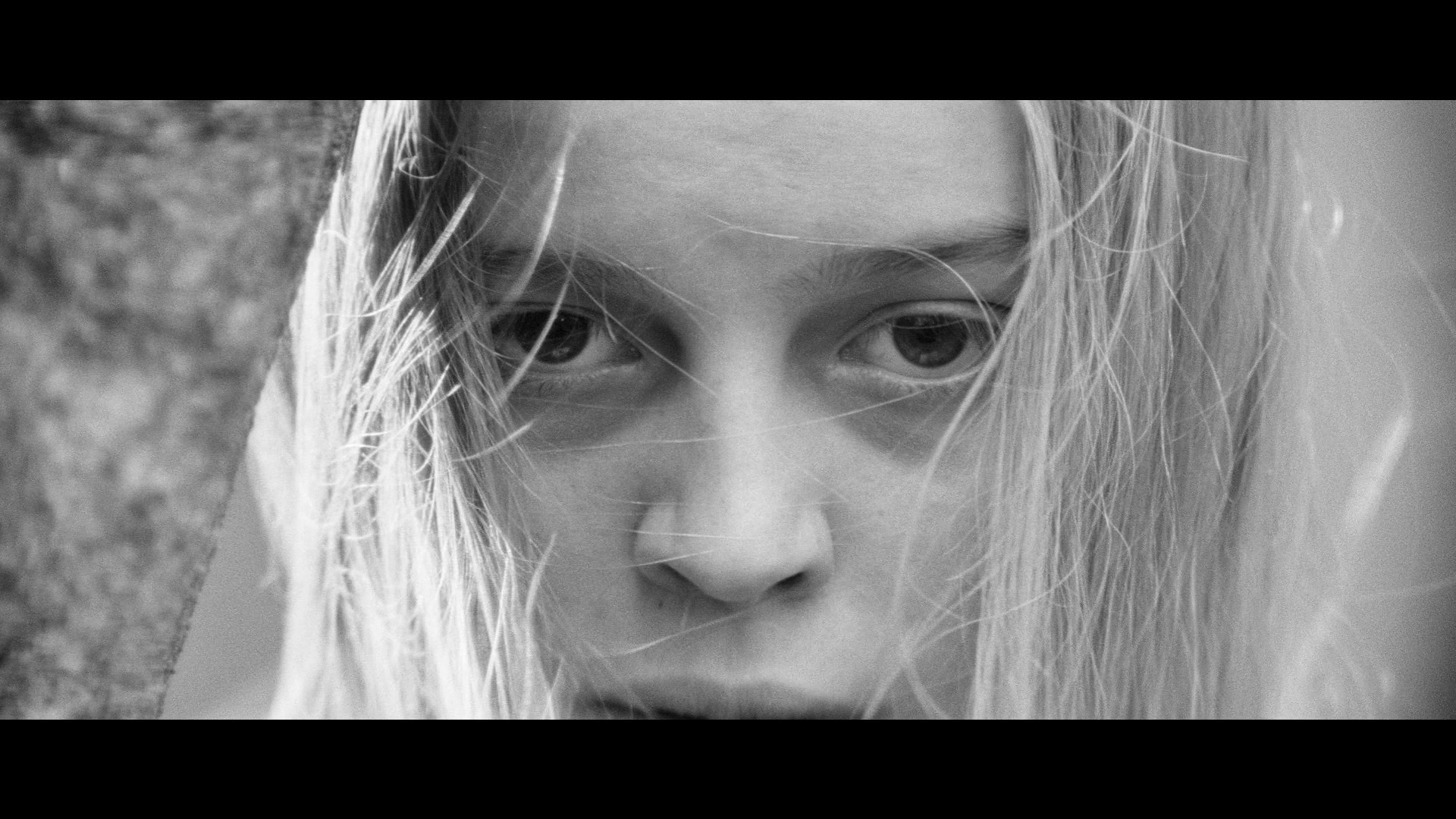
NOTE: The below Blu-ray captures were taken directly from the Blu-ray disc. ADDITION Criterion Blu-ray - May 2013: Criterion's Blu-ray is sourced from a new restored 4K digital film transfer and certain scenes, as compared to the Second Run SD, show vast improvement in contrast both because of the high 1080P resolution and the digital restoration. Detail in close-ups is extremely impressive. There is a fine, even layer of grain on the surface of the visuals. The overall image shows instances of depth and looks rich and fabulous in-motion. I toggled back and forth from the PAL DVD and the differences were significantly more prominent than identified by the static captures below.
Criterion go lossless with the original Czech mono track
via a liner PCM transfer. I could now notice the 4% speedup of the SD
and the audio is clean and tight - if remaining authentically flat.
There are optional English subtitles on the region 'A'-locked
Blu-ray
disc.
The Criterion is stacked with supplements including new interviews,
recorded by Criterion, with actors Magda Vášáryová, Ivan Palúch, and
Vlastimil Harapes. It runs 40-minutes and has them reflecting on working
with Frantisek Vlácil and the production of Marketa Lazarová.
There is also a separate 1/2 hour interview with costume designer
Theodor Pištěk conducted in Prague in 2013. We also get new interviews
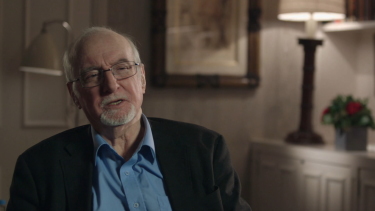
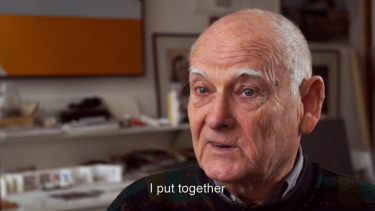
with film historian Peter Hames (17:53) - who has written extensively on
Central and Eastern European Cinema and journalist and a 10-minute piece
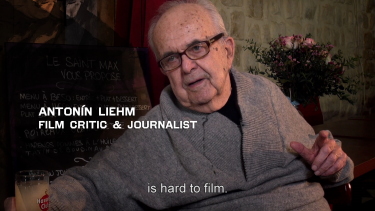
with film critic Antonín Liehm discussing his friend and compatriot
Frantisek Vlácil. In the Web of Time, a 22-minute documentary from 1989
by cinematographer František Uldrich, in which director František Vláčil
discusses his filmmaking process. There is an interview with Universal
Production Partners technical director Ivo Marák about the film’s
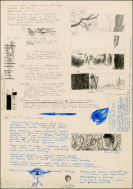
extensive digital restoration. Included is a Gallery of storyboards by
Vláčil and a trailer of the film. Included in the package is a liner
notes booklet featuring essays by film scholar Tom Gunning and
translator Alex Zucker and a 1969 interview with Vláčil.
My appreciation for this film continues to grow each time I see it.
Marketa Lazarová is a true masterpiece evoking Andrei Tarkovsky. The
newly restored image is almost mesmerizing and Criterion have augmented
their package with many worthy supplements. VERY strongly recommended! ***
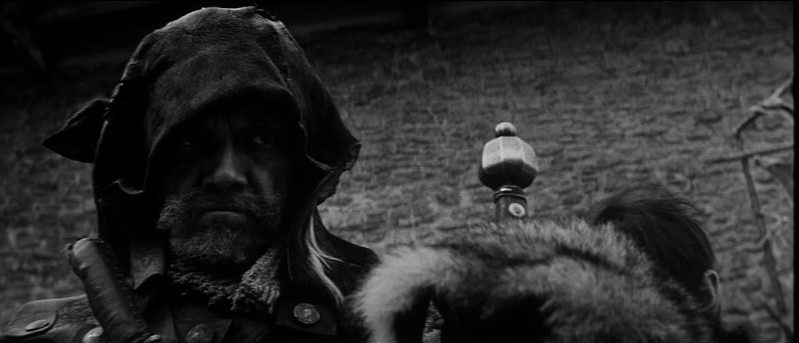
ON THE SECOND RUN DVD: Competent work by Second Run - progressive, anamorphic and dual-layered for this mystic and historical masterpiece. I can't add more about the image than represented by the screen captures below - fairly clean, contrast is a shade dusty with possible minute brightness boosting - I saw no untoward artifacts or chroma. It looks quite strong - and we should be thankful a company like Second Run put this out (as opposed to, say, a Kino or NY'er in region 1). Sound is mono but the Czech dialogue is quite audible and supported by optional English subtitles.
There are no digital extras with 2.5 hour film filling the 7 Gig of the disc exporting good compression. There is a nice booklet featuring a new essay on the film and František Vlácil by author/film programmer Peter Hames. Wow! - what a way for Second Run to finish the year. This might easily be considered their best release ever (cinematically speaking). A tour-de-force epic evocative of Tarkovsky and the bleak black and white cinematography of barren terrain (in cinemascope) at times reminded me of Antonioni. This should get some votes for DVD of the Year even if only on the grounds of the film and its bare-bones competent transfer. It's my opinion that you must own this one folks. |
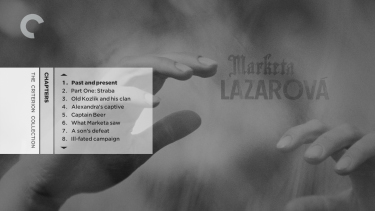
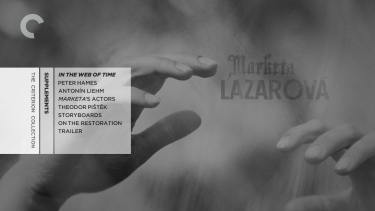
Menus
 |
 |
Criterion - Region 'A' - Blu-ray
 |
 |
 |
 |
|
|
 |
 |
 |
 |
 |
 |
|
CLICK EACH BLU-RAY CAPTURE TO SEE ALL IMAGES IN FULL 1920X1080 RESOLUTION
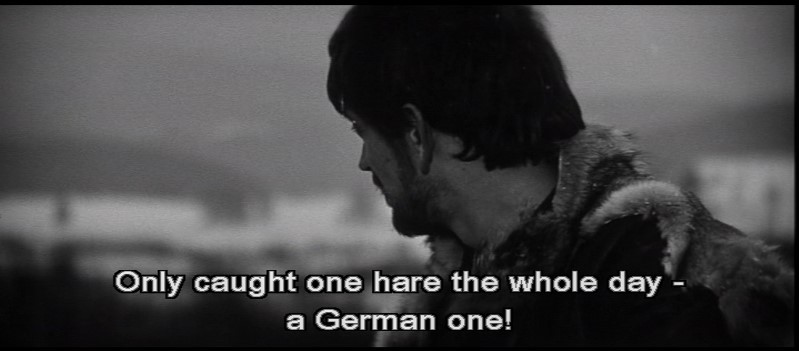
Subtitle Sample
|
1) Second Run - Region 0 - PAL TOP2) Criterion - Region 'A' - Blu-ray BOTTOM |
 |
 |
Screen Captures
|
1) Second Run - Region 0 - PAL TOP2) Criterion - Region 'A' - Blu-ray BOTTOM |
 |
 |
 |
 |
|
1) Second Run - Region 0 - PAL TOP2) Criterion - Region 'A' - Blu-ray BOTTOM |
 |
 |
|
1) Second Run - Region 0 - PAL TOP2) Criterion - Region 'A' - Blu-ray BOTTOM |
 |
 |
|
1) Second Run - Region 0 - PAL TOP2) Criterion - Region 'A' - Blu-ray BOTTOM |
 |
 |
More Blu-ray Captures
 |
 |
 |
 |
 |
 |
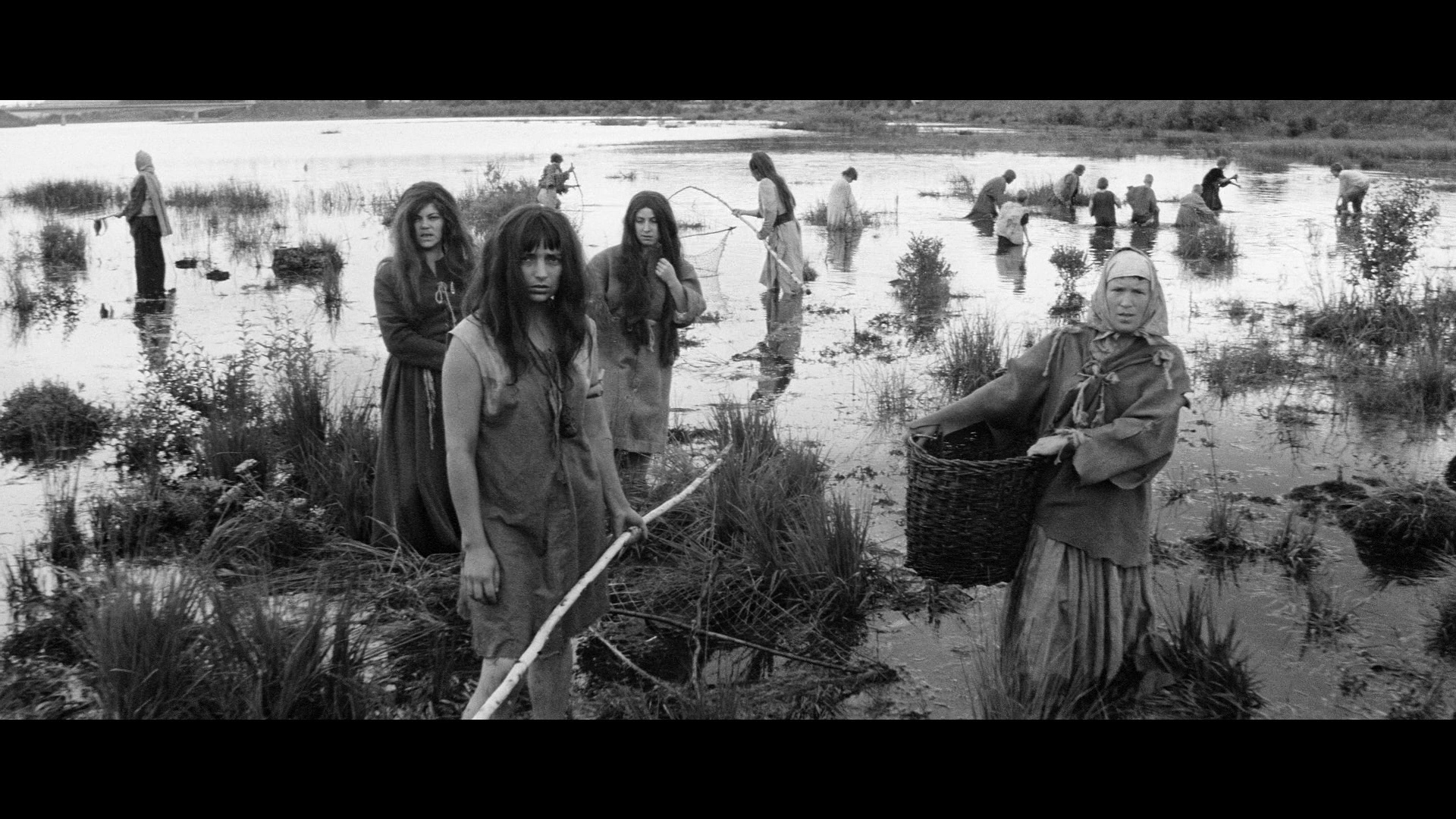 |
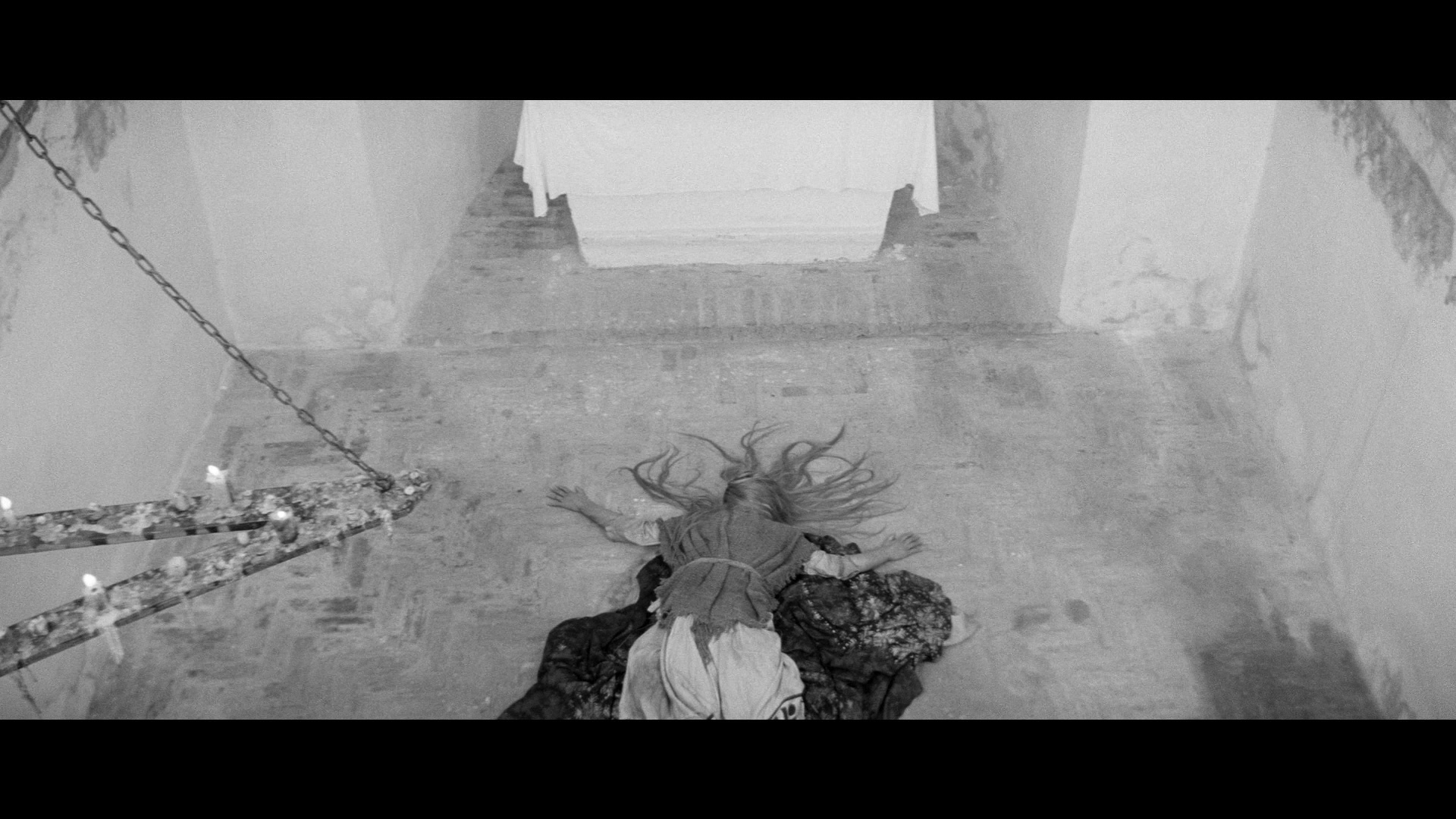 |
| Box Cover |
|
|
|
|
Marketa Lazarová is also available for a significant
savings in the 4-disc Frantisek Vlacil Collection -with
Adelheid
(1970),
The Valley of the Bees (1967) and
Sentiment (2003)
- Tomá Hejtmánek's acclaimed 2003 documentary portrait of the director -
exclusive to the boxset.
|
|
| Distribution | Second Run DVD - Region 0 - PAL | Criterion Collection - Spine # 661 - Region 'A' - Blu-ray |












CLICK PayPal logo to donate!
|
Gary Tooze
|
|
Thank You!
