|
An
enormous, sincere thank you to our phenomenal
Patreon
supporters! Your unshakable dedication is the bedrock that keeps DVDBeaver
going - we’d be lost without you. Did you know? Our patrons include a
director, writer, editor, and producer with honors like Academy Awards for
Best Picture and Best Director, a Pulitzer Prize-winning screenwriter, and a
Golden Globe-winning filmmaker, to name a few! Sadly, DVDBeaver has reached a breaking point where our existence hangs in the balance. We’re now reaching out to YOU with a plea for help. Please consider pitching in just a few dollars a month - think of it as the price of a coffee or some spare change - to keep us bringing you in-depth reviews, current calendar updates, and detailed comparisons. I’m am indebted to your generosity!
|






|
Search DVDBeaver |
S E A R C H D V D B e a v e r |

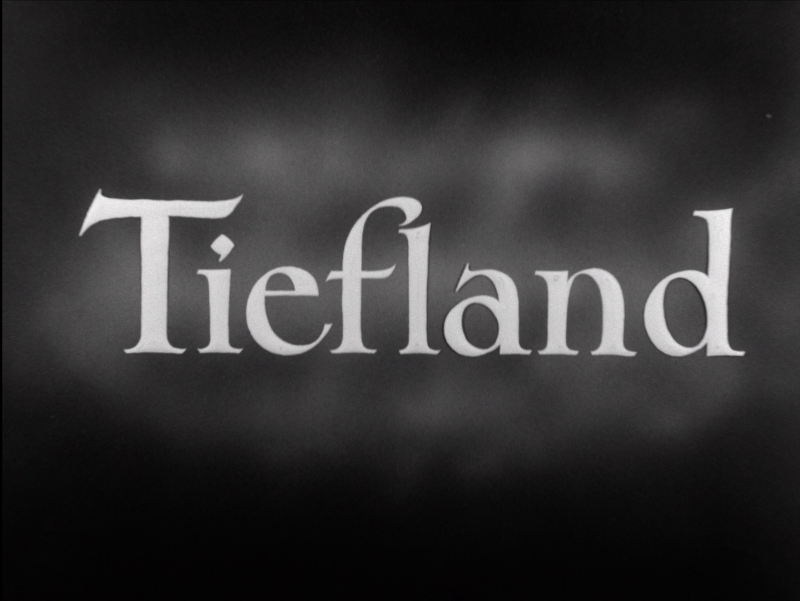
(aka "Lowlands" or "Tiefland")
Directed by Leni Riefenstahl
West
Germany 1954
|
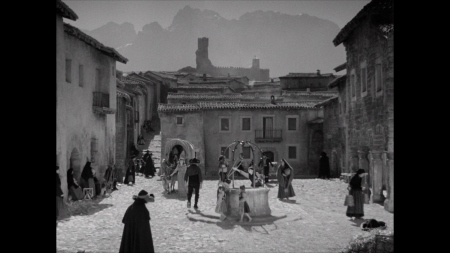
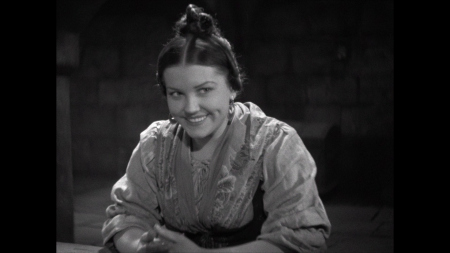
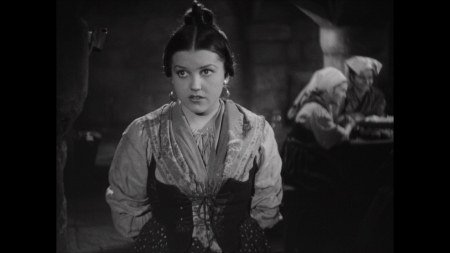
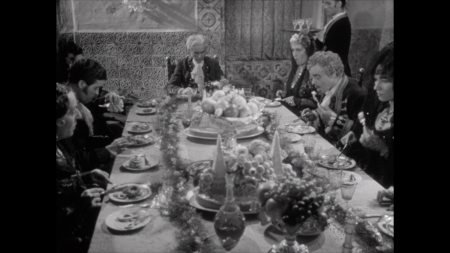
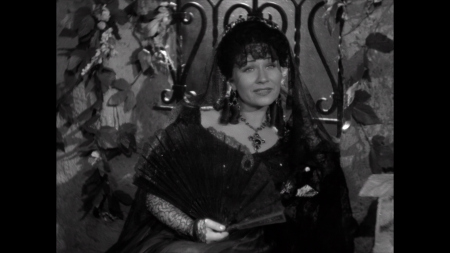
Leni Riefenstahl’s Tiefland (Lowlands) is one of the strangest
objects in German film history: a melodrama that took two decades to reach the
screen and whose reputation rests almost entirely on the circumstances of its
making. Riefenstahl had wanted to adapt Eugen d’Albert’s 1903 opera, itself
drawn from Àngel Guimerà’s Catalan play Terra baixa, since the mid-1930s.
Production finally began in 1940, with location work in the Bavarian and
Tyrolean Alps standing in for the Spanish Pyrenees and interiors shot at
Babelsberg and Barrandov. Shooting dragged on through the war, and the material
was seized by French authorities afterward. Riefenstahl regained it only in the
early 1950s, with some footage missing, and finished the film for a 1954
premiere. It was her last completed narrative feature and the only one she
directed after
Das blaue Licht more than twenty years earlier. |
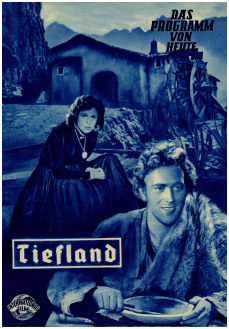
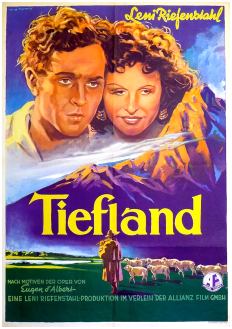
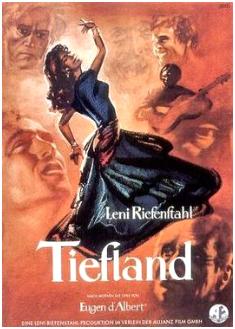
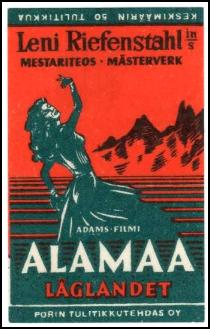
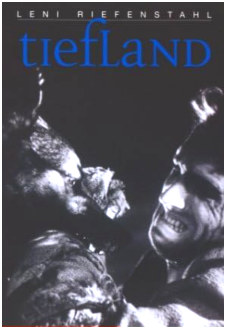
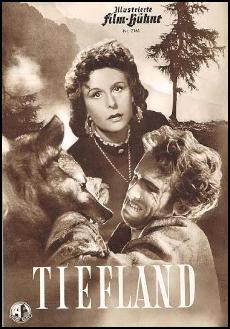
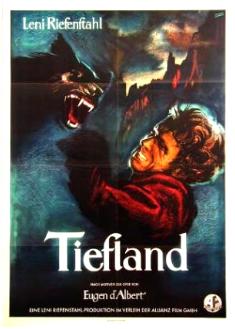
Posters
 |
 |
 |
 |
 |
 |
 |
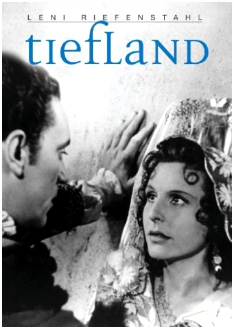 |
Theatrical Release: February 11th, 1954

Review: Kino - Region 'A' - Blu-ray
| Box Cover |
|
CLICK to order from:
BONUS CAPTURES:
|
| Distribution | Kino - Region 'A' - Blu-ray | |
| Runtime | 1:38:42.083 | |
| Video |
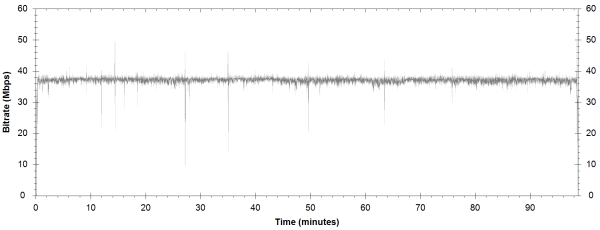
1.33:1 1080P Dual-layered Blu-ray Disc Size: 49,053,347,153 bytes Feature: 30,229,911,552 bytesVideo Bitrate: 37.02 MbpsCodec: MPEG-4 AVC Video |
|
|
NOTE: The Vertical axis represents the bits transferred per second. The Horizontal is the time in minutes. |
||
| Bitrate Blu-ray: |
|
|
| Audio |
DTS-HD Master
Audio German 1556 kbps 2.0 / 48 kHz / 1556 kbps / 24-bit (DTS Core: 2.0 / 48
kHz / 1509 kbps / 24-bit) Dolby Digital Audio English 192 kbps 2.0 / 48 kHz / 192 kbps / DN -31dB |
|
| Subtitles | English, None | |
| Features |
Release Information: Studio: Kino
1.33:1 1080P Dual-layered Blu-ray Disc Size: 49,053,347,153 bytesFeature: 30,229,911,552 bytesVideo Bitrate: 37.02 MbpsCodec: MPEG-4 AVC Video
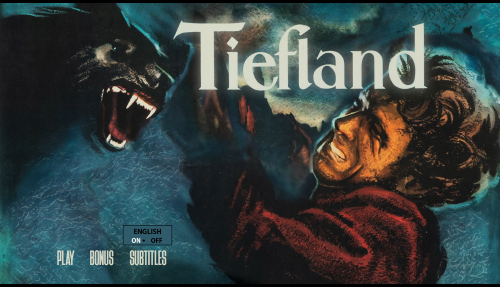
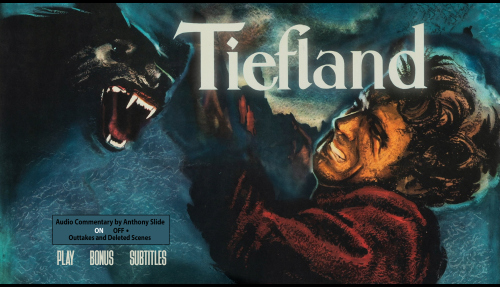
Edition Details: • Audio Commentary by Film Historian Anthony Slide • Outtakes and Deleted Scenes (1:38:45)
Standard Blu-ray Case Chapters 9 |
|
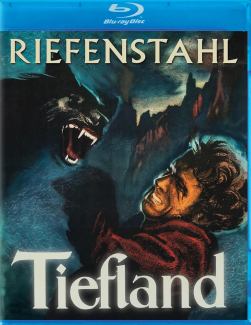



| Comments: |
NOTE:
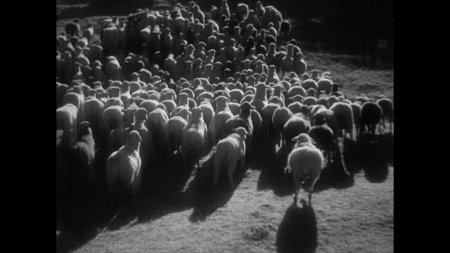
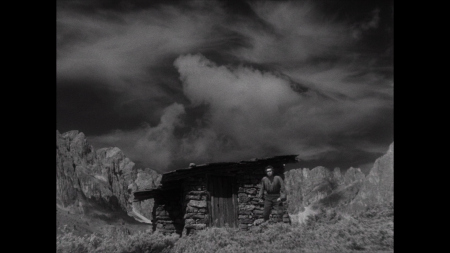
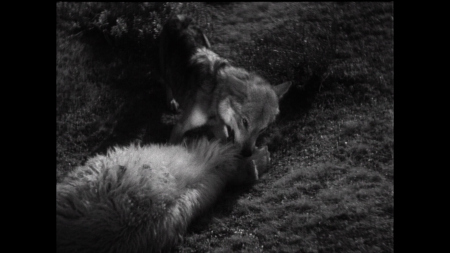
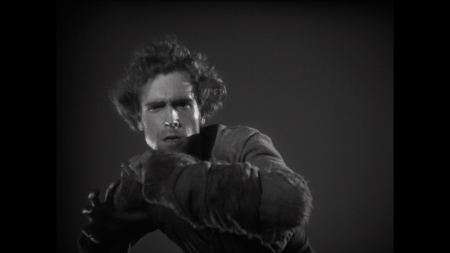
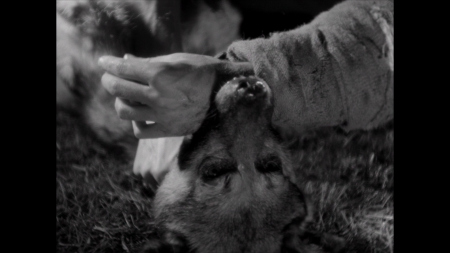
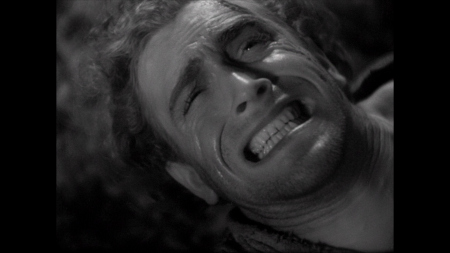
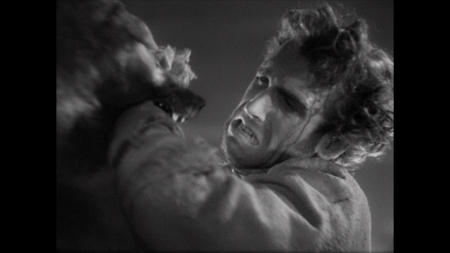
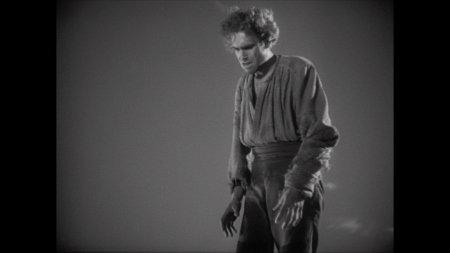
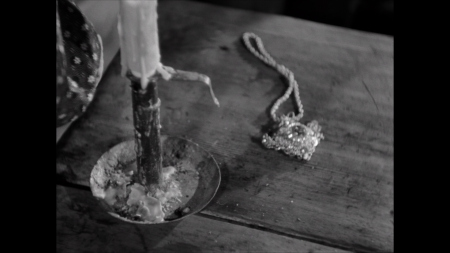
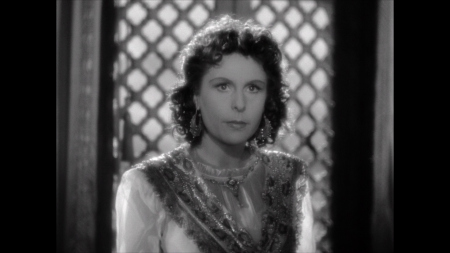
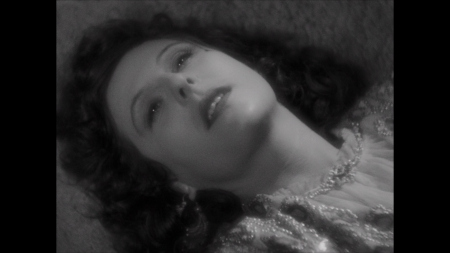
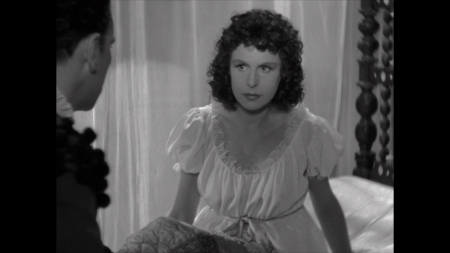
The below
Blu-ray
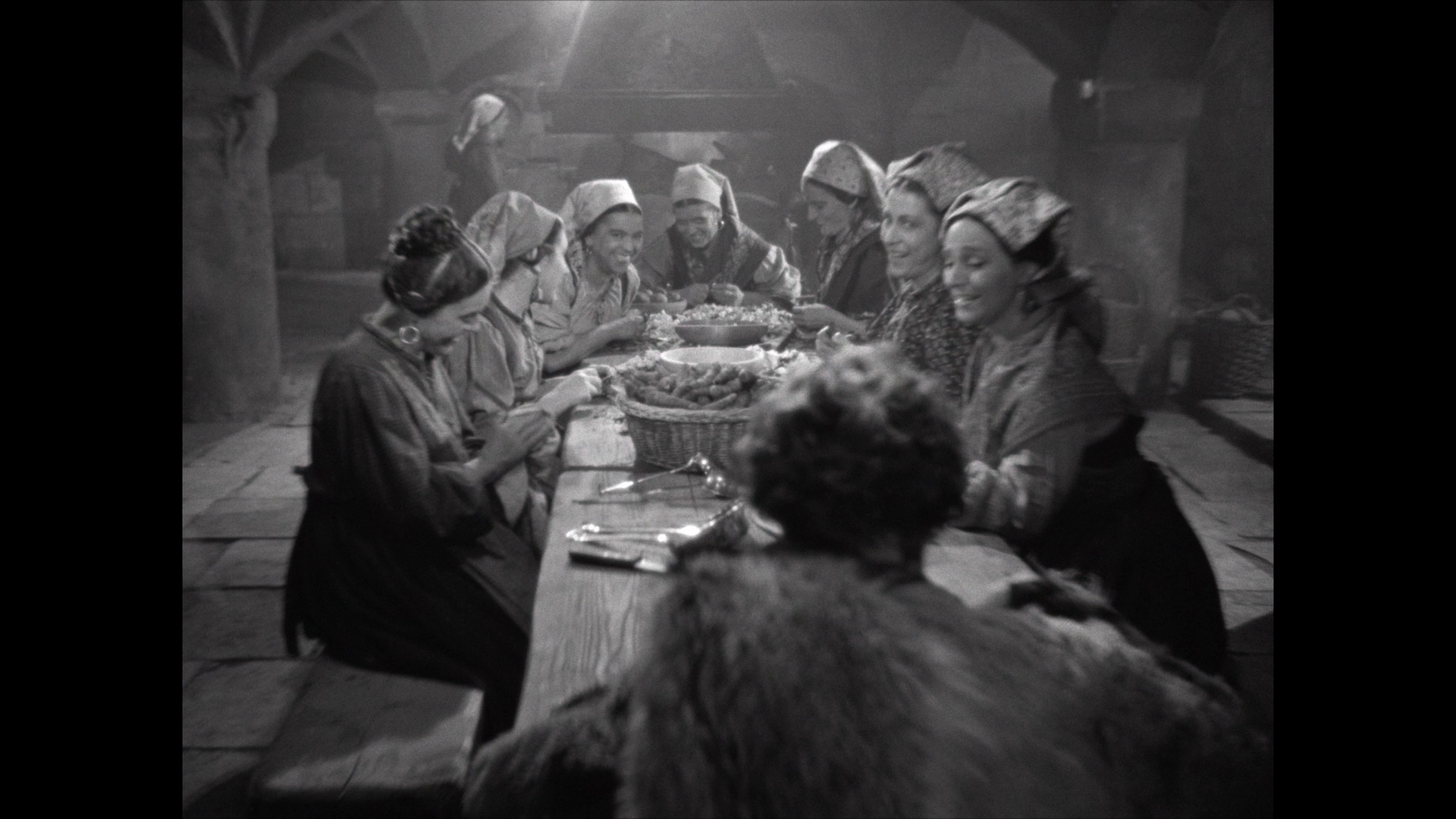
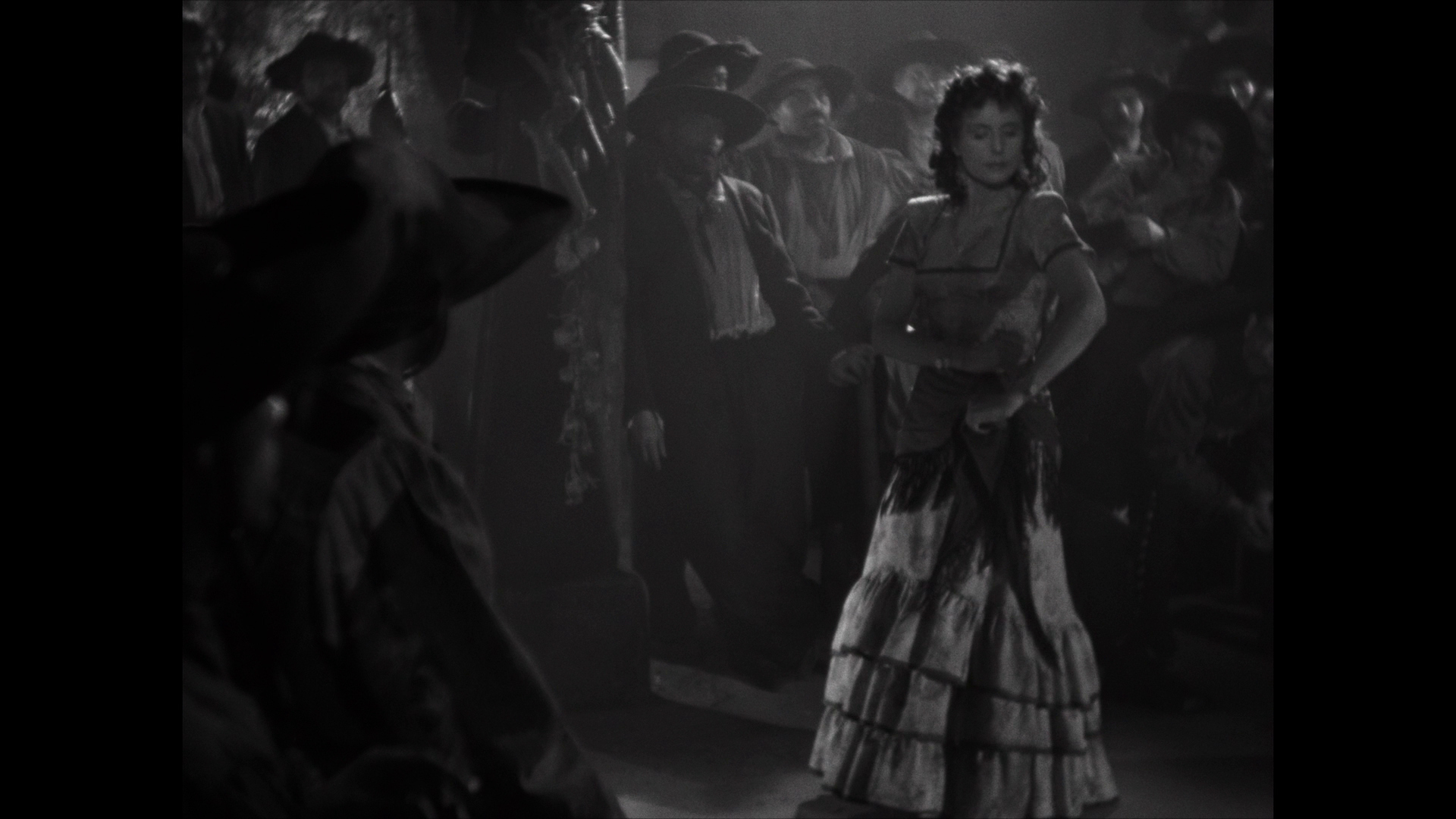
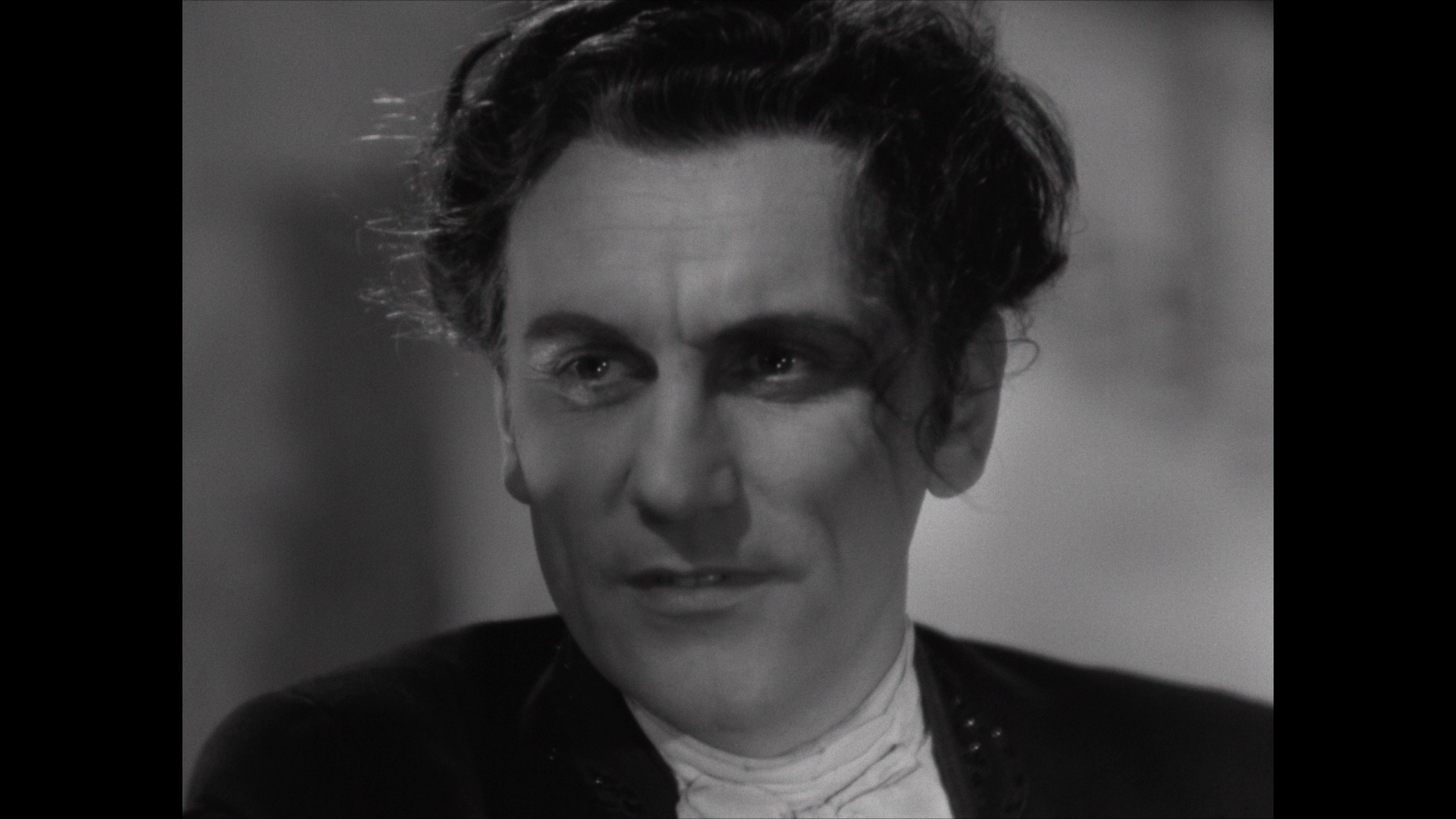
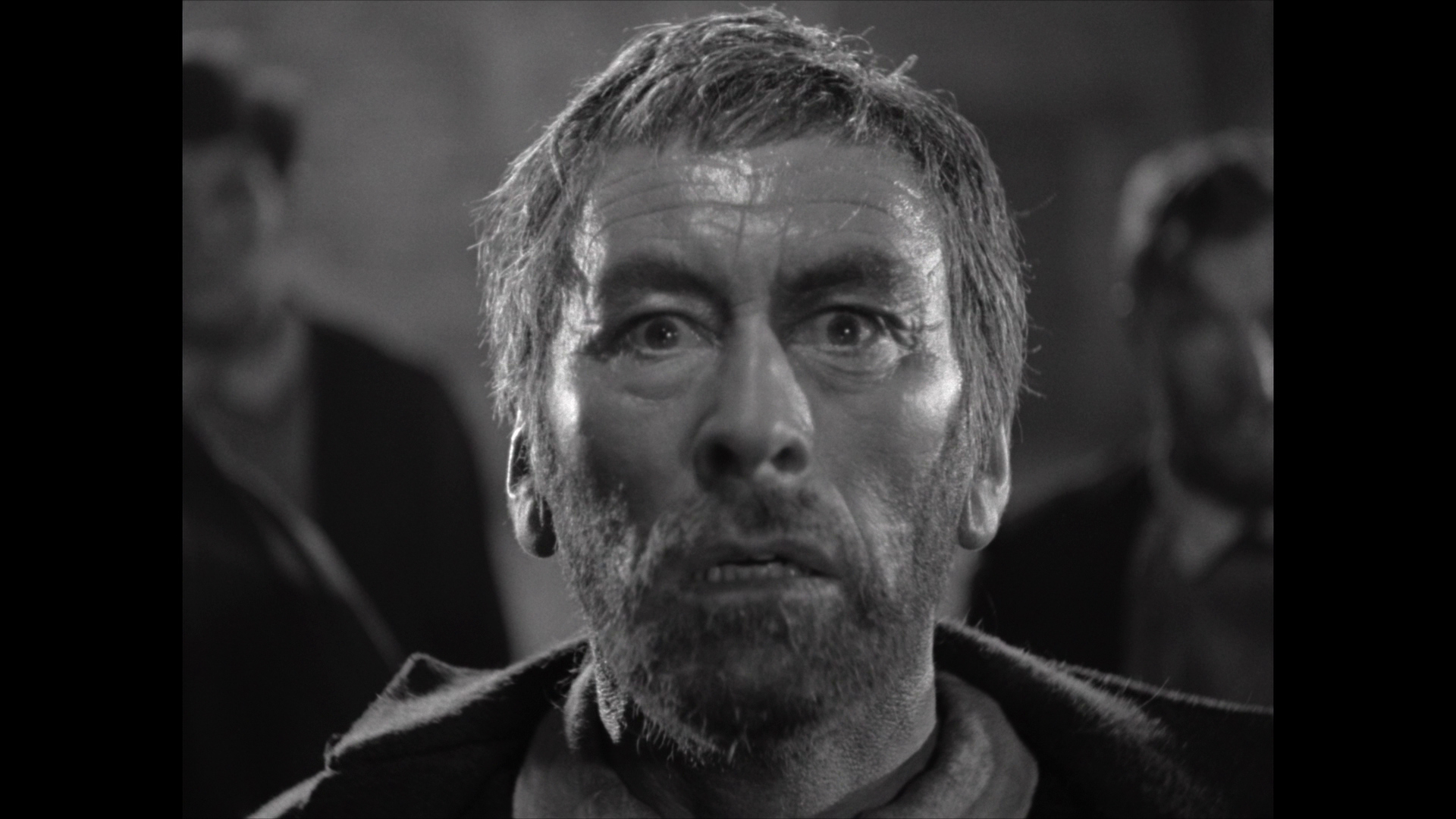
captures were taken directly from the
Blu-ray
disc.
NOTE: We have added 64 more large
resolution Blu-ray captures (in lossless
PNG format) for DVDBeaver Patrons
HERE
On their
Blu-ray,
Kino use a DTS-HD Master dual-mono track (24-bit) in the original
German language.
The Kino
Blu-ray
includes a new audio commentary by film historian Anthony Slide,
(author of
Hollywood Unknowns: A
History of Extras, Bit Players, and Stand-Ins and
The Silent
Feminists: America's First Women Directors) which gives him a
useful perspective on Riefenstahl’s career behind the camera. The
commentary covers the film’s protracted production history, its wartime
circumstances, the casting of the extras from the internment camps, and
the postwar seizure of the footage and its eventual completion. The real
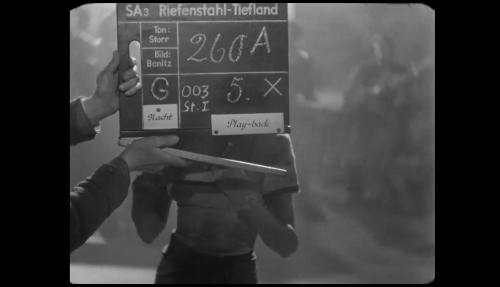
surprise is an extensive reel of outtakes and deleted scenes running
1:38:45, essentially the same length as the feature itself. Drawn from
the camera rolls and unrestored, the footage shows its age with dust,
speckles, softness, and the rounded corners of the frame visible, but it
is fascinating viewing. Production slates are left in place, crediting
Hermann Storr on sound and Benitz on camera, with some takes marked for
night shooting and playback, and the reel includes additional mountain
footage as well as alternate takes from the studio interiors. For
students of Riefenstahl or of German wartime filmmaking, it is an
invaluable document.
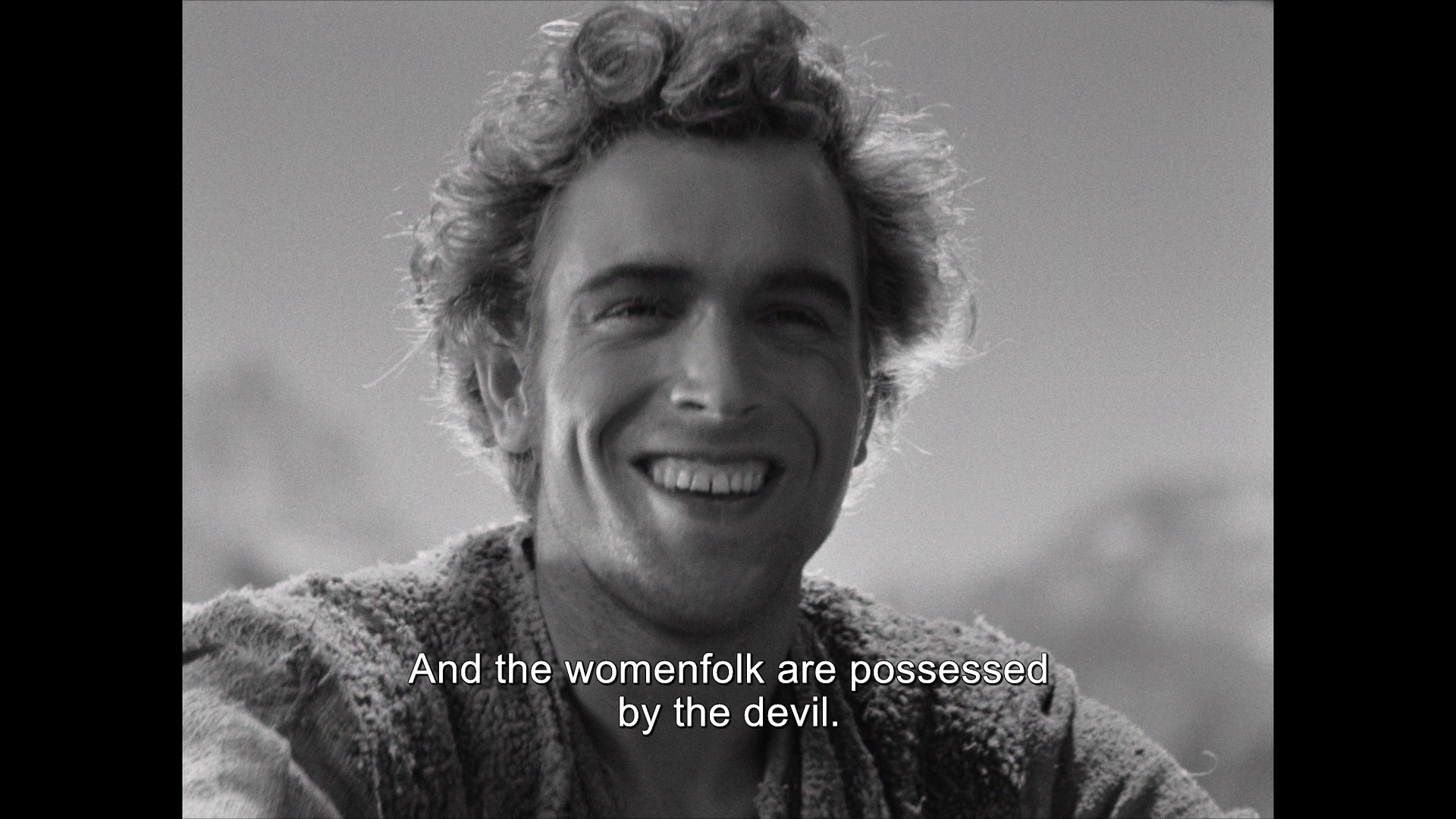
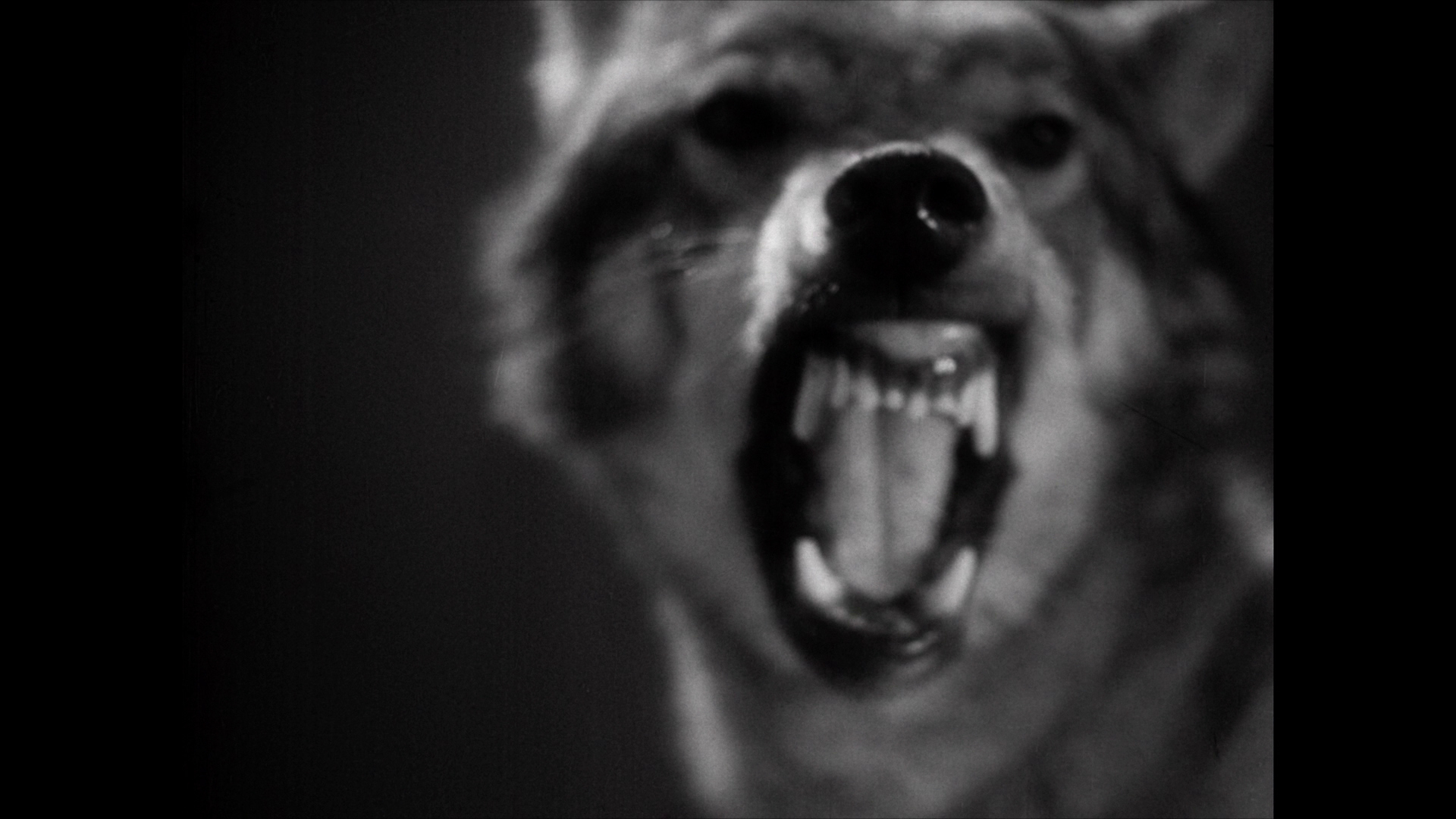
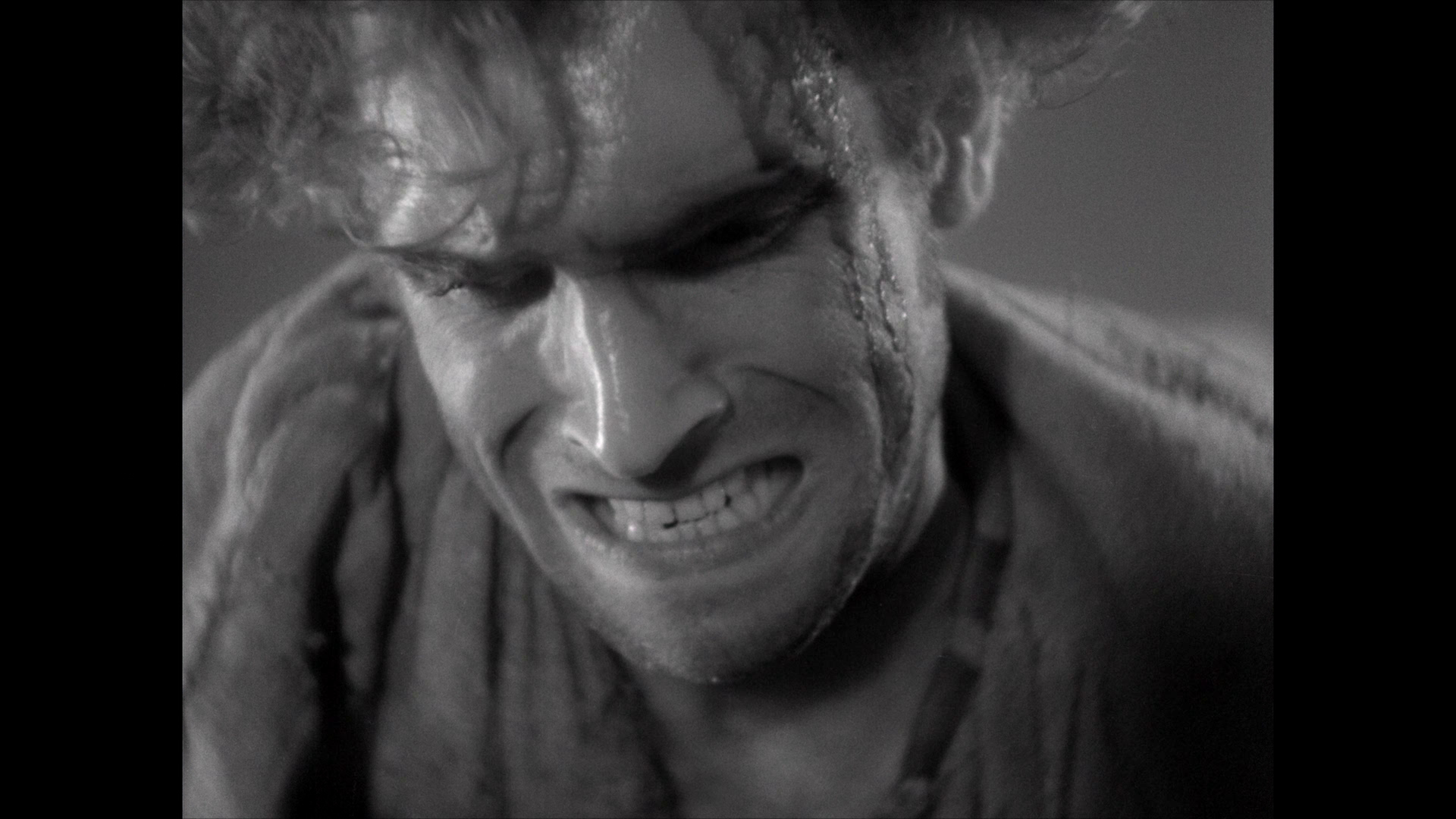
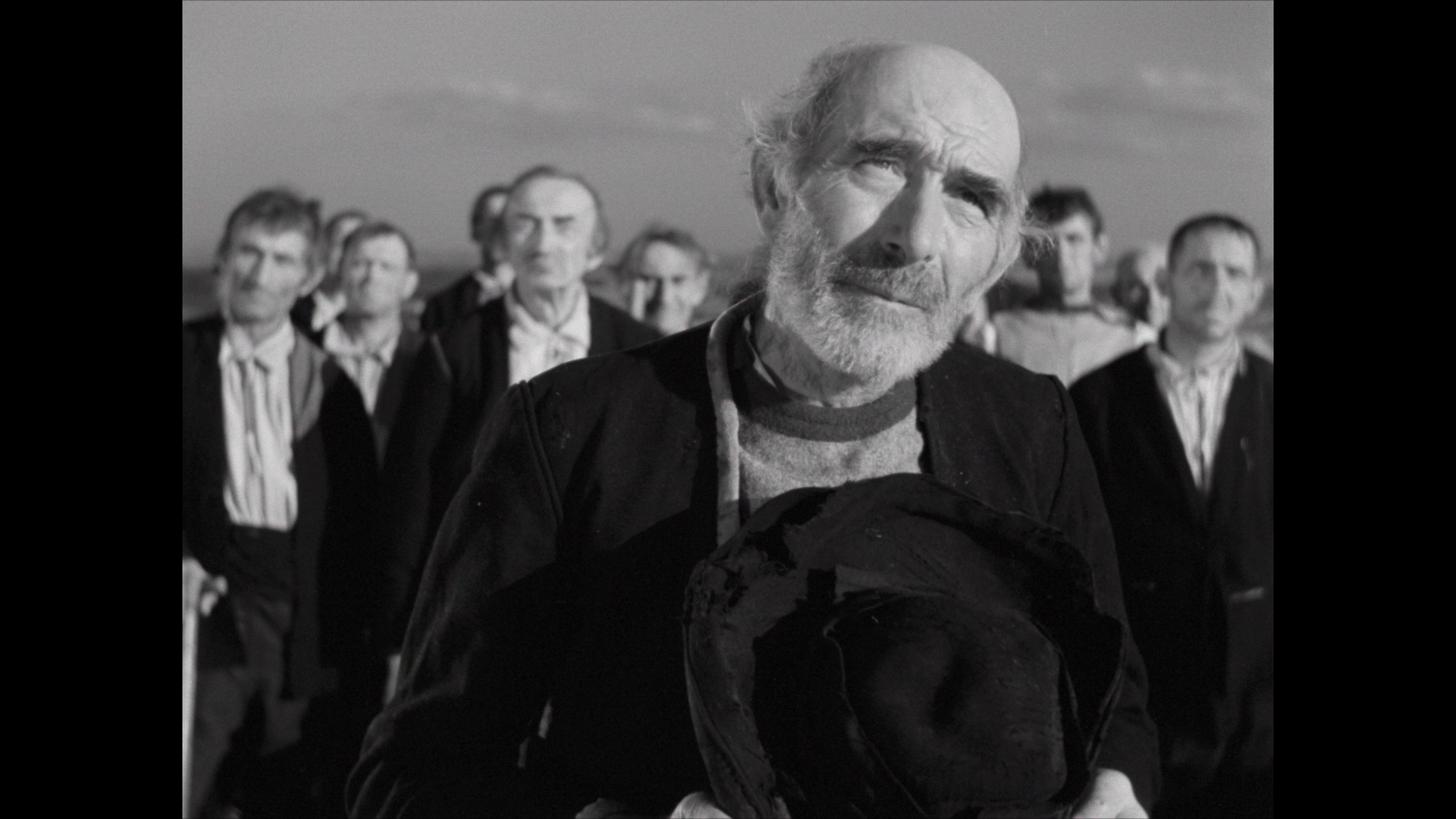
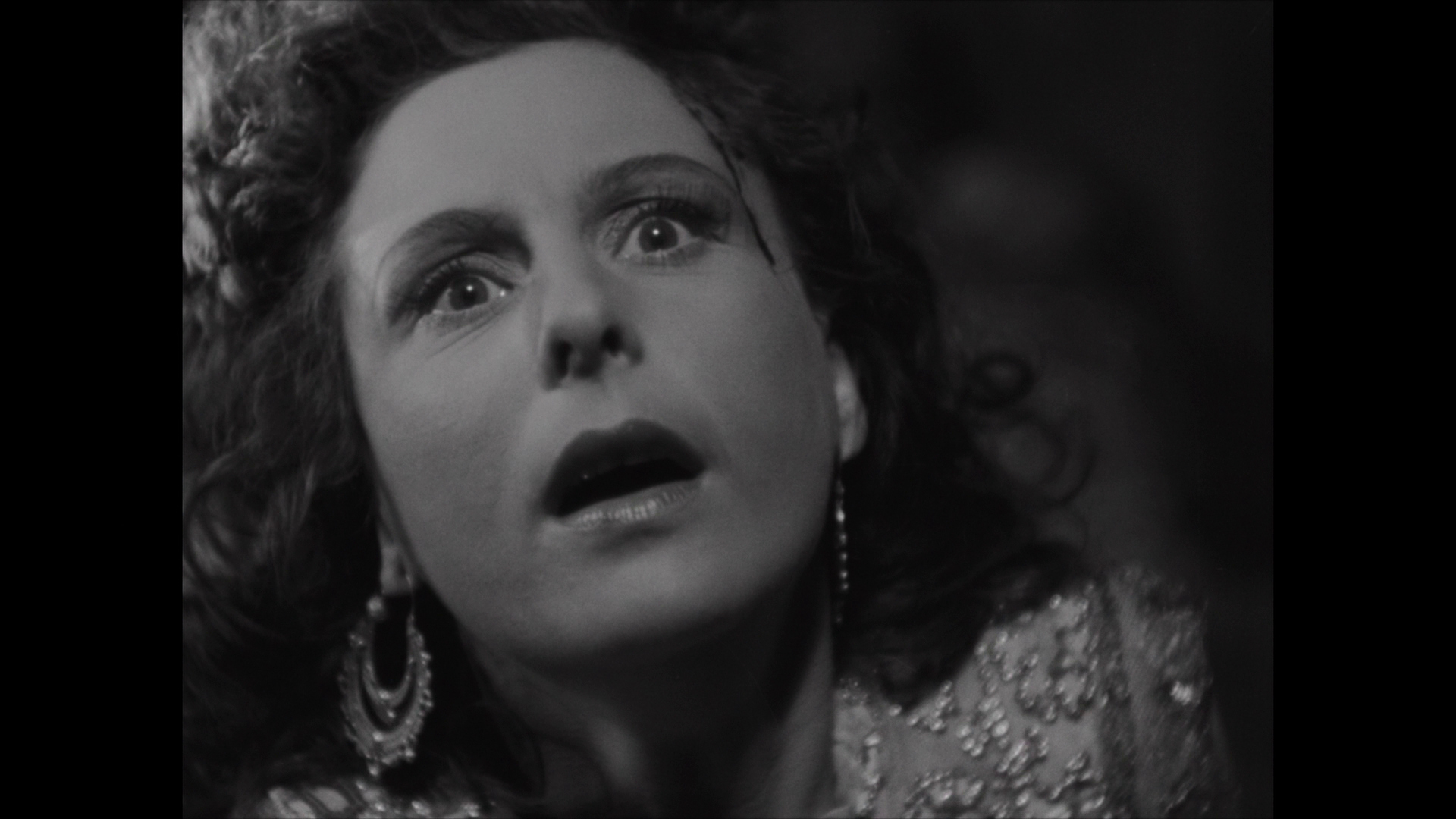
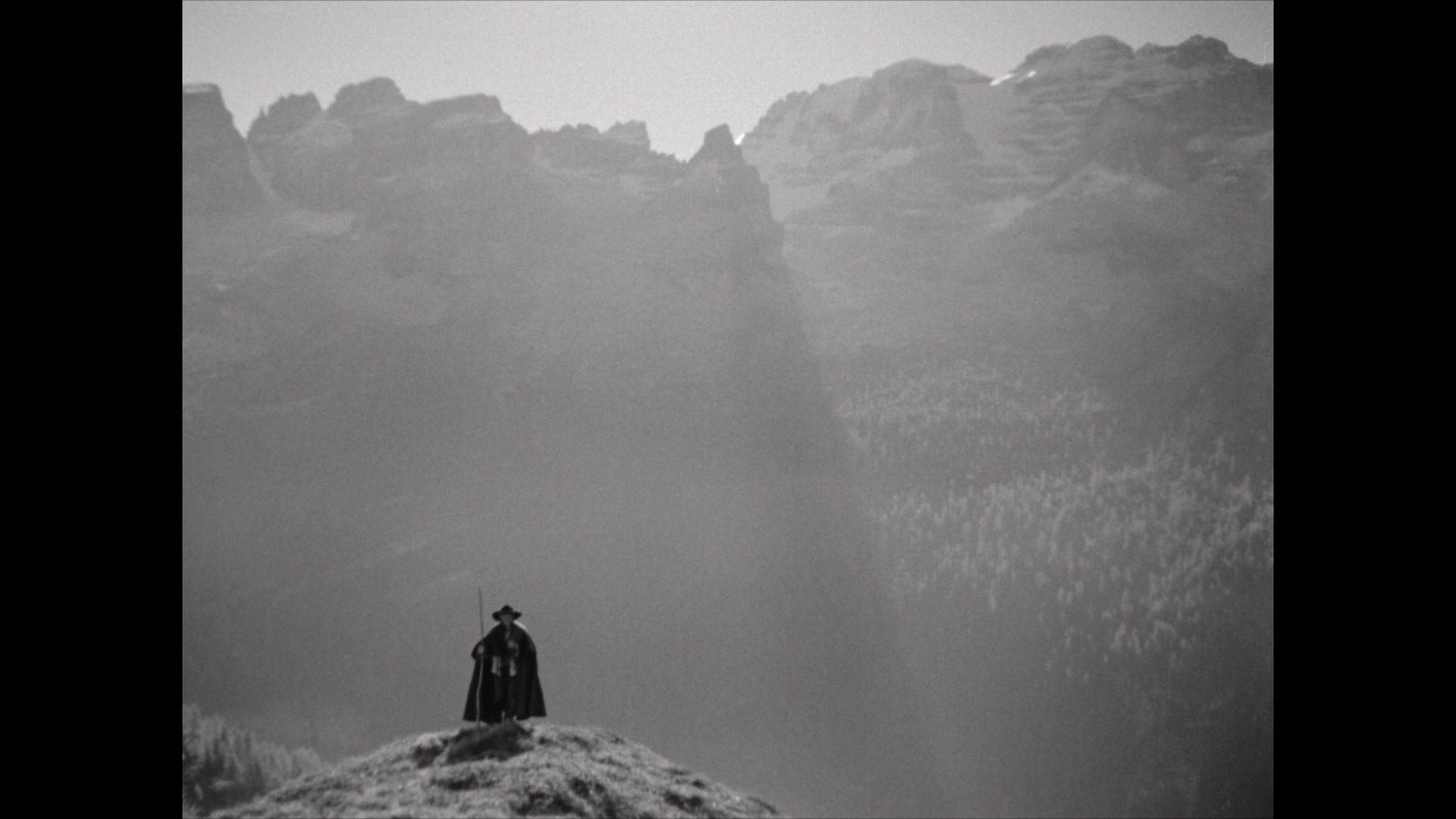
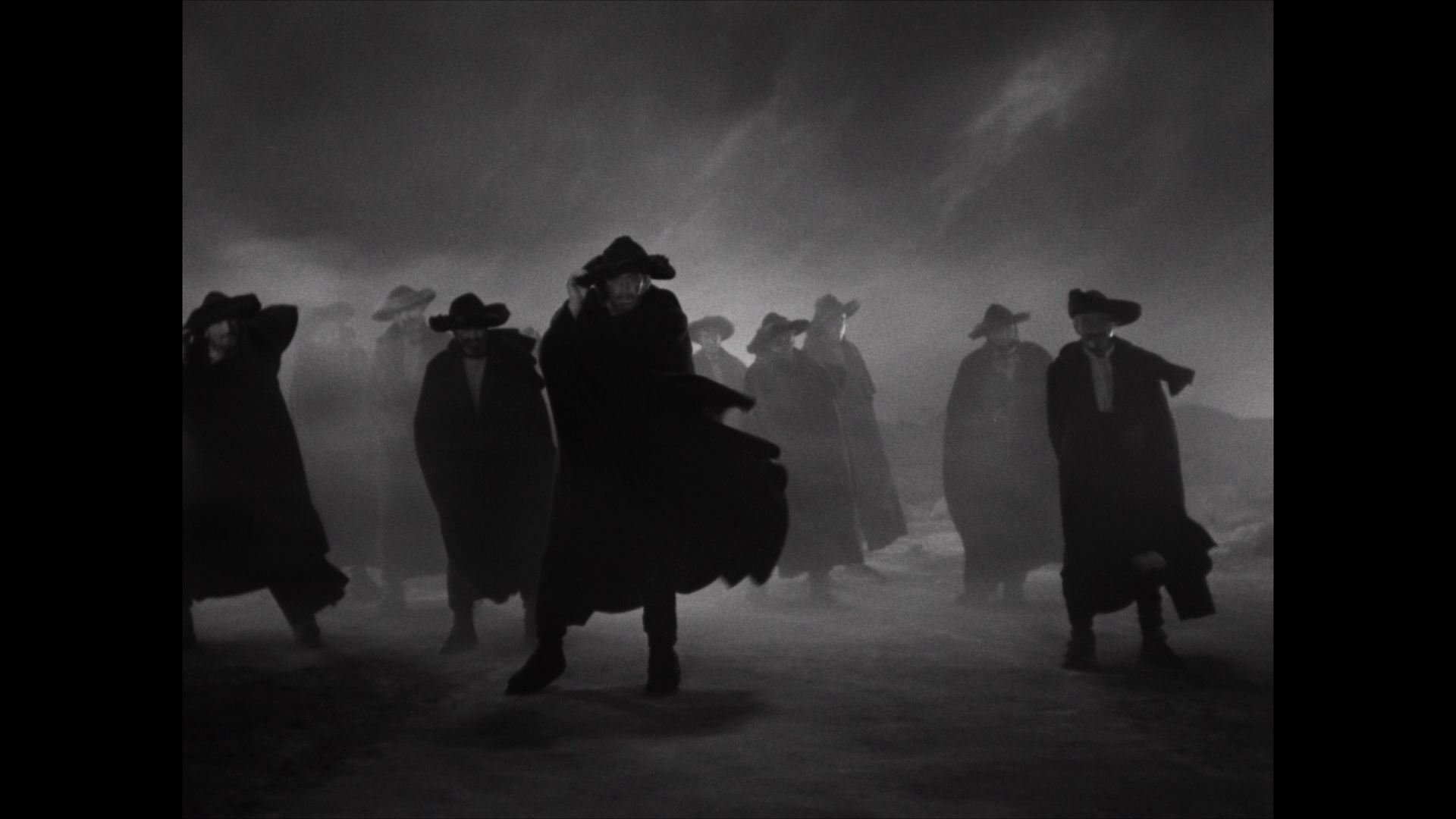
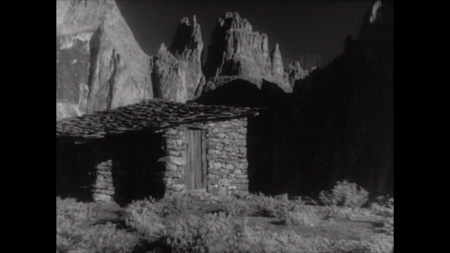
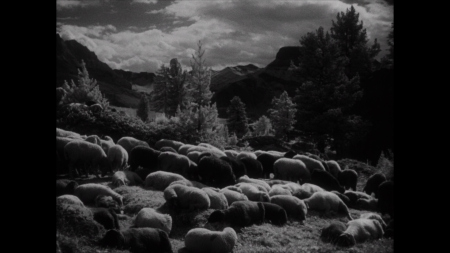
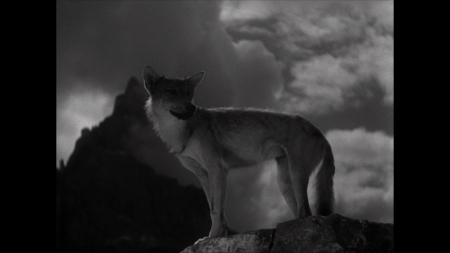
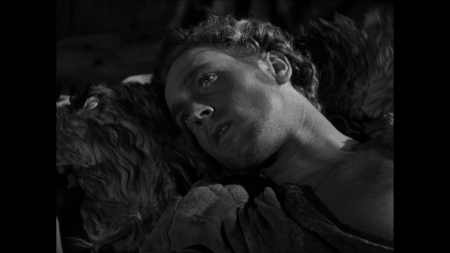
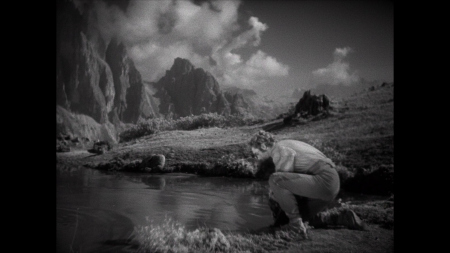
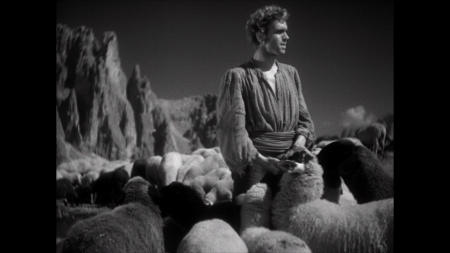
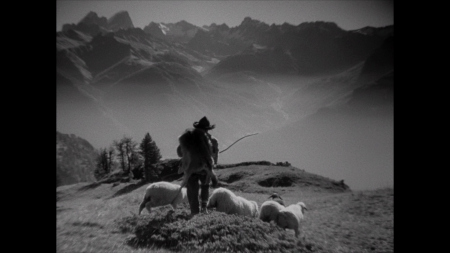
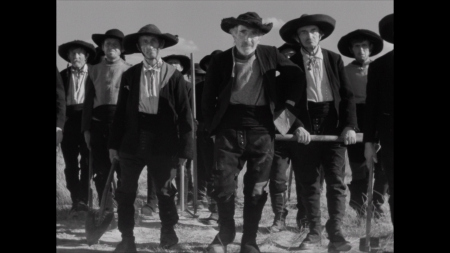
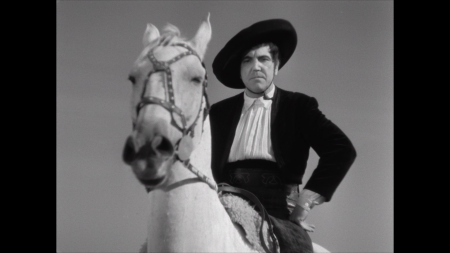
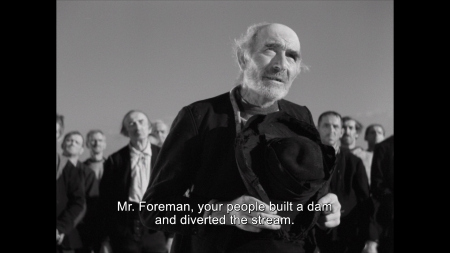
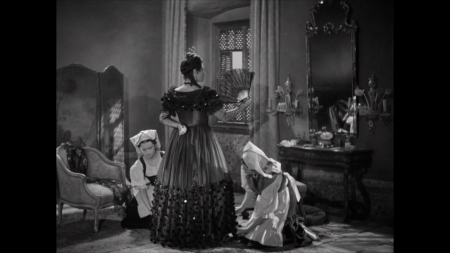
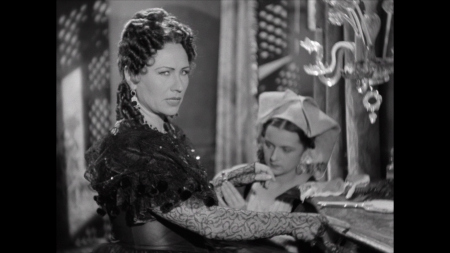
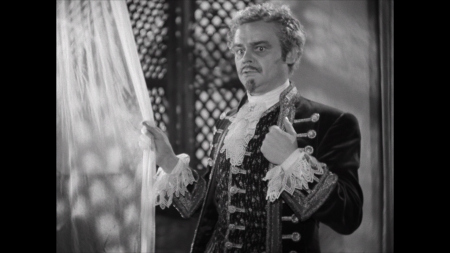
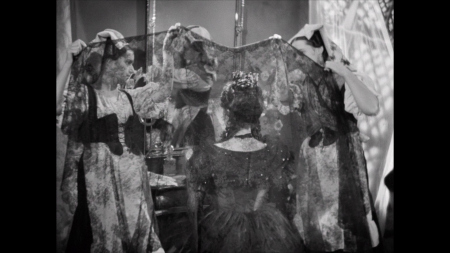
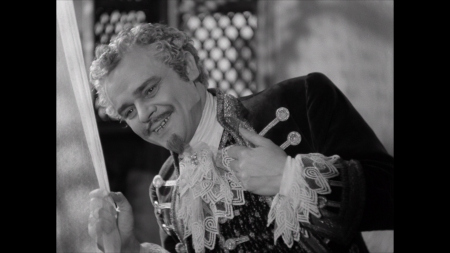
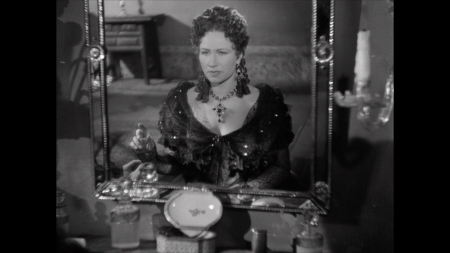
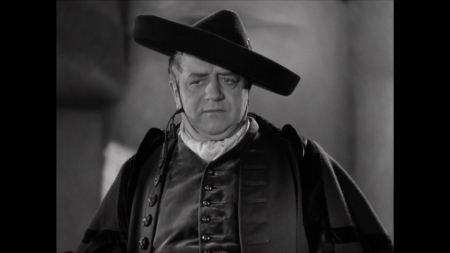
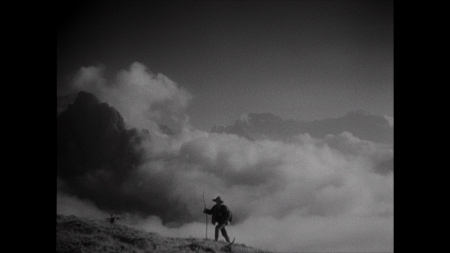
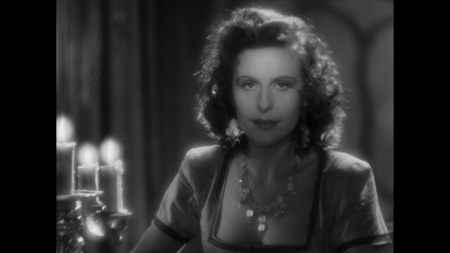
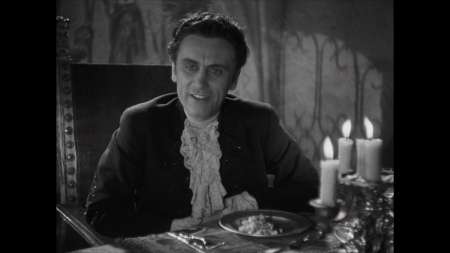
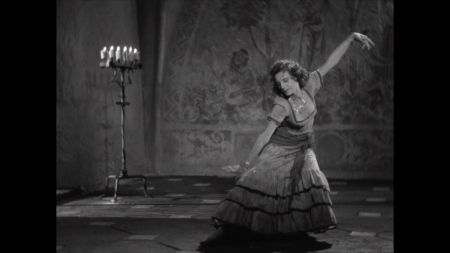
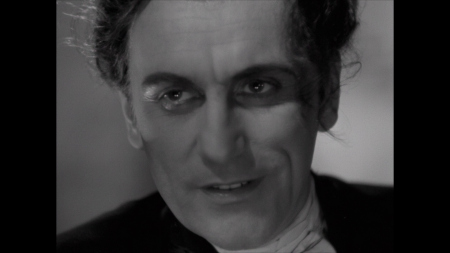
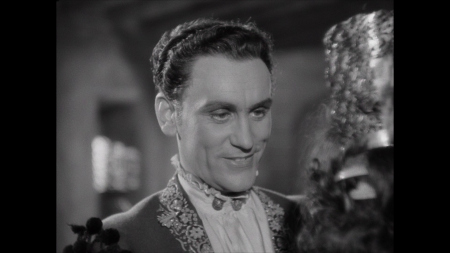
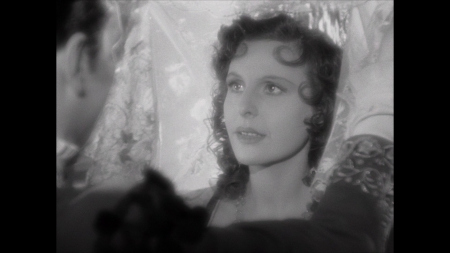
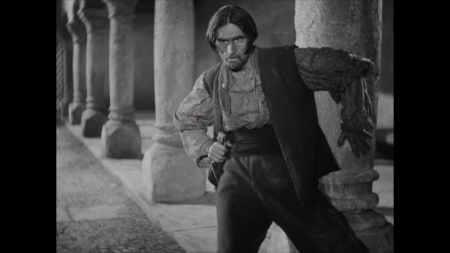
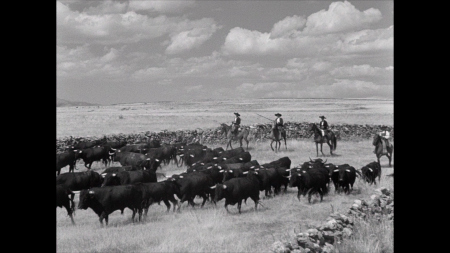
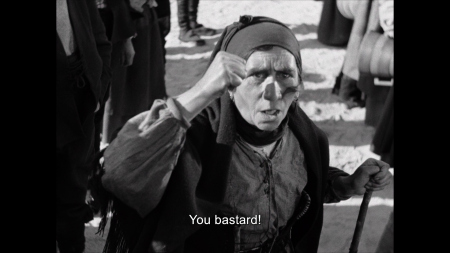
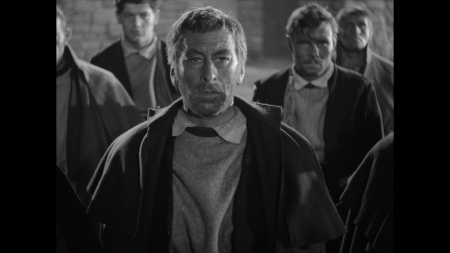
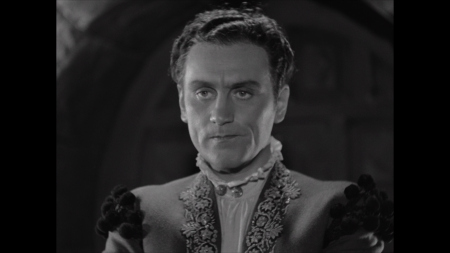
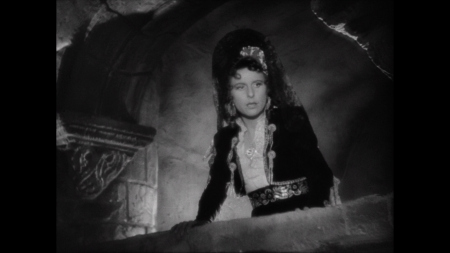
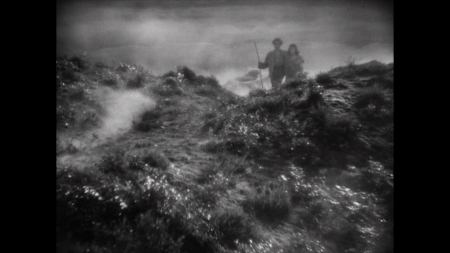
Tiefland is a deeply compromised film, a pastoral melodrama of mountain purity and lowland greed made by the Third Reich's most celebrated filmmaker while that regime was at war, and completed only after the footage spent years in Allied hands. Its story is creaky and its pacing uneven, but Bernhard Minetti's
(The
Kaiser of California) decadent Don Sebastian and Albert Benitz's (The
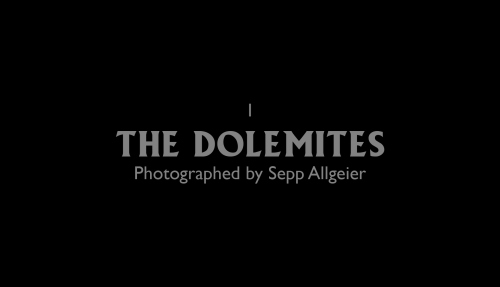
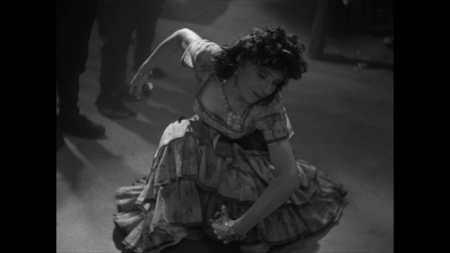
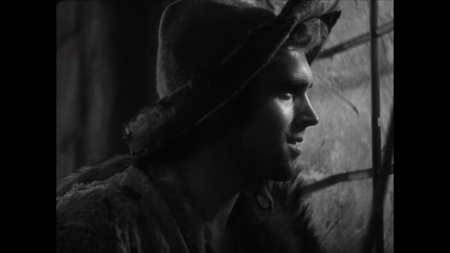
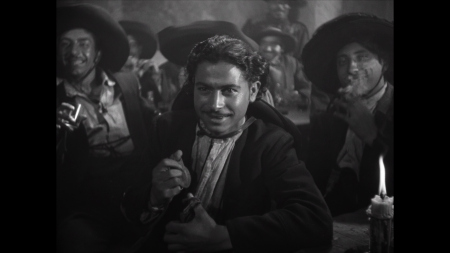
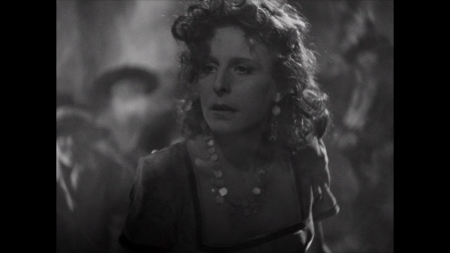
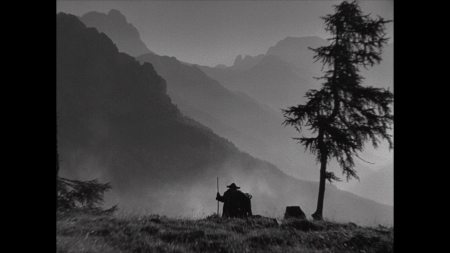
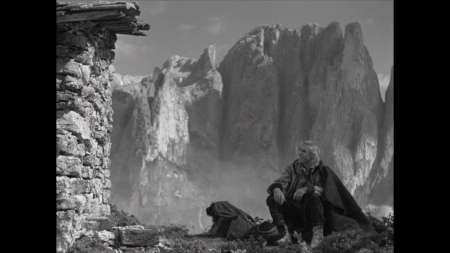
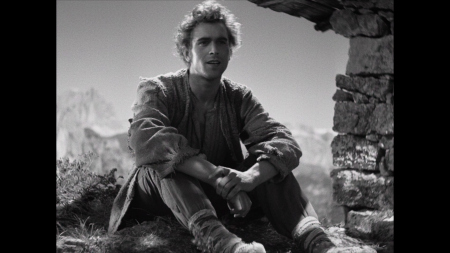
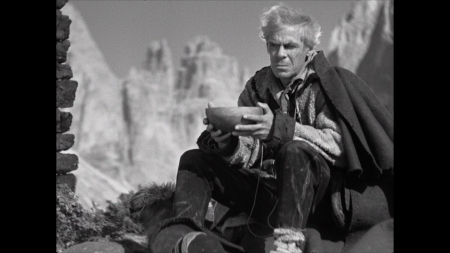
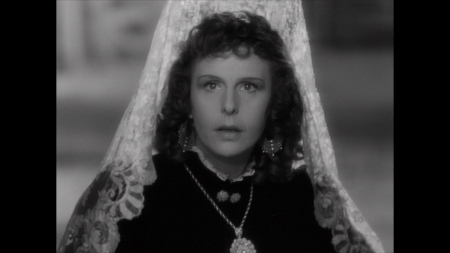
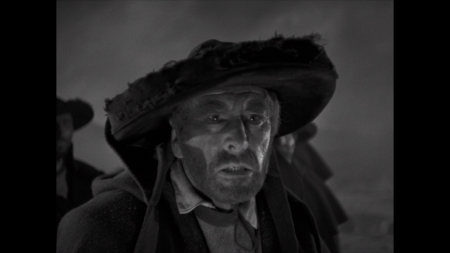
Holy Mountain,) cloud-wrapped Alpine photography still command attention, and Riefenstahl's dances carry the same fascination with movement that defined her documentaries. It also cannot be watched apart from the Sinti and Roma extras whose faces fill its village scenes, many of whom did not survive the war. Leni Riefenstahl, as star or director, also appears in |


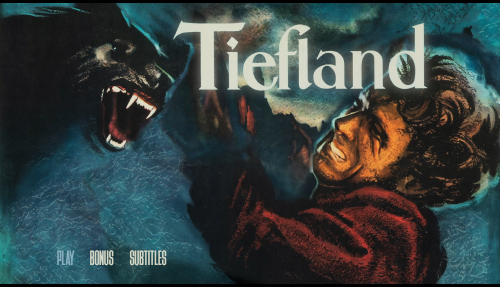
Menus / Extras
 |
 |
 |
 |
 |

CLICK EACH BLU-RAY CAPTURE TO SEE ALL IMAGES IN FULL 1920X1080 RESOLUTION
 |
 |
 |
 |
 |
 |
 |
 |
 |
 |
 |
More full resolution (1920 X 1080) Blu-ray Captures for DVDBeaver Patreon Supporters HERE
 |
 |
 |
 |
 |
 |
 |
 |
 |
 |
 |
 |
 |
 |
 |
 |
 |
 |
 |
 |
 |
 |
 |
 |
 |
 |
 |
 |
 |
 |
 |
 |
 |
 |
 |
 |
 |
 |
 |
 |
 |
 |
 |
 |
 |
 |
 |
 |
 |
 |
 |
 |
 |
 |
 |
 |
 |
 |
 |
 |
 |
 |
 |
 |
| Box Cover |
|
CLICK to order from:
BONUS CAPTURES:
|
| Distribution | Kino - Region 'A' - Blu-ray | |
|
Search DVDBeaver |
S E A R C H D V D B e a v e r |






















CLICK PayPal logo to donate!
|
Gary Tooze
|
|
Thank You!
