|
An
enormous, sincere thank you to our phenomenal
Patreon
supporters! Your unshakable dedication is the bedrock that keeps DVDBeaver
going - we’d be lost without you. Did you know? Our patrons include a
director, writer, editor, and producer with honors like Academy Awards for
Best Picture and Best Director, a Pulitzer Prize-winning screenwriter, and a
Golden Globe-winning filmmaker, to name a few! Sadly, DVDBeaver has reached a breaking point where our existence hangs in the balance. We’re now reaching out to YOU with a plea for help. Please consider pitching in just a few dollars a month - think of it as the price of a coffee or some spare change - to keep us bringing you in-depth reviews, current calendar updates, and detailed comparisons. I’m am indebted to your generosity!
|






|
Search DVDBeaver |
S E A R C H D V D B e a v e r |

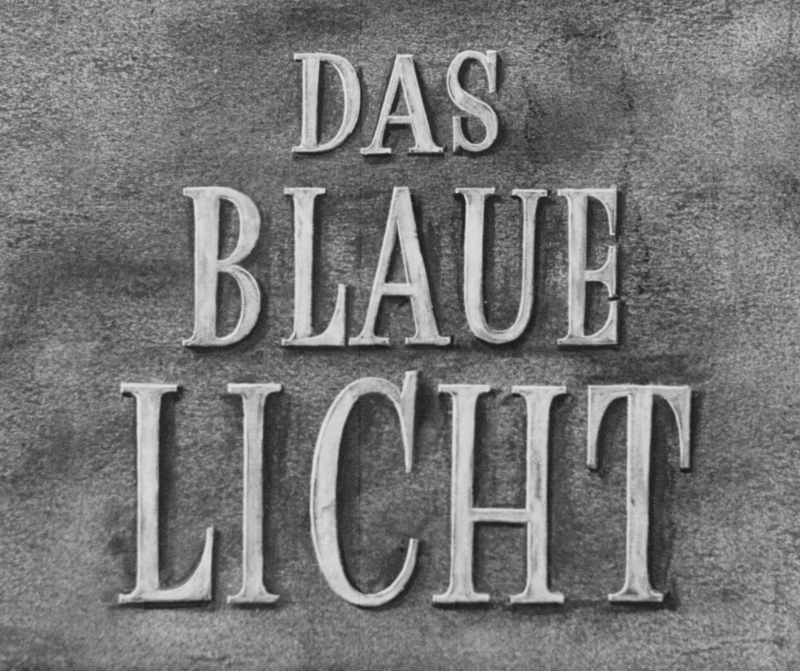
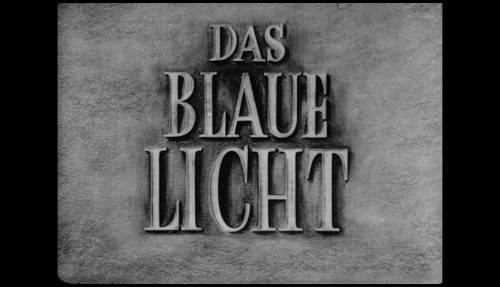
(aka "Das blaue Licht - Eine Berglegende aus den Dolomiten" or "The Blue Light")
Directed by Leni Riefenstahl
Germany 1932
|
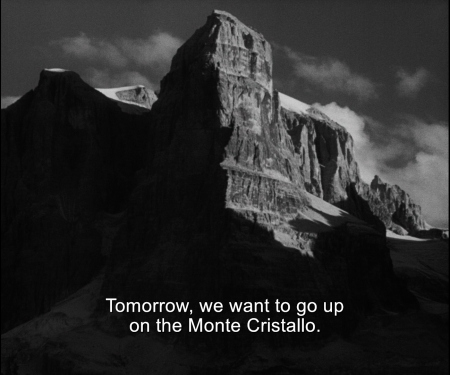
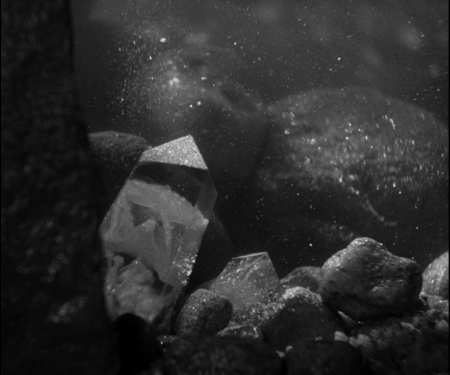
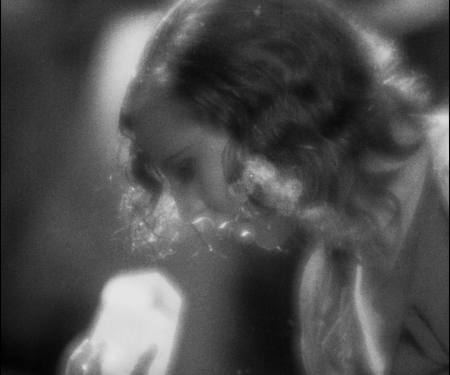
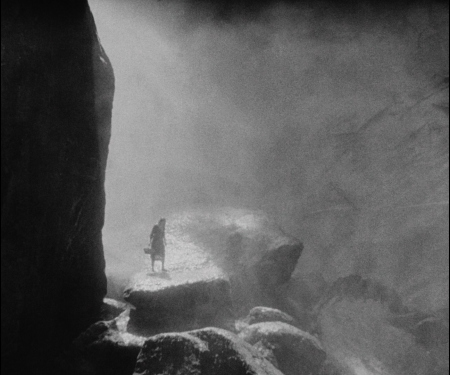
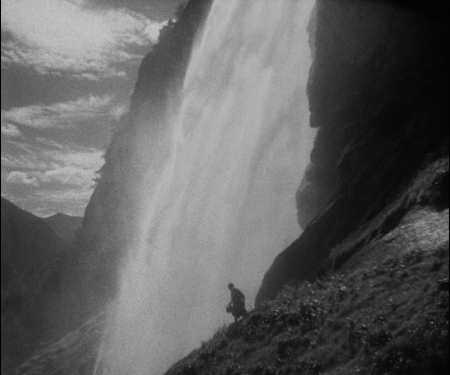
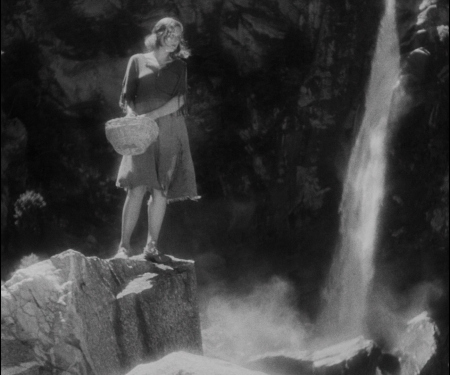
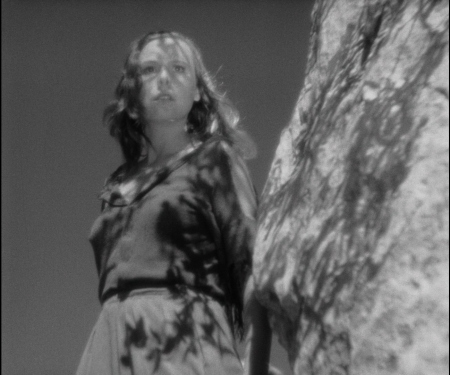
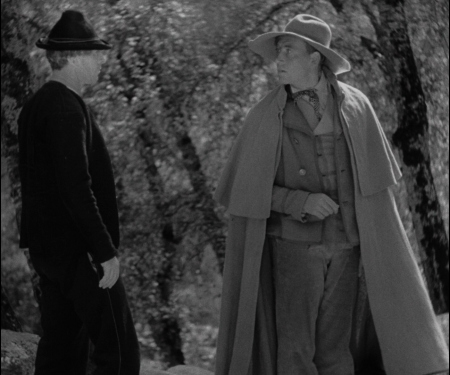
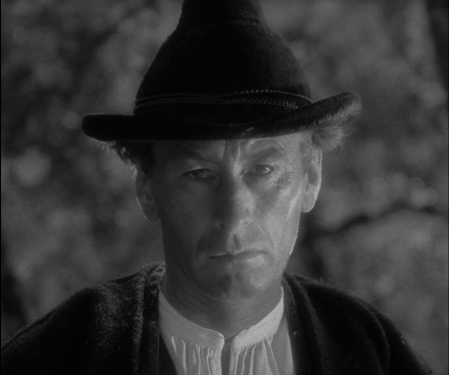
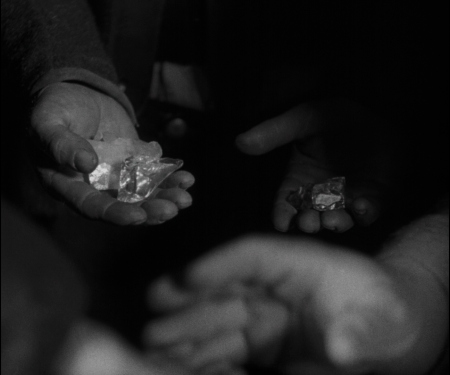
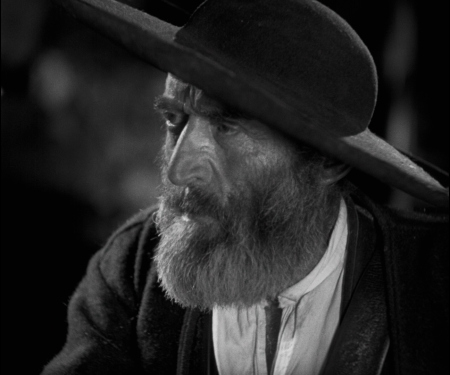
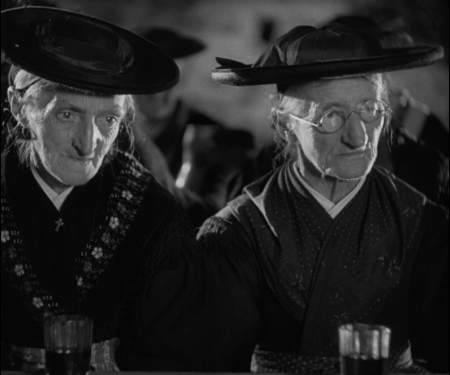
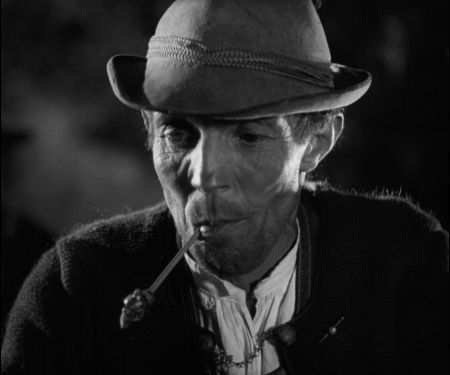
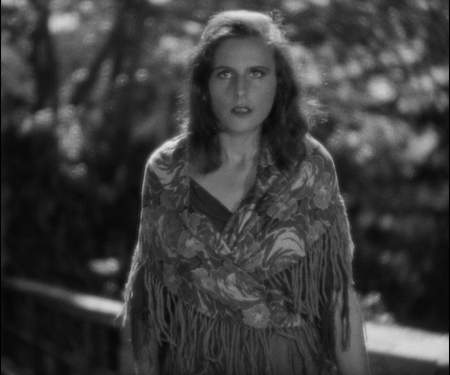
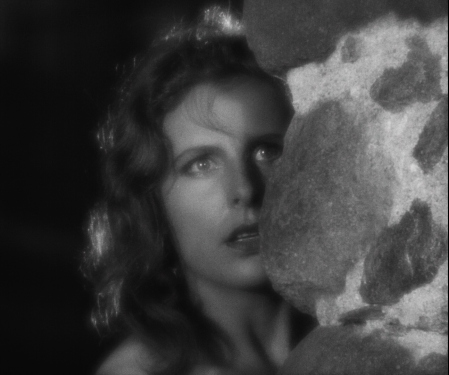
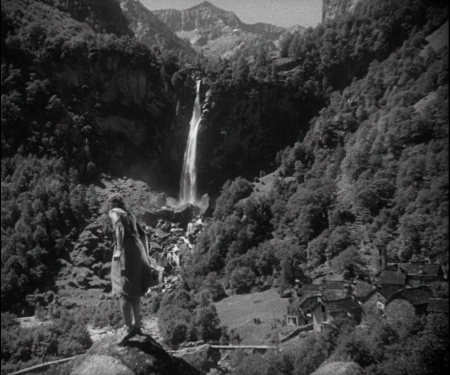
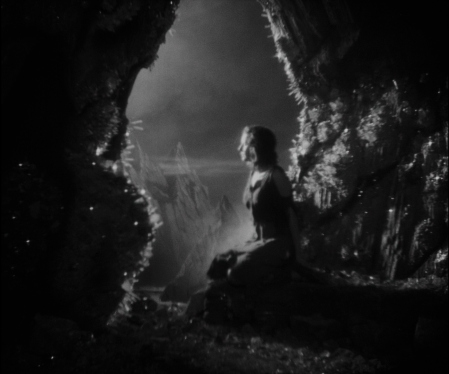
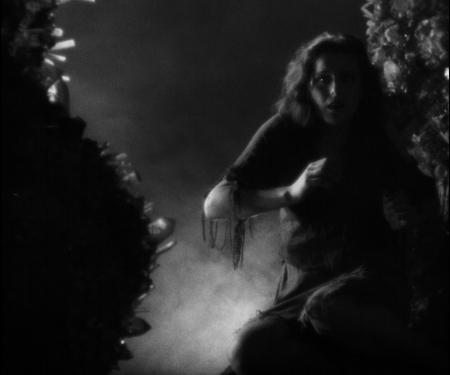
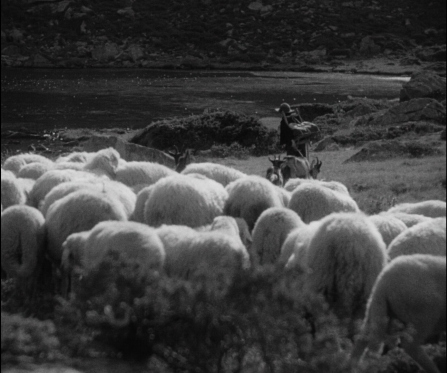
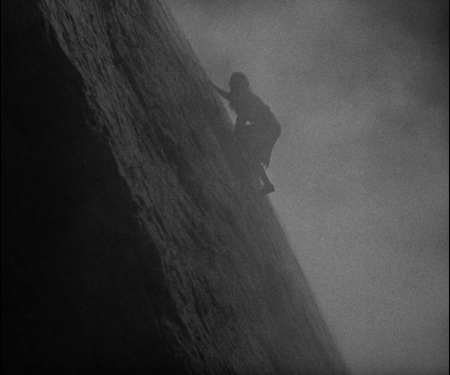
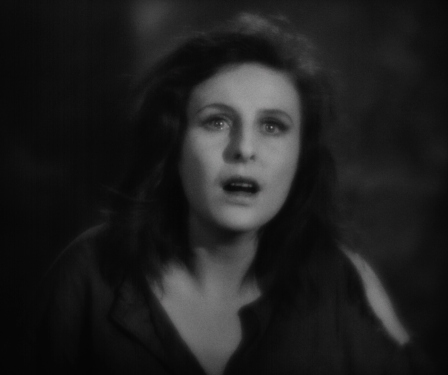
By the end of the silent era, Leni Riefenstahl had become an iconic German actress for her athletic performances in the mountain-climbing films of director Arnold Fanck. So it was only natural that, when making her directorial debut, she should return to the genre which had made her famous. In The Blue Light (Das blaue Licht), she plays Junta, an eccentric mountain girl whom the villagers believe to be a witch, since she and only she can reach the peak of the deadly Monte Cristallo, atop which is a cache of luminous gemstones. She befriends a painter (Mathias Wieman) and, beneath a full moon, leads him to the forbidden grotto, not realizing the tragic repercussions of having disturbed the ethereal crystals. Working with cinematographers Hans Schneeberger and Heinz von Jaworsky, Riefenstahl created a dazzling ode to the senses, a folk tale laced with magic and overshadowed by the formidable visual impact of the Dolomites. *** Leni Riefenstahl's The Blue Light (Das blaue Licht, 1932) is her directorial debut, a mystical mountain film in which she also stars as Junta, a wild, ethereal outcast living in the Italian Dolomites. Framed as a fairy tale told to modern tourists, the story follows the beautiful Junta, whom superstitious villagers brand a witch because she alone can safely scale the treacherous peaks to reach a shimmering blue light emanating from a hidden grotto of radiant crystals on full-moon nights—a secret that draws young men to their deaths in failed attempts to claim it. When a sympathetic visiting painter named Vigo befriends her and uncovers the crystals' existence, the villagers' greed leads to tragedy, destroying Junta's innocent harmony with nature.
|
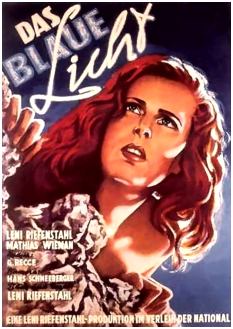
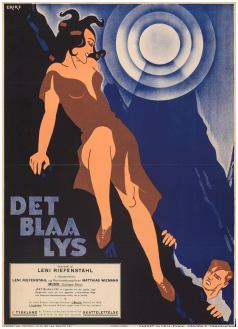
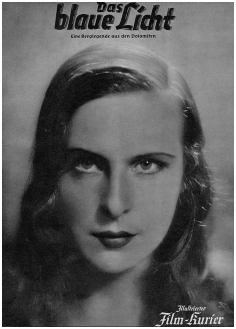
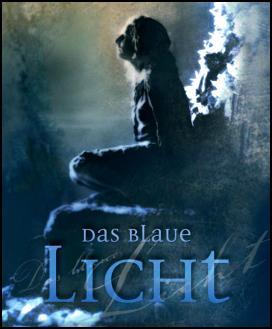
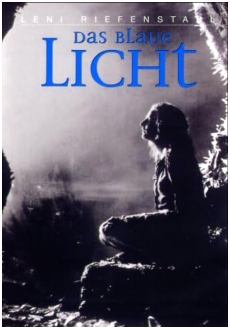
Posters
 |
 |
 |
 |
 |
 |
 |
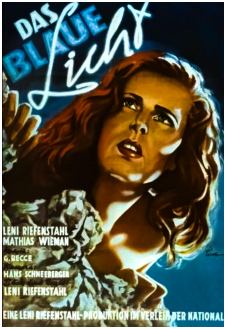 |
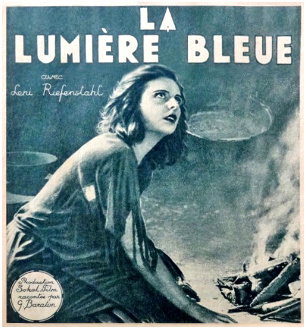 |
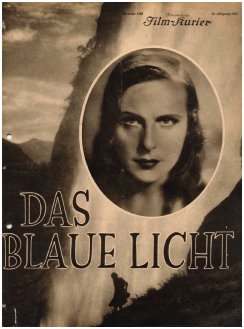 |
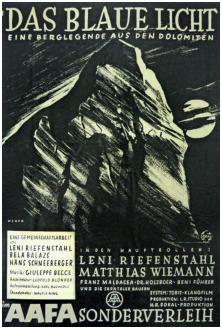 |
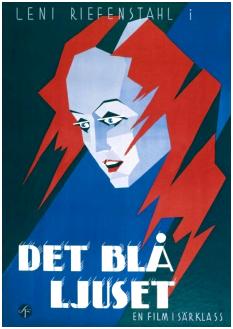 |
Theatrical Release: March 24th, 1932

Review: Kino - Region FREE - Blu-ray
| Box Cover |
|
CLICK to order from:
BONUS CAPTURES:
|
| Distribution | Kino - Region FREE - Blu-ray | |
| Runtime | 1:24:51.666 | |
| Video |
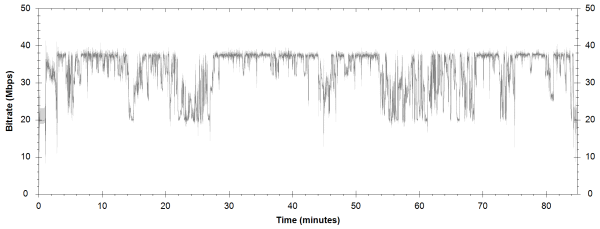
1.19 :1 1080P Single-layered Blu-rayDisc Size: 24,784,524,988 bytesFeature: 23,294,066,688 bytesVideo Bitrate: 32.97 MbpsCodec: MPEG-4 AVC Video |
|
|
NOTE: The Vertical axis represents the bits transferred per second. The Horizontal is the time in minutes. |
||
| Bitrate Blu-ray: |
|
|
| Audio |
DTS-HD Master
Audio German 1559 kbps 2.0 / 48 kHz / 1559 kbps / 24-bit (DTS Core: 2.0 / 48
kHz / 1509 kbps / 24-bit) Dolby Digital Audio English 192 kbps 2.0 / 48 kHz / 192 kbps / DN -31dB |
|
| Subtitles | English, None | |
| Features |
Release Information: Studio: Kino
1.19 :1 1080P Single-layered Blu-rayDisc Size: 24,784,524,988 bytesFeature: 23,294,066,688 bytesVideo Bitrate: 32.97 MbpsCodec: MPEG-4 AVC Video
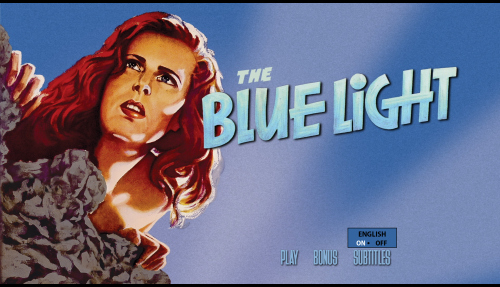
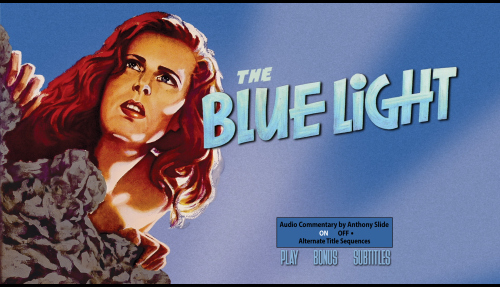
Edition Details: • Audio Commentary by Film Historian Anthony Slide • Alternate Title Sequence (5:57)
Standard Blu-ray Case Chapters 8 |
|
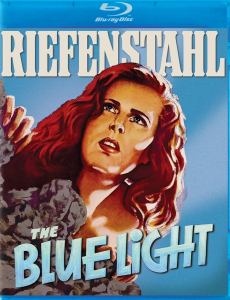



| Comments: |
NOTE:
The below
Blu-ray
captures were taken directly from the
Blu-ray
disc.
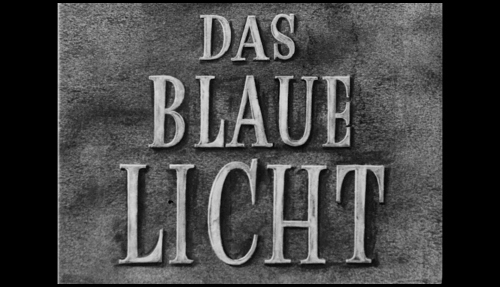
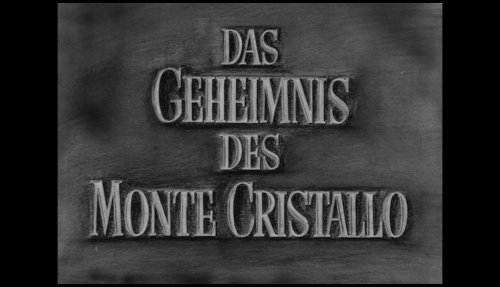
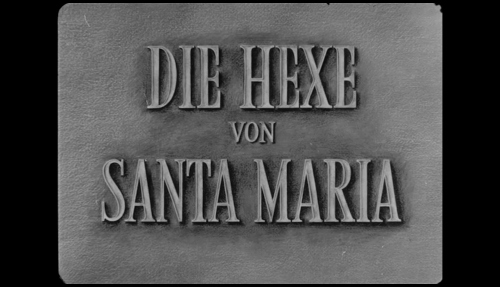
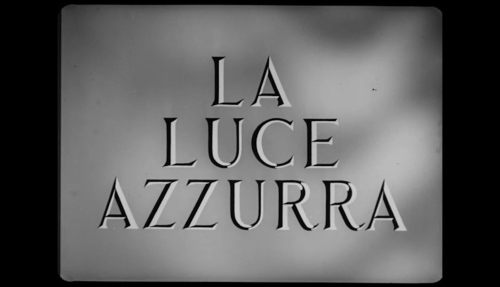
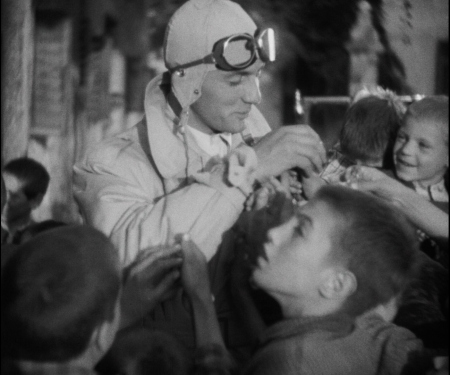
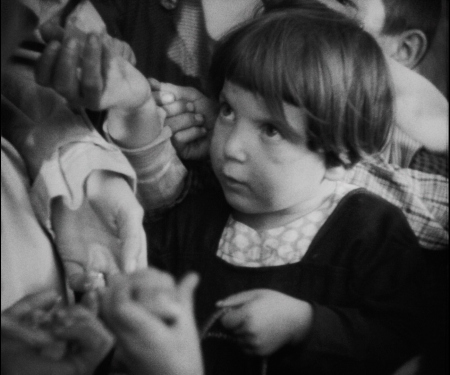
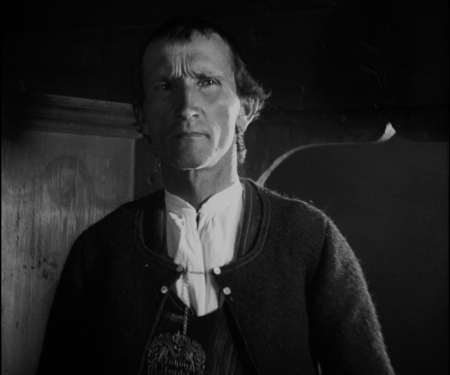
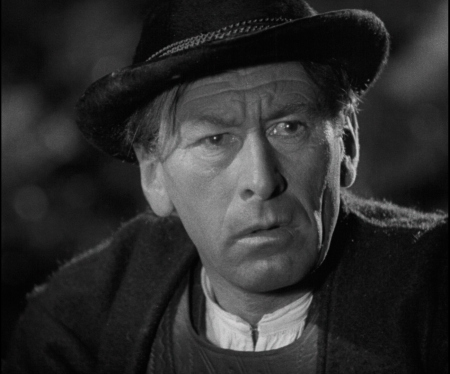
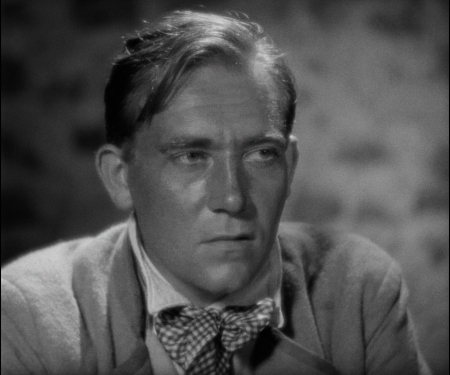
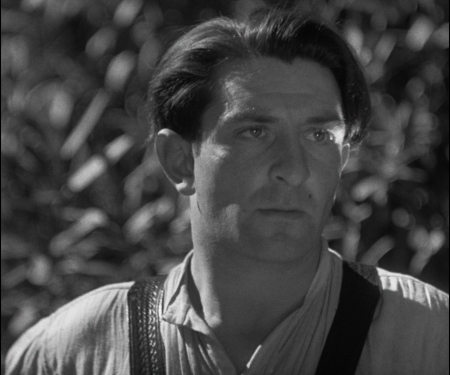
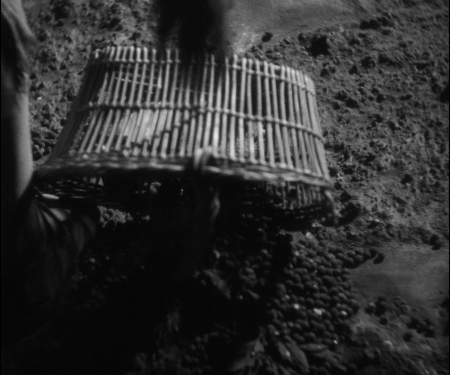
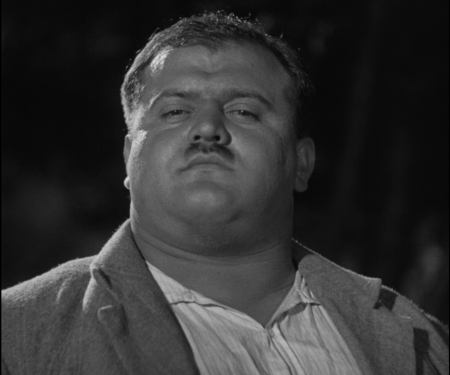
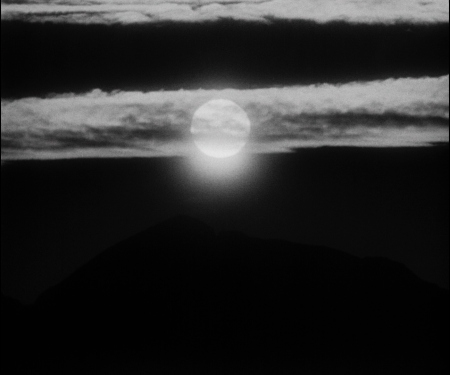
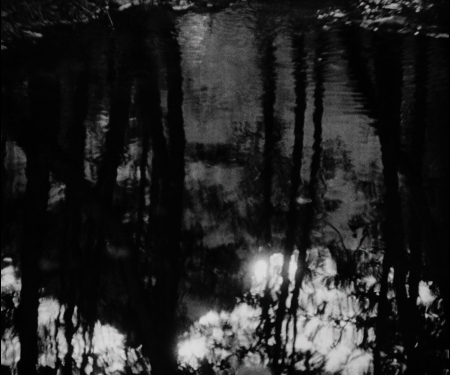
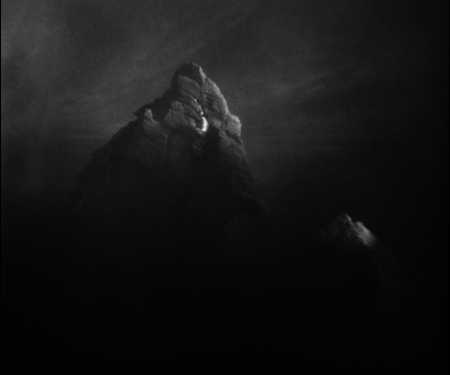
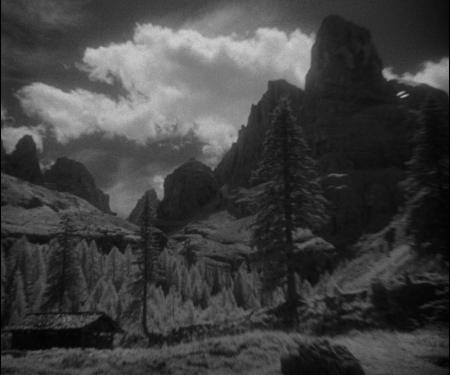
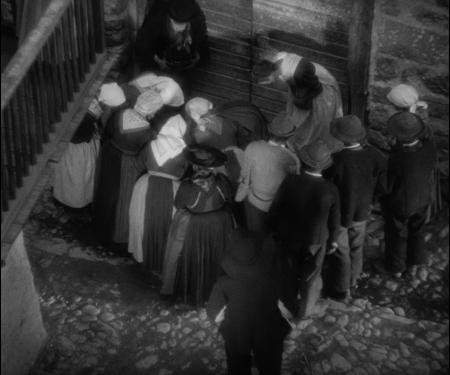
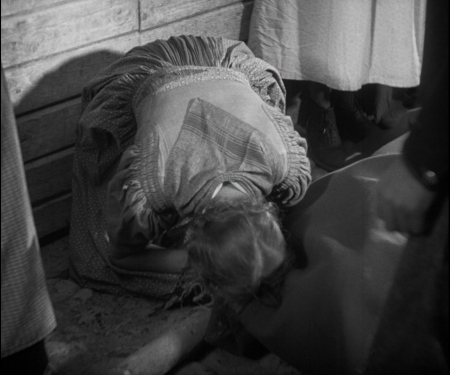
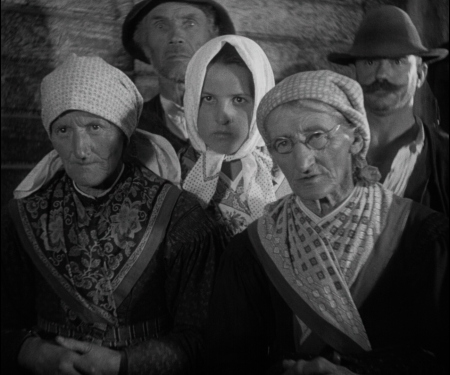
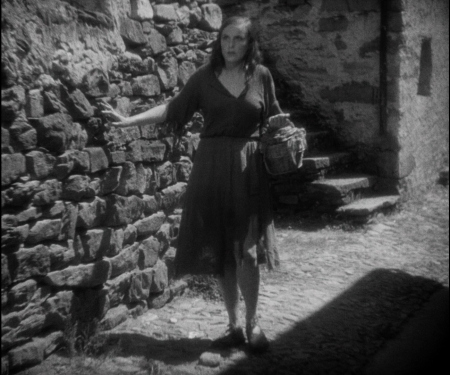
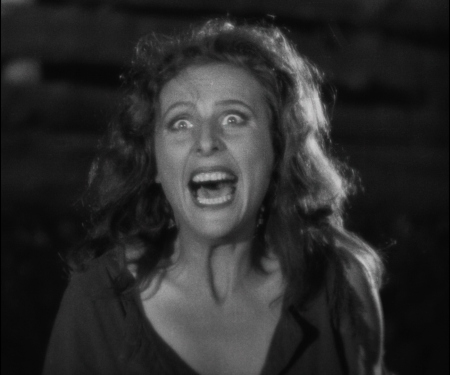
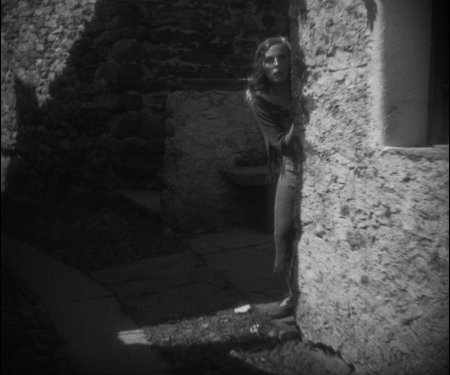
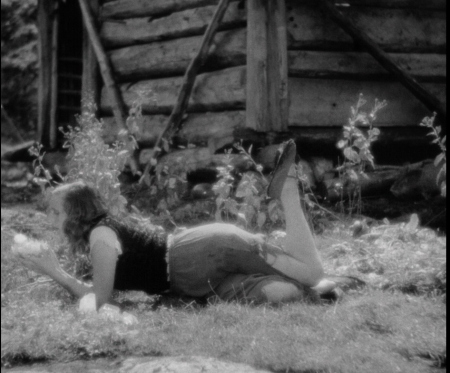
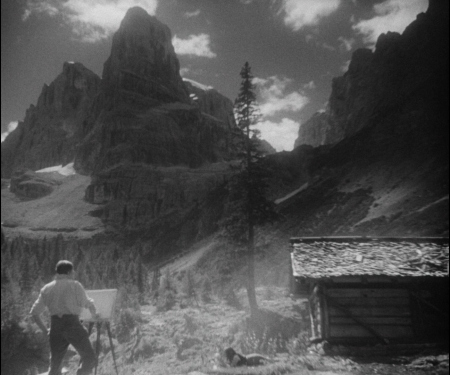
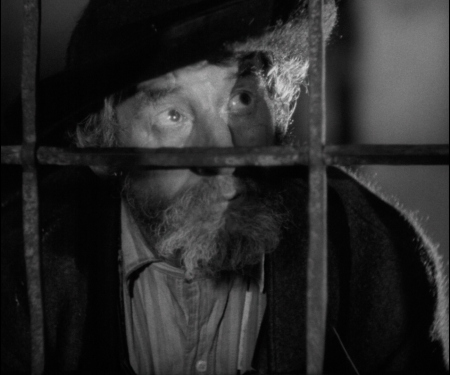
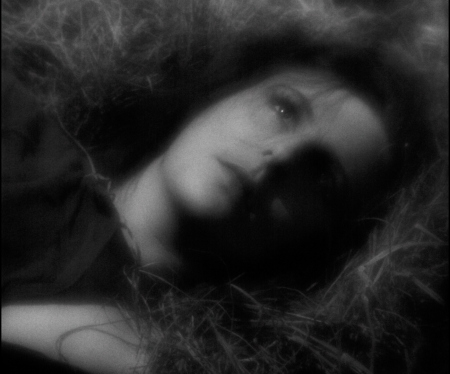
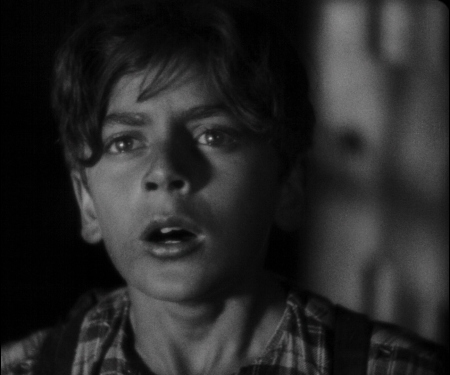
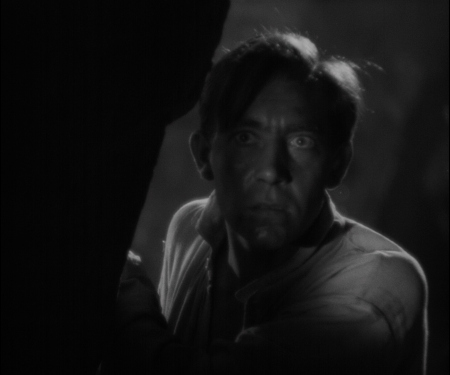
"Leni Riefenstahl’s first directorial effort, The Blue Light (Das blaue Licht, Eine Berglegende aus den Dolomiten) premiered in Berlin in 1932 and was a popular and critical success. In 1938, the film was re-released in cinemas with alternate opening credits. The name of the Jewish screenwriter, Béla Balázs, had been removed. Riefenstahl regained control of her films in 1951, and released The Blue Light a third time, in 1952, completely re-edited, significantly shortened, and with a new soundtrack. This time, all the artists were properly named in the opening credits. A nitrate print of the 1932 premiere version was preserved in Riefenstahl’s personal archive until the end of 2017. The missing original opening credits with the accompanying title music were also located. These elements were the basis of this 2K restoration."
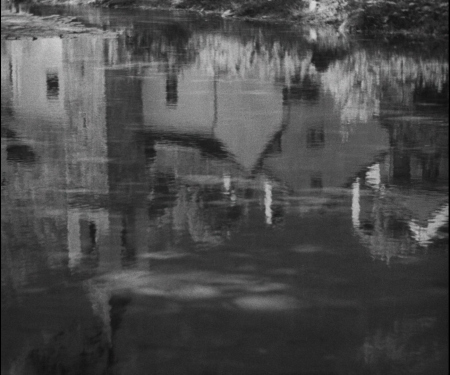
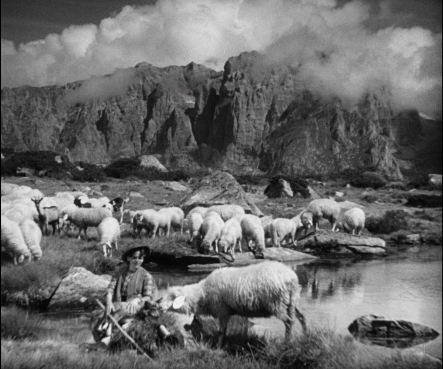
Kino Lorber’s Blu-ray of
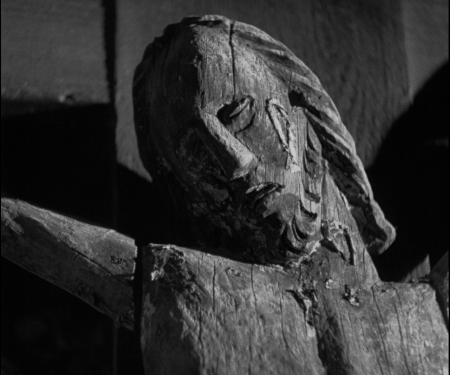
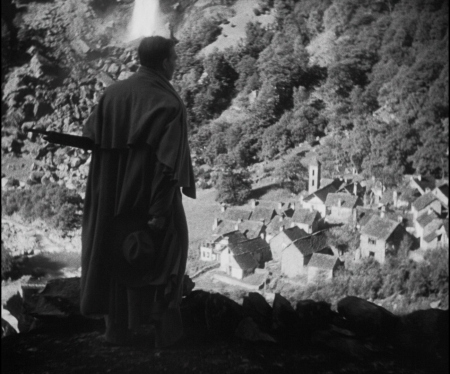
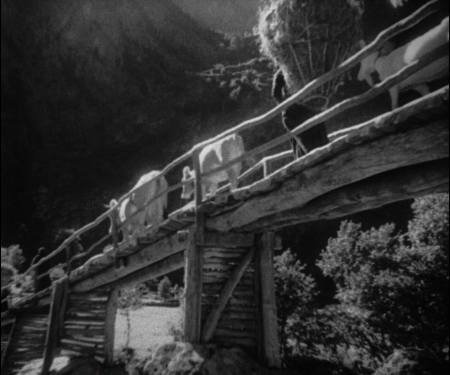
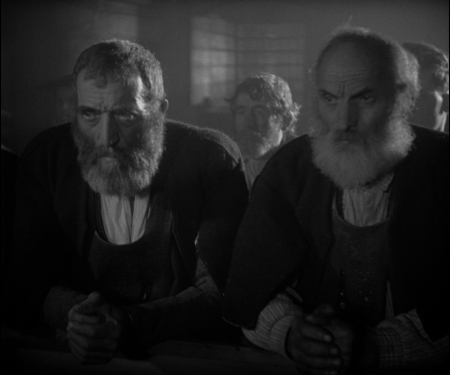
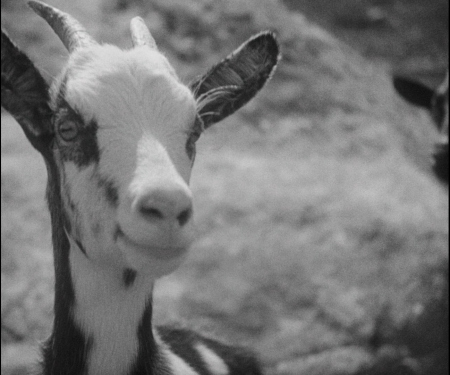
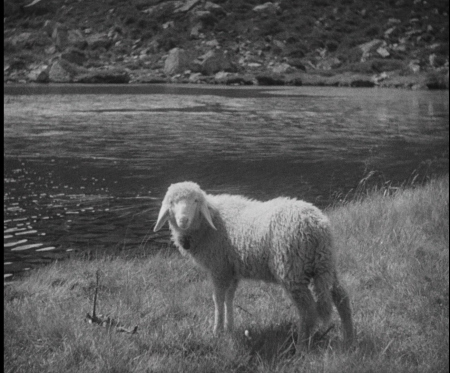
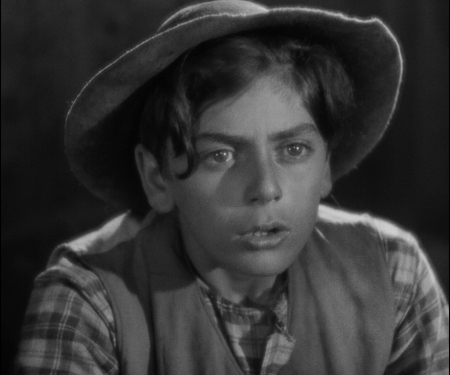
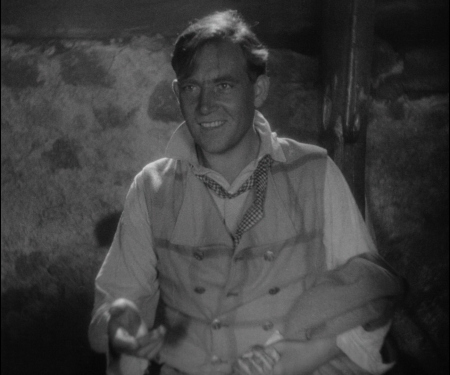
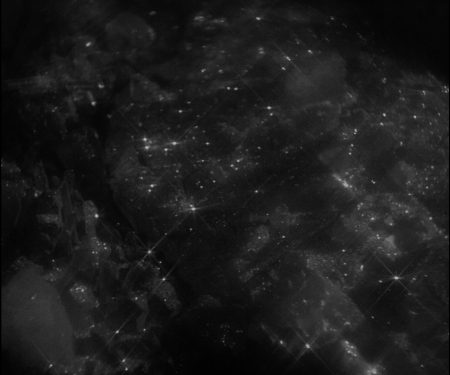
The Blue Light presents the 1932 premiere version in a new 2K
restoration derived from a preserved nitrate print held in Riefenstahl’s
personal archive until late 2017, supplemented by the rediscovered original
opening credits and accompanying title music. The high-definition 1080P
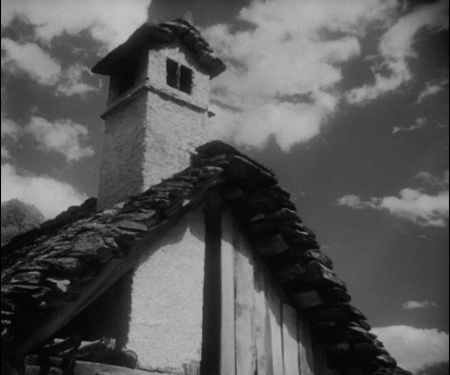
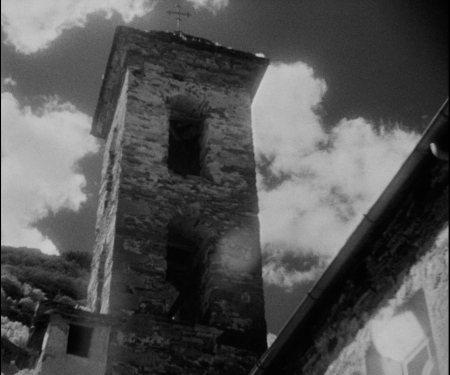
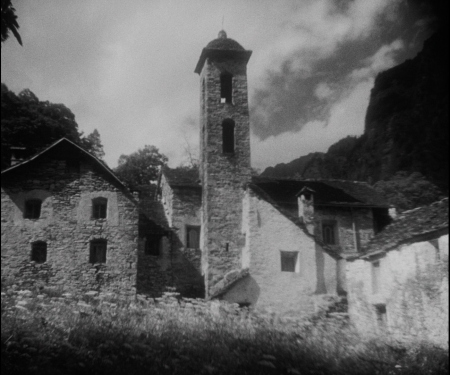
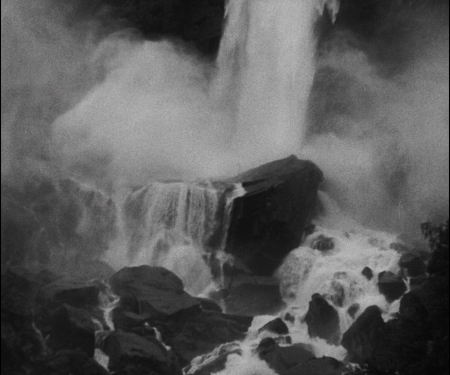
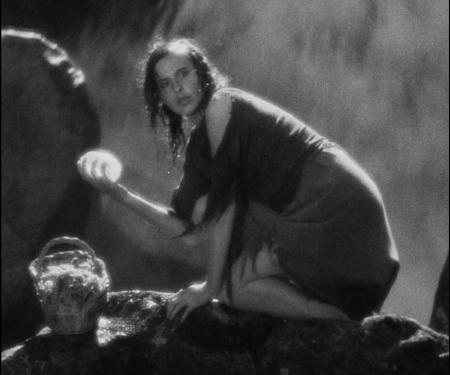
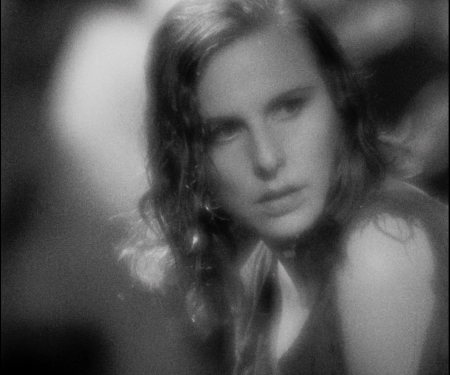
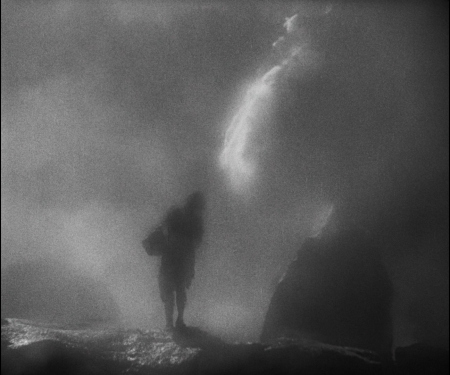
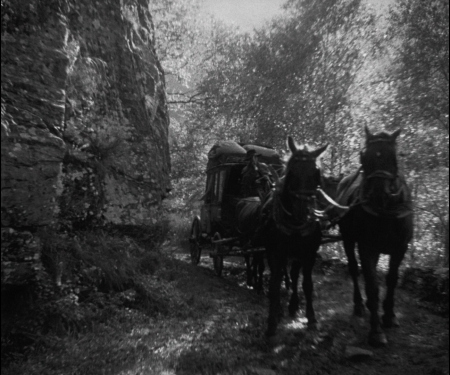
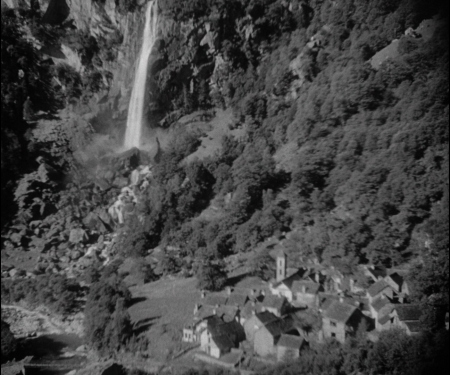
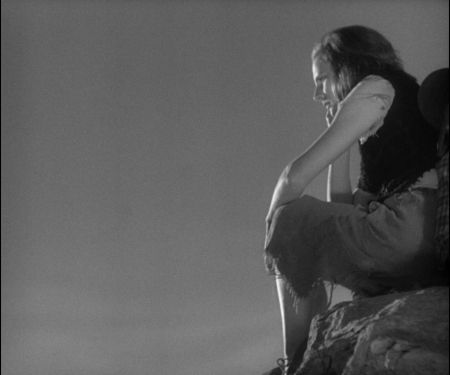
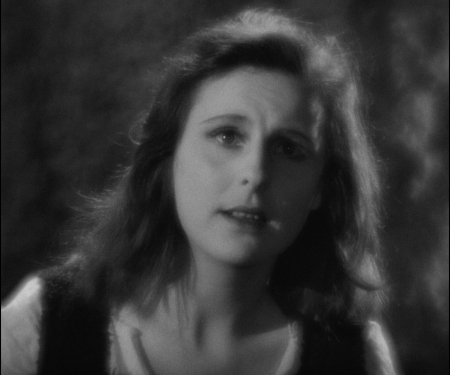
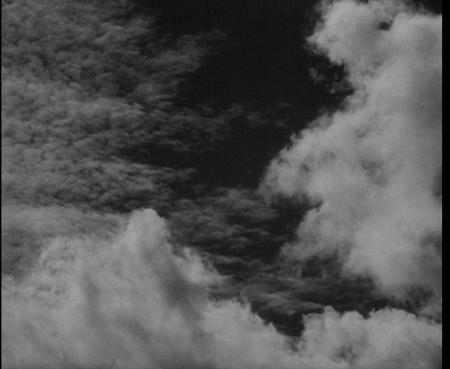
transfer beautifully revives the film’s pioneering visual poetry: the
dramatic alpine landscapes gain depth and texture, with inky black skies,
shimmering crystalline glows, and the ethereal play of light and shadow on
Junta’s form rendered with impressive clarity and contrast for a film of
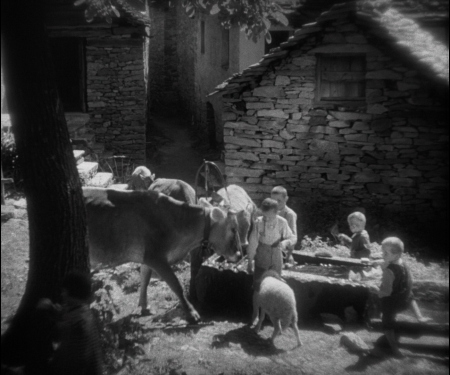
this age. Grain is natural and film-like, daytime mountain sequences show
excellent detail in rock faces and foliage, while nocturnal and mystical
scenes retain their hypnotic, otherworldly quality without excessive digital
scrubbing. Minor limitations from the source material - occasional softness
or density fluctuations typical of early 1930s location shooting - remain,
but overall the restoration honors the film’s painterly, almost dreamlike
cinematography far better than any prior home video release. Visually, the
film is a triumph of poetic cinematography and technical innovation.
NOTE: We have added 74 more large
resolution Blu-ray captures (in lossless
PNG format) for DVDBeaver Patrons
HERE
On their
Blu-ray,
Kino use a DTS-HD Master dual-mono track (24-bit) in the original German
language. It is presented in a clean, lossless format that respects the
transitional early-sound era limitations. Giuseppe Becce’s (Counsellor
at Law, The
Kaiser of California,
Tartuffe,
The Last Laugh,
The Cabinet of Dr. Caligari,) romantic orchestral score sounds
full and supportive, enhancing the sweeping mountain vistas and
emotional peaks without overpowering the sparse dialogue or ambient
elements. The restored original title music accompanying the newly
located opening credits adds an authentic period touch. While the track
cannot compete with modern dynamic range - dialogue is sometimes thin
and effects minimal - the audio remains clear, well-balanced, and free
of major hiss or distortion, allowing the film’s visual storytelling to
remain dominant while the music provides essential atmospheric lift.
Kino offer optional English subtitles on their Region FREE
Blu-ray.
The Kino
Blu-ray
offers extras that are lean but targeted: a newly recorded audio
commentary by film historian Anthony Slide
(Hollywood
Unknowns: A History of Extras, Bit Players, and Stand-Ins)
provides informed context on Riefenstahl’s debut as director, the
mountain film genre, production challenges, and the work’s place in her
career. Also included is 6-miniutes of 'Alternate Title Sequences',
which showcases the 1938 re-release version with the removal of
co-writer Béla Balázs’s name (due to his Jewish heritage) alongside a
comparison or presentation of the restored 1932 credits. These extras,
combined with the restoration text on the packaging, underscore the
disc’s focus on historical accuracy and textual integrity.
Leni Riefenstahl's The Blue Light
stands as her feature directorial debut, a pioneering mountain film (Bergfilm)
that she also produced, starred in as the lead, co-wrote (with Béla
Balázs, plus uncredited input from Carl Mayer,) and edited herself -
marking a bold transition from her acting roles in Arnold Fanck's alpine
dramas to auteurial control. Riefenstahl's self-aggrandizing performance
- showcasing her real climbing prowess in manipulated yet awe-inspiring
sequences - drew acclaim for its mythic quality, though the work's
legacy remains inextricably shadowed by her subsequent Nazi-era
documentaries like Triumph of the Will. Postwar, it is often analyzed as
a bridge between Weimar romanticism and fascist visual rhetoric, its
emphasis on disciplined bodies, elemental forces, and visual ecstasy
anticipating her propaganda techniques while retaining a pre-ideological
purity. Ultimately, The Blue Light endures not as political tract
but as a hypnotic ode to nature's fragile majesty, where Riefenstahl's
pioneering eye for composition and light reveals her genius for
spectacle - beauty that, like the crystals themselves, proves both
enchanting and perilously double-edged. Thematically, The Blue Light
operates as a cautionary romantic allegory on the collision between
primal purity and corrosive modernity: Junta embodies an innocent,
almost pagan communion with nature's untamed beauty, her solitary climbs
a dance of spiritual ecstasy rather than conquest. Framed as a
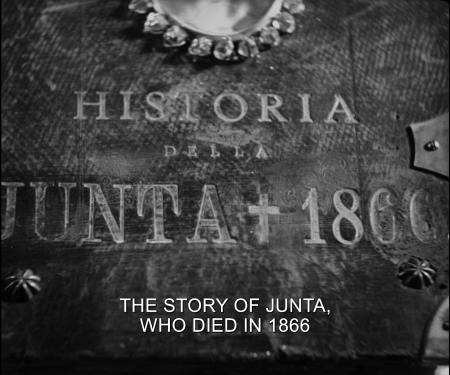
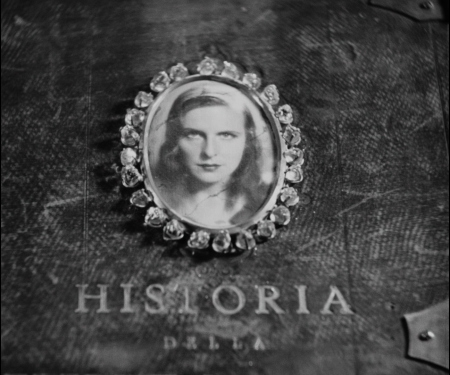
fairy-tale legend recounted from a leather-bound book to modern tourists
arriving by car at a Dolomites inn in the village of Santa Maria, the
story unfolds in 1866 as the tale of Junta, a wild, ethereal outcast who
lives in rustic harmony high in the mountains with only a young goatherd
companion. A text screen at the end states: "Leni Riefenstahl died in 2003, at the age of 101. The artist’s estate was donated in its entirety to the Prussian Cultural Heritage Foundation by her longtime collaborator and sole heir, Gisela Jahn." |

Menus / Extras
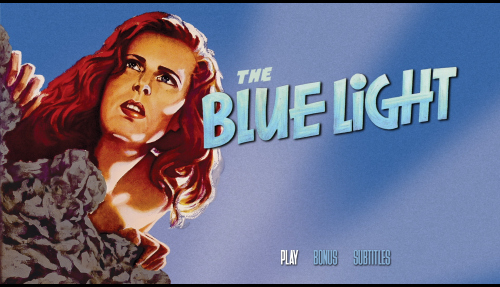 |
 |
 |
 |
 |
 |
 |
 |
 |

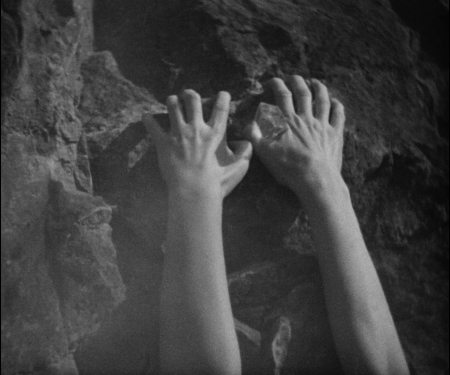
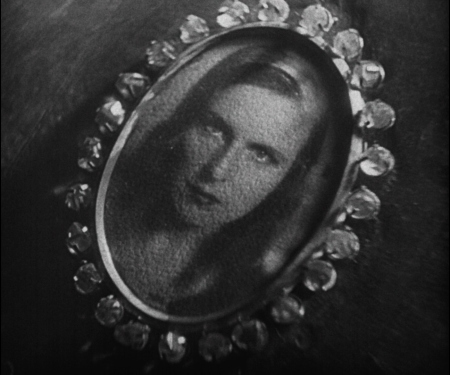
CLICK EACH BLU-RAY CAPTURE TO SEE ALL IMAGES IN FULL 1920X1080 RESOLUTION
 |
 |
 |
 |
 |
 |
 |
 |
 |
 |
More full resolution (1920 X 1080) Blu-ray Captures for DVDBeaver Patreon Supporters HERE
 |
 |
 |
 |
 |
 |
 |
 |
 |
 |
 |
 |
 |
 |
 |
 |
 |
 |
 |
 |
 |
 |
 |
 |
 |
 |
 |
 |
 |
 |
 |
 |
 |
 |
 |
 |
 |
 |
 |
 |
 |
 |
 |
 |
 |
 |
 |
 |
 |
 |
 |
 |
 |
 |
 |
 |
 |
 |
 |
 |
 |
 |
 |
 |
 |
 |
 |
 |
 |
 |
 |
 |
 |
 |
| Box Cover |
|
CLICK to order from:
BONUS CAPTURES:
|
| Distribution | Kino - Region FREE - Blu-ray | |
|
Search DVDBeaver |
S E A R C H D V D B e a v e r |















CLICK PayPal logo to donate!
|
Gary Tooze
|
|
Thank You!
