|
An
enormous, sincere thank you to our phenomenal
Patreon
supporters! Your unshakable dedication is the bedrock that keeps DVDBeaver
going - we’d be lost without you. Did you know? Our patrons include a
director, writer, editor, and producer with honors like Academy Awards for
Best Picture and Best Director, a Pulitzer Prize-winning screenwriter, and a
Golden Globe-winning filmmaker, to name a few! Sadly, DVDBeaver has reached a breaking point where our existence hangs in the balance. We’re now reaching out to YOU with a plea for help. Please consider pitching in just a few dollars a month - think of it as the price of a coffee or some spare change - to keep us bringing you in-depth reviews, current calendar updates, and detailed comparisons. I’m am indebted to your generosity!
|






|
Search DVDBeaver |
S E A R C H D V D B e a v e r |

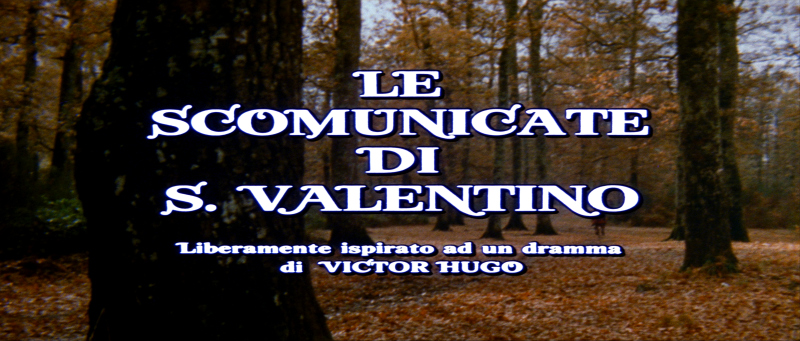
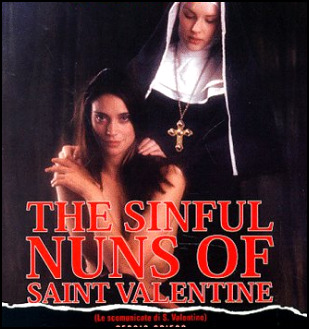
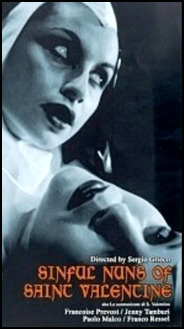
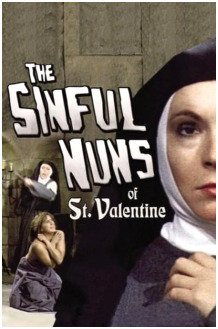
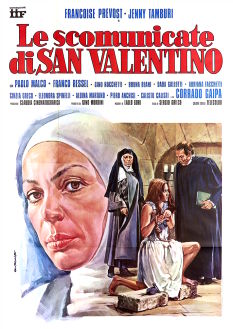
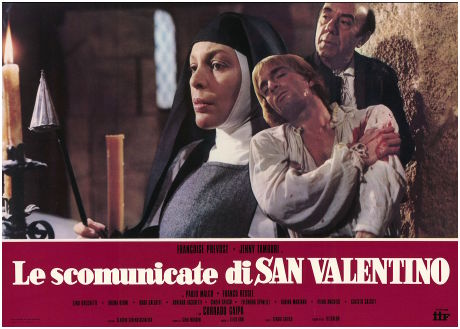
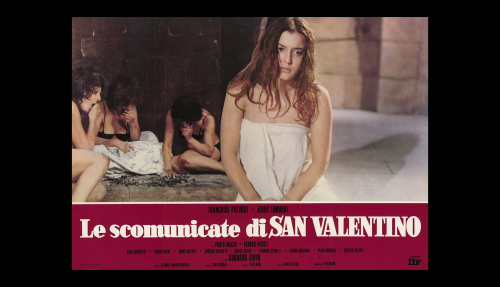
(aka "Le scomunicate di San Valentino" or "The Sinful Nuns of Saint Valentine")
Directed by Sergio Grieco
Italy 1974
|
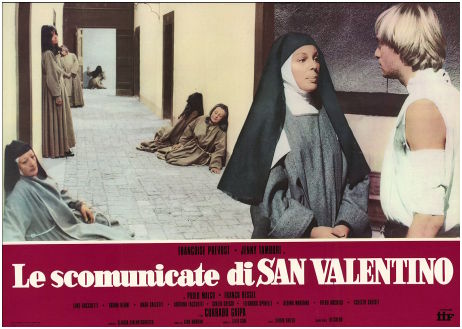
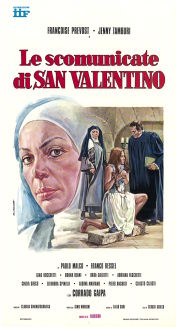
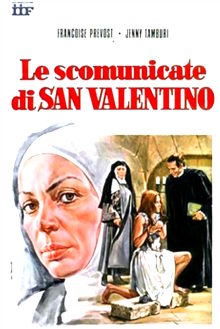
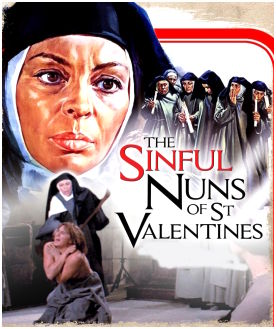
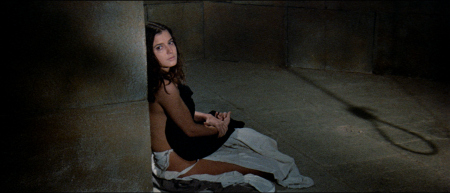
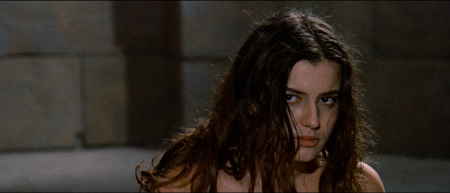
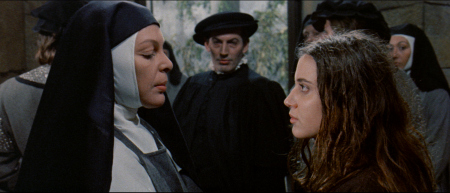
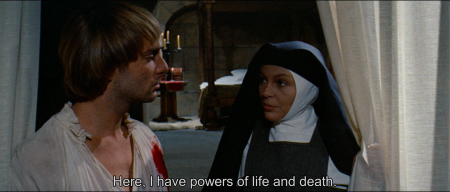
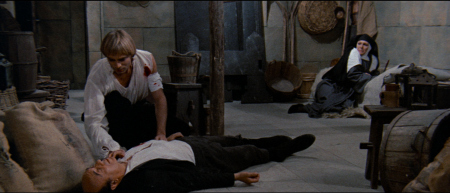
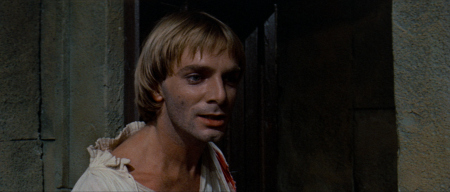
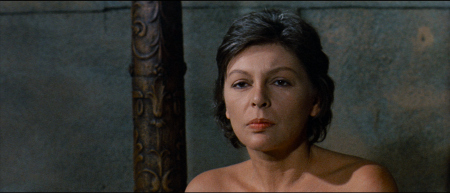
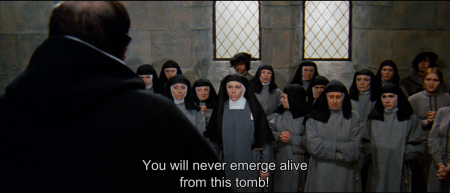
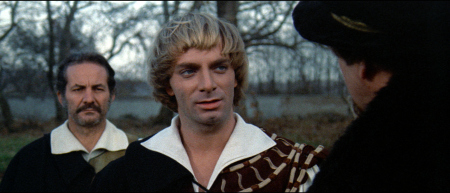
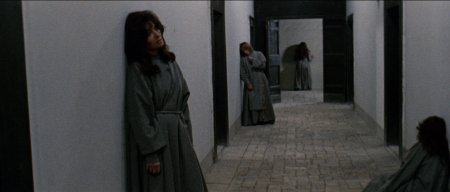
Sergio Grieco’s The Sinful Nuns of Saint Valentine (Le scomunicate di San Valentino, 1974) is a period-set entry in the Italian “nunsploitation” cycle of the 1970s. It mixes the subgenre’s expected ingredients (cloistered sexuality, sadistic punishment, a corrupt abbess) with a costume melodrama of star-crossed lovers and a fairly pointed attack on Inquisition-era hypocrisy. Grieco, a veteran journeyman who often worked under the name Terence Hathaway (Mad Dog Killer,) co-wrote the script from a story loosely inspired by a Victor Hugo drama. The cast is led by Françoise Prévost (Paris Belongs to Us, Spirits of the Dead, The Murder Clinic) as the abbess, Jenny Tamburi (The Suspicious Death of a Minor, Smile Before Death, Women in Cell Block 7) as the young novice Lucita, and Paolo Malco (The New York Ripper, The House by the Cemetery, Murder-Rock) as her lover Esteban. They are supported by Franco Ressel (Blood and Black Lace, Sabata) as Lucita’s scheming father and Corrado Gaipa (The Godfather, Lucky Luciano, Illustrious Corpses) as the inquisitor. The cinematographer is Emore Galeassi and the score is by Coriolano Gori (Massacre Time, Werewolf Woman.) |
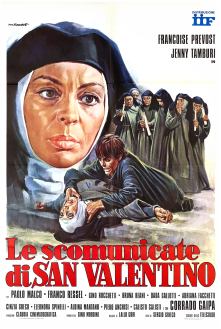
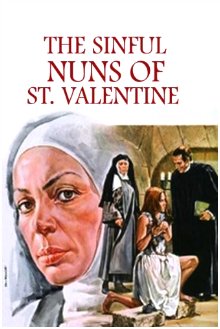
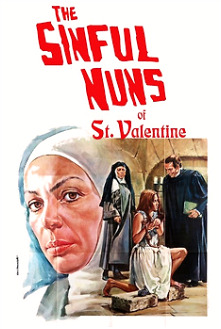
Posters
 |
 |
 |
 |
 |
 |
 |
 |
 |
 |
 |
 |
Theatrical Release: March 26th, 1974

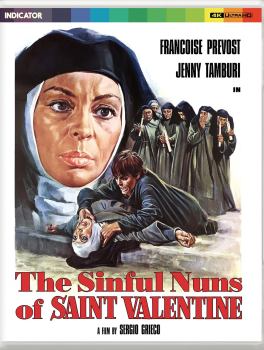
Review: Indicator - Region FREE - 4K UHD
| Box Cover |
|
CLICK to order from: 4K UHD
Also available on Blu-ray from Indicator:
BONUS CAPTURES:
|
| Distribution | Indicator - Region FREE - 4K UHD | |
| Runtime |
1:33:19.343 |
|
| Video |
2.35:1 2160P
4K UHD |
|
|
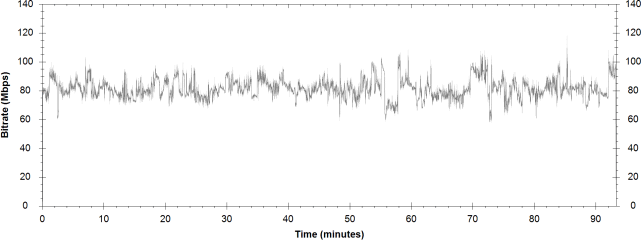
NOTE: The Vertical axis represents the bits transferred per second. The Horizontal is the time in minutes. |
||
| Bitrate 4K UHD: |
|
|
| Audio |
DTS-HD Master
Audio Italian 1147 kbps 2.0 / 48 kHz / 1147 kbps / 24-bit (DTS Core: 2.0 /
48 kHz / 768 kbps / 24-bit) Dolby Digital Audio English 192 kbps 2.0 / 48 kHz / 192 kbps / DN -30dB |
|
| Subtitles | English, None | |
| Features |
Release Information: Studio: Indicator
2.35:1 2160P
4K UHD
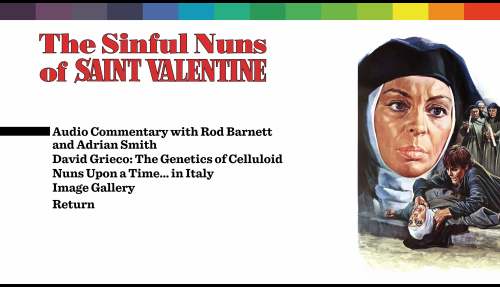
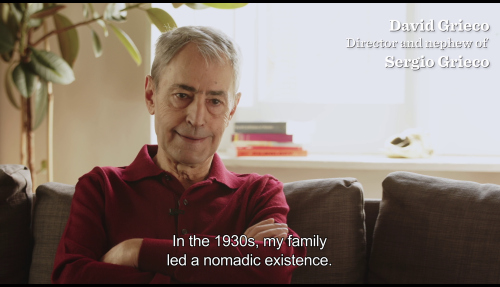
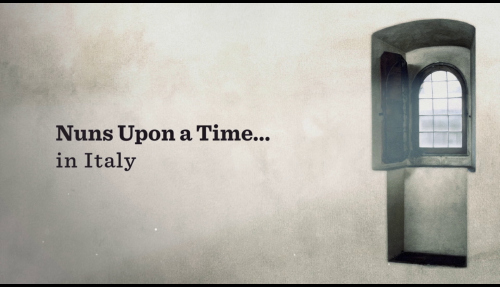
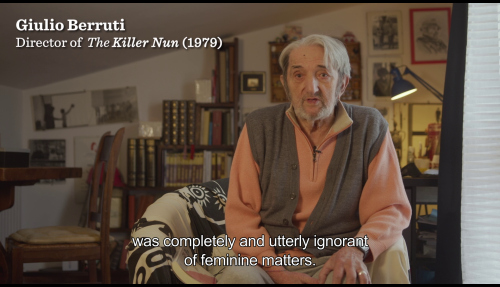
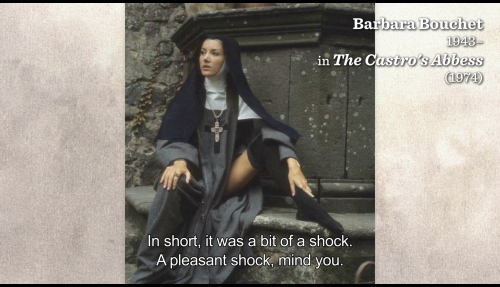
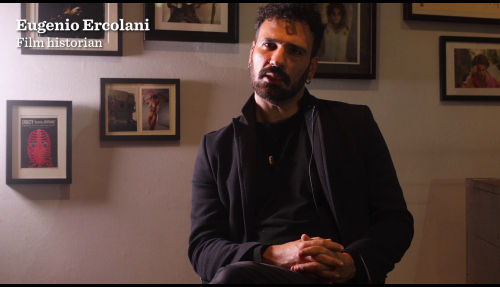
Edition Details: • Audio commentary with critics Rod Barnett and Adrian Smith (2026) • The Genetics of Celluloid (2026, 24:48): David Grieco, the nephew of The Sinful Nuns of Saint Valentine director Sergio Grieco, speaks about his uncle’s time in the Italian film industry, as well as his own work as a director • Nuns Upon a Time... in Italy (2026, 48:27): far-reaching documentary exploring the ‘nunsploitation’ subgenre with contributions from The Killer Nun director Giulio Berruti, The Other Hell director Claudio Fragasso, actors Renato Rossini, Martine Brochard, Eleonora Giorgi, and Zora Kerowa, and film historians Corrado Columbo and Eugenio Ercolani • Image gallery: publicity and promotional materials Limited edition exclusive 36-page booklet with a new essay by Miranda Corcoran, an archival article on ‘nunsploitation’, archival interviews with actor Jenny Tamburi, and film credits
Custom 4K UHD Case Chapters 1 0 |
|



| Comments: |
NOTE:
The below
Blu-ray
and
4K UHD
captures were taken directly from the
respective
disc.
It is likely that the monitor you are seeing
this review is not an HDR-compatible
display (High Dynamic Range) or Dolby Vision, where each pixel can be
assigned with a wider and notably granular range of color and light. Our
capture software is simulating the HDR (in a uniform manner) for standard
monitors. This should make it easier for us to review more
4K UHD
titles in the future and give you a decent idea of its attributes on your
system. So our captures may not support the exact same colors (coolness of
skin tones, brighter or darker hues etc.) as the 4K system at your home. But
the framing, detail, grain texture support etc. are, generally, not effected
by this simulation representation.
NOTE: We have added 50 more large
resolution
4K UHD captures (in lossless
PNG format) for DVDBeaver Patrons
HERE
On their
Blu-ray
and 4K UHD,
Indicator export the original Italian mono soundtrack in a
DTS-HD Master 2.0 channel track at 24-bit. The lossless is clean and free of
impediments. Dialogue is clear and well prioritized, and Lallo Gori’s
score, with its liturgical choral passages and swells of romantic
melodrama, has surprising body for a mono source. Effects, such as the
clank of cell doors and the echoes in the stone corridors, are crisp
without harshness. All good. Indicator offer optional English subtitles on their Region FREE
Blu-ray
and Region FREE
4K UHD.
The
4K UHD
and
Blu-ray
both
offer extras. There is a new audio commentary by critics Rod Barnett and
Adrian Smith of
The Wild,
Wild Podcast, recorded in 2026, which places the film within the
nunsploitation cycle and Sergio Grieco’s career. The Genetics of
Celluloid runs about 25 minutes. In it, David Grieco discusses (his
father or uncle?)
Sergio Grieco’s time in the Italian film industry and his own work as a
director. Nuns Upon a Time... in Italy runs over 3/4 hour. This
far-reaching new documentary explores the subgenre with contributions
from
The Killer Nun director Giulio Berruti,
The Other Hell
director Claudio Fragasso, actors Renato Rossini, Martine Brochard,
Eleonora Giorgi, and Zora Kerowa, and film historians
Corrado Colombo
and Eugenio Ercolani
(Darkening
the Italian Screen: Interviews with Genre and Exploitation Directors Who
Debuted in the 1950s and 1960s.)
There is also an image gallery of publicity and promotional materials.
The limited edition (6,000 copies total for the UK and US, 4,000 of them
4K UHD) includes an exclusive 36-page booklet. It contains a
new essay by
Miranda
Corcoran, an archival article on nunsploitation, archival
interviews with Jenny Tamburi, and film credits. A separate
Blu-ray edition is also available.
What separates The Sinful Nuns of Saint Valentine from the more
lurid entries of the cycle is that Grieco plays much of it as straight
gothic tragedy. The
Romeo-and-Juliet framework gives the film a
narrative spine that many of its nunsploitation contemporaries lack. Its
real target is the Church as an institution of control. The convent is a
place where daughters are disposed of for family convenience, where
piety masks appetite, and where the Inquisition serves anyone with a
grudge. The expected flagellation and nudity are present, but they are
less gratuitous than in films like
The Nun and the
Devil, and they are more firmly tied to the abbess’s tyranny.
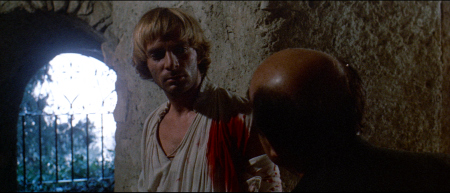
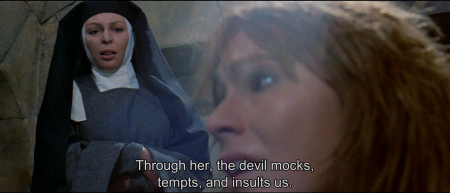
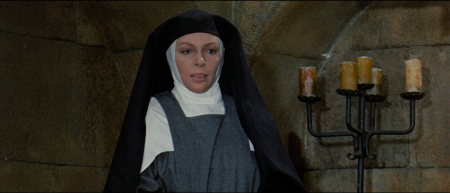
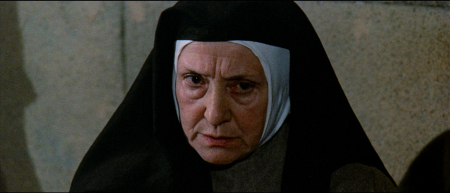
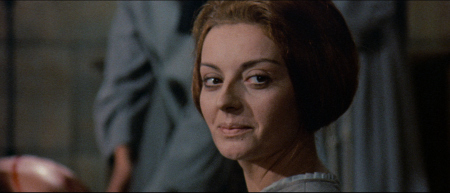
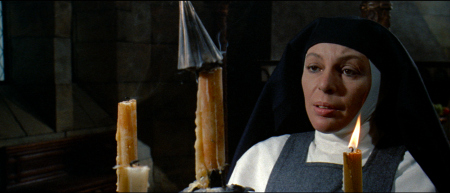
Prévost is the film’s center of gravity. Her abbess is icy and composed
in public and quietly desperate in private, and she gives the film a
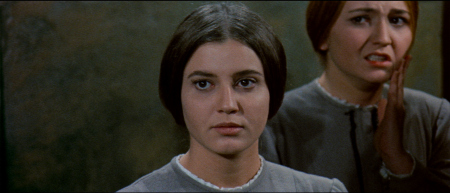
dignity it might otherwise lack. Tamburi, only in her early 20s, has the
wide-eyed vulnerability the role demands, and her terrified close-ups in
the convent’s cells are among the film’s most effective moments. Malco,
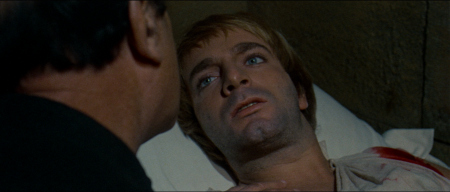
a few years before his Fulci period, makes a handsome if somewhat
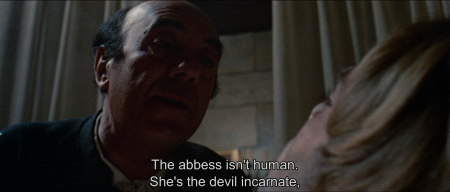
passive hero. Gaipa’s leering inquisitor is pure villainy, a grinning
embodiment of religious sadism. The Sinful Nuns of Saint Valentine rises above much of the nunsploitation cycle by playing its Inquisition-era tale as gothic tragedy. Its Romeo-and-Juliet framework gives the film a narrative backbone, and its scorn is aimed squarely at institutional hypocrisy. Françoise Prévost (Paris Belongs to Us, Spirits of the Dead,) brings real dignity to the tormented abbess. Jenny Tamburi (The Suspicious Death of a Minor,
Smile Before Death,) is affecting as the doomed novice, Paolo Malco (The New York Ripper, The House by the Cemetery, Murder-Rock) is a handsome hero, and Corrado Gaipa (The Godfather,
Lucky Luciano, Illustrious Corpses) makes a gleefully sadistic inquisitor. The Indicator
4K UHD is superb, with a pristine, film-like Dolby Vision image at a very high bitrate and a clean lossless 24-bit Italian mono track. The extras include a new commentary and an excellent subgenre documentary. Fans of Italian genre cinema should consider this a must-own, and it is strongly recommended! |

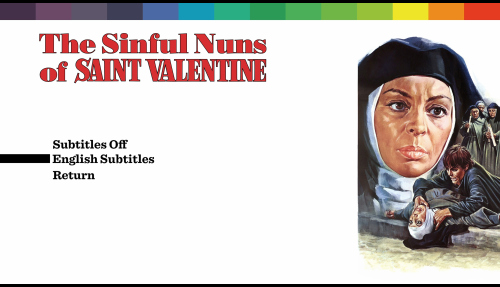
Menus / Extras
 |
 |
 |
 |
 |
 |
 |
 |
 |
 |
 |

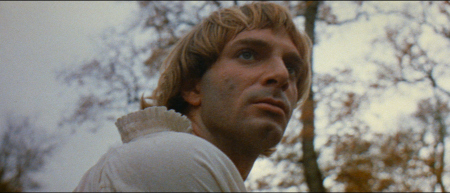
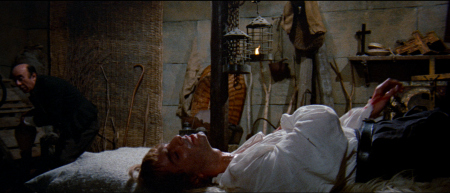
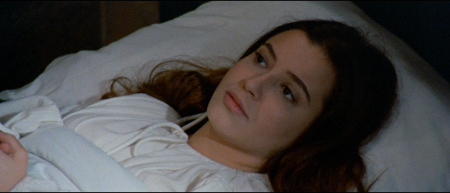
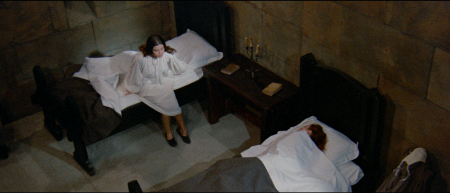
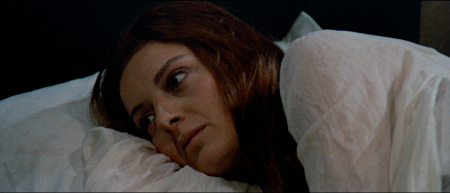
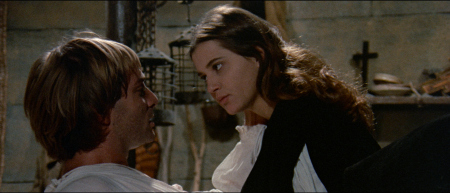
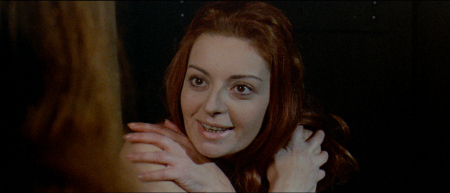
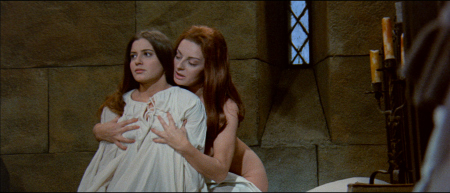
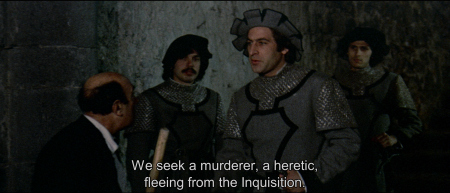
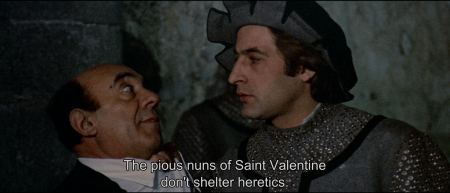
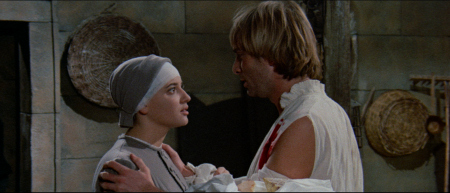
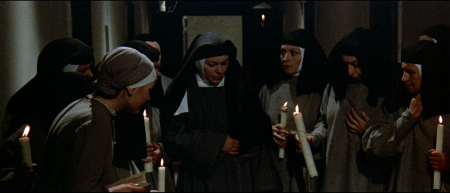
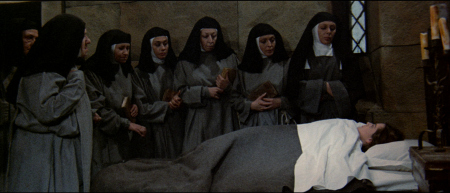
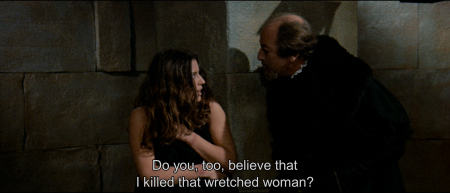
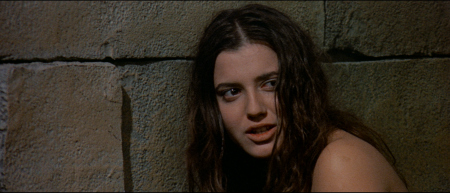
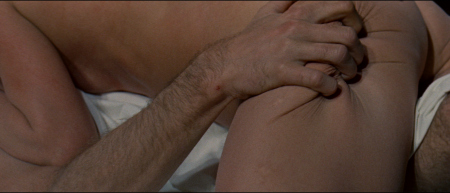
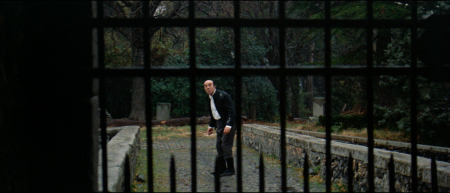
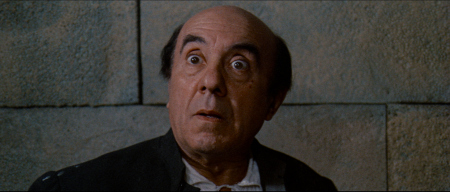
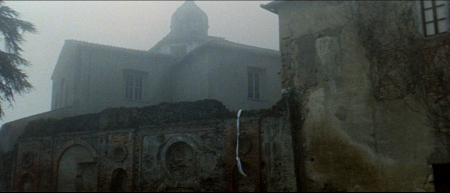
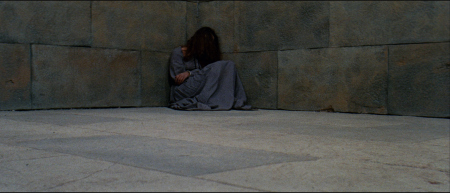
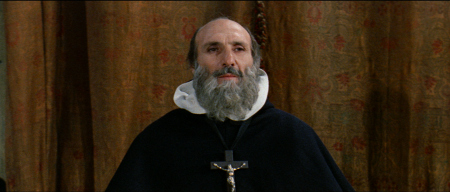
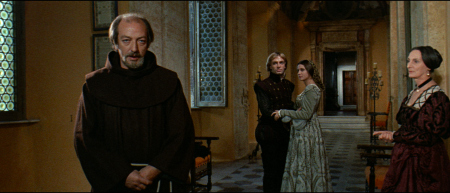
CLICK EACH BLU-RAY and 4K UHD CAPTURE TO SEE ALL IMAGES IN FULL RESOLUTION
 |
 |
 |
 |
 |
 |
 |
 |
 |
 |
Examples of NSFW (Not Safe For Work) CAPTURES (Mouse Over to see- CLICK to Enlarge)
 |
 |
 |
 |
 |
 |
More full resolution (3840 X 2160) 4K Ultra HD Captures for Patreon Supporters HERE
 |
 |
 |
 |
 |
 |
 |
 |
 |
 |
 |
 |
 |
 |
 |
 |
 |
 |
 |
 |
 |
 |
 |
 |
 |
 |
 |
 |
 |
 |
 |
 |
 |
 |
 |
 |
 |
 |
 |
 |
 |
 |
 |
 |
 |
 |
 |
 |
 |
 |
| Box Cover |
|
CLICK to order from: 4K UHD
Also available on Blu-ray from Indicator:
BONUS CAPTURES:
|
| Distribution | Indicator - Region FREE - 4K UHD | |
|
Search DVDBeaver |
S E A R C H D V D B e a v e r |




















CLICK PayPal logo to donate!
|
Gary Tooze
|
|
Thank You!
