|
An
enormous, sincere thank you to our phenomenal
Patreon
supporters! Your unshakable dedication is the bedrock that keeps DVDBeaver
going - we’d be lost without you. Did you know? Our patrons include a
director, writer, editor, and producer with honors like Academy Awards for
Best Picture and Best Director, a Pulitzer Prize-winning screenwriter, and a
Golden Globe-winning filmmaker, to name a few! Sadly, DVDBeaver has reached a breaking point where our existence hangs in the balance. We’re now reaching out to YOU with a plea for help. Please consider pitching in just a few dollars a month - think of it as the price of a coffee or some spare change - to keep us bringing you in-depth reviews, current calendar updates, and detailed comparisons. I’m am indebted to your generosity!
|






|
Search DVDBeaver |
S E A R C H D V D B e a v e r |

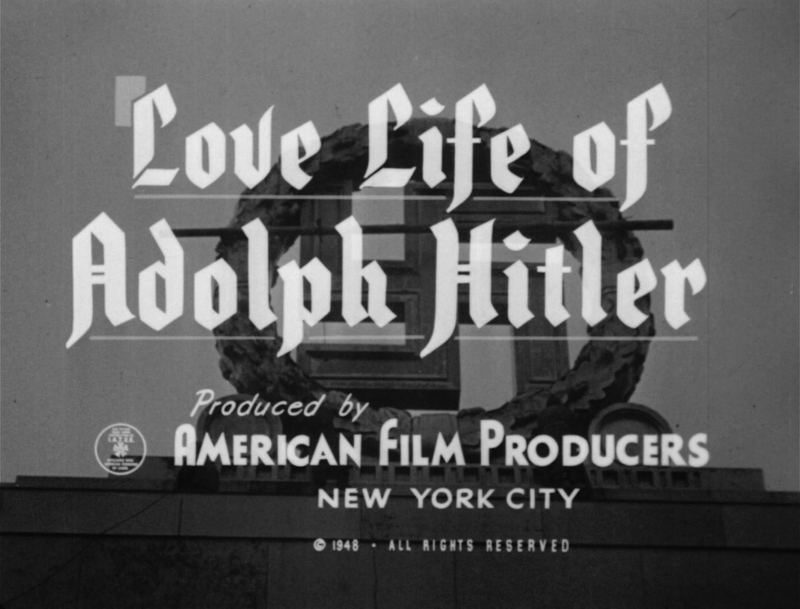
(aka "Will It Happen Again?" or "Hitler's Strange Love Life" or "Confirm or Die" or "Hitler's Love Life" or
"Life of Hitler" or "Love Life of Adolph Hitler" or "The Strange Love Life of Adolf Hitler" or "The Strange Loves of Adolf Hitler")
Directed by Dwain Esper
USA 1948
|
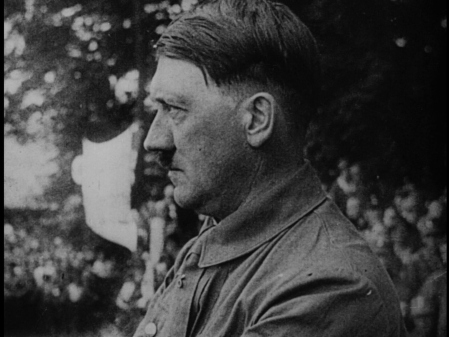
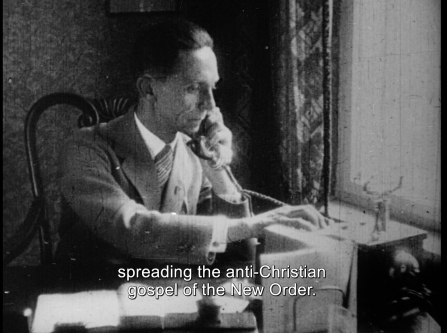
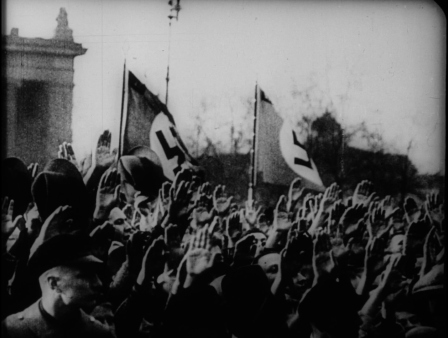
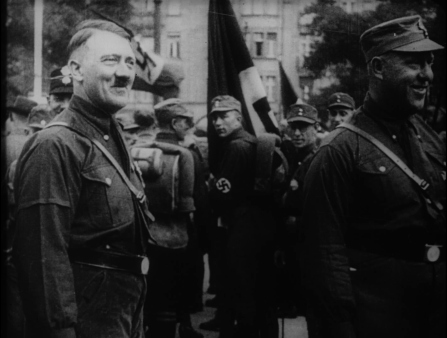
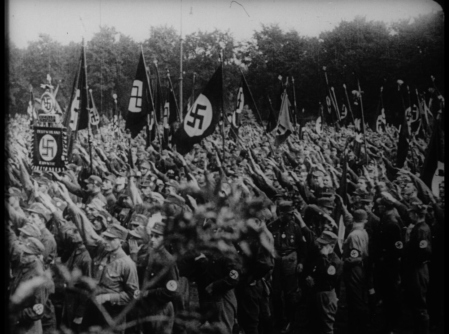
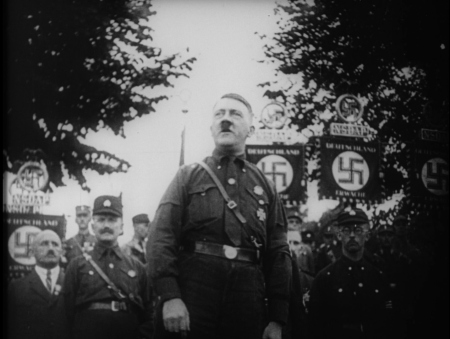
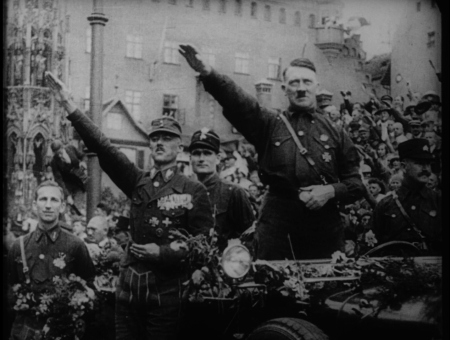
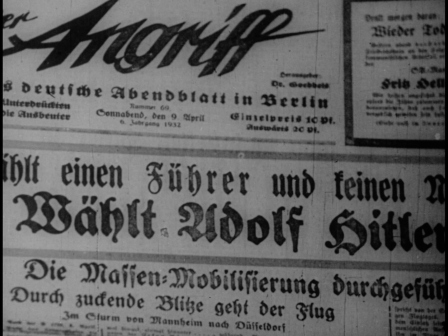
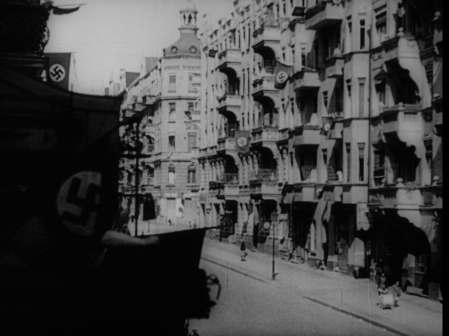
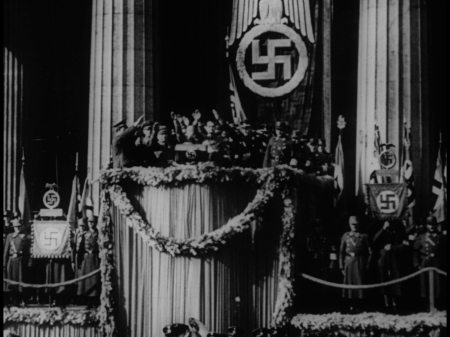
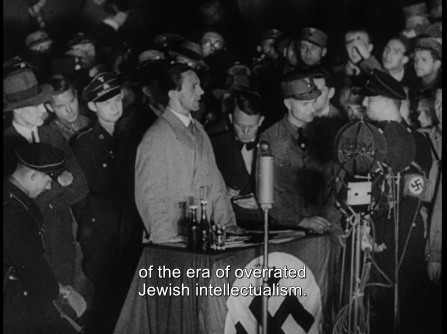
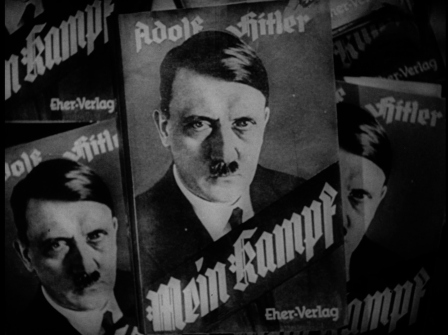
Independently produced in 1948 under the aegis of the U.S. Navy Club, Will It
Happen Again? (The Love Life of Adolph Hitler) is a carefully
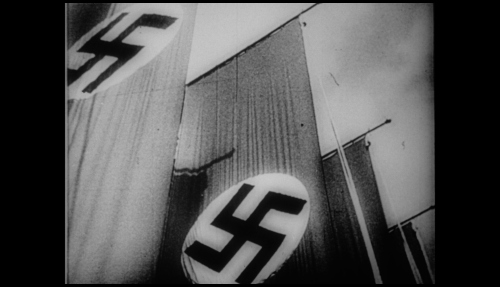
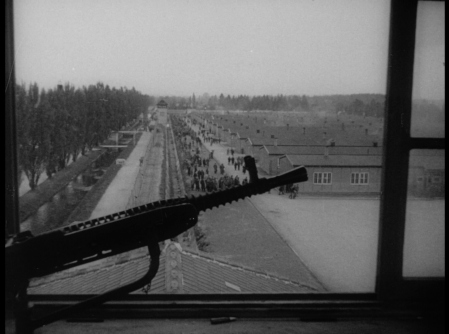
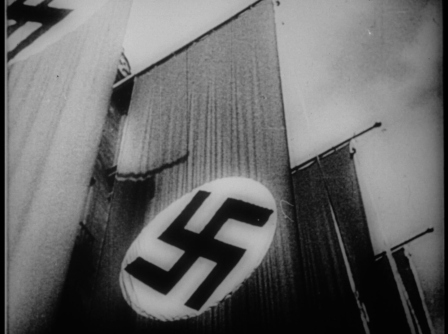
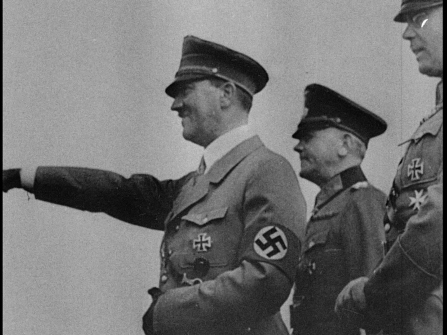
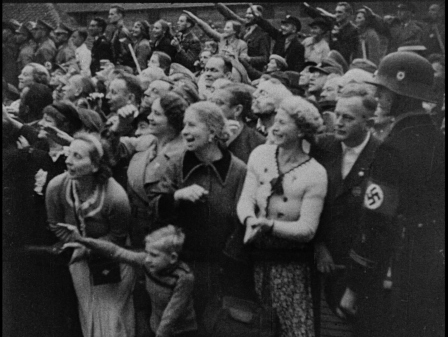
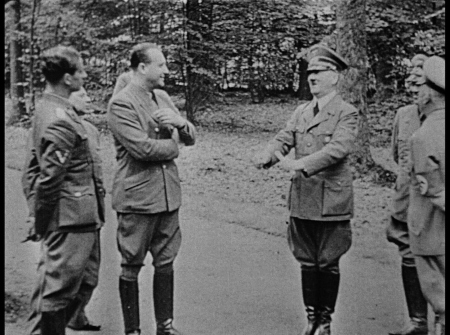
calculated and beautifully executed takedown of the Third Reich. Footage from
Nazi propaganda films (including Leni Riefenstahl's
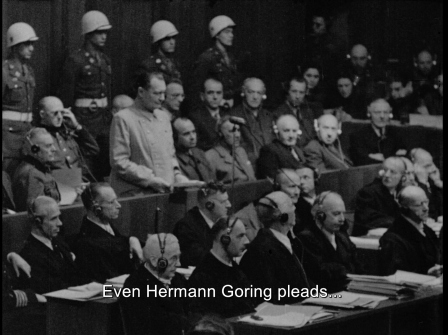
Triumph of the Will) is counteracted with images from Nuremberg trials
and the liberated death camps, puncturing the myth of the Aryan Herrenmensch,
revealing the NSDAP leadership to have been little more than the typical
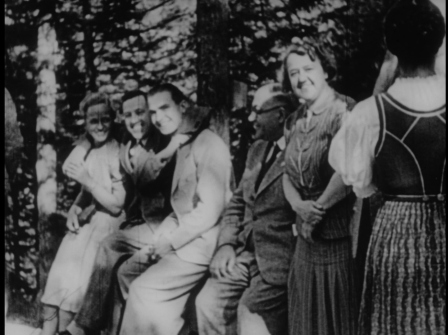
autocrats, drunk on power, frolicking in banal luxury, and enjoying their brief
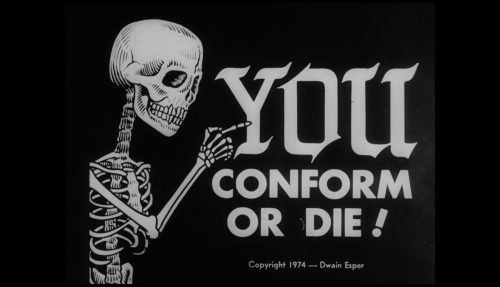
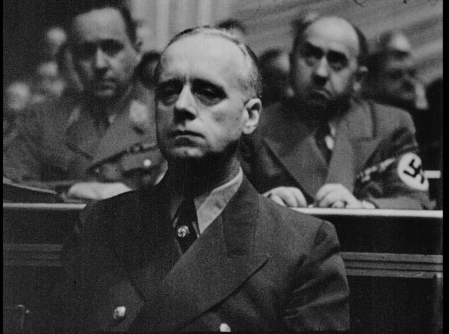
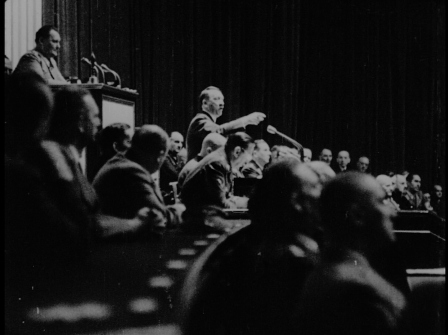
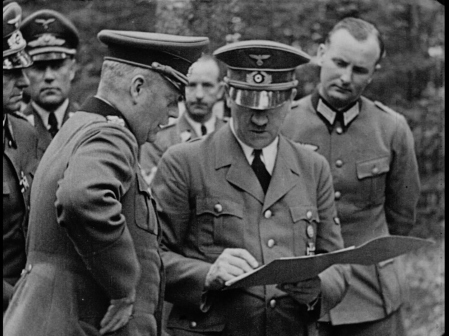
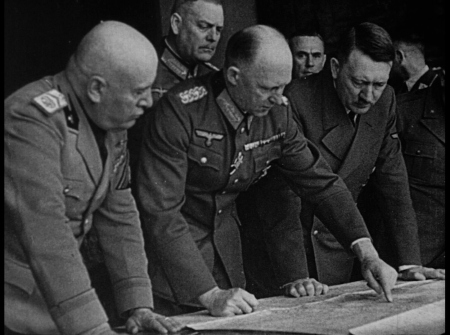
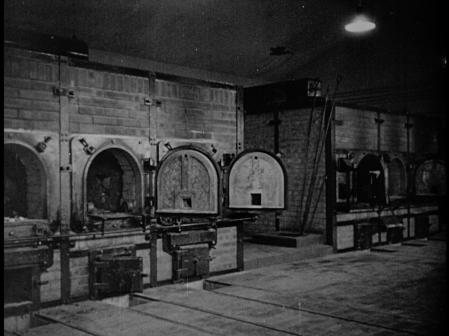
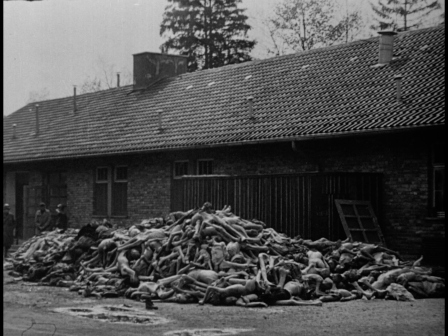
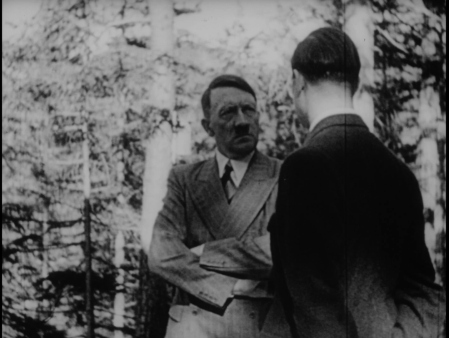
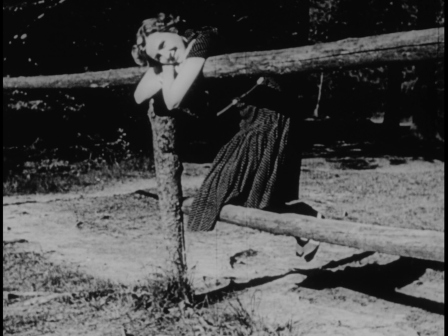
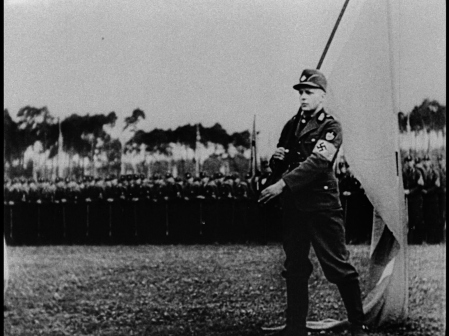
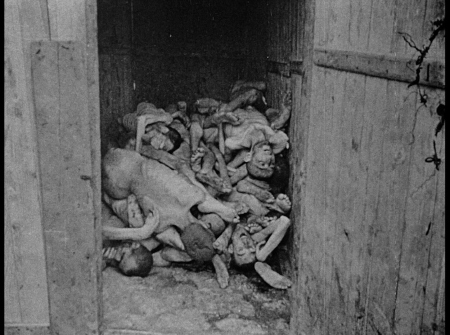
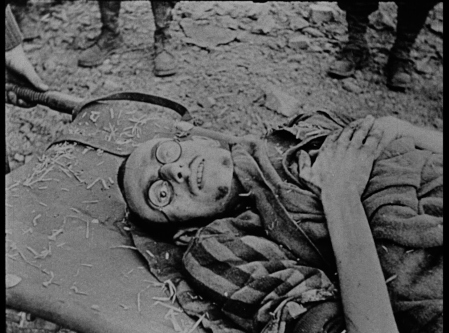
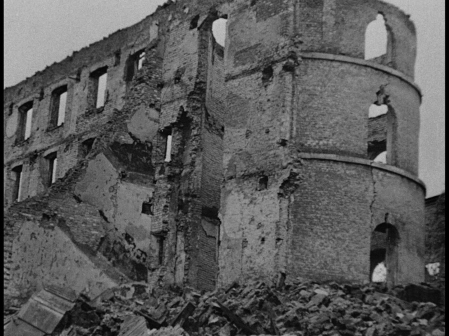
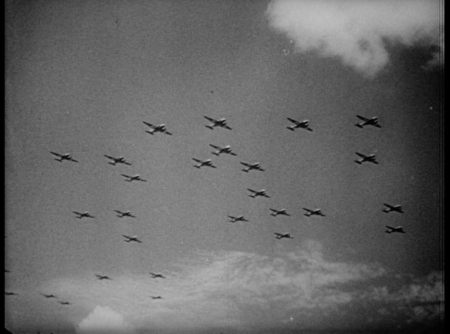
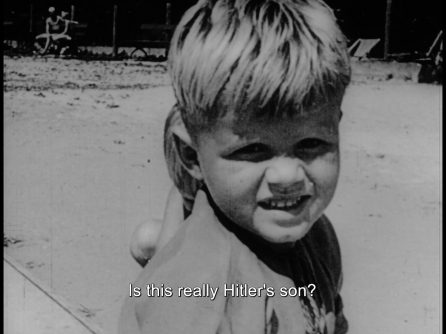
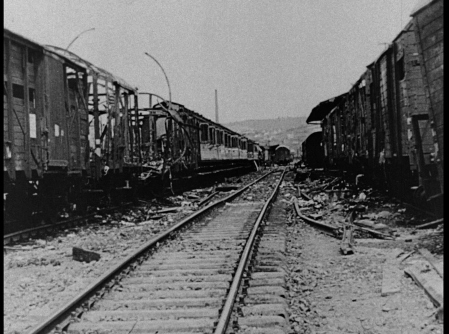
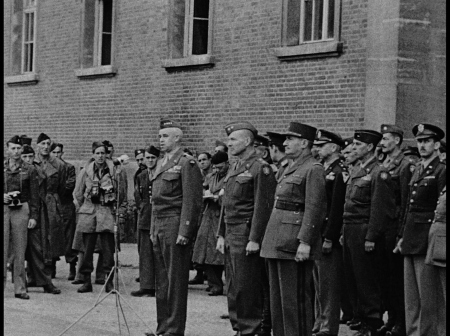
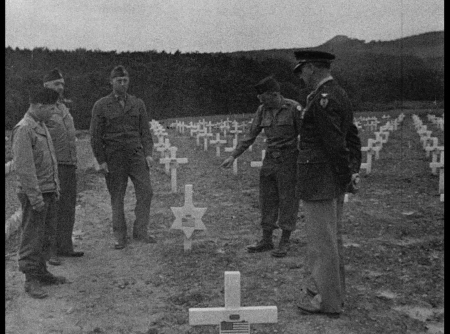
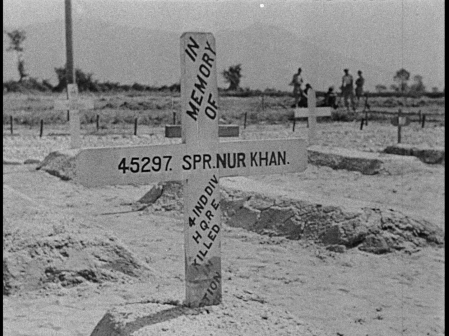
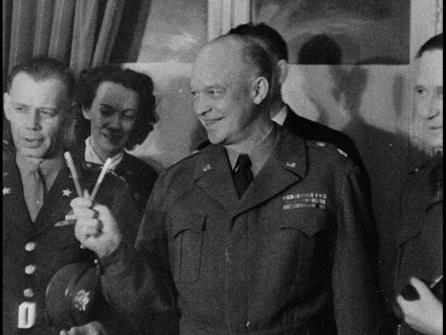
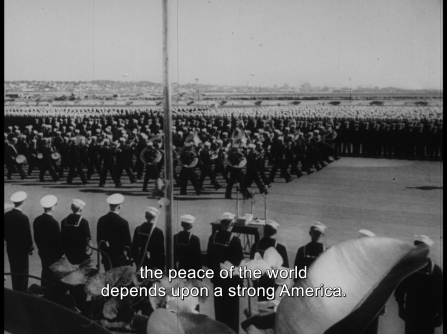
moment of invincibility. *** Will It Happen Again? (1948; also known under reissue titles such as Love Life of Adolph Hitler or Hitler’s Strange Love Life) is a documentary-style exploitation film associated with notorious low-budget producer/director Dwain Esper. Independently produced under the aegis of the U.S. Navy Club (with Jean Oser also credited as director), it uses newsreel footage, captured Nazi propaganda (including material from Leni Riefenstahl’s Triumph of the Will), and images from the Nuremberg trials and liberated concentration camps to chronicle Adolf Hitler’s rise and fall, his relationship with Eva Braun, and the excesses of the Third Reich leadership, framing them as power-drunk autocrats whose myth of Aryan supremacy is punctured by the realities of their crimes and eventual defeat. Esper later acquired and reshaped the film (sometimes under titles like Conform or Die), adding more sensational narration, footage of other 20th-century despots such as Stalin, and graphic atrocity imagery (e.g., Mussolini’s corpse) to intensify its anti-authoritarian, anti-fascist message in typical exploitation fashion. |
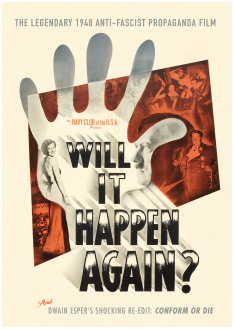
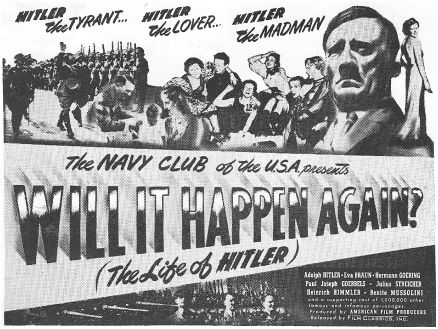
Posters
 |
 |
 |
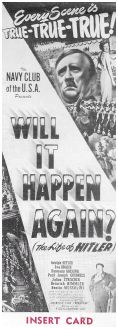 |
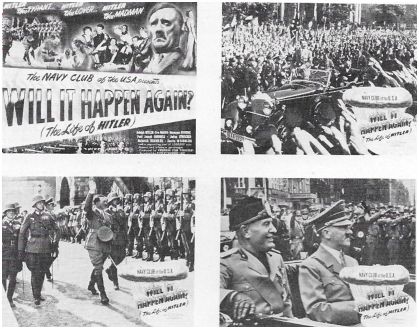 |
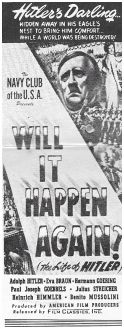 |
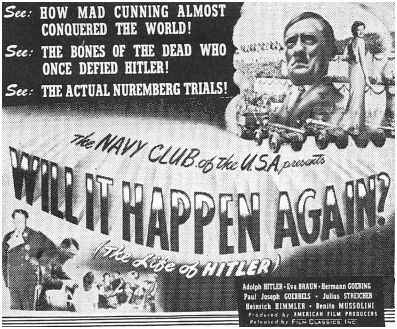 |
Theatrical Release: May 15th, 1948 (New York City, New York)

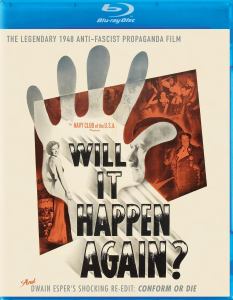
Review: Kino - Region FREE - Blu-ray
| Box Cover |
|
CLICK to order from:
BONUS CAPTURES:
|
| Distribution | Kino - Region FREE - Blu-ray | |
| Runtime |
Will it Happen Again?: 1:00:42.096 Conform or Die: 1:27:05.929 |
|
| Video |
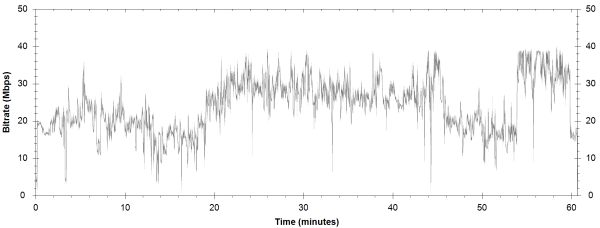
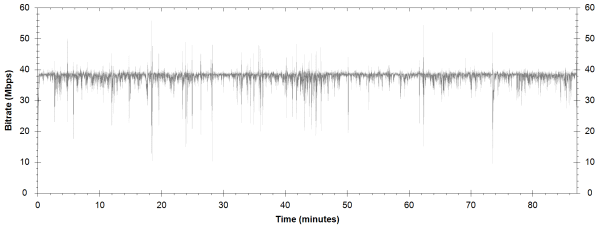
1.33 :1 1080P Dual-layered Blu-rayDisc Size: 40,048,355,079 bytesWill it Happen Again ?: 12,416,784,384 bytesConform or Die: 27,079,968,768 bytes Video Bitrate: 23.99 - 37.80 MbpsCodec: MPEG-4 AVC Video |
|
|
NOTE: The Vertical axis represents the bits transferred per second. The Horizontal is the time in minutes. |
||
| Bitrate Will it Happen Again? Blu-ray: |
|
|
| Bitrate Conform or Die Blu-ray: |
|
|
| Audio |
DTS-HD Master
Audio English 1559 kbps 2.0 / 48 kHz / 1559 kbps / 24-bit (DTS Core: 2.0 /
48 kHz / 1509 kbps / 24-bit) Dolby Digital Audio English 192 kbps 2.0 / 48 kHz / 192 kbps / DN -31dB |
|
| Subtitles | English (SDH), None | |
| Features |
Release Information: Studio: Kino
1.33 :1 1080P Dual-layered Blu-rayDisc Size: 40,048,355,079 bytesWill it Happen Again ?: 12,416,784,384 bytesConform or Die: 27,079,968,768 bytes Video Bitrate: 23.99 - 37.80 MbpsCodec: MPEG-4 AVC Video
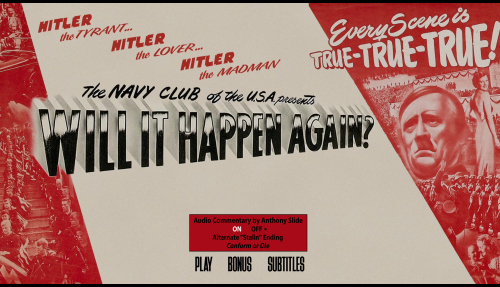
Edition Details: • Audio Commentary by Film Historian Anthony Slide • Alternate "Stalin" Ending (1:05) • Conform or Die (1973, aka Hitler's Strange Love Life), a More Graphically Explicit Version Re-edited by Exploitation Filmmaker Dwain Esper (1:27:06)
Standard Blu-ray Case Chapters 9 |
|



| Comments: |
NOTE:
The below
Blu-ray
captures were taken directly from the
Blu-ray
disc.
NOTE: We have added 68 more large
resolution Blu-ray captures (in lossless
PNG format) for DVDBeaver Patrons
HERE
On their
Blu-ray,
Kino use a DTS-HD Master dual-mono track (24-bit) in the original
English language. Dialogue and narration are clear and intelligible,
with the two 1948 narrators coming through cleanly. Edward Craig’s
serviceable score and the period sound effects sit properly in the mix
without overwhelming the voice-over. Age-related limitations are present
- some hiss, occasional thinness in the higher frequencies, and the
expected dynamic range of late-1940s optical mono - but nothing
distracts from comprehension. Esper’s later Conform or Die
version features the more bombastic narration that characterizes his
re-edit; it is equally well-preserved. There are no major dropouts or
distortions, and the track remains serviceable and appropriate to the
material. Sound effects (credited to Leon Levy) and source audio from
the newsreels and propaganda films are mixed in; the Braun home movies
were originally silent and therefore rely entirely on added music and
narration. Overall, the sound is functional rather than sophisticated -
clear voice-over takes priority, with music and effects supporting the
emotional and rhetorical points. Kino offer optional English (SDH)
subtitles on their Region FREE
Blu-ray.
The Kino
Blu-ray
offers relevant extras. The supplemental package is focused and useful.
Film historian Anthony Slide
(author of
Hollywood Unknowns: A
History of Extras, Bit Players, and Stand-Ins) contributes a
full-length audio commentary that situates the film within the broader
history of exploitation and propaganda cinema, discusses Jean Oser’s
editing background, Esper’s later involvement, and the cultural context
of the late 1940s and early 1970s reissues. An alternate “Stalin” ending
preserves a variant Cold War-tinged conclusion that more explicitly
warns against Soviet totalitarianism. The major extra is the complete
inclusion of Conform or Die (1973, aka Hitler’s Strange Love
Life), Esper’s 87-minute re-edit. This longer, more graphic version
intensifies the anti-authoritarian message with additional atrocity
footage (including the well-known images of Mussolini’s corpse) and a
more lurid, sensational narration. Presenting both cuts side-by-side
allows viewers to compare the relatively restrained 1948 public-service
approach with Esper’s grindhouse-inflected transformation of the same
core material.
Dwain Esper's Will It Happen Again?
is an American compilation documentary that occupies a peculiar place at
the intersection of postwar anti-fascist education, Cold War messaging,
and the exploitation cinema of Dwain Esper. The core rhetorical move is
juxtaposition. Nazi self-mythologizing - grandiose rallies, the cult of
the Aryan “Herrenmensch,” and the carefully curated private images of
leisure and “normality” - is systematically punctured by images of
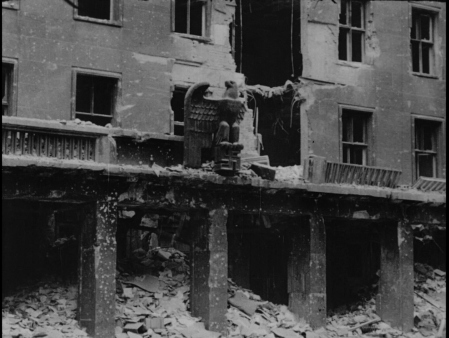
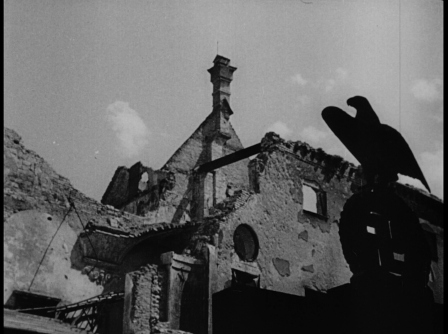
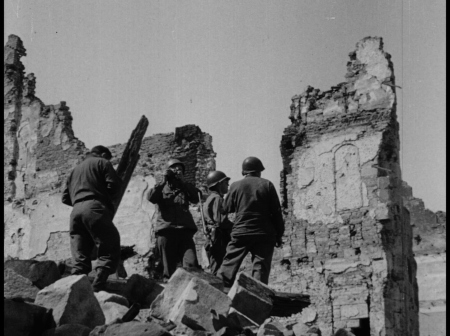
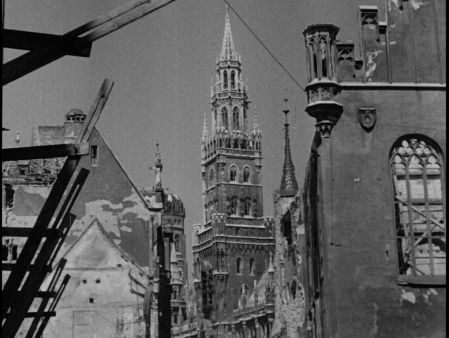
industrial-scale murder, the physical wreckage of Germany, and the
humiliation of the leadership in the dock. The Braun home movies, which
had only recently entered public circulation via newsreels in 1947,
function as a particularly potent device: their intimate, amateur
quality humanizes the inner circle while simultaneously exposing its
banality and moral vacancy. The effect is to demystify rather than
sensationalize pure evil; the regime’s leaders appear as power-drunk
autocrats enjoying a brief period of invincibility before the inevitable
reckoning. Released in May 1948, the film arrived at a moment when
American audiences were still processing the full scale of Nazi crimes
while the Cold War was rapidly hardening. Its original framing as a
“public service” by a veterans’ organization reflects the immediate
postwar consensus against fascism. By the late 1970s, however, when it
screened at the Nyon International Film Festival as part of a World War
II retrospective, a Soviet delegate protested it as Cold War propaganda
that exaggerated the American role, minimized the Red Army’s
contribution, and used Stalin imagery to warn against “appeasing new
aggression.” The film’s afterlife is inseparable from Dwain Esper, the
exploitation specialist known for |

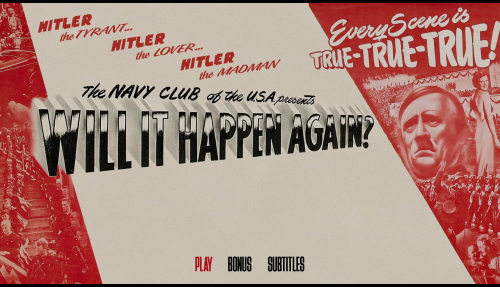
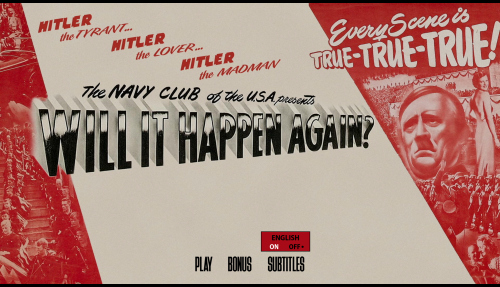
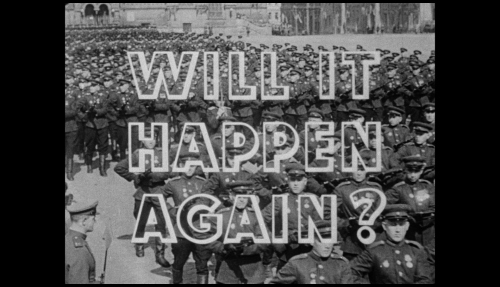
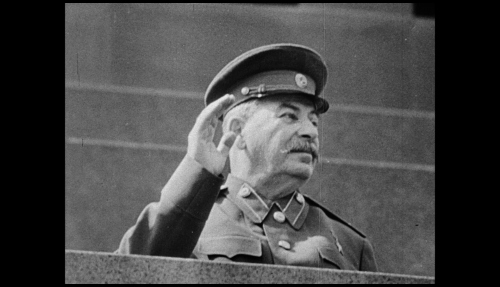
Menus / Extras
 |
 |
 |
 |
 |
 |
 |

CLICK EACH BLU-RAY CAPTURE TO SEE ALL IMAGES IN FULL 1920X1080 RESOLUTION
 |
 |
 |
 |
 |
 |
 |
More full resolution (1920 X 1080) Blu-ray Captures for DVDBeaver Patreon Supporters HERE
 |
 |
 |
 |
 |
 |
 |
 |
 |
 |
 |
 |
 |
 |
 |
 |
 |
 |
 |
 |
 |
 |
 |
 |
 |
 |
 |
 |
 |
 |
 |
 |
 |
 |
 |
 |
 |
 |
 |
 |
 |
 |
 |
 |
 |
 |
 |
 |
 |
 |
 |
 |
 |
 |
 |
 |
 |
 |
 |
 |
 |
 |
 |
 |
 |
 |
 |
 |
| Box Cover |
|
CLICK to order from:
BONUS CAPTURES:
|
| Distribution | Kino - Region FREE - Blu-ray | |
|
Search DVDBeaver |
S E A R C H D V D B e a v e r |























CLICK PayPal logo to donate!
|
Gary Tooze
|
|
Thank You!
