|
An
enormous, sincere thank you to our phenomenal
Patreon
supporters! Your unshakable dedication is the bedrock that keeps DVDBeaver
going - we’d be lost without you. Did you know? Our patrons include a
director, writer, editor, and producer with honors like Academy Awards for
Best Picture and Best Director, a Pulitzer Prize-winning screenwriter, and a
Golden Globe-winning filmmaker, to name a few! Sadly, DVDBeaver has reached a breaking point where our existence hangs in the balance. We’re now reaching out to YOU with a plea for help. Please consider pitching in just a few dollars a month - think of it as the price of a coffee or some spare change - to keep us bringing you in-depth reviews, current calendar updates, and detailed comparisons. I’m am indebted to your generosity!
|






|
Search DVDBeaver |
S E A R C H D V D B e a v e r |

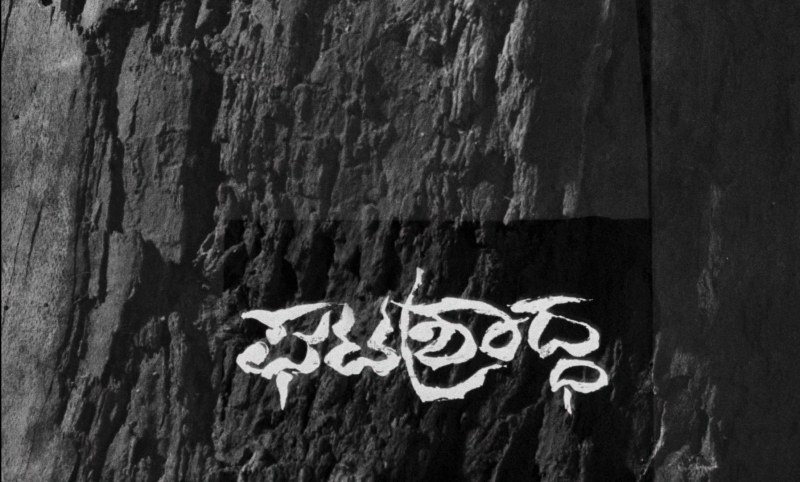
(aka "Ghatashraddha" or "The Ritual")
Directed by Girish Kasaravalli
India 1977
|
Released at the peak of the Parallel Cinema movement in India, Girish
Kasaravalli’s groundbreaking debut feature is a scathing critique of religious
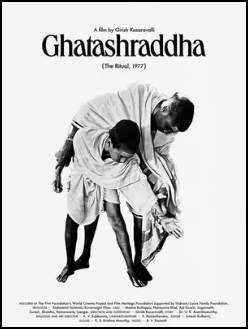
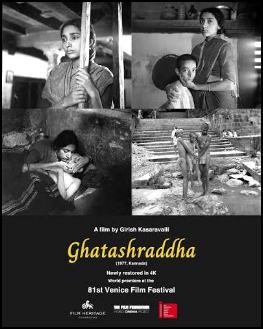
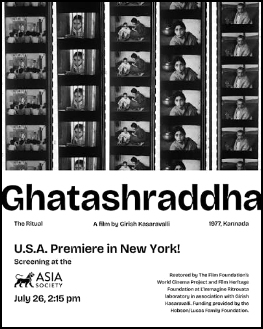
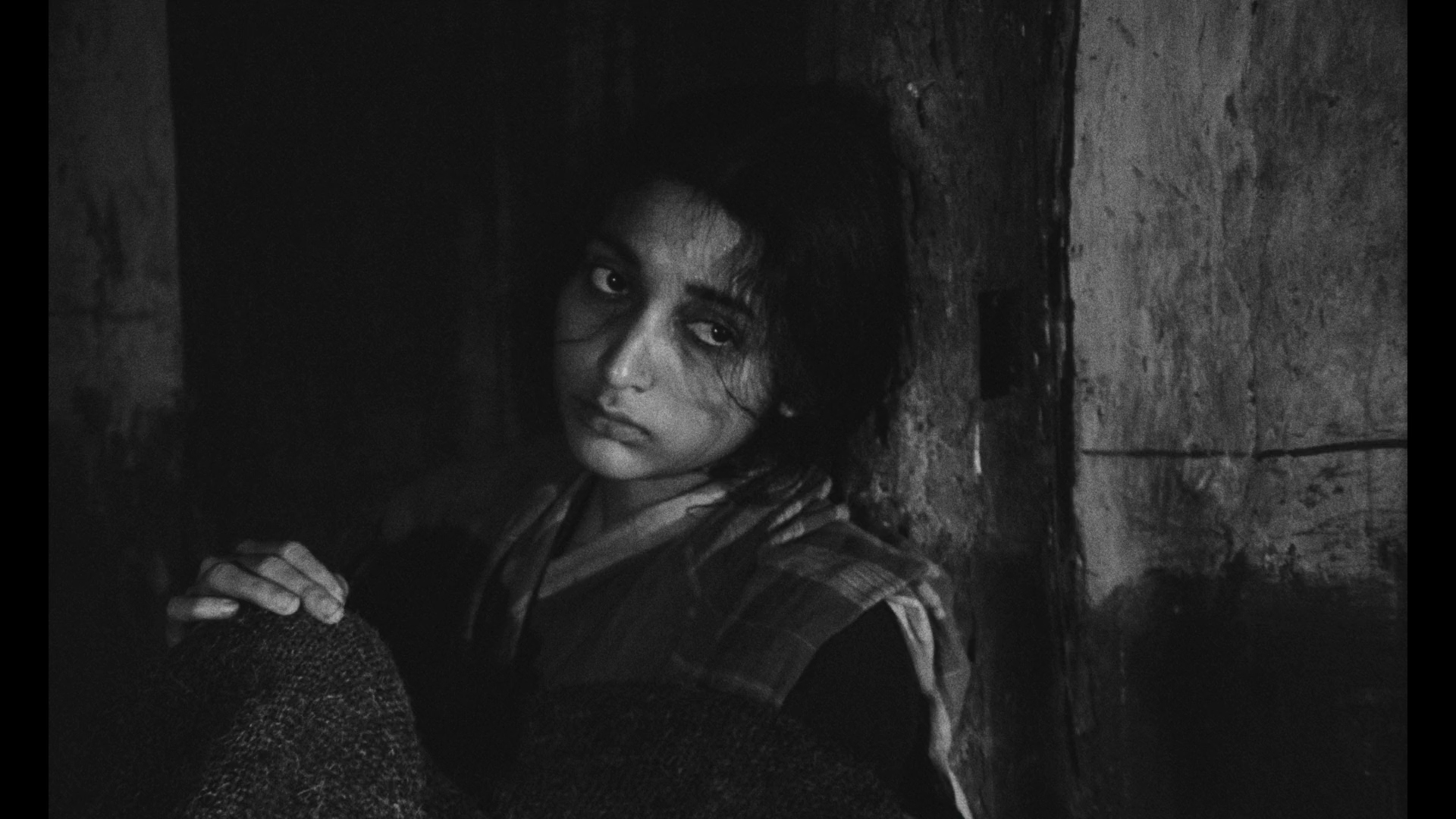
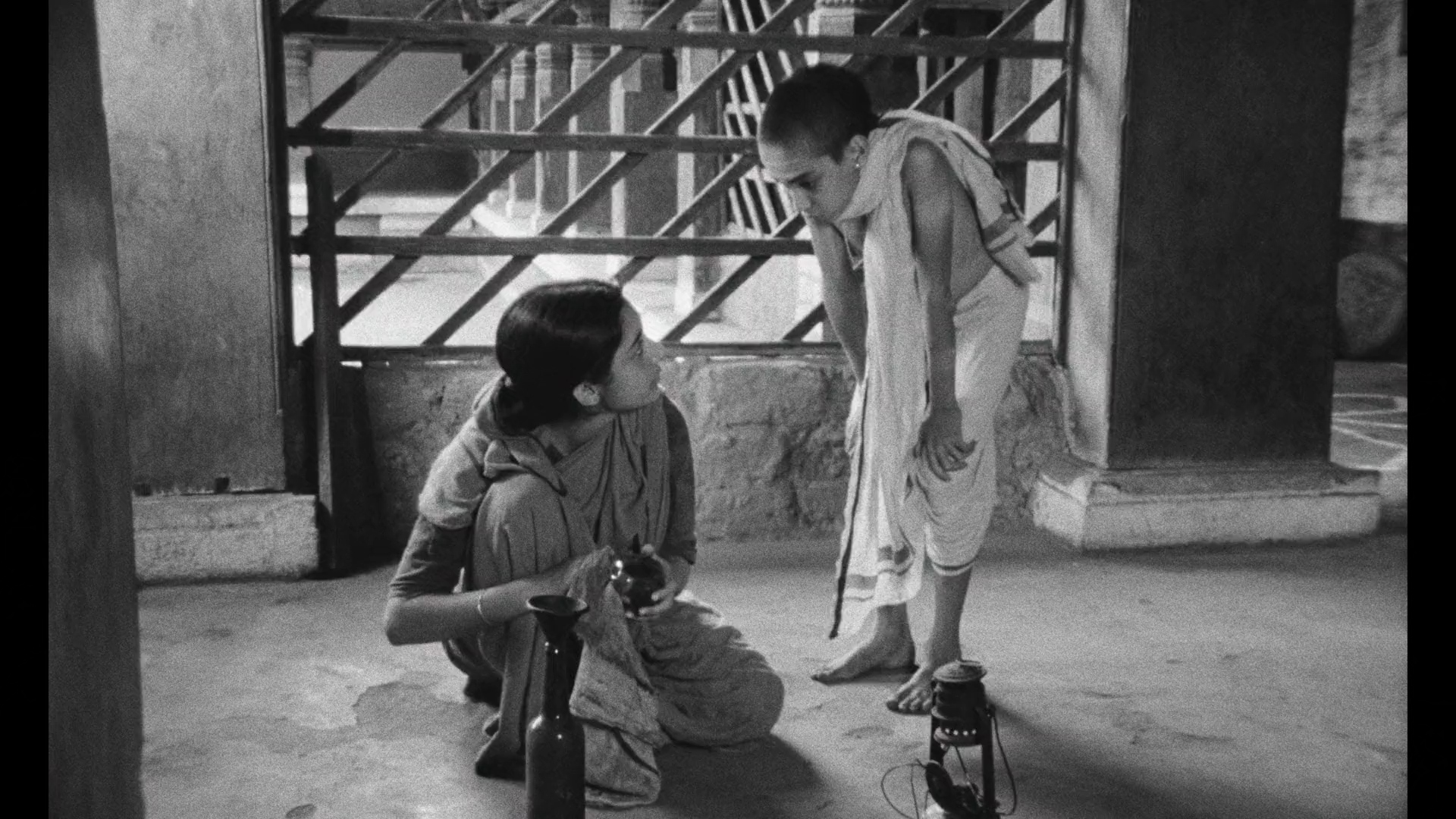
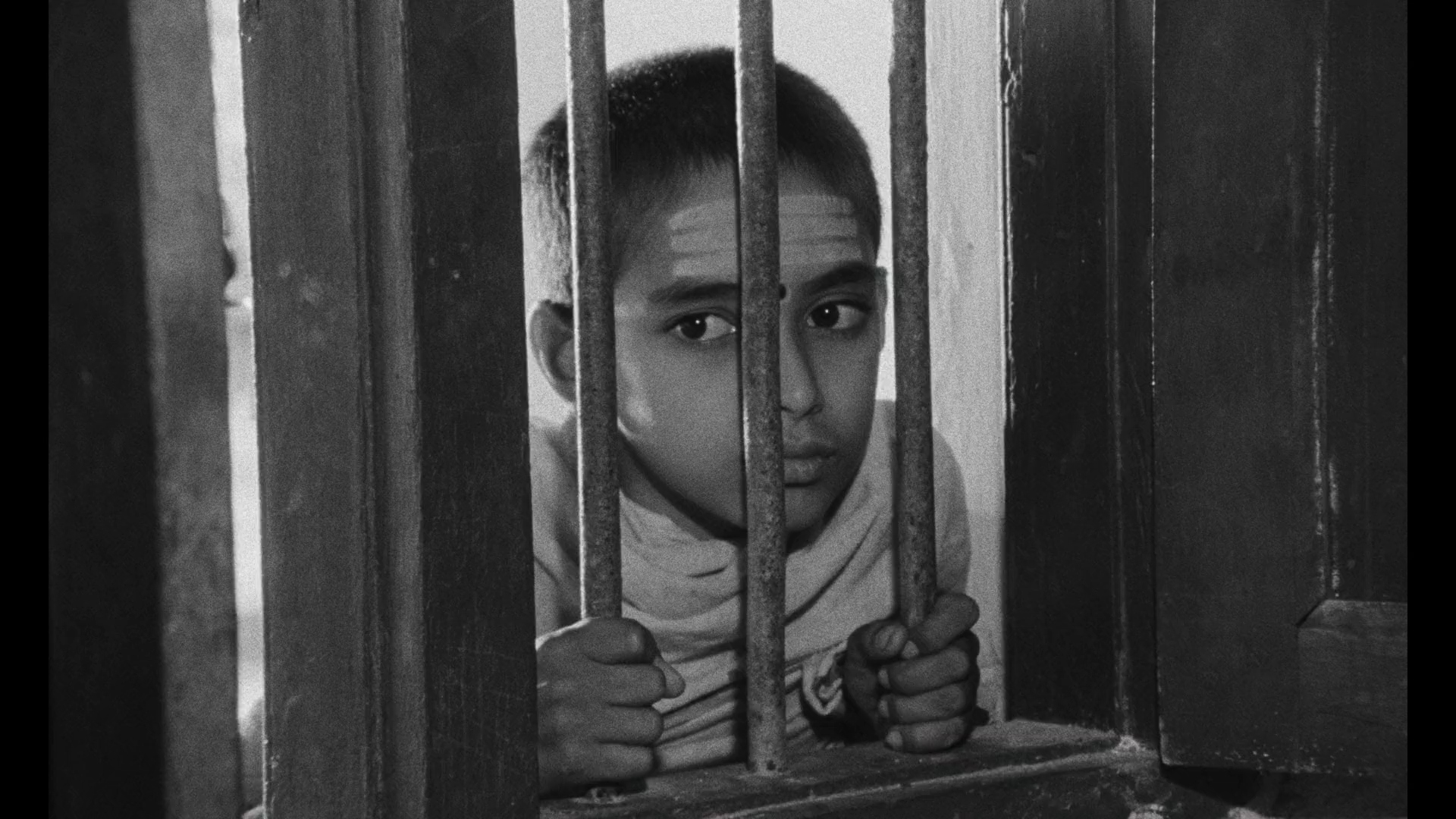
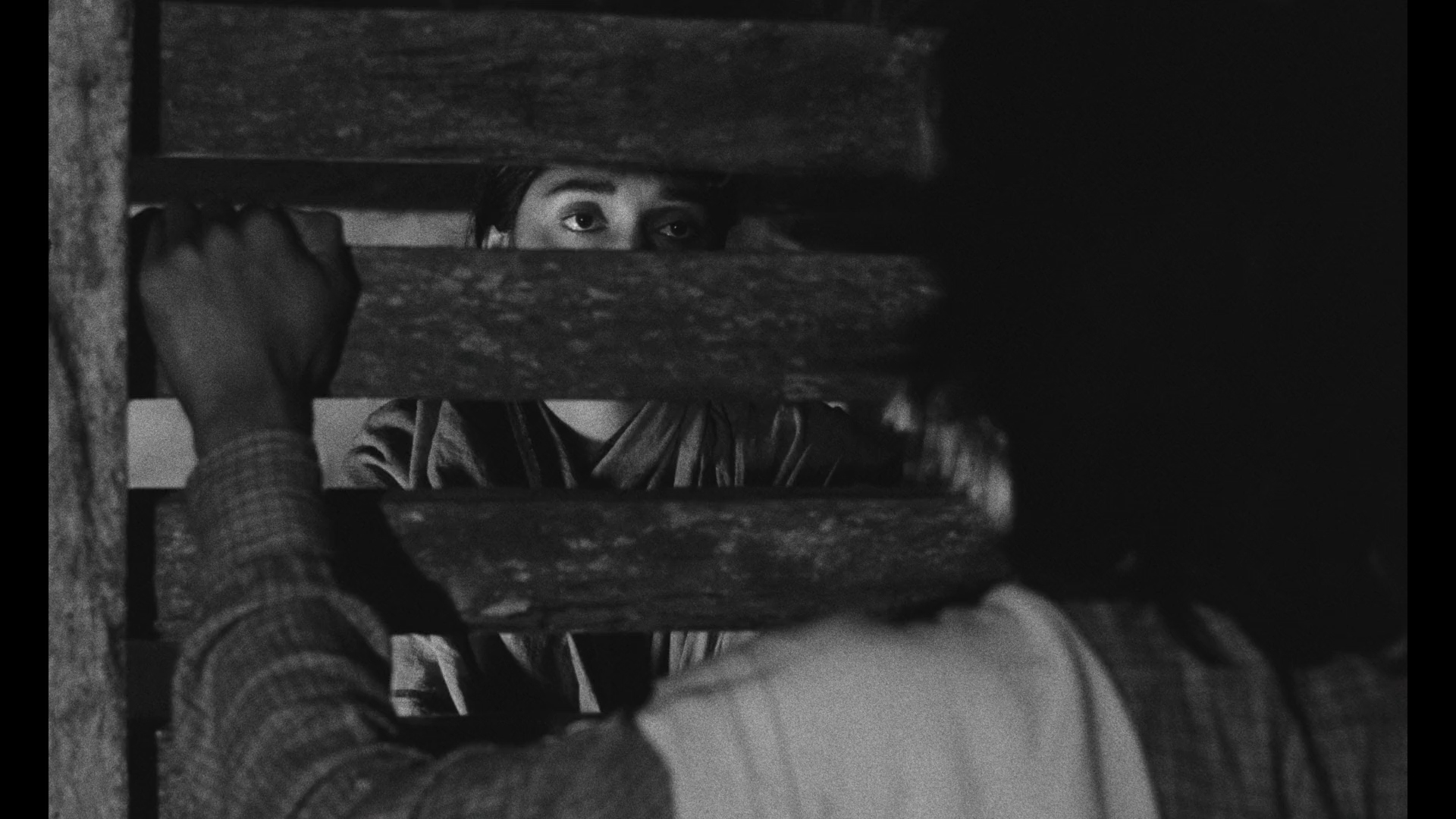
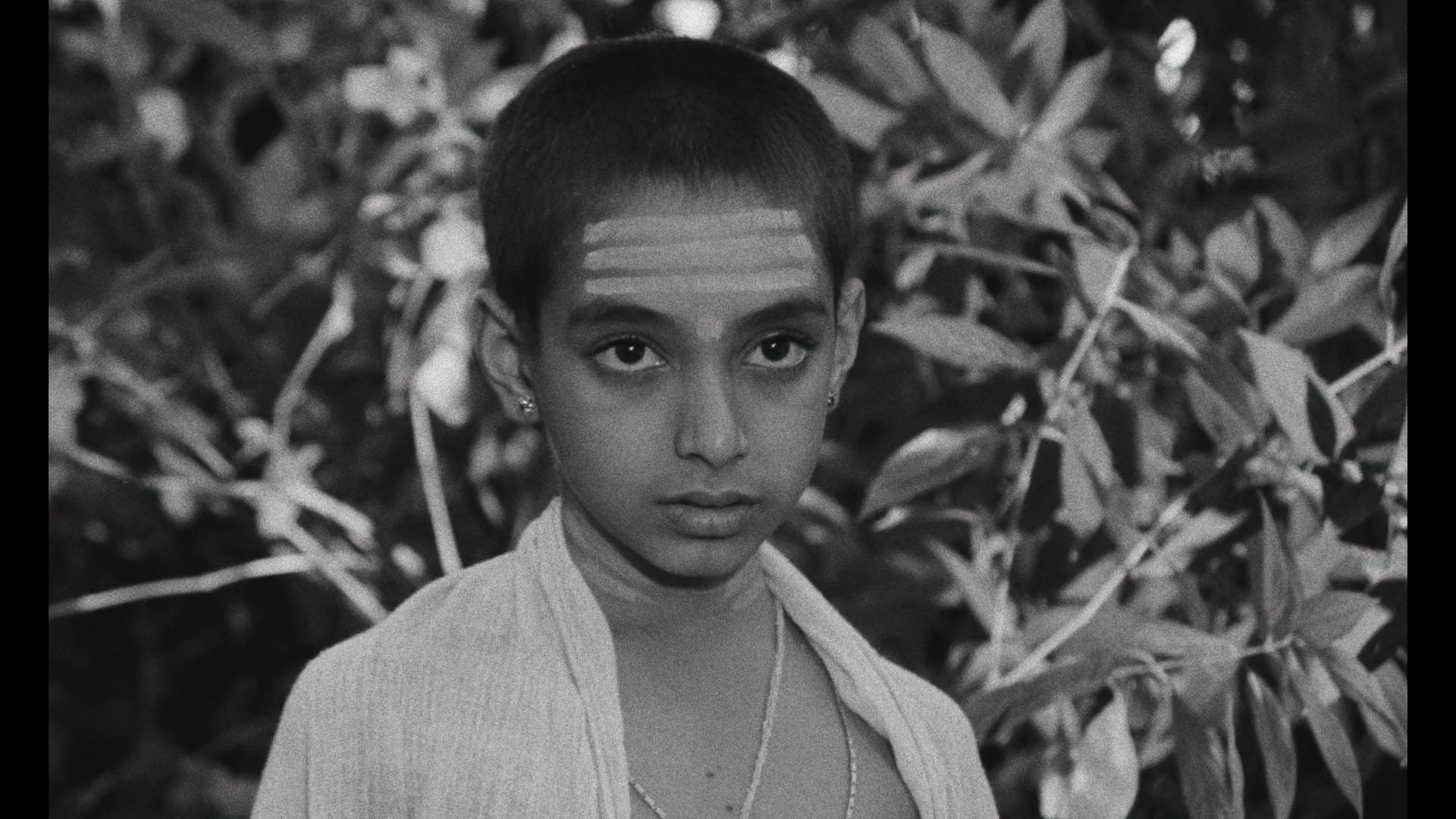
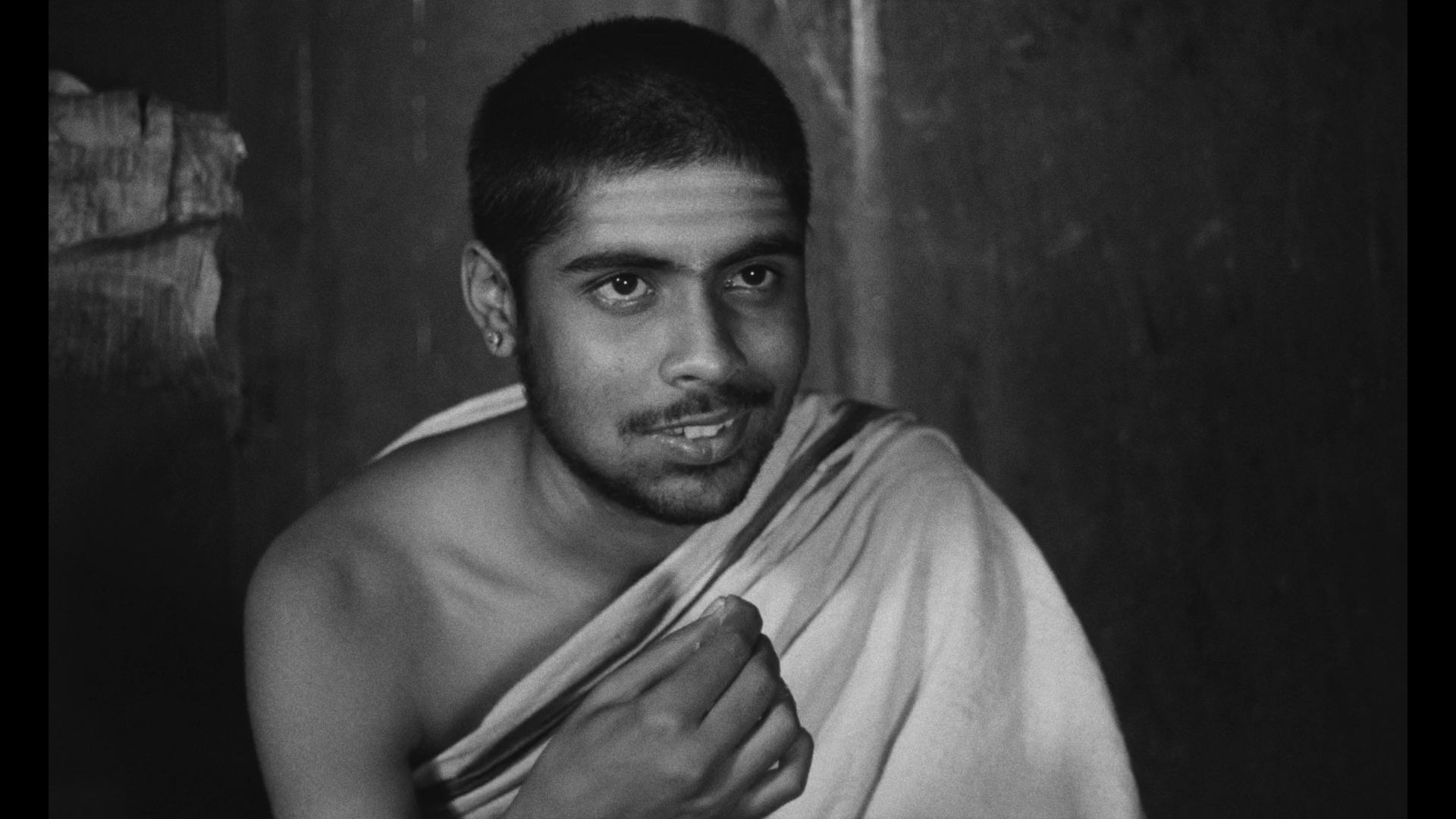
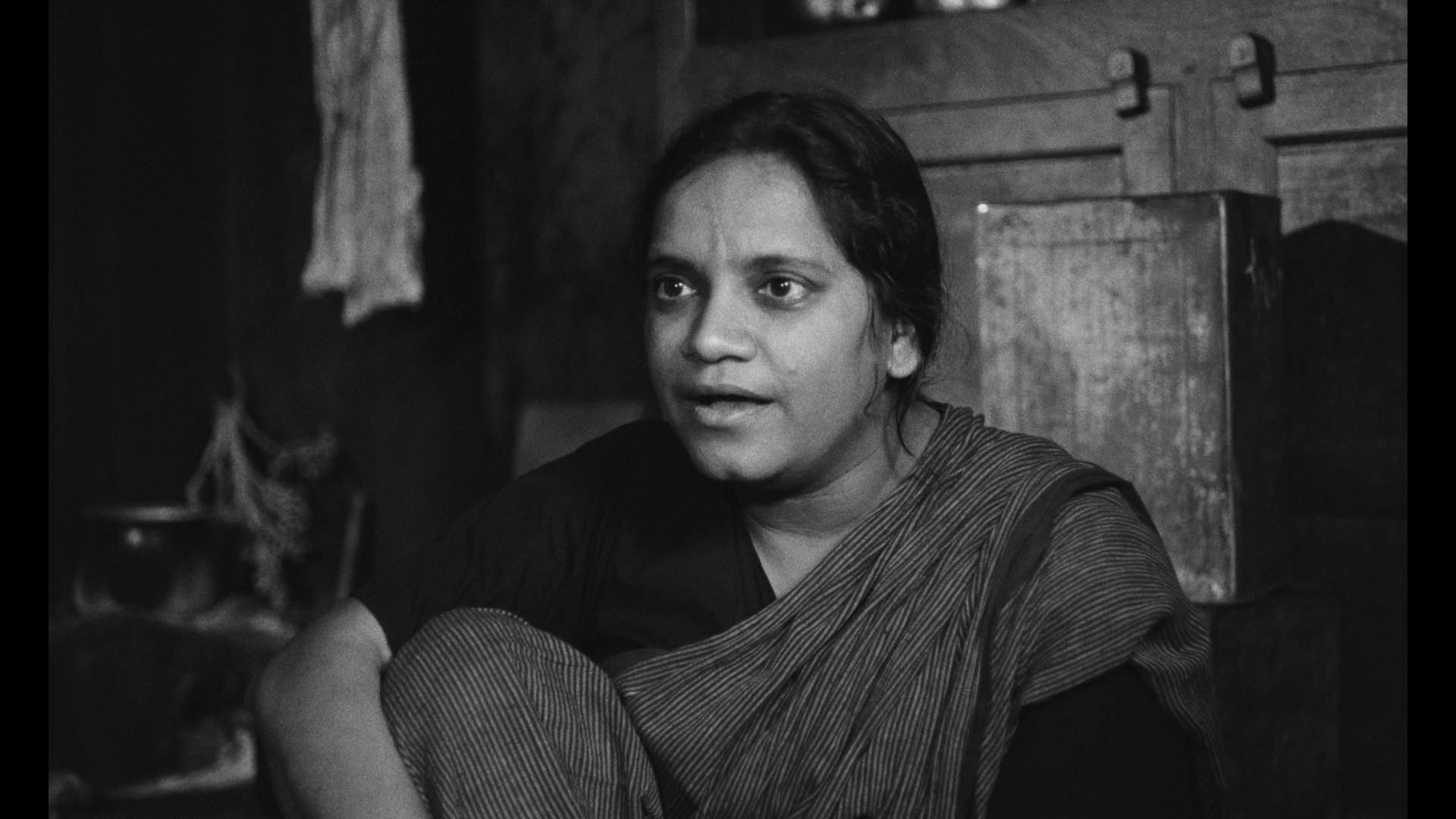
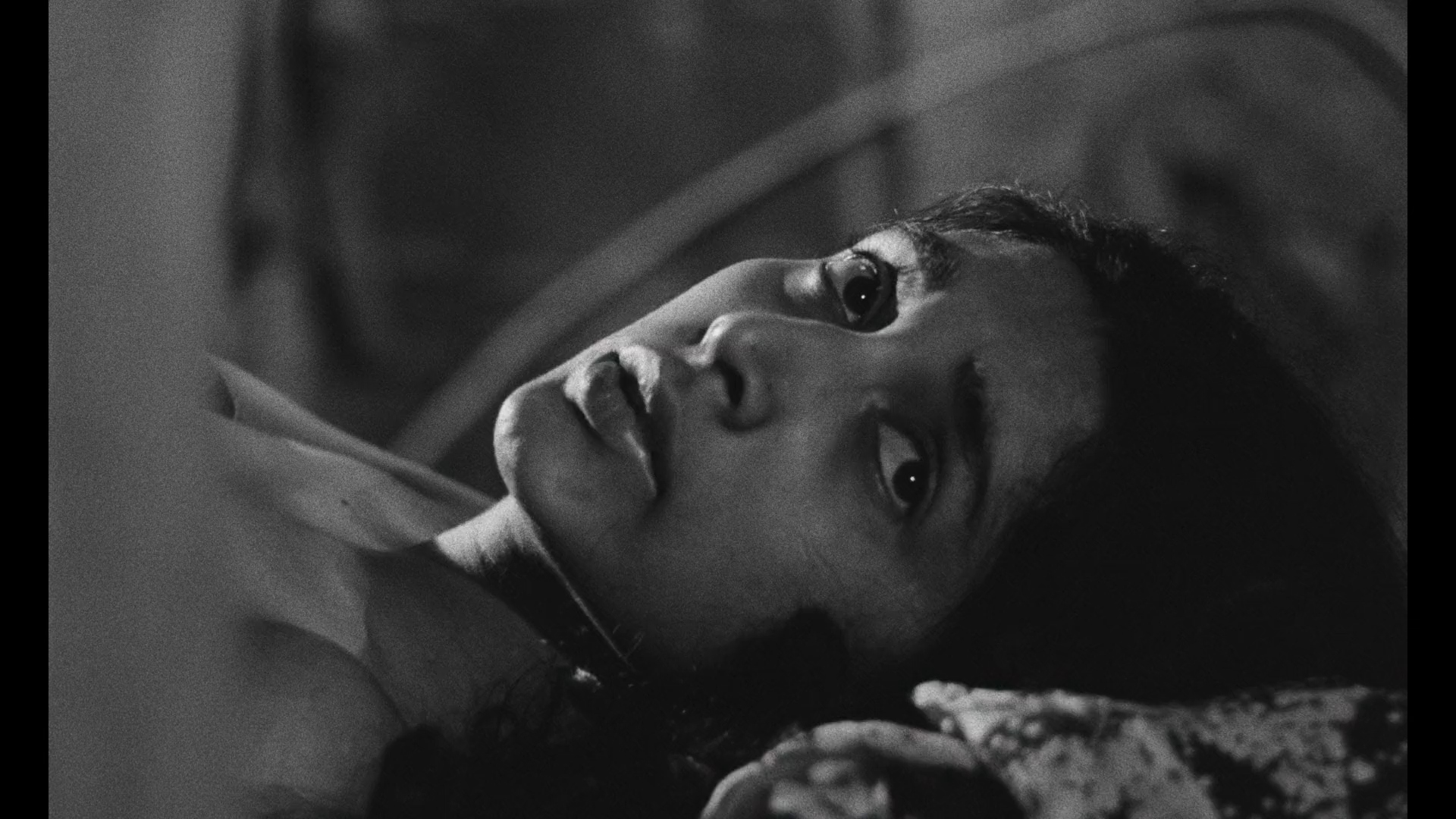
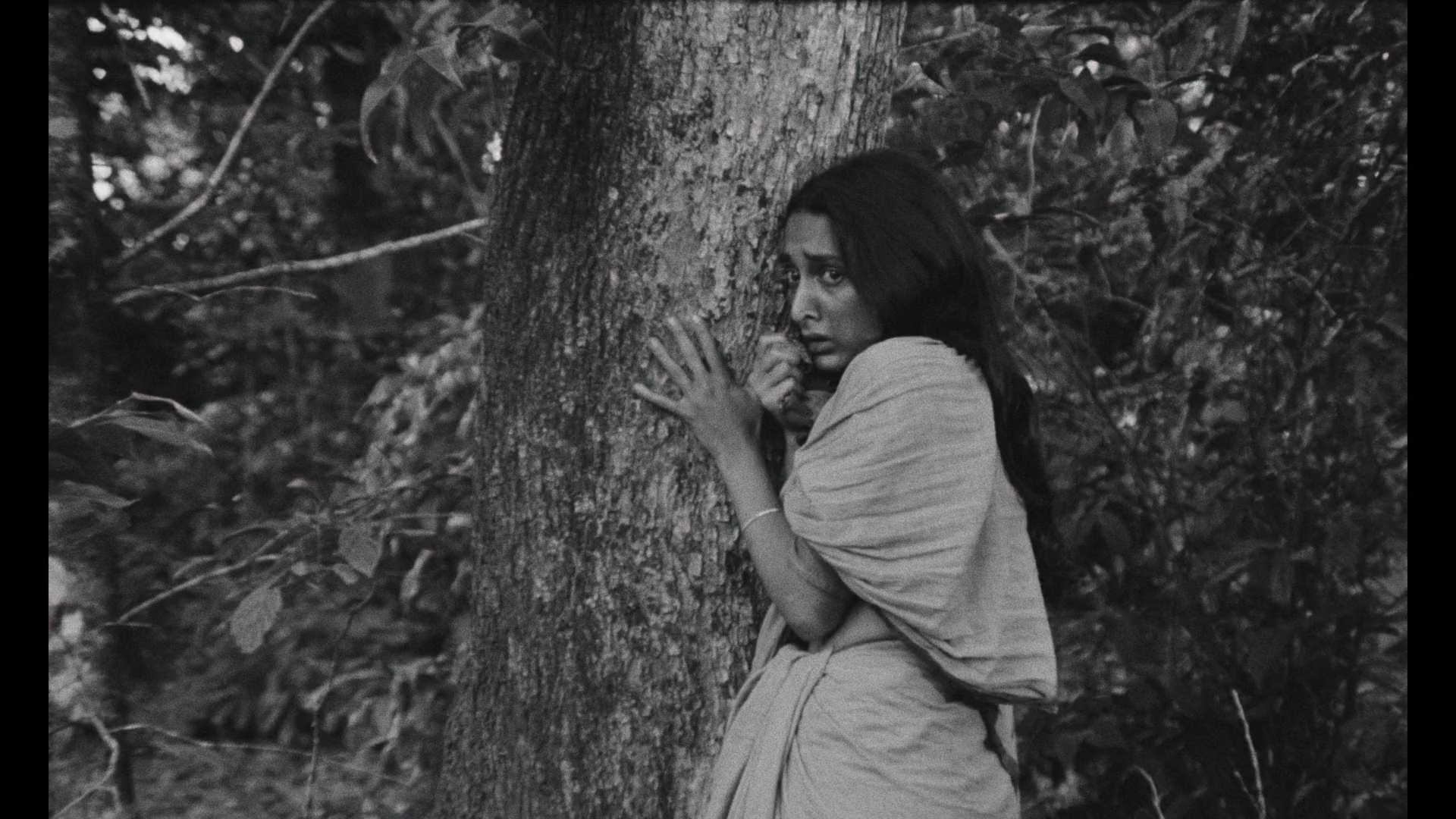
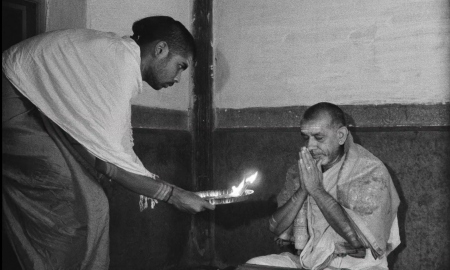
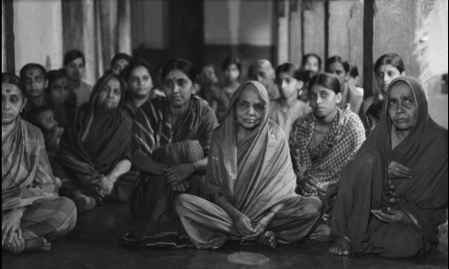
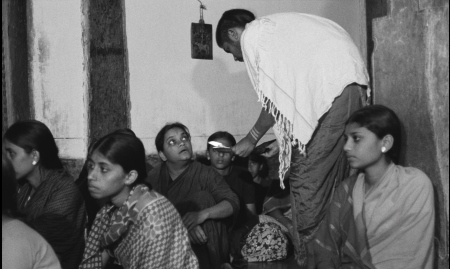
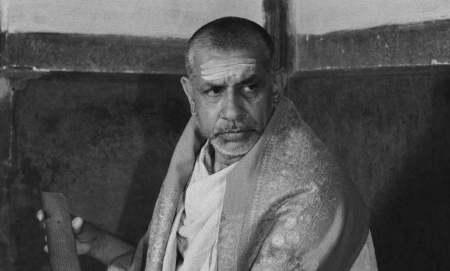
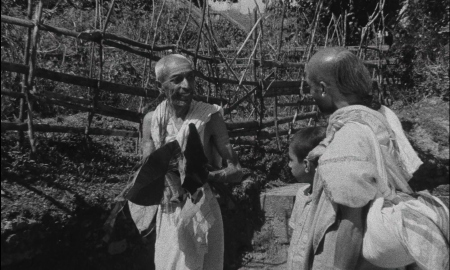
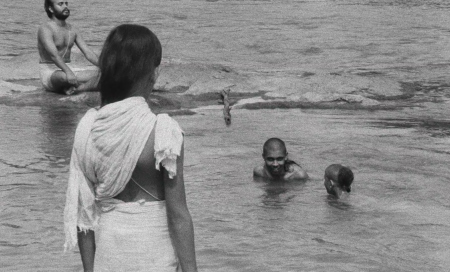
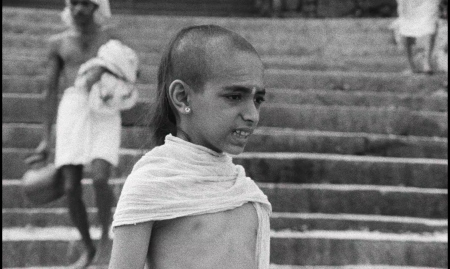
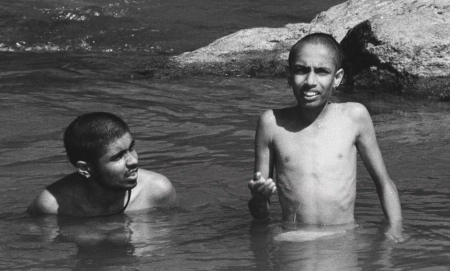
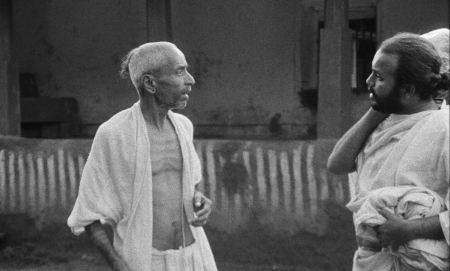
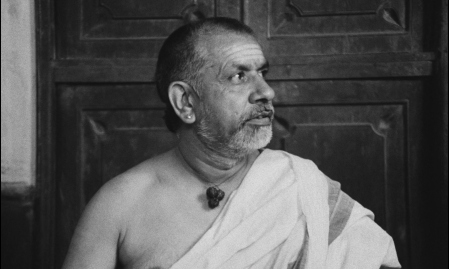
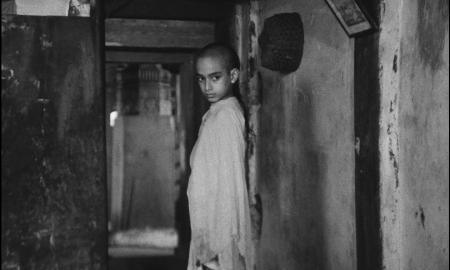
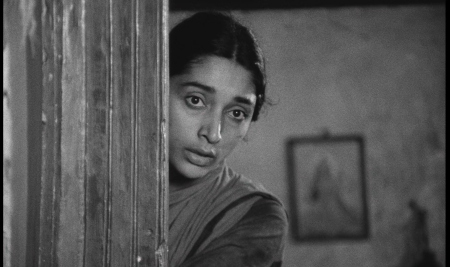
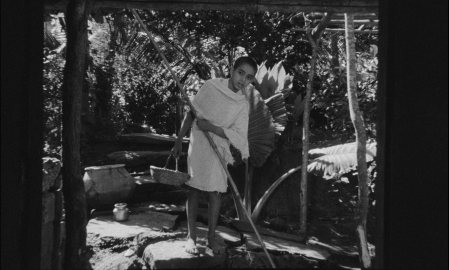
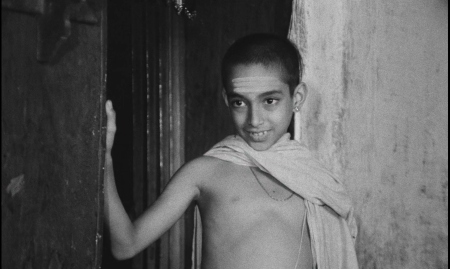
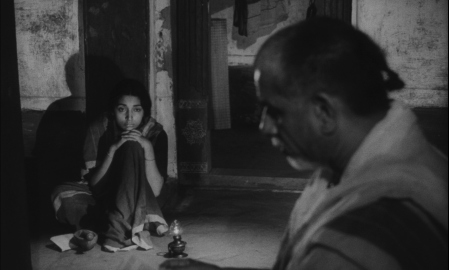
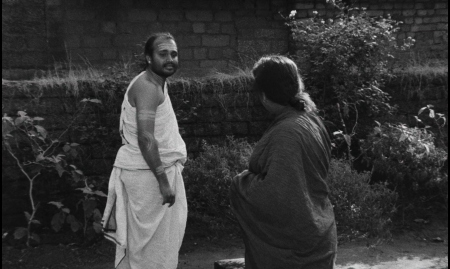
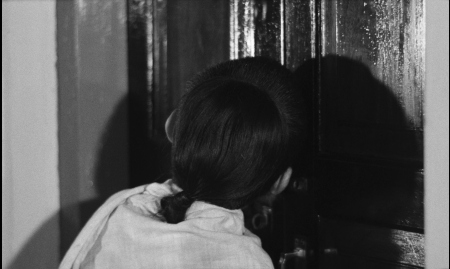
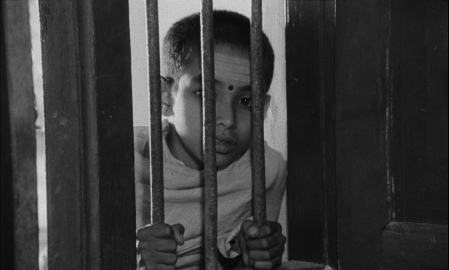
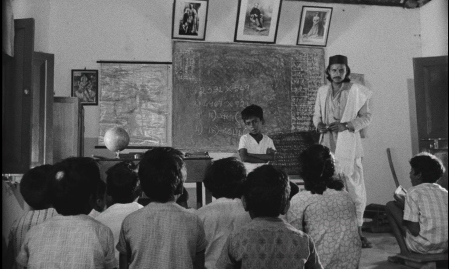
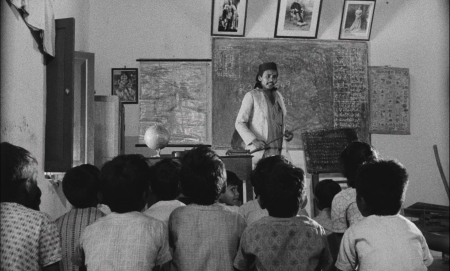
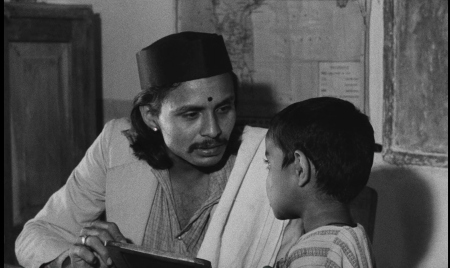
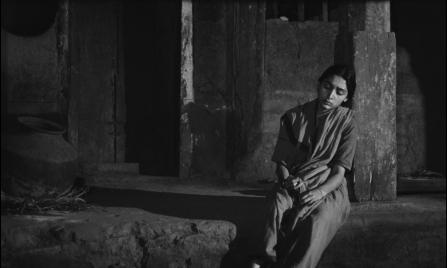
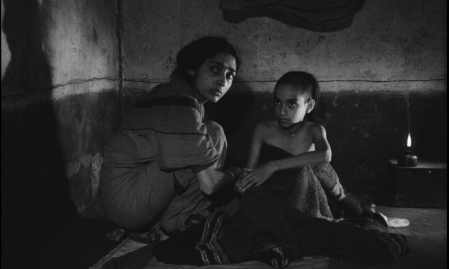
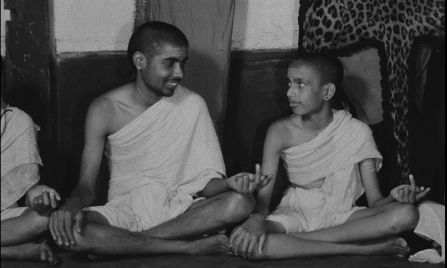
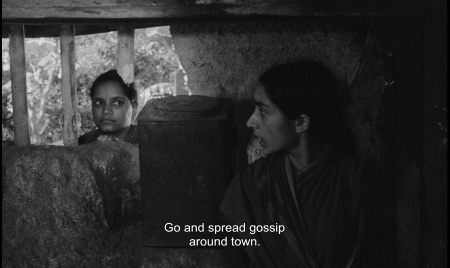
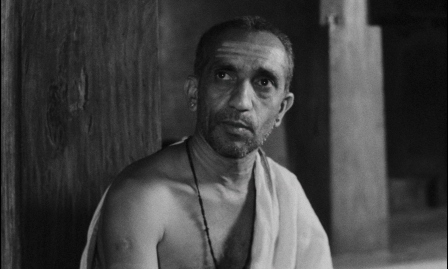
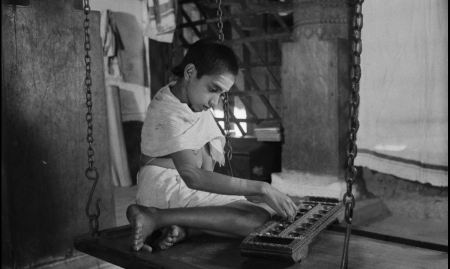
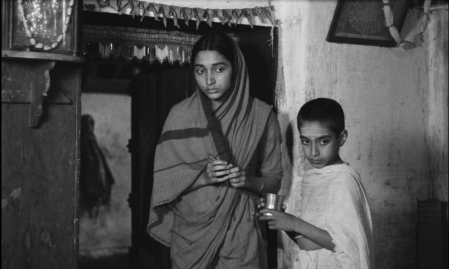
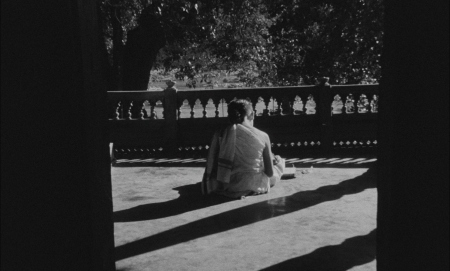
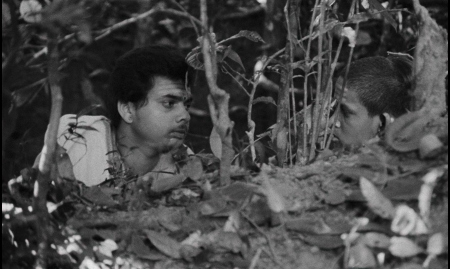
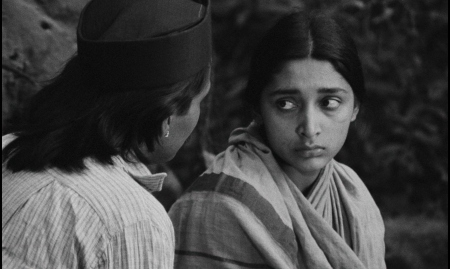
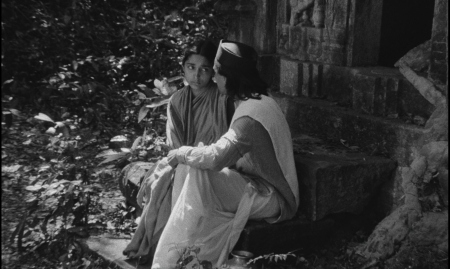
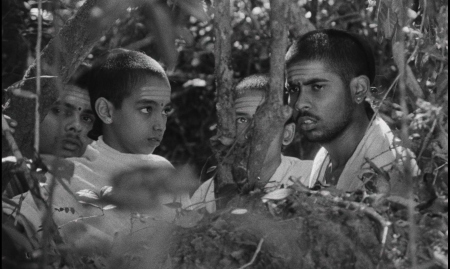
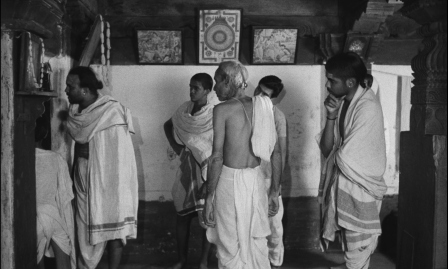
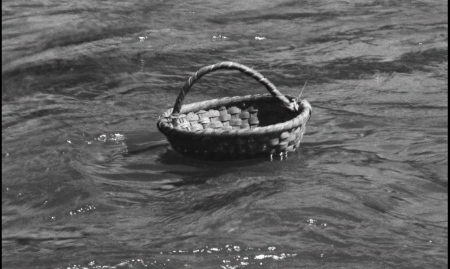
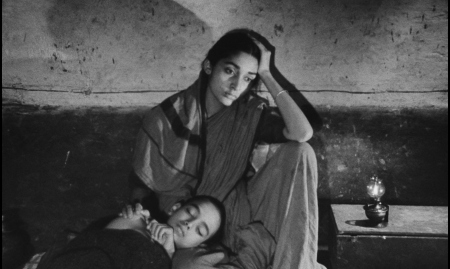
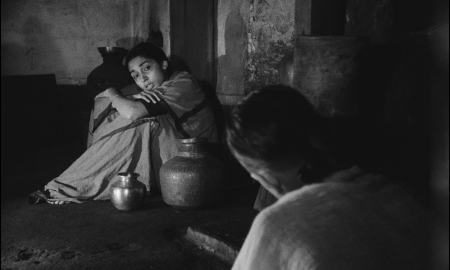
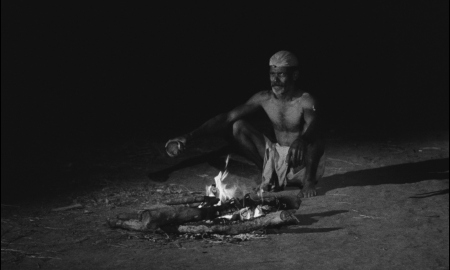
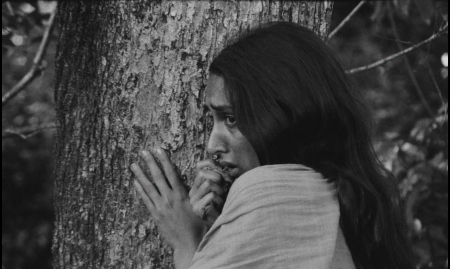
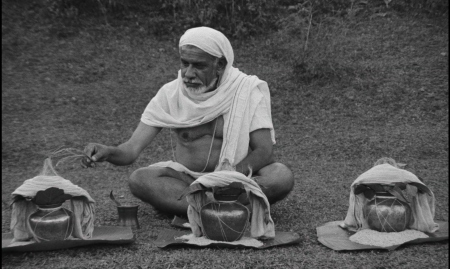
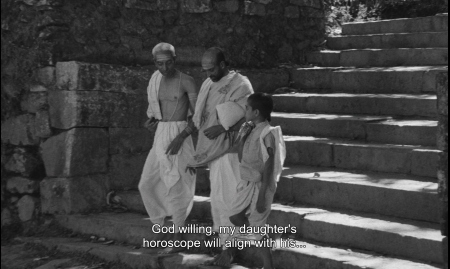
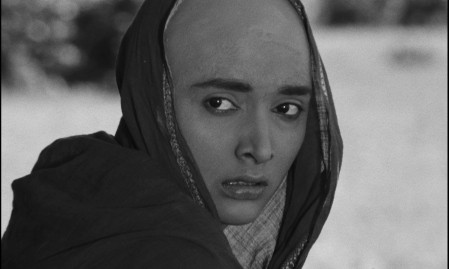
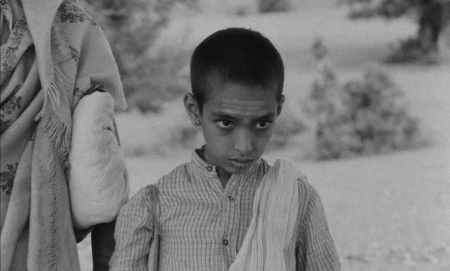
hypocrisy. *** Girish Kasaravalli's Ghatashraddha (The Ritual, 1977) is one of the great debuts in Indian cinema — a film made straight out of the FTII by a twenty-seven-year-old, and one that took the Golden Lotus for Best Feature the year it appeared. Adapted from U.R. Ananthamurthy's novella, it unfolds in a decaying Brahmin agrahara where Udupa (Ramaswamy Iyengar) keeps a dwindling Vedic school, and where his widowed daughter Yamuna (Meena Kuttappa) becomes pregnant by one of the teachers. Almost everything we see is filtered through Naani (Ajith Kumar), a small boy sent to board at the school, who understands the tenderness of his friendship with Yamuna completely and the machinery closing around her not at all — a perspective that makes the film's cruelty land with a peculiar, unbearable quietness. The title names the rite of the broken pot, the funeral performed for someone still alive, and Kasaravalli builds patiently toward it without ever raising his voice. Alongside Samskara, it remains the defining work of the Kannada New Wave, and Ananthamurthy's most devastating adaptation. |
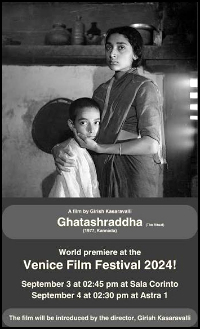
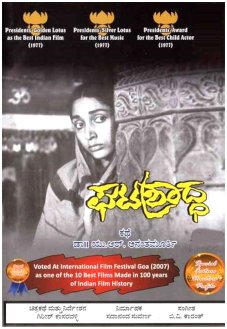
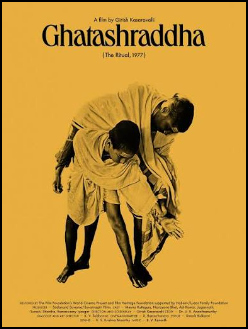
Posters
 |
 |
 |
 |
 |
 |
 |
Theatrical Release: April 24, 1977 (New York New Directors and New Films Festival)

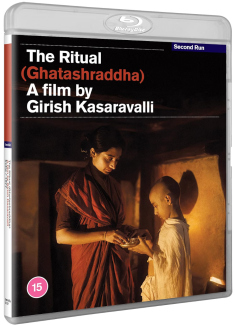
Review: Second Run - Region FREE - Blu-ray
| Box Cover |
|
CLICK to order from:
BONUS CAPTURES:
|
| Distribution | Second Run - Region FREE - Blu-ray | |
| Runtime | 1:54:50.833 | |
| Video |
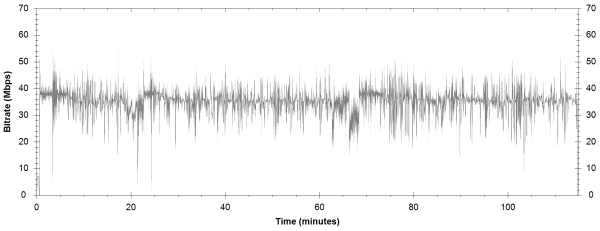
1.66:1 1080P Dual-layered Blu-ray Disc Size: 38,638,132,342 bytes Feature: 33,733,926,912 bytesVideo Bitrate: 34.94 MbpsCodec: MPEG-4 AVC Video |
|
|
NOTE: The Vertical axis represents the bits transferred per second. The Horizontal is the time in minutes. |
||
| Bitrate Blu-ray: |
|
|
| Audio |
LPCM Audio Kannada 1536 kbps 2.0 / 48 kHz / 1536 kbps / 16-bit |
|
| Subtitles | English, None | |
| Features |
Release Information: Studio: Second Run
1.66:1 1080P Dual-layered Blu-ray Disc Size: 38,638,132,342 bytesFeature: 33,733,926,912 bytesVideo Bitrate: 34.94 MbpsCodec: MPEG-4 AVC Video
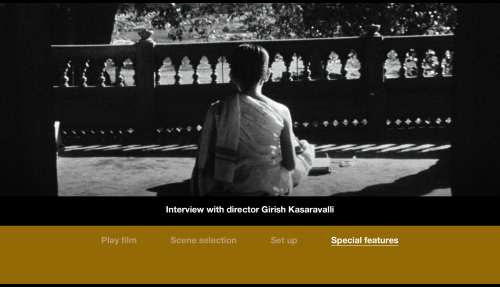
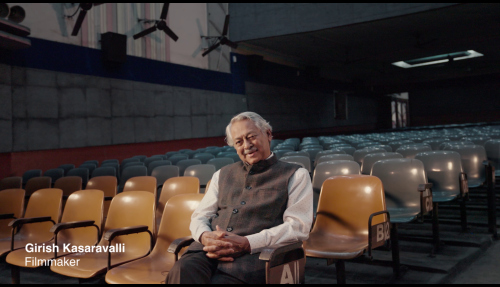
Edition Details: • New filmed interview with director Girish Kasaravalli (14:50) • Booklet with new writing by author Dr Omar Ahmed, director Girish Kasaravalli on the film, plus Film Heritage Foundation’s Shivendra Singh Dungarpur on the restoration.
Transparent Blu-ray Case Chapters 12 |
|



| Comments: |
NOTE:
The below
Blu-ray
captures were taken directly from the
Blu-ray
disc.
NOTE: We have added 60 more large
resolution
Blu-ray
captures (in lossless PNG format) for DVDBeaver Patrons
HERE
On their
Blu-ray,
Second Run use a linear PCM dual-mono track (16-bit) in the original
Kannada language. It's a faithful rather than flattering presentation of
a 1977 optical mono track. The film's sonic strategy is the reverse of
most - very little of B.V. Karanth's (Adi
Shankaracharya) National Award-winning score, and a great deal
of ambient and liturgical sound, with Vedic chant layered into household
noise until the two become one texture - so the qualities that matter
here are clarity in the midrange and an absence of the harshness that
ruins restored optical tracks. Dialogue is clear separated from the
ambient bed, the chanting has body without edge, and hiss has been
reduced without hollowing out the room tone. The closing movement, where
the ritual's clamor is pushed hard against the image instead of yielding
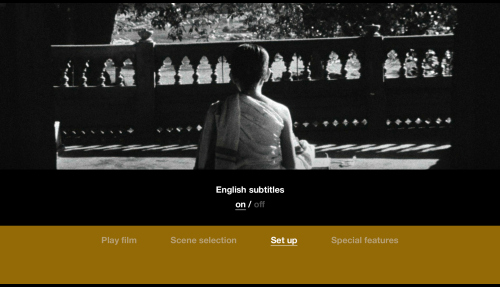
to music, is the real test, and it holds together without distortion. Second Run offer optional English subtitles on their Region FREE
Blu-ray.
NOTE: The subtitles were prepared in consultation with Kasaravalli as
part of the restoration work - which is a substantive improvement given
how much of this film's meaning travels through registers of formality
and address that older subtitle tracks flattened.
This
Second Run
Blu-ray
supplement package is lean by the standards of the label's bigger
releases, but well chosen. The centerpiece is an exclusive newly filmed
1/4 hour interview with Girish Kasaravalli, now in his mid-seventies and
an unusually lucid analyst of his own work - he is characteristically
precise on his interest in the mechanics of "othering" rather than
protest, on the decision to filter the narrative through the boy, and on
the circumstances of a first feature shot at his own family home after
villagers refused locations on the grounds that the title itself was
inauspicious. Fifteen minutes is not much, but very little of it is
wasted. The 20-page booklet does the rest of the work: new critical
writing by Dr. Omar Ahmed (Revolution
of Indian Parallel Cinema in the Global South (1968–1995),
The: From Feminism to Iconoclasm,) whose scholarship on Indian
parallel cinema makes him the right person for it, a piece by
Kasaravalli on the film, and - most valuable for readers of this site -
Shivendra Singh Dungarpur of Film Heritage Foundation on the
restoration itself, which is where the detail on elements, sources and
the state of Indian archival holdings can be found.
Girish Kasaravalli's The Ritual
is one of the essential Indian films of the 1970s and has been
effectively unavailable outside festival and archive screenings for most
of its life - a Golden Lotus winner, later named by IFFI among the
twenty best Indian films ever made, and until recently represented by
prints in poor condition. Its rescue by Film Heritage Foundation and the
World Cinema Project is one of the more consequential restorations of
the decade, and Second Run's
Blu-ray is the first opportunity most
viewers anywhere will have had to see it properly. The transfer is
excellent, the newly translated subtitles are a meaningful upgrade,
and the Kasaravalli interview and booklet give the film the framing an
unfamiliar masterwork needs. The supplements are modest in quantity; the
release is not modest in importance. Second Run's
Blu-ray is strongly recommended. |

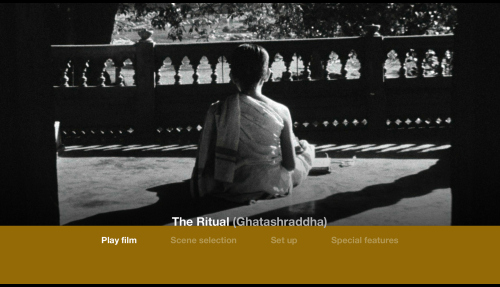
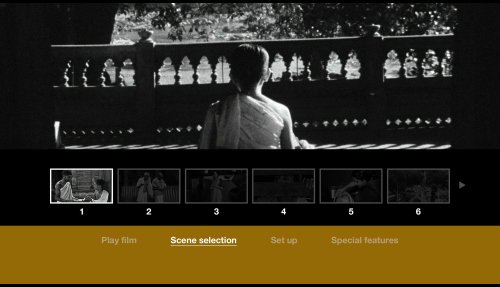
Menus / Extras
 |
 |
 |
 |
 |
 |

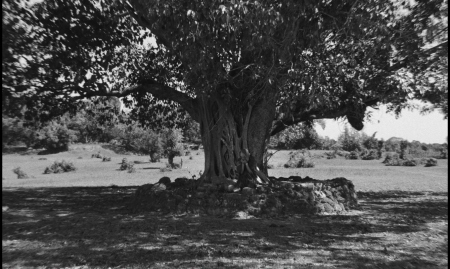
CLICK EACH BLU-RAY CAPTURE TO SEE ALL IMAGES IN FULL 1920X1080 RESOLUTION
 |
 |
 |
 |
 |
 |
 |
 |
 |
 |
More full resolution (1920 X 1080) Blu-ray Captures for DVDBeaver Patreon Supporters HERE
 |
 |
 |
 |
 |
 |
 |
 |
 |
 |
 |
 |
 |
 |
 |
 |
 |
 |
 |
 |
 |
 |
 |
 |
 |
 |
 |
 |
 |
 |
 |
 |
 |
 |
 |
 |
 |
 |
 |
 |
 |
 |
 |
 |
 |
 |
 |
 |
 |
 |
 |
 |
 |
 |
 |
 |
 |
 |
 |
 |
| Box Cover |
|
CLICK to order from:
BONUS CAPTURES:
|
| Distribution | Second Run - Region FREE - Blu-ray | |
|
Search DVDBeaver |
S E A R C H D V D B e a v e r |


























CLICK PayPal logo to donate!
|
Gary Tooze
|
|
Thank You!
