|
An
enormous, sincere thank you to our phenomenal
Patreon
supporters! Your unshakable dedication is the bedrock that keeps DVDBeaver
going - we’d be lost without you. Did you know? Our patrons include a
director, writer, editor, and producer with honors like Academy Awards for
Best Picture and Best Director, a Pulitzer Prize-winning screenwriter, and a
Golden Globe-winning filmmaker, to name a few! Sadly, DVDBeaver has reached a breaking point where our existence hangs in the balance. We’re now reaching out to YOU with a plea for help. Please consider pitching in just a few dollars a month - think of it as the price of a coffee or some spare change - to keep us bringing you in-depth reviews, current calendar updates, and detailed comparisons. I’m am indebted to your generosity!
|






|
Search DVDBeaver |
S E A R C H D V D B e a v e r |

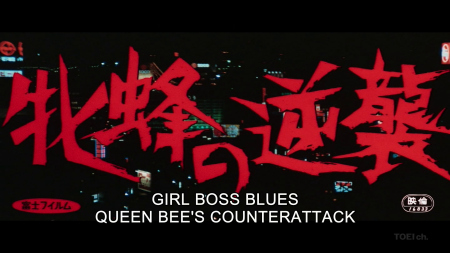
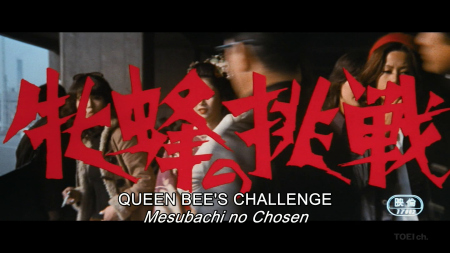
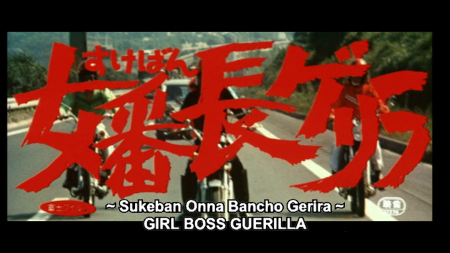
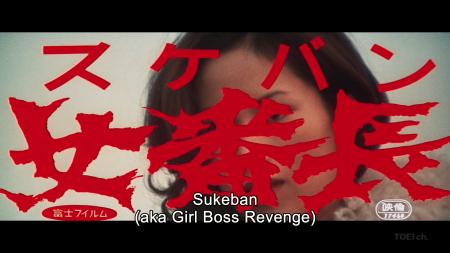
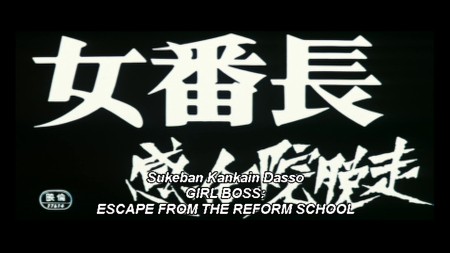
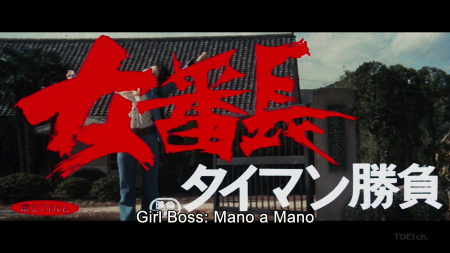
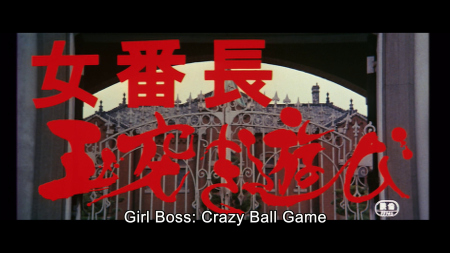
Japan 1971-1974
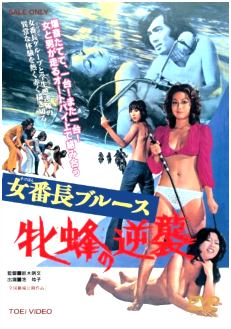
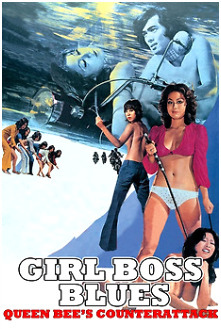
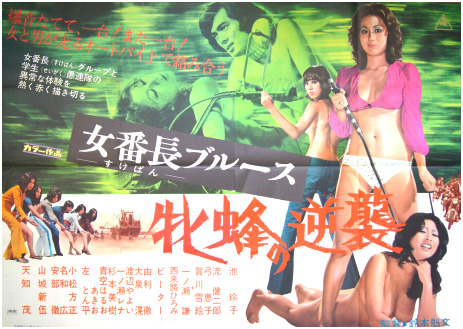
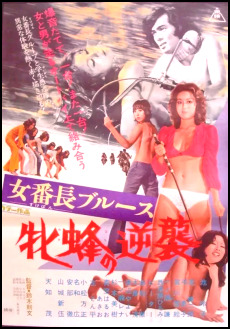
Girl Boss: Queen Bee Strikes (aka Girl Boss Blues: Queen Bee's Counterattack) (1971)
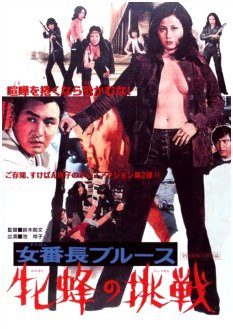
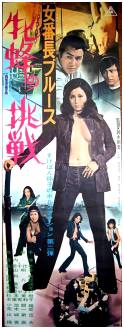
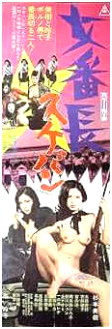
Girl Boss: Queen Bee’s Challenge (aka Girl Boss Blues: Queen Bee Strikes
Again) (1972)
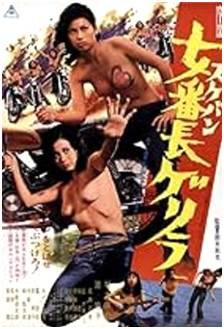
Girl Boss: Guerilla (aka Girl Boss Guerrilla) (1972)
Girl Boss: Revenge (aka Girl Boss Revenge: Sukeban) (1973)
Girl Boss: Escape from Reform School (1973)
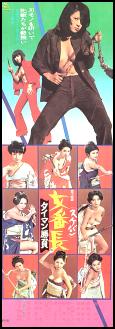
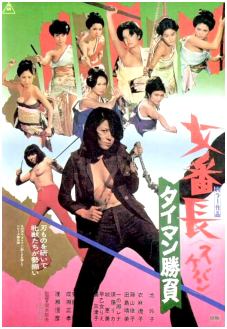
Girl Boss: Diamond Showdown (aka Girl Boss: Mano a Mano) (1974)
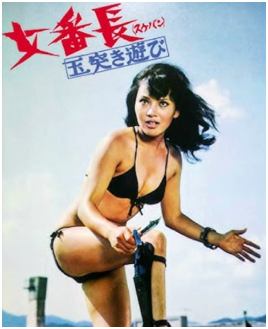
Girl Boss: Crazy Ball Game (1974)
|
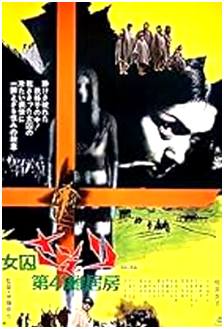
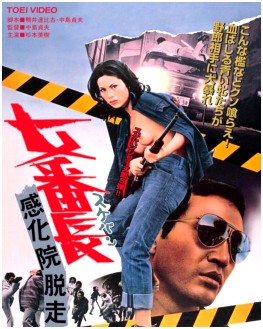
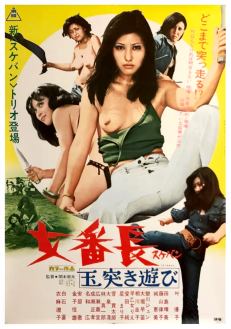
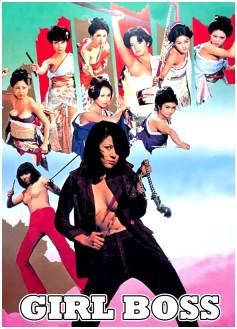
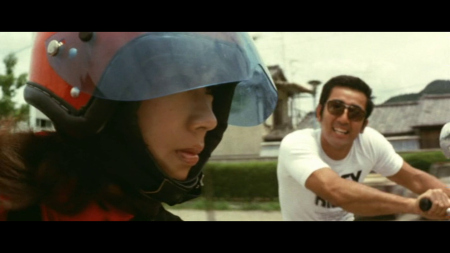
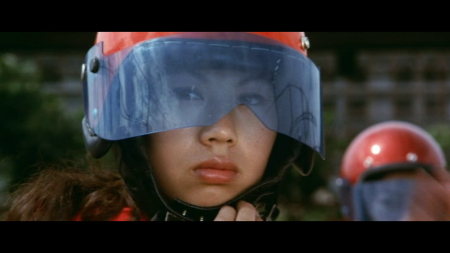
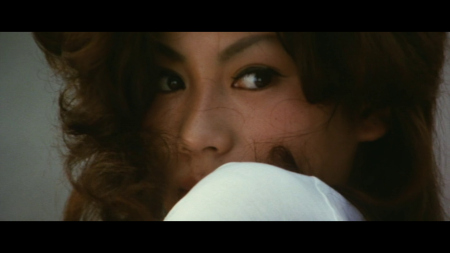
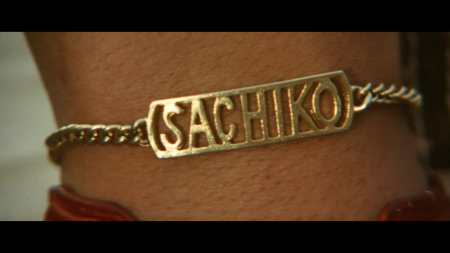
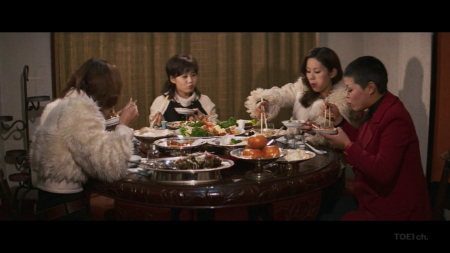
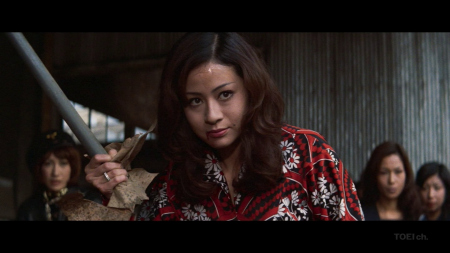
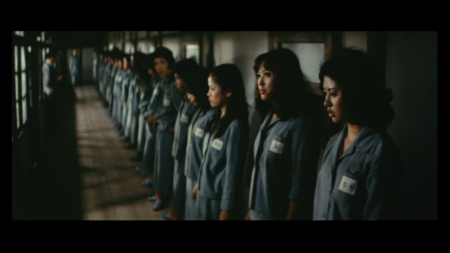
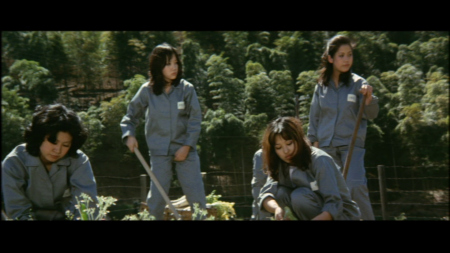
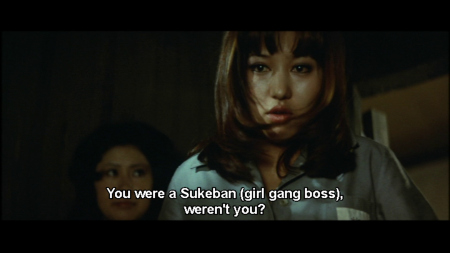
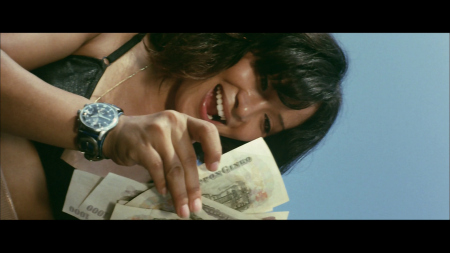
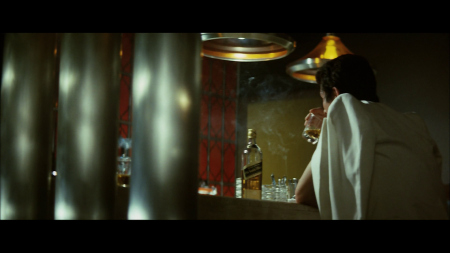
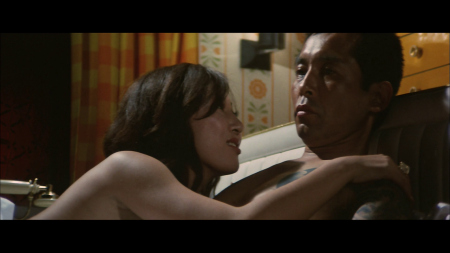
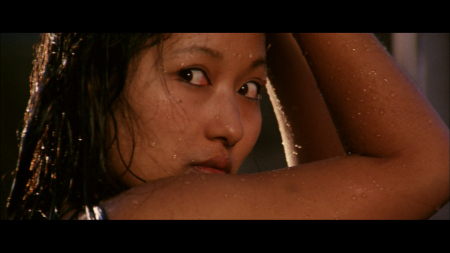
The 'Girl Boss' series, also known as the Sukeban films, is a iconic collection of seven Japanese pinky violence exploitation movies produced by Toei Company between 1971 and 1974, blending elements of delinquent girl gang culture, action, sleaze, and revenge narratives in a stylized, over-the-top fashion typical of the era's "pinky violence" subgenre, which often featured strong, rebellious female protagonists navigating worlds of crime, betrayal, and empowerment through violence and sexuality; directed primarily by Norifumi Suzuki for the initial entries, the series kicked off with "Girl Boss Blues: Queen Bee's Counterattack" (1971), starring the captivating Reiko Ike (Sex & Fury, Yakuza Wolf 2: Extend My Condolences, Terrifying Girls' High School: Animal Classmates, Terrifying Girls Delinquent Convulsion Group,) as the fierce leader of a girl gang who orchestrates a counterattack against rival yakuza forces after being released from reform school, setting the tone for themes of sisterhood and retribution this was followed by "Girl Boss Blues: Queen Bee's Challenge" (1972), again led by Reiko Ike in a high-stakes tale of gang warfare and personal challenges amid Kyoto's underworld, emphasizing her character's unyielding spirit and allure; the third installment, "Girl Boss Guerrilla" (1972), shifted focus to Miki Sugimoto (Zero Woman: Red Handcuffs, Tokugawa Sex Ban, Terrifying Girls' High School: Women's Violent Classroom,) as Sachiko, the tough leader of the Red Helmet biker gang, with Reiko Ike co-starring as the enigmatic Nami, a lone wolf tied to the yakuza, as the story unfolds in a sleazy, comedic-then-sadistic narrative involving biker rivalries, torture, and revenge in Kyoto, highlighted by the duo's dynamic chemistry and the film's funky score "Girl Boss Revenge: Sukeban" (1973), the fourth film and Suzuki's last in the series, features Miki Sugimoto in the ruthless lead role of Komasa, boss of the Kanto Gypsies, alongside Reiko Ike, delving into a more violent and mournful plot of escaped reform school girls seeking vengeance against disappointing men and oppressive systems, cutting back on humor for intensified exploitation elements like brutality and raw action continuing the momentum, "Girl Boss: Escape from Reform School" (1973) stars Miki Sugimoto leading an ensemble of reform-school escapees in a high-energy story of rebellion and camaraderie, praised for its tight script and ensemble dynamics. "Girl Boss: Diamond Showdown" (1974) maintains the series' flair with Miki Sugimoto and supporting actresses clashing over illicit diamond schemes and gang loyalties; finally, "Girl Boss: Crazy Ball Game" (1974) wraps up the saga with a wild, sports-infused twist involving delinquent girls in a chaotic baseball-themed showdown, anchored by the charismatic performances of its distinct female leads, Yûko Kanô (Terrifying Girls' High School: Delinquent Convulsion Group, Terrifying Girls' High School: Lynch Law Classroom, New Female Prisoner Scorpion: #701) as the resilient protagonist Kyoko and Ryôko Ema (Terrifying Girls' High School: Animal Classmates, Sex & Fury, Terrifying Girls' High School: Women's Violent Classroom, Tokugawa Sex Ban) as her vengeful rival Mina. While the overall series is dominated by quintessential stars Reiko Ike and Miki Sugimoto, who embody the sukeban archetype with their stunning beauty, cool demeanor, and commanding presence - often sharing the screen in earlier entries to amplify the films' themes of female solidarity against patriarchal yakuza structures - the final installment shifts to new talent, making the 'Girl Boss' saga a cult favorite for its unapologetic mix of empowerment, nudity, and grindhouse thrills that influenced later exploitation cinema. |
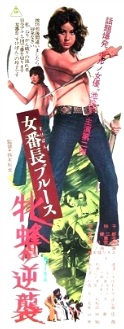
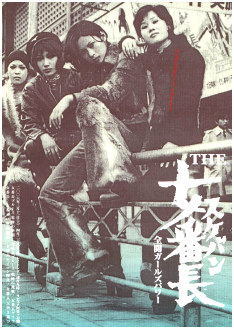
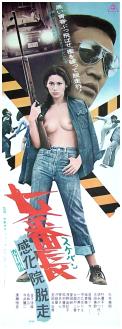
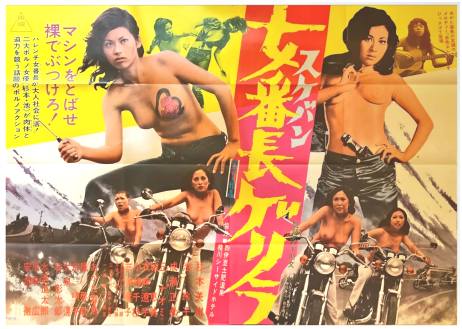
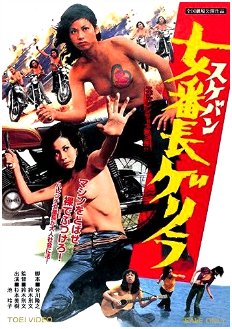
Posters
 |
 |
 |
 |
 |
 |
 |
 |
 |
 |
 |
 |
 |
 |
 |
 |
 |
 |
 |
 |
Theatrical Release: October 27th, 1971 - October 19th, 1974

Review: Sloppy Second Sales - Region FREE - Blu-ray
| Distribution | Sloppy Second Sales - Region FREE - Blu-ray | |
| Runtime |
Girl Boss Blues: Queen Bee's Counterattack: 1:26:40.833 Girl Boss: Queen Bee’s Challenge: 1:24:08.833 Girl Boss Guerrilla: 1:23:36.970 Girl Boss Revenge: 1:25:58.833 Girl Boss: Escape from Reform School: 1:29:17.666 Girl Boss: Diamond Showdown: 1:27:03.958 Girl Boss: Crazy Ball Game: 1:27:14.187 |
|
| Video |
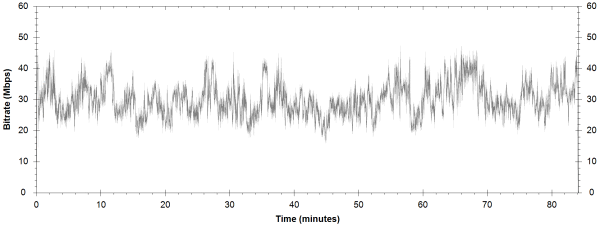
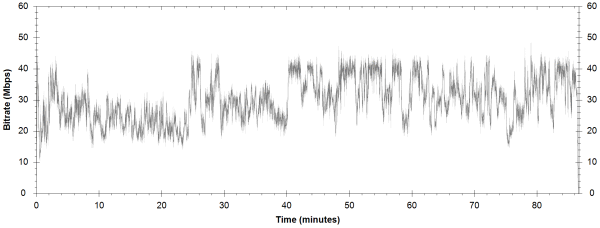
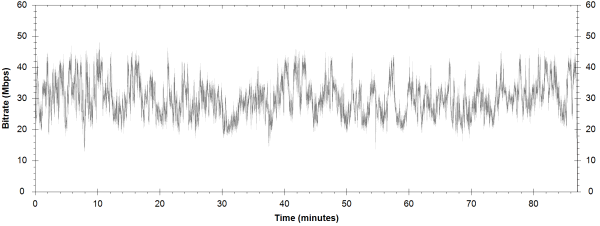
Queen Bee's Counterattack: 2.35 :1 1080P Single-layered Blu-rayDisc Size: 20,562,402,909 bytesFeature: 20,562,336,384 bytes Video Bitrate: 29.97 MbpsCodec: MPEG-4 AVC Video |
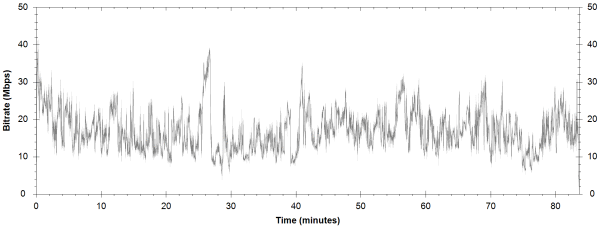
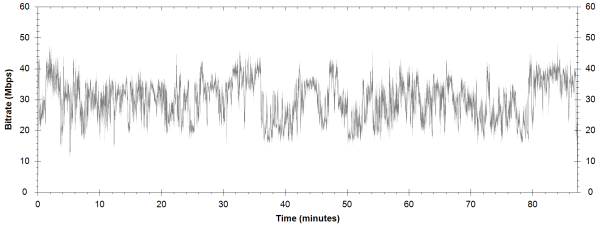
Girl Boss: Queen Bee’s Challenge: 2.35 :1 1080P Single-layered Blu-rayDisc Size: 19,893,829,375 bytesFeature: 30,857,963,520 bytesVideo Bitrate: 29.87 MbpsCodec: MPEG-4 AVC Video |
|
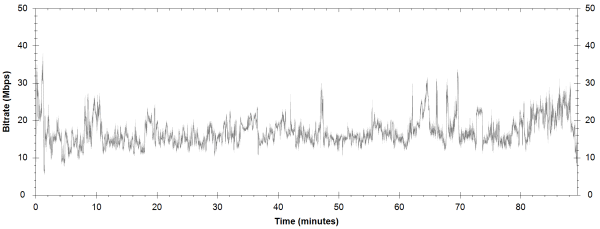
2.35 :1 1080P Single-layered Blu-rayDisc Size: 23,819,057,281 bytesGirl Boss Guerrilla: 11,345,157,696 bytes Girl Boss: Escape from Reform School: 12,115,560,000 Video Bitrate: bytes 16.99 MbpsCodec: MPEG-4 AVC Video |
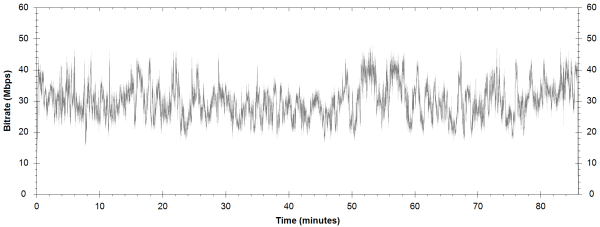
Girl Boss Revenge: 2.35 :1 1080P Single-layered Blu-rayDisc Size: 20,414,976,580 bytes bytesFeature: 20,414,532,672 bytes Video Bitrate: 30.00 MbpsCodec: MPEG-4 AVC Video |
|
|
Girl Boss: Diamond Showdown: 2.35 :1 1080P Single-layered Blu-rayDisc Size: 20,669,087,677 bytesFeature: 20,669,009,856 bytes Video Bitrate: 29.99 MbpsCodec: MPEG-4 AVC Video |
Girl Boss: Crazy Ball Game: 2.35 :1 1080P Single-layered Blu-rayDisc Size: 20,716,212,151 bytesFeature: 20,716,146,240 bytes Video Bitrate: 30.05 MbpsCodec: MPEG-4 AVC Video |
|
|
NOTE: The Vertical axis represents the bits transferred per second. The Horizontal is the time in minutes. |
||
| Bitrate Queen Bee's Counterattack Blu-ray: |
|
|
| Bitrate Girl Boss: Queen Bee’s Challenge Blu-ray: |
|
|
| Bitrate Girl Boss Guerrilla Blu-ray: |
|
|
| Bitrate Girl Boss Revenge Blu-ray: |
|
|
| Bitrate Girl Boss: Escape from Reform School Blu-ray: |
|
|
| Bitrate Girl Boss: Diamond Showdown Blu-ray: |
|
|
| Bitrate Girl Boss: Crazy Ball Game Blu-ray: |
|
|
| Audio |
Dolby Digital Audio Japanese 224 kbps 2.0 / 48 kHz / 224 kbps / DN -31dB |
|
| Subtitles | English (burned-in) | |
| Features |
Release Information: Studio: Sloppy Second Sales
Edition Details: • None
Chapters 1 8 / 14 / 17 / 12 / 12 / 18 / 18 |
|

| Comments: |
NOTE:
The below
Blu-ray
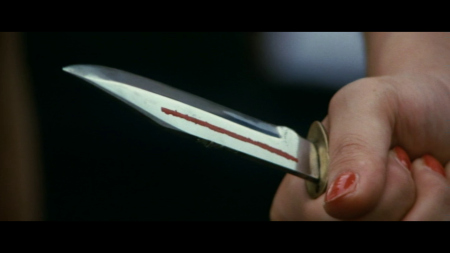
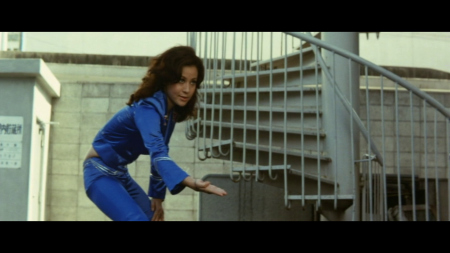
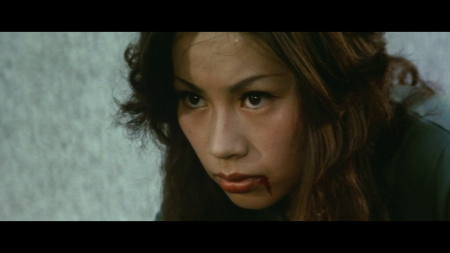
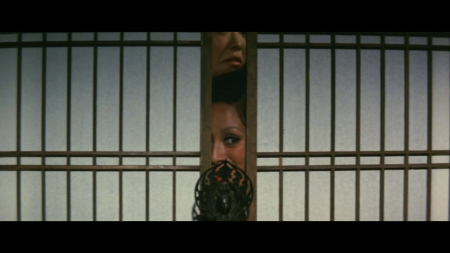
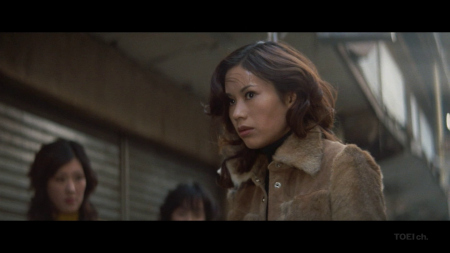
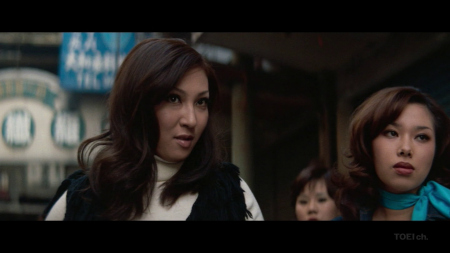
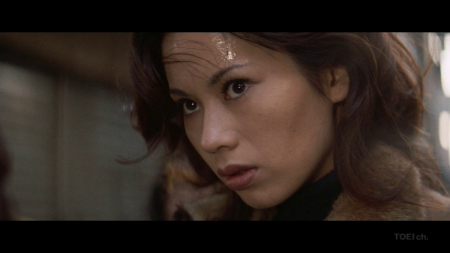
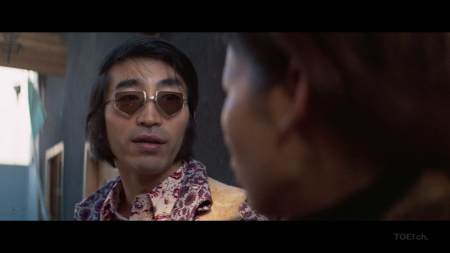
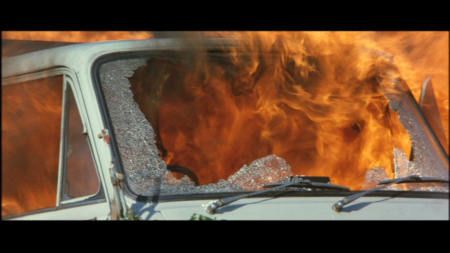
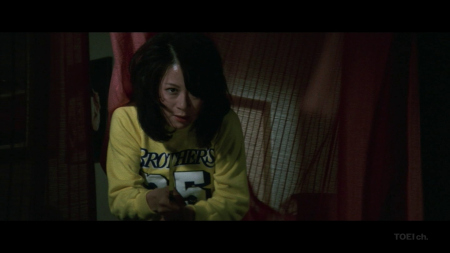
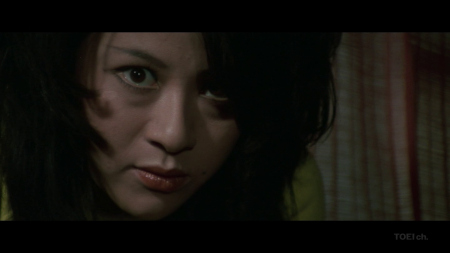
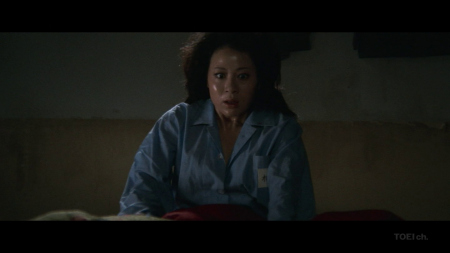
captures were taken directly from the
Blu-ray
disc.
Q: Is this a Bootleg?
A: Undoubtedly. These are 6 burned
Blu-ray discs (BD-Rs,) no menus or extras
- burned-in subtitles, lossy audio - no studio sanctioning visible
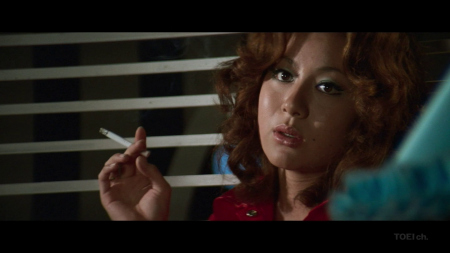
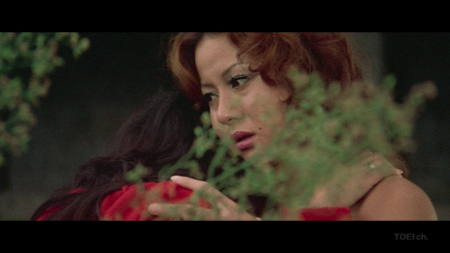
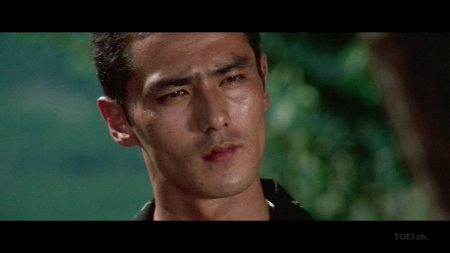
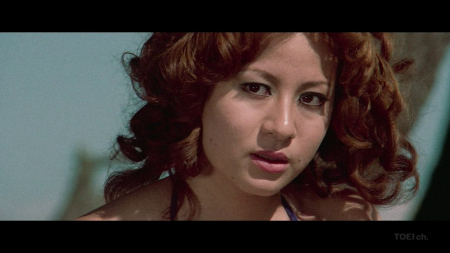
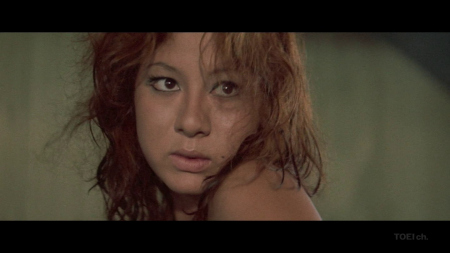
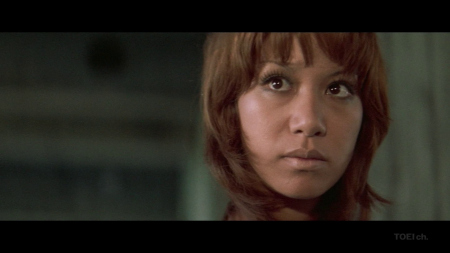
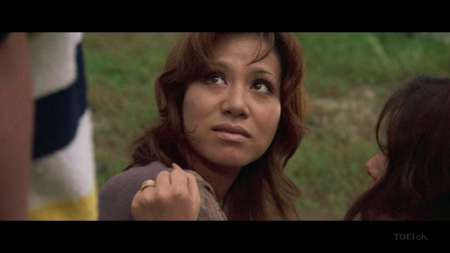
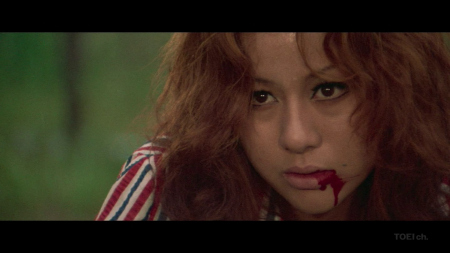
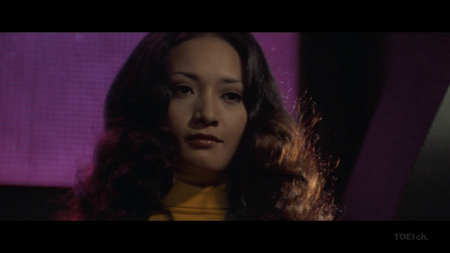
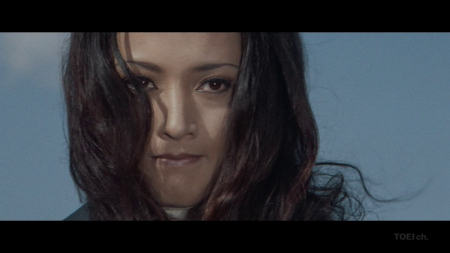
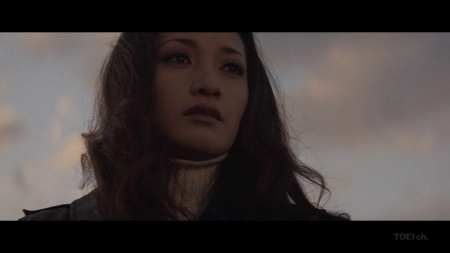
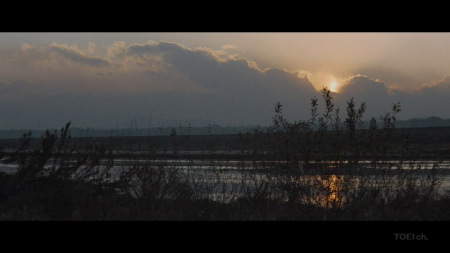
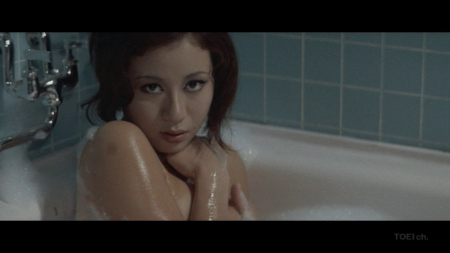
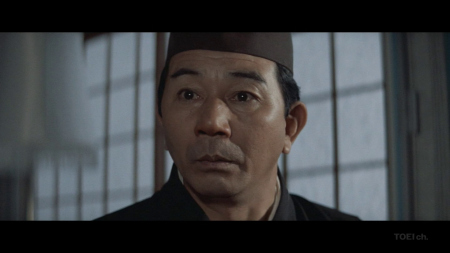
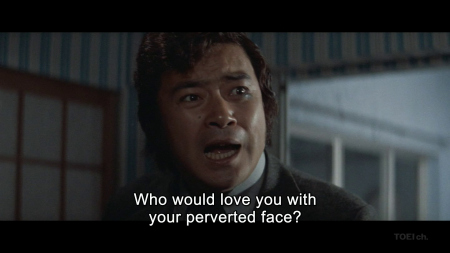
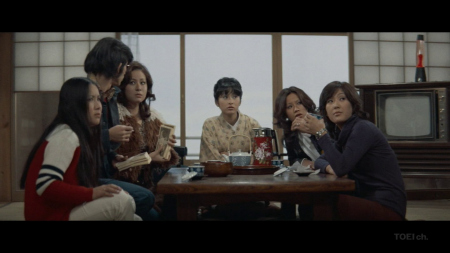
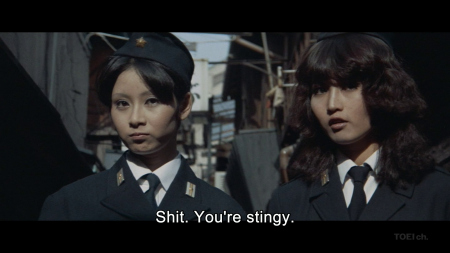
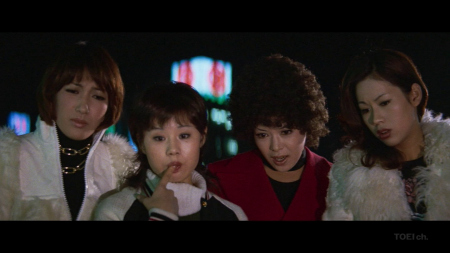
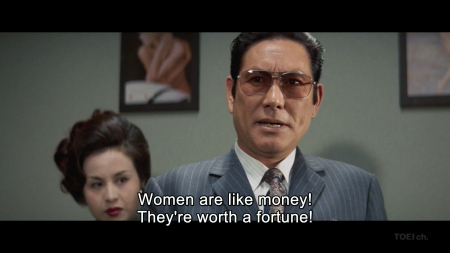
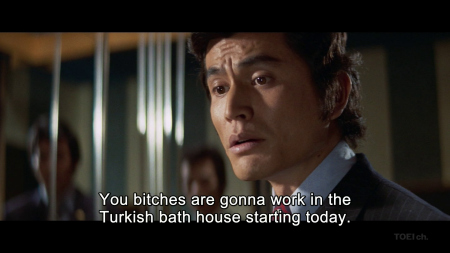
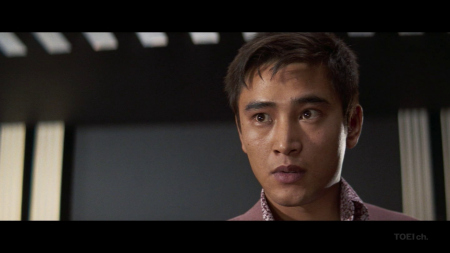
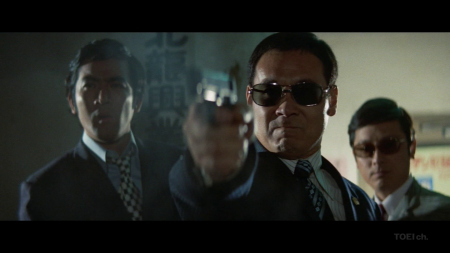
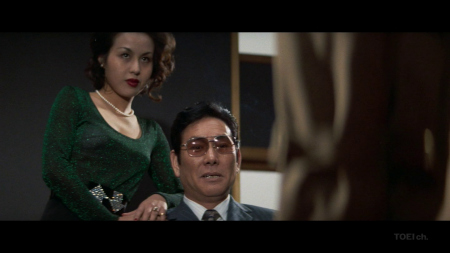
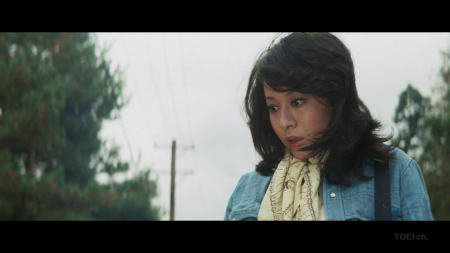
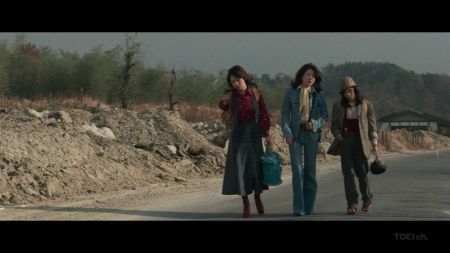
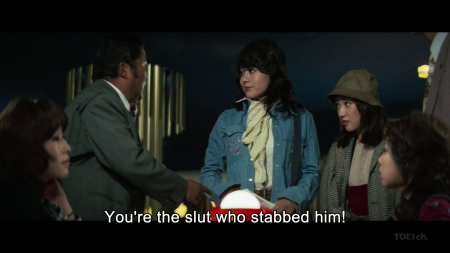
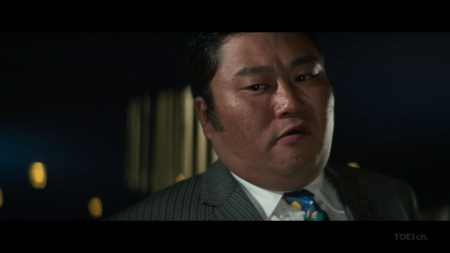
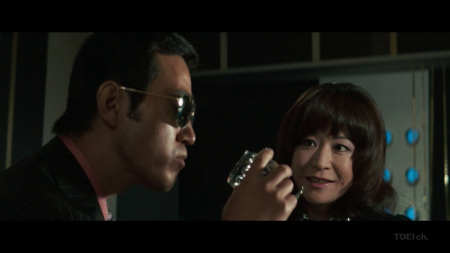
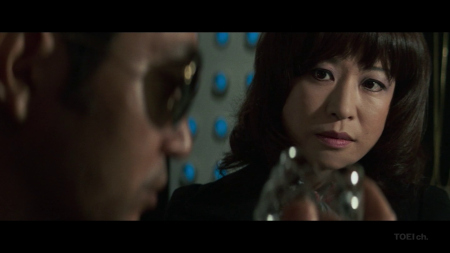
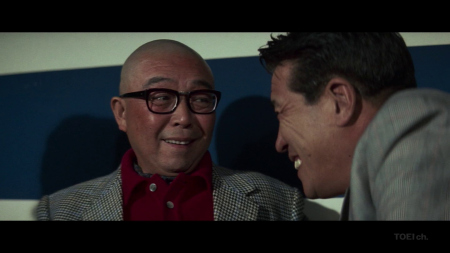
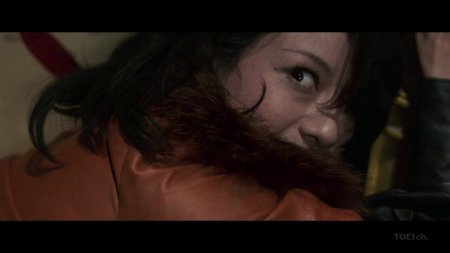
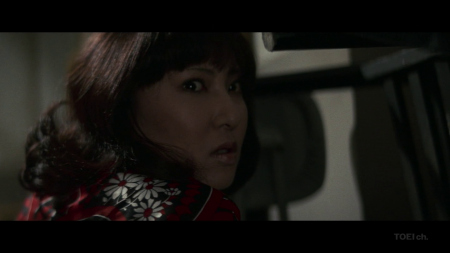
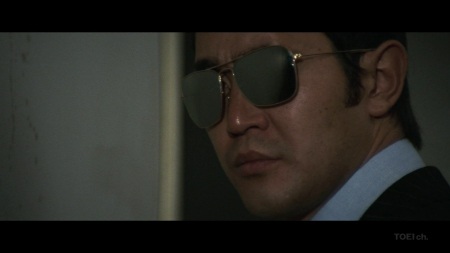
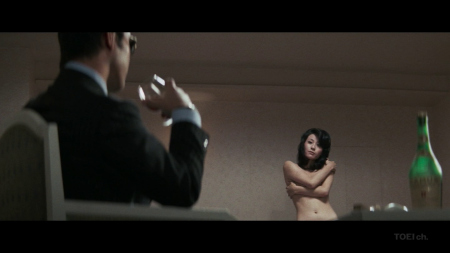
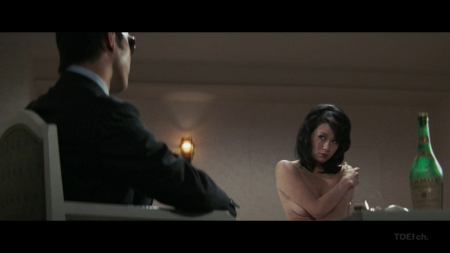
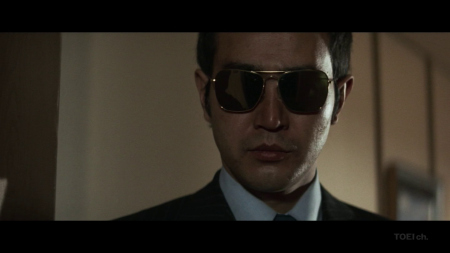
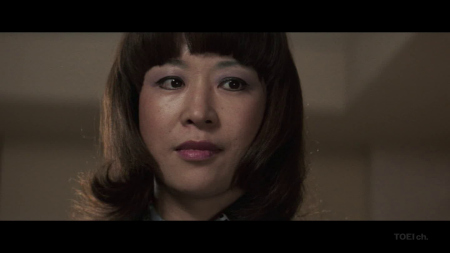
anywhere. Lightly visible on all "HD Sourced" films is a watermark in the bottom
right that says "TOEIch" possibly taken from television
broadcasts (see sample below.)
___________
Q: Are the films transferred in 1080P?
A: Yes, all seven films are transferred at 1080P - single-layered with one,
of the six,
Blu-ray discs sharing 2 SD-bumps films (#3
and #5 of the series). They are advertised as "Contains all 7 films, 5 HD
sourced, 2 DVD sourced (upscaled)." The SD bumps are Girl Boss
Guerrilla + Girl Boss: Escape from Reform School.
___________
Q: Why are you reviewing it?
A: We haven't reviewed a bootleg in many years. We used to do as more of a
'public service announcement' warning. A DVDBeaver patron sent a donation to specifically buy this set (he
was curious about the quality and it fits in our
Provocative Asian Cinema page.) I was very keen to cover the films
as part of that page. The evolution of this genre remains fascinating.
___________
Q: Do you endorse this set?
A: Absolutely not. It is a bootleg. Don't support bootleggers. It also has middling quality at best. We'd love
to compare it - one day soon - to an Arrow, Discotek Media etc. (hint, hint)
legitimate
Blu-ray boxset edition with superior a/v,
extras, and removable subtitles.
___________
Q:
Are the two SD-bumps superior to released DVDs?
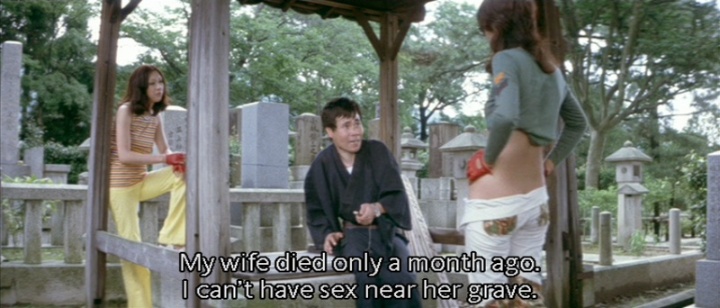
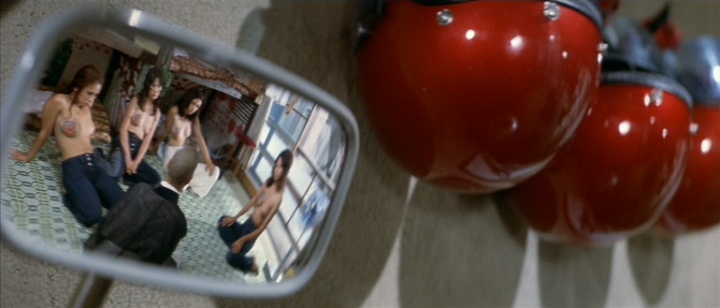
A: No. They are actually appear softer with poor color balance. We've
compared a few below from Eric's review of the Panik House DVD of Girl
Boss: Guerilla,
HERE. The DVD video presentation is superior.
___________
NOTE: We
have added 190 more large resolution Blu-ray
captures (in lossless PNG format) for DVDBeaver Patrons
HERE
___________
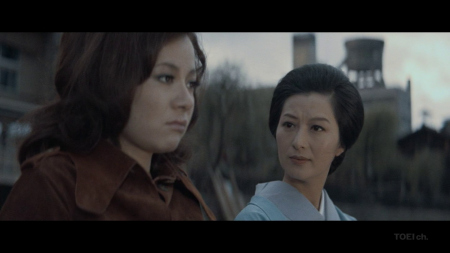
The 'Girl Boss series', known in
Japanese as the Sukeban (女番長) films, represents a cornerstone of
Toei Company's prolific
output in the early 1970s, comprising seven entries released between
1971 and 1974 that epitomize the "pinky violence" genre - a hybrid of
exploitation cinema blending graphic violence, nudity, sexual themes,
and rebellious female protagonists in a stylized, often psychedelic
framework. Emerging amid Japan's economic boom and shifting social
norms, the series drew inspiration from real-life sukeban subculture -
delinquent all-female youth gangs of the 1960s and 1970s who defied
traditional gender roles through modified school uniforms (long skirts
as a rebuke to sexualization), gang affiliations, and acts of rebellion,
symbolizing autonomy and sisterhood in a patriarchal society.
Toei capitalized on the
decline of Nikkatsu's roman porno (softcore erotica) by amplifying
action and exploitation elements, creating "pinky violence" as a more
visceral alternative that featured tough, scantily clad women wielding
switchblades and motorcycles against yakuza thugs and corrupt systems.
Directed predominantly by Norifumi Suzuki (for the first four films),
the series reflected the studio's strategy to blend grindhouse thrills
with social commentary, often set in urban underbellies like Kyoto or
reform schools, where female solidarity clashed with male dominance. At
its core, the 'Girl Boss series' explores themes of female
empowerment and resilience in a male-gaze-dominated world, portraying
its heroines as anti-heroic figures who navigate betrayal, exploitation,
and vengeance through unapologetic violence and sexuality. While the
sukeban protagonists subvert traditional femininity by adopting
masculine aggression (e.g., brawls, leadership in criminal hierarchies),
the narratives frequently punish or objectify them, reflecting broader
societal anxieties about women's liberation in post-war Japan.
Stylistically, the series is a whirlwind of exploitation tropes executed
with flair: fast-paced editing, funky soundtracks (often blending enka
ballads with rock), and vivid cinematography that amplifies the
psychedelic urban grit, from neon-lit streets to blood-soaked catfights.
Critically, the series has been lauded for its energetic escapism and
subversive edge, though critiqued for glorifying abuse. Often set in
urban backstreets or reform schools, escalate from verbal taunts to
physical mayhem, serving as both titillating spectacle and narrative
drivers for revenge plots, with Girl Boss Revenge featuring
particularly vicious "bitch-fights" among escaped inmates that
underscore the series' gritty, empowering yet objectifying portrayal of
women in combat; bondage emerges as a recurring motif, drawing from the
pinku eiga's S&M influences, where heroines like Reiko Ike's characters
in the early entries or Miki Sugimoto's in later ones endure ritualistic
torture scenes - ropes, chains, and whippings inflicted by yakuza
captors or rival gangs - highlighting vulnerability before triumphant
escapes, as seen in the infamous "Miki torture montage" repeated across
films like Girl Boss Revenge, blending eroticism with resilience
to critique institutional abuse while indulging in voyeurism.
In conclusion, the 'Girl Boss (Sukeban) series', spanning seven
explosive films from 1971 to 1974 under
Toei's pinky violence banner, masterfully weaves
tales of delinquent girl gangs clashing with yakuza overlords in a
whirlwind of revenge, sisterhood, and rebellion, directed with gritty
flair by talents like Norifumi Suzuki and starring iconic leads such as
Reiko Ike's (Sex & Fury, Yakuza Wolf 2: Extend My Condolences,
Terrifying Girls' High
School: Animal Classmates,
Terrifying Girls
Delinquent Convulsion Group,) sultry queen bees in the early
entries, Miki Sugimoto's (Zero Woman: Red Handcuffs,
Tokugawa Sex Ban,
Terrifying Girls' High School: Women's Violent Classroom,)
fierce warriors in the mid-saga, and fresh faces like Yûko Kanô (Terrifying
Girls' High School: Delinquent Convulsion Group,
Terrifying Girls' High School: Lynch Law Classroom,
New Female Prisoner Scorpion:
#701) and Ryôko Ema (Terrifying
Girls' High School: Animal Classmates,
Sex & Fury,
Terrifying Girls' High School: Women's Violent Classroom,
Tokugawa Sex Ban) in the chaotic finale Crazy Ball Game, all
embodying unyielding female agency amid exploitation tropes of bondage,
tattoos, and catfights that subvert patriarchal norms while indulging in
grindhouse sleaze. Its legacy endures as a cult phenomenon influencing
global cinema from anime to modern action flicks, celebrated for
empowering narratives that highlight unity in numbers through gang
camaraderie against systemic oppression, though modern viewers should
renounce unauthorized bootlegs like this Sloppy Seconds
Blu-ray set - sourced from uneven HD
broadcasts and ineffectual DVD upscales - for their subpar quality, lack
of remastering, bare-bones status and failure to support legitimate
preservation efforts. Our patience will be rewarded one day with
official Blu-ray releases. Stay
tuned. |


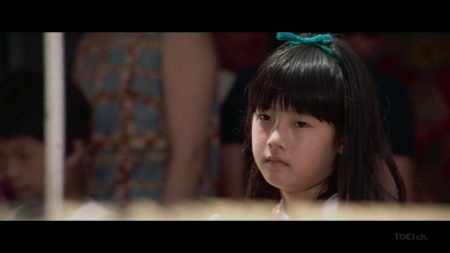
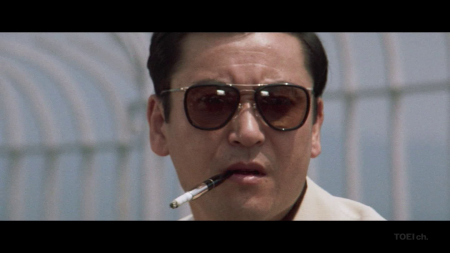
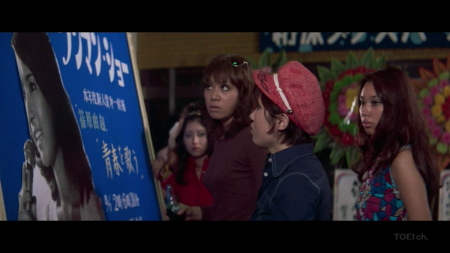
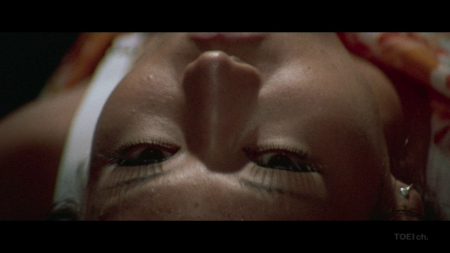
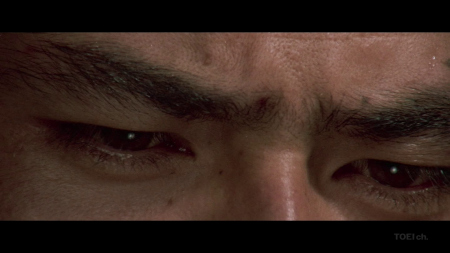
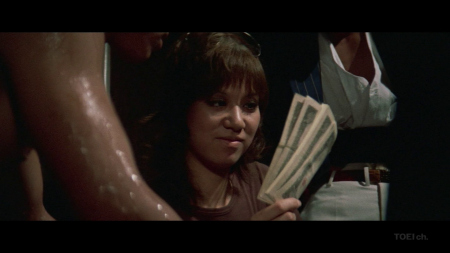
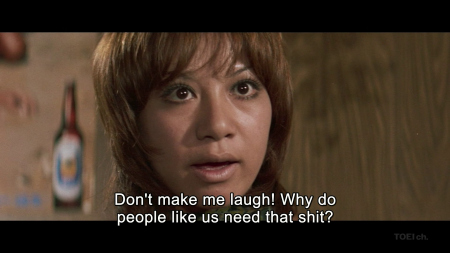
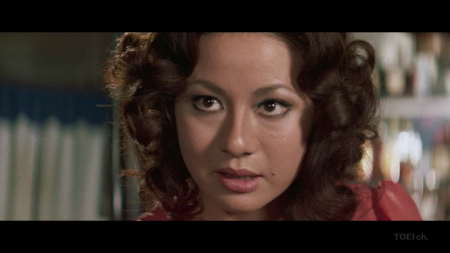
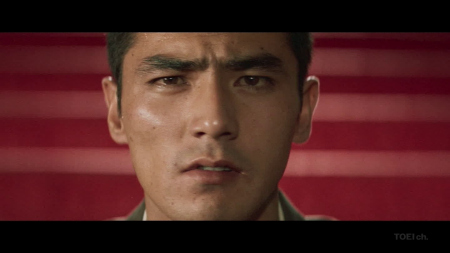
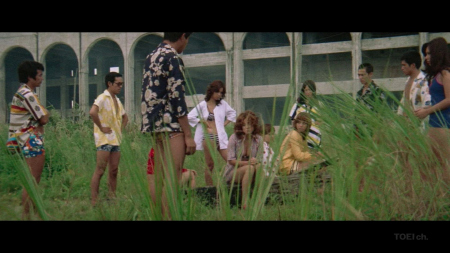
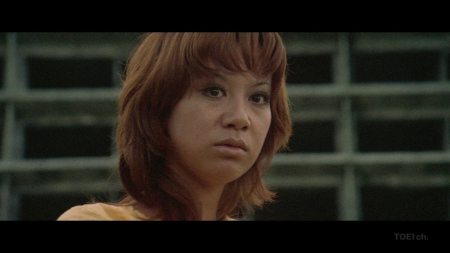
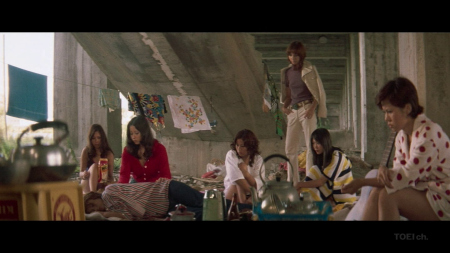
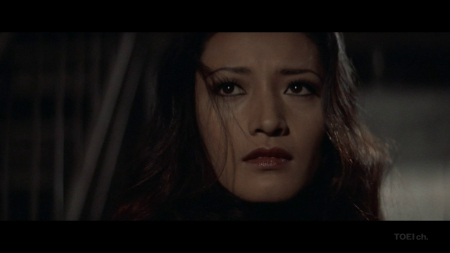
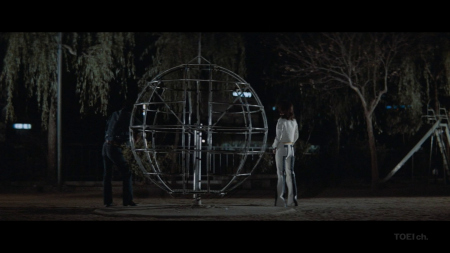
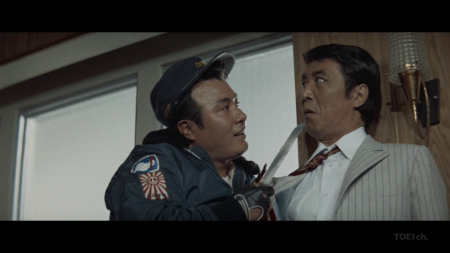
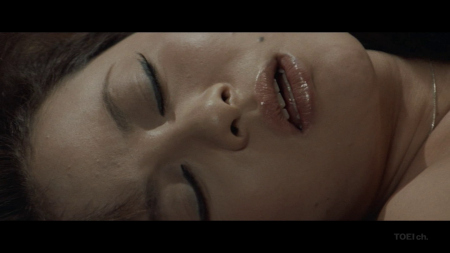
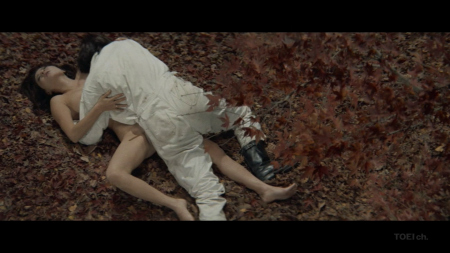
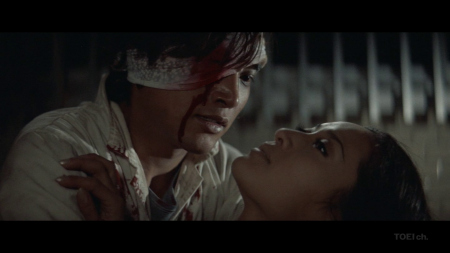
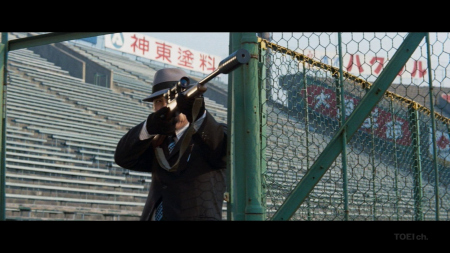
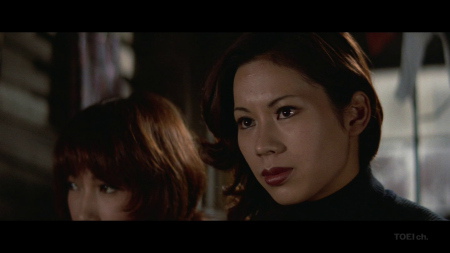
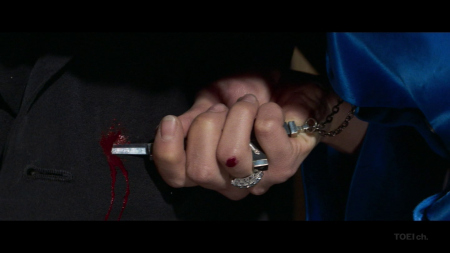
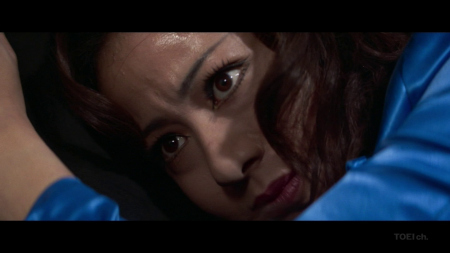
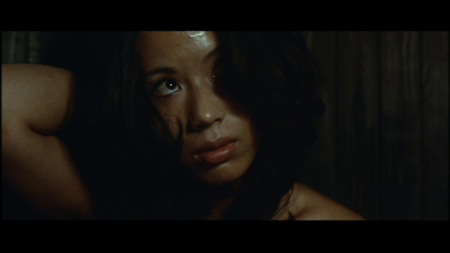
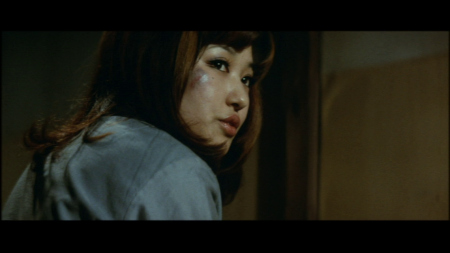
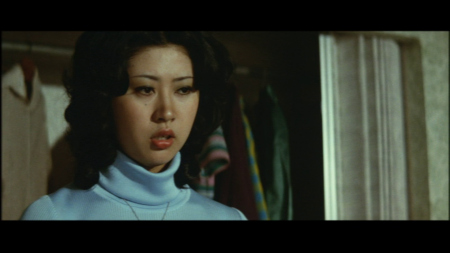
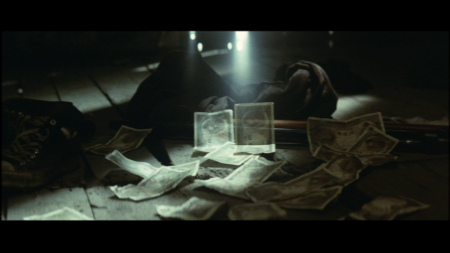
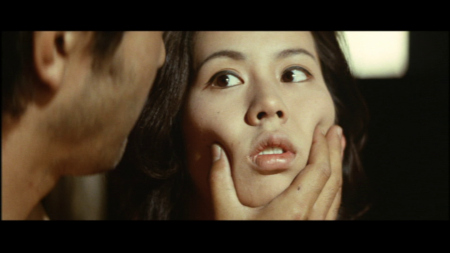
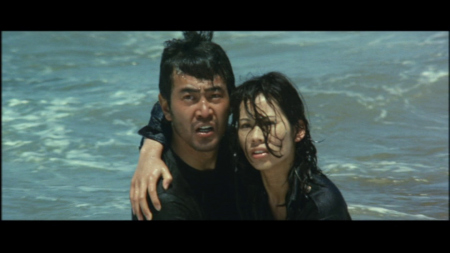
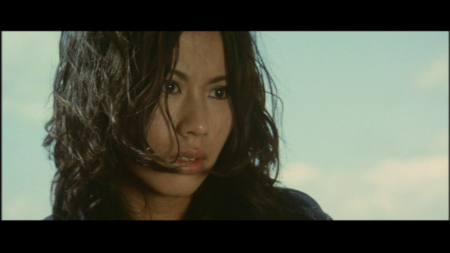
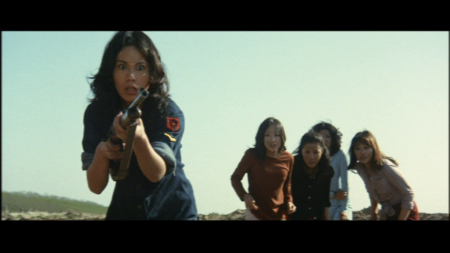
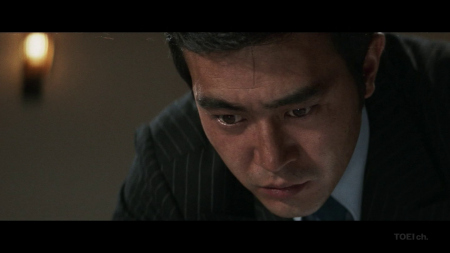
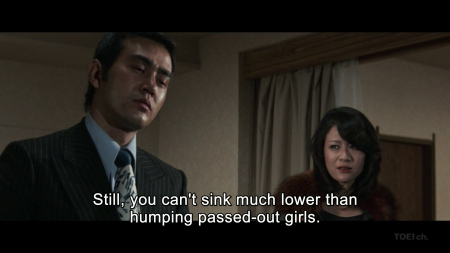
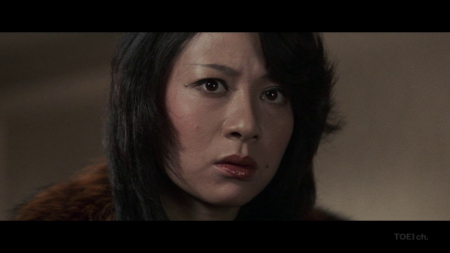
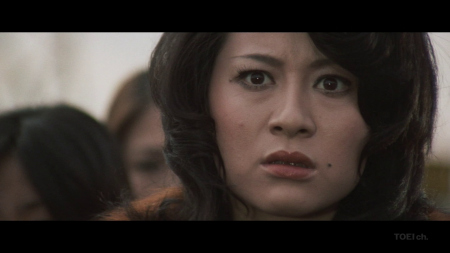
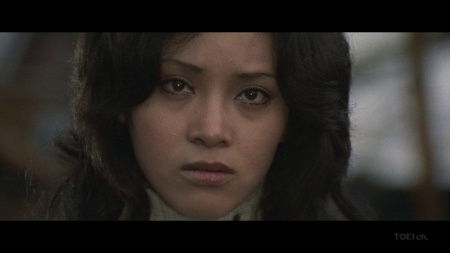
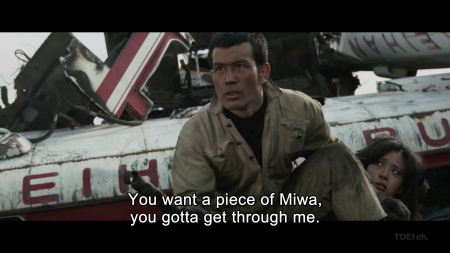
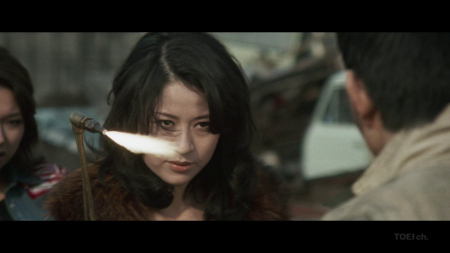
CLICK EACH BLU-RAY CAPTURE TO SEE ALL IMAGES IN FULL 1920X1080 RESOLUTION
 |
 |
 |
 |
 |
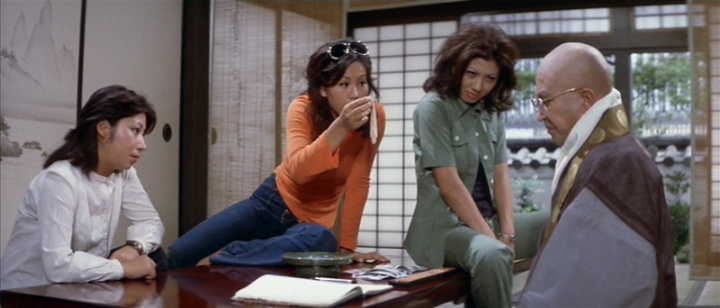
Girl Boss: Guerilla
|
1) Panik House Entertainment - Region 1 - NTSC TOP
|
 |
 |
|
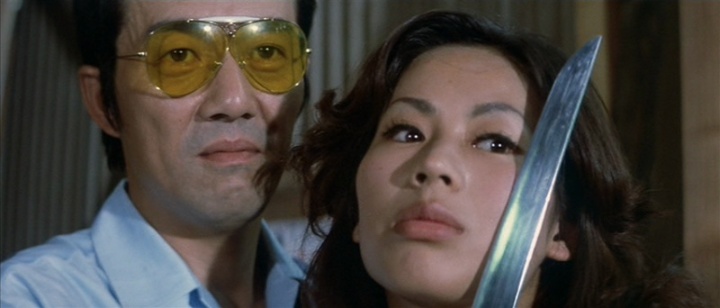
1) Panik House Entertainment - Region 1 - NTSC TOP
|
 |
 |
|
1) Panik House Entertainment - Region 1 - NTSC TOP
|
 |
 |
|
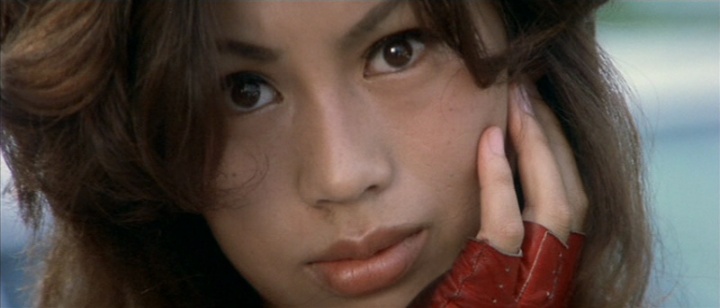
1) Panik House Entertainment - Region 1 - NTSC TOP
|
 |
 |
|
1) Panik House Entertainment - Region 1 - NTSC TOP
|
 |
 |
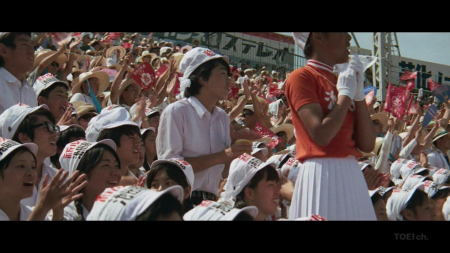
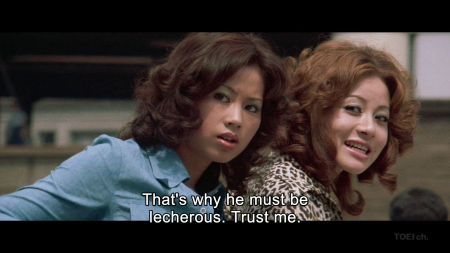
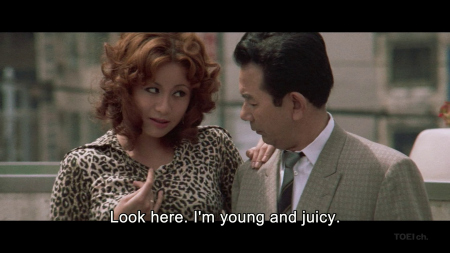
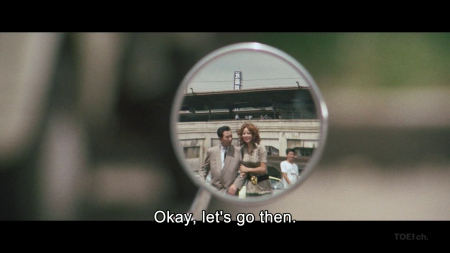
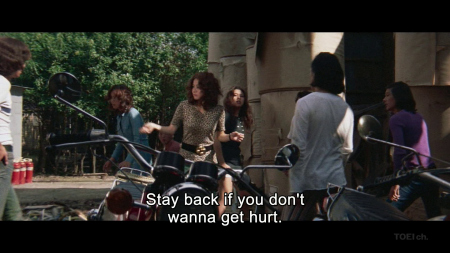
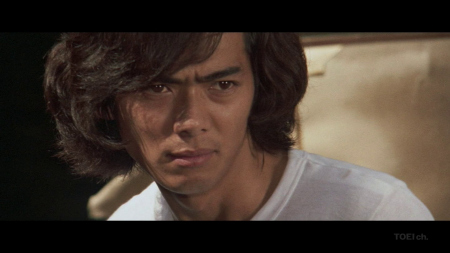
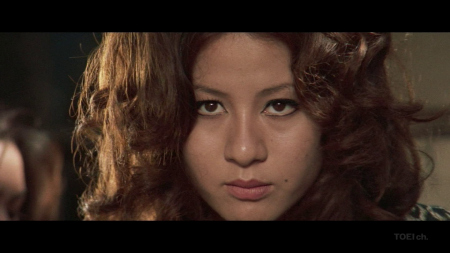
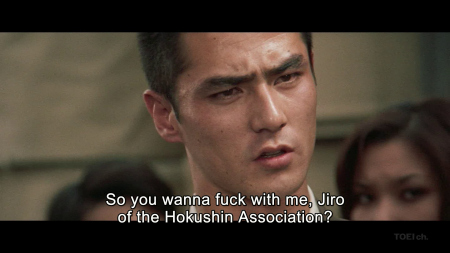
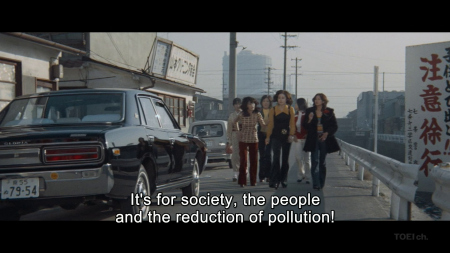
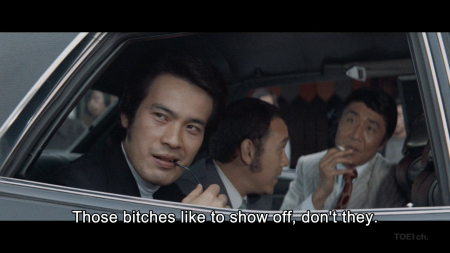
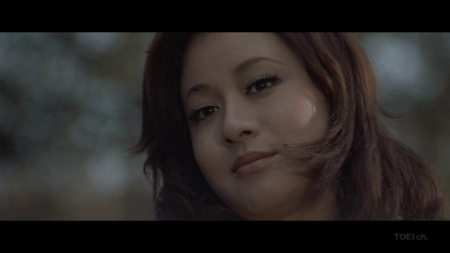
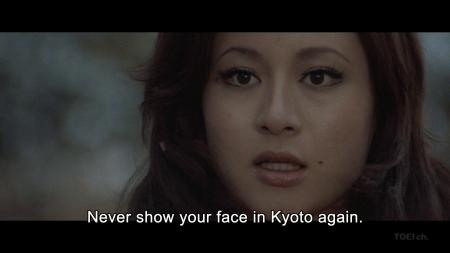
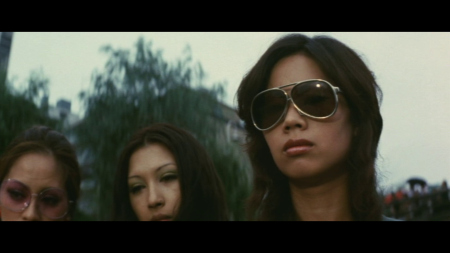
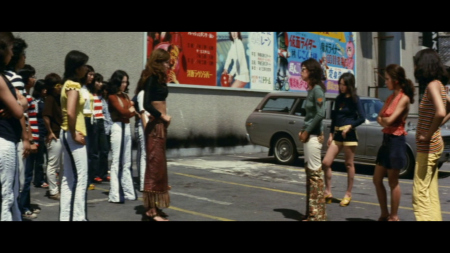
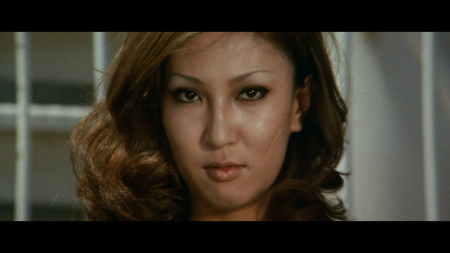
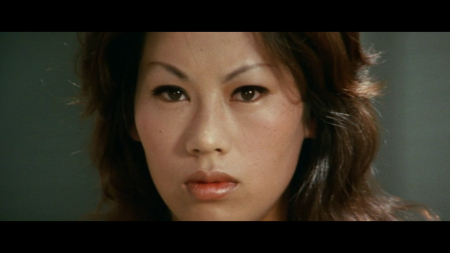
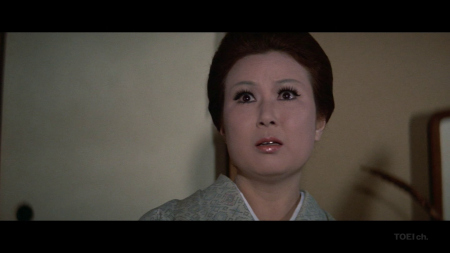
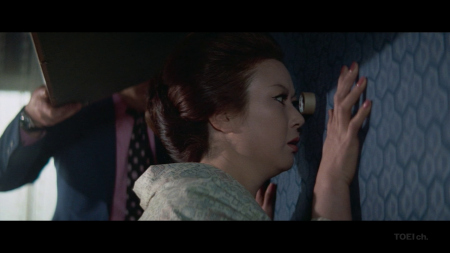
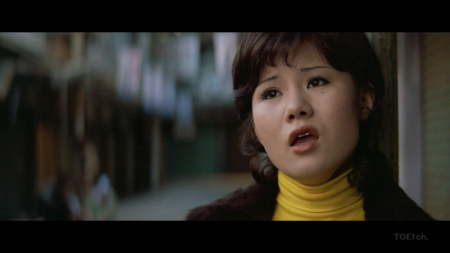
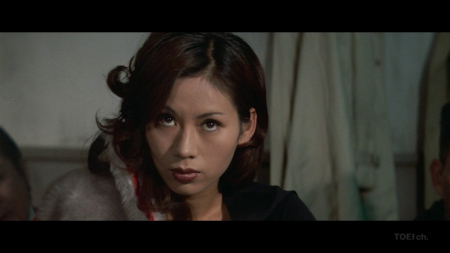
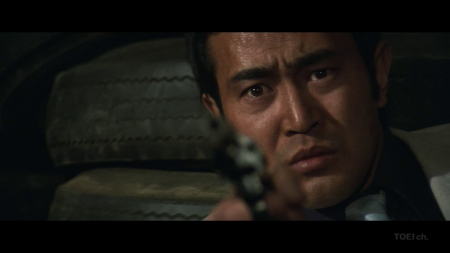
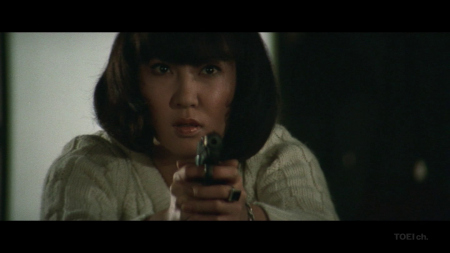
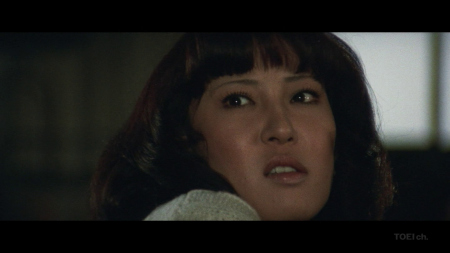
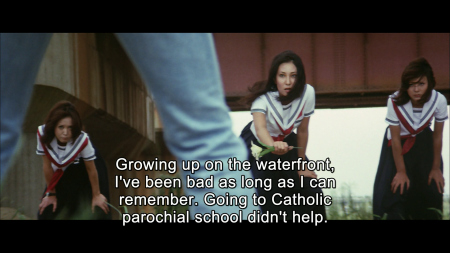
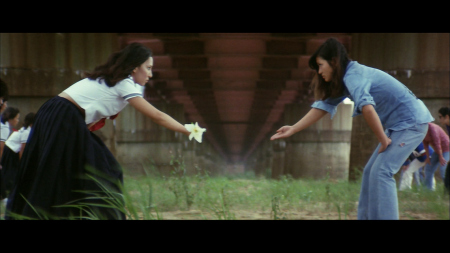
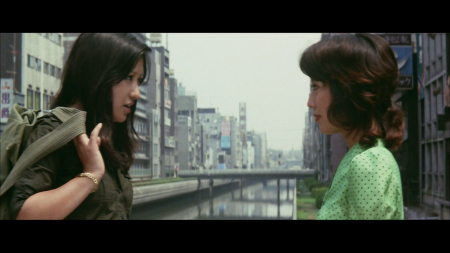
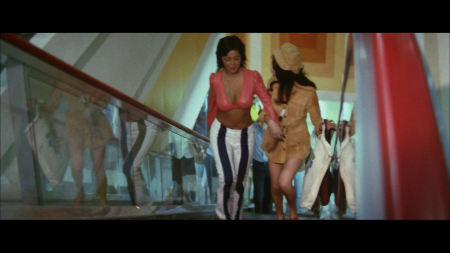
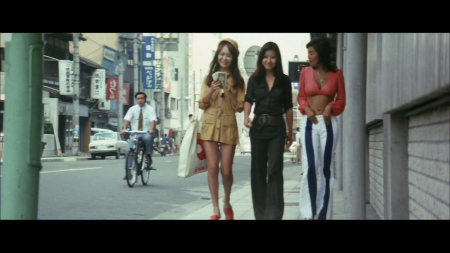
More Random screen captures from the Series
 |
 |
 |
 |
 |
 |
 |
 |
 |
 |
 |
| The 'Girl Boss (Sukeban) series' profoundly emphasizes the theme of "unity in numbers," portraying the strength derived from female solidarity within delinquent gangs as a powerful counterforce to patriarchal oppression and yakuza dominance, where isolated women fall prey to betrayal and exploitation, but collective action - through shared loyalties, reform school alliances, and gang hierarchies - enables retribution and survival; in films like Girl Boss: Escape from Reform School, Miki Sugimoto's lead character rallies a diverse group of escapees into a cohesive unit, their bonded "sisterhood" manifesting in coordinated heists and fights that highlight how numerical and emotional unity amplifies individual resilience, drawing from real-life sukeban culture where all-female gangs symbolized rebellion against societal norms through modified uniforms and group codes of honor; this motif recurs in gang dynamics across the saga, such as the Red Helmet bikers in Girl Boss Guerrilla or the Kanto Gypsies in Girl Boss Revenge: Sukeban, where internal divisions from jealousy or external manipulations are overcome by reaffirming group bonds, often through ritualistic initiations or shared traumas like bondage and torture, ultimately framing gangs not merely as criminal entities but as makeshift families providing empowerment in a hostile world, though critiqued for romanticizing violence within these exploitative narratives. |
 |
 |
 |
 |
 |
 |
 |
 |
 |
 |
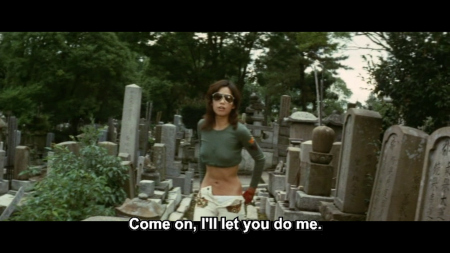
| Tattoos play a symbolic role, often adorning the bodies of sukeban leaders or yakuza-affiliated women, representing indelible marks of defiance and criminal identity in a male-dominated underworld - full-back irezumi (traditional Japanese tattoos) are revealed in dramatic disrobing scenes, such as in Girl Boss: Queen Bee's Counterattack, where they signify the protagonists' hardened pasts and empowerment, echoing broader yakuza film tropes but subverted for female agency in pinky violence narratives... |
Mouse-over to see NSFW (not safe for work) captures
(CLICK to ENLARGE)
 |
 |
 |
 |
 |
 |
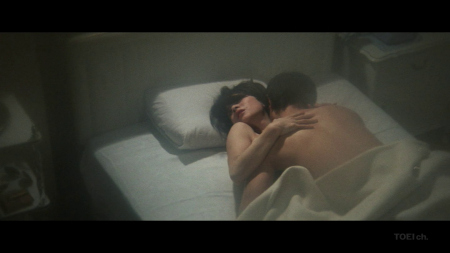
| Bondage serves as a prominent exploitation trope rooted in the pinky violence genre's S&M influences, often depicting heroines like Miki Sugimoto's characters enduring ritualistic torment with ropes, chains, and whips at the hands of yakuza captors or rival gangs, as vividly illustrated in Girl Boss Revenge: Sukeban, where Sugimoto's half-naked torture montage - featuring bamboo whips and bondage - highlights a blend of eroticism, brutality, and resilience, culminating in triumphant escapes that symbolize female empowerment amid degradation this motif recurs across the saga, such as in betrayal arcs involving Reiko Ike's characters, where bondage scenes intertwine sensual vulnerability with twisted stimulation, critiquing institutional and patriarchal abuse while indulging in voyeuristic spectacle, ultimately reinforcing themes of retribution and shattered restraints as metaphors for liberation from oppressive systems... |
Mouse-over to see NSFW (not safe for work) captures
(CLICK to ENLARGE)
 |
 |
 |
 |
 |
 |
 |
 |
 |
 |
 |
 |
 |
 |
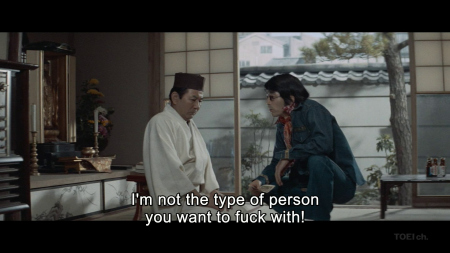
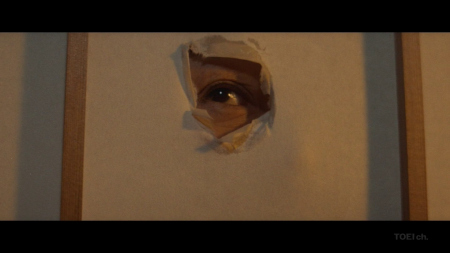
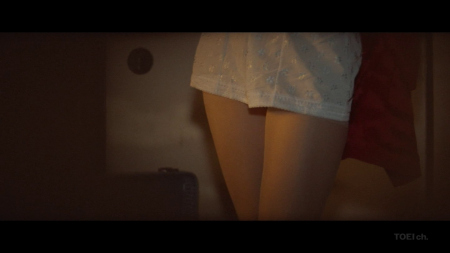
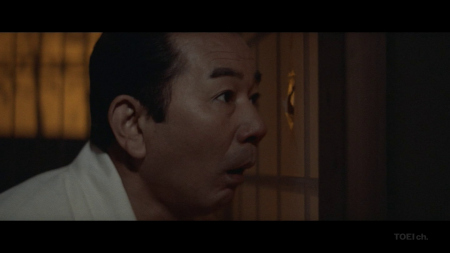
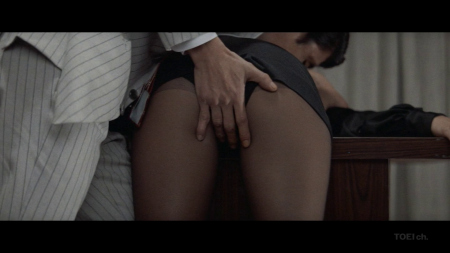
Examples of NSFW (Not Safe For Work) CAPTURES (Mouse Over to see- CLICK to Enlarge)
|
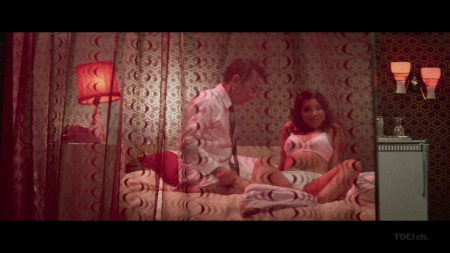
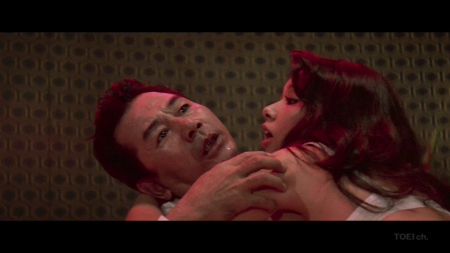
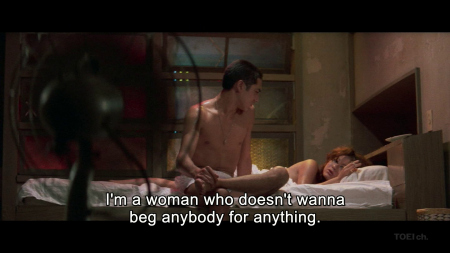
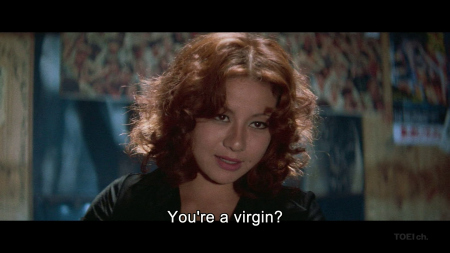
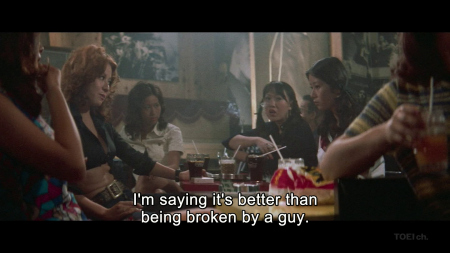
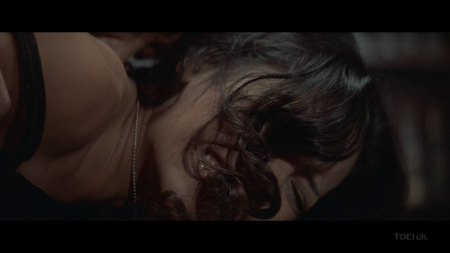
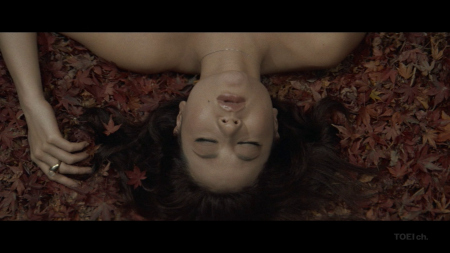
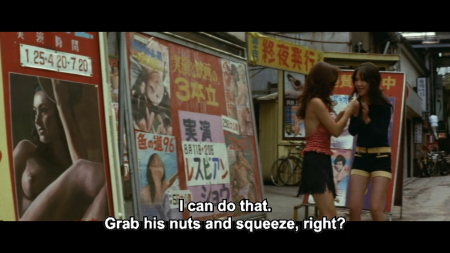
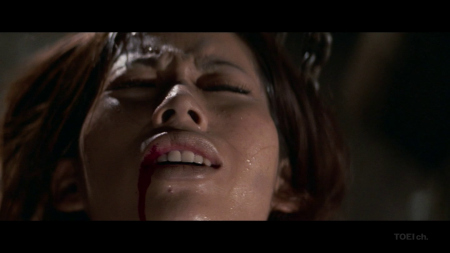
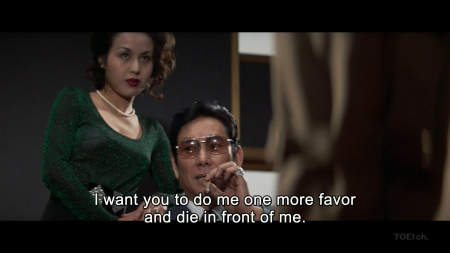
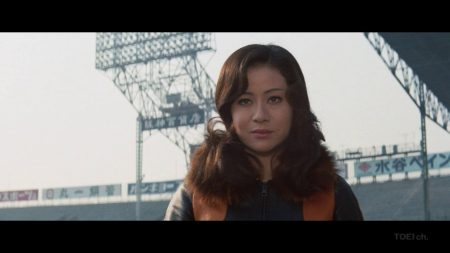
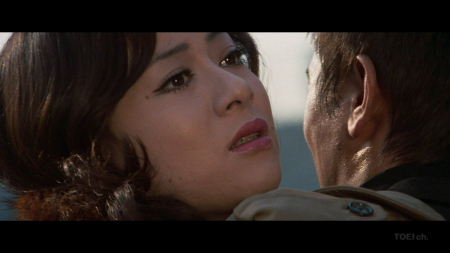
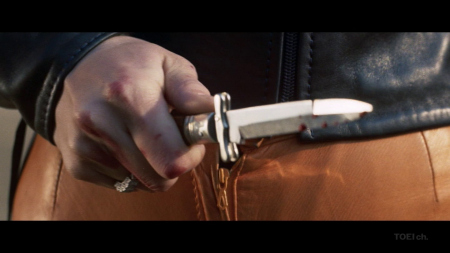
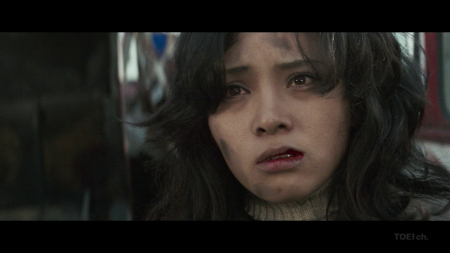
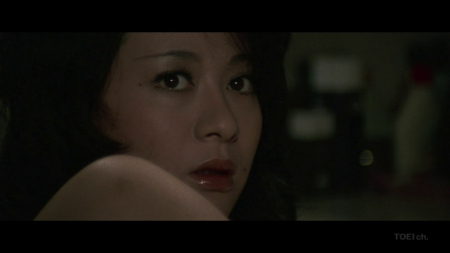
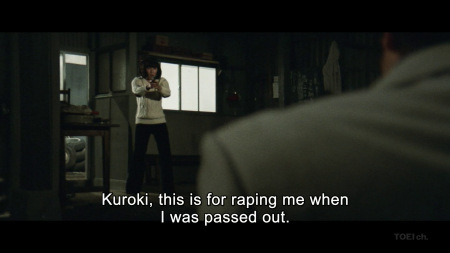
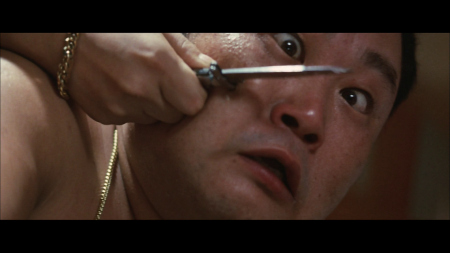
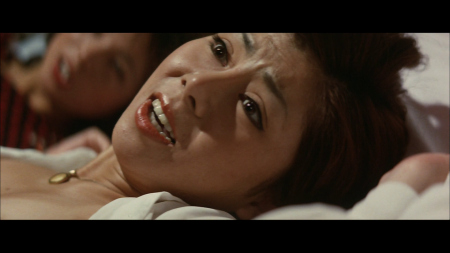
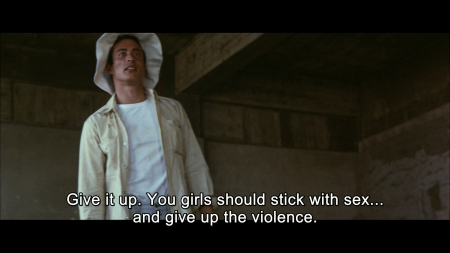
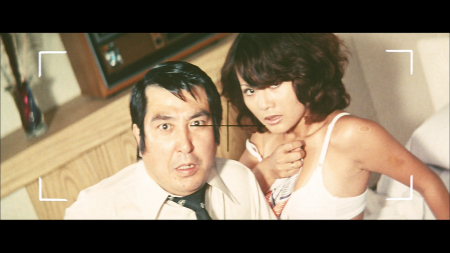
Prevalent tropes include nudity as a tool for both exploitation and character revelation, with frequent shower fights or strip searches in reform settings exposing bodies as sites of power and violation; yakuza betrayals that pit women against corrupt men, fostering themes of sisterhood; psychedelic aesthetics with funky scores and outrageous scenarios, like diamond heists or biker gang wars; and reform school escapes that frame institutional cruelty as a catalyst for rebellion, all contributing to the series' cult status as a wild, bloody fusion of grindhouse thrills and proto-feminist undertones...
|
 |
 |
 |
 |
 |
 |
 |
 |
 |
 |
 |
 |
 |
 |
 |
 |
 |
 |
 |
 |
 |
 |
 |
 |
More full resolution (1920 X 1080) Blu-ray Captures for DVDBeaver Patreon Supporters HERE
 |
 |
 |
 |
 |
 |
 |
 |
 |
 |
 |
 |
 |
 |
 |
 |
 |
 |
 |
 |
 |
 |
 |
 |
 |
 |
 |
 |
 |
 |
 |
 |
 |
 |
 |
 |
 |
 |
 |
 |
 |
 |
 |
 |
 |
 |
 |
 |
 |
 |
 |
 |
 |
 |
 |
 |
 |
 |
 |
 |
 |
 |
 |
 |
 |
 |
 |
 |
 |
 |
 |
 |
 |
 |
 |
 |
 |
 |
 |
 |
 |
 |
 |
 |
 |
 |
 |
 |
 |
 |
 |
 |
 |
 |
 |
 |
 |
 |
 |
 |
 |
 |
 |
 |
 |
 |
 |
 |
 |
 |
 |
 |
 |
 |
 |
 |
 |
 |
 |
 |
 |
 |
 |
 |
 |
 |
 |
 |
 |
 |
 |
 |
 |
 |
 |
 |
 |
 |
 |
 |
 |
 |
 |
 |
 |
 |
 |
 |
 |
 |
 |
 |
 |
 |
 |
 |
 |
 |
 |
 |
 |
 |
 |
 |
 |
 |
 |
 |
 |
 |
 |
 |
 |
 |
 |
 |
 |
 |
 |
 |
 |
 |
 |
 |
 |
 |
 |
 |
 |
 |
|
Search DVDBeaver |
S E A R C H D V D B e a v e r |




















CLICK PayPal logo to donate!
|
Gary Tooze
|
|
Thank You!
