|
An
enormous, sincere thank you to our phenomenal
Patreon
supporters! Your unshakable dedication is the bedrock that keeps DVDBeaver
going - we’d be lost without you. Did you know? Our patrons include a
director, writer, editor, and producer with honors like Academy Awards for
Best Picture and Best Director, a Pulitzer Prize-winning screenwriter, and a
Golden Globe-winning filmmaker, to name a few! Sadly, DVDBeaver has reached a breaking point where our existence hangs in the balance. We’re now reaching out to YOU with a plea for help. Please consider pitching in just a few dollars a month - think of it as the price of a coffee or some spare change - to keep us bringing you in-depth reviews, current calendar updates, and detailed comparisons. I’m am indebted to your generosity!
|






|
Search DVDBeaver |
S E A R C H D V D B e a v e r |

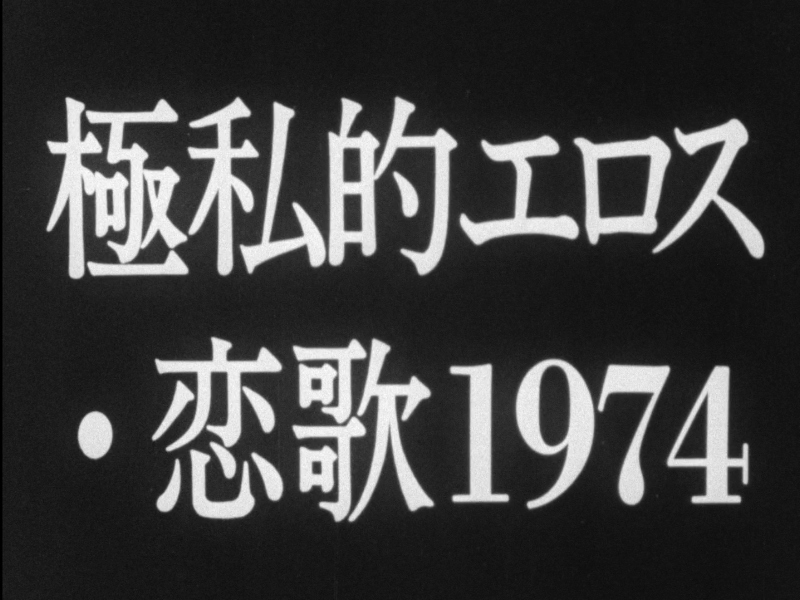
(aka "Gokushiteki erosu: Renka 1974" or "Extreme Private Eros: Love Song 1974")
Directed by Kazuo Hara
Japan 1974
|
From the director of the renowned, controversial documentary
The Emperor’s Naked Army Marches On, Kazuo Hara’s intensely personal -
and equally controversial - film Extreme Private Eros: Love Song 1974 is
a detached, radical examination of the interplay between the director and
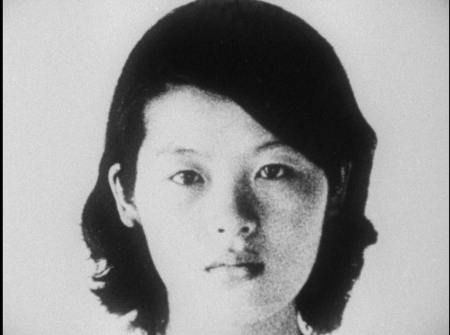
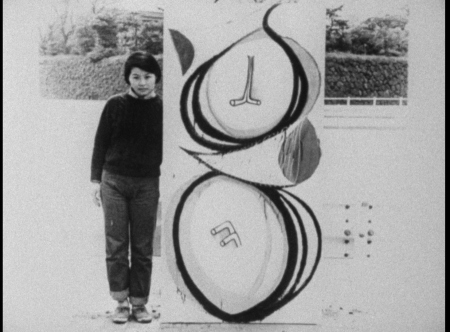
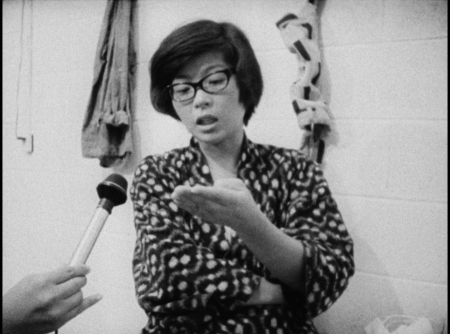
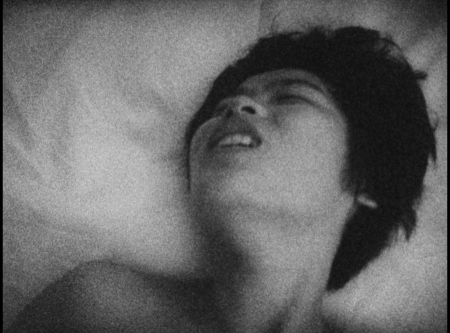
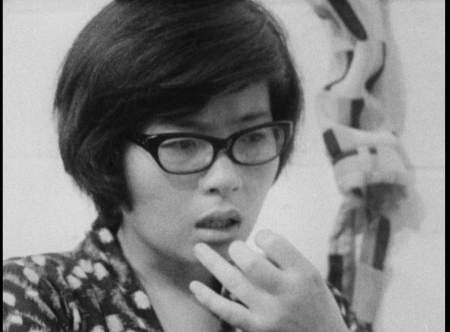
subject. *** Extreme Private Eros: Love Song 1974 (original title: Gokushiteki Erosu: Renka 1974) is a raw, boundary-pushing Japanese documentary directed by Kazuo Hara. In it, the filmmaker turns the camera on his own life by following his ex-partner, the outspoken feminist and single mother Miyuki Takeda, after their breakup.
|
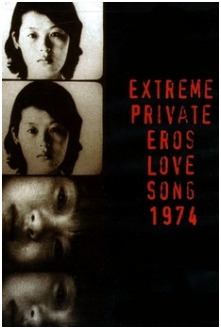
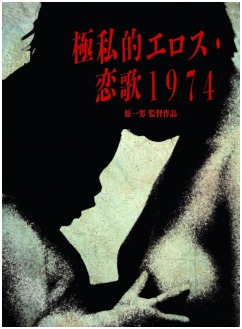
Posters
 |
 |
 |
Theatrical Release: June 25th, 1974

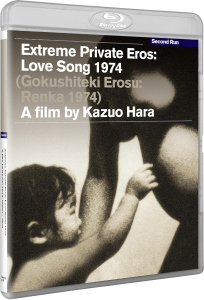
Review: Second Run - Region FREE - Blu-ray
| Box Cover |
|
CLICK to order from:
BONUS CAPTURES:
|
| Distribution | Second Run - Region FREE - Blu-ray | |
| Runtime | 1:32:46.875 | |
| Video |
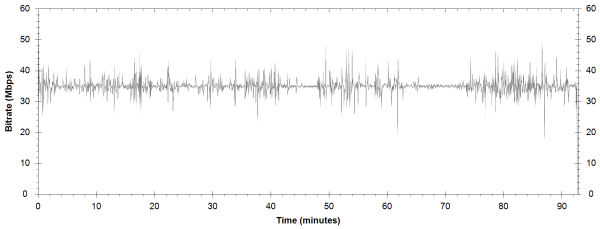
1.33:1 1080P Dual-layered Blu-ray Disc Size: 34,937,986,106 bytes Feature: 27,276,644,352 bytesVideo Bitrate: 34.928 MbpsCodec: MPEG-4 AVC Video |
|
|
NOTE: The Vertical axis represents the bits transferred per second. The Horizontal is the time in minutes. |
||
| Bitrate Blu-ray: |
|
|
| Audio |
LPCM Audio Japanese 1536 kbps 2.0 / 48 kHz / 1536 kbps / 16-bit |
|
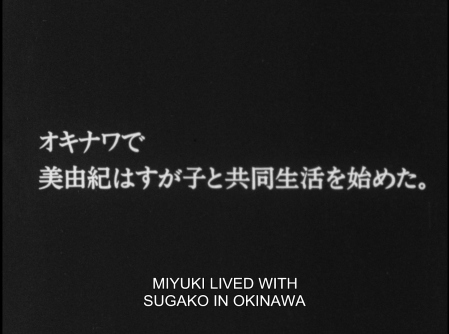
| Subtitles | English, None (none for brief English) | |
| Features |
Release Information: Studio: Second Run
1.33:1 1080P Dual-layered Blu-ray Disc Size: 34,937,986,106 bytesFeature: 27,276,644,352 bytesVideo Bitrate: 34.928 MbpsCodec: MPEG-4 AVC Video
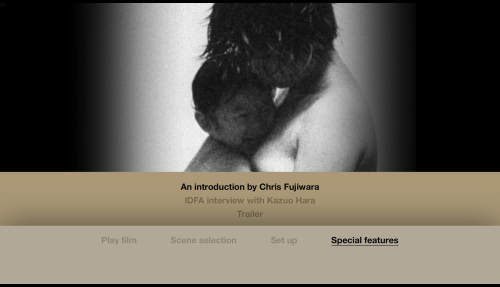
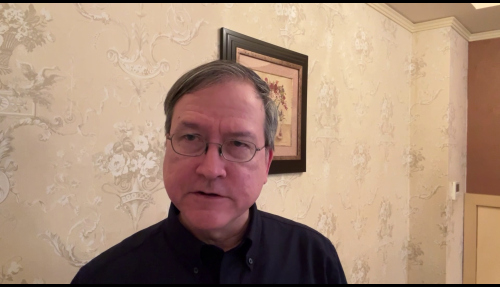
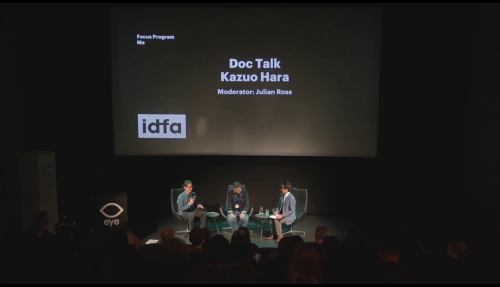
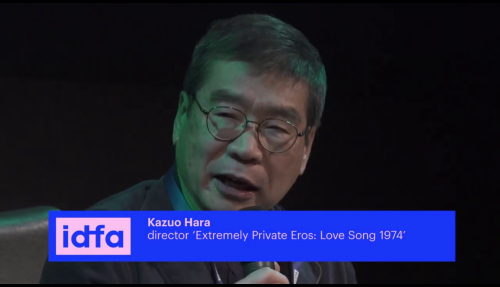
Edition Details: • A new filmed introduction to the film by writer and critic Chris Fujiwara (10:29) • Interview with Kazuo Hara: The director in conversation at the 2018 International Documentary Film Festival Amsterdam (13:53) • Trailerm (1:22) • Booklet with new writing on the film by author and critic Tony Rayns
Transparent Blu-ray Case Chapters 12 |
|



| Comments: |
NOTE:
The below
Blu-ray
captures were taken directly from the
Blu-ray
disc.
NOTE: We have added 36 more large
resolution
Blu-ray
captures (in lossless PNG format) for DVDBeaver Patrons
HERE
On their
Blu-ray,
Second Run use a linear PCM dual-mono track (16-bit) in the original
Japanese language. Sound design is equally unconventional and
contributes heavily to the film's disorienting feel. The hum of the
camera is more prevalent in some scenes over others where the audio was
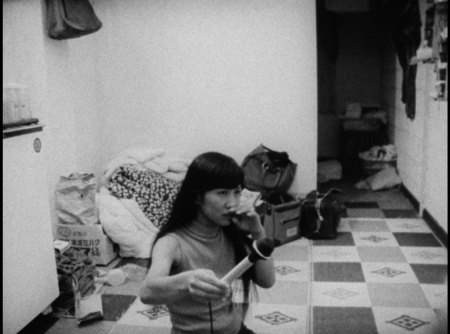
recorded separately - often by producer Sachiko Kobayashi holding a
visible microphone on camera - and later synced (or not) during editing.
The result is frequent desynchronization: voices drift out of alignment
with lips, creating a bizarre, alienating effect that draws attention to
the constructed nature of the documentary while refusing the slick
illusion of direct cinema. Dialogue is captured with raw, sometimes
muddy or noisy direct sound, including overlapping arguments, emotional
outbursts, and ambient interference. Hara's sparse, introspective
voiceover narration (delivered in a calm, almost detached tone) floats
over images, providing minimal context or self-reflection without ever
fully explaining or resolving the chaos. There is little to no
traditional musical score; the "soundtrack" emerges organically from the
diegetic environment - cries, arguments, street noise, and the physical
sounds of labor - reinforcing the unfiltered, anti-mainstream ethos.
Jarring cuts and abrupt shifts in audio further disrupt continuity,
making the film feel like spliced-together fragments of lived experience
rather than a polished narrative. There is no restoration attempt to
“fix” the desynchronization or enhance the lo-fi recording; instead, the
track is cleanly transferred, free of excessive hiss or dropouts,
allowing the raw, unfiltered sonic texture to enhance the sense of
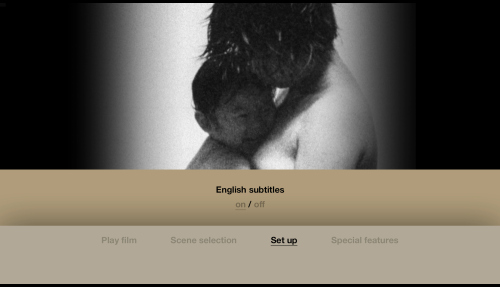
voyeuristic unease and emotional fragmentation that defines the film. Second Run offer optional English subtitles
for the Japanese dialogue on their Region FREE
Blu-ray.
This
Second Run
Blu-ray
release includes supplements. A newly filmed 10-minute introduction by
writer and critic Chris Fujiwara (Jacques
Tourneur: The Cinema of Nightfall) offers thoughtful contextual
framing. The quarter-hour interview with director Kazuo Hara, recorded
at the 2018
International Documentary Film Festival Amsterdam, provides
candid reflections on the project’s personal and ethical stakes. A short
original trailer is included, along with a 20-page booklet featuring new
writing by the respected critic Tony Rayns (King
of the Children: And the New Chinese Cinema) and
Ela
Bittencourt.
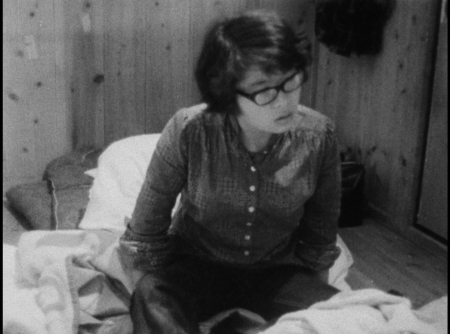
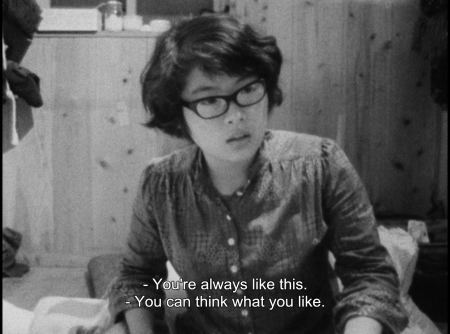
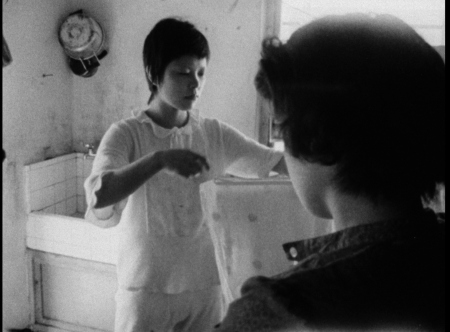
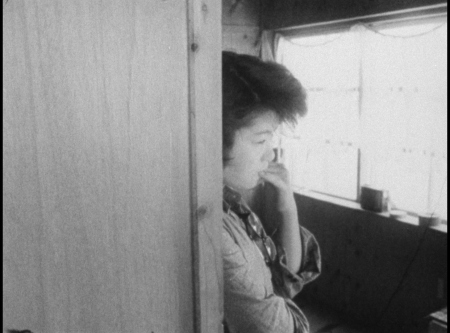
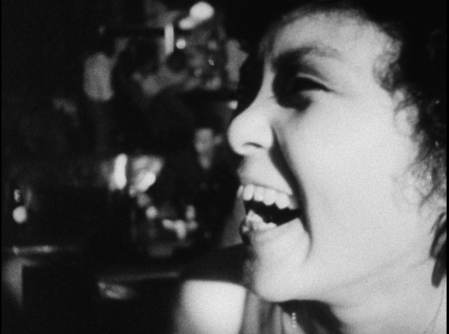
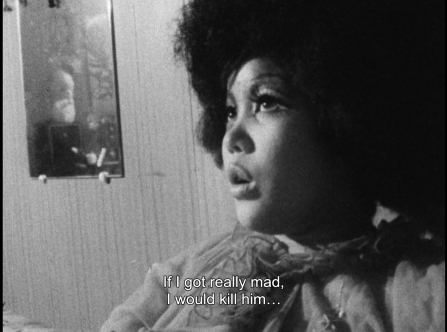
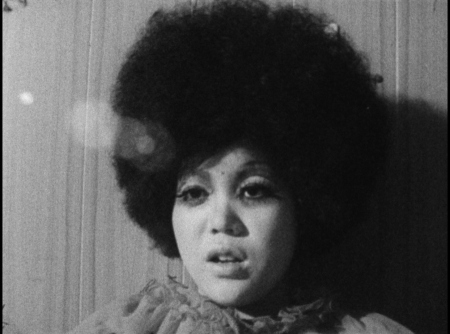
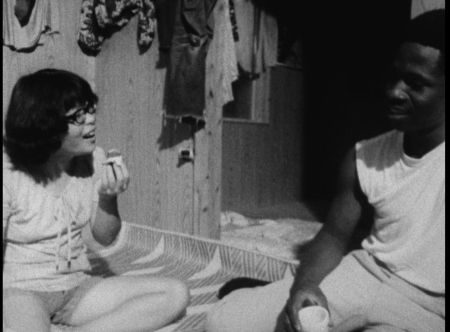
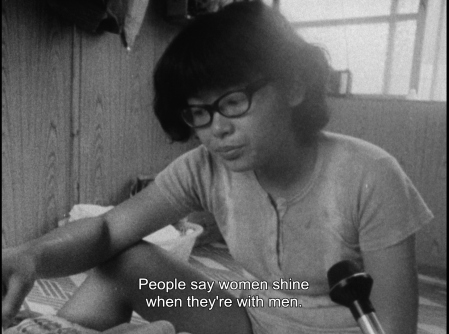
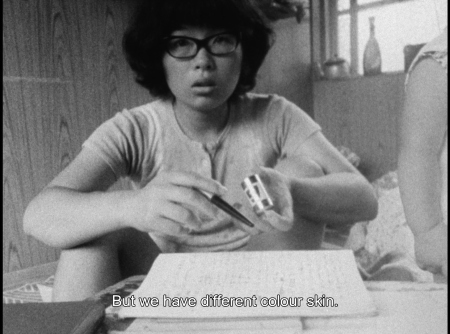
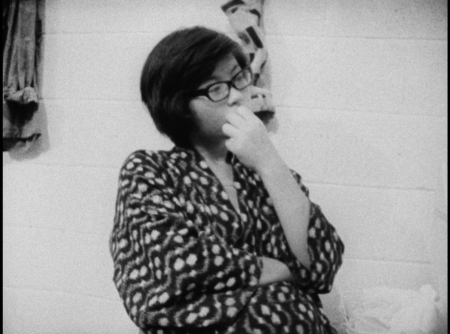
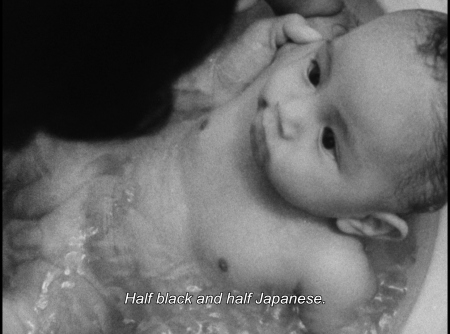
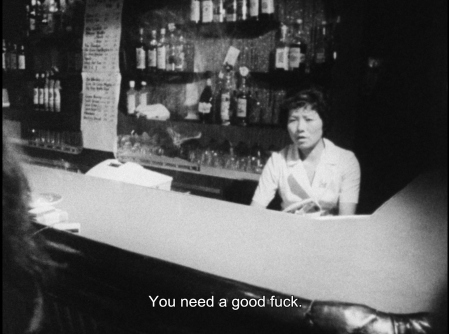
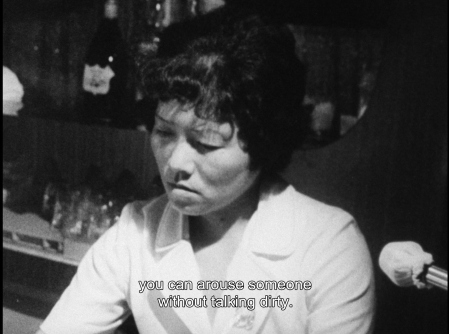
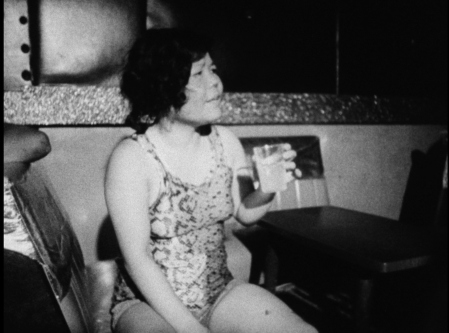
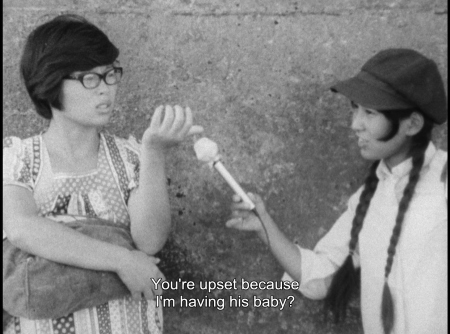
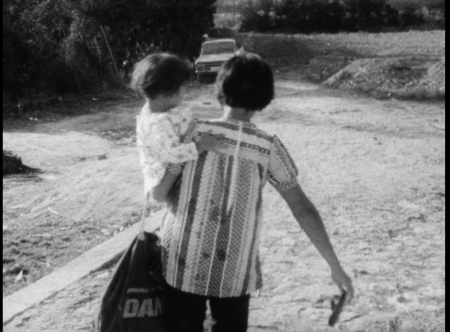
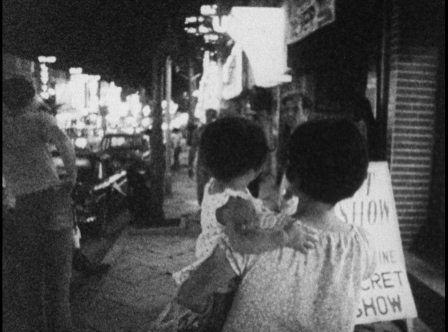
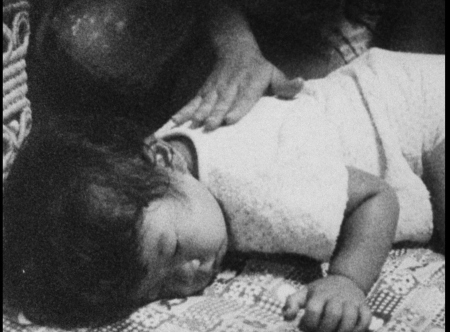
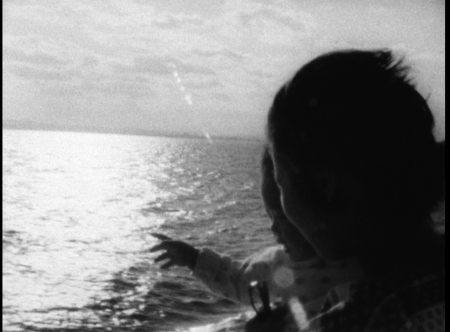
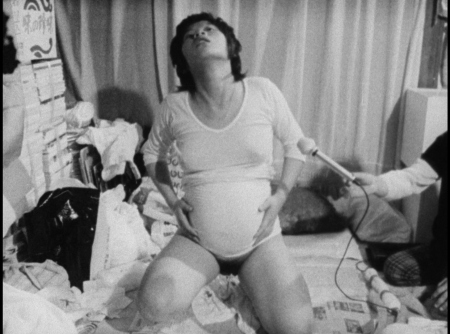
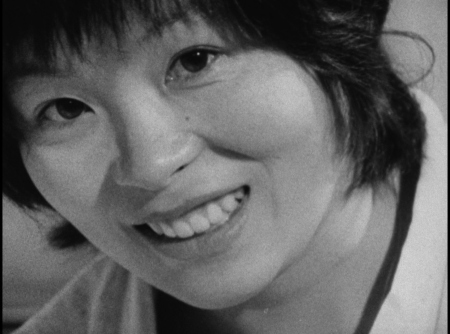
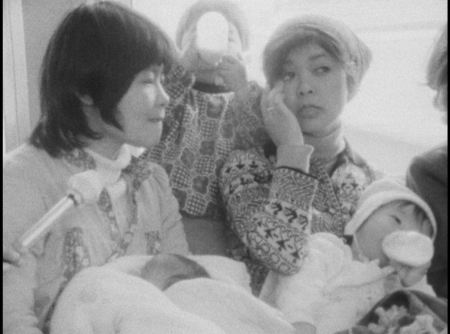
Kazuo Hara's Extreme Private Eros: Love Song 1974
stands as one of the most audaciously intimate and ethically provocative
documentaries in Japanese cinema history. Running approximately 92
minutes (IMDb lists the running time as 98-minutes) in grainy
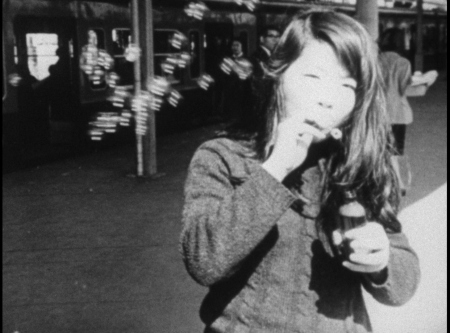
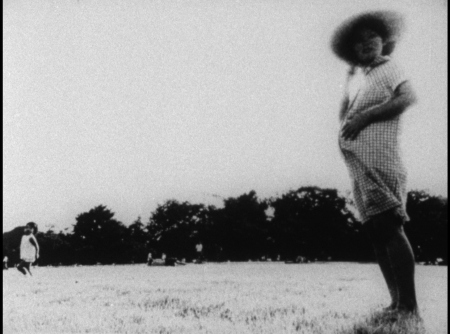
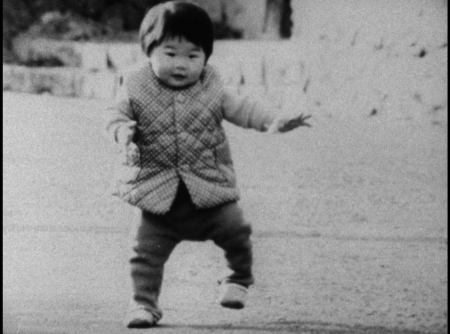
black-and-white 16mm, the film chronicles the post-breakup life of
Hara’s ex-partner, the 26-year-old radical feminist and single mother
Miyuki Takeda. The result is less a conventional portrait than a
fractured “love song” that collapses boundaries between filmmaker and
subject, observer and participant, private eros and public politics.
Stylistically, the film rejects polished documentary conventions in
favor of a home-video rawness that feels both accidental and deliberate.
Long, claustrophobic takes, frequent sound-image desynchronization, and
discontinuous editing create a sense of emotional volatility and
temporal fragmentation. Thematically, Extreme Private Eros is
saturated with the tensions of 1970s Japanese feminism, particularly the
Ribu (Women’s Liberation) movement. Takeda was not merely a subject but
an active participant in Ribu activism - opposing government attempts to
restrict abortion rights under the Eugenic Protection Law and advocating
for women’s bodily autonomy, sexual freedom, and rejection of
traditional family structures. Takeda emerges as a complex,
contradictory figure: fiercely independent and magnetically charismatic
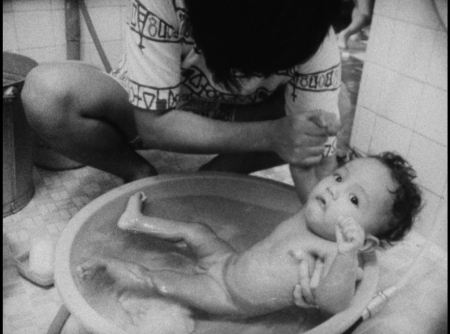
one moment, petty, neglectful, or verbally cruel the next (shaming her
infant son for resembling his father, for instance.) Extreme Private
Eros marks a pivotal shift toward the personal as political. It
refuses easy resolution or moral clarity, leaving viewers unsettled by
Takeda’s incomplete self-actualization, Hara’s unresolved longing, and
the film’s own complicity in the spectacle of female rebellion. Decades
later, it remains a landmark of reflexive, essayistic documentary
filmmaking: a cinematic open wound that exposes the violence of privacy,
the politics of the bedroom, and the high human cost of radical
independence. For anyone interested in the evolution of personal cinema,
feminist media history, or the blurred line between art and life, it is
essential - and still profoundly disturbing - viewing.
|

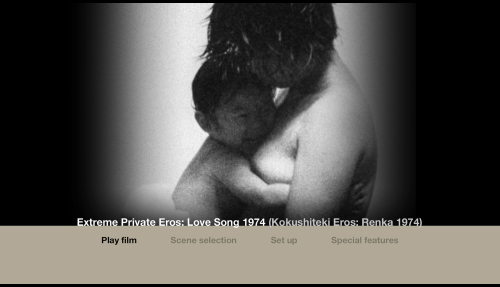
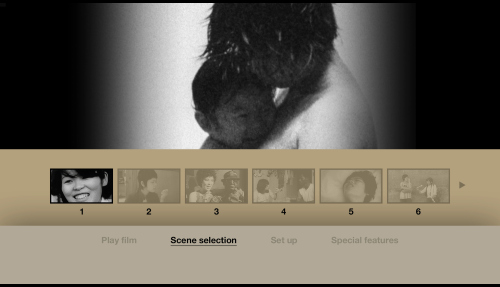
Menus / Extras
 |
 |
 |
 |
 |
 |
 |
 |
 |

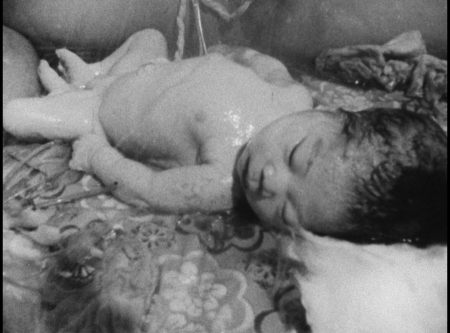
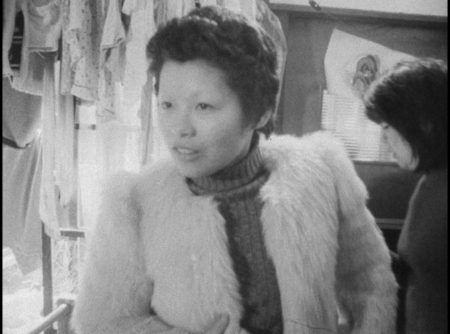
CLICK EACH BLU-RAY CAPTURE TO SEE ALL IMAGES IN FULL 1920X1080 RESOLUTION
 |
 |
 |
 |
 |
 |
Examples of NSFW (Not Safe For Work) CAPTURES (Mouse Over to see- CLICK to Enlarge)
 |
 |
More full resolution (1920 X 1080) Blu-ray Captures for DVDBeaver Patreon Supporters HERE
 |
 |
 |
 |
 |
 |
 |
 |
 |
 |
 |
 |
 |
 |
 |
 |
 |
 |
 |
 |
 |
 |
 |
 |
 |
 |
 |
 |
 |
 |
 |
 |
 |
 |
 |
 |
| Box Cover |
|
CLICK to order from:
BONUS CAPTURES:
|
| Distribution | Second Run - Region FREE - Blu-ray | |
|
Search DVDBeaver |
S E A R C H D V D B e a v e r |

























CLICK PayPal logo to donate!
|
Gary Tooze
|
|
Thank You!
