




|
Search DVDBeaver |
S E A R C H D V D B e a v e r |

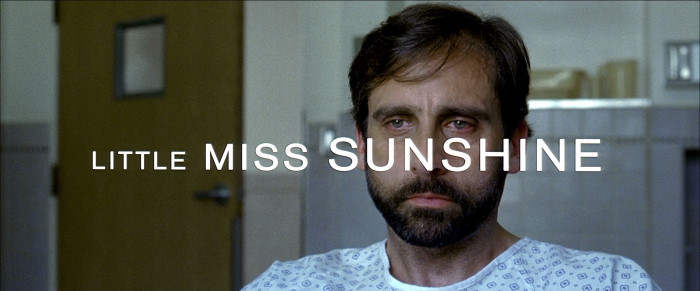
directed by Jonathan Dayton and Valerie Faris
USA 2006
|
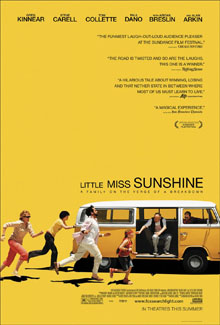
Fox Searchlight, the branch of 20th Century Fox partial to independent films, is gradually becoming one of the more consistently successful (both commercially and critically) studios after a banner year in 2006. Founded in 1994, the studio eventually had a major success with “The Full Monty” (1997), which was nominated for Best Picture and Best Director at the 1998 Academy Awards. Although failing to win either of said prizes, “The Full Monty” was met with otherwise favorable notices. Fox Searchlight’s next successes came much later, and once again, were British imports. Both “Bend it Like Beckham” (2002) and “28 Days Later” (2002) had strong runs at the box office, while the latter stood out on several critics’ year-end lists. After the surprise hit “Napoleon Dynamite” (2004), which generated an astonishing profit, momentum shifted to Alexander Payne’s “Sideways” (2004), which picked up exceptional notices in several critical circles and was a forerunner in the Oscar race. In 2006, Fox Searchlight changed pace, releasing their first non-English-language film, “Water.” 2006 also marks another opportunity for the studio to pick up several awards at the Oscars with their comedy “Little Miss Sunshine” -- a film that has a good a chance as any to pick up the elusive Best Picture award. “Little Miss Sunshine” premiered at the 2006 Sundance Film Festival, where it became an outright audience favorite. Directed by music video veterans Jonathan Dayton and Valerie Faris, the film is equipped with a pleasant blend of wry comedy and touching drama set to the dynamics of a dysfunctional family who embark on a road trip to California. On the surface, their journey bears typical genre archetypes complete with self-discovery and bonding, but the nuances that the talented actors bring to their respective characters provide the film with warmth and meaning. In an impressive opening sequence consisting of a series of brief vignettes, the Hoover family is introduced as more than just the typical American family. Seven-year-old Olive (Abigail Breslin) stares awestruck at her family’s big screen television watching and emulating the reaction of a beauty pageant winner, her father (Greg Kinear) lectures on a self-help program to a sparse audience, her uncle (Steve Carell) is recovering from an attempted suicide, her grandfather (Alan Arkin) struggles with his cocaine addiction, her brother (Paul Dano) tirelessly exercises and maintains a vow of silence, and her mother (Toni Collette) battles to sustain unity in her family. Afterwards, the Hoover family assembles for a dinner consisting of fast food and inevitable bickering. The introduction to these characters is essential in setting the tone for the remainder of the film, and the directors’ effective approach reminds me of the similarly-toned Wes Anderson film “The Royal Tenenbaums” (2001). Anderson, keen on film history, was inspired by Orson Welles’ “The Magnificent Ambersons” (1942), but both his film and “Little Miss Sunshine” share themes of failure and longing for acceptance. More importantly, both films arrive at conclusions that embrace individuality. Admittedly, the vast array of excessive characterizations sound slightly contrived on paper, but the actors lend a fine sense of sincerity and naiveté to aid in the believability of potentially artificial scenes. The ensemble cast is adept at playing their roles straight without forcing the jokes. The humor is often subtle and found within the actors’ body language. Arkin clearly lightens the mood of the film with his character’s outspokenness on everything and anything. His work is starkly contrasted with Carell’s physical comedy and sarcasm. Aside from the humor, the creation of family is easily the ensemble cast’s greatest accomplishment. Directors Dayton and Faris have clearly integrated their own experiences to coincide with writer Michael Arndt’s cynical, but touching, slice of Americana. It’s difficult to say whether Arndt set out to demonize beauty pageantry or whether the ending is a consequence of presenting a presumably honest perspective. Regardless, there’s a bitter skepticism cast over the final sequence that’s disguised by, arguably, the only instance of outrageous humor. Whether this skepticism resonates or the laughter presides will determine one’s lasting perspective on the film. I was left comfortably lingering between the two in a state of pure bliss, which is a welcome experience in present day’s sparse catalog of enjoyable American comedy. |
Posters
 |
 |
 |
Theatrical Release: August 18th, 2006 (wide)
Reviews More Reviews DVD Reviews

Comparison:
20th Century Fox - Region 1 - NTSC vs. 20th Century Fox - Region 'A' - Blu-ray
Big thanks to Kurtis Beard for the DVD eview!
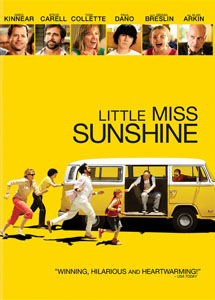
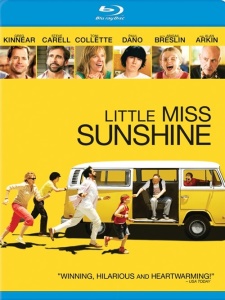
| Box Covers |
|
|
| Distribution |
20th Century Fox Region 1 - NTSC |
20th Century Fox Region 'A' - Blu-ray |
| Runtime | 1:42:26 | 1:42:34.273 |
| Video |
2:37:1 Original Aspect Ratio
16X9 enhanced |
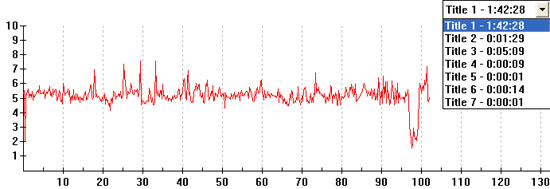
Disc Size: 38,576,198,015 bytes Feature Size: 31,333,214,208 bytes Total Bitrate: 40.73 Mbps Dual -layered Blu-ray MPEG-4 AVC Video |
|
NOTE: The Vertical axis represents the bits transferred per second. The Horizontal is the time in minutes. |
||
| Bitrate |
|
|
|
Bitrate
Blu-ray |
|
|
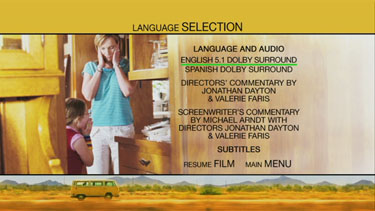
| Audio | Dolby Digital 5.1 (English) |
DTS-HD Master Audio English 4065 kbps 5.1 / 48
kHz / 4065 kbps / 24-bit (DTS Core: 5.1 / 48 kHz / 1509 kbps /
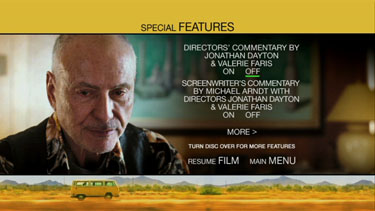
24-bit) DUBs: DTS Audio Portuguese 768 kbps 5.1 / 48 kHz / 768 kbps / 24-bit DTS Audio Spanish 768 kbps 5.1 / 48 kHz / 768 kbps / 24-bit Dolby Digital Audio French 448 kbps 5.1 / 48 kHz / 448 kbps Commentary: Dolby Digital Audio English 224 kbps 2.0 / 48 kHz / 224 kbps Commentary: Dolby Digital Audio English 224 kbps 2.0 / 48 kHz / 224 kbps |
| Subtitles | English, Spanish, French, none | English, Chinese (traditional and simplified), French, Korean, Portuguese, Spanish, Thai, none |
| Features |
Release Information: Studio: 20th Century Fox Aspect Ratio:
Edition Details: Chapters 24 |
Release Information: Studio: 20th Century Fox
Disc Size: 38,576,198,015 bytes Feature Size: 31,333,214,208 bytes Total Bitrate: 40.73 Mbps Dual -layered Blu-ray MPEG-4 AVC Video
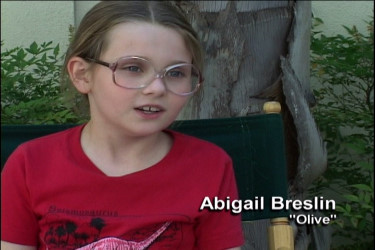
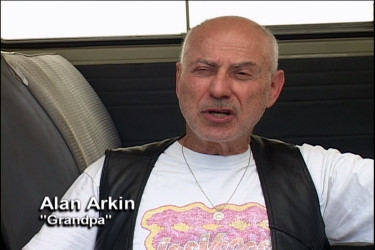
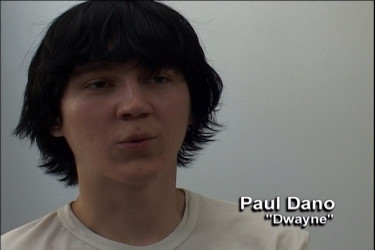
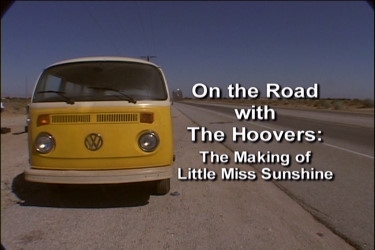
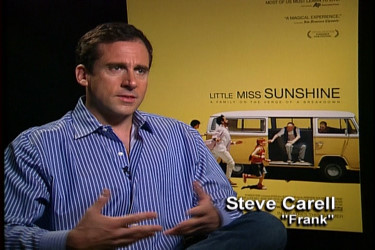
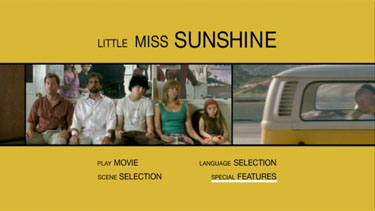
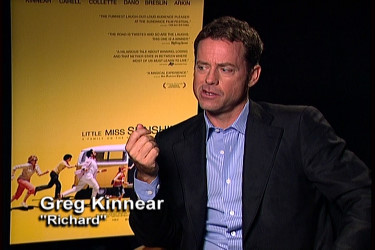
Edition Details: • Four Alternate Endings with Commentary • Do You Wanna Talk (1:17) • On the Road with the Hoovers: the Making of Little Miss Sunshine (18:30) • We're Gonna Make It - A Session with Mychael Danna and DeVotchKa (2:52) • Who Are The Hoovers (17:15) • No One Gets Left Behind - the Music of Little Miss Sunshine (10:13) • Webisodes (25:29)
• Poster Gallery (4 in slideshow)
• Soundtrack Spot (:31) Chapters 24 |




| Comments: |
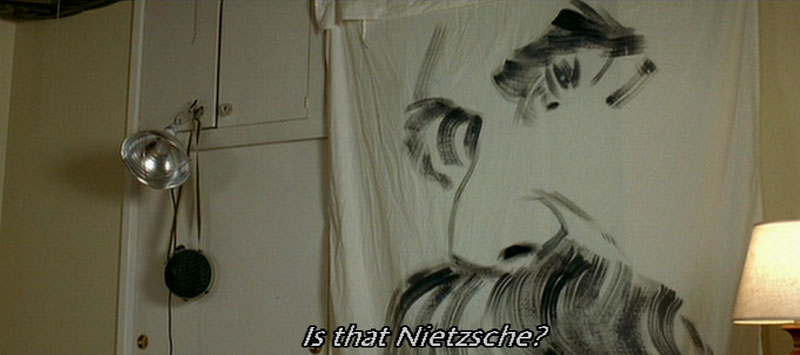
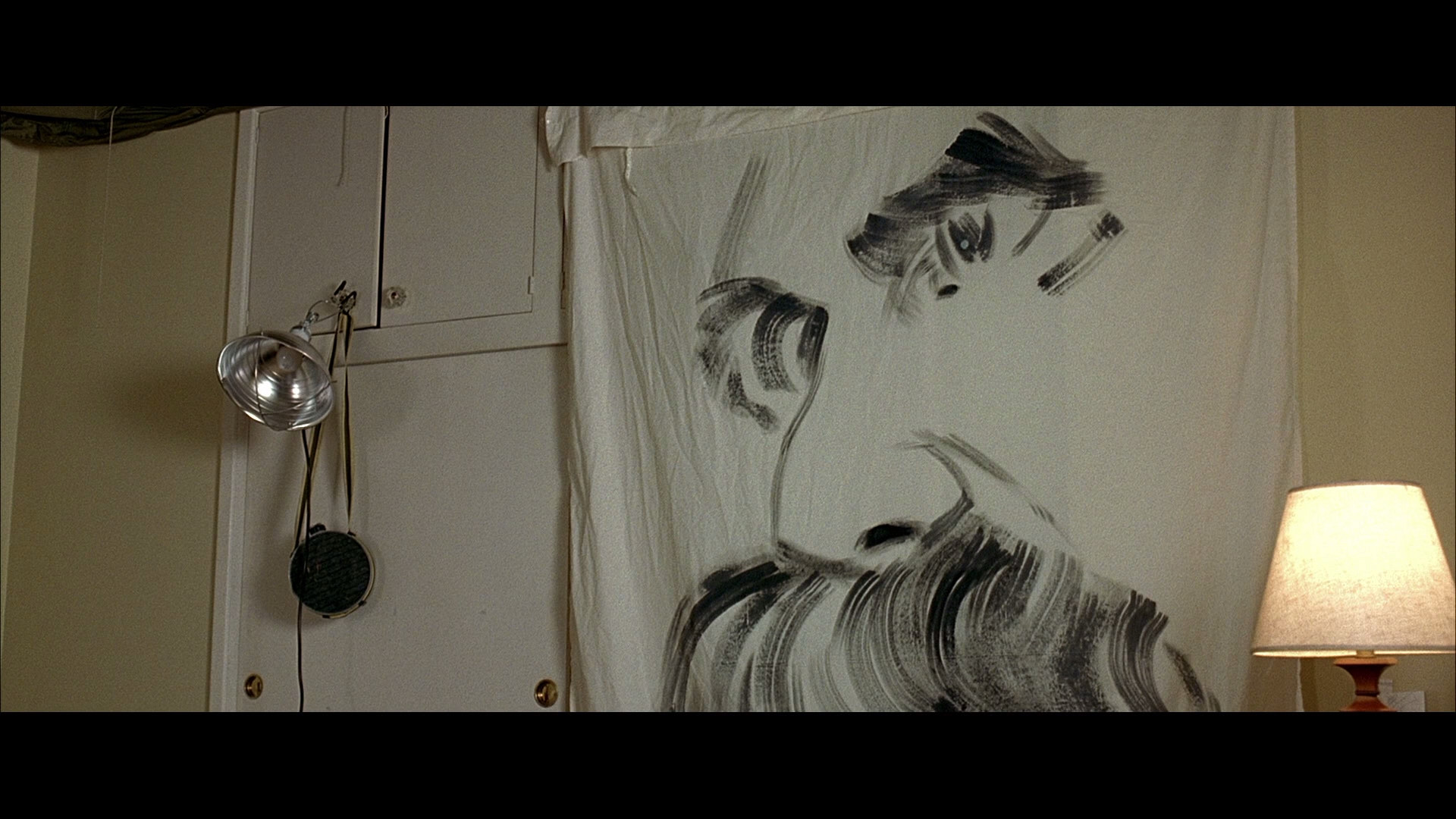
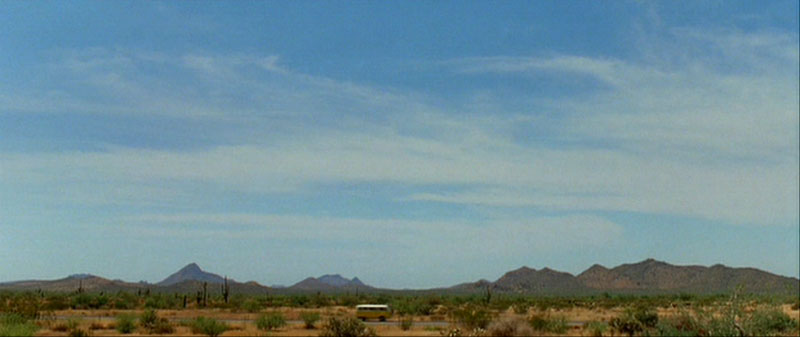
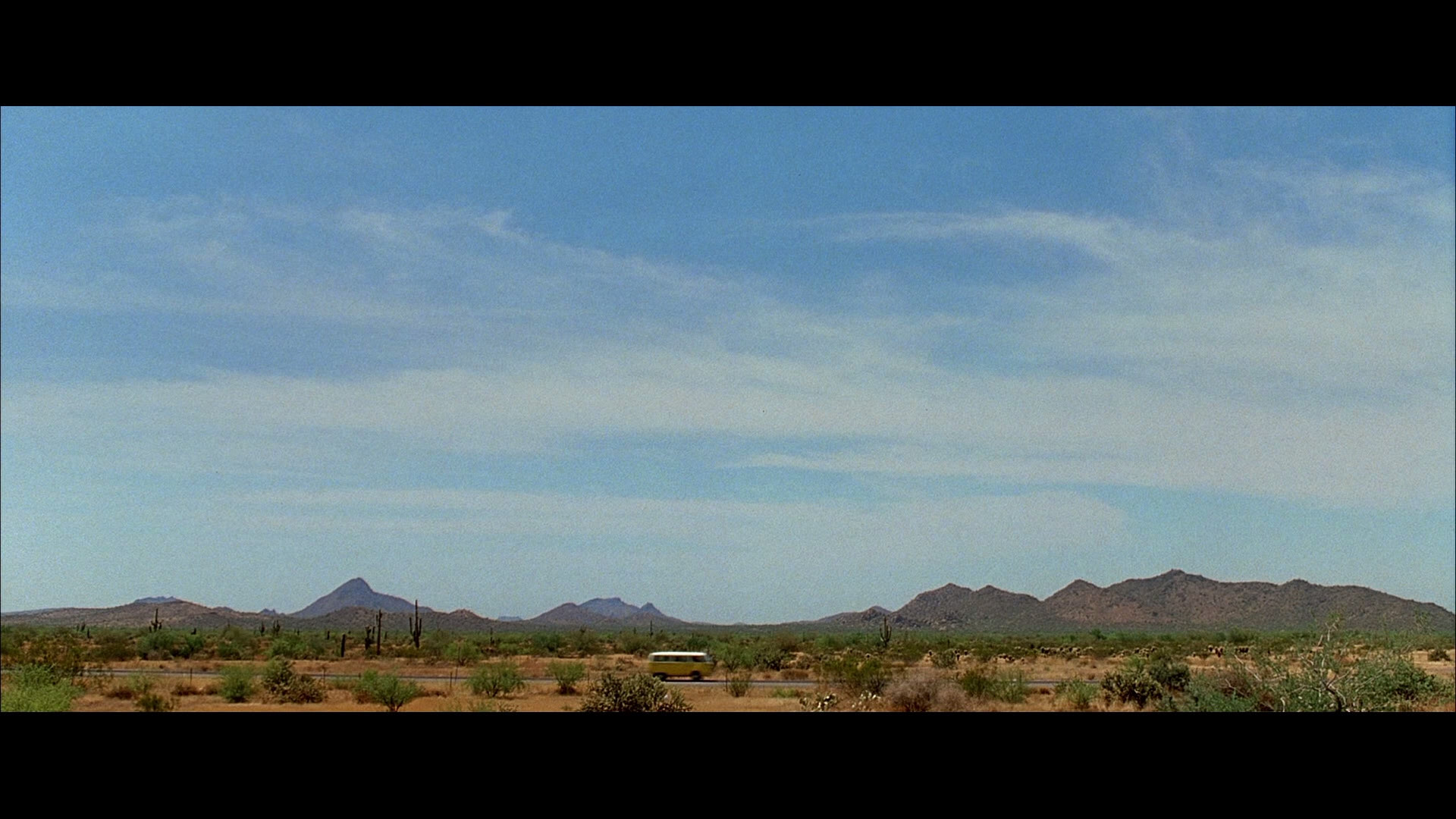
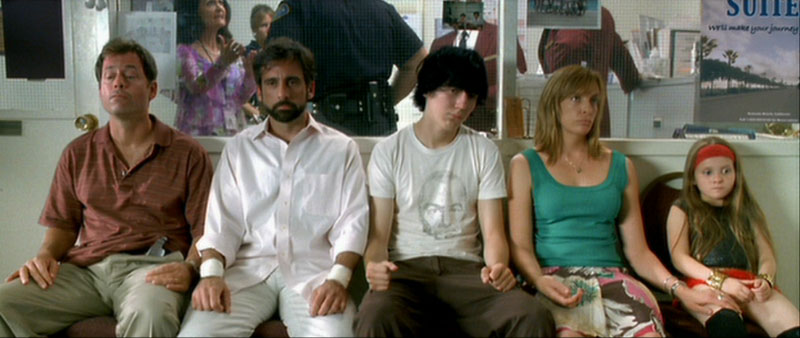
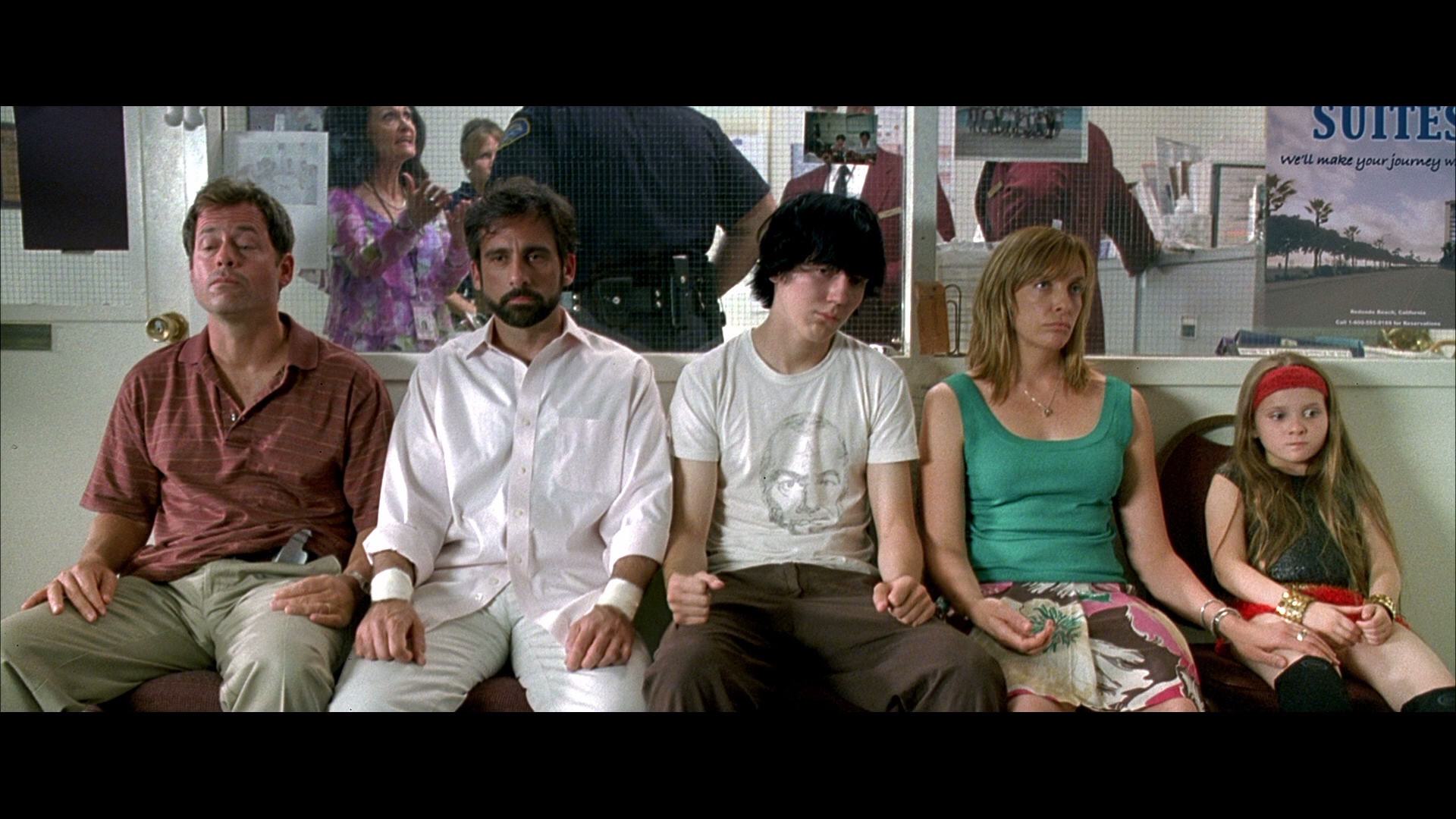
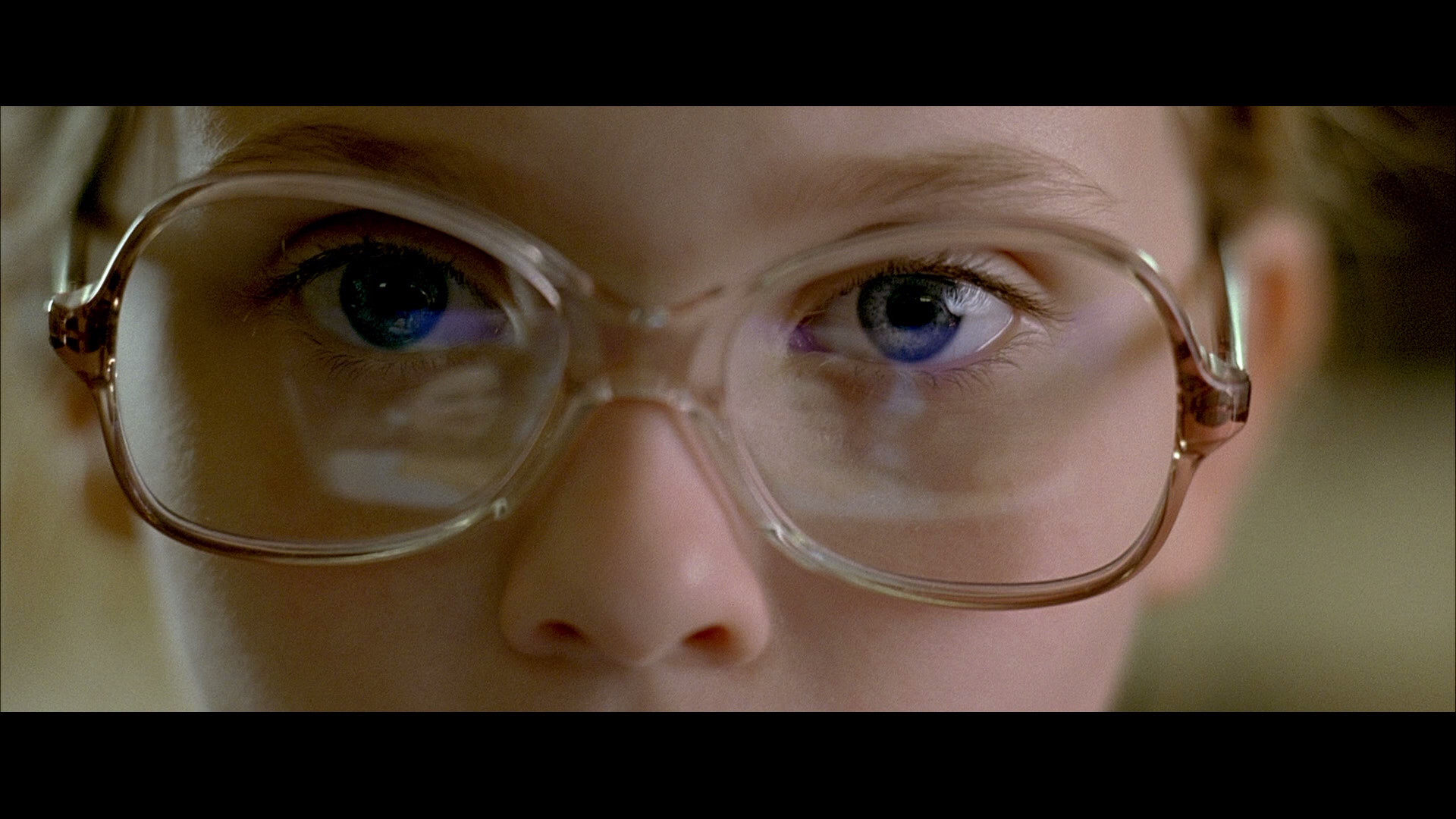
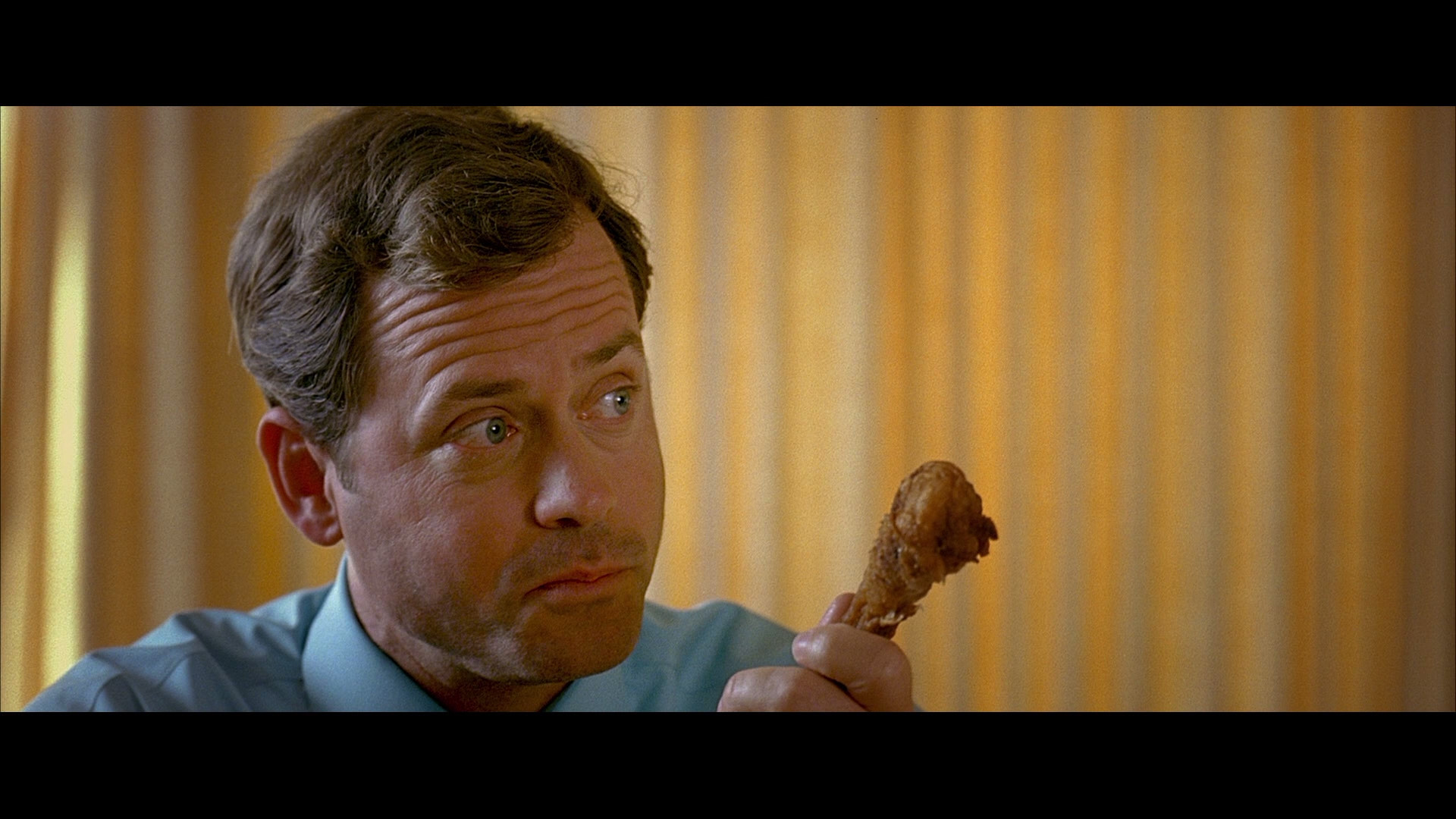
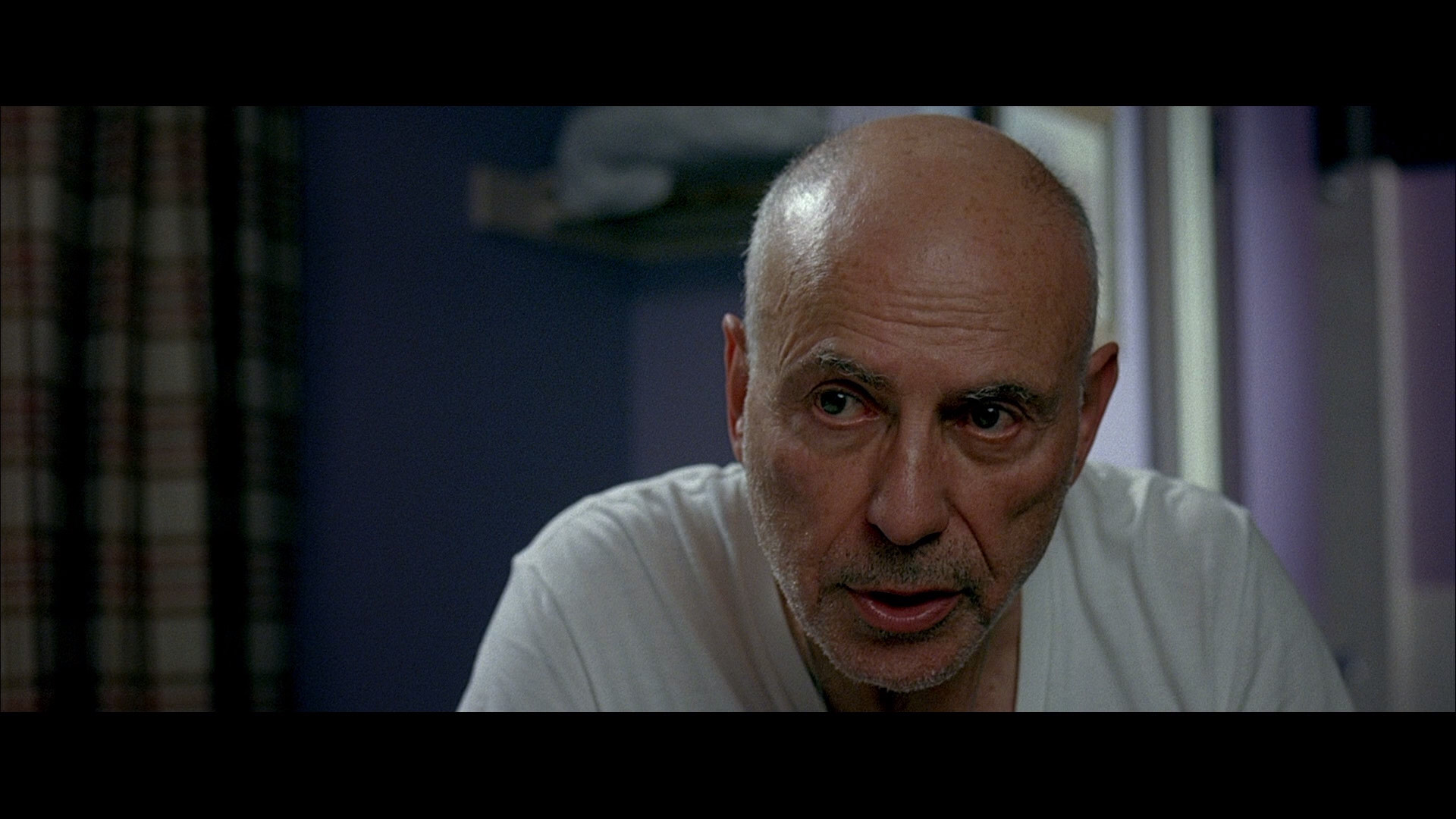
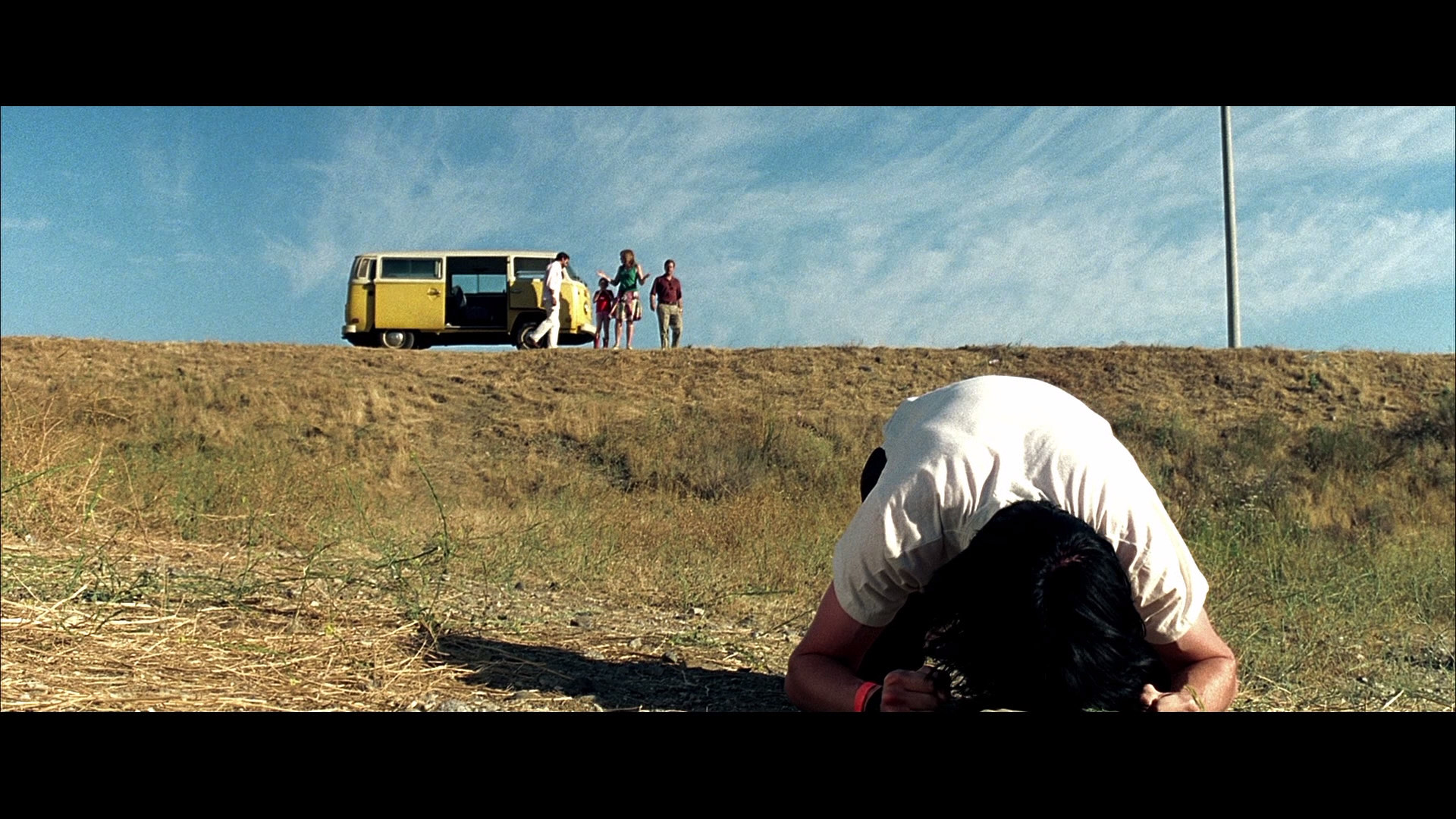
NOTE: The below Blu-ray captures were taken directly from the Blu-ray disc. ADDITION: - Fox Blu-ray - February 09': It was such a pleasure seeing this fabulous film yet again - possibly my 5th time - now in 1080P resolution. As the matched screen captures will bear-out - everything is superior - colors more true, tighter, detail sharper, and you can see some good grain in the image now. There is also slightly more information in the frame on all four sides. Technically this is a dual-layered disc with the feature taking up over 30 Gig supported by a strong bitrate. The image improvement is a very notable and welcome improvement. Audio gets a bump to DTS-HD 5.1 Master which is only really noticeable in the film's music score which includes Rick James "Super Freak" and DeVotchKa's "Til the End of Time". Dialogue is clear and crisp and there are no outstanding flaws. Supplements appear to have the same commentaries and alternate scenes plus the Blu-ray has added a few nick-knacks here and there - the advertised Gag Reel seems to consist of "Do You Wanna Talk" for less than 1.5 minutes of one scene but enjoyable were On the Road with the Hoovers: the Making of Little Miss Sunshine running close to 20 minutes and Who Are The Hoovers for almost the same length of time. There is a piece on the Mychael Danna and DeVotchKa's music of the film and a short session with them, almost 30 minutes of Webisodes and finally 4 posters in a slideshow. Very complete. Little Miss Sunshine is a film I could watch at any time - Kinnear, Arkin and Carell's characters always break me up. It is funny, warm and very human. The Blu-ray is the best way to appreciate these qualities, in my opinion. If you haven't seen this - it's an 'essential' although be warned there is some very adult language at times. Overall this Blu-ray is enthusiastically recommended! Gary Tooze *** ON THE DVD: Video: Oddly enough, Fox has decided to include both widescreen (with a 2:37:1 aspect ratio and anamorphic video) and full screen versions of the film on a flipper disc. For such a recent film, it’s not unreasonable to expect a crisp, detailed transfer with vivid colors and sufficient contrast. Fox delivers on all accounts. I’ve read some reviewers claim to have seen instances of grain. If anything, such instances are extremely rare and only evident in outdoor long-shots. Of course, the archival beauty pageant footage in the opening scene is pixilated, but the effect is clearly desired. Fox’s presentation is otherwise impeccable. Audio:
Two principle tracks are provided with this release. There is an
English Dolby Digital 5.1 track and an optional Spanish Dolby
Digital 3.1 track. With a soundtrack that embraces the
independent roots of the film, the music is well-defined and
absent of any problems. With the exception of Olive’s
celebratory scream featured in the theatrical trailer, I’d be
hard pressed to find an instance that challenges the expressive
5.1 track.
|
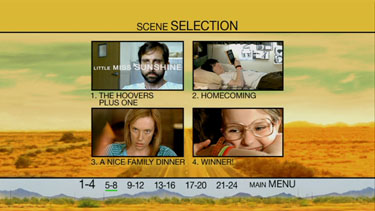
DVD Menus / Blu-ray Extras
|
|
|
 |
 |
 |
 |
 |
 |
 |
 |
CLICK EACH BLU-RAY CAPTURE TO SEE ALL IMAGES IN FULL 1920X1080 RESOLUTION
Screen Captures
Subtitle Sample - NOTE: Can't obtain Blu-ray subtitle sample captures yet...
(20th Century Fox - Region 1 - NTSC TOP vs. 20th Century Fox - Region 'A' - Blu-ray BOTTOM)
|
|
 |
(20th Century Fox - Region 1 - NTSC TOP vs. 20th Century Fox - Region 'A' - Blu-ray BOTTOM)
|
|
 |
(20th Century Fox - Region 1 - NTSC TOP vs. 20th Century Fox - Region 'A' - Blu-ray BOTTOM)
|
|
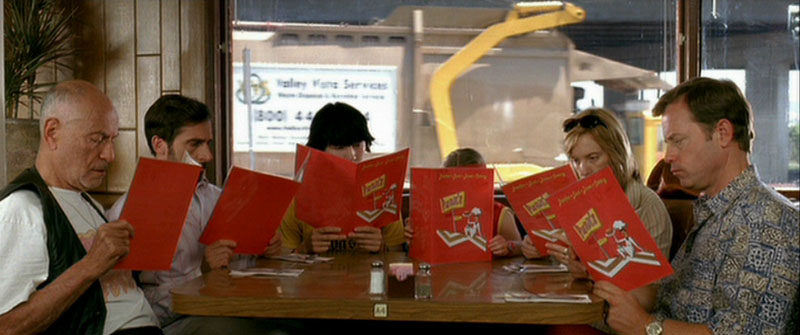
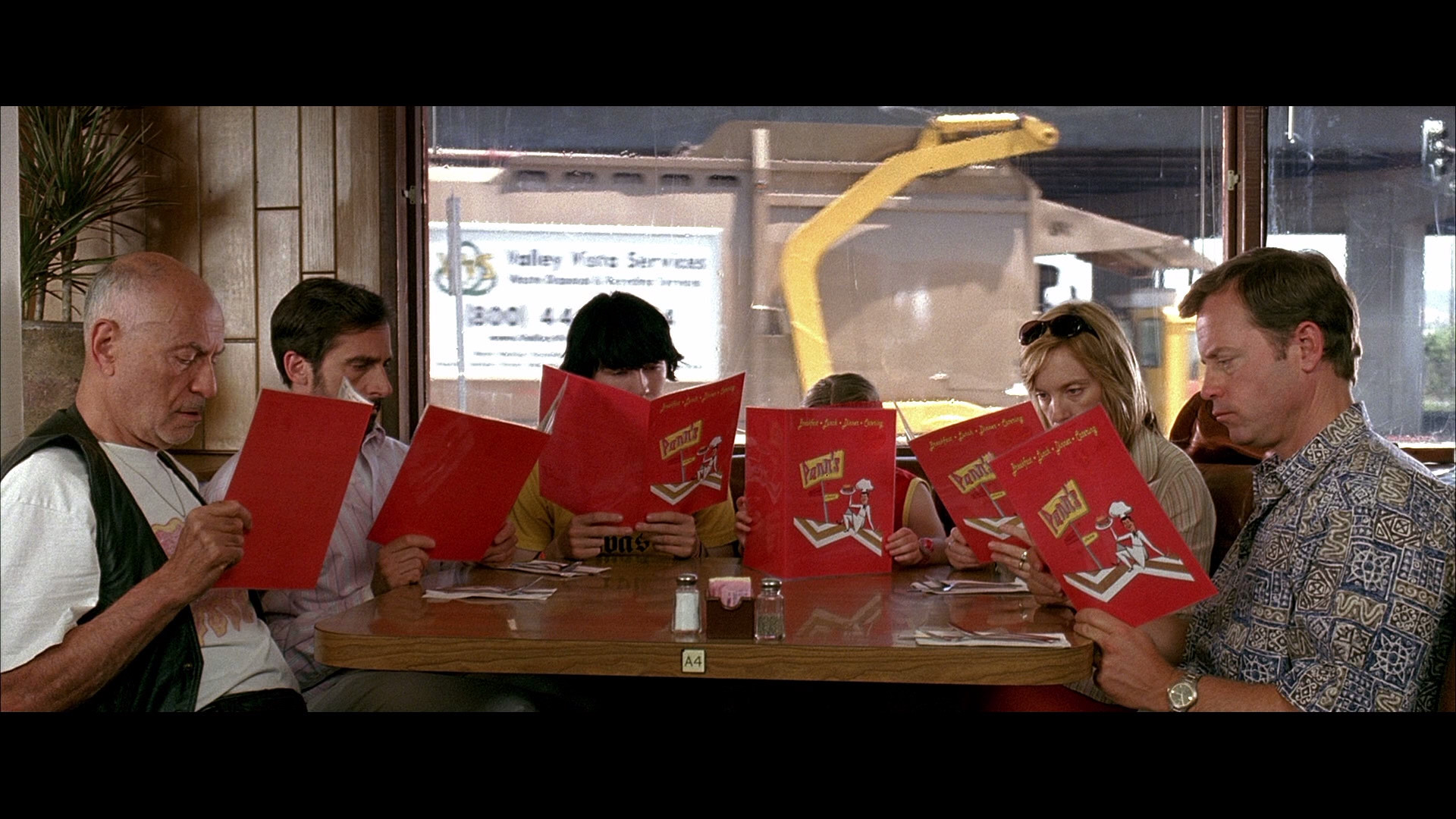 |
(20th Century Fox - Region 1 - NTSC TOP vs. 20th Century Fox - Region 'A' - Blu-ray BOTTOM)
|
|
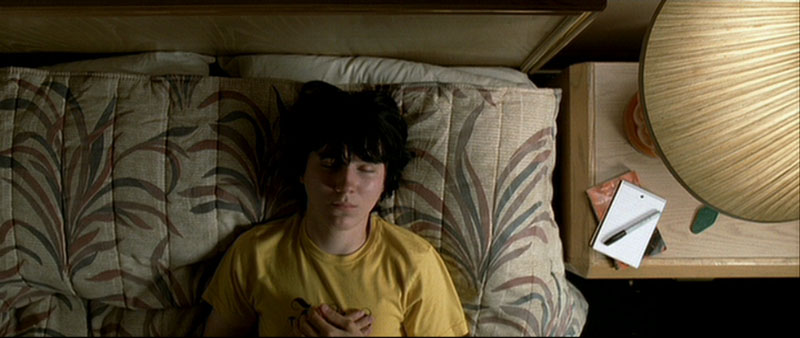
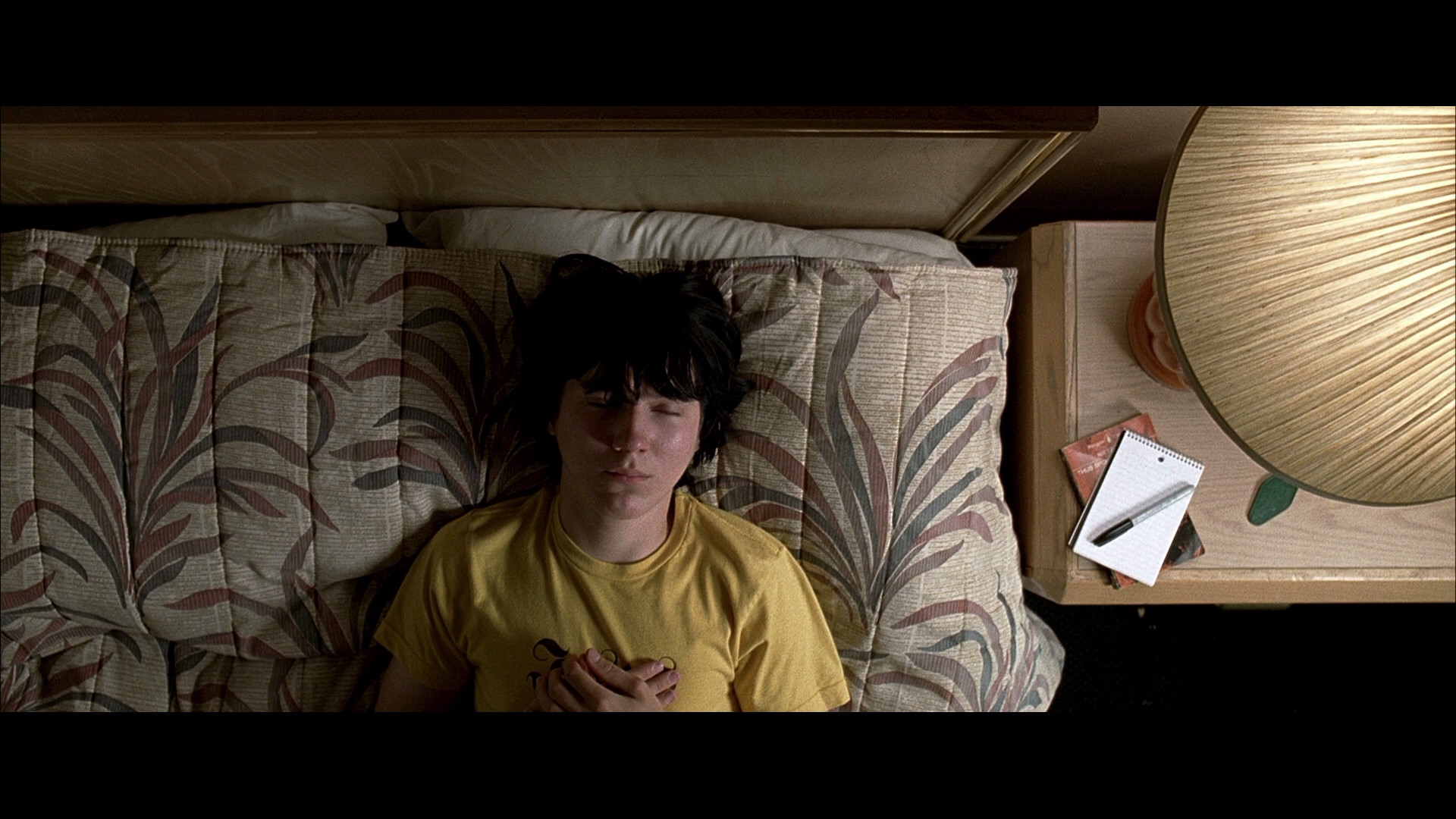 |
(20th Century Fox - Region 1 - NTSC TOP vs. 20th Century Fox - Region 'A' - Blu-ray BOTTOM)
|
|
 |
More Blu-ray grabs
 |
 |
 |
 |
| Box Covers |
|
|
| Distribution |
20th Century Fox Region 1 - NTSC |
20th Century Fox Region 'A' - Blu-ray |

















CLICK PayPal logo to donate!
|
Gary Tooze
|
|
Thank You!