|
Firstly, a massive thank you to our Patreon supporters. Your generosity touches me deeply. These supporters have become the single biggest contributing factor to the survival of DVDBeaver. Your assistance has become essential.
What do Patrons receive, that you don't?
1)
Our
weekly
Newsletter
sent to your Inbox every
Monday morning!
Please consider keeping us in existence with a couple of dollars or more each month (your pocket change!) so we can continue to do our best in giving you timely, thorough reviews, calendar updates and detailed comparisons. Thank you very much.
|






|
Search DVDBeaver |
S E A R C H D V D B e a v e r |

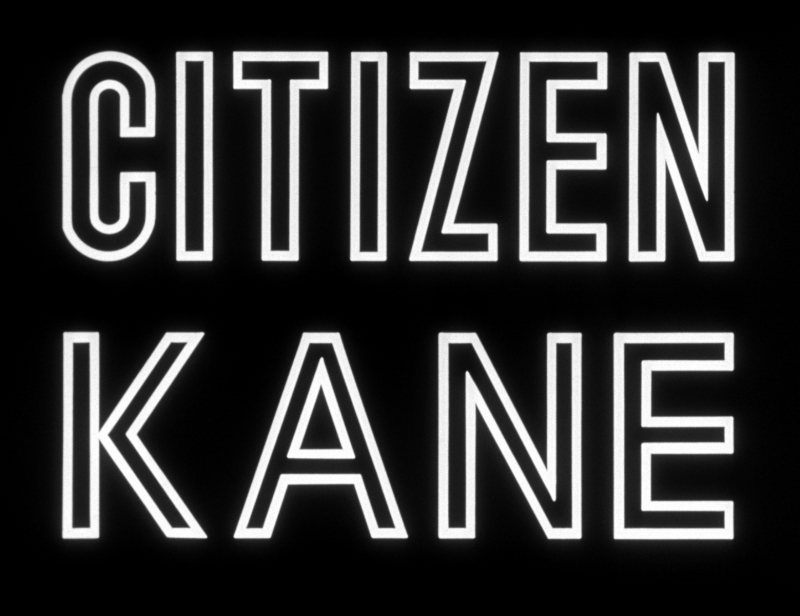
(aka "American" or "John Citizen, U.S.A")

USA 1941
The Criterion
Blu-ray and 4K UHD of Citizen Kane is reviewed HERE
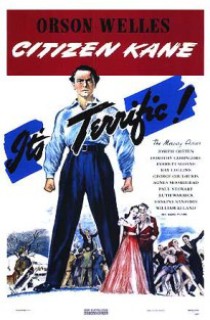
| Orson Welles’ timeless masterwork is more than a groundbreaking film. Presented here in a magnificent 70th anniversary digital transfer with revitalized digital audio from the highest quality surviving elements, it is also grand entertainment, sharply acted and superbly directed with inspired visual flair. Depicting the controversial life of an influential publishing tycoon, this Best Original Screenplay Academy Award Winner (1941) is rooted in themes of power, corruption, vanity—the American Dream lost in the mystery of a dying man’s last word: “Rosebud.” |
Posters
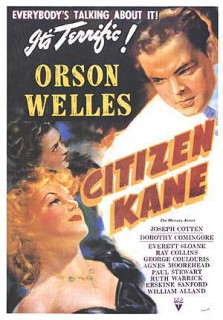 |
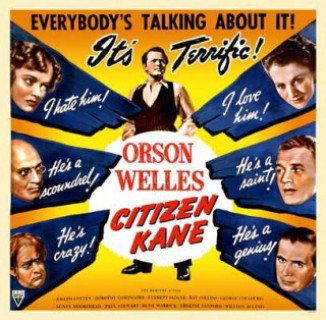 |
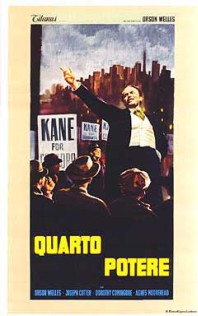 |
 |
Theatrical Release: May 1st, 1941 - USA
Reviews More Reviews DVD Reviews
Associated Reading (CLICK COVERS or TITLES for more information)
 |
 |
 |
 |
 |
 |
 |
 |
|
This is Orson Welles by Orson Welles, Peter Bogdanovich, Jonathan Rosenbaum |
Orson Welles on Shakespeare: The W.P.A. and Mercury
Theatre Playscripts by Orson Welles, Simon Callow, Richard France |
Orson Welles: Interviews (Conversations with
Filmmakers (Paperbacks)) by Orson Welles, Mark W. Estrin |
The Trial by Franz Kafka |
Orson Welles : The Stories of His Life by Peter Conrad |
Rosebud : The Story of Orson Welles by David Thomson |
Encyclopedia of Orson Welles (Great Filmmakers) by Chuck Berg, Tom Erskine, John C. Tibbetts, James M. Welsh, Thomas L. Erskine |
Chimes at Midnight: Orson Welles, Director (Rutgers
Films in Print) by Bridget Gellert Lyons |
Comparison:
Warner - Region 0 - NTSC vs. Universal Pictures (UK) - Region 0 - PAL vs. Warner (3-disc Ultimate CE) - Region FREE -
Blu-ray
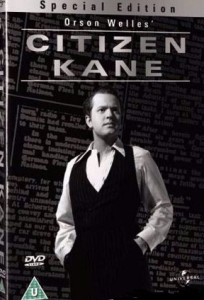
| DVD Box Covers |
|
|
Released by Criterion on Blu-ray in November 2021:
and in 4K UHD:
|
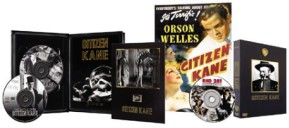
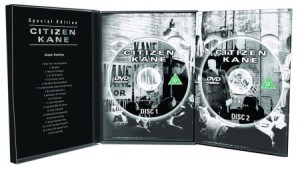
| Boxset View (for R1 is 3 disc set with same transfer as 2 disc) |
 |
 |
 |
| Distribution |
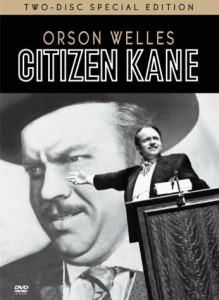
Warner Home Video Region 0 - NTSC |
Universal
Pictures (UK) Region 0 - PAL |
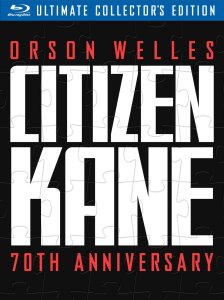
Warner Home Video Region FREE - Blu-ray |
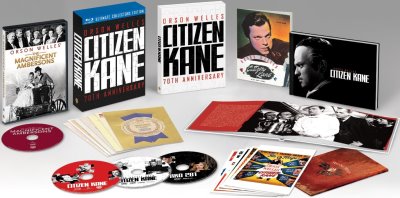 |
Warner also offer an identical Blu-ray package (entitled 70th Anniversary) WITH the inclusion of The Magnificent Ambersons on DVD for about $10 more - exclusive to Amazon. |
| |
| Runtime | 1:59:20 | 1:54:16 (4% PAL speedup) | 1:59:23.823 |
| Video |
1.33:1 Original Aspect Ratio |
1.33:1
Original Aspect Ratio |
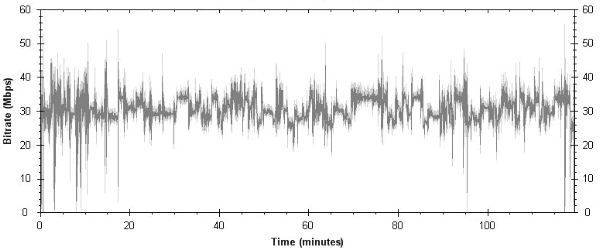
1080P Dual-layered Blu-ray Disc Size: 32,071,793,601 bytes Feature: 30,815,545,344 bytes Codec: MPEG-4 AVC Video Total Video Bitrate: 30.65 Mbps |
|
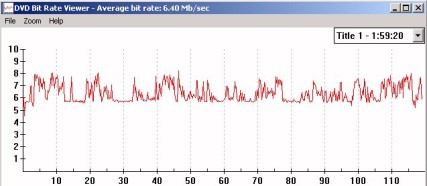
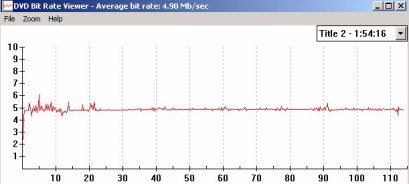
NOTE: The Vertical axis represents the bits transferred per second. The Horizontal is the time in minutes |
|||
| Bitrate:
Warner
|
|
||
| Bitrate:
Universal
|
|
||
| Bitrate:
Blu-ray |
|
||
| Audio | English
(Dolby Digital 2.0 Mono) |
English
(Dolby Digital 2.0 Mono)
|
DTS-HD Master Audio English 821 kbps 1.0 / 48 kHz / 821
kbps / 24-bit (DTS Core: 1.0 / 48 kHz / 768 kbps / 24-bit) Dolby Digital Audio English 192 kbps 1.0 / 48 kHz / 192 kbps / DN -4dB Dolby Digital Audio English 192 kbps 1.0 / 48 kHz / 192 kbps / DN -4dB Dolby Digital Audio Polish 192 kbps 1.0 / 48 kHz / 192 kbps / DN -4dB Dolby Digital Audio Portuguese 192 kbps 1.0 / 48 kHz / 192 kbps / DN -4dB |
| Subtitles | English, Spanish, French, Portuguese and none | English, Spanish, French and none | English (SDH), Czech, French, Greek, Hungarian, Polish, Portuguese, Romanian, Spanish, none |
| Features |
Release Information: Studio: Warner Home Video Aspect
Ratio: Edition Details:
Disc Two: "The Battle Over Citizen Kane"
Chapters 31
|
Release Information: Studio: Universal Pictures Studio Aspect Ratio: Edition Details:
DVD
Release Date: July 21st, 2003 Chapters 20
NOTE: None of the special features come with captions or subtitles |
Release Information: Studio: Warner Home Video
1080P Dual-layered Blu-ray Disc Size: 32,071,793,601 bytes Feature: 30,815,545,344 bytes Codec: MPEG-4 AVC Video Total Video Bitrate: 30.65 Mbps
Edition Details: Disc One:
'The Production' (15:01 in total)
'Post Production' (5:11)
Disc Two: "The Battle Over Citizen Kane"
Disc Three: "RKO 281" (1999)
Package includes a book, booklets and title cards etc. Blu-ray Release Date: September 13th, 2011 Custom Digipack Chapters 31 |




| Comments: |
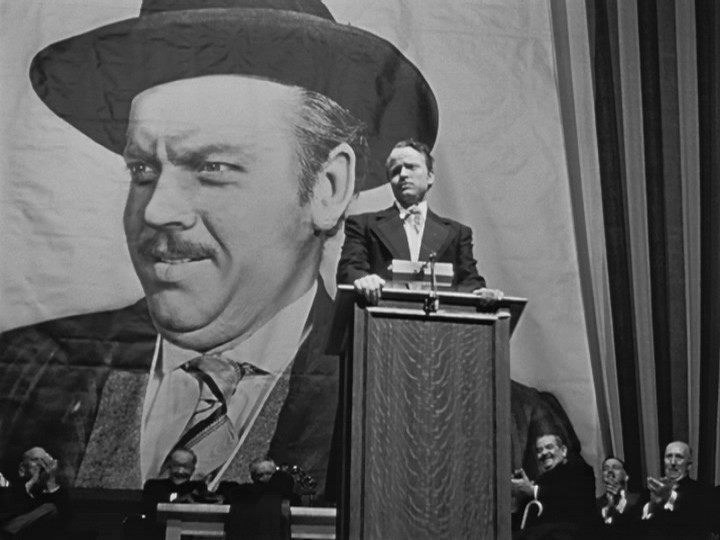
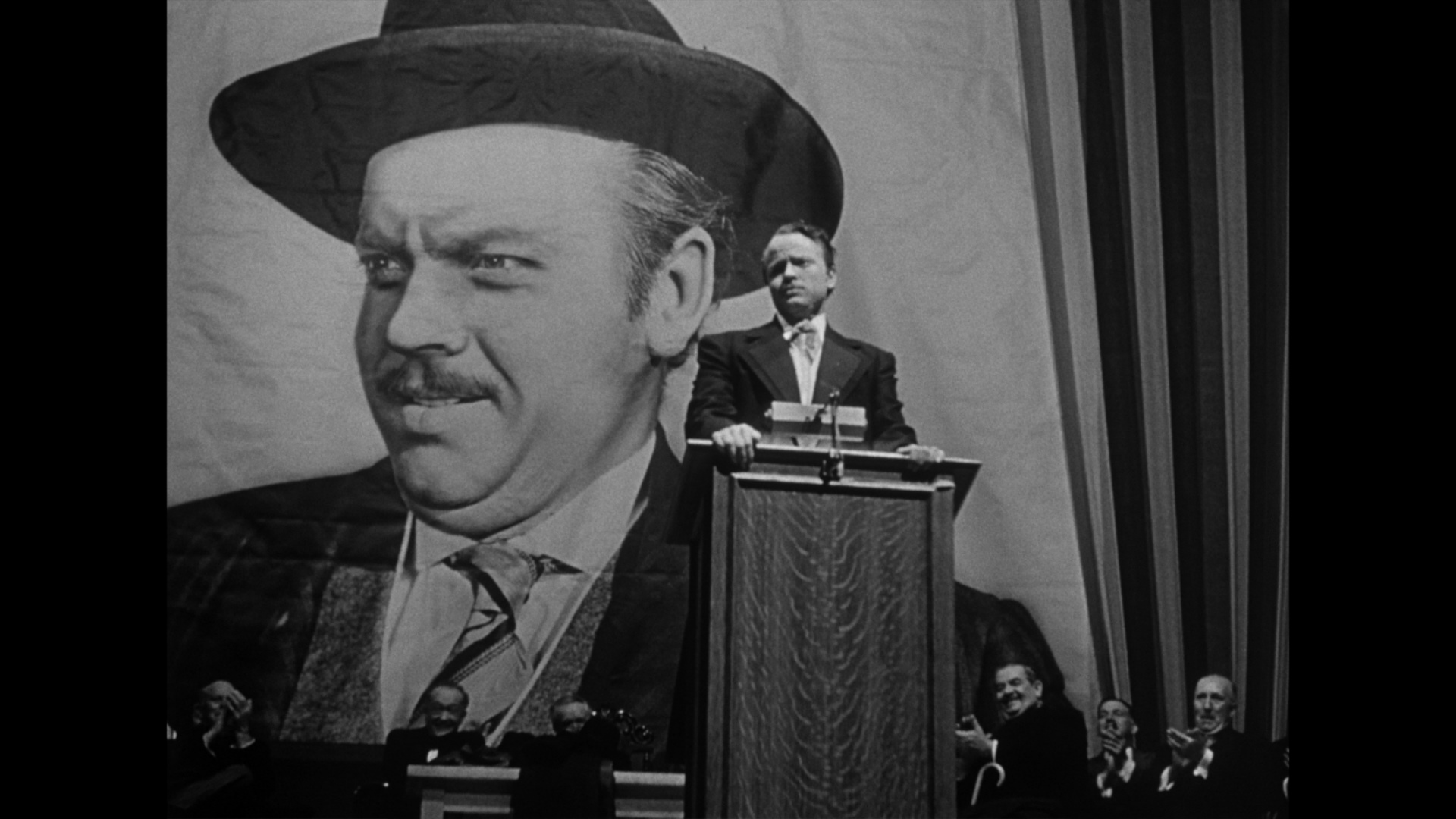
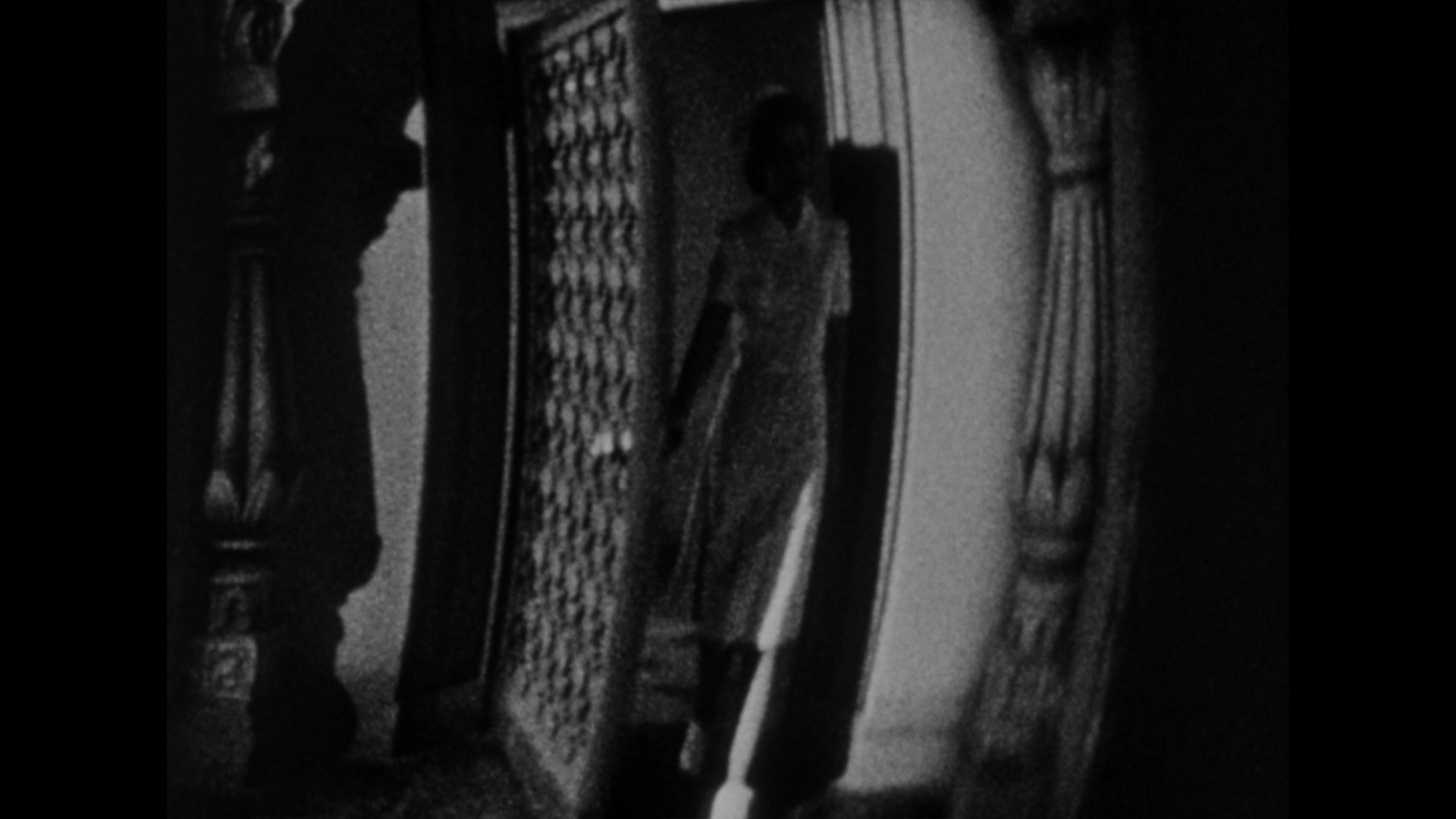
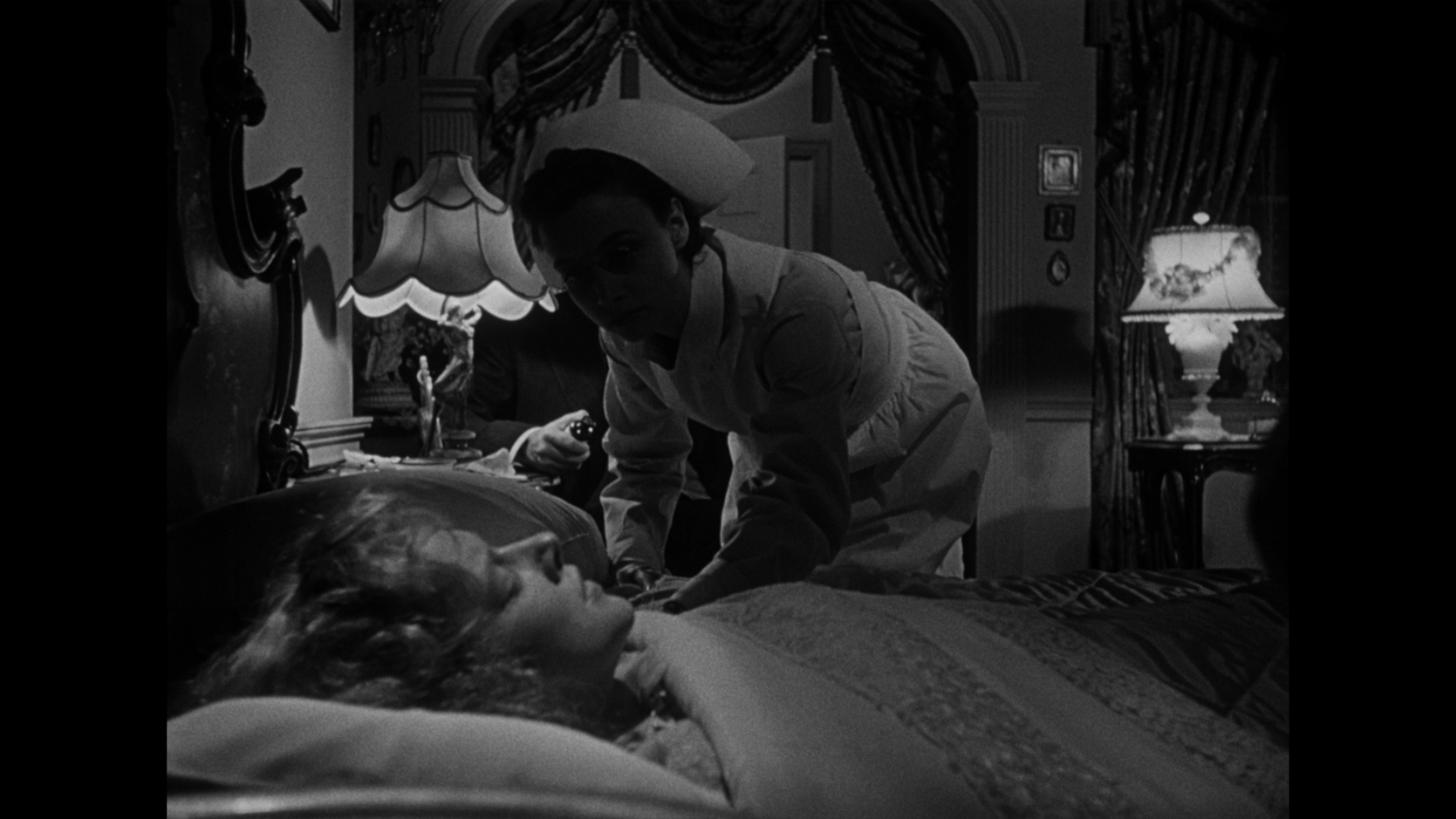
The Criterion Blu-ray and 4K UHD of Citizen Kane is reviewed HERE NOTE: The below Blu-ray captures were taken directly from the Blu-ray disc. N OTE: We have added The Magnificent Ambersons DVD to our existing comparison HERE.ADDITION: Warner - Region FREE - Blu-ray - September 11': Looks like we got exactly what we had hoped back in 2003! - "What would have been best would be the integrity and film grain of the Universal (and sound!) and the detail and clarity of the Warner... and the Extras of both... and no PAL speedup...".
Warner's new 1080P
Blu-ray
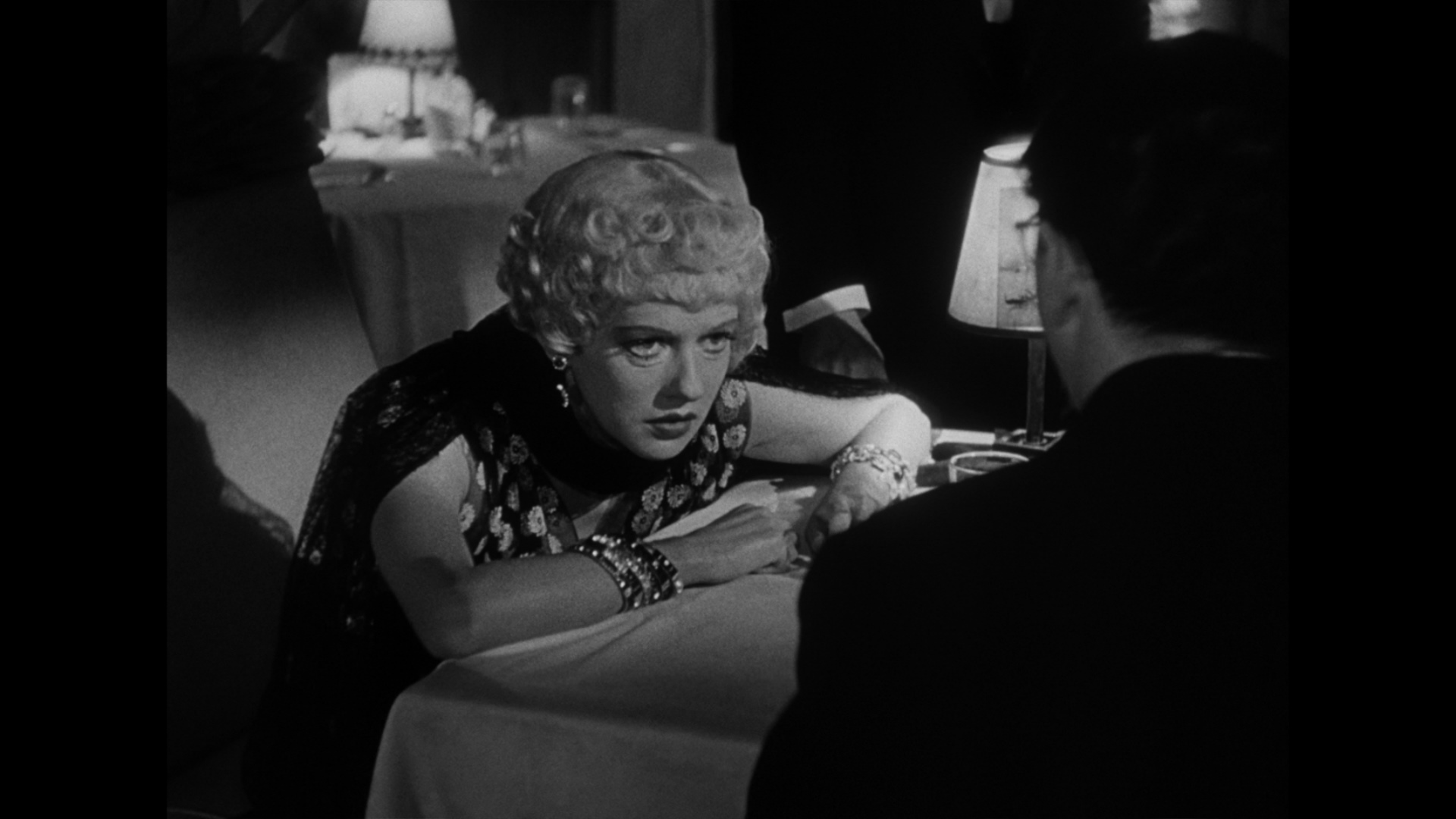
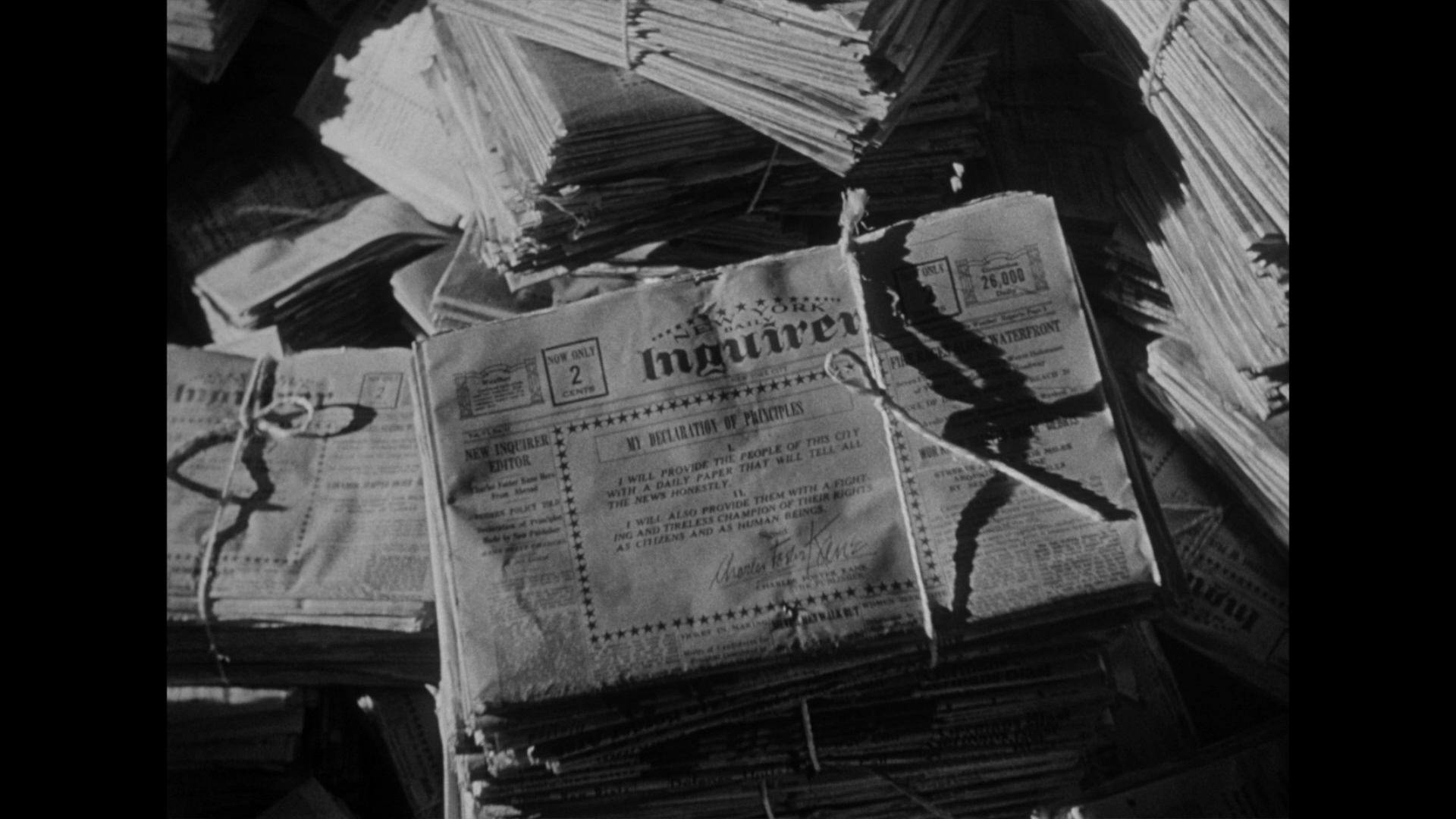
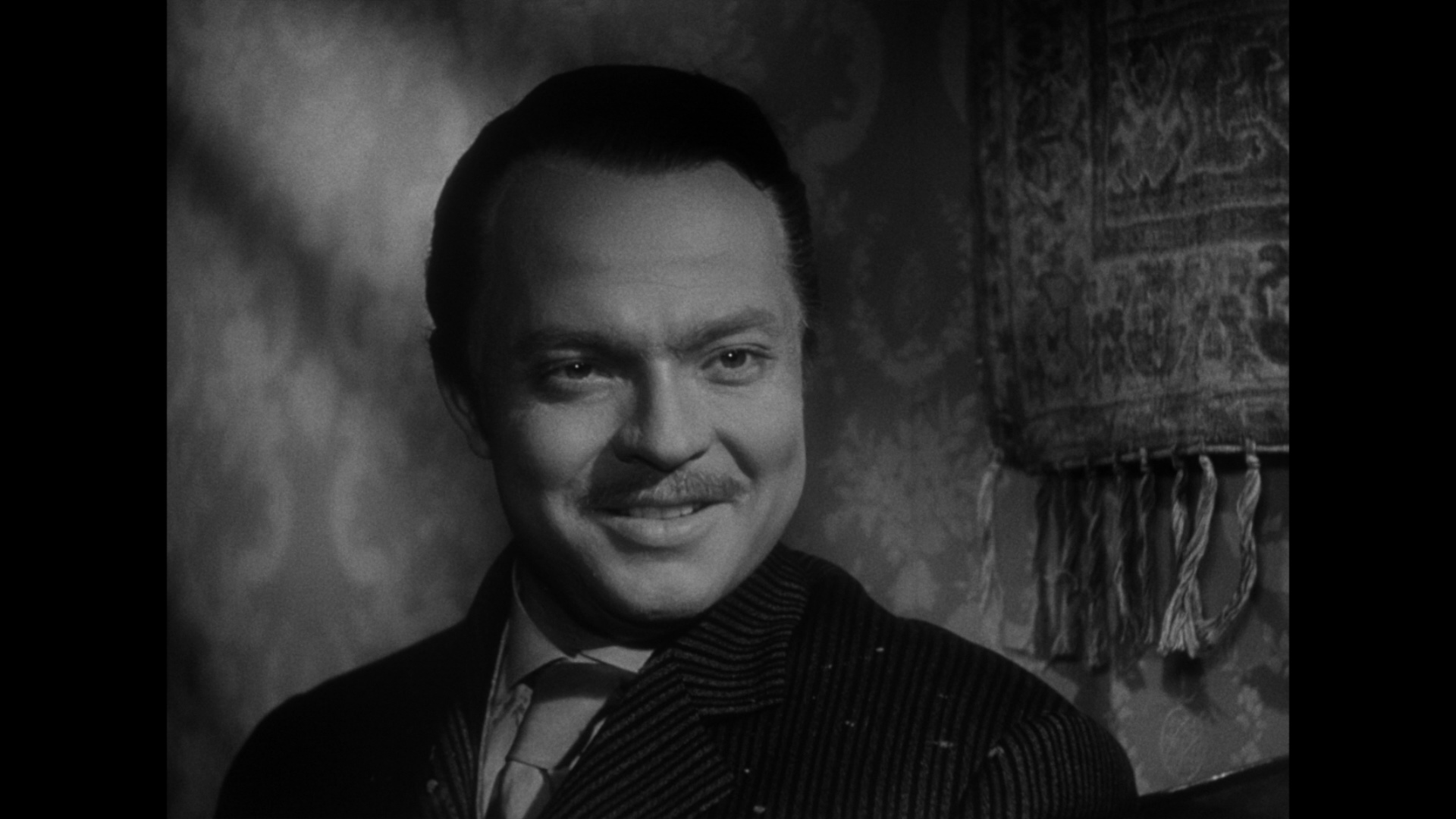
transfer is thick with marvelously textured grain -
looking positively film-like, especially, in comparison
to Warner DVD. The image is authentically darker and I
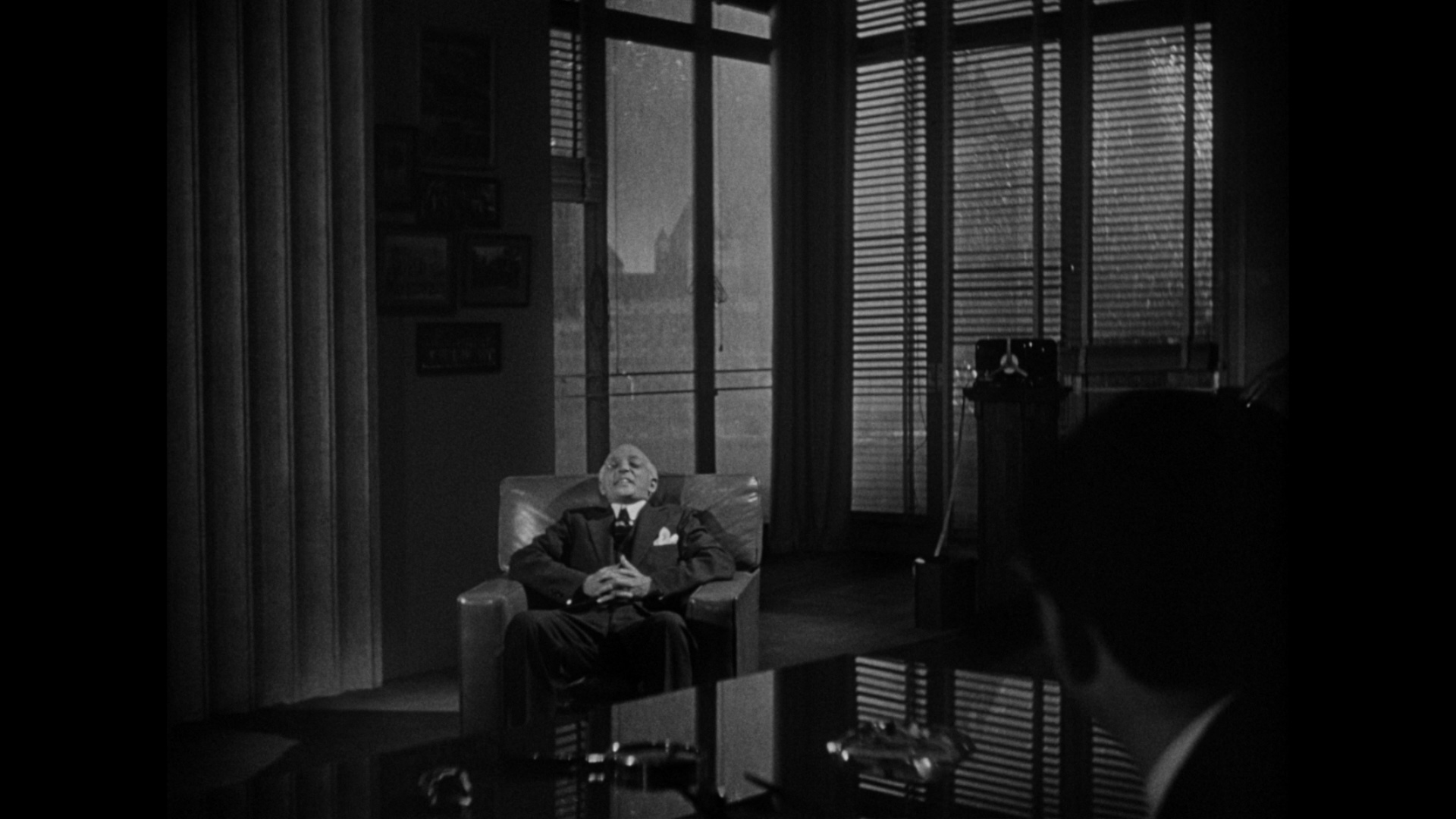
don't see us losing any detail (the rain in Bernstein's
office has returned!) - even beside the boosted Warner
SD transfer. It no longer appears cropped and is, of
course, in theatrical running time. The audio is
lossless, original mono exporting some perceived depth -
sounds solid. Extras include everything from the 2002
package plus a third disc (the film RKO 281 from
1999) and a wonderful hardcover book, a souvenir
program, title cards and more! We strongly suggest
paying the extra $10 for the
Blu-ray
set (found
HERE) called the '70th Anniversary Edition'
(an Amazon Exclusive) with
The Magnificent Ambersons
on SD which we will eventually obtain and add to our
existing DVD comparison.
I'm going to work my way through much more of this
incredible package and report more (example - I am assuming the second
disc 'The Battle Over Citizen Kane' is the exact single-layered
one as in the 2002 release). We also assume this transfer etc. is the
exact same as in the Ambersons included one
(found
HERE) - but we will report if we find
any discrepancies. As for now this has our recommendation! ***
ON THE DVDs: The
Universal PAL edition has aptly been called the "Technical Edition" of
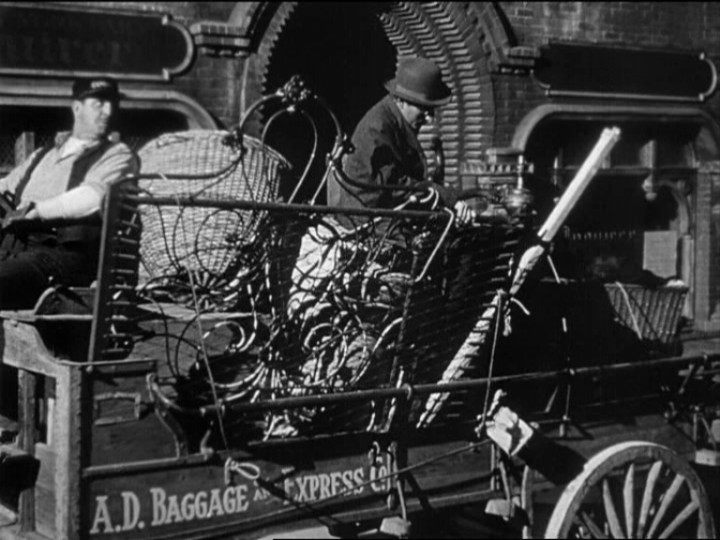
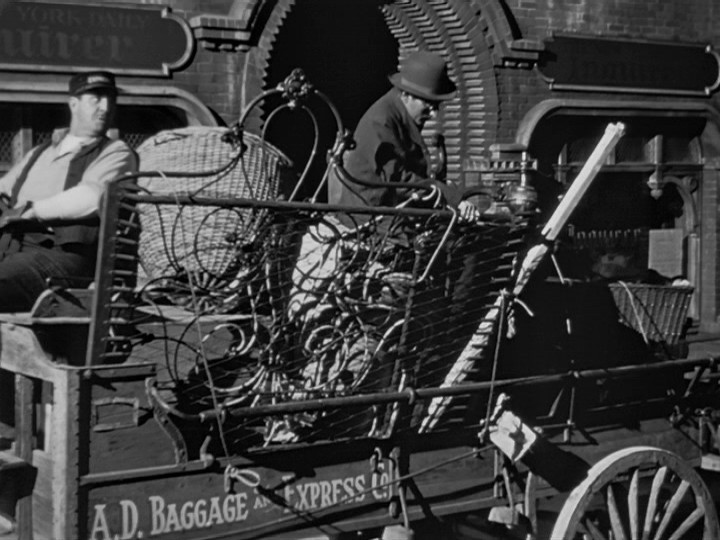
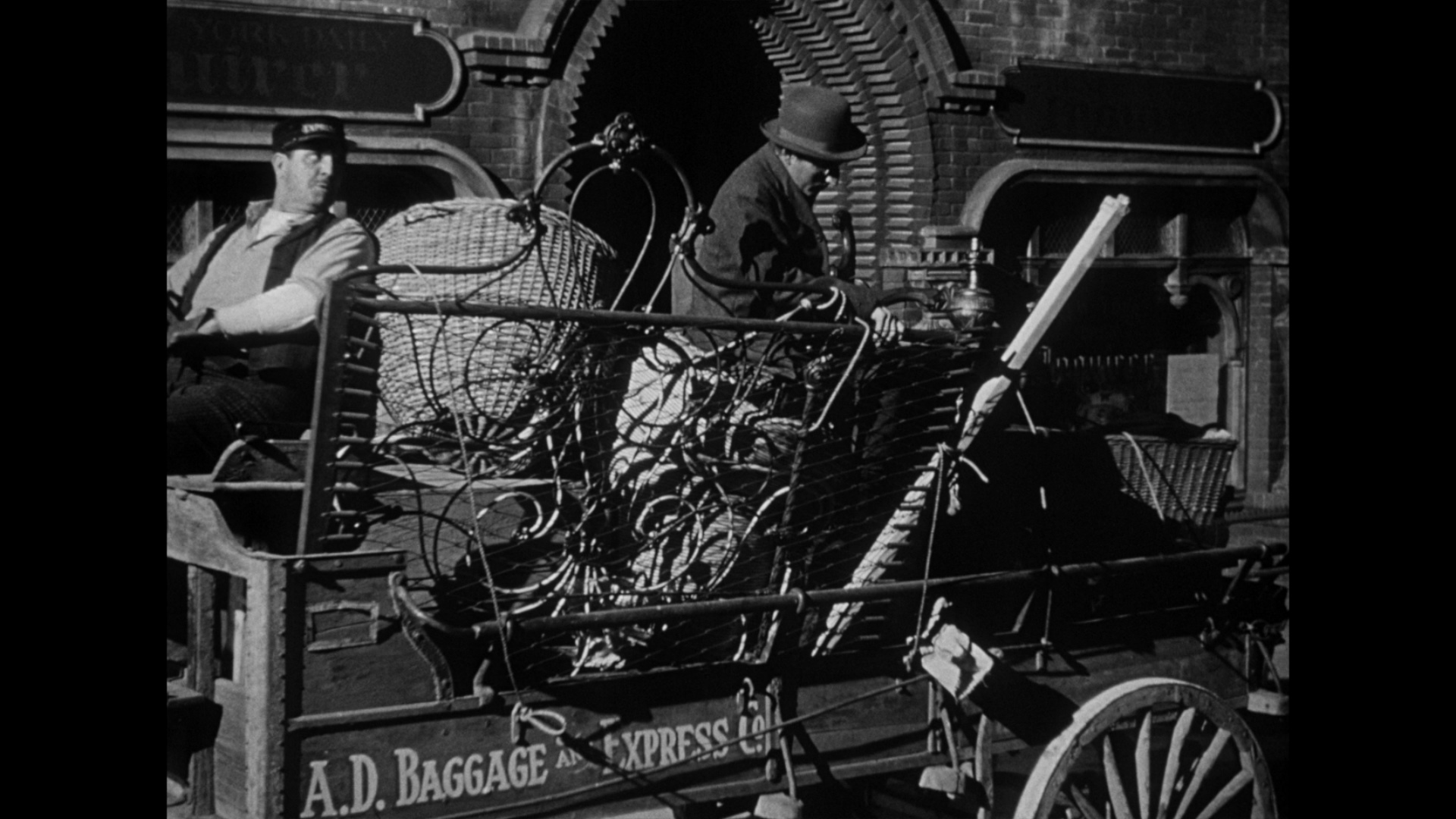
Citizen Kane on DVD. It shows wonderful film grain. The Warner NTSC version has been brightened,
enough for scholars to notice in some shadowy scenes. The sound in the
Warner is quite poor where the Universal has been beefed up a bit. The
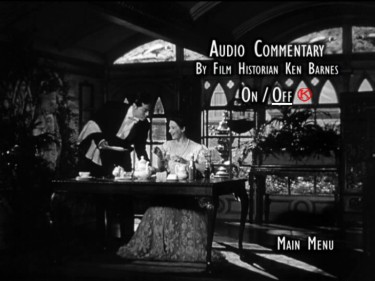
Ken Barnes commentary on the PAL edition focuses quite heavily on the
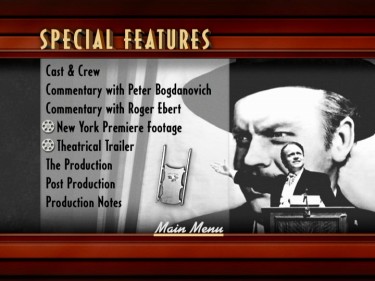
technical aspects which is certainly important and illuminating. Bogdanovich and Ebert's commentary on the Warner is likewise interesting
and informative. I can't rightly say one is "better" than the other, but
I personally enjoyed the Warner more.
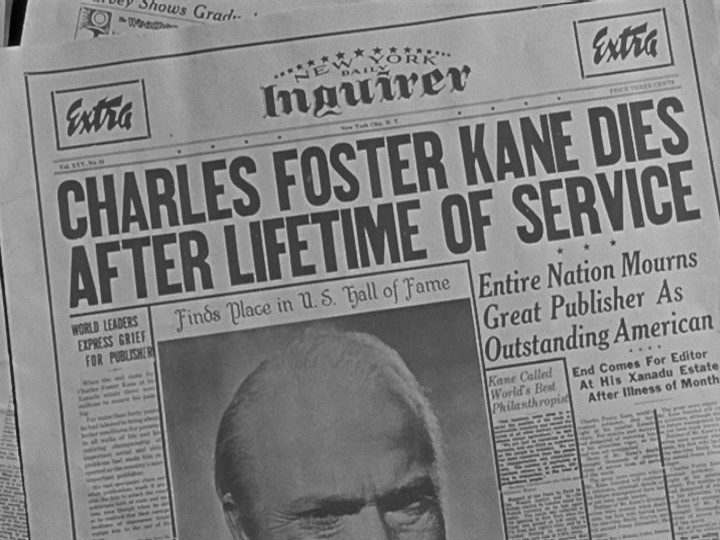
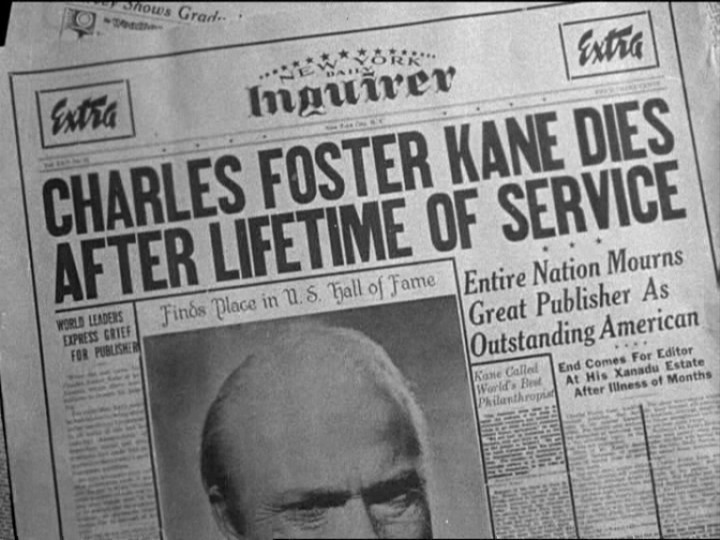
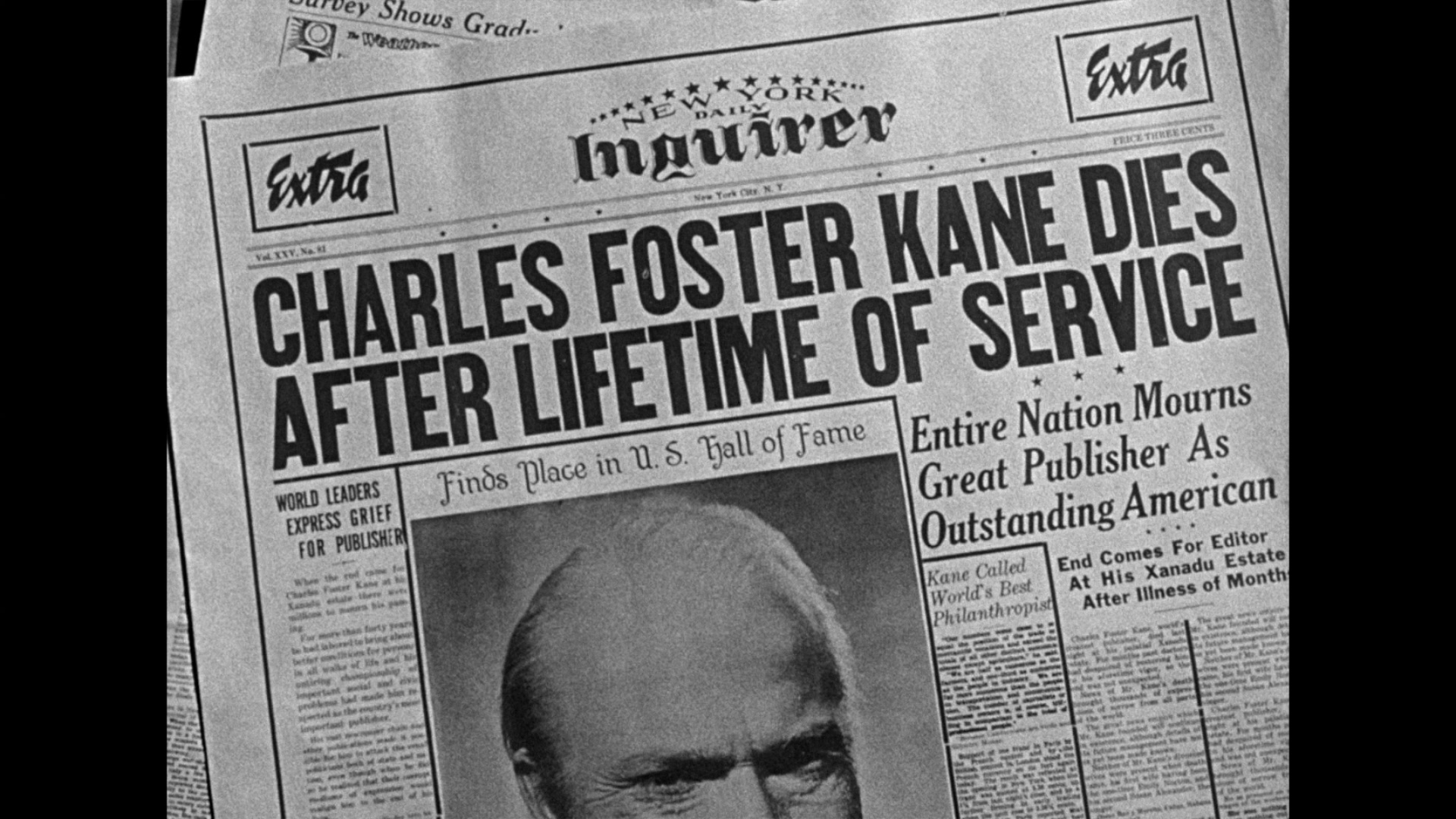
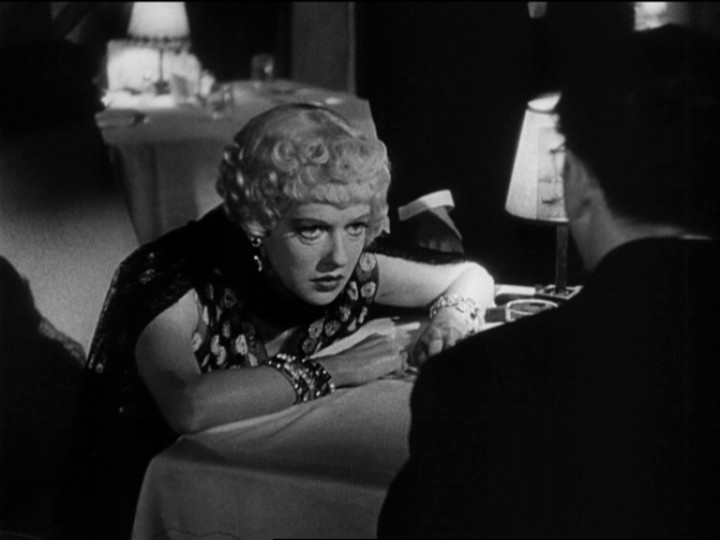
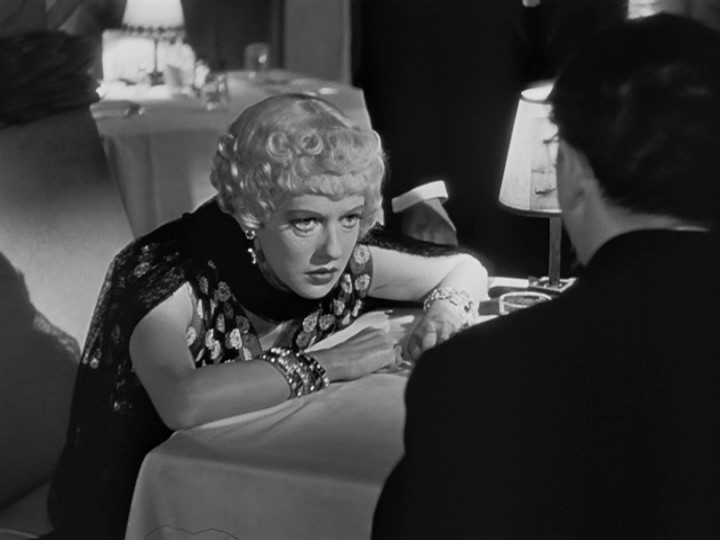
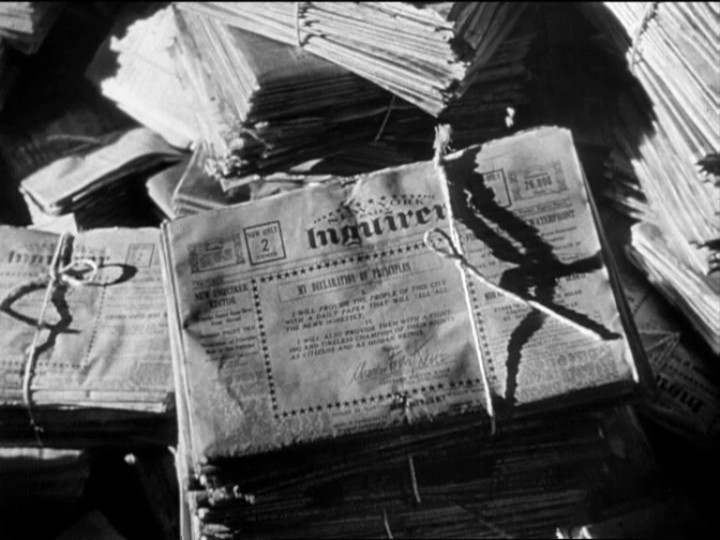
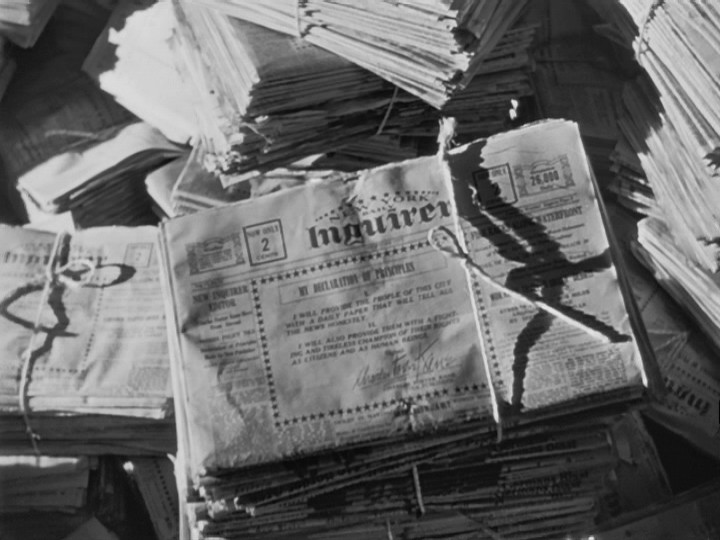
The Universal version is
less smooth in comparison (look
at the newspaper text in the first large capture). I found the PAL
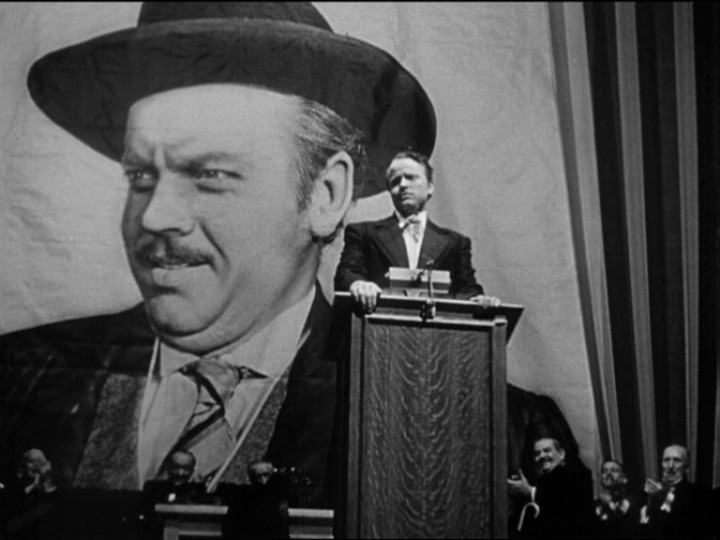
version so dark that it actually eliminates some information from the screen
(see the head on the right side of the 3rd large capture). I can't help
but feel the Universal is saturated as well as having the PAL speedup
issue which is not adhering to an original viewing experience. I expect
the debate with "Kane" scholars can go on indefinitely. What would have
been best would be the integrity and film grain of the Universal (and
sound!) and the detail and clarity of the Warner... and the Extras of
both... and no PAL speedup... and no cropping. I expect that true buffs (and there are
many!) should buy both versions. It is nice at least for the rest of us
to have a choice.
NOTE (from this
HTF Forum thread - Andrew Markworthy):
the scene in Bernstein's
office (Chapter 9 in the R2 edition, I think Chapter 10 in the R1) there
is rain coming down pretty heavily outside, which you can see through
the window - or at least, you *should* be able to see it. In the R1
version, you can see the rain coming down in the top third of the
window, but after that the rain seems to disappear. The allegation is
that the digital clean-up was over-zealous and erased the rain, thinking
it was visual noise. |
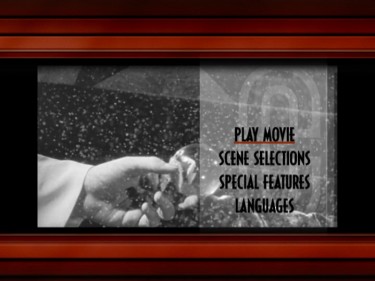
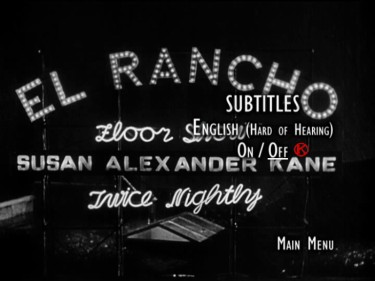
DVD Menus
(Warner
- Region 0 - NTSC - LEFT vs. Universal - Region 0 - PAL - RIGHT)
|
|
|
|
|
|
 |
 |
|
|
|
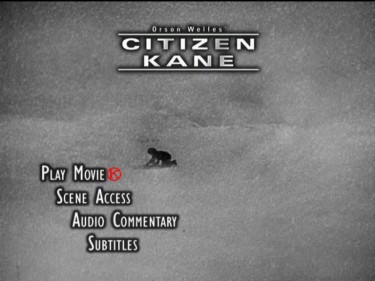
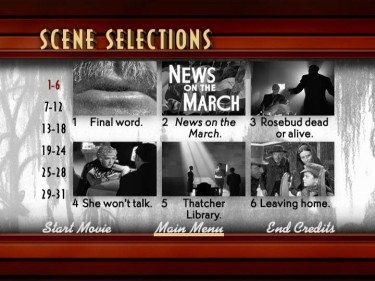
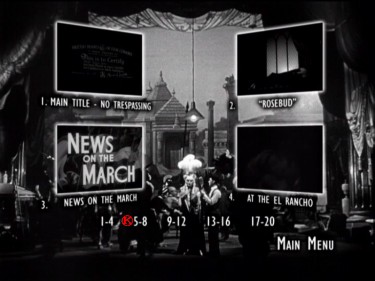
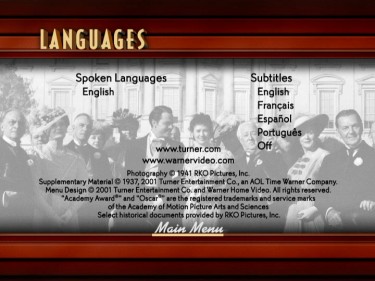
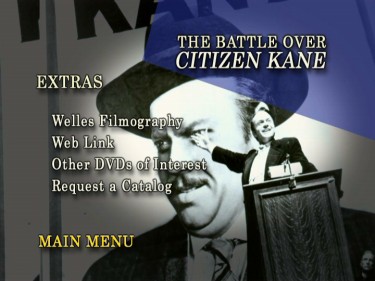
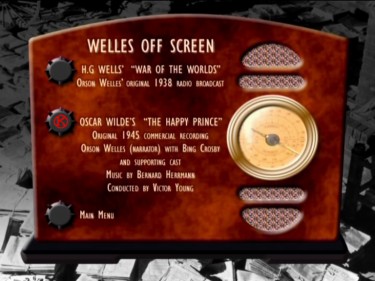
Disc 2
(Warner - Region 0 - NTSC - LEFT vs. Universal - Region 0 - PAL - RIGHT)
|
|
|
|
|
|
 |
 |
|
|
|
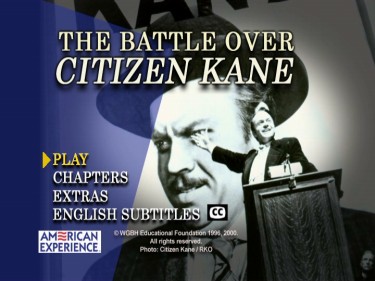
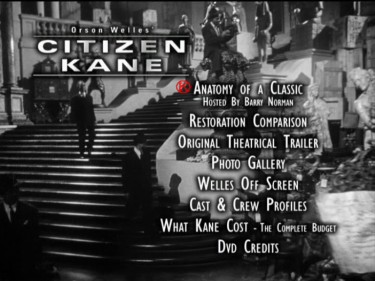
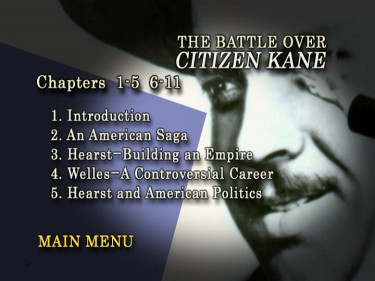
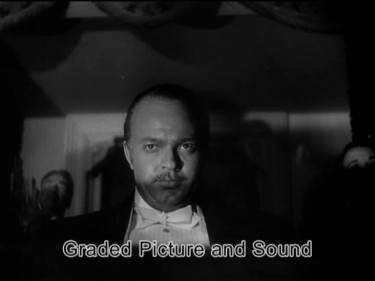
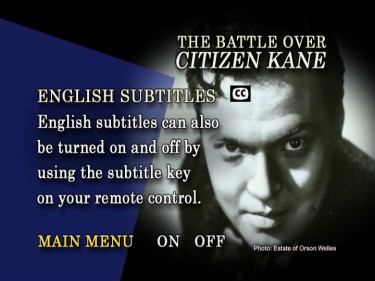
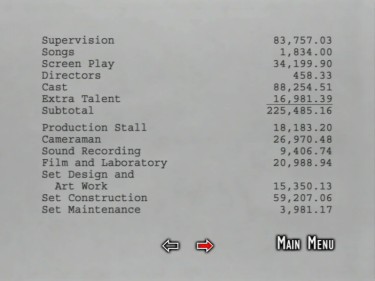
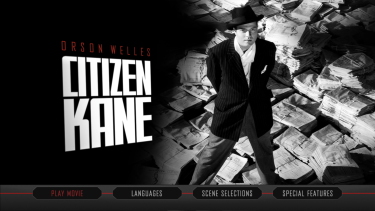
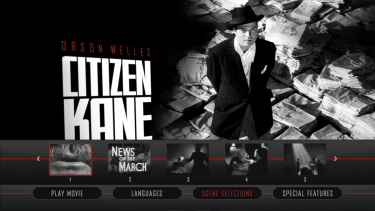
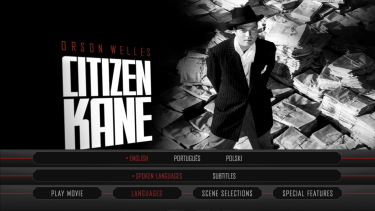
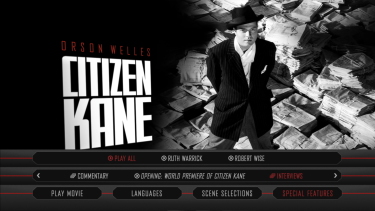
Warner - Region FREE - Blu-ray
 |
 |
 |
 |
|
|
|
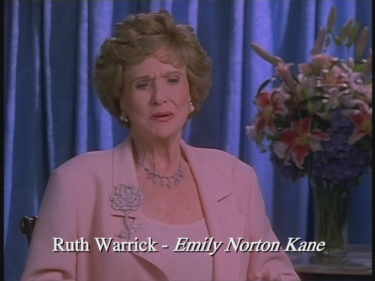
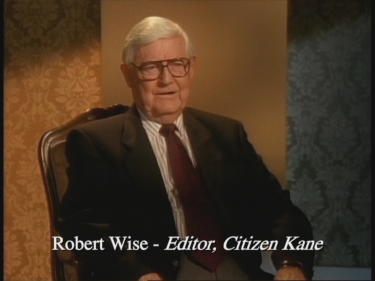
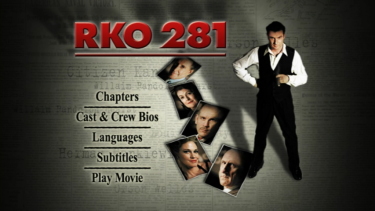
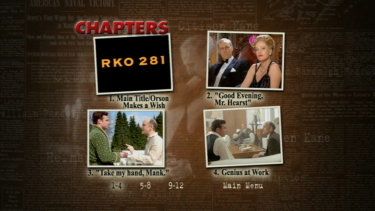
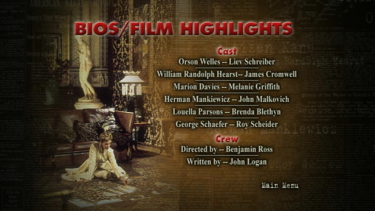
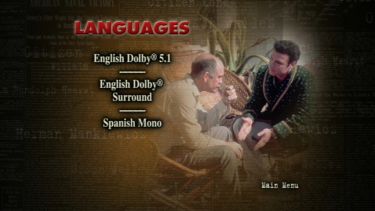
RKO 281 DVD as included with the Blu-ray package
 |
 |
|
|
|
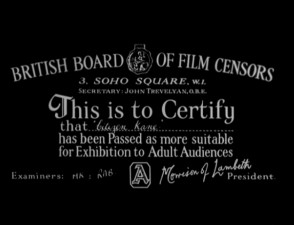
Universal - PAL version opens with a Board Certification card:
CLICK EACH BLU-RAY CAPTURE TO SEE ALL IMAGES IN FULL 1920X1080 RESOLUTION
Subtitle Sample from Blu-ray
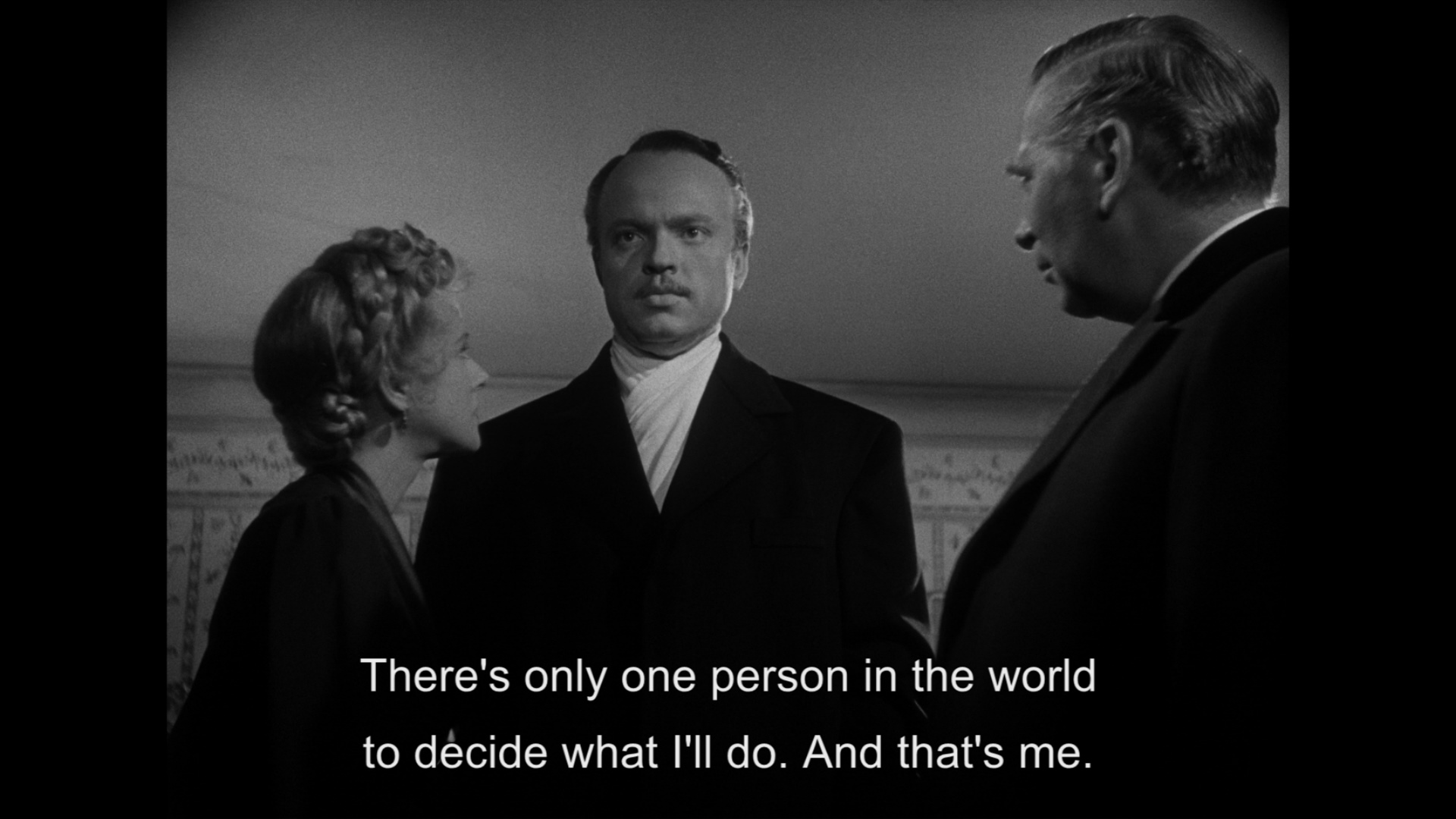 |
Screen Captures
|
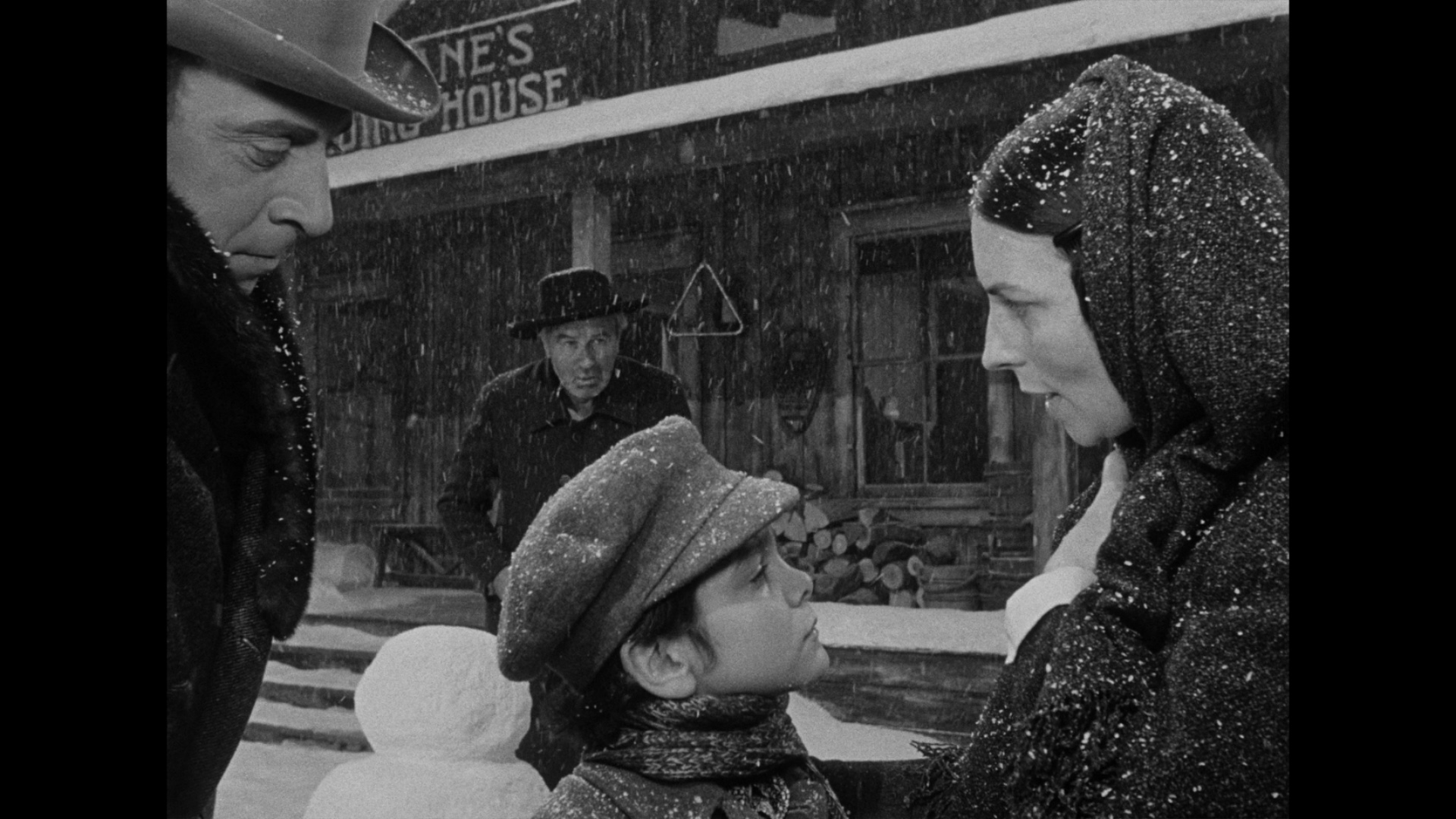
1) Warner - Region 0 - NTSC - TOP 2) Universal - Region 0 - PAL - MIDDLE3) Warner - Region FREE - Blu-ray - BOTTOM |
 |
 |
 |
|
1) Warner - Region 0 - NTSC - TOP 2) Universal - Region 0 - PAL - MIDDLE3) Warner - Region FREE - Blu-ray - BOTTOM
|
|
|
 |
 |
|
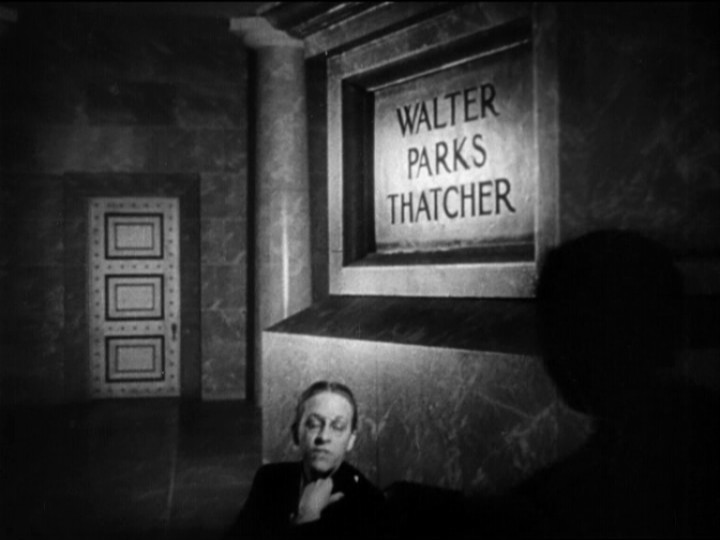
1) Warner - Region 0 - NTSC - TOP 2) Universal - Region 0 - PAL - MIDDLE3) Warner - Region FREE - Blu-ray - BOTTOM
|
|
|
 |
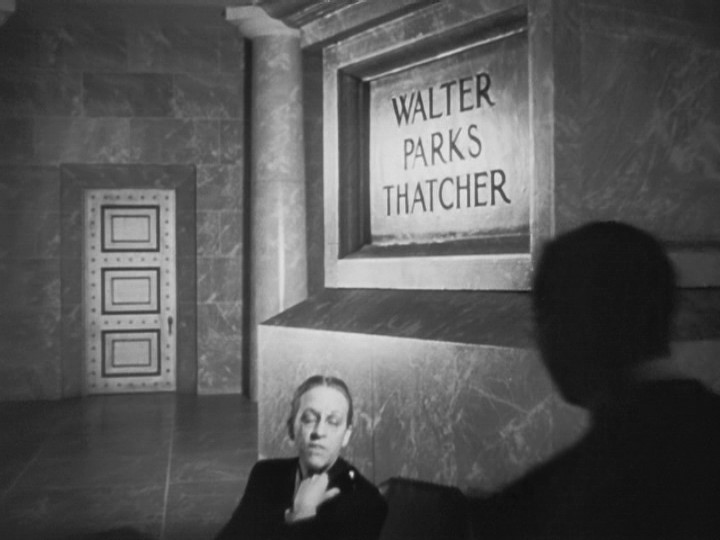
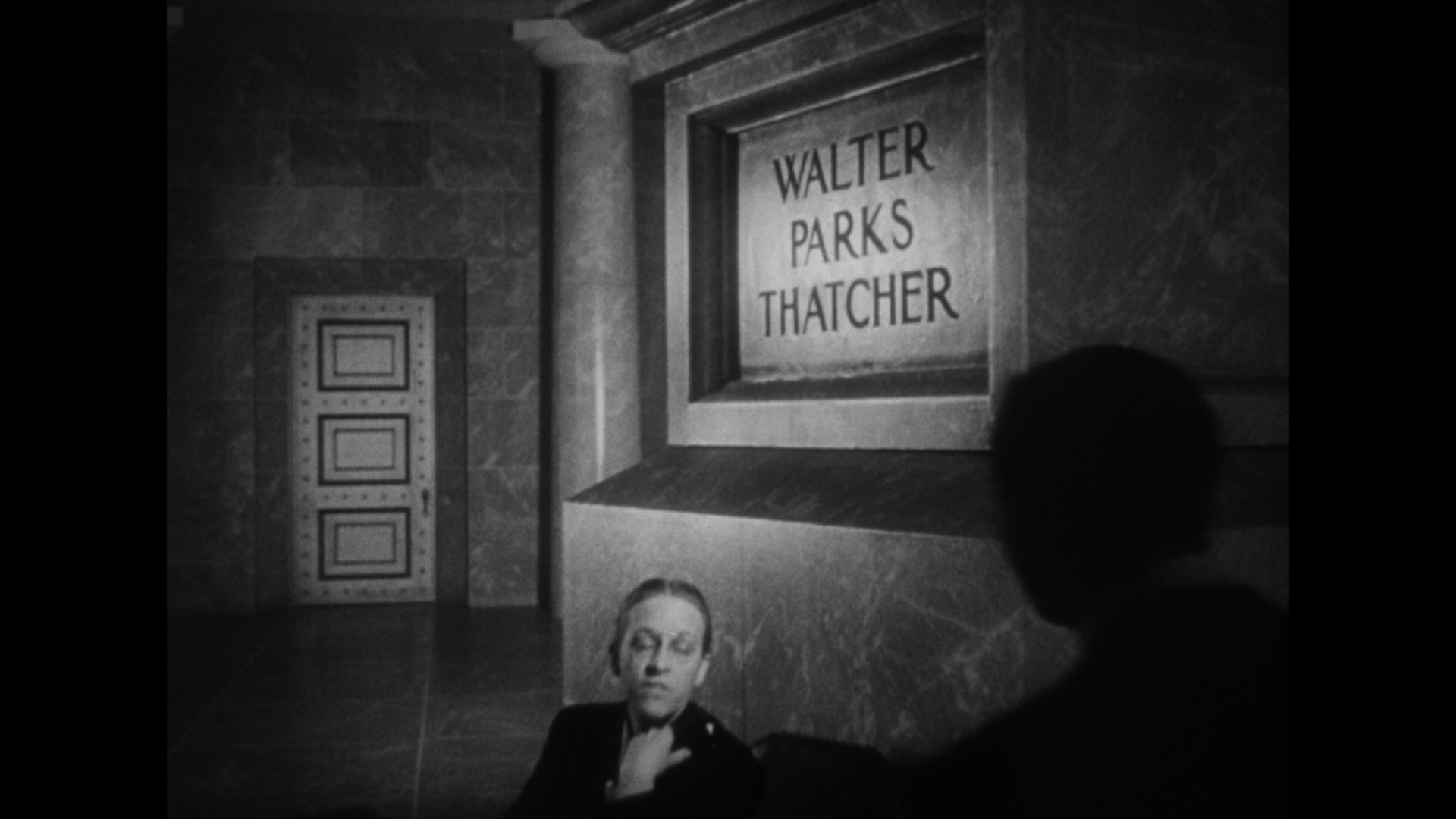 |
|
1) Warner - Region 0 - NTSC - TOP 2) Universal - Region 0 - PAL - MIDDLE3) Warner - Region FREE - Blu-ray - BOTTOM
|
|
|
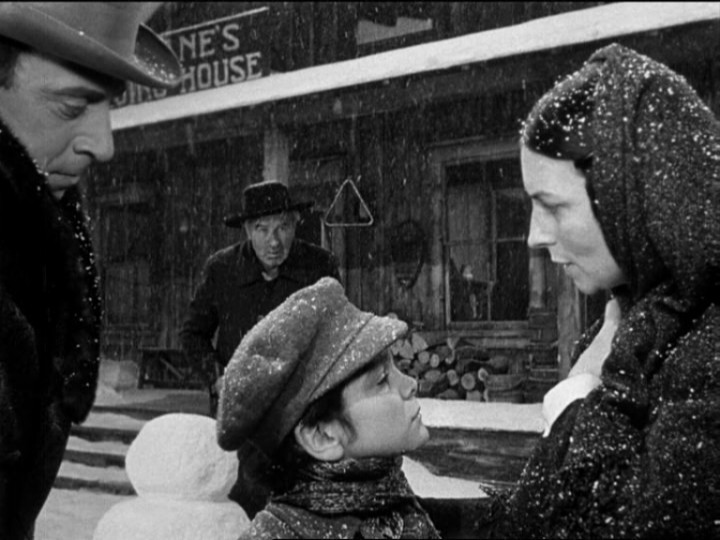 |
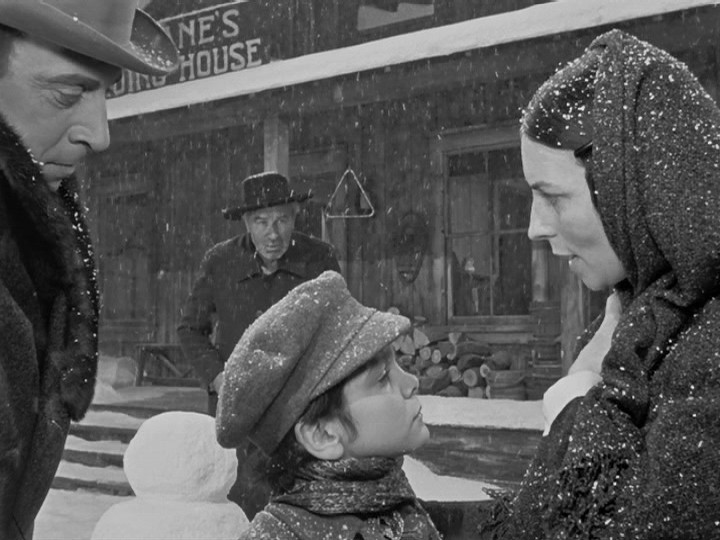
 |
|
1) Warner - Region 0 - NTSC - TOP 2) Universal - Region 0 - PAL - MIDDLE3) Warner - Region FREE - Blu-ray - BOTTOM
|
|
|
 |
 |
|
1) Warner - Region 0 - NTSC - TOP 2) Universal - Region 0 - PAL - MIDDLE3) Warner - Region FREE - Blu-ray - BOTTOM
|
|
|
 |
 |
|
1) Warner - Region 0 - NTSC - TOP 2) Universal - Region 0 - PAL - MIDDLE3) Warner - Region FREE - Blu-ray - BOTTOM
|
|
|
 |
 |
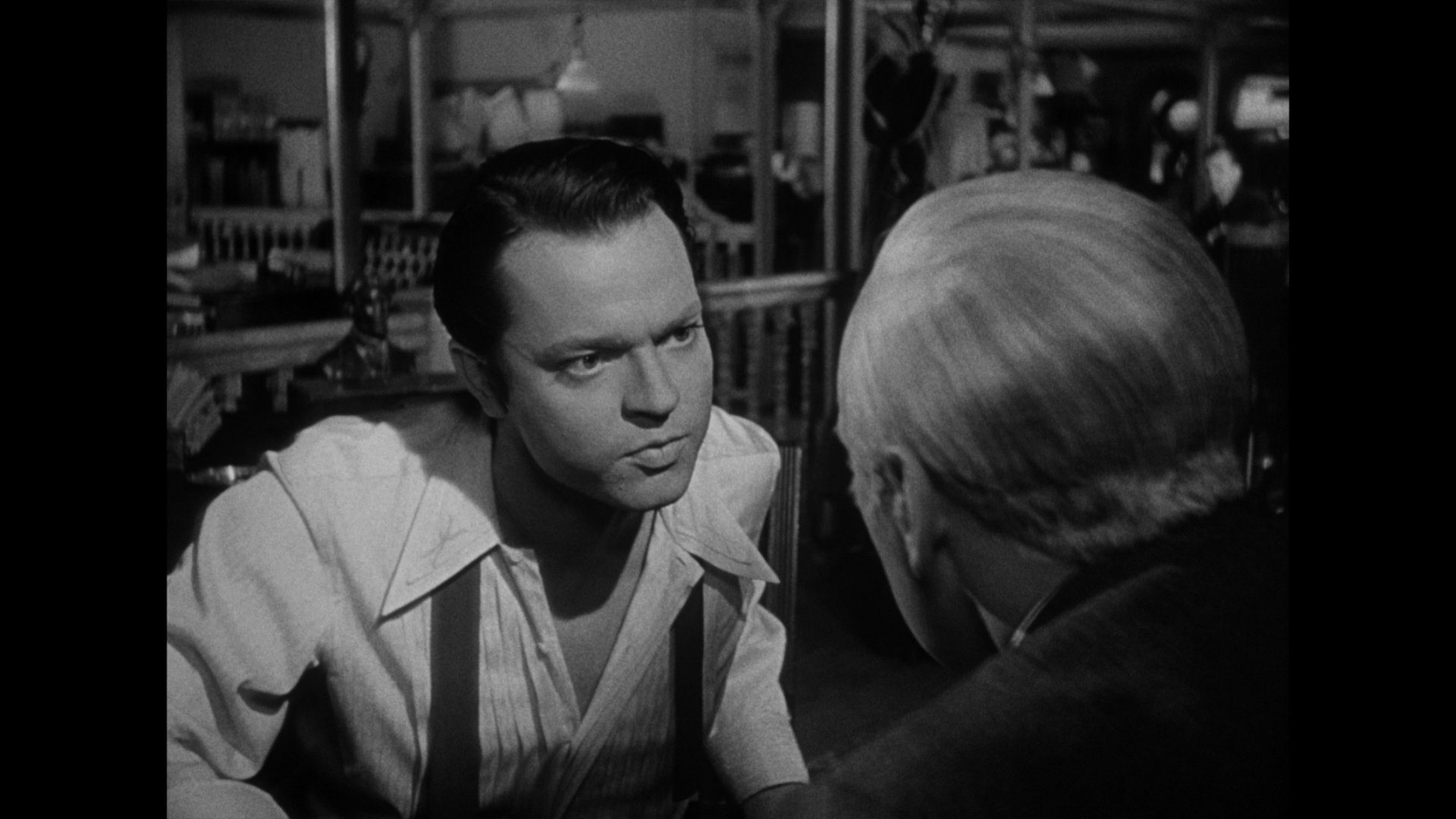
More Blu-ray Captures
 |
 |
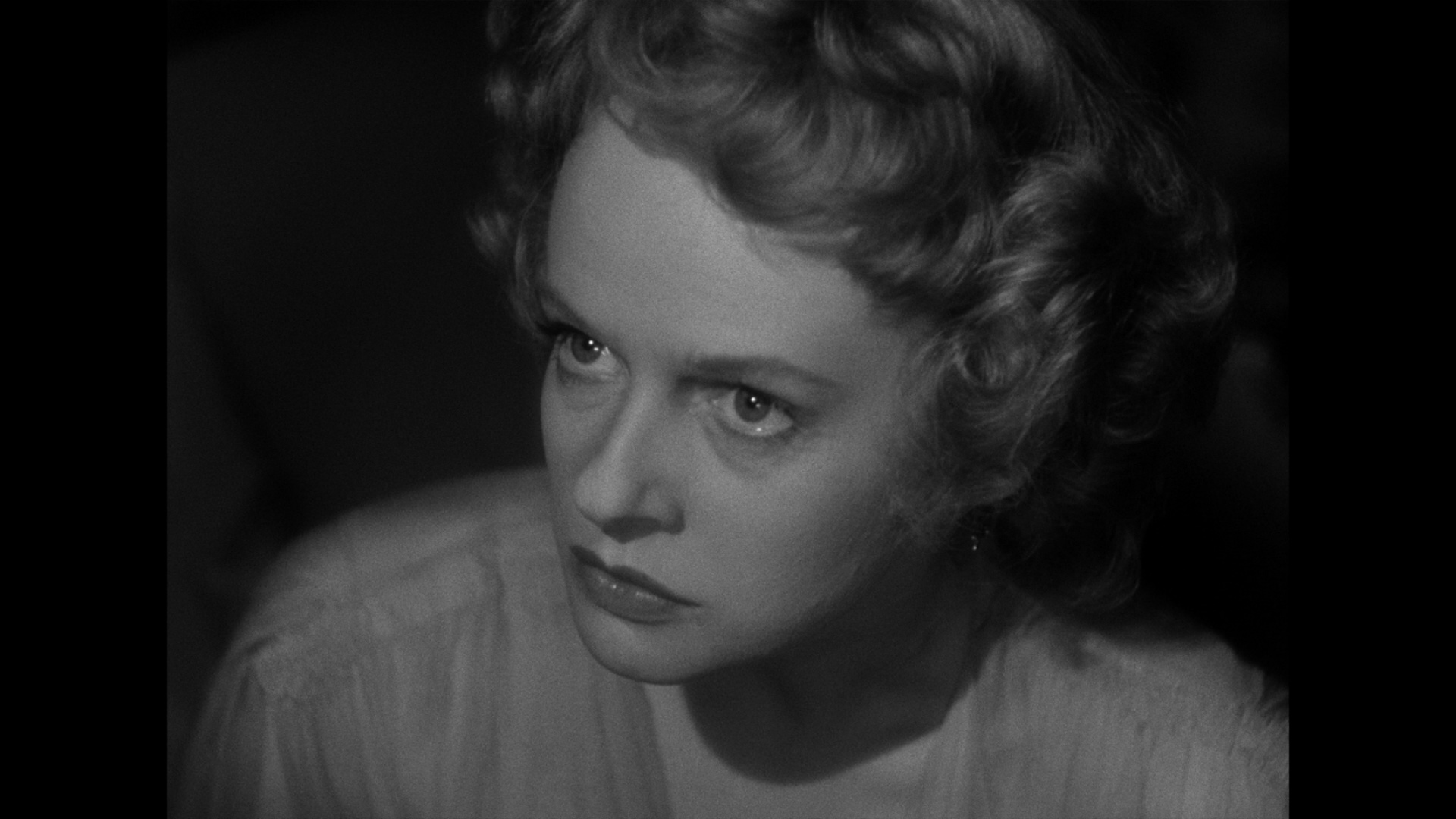 |
Bernstein's Office - the rain has returned!
 |
 |
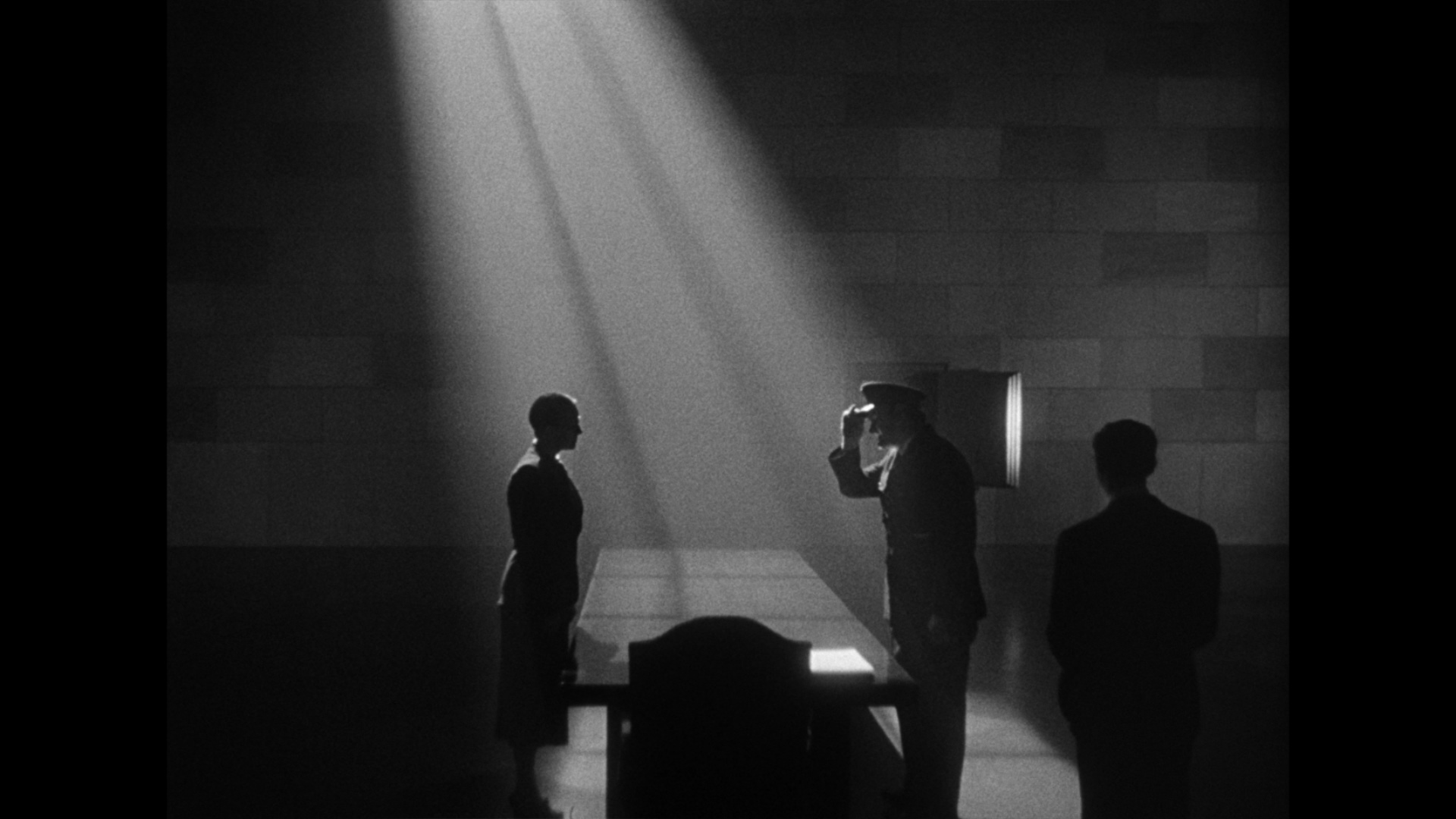 |
 |
Report Card:
|
Image: |
Blu-ray |
|
Sound: |
Blu-ray |
|
Extras: |
Blu-ray |
| DVD Box Covers |
|
|
Released by Criterion on Blu-ray in November 2021:
and in 4K UHD:
|
| Boxset View (for R1 is 3 disc set with same transfer as 2 disc) |
|
|
|
| Distribution |
Warner Home Video Region 0 - NTSC |
Universal
Pictures (UK) Region 0 - PAL |
Warner Home Video Region FREE - Blu-ray |
|
|
Warner also offer an identical Blu-ray package (entitled 70th Anniversary) WITH the inclusion of The Magnificent Ambersons on DVD for about $10 more - exclusive to Amazon. |
|
|
Associated Reading (CLICK COVERS or TITLES for more information)
|
|
|
|
|
|
|
|
|
|
This is Orson Welles by Orson Welles, Peter Bogdanovich, Jonathan Rosenbaum |
Orson Welles on Shakespeare: The W.P.A. and Mercury
Theatre Playscripts by Orson Welles, Simon Callow, Richard France |
Orson Welles: Interviews (Conversations with
Filmmakers (Paperbacks)) by Orson Welles, Mark W. Estrin |
The Trial by Franz Kafka |
Orson Welles : The Stories of His Life by Peter Conrad |
Rosebud : The Story of Orson Welles by David Thomson |
Encyclopedia of Orson Welles (Great Filmmakers) by Chuck Berg, Tom Erskine, John C. Tibbetts, James M. Welsh, Thomas L. Erskine |
Chimes at Midnight: Orson Welles, Director (Rutgers
Films in Print) by Bridget Gellert Lyons |


















CLICK PayPal logo to donate!
|
Gary Tooze
|
|
