|
Firstly, a massive thank you to our Patreon supporters. Your generosity touches me deeply. These supporters have become the single biggest contributing factor to the survival of DVDBeaver. Your assistance has become essential.
What do Patrons receive, that you don't?
1)
Our
weekly
Newsletter
sent to your Inbox every
Monday morning!
Please consider keeping us in existence with a couple of dollars or more each month (your pocket change!) so we can continue to do our best in giving you timely, thorough reviews, calendar updates and detailed comparisons. Thank you very much.
|






|
Search DVDBeaver |
S E A R C H D V D B e a v e r |

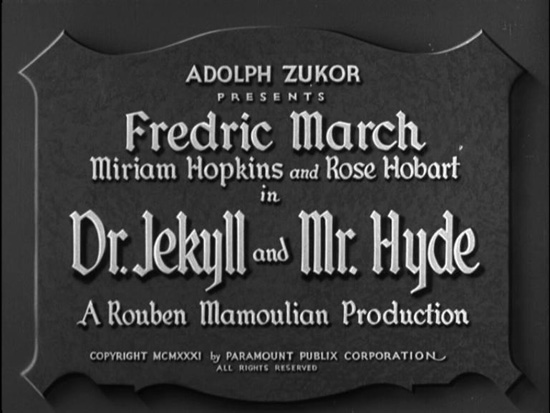
(after page is fully loaded mouse over image for 1941 title)
directed
by Rouben Mamoulian / Victor Fleming
USA 1931 / 1941
The
Blu-ray of the 1931 version of Dr. Jekyll and Mr. Hyde is reviewed HERE
|
Story has it, that Stevenson, who suffered from nightmares
throughout his life, wrote the novel in one session, only to have his wife
throw it into the fireplace out of horror. Not so much because of the tone of
the novel, but perhaps more, because Stevenson had this dual personality
within him. If she, as some stories tell, later encouraged him to rewrite it,
or if he did it by himself, is unknown. But rewritten it was and today it is
considered one of the classic horror tales, alongside Dracula and
Frankenstein. |
Theatrical Release: December 31, 1931 (New York) / August 12, 1941 (New York)
DVD Review:
Sandrew Metronome (Dobbelte Klassisk Film) - Region 2 - PAL
Big thanks to Henrik Sylow for all the Screen Caps!
(1932 version - LEFT vs.1941 version - RIGHT)
| DVD Box Covers |
or buy NTSC versions
|
or buy NTSC versions
|
| Distribution |
Sandrew Metronome Region 2 - PAL |
Sandrew
Metronome Region 2 - PAL |
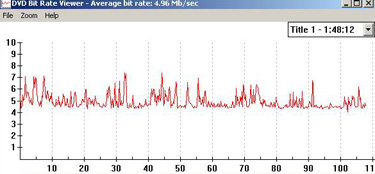
| Runtime | 1:32:02 (4% PAL speedup) | 1:48:12 (4% PAL speedup) |
| Video |
1.33:1
Original Aspect Ratio |
1.33:1
Original Aspect Ratio |
|
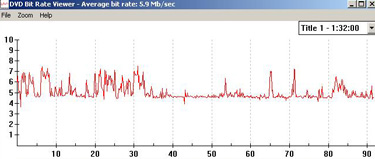
NOTE: The Vertical axis represents the bits transferred per second. The Horizontal is the time in minutes. |
||
|
Bitrate:
Sandrew Metronome (Dobbelte Klassisk Film) |
|
|
|
Bitrate:
Sandrew Metronome (Dobbelte Klassisk Film) |
|
|
| Audio | 1.0 Dolby Digital Mono |
1.0 Dolby Digital Mono |
| Subtitles | English, French, Spanish, Portoguese, Danish, Swedish, Croatian, Slovenian, Czech, Greek, Hungarian, Dutch, Romanian | English, French, Spanish, Portoguese, Danish, Swedish, Croatian, Slovenian, Czech, Greek, Hungarian, Dutch, Romanian |
| Features |
Release Information: Studio: Sandrew Metronome Aspect Ratio:
Edition Details: Chapters 25 |
Release Information: Studio: Sandrew Metronome Aspect Ratio:
Edition Details:
DVD
Release Date: July 6, 2004 Chapters 28 |
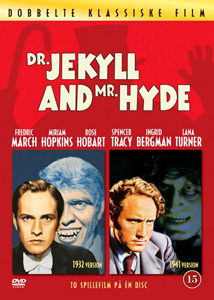


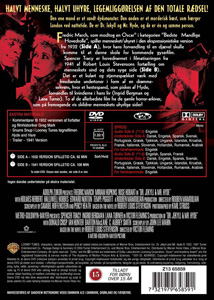
| Comments |
The
Blu-ray
of the 1931 version of Dr. Jekyll and Mr. Hyde is reviewed
HERE
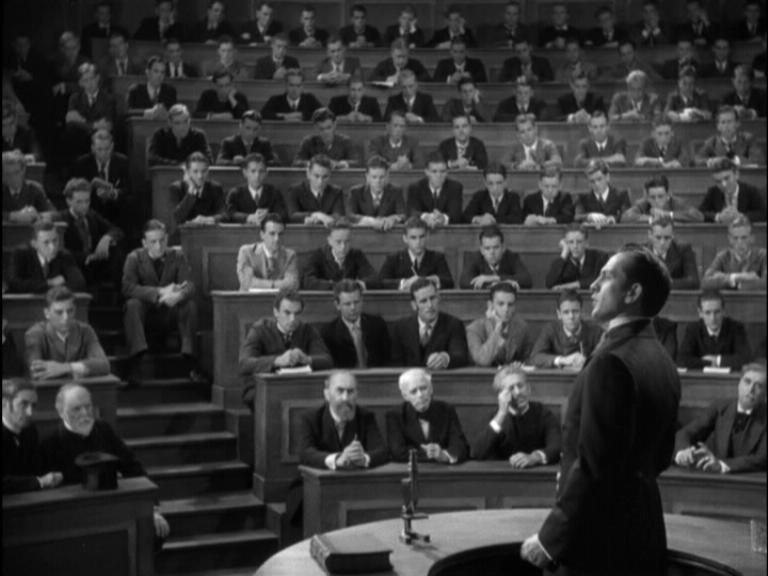
While both film still has
minor scratches, the image, especially of the 1941 version, both are
beautiful to watch. Sharp in detail and smooth in tone. Some scenes are
more soft than others, but this may very well be contributed the use of
soft focus filters and / or quality of newly inserted material. |
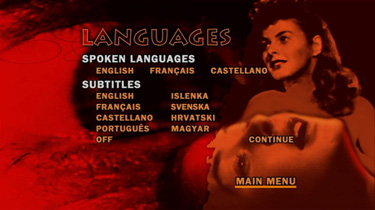
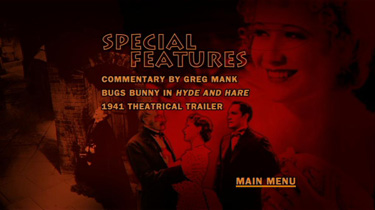
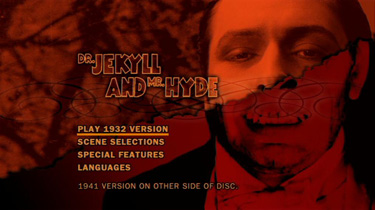
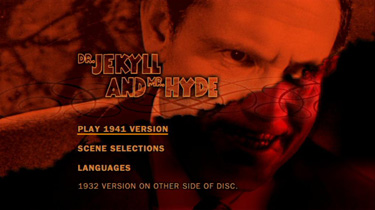
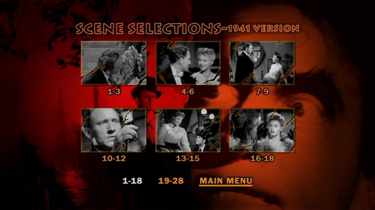
DVD Menus
(1932 version - LEFT vs.1941 version
- RIGHT)
|
|
|
|
|
|
 |
 |
 |

Screen Captures
(1932 version - TOP vs.1941 version - BOTTOM)
|
|
|
|
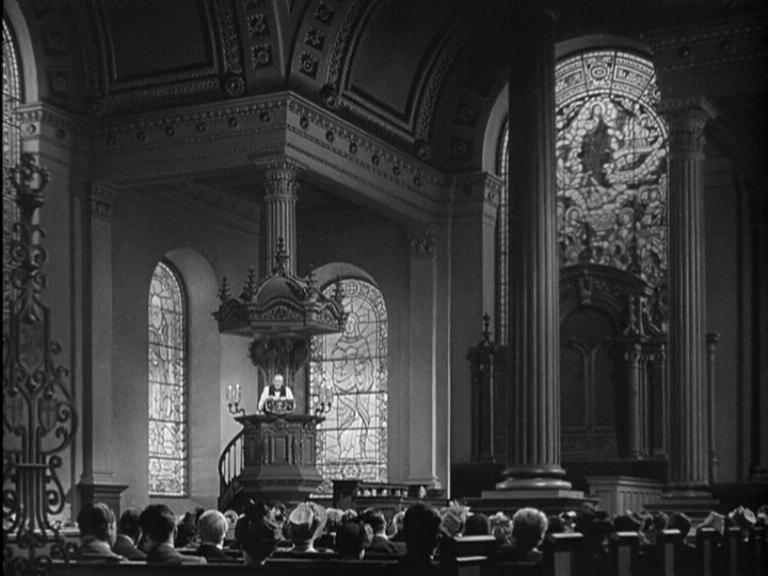
(1932 version - TOP vs.1941 version - BOTTOM)
|
|
|
|
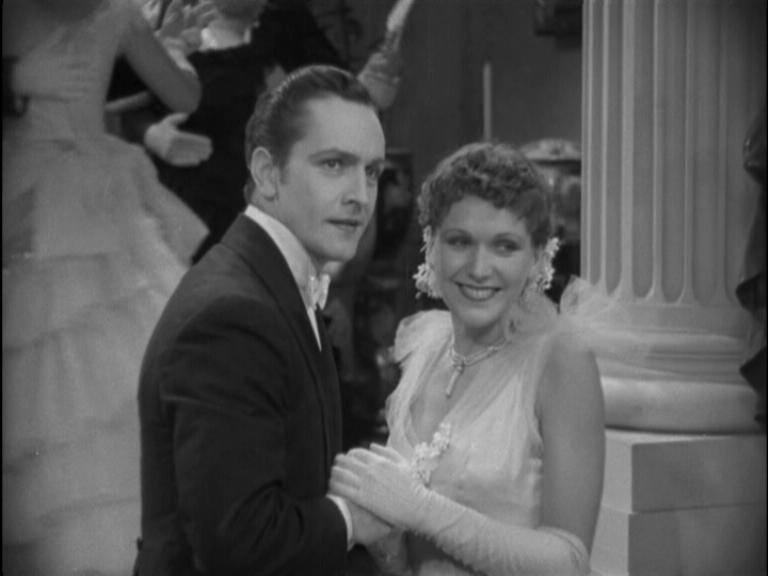
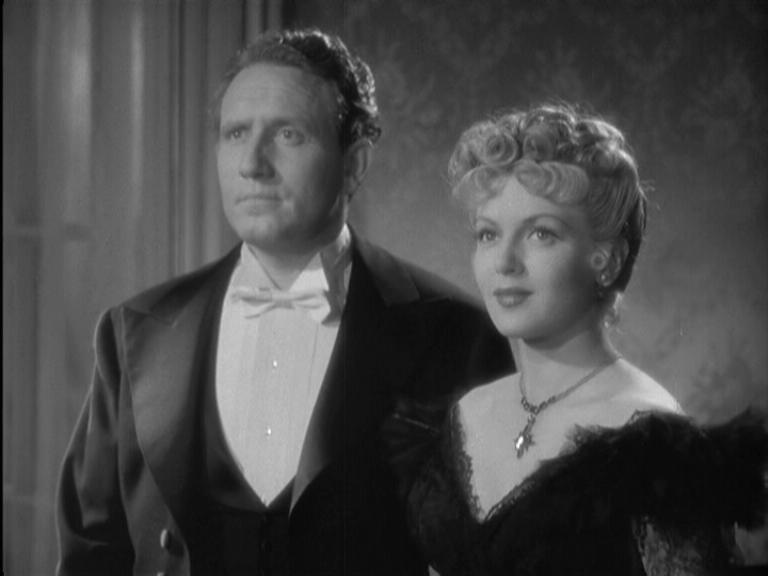
(1932 version - TOP vs.1941 version - BOTTOM)
|
|
|
|
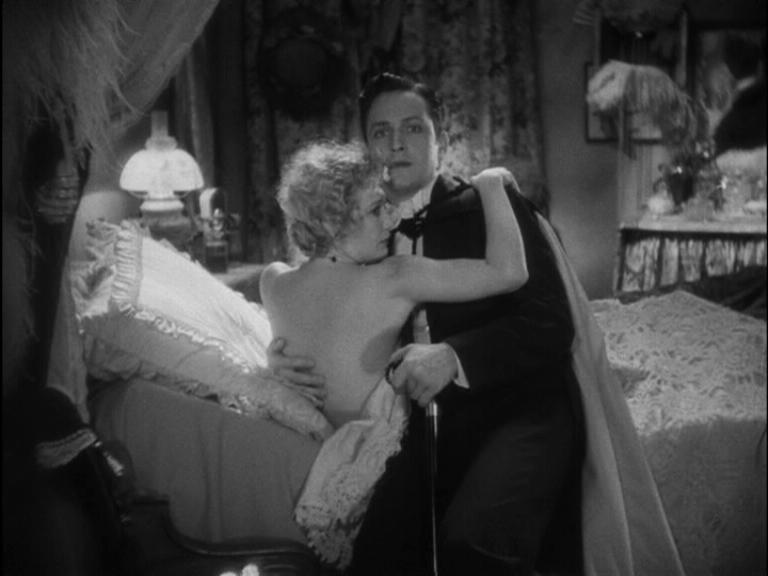
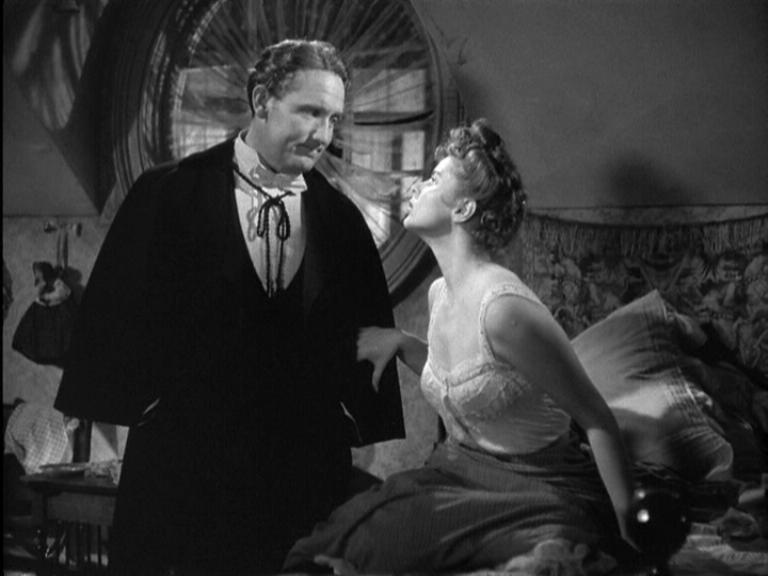
(1932 version - TOP vs.1941 version - BOTTOM)
|
|
|
|
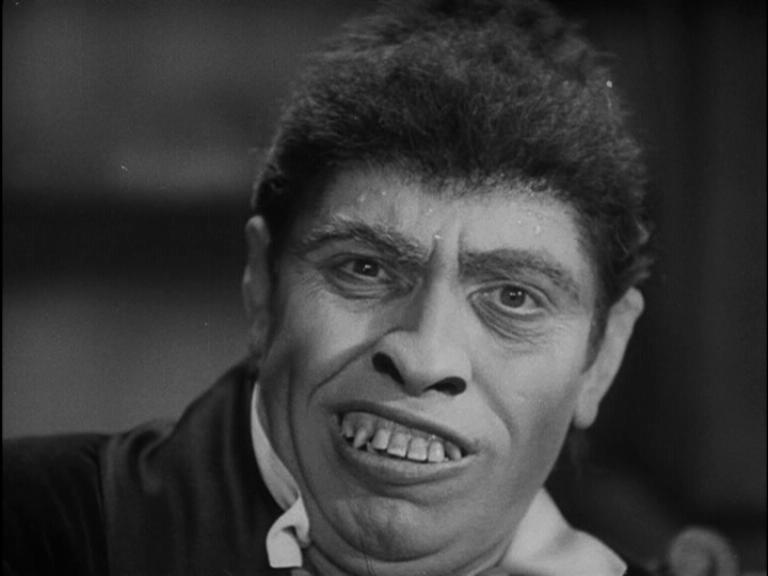
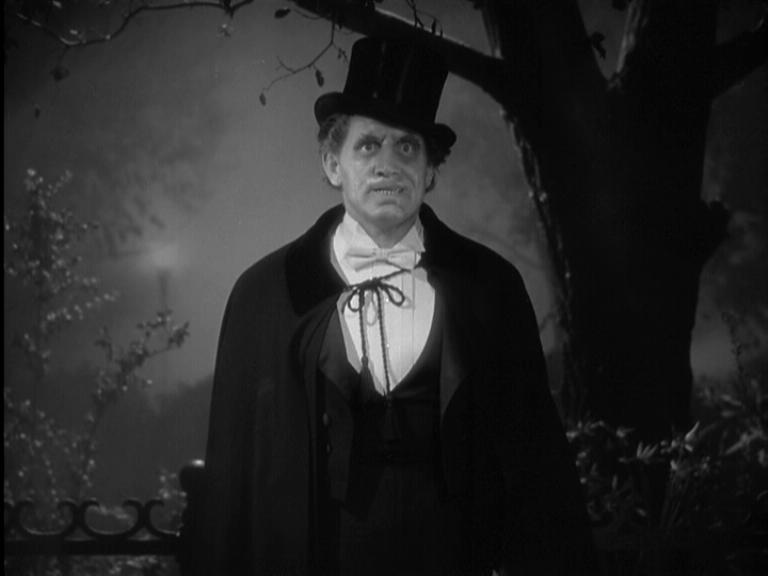
(1932 version - TOP vs.1941 version - BOTTOM)
|
|
|
|

| DVD Box Covers |
or buy NTSC versions
|
or buy NTSC versions
|
| Distribution |
Sandrew Metronome Region 2 - PAL |
Sandrew
Metronome Region 2 - PAL |















CLICK PayPal logo to donate!
|
Gary Tooze |
|
Many Thanks...
