|
Firstly, a massive thank you to our Patreon supporters. Your generosity touches me deeply. These supporters have become the single biggest contributing factor to the survival of DVDBeaver. Your assistance has become essential.
What do Patrons receive, that you don't?
1)
Our
weekly
Newsletter
sent to your Inbox every
Monday morning!
Please consider keeping us in existence with a couple of dollars or more each month (your pocket change!) so we can continue to do our best in giving you timely, thorough reviews, calendar updates and detailed comparisons. Thank you very much.
|






|
Search DVDBeaver |
S E A R C H D V D B e a v e r |

(aka "Sophie Scholl: The Final Days" or ">Sophie Scholl -- Die Letzten Tage" )
directed by Marc Rothemund
Germany 2005
|
Much of post-WWII German cinema has been set in
contemporary times (especially German New Wave) or in the distant past.
However, in the first decade of the 21st Century, several noteworthy movies
have directly examined historical moments that defined today’s Germany. Two
recent examples are Downfall, about Hitler’s last days in his Berlin
bunker, and Good Bye, Lenin!, about East Germans dealing with the
burying of their identities after the re-unification of Germany. David McCoy |
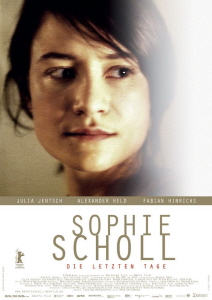
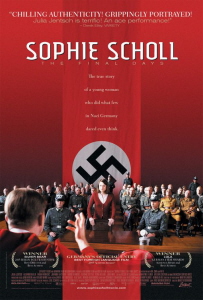
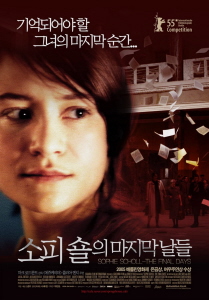
Posters
 |
 |
 |
 |
 |
 |
Theatrical Release: 13 February 2005
Reviews More Reviews DVD Reviews
Comparison:
Zeitgeist - Region 1 - NTSC vs. Drakes Avenue - Region 0 - Blu-ray
Big thanks to David McCoy for the Review and Region 1 captures!
(Zeitgeist - Region 1 - NTSC LEFT vs. Drakes Avenue - Region 0 - Blu-ray RIGHT)
| Box Cover |
|
Coming to Blu-ray from Zeitgeist Films in February 2024:
|
| Distribution |
Zeitgeist Region 1 - NTSC |
Drakes Avenue Region 0 - Blu-ray |
| Runtime | 1:55:36 | 2:00:32.642 |
| Video |
1.85:1 Original Aspect Ratio
16X9 enhanced |
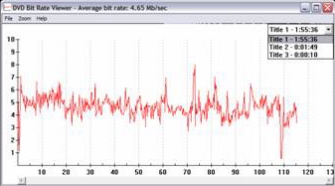
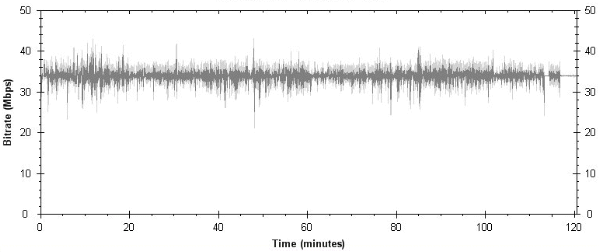
1.78:1 1080P Dual-layered Blu-ray Feature: 33,862,361,088 bytes Disc Size: 45,691,811,832 bytesCodec: MPEG-4 AVC Average Bitrate: 37.46 Mbps |
|
NOTE: The Vertical axis represents the bits transferred per second. The Horizontal is the time in minutes. |
||
| Bitrate : Zeitgeist |
|
|
| Bitrate Blu-ray |
|
|
| Audio | Dolby Digital 2.0 surround German | LPCM Audio German 1536 kbps 2.0 / 48 kHz / 1536 kbps / 16-bit |
| Subtitles | English, none | English, none |
| Features |
Release Information: Studio: Zeitgeist Aspect Ratio:
Edition Details: Chapters 16 |
Release Information: Studio: Drakes Avenue Aspect Ratio: 1080P Dual-layered Blu-ray Feature: 33,862,361,088 bytes Disc Size: 45,691,811,832 bytesCodec: MPEG-4 AVC Average Bitrate: 37.46 Mbps
Edition Details: Chapters 18 |






| Comments |
NOTE:
The below
Blu-ray
captures were taken directly from the
Blu-ray
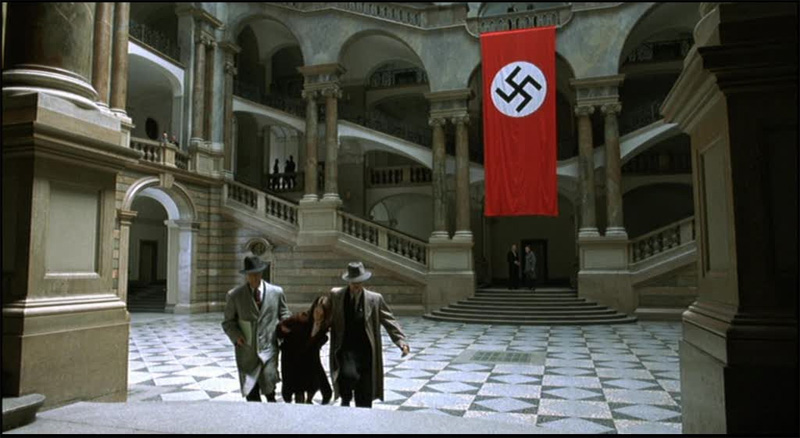
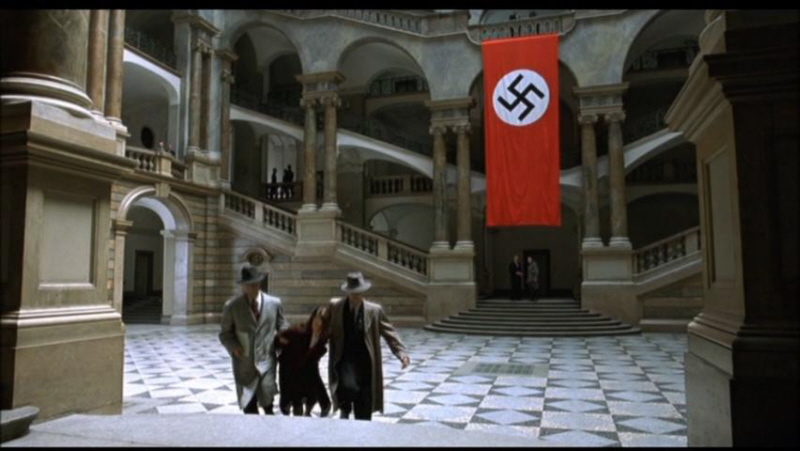
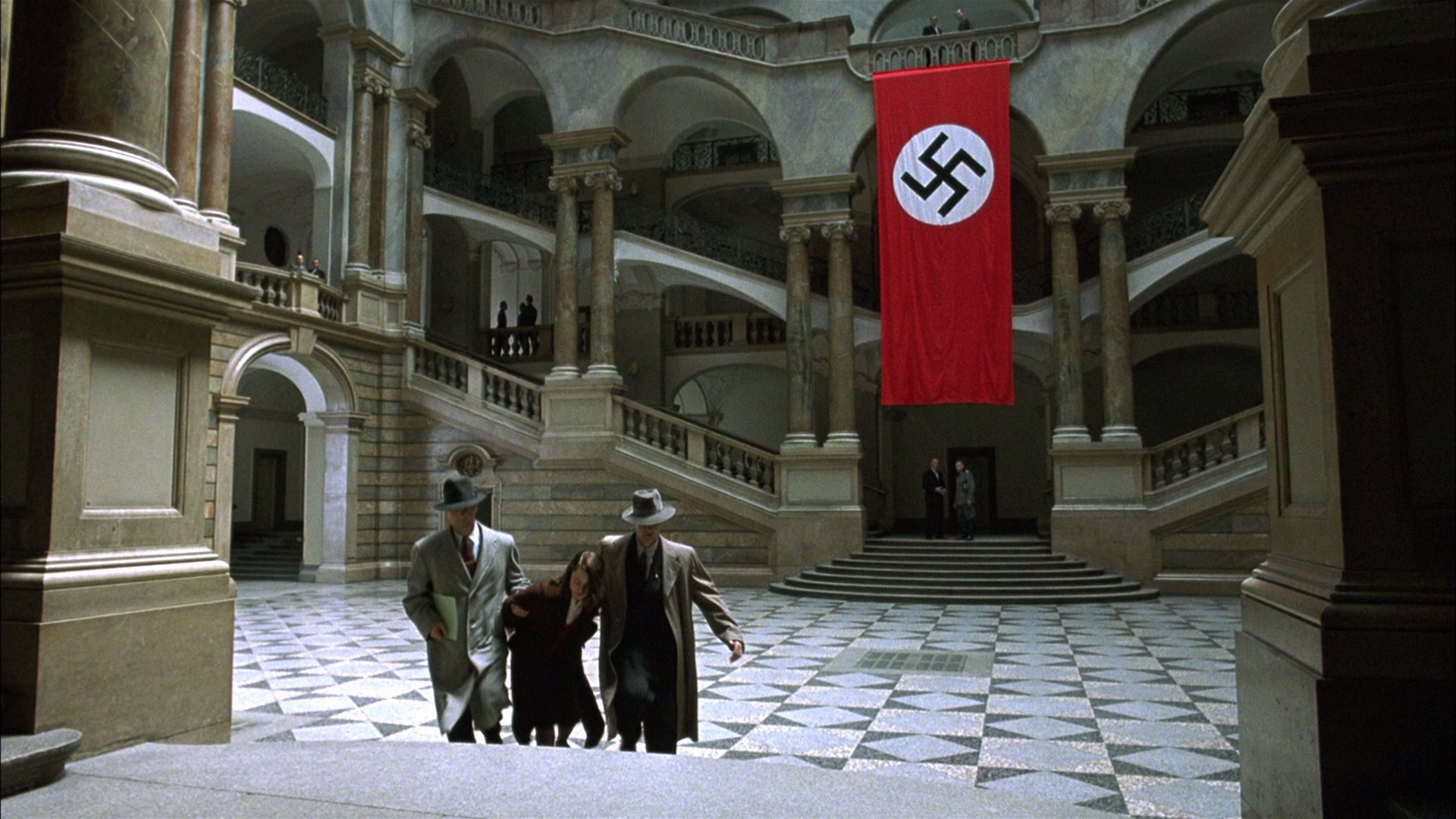
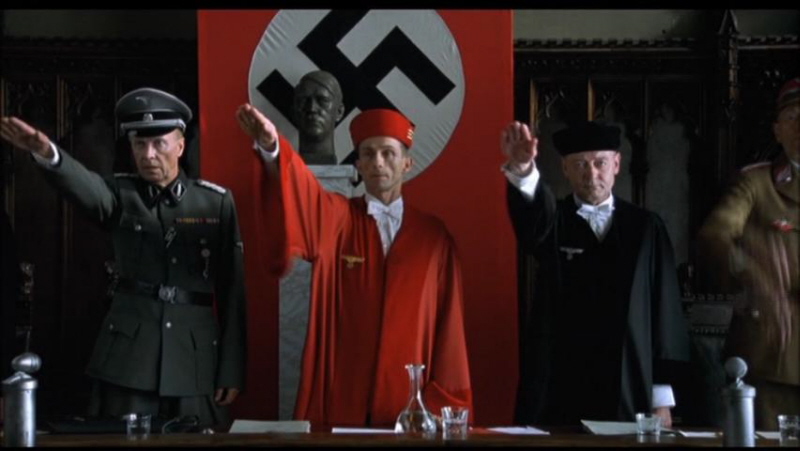
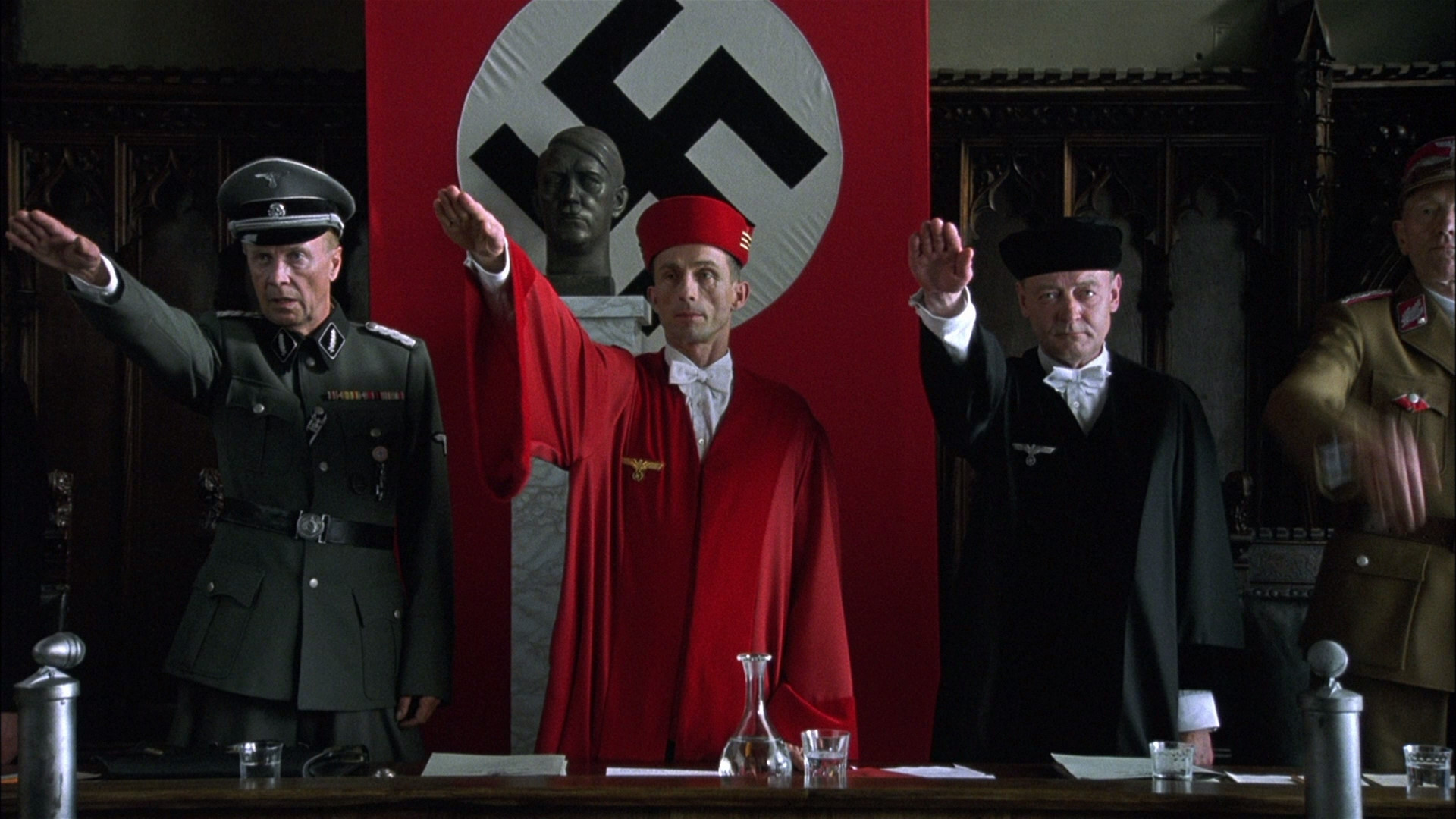
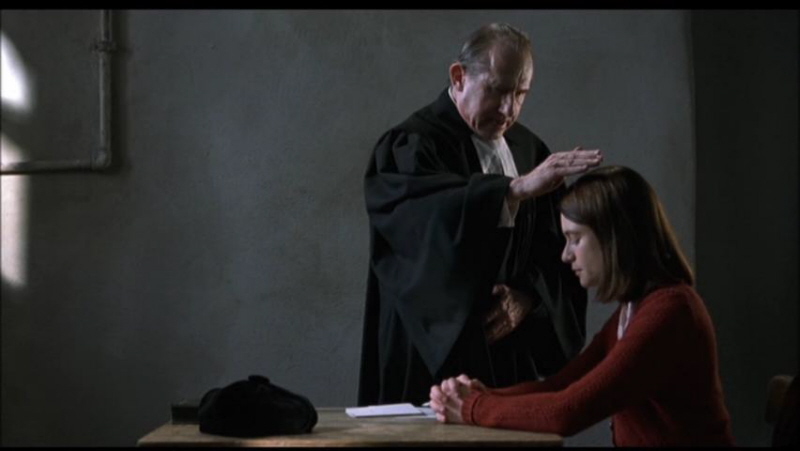
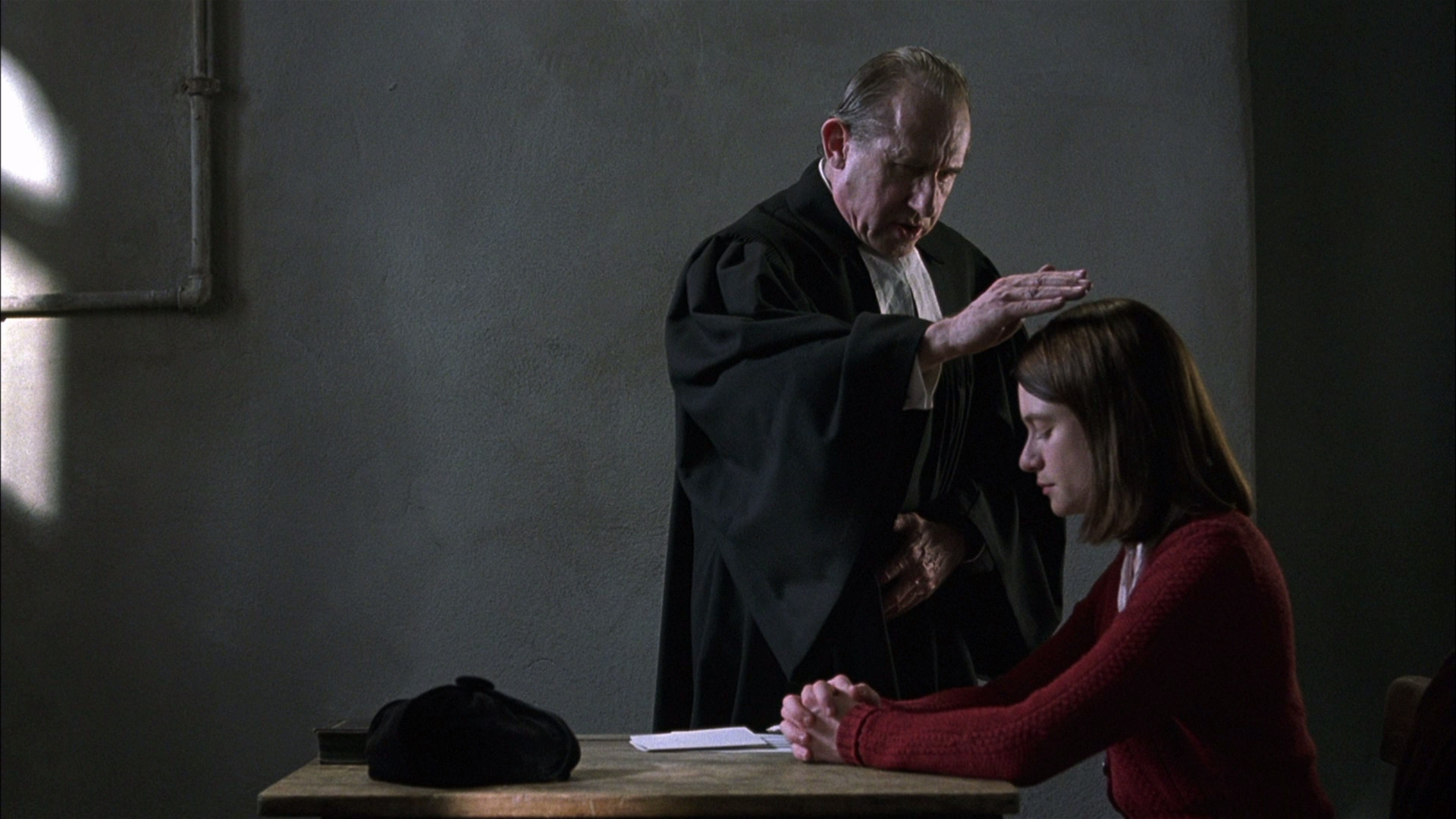
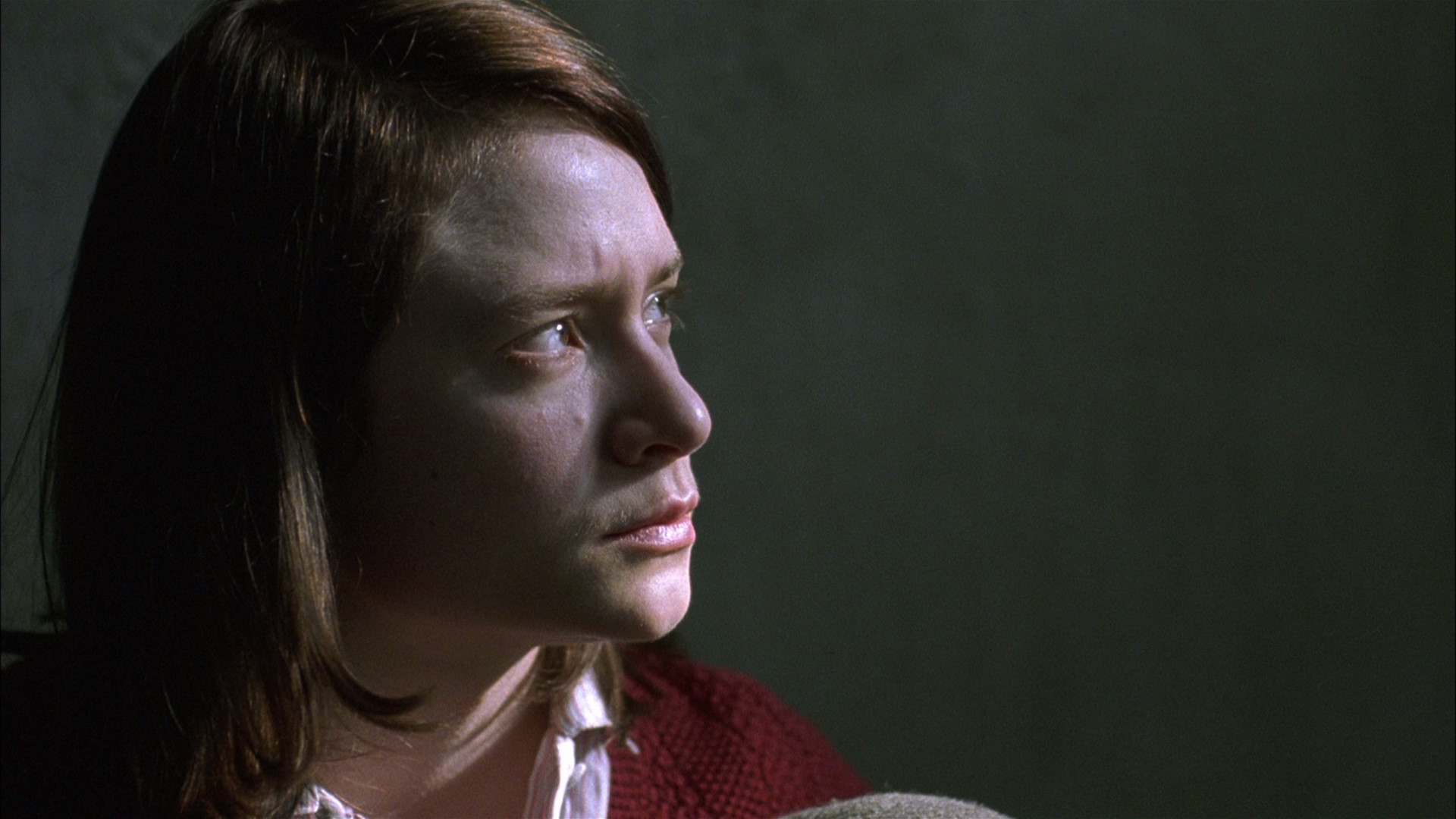
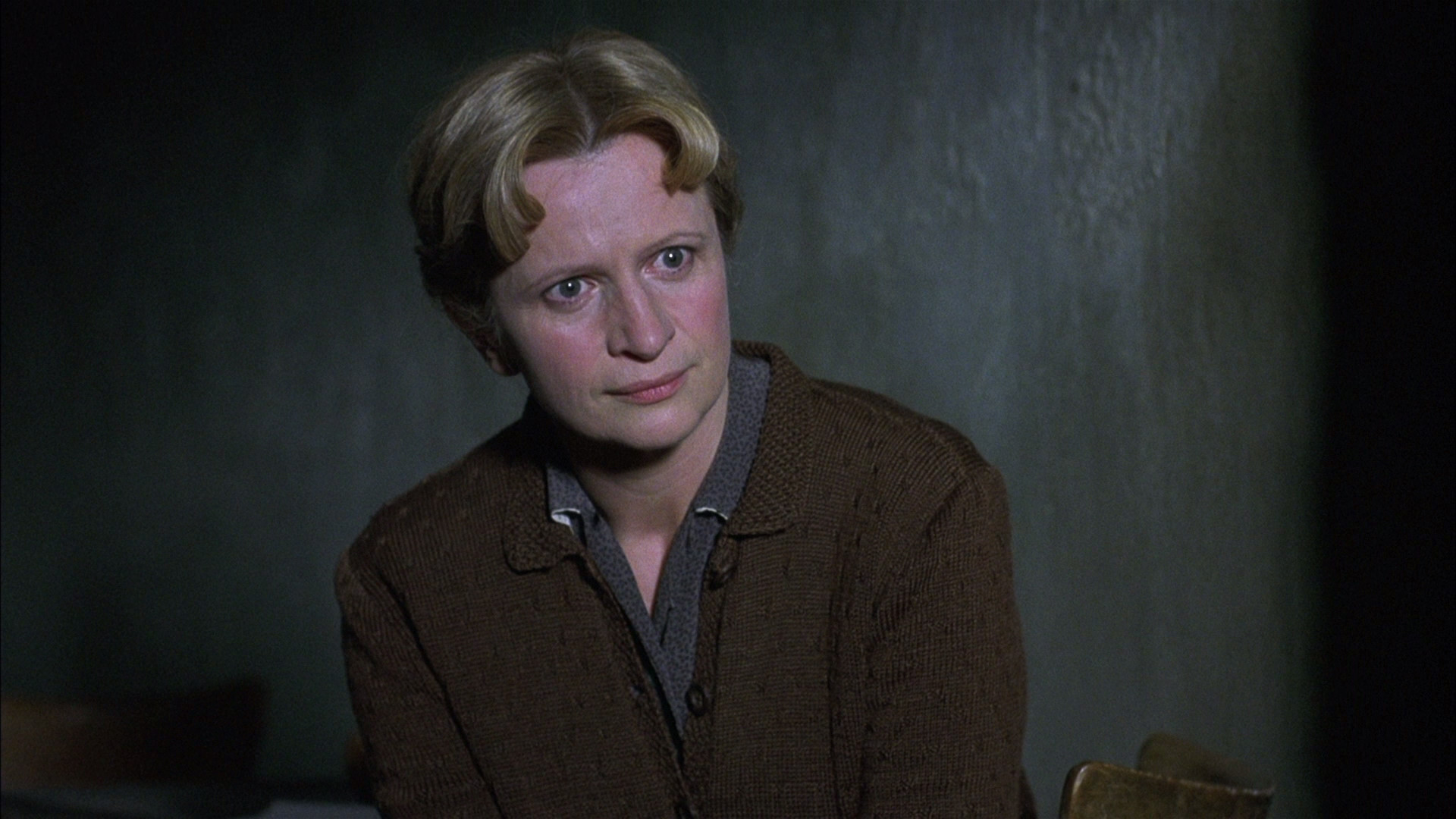
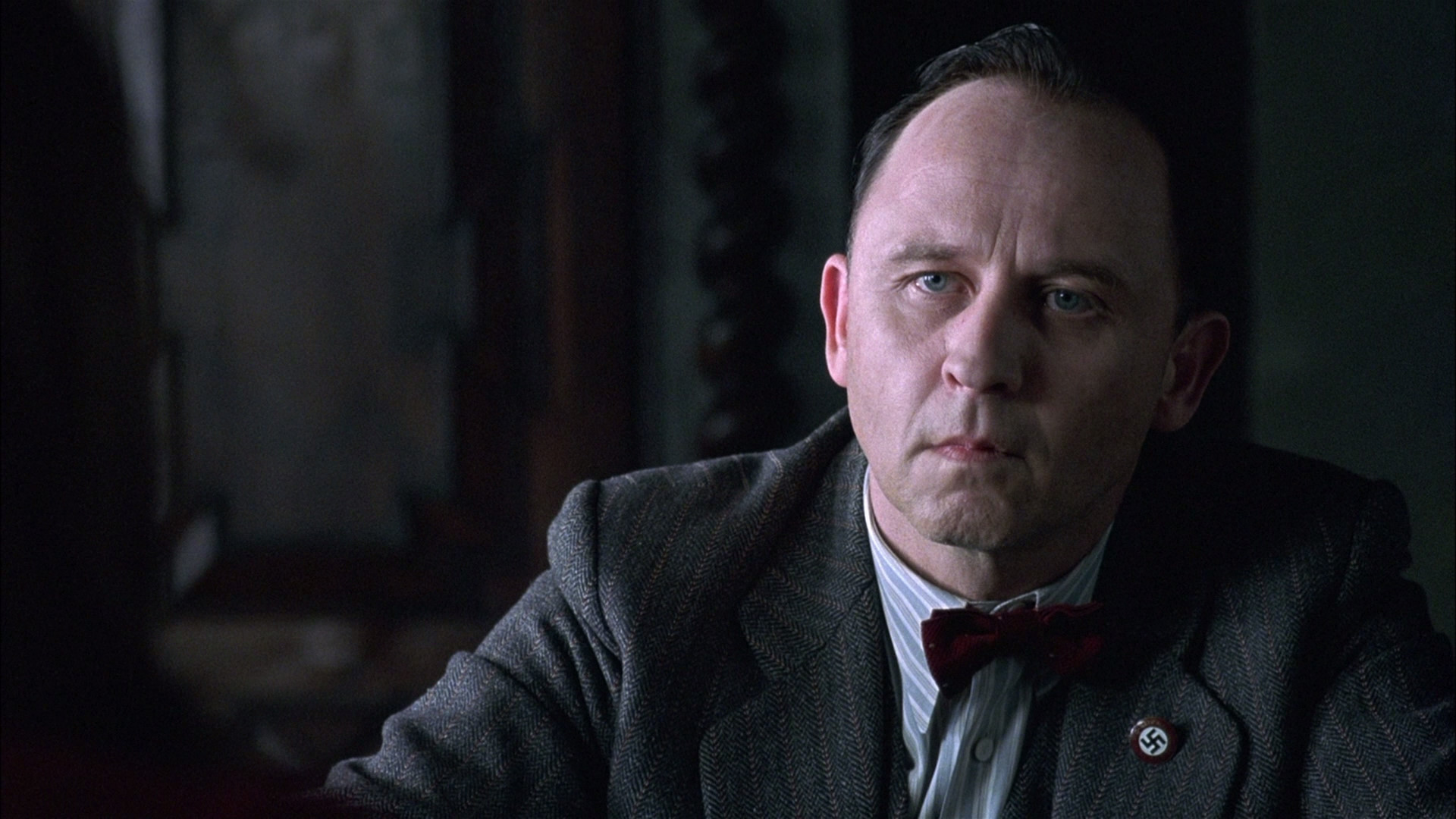
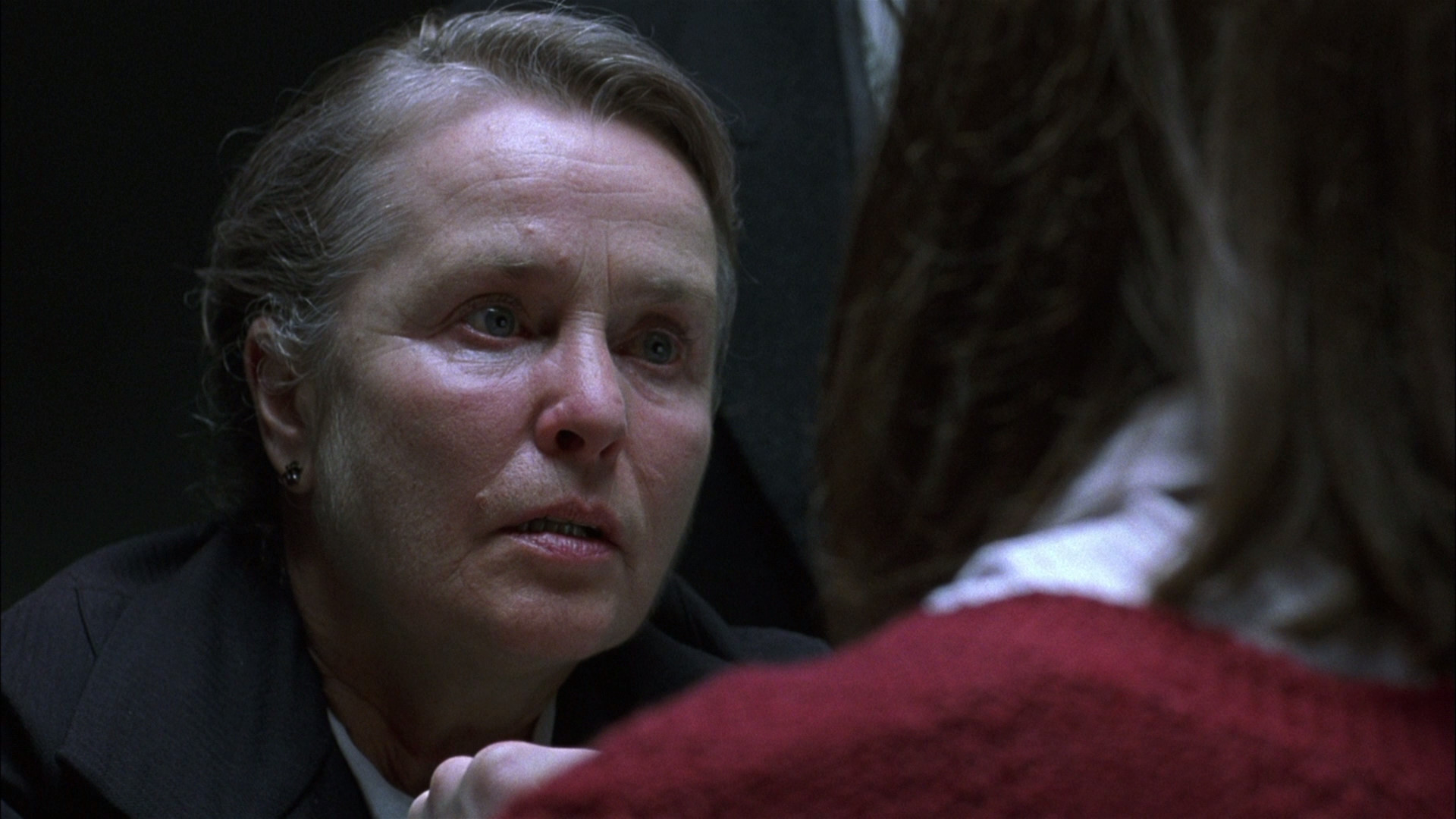
disc. ADDITION: Drakes Avenue - Region 0 - Blu-ray - December 08': NOTE: This disc is region 0 and will play on Blu-ray machines around the entire world without any region-locking encumbrances. I suppose everything is relative but I'm at a loss to explain the previous reviewer's claims of the Zeitgeist DVD being 'very clean and sharp with strong, natural-looking colors'. Even prior to the comparison with this Region free - the North American DVD looked hazy to me with dull, lifeless colors. Drakes Avenues' high-definition transfer further supports the Zeitgeist DVD weaknesses. Red hues in the fourth large captures or later in the Nazi flags are a telltale of how vastly superior the Blu-ray represents the film color-wise. The DVD is faded and looks more orange (actually far 'less natural'). With the ghosting of the DVD - detail is drastically improved in the 1080P disc. In fact all visual attributes are not even close with Blu-ray being a substantial winner even showing slightly more information in the frame on all 4 edges. I'd have to admit though that the Blu-ray image doesn't excel in comparison to other modern film-to- hi-def offerings. It appears stronger than SD-DVD and has an occasional glimmer of depth but is mostly less-than-pristinely sharp with a relatively flat look. This, of course, may have either been intentional - or just the way the film itself looks. I expect the latter to be true with no fault of the dual-layered transfer of over 32 Gig for the film and supporting a bitrate of close to 38 mbps. I do note instances of grain and minor noise - neither in abundance.The LCPM track offered on the Blu-ray sounds pretty tight and clean and there are optional English subtitles available. Extras mimic the DVD with the extensive 'Making of...', Deleted Scenes, a trailer and Interviews (see below) - each in German with burned-in English subtitles. While nothing is in HD these extras are all accessible on region 'A' machines. There is also a 4-page leaflet with a short essay on the Sophie Scholl. The film is tremendous and a very worthy addition to my Blu-ray library. It's always so wonderful to have such superlative cinema looking as tight and film-like as this. STRONGLY recommended! Gary W. Tooze *** ON THE ZEITGEIST DVD: This is an excellent DVD presentation from Zeitgeist. I was impressed by the high technical quality as well as the substantive nature of the extras.Video: The 1.85:1 anamorphic widescreen image is very clean and sharp with strong, natural-looking colors. However, it looks like the video was taken from a PAL source that was converted to NTSC. Ghosting is noticeable if you pause and freeze frame through the movie, and the video was mastered with interlace rather than progressive scan. Audio: The Dolby Digital 2.0 surround German audio track offers excellent clarity. This is a dialogue-driven movie, so unlike a lot of action/adventure flicks, the sound mix does not suffer from loud sound effects that bury actors’ voices. You also don’t have to adjust the volume up and down since you’re not going to be startled by unwelcome explosions every few minutes. Still, I had to dial down the volume a little during the courtroom scenes because the guy playing the rancorous judge shouted and shouted and shouted. I want to make a special note of the piano music that plays while the menus are displayed. The audio for the menus has been authored with such transparency and crispness that it feels like there is a piano right behind your TV. Optional English subtitles support the audio. Extras: --Side 1-- The only extra on Side 1 is the U.S. theatrical trailer. --Side 2-- The first extras are a collection of thirteen deleted and extended scenes. The best of these are the “complete” courtroom interrogations; this allows you to compare and contrast the “rough edits” versus the “final edits”. The hour-long “The Making of Sophie Scholl” is a compilation of behind-the-scenes footage as well as candid reflections by members of the cast and crew about their experiences. For example, Julia Jentsch describes her reaction to seeing someone eating a sandwich in a morgue. Finally, there is a collection of interviews with relatives and associates of the people portrayed in the movie. The interview with Sophie Scholl’s sister includes footage of Judge Roland Freisler from another trial, and this footage confirms that the actor playing him in Sophie School was NOT over-acting. All of the extras are in non-anamorphic 1.85:1 with optional English subtitles. --Miscellaneous-- An insert booklet provides chapter listings, information about The White Rose leaflets, an interview with the director, and DVD production credits. My copy of the DVD is housed in a white keep case. I assume that Zeitgeist wanted the color white to be noticeable in honor of The White Rose. - David McCoy |
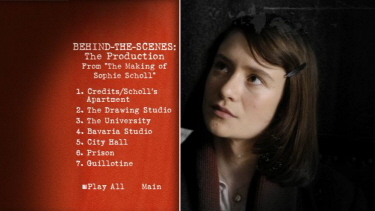
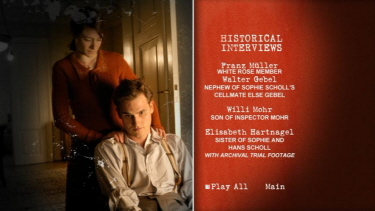
DVD Menus
|
|
|
|
|
|
 |
 |
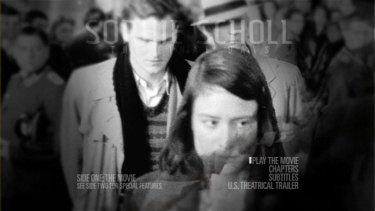
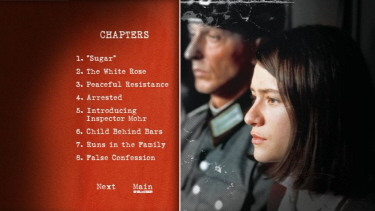
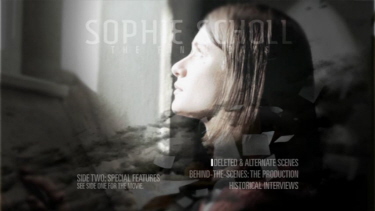
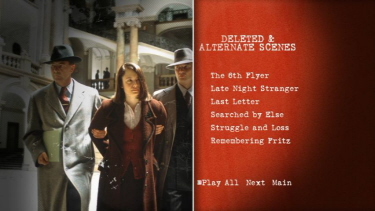
Screen Captures - Can't obtain Blu-ray captures yet...
CLICK EACH BLU-RAY CAPTURE TO SEE ALL IMAGES IN FULL 1920X1080 RESOLUTION
Subtitle sample
(Zeitgeist - Region 1 - NTSC TOP vs. Drakes Avenue - Region 0 - Blu-ray BOTTOM)
|
|
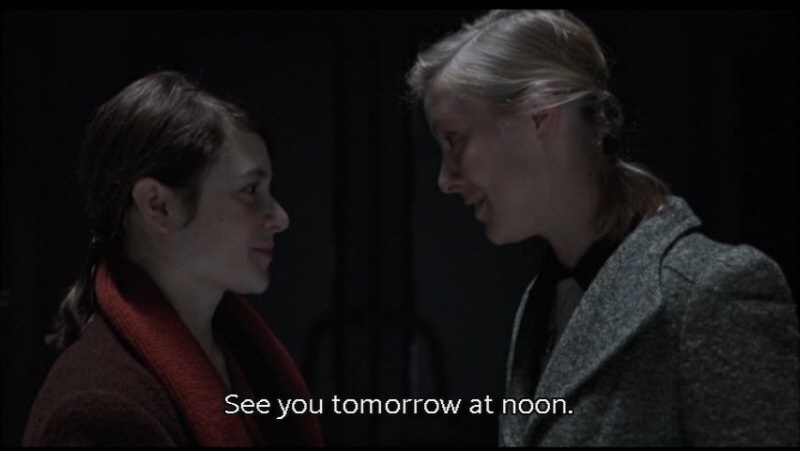
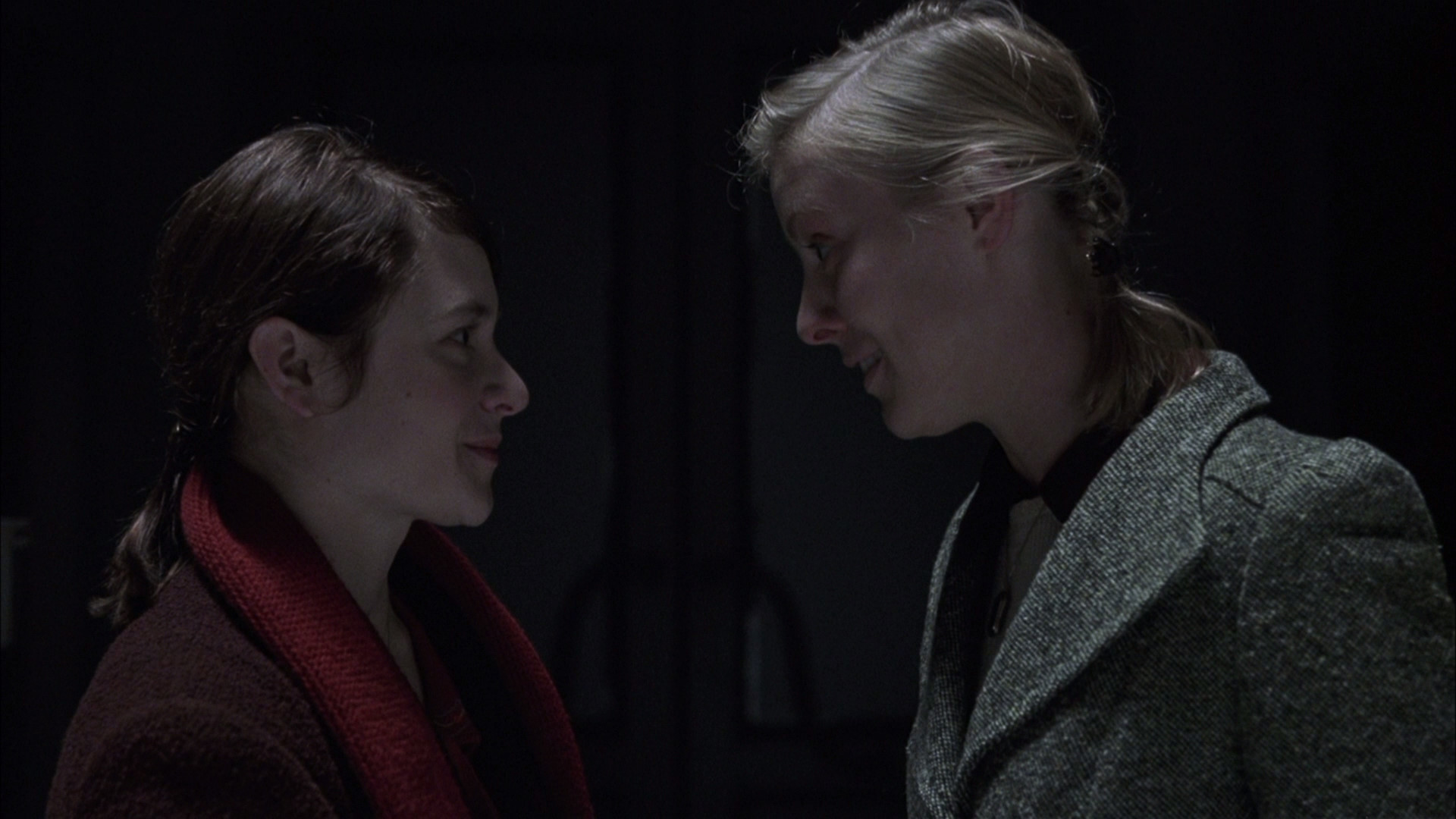 |
(Zeitgeist - Region 1 - NTSC TOP vs. Drakes Avenue - Region 0 - Blu-ray BOTTOM)
|
|
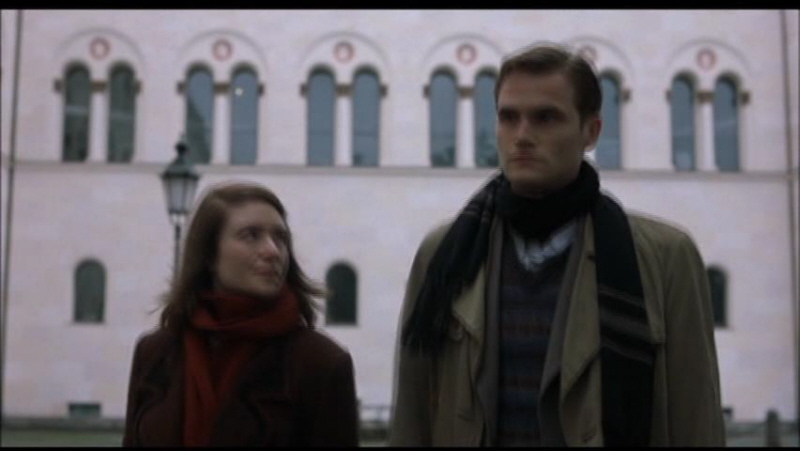
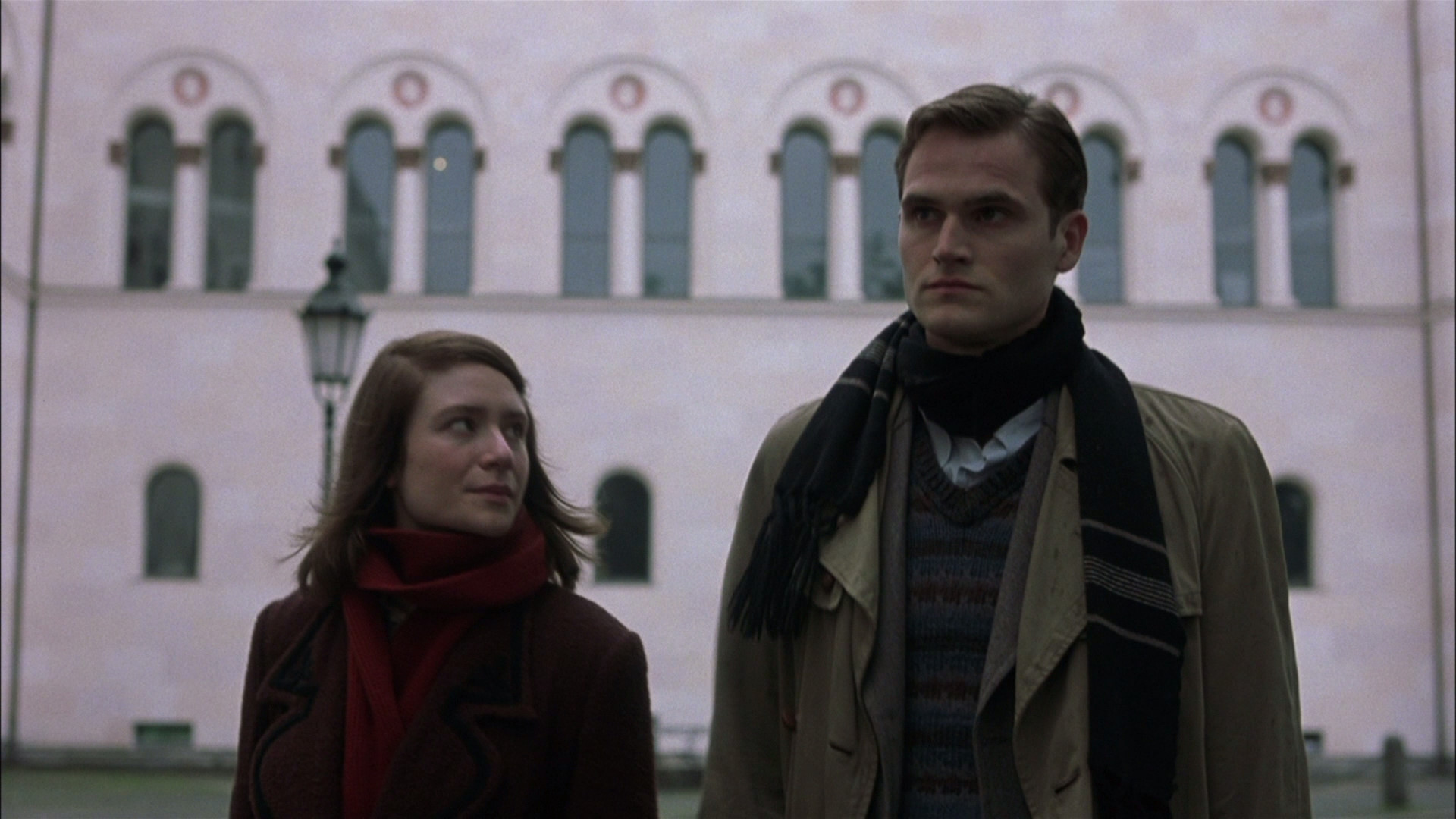 |
(Zeitgeist - Region 1 - NTSC TOP vs. Drakes Avenue - Region 0 - Blu-ray BOTTOM)
|
|
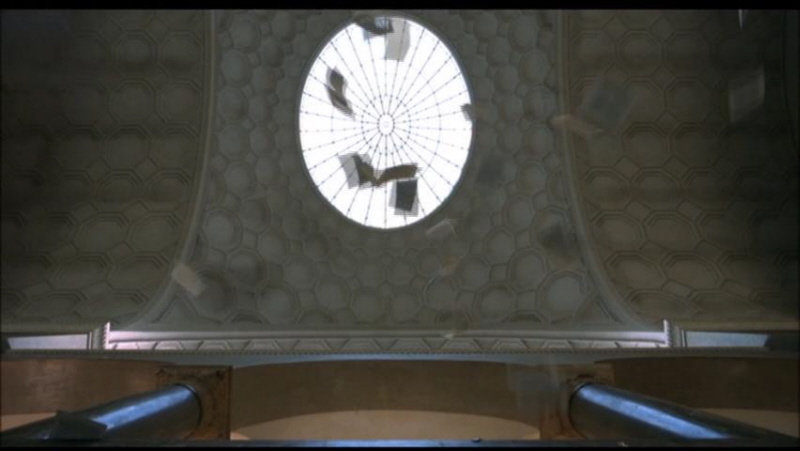
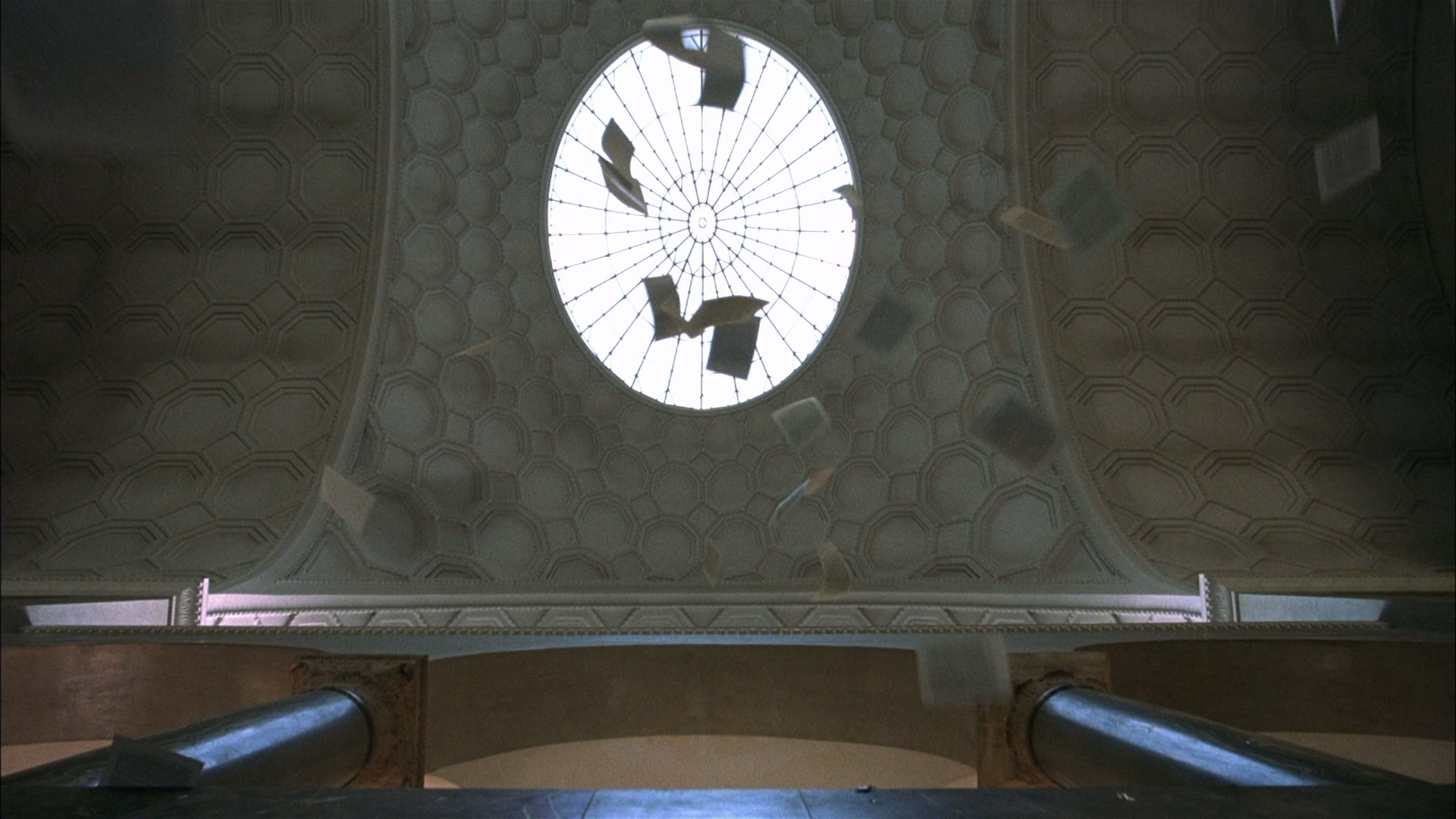 |
(Zeitgeist - Region 1 - NTSC TOP vs. Drakes Avenue - Region 0 - Blu-ray BOTTOM)
|
|
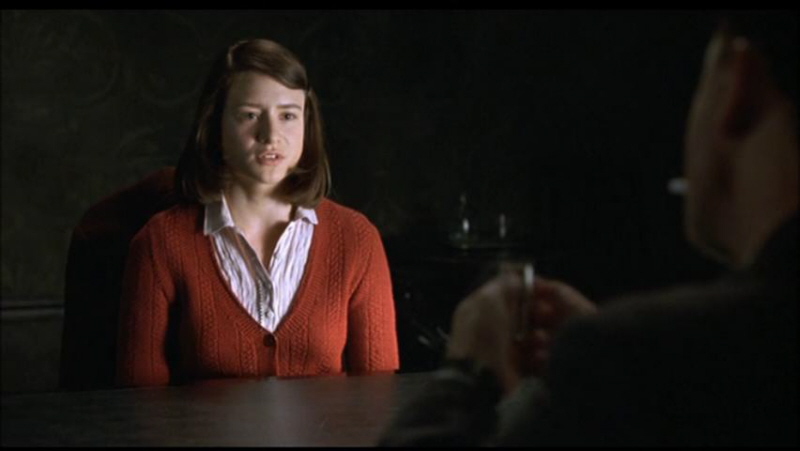
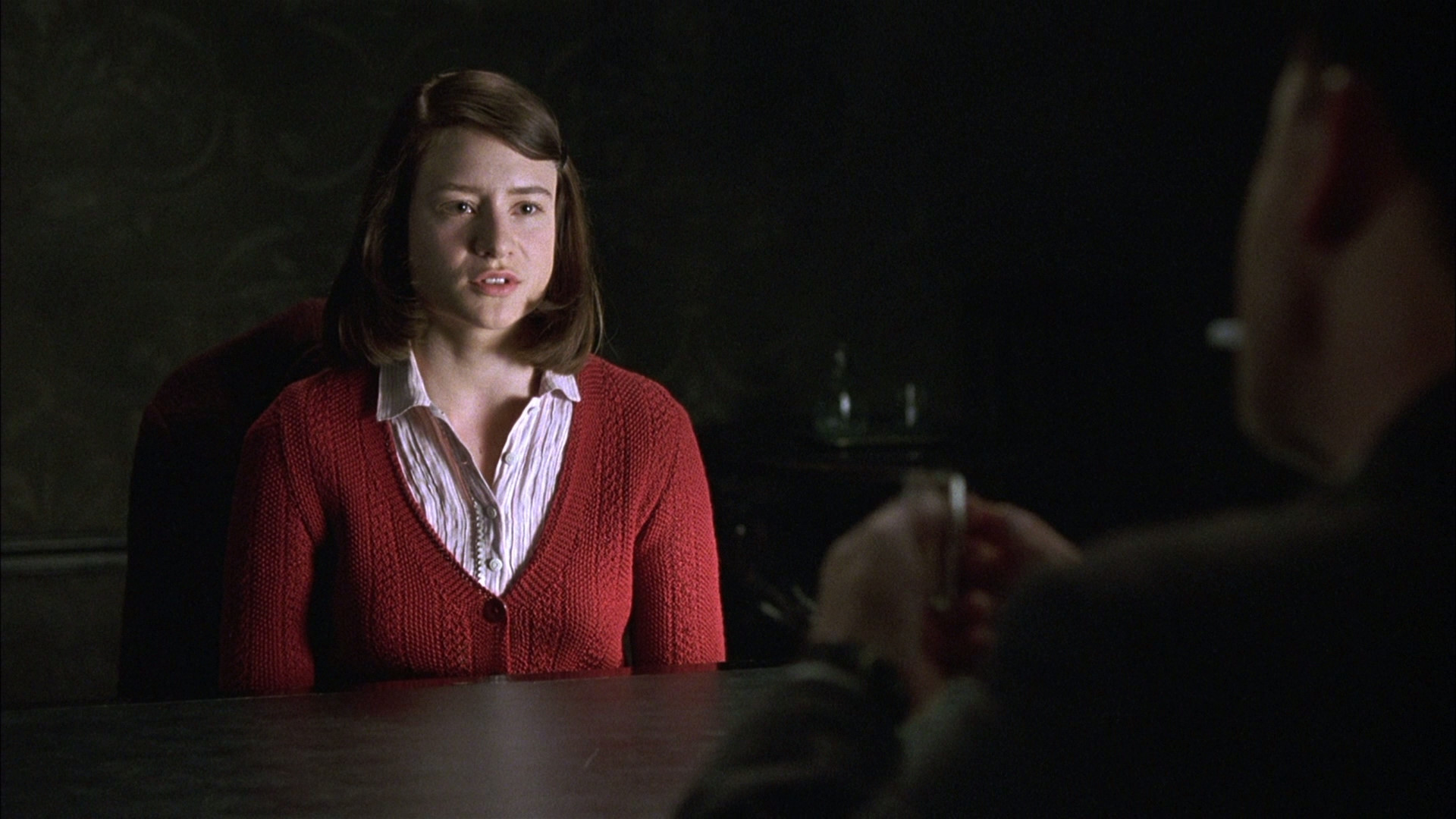 |
(Future Film - Region 2- PAL (NO ENGLISH SUBS) TOP vs. Zeitgeist - Region 1 - NTSC MIDDLE vs. Drakes Avenue - Region 0 - Blu-ray BOTTOM)
 |
|
|
 |
(Zeitgeist - Region 1 - NTSC TOP vs. Drakes Avenue - Region 0 - Blu-ray BOTTOM)
|
|
 |
(Zeitgeist - Region 1 - NTSC TOP vs. Drakes Avenue - Region 0 - Blu-ray BOTTOM)
|
|
 |
More Blu-ray
|
|
 |
 |
|
|
| Box Cover |
|
Coming to Blu-ray from Zeitgeist Films in February 2024:
|
| Distribution |
Zeitgeist Region 1 - NTSC |
Drakes Avenue Region 0 - Blu-ray |















CLICK PayPal logo to donate!
|
Gary Tooze
|
|
Thank You!