|
An
enormous, sincere thank you to our phenomenal
Patreon
supporters! Your unshakable dedication is the bedrock that keeps DVDBeaver
going - we’d be lost without you. Did you know? Our patrons include a
director, writer, editor, and producer with honors like Academy Awards for
Best Picture and Best Director, a Pulitzer Prize-winning screenwriter, and a
Golden Globe-winning filmmaker, to name a few! Sadly, DVDBeaver has reached a breaking point where our existence hangs in the balance. We’re now reaching out to YOU with a plea for help. Please consider pitching in just a few dollars a month - think of it as the price of a coffee or some spare change - to keep us bringing you in-depth reviews, current calendar updates, and detailed comparisons. I’m am indebted to your generosity!
|






|
Search DVDBeaver |
S E A R C H D V D B e a v e r |

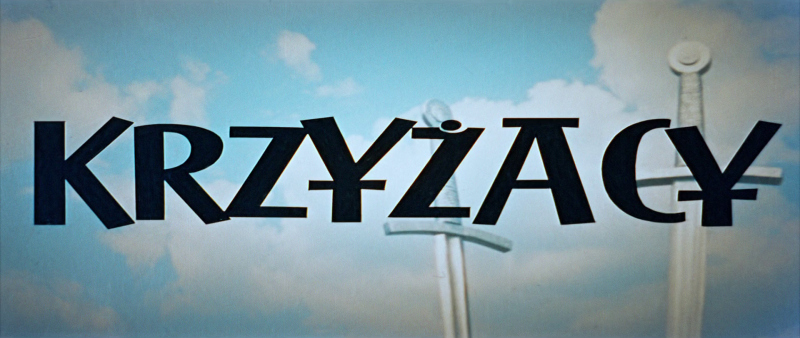
(aka "Krzyzacy" or "Knights of the Black Cross" or "Knights of the Teutonic Order" or "Black Cross" or "Blood Hunter")
Directed by Aleksander Ford
Poland 1960
|
Aleksander Ford's legendary adaptation of
Henryk Sienkiewicz’s renowned
novel was selected by Martin Scorsese as one of the 21 best films in the
history of Polish cinema. Set in the early 1400s, this epic is both a
spectacular war film and historical romance depicting the events leading up to
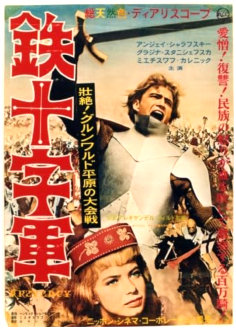
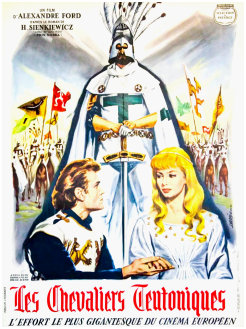
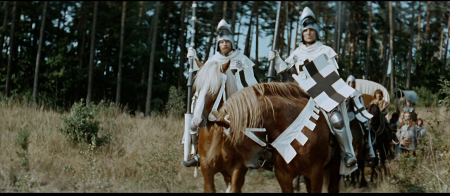
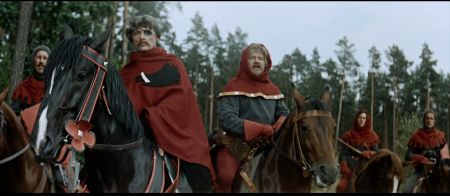
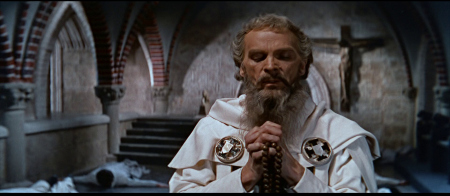
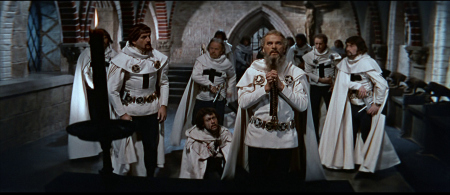
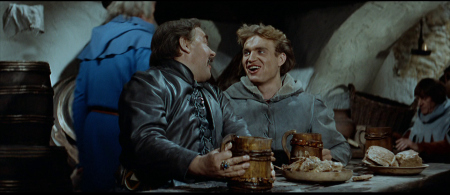
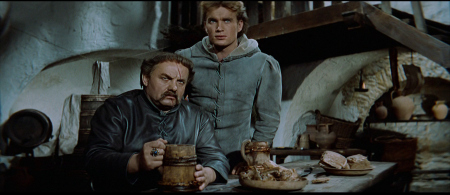
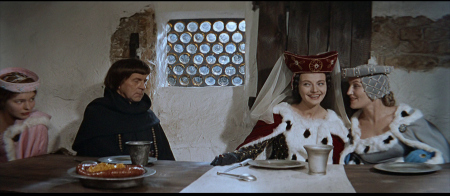
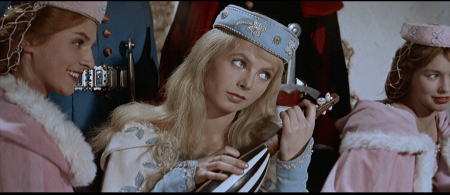
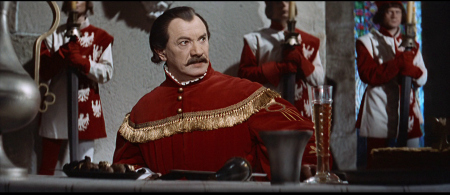
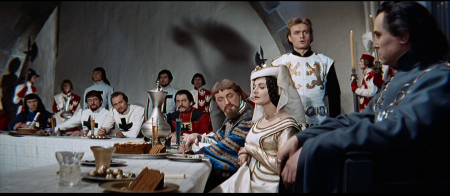
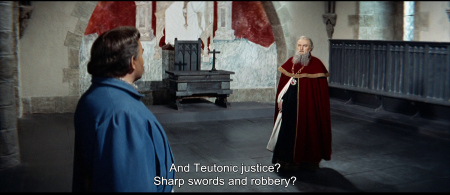
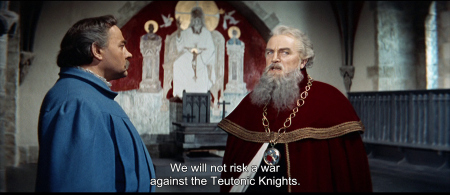
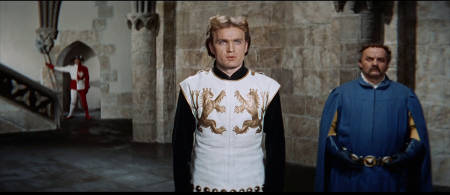
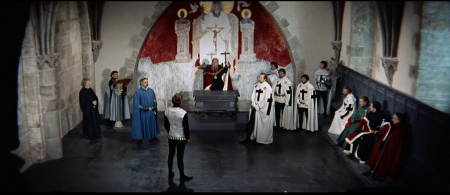
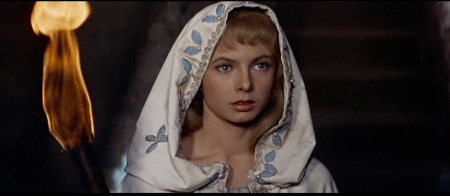
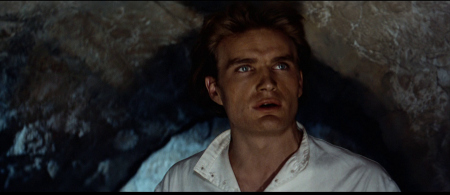
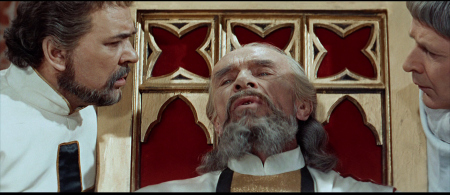
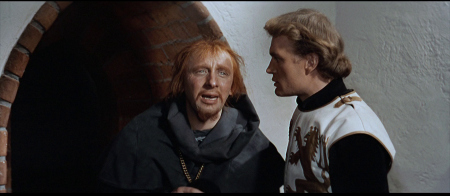
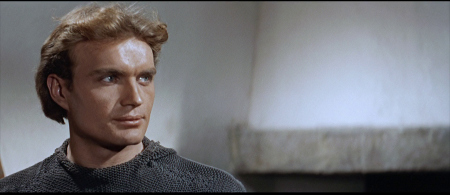
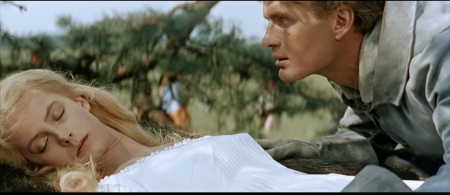
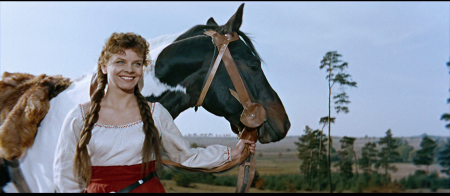
the bloody Battle of Grunwald. *** Knights of the Teutonic Order (original Polish title: Krzyżacy), released in 1960 and directed by Aleksander Ford, stands as one of the most ambitious and successful historical epics in Polish cinema. Adapted from Henryk Sienkiewicz's renowned 1900 novel (also known as The Knights of the Cross), the film vividly dramatizes the late 14th- and early 15th-century conflicts between the Polish-Lithuanian union and the aggressive Teutonic Knights, culminating in the decisive Battle of Grunwald in 1410. Through the eyes of young knight Zbyszko of Bogdaniec (played by Mieczysław Kalenik) and his uncle Maćko, alongside the tragic figure of Jurand of Spychów (Andrzej Szalawski) and his daughter Danusia (Grażyna Staniszewska), the story weaves personal tales of love, revenge, and honor into a broader patriotic narrative of resistance against foreign invasion and religious hypocrisy. Shot in glorious color with sweeping battle sequences involving thousands of extras, the film's grand scale—particularly its climactic recreation of Grunwald—helped make it a massive box-office phenomenon in Poland, where it drew enormous audiences and remains a cultural landmark. Praised for its epic scope, rich cinematography, and stirring portrayal of medieval warfare, it has been celebrated internationally (even selected by Martin Scorsese as one of the greatest Polish films) as a powerful blend of spectacle, drama, and national pride. |
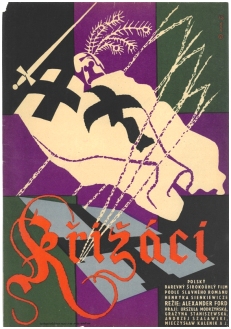
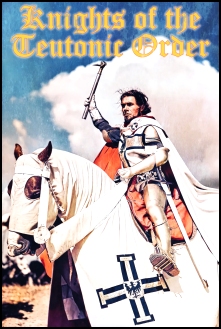
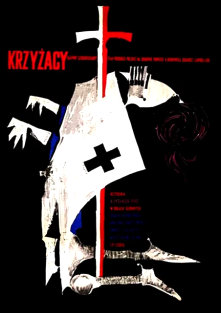
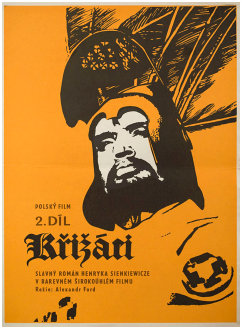
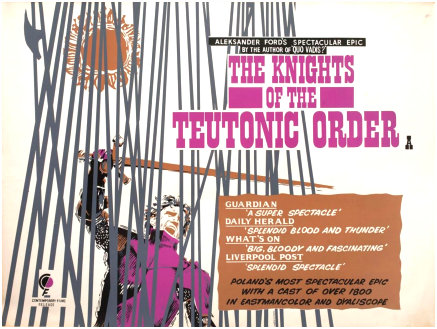
Posters
 |
 |
 |
 |
 |
 |
 |
 |
 |
Theatrical Release: July 15th, 1960 (Lódz)

Review: Second Run - Region FREE - Blu-ray
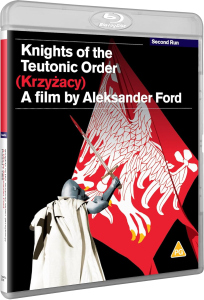
| Box Cover |
|
CLICK to order from:
BONUS CAPTURES:
|
| Distribution | Second Run - Region FREE - Blu-ray | |
| Runtime | 2:52:21.875 | |
| Video |
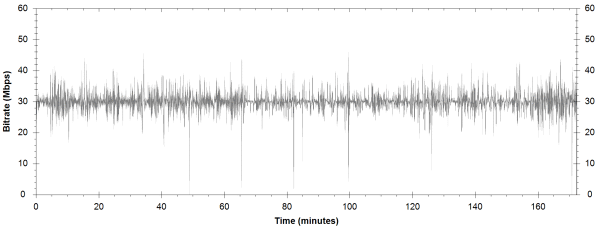
2.35 :1 1080P Dual-layered Blu-rayDisc Size: 49,220,941,669 bytesFeature: 43,094,827,008 bytesVideo Bitrate: 29.98 MbpsCodec: MPEG-4 AVC Video |
|
|
NOTE: The Vertical axis represents the bits transferred per second. The Horizontal is the time in minutes. |
||
| Bitrate Blu-ray: |
|
|
| Audio |
LPCM Audio Polish 1536 kbps 2.0 / 48 kHz / 1536 kbps / 16-bit |
|
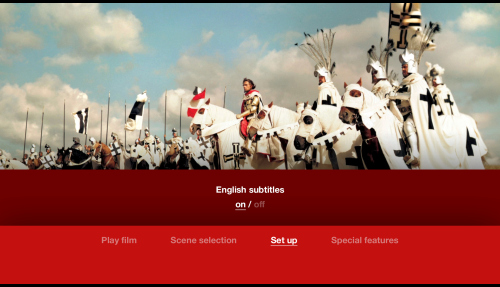
| Subtitles | English, None | |
| Features |
Release Information: Studio: Second Run
2.35 :1 1080P Dual-layered Blu-rayDisc Size: 49,220,941,669 bytesFeature: 43,094,827,008 bytesVideo Bitrate: 29.98 MbpsCodec: MPEG-4 AVC Video
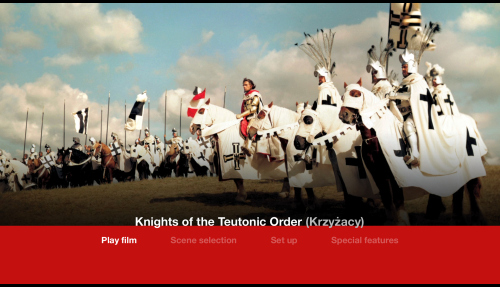
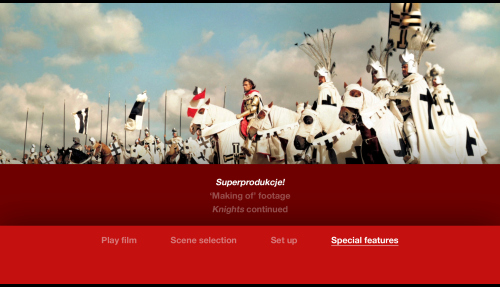
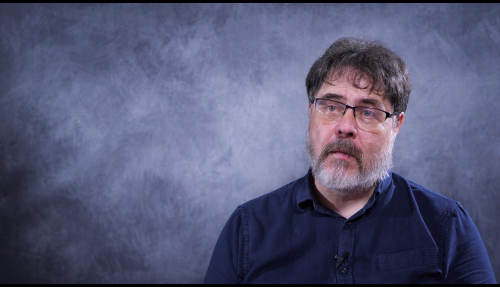
Edition Details: • Superprodukce!: A new and expansive video essay by film historian Michael Brooke on Polish epics (44:09) • Archival Polish newsreel on the making of the film (1:29) • Knights Continued (0:44) Booklet with new writing by Professor Anna Misiak
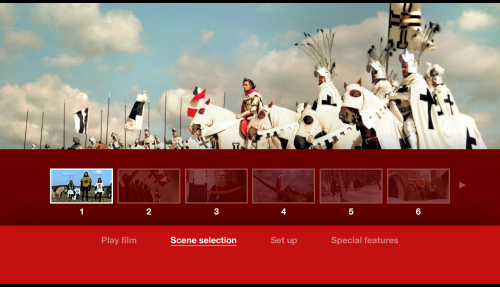
Transparent Blu-ray Case Chapters 12 |
|



| Comments: |
NOTE:
The below
Blu-ray
captures were taken directly from the
Blu-ray
disc.
NOTE: We have added 56 more large
resolution
Blu-ray
captures (in lossless PNG format) for DVDBeaver Patrons
HERE
On their
Blu-ray,
Second Run use a linear PCM dual-mono track (16-bit) in the original
Polish language allowing Kazimierz Serocki's (Potop
Redivivus) majestic orchestral score - sweeping strings,
percussion, and choral elements - to boom with appropriate grandeur
during battle scenes and heroic moments. Diegetic effects, from clashing
swords and thundering hooves to the chaotic din of combat, come through
with good clarity and impact, enhancing the visceral feel of the
medieval warfare without aggressive surround elements (as expected for a
1960 mono-era film). Dialogue is intelligible, and the track handles
dynamic shifts well, from quiet dramatic exchanges to overwhelming
battle cacophony. No major issues like distortion or hiss are reported,
making it a faithful and enjoyable listen that supports the film's epic
tone. Second Run offer optional English subtitles on their Region FREE
Blu-ray.
This
Second Run
Blu-ray
release shines with thoughtful, targeted supplements that contextualize
the film beyond the main feature. The standout is Superprodukce!,
a new 3/4 hour video essay by film historian Michael Brooke, which
provides an expansive, insightful exploration of Polish epic cinema ("superprodukcje")
- its historical context, production scale, ideological underpinnings,
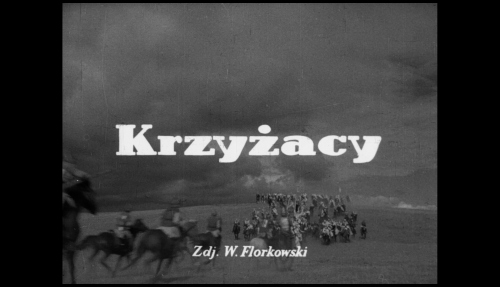
and place in national filmmaking traditions - using clips from Krzyżacy
and related titles to illustrate points engagingly. Archival Polish
newsreels add charm: a brief 1.5-minute piece on the making of the film
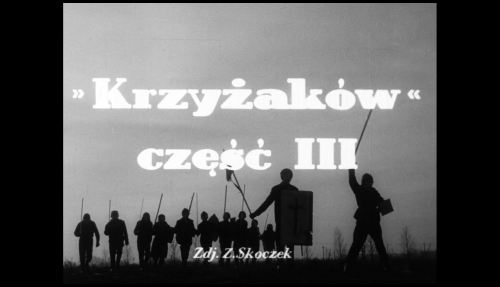
captures behind-the-scenes glimpses, while the Knights Continued offers
a fun snapshot of audience reactions (particularly among children). The
included booklet features new writing by Professor Anna Misiak (Controlled
Cinematography - Film Censorship), delving into scholarly
analysis of the film's cultural and historical significance. These
extras are compact yet rich, making the disc a valuable resource for
appreciating the work's legacy as one of Second Run's most enduring
titles.
Aleksander Ford's Knights of the Teutonic Order
remains one of Polish cinema's most monumental achievements and a
landmark in the historical epic genre. Adapted from
Henryk Sienkiewicz's
1900 novel The Knights of the Cross, the film dramatizes the
Polish-Lithuanian struggle against the Teutonic Order in the late 14th
and early 15th centuries, building toward the climactic Battle of
Grunwald in 1410 - a decisive victory that halted the Order's eastward
expansion and became a cornerstone of Polish national identity. Ford's
direction blends sweeping spectacle with personal melodrama, following
young knight Zbyszko of Bogdaniec's quest for honor and love amid
escalating national conflict. The narrative interweaves romantic
entanglements - particularly Zbyszko's devotion to the tragic Danusia,
daughter of the fierce Jurand of Spychów - with brutal depictions of
Teutonic aggression, including infamous scenes like Jurand's blinding
and the torture that drives characters to vengeance. This structure
echoes adventure classics like
The Three Musketeers
or Ivanhoe
more than introspective historical drama, prioritizing action, chivalry,
and revenge over subtle psychological depth. Visually, the film stands
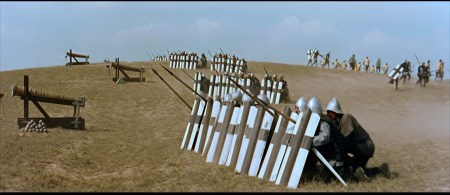
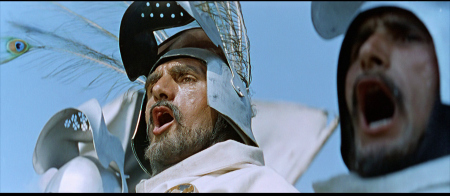
out for its ambitious production values. The Battle of Grunwald sequence
- long and involving thousands of extras - remains the film's crowning
achievement. Its chaotic, mud-soaked brutality feels raw and immersive,
with masterful editing conveying the scale and horror of medieval
warfare far more convincingly than many contemporaries. Thematically,
the film functions as patriotic mythology. It portrays Poles as noble
defenders of faith and homeland against hypocritical, bloodthirsty
German invaders, aligning with Sienkiewicz's strong anti-German
sentiment. In Poland, it became a cultural phenomenon, selling over 14
million tickets in its first four years and remaining one of the
most-watched films domestically. Internationally, admirers praise its
epic scope, emotional power, and battle spectacle - some even ranking it
among the era's finest historical films. Its Grunwald sequence alone
cements its status as a high point in depicting medieval warfare on
screen, while its unapologetic patriotism reflects a specific historical
moment of Polish self-assertion after wartime devastation. For fans of
grand historical cinema, it offers a powerful, if ideologically charged,
vision of heroism and resistance that has aged remarkably well in its
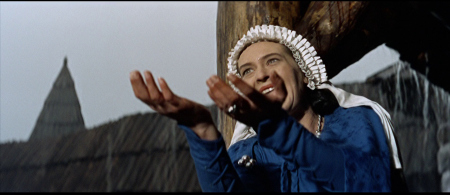
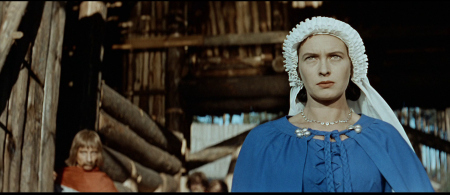
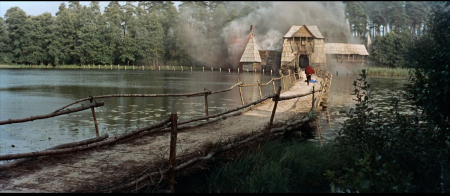
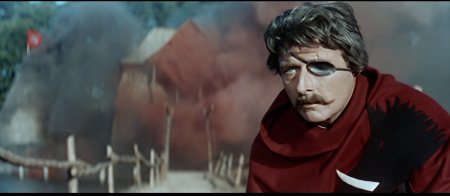
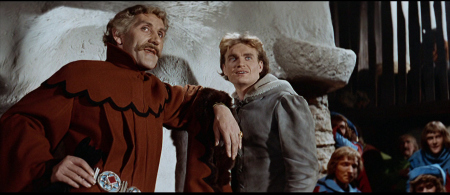
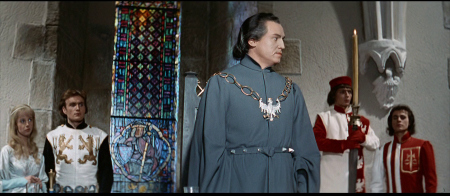
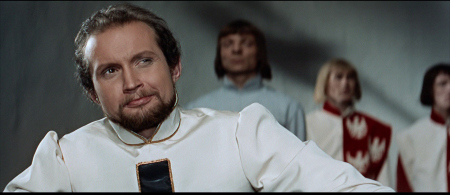
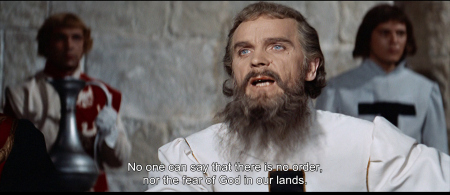
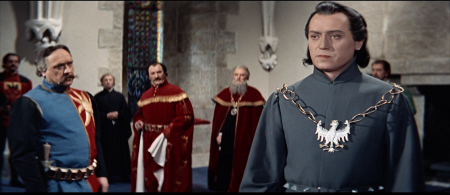
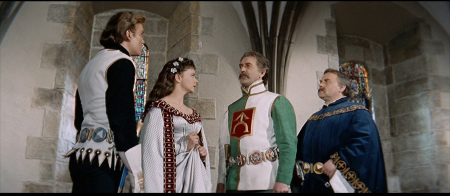
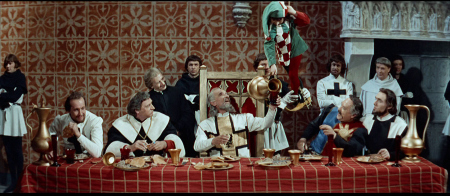
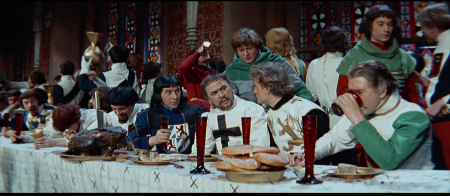
visual grandeur. Second Run's Blu-ray
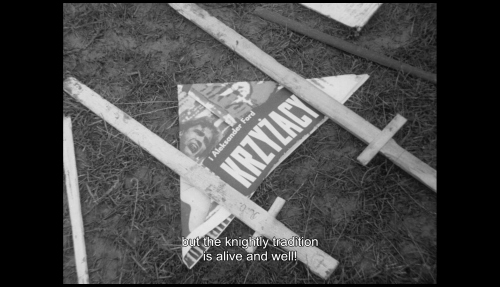
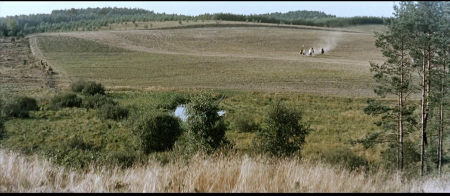
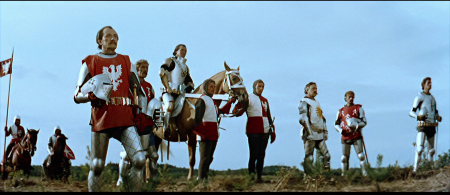
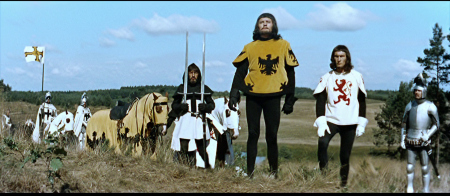
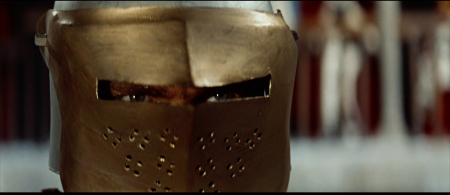
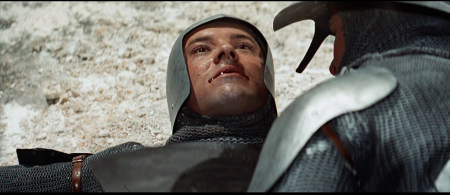
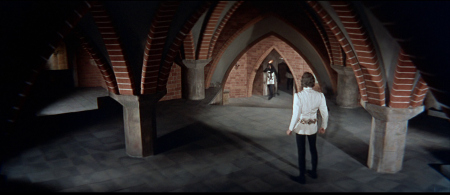
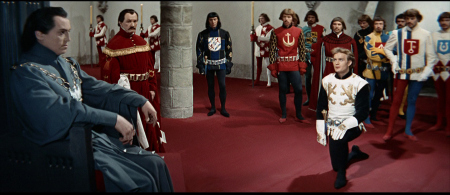
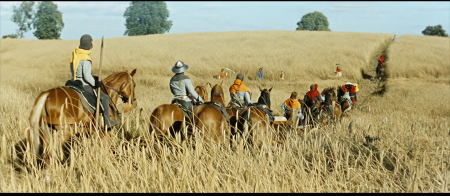
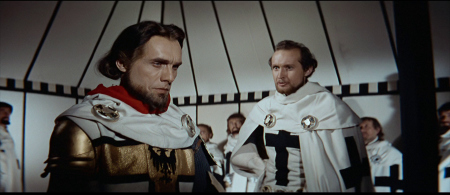
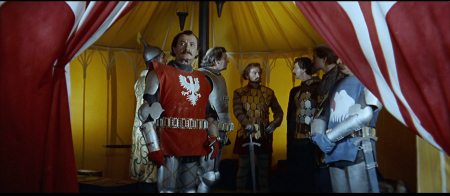
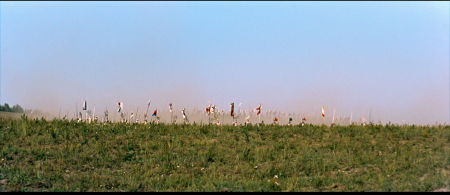
upgrade of Knights of the Teutonic Order rectifies the
shortcomings of their 2006 DVD by leveraging a high-quality 2K
restoration to showcase Aleksander Ford's 1960 epic in its full
colorful, widescreen splendor - a thrilling, patriotic spectacle of
medieval warfare, romance, and national myth-making that remains one of
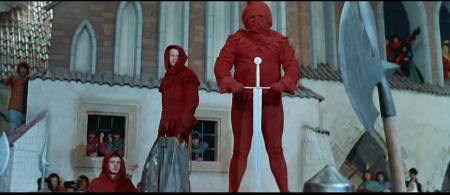
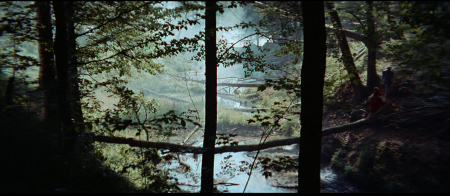
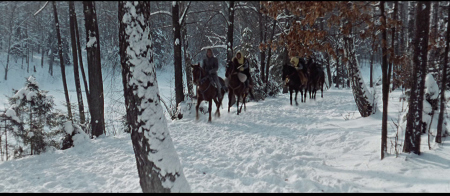
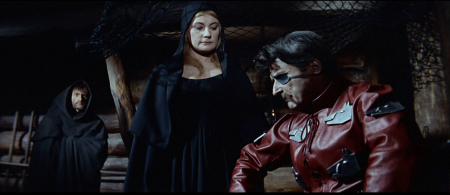
Poland's most beloved and viewed films. While the transfer isn't
flawless (with some DNR waxy softness noted - it can be quite
egregious,) the audiovisual improvements are substantial, and the
package is bolstered by excellent extras, including Michael Brooke's
illuminating video essay on Polish epics, period newsreels, and Anna
Misiak's booklet essay. For fans of grand historical cinema or Polish
classics, this region-free release is a welcome and definitive edition,
especially given its ties to Scorsese's "Masterpieces of Polish
Cinema" initiative - highly recommended for rediscovering this
rousing, larger-than-life adventure.
|

Menus / Extras
 |
 |
 |
 |
 |
 |
 |
 |
 |

CLICK EACH BLU-RAY CAPTURE TO SEE ALL IMAGES IN FULL 1920X1080 RESOLUTION
 |
 |
 |
 |
 |
 |
 |
More full resolution (1920 X 1080) Blu-ray Captures for DVDBeaver Patreon Supporters HERE
 |
 |
 |
 |
 |
 |
 |
 |
 |
 |
 |
 |
 |
 |
 |
 |
 |
 |
 |
 |
 |
 |
 |
 |
 |
 |
 |
 |
 |
 |
 |
 |
 |
 |
 |
 |
 |
 |
 |
 |
 |
 |
 |
 |
 |
 |
 |
 |
 |
 |
 |
 |
 |
 |
 |
 |
| Box Cover |
|
CLICK to order from:
BONUS CAPTURES:
|
| Distribution | Second Run - Region FREE - Blu-ray | |
|
Search DVDBeaver |
S E A R C H D V D B e a v e r |


















CLICK PayPal logo to donate!
|
Gary Tooze
|
|
Thank You!
