|
An
enormous, sincere thank you to our phenomenal
Patreon
supporters! Your unshakable dedication is the bedrock that keeps DVDBeaver
going - we’d be lost without you. Did you know? Our patrons include a
director, writer, editor, and producer with honors like Academy Awards for
Best Picture and Best Director, a Pulitzer Prize-winning screenwriter, and a
Golden Globe-winning filmmaker, to name a few! Sadly, DVDBeaver has reached a breaking point where our existence hangs in the balance. We’re now reaching out to YOU with a plea for help. Please consider pitching in just a few dollars a month - think of it as the price of a coffee or some spare change - to keep us bringing you in-depth reviews, current calendar updates, and detailed comparisons. I’m am indebted to your generosity!
|






|
Search DVDBeaver |
S E A R C H D V D B e a v e r |

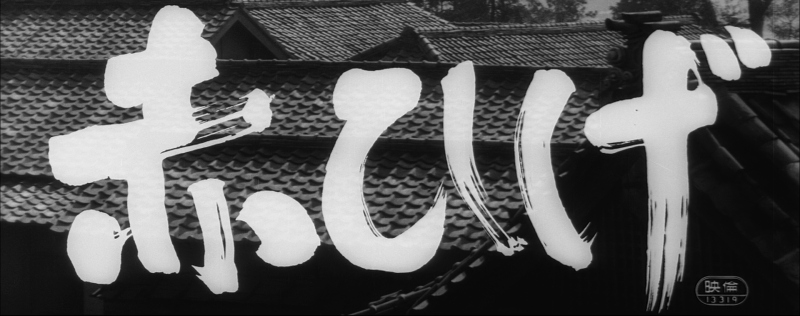
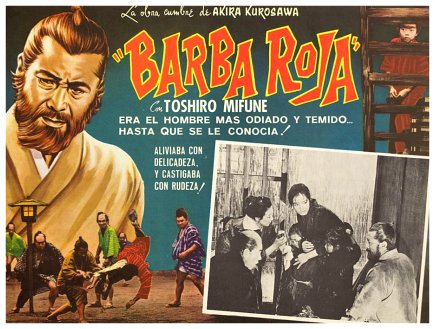
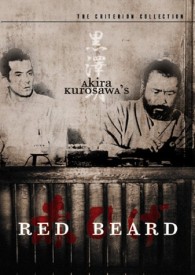
(aka "Akahige" or "Red Beard")

Japan 1965
|
A testament to the goodness of humankind,
Akira
Kurosawa’s Red Beard (Akahige) chronicles the
tumultuous relationship between an arrogant young doctor, Noboru
Yasumoto (Yuzo Kayama) and a compassionate clinic director. Toshiro
Mifune, in his last role for Kurosawa, gives a powerhouse performance as
the dignified yet empathic director who guides his pupil to maturity,
teaching the embittered intern to appreciate the lives of his destitute
patients. Perfectly capturing the look and feel of 19th-century Japan,
Kurosawa weaves a fascinating tapestry of time, place, and emotion. *** Akira Kurosawa’s Red Beard (Akahige, 1965) is a towering humanist epic that stands as one of the director’s most ambitious and emotionally profound works. Running nearly three hours, the film follows the transformation of arrogant young doctor Yasumoto (Yūzō Kayama) as he is assigned to a rural clinic run by the formidable, red-bearded Dr. Kyojō Niide (Toshiro Mifune in one of his greatest performances). What begins as a clash of egos gradually unfolds into a powerful portrait of compassion, sacrifice, and moral awakening, as Yasumoto confronts poverty, suffering, and the quiet heroism of those who devote their lives to healing the most vulnerable. Shot with Kurosawa’s signature visual mastery—using deep-focus compositions, meticulously choreographed long takes, and a richly textured production design that feels almost novelistic—the film blends social realism with moments of piercing tenderness and moral clarity. Though it was Kurosawa’s final black-and-white feature and marked the end of his long collaboration with Mifune, Red Beard radiates warmth and optimism, affirming the director’s lifelong belief in the redemptive power of human decency even in the face of cruelty and despair. |
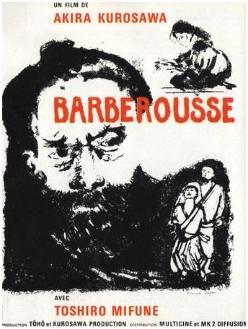
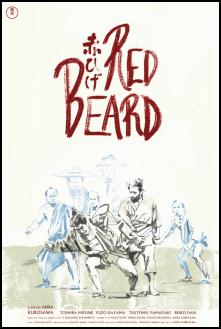
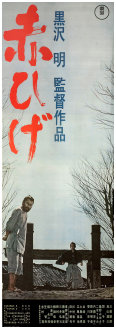
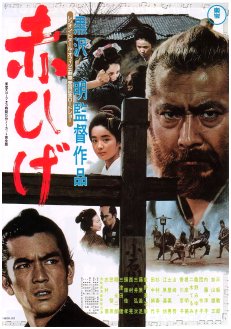
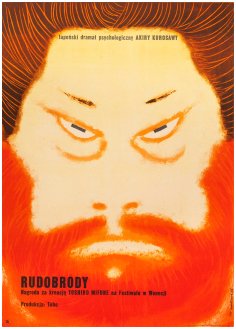
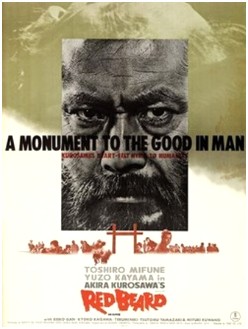
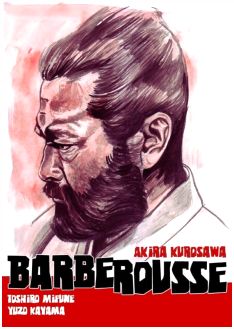
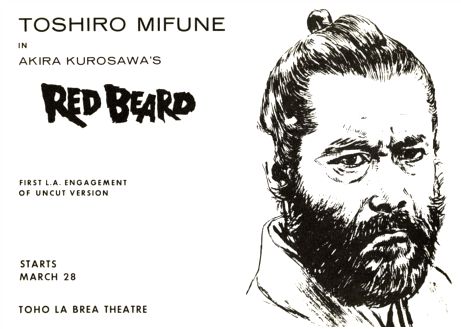
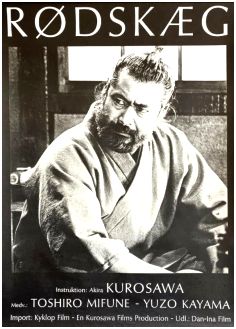
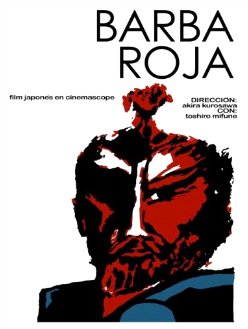
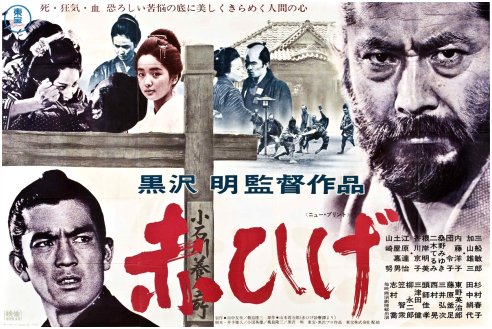
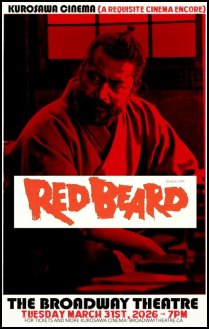
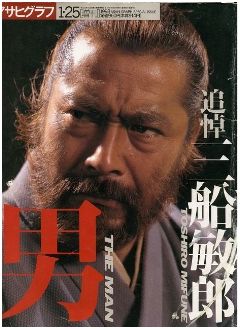
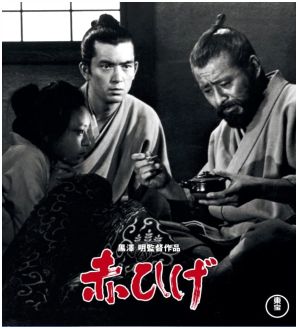
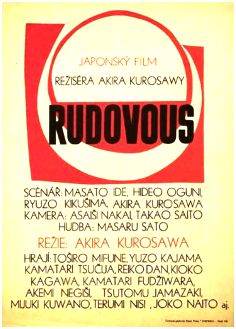
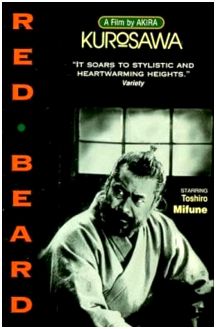
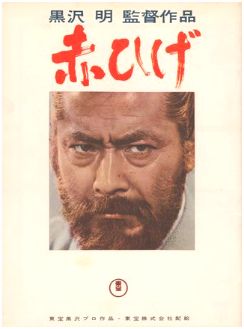
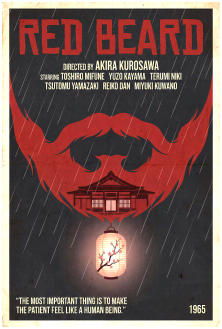
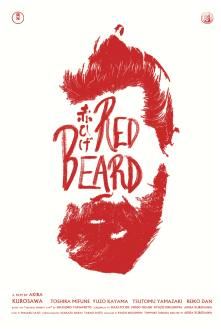
Posters
 |
 |
 |
 |
 |
 |
 |
 |
 |
 |
 |
 |
 |
 |
 |
 |
 |
 |
 |
 |
 |
 |
Theatrical Release: April 3rd, 1965 - Japan
Reviews More Reviews DVD Reviews

Comparison:
|
BFI - Region 2- PAL vs. Mei Ah - Region 0 - NTSC vs. Criterion - Region 1 - NTSC vs. BFI - Region 'B' - Blu-ray |
Big Thanks to Charles Girdham for the BFI DVD screen caps!
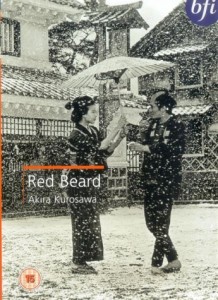
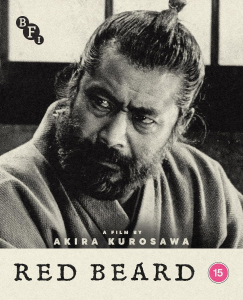
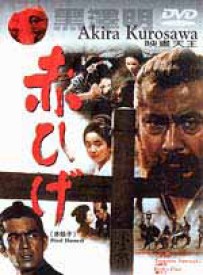
| Box Covers |
|
|
|
BONUS CAPTURES:
|
| Distribution |
BFI (British Film Institute) Region 2- PAL |
Mei Ah (Hong Kong) Region 0 - NTSC |
Criterion
Collection Spine #159 Region 1 - NTSC |
BFI (British Film Institute) Region 'B' - Blu-ray
|
| Runtime | 2:52:36 (4% PAL speedup) | 1:29:36 + 1:30:36 = 3:01:12 | 3:05:06 | 3:05:31.370 |
| Video |
2.42:1 Slightly Cropped
16X9 enhanced |
2.49:1 Cropped |
2.30:1 Original Aspect Ratio
16X9 enhanced |
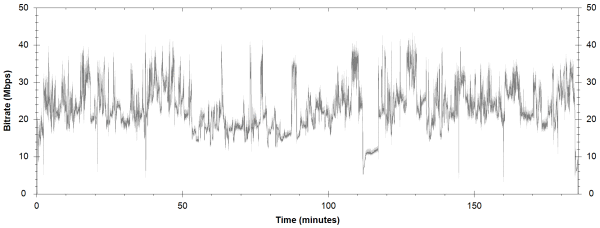
2.50:1 1080P Dual-layered Blu-ray Disc Size: 49,221,026,371 bytesFeature: 42,327,294,336 bytesVideo Bitrate: 22.89 MbpsCodec: MPEG-4 AVC Video |
|
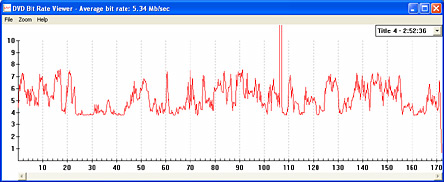
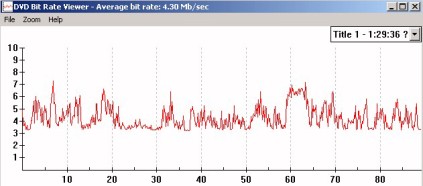
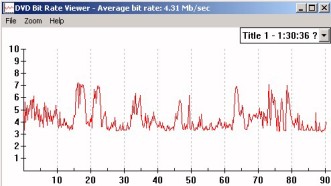
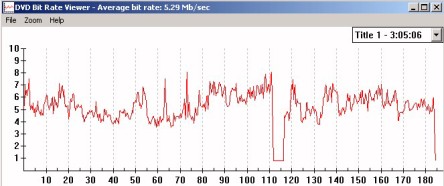
NOTE: The Vertical axis represents the bits transferred per second. The Horizontal is the time in minutes. |
||||
| Bitrate:
BFI |
|
|||
| Bitrate:
Mei Ah #1 |
|
|||
| Bitrate:
Mei Ah Disc 2 |
|
|||
| Bitrate:
Criterion
|
|
|||
| Bitrate:
BFI Blu-ray
|
|
|||
| Audio | Japanese (Dolby Digital 5.0 Stereo) | Japanese (Dolby Digital 1.0 Mono) |
Japanese (Dolby Digital 4.0 Stereo) |
DTS-HD Master Audio English
3101 kbps 5.1 / 48 kHz / 3101 kbps / 24-bit (DTS Core: 5.1 / 48 kHz /
1509 kbps / 24-bit)
Dolby Digital Audio English
192 kbps 2.0 / 48 kHz / 192 kbps / DN -31dB Dolby Digital Audio English 192 kbps 2.0 / 48 kHz / 192 kbps / DN -31dB |
| Subtitles | English, (non-removable) | English, Chinese (Traditional), Chinese (Simplified) and none | English, and none | English, none |
| Features |
Release Information: Studio: BFI (British Film Institute)
Aspect Ratio:
Edition Details:
DVD Release Date: October 6th, 2003 Chapters 15
|
Release Information: Studio: Mei Ah (HK) Aspect Ratio: Edition Details: • Cast Information • Text Screens on Akira Kurosawa
Chapters 9+9 = 18 |
Release Information: Studio: Criterion / Home Vision
Aspect Ratio:
Edition Details:
DVD Release Date: July 16th, 2002 Chapters 39 |
Release Information: Studio: BFI
Edition Details:
• Newly recorded audio commentary by Japanese-Australian
filmmaker Kenta McGrath
Transparent Blu-ray Case Chapters 12 |






| Comments: |
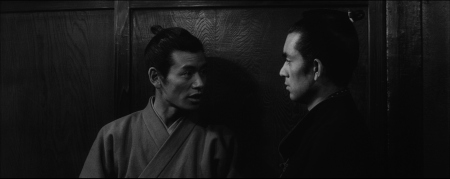
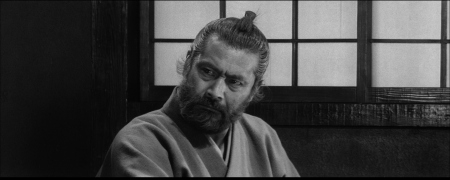
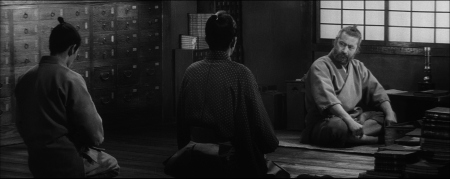
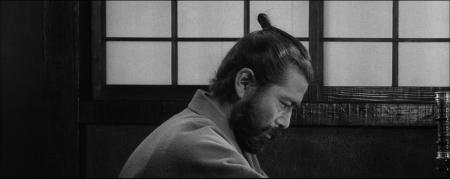
NOTE:
The below
Blu-ray
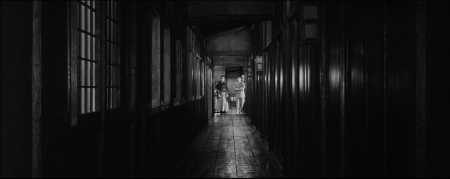
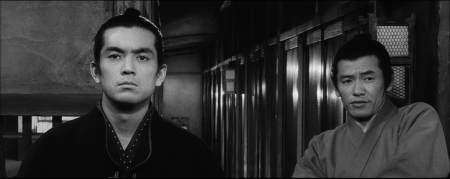
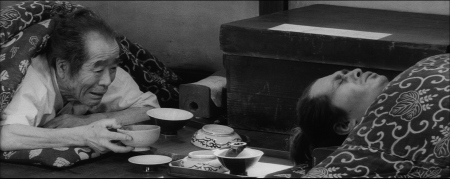
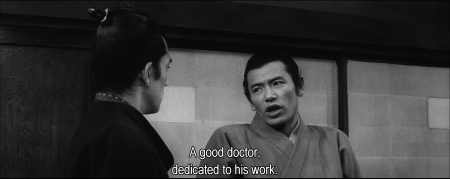
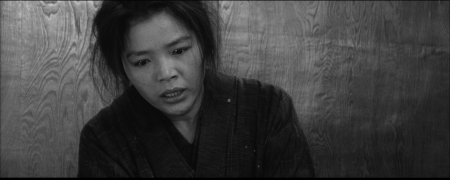
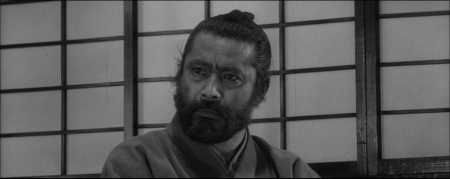
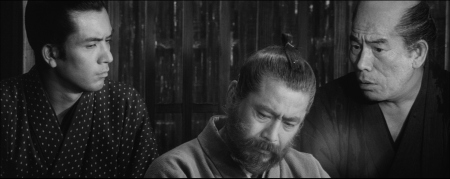
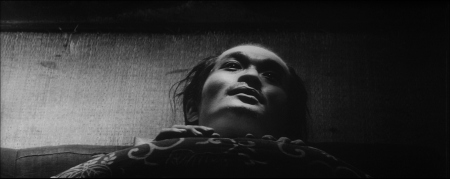
captures were taken directly from the
Blu-ray
disc.
NOTE: We
have added 64 more large resolution Blu-ray
captures (in lossless PNG format) for DVDBeaver Patrons
HERE
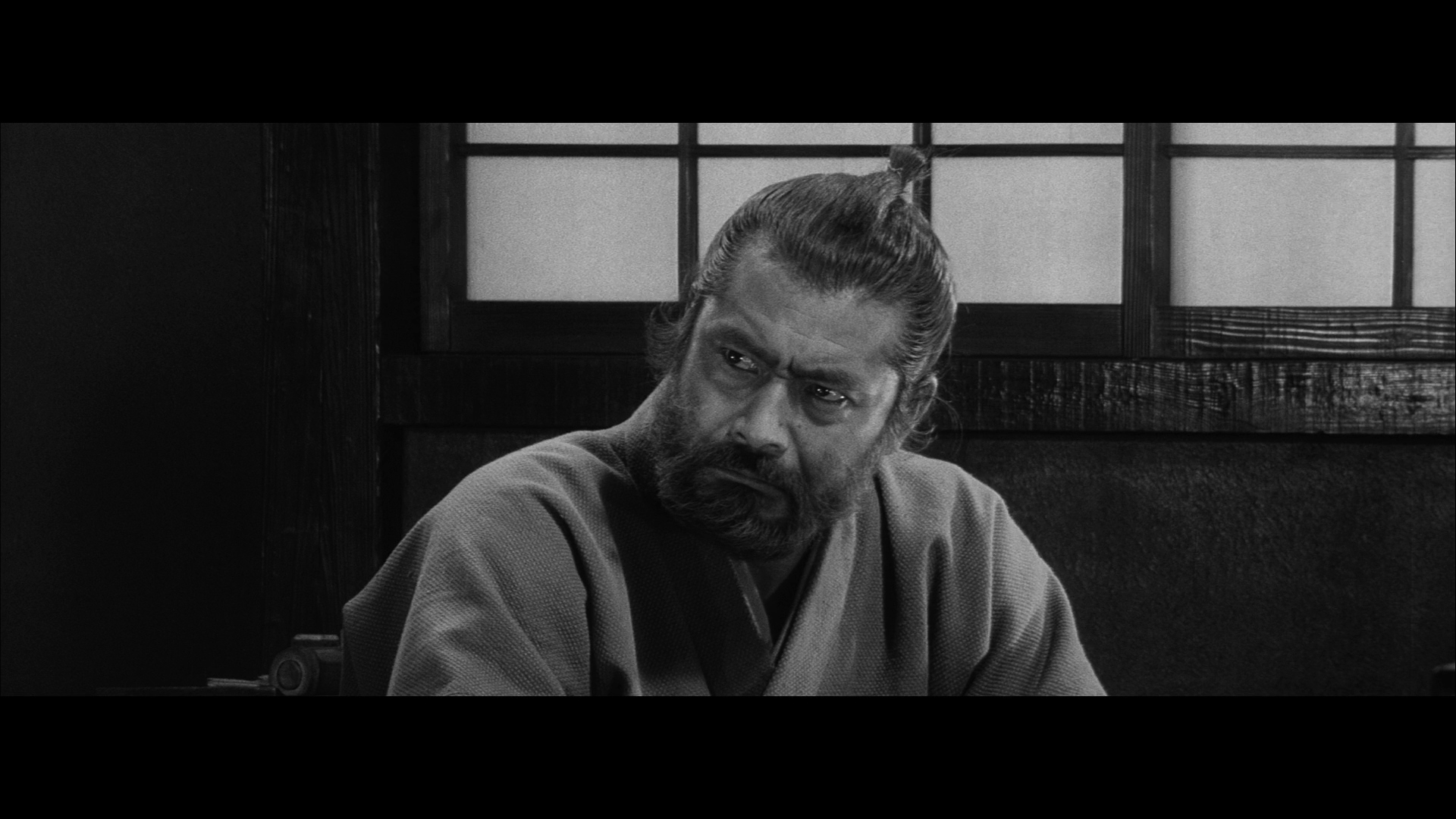
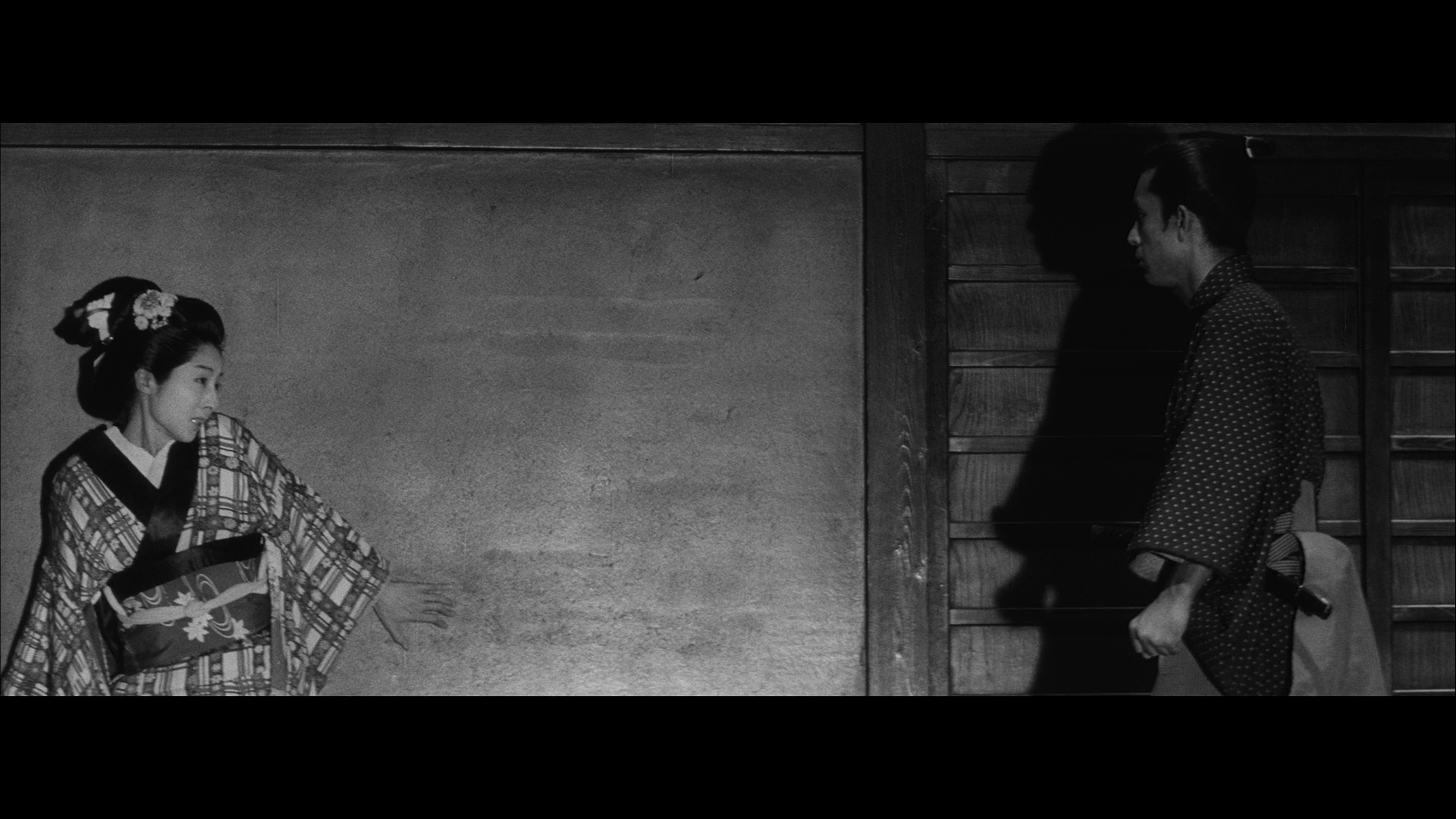
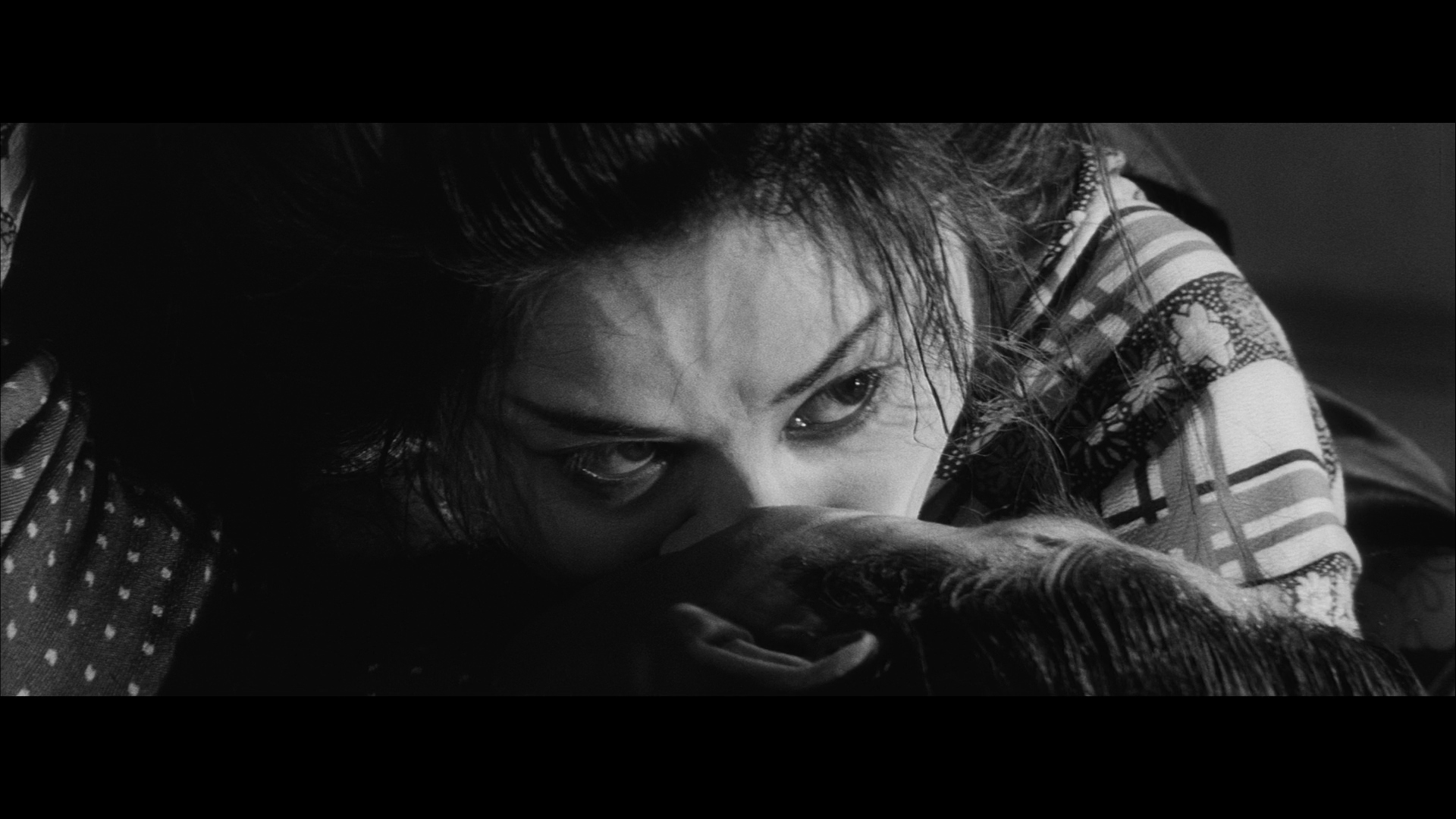
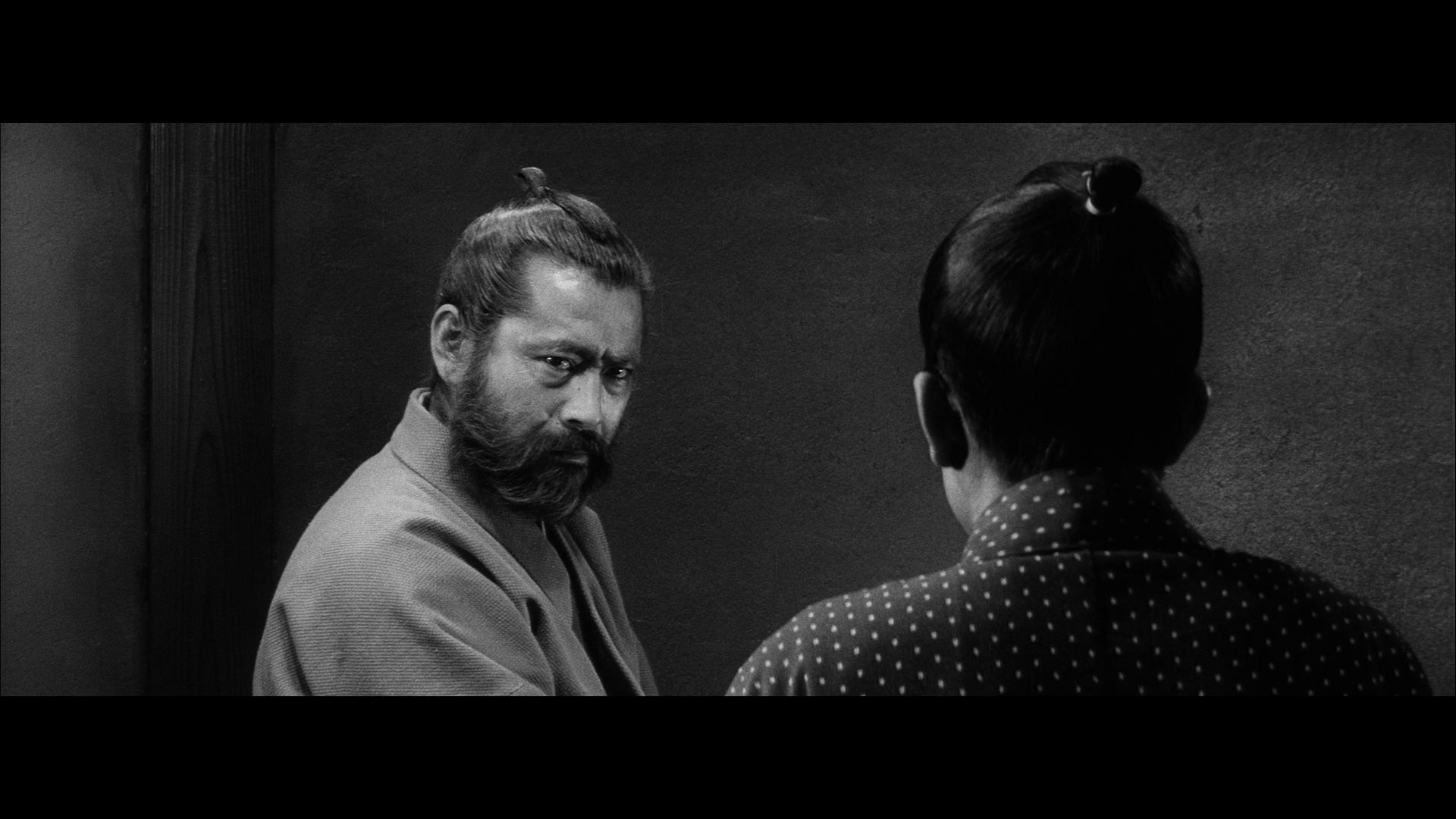
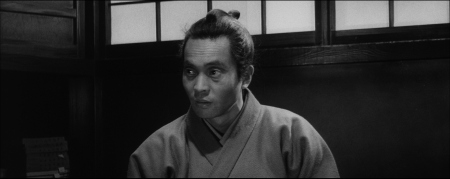
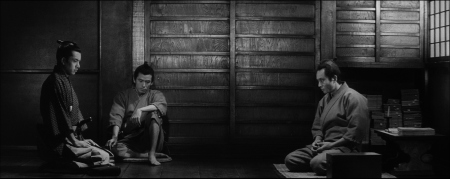
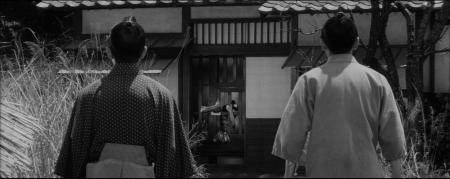
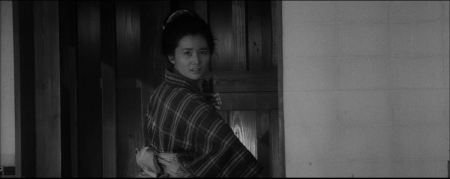
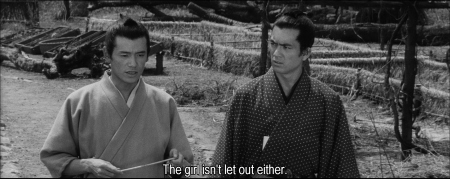
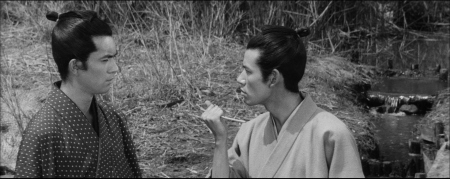
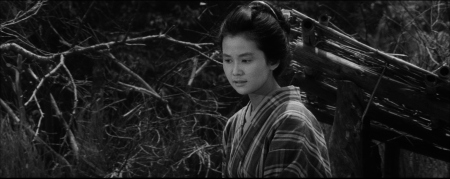
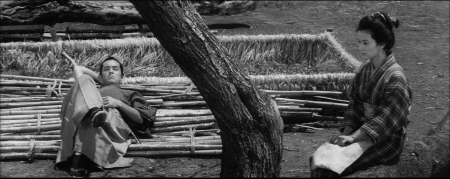
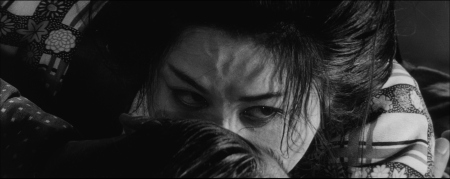
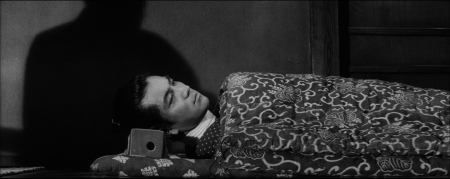
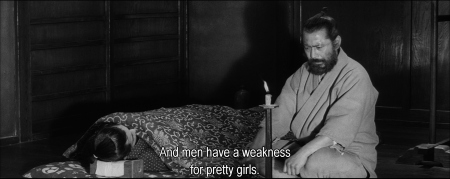
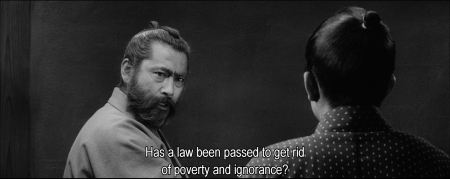
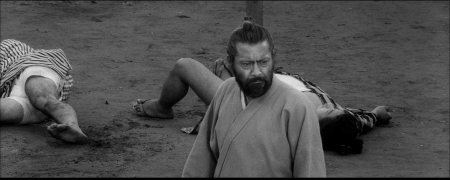
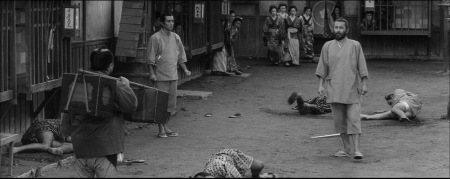
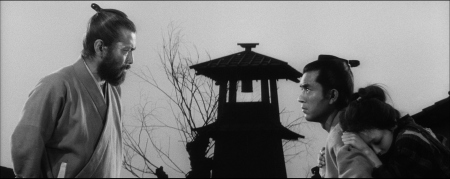
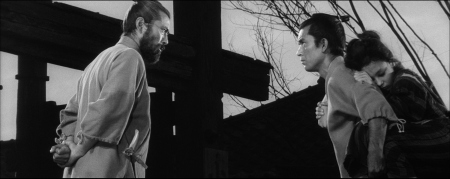
The BFI
Blu-ray
offers two strong Japanese-language audio options: a newly created
DTS-HD Master 5.1 surround track and a linear PCM dual-mono track (both
24-bit). As Kurosawa’s first film to employ a magnetic 4-track stereo
soundtrack, Red Beard was originally designed with greater spatial depth
than typical mono productions of the era; the new 5.1 mix intelligently
expands upon this foundation (much like the Criterion DVD’s 4.0
presentation), delivering clear, natural dialogue anchored in the center
channel while tastefully opening up the ambient “reality sounds” -
wind-bells, rustling leaves, distant street cries, clinic murmurs, and
echoing well effects - across the surrounds for a more immersive,
enveloping experience. Masaru Sato’s sweeping, string-heavy orchestral
score gains welcome breadth, warmth, and emotional resonance without
feeling gimmicky or overly modernized. The lossless mono LPCM track
remains a clean presentation with excellent clarity, suprising depth,
and no noticeable artifacts. Both options serve the film’s contemplative
tone beautifully, balancing quiet introspection with the score’s
dramatic swells and enhancing the tactile, lived-in atmosphere of the
clinic. The audio is a big part of the film experience and this is the
best it has been presented. BFI offer optional English subtitles on
their Region 'B'
Blu-ray.
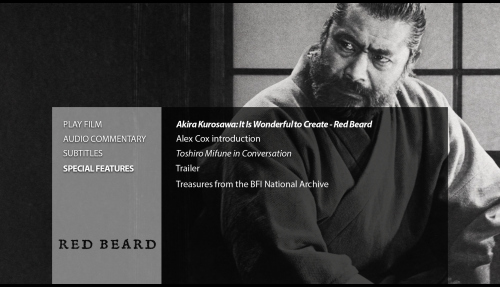
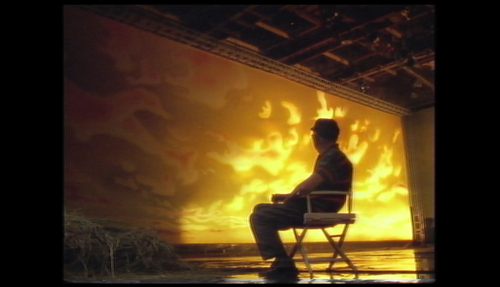
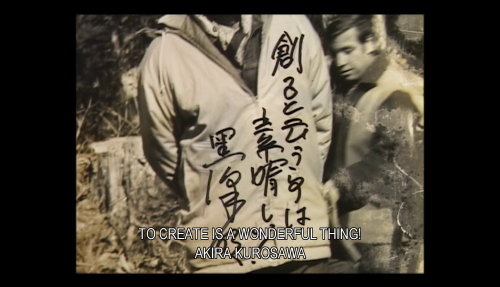
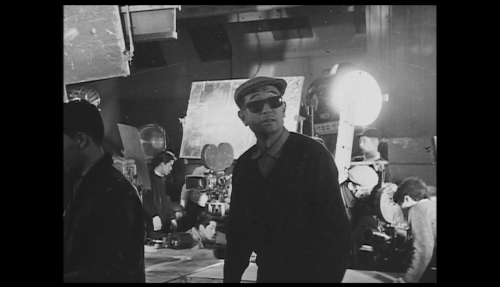
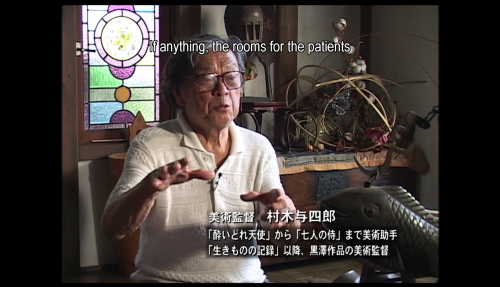
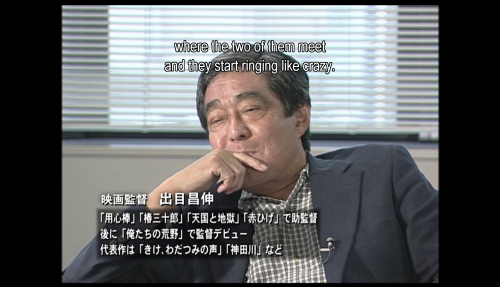
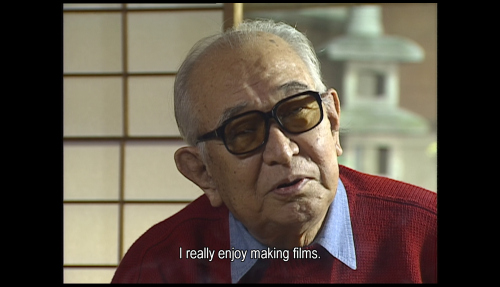
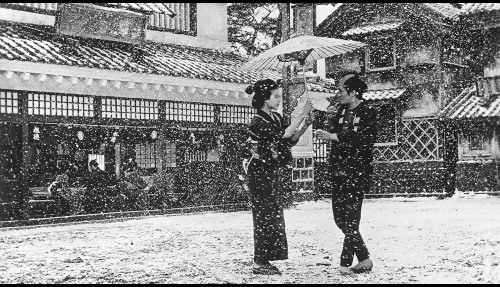
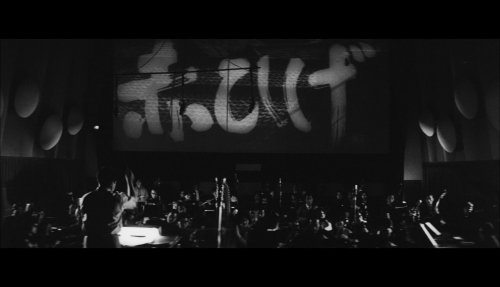
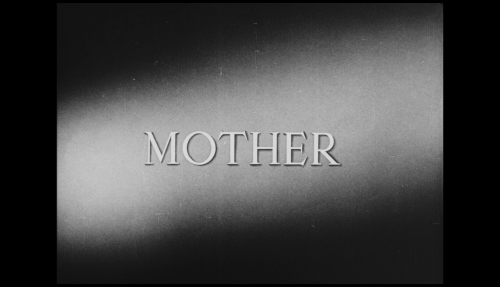
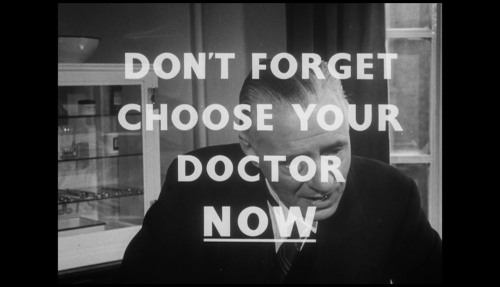
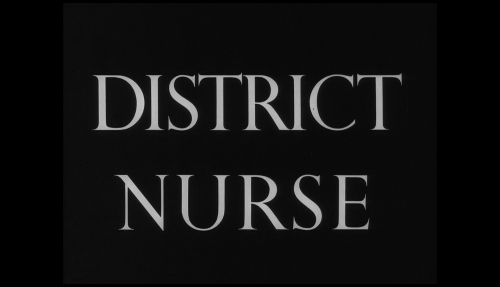
The BFI Blu-ray extras are generous and intelligently assembled, offering more than two hours of substantial supplementary material alongside a well-written booklet. At the heart of the package is a newly recorded, full-length audio commentary by Japanese-Australian filmmaker and critic Kenta McGrath, which stands out for its thoughtful, deeply researched analysis of the film’s humanist themes, its portrayal of compassion and suffering, the arduous two-year production history, Kurosawa’s meticulous visual style and long-take technique, Toshiro Mifune’s nuanced performance, and the significance of Red Beard as the final collaboration between the director and his iconic leading man. Complementing this is the excellent 22-minute 2002 documentary Akira Kurosawa: It Is Wonderful to Create – Red Beard, produced for Toho’s Masterworks series, featuring rare interview footage with Kurosawa himself as well as collaborators including actors Yoshio Tsuchiya and Kyoko Kagawa and art director Yoshiro Muraki, providing intimate firsthand insights into the film’s creation and intentions. Also included is Alex Cox’s engaging 14-minute 2003 introduction, originally made for the earlier BFI DVD, in which the cult filmmaker offers an accessible yet perceptive overview of Kurosawa’s career and the thematic and production background of Red Beard. A major historical highlight is the 61-minute audio-only 1986 interview Toshiro Mifune in Conversation with critic David Shipman, recorded at the National Film Theatre, where the legendary actor reflects at length on his life, career, and working relationship with Kurosawa. Thematically linked to the film’s medical focus are three rare public information shorts from the BFI National Archive - Mother (1947, 16 minutes), a UN-sponsored educational film on modern childbirth in India; the brief 1948 trailer Doctor’s Dilemma promoting Britain’s new National Health Service; and District Nurse (1952, 27 minutes), which encourages nursing careers - adding an intriguing archival dimension. Rounding out the package are the original Japanese theatrical trailer and an attractive booklet containing fresh essays by Hayley Scanlon on the film, Charlie Brigden on Masaru Sato’s score, James-Masaki Ryan on Yūzō Kayama, and Yuriko Hamaguchi on the short films. Together, these extras provide a rich blend of scholarly insight, personal testimony, and contextual depth that greatly enhances appreciation of Kurosawa’s humanist masterpiece. Akira Kurosawa's Red Beard is a monumental three-hour humanist epic that serves as both a culmination of the director’s mid-career preoccupations and a deeply personal farewell to his long collaboration with Toshiro Mifune. Adapted primarily from Shūgorō Yamamoto’s short story collection, with a key subplot drawn from Dostoevsky’s Humiliated and Insulted, the film is set in mid-19th-century Edo (towards the end of the Tokugawa period) at a free public clinic for the poor. Young, arrogant Dr. Noboru Yasumoto (Yūzō Kayama), freshly trained in Western medicine at Nagasaki and expecting a prestigious post as physician to the Shogunate, is assigned instead to the rural Koishikawa clinic run by the gruff, red-bearded Dr. Kyojō Niide (Mifune). What begins as resentment and rebellion slowly transforms into profound moral awakening as Yasumoto confronts poverty, suffering, death, and quiet acts of compassion. The narrative unfolds episodically through interconnected vignettes: the dying merchant Rokusuke and his tragic backstory of expiation; the abused child Otoyo (Terumi Niki), rescued from a brothel and nursed back to health by Yasumoto; the “Mantis” woman, a trauma survivor turned murderer; Sahachi’s earthquake tale of lost love; and various patients whose stories reveal layers of social injustice. Visually, Red Beard is a masterclass in restraint and depth. It was Kurosawa’s final black-and-white film, shot in widescreen (2.35:1) with meticulous deep-focus compositions, long takes, and telephoto lenses that compress space to heighten intimacy and tension. He constructed an entire authentic village and clinic set, aging props meticulously for realism. Multiple cameras captured scenes simultaneously, allowing fluid editing that blends documentary-like observation with expressive staging. The two-year shoot was grueling, contributing to financial strains on Mifune’s production company and ultimately ending the iconic Kurosawa-Mifune partnership after 16 films (Mifune turned down other roles, leading to resentment). It was a huge domestic success in Japan - hailed as a magnum opus and winning Kinema Junpo’s Best Film - but received mixed Western reception for its length and perceived sentimentality. It marks a pivot in Kurosawa’s career: after this, funding dried up, leading to darker, more nihilistic late works like Ran. In essence, Red Beard is a film about healing - not just bodies, but souls and societies - through stubborn, everyday kindness. It affirms Kurosawa’s core question: “Why can’t people be happier together?” and answers it with a resounding call to choose compassion, even (or especially) when the world makes it hardest. Few films match its emotional depth, technical mastery, and unwavering faith in humanity. The BFI Blu-ray of Red Beard is an excellent, respectful release that finally brings Kurosawa’s humanist epic to high-definition UK audiences in strong technical form. While a full 4K restoration would have been ideal, the 2K transfer impresses with its clarity and texture, the audio holds up beautifully, and the extras strike an ideal balance between scholarly insight and archival interest. Paired with an attractive booklet, this disc stands as a worthy addition to BFI’s ongoing Kurosawa series (see Stray Dog) and a must-own for fans seeking the definitive home-video presentation of one of the director’s most emotionally resonant works. This is one of my favorite Kurosawa films. Highly recommended.___________________
ADDITIONAL INFO RE: BFI Release (2003 - Thanks Charles) To me the BFI release looks quite good. Perhaps slightly darker, but just as sharp as the magnificent Criterion. Charles tells me there is some print damage and speckling, but it is not intrusive. The BFI release has burnt in subs that suggest a different translation from the Criterion release. Although single lines appear outside the image area and double lines have one in and one on the image, they are 16X9 friendly. The BFI menu has a background loop of clips from the film with music from main theme with the option to play film with 5 min intervals. There is some very slight cropping in the BFI release, but I find it negligible. There are some short Extra features. Overall a very good release from BFI! *** Once again the Criterion is obviously superior in every way. The Mei Ah version is one of their better efforts probably the best Kurosawa from them that I have seen. The same can be said for the Criterion which may be their best Kurosawa DVD production. The biggest failing of the Mei Ah disc are the subtitles. Apparently the Japanese dialogue was translated into Chinese, then the Chinese translated into English - so there are flaws. Also the spelling is poor and the image is badly cropped on the top and bottom as well as contrast boosted. The Mei Ah is a DVD 10 - two sides/single layered. The Criterion is a superb DVD. The film has barely a nick or scratch and has wonderful smooth contrast and shadow detail, often in a very muted, soft appearance while still maintaining sharpness. There is an appropriate intermission and the Extras include Donald Richie liner notes and commentary by Stephen Prince which goes into great detail about Kurosawa's visual technique. I'm very proud to own this one. |
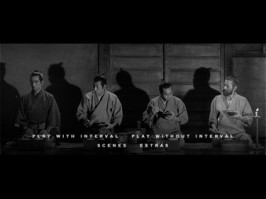
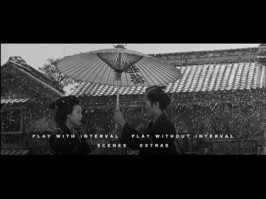
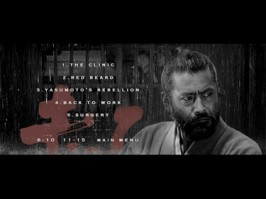
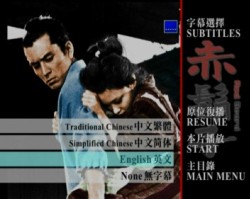
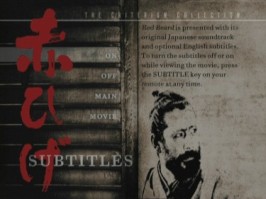
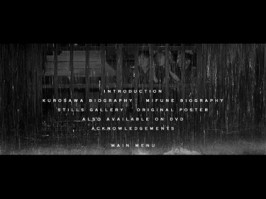
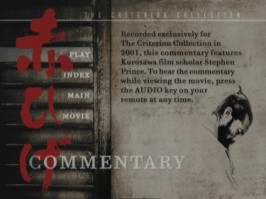
DVD Menus
(BFI - Region 2 - PAL LEFT
vs.
Mei Ah - Region 0 - NTSC - MIDDLE vs.
Criterion - Region 1 - NTSC - RIGHT)
 |
|
|
 |
|
|
 |
 |
 |
 |
|
|

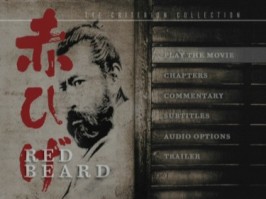
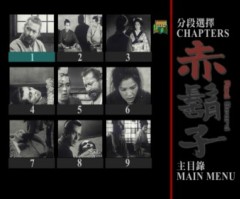
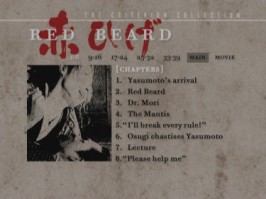
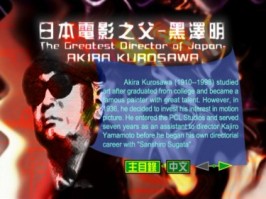
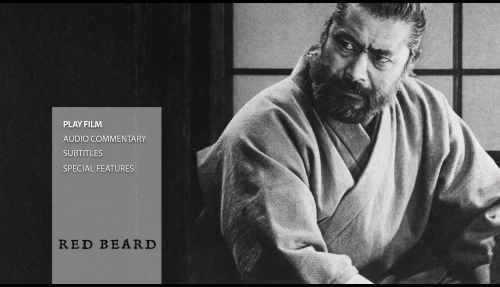
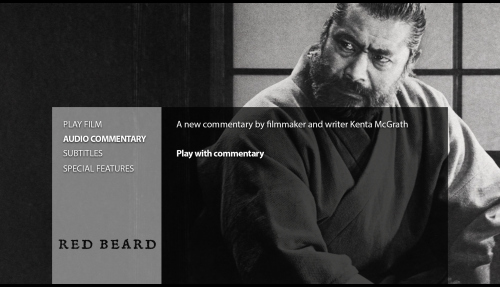
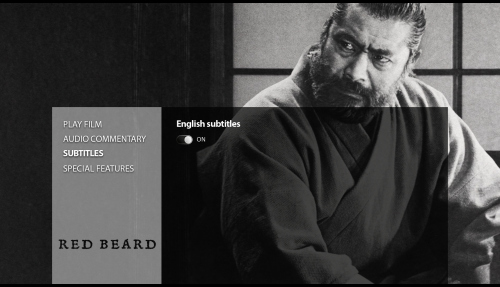
BFI (British Film Institute) Region
'B' - Blu-ray
 |
 |
 |
 |
 |
 |
 |
 |
 |
 |
 |
 |
 |
 |
 |
 |
Subtitle Samples
|
1) Mei Ah - Region 0 - NTSC - TOP 2) Criterion - Region 1 - NTSC - MIDDLE 3) BFI (British Film Institute) Region 'B' - Blu-ray - BOTTOM
|
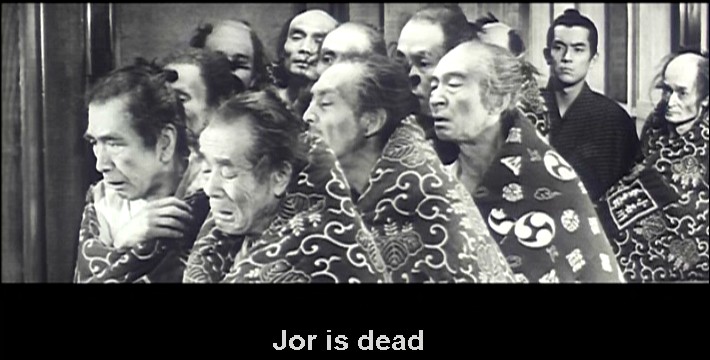 |
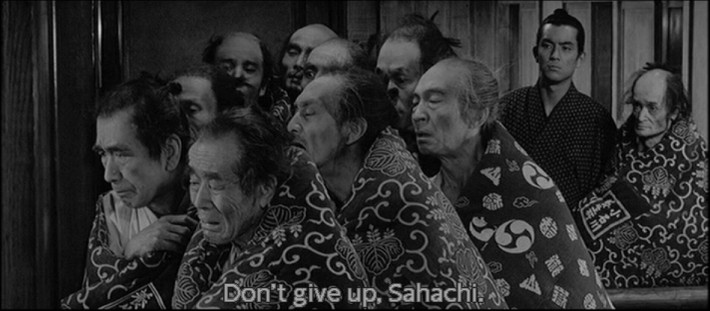 |
 |
|
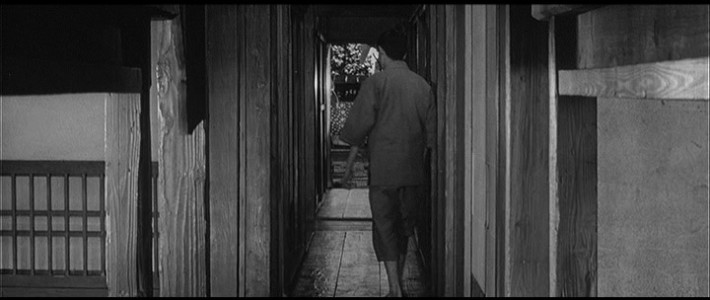
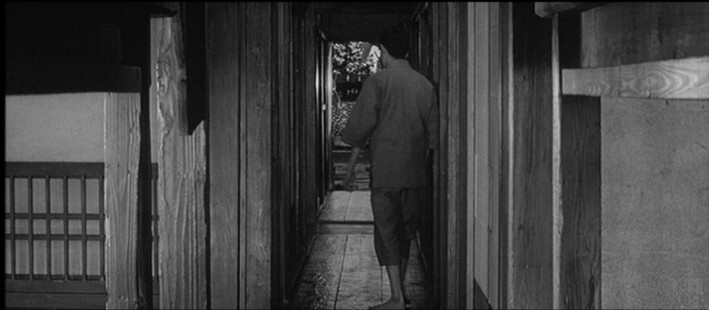
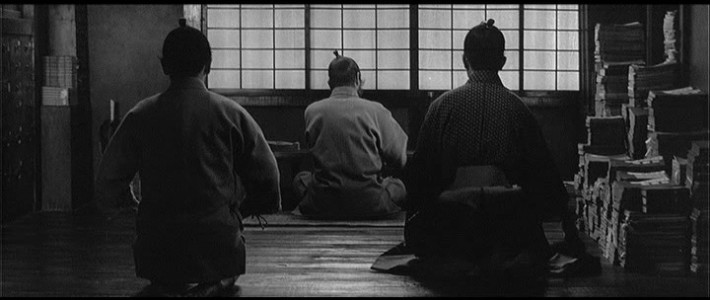
1) BFI - Region 2- PAL TOP 2) Mei Ah - Region 0 - NTSC - SECOND 3) Criterion - Region 1 - NTSC - THIRD 4) BFI (British Film Institute) Region 'B' - Blu-ray - BOTTOM
|
NOTE: Damage on Mei Ah print
 |
|
|
 |
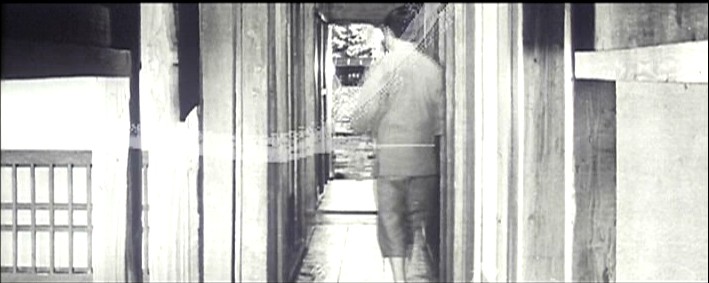
 |
|
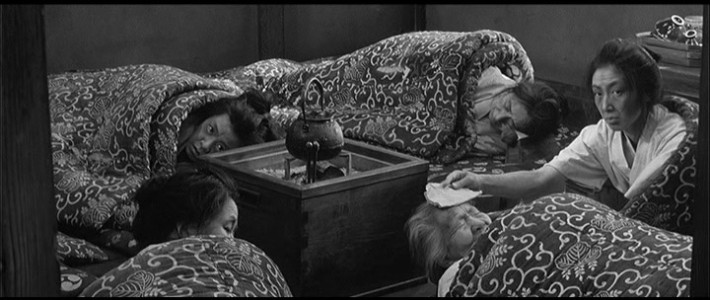
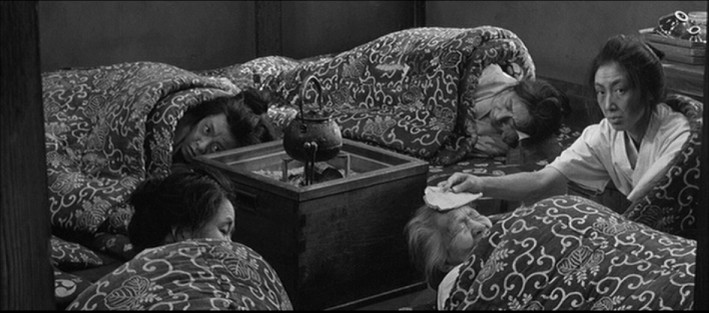
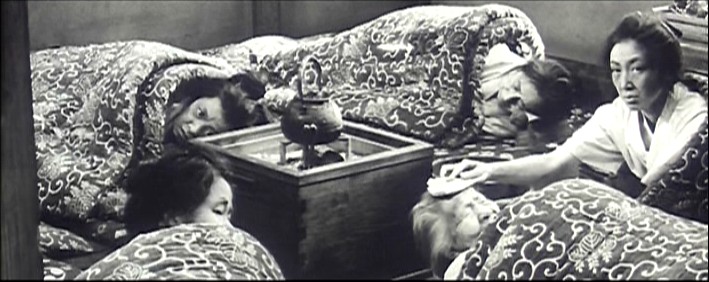
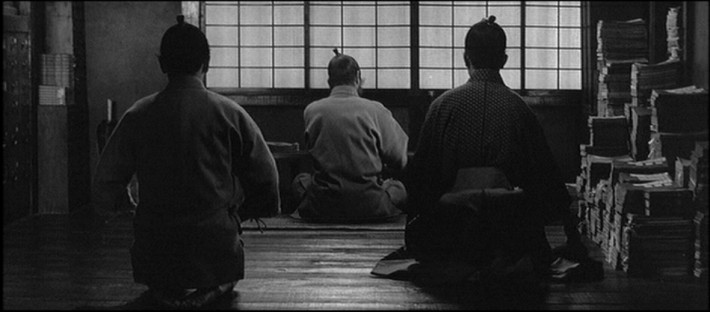
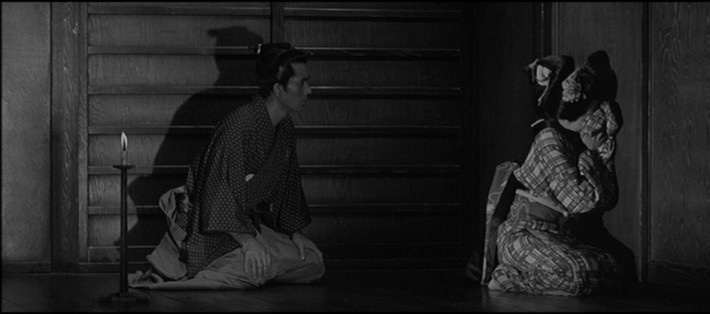
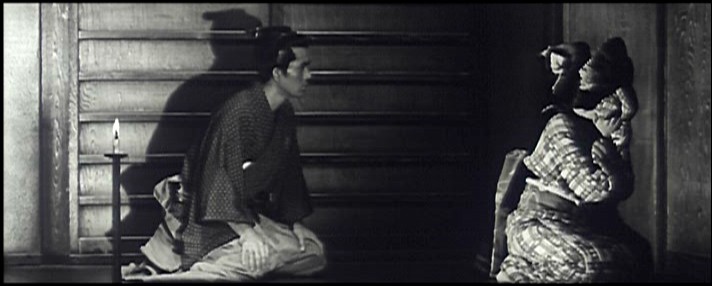
1) BFI - Region 2- PAL TOP 2) Mei Ah - Region 0 - NTSC - SECOND 3) Criterion - Region 1 - NTSC - THIRD 4) BFI (British Film Institute) Region 'B' - Blu-ray - BOTTOM
|
 |
|
|
 |
 |
|
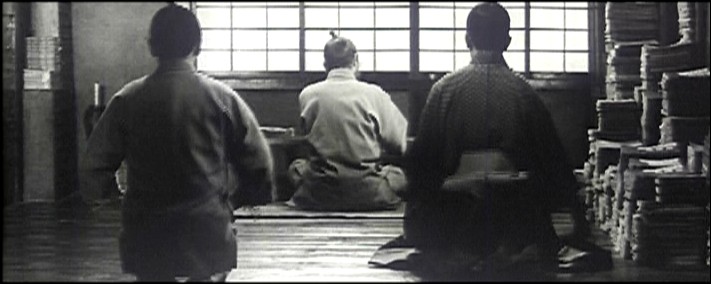
1) BFI - Region 2- PAL TOP 2) Mei Ah - Region 0 - NTSC - SECOND 3) Criterion - Region 1 - NTSC - THIRD 4) BFI (British Film Institute) Region 'B' - Blu-ray - BOTTOM
|
 |
|
|
 |
 |
|
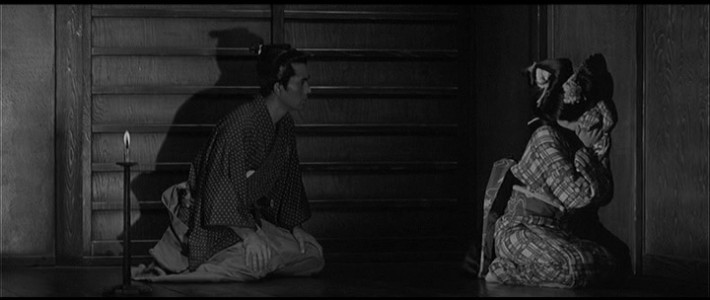
1) BFI - Region 2- PAL TOP 2) Mei Ah - Region 0 - NTSC - SECOND 3) Criterion - Region 1 - NTSC - THIRD 4) BFI (British Film Institute) Region 'B' - Blu-ray - BOTTOM
|
 |
|
|
 |
 |
|
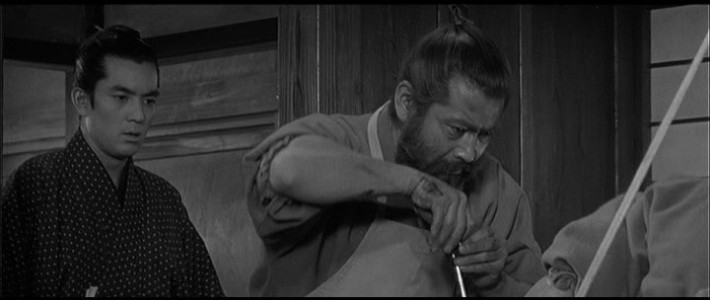
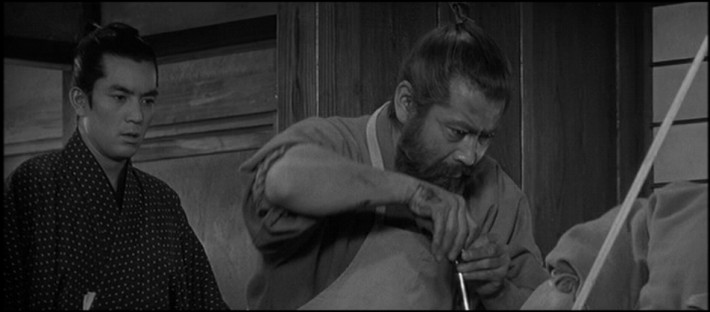
1) BFI - Region 2- PAL TOP 2) Mei Ah - Region 0 - NTSC - SECOND 3) Criterion - Region 1 - NTSC - THIRD 4) BFI (British Film Institute) Region 'B' - Blu-ray - BOTTOM
|
 |
|
|
 |
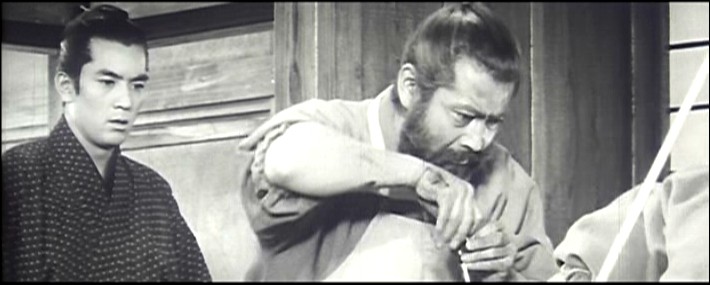
 |
|
1) BFI - Region 2- PAL TOP 2) Mei Ah - Region 0 - NTSC - SECOND 3) Criterion - Region 1 - NTSC - THIRD 4) BFI (British Film Institute) Region 'B' - Blu-ray - BOTTOM
|
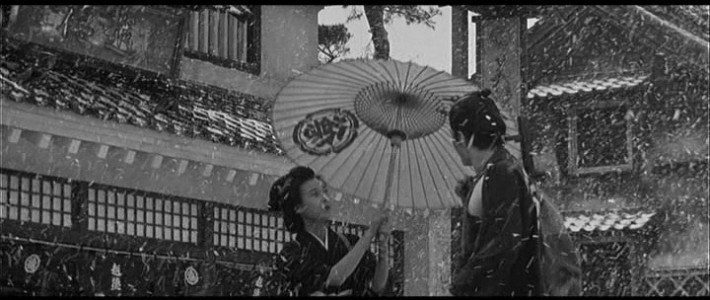 |
|
|
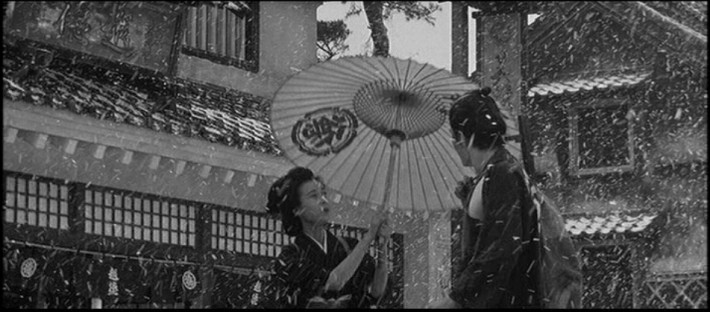 |
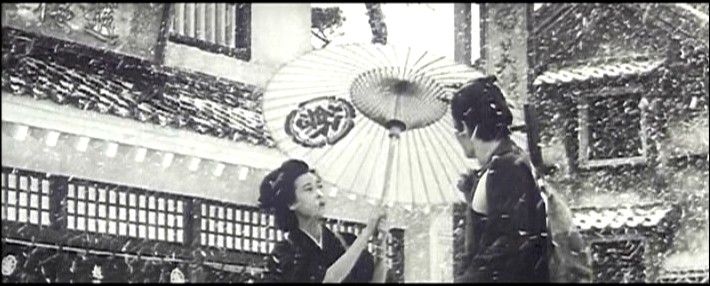
 |
More
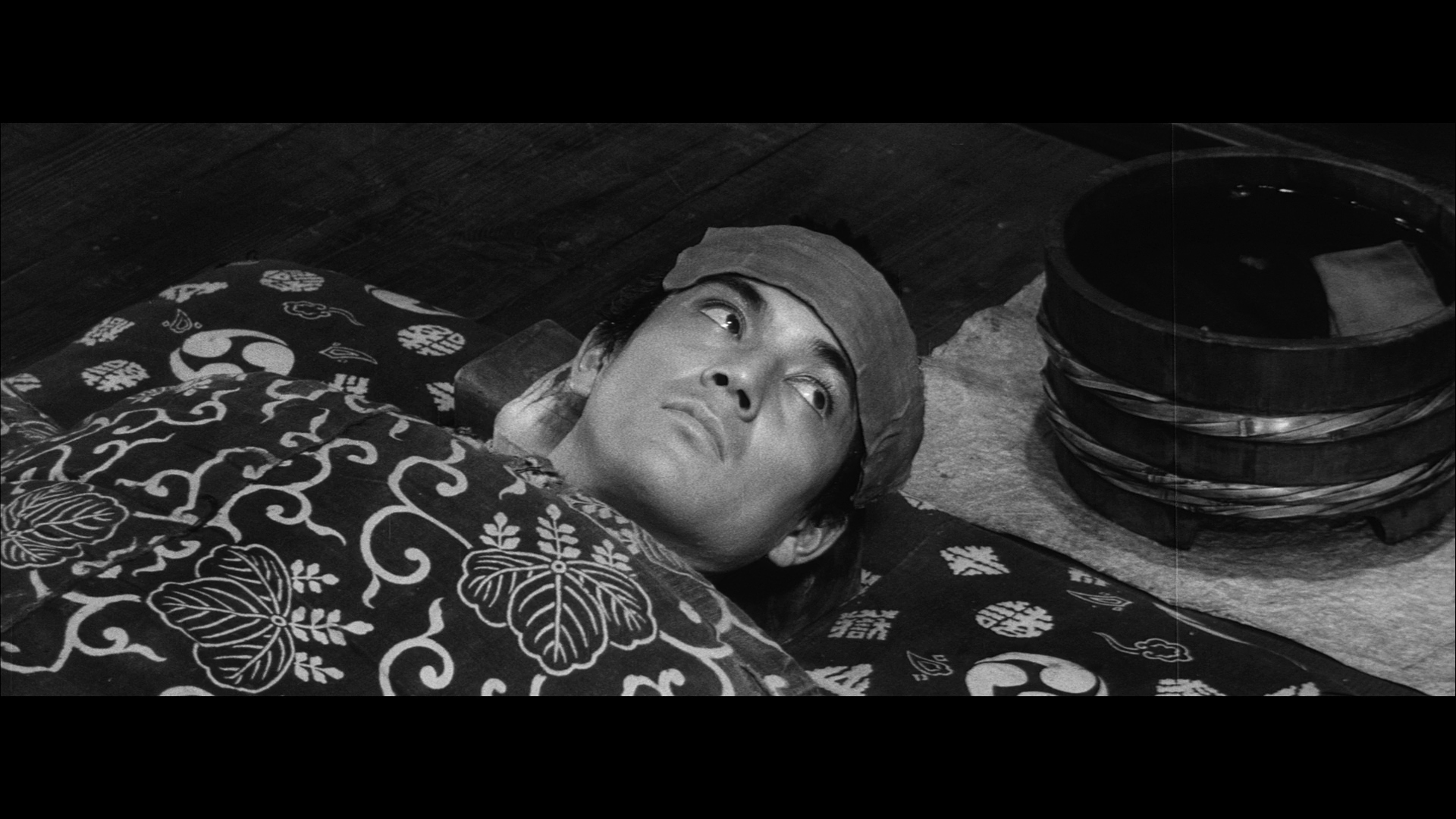
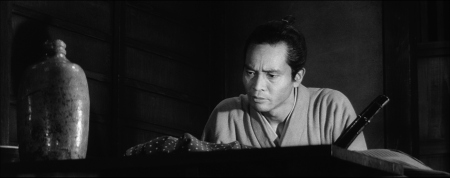
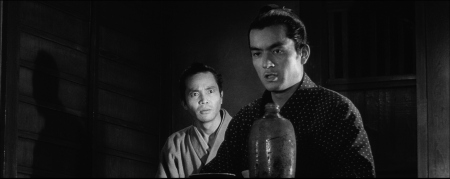
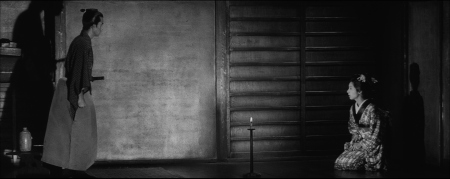
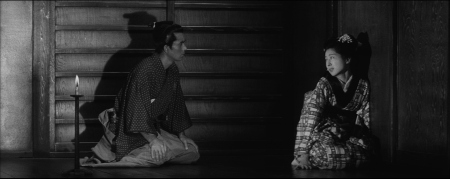
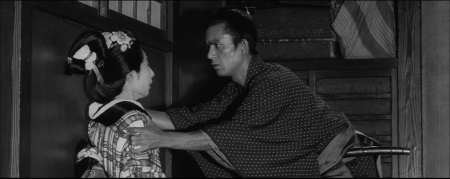
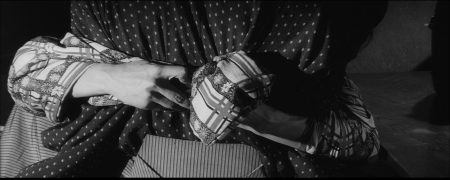
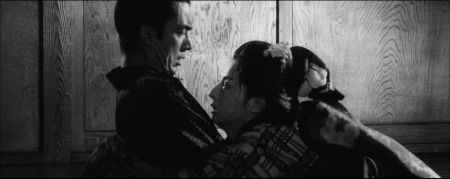
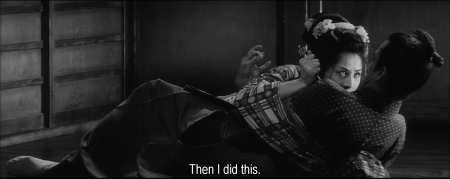
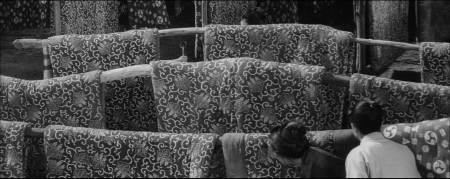
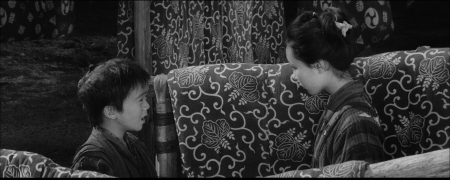
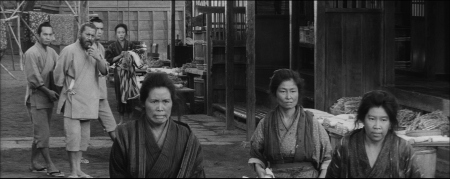
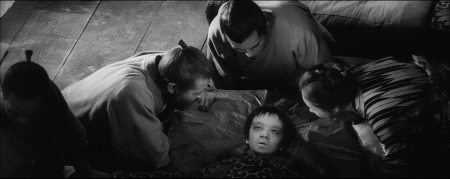
BFI - Region 'B' - Blu-ray Captures
|
|

|
|
|
|
|
|
|
|
|
|
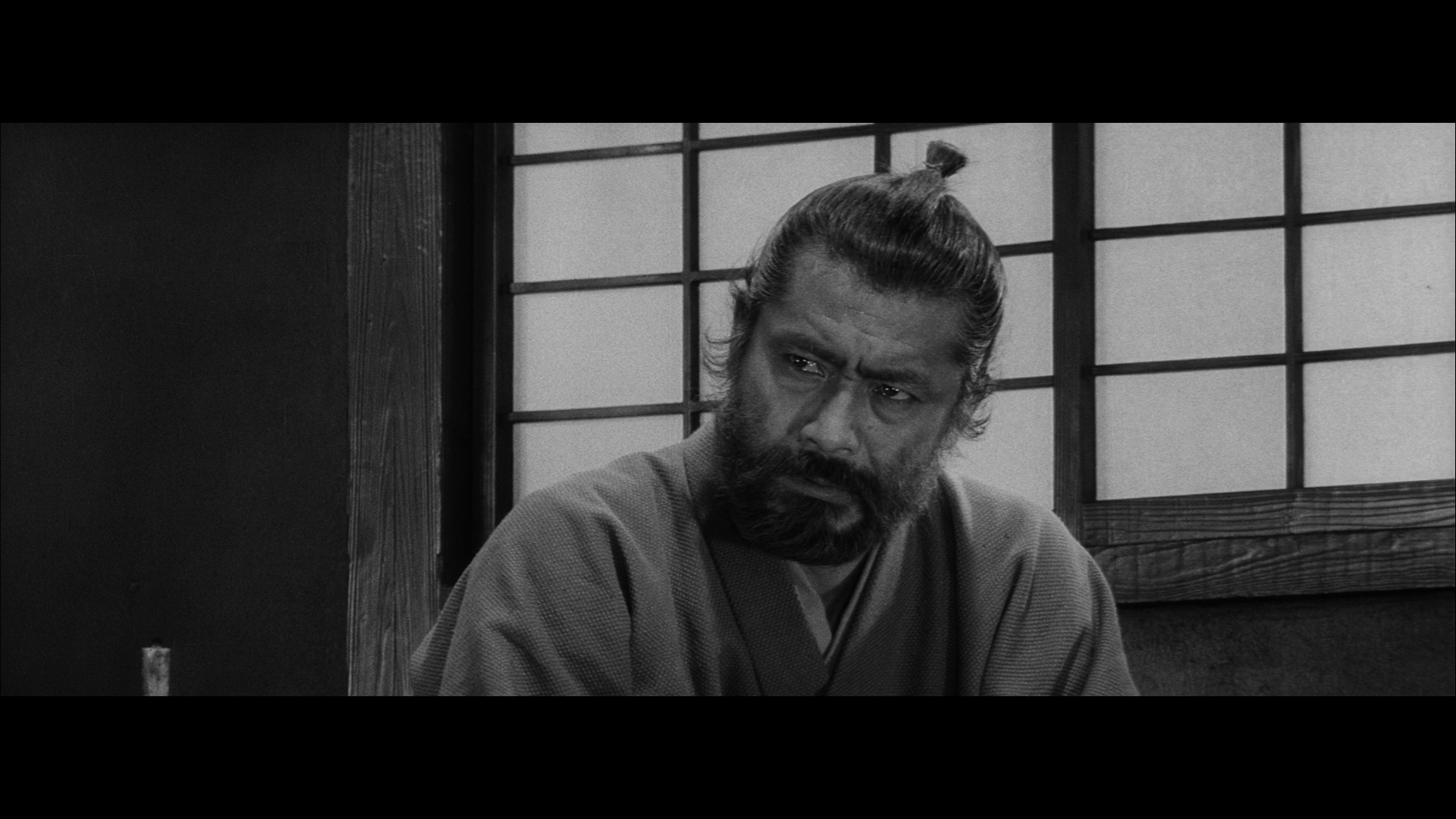
|
|
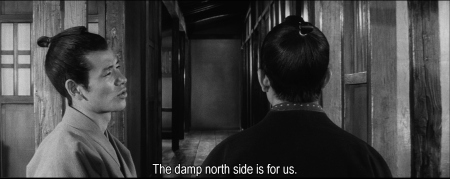
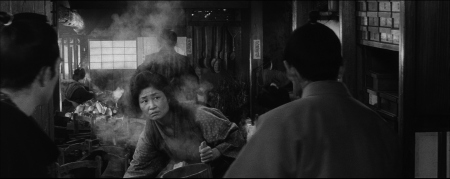
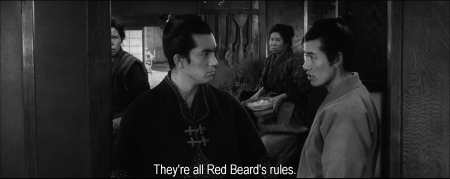
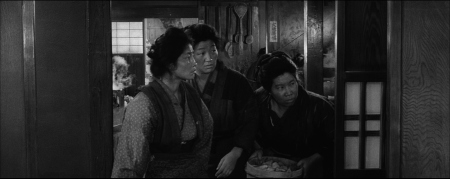
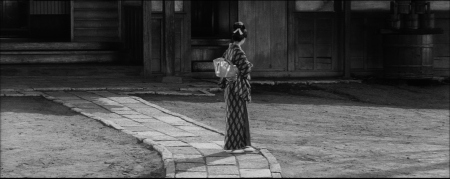
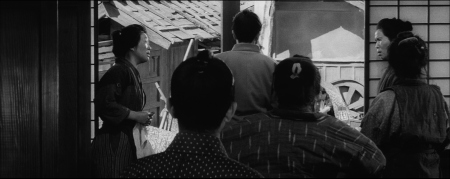
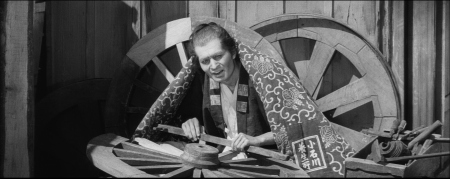
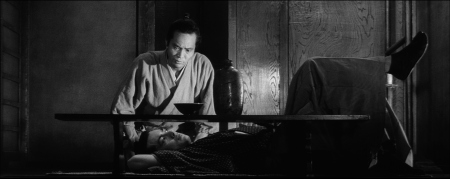
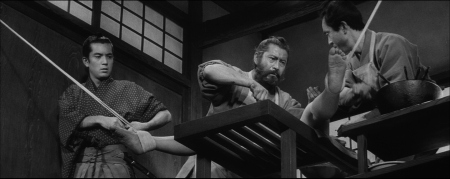
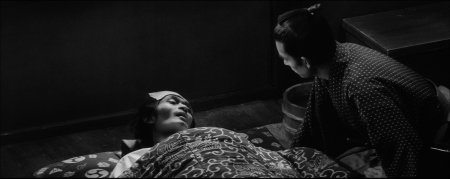
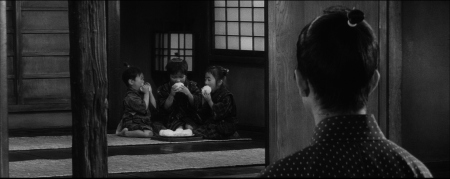
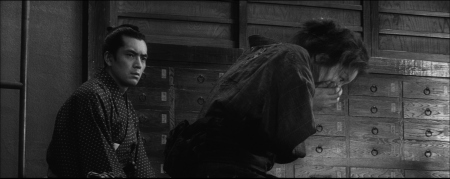
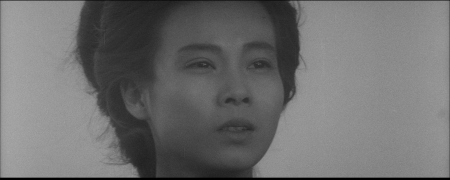
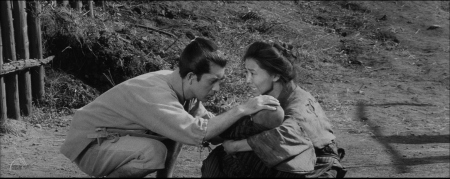
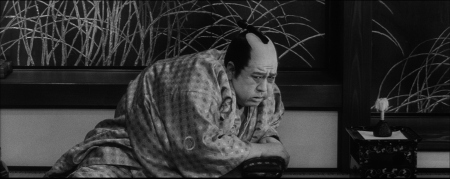
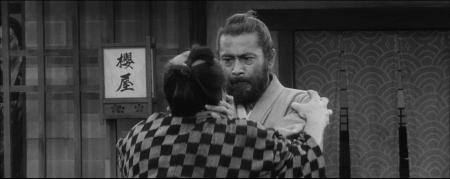
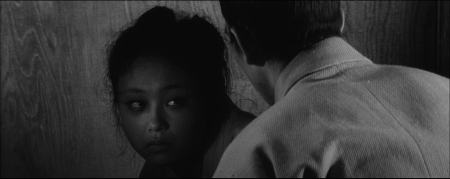
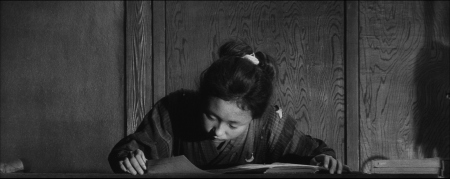
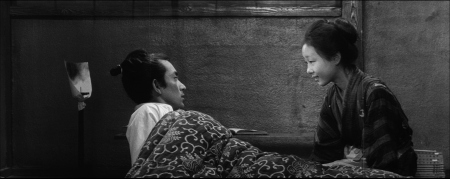
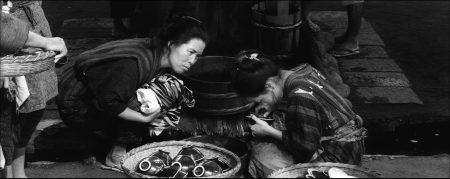
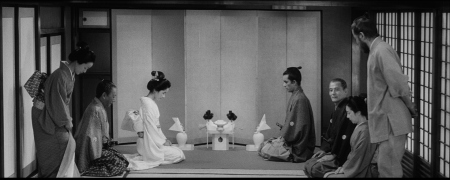
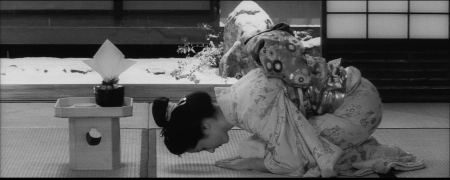
Report Card:
|
Image: |
BFI Blu-ray |
|
Sound: |
BFI Blu-ray |
| Extras: | BFI Blu-ray |
Recommended Reading for Kurosawa Fans (CLICK COVERS or TITLES for more information)
 |
 |
 |
 |
 |
 |
 |
 |
 |
|
The Midnight Eye Guide to New Japanese Film by Tom Mes and Jasper Sharp |
Eros Plus Massacre: An Introduction to the Japanese New Wave Cinema (Midland Book, Mb 469) by David Desser |
Akira Kurosawa and
Intertextual Cinema by James Goodwin |
Kurosawa: Film Studies and
Japanese Cinema (Asia-Pacific.) by Mitsuhiro Yoshimoto |
The Warrior's Camera by Stephen Prince |
The Films of Akira Kurosawa by Donald Ritchie |
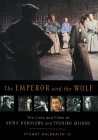
The Emperor and the
Wolf: The Lives and Films of Akira Kurosawa and
Toshiro Mifune by Stuart Galbraith IV |
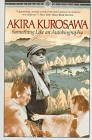
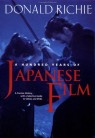
Something Like an Auto-biography by Akira Kurosawa | A Hundred Years of Japanese Film by Donald Richie |
Check out more in "The Library"
| Box Covers |
|
|
|
BONUS CAPTURES:
|
| Distribution |
BFI (British Film Institute) Region 2- PAL |
Mei Ah (Hong Kong) Region 0 - NTSC |
Criterion
Collection Spine #159 Region 1 - NTSC |
BFI (British Film Institute) Region 'B' - Blu-ray |
|
Search DVDBeaver |
S E A R C H D V D B e a v e r |



















CLICK PayPal logo to donate!
|
Gary Tooze
|
|
Thank You!