|
An
enormous, sincere thank you to our phenomenal
Patreon
supporters! Your unshakable dedication is the bedrock that keeps DVDBeaver
going - we’d be lost without you. Did you know? Our patrons include a
director, writer, editor, and producer with honors like Academy Awards for
Best Picture and Best Director, a Pulitzer Prize-winning screenwriter, and a
Golden Globe-winning filmmaker, to name a few! Sadly, DVDBeaver has reached a breaking point where our existence hangs in the balance. We’re now reaching out to YOU with a plea for help. Please consider pitching in just a few dollars a month - think of it as the price of a coffee or some spare change - to keep us bringing you in-depth reviews, current calendar updates, and detailed comparisons. I’m am indebted to your generosity!
|






|
Search DVDBeaver |
S E A R C H D V D B e a v e r |

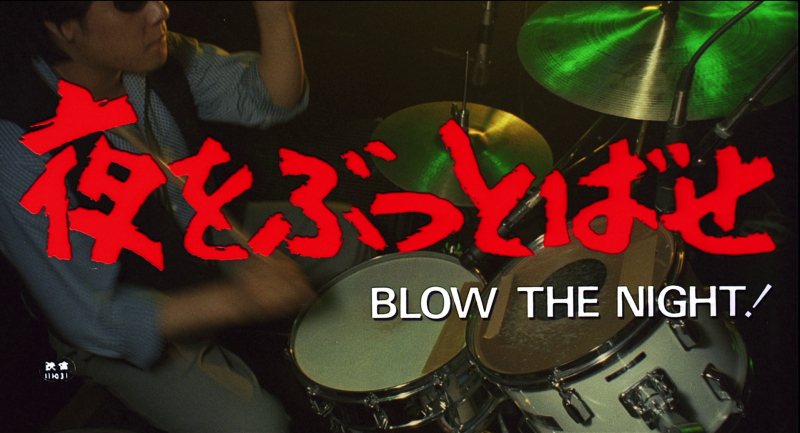
(aka "夜をぶっとばせ" or "Blow the Night!' Yoru o buttobase" or "Blow the Night! Yoru wo buttobase")
Directed by Chūsei Sone
Japan
1983
|
The first film from Chusei Sone’s production company “Filmworkers” is a
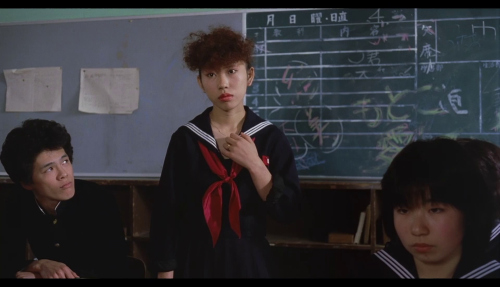
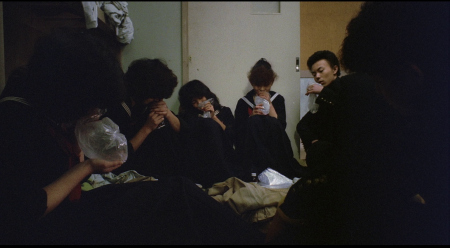
hard-hitting Docu-drama based on the stories of Namie Takada: a 15 year old
thinner-sniffing, girl-gang member. ***
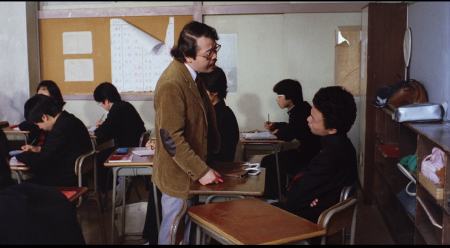
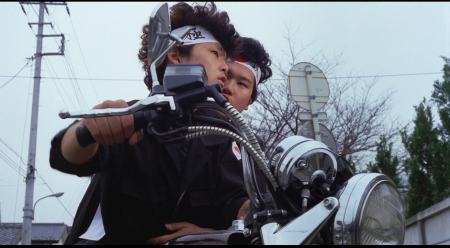
Chūsei Sone’s “Blow the Night!” (夜をぶっとばせ, 1983) is a raw, abrasive
docu-drama that stands as one of the most authentic portraits of Japan’s 1980s
yankii (delinquent biker gang) subculture. |
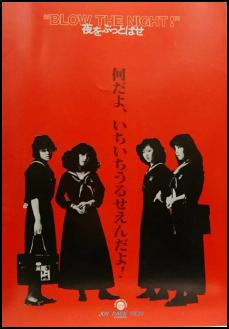
Posters
 |
 |
 |
 |
 |
 |
Theatrical Release: March 19th, 1983

Review: Third Window Films - Region 'B' - Blu-ray
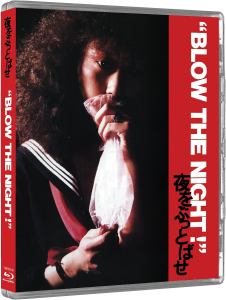
| Box Cover |
|
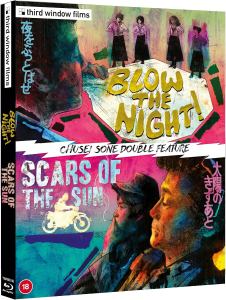
CLICK to order from: Only available presently on Blu-ray from Third Window with Chusei Sone’s 1981 film Scars of the Sun
BONUS CAPTURES:
|
| Distribution | Third Window Films - Region 'B' - Blu-ray | |
| Runtime | 1:49:12.078 | |
| Video |
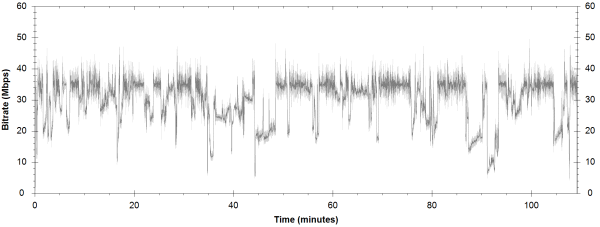
1.85 :1 1080i Dual-layered Blu-rayDisc Size: 33,634,728,925 bytesFeature: 27,658,509,888 bytesVideo Bitrate: 29.93 MbpsCodec: MPEG-4 AVC Video |
|
|
NOTE: The Vertical axis represents the bits transferred per second. The Horizontal is the time in minutes. |
||
| Bitrate Blu-ray: |
|
|
| Audio |
DTS-HD Master Audio Japanese 1832 kbps 2.0 / 48 kHz / 1832 kbps / 24-bit
(DTS Core: 2.0 / 48 kHz / 1509 kbps / 24-bit) Dolby Digital Audio English 192 kbps 2.0 / 48 kHz / 192 kbps / DN -31dB |
|
| Subtitles | English, None | |
| Features |
Release Information: Studio: Third Window Films
1.85 :1 1080i Dual-layered Blu-rayDisc Size: 33,634,728,925 bytesFeature: 27,658,509,888 bytesVideo Bitrate: 29.93 MbpsCodec: MPEG-4 AVC Video
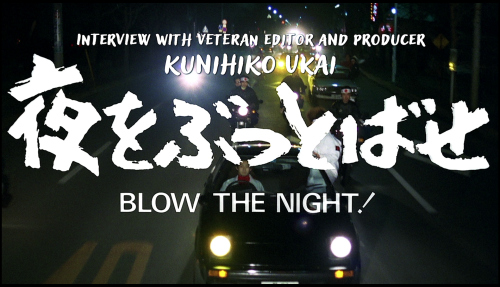
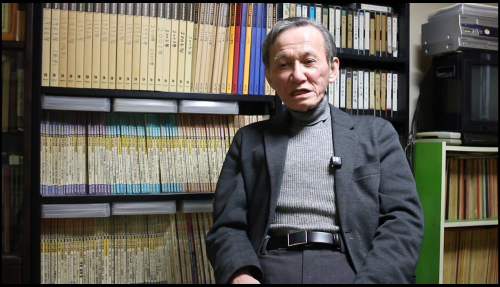
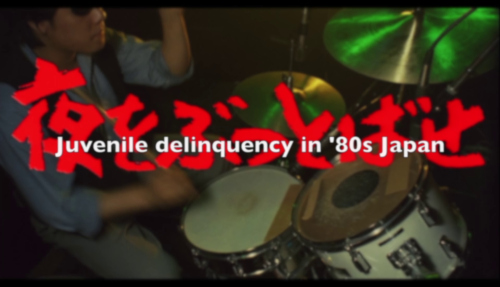
Edition Details: ・ Tom Mes feature audio commentary ・ Producer Kunihiko Ukai interview (21:11) ・ “Juvenile Deliquency in ‘80s Japan” - James Balmont Video Essay (19:53) ・ Original Trailer (2:21) 12 page booklet with writing from Miriam Balanescu 0-Ring with illustrated artwork from Ryan Quackenbush
Transparent Blu-ray Case Chapters 11 |
|



| Comments: |
NOTE:
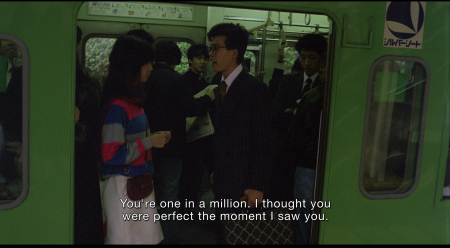
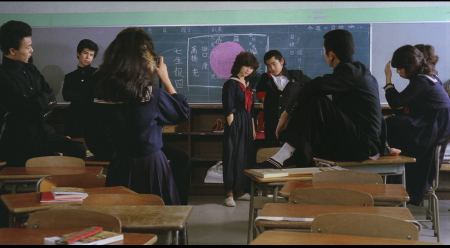
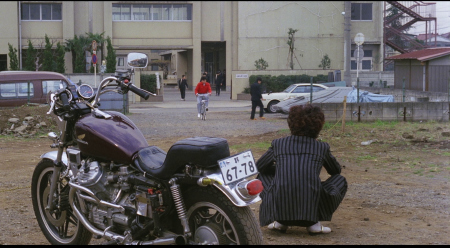
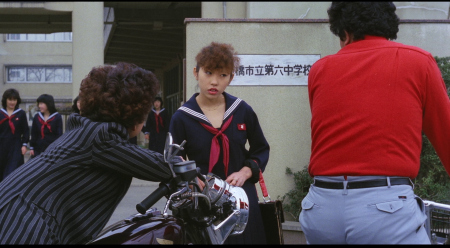
The below
Blu-ray
captures were taken directly from the
Blu-ray
disc.
NOTE: We have added 58 more large
resolution
Blu-ray
captures (in lossless PNG format) for DVDBeaver Patrons
HERE
On their
Blu-ray,
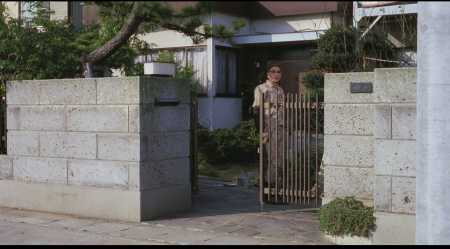
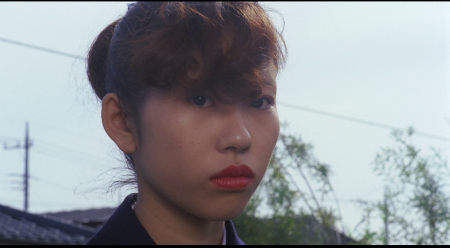
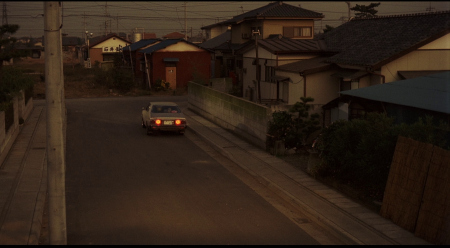
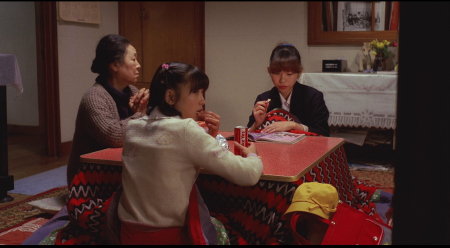
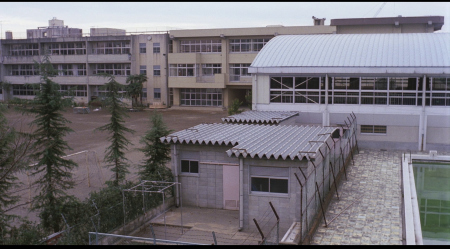
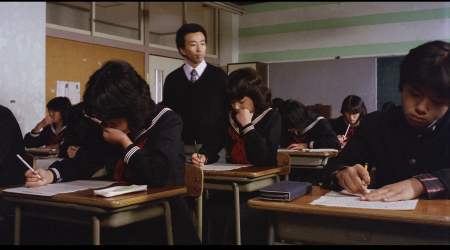
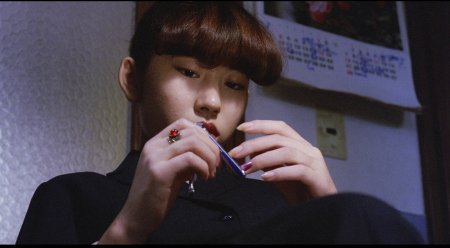
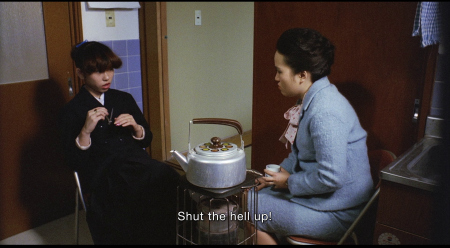
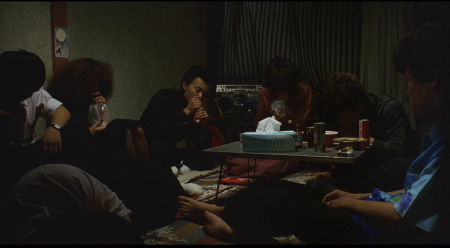
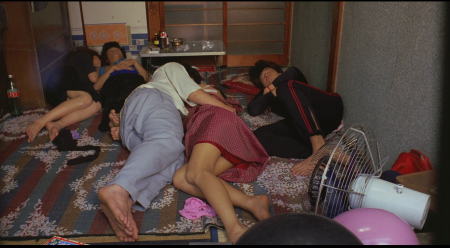
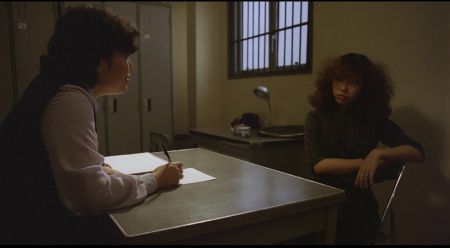
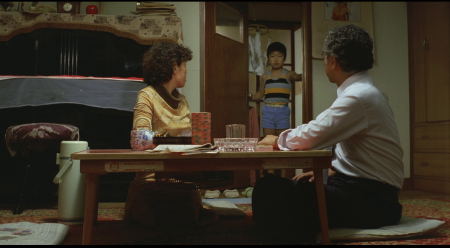
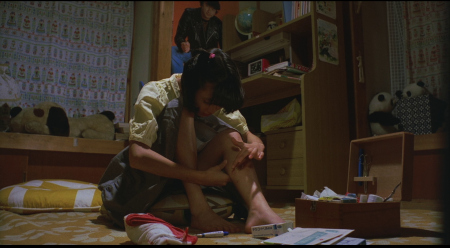
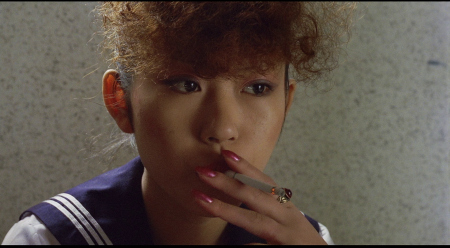
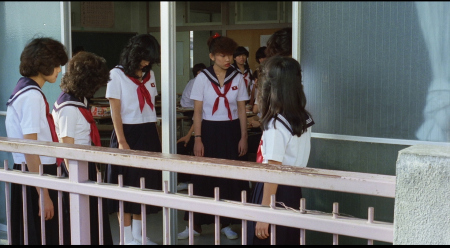
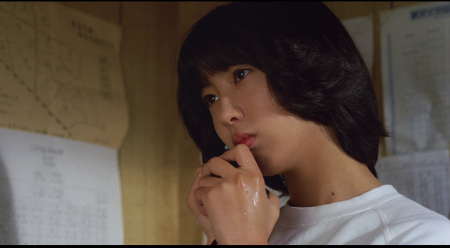
Third Window Films audio is in the original Japanese stereo track presented
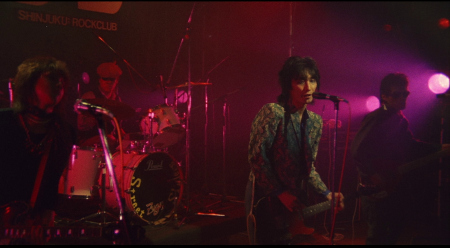
in uncompressed DTS-HD Master 2.0. The soundtrack prominently features the
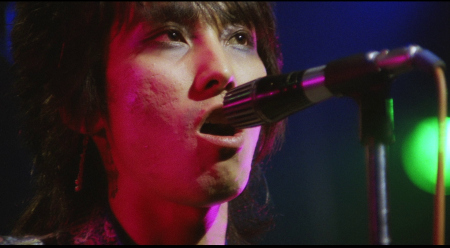
rock band The Street Sliders (including a live performance of their song “Masturbation”),
tying the film to the era’s youth music culture while sometimes shifting
focus toward musical showcase. Sound design integrates diegetic elements
(sniffing sessions, fights, ambient urban noise) with the prominent rock
score. The overall aesthetic is messy, noisy, unpleasant, and restless -
qualities that amplify its power as a snapshot while making it challenging
viewing. Dialogue comes through intelligibly despite the raw production
styles - especially important for Blow the Night!’s mix of slang,
improvised-feeling exchanges, and the distinctive “brikko” (cutesy) speech
patterns. Third Window Films offer optional English subtitles on their
Region 'B'
Blu-ray.
The
Third Window Films
Blu-ray
disc features relevant supplements that are
thoughtful and well-matched to the films, providing essential context
for viewers unfamiliar with Sone’s career or the socio-cultural
backdrop. On the Blow the Night!
Blu-ray
disc, Tom Mes (Japanese
Film and the Challenge of Video - Media, Culture and Social Change
in Asia,) delivers a feature-length audio commentary; as one of
the foremost Western experts on Japanese cinema and a frequent
high-quality contributor to special editions, he covers Sone’s
transition from Roman Porno, the production background, the real-life
inspirations behind Namie Takada’s performance, stylistic choices, and
the film’s place in 1980s delinquent cinema. Producer Kunihiko Ukai
appears in a 20-minute interview that offers direct behind-the-scenes
insight into the making of the film and Sone’s production company.
James Balmont
contributes a 20-minute video essay titled “Juvenile Delinquency in
‘80s Japan” that provides valuable historical and cultural framing
of the yankii / sukeban / tsuppari subcultures and broader societal
shifts. The disc also includes the original trailer. The limited edition
Blu-ray uses
attractive, collectible packaging: a full-height Scanavo case inside a
0-ring slipcover with original illustrated artwork by
Ryan
Quackenbush. Reversible sleeves feature artwork for both films.
A 12-page booklet includes writing from
Miriam
Balanescu, likely offering essays, production notes, or analysis
that complement the on-disc extras.
Chūsei Sone's Blow the Night!, is a raw, abrasive, and
structurally innovative docu-drama that stands as one of the most
authentic cinematic documents of early-1980s Japanese delinquent youth
culture (yankii / tsuppari / sukeban). Directed by Sone - a veteran of
Nikkatsu Roman Porno/pink films (provocative titles like
Delinquent Girl: Alleycat in Heat and Overly-Ripe Breasts:
Married Women) including the
Angel Guts series - it marks his first feature under his own
production company, Film Workers. The film blends semi-documentary
realism with dramatic intensity, drawing directly from real-life
experiences to portray adolescent rebellion as both performative
spectacle and profound despair amid institutional and familial
breakdown. The project was inspired by Namie Takada, a real-life
delinquent girl with a history of smoking, thinner sniffing, reckless
riding, fighting, and sexual misconduct. Many supporting performers were
actual yankii gang members, enhancing the fly-on-the-wall quality. The
narrative is loose, episodic, and often slow-paced - deliberately
building tension through repetition and boredom before sudden eruptions.
It avoids conventional plotting in favor of observational slices of
life, with improvisation contributing to its naturalistic feel. At its
core, Blow the Night! frames delinquency not as mere moral
failing or glamorous rebellion but as a symptom of collapsed
communication and institutional failure. Parents appear lost or absent;
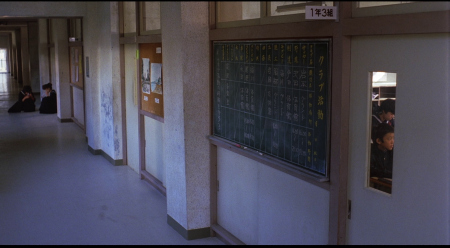
teachers are overwhelmed, outdated, or reactive with violence. Education
- once a pathway out of poverty in post-war Japan - frays amid economic
shifts, leading to violence, bullying, and disaffection, especially in
lower-tier schools. Culturally, it offers a vivid, unsentimental record
of early-1980s yankii subculture - the “yankee-fansy” duality of
aggressive delinquency mixed with cutesy aesthetics and speech patterns,
the generational gap, and the vacuum of freedom in the lead-up to the
bubble economy. An unexpected hit upon release, Blow the Night!
has gained cult and rediscovery status as a time capsule of Shōwa-era
youth culture. It represents a pivot or highlight in Sone’s career
before his later disappearance from public view. Recent restorations and
international interest (including planned releases) underscore its value
as both cinema and social document. It is a flawed yet compelling work
of “messy genius” - structurally daring, stylistically uncompromising,
and thematically resonant. It captures the exhilaration and emptiness of
adolescent rebellion in a specific historical moment without easy
answers, rewarding viewers who appreciate raw, observational cinema that
prioritizes authenticity over conventional satisfaction. It remains a
potent, uncomfortable reminder of youth alienation and the limits of
adult authority. Third Window Films has delivered a high-quality,
context-rich
Blu-ray
release that does justice to these rare and thematically linked Chūsei
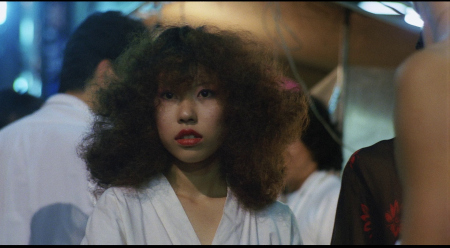
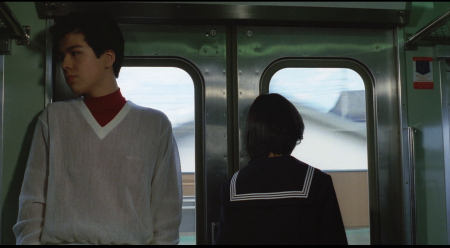
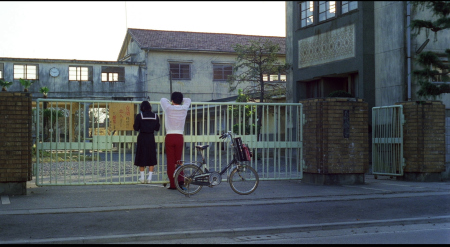
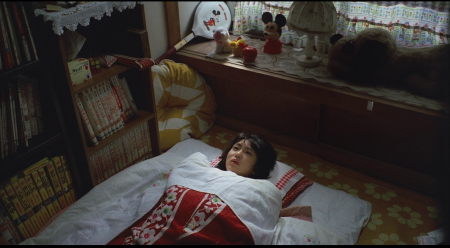
Sone films. The new HD transfers bring welcome clarity and impact to the
visuals and sound, while the extras - particularly Tom Mes’s commentary
and the contextual video essay - make the set educational as well as
entertaining. The packaging is a nice bonus for collectors. At its core,
this is an essential purchase for anyone interested in Japanese cult
cinema, youth rebellion films, or Sone’s broader filmography beyond his
more famous pinku work. Blow the Night! especially benefits from the
restoration and supplements, transforming what was previously a
hard-to-see curio into a compelling, accessible document of its era.
|

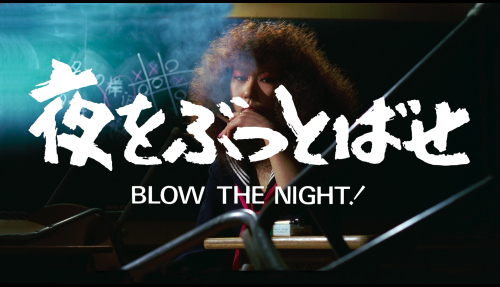
Menus / Extras
 |
 |
 |
 |
 |
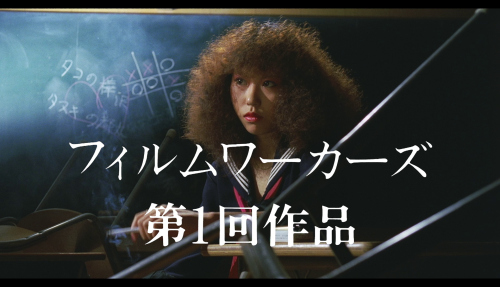 |

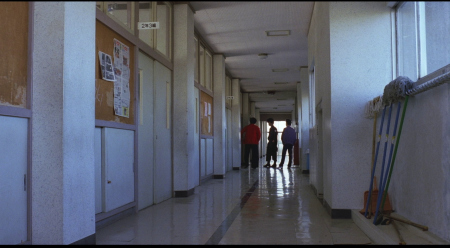
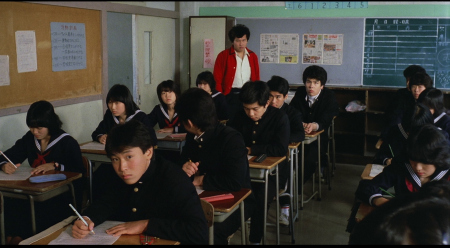
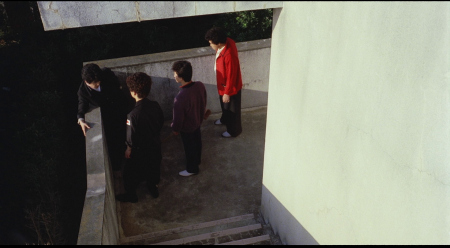
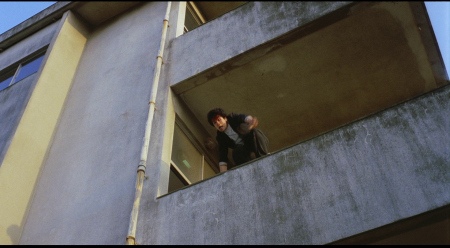
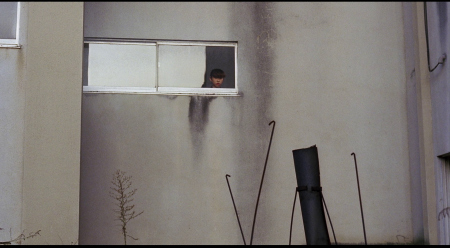
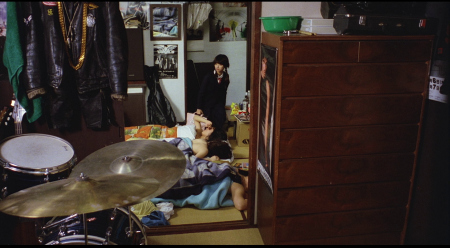
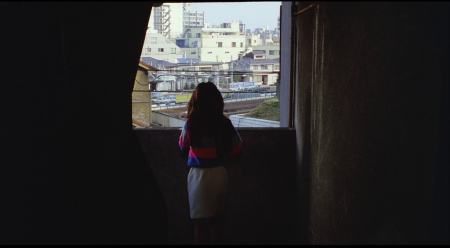
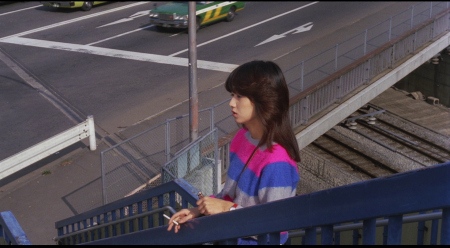
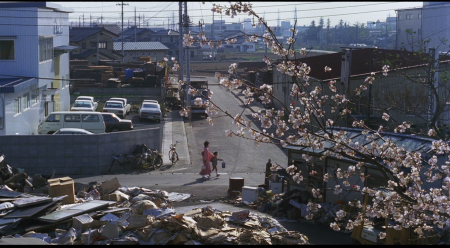
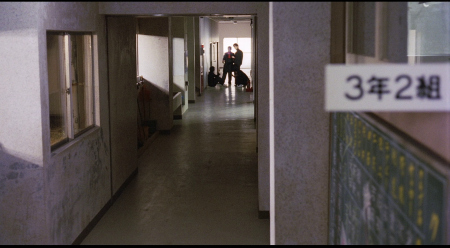
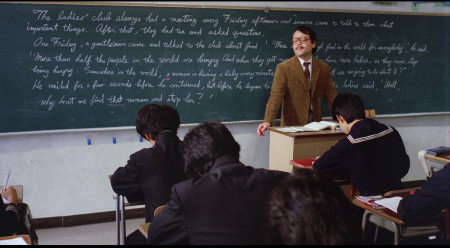
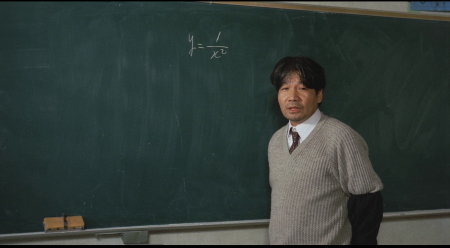
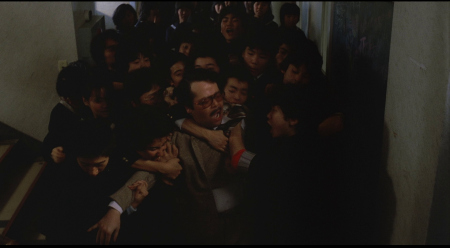
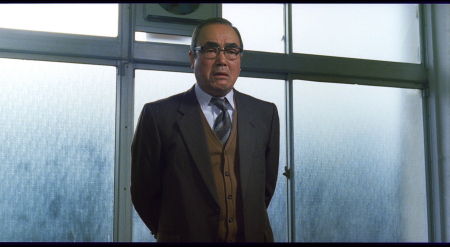
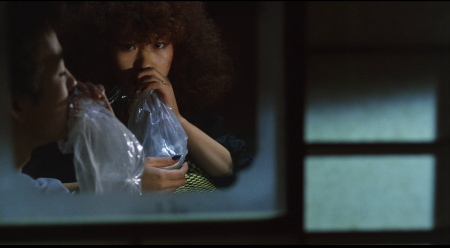
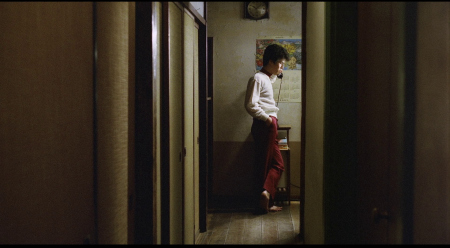
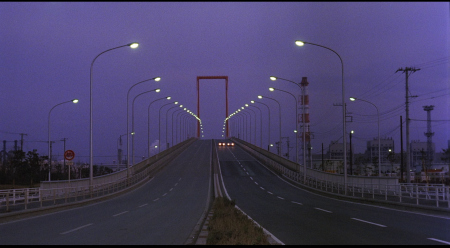
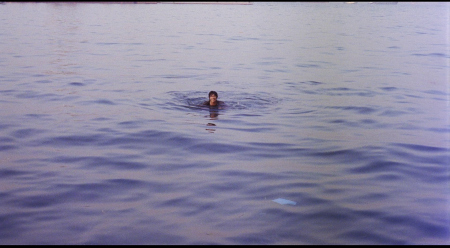
CLICK EACH BLU-RAY CAPTURE TO SEE ALL IMAGES IN FULL 1920X1080 RESOLUTION
 |
 |
 |
 |
 |
 |
 |
Visible Cue Blips (upper right) Samples
(CLICK to ENLARGE)
 |
 |
More full resolution (1920 X 1080) Blu-ray Captures for DVDBeaver Patreon Supporters HERE
 |
 |
 |
 |
 |
 |
 |
 |
 |
 |
 |
 |
 |
 |
 |
 |
 |
 |
 |
 |
 |
 |
 |
 |
 |
 |
 |
 |
 |
 |
 |
 |
 |
 |
 |
 |
 |
 |
 |
 |
 |
 |
 |
 |
 |
 |
 |
 |
 |
 |
 |
 |
 |
 |
 |
 |
 |
 |
| Box Cover |
|
CLICK to order from: Only available presently on Blu-ray from Third Window with Chusei Sone’s 1981 film Scars of the Sun
BONUS CAPTURES:
|
| Distribution | Third Window Films - Region 'B' - Blu-ray | |
|
Search DVDBeaver |
S E A R C H D V D B e a v e r |


















CLICK PayPal logo to donate!
|
Gary Tooze
|
|
Thank You!
