




|
Search DVDBeaver |
S E A R C H D V D B e a v e r |

|

|
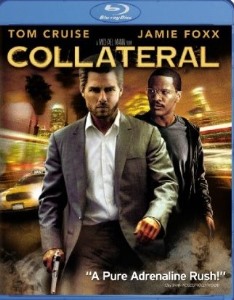
Collateral [Blu-ray] vs. DVD
(Michael Mann, 2004)
Review by Gary Tooze and Joseph Schmickrath
Production: Theatrical: Paramount / Dreamworks Video: Dreamworks Video
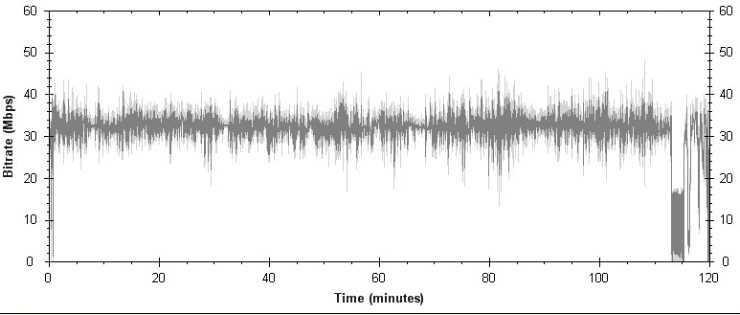
Disc: Region: FREE! (as verified by the Momitsu region FREE Blu-ray player) Runtime: 1:59:56.189 Disc Size: 42,839,304,136 bytes Feature Size: 36,434,202,624 bytes Video Bitrate: 31.79 Mbps - DVD Average Bitrate: 8.16 mb/sChapters: 20 Case: Standard Blu-ray case Release date: March 30th, 2010 DVD Release Date: December 14th, 2004
Video: Aspect ratio: 2.35:1 Resolution: 1080p / 23.976 fps Video codec: MPEG-4 AVC Video
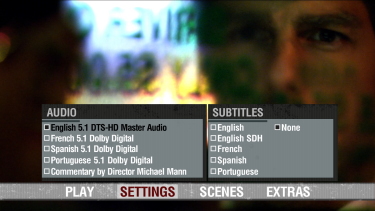
Audio: DTS-HD Master Audio English 4263 kbps 5.1 / 48 kHz / 4263 kbps / 24-bit (DTS Core: 5.1 / 48 kHz / 1509 kbps / 24-bit) Dolby Digital Audio French 640 kbps 5.1 / 48 kHz / 640 kbps / DN -4dB Dolby Digital Audio Portuguese 640 kbps 5.1 / 48 kHz / 640 kbps / DN -4dB Dolby Digital Audio Spanish 640 kbps 5.1 / 48 kHz / 640 kbps / DN -4dB Dolby Digital Audio English 224 kbps 2.0 / 48 kHz / 224 kbps / DN -4dB / Dolby Surround DVD has 5.1 DTS and Dolby Digital 5.1
Subtitles: English (SDH), English, French, Portuguese, Spanish, none DVD has English, French, Spanish, none
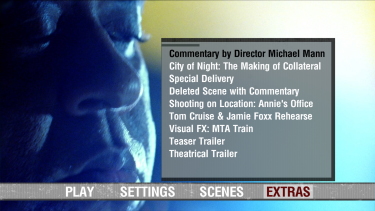
Extras (duplicated on both): • Director Michael Mann Commentary• City of Night: The Making of Collateral • Special Delivery • Shooting on Location: Annie’s Office • Cruise & Foxx split screen rehearsals
Bitrate:
Description: Tom Cruise as an assassin in a silver-gray suit shows up in Los Angeles at dusk and expects to leave at dawn. His job: to eliminate five witnesses in an impending federal prosecution of a drug cartel. He bullies a sweet-tempered taxi-driver, one Max Durocher (Jamie Foxx), into providing transportation all through the night, and "Collateral" turns into a kind of convoluted buddy movie, in which the two men engage in a weird, terse dialogue about murder. The plot of "Collateral," which was directed by Michael Mann, is just a movie-ish contrivance, and the violence is no more than thuggishly casual and chic-that is, very enjoyable. But shot by shot, scene by scene, Mann may be the best director in Hollywood. Methodical and precise, he analyzes a scene into minute components-a door closing, an arm thrust out-and gathers the fragments into seamless units; he wants you to live inside the physical event, not just experience the sensation of it. "Collateral" comes off like clockwork, but it's a clock that breathes-great actors like Mark Ruffalo, Javier Bardem, and Barry Shabaka Henley have sustained, intricate moments in the pauses between the violent acts. With Jada Pinkett Smith. Written by Stuart Beattie. Shot largely with digital cameras by Dion Beebe and Paul Cameron. -David Denby at The New Yorker
The Film:
Image :
NOTE:
The below
Blu-ray
captures were taken directly from the
Blu-ray
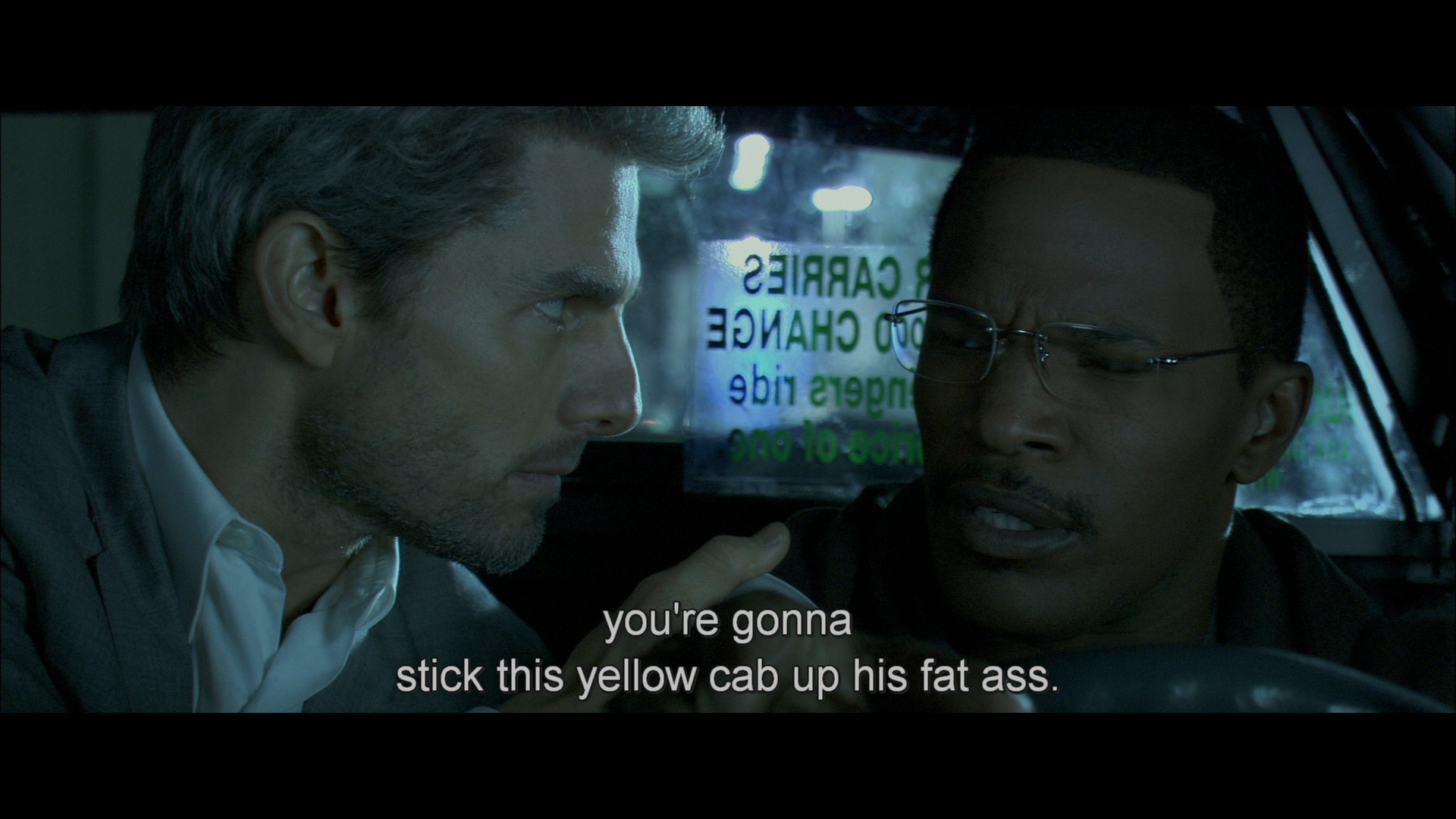
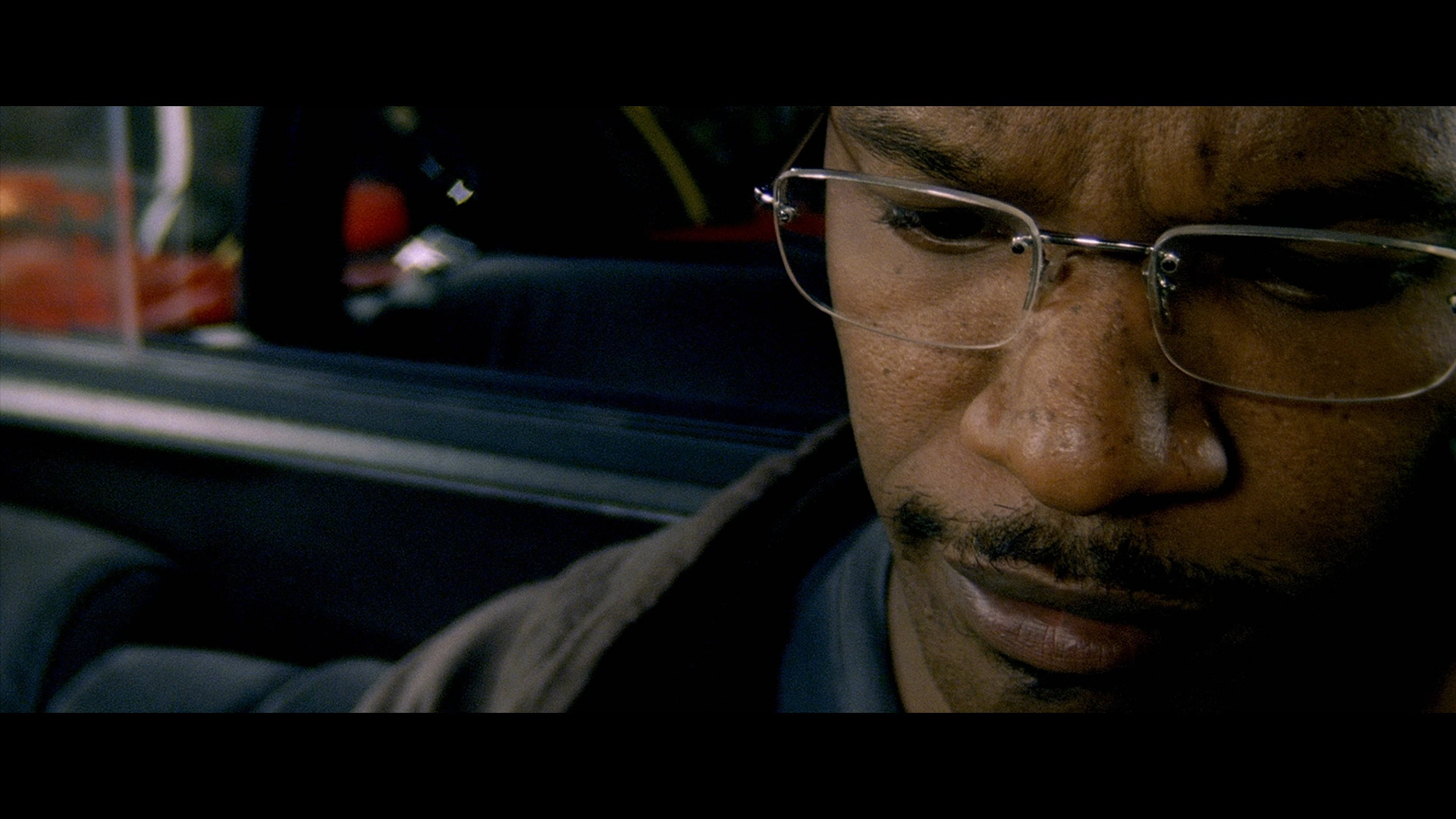
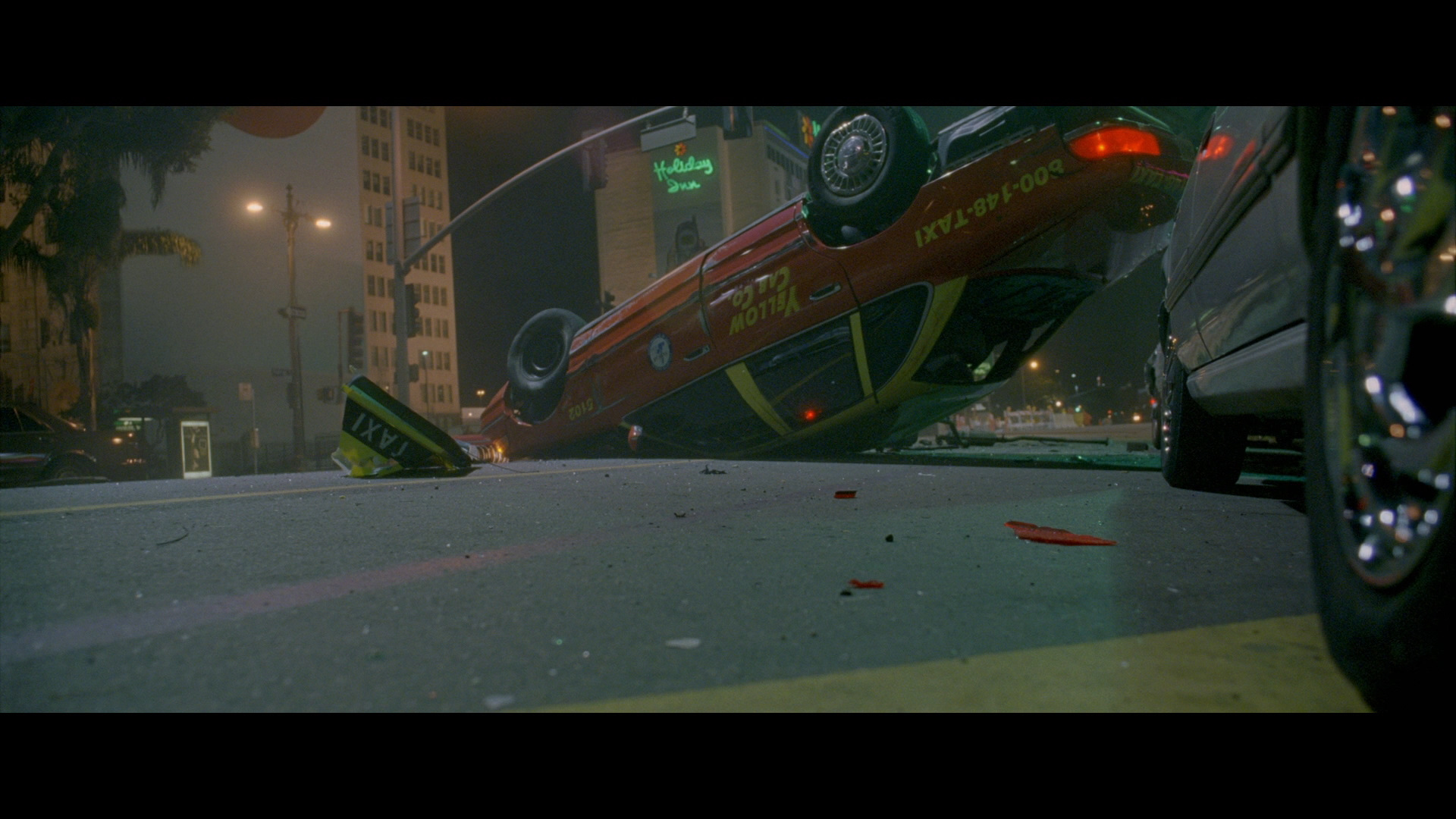
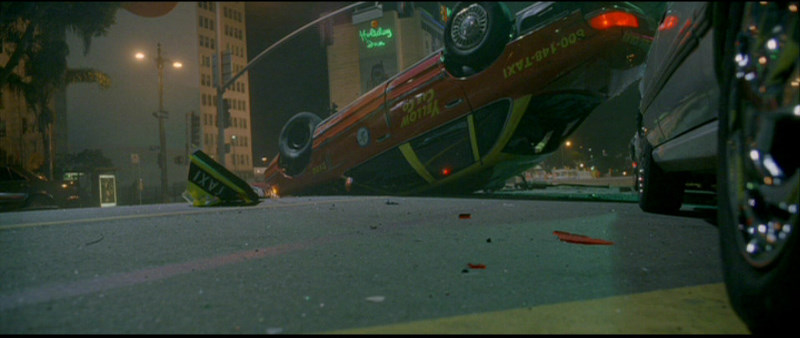
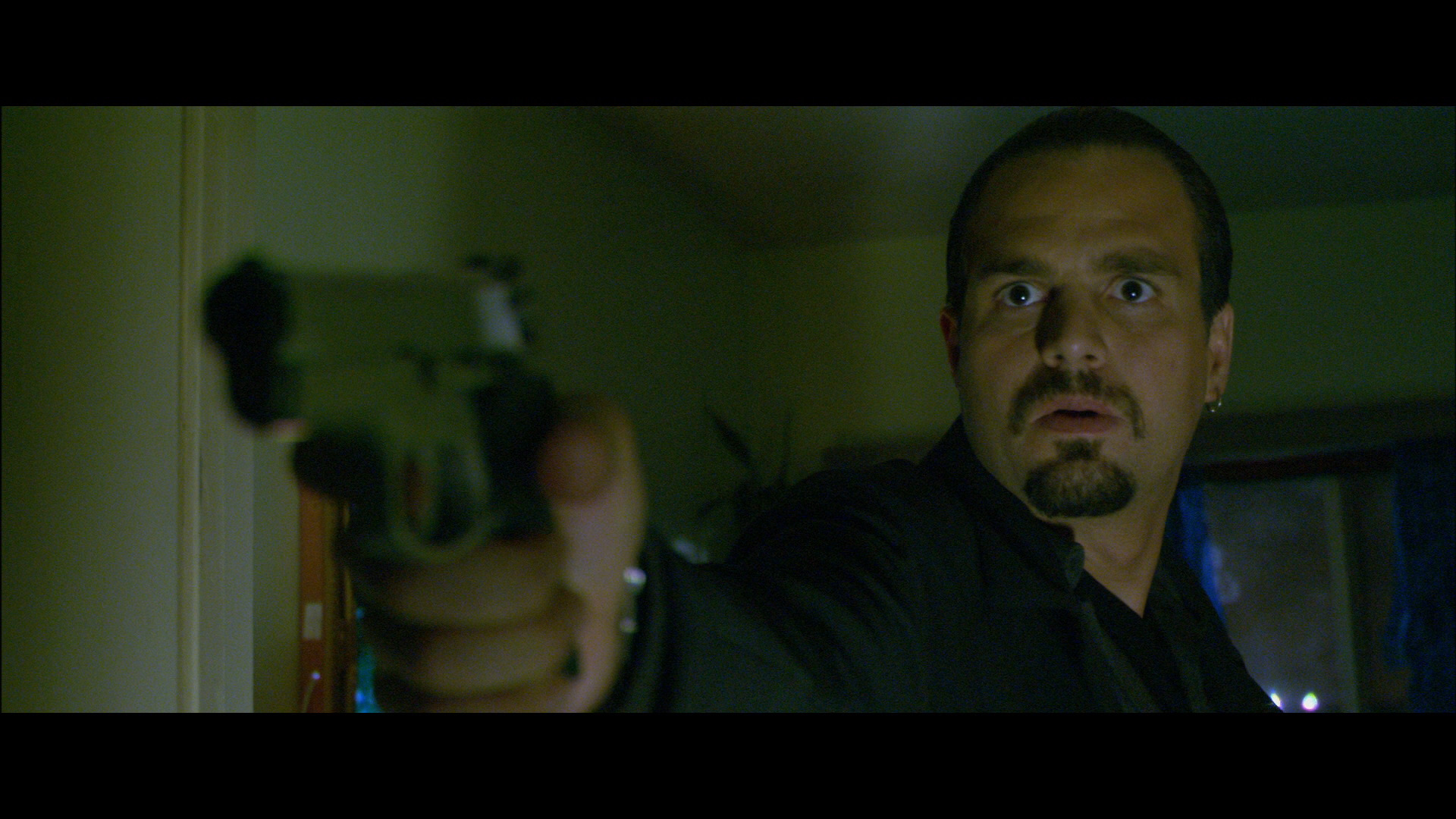
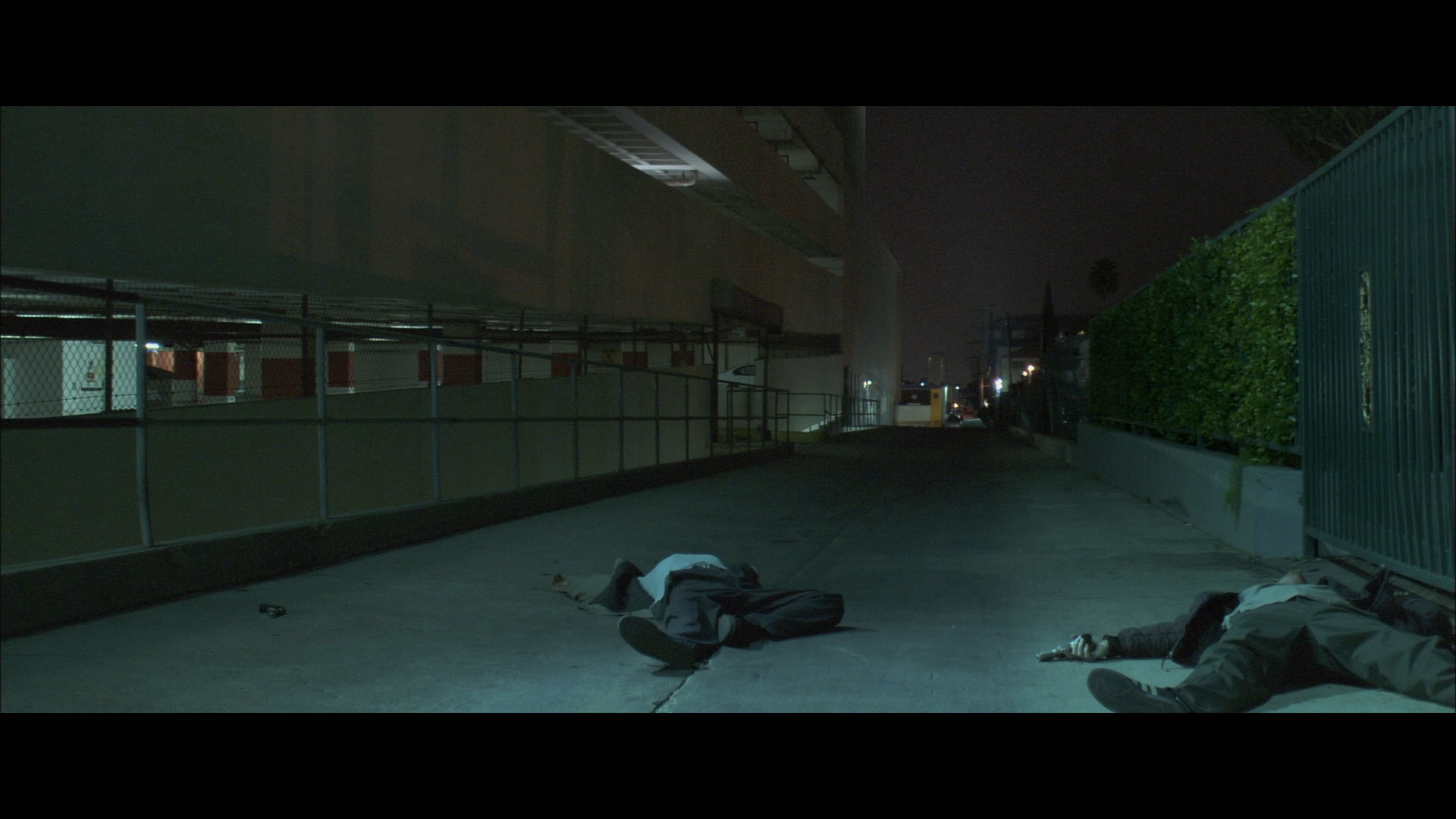
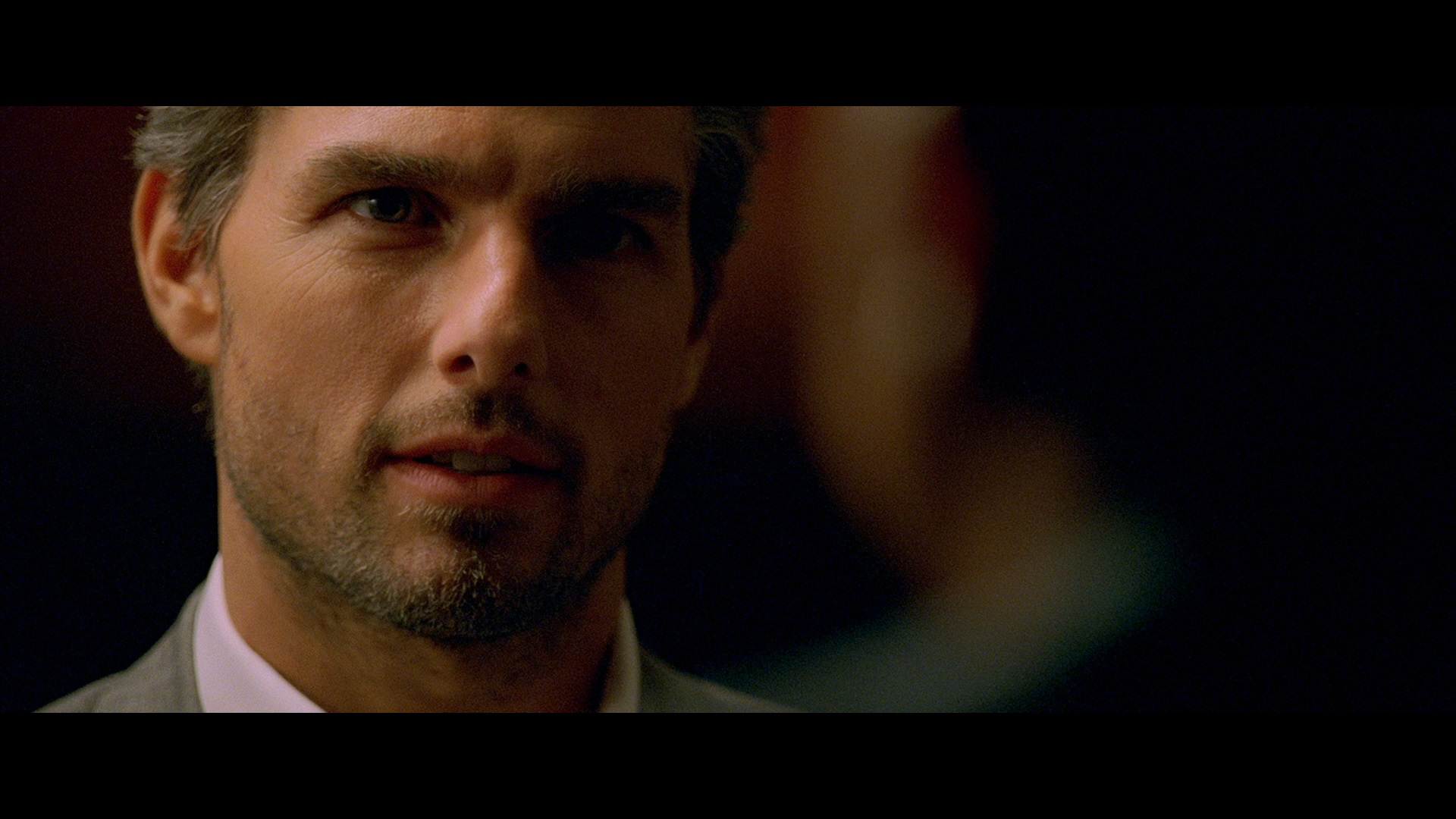
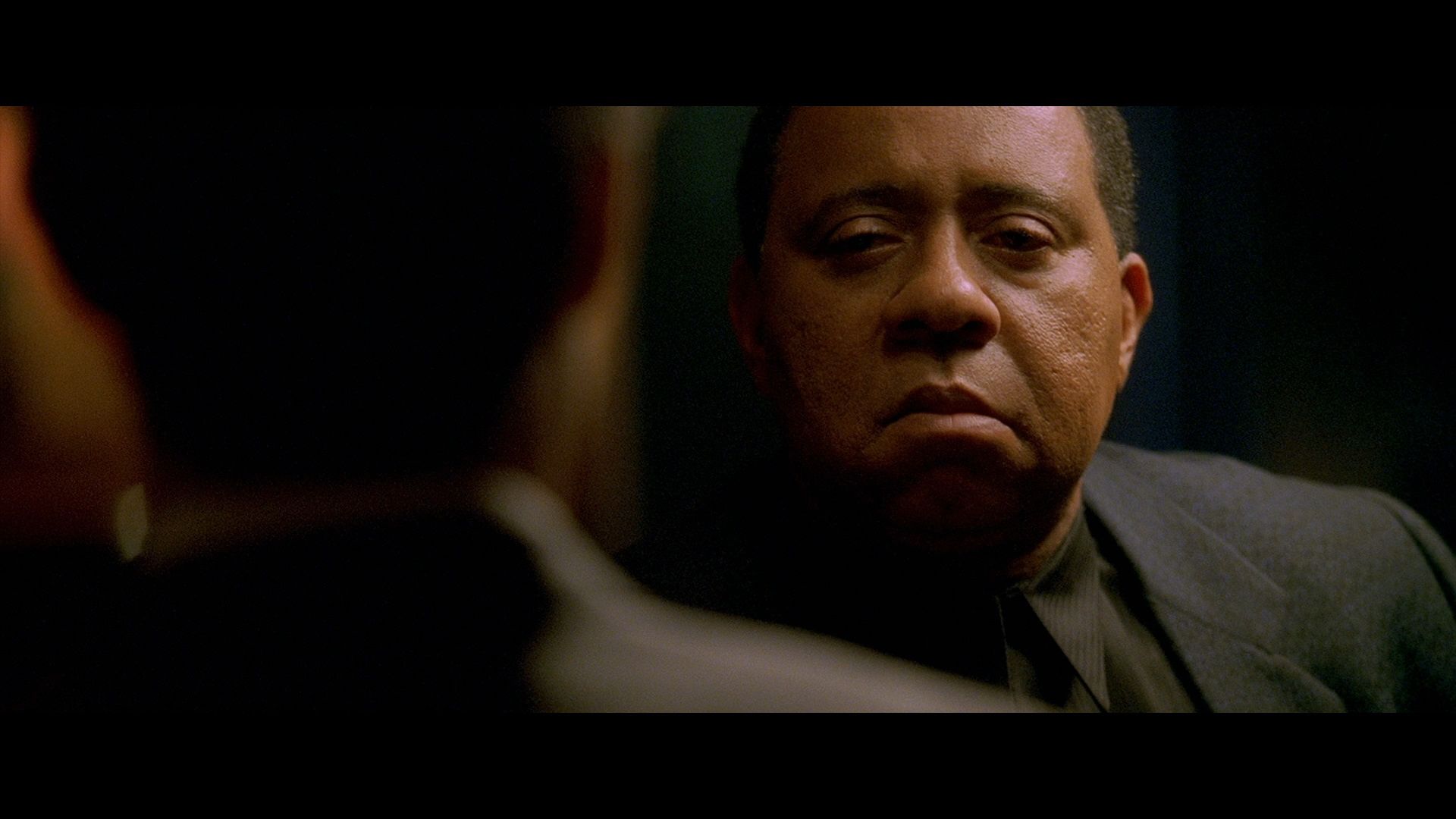
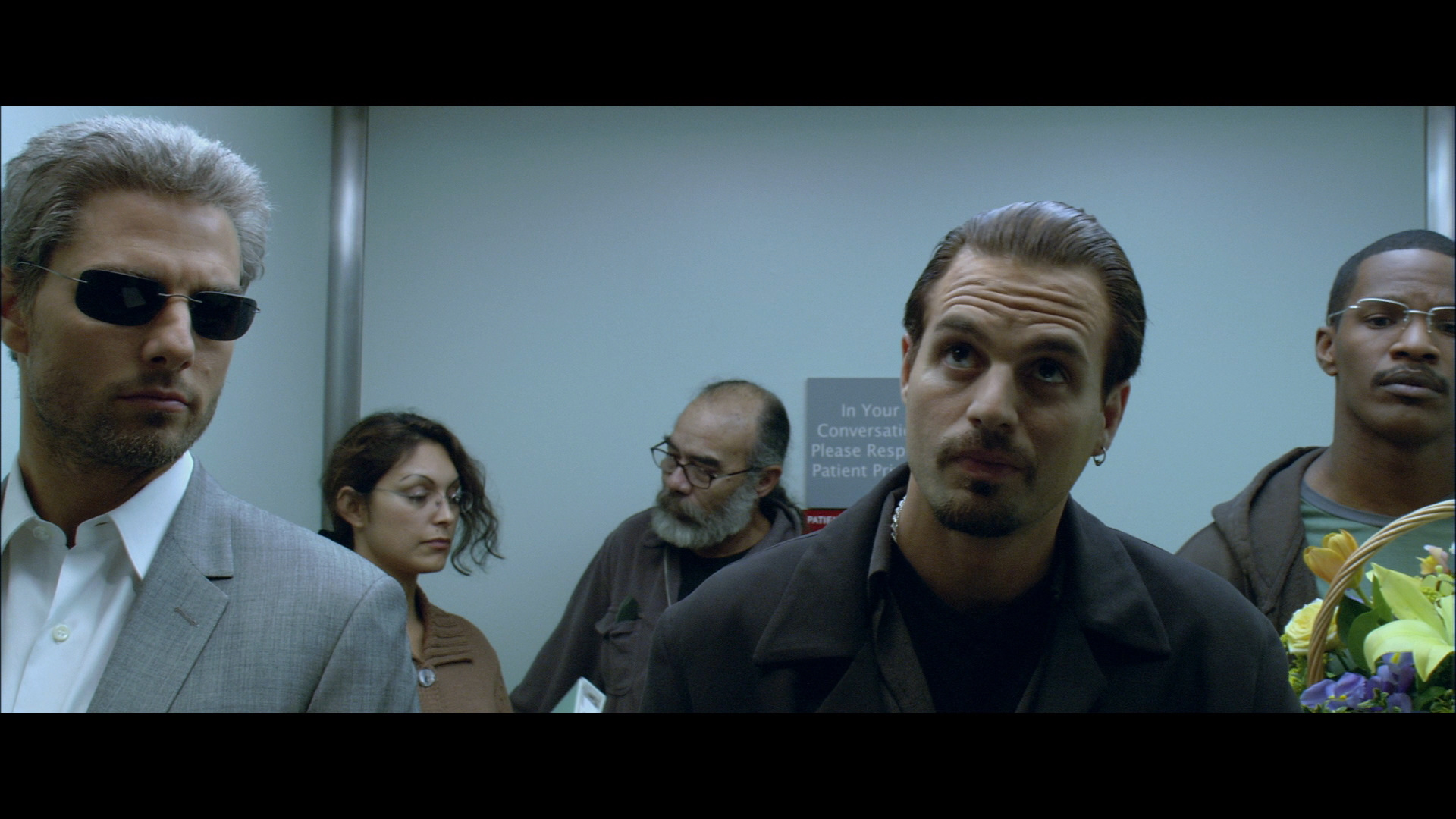
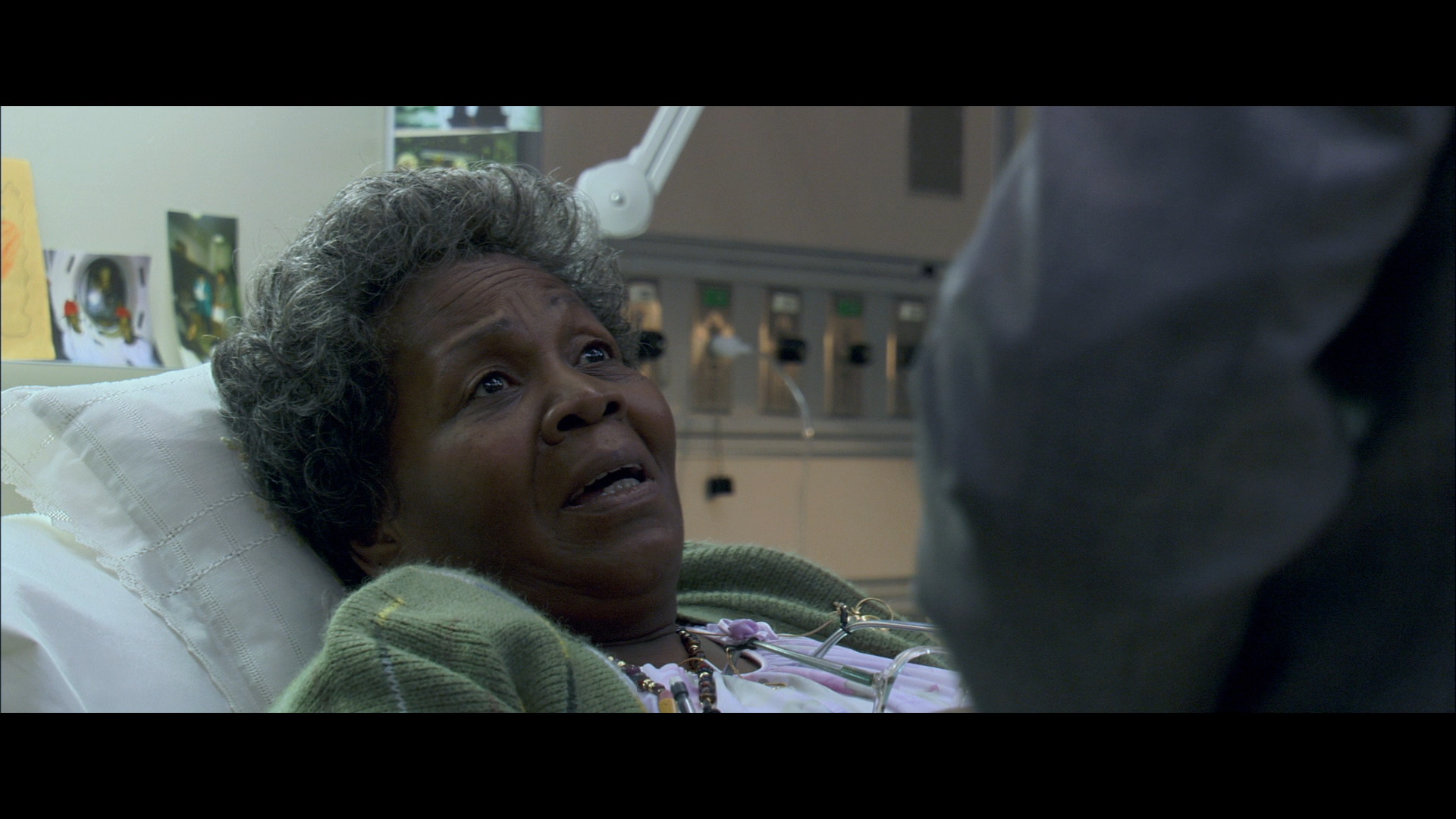
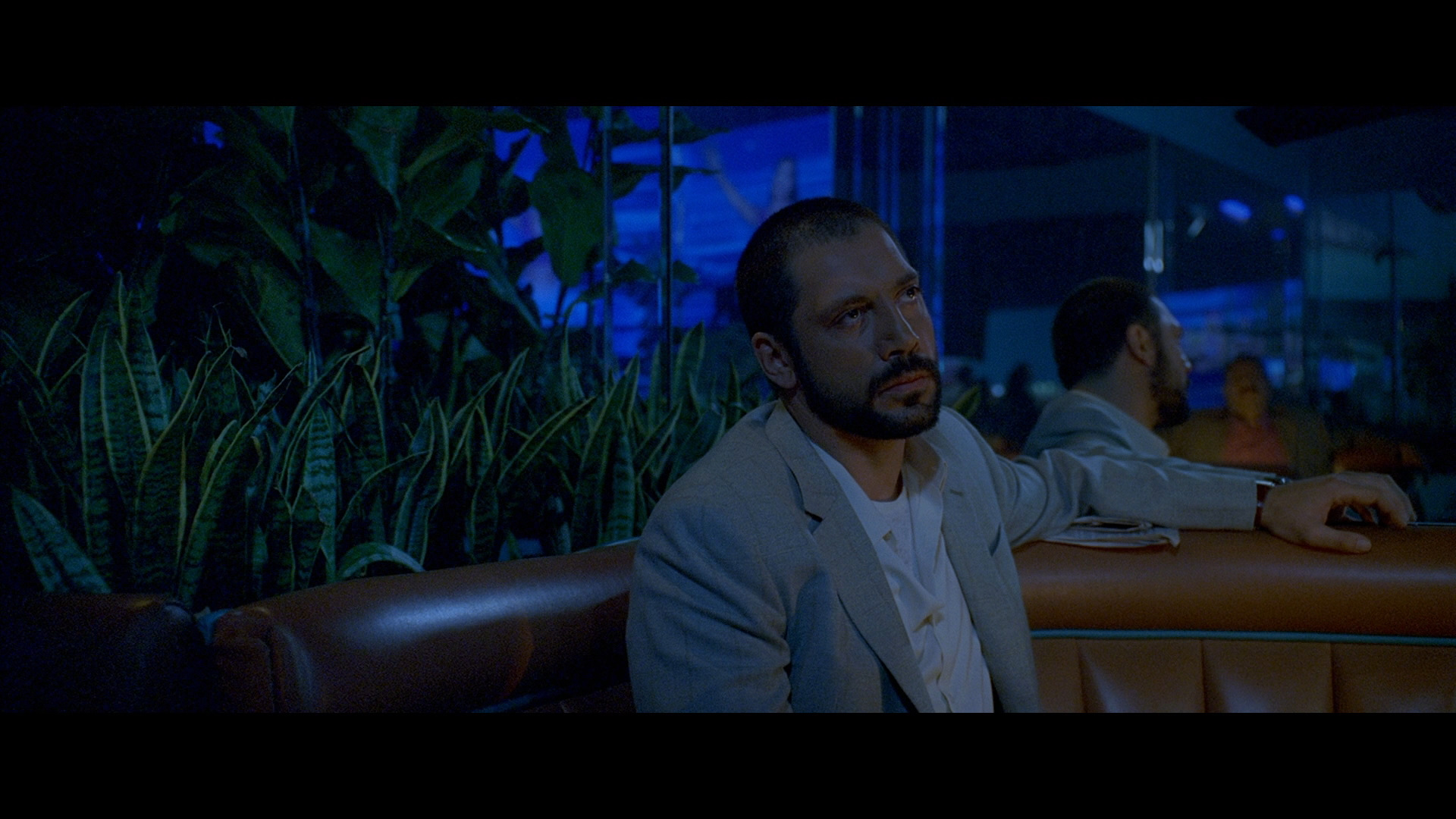
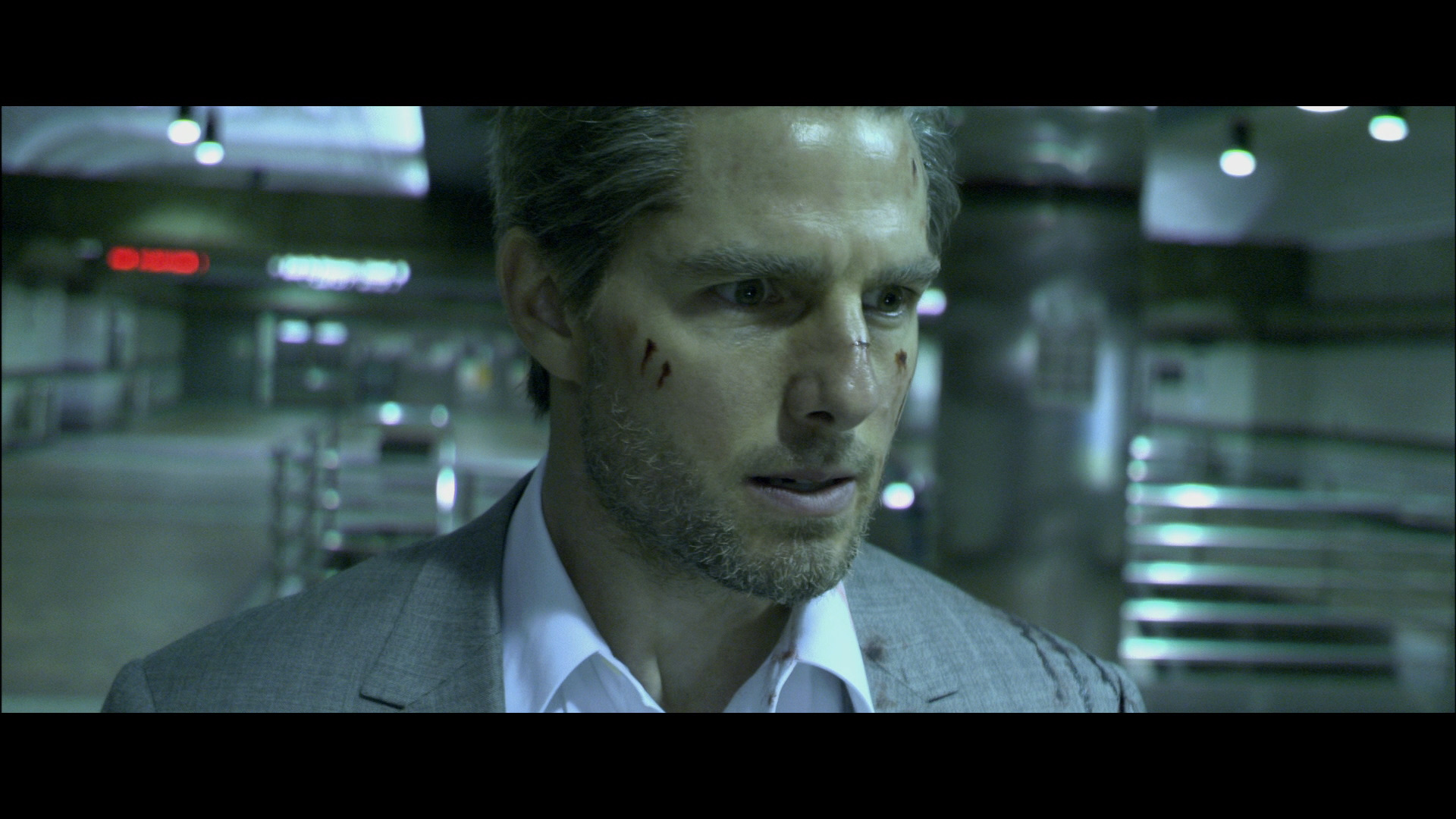
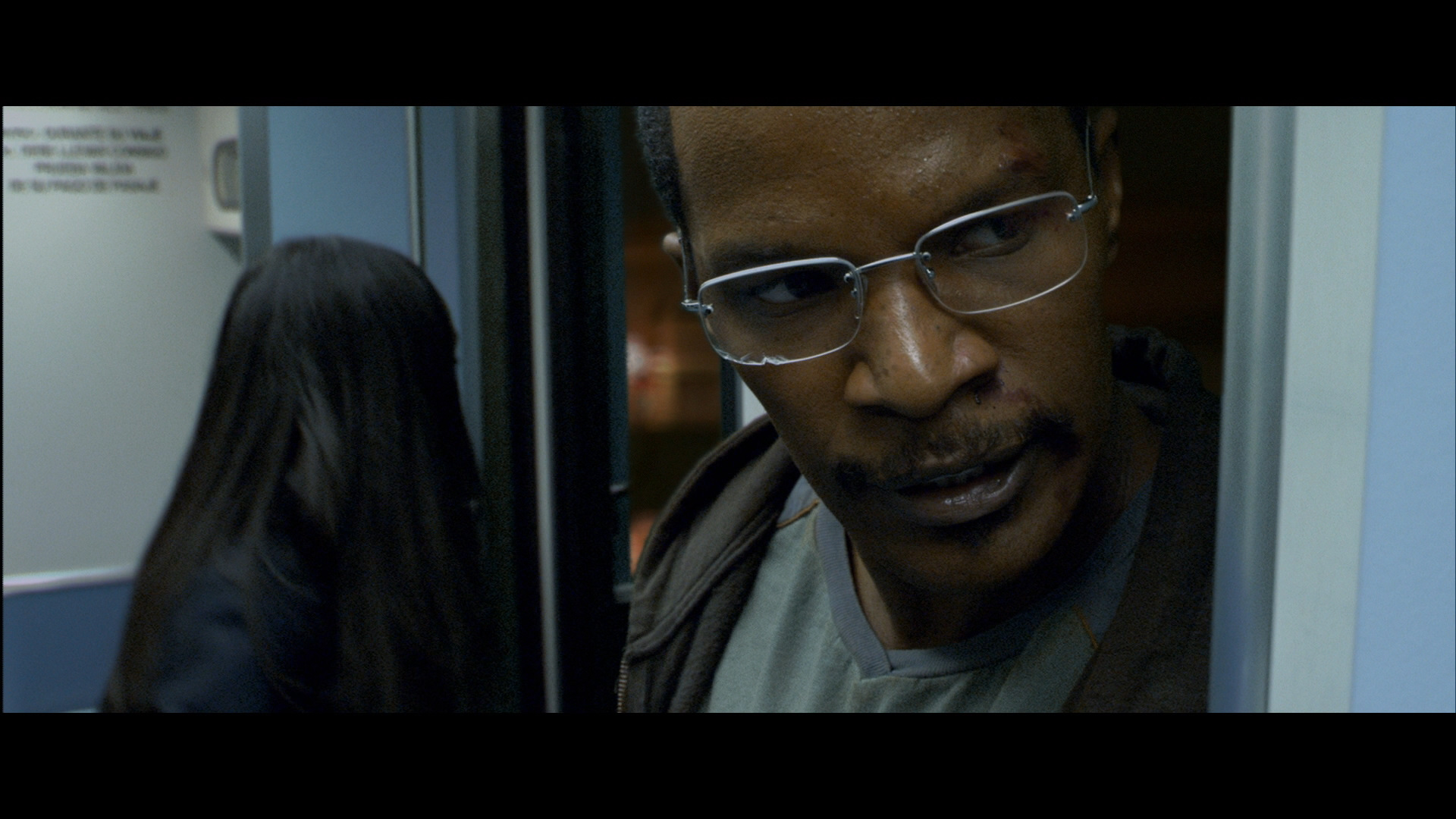
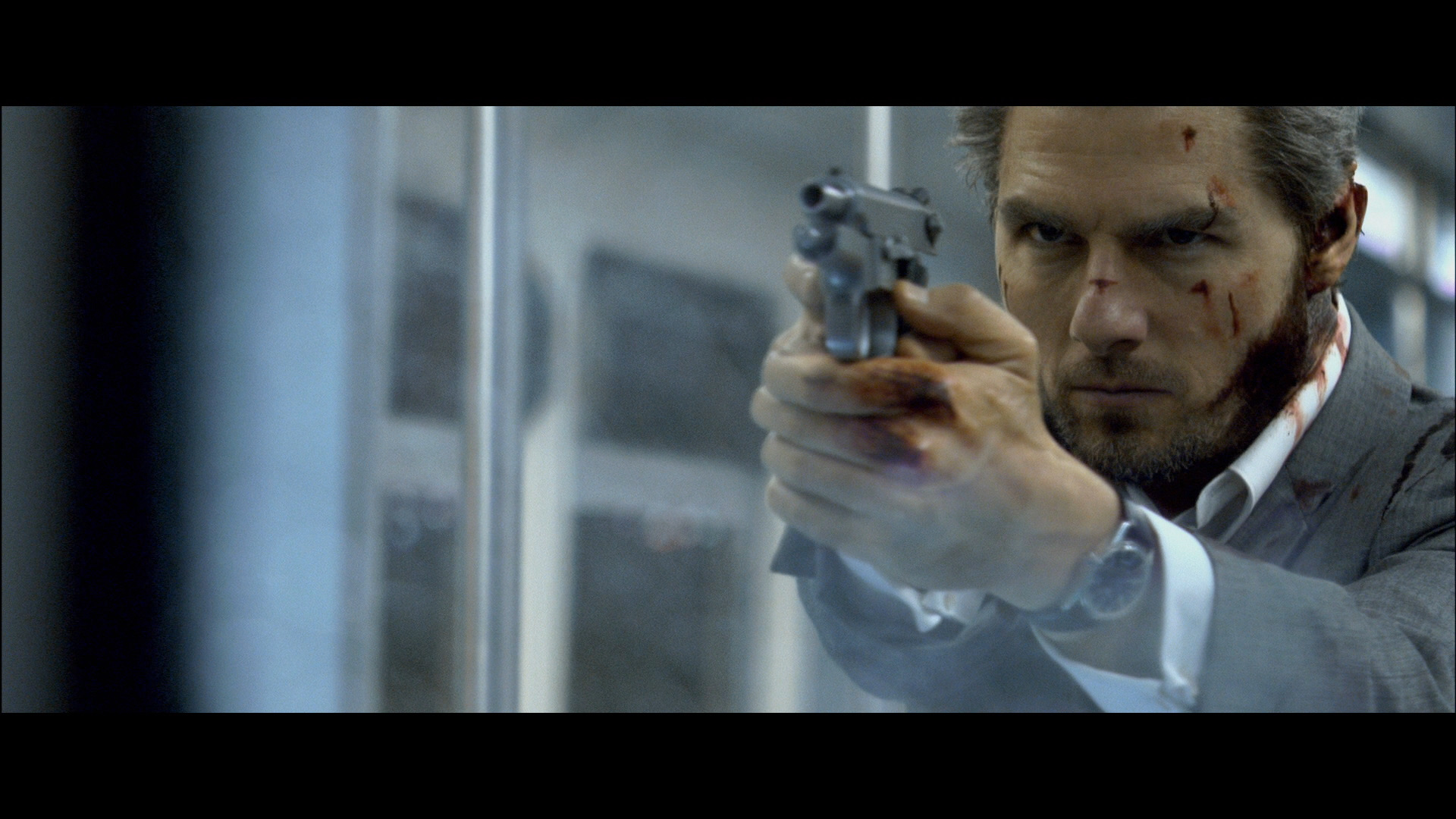
disc. Collateral appears to have benefited in the move to Blu-ray although the transfer still identifies some of the limitations of the HD camera usage. The noise is most prevalent in the darker scenes that tend to dominate Collateral. When there is some better lit close-ups they accentuate the differences. Colors tighten up marginally but detail advances significantly at times over the SD-DVD. There is no video-haze that we sometimes wee with this manner of production but glare exists when direct fluorescent light appears in the frame. Overall this Blu-ray more accurately reports the visuals but fans expecting crystal clear clarity will be left wanting. It wasn't shot with that intention. The dual-layered rendering has a high bitrate and, in my opinion, is a vastly stronger presentation depending on the equipment you are using.
CLICK EACH BLU-RAY CAPTURE TO SEE ALL IMAGES IN FULL 1920X1080 RESOLUTION
DreamWorks - Region FREE - Blu-ray TOP vs. DreamWorks (Two-Disc Special Edition) - Region 1 - NTSC BOTTOM
DreamWorks - Region FREE - Blu-ray TOP vs. DreamWorks (Two-Disc Special Edition) - Region 1 - NTSC BOTTOM
More Blu-ray captures
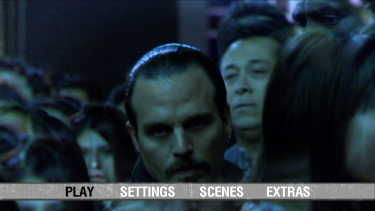
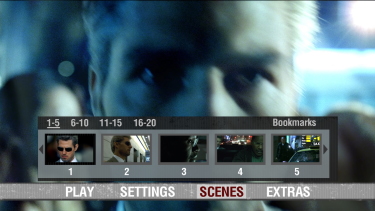
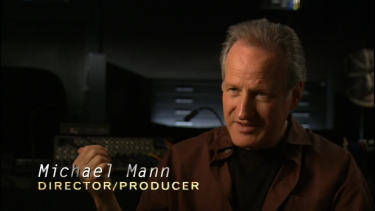
Audio :Audio is a powerhouse 5.1 DTS-HD Master at a pulsing 4263 kbps. While handling the guns and car crashes with alacrity - it's the night pauses with their subtleties, that tend to draw the most praise from this reviewer. Comparatively to the DVD there is abundant depth. The Blu-rays offers DUBS and subtitles and m y Momitsu has identified it as being a region FREE disc playable on Blu-ray machines worldwide. Extras :The supplements appear to duplicate the 2-disc SE DVD which Joseph Schmickrath commented on below: " Perusing through the extras, the most interesting and important feature of this two disc set is Mann’s audio commentary on disc one. He’s very articulate and easy to listen to. He delves into not only the technical aspect of the shoot but also the flow of the narrative and the main characters biographical information not told in the film. It’s definitely worth a listen.Moving on to disc two, there’s a very nice making of feature entitled “City of Night: The Making of Collateral.” With a running time of approximately 41 minutes, it’s not your typical EPK fluff. It’s actually a wonderful companion piece to the commentary, really delving further into what is covered by it. It’s anamorphic and framed at 1.78:1. The feature also does a wonderful job of covering the various departments that worked on the film. One really interesting thing that isn’t listed on IMDB is that there’s additional score by Antonio Pinto, as opposed to just James Newton Howard. The rest of the features are interesting but relatively short. First up is a feature, which clocks in at 1 minute and 8 seconds called “Special Delivery.” Basically director Michael Mann wanted Tom Cruise to try to deliver a package as a Fed-Ex delivery man without being recognized. Mann felt that if Cruise could pull this off it would add to his character of Vincent who would be completely unrecognizable. The problem with this feature is we’re told about all the details and only shown a glimpse of what would otherwise be a very cool feature. Next there’s one deleted scene with Mann commentary that shows Vincent having Max go through LAX airport arrivals in order to blend in with other taxies, so that when he comes out the other side he’ll have lost any tails following him. It’s a good scene but I agree with Mann’s reason for deletion, which is that it would take the audience out of the vibe and momentum that the picture has up to that point. “Shooting on Location: Annie’s Office” gives us a quick look at one of the films final climatic scenes. There’s also a cool little feature showing Jaime Foxx and Tom Cruise rehearsing. Finally, there’s “Visual FX: MTA Train showing how Mann used green screen for the final sequence of the movie. The only other additional extras are trailers, cast and filmmaker bios, and production notes.".
BOTTOM LINE: Gary Tooze March 27th, 2010
|



|
About the Reviewer: Hello, fellow Beavers! I have been interested in film since I viewed a Chaplin festival on PBS when I was around 9 years old. I credit DVD with expanding my horizons to fill an almost ravenous desire to seek out new film experiences. I currently own approximately 9500 DVDs and have reviewed over 3500 myself. I appreciate my discussion Listserv for furthering my film education and inspiring me to continue running DVDBeaver. Plus a healthy thanks to those who donate and use our Amazon links.
Although I never wanted to become one of those guys who
focused 'too much' on image and sound quality - I
find HD is swiftly pushing me in that direction. So be
it, but film will always be my first love and I list my
favorites on the old YMdb site now accessible
HERE. 60-Inch Class (59.58” Diagonal) 1080p Pioneer KURO Plasma Flat Panel HDTV PDP6020-FD
Oppo Digital BDP-83 Universal Region FREE Blu-ray/SACD
Player APC AV 1.5 kVA H Type Power Conditioner 120V Gary W. Tooze
HD-DVD STORE HIGH DEFINITION DVD STORE
ALL OUR NEW FORMAT DVD REVIEWS
|















CLICK PayPal logo to donate!
|
Gary Tooze
|
|
Thank You!
