




|
Search DVDBeaver |
S E A R C H D V D B e a v e r |

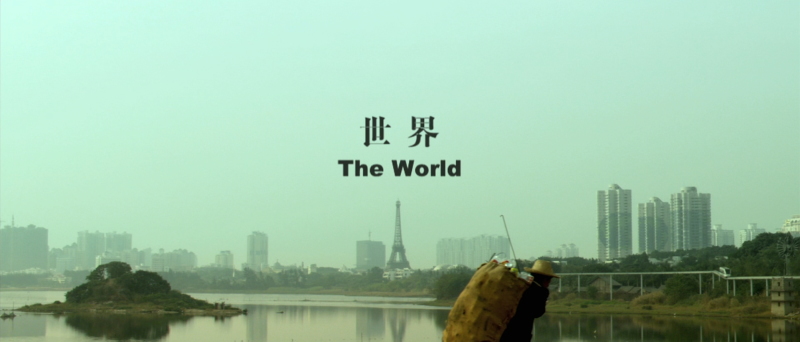
(aka "Shijie" or "World")
directed
by Jia Zhang Ke
China 2004
|
In a serendipitous event, The Economist ran a special on China the global
economy the same week that I watched Jia Zhang-Ke's The World. As a westerner
and particularly as an American, I tend to think of globalization the way
Thomas Friedman leads me to think, i.e., on the way it will affect my life and
the lives of other middle-class westerners. Our concerns are, to put them
succinctly, "will our jobs be exported overseas, to someone in Asia making a
small percentage of what we make?" "How will rampant globalization continue to
change the American economy?"
Excerpt from DVDBeaver-ite Jim Bach's review site located HERE |
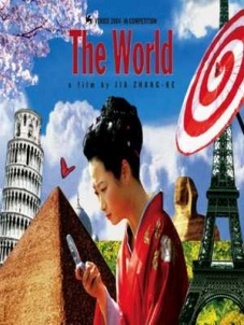
Posters
 |
 |
Theatrical Release: September 4th, 2004 - Venice Film Festival
Reviews More Reviews DVD Reviews
Comparison:
Zeitgeist - Region 1 - NTSC vs. Masters of Cinema - Region FREE - Blu-ray
Big thanks to Adam Lemke for the Review!
Zeitgeist - Region 1 - NTSC LEFT vs. Masters of Cinema - Region FREE - Blu-ray RIGHT
| DVD Box Cover |
|
|
| Distribution |
Zeitgeist Region 1 - NTSC |
Masters of Cinema - Spine # 12 Region FREE - Blu-ray |
| Runtime | 2.19.34 | 2:19:21.541 |
| Video |
2.35:1 Original Aspect Ratio
16X9 enhanced |
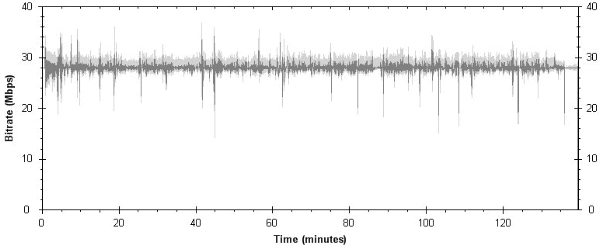
1080P Dual-layered Blu-rayDisc Size: 47,412,913,568 bytesFeature: 32,755,666,944 bytes Video Bitrate: 27.964 Mbps Codec: MPEG-4 AVC Video |
|
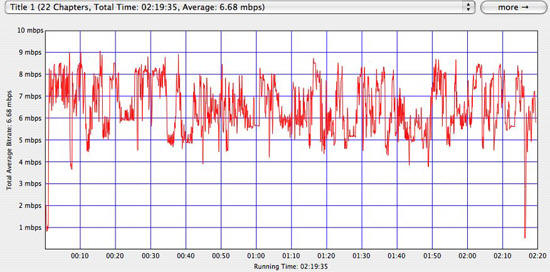
NOTE: The Vertical axis represents the bits transferred per second. The Horizontal is the time in minutes. |
||
| Bitrate DVD |
|
|
| Bitrate Blu-ray |
|
|
| Audio | Dolby Digital 2.0 - Mandarin |
DTS-HD Master Audio Chinese 1711 kbps 2.0 / 48 kHz / 1711
kbps / 16-bit (DTS Core: 2.0 / 48 kHz / 1509 kbps / 16-bit) |
| Subtitles | English, none | English, none |
| Features |
Release Information: Studio: Zeitgeist Aspect Ratio:
Edition Details: Chapters 22 |
Release Information: Studio: Eureka - Masters of Cinema
1080P Dual-layered Blu-rayDisc Size: 47,412,913,568 bytesFeature: 32,755,666,944 bytes Video Bitrate: 27.964 Mbps Codec: MPEG-4 AVC Video
Edition Details: Chapters 18 |





| Comments |
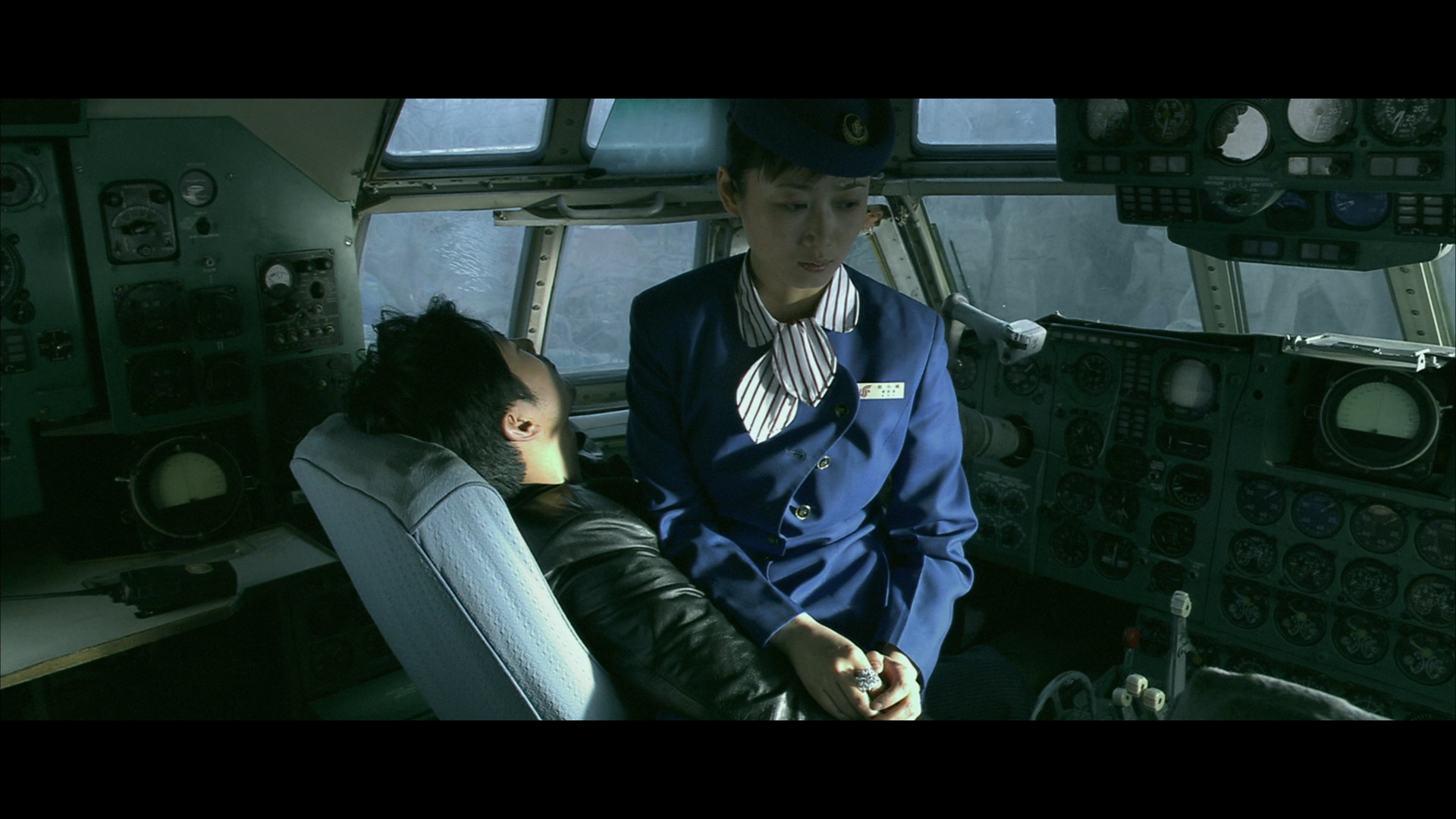
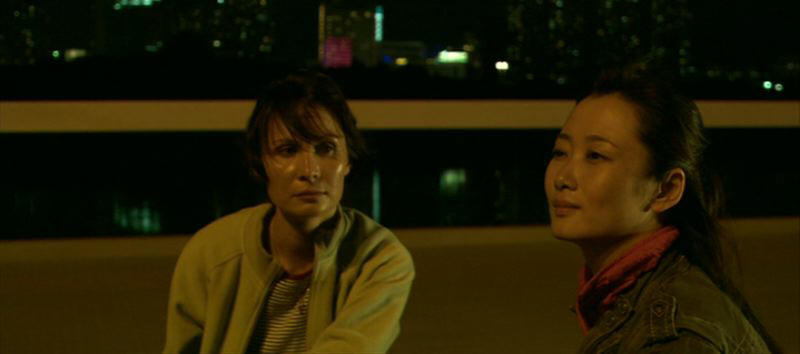
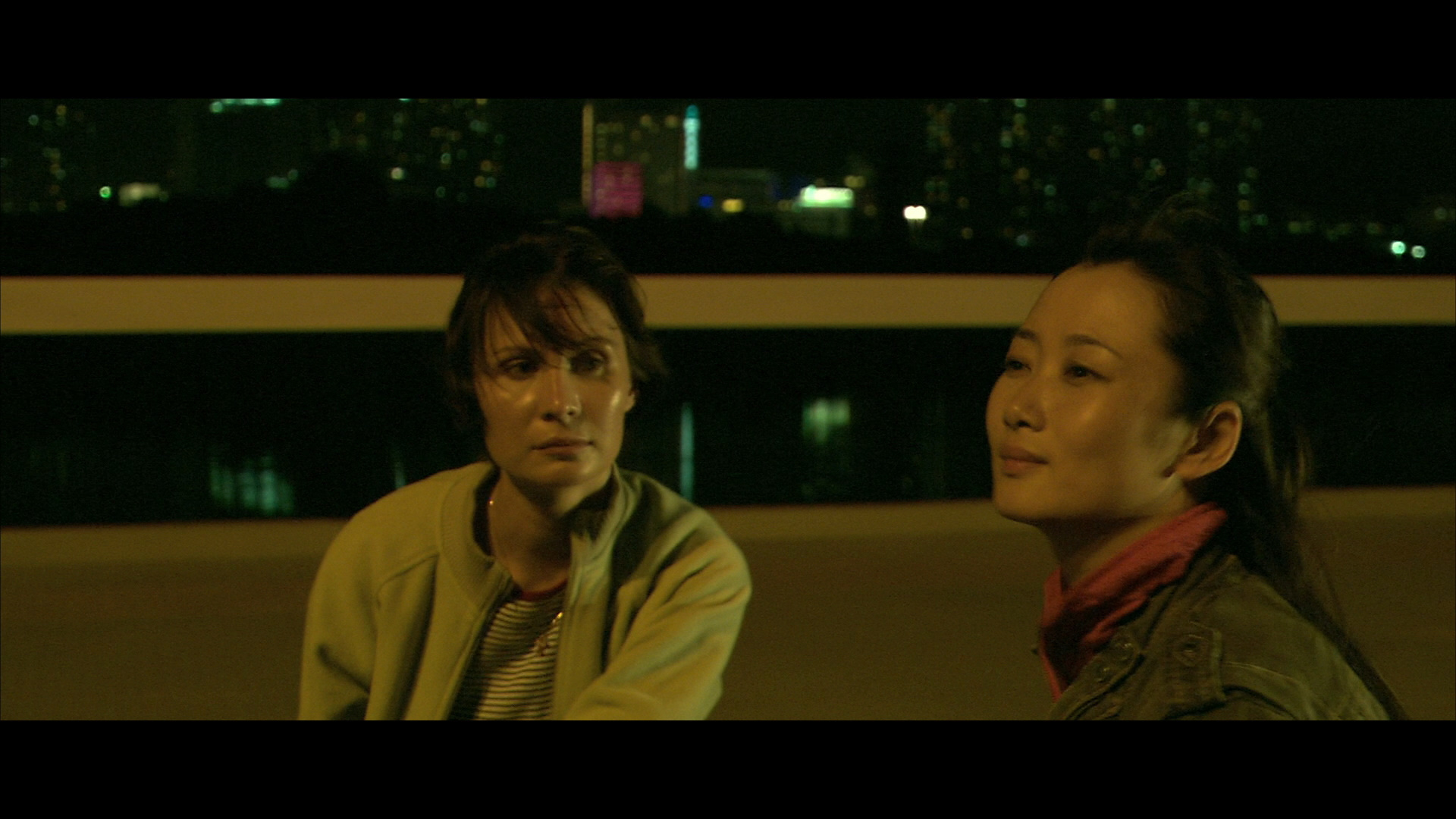
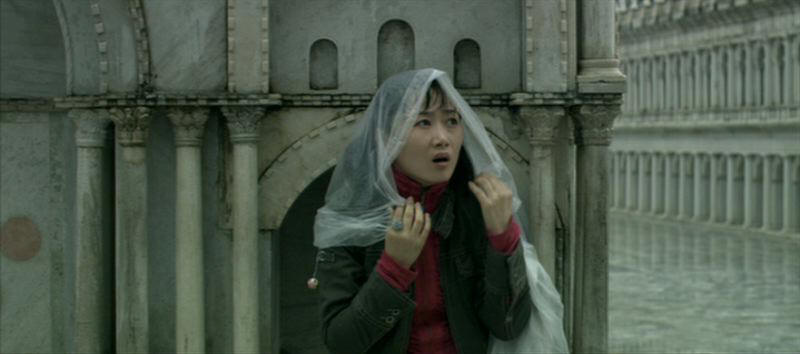
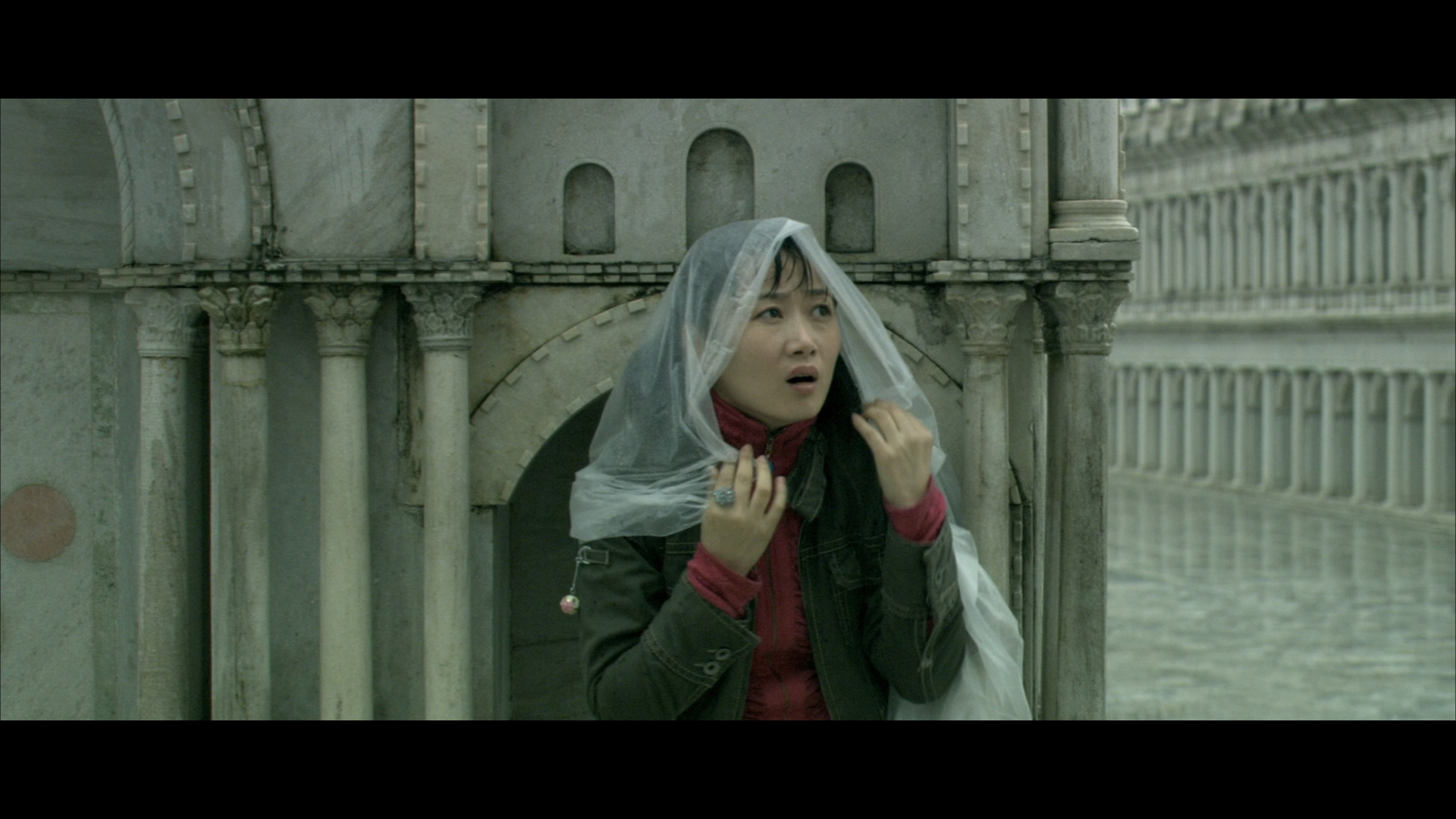
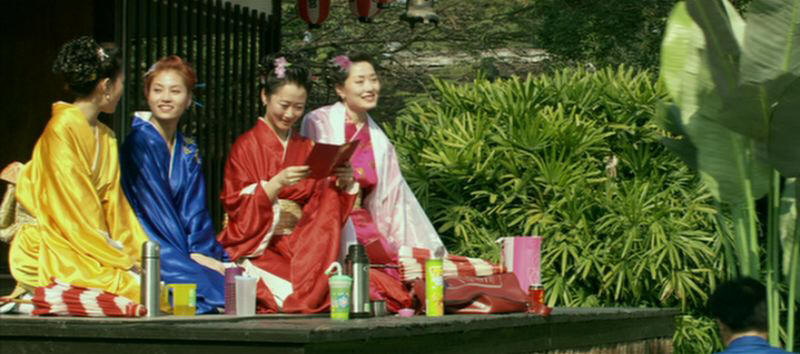
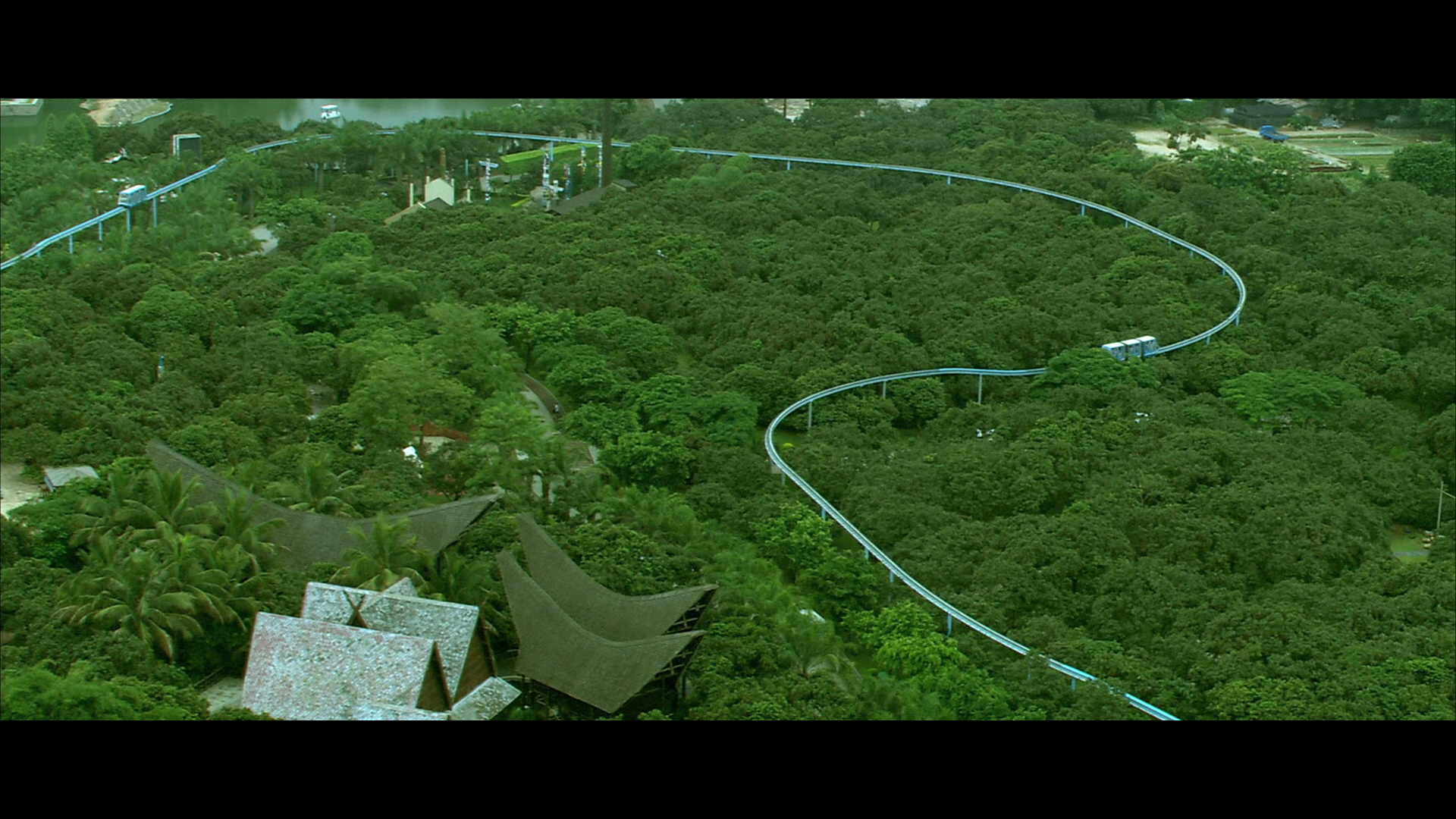
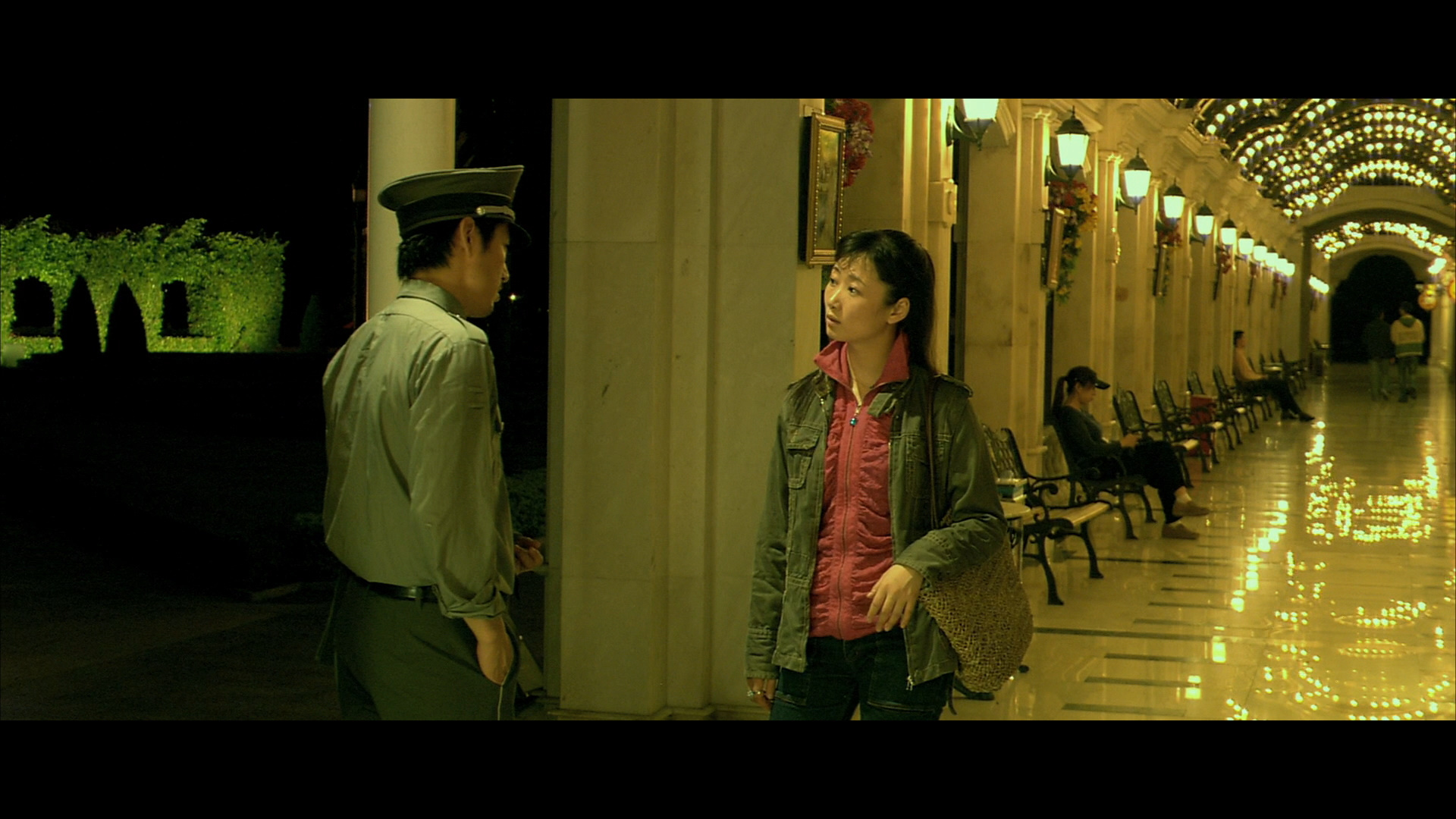
NOTE: The below Blu-ray captures were ripped directly from the Blu-ray disc. ADDITION: (August 2010) BFI Region FREE - Blu-ray: Super choice for Masters of Cinema as this is a film experience that is greatly benefited by the move to 1080P.
Described on the box as: "The fourth
feature by internationally acclaimed auteur Jia Zhangke was also his
breakout success, an epic with a canvas as vast, and intimate, as its
title suggests: a state-of-the-modern-world address, and a look at the
insular world of a troupe of Chinese stage-performers dreaming of
freedom… A testament to the wisdom of this young filmmaker who arrived in the late 1990s with Xiao Wu and, in 2000, Platform (regarded by many to be the greatest film of the 2000s), Shijie / The World provides an image of globalisation as a paradox: at once a phenomenon rooted in social control, and a network that allows connection across individual people and populations. The Masters of Cinema Series is proud to present both Jia Zhangke and his film The World to Blu-ray for the first time ever."
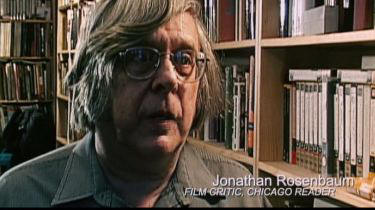
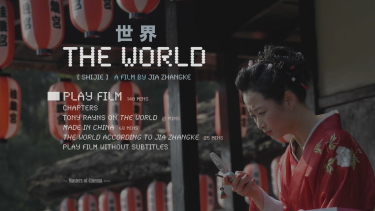
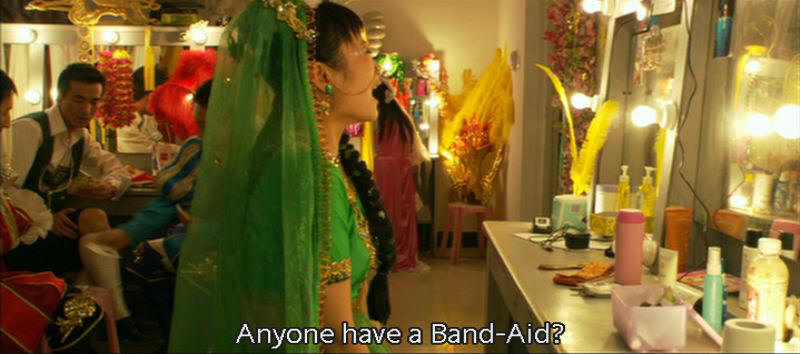
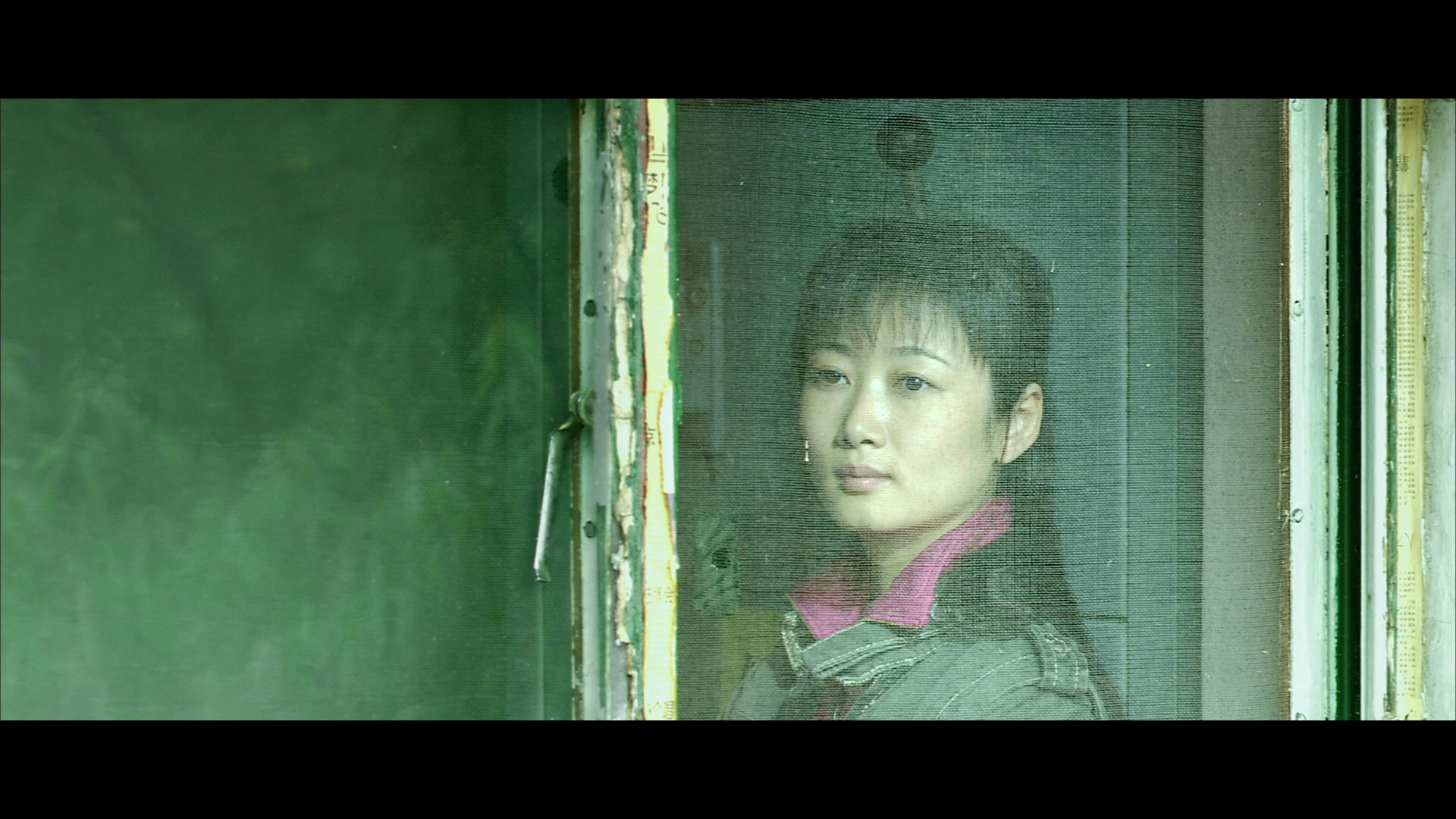
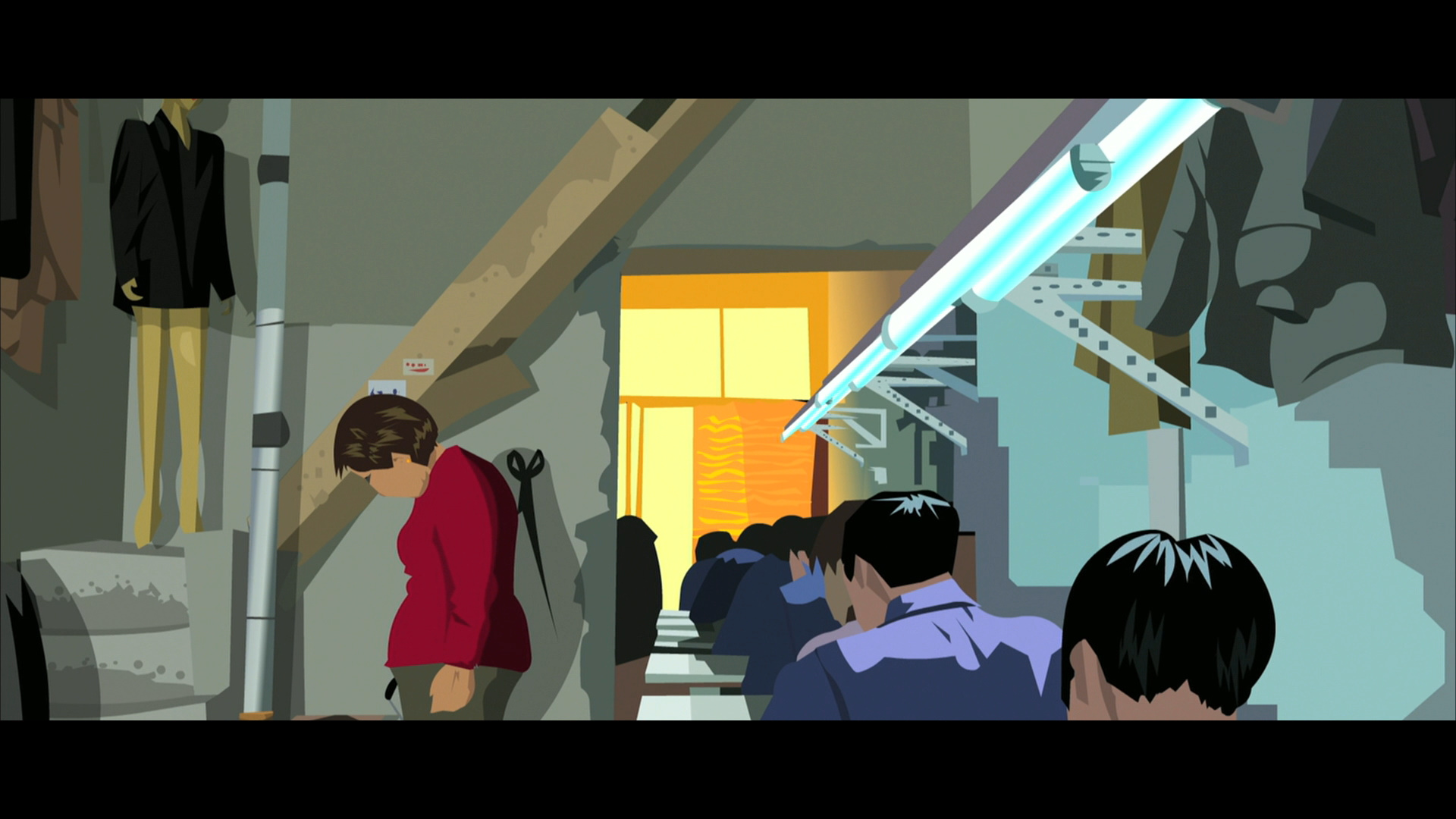
Easy to see the new format image is a significant jump in sharpness, tightening of colors, shadow detail, contrast etc. Audio - not an especially huge part of the film is also improved with a 2.0 channel lossless rendering at 1700 Kbps - in the original Mandarin language. There are excellent English subtitles available and my Momitsu has identified it as being a region FREE disc playable on Blu-ray machines worldwide. Extras are wonderful as well with 21-minutes by scholar and critic Tony Rayns on THE WORLD. A 68-minute 'Making of...' documentary entitled Made in China. Holding a lot of my attention was The World According to Jia Zhangke: a 25-minute video interview with the director and lastly another lengthy booklet containing a new essay about the film by Tony Rayns; an essay by Jia Zhangke; and a special dossier-after-word with further commentary on certain elements of the film and its ending.
The World is a very special film and I can now say
that it needs to be seen on
Blu-ray. It might even deserve
inclusion on THIS
list. Masters of Cinema - with BD spine # 12 - come through again! Kudos
to Mr. Wrigley and the gang... our highest recommendation!
****
ON THE ZEITGEIST DVD: The
transfer – Sourced from hi-def elements, this is a fantastic looking DVD.
On both my
HD TV, and computer, the image was sharp and free of any flaws. Any
instances of light
bleeding is a result of the film having been shot on Digital first and
then transferred to
film, and is not the fault of Zeitgeist’s transfer. Considering it was
done on digital, the
film has some wonderful deep focus, and I’m beginning to grow a deeper
appreciation for the cinematic potentials of the digital medium.
|

 out
of
out
of 
 out of
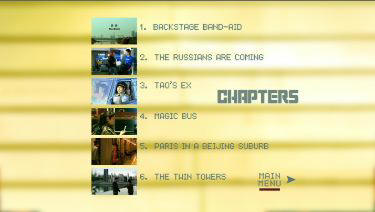
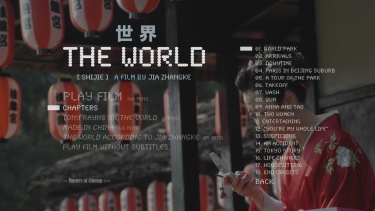
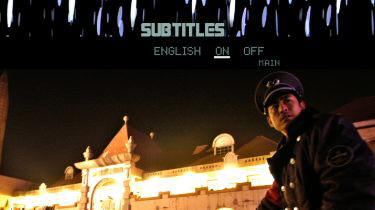
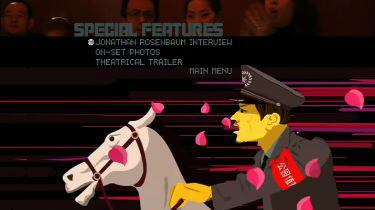
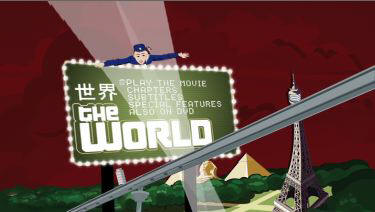
DVD Menus
Zeitgeist - Region 1 - NTSC LEFT vs. Masters of Cinema -
Region FREE -
Blu-ray RIGHT
|
|
|
 |
 |
 |
 |
 |
|
|
|
|
 |
 |
 |


CLICK EACH BLU-RAY CAPTURE TO SEE ALL IMAGES IN FULL 1920X1080 RESOLUTION
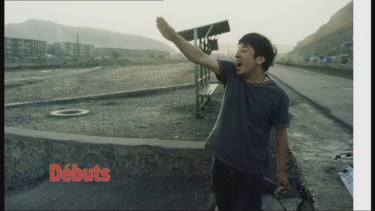
Screen Captures
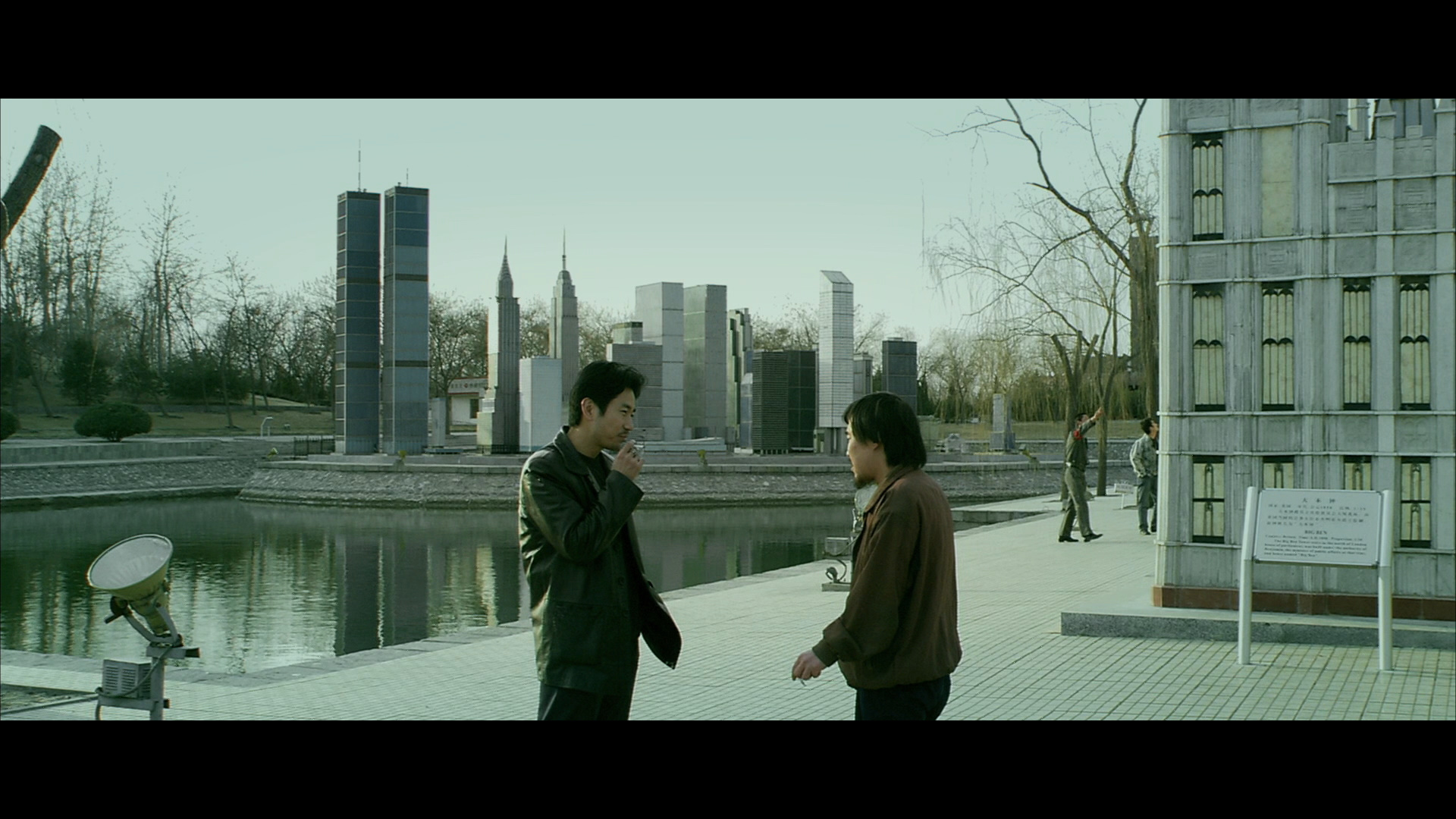
Zeitgeist - Region 1 - NTSC TOP vs. Masters of Cinema - Region FREE - Blu-ray BOTTOM
Subtitle sample
|
|
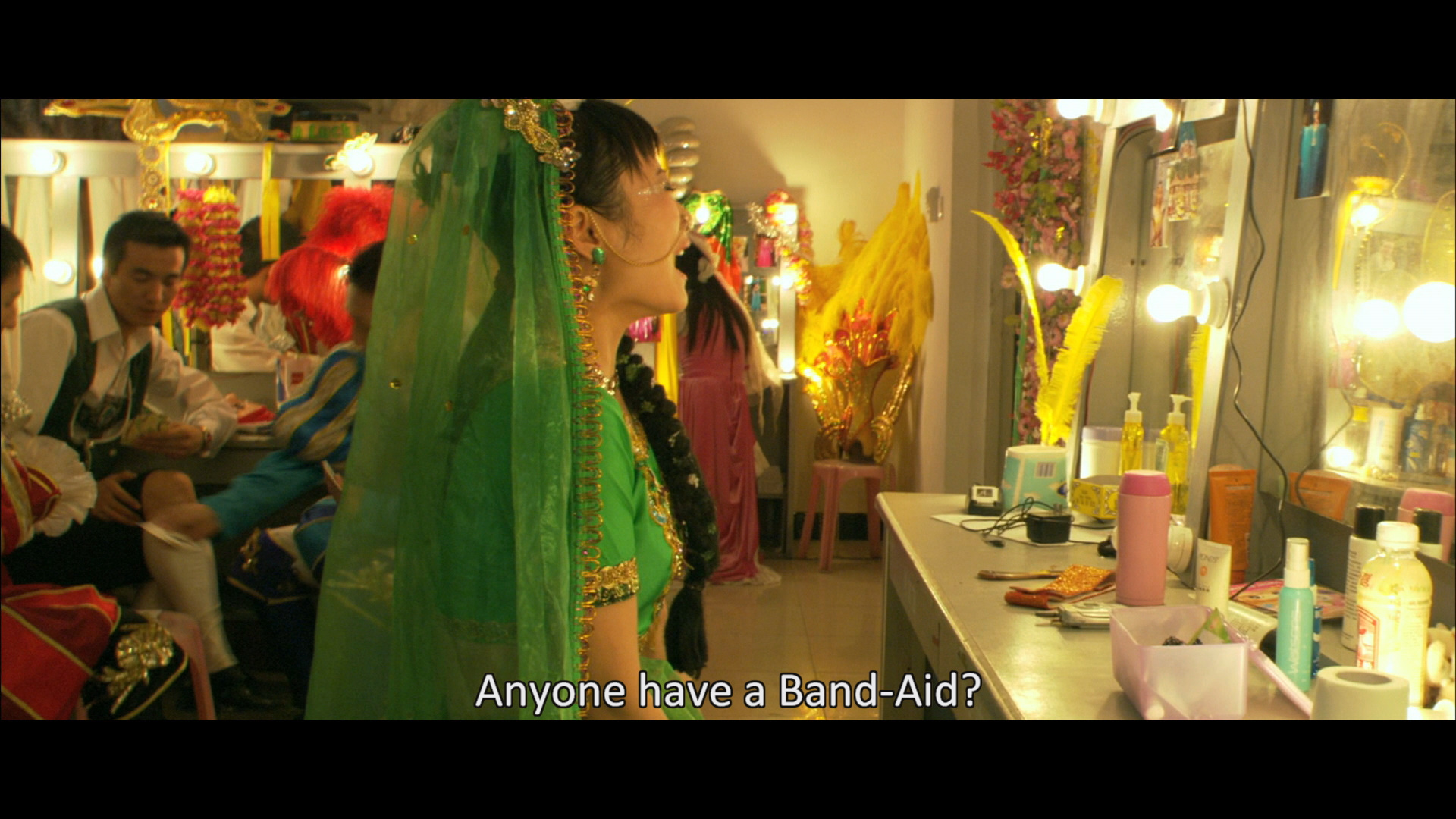 |
Zeitgeist - Region 1 - NTSC TOP vs. Masters of Cinema - Region FREE - Blu-ray BOTTOM
|
|
 |
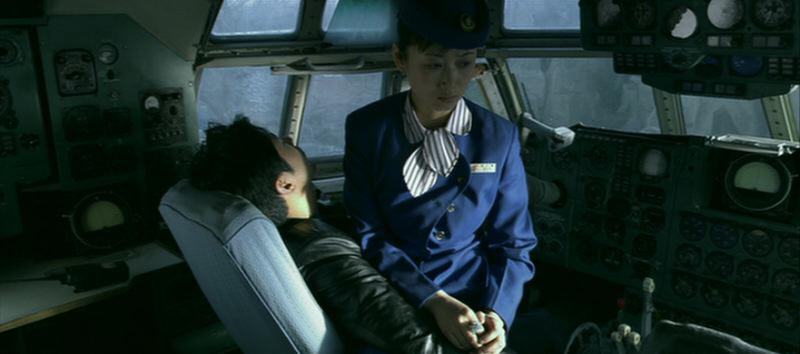
Zeitgeist - Region 1 - NTSC TOP vs. Masters of Cinema - Region FREE - Blu-ray BOTTOM
|
|
 |
Zeitgeist - Region 1 - NTSC TOP vs. Masters of Cinema - Region FREE - Blu-ray BOTTOM
|
|

 |
Zeitgeist - Region 1 - NTSC TOP vs. Masters of Cinema - Region FREE - Blu-ray BOTTOM
|
|
 |
Zeitgeist - Region 1 - NTSC TOP vs. Masters of Cinema - Region FREE - Blu-ray BOTTOM
|
|
 |
Zeitgeist - Region 1 - NTSC TOP vs. Masters of Cinema - Region FREE - Blu-ray BOTTOM
|
|
 |
More Blu-ray Captures
 |
 |
 |
 |
 |
 |
| DVD Box Cover |
|
|
| Distribution |
Zeitgeist Region 1 - NTSC |
Masters of Cinema - Spine # 12 Region FREE - Blu-ray |
















Mail cheques, money orders, cash to: or CLICK PayPal logo to donate!
|
Gary Tooze
|
|
Thank You!
