




|
Search DVDBeaver |
S E A R C H D V D B e a v e r |

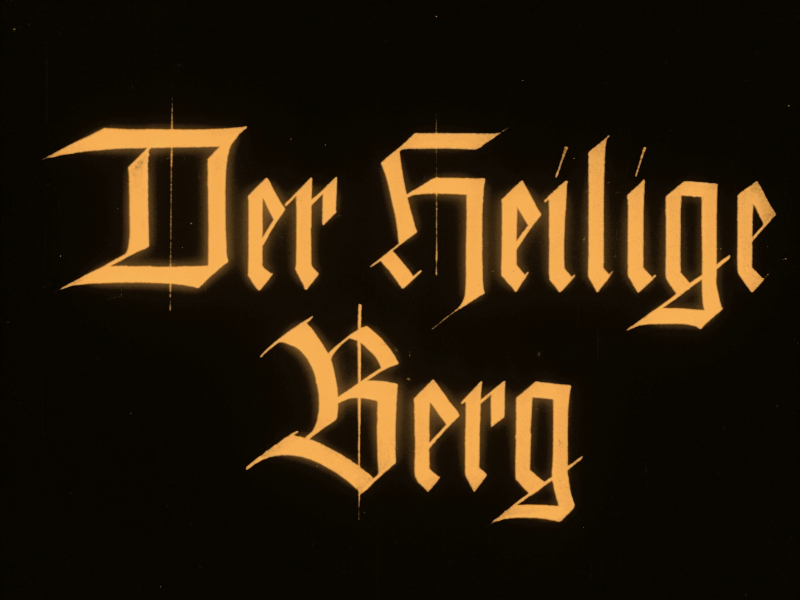
(aka 'Der heilige Berg' or 'The Holy Mountain' or The Sacred Mountain')
directed by Arnold Fanck
Germany 1926
|
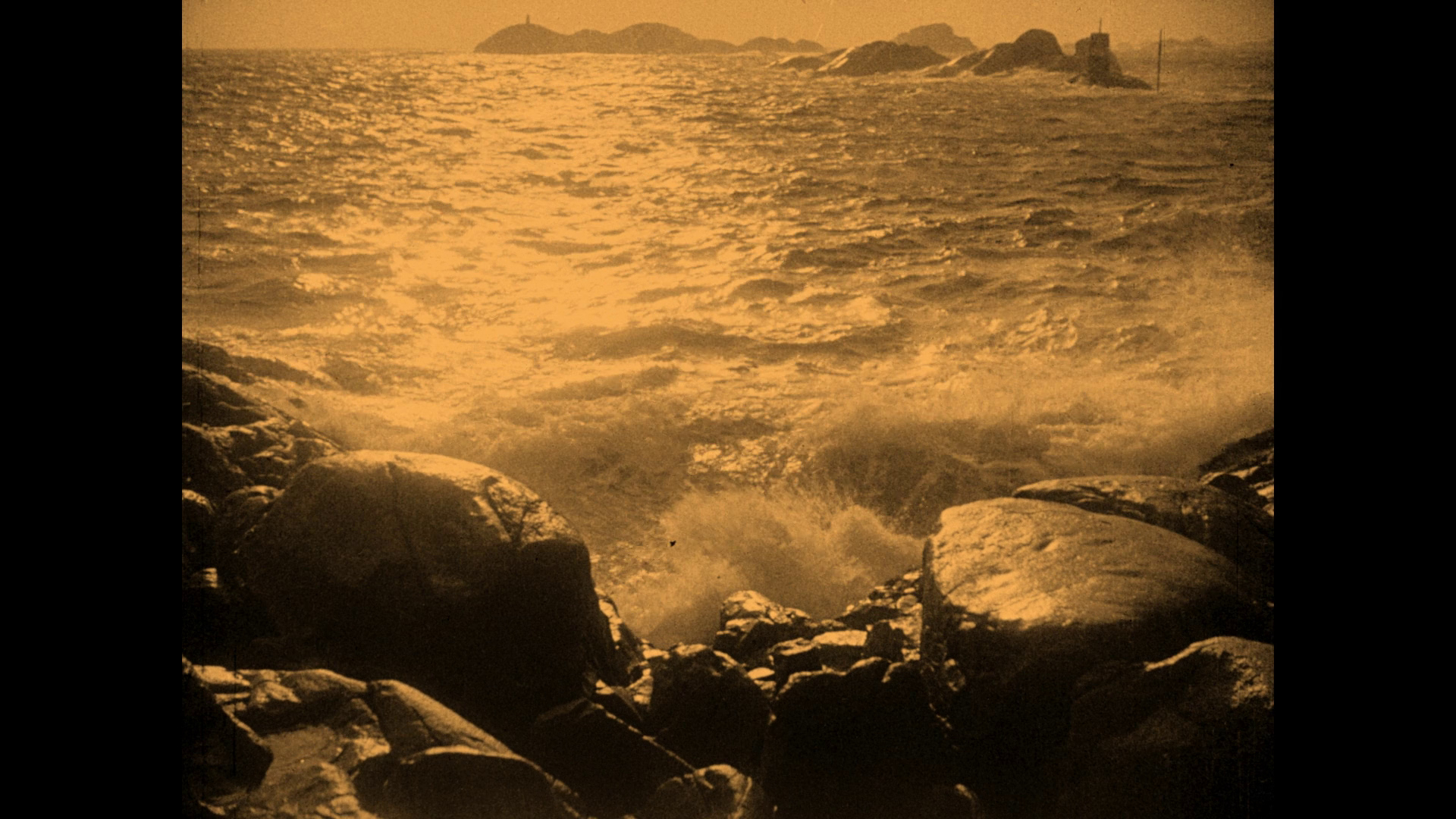
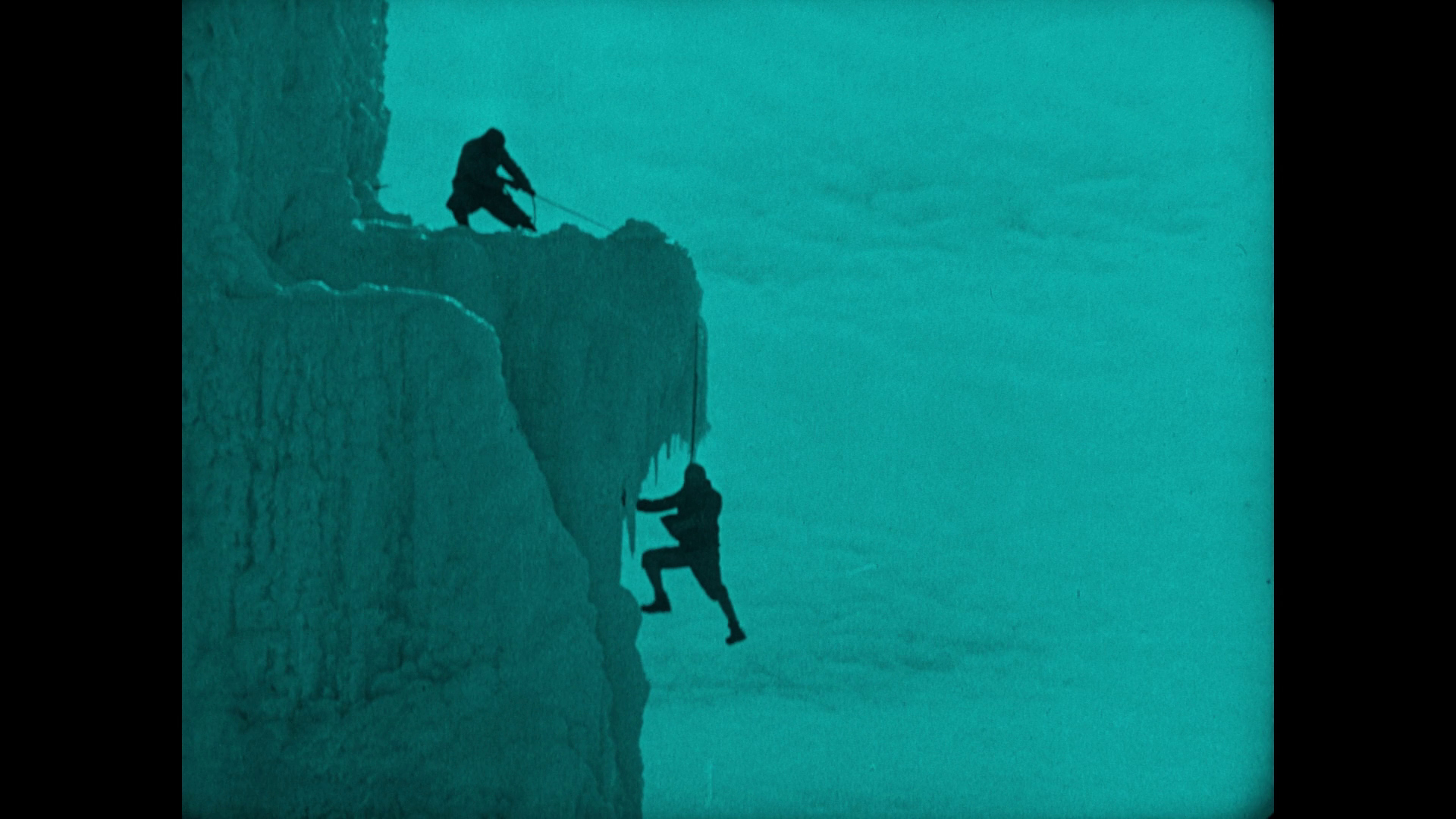
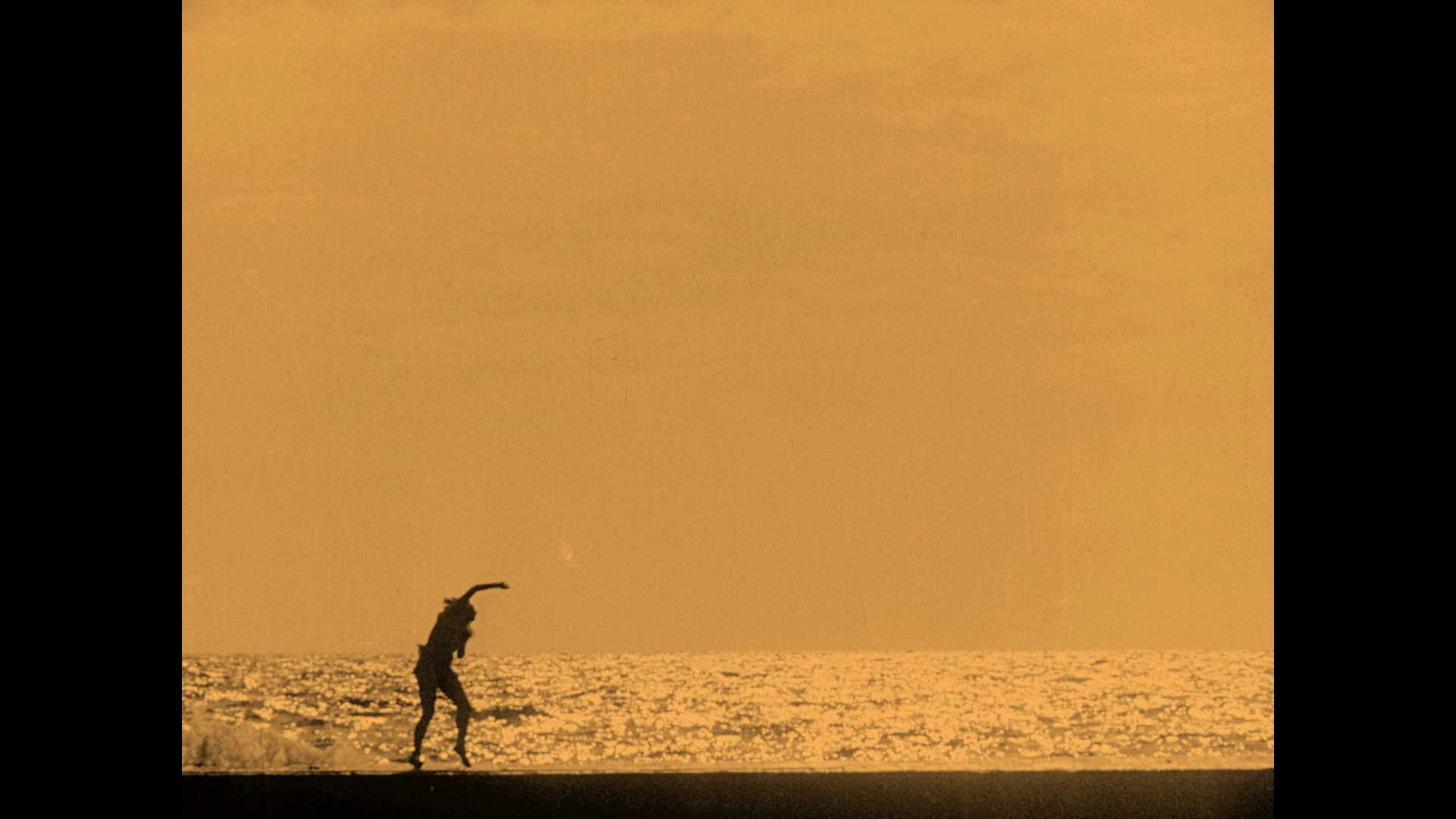
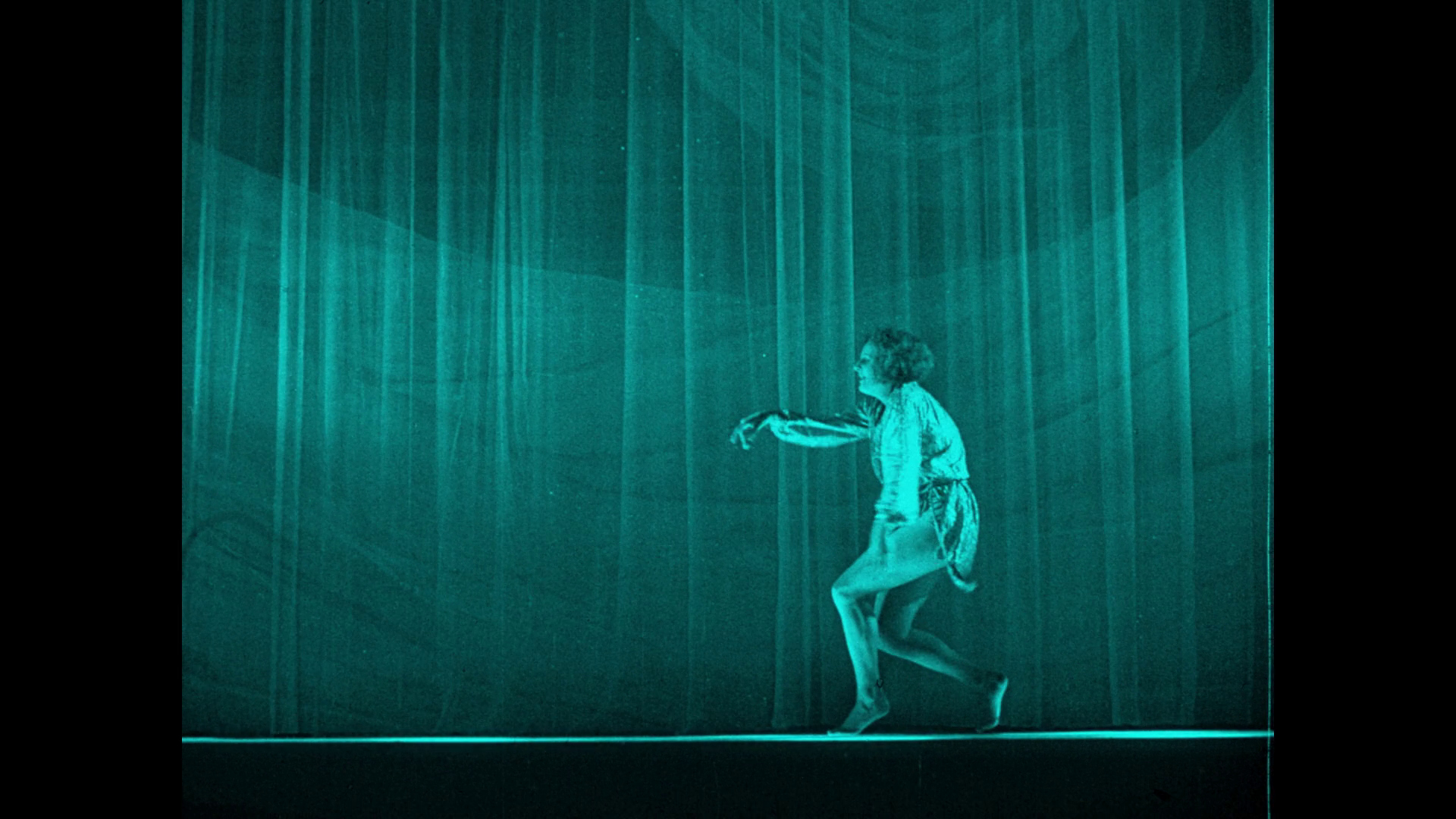
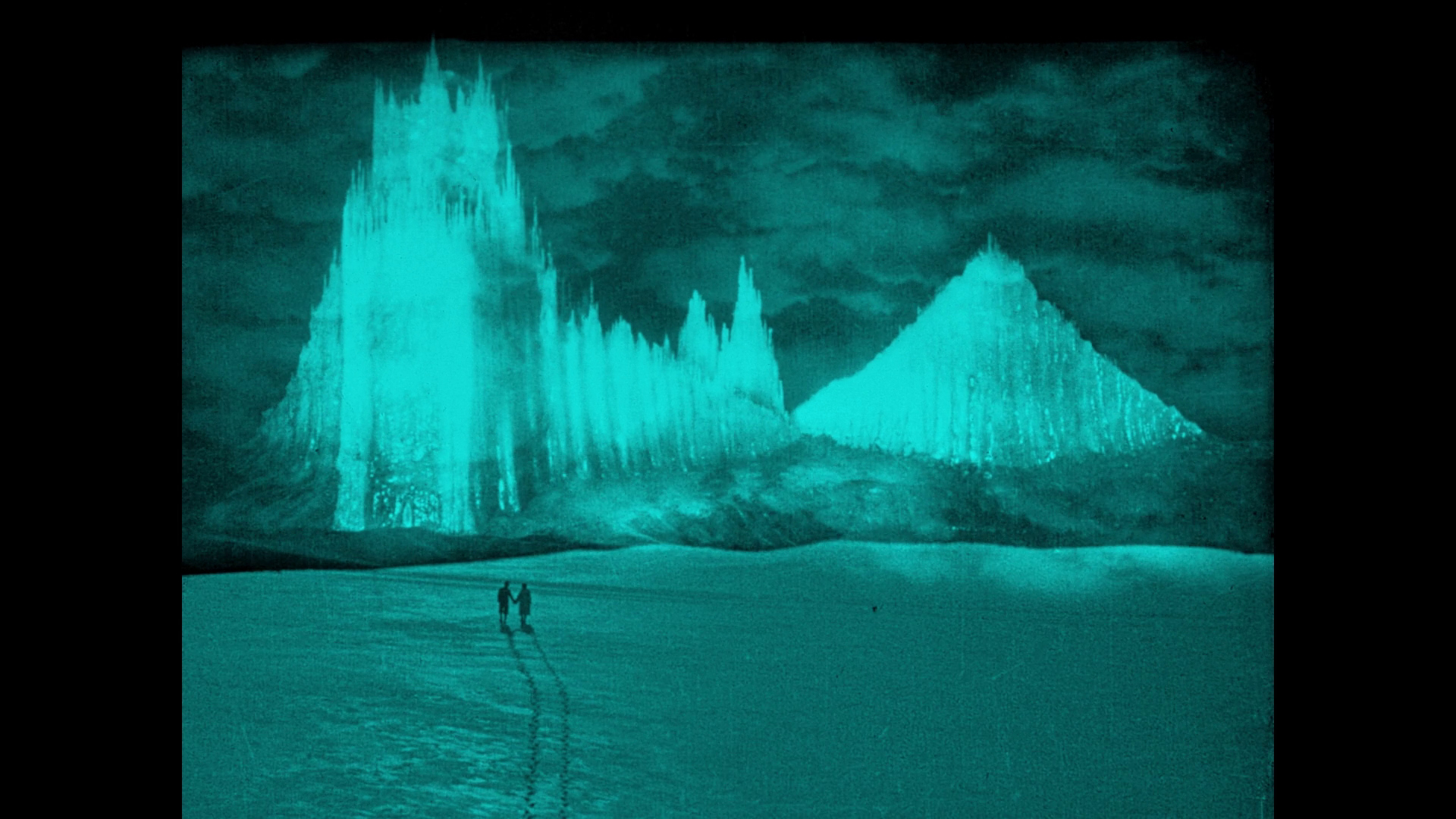
Dr. Arnold Fanck (1889-1974) can be viewed as a significant pioneer of independent filmmaking and his film, The Holy Mountain (1926), as a landmark entry in the Bergfilme genre. The production, however, was riddled with problems. Unseasonably warm weather in the German Alps melted the expensive ice palace set constructed on a frozen lake; snow turned to slush; various injuries afflicted Riefenstahl, Schneider, and cinematographer Hans “Snowflea” Schneeberger; filming was delayed, and UFA threatened to abandon the project. Mimicking the film’s archetypical romantic triangle, affectionate rivalries boiled within the small crew. According to Riefenstahl (whose memoirs contain much melodrama), Fanck was deeply in love with her, but she wasn’t interested. Instead, she and Trenker were in love, a situation Fanck continually tried to undermine by privately suggesting to Trenker that Riefenstahl and Schneeberger were secretly having an affair. When the winds shifted and cold weather returned, it took great professionalism for everyone to sleep in the same winter cabin without chaos ensuing. Despite everything, the film was clearly a formative experience for Riefenstahl, who absorbed as much about filmmaking as she could. When Fanck was summoned to UFA to determine the film’s fate, Riefenstahl took it upon herself to film the flower-filled springtime scenes in Interlaken. (According to her, the high quality of the rushes convinced UFA to keep the production.) When Fanck was unable to shoot the nighttime scenes of the rescue party searching at night with their flares, Riefenstahl directed those scenes as well, even, according to her memoirs, after a magnesium torch burst beside her and singed half her face. (“I tried to put out the flames with my left hand and keep cranking the camera with my right hand until the scene was done.”) The visual power of the film is undeniable, with its monumental compositions emphasizing towering rock formations, natural light cascading over craggy surfaces, and the crashing waves of the sea. Although Fanck was known as a realist (he detested makeup or stunt doubles and insisted on shooting on location) the film boasts poetic uses of dissolves, superimpositions, silhouettes, time-lapse cinematography, and, of course, slow motion montages, the latter of which clearly anticipates Riefenstahl’s veneration of pool divers in Olympia (1938). The ice palace was reconstructed and its sequence is strikingly lit, a carryover of expressionist techniques. Fanck had obviously learned his craft in the preceding years; considerations of screen direction and consistency of movement from shot to shot are carefully maintained, while his use of irises and masking illustrate his eternal passion for nature photography. by Doug Cummings (excerpted from the enclosed booklet essay in the Eureka disc) |
Posters
 |
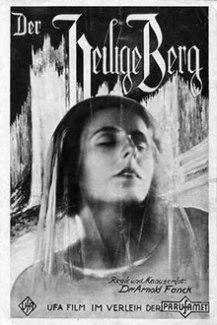 |
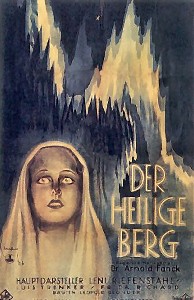
Theatrical Release: December 17th, 1926 - Berlin, Germany
Comparison:
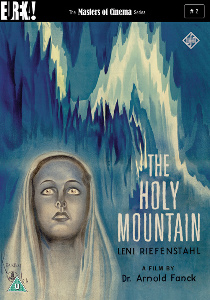
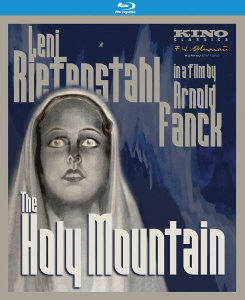
Eureka (2 discs) - Region 2 - PAL vs. Kino Lorber - Region 'A' - Blu-ray
|
1) Eureka (2 discs) - Region 2 - PAL LEFT2) Kino Lorber - Region 'A' - Blu-ray RIGHT
|
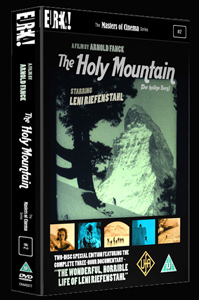
| Box Covers |
|
|
| Distribution | Eureka - Region 2- PAL | Kino - Region 'A' - Blu-ray |
| Runtime | 1:45:31 | 1:45:31 |
| Video |
1.33:1
Original Aspect Ratio Average Bitrate: ? mb/s PAL 720x576 25.00 f/s |
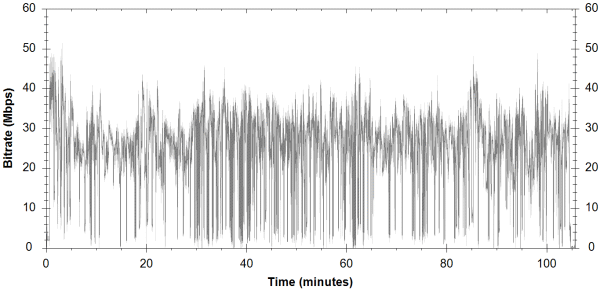
Disc Size: 23,686,161,675 bytes Feature Size: 22,335,468,672 bytes Average Bitrate: 24.75 Mbps Single layered Blu-ray MPEG-4 AVC Video |
| Blu-ray |
 |
|
| Audio | Silent with score (Dolby Digital 2.0 Dolby) , (Dolby Digital 5.1) |
LPCM Audio English
1536 kbps 2.0 / 48 kHz / 1536 kbps / 16-bit Dolby Digital Audio English 384 kbps 2.0 / 48 kHz / 384 kbps / DN -2dB |
| Subtitles | Removable English subtitles over original German intertitles | Removable English subtitles over original German intertitles |
| Features |
Release Information: Edition Details: • The
Wonderful Horrible Life of Leni Riefenstahl (documentary by Ray Muller | 1993 | 180 mins) |
Release Information: Disc Size: 23,686,161,675 bytes Feature Size: 22,335,468,672 bytes Average Bitrate: 24.75 Mbps Single layered Blu-ray MPEG-4 AVC Video Edition Details:
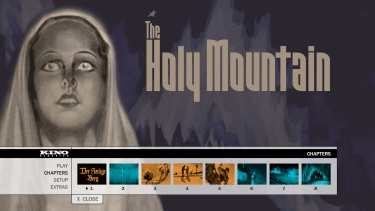
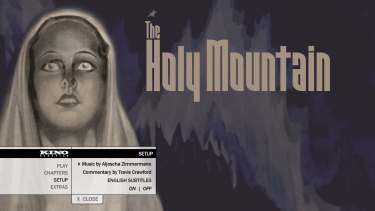
• Audio commentary by film historian Travis Crawford |




| Comments: |
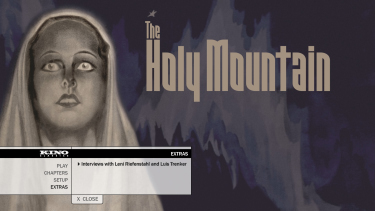
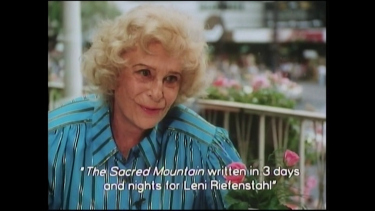
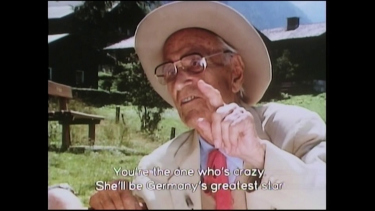
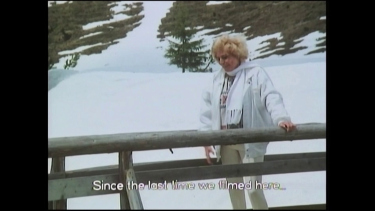
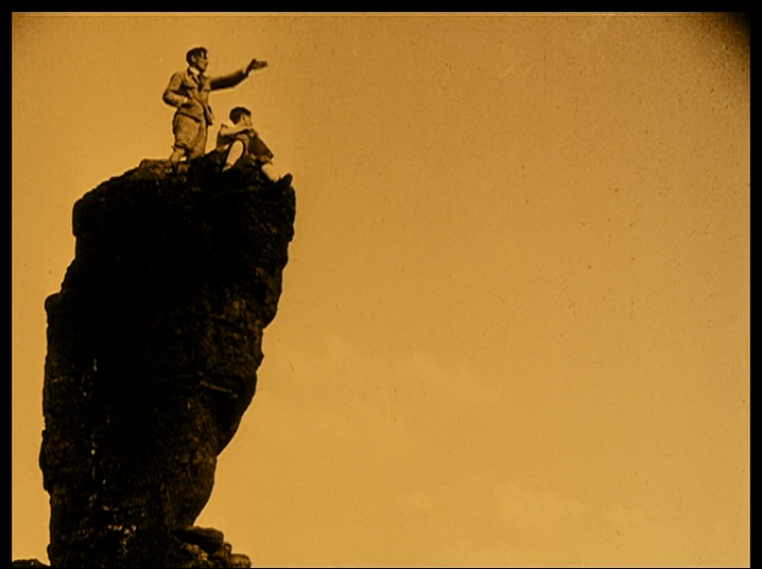
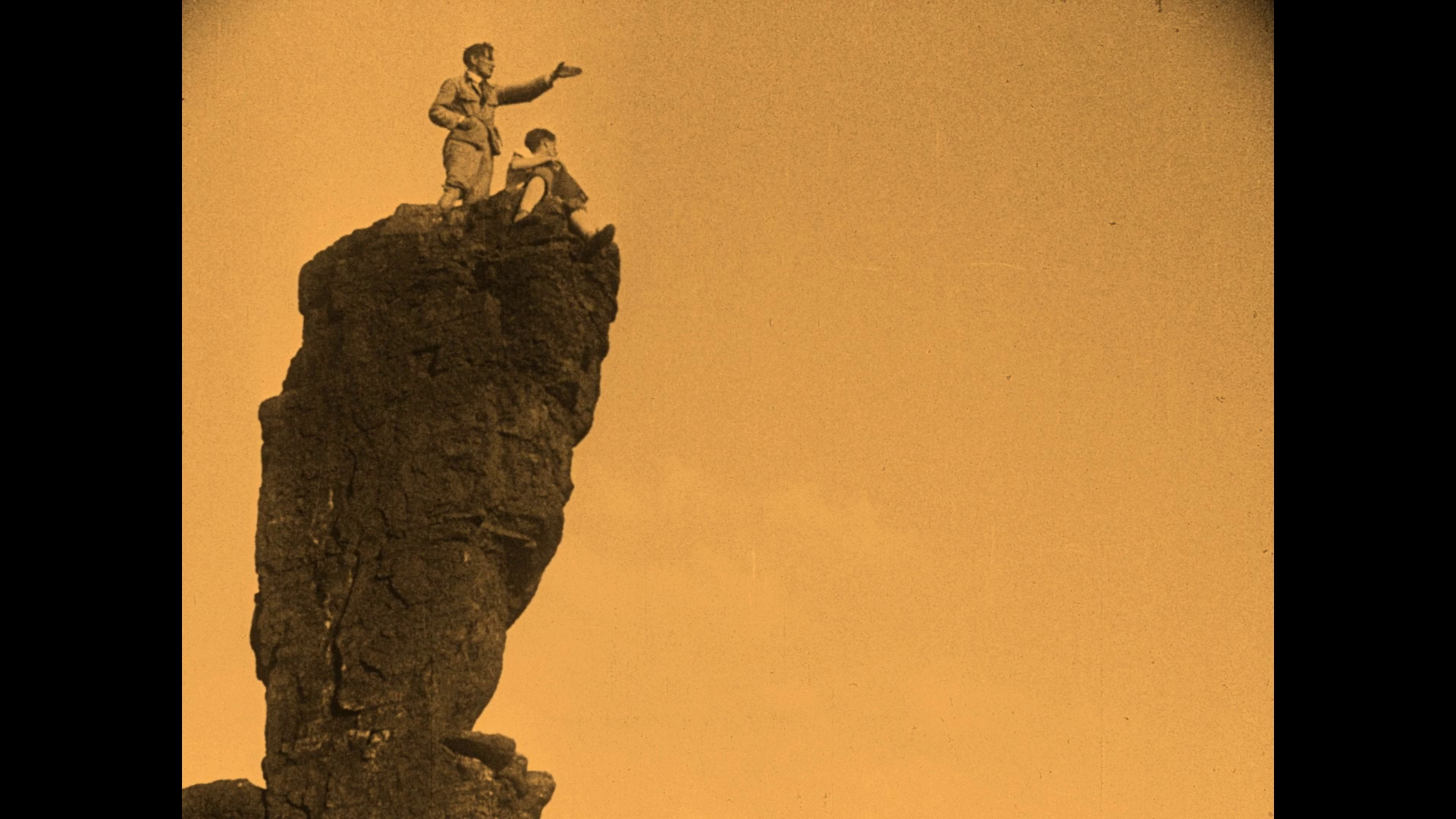
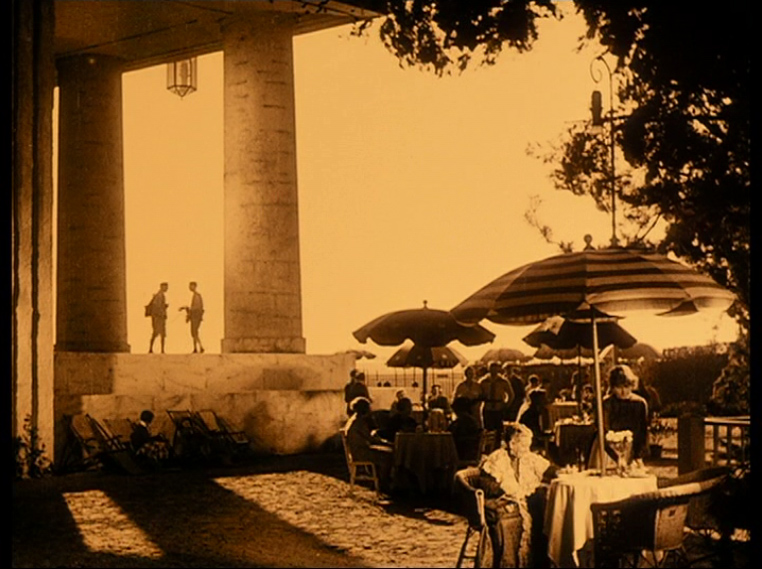
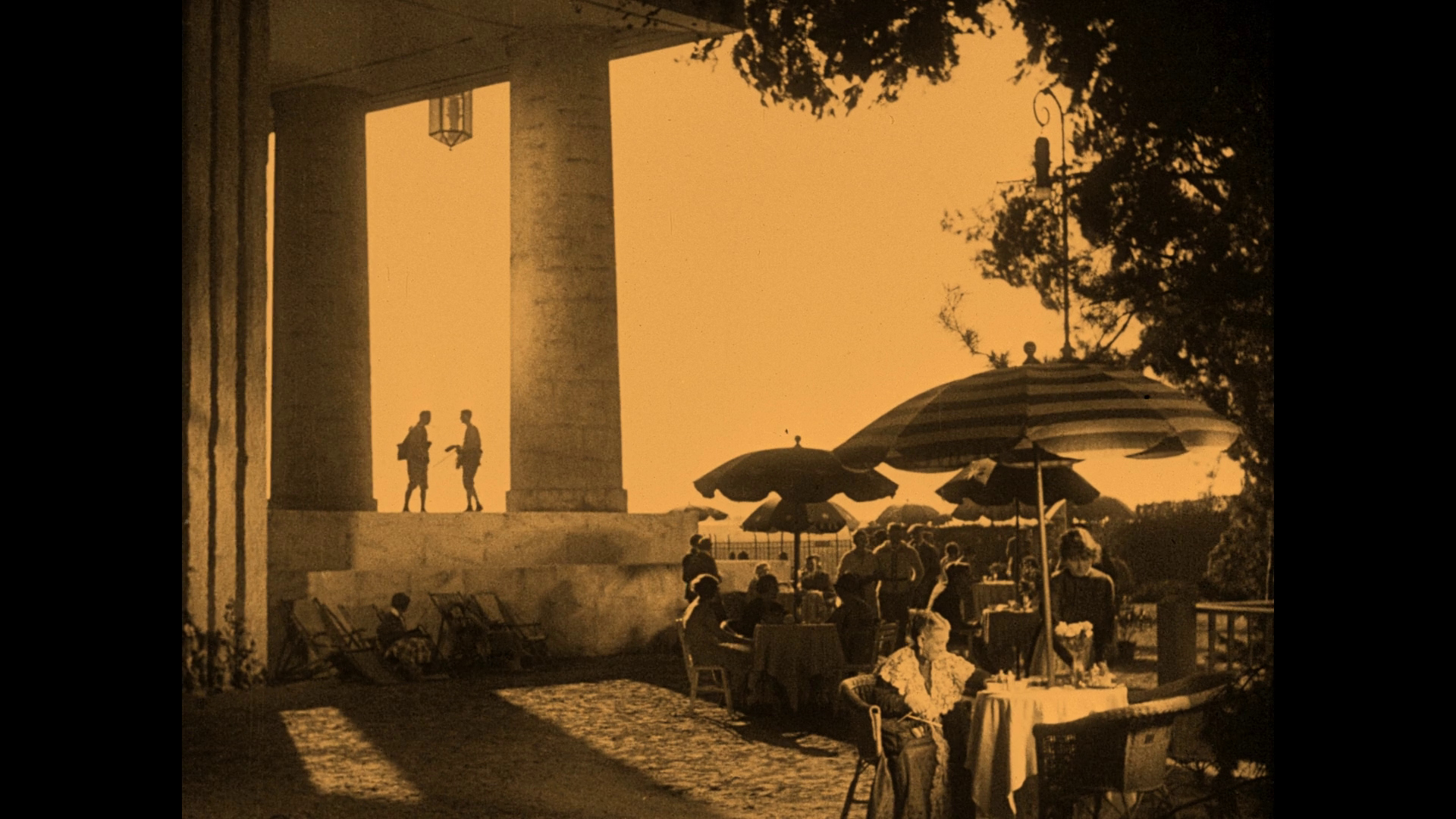
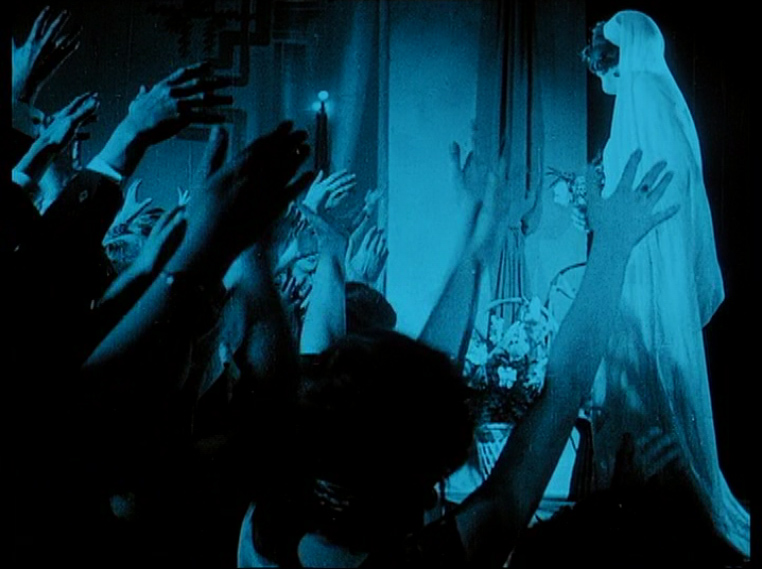
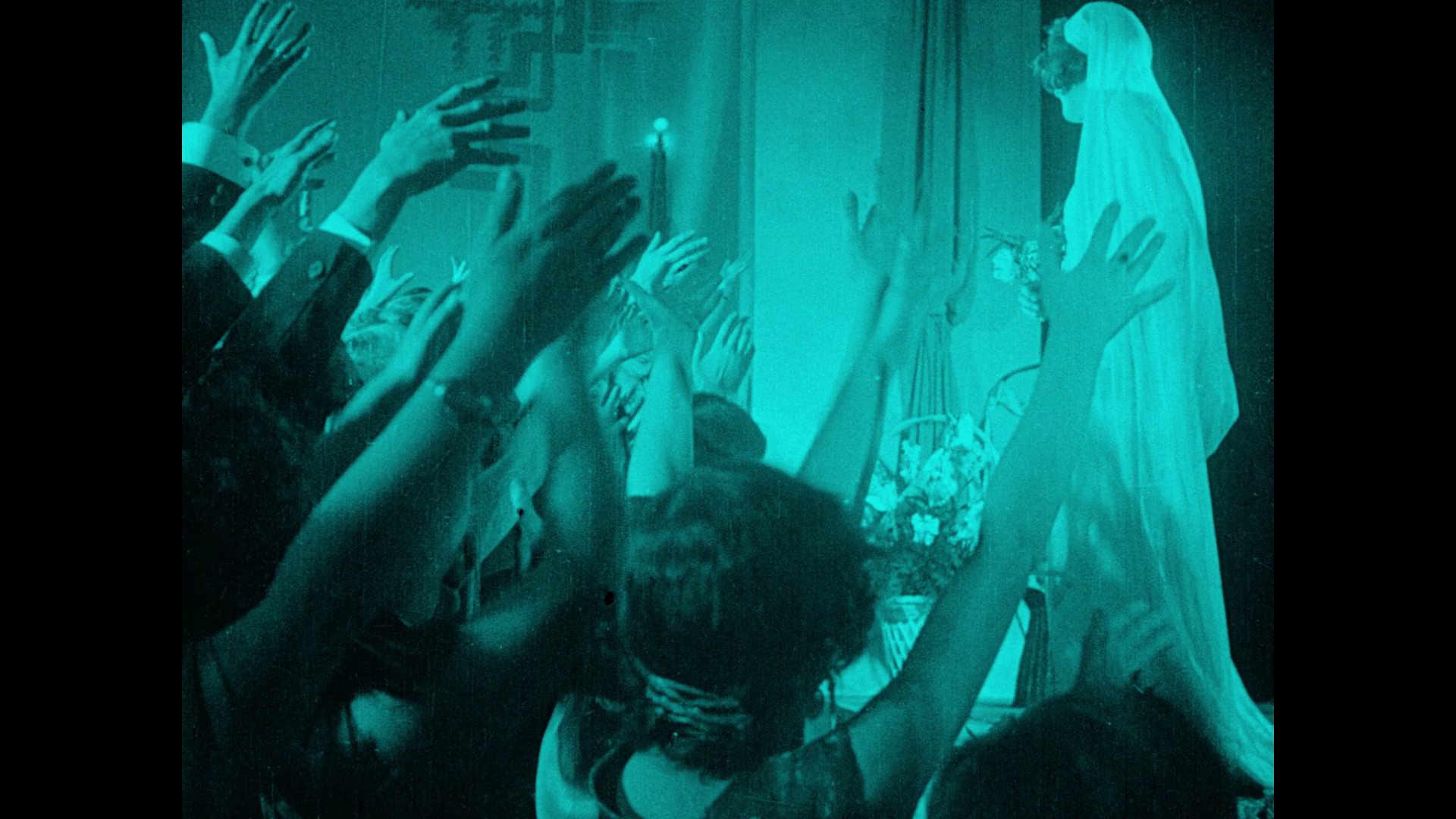
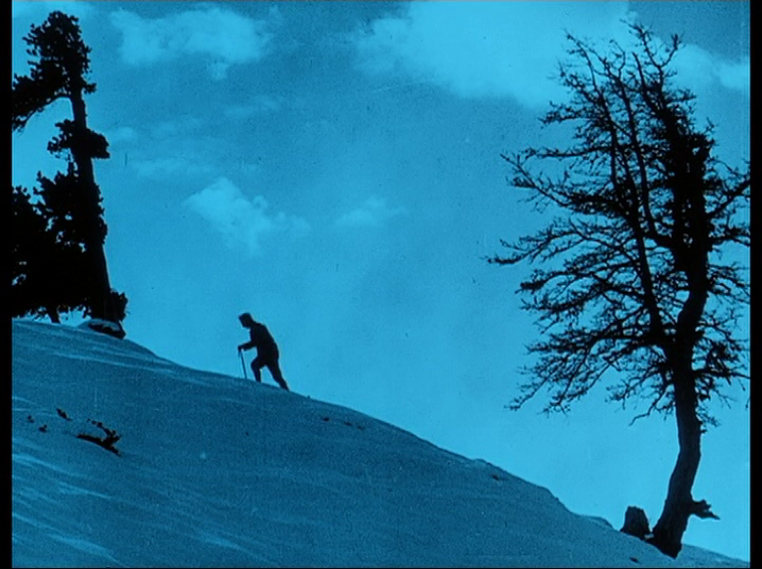
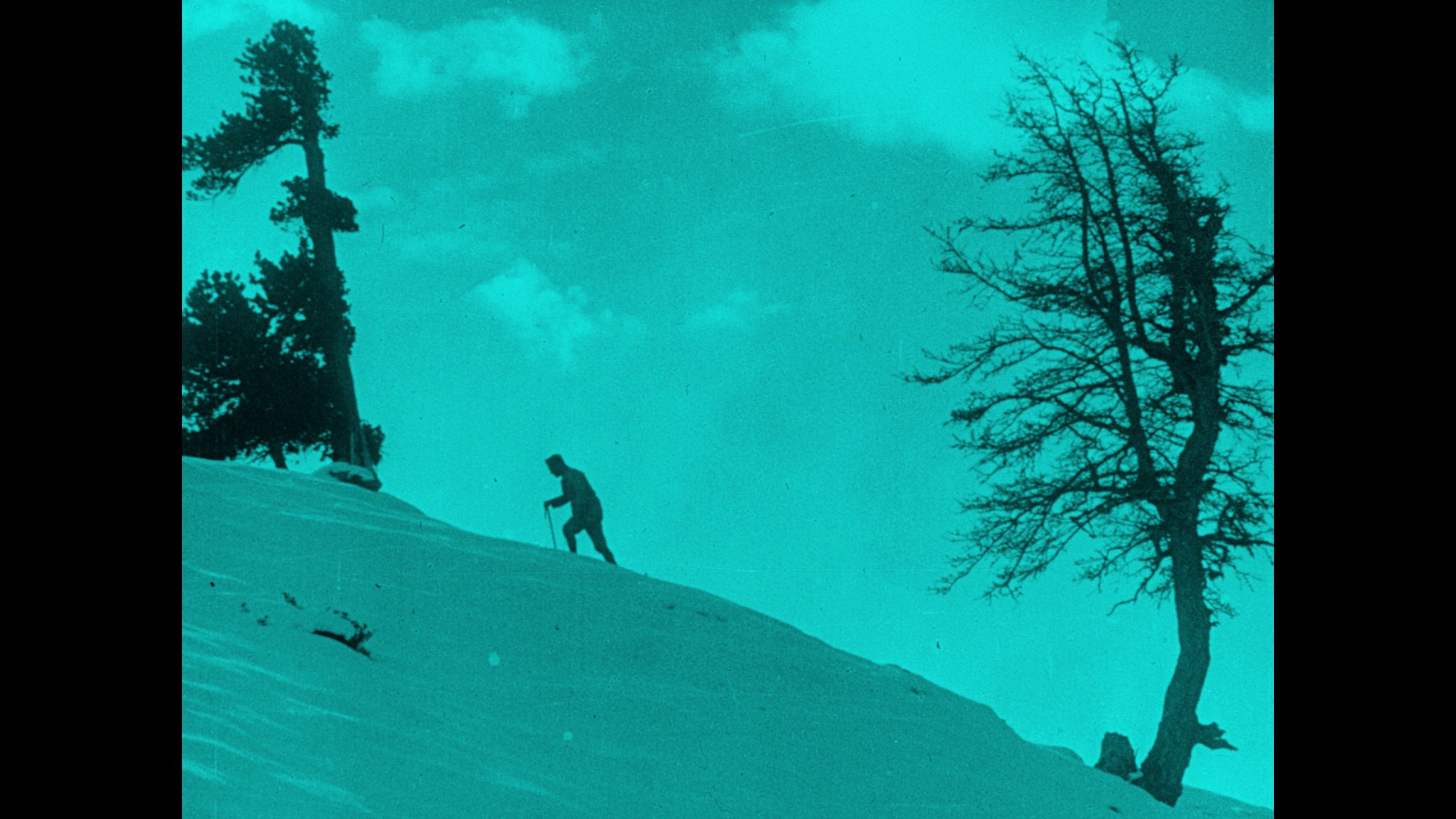
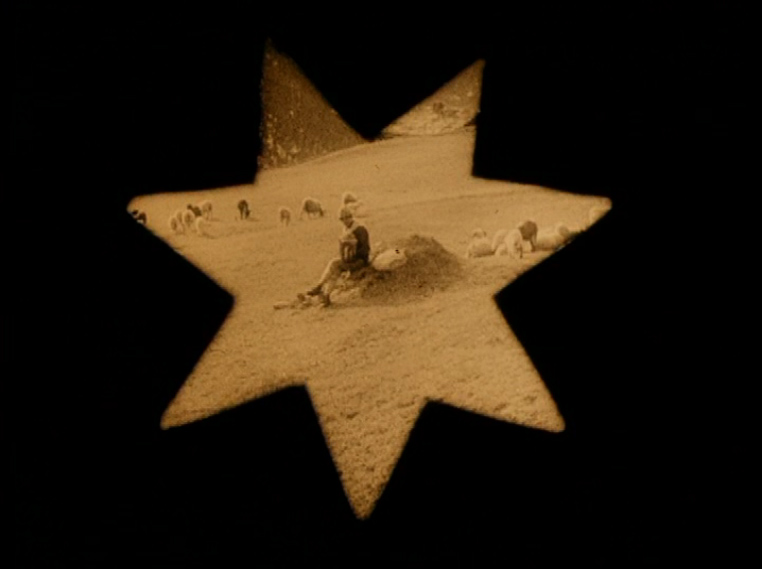
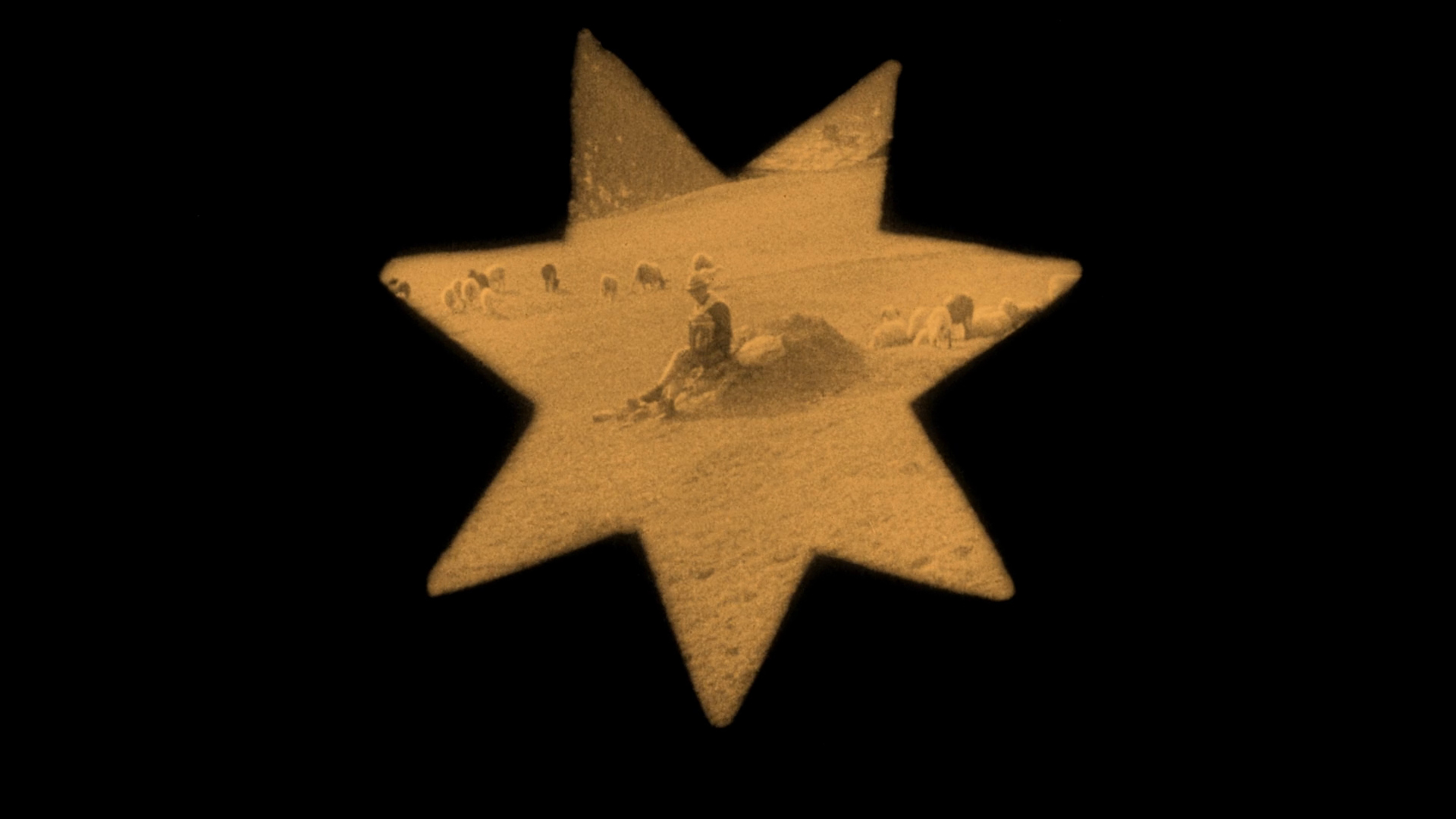
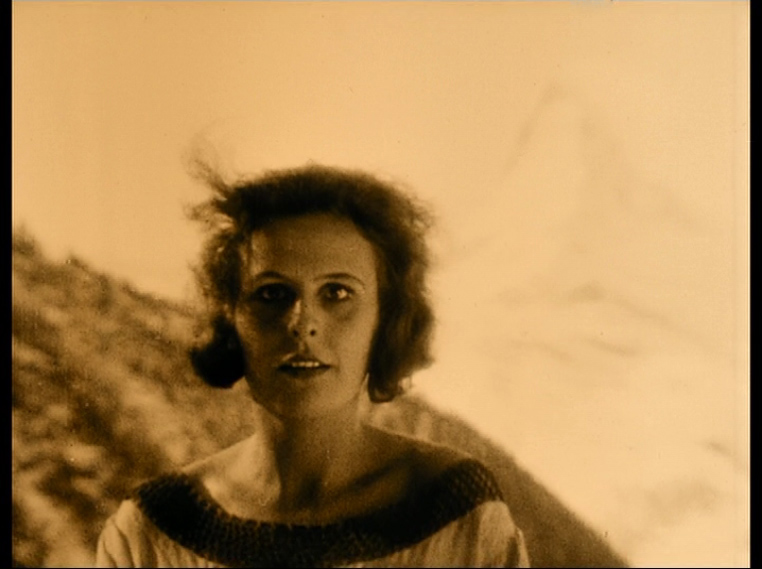
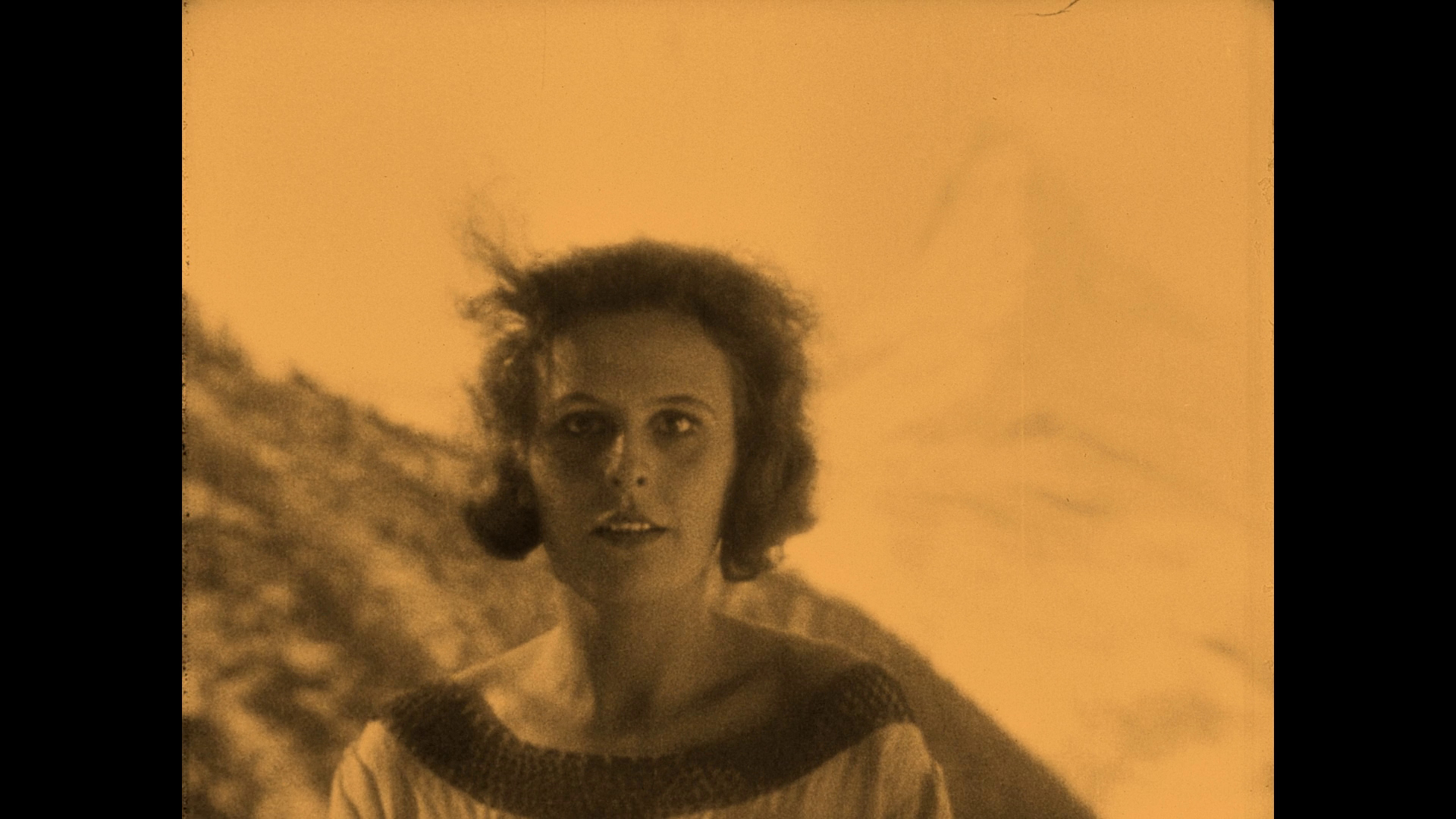
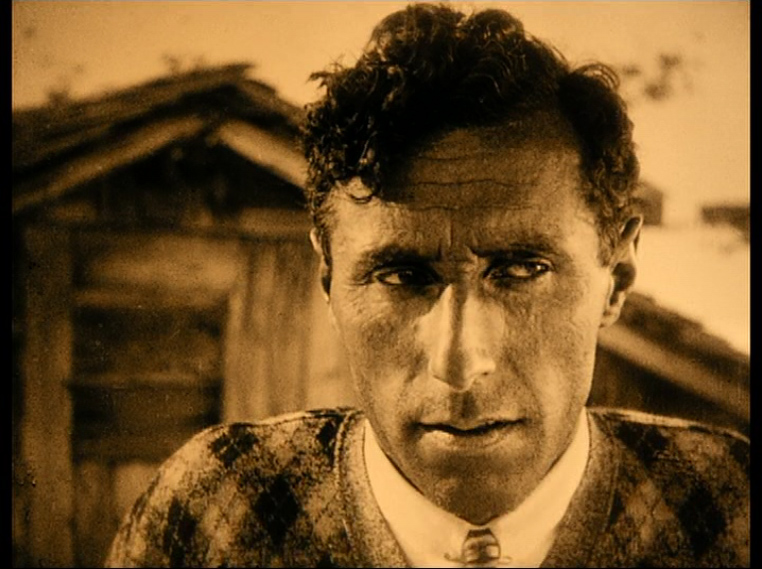
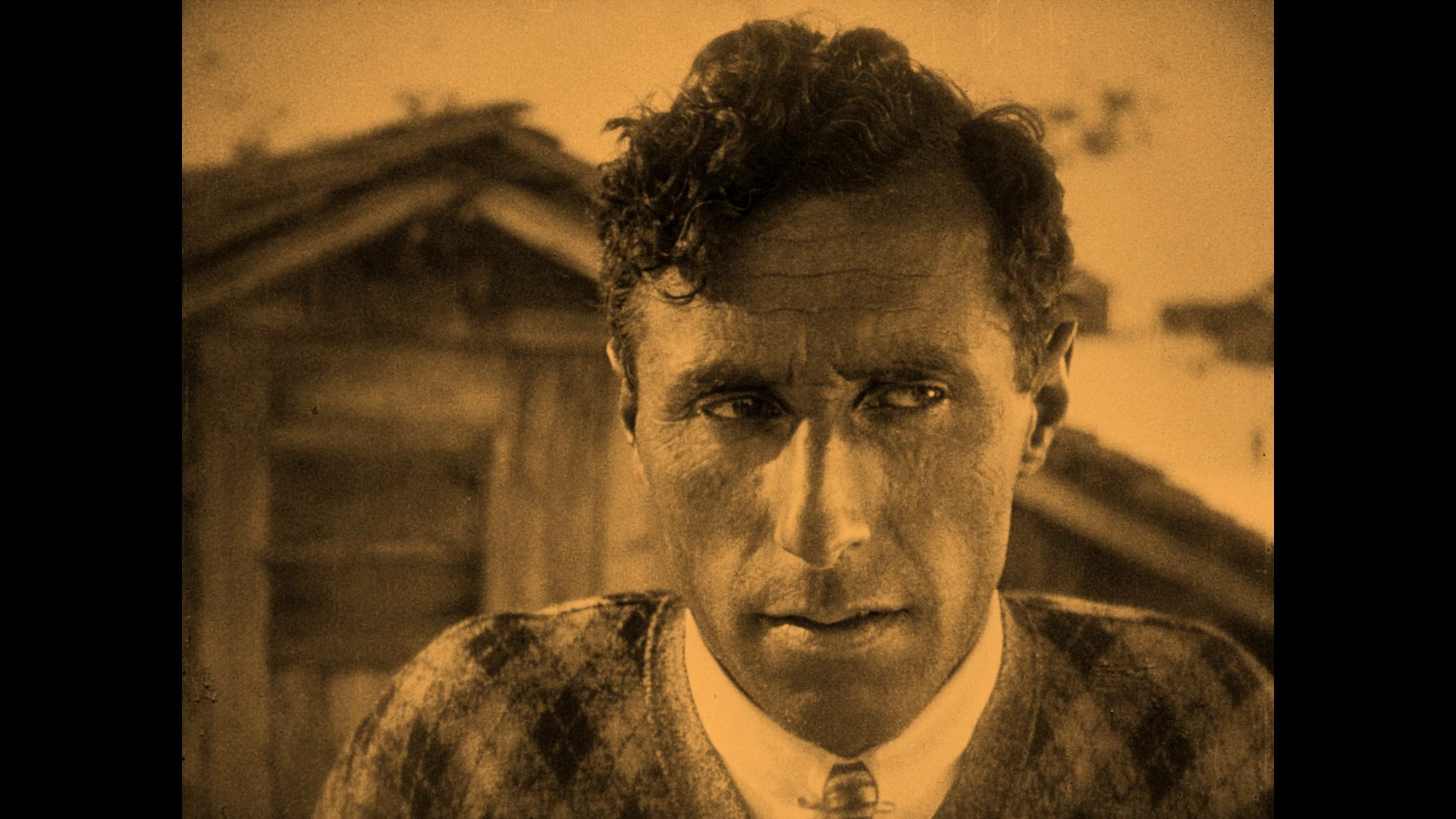
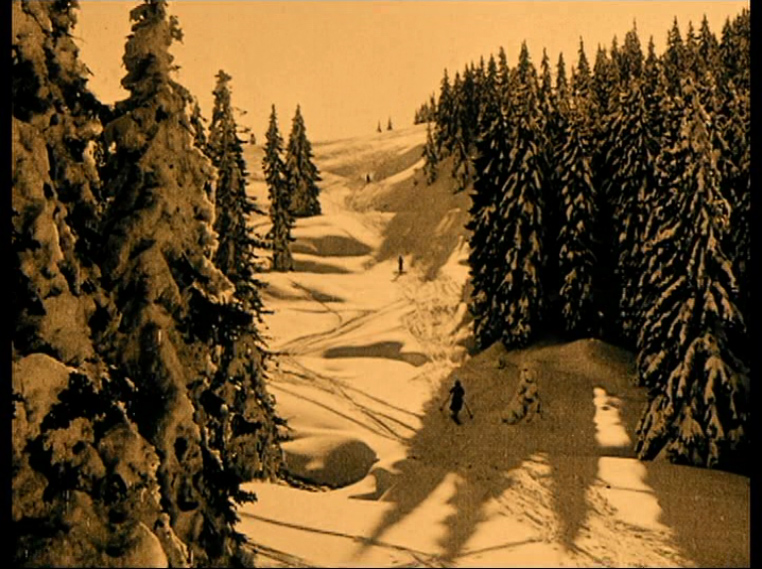
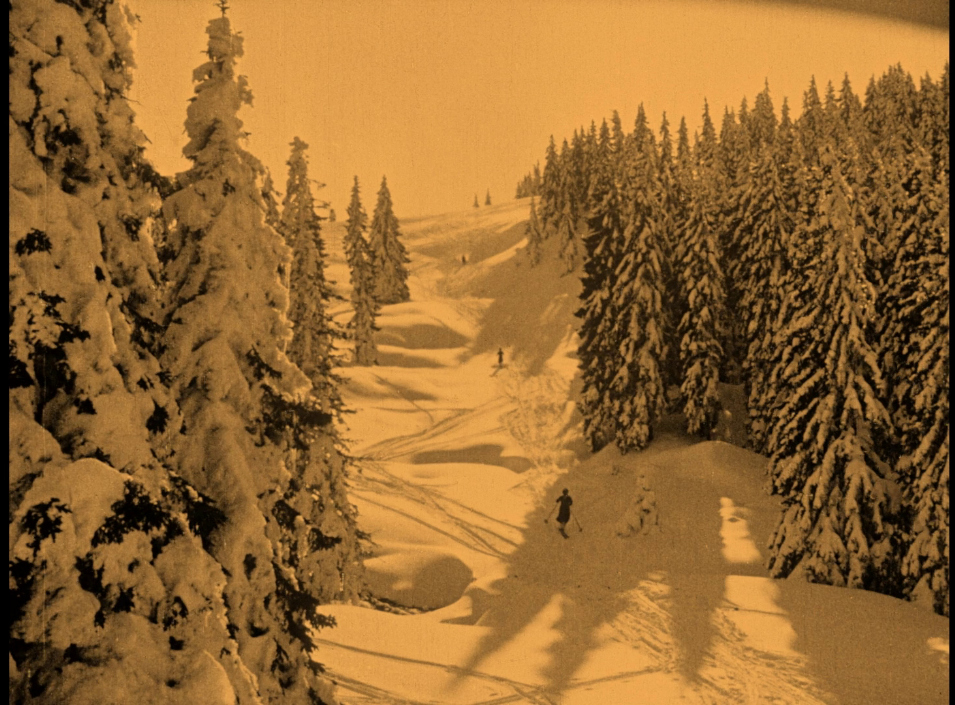
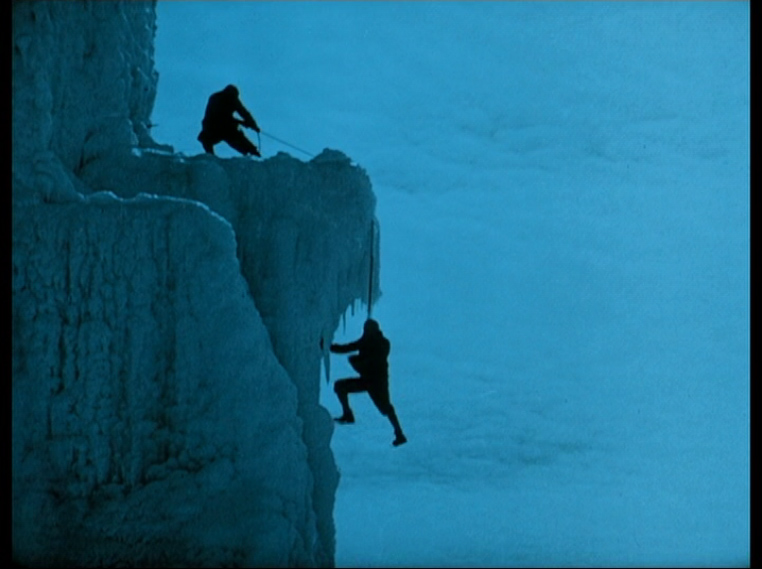
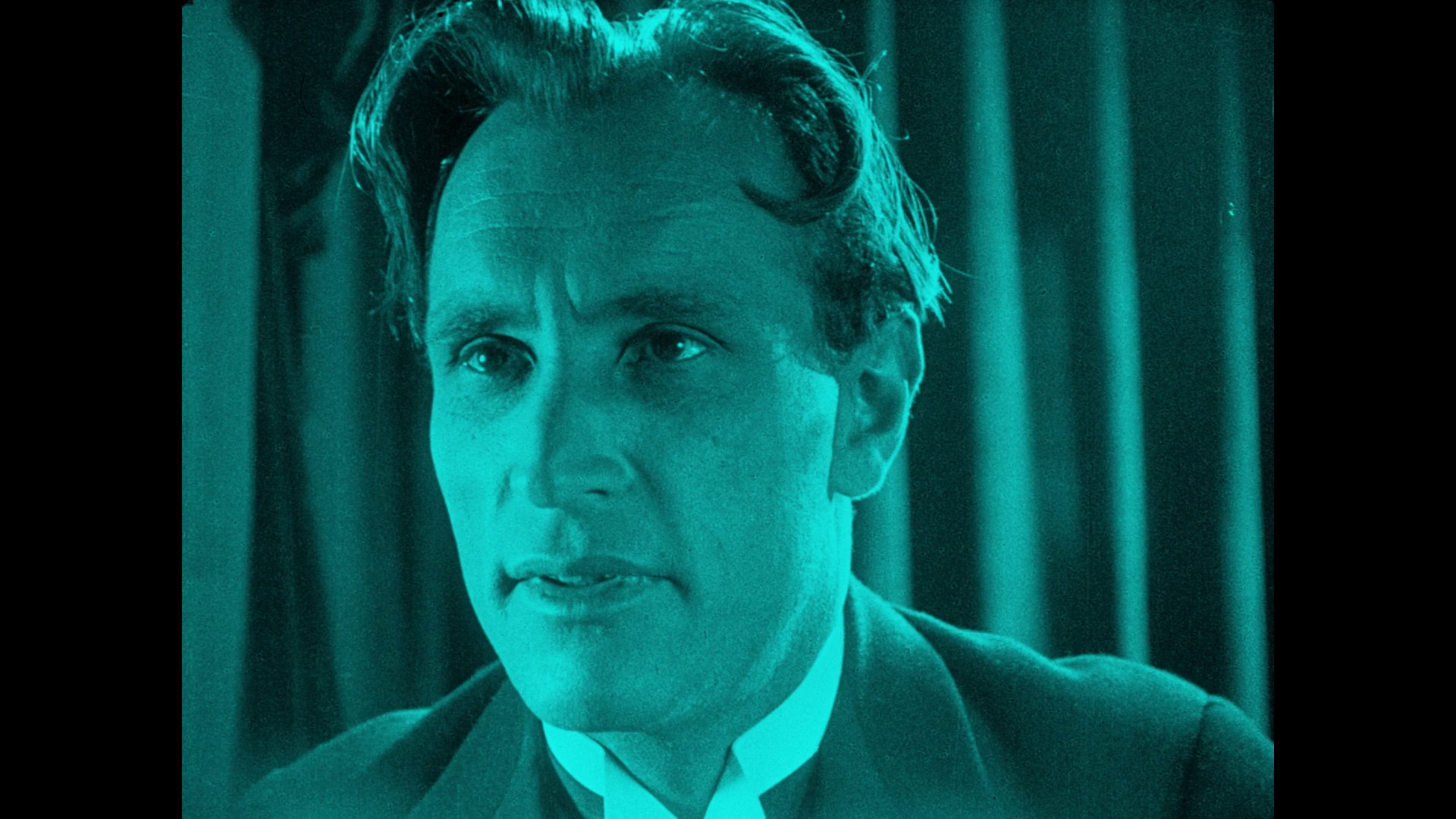
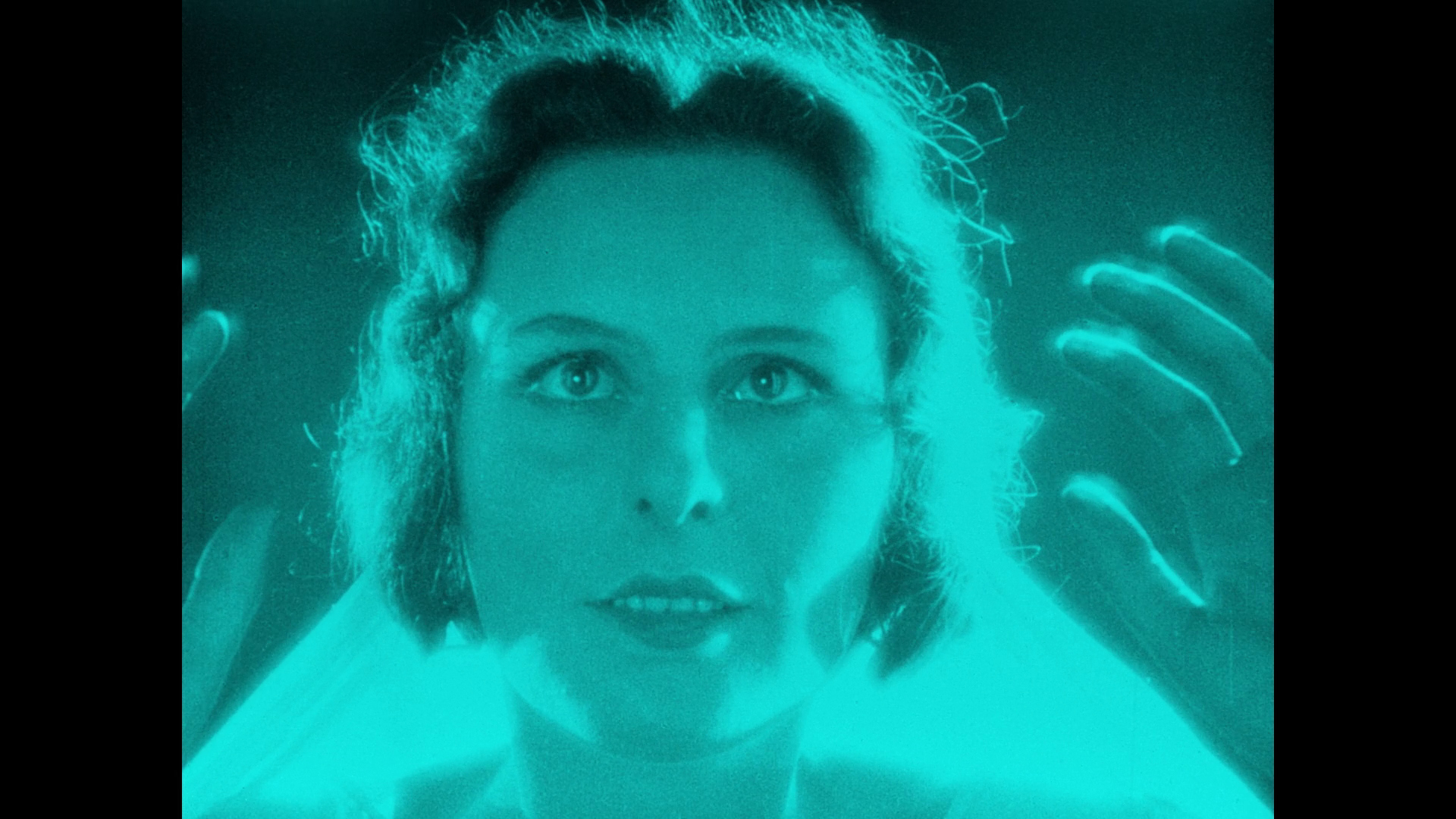
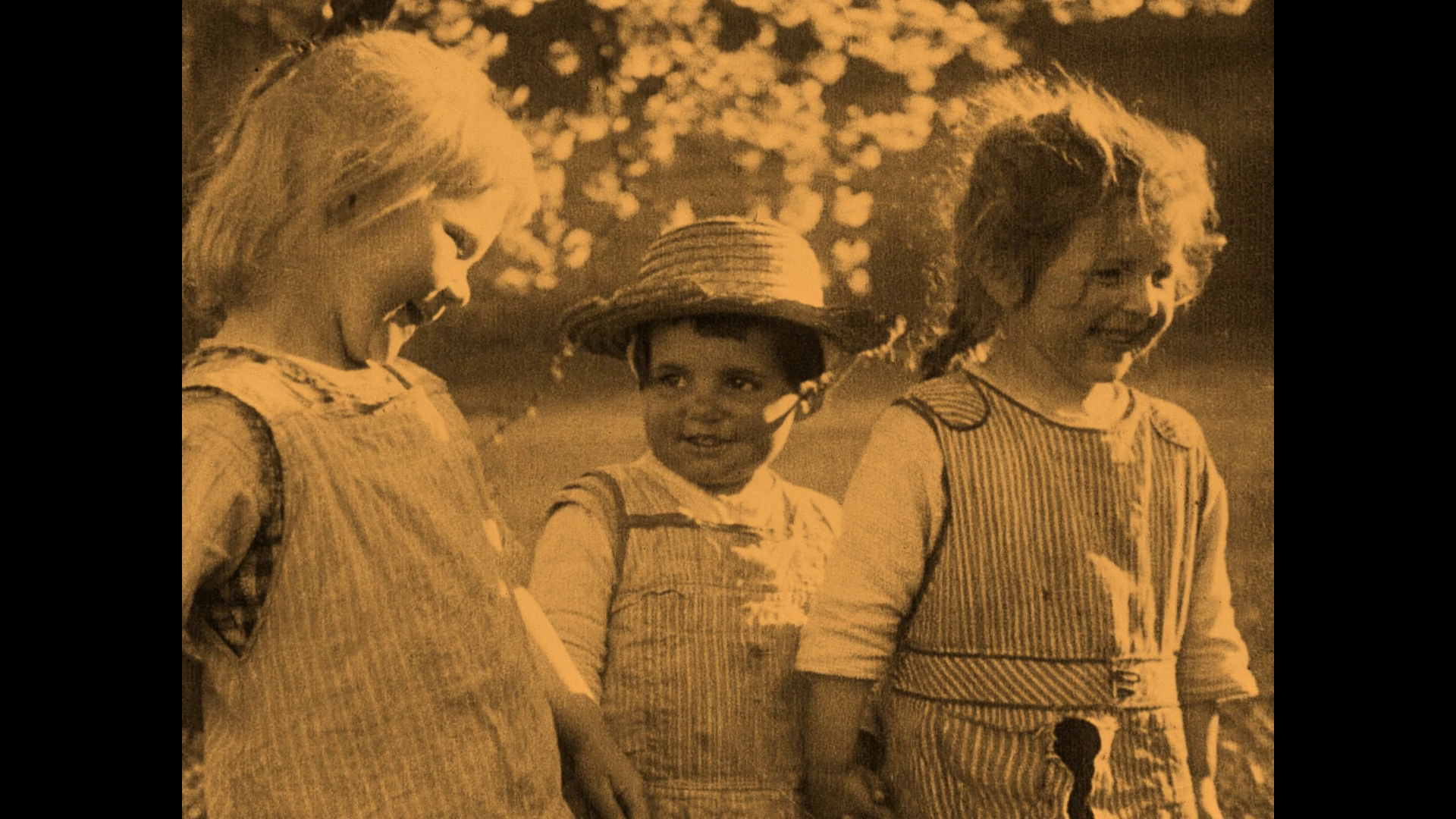
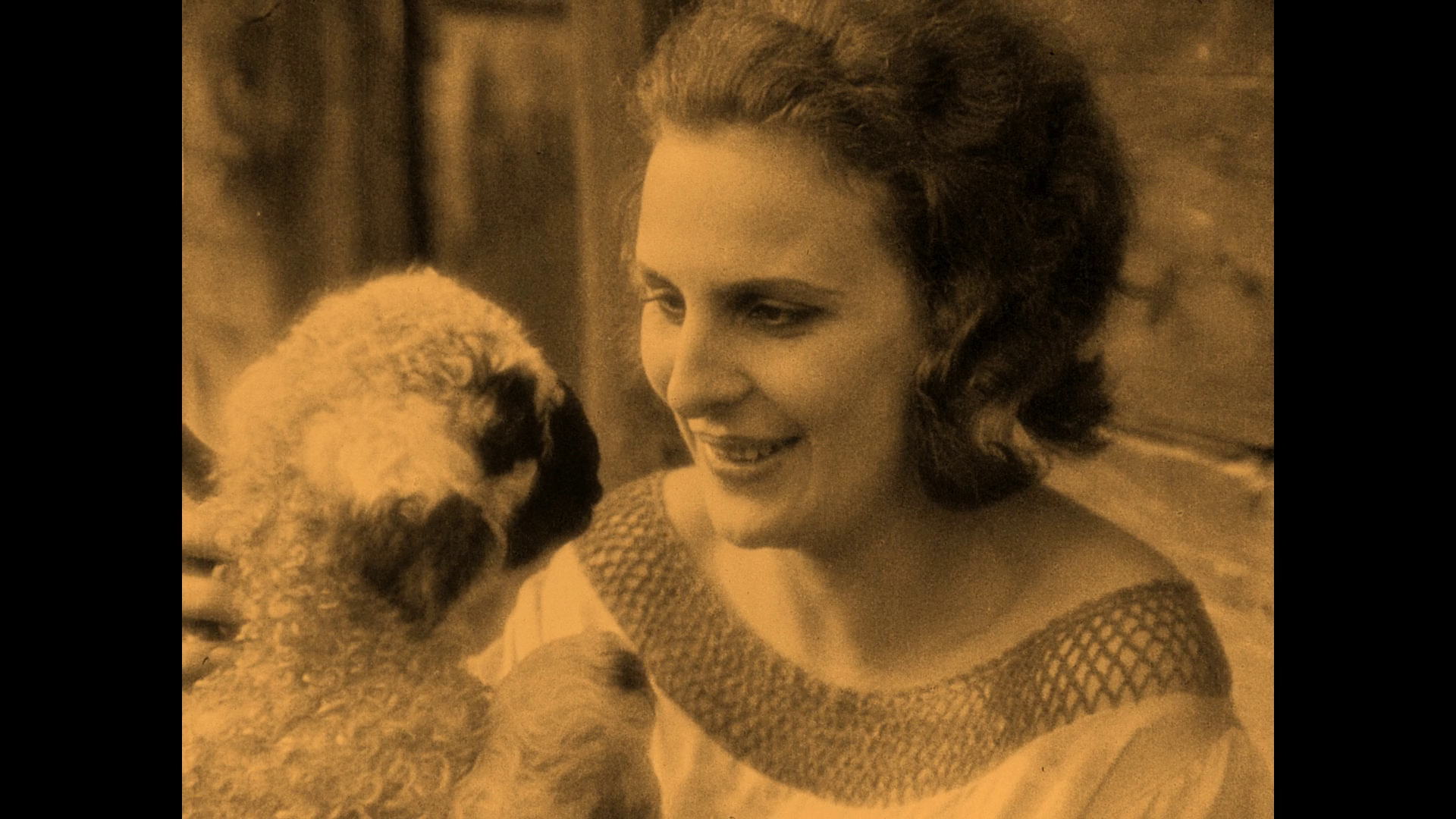
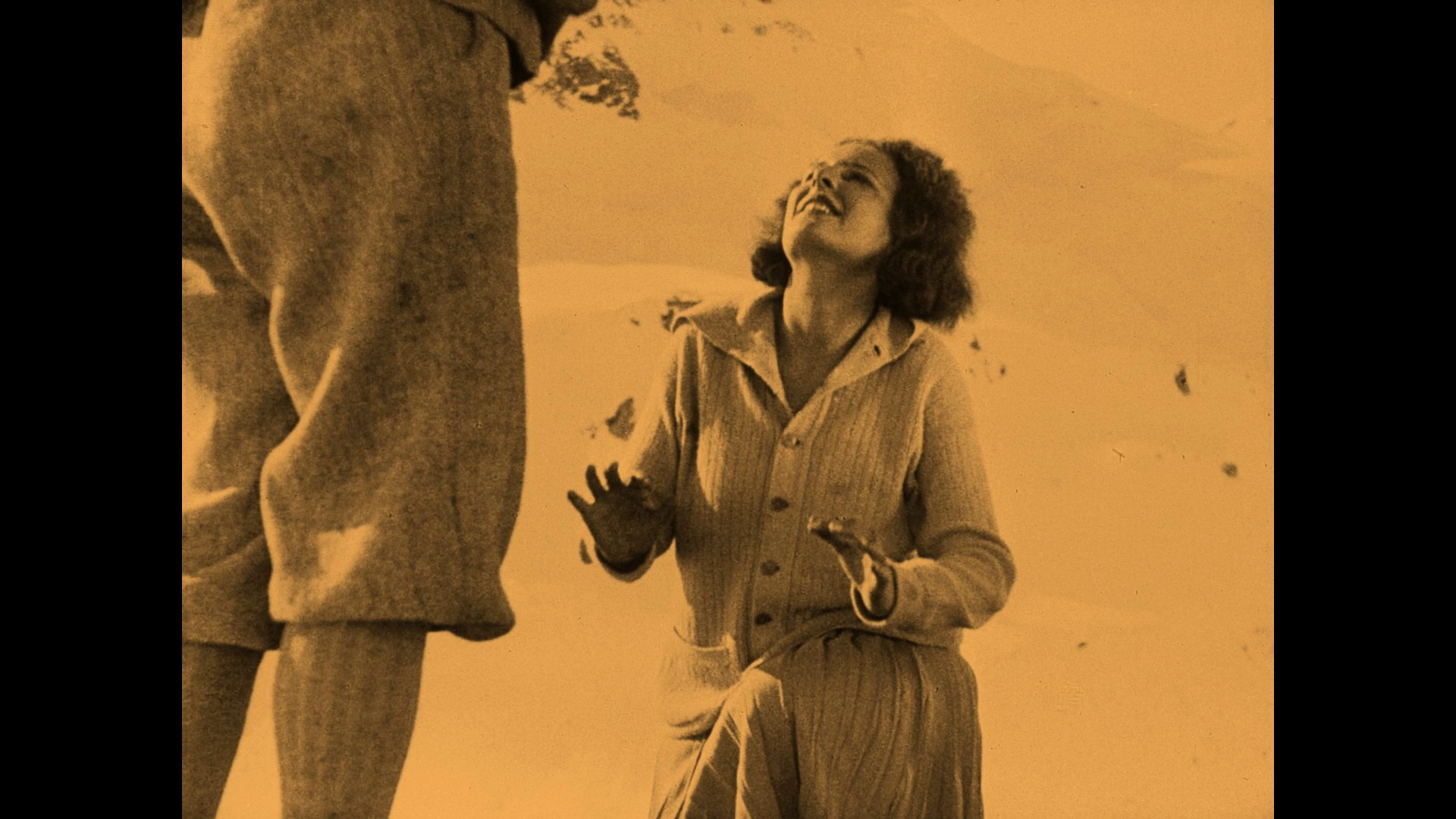
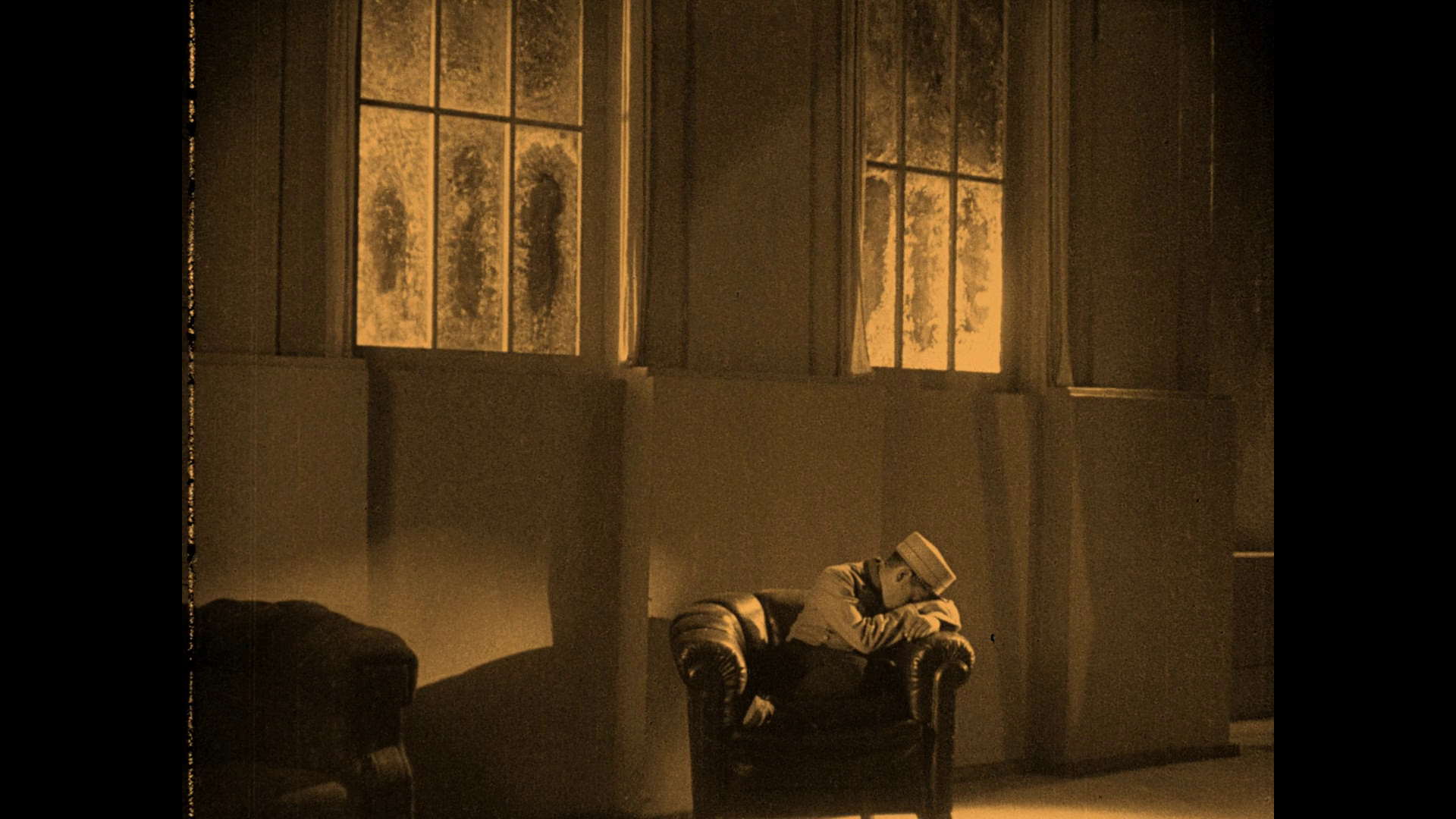
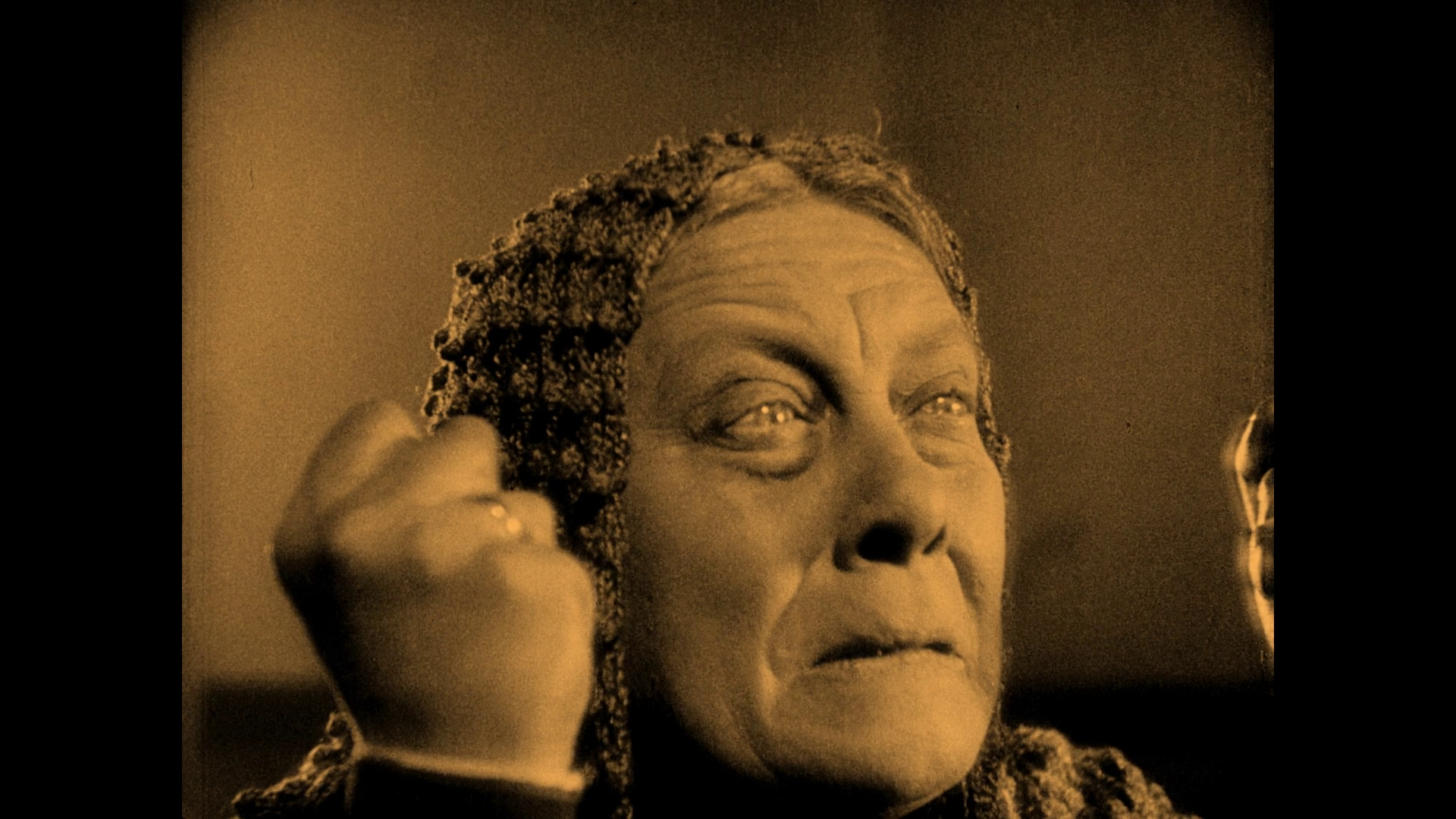
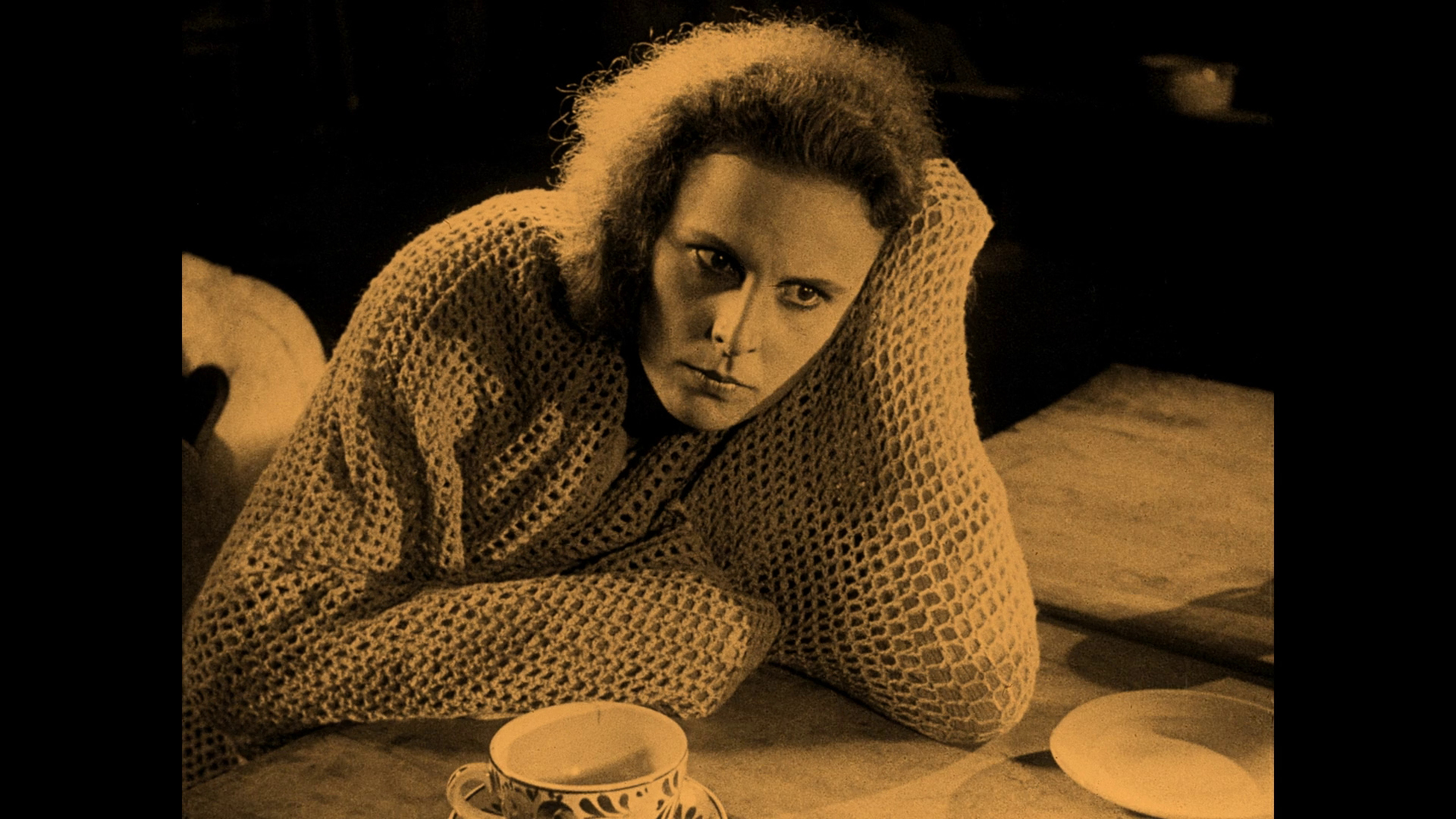
NOTE: The below Blu-ray captures were obtained directly from the Blu-ray disc. This new Kino 1080P is advertised as a "2K Restoration from 35mm elements by the Friedrich-Wilhelm-Murnau-Stiftung". Video Kino's new release is a 1080p 24fps AVC on a single-layered disc. According to a title card before the film, "The film was photochemically restored in 2001 by the Friedrich-Wilhelm-Murnau-Stiftung in Wiesbaden, from a tinted nitrate print held by the Bundesarchiv-Filmarchiv, Berlin, and a black-and-white nitrate print held by the Fondazione Cineteca Italiana, Milan. When available, the subtitles of the Bundesarchiv print were utilized and digitally restored. Missing titles were reconstructed from the text of the censorship card held at the Deutschen Filminstituts--DIF in Frankfurt. Labwork was performed by L'Immagine Ritrovata in Bologna. This photochemical master was scanned in 2014, and was the basis for this 2k digital restoration." This presentation is a natural upgrade over the previous DVD editions. There is some considerable damage seen in the frayed left edge of the frame, with a occasional vertical scratch (see the cap of the usher sleeping in the chair). This damage was not seen in the previously released version, most likely because the old version seems to have been zoomed in or cropped a bit, thus hiding the damage. The usual fluctuation of contrast is visible throughout, though this is native to most silent films seen today. There are definitely shots that show some beautiful detail and grain. Without any extensive digital restoration, the film seems to be a true representation of the source print without digitization. Personally, I did not mind the damage - even embellished by the higher resolution. It looked better than I anticipated - a very visual film experience that is definitely benefitted by the HD presentation. Audio is linear PCM 2.0 channel (16-bit) and it has removable English subtitles over original German intertitles. The original score is credited to Edmund Meisel (Battleship Potemkin) and Edmund Reisch - although here, a more modern take, by Alijoscha Zimmermann who worked on about 400 silent films starting in the 80s, including Dr. Mabuse: The Gambler, Metropolis, Die Austernprinzessin (1919) aka The Oyster Princess and many more. The Blu-ray disc is Region 'A'-locked. Kino have given us a very informative commentary track featuring film historian Travis Crawford. Crawford uses lots of information from Leni Riefenstahl: A Memoir, her autobiography. There is also a lot talk about the life, work and affair with Fanck. The previous (Masters of Cinema) DVD edition of the film included the 3-hour documentary, "The Wonderful, Horrible Life of Leni Riefenstahl". Sadly, that is not part of this package. Though we are given a 4-minute excerpt from this doc featuring interview footage with Riefenstahl and her co-star Luis Trenker. It was quite special to see the main attraction here is the feature itself in the glory of 1080P. It is visually captivating. For many Silent Era fans- this will be well worth owning. Recommended! Colin Zavitz *** ON THE DVD: This Eureka release features original German intertitles (unlike the Kino R1 release which we will be comparing eventually).
This is the first release (spine #2 though!) in the Masters of Cinema Series from Eureka (the knowledgeable chaps at www.mastersofcinema.org are curating a series of classic and world cinema in conjunction with the Eureka experts and this will see the re-release of many older Eureka titles in the future. We're told that METROPOLIS (Lang) will be #1, and MIKAEL (Dreyer) is #3).
This extensive 2001 restoration is based on two nitrate copies of the original negative one tinted from the Bundesarchiv-Filmarchiv in Berlin, the other, black & white from the Fondazione Cineteca Italiana, Milan. With the support of the Friedrich Wilhelm Murnau Foundation.
On disc 2 of this set is the complete 3-hour documentary "The Wonderful, Horrible Life of Leni Riefenstahl" by Ray Müller. This documentary was only excerpted on the Kino R1 release of The Holy Mountain (indeed, Kino sell this documentary on its own for $50!)
Both discs are RSDL
(DVD9). Magnificent for all film fans.
|
 out
of
out
of Associated Reading (CLICK COVERS or TITLES for more information)
 |
 |
 |
 |
 |
 |
 |
 |
 |
|
Metropolis (Bfi Film Classics, 54) by Thomas Elsaesser |
Movie Posters of the Silent Film Era To Color by Rex Schneider, Christopher Buchman |
American Film Cycles: The Silent Era (Bibliographies
and Indexes in the Performing Arts) by Larry Langman |
Family Secrets: The Feature Films of D. W. Griffith by Michael Allen |
The First Female Stars : Women of the Silent Era by David W. Menefee |
Silent Players: A Biographical and Autobiographical
Study of 100 Silent Film Actors and Actresses by Anthony Slide |
The Silent Cinema Reader by Lee Grieveson, Peter Kramer |
Silent Stars Speak: Interviews With Twelve Cinema
Pioneers by Tony Villecco |
Haunted Screen Expressionism in the German Cinema by Lotte Eisner |
DVD Menus
 |
 |
|
|
Kino Lorber - Region 'A' - Blu-ray
 |
 |
 |
 |
 |
 |
 |
 |
CLICK EACH BLU-RAY CAPTURE TO SEE ALL IMAGES IN FULL 1920X1080 RESOLUTION
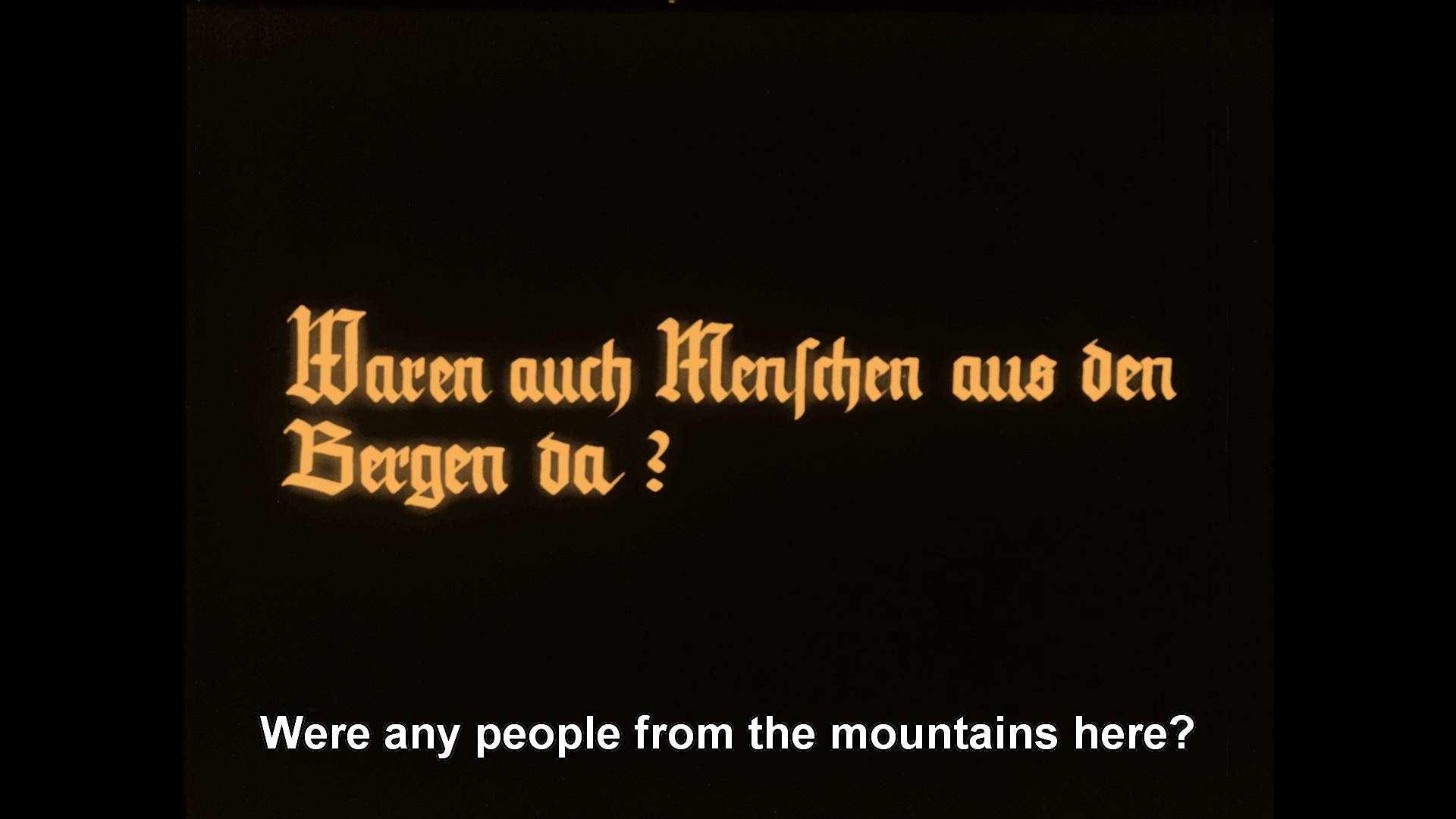
Intertitle / Subtitle Sample
|
1) Eureka (2 discs) - Region 2 - PAL TOP2) Kino Lorber - Region 'A' - Blu-ray BOTTOM
|
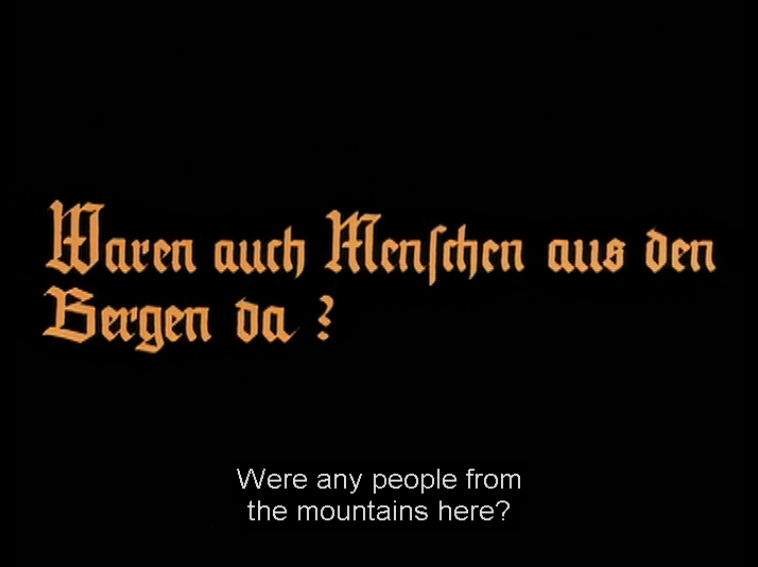 |
 |
|
1) Eureka (2 discs) - Region 2 - PAL TOP2) Kino Lorber - Region 'A' - Blu-ray BOTTOM
|
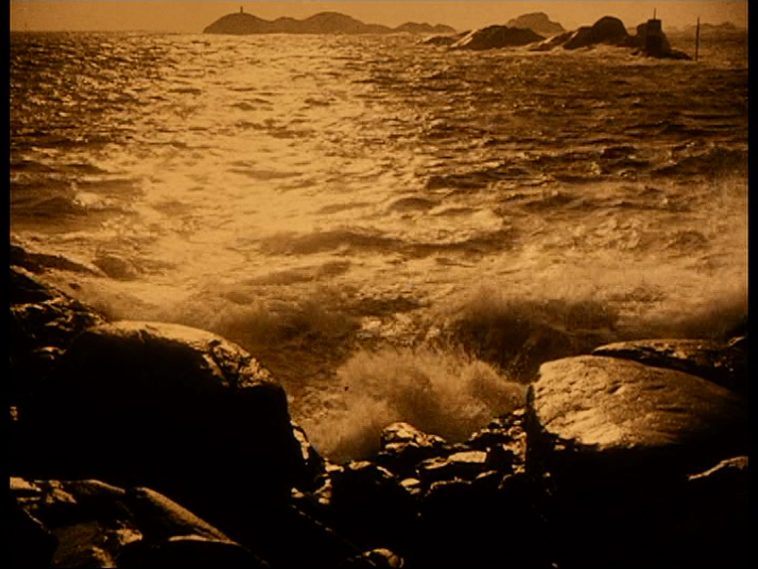 |
 |
|
1) Eureka (2 discs) - Region 2 - PAL TOP2) Kino Lorber - Region 'A' - Blu-ray BOTTOM
|
 |
 |
|
1) Eureka (2 discs) - Region 2 - PAL TOP2) Kino Lorber - Region 'A' - Blu-ray BOTTOM
|
 |
 |
|
1) Eureka (2 discs) - Region 2 - PAL TOP2) Kino Lorber - Region 'A' - Blu-ray BOTTOM
|
 |
 |
|
1) Eureka (2 discs) - Region 2 - PAL TOP2) Kino Lorber - Region 'A' - Blu-ray BOTTOM
|
 |
 |
|
1) Eureka (2 discs) - Region 2 - PAL TOP2) Kino Lorber - Region 'A' - Blu-ray BOTTOM
|
 |
 |
|
1) Eureka (2 discs) - Region 2 - PAL TOP2) Kino Lorber - Region 'A' - Blu-ray BOTTOM
|
 |
 |
|
1) Eureka (2 discs) - Region 2 - PAL TOP2) Kino Lorber - Region 'A' - Blu-ray BOTTOM
|
 |
 |
|
1) Eureka (2 discs) - Region 2 - PAL TOP2) Kino Lorber - Region 'A' - Blu-ray BOTTOM
|
 |
 |
|
1) Eureka (2 discs) - Region 2 - PAL TOP2) Kino Lorber - Region 'A' - Blu-ray BOTTOM
|
 |
 |
More Kino Lorber - Region 'A' - Blu-ray Captures
 |
 |
 |
 |
 |
 |
 |
 |
 |
 |
 |
| Box Covers |
|
|
| Distribution | Eureka - Region 2- PAL | Kino - Region 'A' - Blu-ray |
















Mail cheques, money orders, cash to: or CLICK PayPal logo to donate!
|
Gary Tooze
|
|
Many Thanks...
