 |
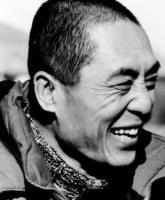 |
Zhang Yimou's impressionist depictions of his native China continue to fascinate viewers, either with their sensitive characterization of enchanting, powerful females, the films' ambiguous, multi-layered narratives or their sheer aesthetic merits. The impact of the dramaturgy in Zhang's works relies principally on visual and aural motifs to externalize the characters' emotional state, and metaphors that enrich an otherwise forward diegesis. Thematically, the films chart the struggle against monolithic structures, portrayed through architecture, ideology, institutions etc, the symptoms of alienating traditions and persistence, individuality and free-will under the constraints of coexistence. A filmmaker of remarkable versatility, Zhang has shown an inclination toward vibrant colors and stylized mise-en-scene which swallow the characters, imagistic rhymes which control the flow and poignant societal critique which resonates long after the final images roll off the screen. |
|
|
||
|
Suggested Reading (click cover or title for more info)
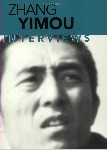
Zhang Yimou: Interviews
|
Brief article with links to interview Director - Selected filmography and DVDBeaver links: Coming Home (2014), Curse of the Golden Flower (2006), Riding Alone For Thousands of Miles (2005), House of Flying Daggers (2004), Ying xiong aka Hero (2002), Happy Times (2001), Not One Less (1999) , Wo de fu qin mu qin aka The Road Home (1999), Keep Cool (1997), Shanghai Triad (1995), Huozhe aka To Live (1994), Qiu Ju da guan si aka The Story of Qiu Ju (1992), Da hong deng long gao gao gua aka Raise the Red Lantern (1991), Ju Dou (1990), Red Sorghum (1987) |
|