|
Firstly, a massive thank you to our Patreon supporters. These supporters have become the single biggest contributing factor to the survival of DVDBeaver. Your assistance is essential to our survival.
What do Patrons receive, that you don't?
1)
Our
weekly
Newsletter
and
Calendar Updates
sent to your Inbox!
Please consider keeping us in existence with a couple of dollars or more each month (your pocket change! / a coffee!) so we can continue to do our best in giving you timely, thorough reviews, calendar updates and detailed comparisons. I am indebted to your generosity.
|






|
Search DVDBeaver |
S E A R C H D V D B e a v e r |

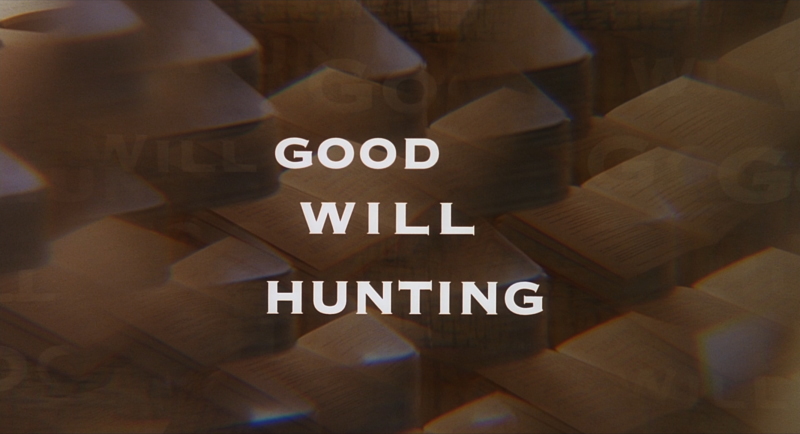
directed by Gus Van Sant
USA 1997
Director Gus Van Sant (“My Own Private Idaho,” To Die For”) brings his independent and realistic style and sensibility to “Good Will Hunting,” a film written and acted by Matt Damon and Ben Affleck. It’s a marvelous inspirational and fulfilling-your-destiny picture on par with “Rudy.” |
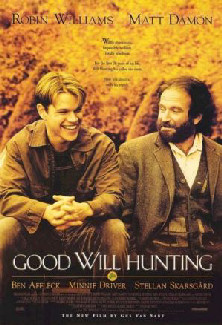
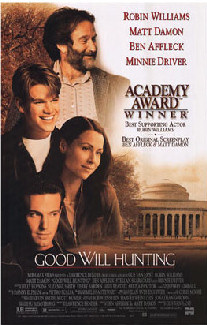
Posters
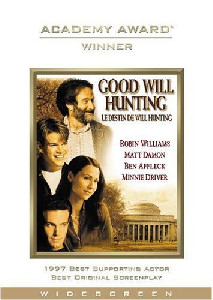
 |  |
Theatrical Release: December 5th, 1997
Reviews More Reviews DVD Reviews
Comparison:
Canadian (Alliance Release) - Region 1 - NTSC vs. Alliance - Region 'A' - Blu-ray vs. Lionsgate Miramax - Region 'A' - Blu-ray
1) Canadian (Alliance Release) - Region 1 - NTSC LEFT 2) Alliance - Region 'A' - Blu-ray MIDDLE 3) Lionsgate Miramax - Region 'A' - Blu-ray RIGHT
|
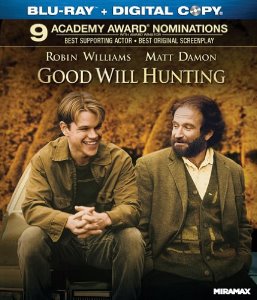
| DVD Box Cover | This Canadian Edition is anamorphic
while there are two US version that are not! | 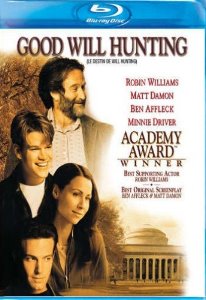
|
|
| Distribution | Alliance Atlantis - Region 1 - NTSC | Alliance - Region 'A' - Blu-ray | Lionsgate Miramax - Region 'A' - Blu-ray |
| Runtime | 2:06:20 | 2:06:33.168 | 2:06:33.419 |
| Video | 1.85:1 Original Aspect Ratio 16X9 enhanced |
1080P Single-layered Blu-ray Disc Size: 19,819,858,380 bytes Feature: 19,748,689,920 bytes Codec: MPEG-4 AVC Video Total Video Bitrate: 15.00 Mbps |
1080P Dual-layered Blu-ray Disc Size: 43,937,577,146 bytesFeature: 38,926,768,128 bytes Codec: MPEG-4 AVC Video Total Video Bitrate: 34.99 Mbps |
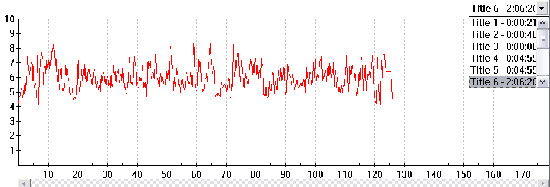
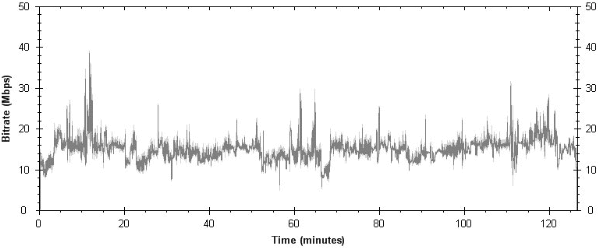
NOTE: The Vertical axis represents the bits transferred per second. The Horizontal is the time in minutes. | |||
| Bitrate |
| ||
| Bitrate Alliance Blu-ray |
|
||
| Bitrate Lionsgate /MiraMax Blu-ray |
| ||
| Audio | Dolby Digital 5.1 | DTS-HD Master Audio English 3719 kbps 5.1 / 48 kHz / 3719 kbps / 24-bit (DTS Core: 5.1 / 48 kHz / 1509 kbps / 24-bit) Dolby Digital Audio English 448 kbps 5.1 / 48 kHz / 448 kbps DUB: Dolby Digital Audio French 448 kbps 5.1 / 48 kHz / 448 kbps |
DTS-HD Master Audio English 3546 kbps 5.1 / 48
kHz / 3546 kbps / 24-bit (DTS Core: 5.1 / 48 kHz / 1509 kbps /
24-bit) Dolby Digital Audio English 224 kbps 2.0 / 48 kHz / 224 kbps / DN -4dB / Dolby Surround |
| Subtitles | English or French | None | English (SDH), English, Spanish, None |
| Features | Release Information: Studio: Alliance Atlantis Aspect Ratio:
Edition Details: • Academy Award Montage • Music Video, trailer, biographies
As far as Region 1 goes, only the Canadian Alliance release is Anamorphic. Chapters 21 | Release Information: Studio: Alliance Atlantis
1080P Single-layered Blu-ray Disc Size: 19,819,858,380 bytes Feature: 19,748,689,920 bytes Codec: MPEG-4 AVC Video Total Video Bitrate: 15.00 Mbps
Edition Details: Chapters 21
|
Release Information: Studio: Lionsgate Miramax
1080P Dual-layered Blu-ray Disc Size: 43,937,577,146 bytesFeature: 38,926,768,128 bytes Codec: MPEG-4 AVC Video Total Video Bitrate: 34.99 Mbps
Edition Details: Digital Copy Chapters 16 |


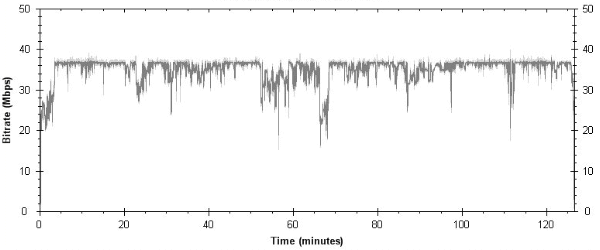

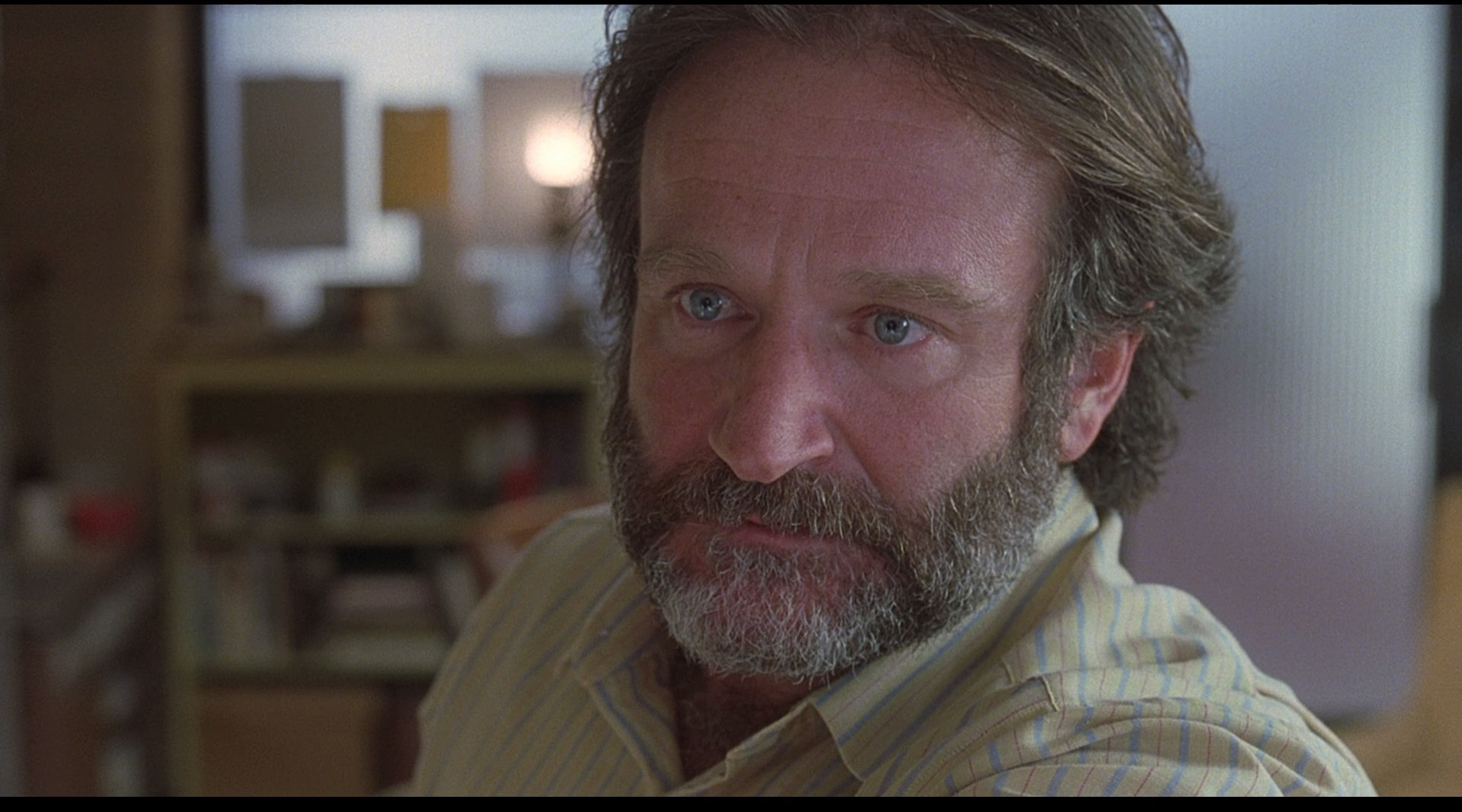
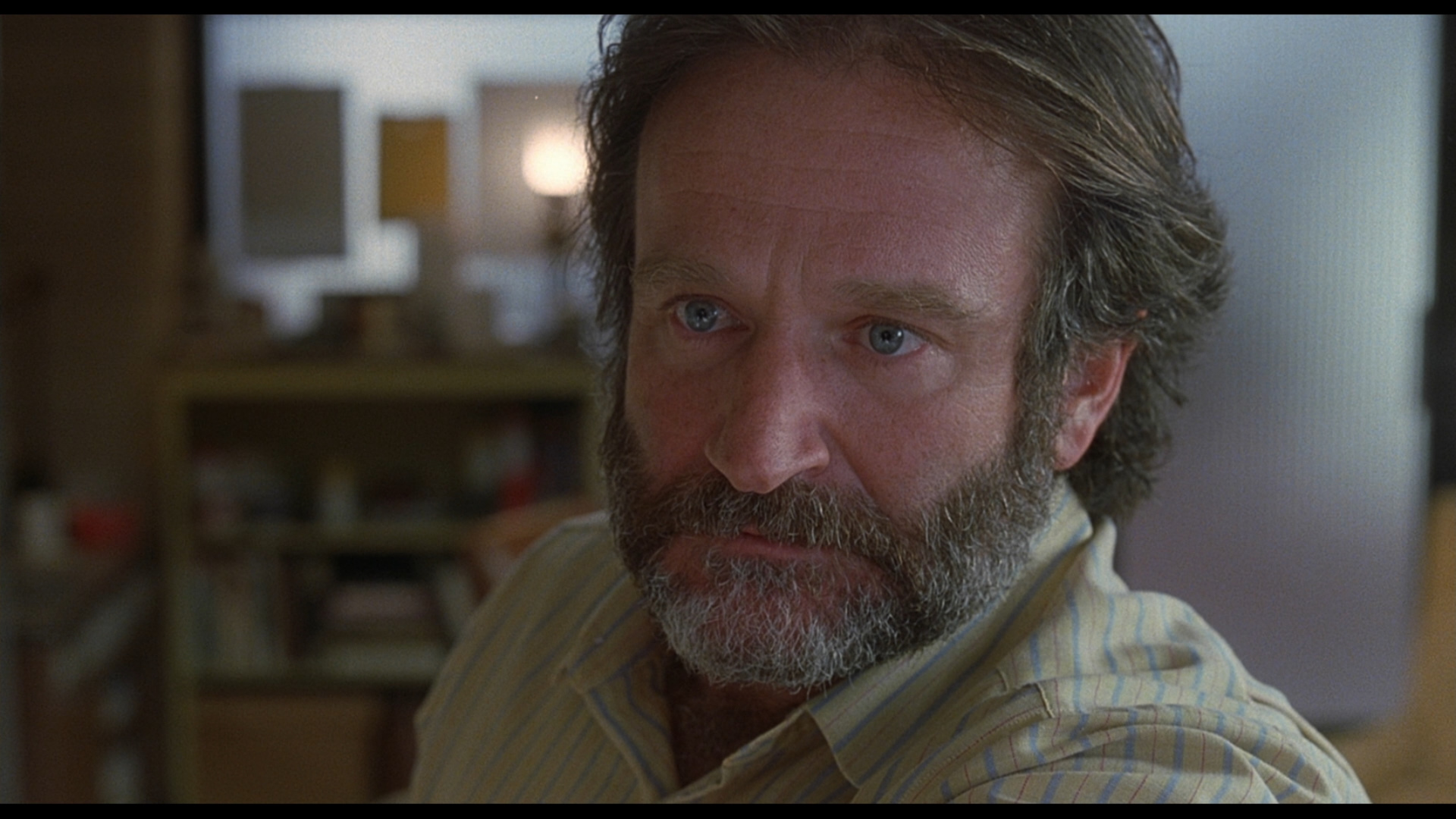
| Comments: | NOTE: The below Blu-ray captures were obtained directly from the Blu-ray disc. ADDITION: Lionsgate Miramax Blu-ray August 11': Despite the new Lionsgate Miramax Blu-ray having double the video bitrate of the 2009 Alliance - the superiority is not a pronounced as you might expect. It is definitely better in many respects - less artefacts and noise - colors are richer and skin tones are slightly warmer - overall it is darker. I still don't mind the Alliance but the US 1080P transfer advances in many other areas as well.Lossless audio is about the same on the two new format discs (DTS-HD Masters 5.1 tracks at over 3000 kbps) - well such that I couldn't differentiate much in my consecutive sampling of both. But the Lionsgate Miramax offers optional subtitles where the Alliance has none. Both Blu-rays appear to be region 'A'-locked. Extras - while the Alliance hi-def package was bare bones the US Blu-ray offers all the extras from previous DVD releases including the commentary, deleted scenes, featurette etc. plus has a Digital Copy in the case for use with your portable device.
After currency conversion - the
price is about the equivalent but the Lionsgate/Miramax clearly
blows away the Canuck edition in every important category -
making it the recommended purchase. This is still a GREAT
film and we endorse this
Blu-ray
for every digital library.
***
I should state that I cannot verify Joseph's DVD capture method - it
was done years ago (possibly 10!) and I believe this was his only review
for us. I have a hard time believing that even the only anamorphic DVD
of Good Will Hunting looked this poor, but this comparison should
serve more as a review of the
Blu-ray
edition. The
Blu-ray
is single-layered, bare-bones but seems to hold up the image reasonably
well despite the puny bitrate. Colors and detail are the big winners - great skin tones and solid
detail in close-ups. The DTS sound was a significant boost as even my
ears could detect some buoyancy and more pronounced separation. There
are no subtitles but it does have a standard English 5.1 track and a
French DUB. We lose the good commentary (and anything else) as there are
no extras at all. I don't know why Canada released
the first (only?) anamorphic DVD of Good Will Hunting or why that
country boasts the first
Blu-ray
(also by Alliance) - perhaps Canadians like the film more?!?
Distribution 101 (who took a while delivering my
Blu-ray
of Fear and
Loathing in Las Vegas) - have this listed for Feb 17th, 2009 on
Amazon. I think the film is a good one
and I enjoyed my
Blu-ray
viewing very much.
Gary Tooze ***
ON THE DVD (1999): The 1.85:1 aspect ratio is perfect for evoking an even further personal connection with the characters. The film has a very nice warm look to it, with colors coming across as very natural and realistic. There’s grain present throughout, as well as numerous instances of specks and dirt from the film source. It would be nice if a new transfer was done, but the film is so good that I often found myself forgetting about these problems. Most are probably a result of the source. However, there is some artifacting in oversaturated scenes (mainly scenes with a golden hue) and some ringing around background edges. Obviously, the bigger the T.V. you have the more distracting these things become. The Dolby Digital 5.1 track is also fine for the material. The movie is dialogue driven, with everything else front loaded. There are some instances of the score and ambiance effects going to the rears, but they aren’t anything to write home about. However, they do help draw you into the world. Having a DTS track would be that much nicer, especially for the Elliott Smith songs, but not having one isn’t a big loss. |

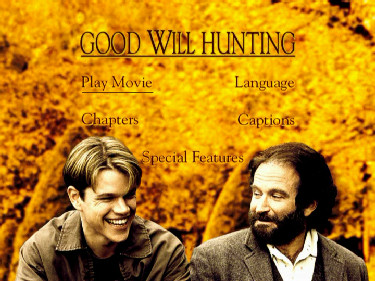
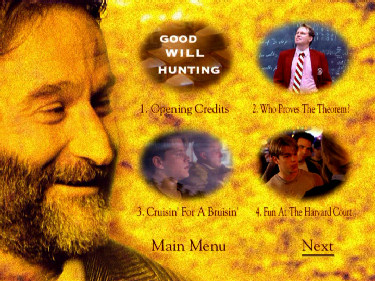
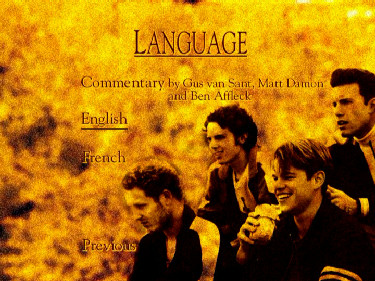
DVD Menus
|
|
|
|
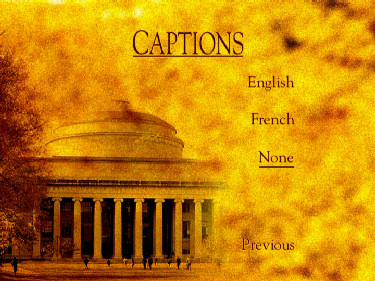
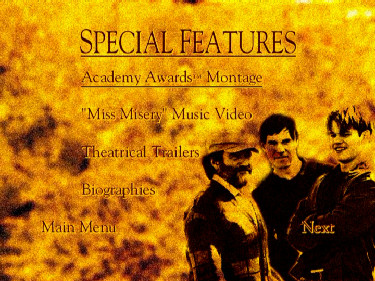 |
Lionsgate Miramax - Region 'A' - Blu-ray
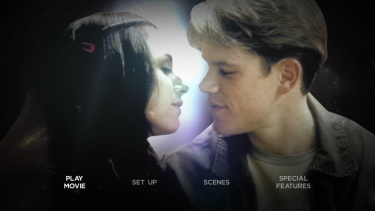 |
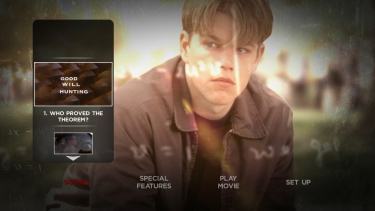 |
|
|
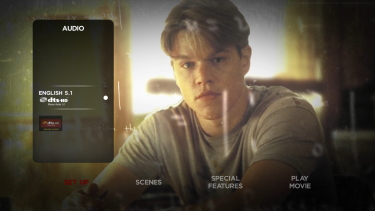
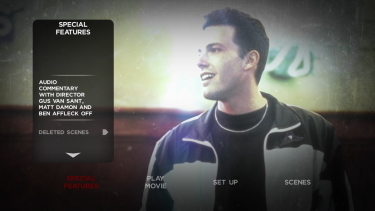
Screen Captures
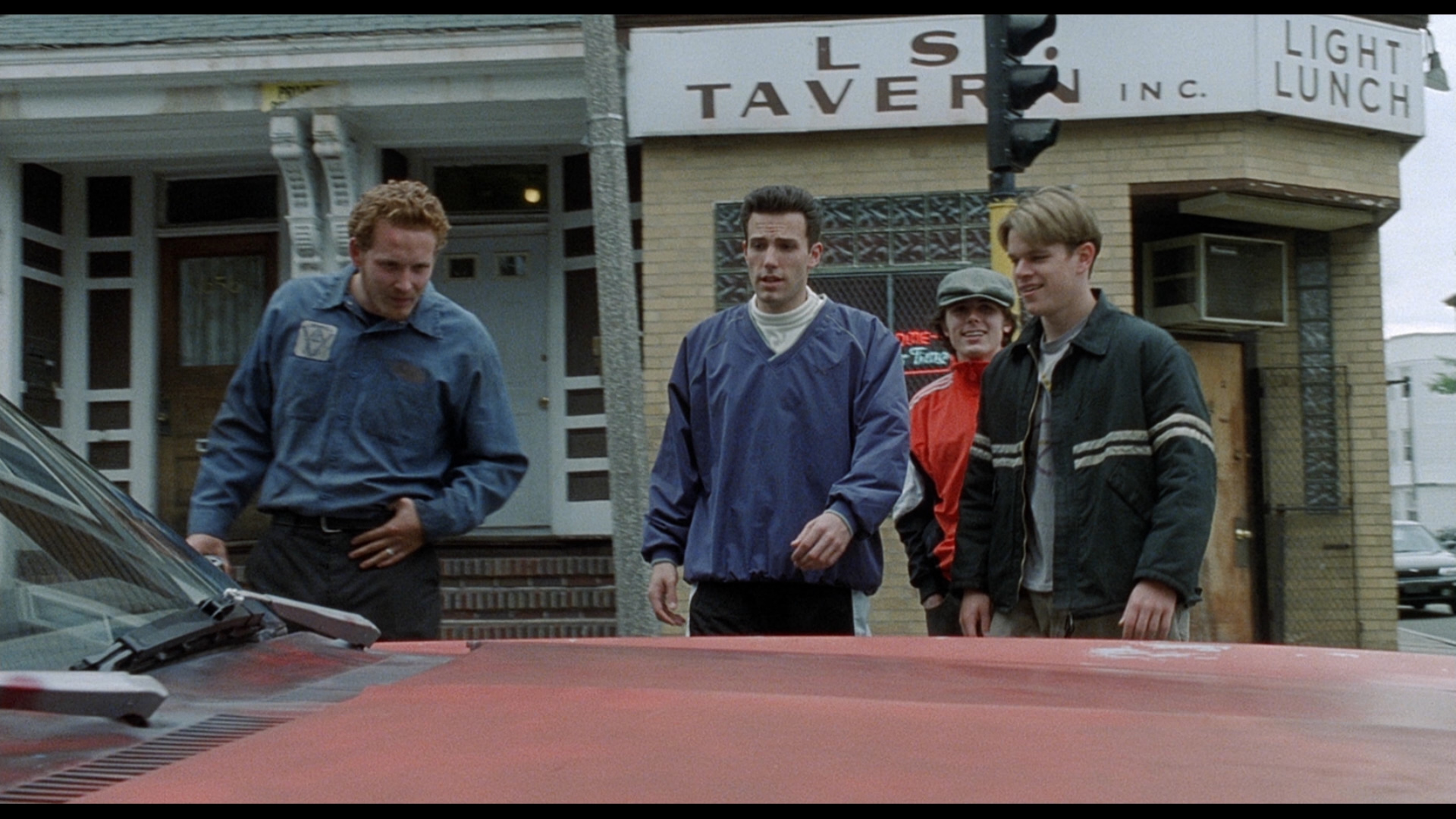
CLICK EACH BLU-RAY CAPTURE TO SEE ALL IMAGES IN FULL 1920X1080 RESOLUTION
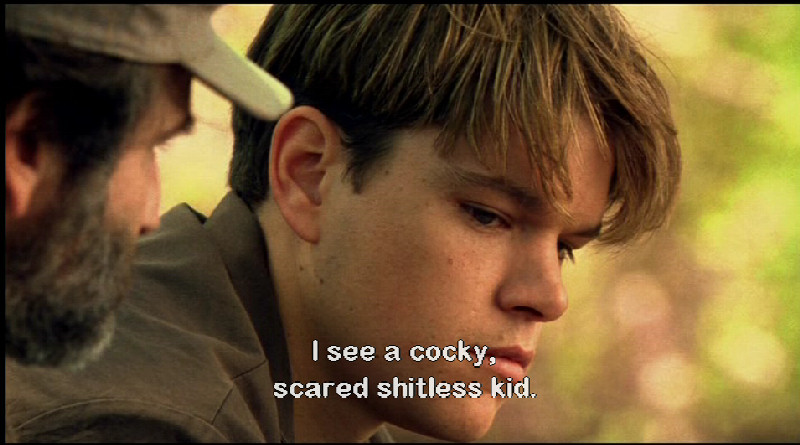
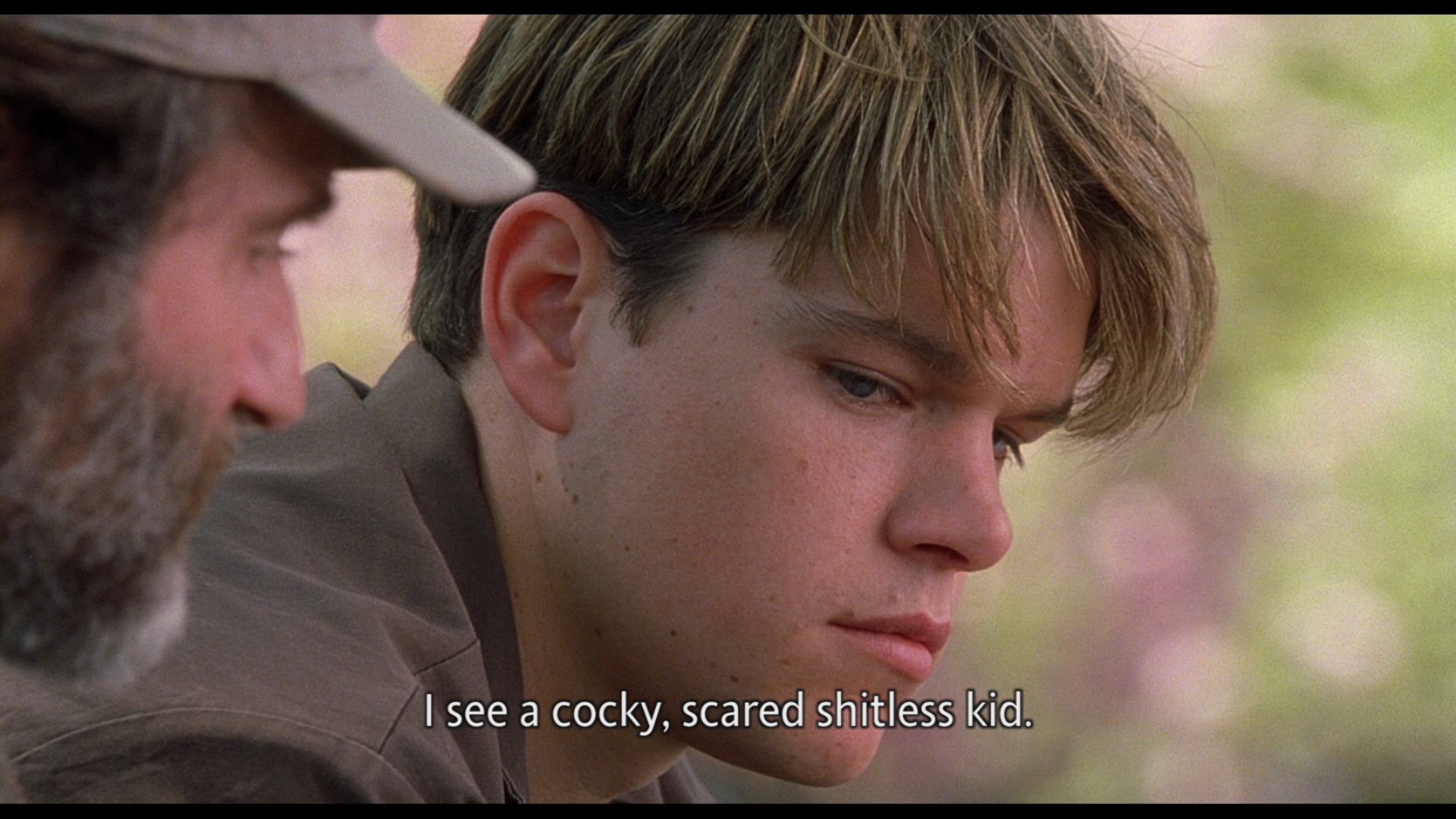
Subtitle Sample - no subs on the Blu-ray!
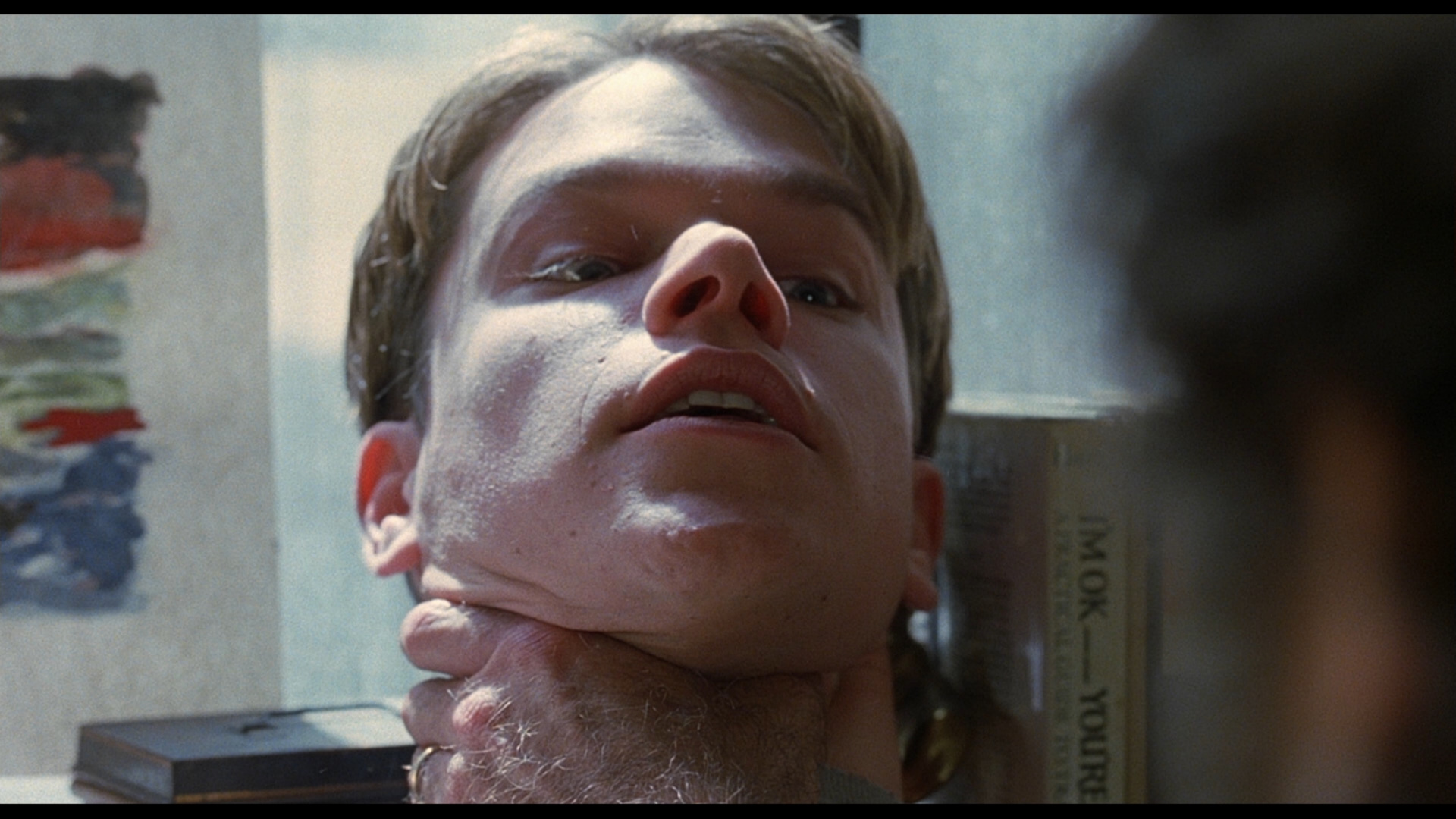
1) Canadian (Alliance Release) - Region 1 - NTSC TOP 2) Alliance - Region 'A' - Blu-ray MIDDLE 3) Lionsgate Miramax - Region 'A' - Blu-ray BOTTOM |
|
 |
 |
1) Canadian (Alliance Release) - Region 1 - NTSC TOP 2) Alliance - Region 'A' - Blu-ray MIDDLE 3) Lionsgate Miramax - Region 'A' - Blu-ray BOTTOM |
|

 |
 |
1) Canadian (Alliance Release) - Region 1 - NTSC TOP 2) Alliance - Region 'A' - Blu-ray MIDDLE 3) Lionsgate Miramax - Region 'A' - Blu-ray BOTTOM |
|

 |
 |
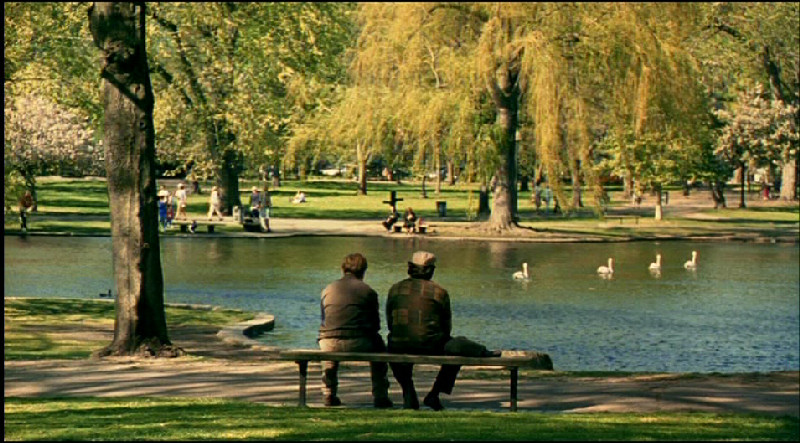
1) Canadian (Alliance Release) - Region 1 - NTSC TOP 2) Alliance - Region 'A' - Blu-ray MIDDLE 3) Lionsgate Miramax - Region 'A' - Blu-ray BOTTOM |
|
 |
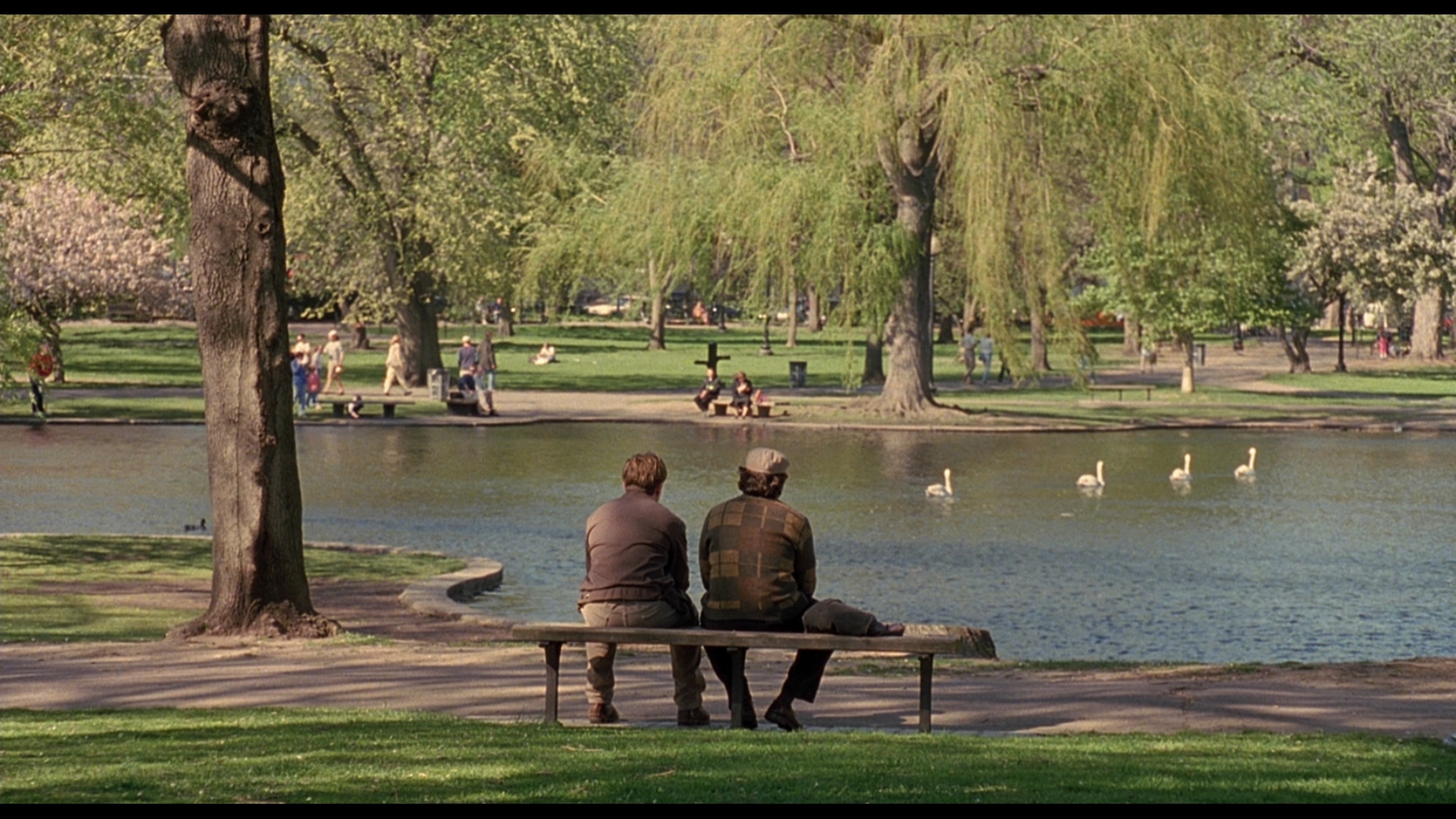 |
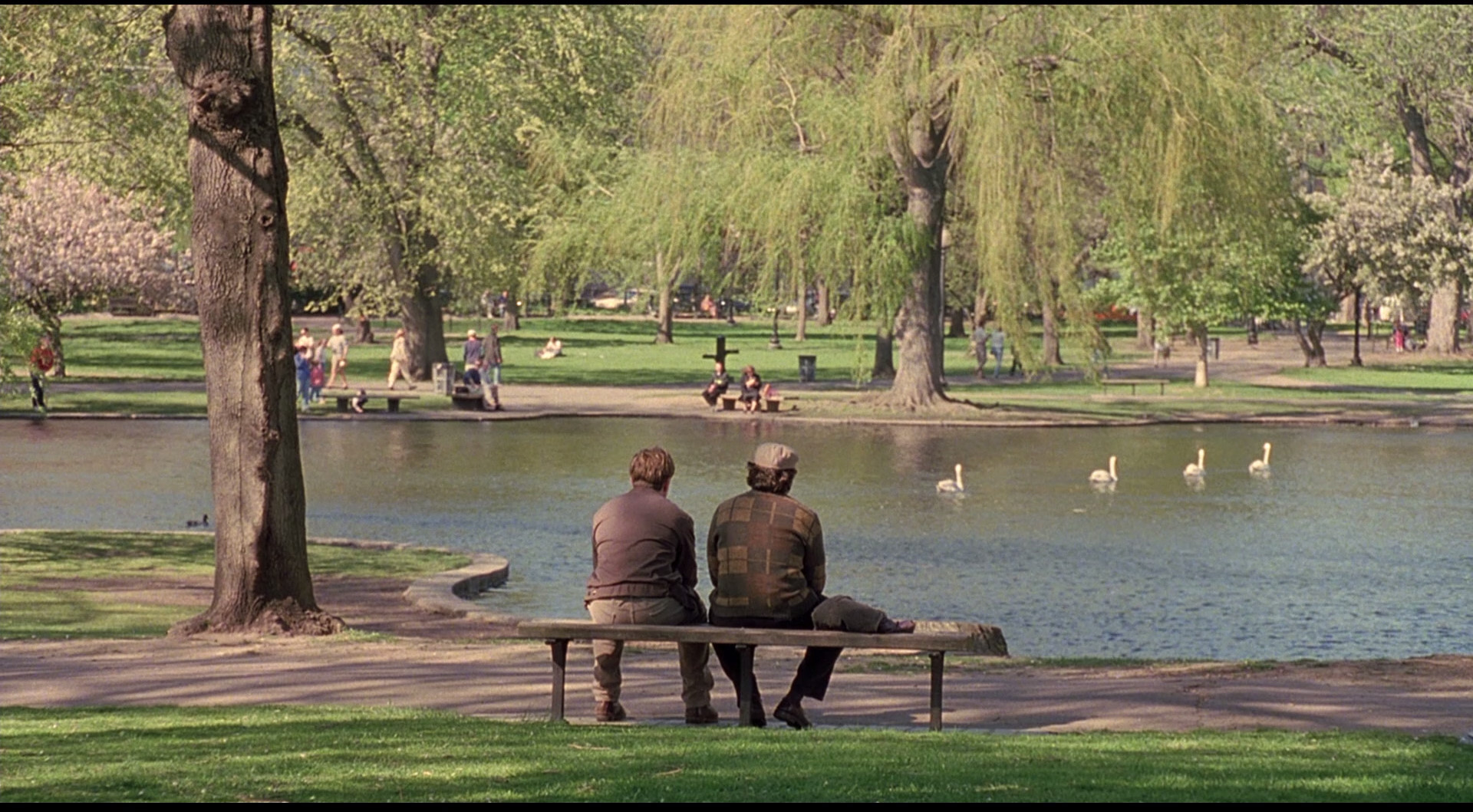
1) Canadian (Alliance Release) - Region 1 - NTSC TOP 2) Alliance - Region 'A' - Blu-ray MIDDLE 3) Lionsgate Miramax - Region 'A' - Blu-ray BOTTOM |
|

 |
 |
1) Canadian (Alliance Release) - Region 1 - NTSC TOP 2) Alliance - Region 'A' - Blu-ray MIDDLE 3) Lionsgate Miramax - Region 'A' - Blu-ray BOTTOM |
|

 |
 |
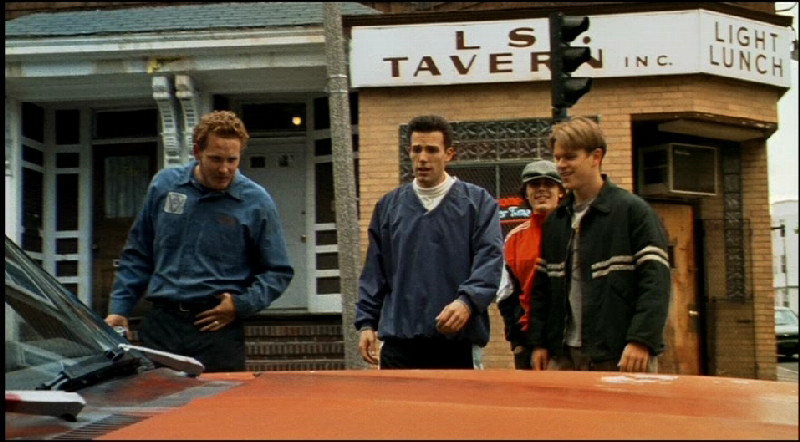
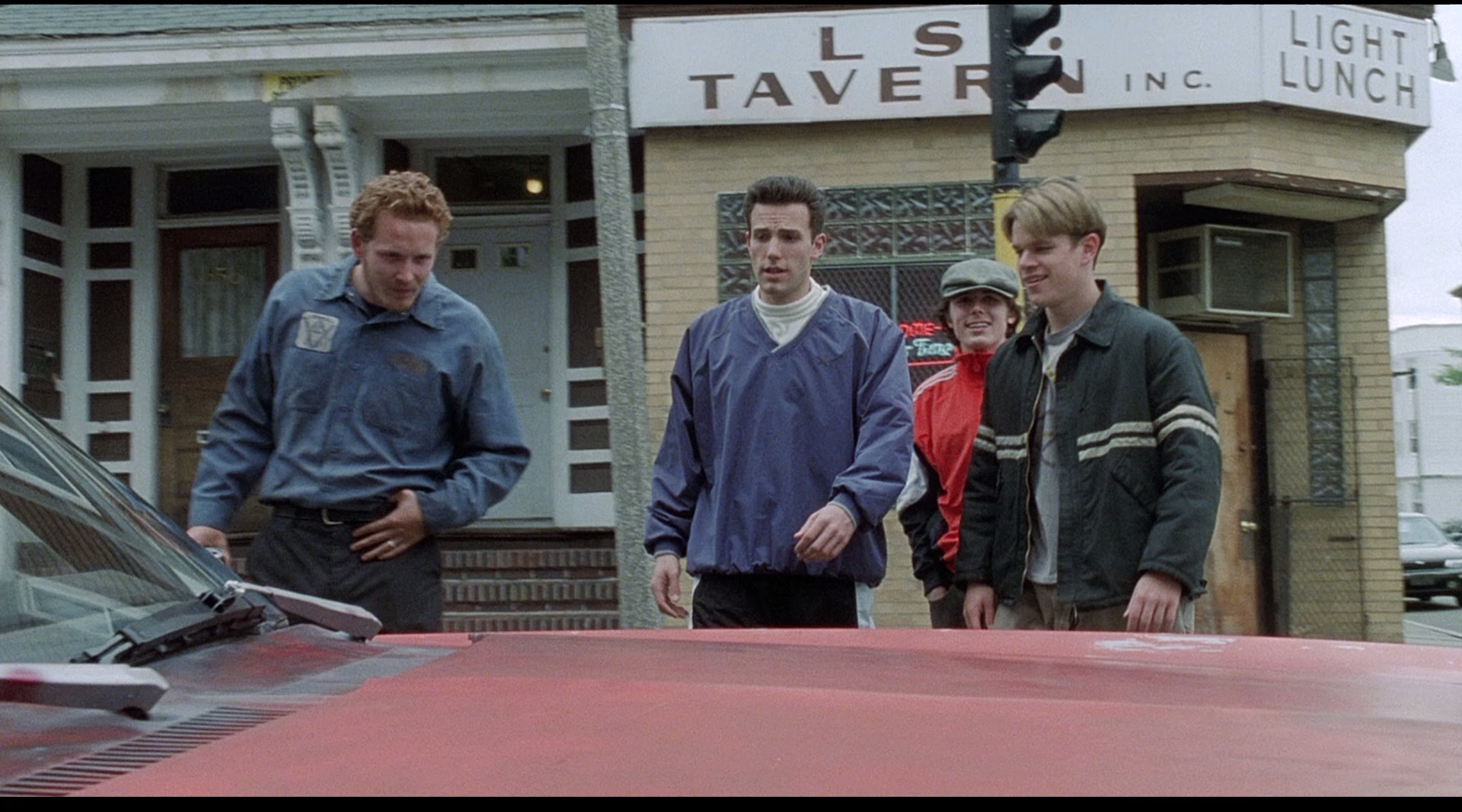
1) Canadian (Alliance Release) - Region 1 - NTSC TOP 2) Alliance - Region 'A' - Blu-ray MIDDLE 3) Lionsgate Miramax - Region 'A' - Blu-ray BOTTOM |
|
 |
 |
More Blu-ray grabs!
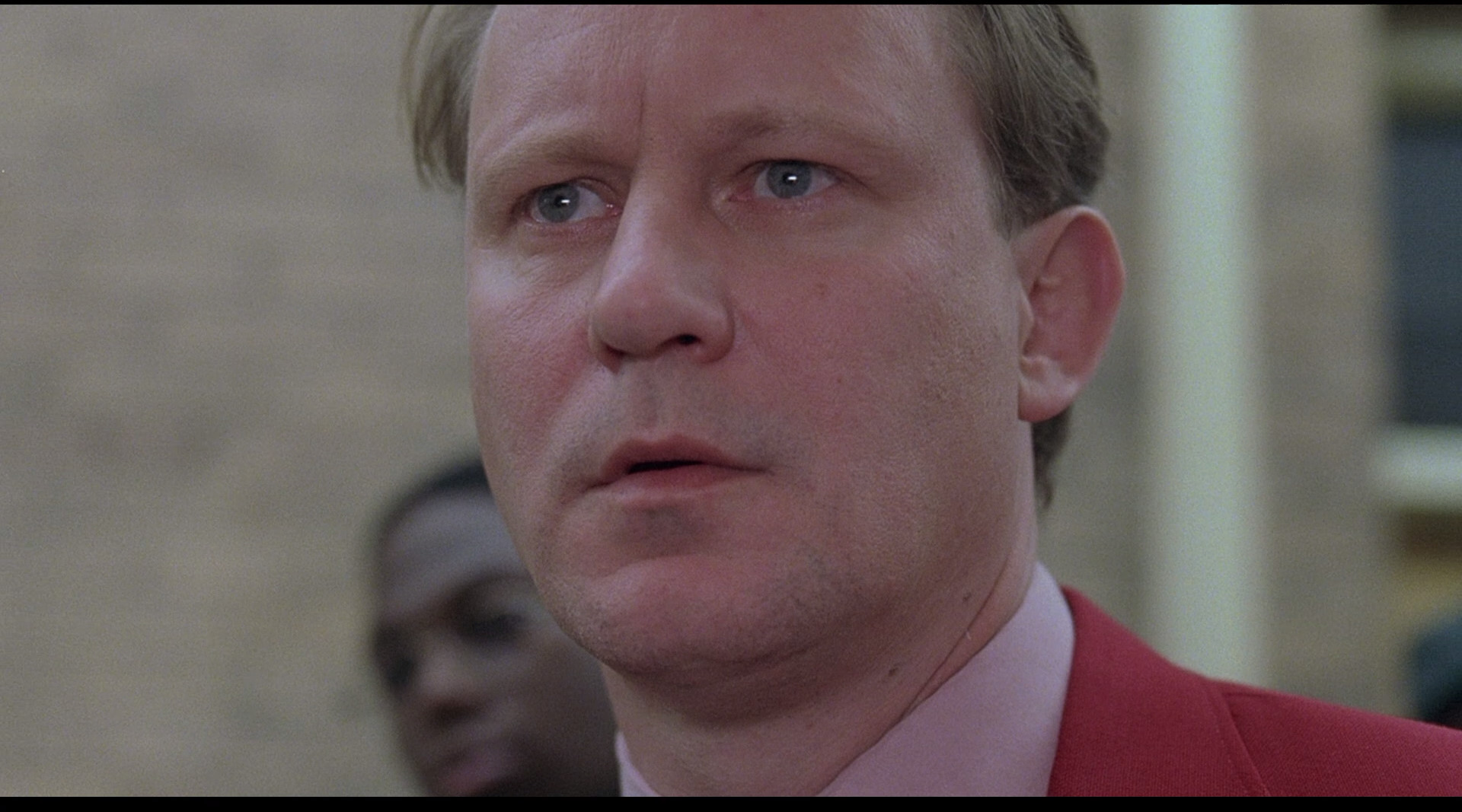
1) Alliiance - Region 'A' - Blu-ray TOP 3) Lionsgate Miramax - Region 'A' - Blu-ray BOTTOM |
 |
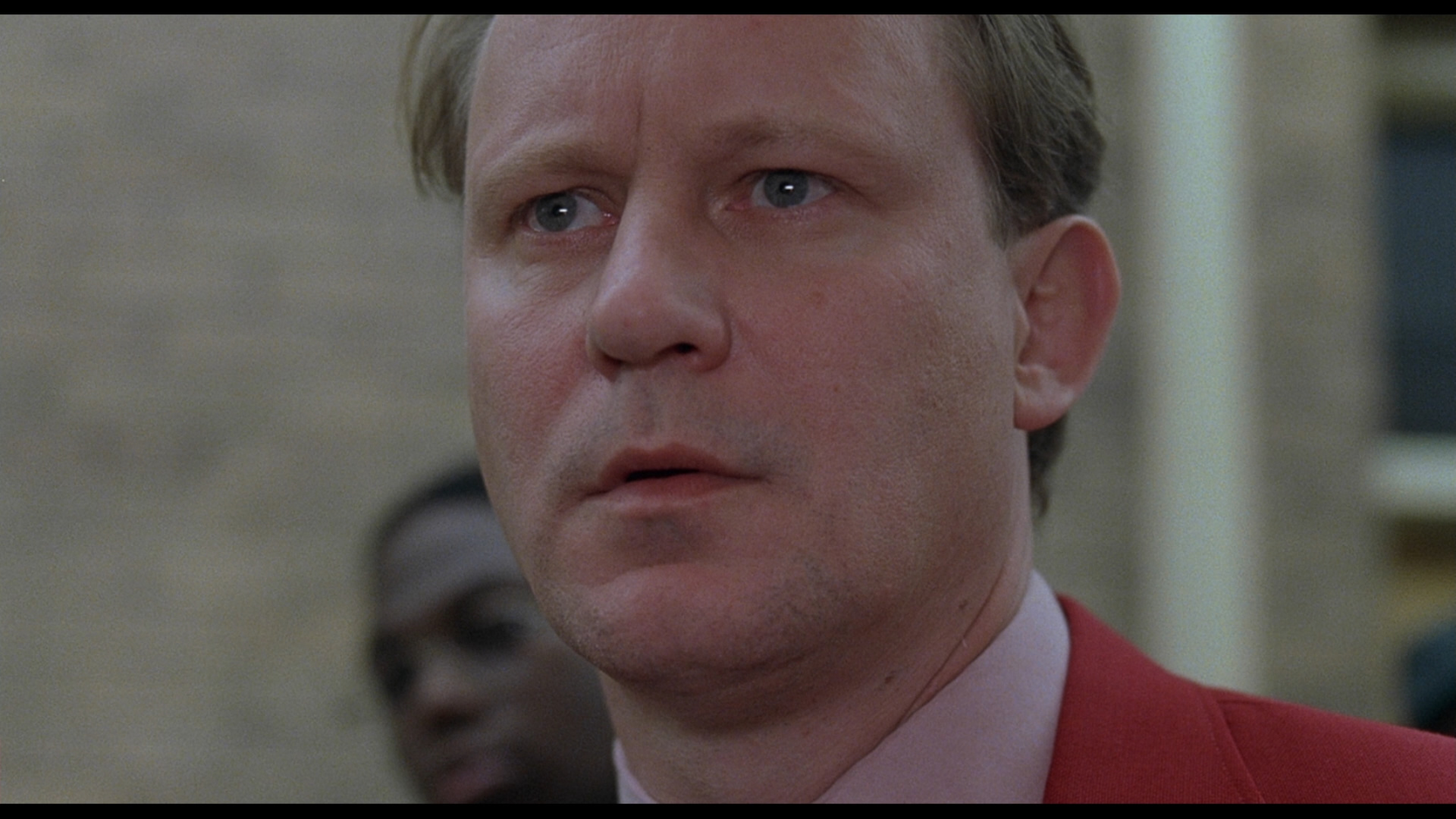 |
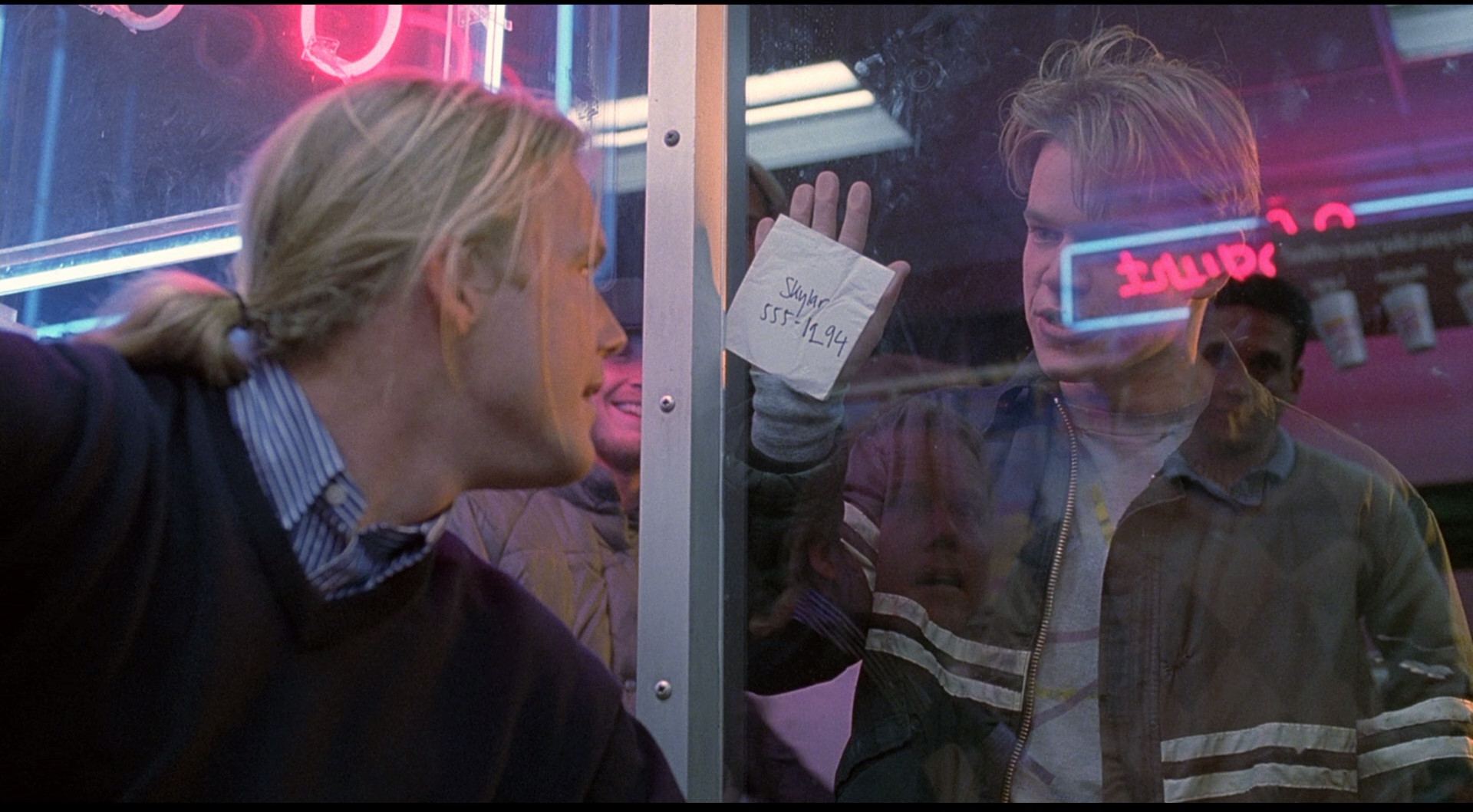
1) Alliiance - Region 'A' - Blu-ray TOP 2) Lionsgate Miramax - Region 'A' - Blu-ray BOTTOM
|
 |
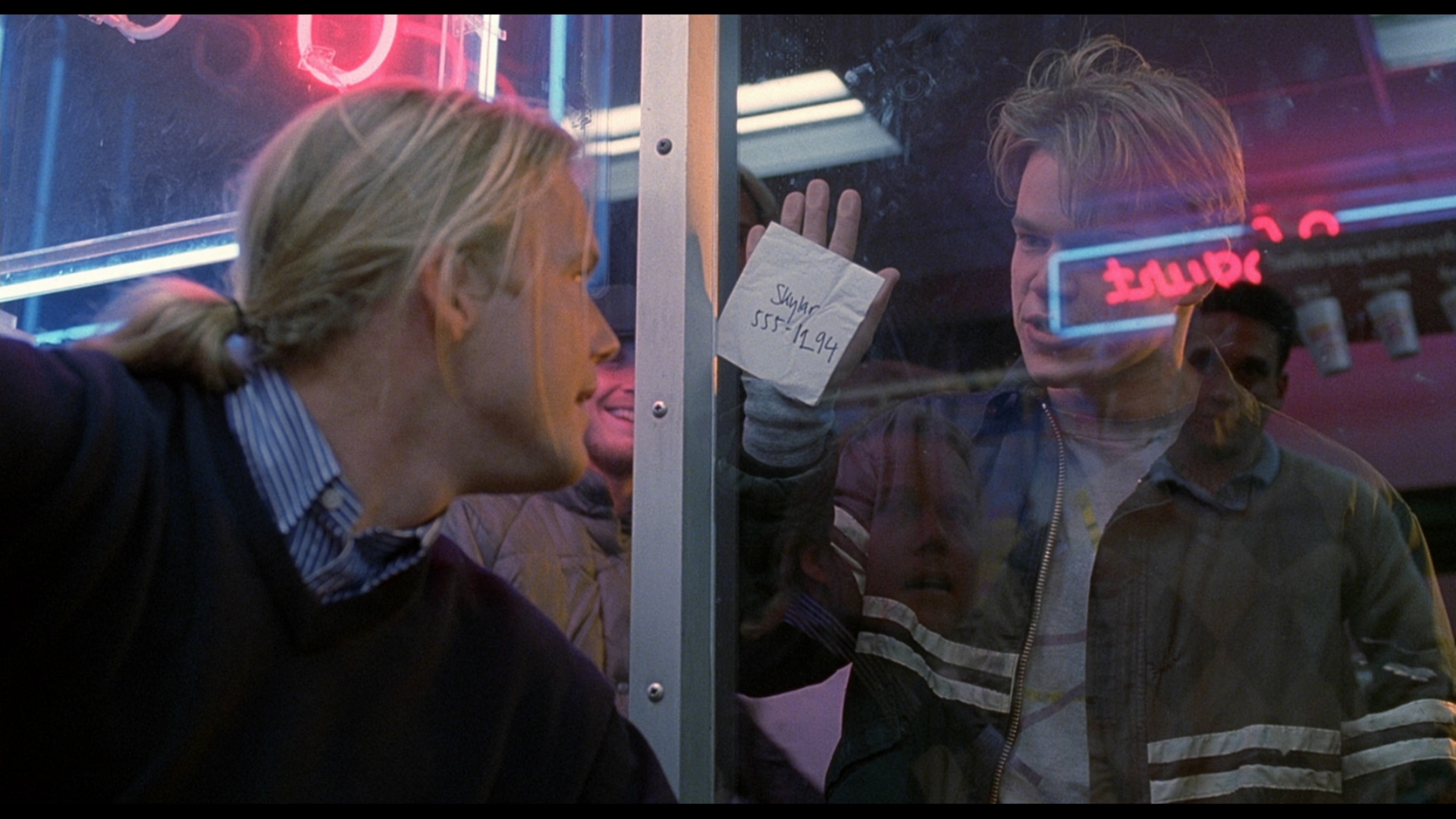 |
1) Alliiance - Region 'A' - Blu-ray TOP 2) Lionsgate Miramax - Region 'A' - Blu-ray BOTTOM
|
 |
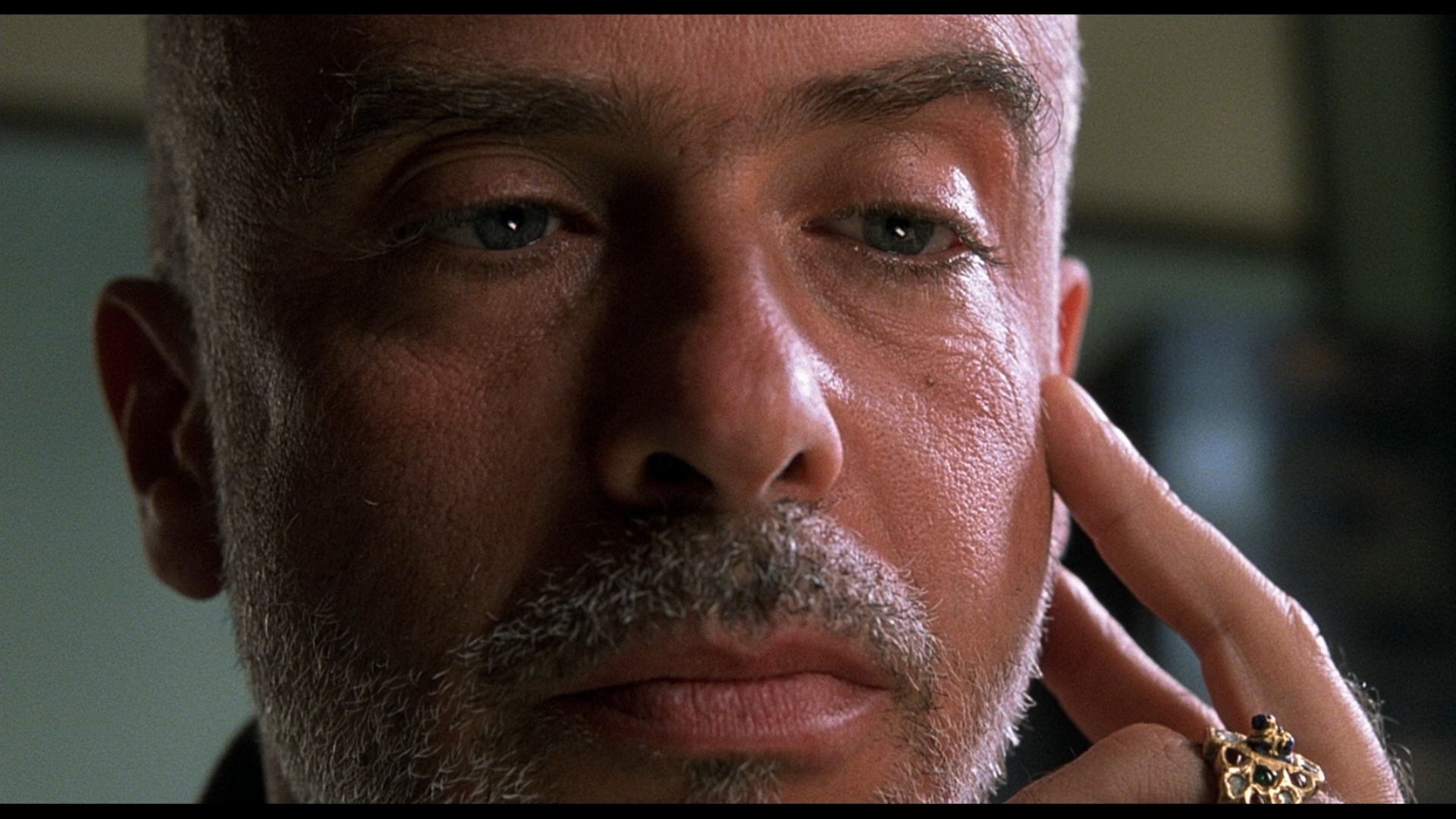 |
1) Alliiance - Region 'A' - Blu-ray TOP 2) Lionsgate Miramax - Region 'A' - Blu-ray BOTTOM
|
 |
 |
| DVD Box Cover | This Canadian Edition is anamorphic
while there are two US version that are not! |
|
|
| Distribution | Alliance Atlantis - Region 1 - NTSC |
Alliance - Region 'A' - Blu-ray | Lionsgate Miramax - Region 'A' - Blu-ray |
DONATIONS Keep DVDBeaver alive and advertisement free:
CLICK PayPal logo to donate!
Gary Tooze |
Thank You!
