




|
Search DVDBeaver |
S E A R C H D V D B e a v e r |

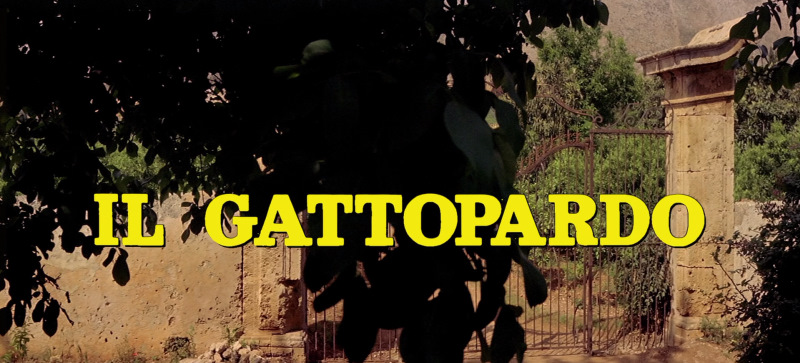
(aka "The Leopard" or "Le Guépard")
directed
by Luchino Visconti
Italy / France 1963
| Criterion product description: Making its
long-awaited U.S. home video debut, Luchino Visconti’s The Leopard (Il
Gattopardo) is an epic on the grandest possible scale. The film
recreates, with nostalgia, drama, and opulence, the tumultuous years of
Italy’s Risorgimento—when the aristocracy lost its grip and the middle
classes rose and formed a unified, democratic Italy. Burt Lancaster
stars as the aging prince watching his culture and fortune wane in the
face of a new generation, represented by his upstart nephew (Alain Delon)
and his beautiful fiancée (Claudia Cardinale). Awarded the Palme d’Or at
the 1963 Cannes Film Festival, The Leopard translates Giuseppe Tomasi di
Lampedusa’s novel, and the history it recounts, into a truly cinematic
masterpiece. The Criterion Collection is proud to present the film in
two distinct versions: Visconti’s original Italian version, and the
alternate English-language version released in America in a newly
restored special edition. *** Italian director Luchino Visconti delivers one of his most ambitious works with this sprawling historical drama. Based on the acclaimed novel by Giuseppe Tomasi di Lampedusa, THE LEOPARD is set in Sicily during the 1800s, as the aristocracy found itself being suffocated by a newly democratic fervor. Prince Don Fabrizio Salina (Burt Lancaster) tries to hold on to the past, but it appears that his glory days are waning. This is perfectly exemplified by his nephew Tancredi Falconeri (Alain Delon) and his gorgeous wife-to-be Angelica (Claudia Cardinale). As the revolt gathers steam and begins to affect a real change, the aging prince must come to terms with the new world that surrounds him. With THE LEOPARD, Visconti confirms his status as one of Europe's most masterful directors, particularly with the 45 minute ballroom scene. |
Theatrical Release: March 28th, 1963 - Italy
Reviews More Reviews DVD Reviews
Comparison:
BFI - Region 2- PAL vs. Criterion - Region 1 - NTSC vs. Medusa - Region 2 - PAL vs. BFI - Region 'B' -
Blu-rayBig thanks to Gary Tooze and Ole Kofoed for the DVD Screen Caps!
|
1) BFI - Region 2 - PAL LEFT 2) Criterion - Region 1 - NTSC - SECOND3) Medusa - Region 2 - PAL - THIRD4) BFI - Region 'B' - Blu-ray RIGHT |
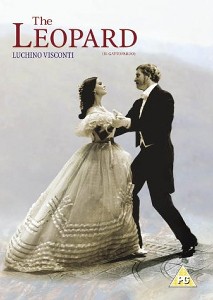
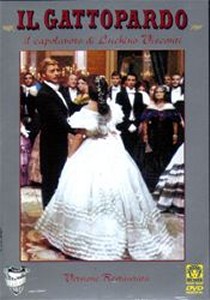
| DVD Box Covers |
|
|
|
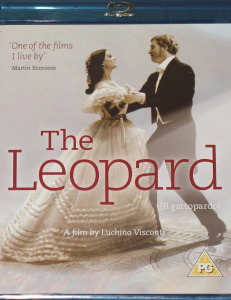
|
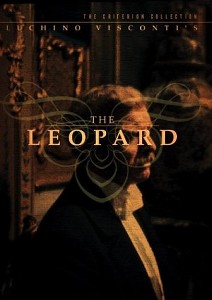
| Distribution |
BFI Region 2 - PAL |
Criterion Collection Region 1 - NTSC |
Medusa Region 2 - PAL |
BFI Region 'B' - Blu-ray |
| Runtime | 2:57:48 (4% PAL speedup) | 3:05:54 | 2:57:42 (4% PAL speedup) | 3:05:28 |
| Video |
2.21:1 Aspect Ratio
16X9 enhanced |
2.21:1 Aspect Ratio
16X9 enhanced |
2.35:1 Aspect Ratio
16X9 enhanced |
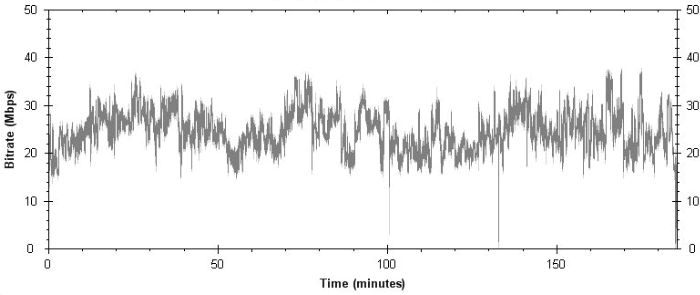
1080P / 23.976 fps Dual-layered Blu-ray Disc Size: 42,034,842,608 bytesFeature: 39,164,430,336 bytesVideo Bitrate: 24.69 MbpsCodec: MPEG-4 AVC Video |
|
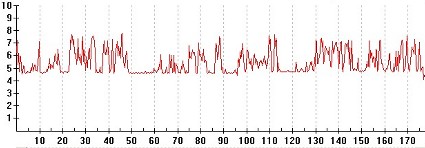
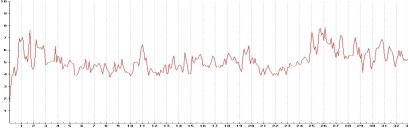
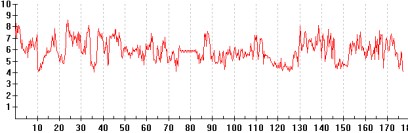
NOTE: The Vertical axis represents the bits transferred per second. The Horizontal is the time in minutes. |
||||
|
Bitrate:
B F I
|
|
|||
|
Bitrate:
Criterion
|
|
|||
|
Bitrate:
Medusa
|
|
|||
|
Bitrate:
Blu-ray
|
|
|||
| Audio | Italian (Dolby Digital 2.0 Mono) | Italian (Dolby Digital 2.0 Mono) |
Italian (Dolby Digital 2.0 Mono) |
LPCM Audio Italian 1536 kbps 2.0 / 48 kHz / 1536 kbps /
16-bit Dolby Digital Audio English 320 kbps 2.0 / 48 kHz / 320 kbps |
| Subtitles | English or Commentary Subtitles or none. | English or none. | English, Italian or none. (Extras is only subtitled in Italian) | English or none |
| Features |
Release Information: Studio: BFI Video Aspect Ratio:
Edition Details:
Forgacs and Rossana Capitano (optional subtitles)
• 1 page sleeve notes by David Forgacs
DVD
Release Date:
September 27th, 2004 Chapters 25
|
Release Information: Studio: Criterion Aspect Ratio:
Edition Details: Chapters 32 |
Release Information: Studio: Medusa Aspect Ratio:
Edition Details:
DVD
Release Date: 2001 Chapters 28 |
Release Information: Studio: BFI Video
1080P / 23.976 fps Dual-layered Blu-ray Disc Size: 42,034,842,608 bytesFeature: 39,164,430,336 bytesVideo Bitrate: 24.69 MbpsCodec: MPEG-4 AVC Video
Edition Details:
Forgacs and Rossana Capitano (optional subtitles) • Theatrical trailer in (3:16 in HD!) • 26-page liner notes booklet with essay by David Forgacs
DVD
Release Date:
February 15th, 2010 Chapters 2 5
|





| Comments |
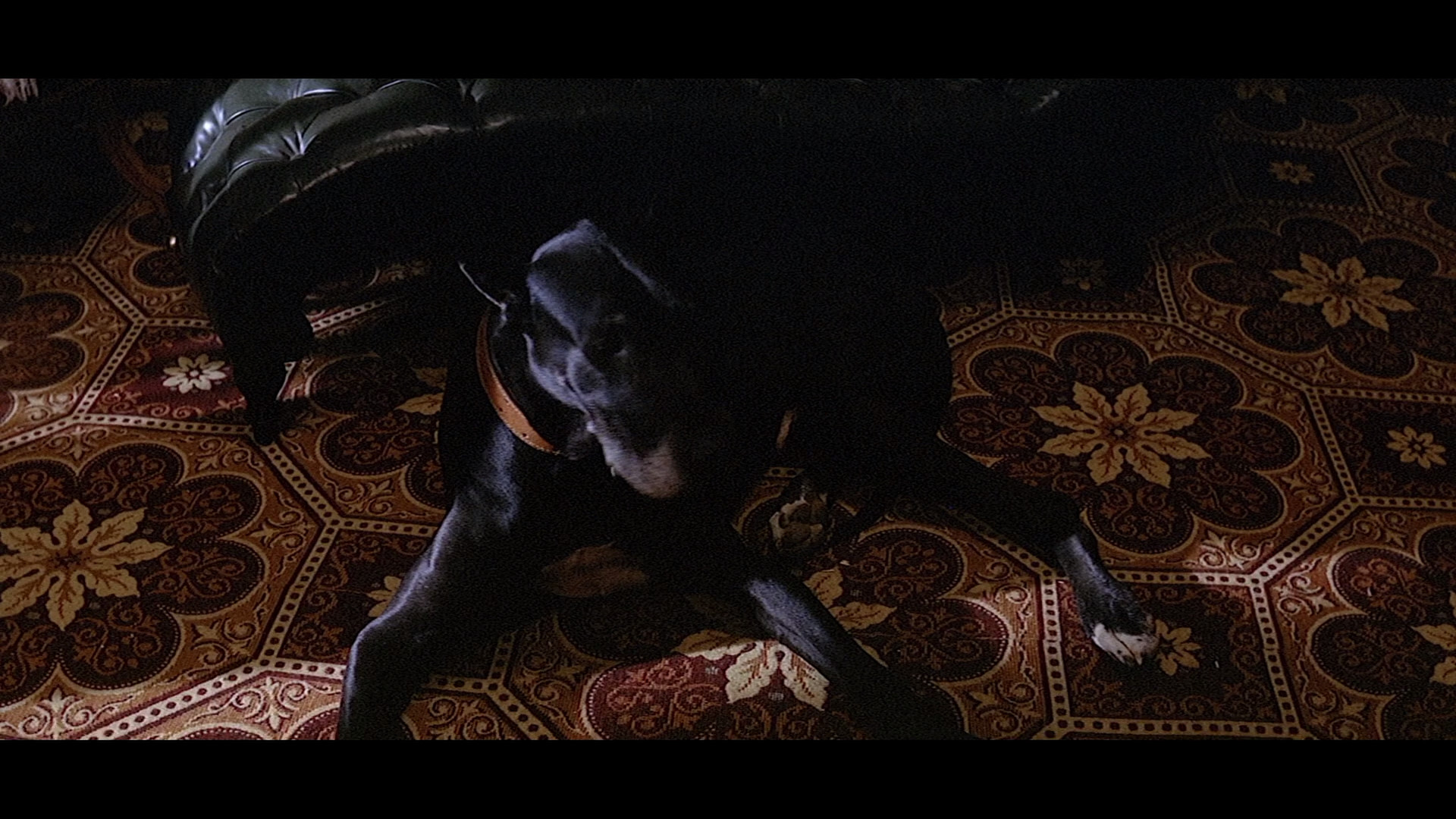
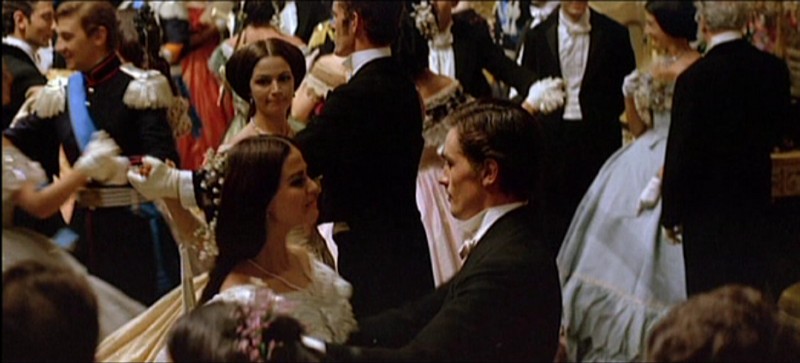
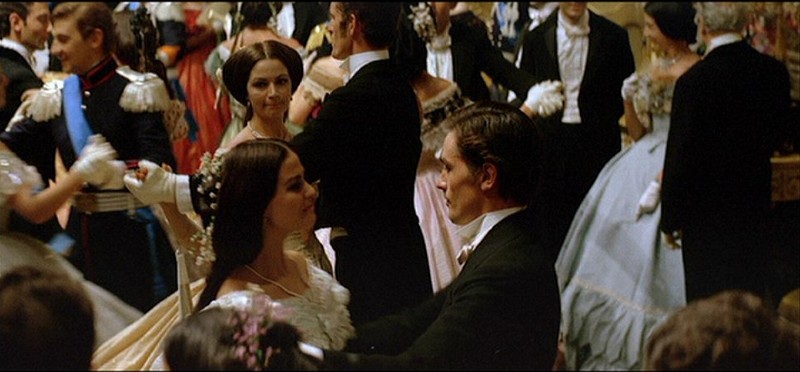
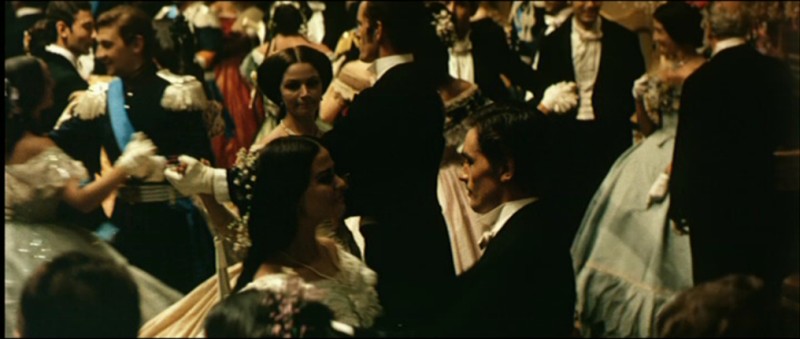
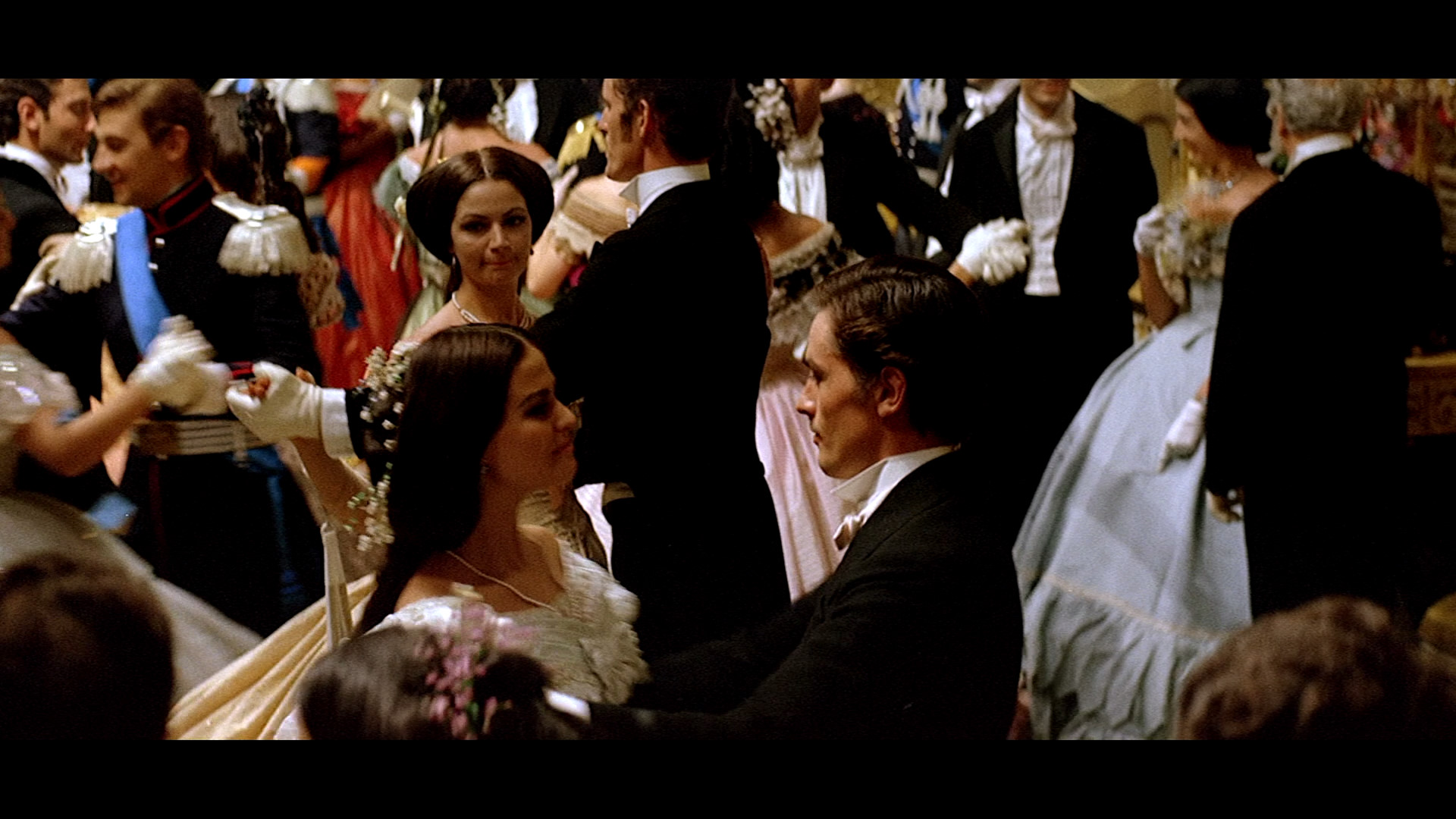
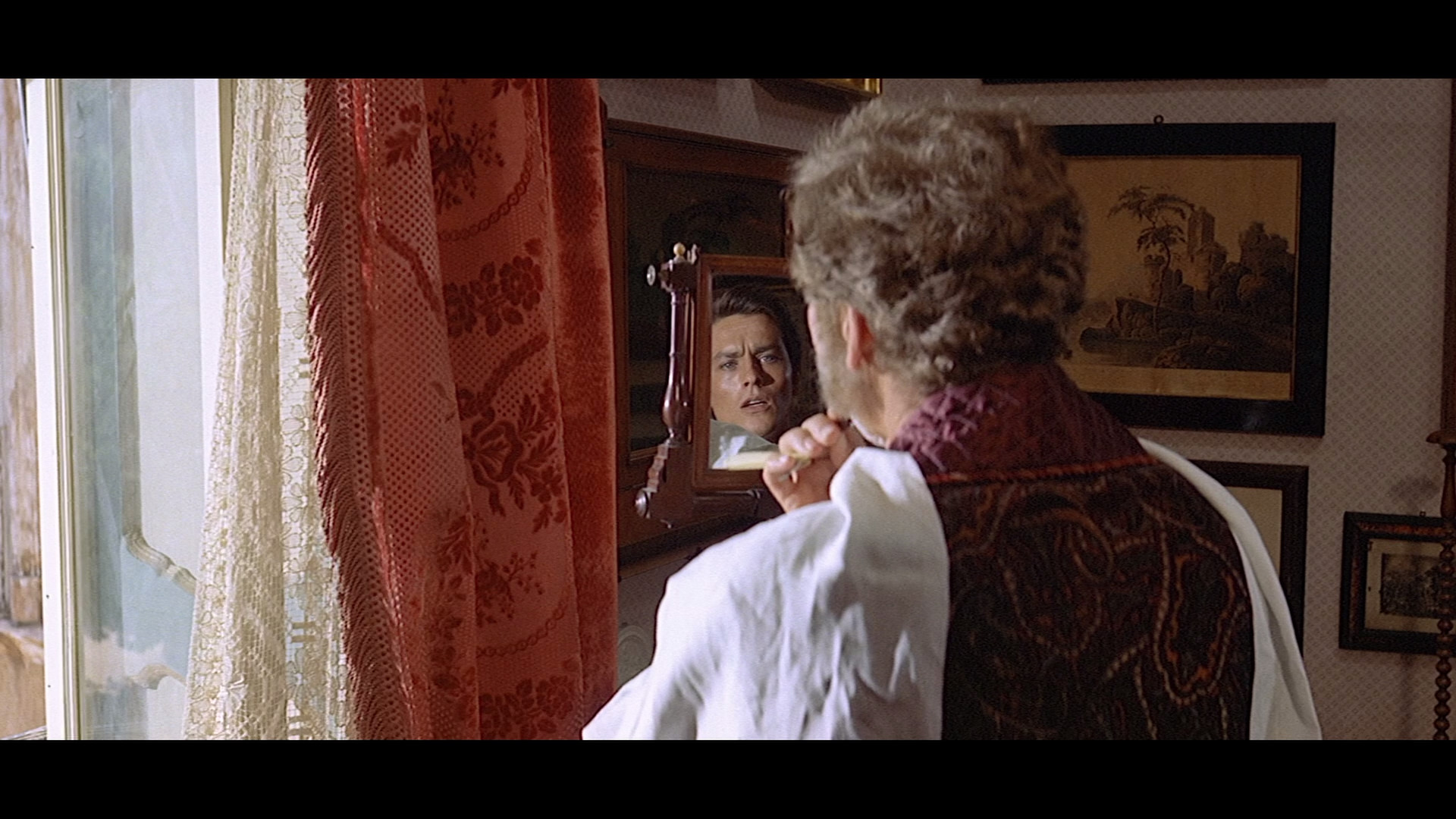
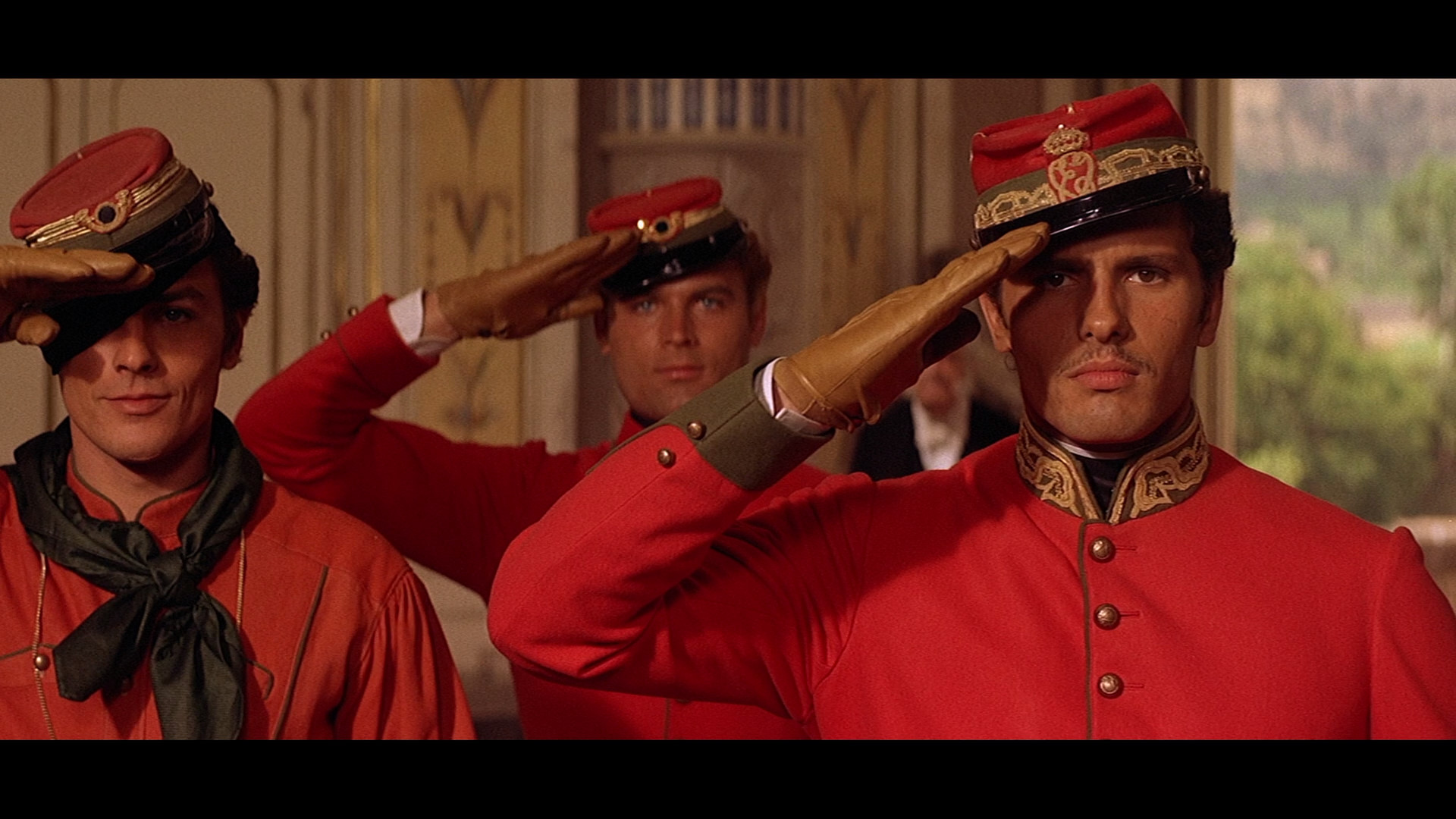
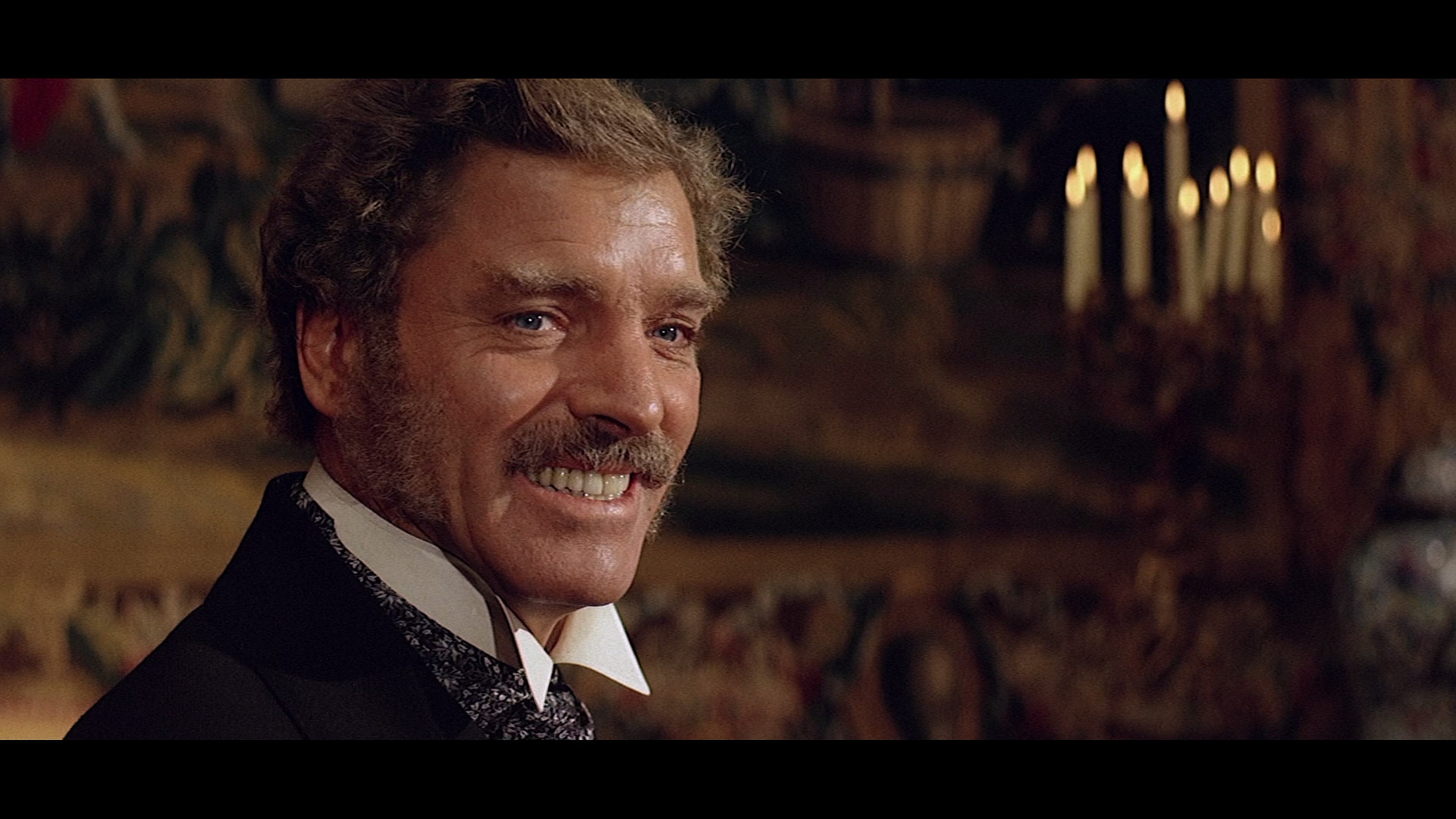
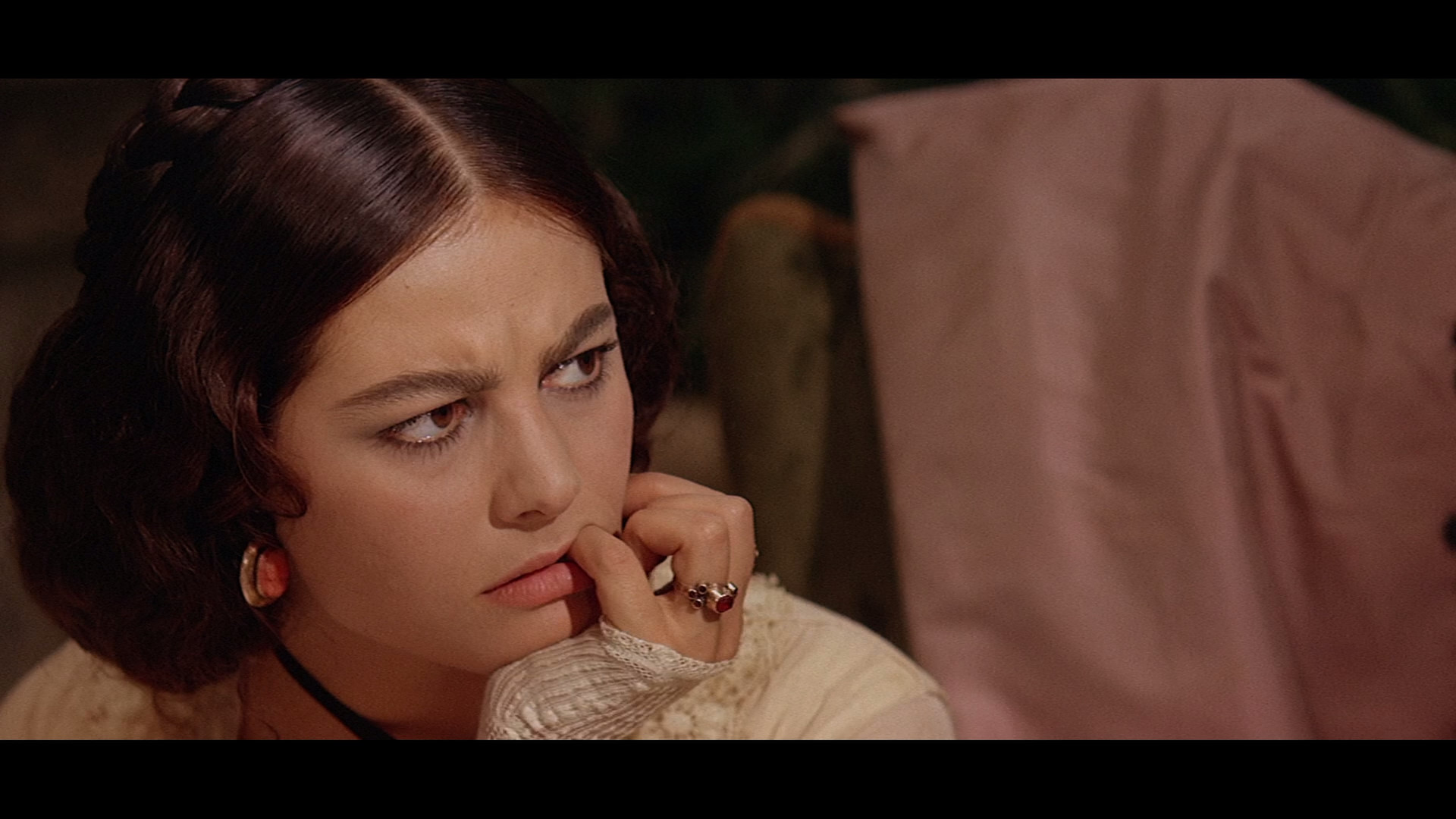
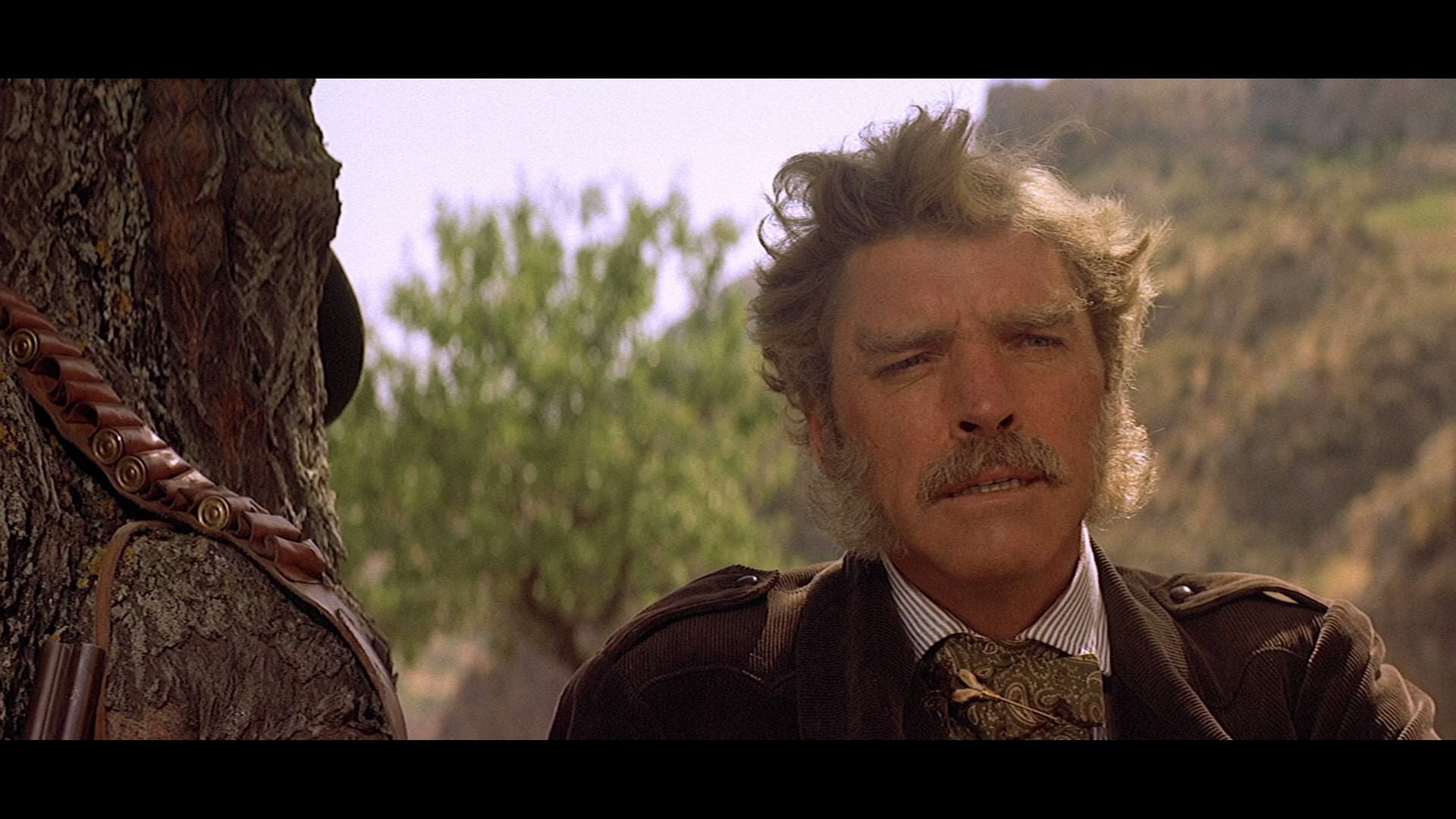
NOTE: The below Blu-ray captures were ripped directly from the Blu-ray disc. ADDITION: BFI - Region B Blu-ray - November 09: There are some issues about this release - so let's get them out of the way first. It has been reported that this disc has difficulty playing on modified Oppo Digital BDP-83 Blu-ray players. It supposedly has wobbly and / or jumpy movement that can corrupt the viewing experience. While I own the Oppo - I have been lazy to try region-free'ing firmware since I also own two Momitsu's (the 899 and 799) which are both region free by punching a code via the remote control. Oppo have been informed and may be working on a firmware fix. Secondly, this disc is currently only available from HMV in the UK. While we have considered becoming associated with this chain - I, and other ListServ members, have reported exorbitant shipping fees for international clients (this occurred while buying The Red Shoes when they had that 'exclusive'). It turned me off HMV completely and DVDBeaver does not endorse them. Luckily Amazon in the UK (one of the most reliable and customer friendly e-tailors in the world) have this listed for February of 2010. Plus there is another problem (see below). How does it look on my Momitsus? Stunning with an imperfection in the last hour of the film. This is one of the more beautiful films I think I've ever seen - and certainly worthy of a 1080P transfer. Like the 2004 BFI DVD (of which this source is seemingly based) this is in the 2.21 aspect ratio. The entire spectrum of colors jumps to life with brighter more vibrant hues on Blu-ray. Detail takes a large step forward, grain is readily apparent and, despite the films extensive running time filling almost 40 Gig - with a mid 20's bitrate, the transfer encapsulates some real depth at times. While it supports the Criterion DVD transfer in appearance - absolutely everything I can judge is improved - and with a film of this grandeur - it can often be overwhelming. But..... NOTE : The last Blu-ray disc file (14.5 Gig - 00011.m2ts) has a predominantly darker transfer than we've seen from the DVDs (see our ballroom screen grab below). Rest assured - we will investigate - but it almost looks like moiring at times as the black levels are so uncharacteristically pitch.Audio gives two options - Linear PCM 2.0 channel track Italian at 1536 kbps and an English Dolby Digital offering. It sounds almost as good as it looks with some range limitations in the original 2.0 channel stereo. Nino Rota's symphonic original score is a real beauty and it sound very nice with a crisp high-end and supportive bass response. There are optional English subtitles for the feature and the commentary as Rossana Capitano's beautiful accent may be a shade difficult from some to interpret at times. Nothing new in the supplements - I had forgotten how informative this commentary (a Herculean project for the, staggeringly deep, 3 hour film) is - and we get the same 10-minute Cardinale interview (with optional subs) in HD but also now a 3:15 trailer in HD as well.
NOTE: In further investigation - we can confirm that there appears to be something wrong with the last Blu-ray file - in that the black levels are extravagantly compromised. Please stay tuned. ***
ON THE DVDs: Criterion's transfer of the 70mm negative at Technicolor was in London 2003. They transferred this newly discovered element in High-Definition 24f, which would allow for equivalent down-conversion to both PAL and NTSC, so no transfer from NTSC to PAL would be necessary. BFI matched this image and the recent Italian restored soundtrack. The opticals were produced by Lee Kline from Criterion with Giussepe Rutonno, and set within the new 70mm transfer, after which BFI recieved the Pal clone of the finished HD Master.
Regarding aspect ratio, there is a lot of misinformation running around about this. The Leopard was originally shot in 35mm Technirama at 2.35:1, then blown up to 70mm Super-Technirama which has an aspect ratio of 2.21:1. This blowup results in a beautiful 70mm element but has the adverse effect of shaving off the sides by a slim margin. Since this picture was slated to be blown up to Super-Technirama, one can assume that Visconti and Rutonno framed their compositions with this in mind. So... what this means is, both the Criterion and the BFI DVD display the 70mm elements, in all the beautiful colour that gauge was capable of. If you're watching another (ex. Italian Medusa DVD) that displays a little more image on the right and left, then it's pretty clear this was made from the "restored 35mm print", containing a little more left and right, but faring far worse in overall colour, contrast, detail, grain, condition, etc...
We can dismiss the Medusa right away for its 35mm image that is faded and hazy.
The Criterion looks to have gone through a filtering of some sort and is slightly sharper than the BFI. The BFI commentary is wonderful and is a strong reason to choose this version or both this and the Criterion. I was less impressed by Peter Cowie commentary on the Criterion, but is also full of marvelous insight. Colors are accurate in both. Unless you are projecting on a large surface I think you would be happy (or even ecstatic) with either. It may be a case of personal preference and where you can get it most reasonably. The Criterion does offer the shorter release as well, if you are interested in that. |

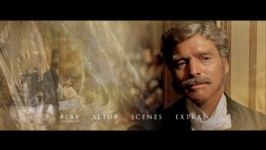
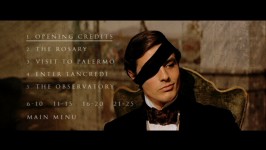
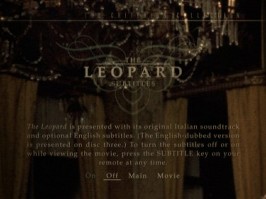
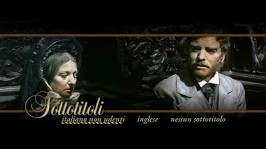
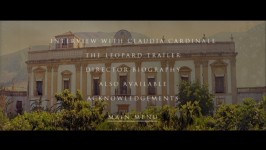
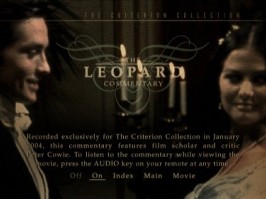
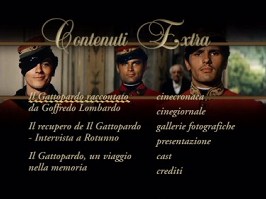
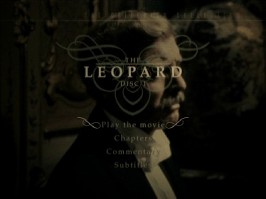
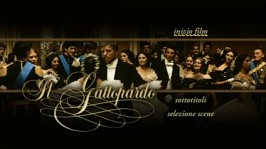
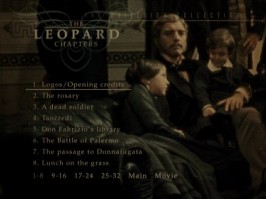
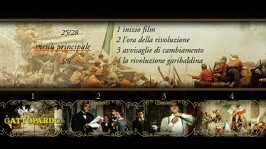
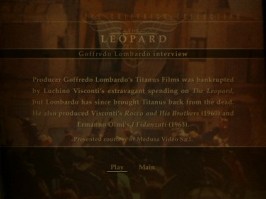
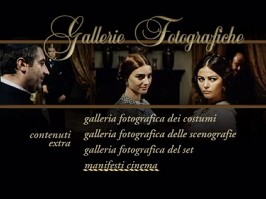
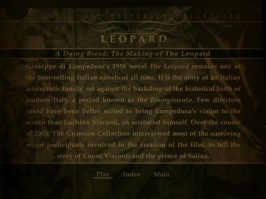
DVD Menus
(BFI - Region 2- PAL LEFT vs. Criterion
- Region 1 - NTSC - MIDDLE vs. Medusa - Region 2 - PAL - RIGHT)
 |
|
|
 |
|
|
 |
 |
 |
 |
 |
 |
 |
|
|
 |
|
|
CLICK EACH BLU-RAY CAPTURE TO SEE ALL IMAGES IN FULL 1920X1080 RESOLUTION
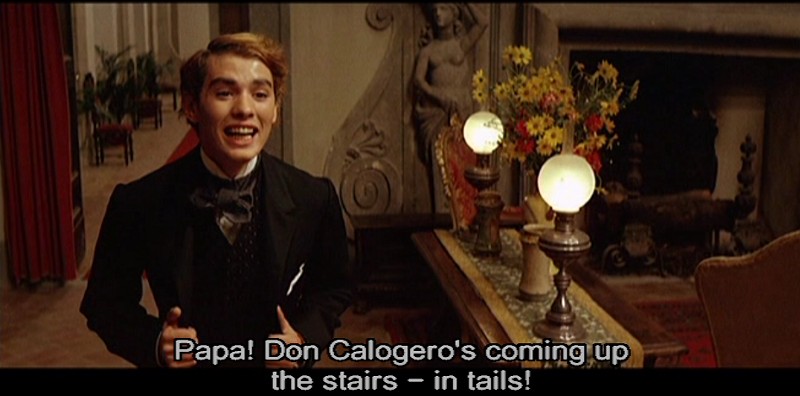
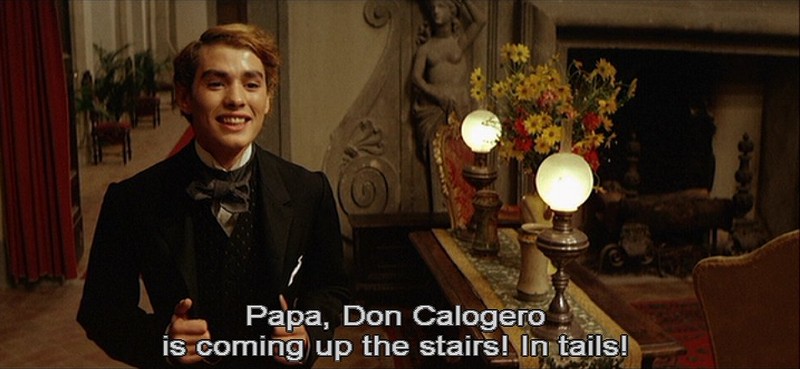
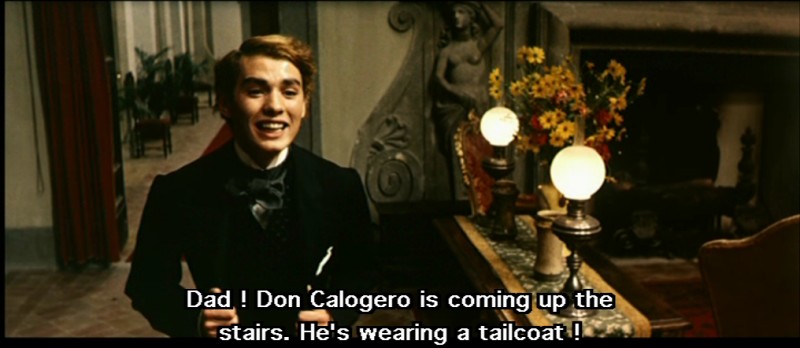
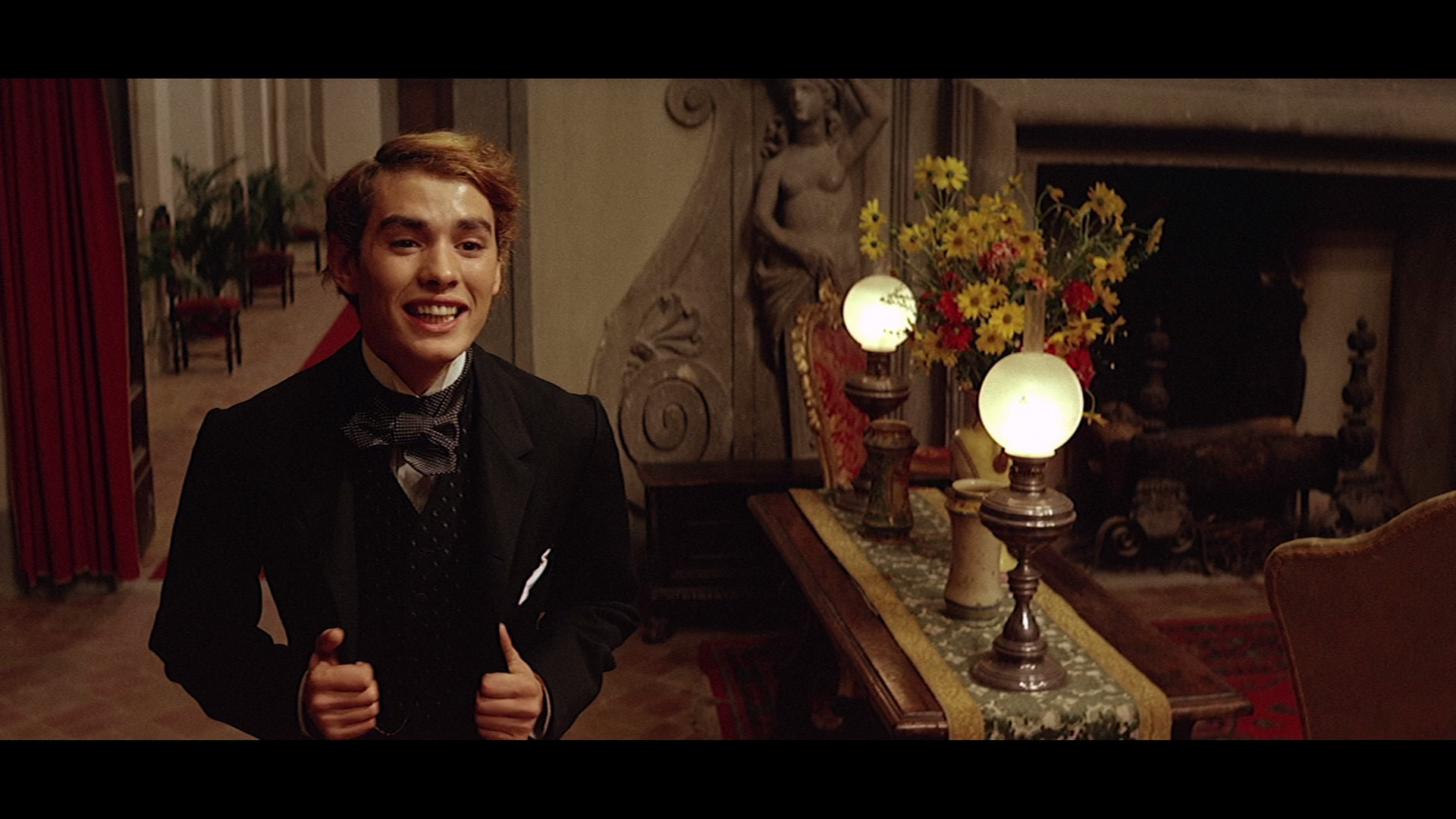
Subtitle Sample
|
1) BFI - Region 2 - PAL TOP 2) Criterion - Region 1 - NTSC - SECOND3) Medusa - Region 2 - PAL - THIRD4) BFI - Region 'B' - Blu-ray BOTTOM |
 |
|
|
|
|
 |
Screen Captures
|
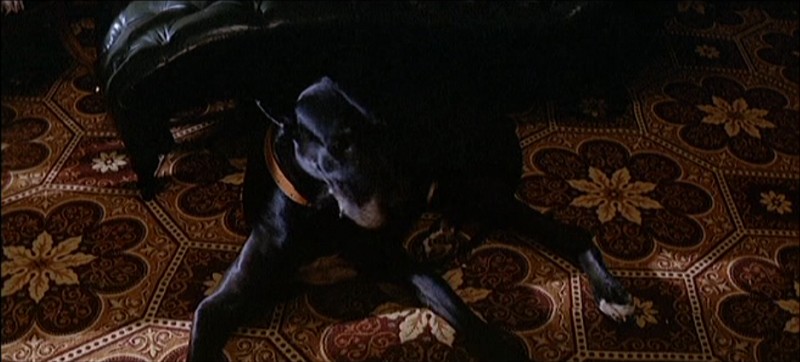
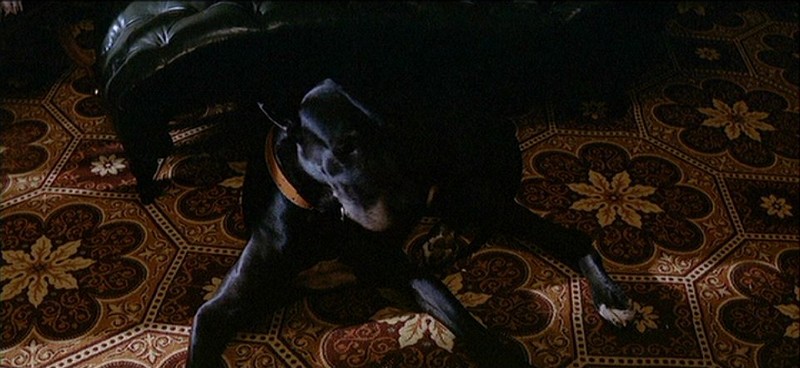
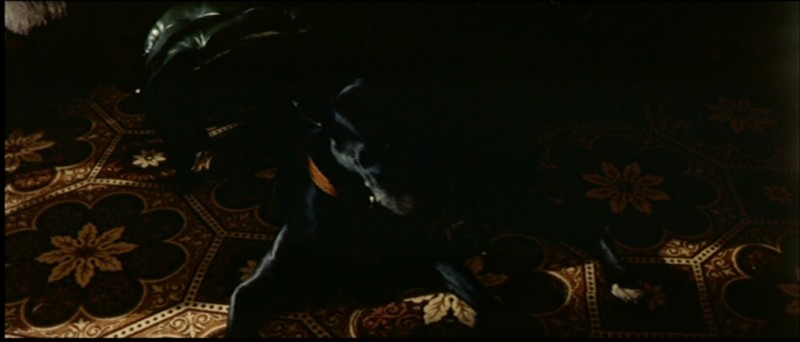
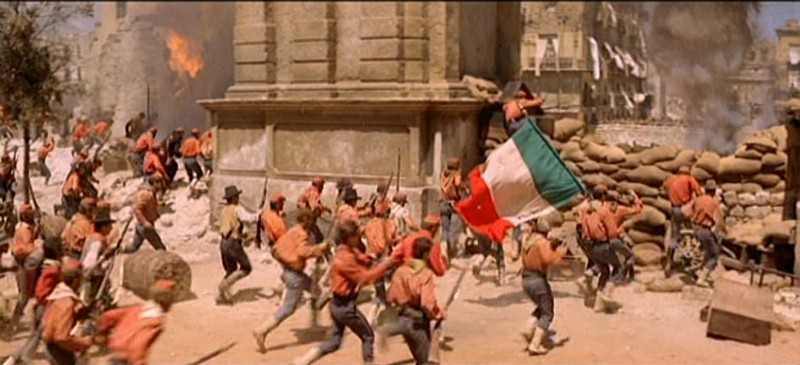
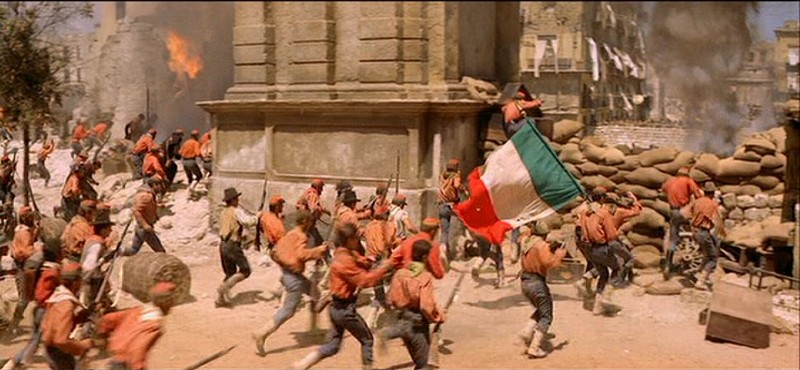
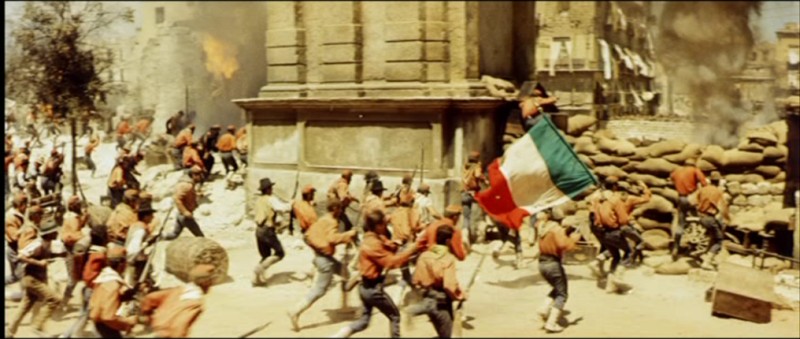
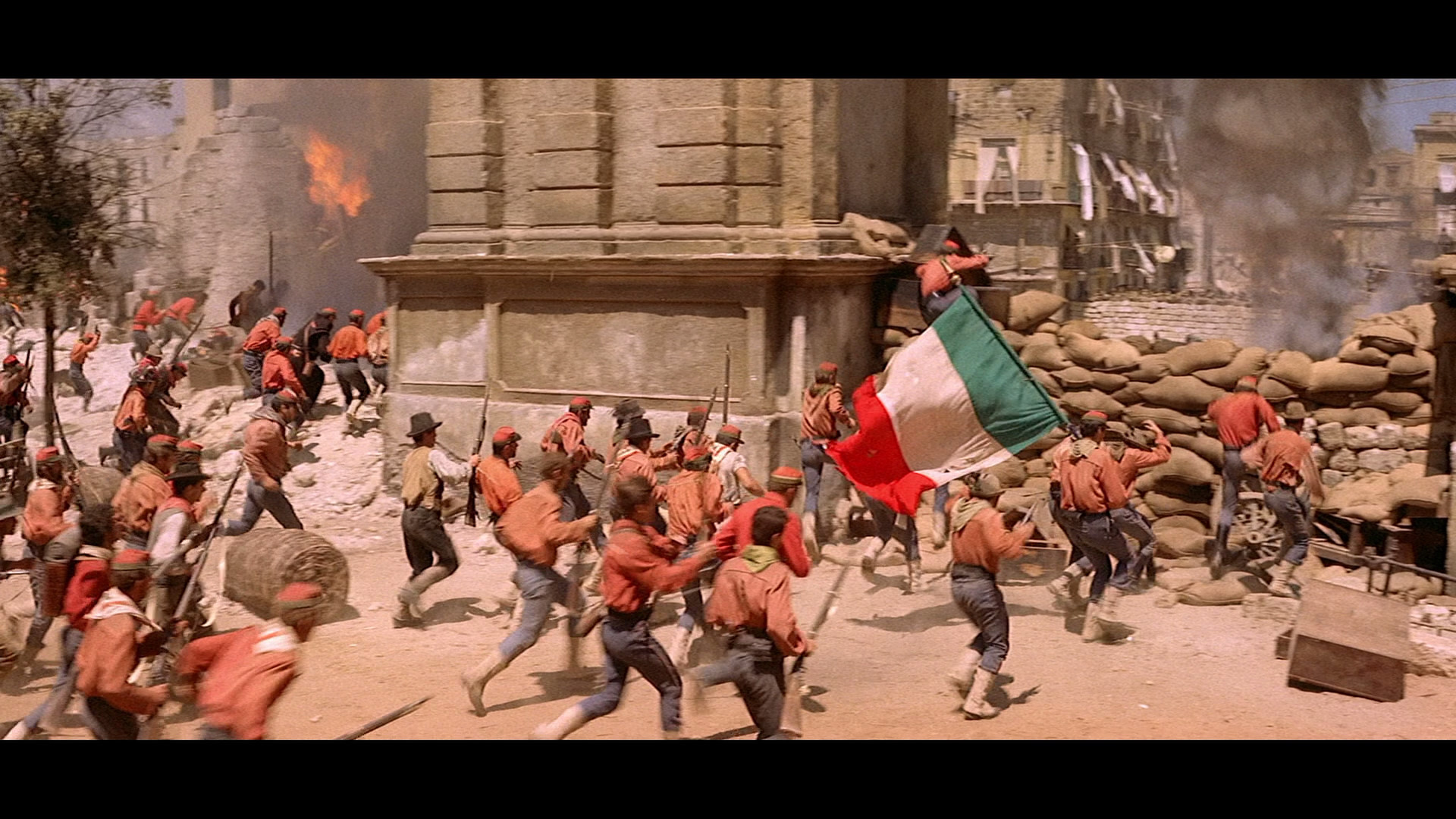
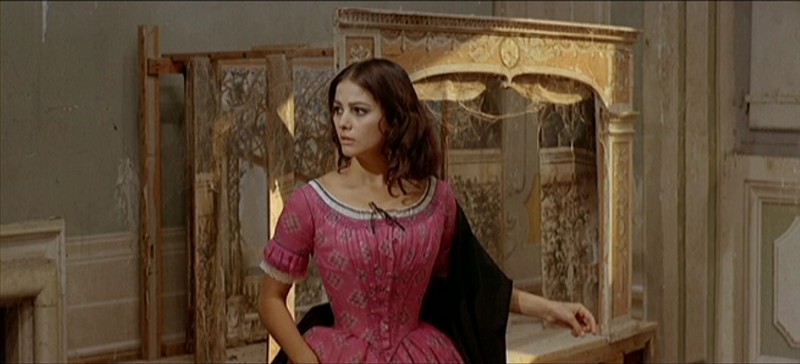
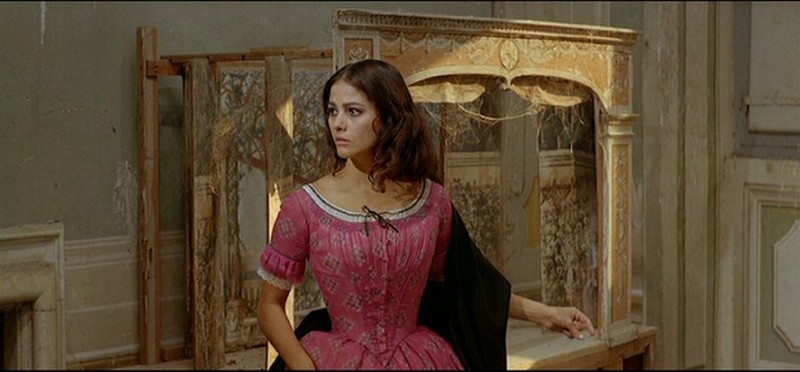
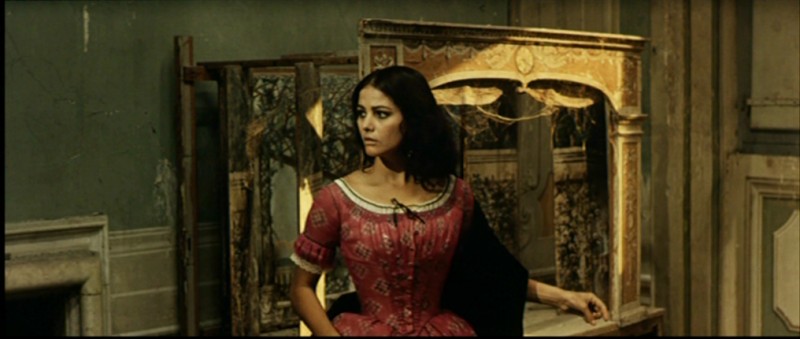
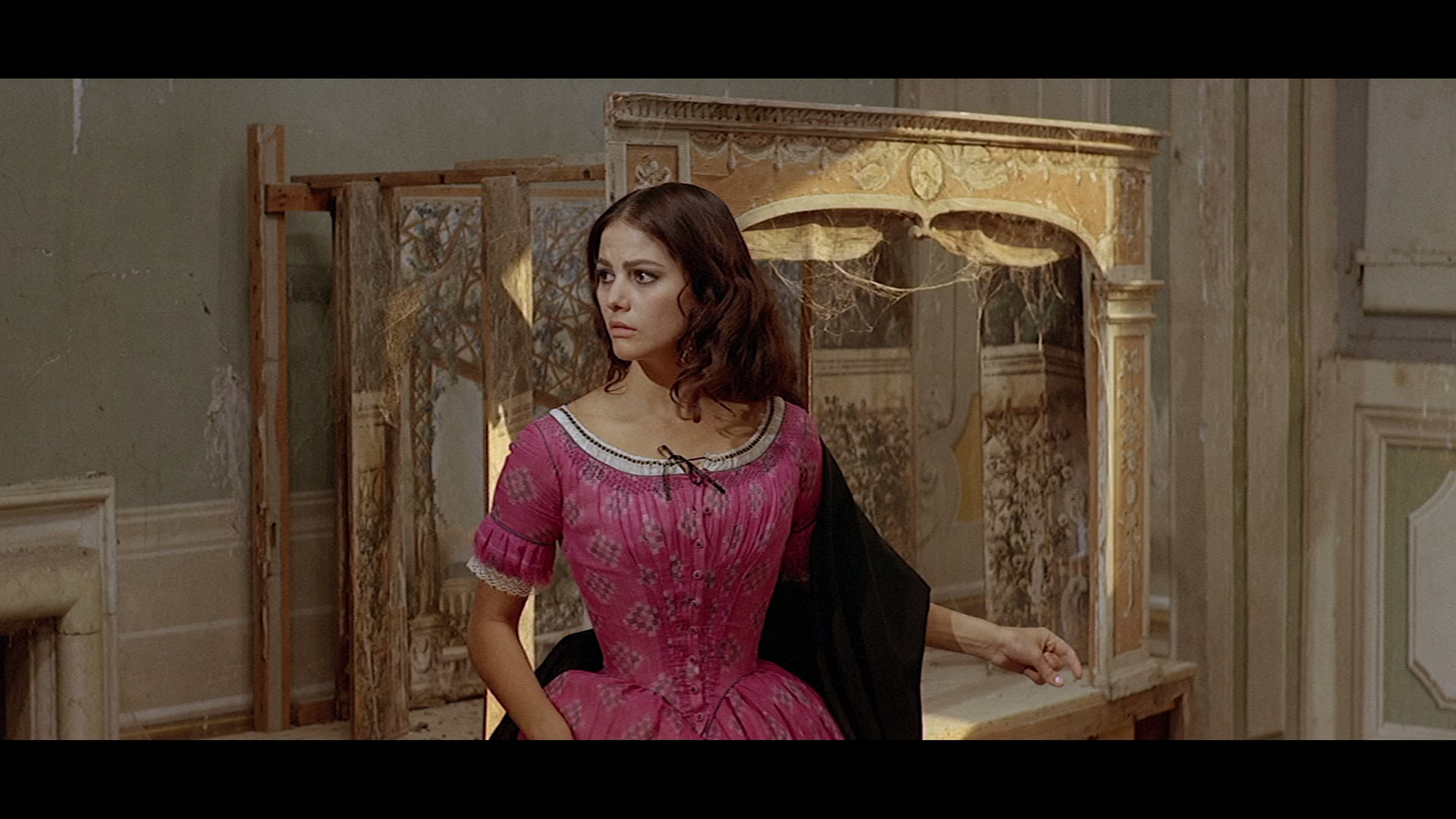
1) BFI - Region 2 - PAL TOP 2) Criterion - Region 1 - NTSC - SECOND3) Medusa - Region 2 - PAL - THIRD4) BFI - Region 'B' - Blu-ray BOTTOM |
 |
|
|
|
|
 |
|
1) BFI - Region 2 - PAL TOP 2) Criterion - Region 1 - NTSC - SECOND3) Medusa - Region 2 - PAL - THIRD4) BFI - Region 'B' - Blu-ray BOTTOM |
 |
|
|
|
|
 |
|
1) BFI - Region 2 - PAL TOP 2) Criterion - Region 1 - NTSC - SECOND3) Medusa - Region 2 - PAL - THIRD4) BFI - Region 'B' - Blu-ray BOTTOM |
 |
|
|
|
|
 |
|
1) BFI - Region 2 - PAL TOP 2) Criterion - Region 1 - NTSC - SECOND3) Medusa - Region 2 - PAL - THIRD4) BFI - Region 'B' - Blu-ray BOTTOM |
 |
|
|
|
|
 |
More Blu-ray Captures
 |
 |
 |
 |
 |
Report Card:
|
Image: |
Blu-ray |
|
Sound: |
Blu-ray |
| Extras: | BFI (prefer commentary, but Criterion is stacked) |
| DVD Box Covers |
|
|
|
|
| Distribution |
BFI Region 2 - PAL |
Criterion Collection Region 1 - NTSC |
Medusa Region 2 - PAL |
BFI Region 'B' - Blu-ray |
DONATIONS Keep DVDBeaver alive and advertisement free:
Mail cheques, money orders, cash to: or CLICK PayPal logo to donate!
|
Gary Tooze
Mississauga, Ontario, CANADA |
|
